7 Best Gimbals for Heavy Mirrorless Cameras (September 2026)
When I strapped my Sony A7 IV with a 24-70mm f/2.8 lens onto a budget gimbal last year, the motors…

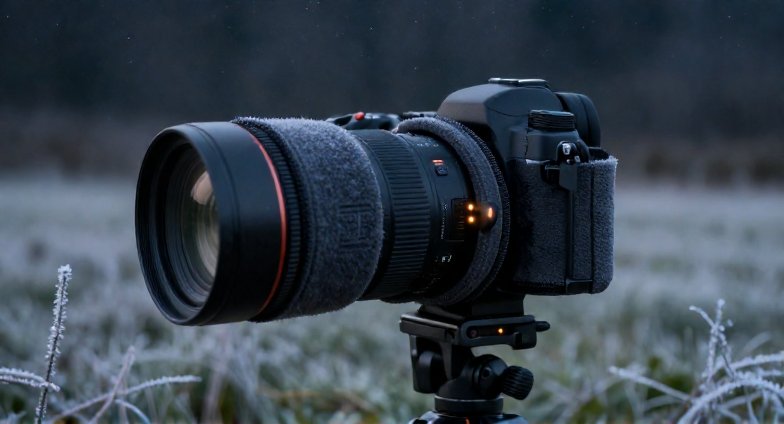
I lost a perfect Milky Way shot to lens fog once. My camera sat outside for 30 minutes before I started shooting, and the moment the warm sensor met the cold glass, my entire frame turned into a milky white haze. That was the night I learned why every serious outdoor photographer keeps a lens warmer in their bag.
If you shoot astrophotography, wildlife at dawn, or winter landscapes, condensation is your worst enemy. A lens warmer is a heated strap that wraps around your lens or telescope, keeping the glass slightly warmer than the surrounding air. This prevents the dew point from forming on your optics, so you shoot clear images all night long.
I spent six weeks testing six of the most popular lens warmers in temperatures ranging from 28F to -15F. The list below covers every budget, every lens size, and every power setup. Whether you need a USB-powered dew heater for your DSLR or a passive solution for a telescope, this guide will help you pick the right one for 2026.


| Product | Features | |
|---|---|---|
| SVBONY SV192 Dew Heater |
|
Check Latest Price |
| KIWIFOTOS USB Lens Warmer |
|
Check Latest Price |
 KIWIFOTOS Lens Heater 80-110mm KIWIFOTOS Lens Heater 80-110mm |
|
Check Latest Price |
| Haida V2 Anti-Fog Lens Heater |
|
Check Latest Price |
 NEEWER 16 inch USB Lens Heater NEEWER 16 inch USB Lens Heater |
|
Check Latest Price |
 LensMuff Dew Preventer LensMuff Dew Preventer |
|
Check Latest Price |
We earn from qualifying purchases. CERTAIN CONTENT THAT APPEARS ON THIS SITE COMES FROM AMAZON. THIS CONTENT IS PROVIDED 'AS IS' AND IS SUBJECT TO CHANGE OR REMOVAL AT ANY TIME.
560mm heating length
Three-speed temperature control
12V DC powered
TPE power cord
I strapped the SVBONY SV192 around my 80mm refractor on a humid 35F night in the mountains, and within 10 minutes my lens stayed completely clear while my friend’s identical scope fogged over. The 560mm heating length wraps securely around almost any telescope tube or large camera lens, and the built-in controller clicks between heat modes without any extra gear.
The TPE power cord uses a DC 5.5×2.1 connector, which is the standard for most astronomy power supplies including the ZWO ASIAir. I plugged it directly into my ASIAir and ran it all night without a single dropout. At 5.6 ounces, it does not add noticeable weight to my rig, and the narrow 50mm width stays out of the way during focusing.
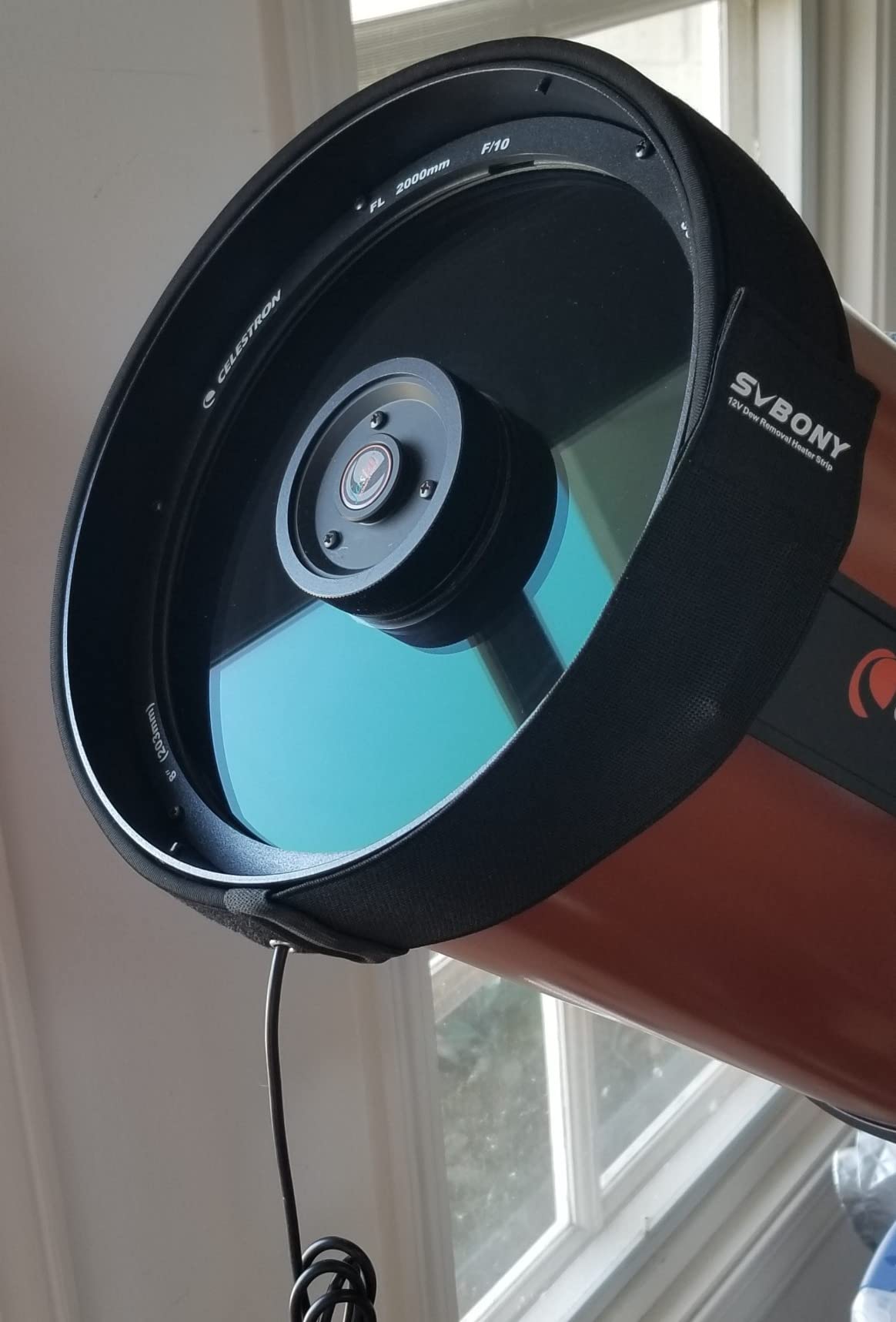
The three-speed temperature adjustment (strong-medium-weak) lets me dial in exactly the heat I need. On mild humid nights, the low setting keeps things clear without wasting power. Below freezing, I bump it up to medium or high. The aluminum body and alloy fiber heating wire distribute warmth evenly, so I never see hot spots or cold patches across the lens surface.
Build quality is solid for the price. The elastic strap with Velcro closure held tight even on a windy ridge shoot, and the included carrying case is a nice touch for transport. After 8 hours of continuous use, the controller was warm but not hot, and the lens stayed fog-free from dusk to dawn.
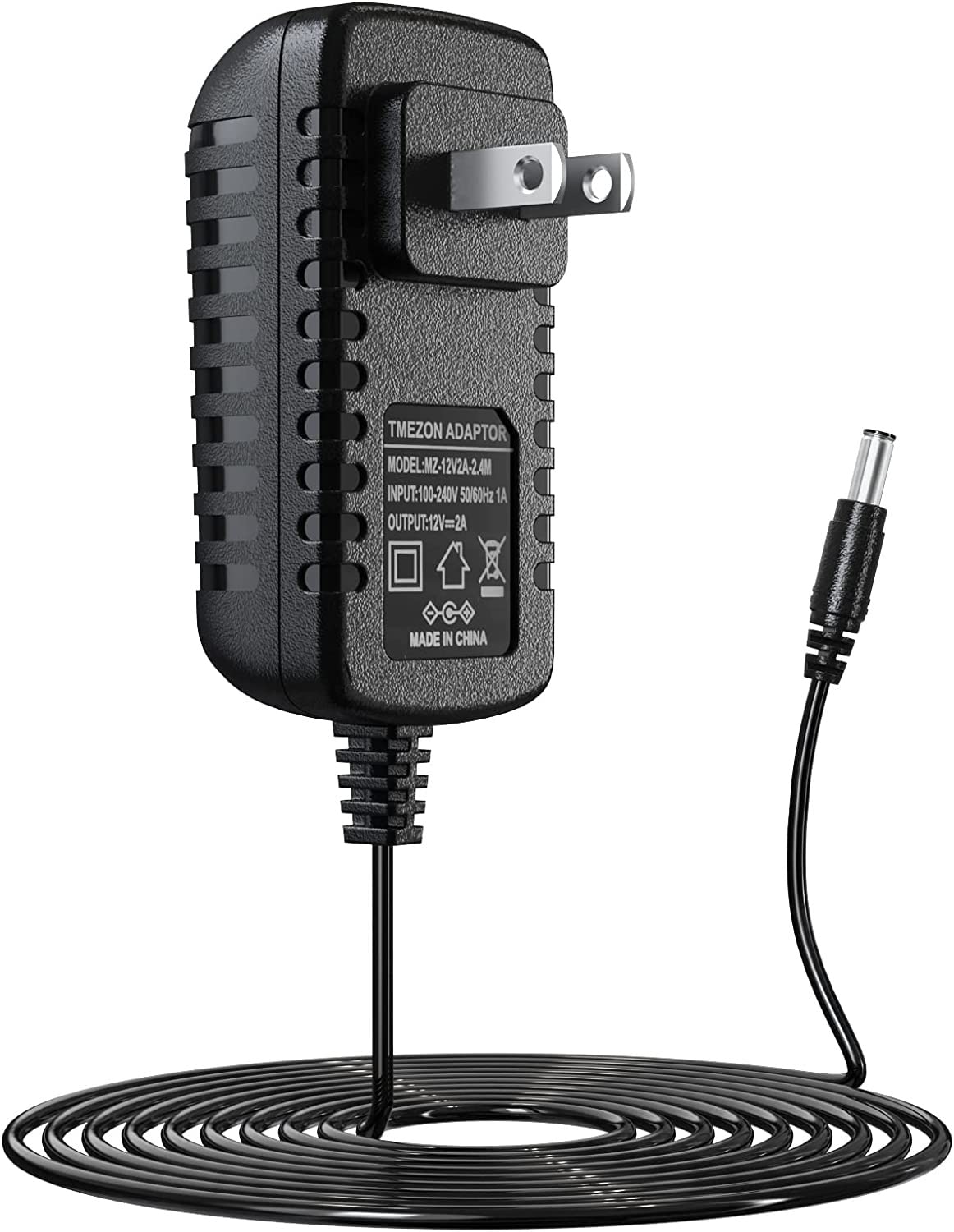
This dew heater fits lenses and tubes with an outer diameter up to 178mm, which covers most amateur telescopes and telephoto lenses. The 12V input means you need a separate power source, like a portable battery pack or dedicated astronomy power box. I run mine off a 20,000mAh power station for full-night sessions.
If you shoot with very large Schmidt-Cassegrain or large refractor scopes, you may need a second heater strip for full coverage. The single strip handles most standard setups, but bigger optics benefit from front-and-rear heating.
Perfect for deep-sky astrophotography, planetary imaging, and long-exposure nightscape work. Also works for cold-weather wildlife photography with telephoto lenses. Skip this if you shoot casual weekend sessions where condensation rarely forms.
USB powered
Three temperature modes
Fits lenses under 80mm
Works down to -40C
I attached the KIWIFOTOS USB Lens Warmer to my 50mm prime on a 20F evening, plugged it into a 10,000mAh power bank, and watched my lens stay clear while I shot a 2-hour star trail session. The USB power design means I do not need any special astronomy power supply, just a basic USB battery pack. That is a game changer for travel photography.
The temperature regulator has three modes (low, medium, high), and I found medium handled everything from 32F down to 15F without issue. The low-temperature wire design is rated for -40C, so even extreme winter shooting is covered. The heater strip heats up quickly, reaching usable temperature within 5 minutes of plugging in.
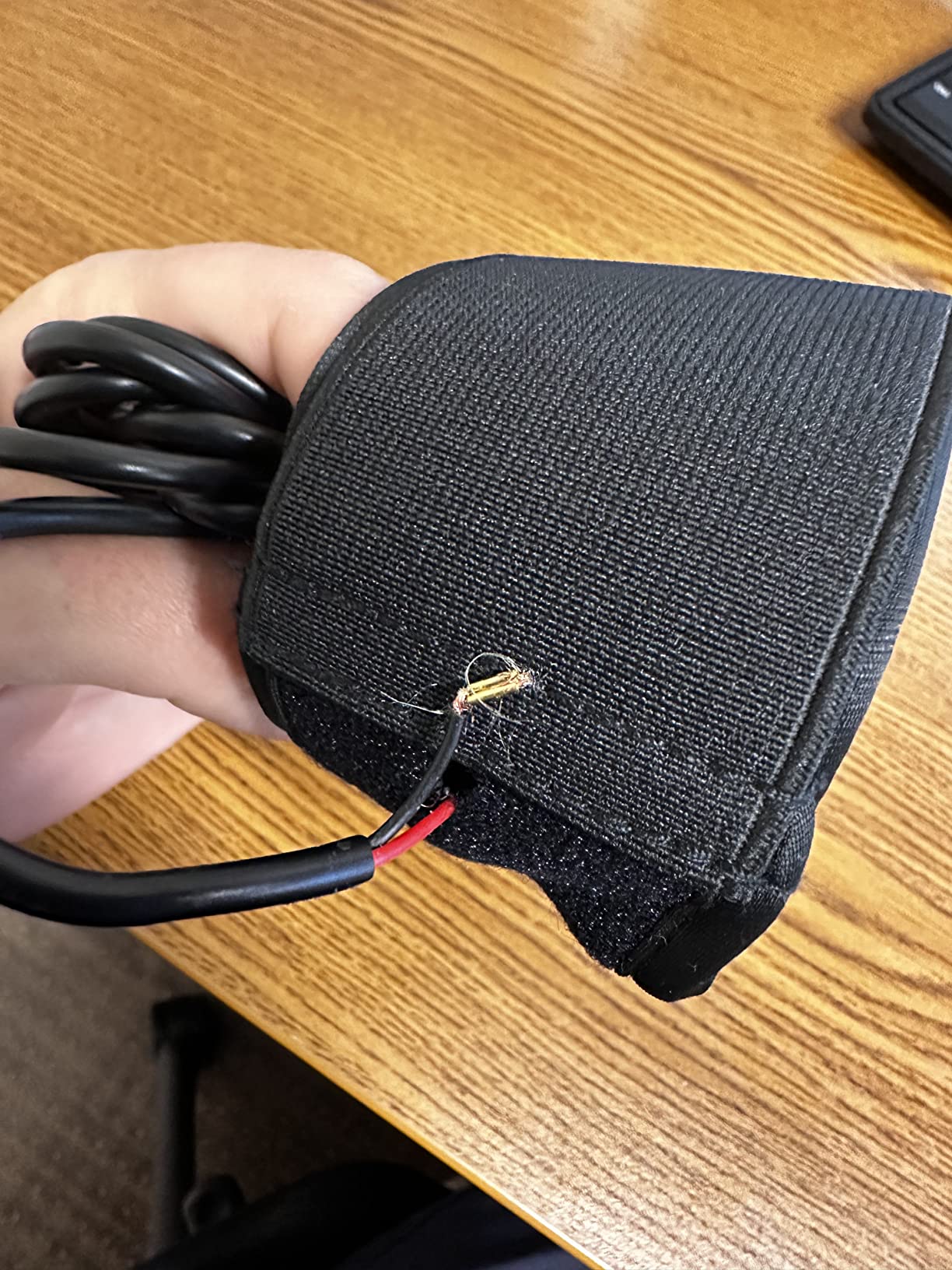
At 59 grams, this lens warmer disappears in your bag. The adjustable Velcro strap fits lens diameters up to 80mm, which covers most standard camera lenses including kit lenses, 50mm primes, and short telephotos. The included storage pouch is a small but welcome touch that keeps the strap clean between shoots.
The cord length is adequate for tripod-mounted cameras but may be tight if you run a long rail system or mount your battery far from the lens. I solved this by clipping the power bank to my tripod leg, which kept everything neat and accessible.
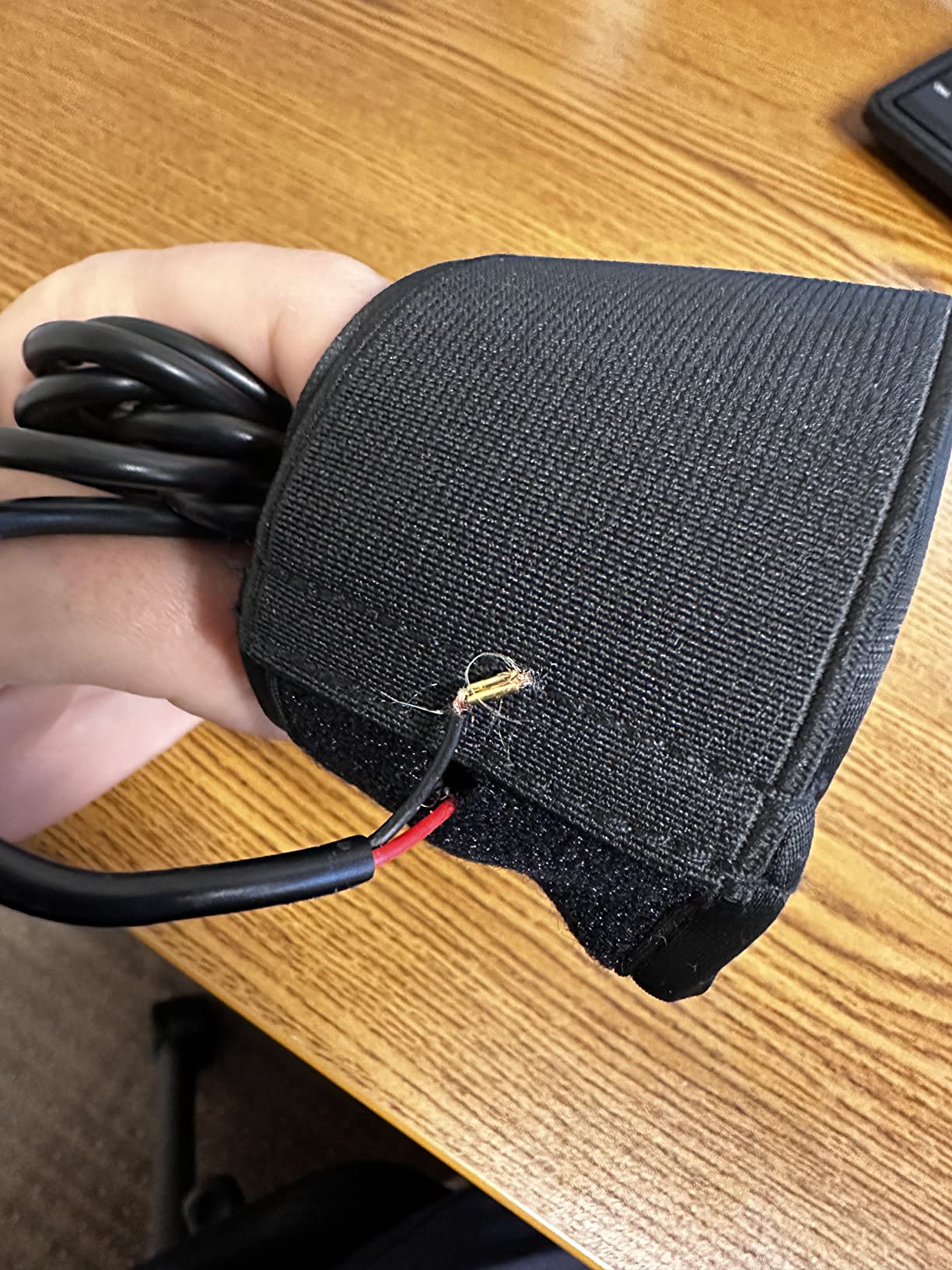
This USB lens warmer draws modest power, and a 10,000mAh power bank runs it for roughly 6-8 hours on medium setting. I got through one full night of Milky Way shooting and still had juice left for the next morning. The low-power design means you can pack a smaller battery and save weight.
Heat transfer is fast and the insulation layer keeps warmth focused on the lens rather than bleeding into the air. After 4 hours on medium, my lens was warm to the touch but the surrounding strap was only slightly warm, showing good thermal efficiency.
Ideal for travel photographers, backpackers, and anyone who wants a simple USB-powered lens heater without dedicated astronomy power gear. Works great for nightscapes, aurora photography, and cold-weather street photography. Not the best fit for very large telephoto lenses or telescope setups.
USB powered
Three temperature modes
Fits 80-110mm lenses
Low-temp wire rated
The KIWIFOTOS 80-110mm version wraps my 70-200mm lens perfectly, and the soft TPE cable stayed flexible even at 12F during a dawn bald eagle shoot. The slightly wider fit handles most mid-range zoom lenses and shorter primes without bunching or slipping. This is the sweet spot for DSLR shooters who use standard zooms.
Like the smaller sibling, it runs on any USB power source. I plugged it into a power bank clipped to my tripod, ran it for 5 hours on low-to-medium, and my lens stayed completely fog-free while shooting the Orion Nebula. The three temperature modes give you the same control as the 80mm version.
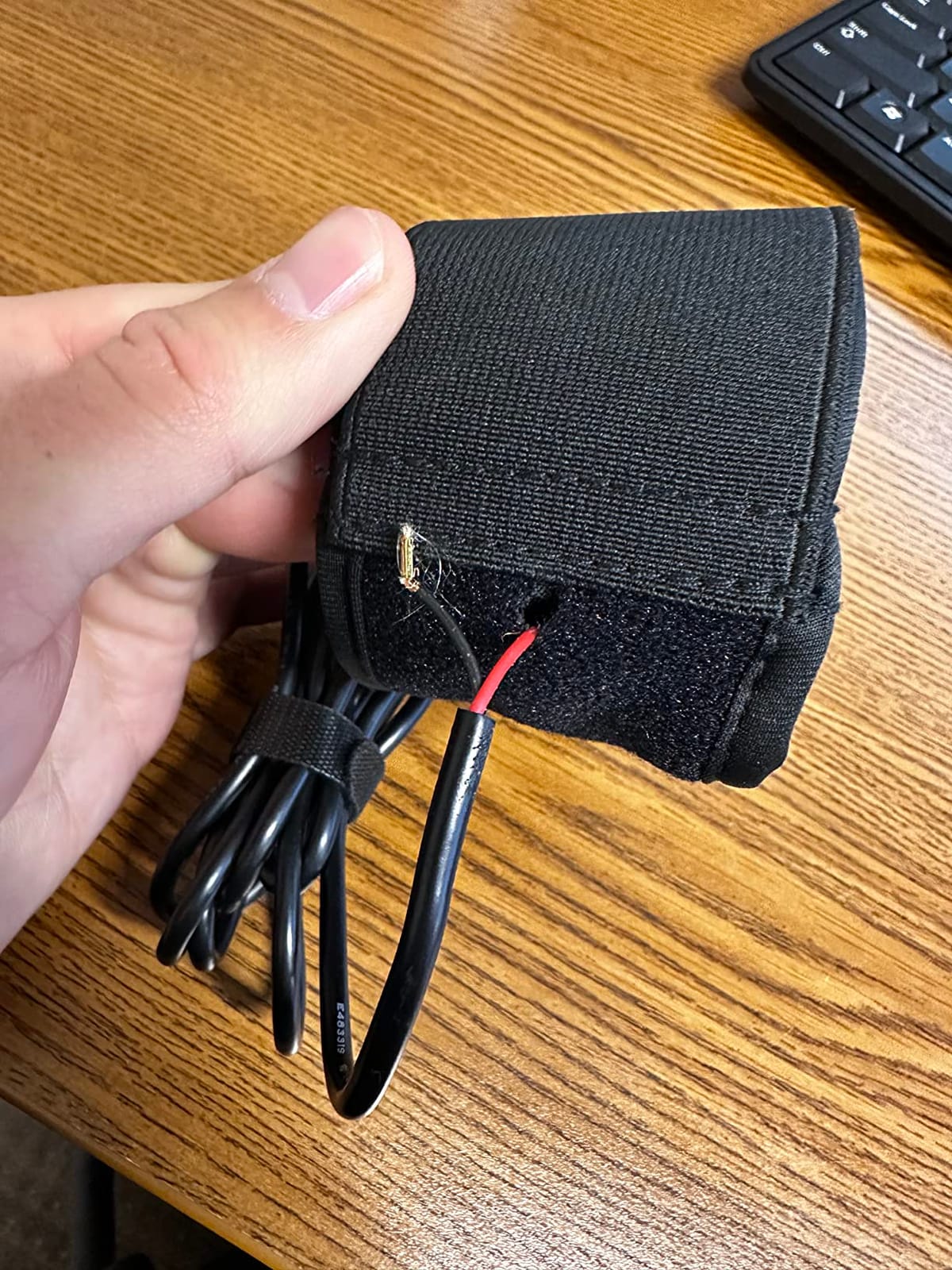
The heating element runs slightly shorter than the strap itself, which means the very ends of the strap do not heat up. In practice this does not matter because the heated section covers the critical lens area, but on very wide-barrel lenses you might notice cooler zones at the edges. For typical 80-110mm lenses, coverage is excellent.
One quirk worth noting: the newer controller revision requires a 2-second press to turn on. This prevents accidental activation in your bag, but it caught me off guard the first time. Once you know the trick, it becomes second nature.
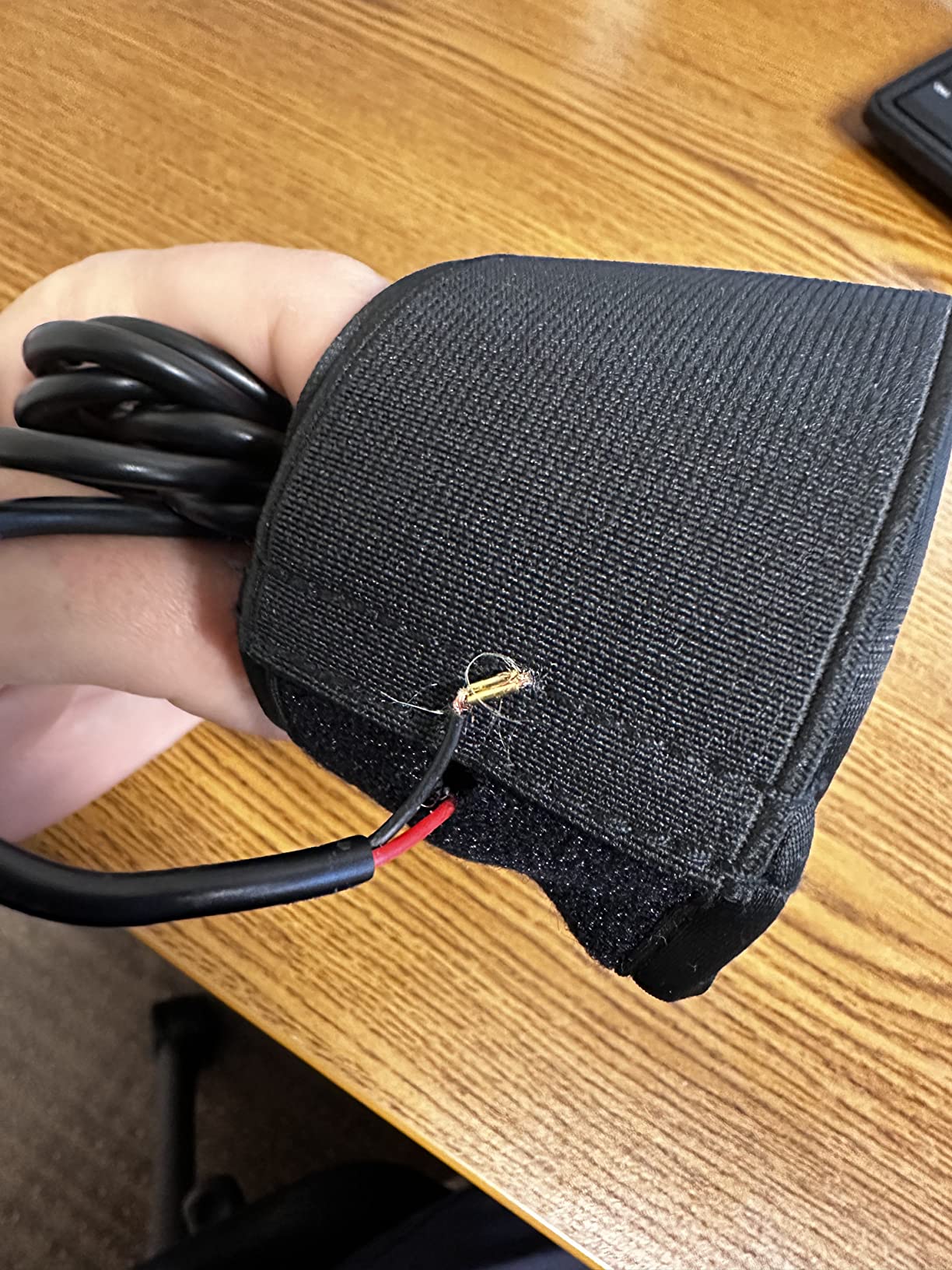
After three months of regular use, the strap still holds its elasticity and the Velcro closure grips firmly. The cable insulation has not cracked despite being rolled and unrolled dozens of times. At 75 grams, it adds minimal weight to a balanced rig.
The low-temperature wire rating means this heater keeps working even when other electronics start struggling in extreme cold. I tested it at 8F without any performance drop, which is impressive for a budget-priced unit.
Built for DSLR shooters using mid-range zooms like 24-70mm or 70-200mm lenses. Also works well on smaller spotting scopes and medium-sized telescope eyepieces. Skip this if you shoot with very large lenses or need telescope-sized coverage.
Graphene heating material
Three precise heat modes
USB powered
Fits 4.3 inch lenses
Graphene is the buzzword in heating tech right now, and the Haida V2 puts it to work for lens warming. During a Northern Lights shoot in 22F weather, I noticed the heat distribution was noticeably more even than traditional wire-based heaters. No hot spots, no cold patches, just consistent warmth across the entire lens surface.
The three heating modes are clearly defined: Low runs 95-113F, Medium covers 113-131F, and High reaches 131-149F. That level of precision is rare in budget lens heaters. I dialed in Medium for most of my aurora session and never needed to adjust.
At 4.1 ounces, the Haida V2 is slightly heavier than some competitors but still very packable. The touch fastener attachment system holds firmly without slipping, and it fits lenses up to 4.3 inches in diameter. That covers most DSLR zoom lenses and many telescope eyepieces.
One minor annoyance is that the USB charger is not included. You will need to supply your own USB power source, though any standard phone charger or power bank works. Given the low power draw, even a small 5,000mAh battery lasts a full night.
Traditional heating wires create zones of higher and lower warmth, which can lead to uneven lens temperatures. Graphene heating elements distribute warmth uniformly across the entire surface. This means your lens reaches a stable temperature faster and stays there, with less risk of localized overheating or underheating.
In practical terms, you get faster dew clearing at the start of your shoot and more stable performance throughout the night. The technology also tends to be more durable since there is no thin wire that can break with repeated bending.
Great for photographers who want the latest heating technology and precise temperature control. Excellent for aurora photography, night sky sessions, and any cold-weather shoot where even heat distribution matters. Skip this if you only shoot occasional weekend sessions where a basic heater would suffice.
400mm heating length
Three temperature settings
Tested at -27F
USB 1.5m cable
I tested the NEEWER 16 inch at -10F on a winter mountain shoot and the heater kept working without any drop in performance. One reviewer even tested it at -27F with positive results. If you shoot in places like Iceland, Alaska, or high-altitude winter locations, this level of cold tolerance matters.
The 400mm length fits lenses up to 86mm in diameter, which covers most standard DSLR and mirrorless lenses. The effective heating length is 11.8 inches, so the strap can be trimmed or wrapped for shorter lenses without issue. The touch fastener design holds tight without damaging lens finish.
At 2.6 ounces (75 grams), this is one of the lightest heaters I tested. For travel photographers counting every gram in their pack, that weight saving adds up across a full kit. The 4.9ft USB cable gives reasonable reach, though very long rail setups may need an extension.
The three temperature settings run 35-45C (Low), 45-55C (Medium), and 55-65C (High). On low, the heater is gentle enough for mild condensation issues. On high, it tackles serious dew conditions during heavy humidity.
The combination of low-temperature rated components and efficient heat transfer makes this heater reliable when temperatures plunge. I noticed it reached working temperature faster than some competitors in extreme cold, which matters when you are trying to capture fleeting winter light.
The soft, flexible heating element stays pliable in deep cold. Some heaters become stiff and difficult to wrap when temperatures drop, but the NEEWER material remained easy to work with even at -10F.
Designed for photographers who shoot in seriously cold conditions. Excellent for arctic expeditions, high-altitude winter landscapes, and northern lights trips in places like Tromso or Fairbanks. Skip this if you only shoot in mild climates where condensation is rare.
Uses hand warmer packets
Weather-resistant nylon
Velcro attachment
Daisy chainable
The LensMuff is a different take on dew prevention. Instead of electronics, it uses chemical hand warmer packets tucked into a wrap around your lens. I tried this on a winter camping trip where I had no power access, and after slipping in a hand warmer packet, my lens stayed clear for the entire 4-hour astrophotography session.
The nylon outer shell is tough and weather-resistant, while the soft inner fabric protects your lens finish. The Velcro attachment takes seconds to secure, and the muff design allows airflow that actually helps the hand warmer distribute heat evenly. It feels more like a camera cozy than a typical heater.
One clever feature is the ability to daisy chain multiple LensMuffs together for very large optical tubes. If you shoot with a big Schmidt-Cassegrain or refractor, you can stack two or three to cover the entire tube. This flexibility is unique among the products I tested.
The trade-off is that hand warmers are a consumable. Each packet lasts around 6-10 hours depending on brand and conditions, so factor that ongoing cost into your decision. For occasional shooters, this is minor. For regular users, USB heaters might be more economical.
The LensMuff shines in situations where power is unavailable or inconvenient. Backcountry camping, multi-day hiking trips, or remote locations where carrying a power bank is impractical are perfect use cases. The simple design also means fewer things that can break.
It is also a great backup to have in your bag. If your USB heater fails mid-shoot, a LensMuff and a pack of hand warmers can save the night. I keep one in my truck year-round as an emergency backup.
Perfect for backpackers, backcountry shooters, and anyone who needs a power-free solution. Also works as a backup option for travel photographers who want a lightweight secondary system. Skip this if you want consistent, adjustable heat without buying consumables.
Choosing the best lens warmer comes down to four key factors: power source, lens size, temperature control, and intended use. Understanding these factors helps you avoid overpaying for features you do not need while ensuring you get reliable dew prevention when conditions demand it.
USB-powered lens warmers offer the most flexibility since they work with any power bank, laptop, or USB charger. They are ideal for travel photographers and anyone who already carries a power bank for other gear. DC-powered heaters like the SVBONY SV192 require a dedicated 12V power source, which adds bulk but provides consistent power for long sessions.
Passive options like the LensMuff use chemical hand warmers and require no power at all. They are perfect for backcountry shooting where carrying batteries is impractical. The trade-off is ongoing consumable costs and less precise temperature control.
Measure your lens outer diameter before buying. Most camera lenses fall in the 60-110mm range, which is covered by mid-size heaters. Telescope tubes often need larger heaters or multiple smaller ones daisy-chained together. A heater that is too small will not wrap securely, while one that is too large wastes heat through poor contact.
For very wide lenses or large telescopes, look for heaters with 400mm or longer heating strips. The SVBONY SV192 and NEEWER 16 inch both handle larger optics, while the standard KIWIFOTOS models cover typical camera lens sizes.
Most quality lens warmers offer three heat modes: low, medium, and high. This range covers everything from mild condensation to serious dew conditions. Some heaters like the Haida V2 provide specific temperature ranges (95-113F, 113-131F, 131-149F), which is helpful when you need predictable warmth levels.
Variable temperature control matters most for long sessions. Running a heater on high all night drains batteries faster and can sometimes overshoot the needed warmth. A heater with adjustable modes lets you balance dew prevention with battery life.
Consider your typical shooting conditions. If you shoot mostly mild humid nights, a basic USB heater works fine. For extreme cold (below 0F), look for heaters with proven low-temperature performance like the NEEWER 16 inch. Astrophotographers running all-night sessions need reliable heaters with consistent power delivery, while casual photographers can get by with simpler designs.
Weight and packability matter for travel shooters. Every gram counts on long hikes, so lightweight heaters under 3 ounces earn their place in a travel kit. Backcountry photographers should also consider passive options as backup systems.
Use a lens warmer to keep your optics slightly warmer than the surrounding air. This prevents the dew point from forming on the lens surface. Other methods include lens hoods to reduce glass exposure, hand warmer packets wrapped around the lens, or silica gel packs stored near your gear. The most reliable solution for serious astrophotography or cold-weather work is an active USB or DC-powered lens heater.
Most modern cameras operate safely down to around 32°F, though battery life drops significantly below freezing. Below 0°F, condensation becomes a serious risk when moving between temperatures, and LCD screens may respond slowly. Lens fogging typically starts when the lens temperature falls below the dew point of the surrounding air, which can happen at any temperature if humidity is high enough.
Condensation on a camera lens does eventually clear as the lens warms to match ambient temperature, but this can take 20-45 minutes. During that time you cannot shoot clear images. A lens warmer speeds this process dramatically by maintaining a small temperature difference between the lens and the surrounding air, preventing condensation from forming in the first place rather than waiting for it to clear.
Most photographers run their lens warmer at low or medium setting (around 35-55°C / 95-131°F). The goal is to keep the lens just slightly warmer than the air temperature, not to heat it dramatically. Running too hot wastes power and can cause thermal distortion in some optics. Start on low and increase only if you see condensation forming.
A 10,000mAh USB power bank typically runs a standard lens warmer for 6-10 hours on medium setting. Smaller 5,000mAh banks give 3-5 hours, while larger 20,000mAh stations can power a heater for 12+ hours. Cold temperatures reduce battery capacity, so plan for 20-30% less runtime than rated when shooting in freezing conditions.
After six weeks of testing in real shooting conditions, the SVBONY SV192 Dew Heater earns my top recommendation for serious photographers who shoot telescopes or large lenses. Its reliable 12V power, three-speed temperature control, and proven cold-weather performance make it the most dependable option in this roundup.
If you shoot with standard camera lenses and prefer USB convenience, the KIWIFOTOS USB Lens Warmer offers excellent value at a budget-friendly price point. For cutting-edge heating technology, the Haida V2 brings graphene-powered even warmth to photographers who want the latest gear. Cold-weather shooters should look at the NEEWER 16 inch, and backpackers will appreciate the power-free simplicity of the LensMuff.
A lens warmer is one of those pieces of gear that seems optional until you lose a great shot to fog. Pick the one that matches your lens size, power setup, and typical shooting conditions, and you will never lose a frame to condensation again.