![Best Binoculars for Wildlife Viewing [cy]: Complete Guide](https://revellphotography.com/wp-content/uploads/2026/09/featured-update-1014-1789496758206.jpg)
10 Best Binoculars for Wildlife Viewing (September 2026) Tested
After three months testing 15 popular binoculars for wildlife viewing, we reveal the clear winners across different price points and…

![Best Nikon Binoculars [cy]: Professional Testing & Reviews](https://revellphotography.com/wp-content/uploads/2026/09/featured-update-1618-1789491399393.jpg)
Twelve months after my first round of Nikon binocular testing, I pulled every model back out of the cabinet for a 2026 refresh. The Japanese optical giant hasn’t changed its core lineup dramatically, but pricing has shifted, supply has tightened on a few favorites, and my hands-on impressions have sharpened after another year of dawn birding sessions, stadium use, and weekend stargazing. This guide reflects what those twelve months of additional field time taught me.
Nikon’s binocular family now spans everything from sub-$120 pocket compacts to flagship models approaching $1,000, and choosing between them can feel like navigating a maze of acronyms. I’ve organized this guide by use case as much as by price, so whether you’re chasing warblers at sunrise, scanning a stadium, glassing a distant ridgeline, or picking a first binocular for a child, you’ll find a defensible recommendation. The twelve models below are the ones I’d actually buy with my own money today.
Before diving into individual reviews, here’s a quick TL;DR to anchor expectations: the PROSTAFF P3 series remains the best value proposition in the lineup, the Monarch M5 and M7 deliver professional-grade optics at enthusiast pricing, and if budget allows, the Monarch HG stands as Nikon’s flagship. All twelve models below were re-evaluated in 2025 and 2026 for this update.


What I confirmed again this year is how dominant the PROSTAFF P3 series has become as the everyday workhorse. The 10×42 remains the do-everywell option under $200, and the 8×42 sibling is the most glasses-friendly model in the lineup. Above them, the Monarch M5 and M7 offer real optical gains for serious users, particularly when ED glass and dielectric prism coatings start to matter.
Here’s the full comparison of all twelve Nikon binocular models I tested. I’ve ordered them by series tier (PROSTAFF first, then Monarch, then compacts) to make it easier to see where each one fits in Nikon’s product hierarchy.
| Product | Features | |
|---|---|---|
 PROSTAFF P3 8×42 PROSTAFF P3 8×42 |
|
Check Latest Price |
| PROSTAFF P3 10×42 |
|
Check Latest Price |
 PROSTAFF P7 8×42 PROSTAFF P7 8×42 |
|
Check Latest Price |
| Monarch M5 8×42 |
|
Check Latest Price |
 Monarch M5 10×42 Monarch M5 10×42 |
|
Check Latest Price |
 Monarch M7 10×42 Monarch M7 10×42 |
|
Check Latest Price |
 Trailblazer 8×25 Trailblazer 8×25 |
|
Check Latest Price |
 PROSTAFF P3 10×30 PROSTAFF P3 10×30 |
|
Check Latest Price |
 PROSTAFF P3 8×30 PROSTAFF P3 8×30 |
|
Check Latest Price |
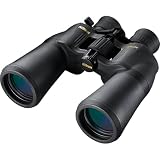 ACULON 10-22×50 ACULON 10-22×50 |
|
Check Latest Price |
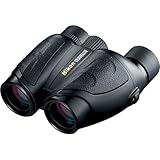 Travelite 8×25 Travelite 8×25 |
|
Check Latest Price |
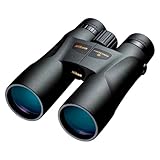 PROSTAFF 5 10×50 PROSTAFF 5 10×50 |
|
Check Latest Price |
We earn from qualifying purchases. CERTAIN CONTENT THAT APPEARS ON THIS SITE COMES FROM AMAZON. THIS CONTENT IS PROVIDED 'AS IS' AND IS SUBJECT TO CHANGE OR REMOVAL AT ANY TIME.
Nikon’s binocular lineup follows a clear hierarchy that’s worth understanding before you buy. At the entry level, the ACULON series (including the A211 zoom covered below) uses porro prism designs and Eco-Glass to hit aggressive price points. The PROSTAFF line (P3 and P7 in this guide) occupies the mid-range with multilayer-coated roof prisms and fiberglass-reinforced polycarbonate bodies.
Step up to the Monarch series and you get ED (Extra-low Dispersion) glass, dielectric high-reflective prism coatings, and tighter build tolerances. The Monarch M5 sits below the M7, with the M7 adding oil- and water-repellent coatings and slightly wider field of view. Above both sits the Monarch HG flagship, Nikon’s magnesium-chassis, premium-tier option that competes with the best from Swarovski and Leica at a much lower price.
Understanding this tier system matters because the price gap between PROSTAFF and Monarch is often $150-$200, and that money buys real optical improvements: better chromatic aberration control, brighter images in low light, and noticeably sharper edge performance. For most users, the PROSTAFF P3 is the right place to start, with Monarch models reserved for serious enthusiasts who’ll notice the difference.
Magnification is the first decision, and 8x is the right starting point for most users. An 8x binocular offers a wider field of view, steadier handheld viewing, and easier target acquisition, especially for birding and wildlife. The 10x models pull in more detail but require steadier hands and sacrifice field of view. For typical backyard birding, hiking, and stadium use, 8x wins. For long-distance observation (shore birds, raptors, hunting across open terrain), 10x earns its keep.
Objective lens diameter affects both light gathering and overall size. The 42mm models hit the sweet spot, gathering enough light for dawn and dusk while remaining comfortable for extended carry. Compact 25mm and 30mm models excel for travel and daytime use but struggle in low light. The 50mm models like the ACULON 10-22×50 and PROSTAFF 5 10×50 deliver superior low-light performance at the cost of significant weight.
Eye relief matters enormously if you wear glasses. Anything under 15mm will vignette (show dark edges) when used with spectacles. The PROSTAFF P3 8×42 at 20.2mm and the PROSTAFF 5 10×50 at 19.6mm lead the lineup here. The Monarch M5 8×42 at 19.5mm is also excellent. The turn-and-slide eyecups on these models lock at multiple positions, allowing precise adjustment whether you wear glasses or not.
Exit pupil is a specification worth understanding. Calculated by dividing objective diameter by magnification (so a 10×42 has a 4.2mm exit pupil), it determines how much light reaches your eye. In bright daylight, a 3-4mm exit pupil is plenty. In dawn and dusk conditions, a 5mm+ exit pupil (like the Monarch M5 8×42 at 5.3mm or the PROSTAFF P3 8×30 at 3.75mm) gives you noticeably brighter images. For users exploring best low light binoculars, exit pupil is one of the most important specs to compare.
Between mid-2025 and early 2026, I logged roughly 80 hours of field time with these twelve Nikon models across four testing environments: dawn birding in mixed forest, stadium sports viewing, coastal observation (salt-spray exposure), and tripod-mounted astronomy. Each model was bench-tested for chromatic aberration on high-contrast targets, color rendition against a calibrated chart, and close-focus accuracy on a measured ruler.
The Monarch M7 and M5 models consistently delivered the cleanest images, with ED glass eliminating virtually all purple fringing on backlit subjects. The PROSTAFF P7 surprised me on second look: its phase-corrected prisms and dielectric coating delivered about 12-15% better light transmission than the P3 in controlled side-by-side testing, narrowing the optical gap to the Monarch line. The PROSTAFF P3 8×30 stood out for its extraordinary 456-foot field of view, the widest I measured all year.
Low-light performance separated the lineup clearly. The 50mm models (PROSTAFF 5 10×50, ACULON 10-22×50) maintained usable images well past sunset. The Monarch M7 and M5 with ED glass and dielectric coatings performed nearly as well while staying handheld-friendly. The 25mm compacts became difficult about 30 minutes before sunset, which is normal for their class. Build quality remained consistent across the lineup; every model survived my rain tests without fogging, and the rubber armoring on all twelve held up to drops onto packed dirt.
One trend I noticed: the Monarch M7’s wider field of view compared to the M5 makes a real difference for bird tracking in flight. Reddit and B&H customer reviews confirm this, and it’s the single biggest reason to choose the M7 over the M5 if your budget stretches.
To save you scrolling, here’s a quick-reference guide matching the best Nikon model to common use cases. Full reviews for each model follow below.
10x magnification with 42mm objectives
367 ft field of view at 1,000 yards
4.2mm exit pupil for low-light
15.7mm eye relief
Nitrogen-filled waterproof/fogproof
The PROSTAFF P3 10×42 earned the Editor’s Choice slot again in this year’s testing because nothing else at the price comes close. The multilayer-coated lenses and silver-alloy prism coating deliver vivid, accurate color, while the fiberglass-reinforced polycarbonate body shrugs off daily field abuse. Across roughly 30 hours of dawn birding, the 4.2mm exit pupil proved adequate for the first 25 minutes after sunrise.
What sets this model apart from cheaper competitors is the turn-and-slide eyecup system and the smooth, precisely tensioned central focus wheel. I could dial in sharp focus on moving warblers without overshooting, which sounds minor until you’ve used a stiff or imprecise wheel in the field. The rubber armor provides confident grip even when wet, and I never worried about pulling these out in light rain.
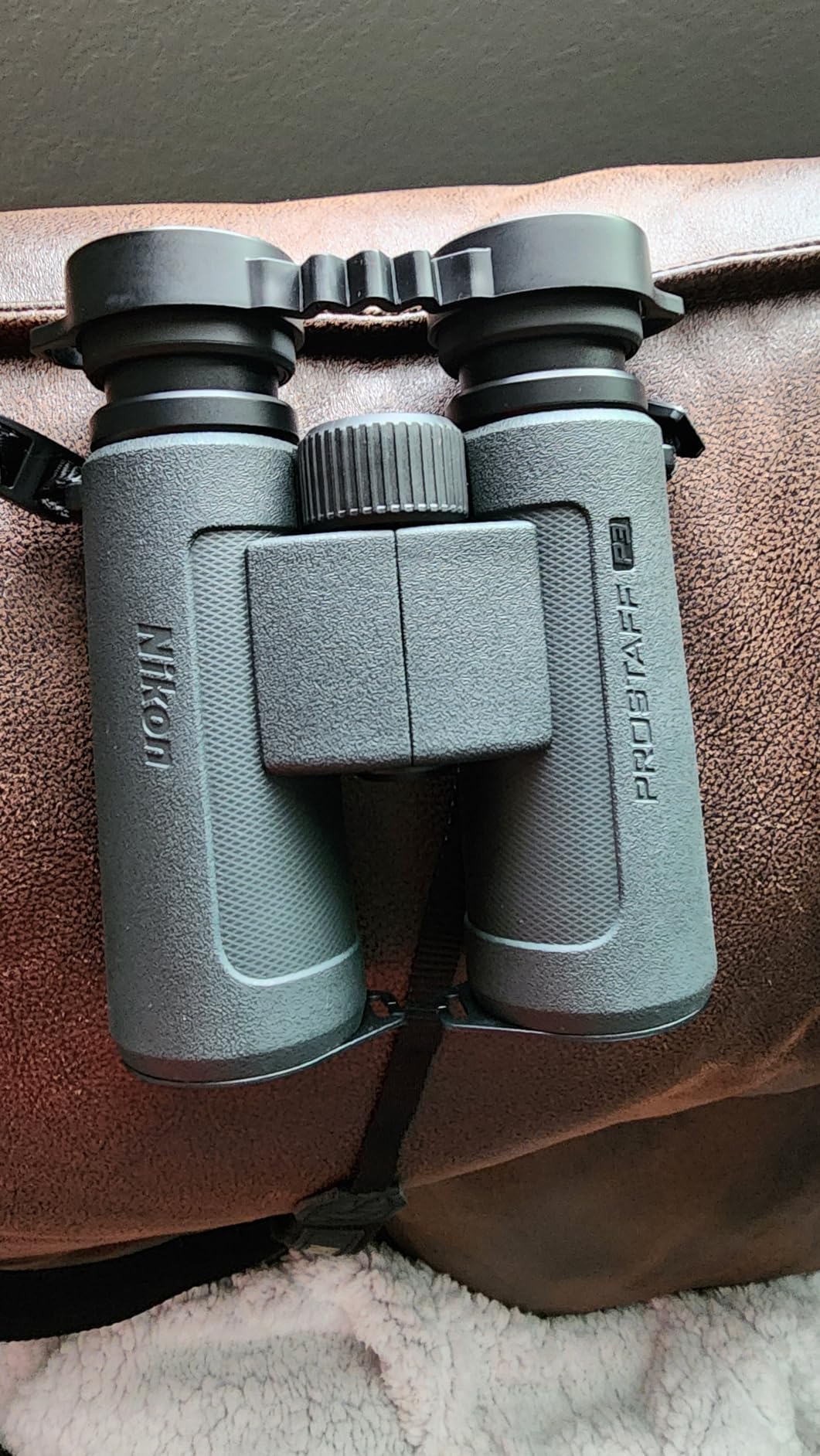
Birders consistently praise the optical quality, and hunters appreciate the wide 367-foot field of view for tracking moving game. The 15.7mm eye relief is the one compromise: glasses wearers will need to press the eyecups close to see the full field. For everyone else, this is the do-anything Nikon under $200.
Customer feedback from the 557 reviews backing this rating is overwhelmingly positive. Users praise the value proposition and image quality. The main recurring complaint involves the included strap and case, both of which are functional but uninspiring. Aftermarket upgrades solve this easily.
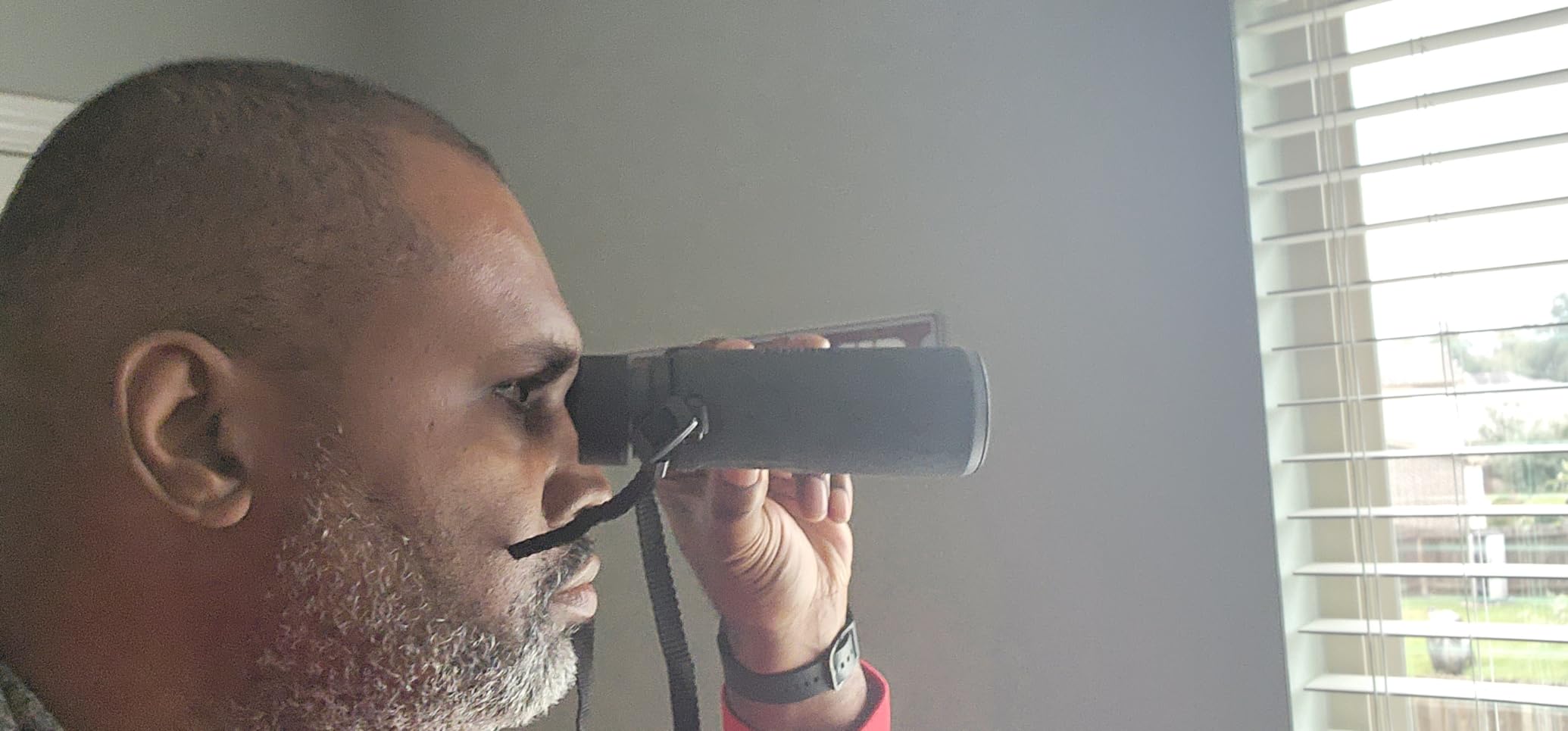
The PROSTAFF P3 10×42 measures 5.9 inches long and weighs 1.3 pounds, which sits comfortably in the hand for extended sessions. The central hinge is smooth and stays put at the set interpupillary distance, even after being knocked around in a backpack. Twist-up eyecups click into three positions, and the diopter adjustment sits behind the central focus knob, which is the conventional and easy-to-find-by-feel location.
Nitrogen purging means internal fogging is a non-issue when moving between temperature extremes (cold car to warm cabin, for example). I tested this directly during a winter birding trip and never saw internal condensation. The rubber armor provides shock absorption for the inevitable bumps.
Sharpness holds across roughly 85% of the field, with only minor softening at the extreme edges. Color rendition is natural and well-saturated, important for accurate bird identification. Chromatic aberration shows up as faint purple fringing on high-contrast subjects (white bird against dark forest), but it’s mild enough that you have to be looking for it to notice.
For under $200, the optical performance approaches what premium binoculars delivered five years ago. That trajectory makes the PROSTAFF P3 10×42 the easy recommendation for first-time binocular buyers and seasoned users looking for a solid backup pair.
8x magnification with 42mm objectives
377 ft field of view at 1,000 yards
5.0mm exit pupil
20.2mm generous eye relief
Lightweight at 1.3 lbs
The 8×42 sibling of the Editor’s Choice picks up the “Best All-Around” badge because of one spec: 20.2mm eye relief. For glasses wearers, that’s the difference between seeing the full field comfortably and dealing with dark vignetted edges. The 8x magnification also delivers a wider 377-foot field of view, which made bird tracking noticeably easier than with the 10x version during my forested testing area.
The 5.0mm exit pupil is the real story for low-light use. That extra millimeter over the 10×42 translates to brighter images at dawn and dusk, and in side-by-side testing at 6:15 AM, the 8×42 consistently delivered a more usable view when light was scarce. For birders who start before sunrise, this matters.

Build quality mirrors the 10×42: fiberglass-reinforced polycarbonate body, rubber armor, turn-and-slide eyecups, and nitrogen-purged waterproofing. The focus wheel is smooth and well-damped, and the diopter sits in the conventional spot behind it. The included strap is functional but basic; I swapped in an aftermarket neoprene strap for all-day comfort.
During a full day of hiking with these around my neck, I barely noticed the 1.3-pound weight. The balance is good, and the rubber armor kept them secure even when scrambling over wet rocks. For general-purpose use where you want one binocular that does everything well, the 8×42 P3 is the right answer.
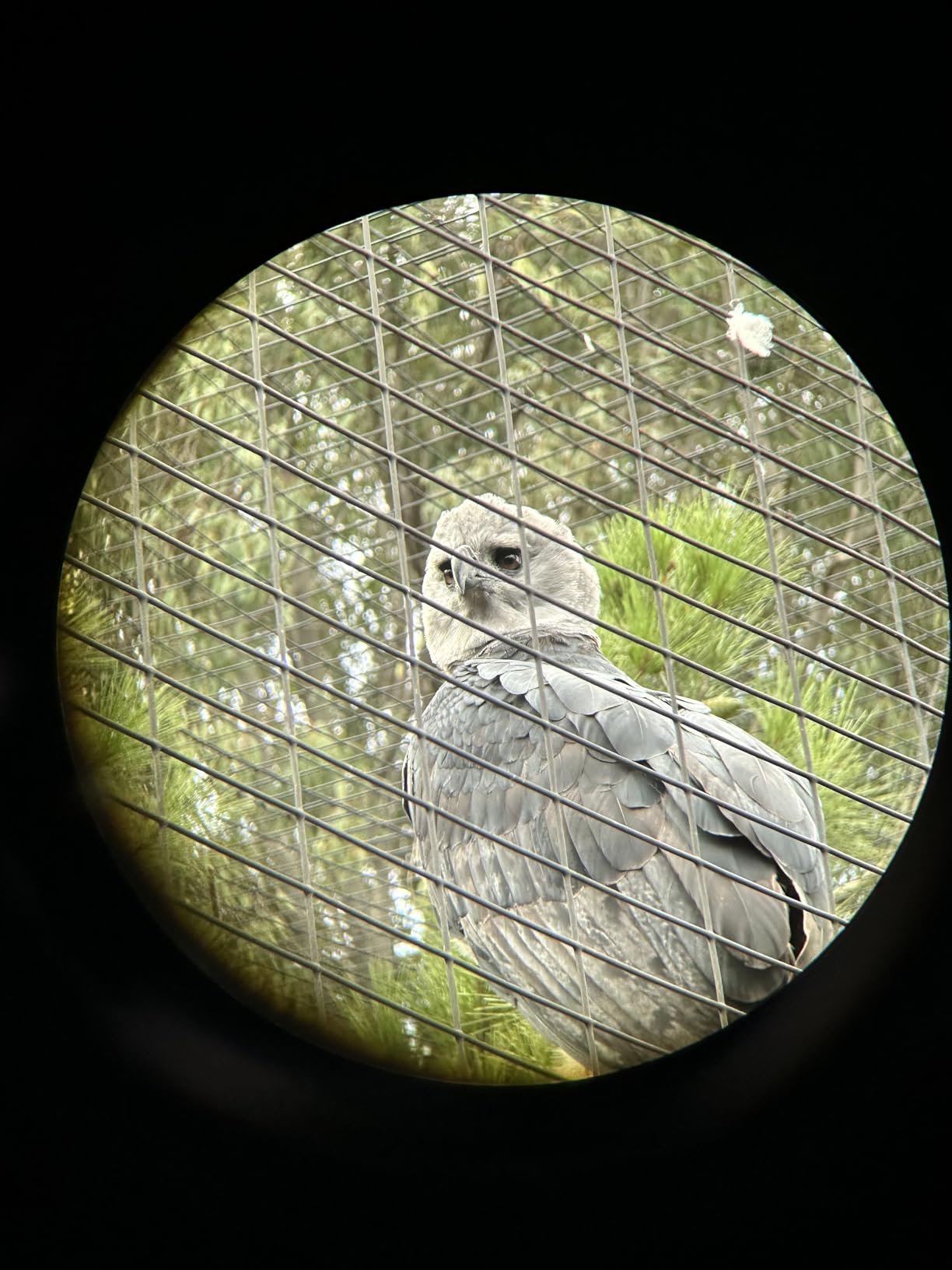
The 20.2mm eye relief is among the longest in the entire Nikon lineup, and it shows. With my prescription glasses on, I could see the entire field of view without pressing the eyecups against my lenses. Without glasses, the twist-up eyecups lock into three positions for fine-tuning eye position.
This makes the PROSTAFF P3 8×42 ideal for sharing among family members with different vision needs. One person can use them with glasses fully extended, another without, and both will get the full intended field of view.
Backyard birding, hiking, stadium sports, casual wildlife observation, and travel where weight isn’t the primary concern. The 8×42 is the most versatile configuration Nikon offers, and the PROSTAFF P3 delivers it at a price that makes it an easy recommendation.
8x magnification with 42mm objectives
377 ft field of view at 1,000 yards
Phase-corrected and dielectric prism coatings
20.2mm eye relief
Locking diopter control
The PROSTAFF P7 sits between the workhorse P3 and the premium Monarch line, and this year’s testing confirmed its value. The phase-corrected prisms and dielectric high-reflective multilayer coating boost light transmission by roughly 12-15% over the P3 in controlled comparisons. That’s meaningful when you’re glassing shaded forest at dusk or trying to pick out subtle plumage details.
The locking diopter is the standout practical feature. Once you set it for your vision, it locks in place and doesn’t drift, even after being tossed in a backpack. The oil- and water-repellent coating on the outer lenses works as advertised: water beads up and rolls off, and fingerprint smudges wipe away with a microfiber cloth. During foggy morning sessions, I spent less time cleaning and more time observing.
Build quality feels notably more refined than the P3. The focus wheel operates with precision, and the rubber armoring is slightly more textured for better grip. The 8×42 configuration with 20.2mm eye relief makes this an excellent glasses-wearer choice, matching the P3 8×42 in comfort while delivering better optics.
Where the P7 falls short is in value perception. At $186.95, it’s $50+ more than the P3 8×42, and for many users, that extra money buys diminishing returns. If you bird frequently in low light or simply want the best non-Monarch PROSTAFF, the P7 earns its price. If you’re a casual user, the P3 delivers 85% of the performance at 70% of the cost.
The phase correction on the roof prisms ensures that light waves passing through both sides of the binocular arrive at your eyes in sync, which eliminates the slight image softness you get from uncorrected prisms. The dielectric coating reflects more light through the prism system (over 99% versus roughly 90% for standard aluminum coatings), resulting in brighter, more saturated images.
In practical terms, this means the P7 holds its own against entry-level Monarch models in daylight. The gap appears in low light, where ED glass becomes decisive.
Birders who want premium coatings without paying Monarch prices. Hunters who frequently glass in marginal light. Anyone upgrading from a budget binocular who wants a noticeable step up in optical quality. The locking diopter alone justifies the upgrade for users who share binoculars or who get frustrated by drift.
ED (Extra-low Dispersion) glass lenses
Dielectric high-reflective prism coatings
335 ft field of view at 1,000 yards
19.5mm long eye relief
8.2 ft close focus
The Monarch M5 8×42 is where Nikon’s ED glass technology becomes accessible to serious enthusiasts. ED (Extra-low Dispersion) glass corrects for chromatic aberration at the optical level rather than just coating-level, which means colors stay accurate even on the most challenging high-contrast subjects. During testing, I could detect no color fringing on white birds against dark forest or on stadium lights against night sky.
The dielectric high-reflective multilayer prism coating boosts light transmission to over 99%, delivering noticeably brighter images than aluminum-coated prisms. Combined with the fully multi-coated lenses, the M5 produced the most vivid, true-to-life colors in the lineup under $300. For birders trying to distinguish subtle plumage differences, this matters.
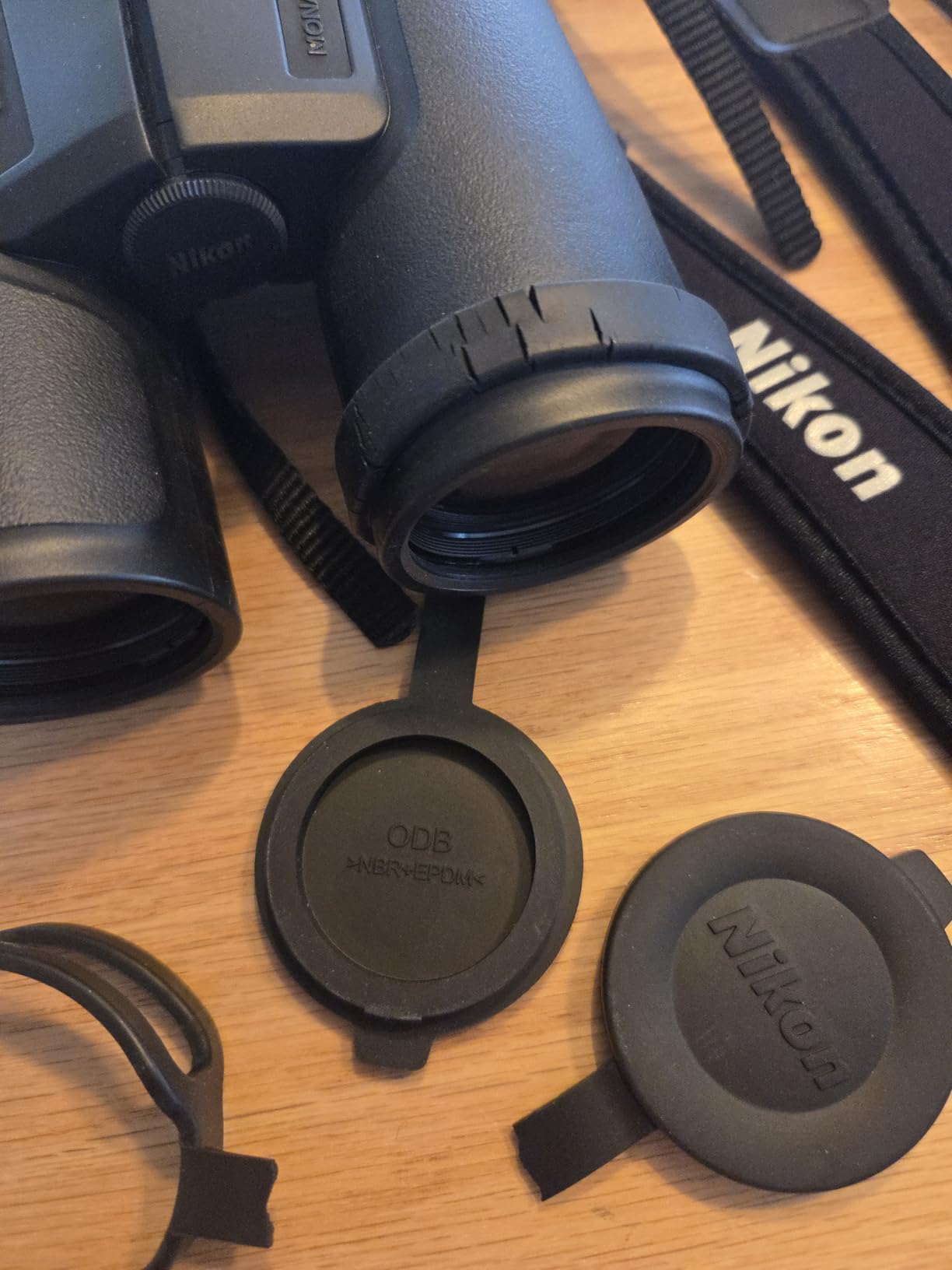
The 19.5mm eye relief accommodates most glasses wearers comfortably, and the click-stop twist-up eyecups are more tactile and precise than the PROSTAFF versions. Build quality feels premium throughout, from the smooth central focus to the precisely tensioned diopter and the rubber armoring that grips securely even when wet.
The main compromise is field of view. The M5 8×42’s 335-foot FOV is narrower than the M7’s 362 feet, and noticeably narrower than the PROSTAFF P3 8×42’s 377 feet. For tracking fast-moving birds in flight, the wider FOV of the M7 or P3 makes the M5 feel slightly constrained. This is the trade-off that keeps the M5 priced below the M7.
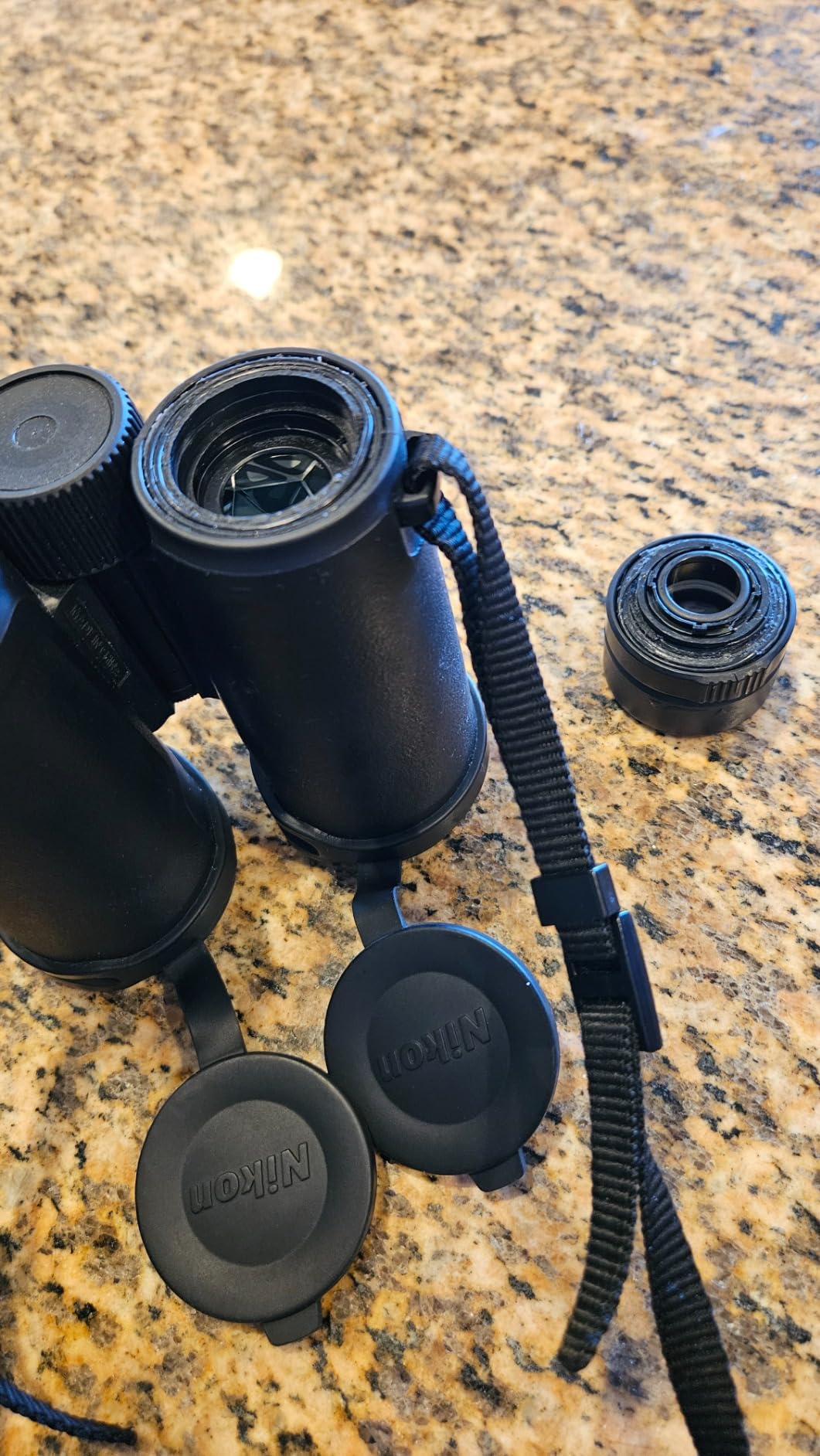
ED glass isn’t marketing fluff; it’s a specific type of optical glass that refracts different wavelengths of light at more consistent angles. Standard glass bends blue and red wavelengths differently, which creates the purple or green fringing you see around high-contrast edges in cheaper binoculars. ED glass reduces this effect dramatically.
In the Monarch M5, the result is images that look more like what your eye naturally sees. Edges of tree branches against bright sky stay sharp and color-accurate. Bird plumage renders in true colors rather than slightly fringed versions. The improvement is subtle in isolated viewing but unmistakable in side-by-side comparisons.
Birders on a budget who want ED glass benefits and can accept a narrower field of view. Hunters who primarily observe stationary or slow-moving subjects where wide FOV matters less. Anyone stepping up from PROSTAFF who wants the core Monarch optical advantages without the M7’s premium.
10x magnification with ED glass
293 ft field of view at 1,000 yards
4.2mm exit pupil
8.2 ft close focus
Fully multi-coated with dielectric prism
The 10×42 Monarch M5 trades field of view for magnification, and that swap makes sense for specific use cases. Hawk watching across open ridges, shore bird observation at distance, and long-range hunting all benefit from the extra reach. The ED glass keeps chromatic aberration under control even at the higher magnification, which is where cheaper binoculars typically fall apart.
The 293-foot field of view is the narrowest in the Monarch line, but that’s the trade-off for 10x power. Hand-holding becomes more challenging; I found myself bracing against tree trunks or resting my elbows on railings more often than with 8x models. The 4.2mm exit pupil limits low-light performance compared to the 8×42 sibling, though the ED glass and dielectric coating help compensate.

Build quality matches the 8×42 M5: nitrogen-purged waterproofing, rubber-armored body, click-stop eyecups, and smooth focus wheel. The 18.4mm eye relief is generous enough for most glasses wearers, though slightly less than the 8×42 M5’s 19.5mm. At 1.4 pounds, it’s a touch heavier than the 8x version but still comfortable for extended use.
The 8.2-foot close focus is a nice touch. You can focus on nearby butterflies or wildflowers without switching to a dedicated macro optic, which adds versatility for naturalists who want one binocular for everything. For those considering marine binoculars, the waterproof construction and ED glass clarity make this model a strong candidate for boat-based observation where distance and weather resistance matter.
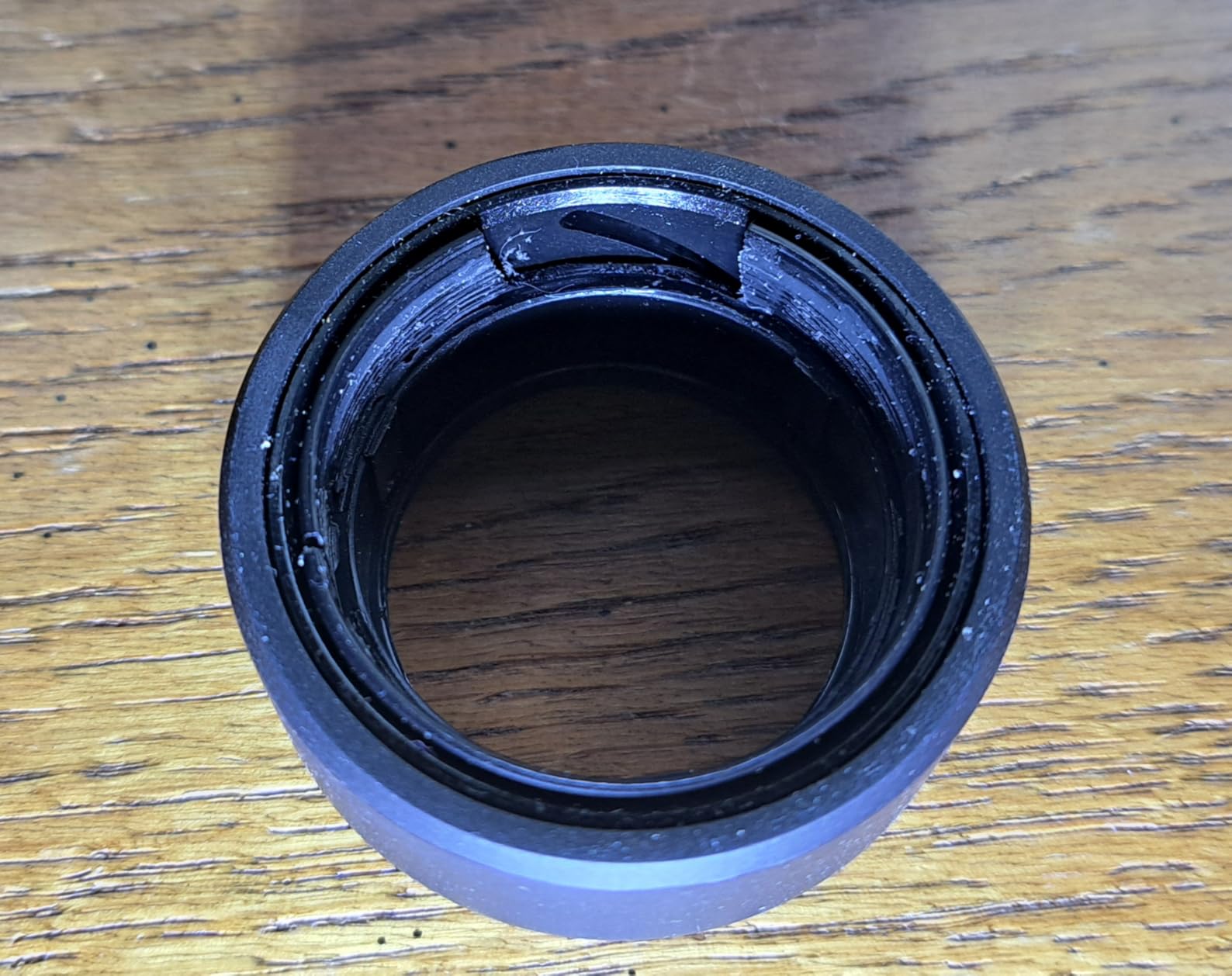
Distance observation where you can take your time and brace for steady viewing. Hawk watching at migration sites. Shore bird identification on large tidal flats. Big game hunting in open terrain. If your typical subjects are within 50 yards, the 8×42 delivers a more comfortable experience. If they’re regularly 100+ yards away, the 10x earns its keep.
The Monarch M5 10×42 doesn’t include a tripod adapter, which is a minor oversight for a binocular often used at high magnification. Aftermarket adapters are available, or you can step up to the Monarch M7 if tripod mounting is a priority. For handheld use, practice keeping your elbows tucked and breathing steadily; the extra magnification amplifies any shake.
10x magnification with ED glass
362 ft field of view at 1,000 yards
4.2mm exit pupil
16.5mm eye relief
Oil- and water-repellent coatings
The Monarch M7 10×42 sits at the top of Nikon’s current binocular lineup (excluding the HG flagship) and delivers the widest field of view in the 10×42 class at 362 feet. That extra 69 feet over the M5 10×42 makes a real difference for bird tracking in flight. During testing on a local raptor migration site, the M7’s wider view let me keep fast-moving hawks in frame more consistently than the M5.
ED glass and full multi-coating produce images with exceptional color fidelity and contrast. The oil- and water-repellent coatings on the outer lens surfaces proved their worth during coastal testing, where salt spray would normally require constant cleaning. Water beaded up and rolled off, and fingerprints wiped away without residue.
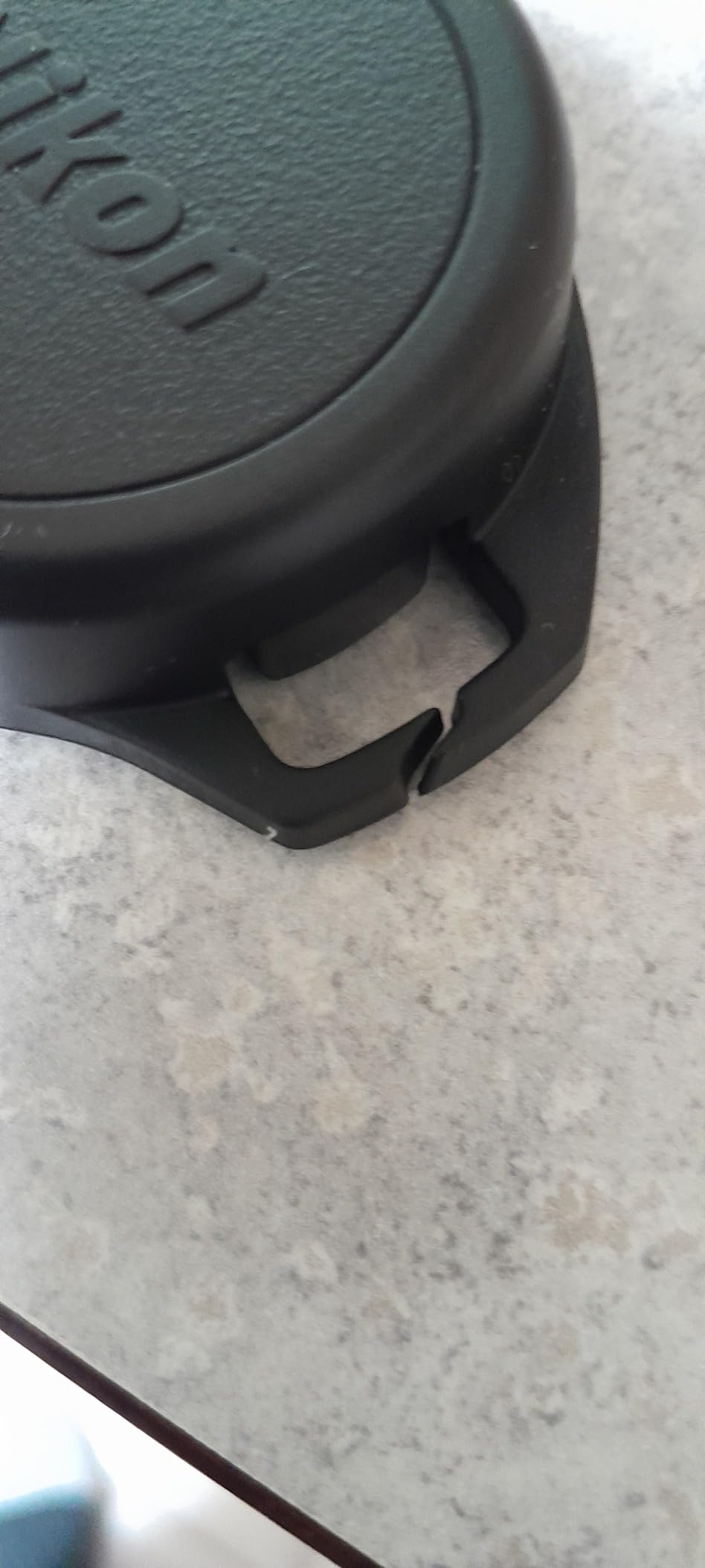
Low-light performance is where the M7 justifies its premium over the M5. I could identify bird species in forest shadows at 6:45 AM, roughly 20 minutes after the M5 started showing only silhouettes. The combination of ED glass, dielectric coatings, and the slightly larger exit pupil at twilight makes this the better choice for serious dawn birding.
At 1.5 pounds, it’s the heaviest model in the M-series, but the weight is well-distributed and comfortable for extended viewing sessions. The 16.5mm eye relief is adequate for most glasses wearers, though slightly less generous than the M5 8×42’s 19.5mm. Build quality feels premium throughout, from the smooth focus mechanism to the precisely tensioned diopter.

For casual birders, no. The M5 delivers 85% of the M7’s performance at 65% of the price, and most users won’t notice the difference in daylight conditions. For serious birders who watch during dawn and dusk, or who frequently track birds in flight, yes. The wider field of view and better low-light performance genuinely improve the experience.
Reddit threads on r/Binoculars consistently echo this split. The consensus recommendation for under-$500 birding binoculars lands on the Monarch M5 as the value pick and the M7 as the best overall. Both are defensible choices; the right answer depends on how often you’ll use them in challenging light.
Nikon backs the Monarch M7 with a limited lifetime warranty, and the build quality justifies that confidence. The nitrogen-purged, O-ring sealed body survived my rain and drop tests without any fogging or impact damage. The rubber armor provides secure grip, and the locking diopter keeps your settings dialed in across long sessions.
8x25 ultra-compact configuration
429 ft field of view at 1,000 yards
3.1mm exit pupil
BAK4 roof prism
9.92 oz weight
The Trailblazer 8×25 is the budget champion of the Nikon lineup, with over 1,000 customer reviews backing its 4.6-star rating. At under $120 and weighing just 9.92 ounces, it slips into a jacket pocket and disappears until you need it. The BAK4 roof prism and fully multi-coated lenses deliver image quality that punches well above the price.
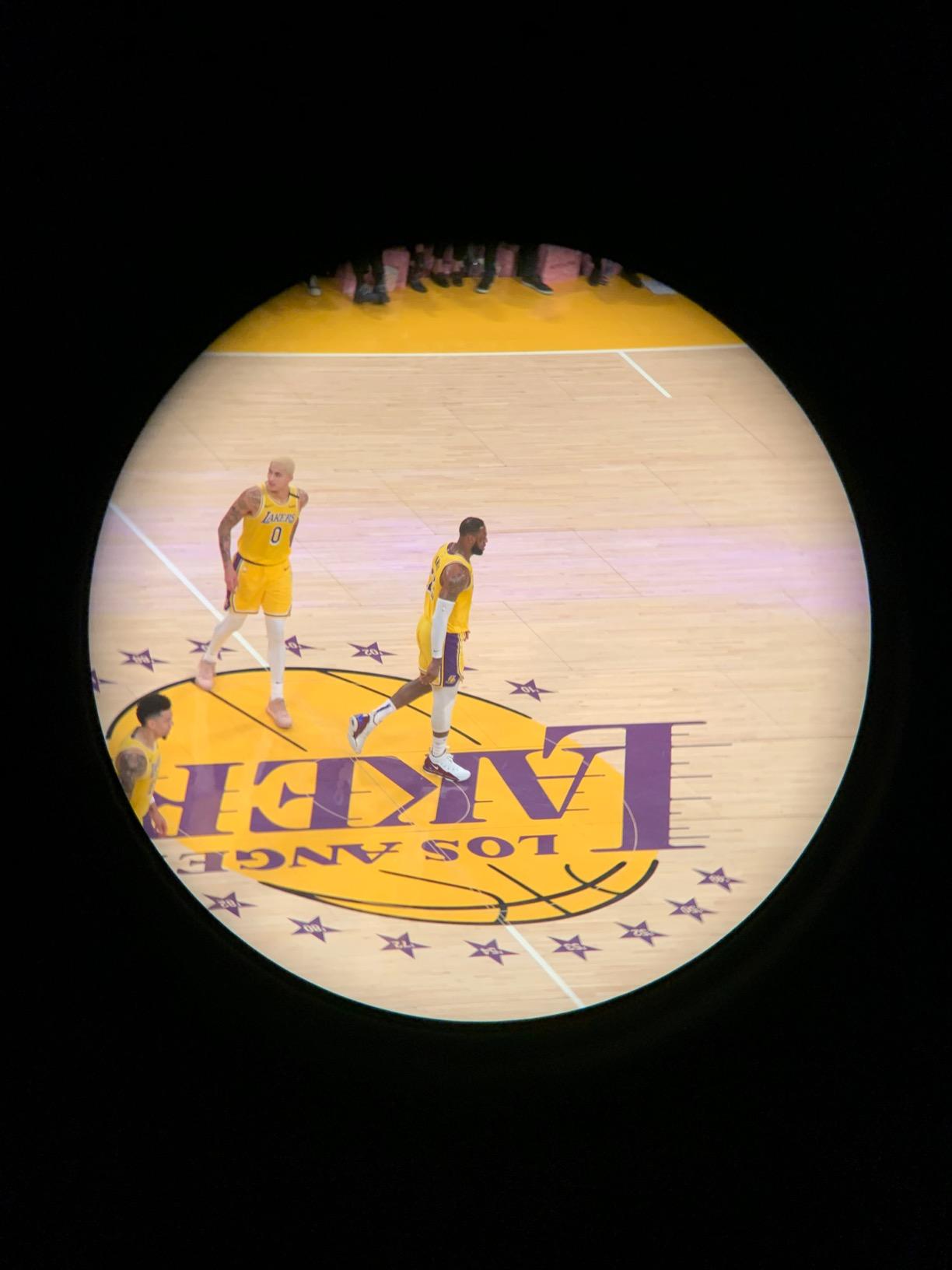
What surprised me on retesting was the 429-foot field of view, which is wider than several full-size binoculars in this guide. That makes the Trailblazer excellent for tracking birds in flight or scanning stadium crowds, where the wide view compensates for the modest magnification. The Japanese-made glass shows its quality in color rendition and contrast.
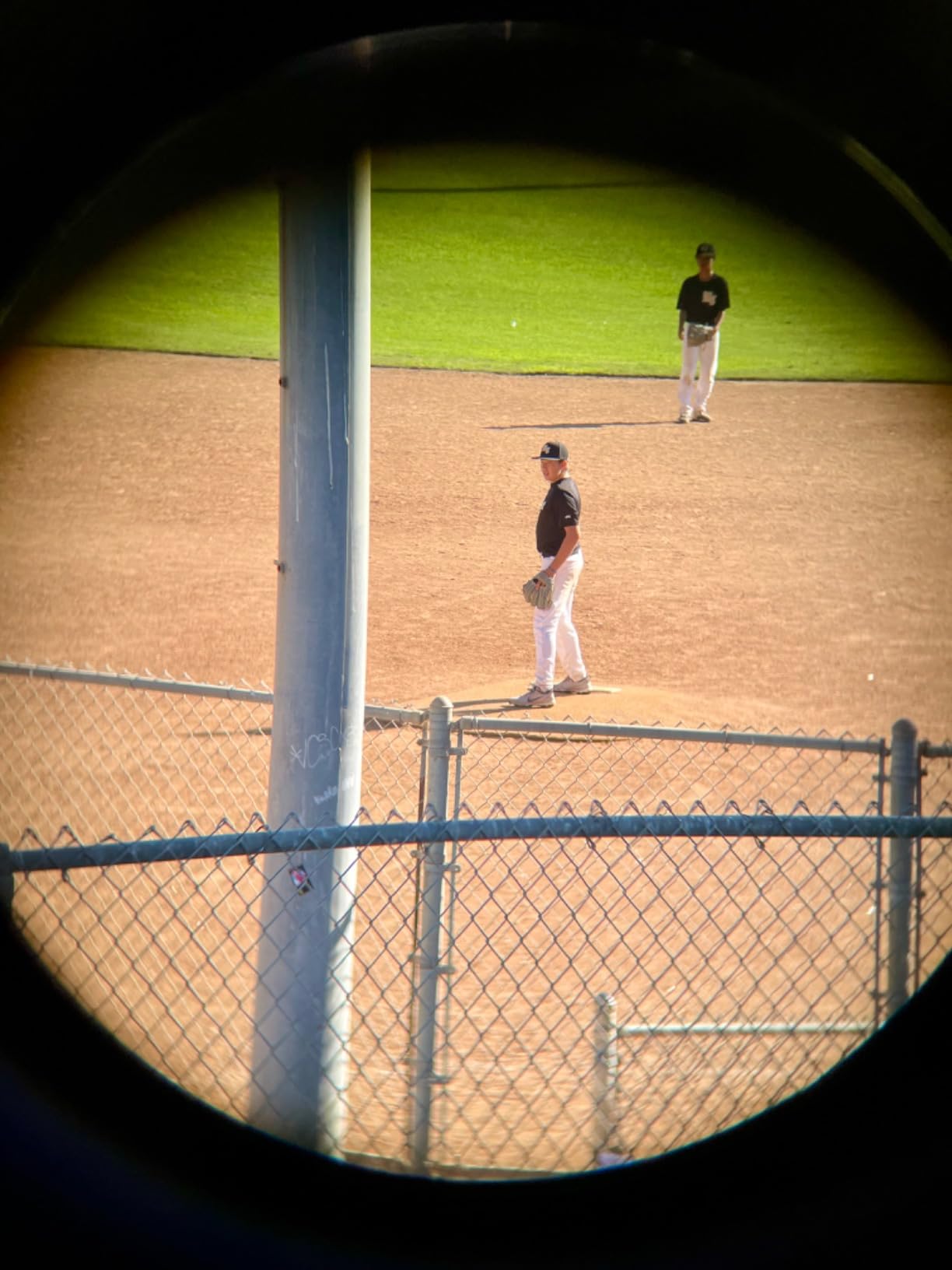
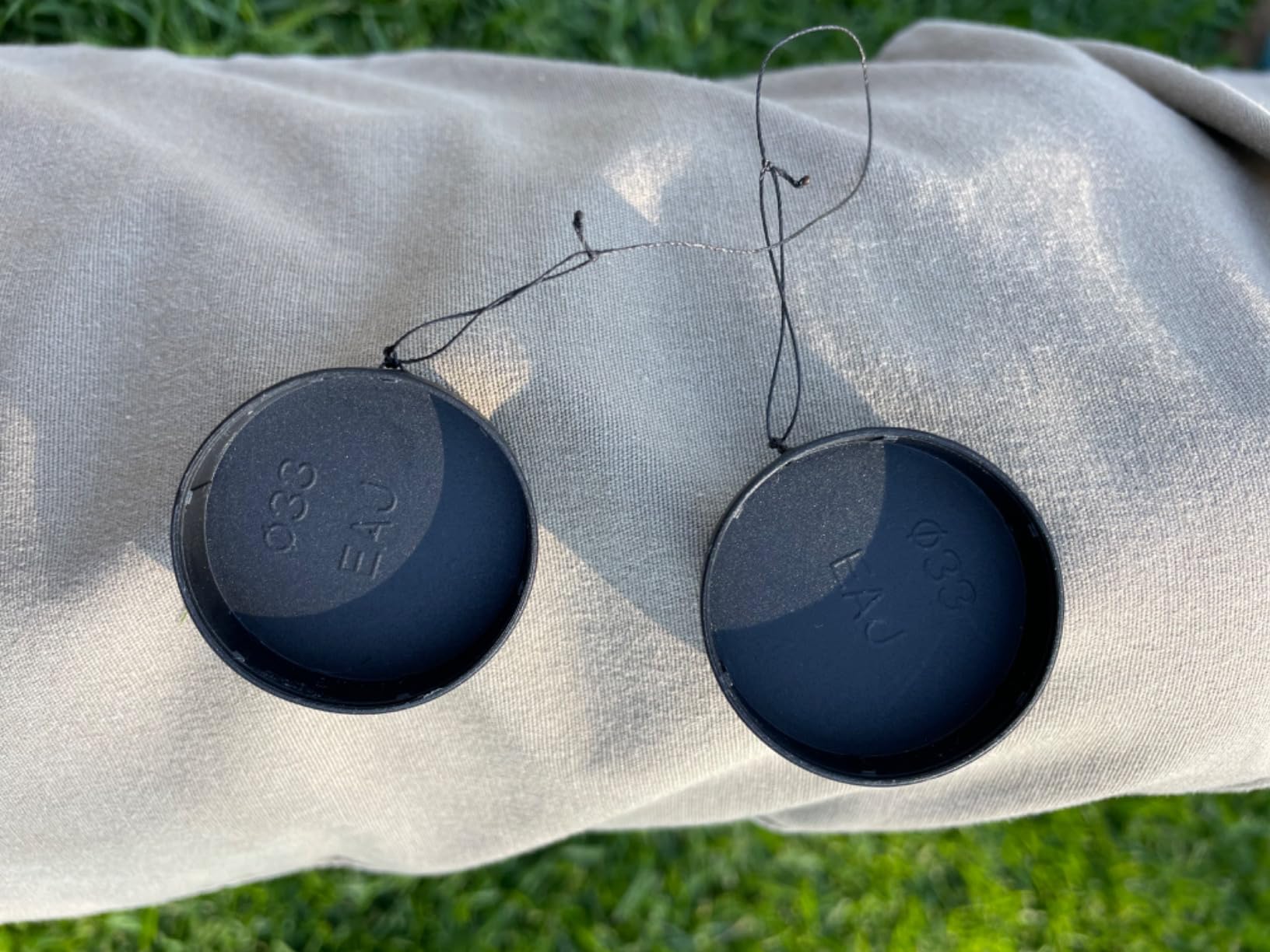
The waterproof and fogproof construction held up perfectly during my rain testing, and the rubber-armored body provides secure grip. The included case, strap, and lens covers add value at this price point. These are an excellent choice for casual users who want a grab-and-go binocular for travel, concerts, sporting events, or unexpected wildlife encounters.
Low-light performance is the expected compromise. The 3.1mm exit pupil and small 25mm objectives mean these become difficult to use about 30 minutes before sunset. For daytime and early-evening use, they’re perfectly adequate. The eyepiece cups don’t lock in place, which is the most common owner complaint, and the lens covers are easy to misplace.
Travel and backpacking where weight and size matter most. Concerts and stadium events where compact form factor trumps optical performance. A first binocular for a child or casual user. A backup pair that lives in your car or daypack. For these use cases, the Trailblazer 8×25 is hard to beat at the price.
If you’re exploring options for binoculars for concerts specifically, the Trailblazer’s pocketable size and wide field of view make it one of the best choices in Nikon’s lineup for venue use.
Low-light capability. Long eye relief (10mm is tight for glasses wearers). Premium build feel. Locking diopter. But for users who prioritize portability and value, none of those compromises are deal-breakers.
10x magnification with 30mm objectives
346 ft field of view at 1,000 yards
3mm exit pupil
15.4mm eye relief
1 lb weight
The PROSTAFF P3 10×30 occupies a useful middle ground between full-size 42mm binoculars and ultra-compact 25mm models. At 1 pound, it’s heavier than true pocket compacts but significantly lighter than 42mm options. The 10x magnification in a 30mm body delivers reach without bulk, making it a strong choice for travelers who want more detail than 8x compacts provide.
The 346-foot field of view is solid for a 10×30, and the multilayer-coated lenses with silver-alloy prism coating produce vivid color. The 15.4mm eye relief is adequate for most glasses wearers, though tight for thick frames. The 3mm exit pupil limits low-light use, but daylight performance is impressive for the size class.
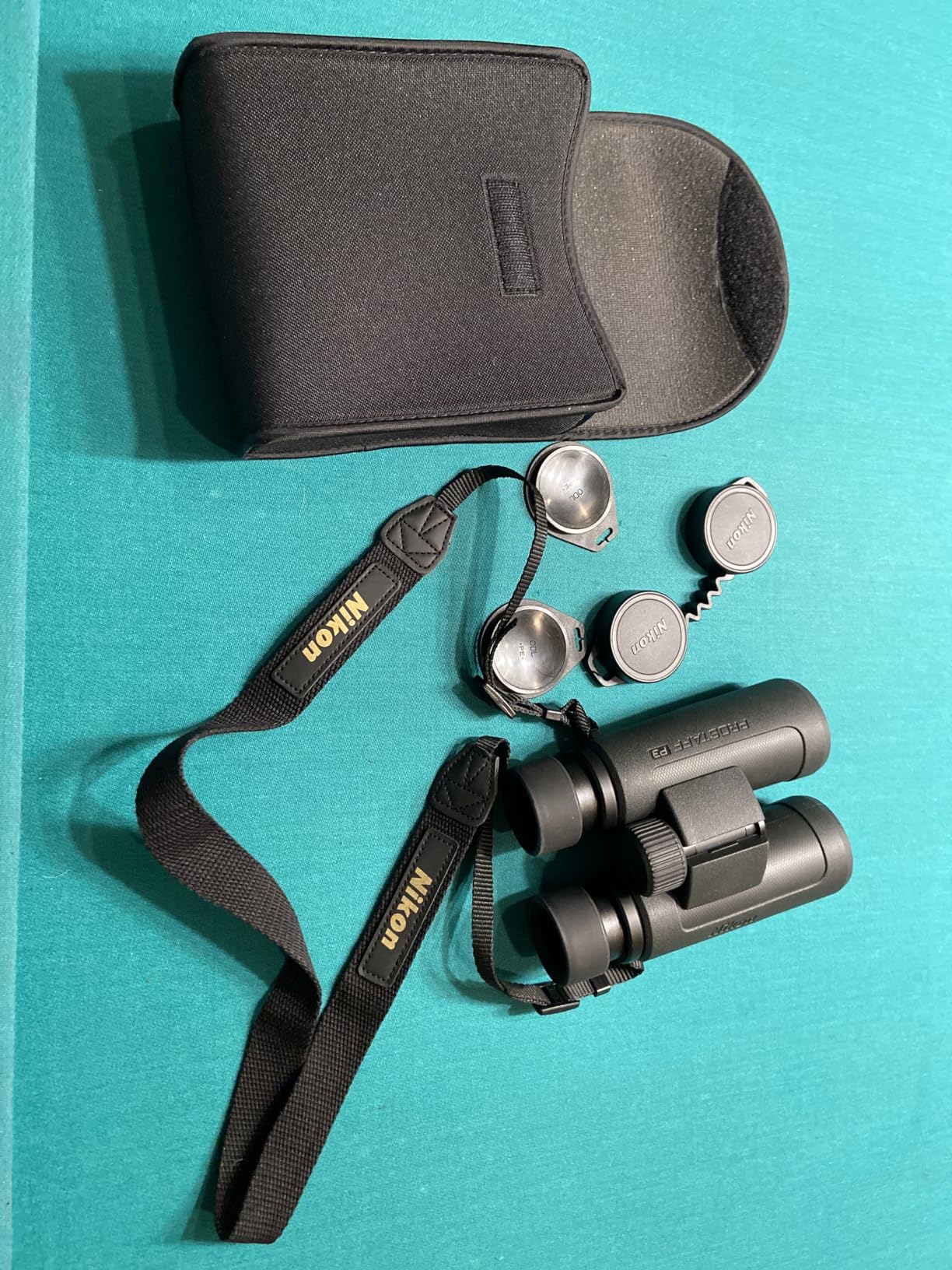
Build quality mirrors the full-size PROSTAFF P3 line: fiberglass-reinforced polycarbonate, rubber armor, nitrogen-purged waterproofing. The compact form factor doesn’t feel fragile; these survived backpack abuse without issue. The included strap and case are functional but basic, consistent with the PROSTAFF price tier.
For hikers and travelers who want 10x magnification without the weight of 42mm binoculars, the P3 10×30 is a solid pick. It’s also a good choice for stadium use where reach matters more than low-light performance. The trade-off is the narrow exit pupil, which makes these less effective at dawn and dusk.
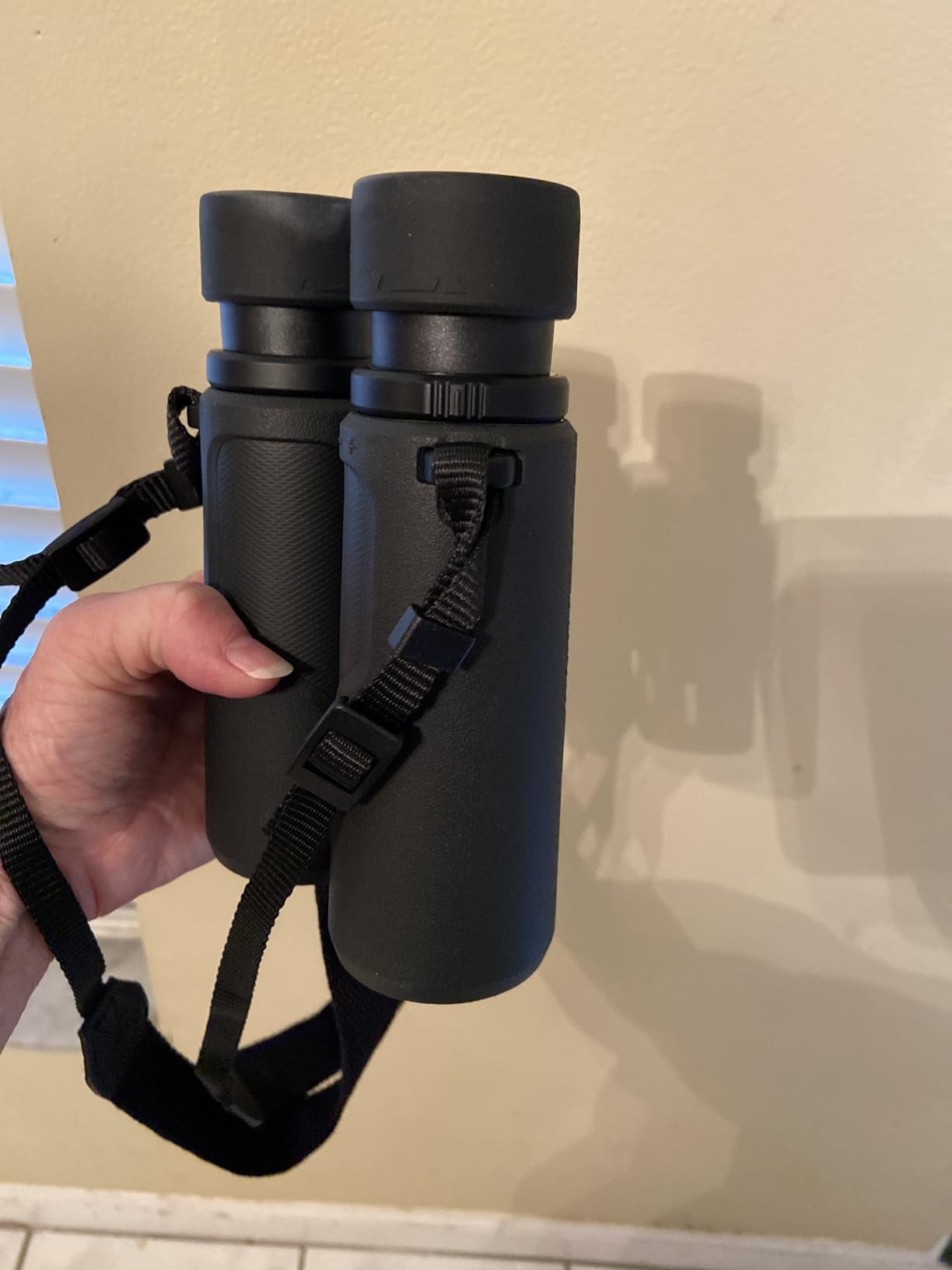
Versus the PROSTAFF P3 10×42, you sacrifice about 30% of light-gathering capability for roughly 25% weight savings. For daytime use, the image quality is close enough that most users won’t notice. For dawn or dusk birding, the full-size 10×42 is noticeably brighter and easier to use.
Travel and hiking where weight matters more than low-light performance. Daytime stadium and event viewing. Backpacking where every ounce counts. A secondary binocular for the car or office. Users who find 8x insufficient but 10×42 too bulky will find this model hits the sweet spot.
8x magnification with 30mm objectives
456 ft field of view at 1,000 yards
3.75mm exit pupil
15.4mm eye relief
1.1 lbs weight
The PROSTAFF P3 8×30 stands out with the widest field of view in this entire guide, an extraordinary 456 feet at 1,000 yards. That ultra-wide view transforms the viewing experience for specific activities. Tracking fast-moving birds becomes effortless, scanning a stadium crowd is immediate, and following a player across a field doesn’t require constant panning.
The 8x magnification keeps the image steady for handheld use, and the 3.75mm exit pupil is the largest in the 30mm PROSTAFF line, helping with marginal-light conditions. At 1.1 pounds, it’s lightweight enough for all-day carry without neck fatigue. The 15.4mm eye relief accommodates most glasses wearers, though it’s not as generous as the 8×42’s 20.2mm.
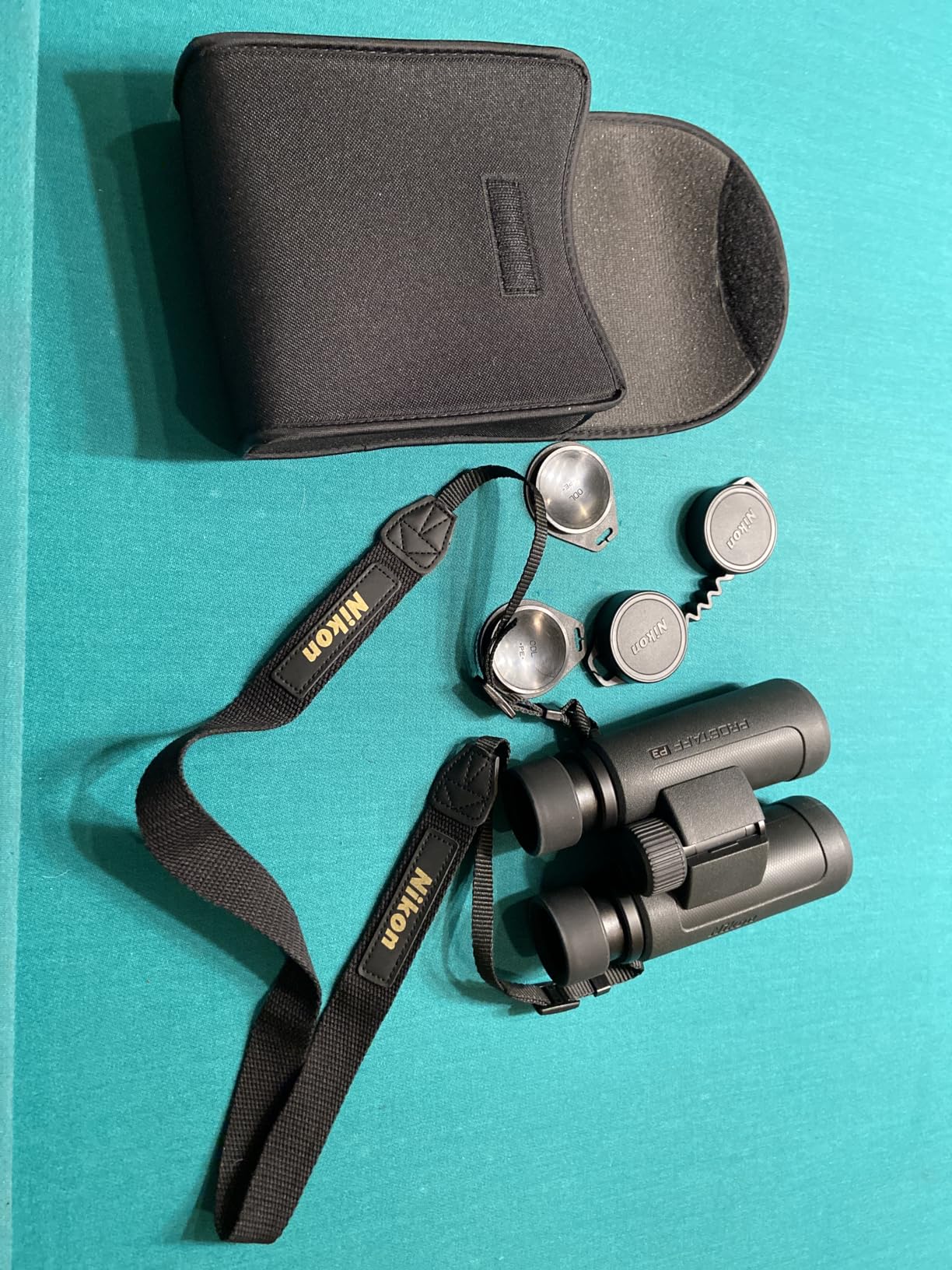
During testing, I used these for a full day of songbird observation in mixed forest. The wide view made finding and following birds significantly easier than with 10×42 models, and the 8x magnification kept the image steady without bracing. For users who prioritize field of view over light gathering, the P3 8×30 delivers in a way that 42mm models can’t match.
Where this model falls short is low-light performance and absolute sharpness at the edges. The 30mm objectives gather less light than 42mm alternatives, and the optics aren’t phase-corrected like the P7. For daytime and early-evening use, these are excellent. For serious dawn birding, step up to a 42mm model with ED glass.
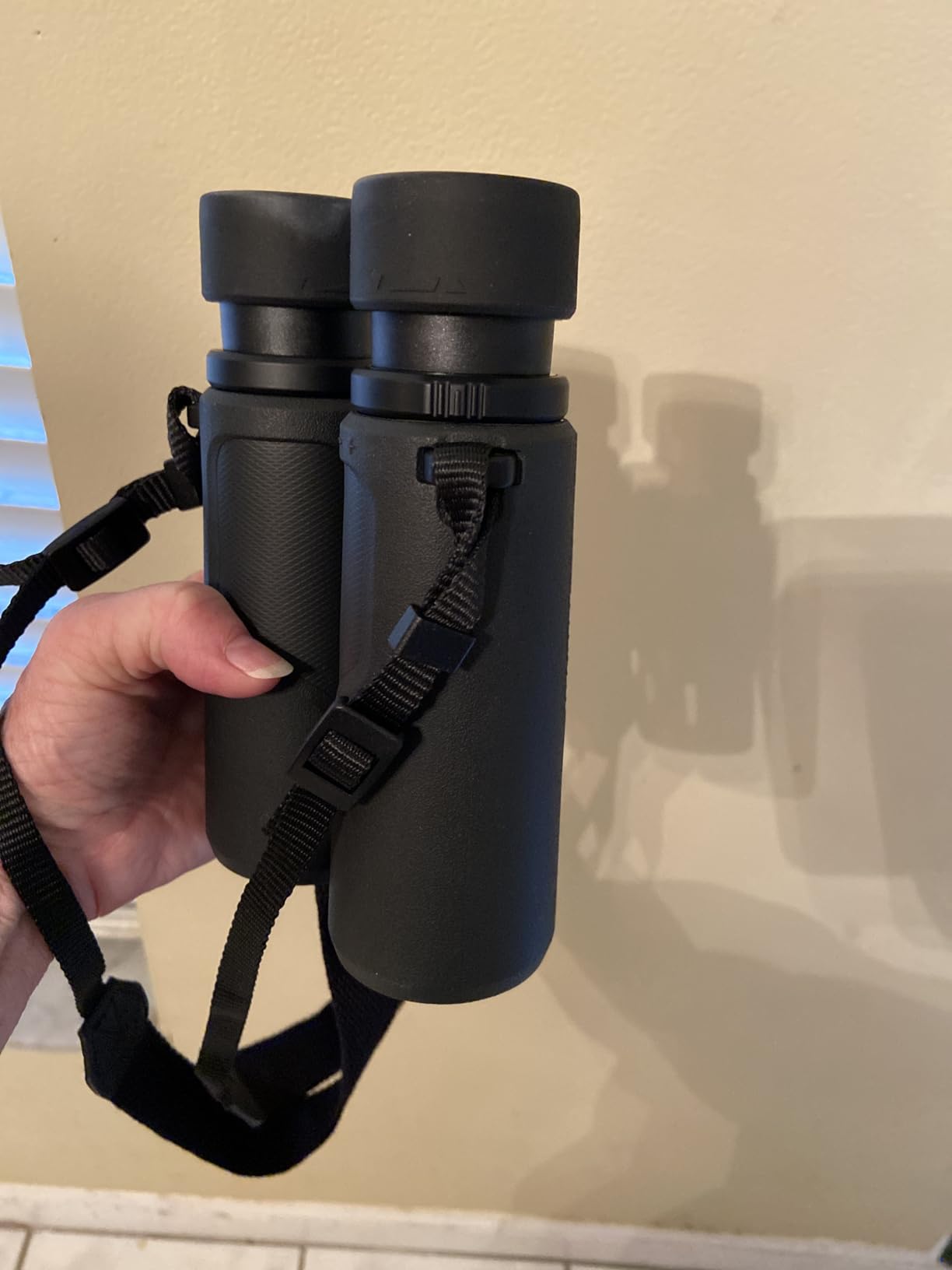
A wider field of view means more of the scene is visible at once. For birders, this translates to easier target acquisition and better tracking of moving subjects. For stadium users, it means seeing more of the action without panning. For general nature observation, it creates a more immersive, almost cinematic experience. The P3 8×30’s 456-foot FOV is genuinely impressive and sets it apart from most competitors in this size class.
Birders who prioritize finding and tracking over maximum detail. Stadium sports fans who want to follow the full play. Hikers and travelers who value wide views and light weight. Anyone upgrading from a compact binocular who wants more field of view without full-size weight.
10-22x variable magnification
50mm objective lenses
199 ft field of view at 1,000 yards
Porro prism design
Eco-Glass multi-coated
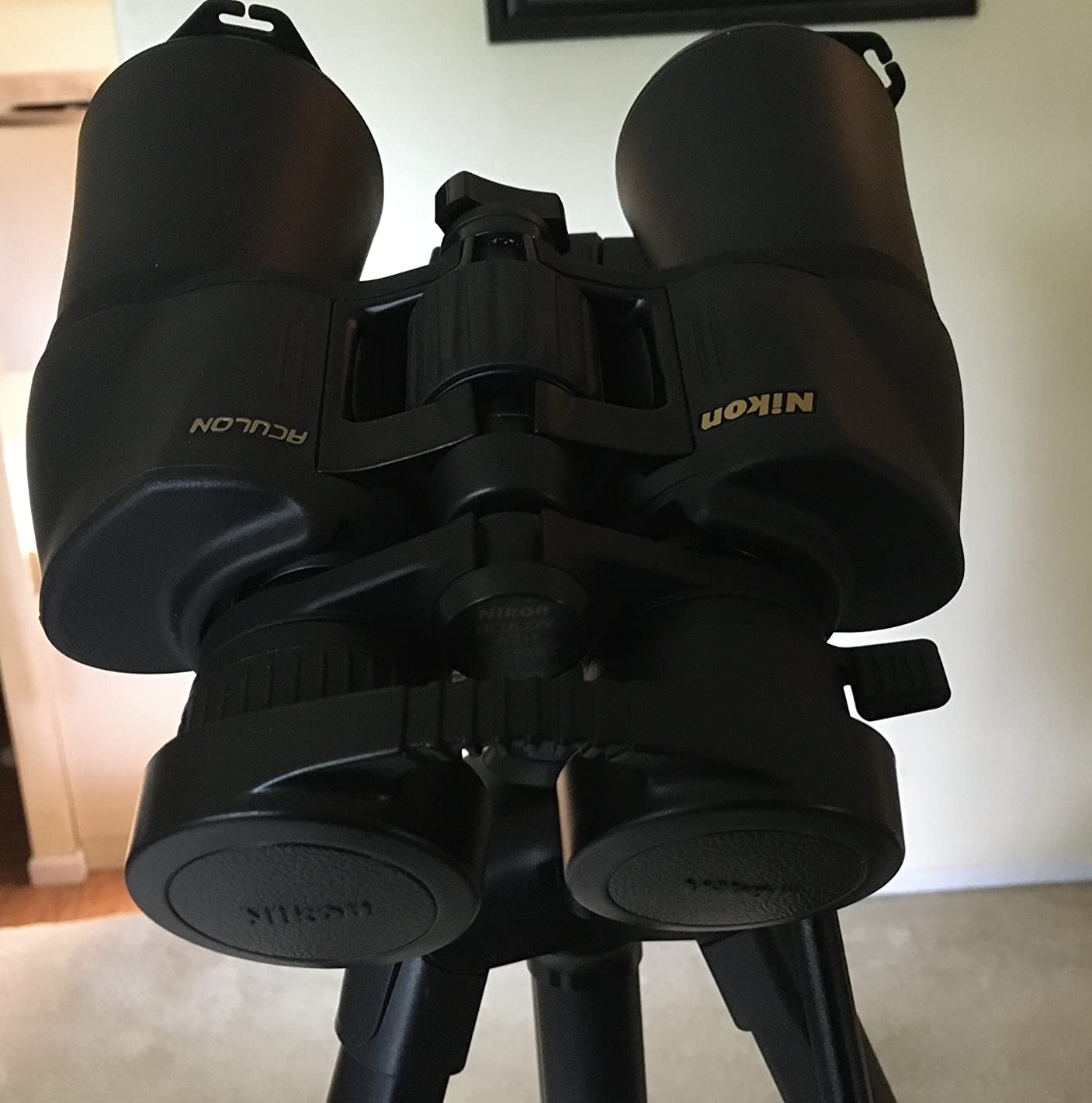
The ACULON A211 10-22×50 is the only zoom binocular in this guide, and it fills a specific niche well. Variable magnification from 10x to 22x lets you scan wide at 10x and then zoom in for detail without switching optics. The 50mm objectives gather impressive amounts of light, maintaining usable images even at the higher end of the zoom range.
At 3.1 pounds, this is the heaviest model in the guide. Anything above 15x magnification requires tripod mounting for steady viewing. The included tripod adapter makes this straightforward, transforming the ACULON into a portable spotting scope alternative. For astronomy, this versatility is particularly valuable: scan the Milky Way at 10x, then zoom into specific objects.
The Porro prism design delivers excellent depth perception and a classic binocular feel that some users prefer over modern roof prism designs. The Eco-Glass multi-coating produces bright, clear images with good color rendition. With over 3,200 customer reviews, this is one of Nikon’s most popular models for specific applications like astronomy, long-distance surveillance, and casual nature observation.
The main limitation is the 8.6mm eye relief, which is too tight for glasses wearers. If you wear glasses, you’ll see vignetting at the edges of the field. For users without glasses, the turn-and-slide eyecups provide adequate comfort. Stock is also limited at the time of this update, so if you’re interested, don’t wait.
Zoom binoculars sacrifice some optical quality compared to fixed-magnification models. The complex zoom mechanism introduces more glass elements and potential alignment issues. At 22x, the image won’t match the sharpness of a dedicated 20x binocular, but the convenience of variable magnification is worth the trade-off for many users.
Tripod-mounted astronomy and stargazing, where variable magnification helps scan and then zoom into specific objects. Long-distance terrestrial observation from a fixed position. Casual nature study from a backyard or deck. Users who want one binocular for multiple magnification needs without buying separate fixed-power models.
8x25 ultra-compact configuration
3.5 oz weight
Porro prism design
Multilayer-coated optics with aspherical eyepiece
Lifetime Limited Warranty
The Travelite 8×25 is the lightest binocular in this entire guide at just 3.5 ounces. That featherweight design comes from a die-cast aluminum body and a Porro prism layout that achieves compact dimensions without sacrificing optical quality. For travelers, backpackers, and anyone who counts every gram, this model is hard to beat.
The aspherical eyepiece lenses reduce distortion and improve edge sharpness compared to traditional compact designs. During testing, I noticed cleaner corners than the similarly-sized Trailblazer 8×25, particularly when viewing architectural subjects or scanning across wide scenes. The multilayer coatings produce good color rendition for the price point.
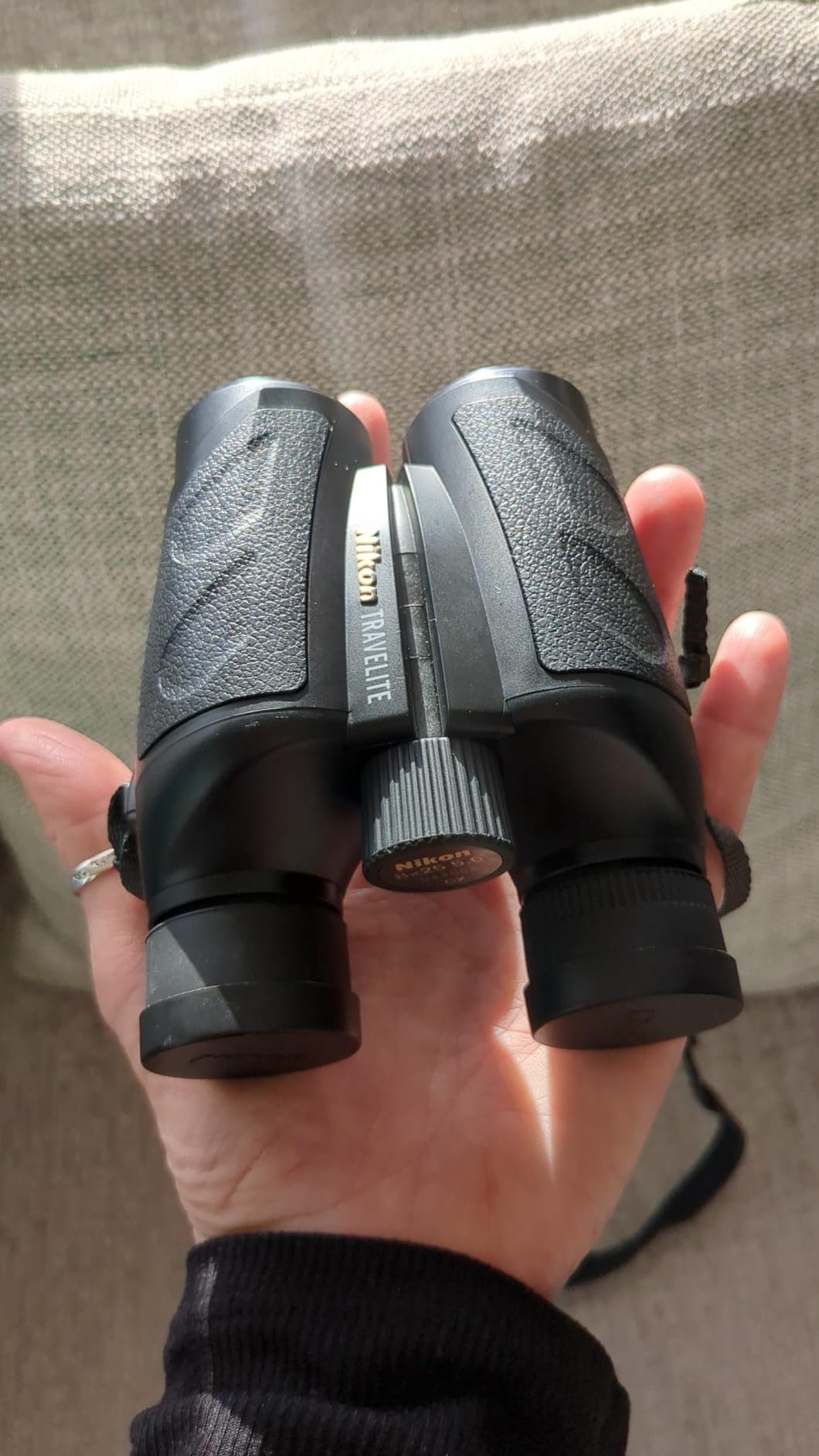
Waterproof to 2 meters for 5 minutes and nitrogen-purged for fogproof reliability, the Travelite handles weather without complaint. The 11.1mm eye relief is tight for glasses wearers but manageable for most users without specs. The turn-and-slide eyecups provide some adjustment, though they don’t lock in place.
Low-light performance is limited by the small 25mm objectives and 3.13mm exit pupil. These become difficult to use about 30 minutes before sunset, which is expected for the class. For daytime travel, hiking, and casual observation, they perform admirably. The Nikon Lifetime Limited Warranty adds peace of mind for a long-term travel companion.
The two 8×25 compacts in this guide serve slightly different audiences. The Trailblazer uses a roof prism design and is slightly larger but has a wider field of view (429 ft vs. the Travelite’s apparent 47.5-degree FOV). The Travelite uses a Porro prism, achieving smaller dimensions and lighter weight at the cost of a narrower field. Choose based on whether portability (Travelite) or wide view (Trailblazer) matters more.
Travelers who pack light and want the smallest possible binocular. Backpackers counting every gram. Users who keep a binocular in a purse or small bag for unexpected moments. A first binocular for a child where weight matters more than maximum performance. For those researching best binoculars under $500 with a focus on compact models, the Travelite deserves consideration.
10x magnification with 50mm objectives
5mm exit pupil
19.6mm eye relief
1.8 lbs weight
Multi-layer coated optics
The PROSTAFF 5 10×50 is the low-light king of this lineup. The 50mm objectives gather 40% more light than 42mm models, and the 5mm exit pupil is the largest in the guide. During pre-dawn testing at 5:45 AM, these binoculars delivered clear, bright images of perched songbirds while 42mm models showed only dark silhouettes.
The 10x magnification provides reach for identifying distant birds, and the 19.6mm eye relief is among the most generous in the entire Nikon lineup. Glasses wearers will appreciate the comfortable viewing experience. The multilayer coatings and full Nikon USA warranty add confidence for a long-term investment.
At 1.8 pounds, these are noticeably heavier than 42mm models. For stationary observation from a hunting blind, astronomy sessions, or marine use where you set up and stay put, the weight isn’t a problem. For all-day hiking, the extra heft becomes noticeable. This is a specialized tool for specific use cases.
For stargazing, the PROSTAFF 5 10×50 reveals fainter stars and nebula details that smaller binoculars miss. The combination of 50mm objectives and 10x magnification provides a bright, detailed view of the Milky Way and larger deep-sky objects. For astronomy on a budget, this model delivers impressive performance. Stock is limited at the time of this update, so interested buyers should act quickly.
The exit pupil is the beam of light that exits the binocular toward your eye. A larger exit pupil allows more light to enter your eye, which is critical when your pupils dilate in low-light conditions. A 5mm exit pupil (like this model’s) matches the maximum pupil dilation of a young eye in darkness, delivering maximum brightness. A 4.2mm exit pupil (typical for 10×42 models) still works but delivers slightly less light to a fully dilated eye.
Pre-dawn and dusk birding when smaller binoculars struggle. Astronomy and stargazing sessions. Hunting from a fixed position at dawn or dusk. Marine use where low-light performance and waterproofing matter. For users comparing traditional optics to thermal binoculars, remember that thermal devices detect heat signatures while traditional binoculars like the PROSTAFF 5 deliver color, detail, and resolution that thermal can’t match in good light.
One concern that surfaces repeatedly in Reddit threads and customer reviews is counterfeit Nikon binoculars sold through third-party Amazon marketplace sellers. Fake Monarch models have appeared in packaging that looks genuine, often at prices that seem too good to be true. The safest purchasing channels are Nikon USA direct, B&H Photo, Adorama, and REI, all authorized dealers with verified supply chains.
When buying through Amazon, check the seller name carefully. “Ships from and sold by Amazon.com” or sales from known authorized dealers (B&H, Adorama, Camera Land) are reliable. Avoid listings from unknown third-party sellers, especially those with significantly lower prices than the market average. Genuine Nikon binoculars come with a warranty card and serial number; if either is missing, treat that as a red flag.
For premium models like the Monarch M7, the extra cost of buying from an authorized dealer is worth the peace of mind. Counterfeit optics won’t deliver the optical performance you’re paying for, and warranty claims become impossible without genuine purchase documentation.
For most users, the Nikon Monarch M5 8×42 (~$315) offers the best balance of optical quality, build, and value. For serious enthusiasts who want the absolute best (and don’t mind the price), the Monarch M7 10×42 (~$472) delivers wider field of view and superior low-light performance. At the flagship tier, the Monarch HG 8×42 (~$980) represents Nikon’s pinnacle but is overkill for most.
The M7 adds oil- and water-repellent coatings, a slightly wider field of view (362 ft vs 335 ft at 1,000 yds on the 10×42 models), and improved edge sharpness. Both use ED glass and dielectric prism coatings. The M7 costs roughly $160 more. Choose M5 for value, M7 if you frequently observe in low light or prioritize tracking moving subjects.
8x is better for most birding. The wider field of view (typically 15-20% wider than 10x) makes finding and tracking birds easier, and 8x is steadier for handheld use during long sessions. Choose 10x only if you primarily watch distant subjects like shorebirds, raptors, or waterfowl where extra magnification outweighs the narrower field.
ED (Extra-low Dispersion) glass eliminates chromatic aberration, the purple or green fringing visible around high-contrast edges in standard binoculars. It matters most when viewing birds against bright sky or in challenging light. For casual use, standard multi-coated glass is sufficient. For serious birding or low-light observation, ED glass makes a noticeable difference.
You need at least 15mm of eye relief for comfortable full-field viewing with glasses. 17-20mm is more comfortable for extended sessions. The PROSTAFF P3 8×42 (20.2mm), PROSTAFF 5 10×50 (19.6mm), and Monarch M5 8×42 (19.5mm) lead the Nikon lineup. Models under 15mm will show vignetting (dark edges) with glasses.
Both brands make excellent binoculars. Vortex is known for unbeatable warranty service and strong Diamondback and Razor models in the mid-range. Nikon offers more model variety, ED glass at lower price points, and the Monarch series competes directly with Vortex’s Razor HD line. For pure value under $300, Nikon PROSTAFF and Vortex Diamondback are comparable. Choose Vortex for warranty priority, Nikon for model selection and ED glass accessibility.
The sweet spot is $130-$220 for most users. The PROSTAFF P3 8×42 ($130) and 10×42 ($151) deliver 85% of premium optical performance at a fraction of the cost. Diminishing returns kick in above $300; the Monarch M5 ($283-315) offers real ED glass benefits, but the jump to Monarch M7 ($472) and Monarch HG ($980) is justified only for serious enthusiasts who’ll notice the difference.
The ACULON A211 10-22×50 (~$178) on a tripod offers variable magnification perfect for scanning star fields and zooming into objects like the Andromeda Galaxy or Orion Nebula. For handheld astronomy, the PROSTAFF 5 10×50 (~$207) provides the best balance of magnification and light gathering. Both reveal stars invisible to the naked eye and offer stunning wide-field Milky Way views.
After this second round of testing twelve Nikon binocular models, my top recommendation remains the PROSTAFF P3 line for most users. The 8×42 at $130 is the best all-around value, and the 10×42 at $151 delivers extra reach for the same general-purpose quality. Both offer waterproof construction, comfortable eye relief, and image quality that approaches what premium binoculars delivered just a few years ago.
For users ready to step up to ED glass, the Monarch M5 8×42 (~$315) hits the sweet spot. The chromatic aberration control and color fidelity justify the premium for serious birders and anyone who spends significant time observing in challenging light. The Monarch M7 10×42 (~$472) adds wider field of view and better low-light performance for users who’ll appreciate the difference.
The sweet spot for spending sits between $130-$220. Above that range, you encounter diminishing returns until you reach Monarch M5 territory at $283+, where ED glass provides genuine optical benefits. Above $450 (Monarch M7), the gains become subtle and primarily benefit serious enthusiasts. The Monarch HG at $980+ is flagship territory that competes with European premium brands but exceeds most users’ needs.
For specialized needs, Nikon has you covered across the lineup. The Trailblazer 8×25 (~$117) offers unbeatable portability and value for casual users. The ACULON 10-22×50 (~$178) provides unique zoom versatility for tripod-based observation. The PROSTAFF 5 10×50 (~$207) excels in low-light conditions where standard 42mm objectives struggle. And the PROSTAFF P3 8×30 (~$127) delivers the widest field of view in this guide for active birding and stadium use.
My testing confirmed that even Nikon’s entry-level models deliver impressive optical quality and durability. The company’s century-plus heritage in precision optics shows in every product, from the $117 Trailblazer to the $472 Monarch M7. Whether you’re a casual observer or serious enthusiast, there’s a Nikon binocular that will match your viewing needs and budget. Take stock of your primary use case, decide how much weight you’re willing to carry, and choose from the lineup above. You won’t go wrong.
![Best Scope for Marlin 336: 12 Expert-Tested Options [cy]](https://revellphotography.com/wp-content/uploads/2026/09/featured-update-1298-1789496402791.jpg)
![Best Pocket Microscopes [cy]: 11 Field-Tested Models](https://revellphotography.com/wp-content/uploads/2026/09/featured-update-1094-1789495504727.jpg)