12 Best Prime Day Hunting Binocular Deals (August 2026)
Prime Day is one of the best times of the year to score serious discounts on hunting binoculars, and if…

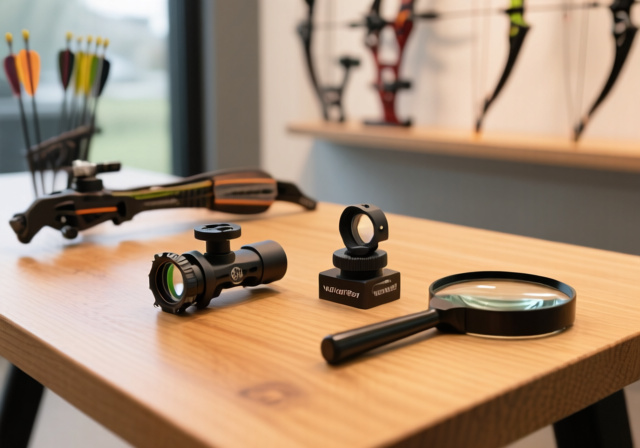
Poor vision doesn’t have to end your bowhunting career. I’ve seen hunters in their 60s outshoot shooters half their age once they found the right vision solutions. After working with dozens of archers facing vision challenges, I can tell you that modern equipment and techniques can overcome almost any vision issue.
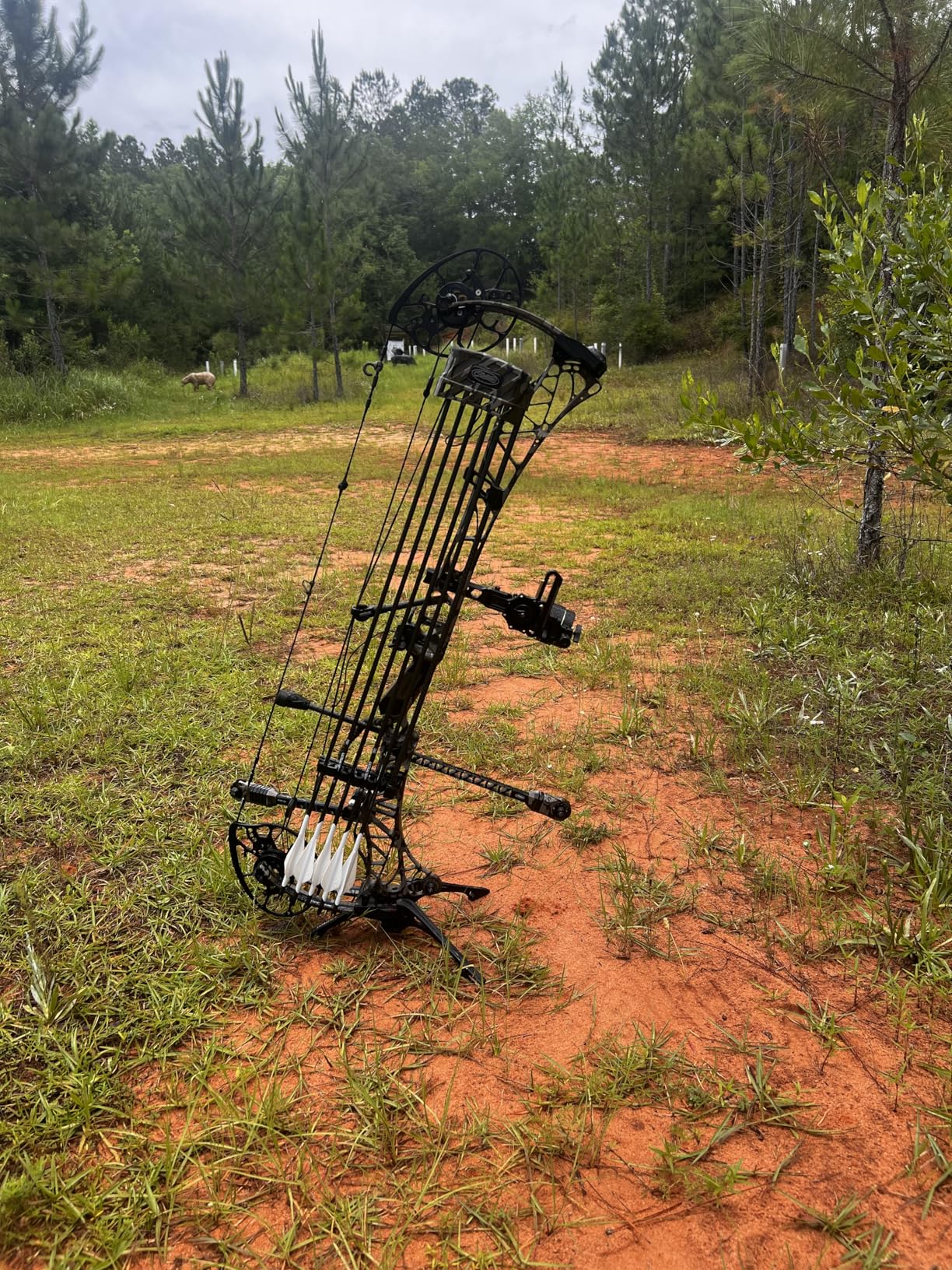
The best solution for poor vision in bowhunting is using a combination of specialized equipment like verifier lenses for farsightedness, larger peep sights for better light gathering, and single-pin sights to reduce visual clutter. These tools, when properly matched to your specific vision condition, can restore your accuracy and confidence in the field.
Over the past 15 years of bowhunting, I’ve personally experienced vision changes and helped countless friends and clients adapt their setups. What I’ve learned is that vision problems are solvable – you just need the right approach and equipment tailored to your eyes.
In this guide, I’ll walk you through 9 proven solutions, from budget-friendly peep sight upgrades to advanced digital optics, with specific product recommendations and step-by-step setup instructions. You’ll learn exactly what works for different vision conditions and how to implement these solutions effectively.
Vision issues in archery typically stem from the eye’s inability to focus simultaneously on close objects (sight pins) and distant targets. This creates a focal conflict that affects accuracy – when your pins are clear, the target is blurry, and vice versa.
The most common age-related change is presbyopia, which typically starts affecting people in their early 40s. This condition makes it harder to focus on close objects, exactly what you need for clear sight pins. I noticed this myself at 43 – suddenly my pins looked fuzzy no matter how hard I squinted.
Quick Self-Assessment: If you’re over 40 and experiencing blurry pins while your target remains clear, you likely have presbyopia. If both pins and target are blurry, you may need general vision correction first.
Common vision conditions affecting archers include farsightedness (difficulty seeing close objects), nearsightedness (difficulty seeing distant objects), astigmatism (distorted vision at all distances), and color blindness (difficulty distinguishing certain colors). Each requires different solutions.
A verifier lens works like reading glasses built into your peep sight, clearing up blurry sight pins for farsighted shooters. I’ve seen this simple fix transform struggling archers into consistent killers.
Step 1: Determine your verifier strength. Start with a #6 (gray) lens if you’re mildly farsighted or #7 (blue) for moderate cases. Specialty Archery makes 5 different strengths to match various vision needs.
Step 2: Remove your current peep sight using a bow press. Clean the string area thoroughly before installation.
Step 3: Install the verifier peep using the included serving tool. Ensure it’s oriented correctly – the lens should face your eye.
Step 4: Test with your bow sight. If pins are still blurry, try the next stronger verifier. If the target becomes blurry, you’ve gone too strong.
Success Metric: Clear sight pins while maintaining target focus at your maximum shooting distance.
Larger peep sights gather more light and provide a bigger viewing window, making them ideal for aging eyes and low-light conditions. I switched from a 1/8″ to 1/4″ peep and gained 15 minutes of legal shooting time at dusk.
Step 1: Choose your size based on age and lighting conditions. 1/4″ for 40+ shooters or heavy timber hunting, 3/16″ for balanced performance, 1/8″ only for young eyes in bright conditions.
Step 2: Select a quality peep with anti-glare properties. The Hamskea Raptor Peep eliminates glare while maintaining precision.
Step 3: Install using a bow press and serve in place securely. Larger peeps can twist more easily due to increased surface area.
Step 4: Adjust your anchor point if needed. Larger peeps may require slight adjustments to maintain consistent alignment.
Clarifiers work opposite to verifiers – they clear up blurry targets when using magnified lenses. Perfect for nearsighted shooters or those with high-magnification sights.
Step 1: Check if your sight has magnification. If you’re using a 2X, 4X, or 6X lens, a clarifier might help.
Step 2: Match clarifier power to sight magnification. Generally, 4X clarifiers work best with 4-6X sights, 6X for 6-8X.
Step 3: Install in your peep sight just like a verifier. The SOPOGER peep sight kit includes both clarifiers and apertures.
Step 4: Test at various distances. Clarifiers work best at longer ranges where magnification provides the most benefit.
Multiple pins create visual clutter that confuses aging eyes. A single-pin sight simplifies the sight picture and forces focus on one aiming point.
Step 1: Remove your multi-pin sight using an Allen wrench.
Step 2: Install the single-pin sight, ensuring it’s level and secure.
Step 3: Set your pin for your most common shooting distance (usually 30 yards for whitetail hunters).
Step 4: Practice ranging and adjusting for different distances. Most single pins have tape marks for quick adjustments.
✅ Pro Tip: Use a sight light with your single pin to maintain visibility in low light without affecting your night vision.
Sight lights illuminate your pins in low light without illuminating your target. Check local regulations first – they’re legal for hunting in most states but prohibited in some.
Step 1: Verify your state’s regulations regarding electronic sights and lights.
Step 2: Choose a rheostat-style light with adjustable brightness. The TRUGLO TG70A includes this feature.
Step 3: Install according to manufacturer instructions. Most attach to the sight housing.
Step 4: Set brightness to minimum needed to see pins clearly. Over-brightening can create glare.
Contacts provide more natural vision than glasses for archery. They don’t interfere with your anchor point or create distortion at odd angles.
Step 1: Schedule a consultation with an optometrist experienced with sports vision.
Step 2: Try daily disposables first for comfort and convenience.
Step 3: Practice extensively before hunting season to adjust to the different feel.
Step 4: Keep backup glasses and spare contacts in your pack.
If contacts aren’t an option, shooting-specific glasses can work wonders. Single-vision lenses set for your dominant shooting distance eliminate progressive lens distortion.
Step 1: Get fitted by an optician who understands archery needs.
Step 2: Choose frames that don’t interfere with your anchor point.
Step 3: Opt for anti-reflective coating to reduce glare.
Step 4: Consider yellow or amber tints for low-light contrast enhancement.
Like muscles, your eyes can be trained. Simple exercises improve focus and convergence, helping maintain accuracy as you age.
Exercise 1: Use a Brock String (Vision Convergence Training tool) for 5 minutes daily. This improves eye coordination and convergence.
Exercise 2: Practice focusing drills – alternately focus on a close object then distant target, repeating 10 times.
Exercise 3: Use pencil push-ups – hold a pencil at arm’s length, slowly bring it toward your nose while keeping it in focus.
For severe vision issues or night hunting, digital sights like the FENJANER Archery Night Vision system can be game-changers. They provide 4K clarity with crosshair overlays.
Step 1: Mount the digital scope using the included bracket for your bow type.
Step 2: Charge the battery fully – expect 6-8 hours of runtime.
Step 3: Practice extensively before hunting. Digital sights require different ranging techniques.
Step 4: Learn to use the recording feature – it’s great for reviewing shots and sharing hunts.

4K resolution
5X digital zoom
8-hour battery
Photo/video recording
This digital night vision system revolutionized my night hunting. The 4K resolution provides incredible clarity, and the 5X zoom helps with accurate ranging. Customer photos show how compact it mounts on the bow.
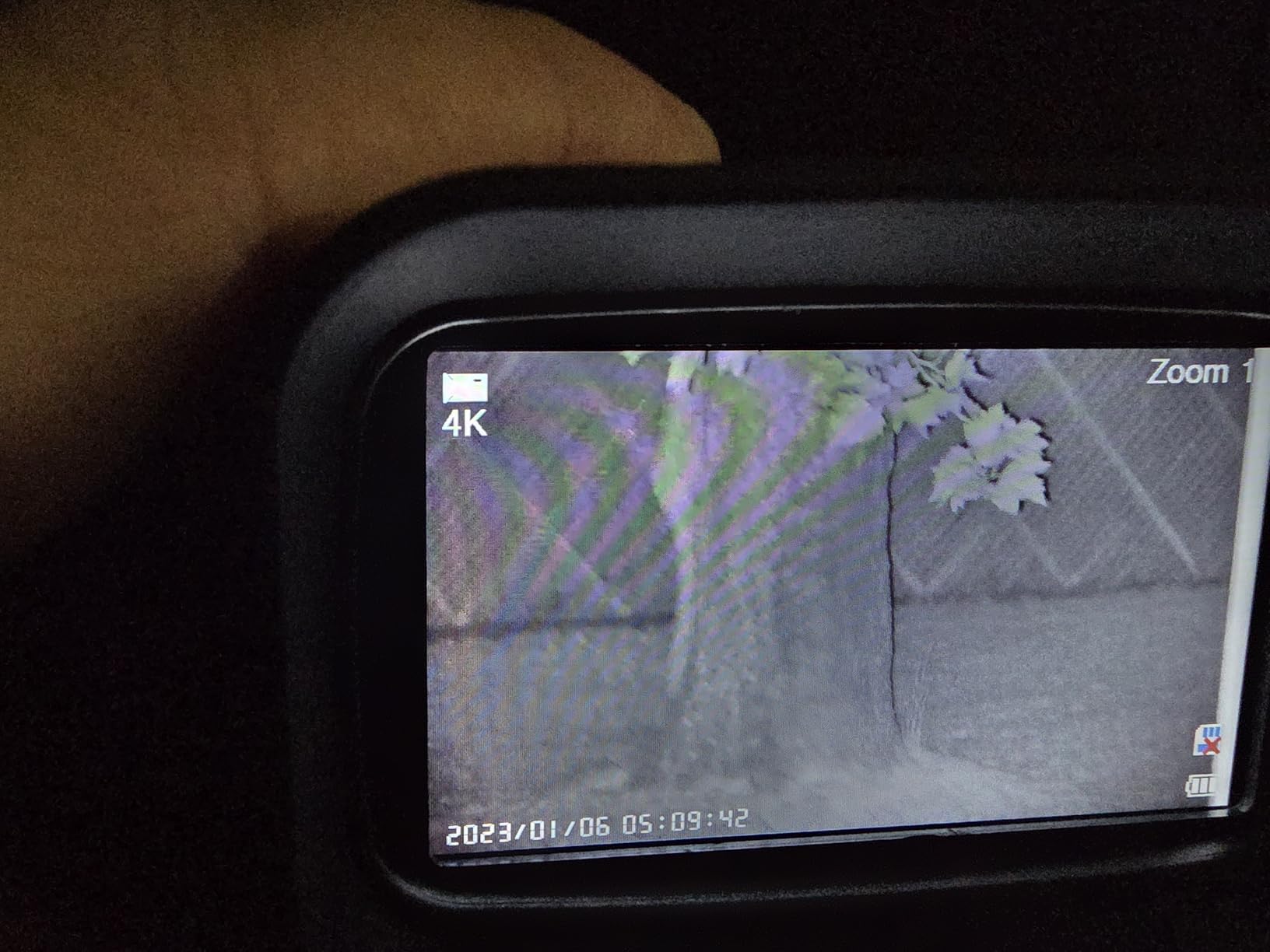
The rechargeable battery lasts through long sits, and I’ve recorded some amazing hunts with the video feature. Installation took about 20 minutes with the included mounting hardware.
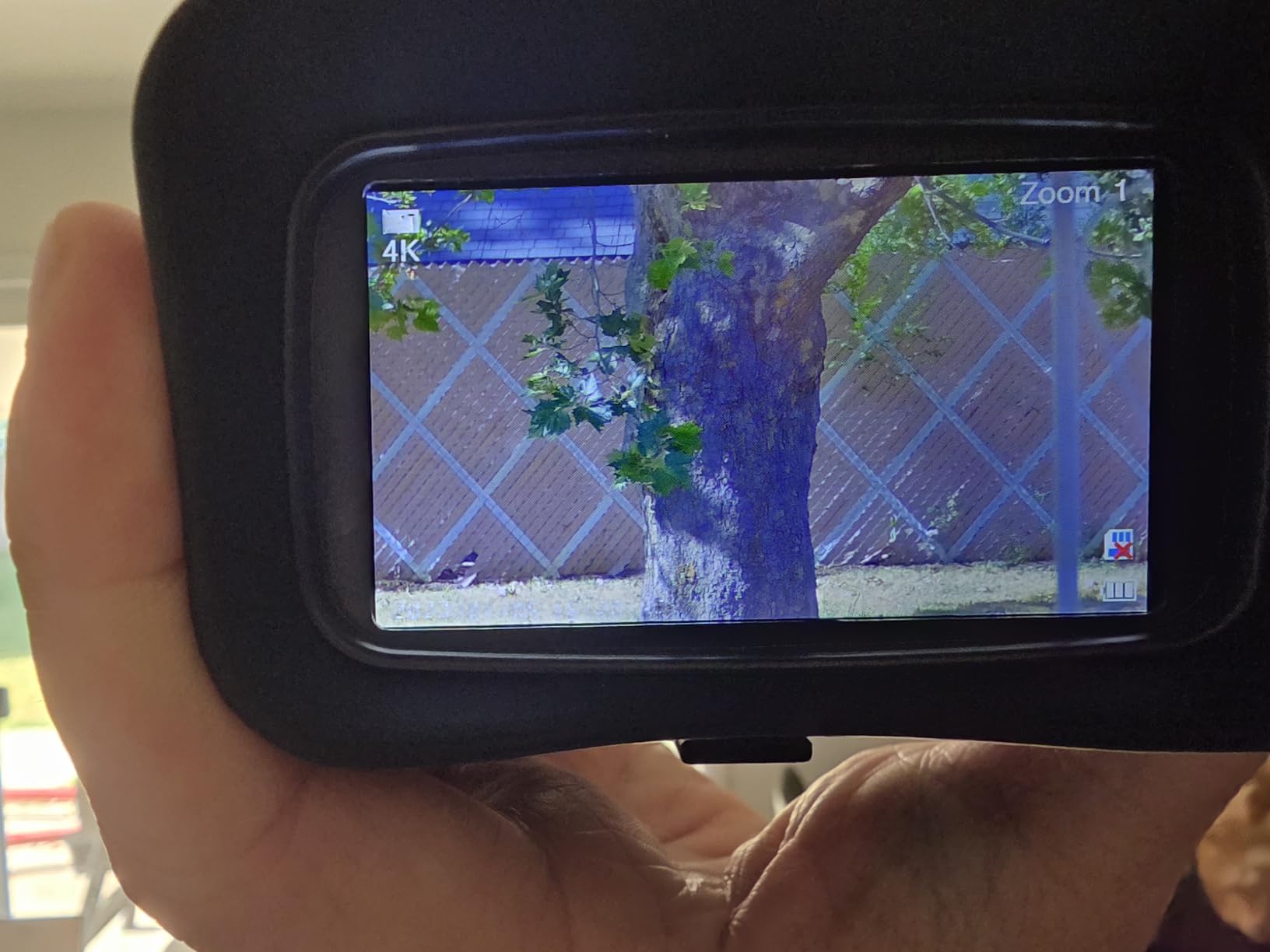
While it’s pricey, the ability to hunt effectively after dark opens up entirely new opportunities. Just check your local regulations before using electronic sights.
Excellent night vision capabilities with clear 4K resolution and impressive detection range. The long battery life and dual mounting options make it versatile for different bow setups.
Higher price point and shipping restrictions may limit availability. The screen fragility concerns reported by some users require careful handling in the field.

2X magnification
Optical grade polymer
Anti-reflective coating
Scratch resistant
This 2X magnification lens helped me extend my effective range by 10 yards. The optical grade polymer is surprisingly clear and lighter than glass, so it doesn’t affect bow balance.
Installation is straightforward – it replaces the standard lens on Range Rover sights. The anti-reflective coating really helps in bright conditions.
Works best with a clarifier in your peep sight to eliminate any fuzziness. For under $60, it’s an affordable way to combat aging eyes.
Excellent magnification that brings distant targets closer without adding significant weight. The scratch-resistant polymer construction holds up well to field use.
May appear blurry without proper peep clarifier setup. Some users report limited effectiveness at closer ranges.
6-foot training string
5 colored beads
Convergence exercises
Home use
At under $10, this training tool is the cheapest vision solution available. I use it for 5 minutes daily during the off-season to maintain eye coordination.

The 6-foot string with colored beads helps train your eyes to work together properly. Customer images show the simple setup – you anchor it and focus on different beads.
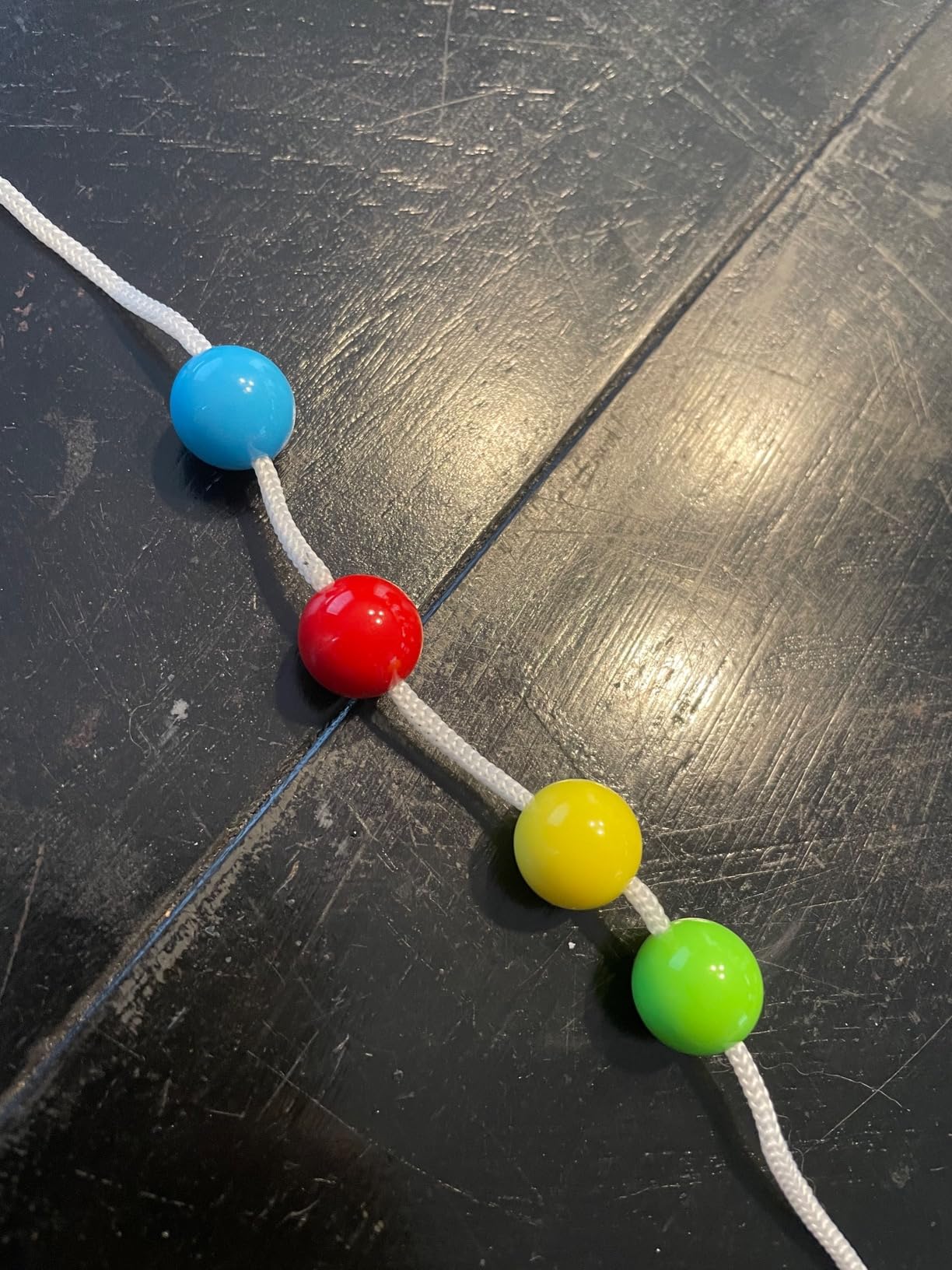
While results aren’t instant, consistent use definitely helps maintain convergence. It’s the same tool used by vision therapists, just at a fraction of the cost.
Incredibly affordable vision training that actually works. The quality construction and included instructions make it easy to implement a regular training routine.
Requires consistent practice to see results. Some users find the beads slide too freely on the string.

37/45 degree peep
5 aperture sizes
4X/6X/8X clarifier
Serving string included
This kit includes everything you need to optimize your peep setup for vision correction. The 5 different aperture sizes let you tune the light gathering, and the clarifier works well with magnified sights.
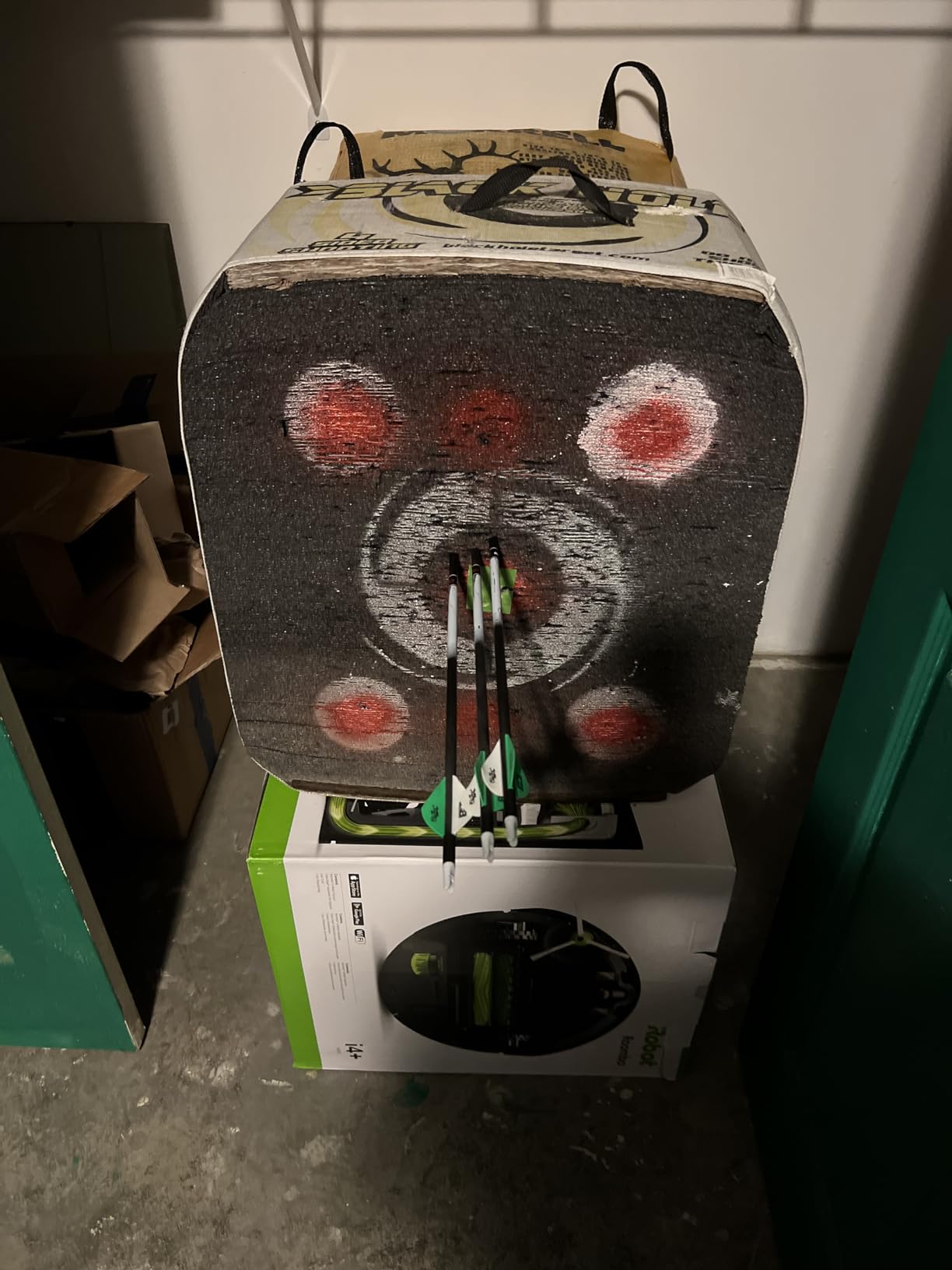
I especially appreciate that it includes the serving string – many kits don’t. Customer photos show the various apertures and how they install in the peep.
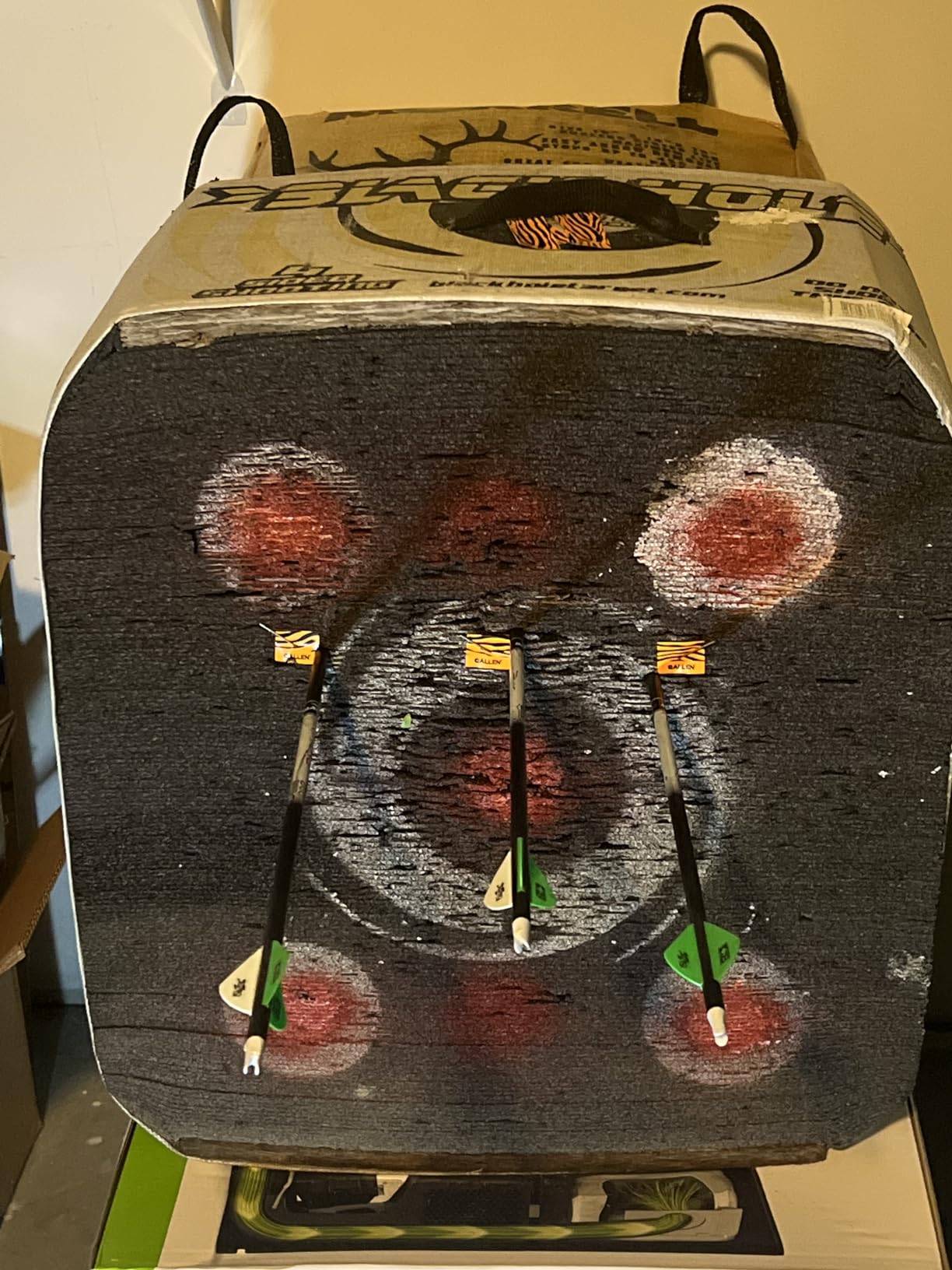
The aluminum construction feels durable, and at under $25, it’s an excellent value. Takes some experimentation to find the right combination, but once set up, it performs great.
Complete solution with multiple options for fine-tuning your setup. The included clarifier significantly improves clarity with magnified sights.
Some quality control issues reported. Limited instructions make trial-and-error necessary for optimal setup.

No. 7 blue lens
For farsightedness
Sharpens sight pins,Alloy steel construction
This verifier lens was a game-changer for my farsightedness. The No. 7 blue lens sharpened my sight pins instantly without affecting target clarity.
Available in different powers to match your specific vision needs. The alloy steel construction is incredibly durable – I’ve had mine for 5 seasons without issues.
While it’s pricier than standard peeps, the improvement in accuracy is worth every penny. Perfect for shooters who can see their target clearly but struggle with blurry pins.
Outstanding performance for farsighted shooters. Crystal clear sight pins that dramatically improve accuracy at all distances.
Requires finding the exact right strength for your vision. Not suitable for nearsighted shooters or those with normal vision.
1/4\
The angled design of this peep sight ensures perfect alignment every time. I gained about 10 minutes of legal shooting time in the evening with the 1/4″ model.
The CNC-machined aluminum is lightweight but tough. Customer photos show how the angled design naturally aligns with your eye position.
Available in three sizes to match different needs and lighting conditions. The matte black finish prevents glare that can plague other peeps.
Excellent low light performance and natural alignment thanks to the angled design. Superior construction at a competitive price point.
May be too large for shooters preferring precision. Some quality control issues reported with occasional defects.
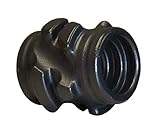
Dual angle grooves
Anti-glare technology,Teflon coating,USA made
This premium peep sight uses aerospace anti-glare technology that completely eliminates glare in all lighting conditions. The dual 35/40-degree grooves work with any bow setup.
The Teflon coating protects your bowstring from wear. Customer images show the precision machining and attention to detail.
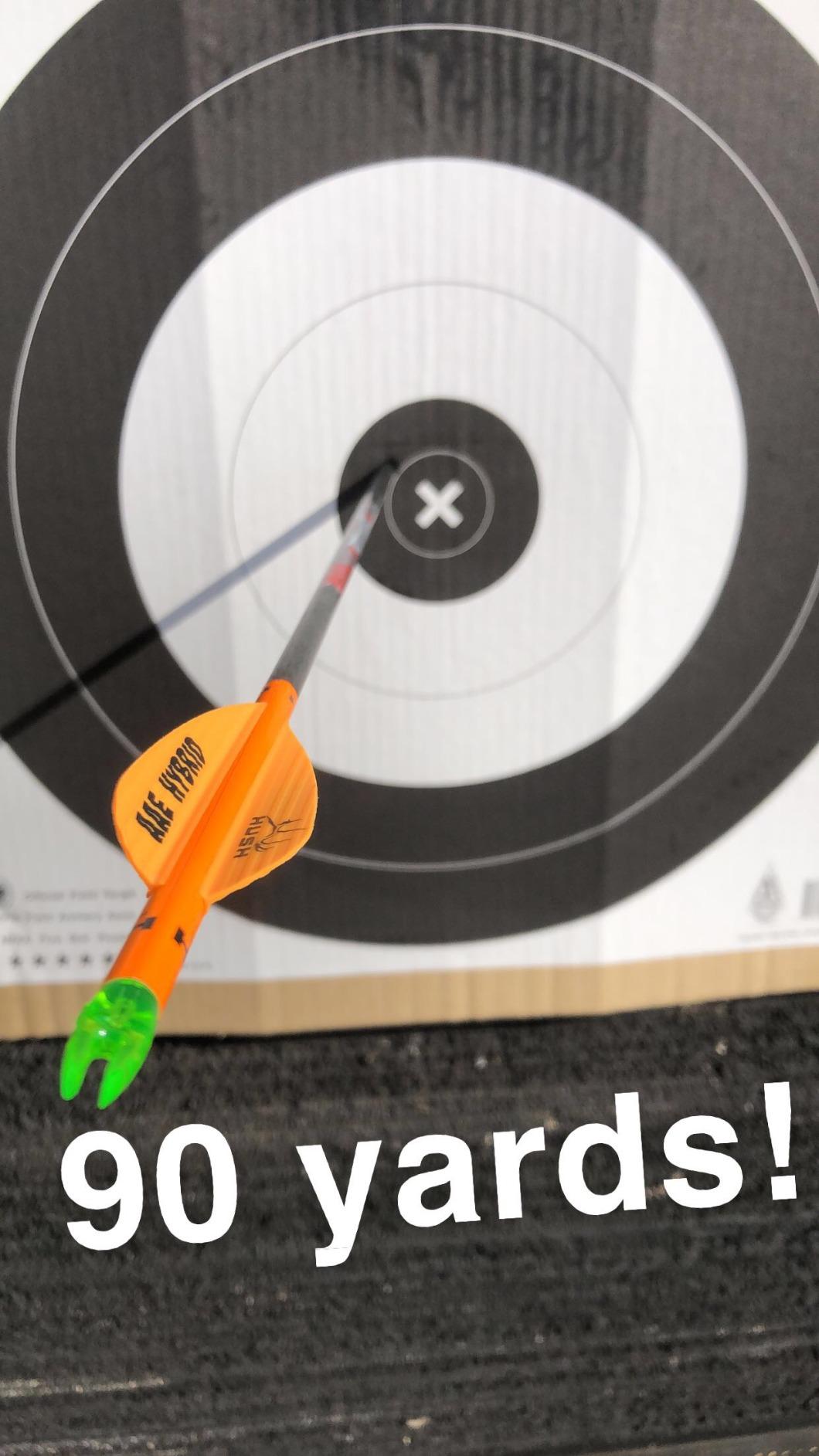
While it’s expensive, the build quality is unmatched. Made in the USA with aerospace-grade materials, this peep will likely outlast your bow.
Superior anti-glare performance in all conditions. Excellent build quality and string protection features justify the premium price.
Higher cost than standard peeps. Cannot be adapted with verifier or clarifier lenses.
30X magnification
18 LED lights
3 light modes
Large 3.15\
While not for shooting directly, this magnifying glass is essential for maintaining your vision equipment. The 30X magnification and LED lighting make it easy to inspect peep sights, fibers, and small components.
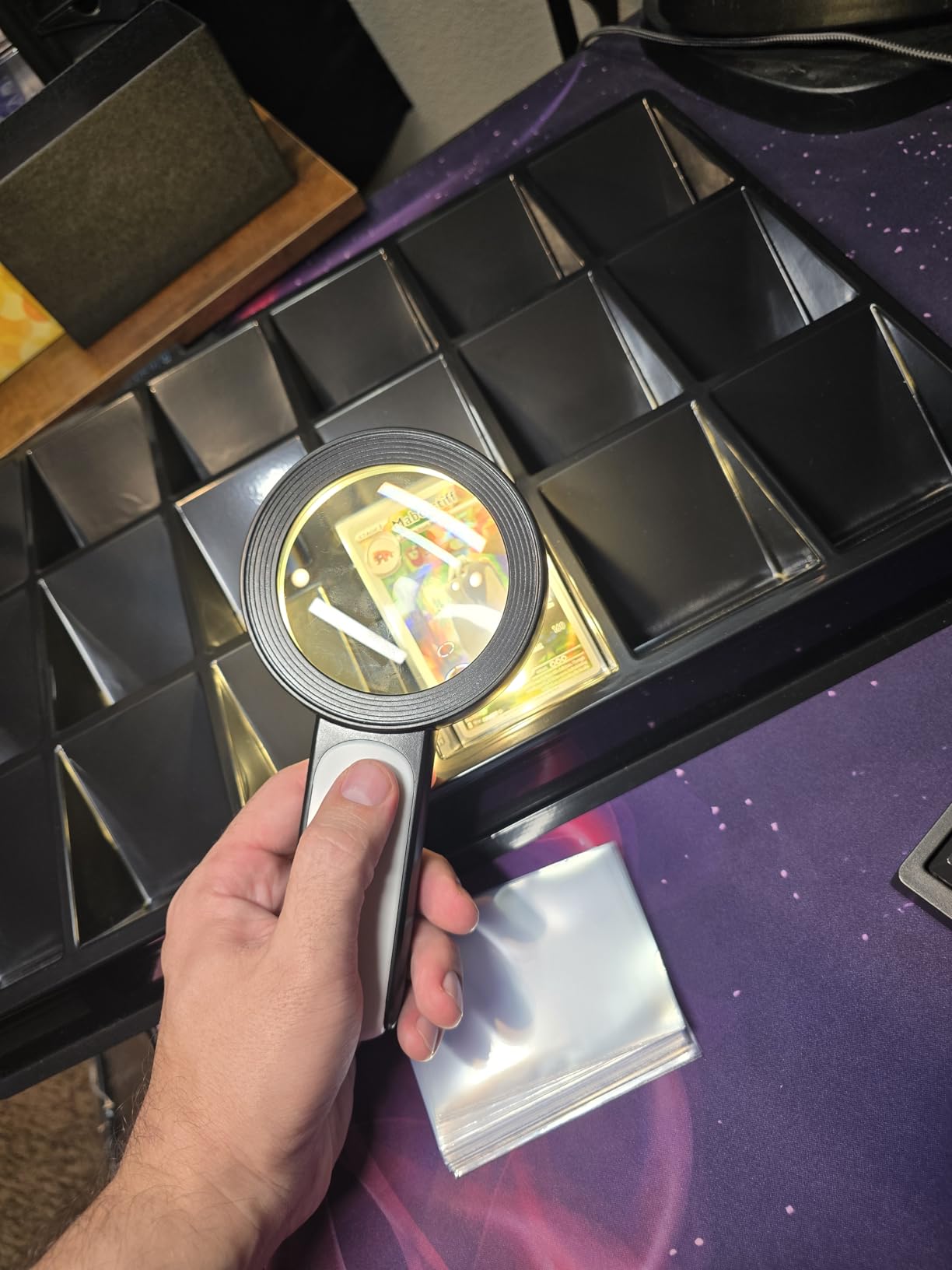
The three lighting modes (cold, warm, mixed) help identify different types of wear or damage. Customer photos show the large, clear lens area.
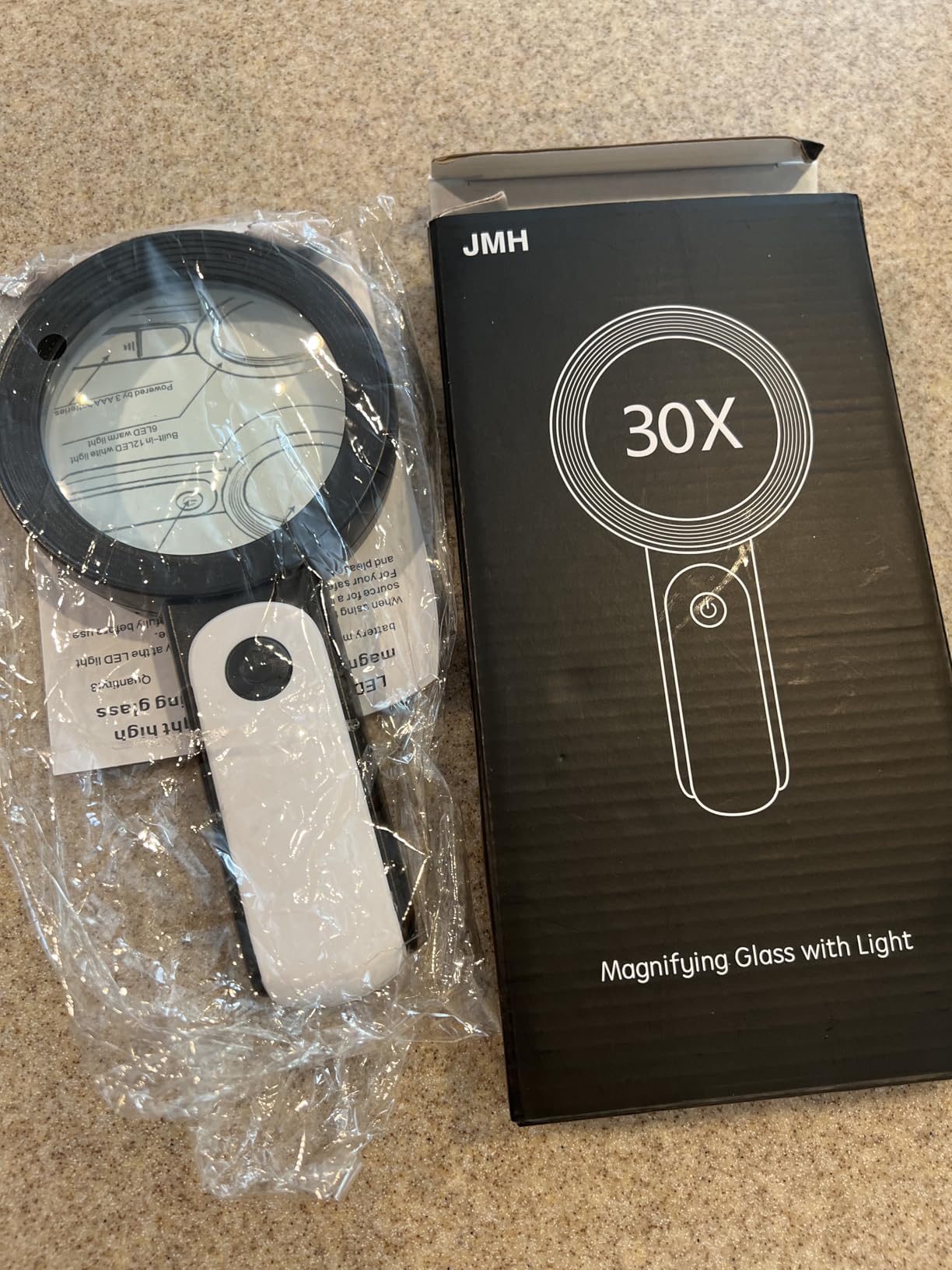
I use it regularly to check my peep alignment and fiber optic condition. The distortion-free viewing prevents eye strain during detailed inspections.
Powerful 30X magnification with excellent LED illumination makes equipment inspection easy. Multiple lighting modes adapt to different inspection needs.
Heavier than expected for extended use. Battery door may not secure properly on some units.
For more detailed information on bow sight options and configurations, check out our comprehensive bow sight guide with expert reviews and technical specifications.
Sometimes DIY solutions aren’t enough. If you’ve tried multiple approaches without success, it’s time to consult a professional. An optometrist experienced with sports vision can provide targeted solutions.
During your consultation, ask specifically about: single-vision shooting glasses set for your dominant distance, contacts suitable for outdoor sports, and any underlying conditions affecting your vision.
Bring your bow to the appointment if possible. Some optometrists will actually watch you shoot to better understand your specific needs. This hands-on approach often reveals solutions that office examinations miss.
Yes, absolutely. Modern equipment and techniques can compensate for almost any vision condition. From verifier lenses to digital sights, there are solutions for every vision challenge.
Install a verifier lens if you’re farsighted, try a larger peep for better light gathering, or switch to a single-pin sight to reduce visual clutter. Matching the solution to your specific vision condition is key.
Yes, hunting from a blind actually helps with vision issues. The restricted shooting lanes and closer distances make aiming easier. Use high-contrast pins and consider a sight light for the dim interior.
Absolutely. Many successful archers wear glasses. Consider single-vision lenses set for your shooting distance, or try contacts for more natural vision. Proper anchor point adjustment may be needed.
Yes, one-eyed archery is definitely possible. Focus on consistent anchor point and form. Some one-eyed shooters actually find it easier to concentrate without dominant eye conflicts.
Single-pin sights with large fiber optic pins work best for aging eyes. Combine with a 1/4″ peep sight and consider a verifier lens or magnification depending on your specific vision needs.
It varies by state. Electronic sights with distance measurement are generally illegal, but illuminated pins and digital night vision may be legal. Always check your local regulations before using electronic sights.
After testing dozens of solutions and helping countless archers overcome vision challenges, I’ve learned that success comes from matching the right equipment to your specific condition. Start with the simplest solution first – often a larger peep or verifier lens solves the problem at minimal cost.
Don’t let age-related vision changes end your bowhunting career. With today’s specialized equipment and proper setup, you can maintain accuracy and confidence well into your golden years. The key is understanding your specific vision challenges and choosing the appropriate solutions.
Remember to practice extensively with any new setup before hunting season. Equipment changes require adjustment periods, but the payoff in improved accuracy is worth the effort. Your next trophy is waiting – now go get it with clear vision and confidence.