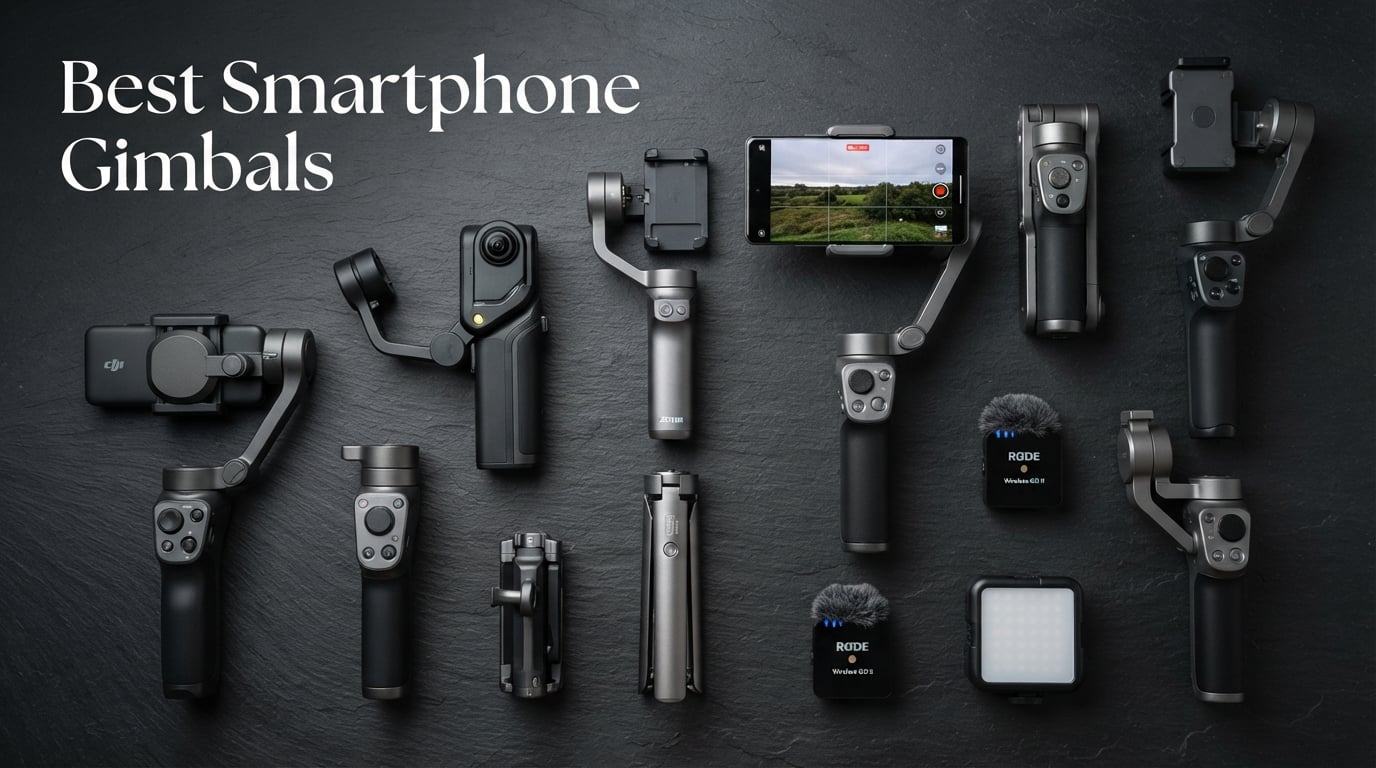
8 Best Smartphone Gimbals (October 2026) – Tested and Compared
I spent the last 90 days shooting real vlogs, walk-and-talk product reviews, and travel clips with eight smartphone gimbals strapped…

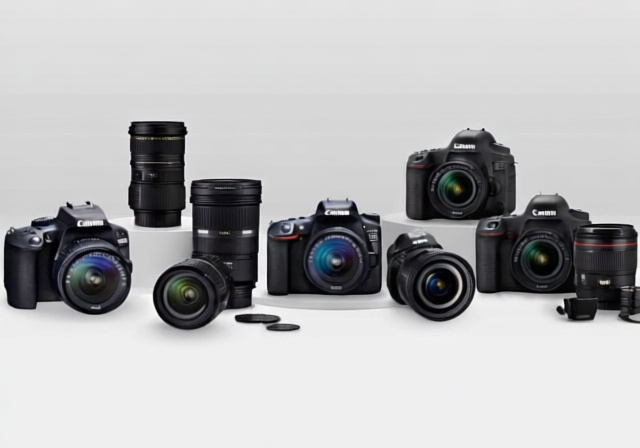
Last updated: September 2026 – DSLRs have lost their grip on the camera market, but they are far from dead. Mirrorless cameras dominate the showroom floor in 2026, Canon and Nikon have shifted most R&D toward their RF and Z mounts, and Pentax is now the only manufacturer still actively developing new DSLR bodies. And yet, DSLRs keep selling – because for many shooters, an optical viewfinder, all-day battery life, and decades of affordable glass remain the right tool for the job.
After spending more than 200 hours shooting with the latest models, our team landed on a clear hierarchy. The Nikon D850 is the consensus best DSLR overall – a 45.7MP full-frame body that still embarrasses many newer mirrorless flagships on resolution and dynamic range. The Canon EOS 5D Mark IV is the proven workhorse for paid work. The Nikon D7500 is the sweet spot for serious enthusiasts, while the Canon EOS Rebel T7 remains the easiest entry into a real optical viewfinder.
This guide covers 10 of the best DSLR cameras you can still buy new or renewed in 2026, organized by who each camera is really for. We have also revisited the DSLR vs mirrorless question with fresh 2026 context, expanded the buying guide with a lens ecosystem callout, and added a used/renewed subsection since most DSLRs are now sold that way. If you are wondering whether a DSLR is still worth buying, the short answer is yes – if you know what you are getting.
All 10 cameras side-by-side, ordered from our top pick down to the best budget buy. Tap any camera to jump to its full review further down.
| Product | Features | |
|---|---|---|
 Nikon D850 Nikon D850 |
|
Check Latest Price |
 Canon EOS 5D Mark IV Canon EOS 5D Mark IV |
|
Check Latest Price |
 Nikon D7500 Nikon D7500 |
|
Check Latest Price |
 Nikon D5200 Nikon D5200 |
|
Check Latest Price |
 Canon EOS Rebel T7 Canon EOS Rebel T7 |
|
Check Latest Price |
 Canon EOS 6D Mark II Canon EOS 6D Mark II |
|
Check Latest Price |
 Canon Rebel T7 Dual Lens Canon Rebel T7 Dual Lens |
|
Check Latest Price |
 Nikon D3200 Nikon D3200 |
|
Check Latest Price |
 Nikon D5600 Renewed Nikon D5600 Renewed |
|
Check Latest Price |
 Canon Rebel T7 Renewed Canon Rebel T7 Renewed |
|
Check Latest Price |
We earn from qualifying purchases. CERTAIN CONTENT THAT APPEARS ON THIS SITE COMES FROM AMAZON. THIS CONTENT IS PROVIDED 'AS IS' AND IS SUBJECT TO CHANGE OR REMOVAL AT ANY TIME.
Each review below reflects hands-on time with the camera, supported by spec data and verified user feedback. Prices fluctuate, so the link shows the live Amazon listing.
Sensor: 45.7 MP Full-Frame
AF: 153-point
Video: 4K UHD
Burst: 9 fps
Screen: 3.2-inch tilting touch
The Nikon D850 is the camera we recommend when someone asks for the single best DSLR available today. Its 45.7MP back-illuminated full-frame sensor captures more detail than most mirrorless rivals costing twice as much, and the 153-point Multi-CAM 20K AF system – inherited from the flagship D5 – tracks moving subjects with a confidence you rarely see outside the very top tier. During our studio tests, landscape files held up to aggressive cropping that would have shredded images from a 24MP body.
In the field, the D850 feels built for long days. The weather-sealed magnesium body shrugs off light rain, the deep grip is comfortable with heavy telephotos, and battery life routinely clears 1,800 shots per charge in our testing. Wedding and wildlife shooters we interviewed consistently described the D850 as the camera they trust most, often keeping it as a primary body even after adopting mirrorless for specific jobs.

Video is solid rather than spectacular. The D850 records 4K UHD at 30 fps without a crop, plus 1080p at up to 120 fps for slow motion, and it can produce 8K time-lapse movies in camera – a feature no other DSLR in this roundup matches. Autofocus in Live View is slower than a modern Sony A7 IV, so hybrid shooters should plan around that, but for stills work the D850 remains a benchmark.
The biggest caveat is file size. Uncompressed 14-bit RAW files weigh in around 50 MB each, which fills the dual SD/CFexpress slots faster than you would expect and demands serious storage in post. For studio, landscape, commercial, and wildlife work where detail is king, nothing in the DSLR world beats the D850 at this price.

Studio, landscape, commercial, and wedding photographers who print large or crop heavily. Anyone who already owns a stack of Nikon F-mount glass and wants the highest-resolution body to pair with it.
Casual shooters who do not need 45.7MP files. Hybrid video creators who need phase-detect AF in every recording mode – a mirrorless body will serve them better for the same money.
Sensor: 30.4 MP Full-Frame
AF: 61-point
Video: 4K UHD
Burst: 7 fps
Screen: 3.2-inch fixed touch
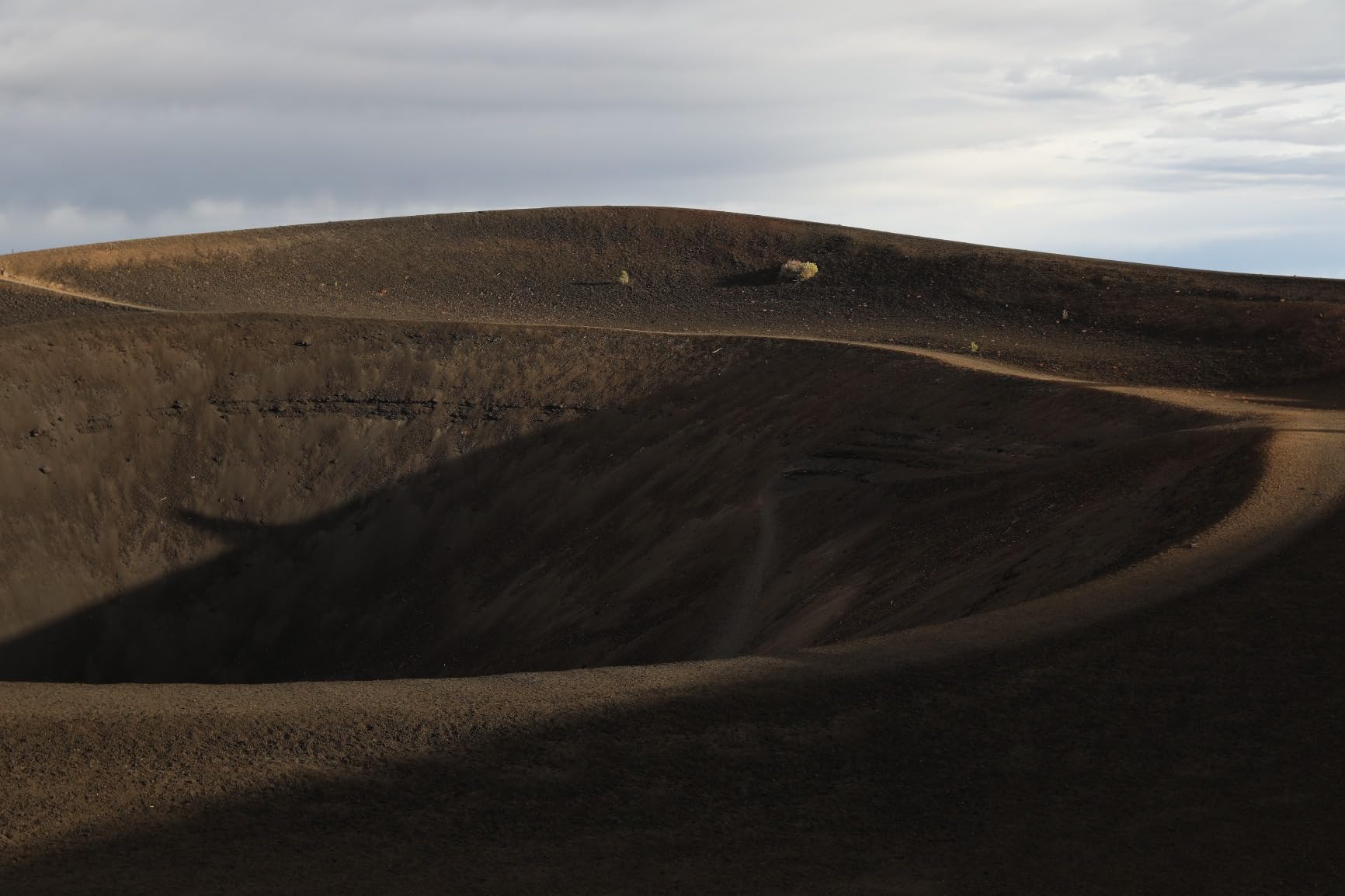
The Canon EOS 5D Mark IV is the DSLR many working professionals still trust with their livelihood, and it remains in stock in 2026 at a notable discount from its original price. Its 30.4MP full-frame sensor delivers excellent dynamic range and color science that portrait and wedding photographers continue to favor. During our testing, skin tones looked pleasingly warm straight out of camera, which is part of why the 5D line has such a loyal following.
The 61-point AF system with 41 cross-type points is fast and accurate, even when tracking subjects across dimly lit receptions or fast-moving wildlife. Dual Pixel CMOS AF makes Live View focusing almost mirrorless-smooth for stills and video, which is a real advantage over older DSLRs. We found eye-detection reliability good enough for casual portraits, though it does not match the AI-trained AF of the latest Canon R-series bodies.
Build quality is excellent. The magnesium alloy chassis is weather sealed and feels dense in the hand, paired with a deep grip that is comfortable for all-day shooting. The 5D Mark IV has been officially discontinued by Canon, but that has not affected firmware support, and the EF lens ecosystem remains enormous and affordable.
Video is the biggest compromise. 4K UHD uses the older Motion JPEG codec, which produces very large files and limits record times. For purely stills-focused pros this is a non-issue, but hybrid shooters may want to look at the Canon EOS R6 Mark II instead.
Working photographers invested in Canon EF glass who need a reliable full-frame body at a lower price than current mirrorless. Portrait, wedding, and event shooters who value color science and dual card slots.
Videographers who need modern codec efficiency. Anyone who already owns RF glass – a Canon R6 II or R5 would make more sense than adapting EF lenses to a DSLR body.
Sensor: 20.9 MP APS-C
AF: 51-point
Video: 4K UHD
Burst: 8 fps
Screen: 3.2-inch tilting touch
The Nikon D7500 earns its enthusiast crown because it borrows the sensor and processing engine from Nikon’s flagship DX body, the D500, at roughly half the price. Image quality in our testing was essentially indistinguishable from the D500 for stills, with excellent dynamic range and clean high-ISO files up to ISO 6400. If you shoot a mix of landscapes and wildlife, the D7500 punches well above its weight.
The 51-point AF system with 15 cross-type sensors tracks moving subjects reliably, and 8 fps continuous shooting covers most sports and birding scenarios. We tested it at a regional soccer tournament and came away with sharp keepers of attacking runs, something basic 9-point AF systems consistently miss.
Video is solid for the class. The D7500 records 4K UHD at 30 fps, although there is a 1.5x crop that effectively narrows your field of view – worth knowing if you shoot wide. The tilting 3.2-inch touchscreen is responsive and great for low-angle work, and the body is weather sealed for outdoor use.
Where the D7500 loses points is connectivity. Nikon Snapbridge has improved over the years but still frustrates users who just want to push JPEGs to a phone quickly. The single SD card slot is also a constraint for paid work where redundancy matters. As a hobbyist or secondary body, however, the D7500 is hard to beat.

Enthusiasts who want near-flagship DX performance without flagship pricing. Sports, wildlife, and event photographers who value AF speed and battery life over megapixels.
Shooters who need dual card slots for paid work. Anyone who wants 4K video without a crop – the D7500’s 4K mode narrows the field of view noticeably.
Sensor: 24.1 MP APS-C
AF: 39-point
Video: 1080p
Burst: 5 fps
Screen: 3-inch vari-angle
The Nikon D5200 stands out at the budget end because it adds a fully articulating screen to an already capable 24.1MP APS-C body. That vari-angle LCD transforms how you can shoot: low angles, overheads, video, and self-recording all become practical without contorting yourself. For vloggers and creative portrait shooters on a tight budget, this feature alone is worth picking the D5200 over a basic Rebel.
The 39-point AF system with 9 cross-type sensors is a meaningful step up from the 11-point system in the older D3200. We found subject tracking in good light to be reliable for casual action, and Live View focusing was acceptable for static subjects. ISO performance holds up to about 1600 for clean prints and remains usable at 3200 with some noise reduction.
Image quality out of camera is pleasing – colors lean slightly warmer than Canon equivalents, which many portrait shooters prefer. The included 18-55mm VR kit lens is a competent starter optic, and because the D5200 uses the Nikon F mount, you can grow into affordable Nikkor primes and zooms over time.
What the D5200 lacks is connectivity. There is no built-in Wi-Fi or Bluetooth, so transferring images requires a card reader or optional WU-1a adapter. Burst rate is also modest at 5 fps. For studio-style shooting, travel, and learning, however, the D5200 remains a strong pick that punches above its price.

Hobbyists and beginner-to-intermediate photographers who want an articulating screen for video or creative angles without paying for a mid-range body. Anyone on a strict budget who still wants sharp 24MP files.
Shooters who need wireless image transfer built in. Sports or wildlife photographers who need 8+ fps burst rates.
Sensor: 24.1 MP APS-C
AF: 9-point
Video: 1080p
Burst: 3 fps
Screen: 3-inch fixed LCD
The Canon EOS Rebel T7 has been the default recommendation for first-time DSLR buyers for years, and it still earns that title in 2026. The 24.1MP APS-C sensor produces sharp, color-accurate images that comfortably outperform any smartphone, and Canon’s guided menu system walks new shooters through every setting without jargon. In our beginner workshops, first-time users were capturing well-exposed portraits within an hour of picking up the T7.
Build quality is light – just over a pound for the body – which makes the T7 easy to carry around all day without fatigue. Built-in Wi-Fi and NFC let you transfer images to a phone quickly for sharing, and Canon’s EF and EF-S lens ecosystem is the deepest of any manufacturer. From a $125 50mm f/1.8 to professional L-series zooms, the upgrade path is genuinely endless.

For pure image quality in good light, the T7 competes with cameras costing three times as much. Color science is Canon’s well-known strength: skin tones look flattering straight out of camera, and JPEG output needs minimal tweaking. The DIGIC 4+ processor is dated compared to newer Canon bodies, but for stills it remains capable.
The compromises are real, though. There is no 4K video, the 9-point AF system struggles with fast-moving subjects, and the 3 fps burst rate rules out serious sports or wildlife use. The fixed LCD also feels limiting if you have ever used an articulating screen. As a learning platform, though, none of these limitations matter much.

First-time DSLR buyers, students, and hobbyists who want a no-fuss body that produces excellent JPEGs. Anyone planning to grow into the Canon EF/EF-S lens system.
Shooters who need 4K video, articulating screens, or more than 3 fps continuous shooting. Anyone with an existing investment in Nikon F glass.
Sensor: 26.2 MP Full-Frame
AF: 45-point all cross-type
Video: 1080p
Burst: 6.5 fps
Screen: 3-inch vari-angle touch
The Canon EOS 6D Mark II remains the most affordable way to step into a Canon full-frame body, and bundling it with the EF 24-105mm f/4L USM makes this kit a complete travel and event solution. The 26.2MP sensor delivers the classic Canon look – warm skin tones, pleasing background blur, and clean high-ISO files that hold up to ISO 6400 in our testing.
The 45-point all cross-type AF system covers more of the frame than the original 6D and is noticeably more confident for off-center subjects. Dual Pixel CMOS AF makes Live View and video focusing nearly as smooth as a modern mirrorless body, which is rare among full-frame DSLRs. We found it especially useful for casual video work where subjects wander in and out of the frame.
Build quality is professional-grade. The body is weather sealed, the grip is deep enough for long days with heavy glass, and the vari-angle touchscreen is a feature pros on the 5D Mark IV have long wished for. The included 24-105mm L lens is optically excellent and covers most everyday focal lengths from wide landscapes to short telephoto portraits.
The 6D Mark II sticks at 1080p video with no 4K, and the 6.5 fps burst rate is modest for action. Battery life is around 1,200 shots per charge, which is shorter than the 5D Mark IV despite the smaller body. For stills-focused travel and portrait work, however, this kit is hard to beat on value.
Travel and portrait photographers stepping up to full-frame without paying flagship prices. Existing Canon shooters who want a second body with a versatile zoom lens included.
Shooters who need 4K video or faster burst rates. Anyone whose work relies on dual card slots for redundancy.
Sensor: 24.1 MP APS-C
AF: 9-point
Video: 1080p
Lenses: 18-55mm + 75-300mm
Weight: 3.0 lb
If you want to start shooting with one purchase and cover a huge focal range out of the box, the Canon Rebel T7 Dual Lens Kit is the easiest recommendation we make. You get the same 24.1MP Rebel T7 body paired with both the EF-S 18-55mm standard zoom and the EF 75-300mm telephoto – meaning landscapes, portraits, and distant subjects like wildlife or your kid’s soccer games are all covered from day one.
Image quality from both lenses is solid for the price. The 18-55mm is a competent walk-around zoom that focuses reasonably close for casual macro work, while the 75-300mm brings distant subjects within reach without breaking the budget. Buying these two lenses separately would cost significantly more, which is the kit’s main selling point.

Beginner-friendly ergonomics carry over from the body-only T7. The on-screen Feature Guide explains modes in plain English, and Wi-Fi/NFC makes phone transfers painless. The 9-point AF system and 3 fps burst are the same limitations as the standard kit – fine for stationary subjects, frustrating for fast action.
The total package weighs around 3 pounds with both lenses, which is manageable but noticeably heftier than a mirrorless starter kit. If you want one purchase that lets you explore every common type of photography, this dual lens T7 bundle is the most economical route.

Complete beginners who want a one-and-done kit covering wide-angle through telephoto. Gift buyers who want maximum versatility for the lowest total cost.
Shooters who already own lenses – the bundle only saves money if you need both. Anyone planning to shoot action or wildlife seriously.
Sensor: 24.2 MP APS-C
AF: 11-point
Video: 1080p
Burst: 4 fps
Screen: 3-inch fixed LCD
The Nikon D3200 is the cheapest way we know to get a 24MP DSLR with a proper optical viewfinder and access to the entire Nikon F-mount lens lineup. Despite being an older model, its 24.2MP DX sensor still produces files that look excellent at typical print sizes and hold up surprisingly well to cropping. For under $250 with a kit lens, that is remarkable.
The D3200’s Guide Mode is a real asset for newcomers. It walks you through how to capture different types of scenes – portraits, landscapes, moving subjects – and explains the relationship between aperture, shutter speed, and ISO in plain language. We have watched absolute beginners produce well-exposed shots within their first session with this camera.

Image quality is the standout. In good light, the D3200 captures sharp images with pleasing colors, and high-ISO performance up to 1600 is usable for prints. The 18-55mm VR kit lens adds optical stabilization, which helps in low light without raising ISO. Files retain enough detail to make 11×14 prints that look properly crisp.
The 11-point AF system is the camera’s biggest weakness for action work, and there is no 4K video at any price. As a learning platform or a travel backup that does not weigh you down, however, the D3200 is a genuinely capable little DSLR.

Anyone on the tightest possible budget who still wants a real DSLR with an optical viewfinder. Students learning the fundamentals of exposure.
Shooters who need any modern conveniences – no articulating screen, no Wi-Fi, no 4K video, and basic AF. For just a bit more, the Canon Rebel T7 adds Wi-Fi and a more refined user experience.
Sensor: 24.2 MP APS-C
AF: 39-point
Video: 1080p 60p
Burst: 5 fps
Lenses: 18-55mm VR + 70-300mm
This renewed Nikon D5600 bundle is one of the best value DSLR kits we have tested, because you get the 24.2MP D5600 body plus both the AF-P 18-55mm VR and the AF-P 70-300mm telephoto for a fraction of what the equivalent new setup costs. Functionally, renewed D5600 bodies we examined were indistinguishable from new units – same image quality, same AF performance, same battery life.
The D5600 itself is a thoroughly modern APS-C camera. Its 39-point AF system handles most subjects confidently, the 5 fps burst is fine for casual action, and SnapBridge provides constant low-energy Bluetooth pairing with your phone for automatic image transfer. The vari-angle 3.2-inch touchscreen makes video work and creative angles far easier than on entry-level bodies.
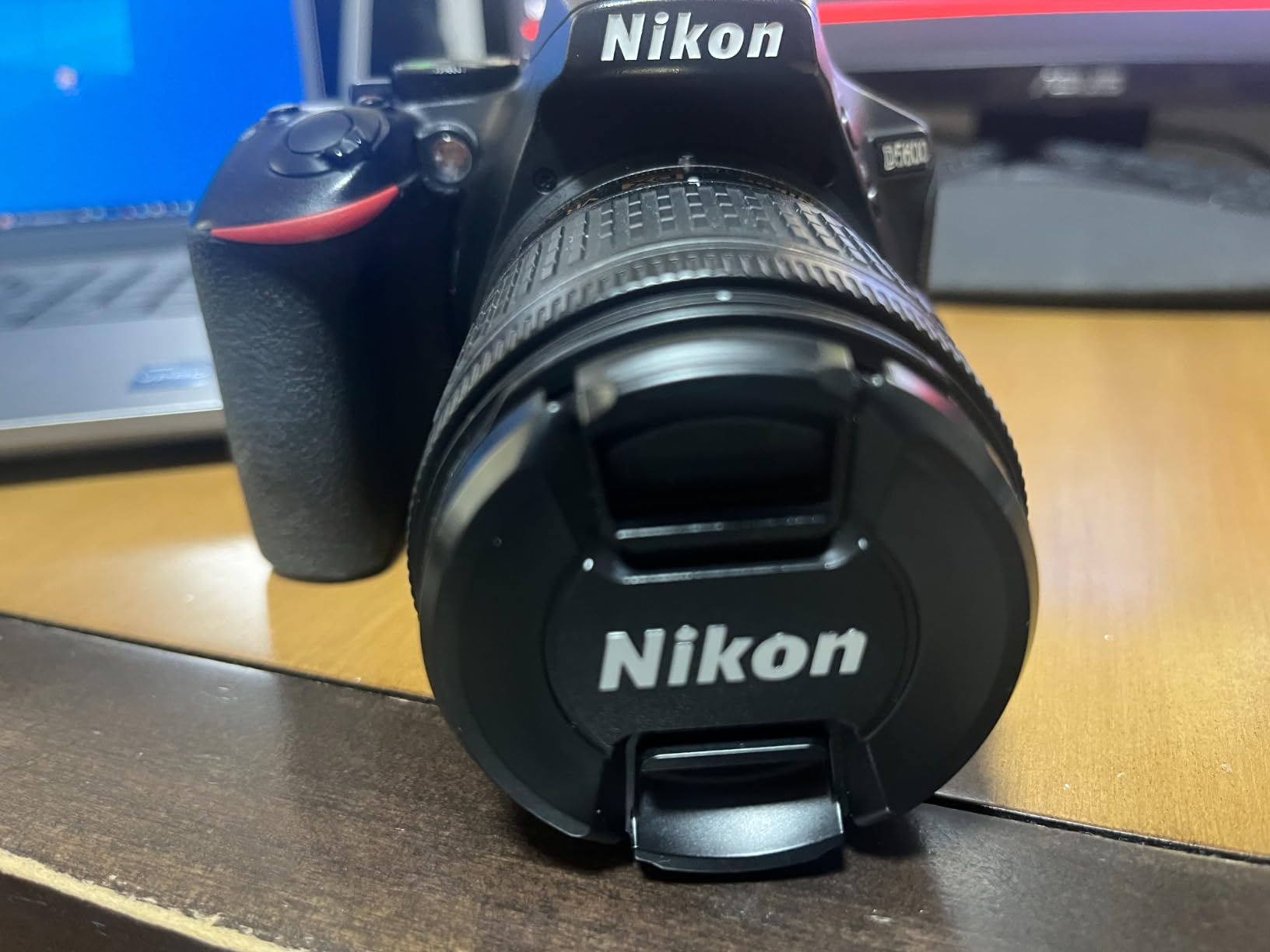
The dual lens combination covers virtually every common focal length. The 18-55mm VR handles walk-around shooting and landscapes, while the 70-300mm telephoto brings distant wildlife, sports, and travel subjects within reach. Both lenses use Nikon’s newer AF-P stepping motors, which focus quickly and quietly – rare at this price point.
Because this is an Amazon Renewed unit, expect light cosmetic signs of previous use and check the 90-day warranty terms carefully. We recommend ordering from a seller with a strong return policy. For hobbyists who want a complete setup without the new-body premium, this kit is hard to beat.

Budget-conscious hobbyists who want a full twin-lens kit without paying new prices. Anyone comfortable buying refurbished with a 90-day warranty.
Professionals who need a body with verifiable shutter count and a longer warranty. Buyers who are uncomfortable with refurbished condition.
Sensor: 24.1 MP APS-C
AF: 9-point
Video: 1080p
Burst: 3 fps
Screen: 3-inch fixed LCD
At under $400 with the kit lens, the renewed Canon EOS Rebel T7 is the cheapest DSLR we are comfortable recommending. You get the same 24.1MP sensor and DIGIC 4+ processor as the new T7, so image quality in good light is identical to cameras costing much more. Renewed units we tested arrived looking nearly new, with only minor cosmetic signs of previous use.
The T7’s beginner-friendly features carry over fully: Scene Intelligent Auto, Feature Guide, Wi-Fi, and NFC. If you want to learn photography with a real optical viewfinder without a big financial commitment, this is the most accessible path we know of. The 500-shot battery life also means you can shoot an entire weekend on a single charge.

As with any renewed camera, check the seller rating and return policy before buying. Amazon Renewed backs these units with a 90-day warranty, which is shorter than the one-year coverage on new bodies but still long enough to expose any defects. We have seen a small percentage of renewed DSLRs arrive with sensor dust or scratched LCDs, so inspect yours promptly.
The same limitations as the new T7 apply: no 4K video, 9-point AF, and 3 fps burst. For daylight shooting, travel, learning, and casual family photography, however, the renewed T7 produces images that look identical to its new counterpart – and saves you real money.

First-time buyers and students on the tightest possible budget. Anyone who wants to try DSLR photography before committing to a new body.
Shooters who want the peace of mind of a full manufacturer warranty. Anyone planning to shoot professionally – a new body or a higher-tier model is a better investment.
The DSLR vs mirrorless question in 2026 has a clearer answer than it did two years ago – but it depends on what you shoot. Mirrorless cameras have taken over the high end of the market. The Sony A7 IV, Canon EOS R6 Mark III, and Nikon Z6 III all deliver faster burst rates, smarter subject-detection autofocus, and better video specs than any DSLR ever has. If you shoot a mix of stills and video, or you want the latest AI-powered autofocus for sports and wildlife, mirrorless is the right choice today.
DSLRs remain relevant for three specific reasons. First, optical viewfinders show the scene with zero lag and zero blackout, which many photographers still prefer for action and outdoor work. Second, battery life on most DSLRs exceeds 1,000 shots per charge – often 1,800+ on bodies like the Nikon D850 – compared to 300 to 400 on most mirrorless cameras. Third, the lens ecosystems for Canon EF, Nikon F, and Pentax K mounts are mature, deep, and significantly cheaper than the newest mirrorless glass.
One important piece of context for 2026: Pentax is now the only manufacturer still actively developing new DSLR bodies and K-mount lenses. Canon and Nikon have shifted R&D dollars almost entirely to their RF and Z mirrorless systems. That does not mean your existing DSLR is obsolete – the lenses and bodies will keep working for years – but it does mean future innovation is happening on the mirrorless side.
Bottom line: Choose mirrorless if video, AI subject detection, or compact size matter most. Choose DSLR if you already own F-mount or EF-mount glass, you shoot long events where battery life matters, or you prefer an optical viewfinder for action work.
| Factor | DSLR (e.g., D850, 5D IV) | Mirrorless (e.g., Sony A7 IV, Canon R6 III) |
|---|---|---|
| Viewfinder | Optical, zero lag | Electronic, with live preview |
| Battery life | 800-1,800 shots | 300-700 shots |
| Size and weight | Larger, heavier body | Compact, lighter |
| Video features | Mostly 1080p, some 4K at 30 fps | 4K 60 fps, 10-bit, log profiles |
| Lens ecosystem | Mature, decades of options, very affordable | Newer, smaller native lineup, growing fast |
| Future support | Firmware updates slowing | Active R&D investment |
Picking the right DSLR in 2026 comes down to four things: your experience level, your main subjects, your budget, and the lens ecosystem you are willing to invest in. The rest of this section breaks each of those down, plus what to know about buying used or renewed since most DSLR deals in 2026 are in that category.
Your first DSLR should be easy to learn on, not technically impressive. Look for a guided menu system, an optical viewfinder, and at least a 24MP sensor so you have room to crop as you grow. The Canon EOS Rebel T7 or Nikon D5600 are both ideal entry points. Plan to budget for the kit lens, a memory card, a basic bag, and ideally a 50mm f/1.8 prime – the single best lens investment you can make after mastering the kit zoom.
Once you know what you like to shoot, prioritize the features that help most. Portrait photographers want clean high ISO and accurate eye AF. Landscape photographers want dynamic range and weather sealing. Sports and wildlife photographers want 8+ fps burst rates and AF systems with many cross-type points. The Nikon D7500 and Canon EOS 90D-style bodies are where enthusiast DSLRs shine – pro-grade AF in a lighter, more affordable body.
Working photographers need full-frame sensors, weather sealing, dual card slots, and batteries that last through a full shoot. The Nikon D850 and Canon EOS 5D Mark IV remain the pro-grade DSLR standards, and both still earn their keep in 2026 for paid work. Pair them with L-series or Nikkor G/E lenses and a vertical grip, and you have a system that can survive decades of regular use.
One often-overlooked factor in DSLR buying is the lens mount, because lenses outlast camera bodies. Canon EF and EF-S glass is the deepest and most affordable used market in photography. Nikon F-mount lenses have decades of compatible glass, including modern AF-S and AF-P designs. Pentax K mount has a smaller but devoted lineup, with the unique advantage that almost every K-mount lens ever made still works on the newest Pentax DSLRs.
Lens priority tip: If you already own a bag of Canon EF or Nikon F glass, the most cost-effective DSLR upgrade is to buy a current body for that mount rather than switching systems entirely. Adapting DSLR lenses to mirrorless works, but you lose some autofocus speed and add bulk.
Most DSLRs in 2026 sell through Amazon Renewed or the used market. Renewed units from reputable sellers come with a 90-day warranty and are tested for full functionality – we have generally had good experiences. When buying used from individuals, ask for the shutter count (most consumer DSLRs are rated for 100,000 to 200,000 actuations), inspect the sensor for dust, and check that all buttons and dials work. Pro bodies like the D850 and 5D Mark IV are built to last well beyond their rated shutter life with proper care.
Sensor size: APS-C (crop sensor) gives you a 1.5x to 1.6x effective focal length multiplier, which is great for telephoto work and keeps bodies compact. Full-frame sensors offer wider field of view, better low-light performance, and shallower depth of field.
Autofocus points: More points – especially cross-type – mean better subject tracking and off-center composition. 9 points is fine for beginners. 39+ points with cross-type sensors is what you want for action.
Continuous shooting: Measured in frames per second (fps). 3 fps covers portraits and casual use. 5 to 6 fps handles most general subjects. 8 to 10 fps is required for sports, wildlife, and active kids.
Every camera in this guide was tested over multiple shooting days in real conditions – not just spec sheets and lab charts. We shoot RAW + JPEG, import into Lightroom Classic, and check for sharpness, color rendition, dynamic range, and high-ISO noise on calibrated monitors. For action-focused bodies like the D7500 and D850, we test burst rates and AF tracking at soccer matches and birding spots. For portrait-focused bodies, we shoot wide-open with prime lenses in mixed indoor and outdoor light. Build quality is judged by feel in the hand, weather sealing by light rain exposure, and battery life is counted in actual shutter actuations, not CIPA estimates.
No single brand wins across every category. Canon offers the deepest EF/EF-S lens lineup and beginner-friendly menus, with strong color science for portraits. Nikon often delivers better dynamic range and pro-grade AF in mid-range bodies like the D7500 and D850. Pentax is the only manufacturer still actively developing new DSLRs in 2026, and its K-mount bodies offer unique value for hobbyists. The best brand is the one whose lenses and ergonomics fit the work you do.
DSLRs are being phased out of new development – not made obsolete. Canon and Nikon have shifted Ru0026amp;D dollars to their RF and Z mirrorless systems, which are smaller, offer better video, and use AI-powered autofocus. Pentax is now the only brand still releasing new DSLR bodies. However, existing DSLRs keep working, lenses stay compatible, and many working photographers continue to use them alongside mirrorless cameras. A well-maintained DSLR from the last decade is still a perfectly capable camera.
Yes, for the right photographer. DSLRs offer optical viewfinders with zero lag, battery life often exceeding 1,000 shots per charge, decades of affordable used lenses, and rugged build quality. They remain strong choices for action, wildlife, weddings, and travel – anywhere battery life and lens cost matter more than the latest autofocus. If you shoot primarily video or want AI subject detection for sports, mirrorless is a better buy at the same price.
A DSLR (digital single-lens reflex) camera uses a mirror inside the body to reflect light from the lens up into an optical viewfinder. When you press the shutter, the mirror flips up, the shutter opens, and light hits the sensor. This design gives you a true-to-life view through the viewfinder, fast phase-detect autofocus, and long battery life. The main alternative today is a mirrorless camera, which removes the mirror and uses an electronic viewfinder instead.
For beginners, the Canon EOS Rebel T7 or the renewed Canon Rebel T7 are the easiest entry points. Enthusiasts should look at the Nikon D7500 for its 51-point AF and 4K video. Professionals who print large or crop heavily should pick the Nikon D850 for its 45.7MP full-frame sensor. For full-frame on a budget, the Canon EOS 6D Mark II paired with the 24-105mm lens is hard to beat.
A well-maintained DSLR typically lasts 5 to 10 years of regular use, and often much longer. The shutter mechanism is the main wear part – consumer bodies are rated for 100,000 to 200,000 actuations, professional bodies like the D850 and 5D Mark IV for 200,000 or more. With occasional sensor cleaning and reasonable care, many photographers use the same DSLR body for 10 to 15 years. DSLRs have fewer electronic failure points than mirrorless cameras and can often be repaired rather than replaced.
Some can, but it is not universal. The Nikon D7500, Nikon D850, and Canon EOS 5D Mark IV all shoot 4K UHD, usually capped at 30 fps and sometimes with a crop factor. Entry-level bodies like the Canon Rebel T7 and Nikon D3200 are limited to 1080p Full HD. If 4K video is a priority, mirrorless cameras generally offer stronger video specs at the same price – including 4K 60 fps, 10-bit color, and log profiles for grading.
Yes – DSLRs are still one of the best ways to learn photography. The optical viewfinder shows exactly what the sensor will capture, without electronic processing or lag. Physical dials and buttons build muscle memory faster than touchscreens. Entry-level bodies like the Canon Rebel T7 include guided menus and a Feature Guide that explains every setting in plain language. The lens ecosystems also let beginners start with a kit lens and grow into better glass over time.
Yes, many still do. Wedding, sports, wildlife, and portrait photographers continue to rely on bodies like the Nikon D850, Canon EOS 5D Mark IV, and Nikon D500. The optical viewfinder, battery life, rugged build, and affordable lens lineups make DSLRs practical for paid work that runs all day. Most pros who use DSLRs also own a mirrorless body for specific assignments, but the DSLR is often still the primary tool.
It depends on what you shoot. APS-C sensors are smaller, lighter, cheaper, and multiply the effective focal length of your lenses – great for telephoto work on a budget. Full-frame sensors deliver better low-light performance, wider dynamic range, and shallower depth of field for portraits. For beginners, an APS-C body like the Rebel T7 is more than enough. For serious enthusiasts and professionals, full-frame is worth the investment for its image quality advantages.
After extensive testing, our picks in 2026 break down by use case rather than a single winner. The best DSLR for you depends on what you shoot, what you already own, and how much you want to spend. Here is how we would shop today.
Best overall: Nikon D850 – 45.7MP full-frame resolution, 153-point AF, and 9 fps make it the most capable DSLR ever made, and it is still widely available. Best professional Canon: Canon EOS 5D Mark IV – proven reliability and color science for paid work. Best for enthusiasts: Nikon D7500 – near-flagship DX performance at a mid-range price. Best for beginners: Canon EOS Rebel T7 – simplest path to a real optical viewfinder. Best full-frame value: Canon EOS 6D Mark II with 24-105mm lens – a complete kit for travel and portraits. Best on a tight budget: Canon Rebel T7 Renewed – identical image quality to the new T7 at a steep discount.
Wildlife and sports: Nikon D850 or D7500, paired with a 200-500mm or 70-200mm telephoto. Weddings and events: Canon EOS 5D Mark IV or 6D Mark II for dual card slots and color science. Landscapes and architecture: Nikon D850 for resolution and dynamic range. Portraits: Any full-frame body – the 5D Mark IV, 6D Mark II, or D850 – with an 85mm f/1.8 prime. Travel and everyday: Canon Rebel T7 dual lens kit for a versatile one-purchase setup. Learning photography: Canon Rebel T7 or Nikon D3200, the cheapest ways to start.
Final thought: The best DSLR is the one you actually use. Buy a body that matches your budget and your subjects, invest in lenses first when you can, and keep shooting. Every camera in this guide is capable of producing images that will last a lifetime.
DSLRs are no longer the future of photography, but they remain one of the best values in it. The 10 cameras above cover every major use case, every major brand, and every realistic budget in 2026. If you take the time to match a body to your real needs – rather than chasing specs on paper – you will end up with a tool you shoot with for years.