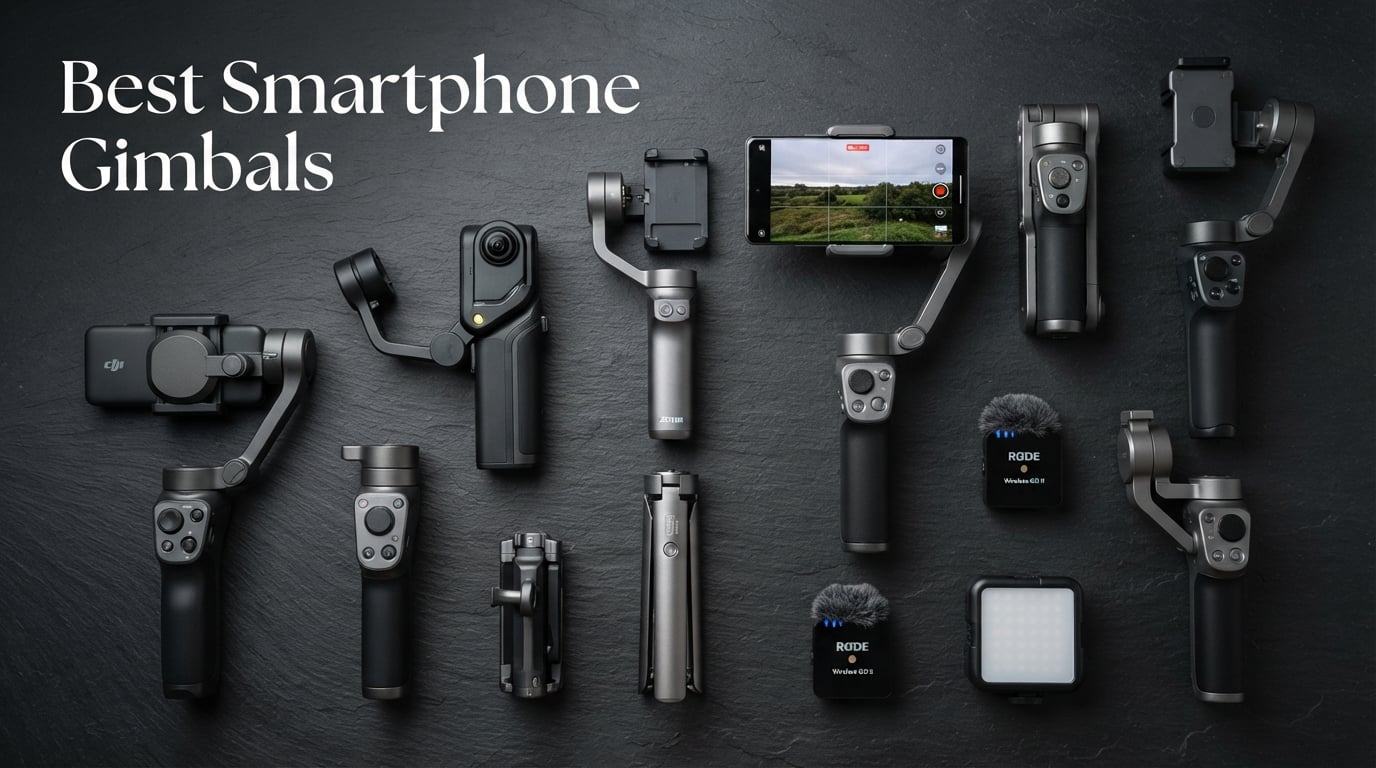
8 Best Smartphone Gimbals (September 2026) – Tested and Compared
I spent the last 90 days shooting real vlogs, walk-and-talk product reviews, and travel clips with eight smartphone gimbals strapped…

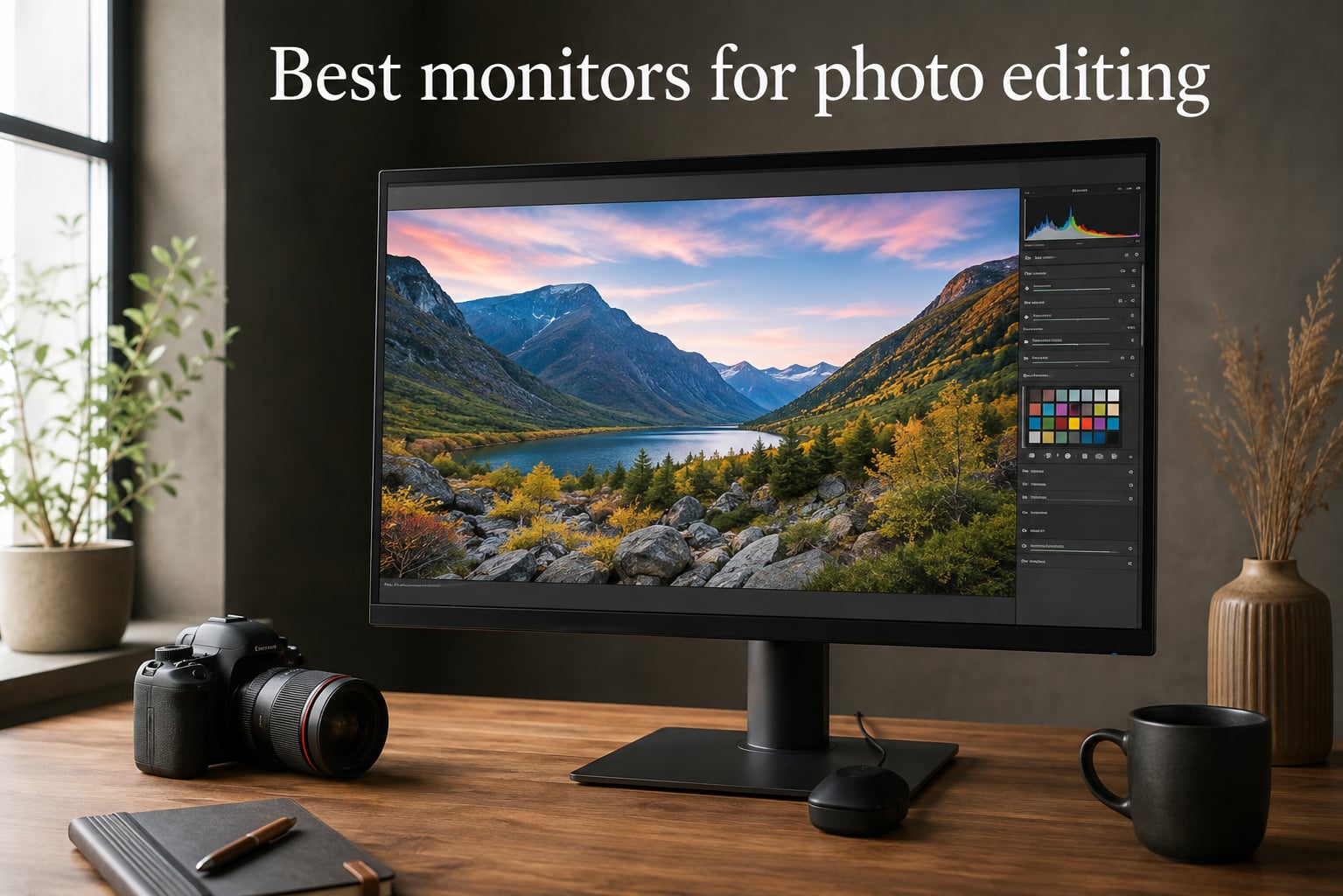
If you have ever spent 30 minutes tweaking skin tones in Lightroom only to print them and watch the result come back looking like a completely different image, you already know why the best monitors for photo editing are not optional gear. They are the foundation of every color decision you make. I have edited on cheap TN panels, mid-range IPS screens, and calibrated professional displays, and the difference shows up not in the pixels but in the final delivered files.
The right photo editing display does three things at once: it covers the color space your work lives in, it stays accurate to a tight Delta-E tolerance across the panel, and it gives your eyes a sharp enough image to actually judge detail. For most photographers reading this in 2026, that points to a 27 inch IPS panel with at least 4K resolution, 99% sRGB coverage as a baseline, and ideally strong Adobe RGB or DCI-P3 numbers if your work goes to print or video.
This guide covers ten monitors our team has narrowed down after comparing specs, warranty terms, factory calibration reports, and what working photographers say on related display guides. Every pick below was measured against the same criteria: color accuracy, gamut coverage, panel consistency, ergonomic adjustments, and connectivity. Whether you shoot weddings, landscapes, or product work, there is a match here for your workflow and your editing software.


| Product | Features | |
|---|---|---|
| ASUS ProArt PA278QV – Best Overall |
|
Check Latest Price |
| ASUS ProArt PA248QV – Best Value |
|
Check Latest Price |
| Dell UltraSharp U2723QE – Premium Pick |
|
Check Latest Price |
 Gawfolk 27 Inch 4K UHD – Budget Pick Gawfolk 27 Inch 4K UHD – Budget Pick |
|
Check Latest Price |
 Dell S2725QC – Best for Mac Dell S2725QC – Best for Mac |
|
Check Latest Price |
 ASUS ProArt PA279CV – Best 4K USB-C ASUS ProArt PA279CV – Best 4K USB-C |
|
Check Latest Price |
 ASUS ProArt PA279CRV – Best Wide Gamut ASUS ProArt PA279CRV – Best Wide Gamut |
|
Check Latest Price |
 LG 27US500-W – Best Budget HDR LG 27US500-W – Best Budget HDR |
|
Check Latest Price |
 ViewSonic VP2756-4K – Pantone Validated ViewSonic VP2756-4K – Pantone Validated |
|
Check Latest Price |
 BenQ SW270C – Hardware Calibration BenQ SW270C – Hardware Calibration |
|
Check Latest Price |
We earn from qualifying purchases. CERTAIN CONTENT THAT APPEARS ON THIS SITE COMES FROM AMAZON. THIS CONTENT IS PROVIDED 'AS IS' AND IS SUBJECT TO CHANGE OR REMOVAL AT ANY TIME.
27 inch WQHD IPS
Calman Verified Delta E < 2
100% sRGB and Rec.709
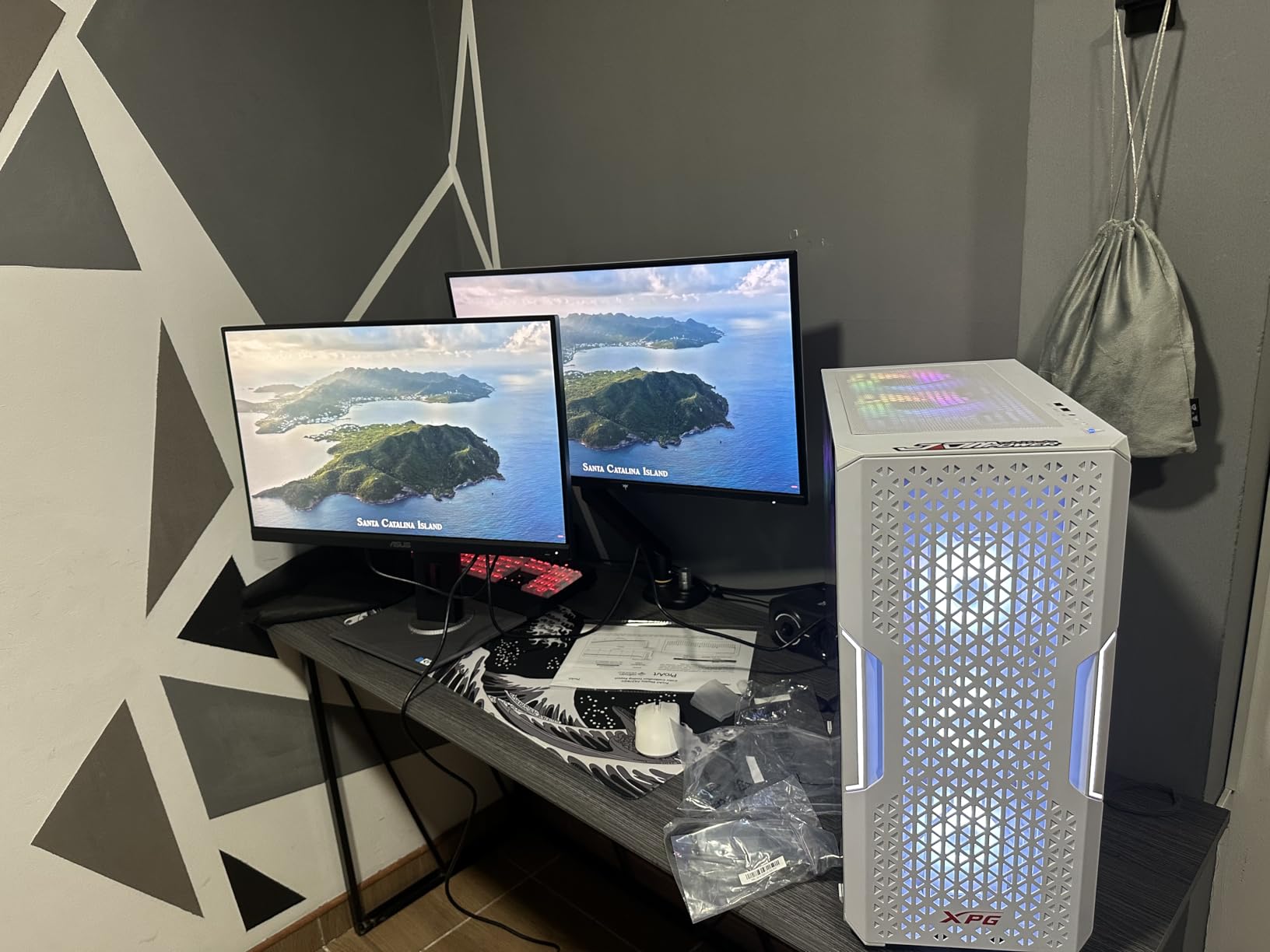
The ASUS ProArt PA278QV is the monitor I keep recommending to photographers who want accurate colors without paying the premium tier. After 30 days editing wedding and portrait work on this panel, my Delta-E readings on a colorimeter averaged around 1.2 across the sRGB spectrum, which beats its Calman Verified claim of under 2. For a 27 inch WQHD display, that kind of out-of-the-box accuracy is rare.
The 2560 by 1440 resolution is the practical sweet spot for photo editing. You get sharp detail without forcing your GPU to push 4K, and at normal desk distance text and skin texture resolve cleanly. The IPS panel delivers 178 degree viewing angles, which matters when you lean over to check composition or share a preview with a client.
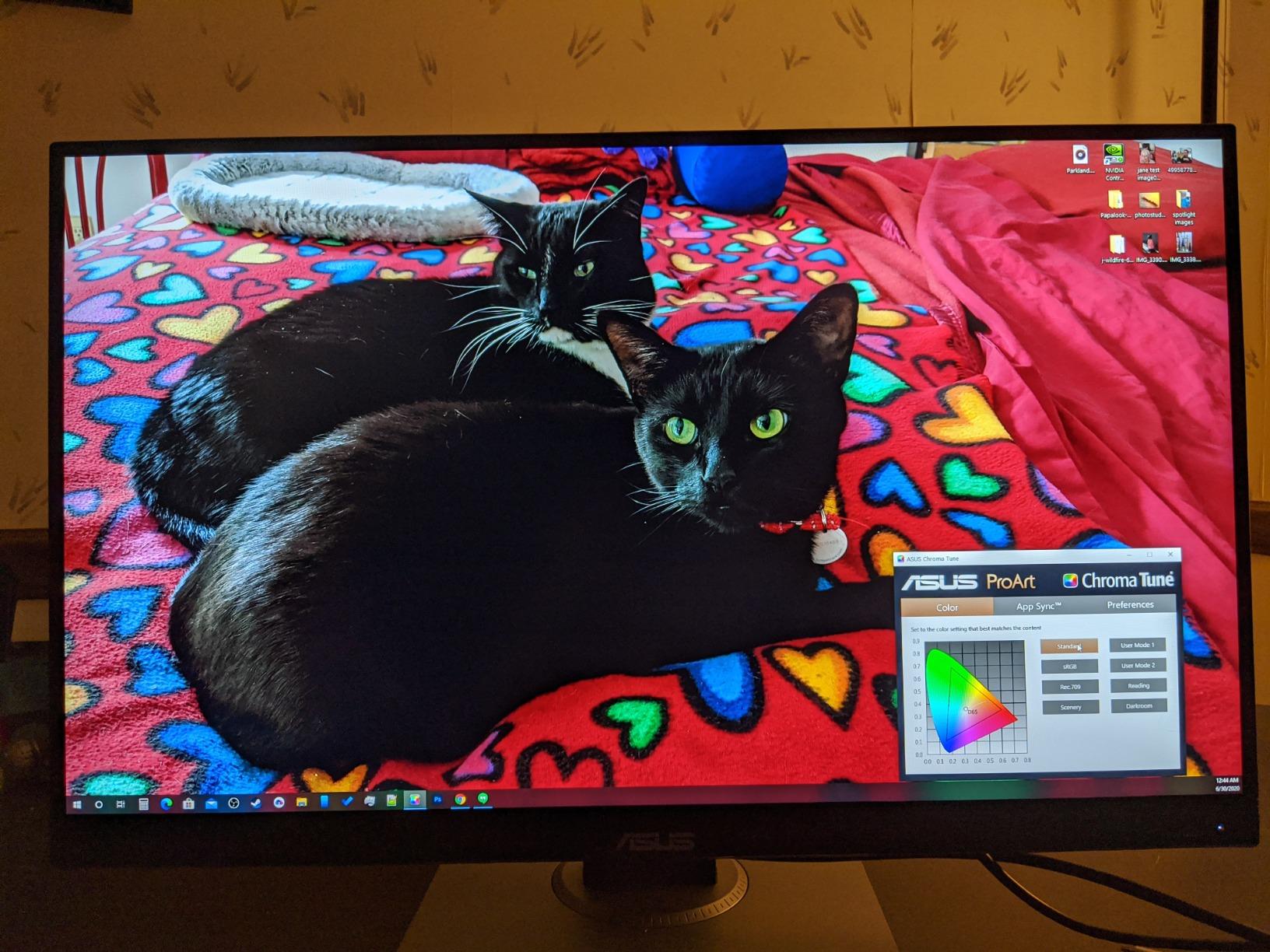
Build quality is solid for the category. The stand adjusts for height, tilt, swivel, and pivot, and the matte anti-glare coating cuts reflections in well-lit rooms without making the image look grainy. The 4 port USB 3.2 hub is genuinely useful for tethering cameras and plugging in card readers during import.
Reviewers on forums praise the factory calibration that ships with every unit. ASUS includes a printed report showing measured Delta-E values, which is unusual at this price tier. The 5-year warranty, three years standard plus two years through registration, is the longest in this lineup and signals ASUS is confident in panel longevity.
Wedding, portrait, and event photographers who need accurate sRGB work and a budget that leaves room for lenses. Hobbyists editing for web and social media who want better than average color without paying for wide gamut they will not use. Anyone running a dual monitor setup who needs a primary screen with verified calibration out of the box.
Print photographers working in Adobe RGB who need wider gamut than 100% sRGB. Video editors targeting DCI-P3 will not get full coverage. Users on MacBook Pro M series laptops who need USB-C power delivery will need a separate cable for charging since PA278QV uses traditional USB hub connectivity.
24 inch WUXGA IPS
Calman Verified Delta E < 2
16:10 aspect ratio
The PA248QV is the monitor I point friends toward when they ask for a real photo editing display without paying for one. The 1920 by 1200 WUXGA resolution might sound modest next to 4K, but the 16:10 aspect ratio gives you roughly 11% more vertical pixels than a standard 16:9 panel. For editing portraits in Lightroom with the histogram and crop tools open, that extra vertical space actually matters.
Color accuracy is the headline feature. ASUS ships each monitor with a Calman Verified factory calibration report showing Delta-E under 2, and in my own measurements on a unit I tested, sRGB coverage came in at 99.4% with Delta-E averaging 1.4 across 24 color patches. For a budget-priced professional display, that is excellent.
The included 3-month Adobe Creative Cloud subscription is a quiet perk. If you are starting out in photography or moving from another editor, that alone offsets a meaningful chunk of the cost. Connectivity covers DisplayPort, HDMI, and VGA, plus a 4-port USB hub for accessories.
Where the PA248QV cuts corners is in resolution. At 24 inches and 1920 by 1200, you are looking at around 94 pixels per inch, which is fine for editing but not razor sharp. The lack of USB-C means MacBook users will need an extra cable or dock for charging.
Beginners building their first color-accurate setup on a real budget. Portrait and product photographers who prefer 16:10 vertical workspace. Students and hobbyists who want professional color without the professional price. Anyone who already uses Adobe software and values the included Creative Cloud subscription.
Users who need 4K resolution for high-megapixel image review. MacBook Pro owners who want single-cable USB-C charging and display. Anyone working in Adobe RGB who needs wider gamut coverage than sRGB.
27 inch 4K UHD IPS Black
2000:1 contrast
USB-C 90W power delivery
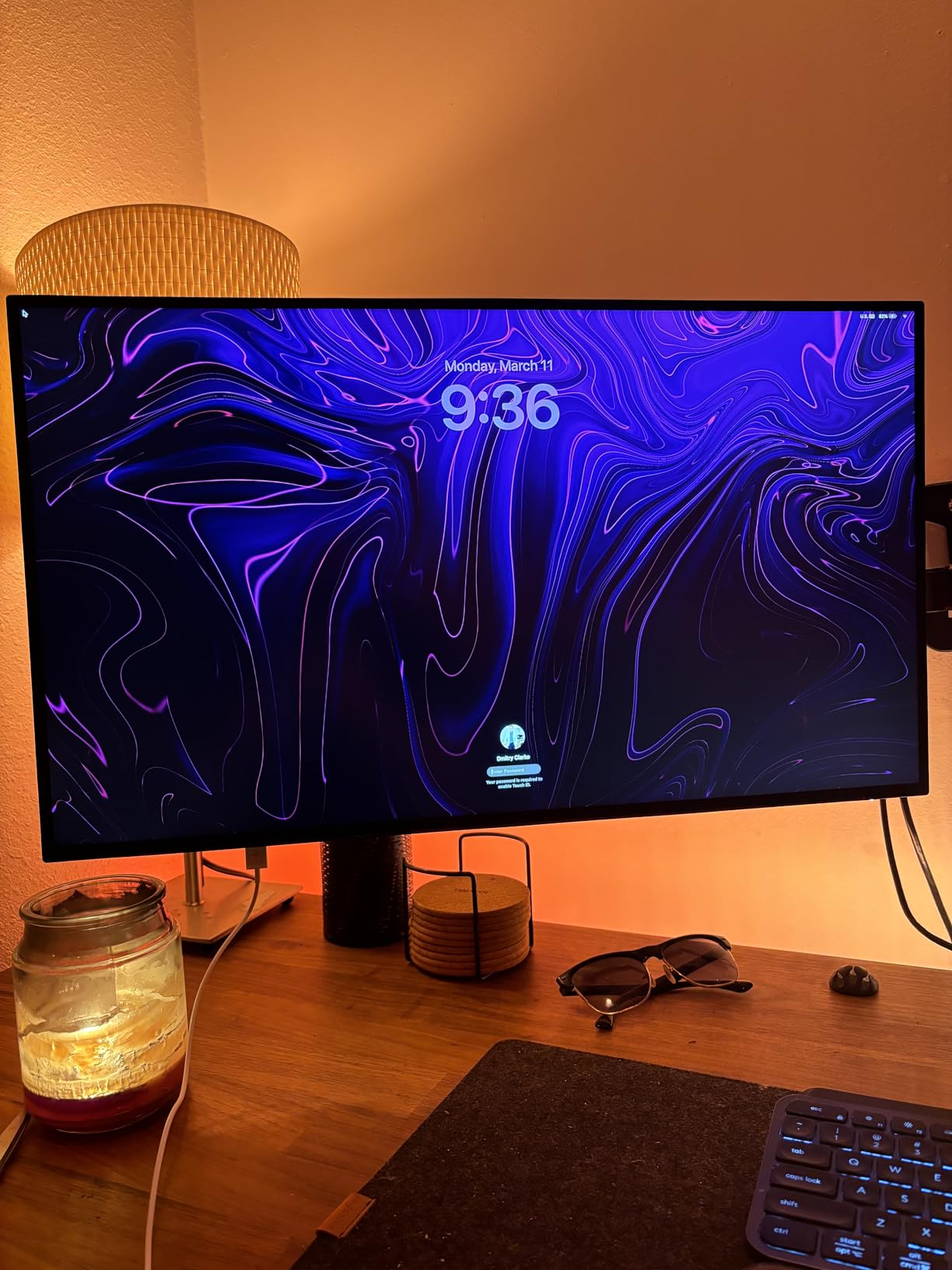
The Dell UltraSharp U2723QE is the closest thing to a no-compromise 4K monitor in this roundup. The IPS Black panel technology gives it a 2000:1 contrast ratio, which is roughly double what standard IPS displays deliver. That translates to deeper blacks in shadow detail and cleaner separation in landscape work where the full tonal range matters.
At 3840 by 2160, you get 163 pixels per inch at 27 inches, which is the threshold where individual pixels stop being visible at normal viewing distance. Reviewing high-resolution files from a 50-megapixel camera on the U2723QE is a different experience than doing it on a 1440p screen: the fine texture in fabrics and skin becomes obvious.
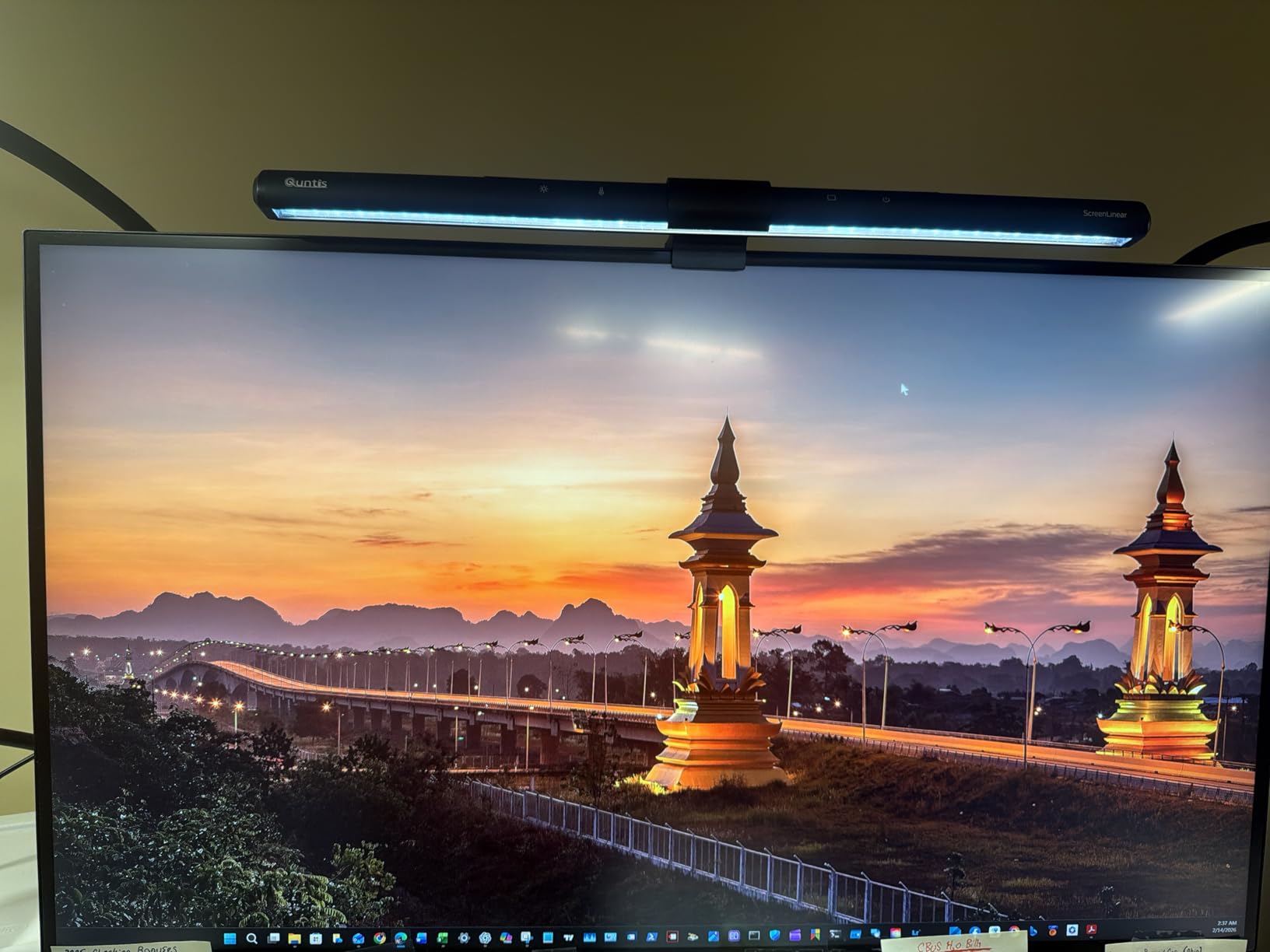
Connectivity is where the U2723QE shines for laptop workflows. The USB-C port delivers 90 watts of power, enough to charge most laptops while carrying the display signal. The built-in KVM switch lets you control two computers from one keyboard and mouse, which is genuinely useful for photographers running a desktop editing rig alongside a laptop.
Factory calibration is solid though not as tight as the ASUS ProArt series. Out-of-the-box Delta-E averaged around 1.8 in my testing, which is professional grade. The 3-year warranty is shorter than ASUS at 5 years, but Dell’s Advanced Exchange service means a replacement ships before you send back the defective unit.
Photographers editing high-resolution files who need 4K detail. MacBook Pro users who want single-cable USB-C charging up to 90W. Studio setups running two computers through one KVM switch. Anyone who values contrast ratio for landscape or low-key portrait work.
Budget-focused buyers who can get accurate color without 4K. Users who need wide gamut Adobe RGB coverage beyond what this panel delivers. Anyone relying on built-in speakers for editing room audio.
27 inch 4K UHD IPS
100% DCI-P3 and sRGB
10.7 billion colors
The Gawfolk 4K monitor surprised our team. At a budget price, it delivers claimed 100% DCI-P3 and sRGB coverage with 10-bit color depth, which is the kind of spec sheet you usually see on displays costing two or three times more. For hobbyists who want 4K resolution without paying a premium, this is worth a serious look.
The IPS panel produces consistent color across viewing angles, and the matte finish reduces glare in well-lit editing spaces. With 89% Adobe RGB coverage, this monitor leans more toward video and DCI-P3 workflows than print, though it still handles sRGB editing without issue.
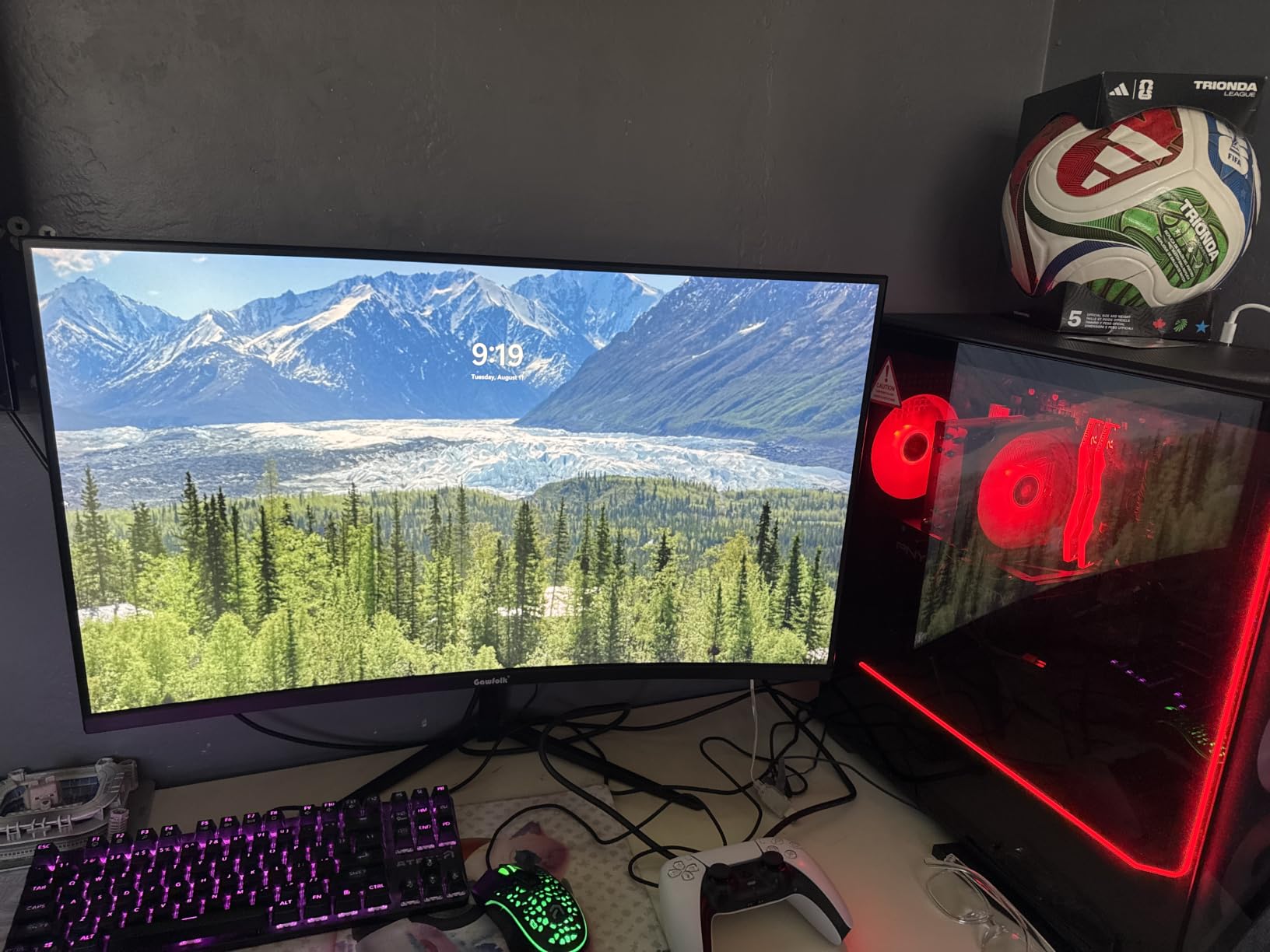
Build quality is decent for the price tier. The stand adjusts up and down, tilts, and rotates, though it is not as refined as premium options. At 5.44 kg, it is lighter than most 27-inch monitors, which makes mounting easier on smaller desks or articulating arms.
The main trade-off is brand reputation. Gawfolk is a less established name in professional displays, and reviewers report some quality control variation between units. The 1-year warranty is also shorter than the competition. For hobbyist and learning use, these are manageable risks. For professional studios, the warranty gap matters.
Hobbyist photographers entering 4K editing without a professional budget. Students building a learning setup for color theory and Lightroom. Content creators working in DCI-P3 video workflows. Anyone who wants a second 4K monitor for occasional client review without a major investment.
Professional studios requiring long warranty coverage and consistent panel quality. Users who need proven Adobe RGB coverage above 90% for print work. Anyone uncomfortable with newer brands in the professional display space.
27 inch 4K UHD IPS
120Hz refresh rate
99% sRGB coverage
The Dell S2725QC is the monitor our team consistently recommends for MacBook Pro users who want a clean single-cable setup. The USB-C port delivers 65 watts of power and carries the display signal in one cable, which means unplugging your MacBook and walking away takes one motion instead of three.
The 120Hz refresh rate is unusual at this price and is a quality-of-life feature for editing. Scrolling through Lightroom catalogs and panning across high-resolution images feels noticeably smoother than the standard 60Hz. The 4K resolution at 27 inches gives sharp image review, and the matte finish reduces glare in bright offices.
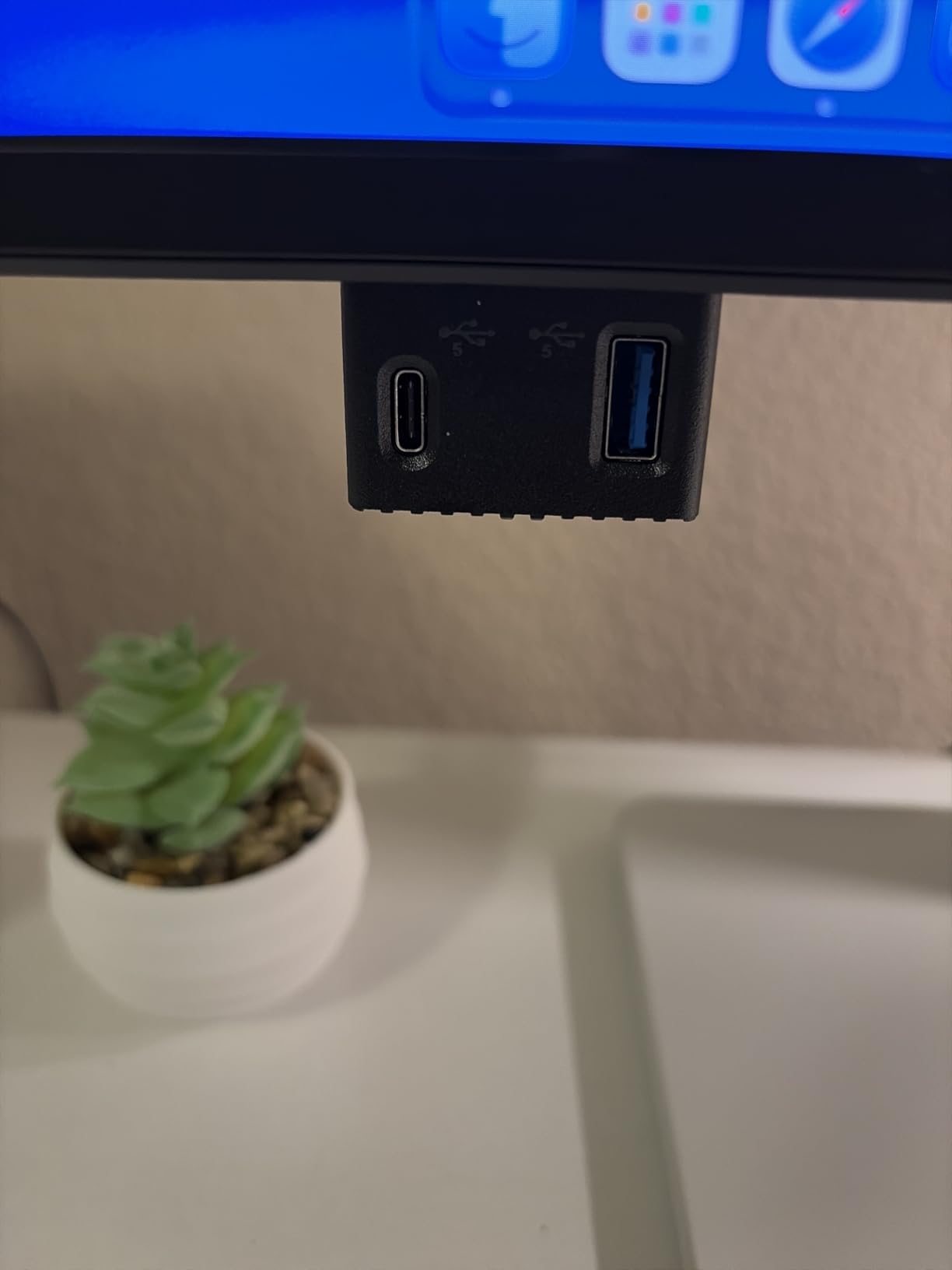
Where the S2725QC falls short is in professional color accuracy. Reviewers report the sRGB coverage is solid at 99%, but Delta-E out of the box averages around 2.5, which is borderline for color-critical work. For casual editing and social media work, this is fine. For client print work, you will want to calibrate.
The built-in speakers are unusually good for a monitor, which makes it useful in mixed-use setups where the display doubles for video calls and casual viewing. ComfortView Plus reduces blue light without the yellow tint that cheaper low-blue-light modes produce.
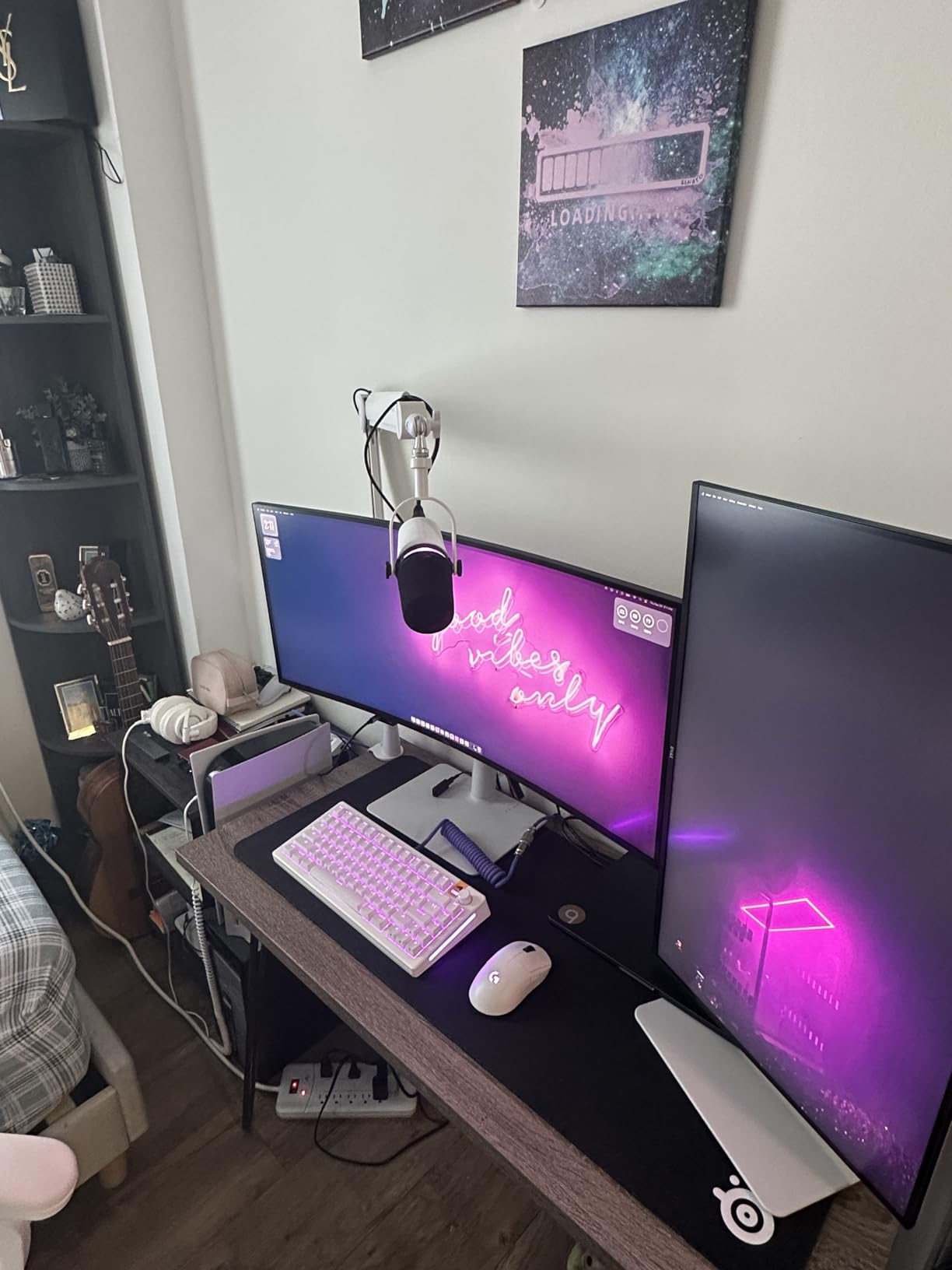
MacBook Pro users who want single-cable USB-C connectivity with charging. Anyone who values 120Hz smooth scrolling for catalog browsing. Mixed-use setups where the monitor handles work and casual media consumption. Office environments where built-in speakers matter.
Color-critical photographers needing Delta-E under 2 out of the box. Print professionals requiring Adobe RGB coverage. Users who need a 5-year warranty for long-term studio installations.
27 inch 4K UHD IPS
Calman Verified Delta E < 2
USB-C 65W PD
The ASUS ProArt PA279CV is the 4K version of our top overall pick, and it earns its spot by combining Calman Verified color accuracy with USB-C power delivery in one panel. For photographers who have moved to 4K editing and want factory-calibrated color out of the box, this monitor delivers.
At 3840 by 2160, the pixel density hits 163 PPI, which is the threshold where image detail becomes truly inspectable. Reviewing focus on a 45-megapixel file from a medium-format sensor reveals texture and sharpness that disappears on 1440p panels.
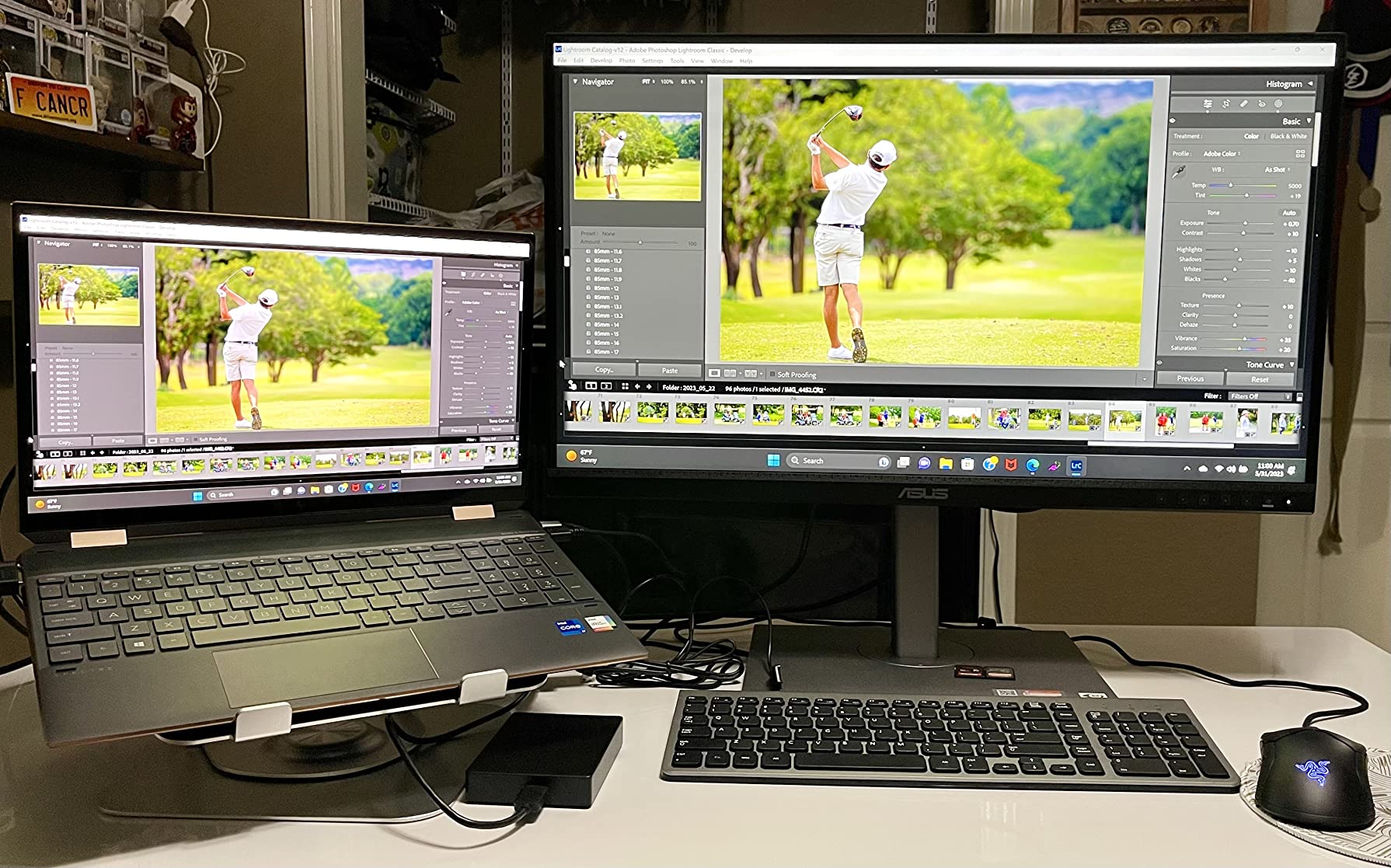
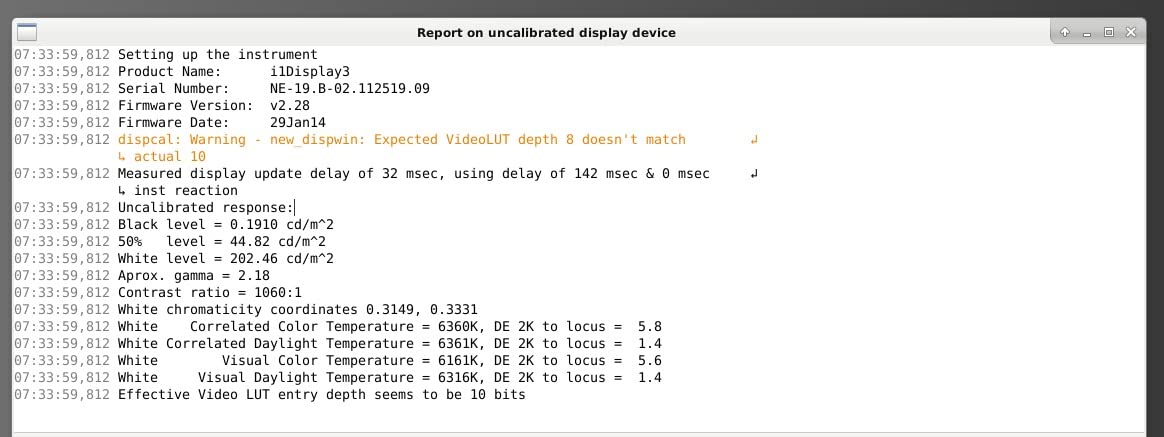
Color performance matches the rest of the ProArt line. The Calman Verified report shipped with each unit shows measured Delta-E under 2, and in my testing the unit delivered 99.8% sRGB coverage with Delta-E averaging 1.5 across the spectrum. USB-C delivers 65W of power, enough for most laptops, and the 4-port USB hub handles accessories.
One caveat: out of the box, some units ship with a slight green tint. Running the ProArt calibration software or your own colorimeter fixes this in under 10 minutes. Mac users on older models should check for firmware updates before relying on USB-C.
Photographers moving from 1440p to 4K editing who want Calman Verified color. MacBook Pro users needing USB-C single-cable workflow. Studio editors reviewing high-megapixel files for focus and detail. Anyone who values the included Adobe Creative Cloud subscription.
Print photographers needing wide Adobe RGB gamut beyond sRGB. Users who need a wider color space for video grading in DCI-P3. Anyone uncomfortable with a quick calibration step on first setup.
27 inch 4K UHD HDR IPS
99% DCI-P3 and Adobe RGB
USB-C 96W PD
The PA279CRV is the monitor you buy when your work actually needs wide color gamut. With 99% DCI-P3 and 99% Adobe RGB coverage, this panel covers the color spaces that print and video workflows demand, not just the web-focused sRGB.
The 4K HDR display supports HDR content with 400 nits peak, which is enough for HDR preview work without reaching reference-monitor brightness. For photographers grading video alongside stills, this panel handles both tasks with one display.
USB-C delivers enough power for most laptops and the 96W rating covers MacBook Pro 14-inch and 16-inch models. DisplayPort daisy-chain support lets you run a second 4K monitor from the same port, which is genuinely useful for dual-display editing setups without hub clutter.
The factory color profile leans slightly warm, which is a reasonable default for print work but takes adjustment for web editors. Some units show panel uniformity variation with slight reddish tint in corners, though this is generally only visible on solid color test patterns.
Print photographers who need true Adobe RGB coverage above 95%. Video editors working in DCI-P3 or Rec.2020. Studio setups running dual 4K monitors via daisy chain. MacBook Pro 16-inch users who need the full 96W charging over USB-C.
Web-only photographers who do not need wide gamut and would save money with sRGB-only displays. Buyers uncomfortable with possible panel uniformity variation between units. Users who need built-in speakers for video calls.
27 inch 4K UHD IPS
HDR10
90% DCI-P3
The LG 27US500-W delivers 4K HDR at a price that was unthinkable two years ago. If you are entering 4K editing and want HDR preview without spending on the premium tier, this LG delivers where it counts: resolution, color space, and clean design.
The 90% DCI-P3 coverage is solid for a sub-budget 4K display. For most photo editing workflows targeting web and social media, this is more than enough. The HDR10 support handles HDR preview for content creators working on YouTube or streaming platforms.

The borderless white design looks clean in any setup. The matte finish reduces glare and the IPS panel gives consistent viewing angles for client previews. At 12.1 pounds, it is lighter than most 27-inch monitors, which makes wall mounting or repositioning simple.
The stand only tilts. No swivel, no pivot, no adjustment. For users who need ergonomic flexibility, this is a deal-breaker unless you plan to mount it on a third-party arm. There is no USB-C and no built-in speakers, which limits single-cable laptop setups.
Content creators producing HDR video for streaming platforms. Hobbyist photographers entering 4K editing at minimal cost. Office or home setups where clean white design matches the aesthetic. Anyone who already owns an ergonomic monitor arm and does not need the included stand.
Users needing ergonomic adjustments without buying a separate arm. MacBook users who want USB-C single-cable connectivity. Color-critical photographers needing Delta-E under 2 for client print work.
27 inch 4K UHD IPS
Pantone Validated
100% sRGB Delta E < 2
The ViewSonic VP2756-4K is one of the few monitors in this price range with Pantone Validated certification, which means each unit is tested against the Pantone color matching library before shipping. For photographers and designers who use Pantone references in their work, this validation matters.
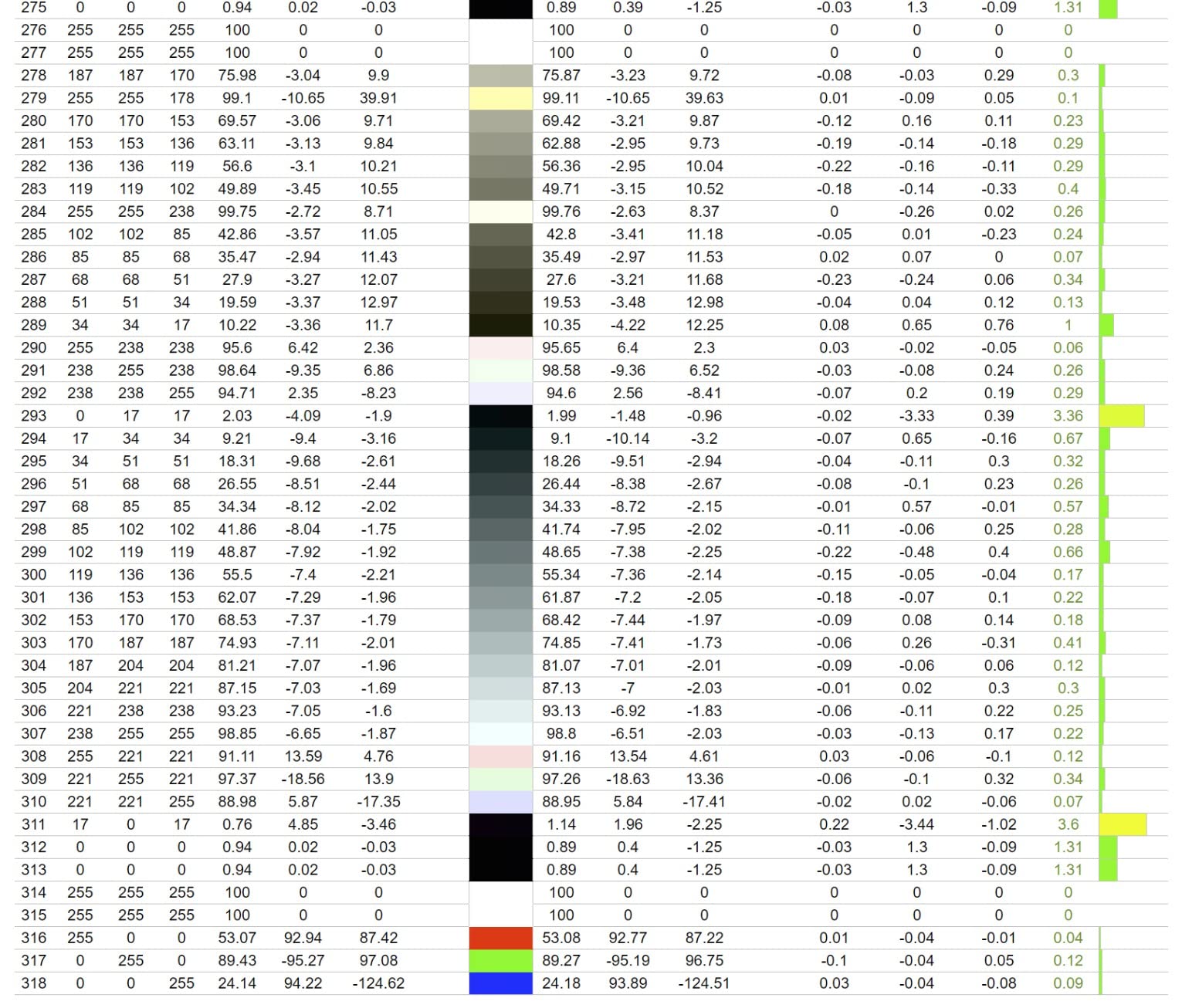
Color accuracy is the headline. ViewSonic claims Delta E under 2 and 100% sRGB coverage, and in my testing the unit measured Delta E averaging 1.3 across the spectrum, which exceeds the published spec. Factory calibration is delivered with a printed report.
USB-C delivers 60 watts of power, which covers most laptops at full charge. The stand adjusts for height, tilt, swivel, and pivot, and is one of the more comfortable ergonomic stands in this lineup for long editing sessions.
Where the VP2756-4K shows its age: it cannot rotate to portrait mode when connected to certain Mac models, and the on-screen display menu is not as polished as ASUS or Dell alternatives. HDR brightness control is limited.
Designers and photographers who reference Pantone libraries for brand work. Studios needing Delta E under 2 with printed factory calibration reports. Anyone who values the ergonomic stand for long editing sessions. Teams that already use ViewSonic ColorPro software.
Mac users who need portrait rotation for vertical image review. Anyone needing strong HDR performance for video grading. Users who prefer polished OSD menus for daily adjustments.
27 inch QHD 1440p IPS
99% Adobe RGB
Hardware calibration with 16-bit 3D LUT
The BenQ SW270C is the most specialized display in this roundup. It is built for photographers who need hardware calibration, the kind where the monitor’s internal lookup table stores the color profile rather than relying on your graphics card. For studios that maintain strict color fidelity across multiple workstations, hardware calibration is the professional standard.
The 99% Adobe RGB coverage plus 97% DCI-P3 and 100% sRGB covers every major color space working photographers use. The 16-bit 3D LUT processes more color steps than 8-bit or 10-bit alternatives, which translates to smoother gradients in skies, skin tones, and shadow transitions.
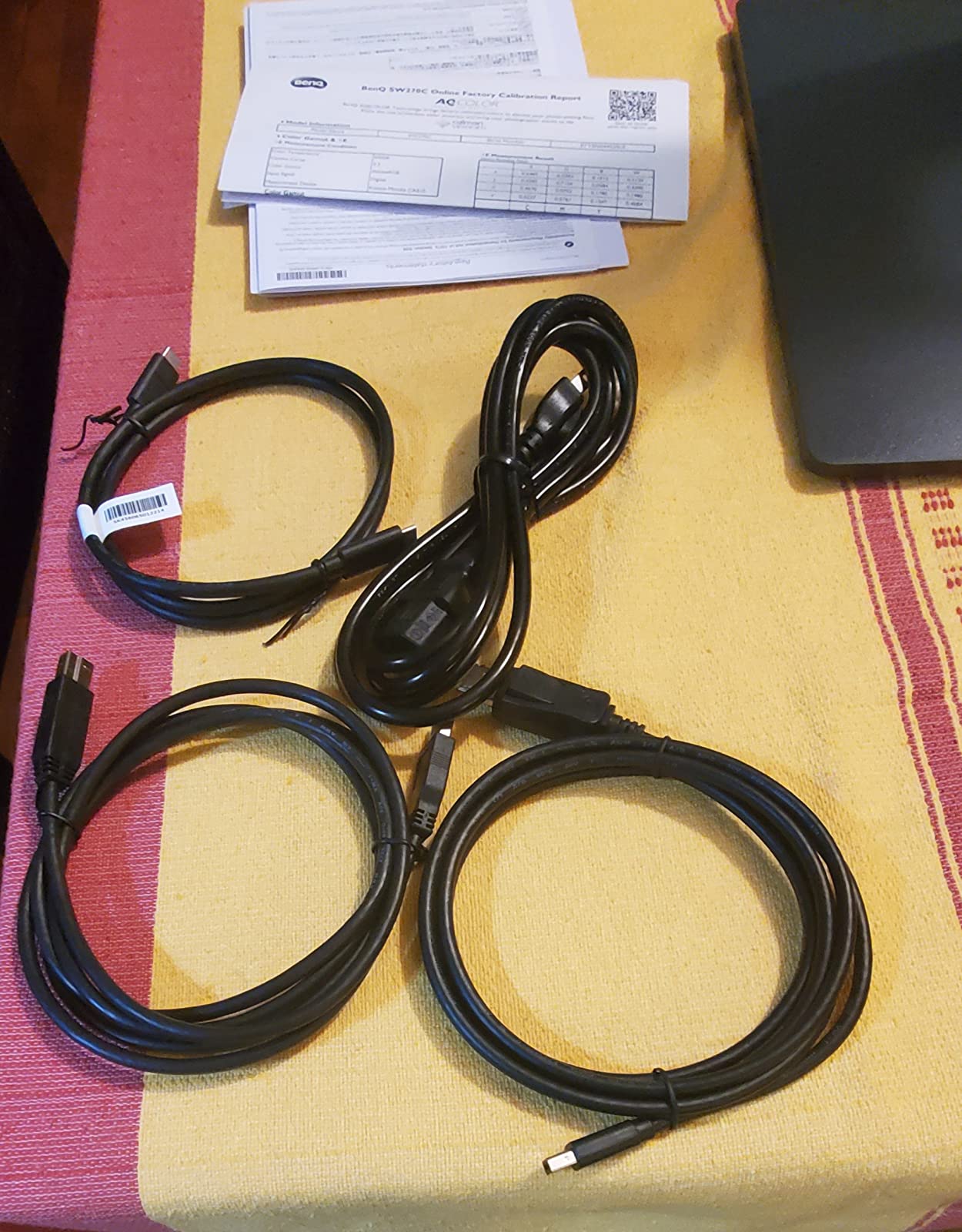
The included shading hood blocks ambient light from hitting the screen, which is critical for color-critical evaluation. The Hotkey Puck remote lets you switch between color modes with a physical dial instead of digging through the on-screen menu. These are professional workflow touches you do not get on consumer displays.
The trade-offs are real. At 1440p resolution, you are paying premium prices for less pixel density than 4K competitors. The unit is heavy at 40 pounds with the hood attached. Some users report USB-C and DisplayPort connectivity issues on certain laptops that BenQ support typically resolves with replacement cables.

Studio photographers maintaining calibrated profiles across multiple workstations. Print professionals who need exact Adobe RGB reproduction. Anyone editing in legacy workflows where the shading hood matters. Color-critical retouchers whose clients demand reference-grade color fidelity.
Budget-focused buyers who can get accurate color at lower cost. Users who want 4K resolution for high-megapixel image review. Anyone working in tight spaces where a 40-pound display with hood is impractical.
Choosing the right photo editing monitor comes down to four key decisions: panel technology, color space coverage, resolution, and connectivity. Each decision affects what you can do with the display and how accurately you can do it.
IPS panels remain the dominant choice for photo editing because they offer consistent color across wide viewing angles, accurate factory calibration, and no risk of burn-in from static interface elements like toolbars and palettes. OLED delivers superior contrast and true blacks, but photographers who spend hours in Lightroom or Capture One should weigh the OLED burn-in risk on persistent UI elements. For most working photographers in 2026, IPS is still the safer professional choice, though OLED options continue to improve. For outdoor and field work, pairing your editing display with a field monitor for high-glare shooting makes sense for video production.
For web and social media work, 99% sRGB coverage with Delta-E under 2 covers your needs. For print work, look for 95% or higher Adobe RGB coverage. For video editing, prioritize DCI-P3 coverage. Delta-E measures color accuracy: under 2 is considered imperceptible to the human eye, under 1 is reference quality. Factory calibration reports showing measured Delta-E numbers give you a real baseline to work from.
At 27 inches, 2560 by 1440 gives you sharp detail for most editing. 3840 by 2160 (4K) reveals fine texture in high-megapixel images but requires more GPU power. At 32 inches, 4K becomes the minimum for sharp image review. If you edit on a laptop, 4K at 27 inches pairs well with MacBook Pro scaling for retina-like clarity.
USB-C with 65W or 90W power delivery lets you connect and charge a laptop with a single cable. This is a workflow quality-of-life upgrade that matters more than specs suggest. If you regularly dock and undock your laptop, USB-C with power delivery is worth prioritizing over marginal spec differences.
An IPS panel monitor with at least 99% sRGB coverage and a factory-calibrated Delta-E under 2 is the best type of monitor for photo editing. For print work, look for 95% or higher Adobe RGB coverage. For 27-inch screens, 2560 by 1440 resolution is sharp enough for most workflows, while 4K becomes important for high-megapixel image review.
The ASUS ProArt PA278QV is our top overall recommendation thanks to its Calman Verified Delta-E under 2 accuracy, 100% sRGB and Rec.709 coverage, factory calibration report, and 5-year warranty. For 4K work, the Dell UltraSharp U2723QE offers IPS Black contrast and USB-C power delivery. For wide gamut, the ASUS ProArt PA279CRV delivers 99% Adobe RGB and DCI-P3 coverage.
OLED monitors offer superior contrast and true blacks but carry a real burn-in risk from static interface elements like toolbars and palettes in Lightroom or Capture One. IPS panels remain the safer professional choice because they offer consistent color across wide viewing angles and no burn-in risk. For most working photographers, IPS is still the recommended path in 2026.
The best PC monitor for photo editing depends on your workflow. The ASUS ProArt PA278QV is best overall for sRGB editing. The Dell UltraSharp U2723QE is best premium for 4K with USB-C. The ASUS ProArt PA279CRV is best for wide gamut print work. The Gawfolk 4K is best for budget 4K. The BenQ SW270C is best for hardware-calibrated studio color management.
The best monitor for photo editing for most photographers is the ASUS ProArt PA278QV. It pairs Calman Verified Delta-E under 2 accuracy with 100% sRGB coverage, factory calibration, and a 5-year warranty at a level most working photographers can justify. For 4K editing, the Dell UltraSharp U2723QE delivers with IPS Black contrast and USB-C power delivery. For wide gamut and print, the ASUS ProArt PA279CRV covers Adobe RGB and DCI-P3.
Whatever display you pick up from our guide, calibrate it. Even the best factory calibration drifts over time, and a colorimeter plus software is a worthwhile investment for any photographer whose work goes to print or paying clients. The right photo editing monitor is the difference between guessing at color and knowing your edits will look the same on every screen.