10 Best Magnifying Floor Lamps 2026 Reviews & Buying Guide
Complete guide to the best magnifying floor lamps with expert reviews of 10 top models. From budget options to professional-grade…

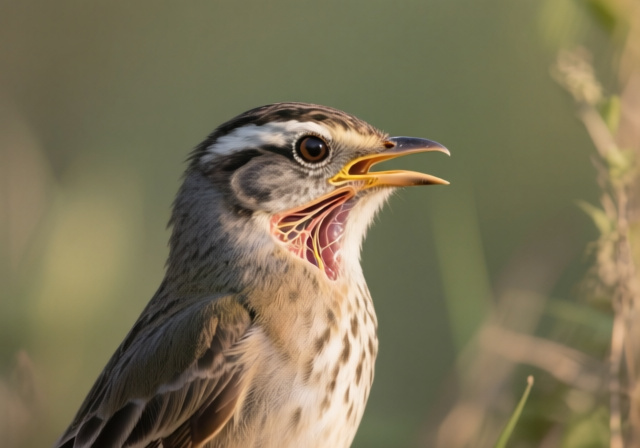
Yes — birds can both cough and sneeze, though the sounds they make are strikingly different from the familiar human cough or sneeze. Rather than clearing a throat or sinuses the way we do, birds produce these sounds through their syrinx (a vocal organ unique to birds located where the trachea splits into the bronchi) and air sac contractions. Their coughs often sound like sharp clicks, honks, or a rapid series of “kacking” noises, while sneezes are the body’s way of clearing dust, dander, pollen, or seed fragments from the nasal passages (nares).
Occasional sneezing — a few times a day, at most — is completely normal behavior for birds, whether wild or kept as pets. Frequent sneezing, persistent coughing, or any sounds accompanied by nasal discharge, tail bobbing, or labored breathing, however, can be early warning signs of a respiratory infection or environmental irritation and should prompt a visit to an avian veterinarian.
Quick Answer: Yes, birds cough and sneeze, but the sounds are very different from humans. Birds lack a diaphragm, so their coughs sound like clicks, honks, or “kacking” noises produced by the syrinx. Sneezing clears irritants from the nares and is normal a few times a day. Persistent coughing, sneezing with discharge, tail bobbing, or labored breathing are red flags for respiratory infection requiring avian veterinary care.
As a wildlife photographer who has spent countless hours observing birds in their natural habitats, I’ve learned that understanding bird respiratory behavior is one of the most valuable skills for both pet bird owners and wildlife enthusiasts. Whether you’re caring for a parrot at home or photographing wild species in the field, recognizing the difference between a healthy clearing sound and a warning sign can make all the difference.
Birds have one of the most efficient respiratory systems in the animal kingdom, but it operates quite differently from our own. Unlike the in-and-out breathing of mammals, birds use a complex system of air sacs that act like bellows, moving air through their lungs in a continuous, one-way flow. Air sacs extend throughout a bird’s body — including into hollow bones — creating a remarkably efficient oxygen exchange system that supports the high metabolic demands of flight.
Air Sacs: Translucent membranes within a bird’s chest, abdomen, and even bones that create a continuous flow of air through the respiratory system, making bird breathing incredibly efficient.
Syrinx: The vocal organ unique to birds, located at the base of the trachea where it splits into the bronchi. Functioning like a “lower larynx,” the syrinx is responsible for birdsong, calls, and the cough-like sounds birds produce. Unlike the human larynx, the syrinx produces sound when air vibrates membranes as it passes through — which is why a bird’s “cough” sounds nothing like a human cough.
Unlike mammals, birds do not have a diaphragm — the muscular wall that separates the chest from the abdomen and drives mammalian breathing. Instead, birds rely on movement of the ribcage and the bellows action of their air sac system. This anatomical difference is the primary reason bird coughs sound so alien compared to what we expect from a mammalian cough. Instead of a throat-clear, you hear a sharp click, a honk, or that distinctive “kacking” sound.
The nasal passages (nares) connect directly to a bird’s highly sensitive olfactory system in some species. When I’m photographing birds in dusty environments, I sometimes notice wild birds pausing to sneeze — a normal and necessary clearing mechanism for these delicate airways.
Birds do sneeze, and occasional sneezing is a healthy, normal part of respiratory maintenance. Just like humans, they need to clear their nasal passages of dust, dander, dried seed fragments, and airborne irritants. I regularly observe wild finches sneezing after dusty bathing sessions, and pet birds often sneeze first thing in the morning or after preening.
Normal sneezing in birds typically looks like this:
Wild birds may sneeze more in certain seasons — during spring pollen season, in dry summer conditions, or after dusty late-summer fields. This is adaptive and normal.
When sneezing becomes a warning sign:
Environmental causes are the most common culprits for excessive sneezing. Dry indoor air — especially during winter when heating systems run continuously — is a frequent trigger for pet birds. Cigarette smoke, aerosol sprays, air fresheners, essential oil diffusers, and even the fumes from non-stick (PTFE/Teflon) cookware can cause severe respiratory distress and sneezing in pet birds. Birds have extraordinarily sensitive respiratory tracts; what seems like a mild scent to us can be overwhelming — or even toxic — to them.
Bird coughing is less common than sneezing and, when persistent, often more concerning. Since birds don’t have a diaphragm and the physical anatomy for human-style coughs, their coughs sound dramatically different — closer to a machine click, a duck-like honk, or a rapid series of sharp “kacking” noises.
These sounds are produced by the syrinx and air sac contractions as birds forcefully exhale against a partially closed glottis — the opening to the trachea. The result is something between a click and a bark, sometimes repeated in rapid succession. I once spent several days documenting a family of cockatoos where one juvenile made frequent “kacking” sounds throughout each morning. After consulting a wildlife veterinarian, we determined this bird had a mild respiratory infection that responded well to improved humidity and a brief course of treatment.
Parrot owners take note: Many parrots — including African greys, Amazon parrots, and cockatoos — are renowned for mimicking human coughs and sneezes as part of their remarkable vocal repertoire. If your parrot has been exposed to human coughing (from illness or even TV), they may reproduce these sounds perfectly without having any respiratory issue at all. BirdFact notes that the “kack” sound is so distinctive and commonly mimicked that it serves as a signature indicator of parrot coughing. If your parrot’s “cough” is an accurate imitation of a human cough — rather than a sharp, involuntary click — it may simply be learned mimicry. Of course, if you’re unsure, a veterinary evaluation is always the safest choice.
Mimicry vs. Real Cough: Parrots are famous for imitating human coughs — and they do so with remarkable accuracy. If your bird’s “cough” sounds exactly like a human cough you’ve heard, it’s likely mimicry. A genuine bird cough tends to sound more mechanical: clicks, honks, or the rapid “kack-kack-kack” series. When in doubt, look for accompanying symptoms: mimicry coughs have no physical signs; real coughs may come with tail bobbing, discharge, or labored breathing.
Understanding species-specific vocal behavior helps prevent misinterpretation. The Common Cuckoo, for example, is named for its distinctive two-note call — not for coughing — while waterfowl and some seabirds may produce honking sounds that have nothing to do with respiratory illness.
| Feature | Coughing | Sneezing |
|---|---|---|
| Sound | Sharp clicks, honks, “kacking” (syrinx-produced) | Light nasal pop or pip (nares-produced) |
| Typical Frequency | Occasional; repeated coughing is a concern | Normal: a few times per day; excessive is a concern |
| Primary Cause | Respiratory infection, air sac mites, mimicry | Dust, dry air, pollen, dander, bathing |
| Concern Level | Higher — persistent coughing often signals infection | Lower — usually normal clearing mechanism |
| Key Warning Signs | Repeated coughing, tail bobbing, voice change | Discharge, facial swelling, lethargy |
Understanding the root causes of respiratory problems is essential for both prevention and timely intervention. Environmental factors are often the primary culprits, affecting both wild and pet birds.
Environmental Irritants top the list. Dust, airborne dander from other birds, cigarette smoke, aerosol sprays, perfume, essential oil diffusers, and air fresheners can all trigger respiratory symptoms. As wildlife photographers, we should be especially careful about using aerosol products near our gear when birds are present. The VCA notes that PTFE (non-stick) cookware becomes dangerous to birds at temperatures above 536°F (280°C), releasing invisible fumes that can kill birds within minutes — even with windows open.
Critical Safety Warning — PTFE/Teflon: Non-stick cookware (PTFE, Teflon, Calphalon, etc.) releases lethal fumes to birds when heated above 536°F (280°C). This can occur faster than expected — even with ordinary cooking. Symptoms of PTFE poisoning include sudden weakness, heavy breathing, seizures, and death. NEVER use non-stick cookware in a room with pet birds. Replace cookware with stainless steel, cast iron, or ceramic alternatives.
Nutritional deficiencies — particularly Vitamin A deficiency — are surprisingly common in pet birds fed predominantly seed-based diets. Vitamin A is essential for maintaining the epithelial lining of the respiratory tract. Birds deficient in Vitamin A develop thickened, fragile mucosa that is far more susceptible to bacterial and fungal invasion. Foods rich in Vitamin A include sweet potatoes, carrots, dark leafy greens, bell peppers, and squash.
Infectious causes range from mild to life-threatening and include:
Parasites can also affect respiratory health. Air sac mites — tiny parasites that live in the air sacs and trachea — are particularly common in finches and canaries and cause persistent coughing, sneezing, and open-mouth breathing. Nasal mites infest the nasal passages of various species, causing significant irritation and discharge.
Species-specific risk factors are important to understand: budgies and finches are particularly susceptible to Mycoplasma and air sac mites; African greys and Amazon parrots are more prone to Vitamin A deficiency and associated respiratory infections; cockatoos and cockatiels are sensitive to airborne irritants including dander from other birds.
Birds are masters at hiding illness — a survival instinct from their prey-animal origins. By the time obvious symptoms appear, a bird may already be critically ill. Knowing when professional help is needed is one of the most important skills for any bird owner or wildlife observer.
Seek immediate veterinary care if you observe any of these signs:
Don’t delay if multiple symptoms appear together. Birds’ rapid metabolisms mean infections can progress from mild to life-threatening within 24–48 hours. I once delayed taking a pet bird to the vet for what seemed like minor morning sneezing — within two days, the condition had escalated to severe respiratory distress requiring emergency intervention. The avian veterinarian explained that by the time obvious signs appear, the infection is usually already well-established.
Avian vet vs. general vet: Whenever possible, seek care from an avian-certified veterinarian (look for credentials like AAHA avian certification or membership in the Association of Avian Veterinarians). General veterinarians may lack specific experience with avian anatomy and drug dosing. Your bird’s life may depend on finding the right specialist.
For wild birds showing severe respiratory distress, contact a licensed wildlife rehabilitator rather than attempting to capture or handle the bird yourself. Stressed, sick birds can injure themselves, and some respiratory infections (like psittacosis) are zoonotic — transmissible to humans.
Prevention is always better than treatment. Creating and maintaining the right environment can prevent the majority of respiratory issues in pet birds.
Maintain proper humidity: Indoor humidity between 40–60% is ideal for most pet bird species. Dry air — common in heated homes during winter — causes the delicate nasal passages of birds to crack and become irritated. A cool-mist humidifier in the room where your birds spend the most time can make a significant difference. Clean humidifiers weekly to prevent bacterial and fungal growth. Some bird owners also gently mist their birds with clean water, simulating a natural dew or light rain.
Practical humidification tips from pet care experts:
Ensure excellent air quality by eliminating these hazards:
Feed a balanced diet rich in Vitamin A. Seed-only diets — however much birds enjoy them — are consistently linked to Vitamin A deficiency and chronic respiratory problems. Introduce a variety of fresh vegetables, particularly orange and dark green vegetables: sweet potatoes, carrots, pumpkin, spinach, kale, and bell peppers.
Regular observation is essential. Wildlife photographers are already skilled at noticing subtle behavioral changes in animals — the same attention to detail applies to monitoring a pet bird’s health. Watch for changes in breathing patterns, vocalization, appetite, droppings, energy levels, and feather condition. Any sudden change warrants closer attention.
As wildlife photographers, we have a responsibility to minimize our impact on the subjects we observe and photograph. This is especially true when documenting potentially sick birds in the wild.
If you notice a wild bird showing signs of respiratory distress — excessive sneezing, audible clicking sounds, labored flight, or lethargy — maintain a respectful and safe distance. While it may be tempting to document illness for educational purposes, the bird’s welfare must come first. Chronic stress suppresses the immune system, and a bird already fighting a respiratory infection may not survive the additional physiological burden of a close encounter. Use long lenses to observe and document from a safe distance.
Quality optics allow you to observe birds without causing them stress. Investing in good bird watching binoculars or a quality spotting scope lets you monitor birds’ respiratory health through behavior — without approaching closely enough to cause disturbance.
Remember that some respiratory conditions can be transmitted between birds, and a few (such as psittacosis) can rarely spread to humans. Always practice good hygiene after fieldwork: wash hands thoroughly, avoid bringing field gear into areas where pet birds live, and if you handle a wild bird (only in genuine rescue situations), wear gloves and sanitize equipment afterward.
Bird coughing indicates irritation, infection, or air sac mite infestation in the respiratory tract. The sound is typically a click, honk, or rapid ‘kacking’ produced by the syrinx. While occasional coughs can be normal, persistent coughing — especially combined with tail bobbing, lethargy, or discharge — requires prompt avian veterinary evaluation.
Bird sneezing is the body’s mechanism for clearing the nasal passages (nares) of dust, dander, dried seed, pollen, or other airborne irritants. Occasional sneezing is normal. Frequent sneezing, sneezing with nasal discharge, or sneezing accompanied by lethargy or loss of appetite may indicate infection, Vitamin A deficiency, or environmental irritation and warrants veterinary attention.
Yes, occasional sneezing is completely normal for birds — both wild and pet. Normal sneezing occurs a few times per day at most, is not accompanied by discharge, and is often triggered by dust, dry air, or recent bathing. Excessive, frequent, or persistent sneezing with other symptoms requires veterinary evaluation.
Bird coughs sound nothing like human coughs. They are typically sharp clicks, honks, or rapid ‘kacking’ noises produced by the syrinx and air sac contractions. Parrots may also imitate human coughs through mimicry. Distinguishing real coughs from mimicry is important — real coughs often accompany tail bobbing and labored breathing; mimicry coughs do not.
Birds can transmit certain respiratory infections to humans, most notably psittacosis (parrot fever/Chlamydiosis). This zoonotic disease causes flu-like symptoms in humans. However, the risk is low with healthy birds, good ventilation, and proper hygiene. Always wash your hands after handling birds or cleaning cages.
Birds do not catch human colds — the viruses that cause our common colds cannot be transmitted to birds. However, birds can be affected by other respiratory pathogens, including some bacteria and fungi. If you are ill, practice good hygiene around your pet birds to avoid transmitting any possible infection.
Yes, many birds sneeze more frequently in the morning as they clear accumulated dust and debris from their nasal passages during the first preening sessions of the day. This is normal. Morning coughing, however, is less common and may indicate overnight environmental irritation (dry air, dust from bedding) or the early stages of infection.
Sneezing and coughing at night or in the evening is less common but can occur. Nighttime symptoms are more concerning than morning symptoms because they may indicate that environmental irritants (dry air from heating, dust, air fresheners) are affecting the bird while the owner is less likely to notice. If you hear coughing at night, evaluate the room air quality and bird placement immediately.
When a bird sneezes, it forcibly expels air through its nasal passages (nares) to clear accumulated particulate matter, dried secretions, or irritants. A single or occasional sneeze is healthy and normal. Frequent sneezing or sneezing with visible discharge, swelling around the face, or other symptoms suggests an underlying issue requiring veterinary attention.
Understanding bird respiratory behavior is one of the most practical skills any bird owner or wildlife enthusiast can develop. The difference between a healthy morning sneeze and the early signs of a serious respiratory infection is often a matter of paying close attention — and acting quickly when something changes.
Birds are remarkably resilient, but their compact bodies and high metabolisms mean that what seems like a minor issue can escalate rapidly. Trust your instincts: if something seems off in your bird’s breathing or vocalization, it probably is. Early intervention with an avian veterinarian frequently makes the difference between a quick recovery and a prolonged illness.
Whether you’re caring for a parrot at home or photographing wild birds in the field, keep observing, keep learning, and always prioritize the health and wellbeing of your feathered subjects. The rewards of understanding these remarkable creatures — through either photography or companionship — are well worth the effort.
For more photography tips and techniques that help you observe and document wildlife responsibly, explore our other guides. Happy bird watching, and may your feathered subjects always breathe easy.