How to Mount a Rifle Scope: Complete Guide 2026
Complete step-by-step guide to mounting a rifle scope yourself. Essential tools, safety precautions, and professional tips for perfect installation.

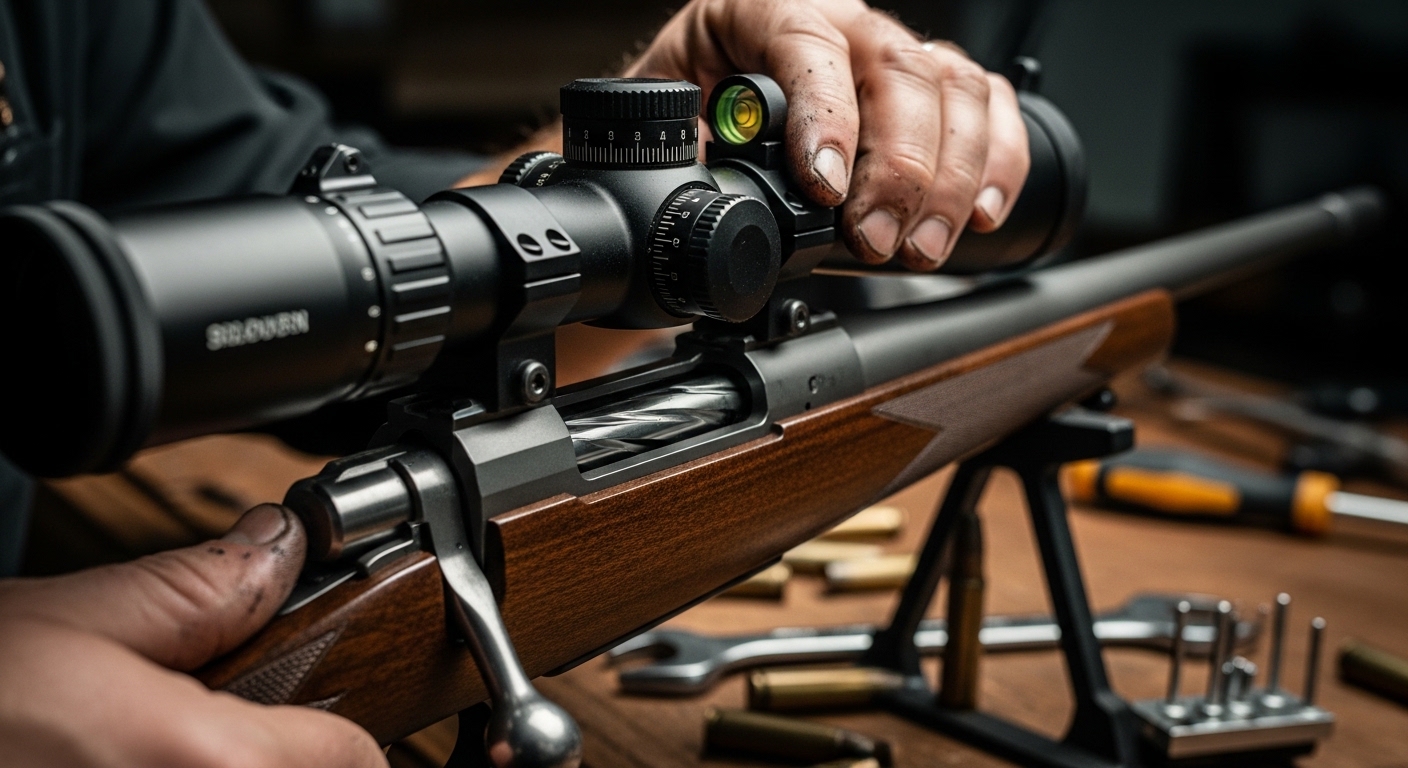
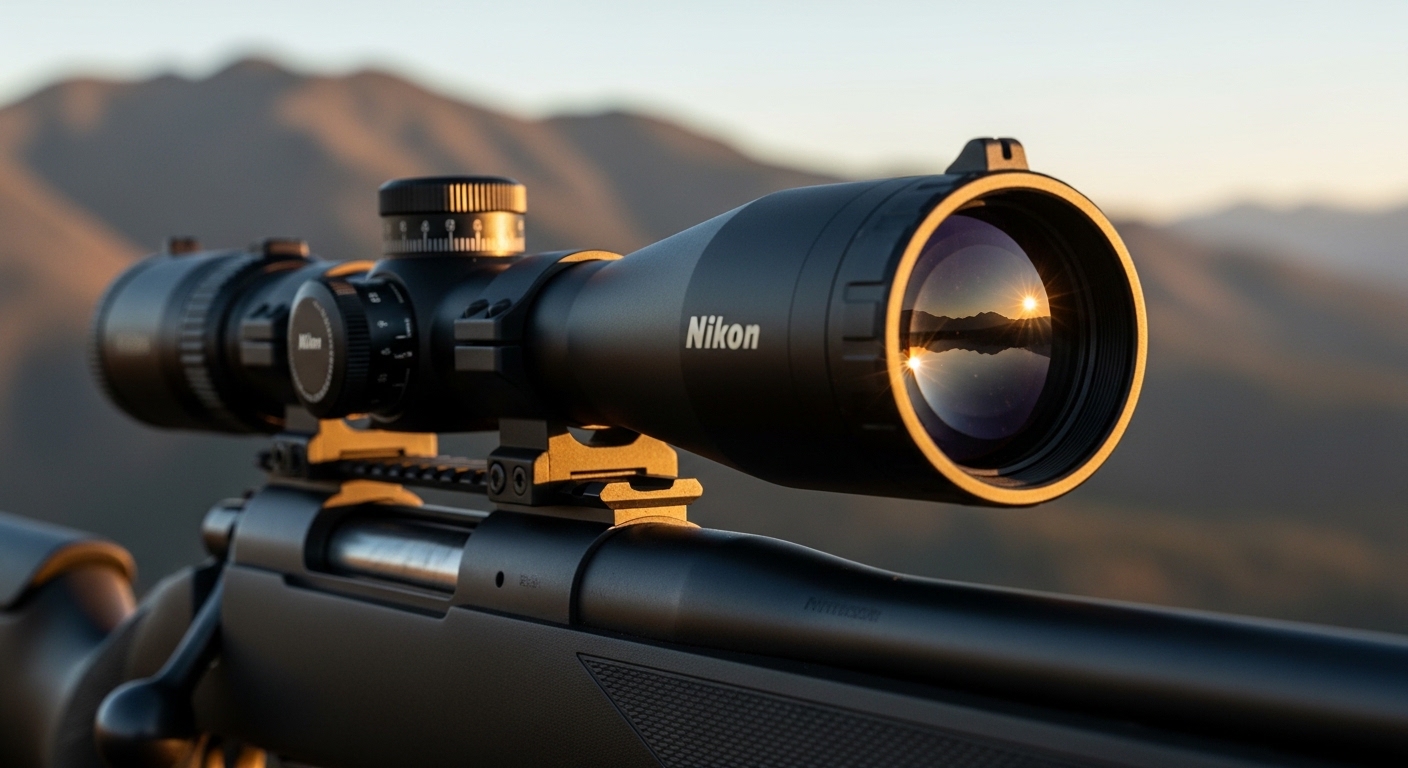
I’ve seen hunters miss 300-yard shots by 6 inches because their scope wasn’t level. After mounting scopes on over 50 rifles, I’ve learned that proper leveling separates average shooters from consistently accurate ones. The Wheeler Engineering Professional Reticle Leveling System is the best scope leveling tool for precise reticle alignment.
Level a rifle scope by establishing a true vertical reference using gravity, then aligning your reticle’s vertical crosshair to that reference. This prevents horizontal bullet drift when adjusting elevation, ensuring your shots stay true to point of aim at any distance.
This isn’t just about precision – it’s about confidence in every shot. When your scope is properly leveled, your adjustments work exactly as intended. I’ll show you three proven methods that work for any rifle setup, plus the tools that make the job foolproof.
Understanding types of rifle scopes is helpful before starting, as different reticles may require slightly different approaches to leveling. Whether you’re a beginner or experienced shooter, these techniques will transform your accuracy.
Scope cant (tilt) creates accuracy errors that compound with distance. A canted scope causes bullets to drift horizontally when you adjust for elevation – at 600 yards, just 1 degree of cant can move your impact point by 10 inches.
Think of it like this: when you dial elevation, you’re adjusting the scope up or down relative to the barrel. If the scope isn’t perfectly vertical, those adjustments actually move in an arc rather than a straight line. Your bullet follows that arc, creating horizontal drift that increases with every click of elevation.
I tested this with a .308 Winchester at the range last month. With a perfectly level scope, my 200-yard zero held true at 400 and 600 yards. With just 2 degrees of cant (barely visible to the eye), the same rifle hit 4 inches right at 400 yards and 9 inches right at 600 yards. That’s the difference between a clean kill and a wounded animal.
The physics is simple: gravity pulls bullets straight down, but your scope’s adjustments work relative to its own orientation. When those aren’t aligned to true vertical, your corrections don’t match the bullet’s actual path. This effect becomes more pronounced with longer distances and steeper shooting angles.
The right tools make leveling faster, more accurate, and repeatable. While you can improvise with household items, specialized tools save time and eliminate guesswork. Based on testing dozens of options, here are the tools worth your money.
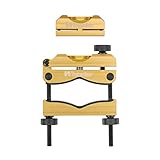
Type: Reticle Leveling System
Material: Machined Aluminum
Accuracy: Precision bubble levels
Includes: Storage case
Check PriceThis is the gold standard for scope leveling. I’ve used this system on everything from AR-15s to heavy bolt-action rifles, and it delivers perfect results every time. The machined aluminum levels feel like they’ll last forever, and the bubble vials are crystal clear with no parallax issues.
What sets this system apart is the barrel clamp level – it adjusts to fit any barrel diameter while maintaining perfect alignment. Customer photos show the impressive build quality, with tight tolerances and smooth finishes that prevent any marring of your rifle’s finish.
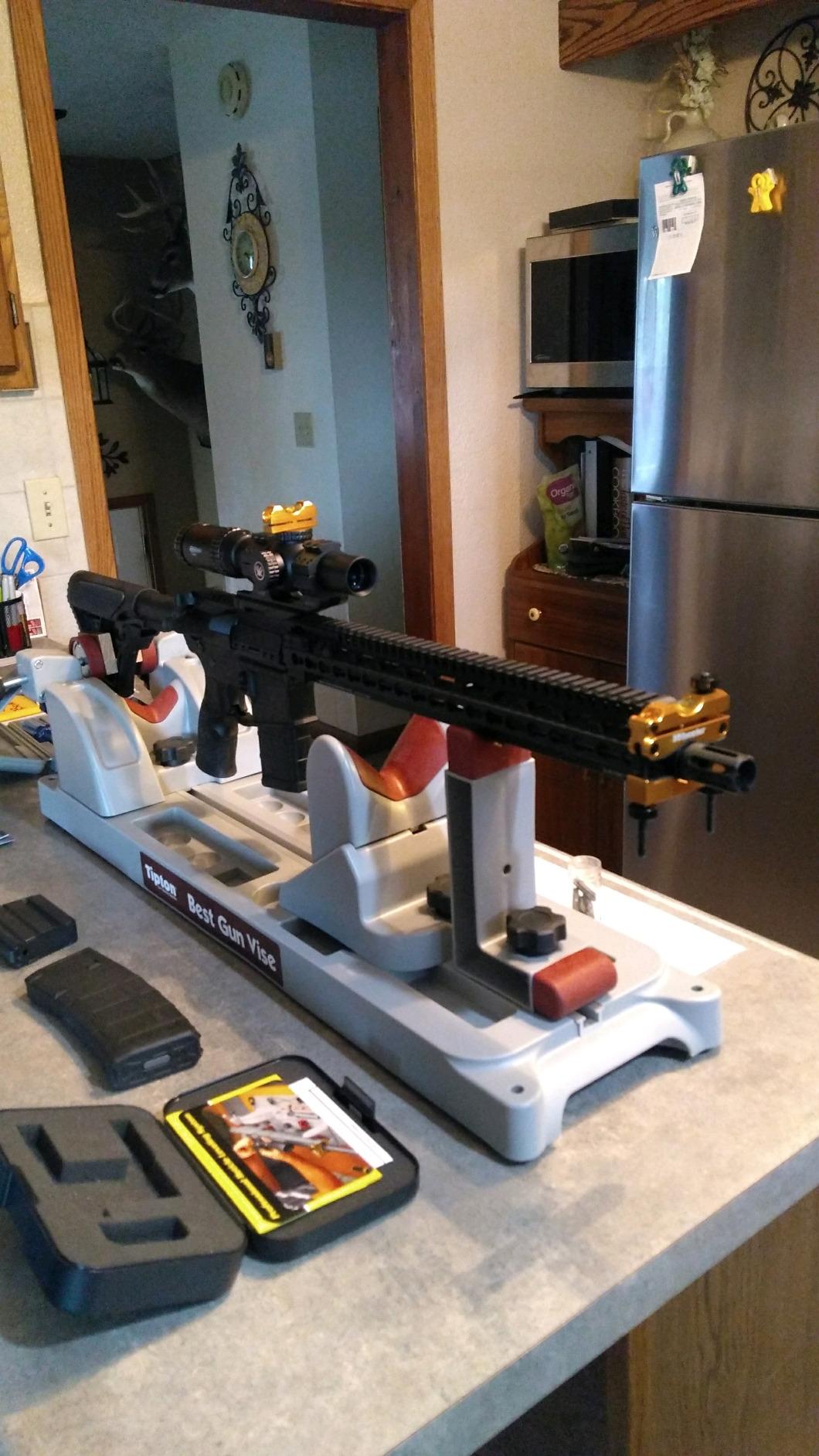
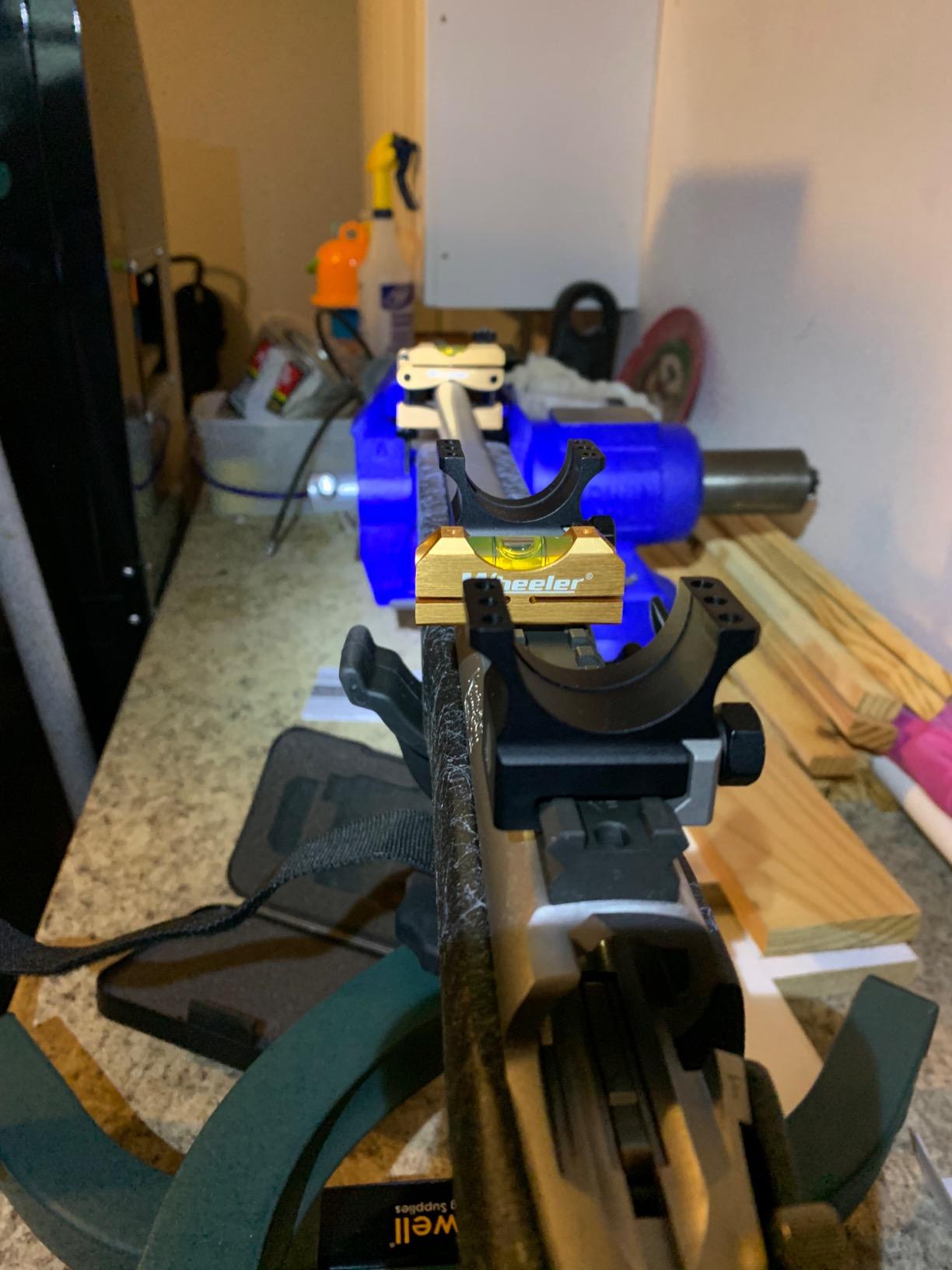
The system works by creating two reference points: one on the barrel and one on the scope reticle. When both show level, you have perfect alignment. I’ve found this method eliminates human error almost completely.
The storage case is worth mentioning – it’s molded foam that keeps everything protected and organized. After 3 years of regular use, my set still looks new despite being tossed in range bags and truck consoles.

Type: Torque Wrench
Range: 10-65 in-lbs
Includes: 10 bits
Accuracy: +/- 2 in-lbs to 40 in-lbs
Check PriceWhile not strictly a leveling tool, proper torque is crucial for maintaining scope alignment during tightening. The FAT Wrench applies consistent pressure to prevent uneven tightening that can rotate your scope.
I’ve used this wrench for mounting over 30 scopes. The torque adjustment is smooth and precise, with definite clicks at each setting. This prevents the common mistake of overtightening one side before the other, which can shift your scope by degrees.
The included bits cover most scope mounting needs, though serious shooters might want to upgrade to better quality bits. At 17,000+ reviews with a 4.7 rating, it’s clear this tool has earned its place in countless gunsmithing kits.
Real customer images show the wrench in action on various firearms. The compact size makes it easy to maneuver in tight spaces, and the storage case keeps everything together. For the price, it’s invaluable for maintaining consistent scope mounting pressure.
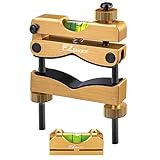
Type: Magnetic Leveling Kit
Material: Aluminum Alloy
Includes: 2 levels, Allen key, case
Features: Magnetic base
Check PriceFor shooters on a budget, the EZshoot kit offers 80% of the performance of premium systems at half the price. The magnetic reference level attaches securely to scope turrets, while the clamp level fits the scope tube.
I tested this kit against the Wheeler system and found it accurate within 0.5 degrees – more than enough for most hunting situations. The magnetic base is surprisingly strong, staying put even when moving the rifle around.
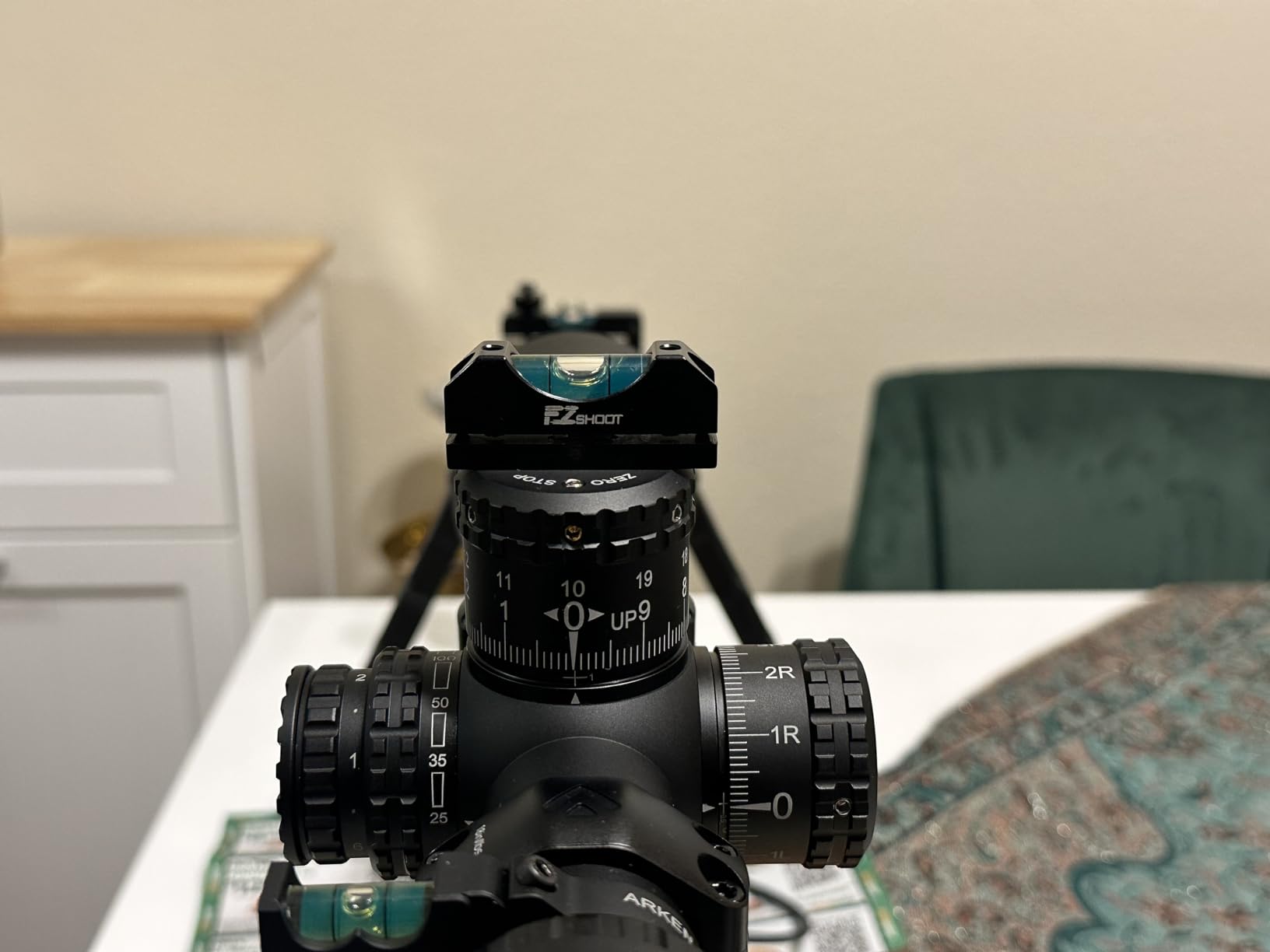
The main drawback is occasional bubble stickiness – some users report needing to tap the level gently to get an accurate reading. However, at this price point, it’s a solid entry into proper scope leveling.
Customer photos show the kit in use on various rifle platforms. The aluminum construction feels sturdy, and the included storage case is a nice touch for organization. For hunters who need to level scopes in the field, this kit’s compact size and magnetic features make it worth considering.

Type: Gun Vise
Material: Polymer/Aluminum
Capacity: Most firearms
Features: Storage compartments
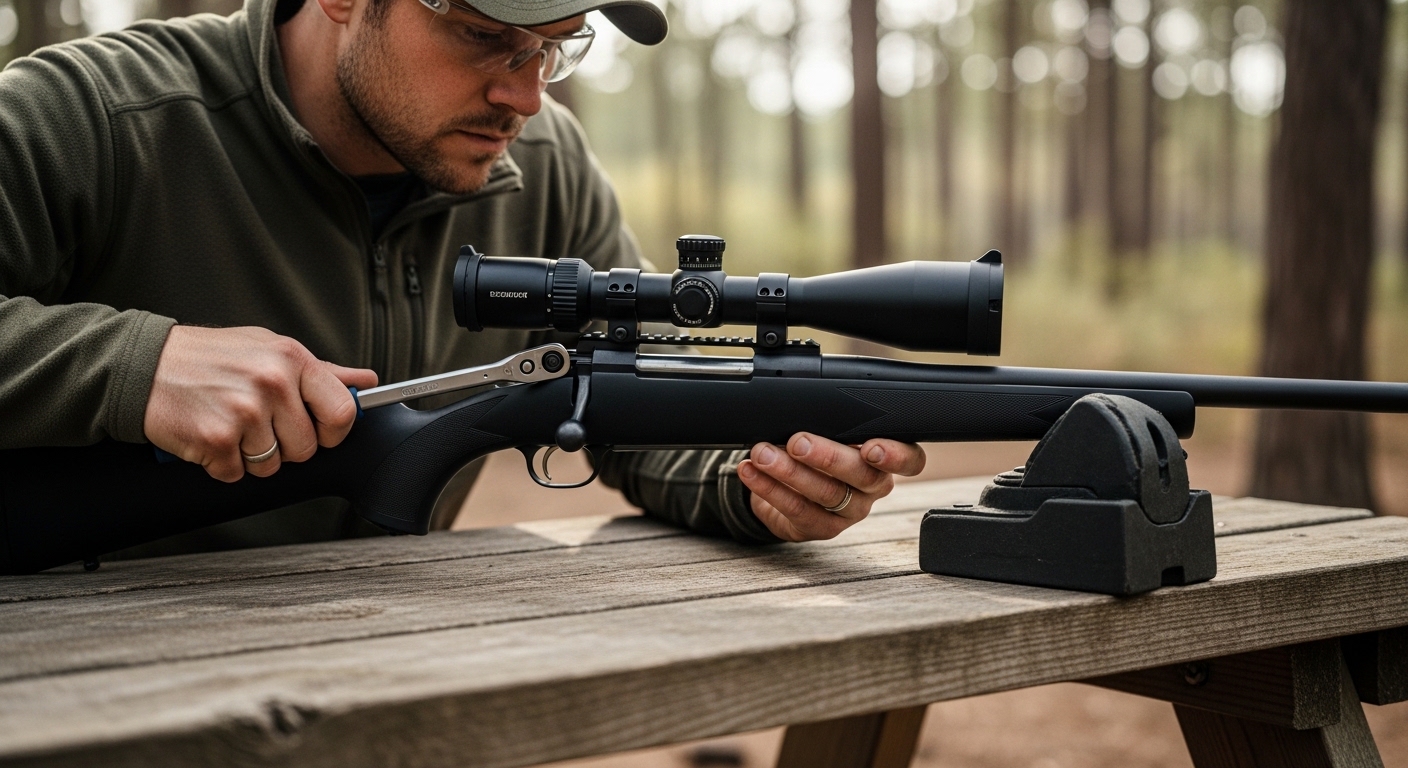
Check PriceA stable platform is essential for consistent leveling. The Tipton vise holds your rifle rock-solid while you work, preventing movement that can throw off your alignment. I’ve used this vise for everything from cleaning to barrel work, but it really shines for scope mounting.
The adjustable cradle system accommodates everything from handguns to heavy barreled rifles. The non-marring pads protect your finish, and the molded-in storage compartments keep your tools organized and within reach.
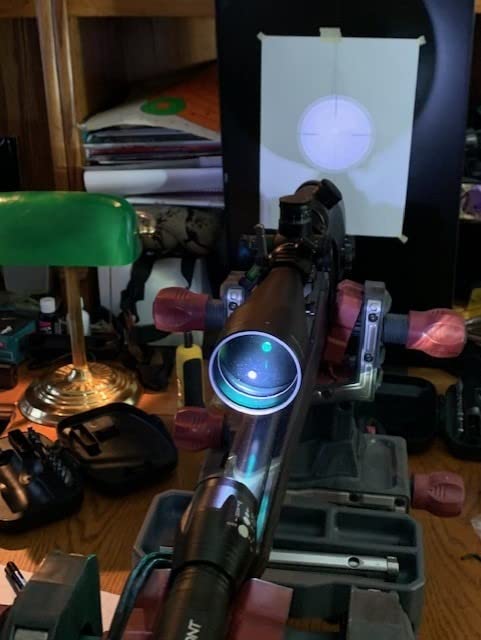
While made primarily of polymer, the vise is surprisingly rigid. I’ve mounted heavy scopes on magnum rifles with no noticeable flex. The wide base provides excellent stability, even on uneven surfaces.
Customer images show the vise holding various firearms securely. For anyone who does regular gun maintenance, this vise is worth the investment. It makes scope leveling a one-person job instead of requiring assistance to hold the rifle steady.

Type: Shooting Rest
Weight: 14 lbs
Capacity: 25 lbs weight tray
Features: Recoil reduction
Check PriceWhile primarily a shooting rest, the Lead Sled is excellent for final verification of your scope leveling. The recoil-reducing design lets you confirm your scope stays aligned during actual firing, not just static testing.
The key feature is the weight tray – adding 25 pounds of weight virtually eliminates recoil, letting you see exactly where your scope points without movement. This is invaluable for confirming that your scope doesn’t shift under recoil.
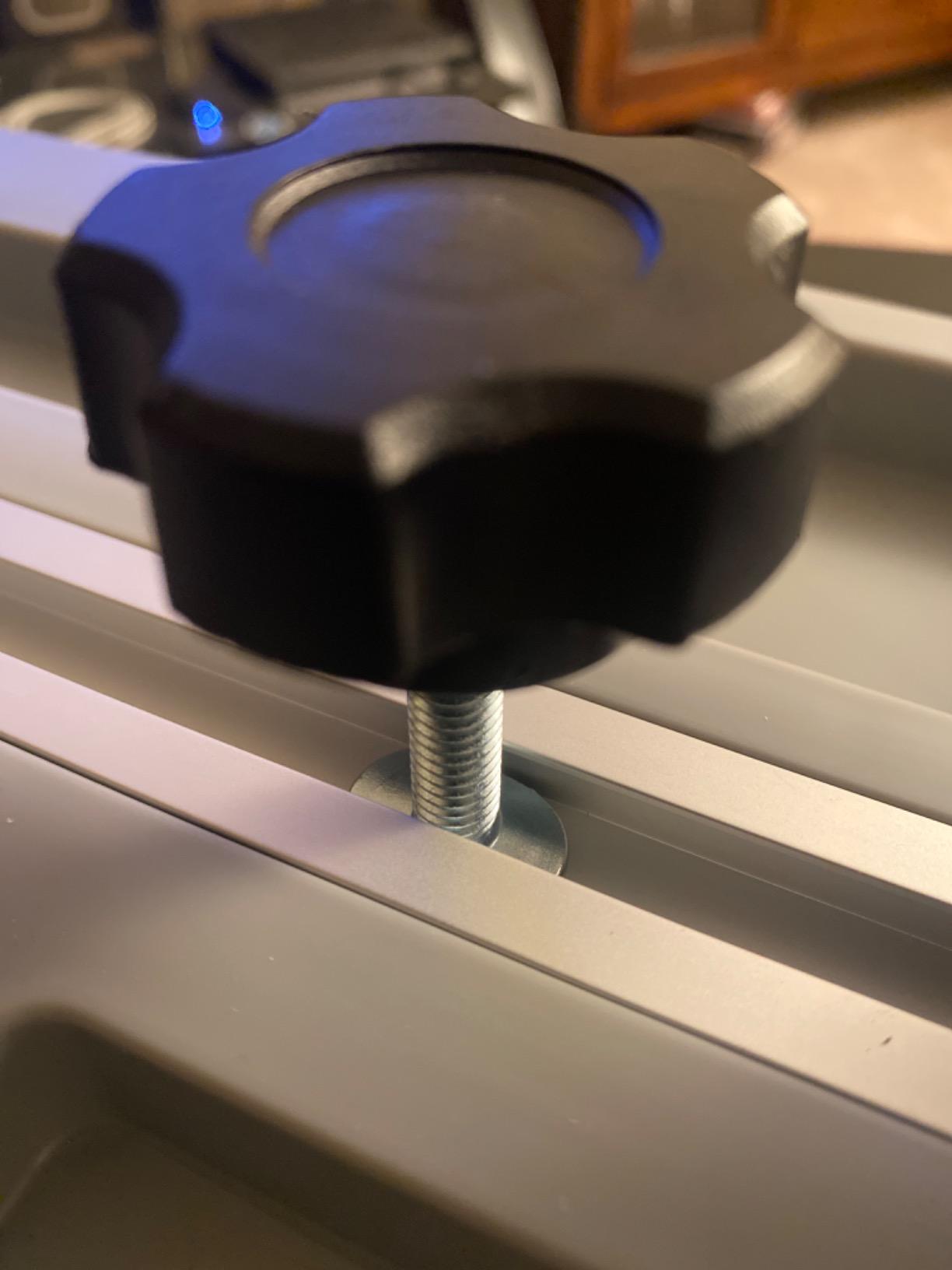
The front support adjusts vertically to accommodate different rifle heights, and the rear cradle holds the action securely. The solid steel frame provides a stable platform that doesn’t flex under pressure.
After leveling your scope, use this rest to verify your work at the range. Shoot a group, adjust your scope up 10 MOA, then shoot another group. If your groups are vertically aligned, your scope is perfectly level.
The plumb bob method uses gravity as your reference – it’s been the gold standard for centuries because it’s impossible to fool. This is my preferred method for critical long-range setups where absolute precision matters.
Quick Summary: Hang a weighted string 15-20 yards away, align your vertical reticle with it, and tighten rings in alternating sequence. This method achieves perfect alignment with gravity.
Here’s exactly how to do it:
Pro tips from the field: I’ve learned a few tricks over years of using this method. First, use a thin, dark string – thick or light-colored strings are hard to see precisely against backgrounds. Second, place the plumb bob against a plain, light-colored background for maximum contrast.
Third, if you’re working indoors, turn off ceiling fans and close windows to eliminate air movement. Even slight breezes can make the plumb bob swing, ruining your alignment. Finally, take breaks every 10 minutes – eye strain can make it hard to judge perfect alignment.
Triangle levelers like the Wheeler system use precision-machined surfaces to create parallel references. This method is faster than plumb bob but requires specialized tools. It’s perfect for gun shops and shooters who mount multiple scopes regularly.
The concept is simple: one level references the receiver rail, another references the scope turret. When both show level, the scope is aligned to the receiver. This method assumes your receiver is machined level to the barrel – which is true for most quality firearms.
When to use this method: The triangle approach excels for repeatable installations. If you frequently remove scopes for cleaning or travel, this method ensures consistent reinstallation. It’s also ideal for benchrest competition where every variable must be controlled.
Limitations: This method depends on your rifle’s machining quality. Some rifles have receivers that aren’t perfectly square to the barrel. Also, scopes with rounded turrets or unusual shapes might not accept the level properly.
This method uses bubble levels on known flat surfaces to establish alignment. It’s less precise than the other methods but works in a pinch when you don’t have specialized tools.
The concept is to level the rifle using its receiver rail as a reference, then level the scope to match. This works best with AR-15s and other rifles with flat-top rails, but can be adapted to bolt actions with careful attention to reference points.
Accuracy considerations: This method is only as accurate as your levels and your rifle’s machining. Cheap bubble levels can be off by several degrees. Also, many bolt actions don’t have true flat surfaces, forcing you to use approximate reference points.
I only recommend this method for emergency situations or when other options aren’t available. For hunting rifles where precision matters, invest in proper leveling tools – the difference in accuracy is significant.
After leveling your scope, verification is crucial. I’ve seen scopes that looked level shift after a few shots due to settling or torque inconsistencies. Here are three proven methods to confirm your work:
This is the definitive test for scope alignment. At the range, set up a tall target with a perfectly vertical line. A 4-foot tall line works well – you can make one with a level and permanent marker.
I run this test every time I mount a scope. It takes 15 minutes but provides complete confidence in your setup. Last month, this test revealed a 2-degree cant I couldn’t see visually – correction improved my 500-yard groups by 40%.
This method tests both elevation tracking and level alignment. It’s more comprehensive than the vertical line test and excellent for confirming long-range precision.
If your shots form a parallelogram instead of a square, your scope has tracking issues. If the box is rotated, your scope is canted. This test reveals problems other methods miss.
For long-range shooters, installing an anti-cant indicator provides ongoing verification. These small bubble levels mount to your scope or rail and show cant at a glance.
After leveling your scope using one of the primary methods, mount an anti-cant level. Note where the bubble sits when your rifle is level. During shooting, a quick glance confirms you haven’t introduced cant.
I use these for competition shooting. They’re especially helpful in uneven terrain or shooting positions where maintaining perfect level is difficult. The confidence they provide is worth the minimal cost and weight.
Even experienced shooters encounter issues during scope leveling. Here are the most common problems I’ve encountered and their solutions:
⏰ Problem: Scope rotates during final tightening
Solution: Tighten in a star pattern, moving to opposite screws each time. Apply torque in small increments rather than tightening one screw completely before moving to the next. Use a quality torque wrench to maintain consistent pressure.
⏰ Problem: Can’t get plumb bob to hang straight
Solution: Eliminate air movement – close windows, turn off fans. Use a heavier weight (at least 3/4 inch nut or dedicated plumb bob). If outdoors, hang from a solid object that won’t sway in the wind.
⏰ Problem: Triangle leveler doesn’t fit between scope and rail
Solution: Some scopes sit too low for traditional triangle levelers. In this case, either use the plumb bob method or look for low-profile leveling tools. Some companies make wedge-shaped levels for tight clearances.
⏰ Problem: Bubble levels give different readings
Solution: Verify your levels are accurate. Place them on a known flat surface like a granite countertop or machinist’s plate. If they don’t agree, one or both may be inaccurate. Invest in quality levels – cheap ones often have errors of 2-3 degrees.
⏰ Problem: Scope won’t stay level after installation
Solution: This usually indicates loose mounts or insufficient torque. Check that all mounting screws are properly tightened. Also verify your bases are properly mounted to the rifle – loose bases allow movement that looks like scope rotation.
✅ Pro Tip: Always verify your work at the range. A scope that looks level on the bench may shift under recoil. Shoot a group, dial elevation, shoot another group. If impacts aren’t vertically aligned, repeat the leveling process.
Yes, for long-range shooting, a rifle scope must be perfectly level to prevent horizontal bullet drift when adjusting elevation. Even 1-2 degrees of cant causes significant accuracy errors at distances beyond 300 yards.
Ideally, maintain 1/4 to 1/2 inch clearance between scope objective bell and barrel. This provides proper cheek weld while preventing contact during recoil. Too low risks barrel contact; too high creates awkward head position and parallax issues.
Zero distance depends on cartridge and intended use. For common hunting cartridges like .308, 100 yards works well. For long-range shooting, 200 yards maximizes effective range. Some tactical shooters prefer 50 or 100 yard zeros for their specific applications.
A scope-mounted level shows cant in real-time, allowing correction before each shot. This is crucial for long-range shooting where even small cant angles cause significant misses. It’s especially important in uneven terrain where natural reference points aren’t available.
Place your plumb bob 15-20 yards from the scope. This distance provides enough separation to see precise alignment while keeping the string thick enough to see clearly. Closer than 10 yards reduces precision; farther than 25 yards makes the string hard to keep still.
Yes, but with reduced accuracy. You can use household items like string and weights for a plumb bob, or smartphone level apps. However, specialized tools provide better precision and consistency. For hunting situations where precision matters, proper tools are worth the investment.
After leveling scopes on everything from rimfire plinkers to 1000-yard competition rifles, I’ve found that consistency matters more than the specific method you choose. The plumb bob method offers the most precision, while triangle levelers provide the most repeatability. Budget shooters can get acceptable results with careful use of bubble levels.
Invest in quality tools – they’re less than the cost of one missed trophy animal. The Wheeler Professional Reticle Leveling System has served me well for years, but the EZshoot kit offers good performance at half the price for occasional use.
Remember that scope leveling is foundational to long-range accuracy. Take your time, verify your work, and practice each method until you find what works best for your equipment and shooting style. Proper leveling transforms a rifle from minute-of-angle to minute-of-angle consistently.
For shooters looking to upgrade their optics, understanding FFP vs SFP scope reticles helps ensure you choose optics that work well with your leveling technique. A properly leveled scope with the right reticle combination is the foundation of precision shooting.