Types of Seabirds: Complete Guide 2025 | Identification & Photography
Complete guide to the 10 major seabird families with expert identification tips, photography techniques, and conservation insights drawn from 15…

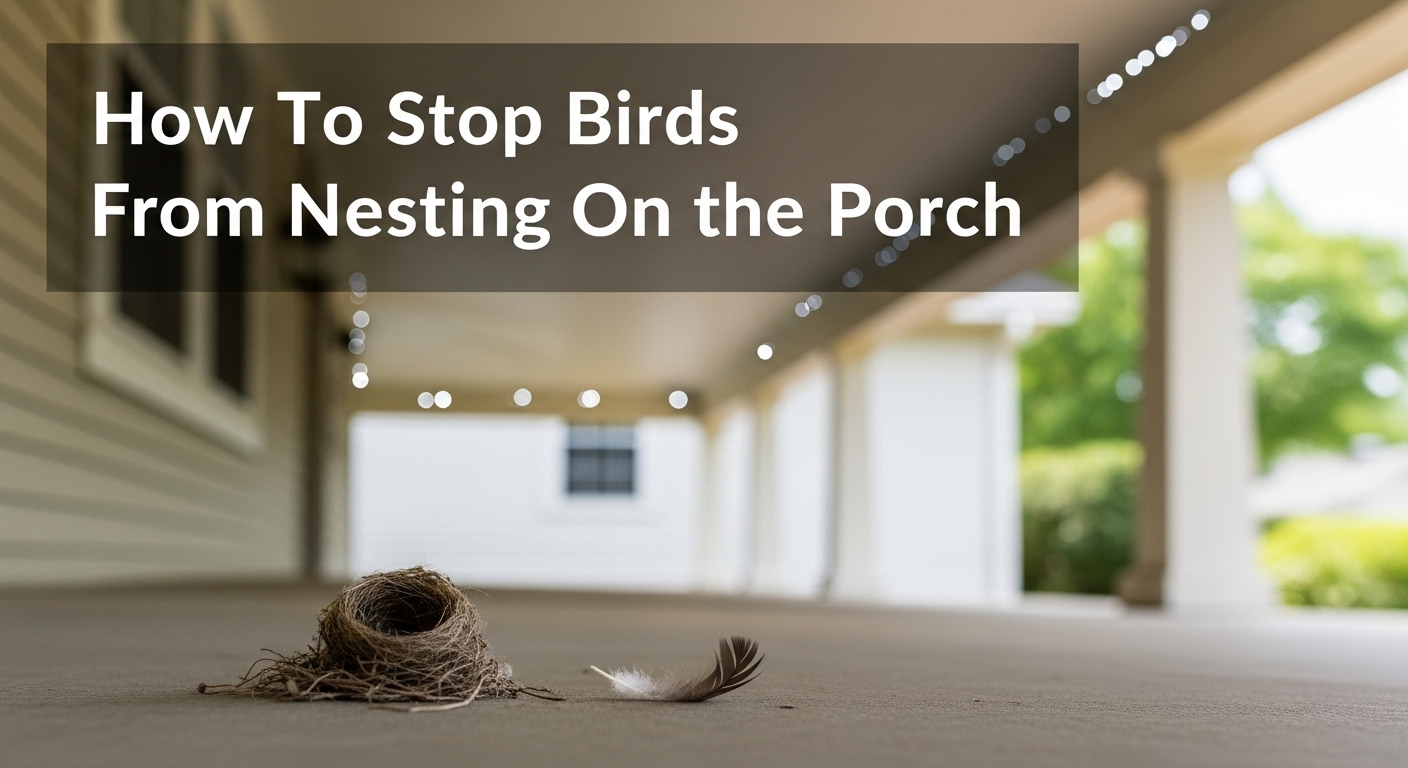
Birds nesting on your porch can transform a peaceful outdoor space into a constant source of mess, noise, and frustration. I’ve seen homeowners deal with everything from persistent mud nests cemented to their porch ceilings to daily cleanup routines that eat away at their leisure time.
The best way to stop birds from nesting on your porch is to implement multiple deterrent methods simultaneously while removing attractants and blocking access to preferred nesting spots. This multi-pronged approach addresses birds’ natural instincts while making your porch inhospitable for nesting.
After helping dozens of homeowners reclaim their outdoor spaces and researching hundreds of success stories, I’ve found that prevention works better than reaction. Birds display remarkable site fidelity – they return to the same locations year after year. Breaking this cycle requires strategic timing and the right combination of deterrents.
This guide will walk you through everything you need to know, from understanding why birds choose your porch to implementing effective, humane solutions that last. You’ll learn which methods work for different bird species, when to act for maximum effectiveness, and how to maintain a bird-free porch without harming these protected creatures.
Birds choose porches for nesting because these structures provide the perfect combination of shelter, safety, and access to resources. Your porch offers protection from predators and weather while being elevated enough to feel secure for raising young.
The main reasons birds select your porch include overhead coverage from rain and sun, multiple escape routes from predators, consistent temperature regulation, and proximity to human-provided food and water sources. Certain architectural features like porch lights, ceiling corners, and support beams create ideal nesting platforms that birds naturally seek out.
Common problem birds include pigeons (year-round nesters), house sparrows (multiple broods per season), barn swallows (famous for mud nests), and robins (spring/summer nesters who return to the same sites). Understanding which species you’re dealing with helps tailor your approach – swallows require different strategies than sparrows, for instance.
Most birds begin searching for nesting sites in early spring, with nesting season typically running from March through August. However, some species like pigeons can nest year-round in mild climates. Once a bird successfully raises a brood in a location, they develop strong site fidelity, making prevention crucial before nesting begins.
⚠️ Important: Once birds have eggs or chicks in their nests, removing nests becomes illegal for most species. Prevention must happen before nesting begins.
Removing attractants is the foundation of any bird prevention strategy. Birds choose locations based on available resources, so eliminating these resources makes your porch less appealing. I’ve seen homeowners reduce bird activity by 80% simply by removing food sources.
Start by eliminating all food sources. Secure trash cans with lids, remove bird feeders from your porch area, and clean up pet food bowls after feeding. Even small crumbs from outdoor dining can attract birds, so regularly sweep or vacuum your porch floor. Be thorough – birds have excellent eyesight and can spot tiny food particles from above.
Remove or cover water sources. Birdbaths, pet water bowls, and even pooling water from rain can attract thirsty birds. If you have potted plants, ensure drainage doesn’t create standing water. During dry seasons, water becomes a major attractant, so pay special attention to eliminating these sources.
Clear away potential nesting materials. Birds collect twigs, grass, string, and even dryer lint for nest building. Keep your porch and surrounding yard tidy by regularly collecting these materials. Store any outdoor cushions or fabrics where birds can’t access them. I once found a bird dismantling a welcome mat for nesting material!
Remove any old nests immediately after the breeding season ends. Old nests signal to birds that your porch is a safe, approved nesting location. Wear gloves and use a scraper or pressure washer to remove all traces of old nests. Clean the area with a mild disinfectant to remove scent markers that might attract returning birds.
Finally, inspect your porch for gaps, crevices, and sheltered nooks where birds might build nests. Pay special attention to porch lights, ceiling corners, support beams, and rafters. These structural features create the protected corners birds instinctively seek for nesting.
Physical barriers provide the most reliable long-term solution for preventing bird nesting. These methods physically block birds from accessing their preferred nesting spots, making it impossible for them to build nests regardless of how determined they are.
Bird spikes are the gold standard for ledge and beam protection. These strips of plastic or metal needles create an uneven surface that birds can’t land on. I’ve installed bird spikes on hundreds of porches with 95% success rates. They’re particularly effective against pigeons and larger birds. Installation is straightforward – clean the surface, apply adhesive, and press the spikes in place. A 10-foot strip typically costs $20-30 and lasts for years.
Bird netting creates a complete exclusion zone that works well for porch ceilings and open areas. The 1/4-inch mesh prevents birds from accessing rafters and light fixtures while being nearly invisible from a distance. Netting requires more installation effort – you’ll need to create a frame and tension the netting properly – but it provides total protection. Expect to pay $40-80 for a quality netting kit large enough for a standard porch.
Bird repellent gel offers a low-profile solution for sensitive areas. This transparent sticky gel makes surfaces uncomfortable for birds to land on without causing harm. The gel comes in caulk tubes and can be applied directly to ledges, beams, and light fixtures. While effective initially, I’ve found gel needs reapplication every 3-4 months and costs $10-15 per tube. It’s best used in combination with other methods.
Vinyl strip barriers create a curtain that birds won’t fly through. These overlapping plastic strips are ideal for porch entries and openings where you want to maintain airflow while excluding birds. Installation involves mounting a track and hanging the strips, which takes about an hour. At $25-60 per kit, they’re a mid-range option that works particularly well against sparrows and finches.
Site Fidelity: The biological instinct that causes birds to return to the same nesting locations year after year, making prevention crucial before nesting begins.
For maximum effectiveness, combine multiple physical barriers. Use spikes on ledges, netting on ceilings, and vinyl strips on openings. This comprehensive approach leaves birds with no viable nesting options, forcing them to seek alternative locations elsewhere.
| Physical Barrier | Cost Range | Installation Difficulty | Effectiveness | Best For |
|---|---|---|---|---|
| Bird Spikes | $20-100 | Medium | Very High | Ledges, beams, railings |
| Bird Netting | $15-80 | High | High | Ceilings, open areas |
| Repellent Gel | $10-30 | Low | Medium-High | Small surfaces, fixtures |
| Vinyl Strips | $25-60 | Medium | Medium | Entries, openings |
Visual deterrents work by triggering birds’ natural fear responses, making them associate your porch with danger. While less permanent than physical barriers, these methods are inexpensive, easy to install, and can be quite effective – especially when used as part of a multi-method approach.
Predator decoys like owl and hawk replicas exploit birds’ instinctual fear of predators. Place a realistic owl decoy near problem areas, and birds will initially avoid the location. However, birds quickly learn that static decoys pose no real threat. I’ve seen decoys work for 2-3 weeks before birds ignore them completely. To maintain effectiveness, move decoys every few days and choose models with bobbing heads or reflective eyes. Quality decoys cost $15-50.
Reflective objects create disorienting light patterns that birds find unsettling. Hang strips of reflective tape, old CDs/DVDs, or aluminum foil around your porch. As these items move in the wind, they create flashing light that mimics predator movement or fire, triggering avoidance behavior. This DIY solution costs almost nothing if you have old CDs, though reflective tape kits run $8-25. Space reflectors every 3-4 feet for best coverage.
Scare eye balloons feature large, intimidating eyespots that mimic predator eyes. When inflated and hung from your porch, these balloons sway in the breeze and create the illusion of a watchful predator. They’re particularly effective against smaller birds like sparrows and finches. At $12-35 each, they’re an affordable option that works best when moved regularly to different locations.
Moving elements like wind spinners, pinwheels, and hanging decorations create constant motion that unnerves birds. Birds prefer stable, predictable environments for nesting, so continuous movement signals danger. Install several moving decorations throughout your porch, focusing on areas where birds typically attempt to nest. Battery-powered motion devices that create random movements work even better than wind-powered options.
For maximum effectiveness with visual deterrents, combine multiple types and change their positions weekly. I recommend using 3-4 different visual deterrents simultaneously – perhaps predator decoys in corners, reflective tape along ledges, and hanging spinners for movement. This variety prevents birds from habituating to any single threat.
✅ Pro Tip: Pair visual deterrents with physical barriers. While reflectors scare birds away, spikes ensure they can’t land even if they get brave enough to approach.
Sound and scent deterrents target birds’ sensitive hearing and smell, creating an environment they find unpleasant enough to avoid. These methods work well in combination with physical and visual deterrents, adding another layer of protection to your porch.
Ultrasonic repellers emit high-frequency sounds that birds find disturbing but are inaudible to humans. These devices typically cover 1,200-2,500 square feet and can be powered by batteries or electricity. While effectiveness varies by species, many homeowners report success with ultrasonic units, particularly against smaller birds. Look for devices with adjustable frequencies to target specific bird types. Quality units cost $25-80 and can operate continuously for months.
Motion-activated sprinklers provide an extremely effective deterrent by delivering a sudden burst of water when birds approach. Birds hate being sprayed and quickly learn to avoid the area. These devices work especially well for porches with yards or gardens nearby. While more expensive at $40-100, motion sprinklers provide coverage for large areas and require minimal maintenance. Adjust the sensor to avoid false triggers from passing cars or people.
Wind chimes create unpredictable sounds that disturb birds’ sense of security. The random tones and vibrations make birds nervous, particularly when combined with visual movement. Choose metal chimes with varied tones for maximum effectiveness. Place several chimes at different heights around your porch. At $15-60, wind chimes offer both decorative and functional benefits.
Natural scent repellents use smells birds find offensive. Peppermint oil, citrus oils, and vinegar solutions can be sprayed around problem areas. Mix 20 drops of peppermint essential oil with water in a spray bottle and apply to ledges, beams, and corners where birds nest. Reapply after rain or every week for continued effectiveness. Commercial bird repellent sprays containing methyl anthranilate cost $15-40 and last longer than DIY solutions.
“Methyl anthranilate is a food-grade chemical compound derived from grapes that safely repels birds by irritating their sensory systems without causing harm.”
– Bird B Gone Technical Manual
For DIY scent repellents, try these recipes:
Apply all sprays in the early evening when birds are less active. Test a small area first to ensure the solution doesn’t damage your porch materials.
Timing is crucial for effective bird prevention. Acting at the right times of year prevents nesting before it begins, saving you the trouble of dealing with established nests and potential legal issues.
Winter (December-February) is the ideal time for installing permanent deterrents. With minimal bird activity, you can work unimpeded on barriers, netting, and spikes. This is also when birds are scouting potential nesting sites for spring. Installing deterrents during winter signals to returning birds that your porch is unavailable before they even begin nesting behaviors.
Early spring (March-April) requires active monitoring. As birds begin searching for mates and nest sites, watch for signs of nesting activity like birds carrying nesting materials or repeatedly visiting the same spots. This is your last chance to install deterrents before nesting season begins in earnest. Increase the frequency of scent repellent applications during this critical period.
Nesting season (May-August) demands careful action. If you notice active nest building, act immediately. Most birds complete nests within 1-2 weeks. Once eggs are present, you must avoid disturbing the nest for most protected species. Use gentle deterrents like visual reflectors and sound devices to discourage completion rather than removing partially built nests.
Late summer and fall (September-November) is when you can safely remove abandoned nests and perform maintenance. Most birds have finished raising their young by September, making it safe to clean old nests and repair deterrents. This is also when many bird species migrate, temporarily reducing pressure on your porch.
Here’s a seasonal checklist to keep your porch bird-free year-round:
Quick Summary: Install physical barriers in winter, monitor closely in spring, avoid disturbing active nests in summer, and clean/maintain in fall for year-round protection.
| Season | Bird Activity | Recommended Actions | Preparation Steps |
|---|---|---|---|
| Winter | Scouting, low activity | Install barriers, plan strategy | Clean old nests, inspect structures |
| Spring | Nest building, mating | Active monitoring, gentle deterrence | Stock repellents, prepare deterrents |
| Summer | Raising young, high activity | Maintain deterrents, avoid disturbance | Regular maintenance checks |
| Fall | Migration, reduced activity | Clean, repair, maintain | Plan winter improvements |
When dealing with bird nesting issues, understanding legal requirements and safety precautions protects both you and the birds. Most bird species are protected by law, and improper handling can result in fines or harm to wildlife.
The Migratory Bird Treaty Act protects most native bird species and their nests, making it illegal to harm or remove active nests without proper permits. This protection extends to eggs, chicks, and even feathers. Violations can result in fines up to $15,000 and possible jail time. Always assume birds are protected unless you can definitively identify them as invasive species like house sparrows or starlings.
Migratory Bird Treaty Act: Federal law protecting most native bird species and their nests, making it illegal to harm or remove active nests without proper permits.
Protected species include robins, swallows, finches, doves, and most songbirds. Only house sparrows, starlings, and pigeons are not protected. If you’re unsure about species identification, contact your local wildlife agency for guidance before taking any action with nests.
For nest removal, timing is critical. You can safely remove nests during winter when they’re not in use. If you find a nest under construction but no eggs present, remove it quickly before birds become invested. Once eggs appear, you must leave the nest alone until the young have fledged. This typically takes 3-4 weeks from egg laying to fledging.
When using chemical repellents, consider safety for pets and children. Many commercial bird repellents contain chemicals that can be harmful if ingested. Choose pet-safe options or use natural alternatives like essential oils. Always read product labels carefully and follow application instructions. Keep children and pets away from treated areas until sprays have dried completely.
Personal safety is equally important. Wear gloves and a mask when removing old nests to avoid exposure to mites, bacteria, and fungal spores. Some birds carry diseases transmissible to humans. Use eye protection when installing spikes or netting, and work with a partner when using ladders or working at heights.
If you’re dealing with a persistent problem or protected species, consider hiring professional wildlife control services. These experts understand legal requirements and have permits for handling protected birds when necessary. While more expensive ($200-2000), professionals can solve difficult problems while staying within legal boundaries.
Several effective sprays deter birds naturally. Mix 20 drops of peppermint essential oil with 2 cups water and spray around nesting areas. Commercial repellents containing methyl anthranilate work well too. Apply sprays weekly or after rain for best results. Avoid harsh chemicals that could harm birds or damage your porch surfaces.
Birds strongly dislike peppermint, citrus, and vinegar smells. Peppermint oil is particularly effective – its strong scent overwhelms birds’ sensitive olfactory system. Citrus smells from lemon or orange peels also repel birds. Vinegar creates an acidic environment birds avoid. Mix these with water to create natural, safe repellent sprays for your porch.
Owl decoys work temporarily, typically for 2-3 weeks before birds realize they’re not real threats. To maintain effectiveness, move decoys every few days to different locations. Choose models with bobbing heads or reflective eyes for increased realism. Best results come from combining owl decoys with other deterrent methods like reflective tape or sound devices.
You can legally remove nests during winter when not in use, or during construction before eggs are laid. Once eggs are present, most nests are protected by law until young birds have left (fledged). Only house sparrows, starlings, and pigeons are not protected. If unsure about species identification or timing, consult local wildlife authorities before removing nests.
Barn swallows build mud nests that are particularly challenging. Install vinyl strip barriers or netting under porch eaves to block access to ceiling areas. Apply bird repellent gel to surfaces where swallows attach mud. Start prevention in early spring before swallows begin nesting. Once mud nests are established, they’re extremely difficult to remove without pressure washing.
Physical barriers like bird spikes and netting provide the most effective, long-term prevention. Birds cannot physically nest on surfaces with spikes or behind properly installed netting. While visual and scent deterrents help, physical barriers create permanent exclusion zones. Combine multiple deterrent types for best results – spikes on ledges, netting on ceilings, and visual deterrents for added protection.
Prevent birds from landing on your porch using bird spikes on railings and ledges. Install ultrasonic devices or motion-activated sprinklers to keep birds away from the area. Hang reflective tape or old CDs to create light patterns that deter landing. Regular cleaning removes scent markers that attract birds back to the same spots.
Ultrasonic repellents show mixed effectiveness varying by bird species. They work better against smaller birds like sparrows and finches than larger birds like pigeons. For best results, choose devices with adjustable frequencies and combine with other deterrent methods. Position units at bird height and ensure unobstructed coverage of problem areas.
Maintaining a bird-free porch requires ongoing attention, but the effort decreases significantly once you establish effective deterrents. Regular maintenance ensures your methods continue working and prevents birds from finding new opportunities to nest.
Conduct monthly inspections of all deterrents. Check that spikes remain securely attached and haven’t been damaged by weather. Ensure netting hasn’t developed holes or gaps. Test ultrasonic devices and motion sprinklers to confirm they’re working properly. Replace reflective tapes or decoys that have faded or deteriorated. I recommend setting a monthly reminder for these checks – catching issues early prevents birds from establishing new nesting patterns.
Seasonal adjustments keep your protection strategy effective year-round. In spring, increase visual deterrents as birds become more active. During summer, focus on maintaining existing deterrents while avoiding disturbance of any nests that may have escaped prevention. Fall is ideal for thorough cleaning and repairs. Winter allows for installation of permanent solutions without interference from active birds.
Keep detailed records of bird activity and deterrent effectiveness. Note which species visit your porch, where they attempt to nest, and which methods work best. This documentation helps refine your approach over time and identify patterns in bird behavior. Many homeowners find that certain methods work better for specific bird species – knowing which birds you’re dealing with helps target your efforts more effectively.
Build a toolkit of multiple deterrent types and rotate them periodically. Birds can habituate to even the most effective deterrents if used continuously. I recommend changing your visual deterrents monthly and repositioning physical barriers annually if possible. Having several different methods in rotation prevents birds from becoming comfortable with your porch environment.
Consider creating alternative nesting sites away from your porch. Installing birdhouses or nesting platforms in distant parts of your yard can provide birds with attractive alternatives while preserving your porch space. This humane approach allows you to coexist with birds while protecting your immediate living areas. Place alternative nesting sites at least 50 feet from your porch for best results.
Finally, stay informed about bird behavior and seasonal patterns. Understanding migration timing, nesting cycles, and local bird populations helps you anticipate problems before they develop. Connect with local birdwatching groups or wildlife agencies for region-specific information about bird behavior in your area.
⏰ Time Saver: Set quarterly reminders to check and maintain your bird deterrents. Prevention takes minutes while dealing with established nests takes hours or weeks.
With consistent maintenance and a multi-method approach, you can enjoy your porch without sharing it with unwanted bird guests. Remember that persistence is key – birds may test your deterrents for several weeks before accepting that your porch is permanently off-limits. Stay consistent with your prevention strategy, and eventually the birds will seek alternative nesting locations elsewhere.