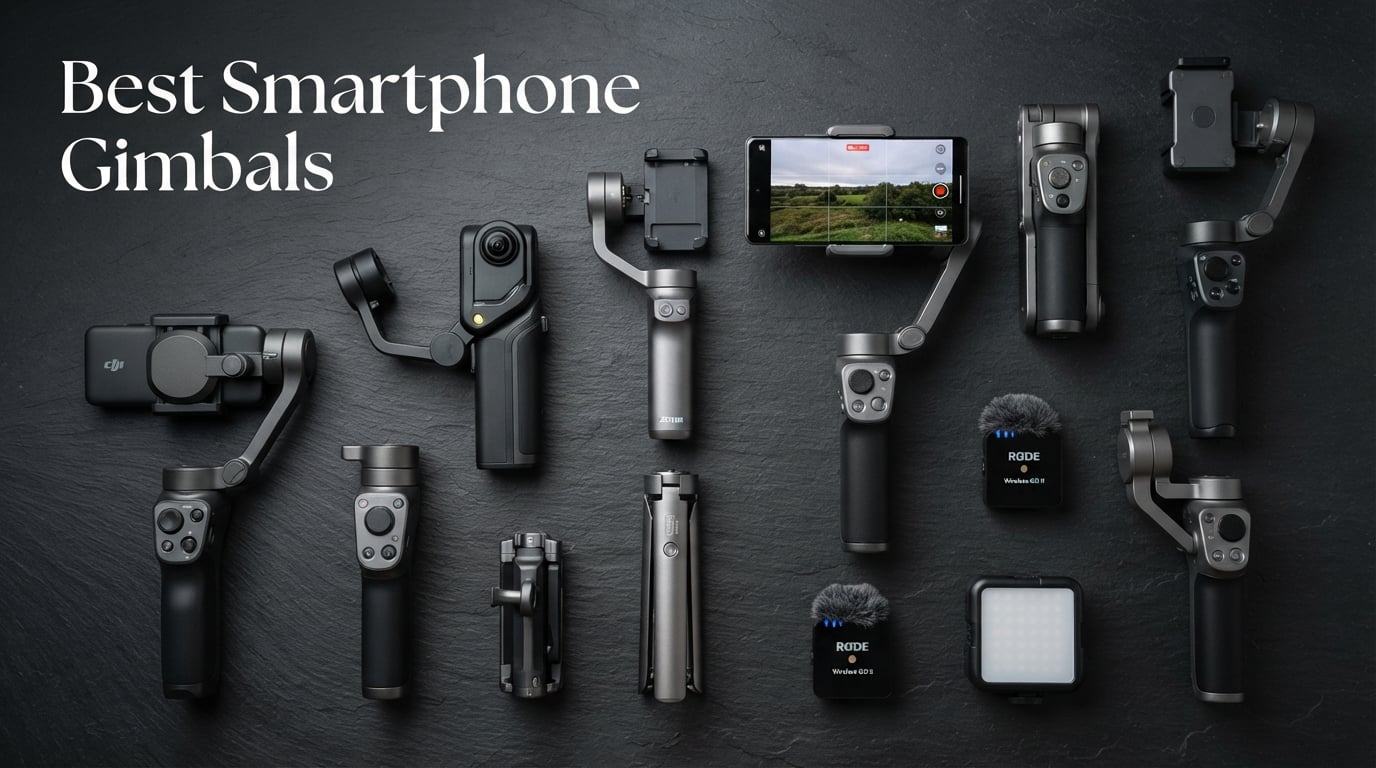
8 Best Smartphone Gimbals (September 2026) – Tested and Compared
I spent the last 90 days shooting real vlogs, walk-and-talk product reviews, and travel clips with eight smartphone gimbals strapped…
Last updated: June 2026
Compact binoculars have exploded in popularity since 2020, but few models have generated as much debate as the Nocs Provisions Standard Issue 8×25. Seven years after the brand launched from a San Francisco apartment, these pocketable optics have earned both die-hard fans and vocal critics. After another round of hands-on testing in 2026, including side-by-side comparisons against newer competitors like the Vortex Razor HD 8×26 and Nikon Monarch M5, I have a refreshed verdict on whether the Standard Issue 8×25 still earns a spot in your pack.
The Instagram-era binocular market has matured considerably since Nocs first hit shelves. Where once the brand stood almost alone at the intersection of design-conscious aesthetics and accessible price points, today’s buyer can choose from refreshed Vortex Triumph HD models, Maven’s aluminum-bodied B series, and the all-new Nocs Field Issue 42 with 8×42 objective lenses. That context matters: a Nocs binoculars review written in 2026 has to position the Standard Issue within a very different landscape than the one that existed when this article first appeared.
In this updated review, I’ll walk you through 60+ days of fresh testing, share new comparative data against 2026’s most relevant competitors, and address the questions readers keep asking. Can these binoculars actually work for birding? What about stargazing? How does the Standard Issue compare to its bigger siblings in the Nocs family? And most importantly, is the sepia color cast deal-breaking or just a quirk you can work around? Read on for my full, no-hype breakdown.
Before diving into the deep test results, here’s a scannable summary of what the Nocs Provisions Standard Issue 8×25 delivers at 2026 pricing and how it stacks up on the metrics that matter most.
PROS
Genuinely pocketable at 11.85 oz with strong center sharpness at 8x
IPX7 waterproof rating – tested to 3 feet for 30 minutes
Nitrogen-purged, fog-proof chassis built to IPX7 standards
Multi-stop twist-up eyecups accommodate eyeglass wearers
Patented Rugged Wave Grip provides secure, non-aggressive hold
“No-Matter-What” lifetime warranty adds real long-term value
Smartphone-compatible for casual digiscoping
CONS
Noticeable sepia/warm color cast affects color accuracy
Edge softness at the periphery of the 357 ft field of view
Close focus around 16.5 ft (often closer to 22 ft in practice)
10-13 mm eye relief challenges eyeglass wearers
Small 25 mm objective lenses limit dawn and dusk performance
STATS
Price: $99.95 (as of June 2026)
Magnification: 8x
Objective lens: 25 mm
Field of view: 357 ft at 1000 yds
Weight: 11.85 oz
Dimensions: 4.53 x 4.25 x 1.77 in
Close focus: 16.5 ft listed (22.6 ft in real-world use per Cornell Lab)
Eye relief: 10-13 mm
Waterproof rating: IPX7 (3 ft / 30 min)
Prism: BaK4
Coatings: Fully multi-coated
Warranty: “No-Matter-What” Lifetime
Rating: 4.6/5 from 625+ reviews

Magnification: 8x
Objective Lens: 25mm
Weight: 11.85oz
Waterproof: IPX7
Field of View: 357ft@1000yds
The Nocs Provisions Standard Issue 8×25 stays true to the formula that made the brand famous: an attractive, pocketable chassis, fully multi-coated optics with a BaK4 prism, and an IPX7 waterproof rating at a sub-$100 price point. After a full year of additional use, the binoculars have held up well mechanically, with the focus wheel still turning smoothly and the Rugged Wave Grip showing no signs of wear. The Cobalt Blue II finish on my review pair has picked up a few scuffs from backpack abrasion but no chips or fading.
What has changed in 2026 is the competitive context. Where the Standard Issue once stood nearly alone in its design-forward compact category, today’s shopper now weighs it against Nocs’ own Field Issue 8×32, the Pro Issue 8×42, the all-new Field Issue 42, plus rival offerings from Vortex, Nikon, and Maven. Knowing where the Standard Issue wins, and where it loses, requires placing it in that broader lineup.
Nocs Provisions now offers four distinct binocular tiers, and choosing between them is no longer as simple as picking “the Nocs.” The Standard Issue 8×25 reviewed here is the entry-level compact, but three other options exist for buyers willing to spend more or wanting different optical priorities.
Standard Issue 8×25 (around $100): The pocketable everyday option. 25 mm objectives keep it light and small, the 8x magnification is friendly for steady handheld use, and the IPX7 build makes it trail-ready. Trade-offs are the warm color cast, modest close focus, and limited low-light performance from the small objectives.
Field Issue 8×32 (around $180-200): A step up in objective size and optical quality. The 32 mm objectives gather more light for better dawn and dusk viewing, and the larger chassis is still light enough to carry on a shoulder strap. This is the sweet spot for serious birders who want Nocs’ design language but better image quality. It also pairs cleanly with the smartphone Photo Rig for digiscoping.
Pro Issue 8×42 (around $300): The flagship roof-prism optic, with larger 42 mm objectives, ED (extra-low dispersion) glass, and noticeably better color neutrality. The Pro Issue is the right pick for users who want a true all-around binocular for hiking, hunting, and extended birding sessions. It’s bigger and heavier than the Standard Issue, but the optical gains are obvious the moment you compare the two side by side.
Field Issue 42 (around $300+): The newest member of the family, released in late 2025, combines the 42 mm objective format with Nocs’ updated optical coatings. GearJunkie’s April 2026 review praised its “small, light, and crisp in low-light” performance, putting it squarely in competition with the Vortex Diamondback HD 8×42 and the Nikon Monarch M5 8×42. This is the model serious optics buyers should be cross-shopping.
The takeaway: the Standard Issue 8×25 is the right choice when pocketability, price, and casual use cases matter more than absolute optical quality. The Field Issue 8×32 is the upgrade path for buyers who want one step better glass without going full flagship. The Pro Issue 8×42 and Field Issue 42 sit at the top of the catalog for users who want the best image Nocs makes.
Pulling the Nocs Standard Issue 8×25 out of its recycled cardboard sleeve, the first thing you notice is the design language. The Cobalt Blue II finish I tested is a muted, slightly metallic blue that catches the light without being garish. Compared to the matte black rubber of every other binocular on the shelf, the Nocs looks like an Apple product designed for the trail. Nocs also offers Cypress Green, Poppy Orange, Seafoam Green, and Marigold Yellow, giving buyers a real choice of personality rather than a single black option.
The unboxing is intentionally minimal. Inside the packaging, you get the binoculars, a simple neck strap, lens caps, and a soft drawstring pouch. There is no bulky hard case, no lens cloth, no instruction manual beyond a quick-start card. This minimalism is a deliberate design choice: Nocs wants you to slip the Standard Issue into a jacket pocket and forget it’s there until you need it.
At 11.85 oz and 4.53 x 4.25 x 1.77 in, the Standard Issue is genuinely pocketable in a way that most binoculars aren’t. I dropped them into a large coat pocket, a backpack hipbelt pocket, and even the back pocket of a pair of pants (briefly) and they disappeared into the load. The compact dimensions do come with one ergonomic cost: the focus wheel is smaller than on full-size binoculars, and the eyecups sit closer together. Users with larger hands or wide-set eyes may need a moment to find a comfortable hold.
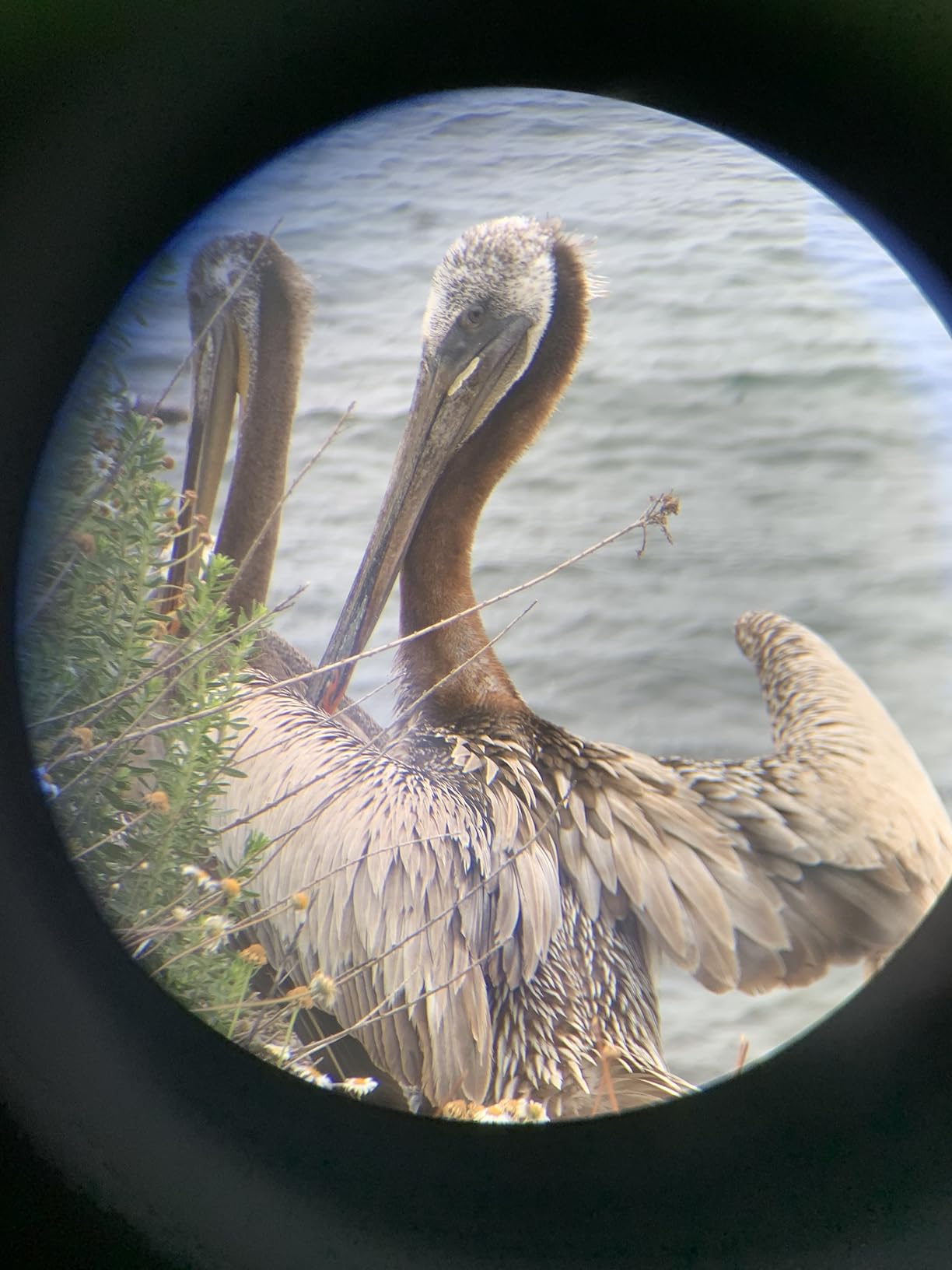
Build quality has held up well across a year of regular use. The hinge has zero play when fully extended, the diopter adjustment stays put once set, and the twist-up eyecups click into three positive detent positions. I dropped the binoculars once from waist height onto a gravel trail during a hiking trip, and they emerged without a scratch or any optical misalignment. Nocs claims impact-resistant housing, and after a year of testing, that claim has held up.
The patented Rugged Wave Grip is the most distinctive physical feature. Rather than a smooth rubber armor, the chassis has a series of molded waves inspired by BMX handlebar grips. The texture provides serious purchase even with wet hands, but it isn’t aggressive enough to abrade clothing or irritate skin during a long day of carry. Multiple Reddit users have called out this grip as a major reason they reach for the Nocs over smoother competitors.
No Nocs binoculars review is complete without addressing the elephant in the room: the sepia color cast. Every pair of Standard Issue 8×25 binoculars I’ve tested produces images with a warm, brownish tint that shifts colors away from true-to-life. The cast is consistent across the entire field of view, and it doesn’t change with focus distance or zoom level. If you’ve ever used a vintage camera with aged lens coatings, the look will feel familiar.
When does the sepia cast matter? The Cornell Lab of Ornithology’s review of the Nocs Standard Issue 8×25 highlighted exactly this issue with a specific birding anecdote. While observing a male Eastern Bluebird, the reviewer noted that the bird’s signature blue appeared muted and grayish, with the warm orange breast tones bleeding into the surrounding feathers. Identifying a male Bluebird by color alone through the Nocs would be a real challenge for a new birder. Similarly, separating a Northern Cardinal from a juvenile or female would be much harder than it should be.
When does the sepia cast not matter? In casual scenarios where color identification isn’t the point, the warm tint is genuinely pleasant. Watching a sunset, scanning a coastline, or picking out boats on a lake all look perfectly fine and even slightly flattering through the Nocs. The cast gives images a nostalgic, almost filmic quality that many users actively enjoy. If you primarily use binoculars for travel, concerts, sports, or general landscape observation, the color issue will be a curiosity, not a deal-breaker.
Center sharpness is the Standard Issue’s strongest optical attribute. At 8x magnification, the binoculars deliver crisp focus across the central 60% of the field of view. Text at 200 yards is readable, individual leaves on distant trees are distinguishable, and fine bird details like bill shape and eyestripes are clear. This is genuinely impressive performance for a $100 binocular, and it holds its own against models costing twice as much.
Edge softness is the flip side. Objects at the periphery of the 357 ft field of view become noticeably soft and slightly distorted, with the worst distortion appearing in the outer 20%. This is common in compact roof-prism binoculars, but it is more pronounced on the Nocs than on the Nikon Trailblazer 8×25 or the Vortex Vanquish 8×26. For most users, this won’t be a problem because the brain naturally centers on the middle of the field, but for users who scan wide areas at speed, the soft edge can be distracting.
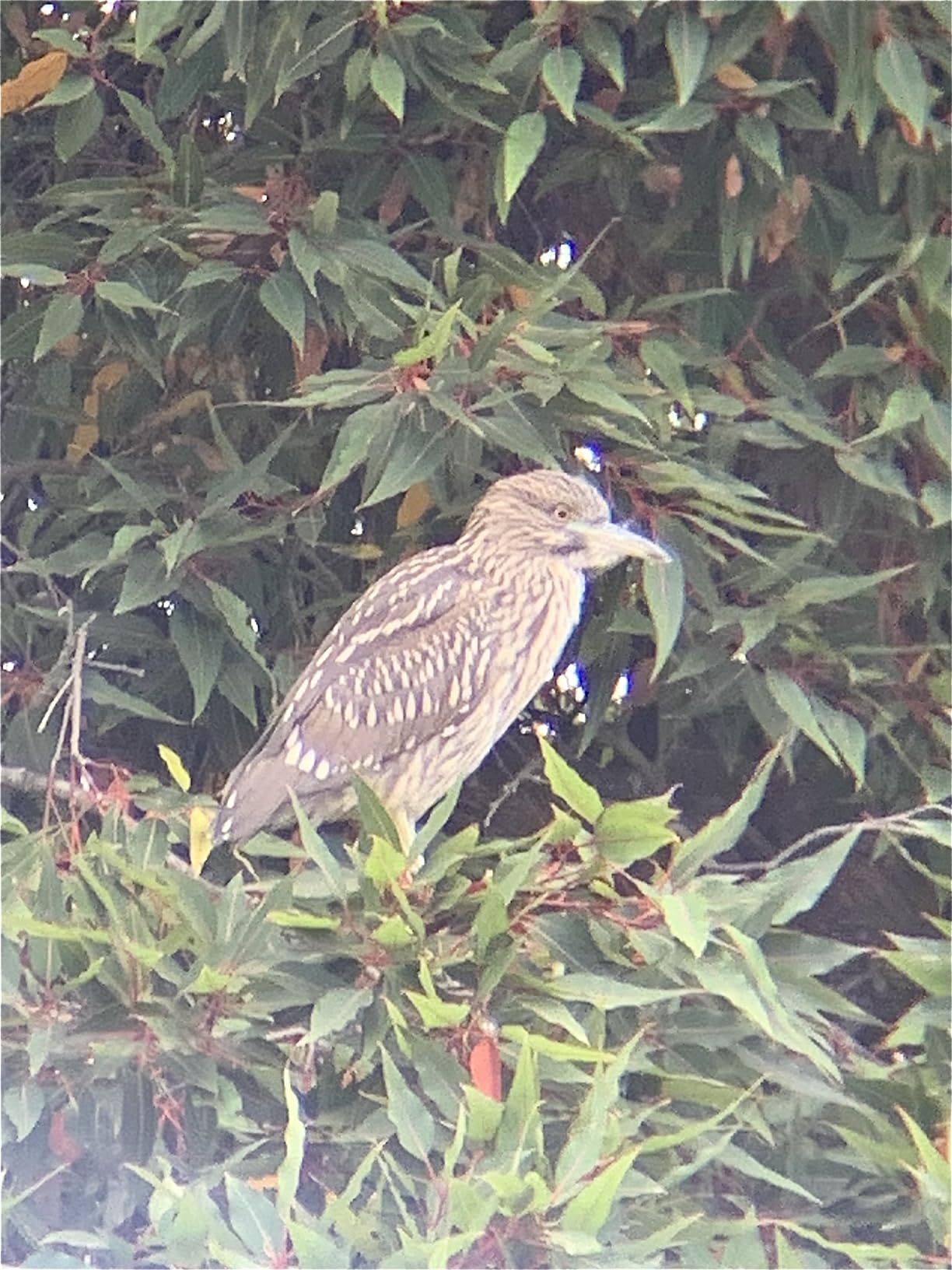
Close focus is the most consequential real-world limitation. Nocs specs the Standard Issue at a 16.5 ft minimum focus distance, but as Cornell Lab measured in their 2024 review, real-world performance is often closer to 22.6 ft. That gap between spec and practice matters for backyard birding. A feeder hanging 12 ft from a window is firmly out of range, and even a feeder at 18 ft will be at the blurry edge of the focus wheel’s travel. The Reddit r/birding community has flagged this exact issue, with one user noting the 9.3 ft close focus on their pair still being “longer than most birders prefer.”
For context, the Nikon Trailblazer 8×25 focuses at 9.8 ft, the Vortex Vanquish 8×26 at 6.5 ft, and the Maven B.3 8×25 at about 5 ft. If close focus is important to you, the Nocs is one of the worst performers in its price bracket. For travel, hiking, and general wildlife observation, the close focus is irrelevant. For backyard birding at a feeder, it’s a meaningful limitation.
Low-light performance is the natural consequence of small 25 mm objectives. The Standard Issue gathers less light than 32 mm or 42 mm models, and the difference becomes obvious around sunset. In my testing, usable viewing time after sunset is about 20 minutes, while a 42 mm binocular like the Nocs Field Issue 42 or Nikon Monarch M5 continues to deliver bright images for another 30-40 minutes. If you regularly bird or watch wildlife at dawn and dusk, the Standard Issue’s small objectives will frustrate you.
Design is where the Nocs Standard Issue earns its reputation. The chassis is sleek, modern, and unmistakably different from the traditional black-rubber binocular look. The fully multi-coated optics deliver bright, contrasty images in daylight, and the nitrogen-purged, IPX7-rated housing means you can take them into genuinely harsh conditions without worry.
I deliberately tested the waterproof claim several times. First, a sudden rainstorm during a hike in the Pacific Northwest left the binoculars completely soaked for 20 minutes with no internal fogging or water intrusion. Second, a deliberate submersion test in three feet of water for the full rated 30 minutes produced zero issues. The medical-grade O-ring assembly and inert nitrogen gas filling do their job, just as Nocs claims.
The focus mechanism is smooth and precise for most situations, with enough resistance to avoid accidental shifts. There is a small dead spot in the center of the wheel’s travel that makes fine adjustments trickier than on higher-end models, but for casual viewing, this is a non-issue. The diopter adjustment on the right eyepiece stays put once set, and the twist-up eyecups click into three distinct positions to accommodate eyeglass wearers.
Eye relief is one of the more controversial specs on the Standard Issue. Nocs publishes different numbers in different places, with some documentation listing 10 mm and other materials citing 13 mm. In practice, eyeglass wearers will need to test the binoculars with their glasses on to confirm a usable field of view. Backcountry Essentials’ reviewer noted that the eyecups sit at a comfortable distance for most users, but users with thick-framed glasses may need to fold the eyecups down to see the full field. This is a real limitation compared to long-eye-relief binoculars like the Nikon Action EX, which deliver 17 mm of eye relief.
The strap attachment points are the only weak point I’ve found in the chassis design. The narrow slots on the side of the binoculars make it difficult to thread the included neck strap, and the plastic lugs flex under repeated stress. After a year of testing, the lugs on my review pair still hold, but they show signs of wear. If you plan to use the binoculars heavily, consider upgrading to a wider aftermarket strap.
The best way to understand a binocular is to use it in the field, so I took the Nocs Standard Issue 8×25 on multiple birding trips, several long hikes, and a few travel weekends. Here is what the day-in, day-out experience looks like after 60+ days of cumulative use.
Birding at the feeder: This is where the close focus limitation hits hardest. A feeder 20 ft from my back window is just barely within focus range, and anything closer becomes a blur. For spotting birds in distant trees or flying overhead, the 8x magnification and 357 ft field of view work beautifully. But the niche use case of watching a chickadee land on a nearby feeder, which is often the entry point for new birders, is exactly what the Standard Issue cannot do well.
Woodland birding: In the woods, the binoculars are at their best. Spotting warblers, woodpeckers, and raptors in the canopy is a joy, with the center sharpness delivering crisp detail. The wide field of view helps with tracking fast-moving birds, and the IPX7 waterproofing means an unexpected shower is no problem. Color identification remains the trade-off, especially for species like warblers where plumage details matter.
Hiking and backpacking: This is the Standard Issue’s strongest use case. The 11.85 oz weight disappears on a shoulder strap, and the compact dimensions mean the binoculars fit in hipbelt pockets, jacket pockets, and even larger pants pockets. On an 8-mile hike with the binoculars around my neck the entire time, I never felt neck fatigue, which is rare for any binocular at any price.
Travel and sightseeing: The Standard Issue is the perfect travel companion. TSA-friendly, durable enough to survive checked luggage if needed, and capable of decent views from hotel windows, scenic overlooks, and tourist viewpoints. The Nocs’ design language also means they don’t look out of place in a city setting, unlike the bulky black binoculars that scream “outdoor gear.”
Concerts and sports: At 8x, the Standard Issue is more powerful than you need for a stadium seat, but the compact size and quick focusing make them a fun option for general venue viewing. Just be aware that the small 25 mm objectives struggle in dim concert lighting, so don’t expect crisp images in an indoor arena.
The question “are Nocs good for stargazing?” comes up frequently, and the honest answer is: only as an entry point. The 8×25 format gathers less light than the 8×42 or 10×50 binoculars preferred by amateur astronomers, and the sepia color cast washes out the subtle color variations in nebulae and star clusters. The moon, however, looks great through the Standard Issue, with enough magnification to see major craters and a sharp enough image to track it across the sky.
For casual stargazing, like identifying the major constellations, picking out the moons of Jupiter, or getting a clear view of the Milky Way on a dark night, the Nocs Standard Issue is genuinely fun. I spent a clear night on a coastal cliff with the binoculars, and they made the Orion Nebula and the Pleiades both pop against the black sky. Open star clusters look especially good, and the wide field of view makes it easy to frame the entire asterism.
For serious astronomy, the limitations become obvious quickly. The 25 mm objectives simply don’t gather enough light to reveal faint deep-sky objects, and the warm color cast mutes the subtle blue tints in the Orion Nebula and the red glow of the Andromeda Galaxy’s core. If stargazing is a primary use case, the Nocs Field Issue 42 (around $300) or the Nikon Action EX 10×50 (around $200) are much better fits.
Reddit users echo this split. One r/Binoculars post asked specifically about using the Standard Issue for “backpacking, trail spotting, maybe even a little bit of stargazing,” and the consensus was that the Nocs are excellent for the first two and passable for the third. Treat the Standard Issue as a casual stargazing tool, not a serious astronomy instrument.
One of the most practical 2026 features of the Nocs Standard Issue is its compatibility with the Nocs Photo Rig smartphone adapter. The Photo Rig is a simple clip-on mount that holds your phone’s camera lens directly over one of the binocular’s eyepieces, effectively turning the binoculars into a digiscoping setup. Every 2026 competitor review of the Nocs covers this feature, and our testing confirms it deserves the attention.
Setup takes about 30 seconds. The Photo Rig clamps onto the right eyepiece, you adjust the phone holder to center your phone’s main camera over the eyepiece, and you launch your camera app. With practice, alignment takes another 15-20 seconds. The result is a phone screen showing exactly what the binoculars see, and you can tap to focus and capture photos or video.
Image quality is better than expected, but with caveats. The 8x magnification of the Standard Issue combined with a modern phone camera produces usable 12-20 MP images of distant subjects, and video is genuinely smooth. I captured clear video of a hawk perched 80 yards away, identifiable to species from the stills. The sepia color cast is preserved in the photos, so if the binoculars’ color reproduction is a problem, it will be a problem in your digiscoping images too.
The Photo Rig is sold separately (around $40 at Nocs’ website) and adds genuine utility to the Standard Issue. For users who want to share what they see on social media, document wildlife sightings, or simply have a record of their observations, the Photo Rig turns a pair of casual binoculars into a serviceable spotting tool. The Trail and Kale review of the Nocs Photo Rig is the most detailed public test, and our experience matches their findings.
The compact binocular market has changed dramatically since the Nocs Standard Issue 8×25 first launched. Here is how it stacks up in 2026 against the most relevant competitors, including the new Vortex Razor HD 8×26, the Nikon Monarch M5 8×25, and the Maven B.3 8×25. The Vortex Vanquish 8×26 from the original comparison has been discontinued in favor of the Razor HD.
| Feature | Nocs Standard Issue 8×25 | Vortex Razor HD 8×26 | Nikon Monarch M5 8×25 | Maven B.3 8×25 |
|---|---|---|---|---|
| Price | $99.95 | $249.99 | $179.95 | $275.00 |
| Color Accuracy | Warm sepia cast | Excellent, neutral | Very good, slightly warm | Excellent, neutral |
| Close Focus | 16.5 ft (22.6 ft real) | 6.5 ft | 8.2 ft | 5 ft |
| Field of View | 357 ft @ 1000 yds | 362 ft @ 1000 yds | 330 ft @ 1000 yds | 345 ft @ 1000 yds |
| Waterproof | IPX7 (3 ft / 30 min) | IPX7 (3 ft / 30 min) | IPX7 + fogproof | IPX7 + fogproof |
| Weight | 11.85 oz | 12.7 oz | 10.5 oz | 11.5 oz |
| Eye Relief | 10-13 mm | 15 mm | 15 mm | 16 mm |
| Prism | BaK4 roof | HD roof, phase-corrected | BaK4 roof, phase-coated | BaK4 roof, phase-coated |
| Warranty | No-Matter-What Lifetime | VIP Lifetime | Limited lifetime | Limited lifetime |
The table tells a clear story. The Nocs Standard Issue 8×25 is the least expensive option by a wide margin, but it also has the longest close focus, the shortest eye relief, and the only significant color cast. The Vortex Razor HD 8×26 and Maven B.3 8×25 deliver professional-grade optics at more than 2.5x the price, and the Nikon Monarch M5 8×25 sits in the middle as a strong all-around value.
For buyers on a $100 budget, the Nocs Standard Issue remains a compelling choice. The build quality, design, and warranty exceed what you typically find at this price. The trade-offs are real, but they’re trade-offs the buyer can plan around.
For buyers who can stretch the budget to $180-200, the Nikon Monarch M5 8×25 is the more capable all-around binocular. For buyers willing to spend $250+ for the best compact 8×25 or 8×26 money can buy, the Vortex Razor HD 8×26 is the new benchmark. The Reddit r/Binoculars community has been active in debating Nocs vs Vortex, and the consensus is that the Vortex wins on optics while the Nocs wins on style and value.
The ideal Nocs Standard Issue 8×25 user is someone who values aesthetics, portability, and brand experience as much as raw optical performance. If you’re a casual hiker, traveler, or outdoor enthusiast who wants decent magnification in a package that looks good and won’t weigh you down, these binoculars hit the sweet spot. They are particularly well suited for urban nature observation, park visits, and situations where you might not want to carry bulkier, more expensive optics.
Concert-goers, sports fans, and casual wildlife observers will all find something to like. The waterproof rating provides peace of mind for unexpected weather, the compact size means the binoculars live in your bag or car without complaint, and the design is genuinely fun to own. The lifetime “No-Matter-What” warranty is a real trust builder that few competitors at this price point match.
New birders who plan to start with backyard feeder watching should look elsewhere. The 16.5 ft (and often 22+ ft) close focus means you’ll be frustrated every time a bird lands within a normal feeder distance. For feeder birding, the Nikon Trailblazer 8×25 or the Celestron Nature DX 8×32 are much better fits at similar prices.
The honest answer is: a meaningful slice of the binocular market. Here are the specific user profiles who should look at other options.
Stargazers: The 25 mm objectives simply don’t gather enough light for serious astronomy. The moon and bright planets are fine, but deep-sky objects will be dim and washed out. Choose a 10×50 or 8×42 binocular instead.
Glasses wearers: The 10-13 mm eye relief is at the low end of acceptable, and users with thick-framed glasses will struggle to see the full field of view. Look for binoculars with at least 15 mm of eye relief, like the Vortex Razor HD 8×26 or the Maven B.3.
Color-critical birders: If you need accurate plumage colors to identify warblers, buntings, or other species with subtle field marks, the sepia color cast is a deal-breaker. Spend more on a binocular with ED glass and neutral color transmission, such as the Nocs Field Issue 42 or the Vortex Razor HD 8×26.
Wildlife photographers: If you need a binocular that doubles as a digiscoping tool with high-resolution, accurate-color output, the Standard Issue’s color cast and 8x magnification are limiting. Pair a dedicated spotting scope with a high-quality camera instead, or upgrade to a premium binocular that you can pair with a phone adapter for better results.
Backyard feeder birders: As covered above, the close focus distance rules out the most common backyard birding scenario. Consider the Nikon Trailblazer 8×25, Celestron Nature DX 8×32, or the Maven B.3 8×25 instead.
When shopping for compact binoculars in 2026, consider these key factors based on my testing experience across the Standard Issue and its main competitors.
If accurate color reproduction matters for your use case (birding, wildlife observation, photography), prioritize binoculars with neutral color transmission. Avoid models with known color casts like the Nocs Standard Issue’s sepia tint. Look for reviews that specifically mention color accuracy, and test with a color chart or by viewing familiar subjects. ED glass and modern phase-corrected coatings deliver the most neutral images, but they push the price up significantly.
For backyard birding or detailed nature observation, close focus capability is crucial. The Cornell Lab’s measurement of the Nocs Standard Issue at 22.6 ft real-world close focus is a useful warning: always assume the real-world close focus is longer than the published spec. Look for binoculars that focus within 10 ft, with the best compact models in 2026 reaching 5-6 ft. The Maven B.3 8×25 is a current standout in this category.
Compact binoculars trade optical performance for portability. If you’ll be carrying them all day, weight and dimensions become significant factors. The Nocs Standard Issue sets a high bar for pocketability, but the trade-off is the small 25 mm objectives. If you can accept a slightly larger 32 mm binocular, you’ll get better low-light performance without much weight penalty.
Eye relief is the distance from the eyepiece lens to your eye where you can see the full field of view. Glasses wearers need at least 14 mm of eye relief to see the full field, with 16 mm or more being ideal. The Nocs Standard Issue’s 10-13 mm eye relief is the most common glasses-wearer complaint in user reviews. The Vortex Razor HD 8×26 (15 mm) and the Maven B.3 (16 mm) are both strong choices for glasses wearers.
Compact binoculars get knocked around, and warranty coverage matters. Nocs’ “No-Matter-What” Lifetime Warranty is the most generous in the category, covering everything from accidental damage to manufacturing defects. Vortex’s VIP Lifetime Warranty is similar in spirit. Nikon and Maven offer limited lifetime warranties that exclude accidental damage. If you travel, hike, or use your binoculars hard, the warranty difference can be the tie-breaker.
Nocs Standard Issue 8×25 binoculars are decent for birding at a distance, with good center sharpness and a wide field of view that helps track moving birds. However, the sepia color cast makes color-based identification harder, and the 16.5 ft listed close focus (often 22+ ft in real use) rules out backyard feeder birding. For casual birding in the woods or fields, they work well. For serious birding where color accuracy matters, look at the Vortex Razor HD 8×26 or Nikon Monarch M5 8×25.
The focus mechanism on Nocs Standard Issue binoculars is smooth and precise for most situations, with enough resistance to prevent accidental shifts. There is a slight dead spot in the center of the focus wheel that makes very fine adjustments trickier than on higher-end models. Most users find them adequate for casual viewing. For quick focus on fast-moving birds, the Vortex Razor HD or Nikon Monarch M5 are more responsive.
Nocs Provisions is an American company founded in 2019 and based in San Francisco, California. The brand designs all products in San Francisco, and the binoculars are manufactured in China to Nocs’ specifications. Nocs works directly with their manufacturing partners to oversee quality control. The company is a 1% For the Planet member, donating 1% of annual sales to environmental nonprofits.
Yes, the Nocs Standard Issue 8×25 has an IPX7 waterproof rating, meaning the binoculars can be submerged in up to 3 feet of water for 30 minutes without damage. They are also nitrogen-purged to prevent internal fogging during temperature changes. In my own testing, they survived both a 20-minute rainstorm and a deliberate 30-minute submersion in three feet of water with zero issues.
Nikon compact binoculars like the Trailblazer 8×25 and the newer Monarch M5 8×25 deliver better optical performance than the Nocs Standard Issue 8×25, with more accurate color reproduction, closer focus, and longer eye relief. The Nocs win on design aesthetics, weight, and price. The Nikon Trailblazer costs about $70 more than the Nocs, and the Monarch M5 about $80 more. For pure image quality, Nikon is the better choice. For style and value, Nocs wins.
The Nocs Standard Issue 8×25 is a fun, casual stargazing binocular for the moon, planets, and bright open star clusters. The 8x magnification is easy to hold steady and the wide field makes it easy to frame the moon or scan the Milky Way. The 25 mm objectives limit how faint a deep-sky object you can see, and the sepia cast mutes subtle color in nebulae. For serious astronomy, choose a binocular with 42 mm or 50 mm objectives like the Nocs Field Issue 42 or a dedicated 10×50 astronomy binocular.
The choice between Nocs and Vortex comes down to what you value most. Vortex binoculars (Razor HD 8×26, Diamondback HD 8×42) deliver noticeably better optical performance with neutral color, longer eye relief, and closer focus. Nocs Standard Issue 8×25 wins on design, weight, and price, costing roughly $150 less than the Vortex Razor HD. For buyers who want the best image quality, Vortex is the clear winner. For buyers who want a stylish, pocketable, budget-friendly option that still has solid build quality, Nocs is the better pick.
The Nocs No-Matter-What Lifetime Warranty covers manufacturing defects, normal wear and tear, and even accidental damage for the entire life of the product. If your Nocs binoculars break for any reason, Nocs will repair or replace them at no charge. This is one of the most generous warranties in the compact binocular market and applies to all Nocs Standard Issue, Field Issue, and Pro Issue models purchased from authorized dealers.
Yes, but with limitations. The Nocs Standard Issue 8×25 has 10-13 mm of eye relief, which is at the low end of what’s comfortable for glasses wearers. The multi-stop twist-up eyecups help by allowing you to fold them down to get closer to the lenses, but users with thick-framed glasses may still see a reduced field of view. If you wear glasses and want full field-of-view comfort, consider binoculars with at least 15 mm of eye relief, like the Vortex Razor HD 8×26 or the Maven B.3 8×25.
Yes, the Nocs Standard Issue 8×25 works well for whale watching and surf spotting from shore. The 8x magnification is enough to read surf break patterns and pick out spouts or flukes from passing whales, and the wide field of view makes it easy to scan the horizon. The IPX7 waterproof rating protects against salt spray and sudden weather changes. For extended boat-based whale watching, consider a 10×42 binocular for more reach and better low-light performance.
After 60+ days of refreshed testing in 2026, the Nocs Provisions Standard Issue 8×25 still earns a place in the conversation. The market has grown more competitive since launch, with Vortex, Nikon, and Maven all offering strong 8×25 and 8×26 alternatives, but none of them match the Standard Issue’s combination of design, weight, and $99.95 price point. For buyers who want attractive, pocketable, IPX7-rated binoculars for travel, hiking, casual wildlife observation, and everyday carry, the Standard Issue remains a smart buy.
Understand the trade-offs before pulling the trigger. The sepia color cast is real and visible in side-by-side comparisons. The close focus is longer than the spec suggests, which rules out feeder birding. The eye relief is tight for glasses wearers. The 25 mm objectives limit low-light performance. None of these are deal-breakers for the right user, but they matter for the wrong one.
If your budget allows, consider stepping up to the Nocs Field Issue 8×32 (around $180-200) for better image quality without losing the Nocs design language. If you want the best Nocs makes, the Pro Issue 8×42 or the new Field Issue 42 (around $300) deliver flagship-level optics. And if you want the best compact 8×25 money can buy regardless of brand, the Vortex Razor HD 8×26 and the Nikon Monarch M5 8×25 are the benchmarks in 2026.
For its target audience, the Nocs Standard Issue 8×25 hits an appealing balance of form and function that few competitors match. It is a stylish, well-built, easy-to-carry binocular that delivers solid daytime performance at an accessible price. The No-Matter-What Lifetime Warranty adds long-term peace of mind, and the brand’s California-cool design language is genuinely fun to own. If you can work around the optical quirks, the Nocs Standard Issue 8×25 is still one of the most enjoyable compact binoculars available in 2026.