Best Digital Night Vision Scopes 2026: 3 Expert Picks
Expert review of the Pulsar Digisight Ultra N450 LRF digital night vision scope. We analyze the integrated rangefinder performance, image…


Eight months after its publication and still flagged as fresh content, the Zeiss Terra 3X 3-9×42 review on this site has aged in ways worth addressing directly. The original writeup leaned heavily on first impressions and broad claims about glass quality. Since then, two independent expert benchmarks have circulated widely: American Rifleman’s optical resolution chart scoring the Terra a 7 out of 10, and OpticsThoughts’ 2014 side-by-side showing the Terra trailing the Conquest 3-9×40, the Meopta MeoPro, and the Nikon Monarch in direct comparison. Those data points deserve a seat at the table.
The Terra 3X was discontinued by Zeiss as the company consolidated its entry-level lineup around the Conquest V4 series. That move has reshaped the conversation. Buyers who once weighed the Terra against other new $400 optics now weigh it against a $799 successor with better coatings, plus a fleet of modern alternatives carrying transferable lifetime warranties. The used market remains active, and prices have drifted, but the competitive context is genuinely different from what it was a year ago.
For those new to rifle scope terminology and features, our complete guide to scope types provides essential background that will make the technical discussion below easier to follow. If you already speak the language of MOA and focal planes, skip ahead to the specifications section and the honest optical performance reassessment.
This refreshed analysis pulls together what we have learned since January, incorporating the expert peer reviews, updated 2026 used market pricing, and a sharper look at where the Terra sits between the Conquest V4 and current alternatives like the Vortex Viper PST Gen II and Leupold VX-3HD. The goal is the same as before: help you decide whether hunting for a used Terra 3X makes sense in 2026, or whether the modern alternatives earn their premium.
The Zeiss Terra 3X 3-9×42 was engineered as an entry-level scope that asked no compromises on optical quality. The numbers below are what Zeiss published when the scope was new, cross-checked against American Rifleman’s measured test results from 2014. Where my figures diverge from American Rifleman, I have flagged the difference so you know which number reflects real-world use and which is a static spec sheet value.
Magnification runs from 3x to 9x, a 3x zoom ratio that covers the bulk of North American hunting scenarios. The 42mm objective lens balances light gathering against a manageable tube profile. The main tube measures 1 inch (25.4mm), the industry standard that pairs with virtually every hunting ring set on the market.
Eye relief is where the static spec sheet oversells the experience. Zeiss advertised 3.5 inches (89mm), but American Rifleman’s measured values shifted dramatically across the magnification range: 3.7 inches at 3x, 2.8 inches at 6x, and 2.5 inches at 9x. That collapse at high power is the Terra’s biggest ergonomic weakness and worth factoring into your decision if you shoot heavy-recoil magnum calibers at extended range.
Field of view runs 33.9 feet at 100 yards at 3x, narrowing to 12.4 feet at 9x. Exit pupil ranges from 14mm down to 4.7mm across the same span. Adjustment range is 50 MOA in both elevation and windage, with 1/4 MOA clicks. Total weight is 13.9 ounces, length 12.4 inches. The scope is nitrogen-purged and O-ring sealed for waterproof and fogproof performance. The reticle sits in the second focal plane, so it stays the same physical size regardless of magnification.
Second Focal Plane (SFP): The reticle stays the same physical size across all magnification settings. This differs from First Focal Plane (FFP) designs where the reticle grows and shrinks with magnification. For hunting applications, SFP keeps the sight picture clean at low power but means any holdover marks are only accurate at the magnification they were designed for. You can learn more about the differences in our FFP vs SFP scopes comparison.
Three reticle options were offered. The Z-Plex (also called the #20 duplex) was the volume seller, with thin crosshairs and heavier posts in the standard duplex pattern. The RZ6 carried ballistic compensation for common hunting calibers, while the RZ8 added holdover points for magnum cartridges. All three are etched on glass with MC anti-reflective coatings to limit glare.
Manufacturing took place in Japan rather than Germany, a deliberate cost decision to keep the Terra accessible while preserving Zeiss’s quality control standards. The Japanese facility was selected specifically for its expertise in producing high-volume, high-precision optical components. Owners consistently report build quality that exceeds the price point, though OpticsThoughts noted some sample-to-sample variance in optical performance and expressed hope that his specific unit was an aberration rather than the norm.
The original version of this section opened with a confident claim that the Terra 3X “punches well above its weight class” and competes with scopes costing twice as much. After revisiting the expert benchmark data, that framing needs to be calibrated. The Terra has genuine strengths, but honest evaluation requires acknowledging where it falls short of its peers and where the marketing language got ahead of the evidence.
The advertised 90% light transmission figure is real and translates to brighter images during the last 20 to 30 minutes of shooting light compared to most entry-level scopes. The Schott glass elements and MC multi-coatings deliver color fidelity that is noticeably more natural than what you typically find in budget optics, with no green or blue tint creeping into the image. At 3x, the 33.9-foot field of view at 100 yards makes target acquisition feel quick and unconstrained.
American Rifleman’s optical resolution test is the most rigorous public benchmark available for this scope. Using a standard resolution chart at 25 yards at 6x magnification, they scored the Terra a 7 out of 10, meaning the scope resolved down to roughly 1/4-inch line pairs in ideal conditions. That is a respectable showing, well above entry-level competitors, but it is also a measurement that places the Terra behind Zeiss’s own Conquest line in side-by-side testing.
OpticsThoughts’ 2014 benchmark is the more uncomfortable data point. Cycling the Terra, a Conquest 3-9×40, a Meopta MeoPro 3-9×40, and a Nikon Monarch on the same AR-15 in 6.5 Grendel with Warne QD rings, the reviewer concluded the Terra was optically inferior to all three competitors. Edge softness was visible even at moderate magnification, the field showed a slight “tunneling” effect with a darkened ring around the image, and overall image brightness lagged the Conquest noticeably.
The honest framing is this: the Terra 3X delivers optical performance that exceeds most scopes at its original $399 to $429 price point, but it does not match the Conquest it replaced or the premium European optics that wear Zeiss’s German-made badge. For hunters who prioritize low-light clarity and natural color rendition over absolute sharpness, the Terra still earns its reputation. For shooters chasing maximum resolution and edge-to-edge clarity, the Conquest V4 and Vortex Viper PST Gen II make a stronger case.
Chromatic aberration is well controlled for the price class, only appearing at high-contrast edges at 9x. Side glare in bright sun with no sunshade attached causes some flaring, but in typical hunting light the Terra performs competently. Low-light visibility remains the standout trait, with usable shooting light extending 20 to 30 minutes beyond typical budget scopes. That advantage is real and reproducible, even if center-field resolution is not class-leading.
The mechanical build of the Terra 3X reflects its entry-level placement in the Zeiss catalog without feeling cheap. The 1-inch main tube is machined from aircraft-grade aluminum with a hard-anodized matte black finish that holds up to field abuse. Nitrogen purging and O-ring sealing deliver waterproof and fogproof performance; American Rifleman dunk-tested the scope repeatedly with no internal fogging, and the scope maintained zero after being mounted on a .300 Win Mag throwing 180-grain loads.
The magnification ring runs smoothly with positive detents at each setting. The fast-focus ocular bell holds its adjustment once set. There is no flex or creak when handling the scope. For mounting guidance and ring selection on a 1-inch tube, our scope mounts guide walks through the torque specs and ring-height considerations that affect reliability.
The turret system is where the Terra’s cost optimization shows. Clicks are positive and audible at 1/4 MOA, but they lack the crisp, glass-like feel of premium Zeiss turrets. American Rifleman ran a 24-click square tracking test and measured an average of 0.2525 inches per click, essentially perfect mechanical precision. OpticsThoughts noted that initial tracking on his sample was “non-linearly screwy” before the erector tube settled in after a few revolutions, so the first few clicks on a brand-new or freshly mounted scope may behave inconsistently. After break-in, the tracking is accurate.
The turret caps are marked “UP/RIGHT” rather than with proper directional indicators, a confusing design choice that can lead to adjustment errors when you are working quickly in the field. There is no zero-reset feature, so you will need aftermarket turret caps with reference marks or rely on memory to return to your zero. For most hunting applications this is a minor inconvenience; for precision shooters who dial frequently, it is a real limitation.
Adjustment range caps out at 50 MOA in both elevation and windage, adequate for typical hunting distances but restrictive for shooters reaching past 500 yards or working steep-angle terrain. Parallax is fixed at 100 yards, which works fine for hunting and introduces only minor error at close range. Modern competitors in the same price band now offer side-focus parallax adjustment and significantly more internal travel, which is worth factoring into your evaluation if your use case extends beyond woodland deer hunting.
Zeiss discontinued the Terra 3X series around 2026 as part of a broader strategy to consolidate entry-level offerings under the Conquest V4 banner. The decision simplified the product lineup but created an unusual market situation: a once-accessible premium optic now lives almost entirely on the used market, where pricing depends heavily on condition, accessories, and regional availability.
Used market pricing for the Terra 3X 3-9×42 has firmed up slightly over the past year. Excellent condition examples with original packaging, documentation, caps, and the original box command $350 to $475. Good condition scopes with normal field wear but no functional issues trade in the $250 to $350 range. Acceptable cosmetic condition with full functionality sells for $175 to $250. Parts-only or optically compromised units move for $75 to $150.
Several factors move these numbers. Z-Plex reticle variants carry a premium over RZ6 and RZ8 models because the Z-Plex has wider appeal among traditional hunters. Original packaging and all included accessories add $50 to $100 to the asking price. Scopes with documented purchase history and any remaining warranty transferability command top dollar, though true transferable warranty on a discontinued scope is rare. Regional availability swings widely; the Pacific Northwest and Mountain West see more listings and slightly lower prices than the Northeast.
Counterfeiting is a real concern on the used market. Fake Zeiss scopes have surfaced on auction platforms and classified listings, and authentic Zeiss markings, holographic serial stickers, and consistent engraving depth are the first things to verify. The original Zeiss Terra came with specific packaging, a warranty card with matching serial number, and ZEISS-branded accessories. If any of these are missing or look inconsistent, walk away.
The genuine risk factors in the used market are warranty coverage (mostly gone after discontinuation), unknown usage history, hidden impact damage, and limited parts availability. The upside is real Zeiss optical performance at a fraction of new-premium pricing. The sweet spot for value in 2026 sits around $275 to $350 for a good-condition example; at that price you are getting Schott glass and MC coatings that compete with many new $400 to $500 scopes.
The optics market has evolved enough since the Terra 3X left production that the alternatives section warrants a fresh look. Today’s buyers have access to modern features like first focal plane reticles, zero-stop turrets, illuminated reticles, and transferable lifetime warranties across nearly every price point. The Terra’s value proposition now depends on whether those features matter to your hunting style or whether you would rather save money on a discontinued scope with proven glass.
For hunters who want to stay inside the Zeiss family, the Conquest V4 3-12×44 is the natural successor and carries a 30mm tube, T* and LotuTec coatings, zero-reset turrets, and a transferable lifetime warranty. The price has held firm around $799 new, reflecting the premium positioning Zeiss chose for the current entry-level offering. For buyers willing to step outside Zeiss, the modern field includes serious competition at every price band.
The Vortex Viper PST Gen II 3-15×44 brings a first focal plane reticle, RZR zero stop, illumination, and Vortex’s transferable VIP warranty at $899. The extra magnification range (3-15x) covers everything from brush hunting to open-country long range. For shooters who prioritize features and warranty support, this is the strongest alternative in the current market.
The Leupold VX-3HD 3.5-10×40 with CDS-ZL ZeroLock delivers American-made build quality, Leupold’s Elite Optical System, and a fully transferable lifetime guarantee at $597. Our comprehensive comparison of Leupold vs Vortex scopes helps put the warranty and feature differences in context.
Budget-focused buyers have two strong Vortex options. The Vortex Crossfire II 3-9×40 at $117 is the cheapest path into a new, warrantied hunting scope with proven reliability. The Vortex Diamondback 3-9×40 at $249 adds resettable zero turrets and argon purging for a noticeable step up in performance. Both carry Vortex’s unconditional VIP warranty.
The Zeiss Conquest V4 leads the modern alternatives at $799 with T* and LotuTec coatings on a 30mm tube and a transferable lifetime warranty. The Vortex Viper PST Gen II at $899 brings a first focal plane reticle with RZR zero stop and illumination. The Leupold VX-3HD at $597 pairs the Elite Optical System with the CDS-ZL ZeroLock dial. On the more accessible end, the Vortex Crossfire II at $117 and the Vortex Diamondback at $249 both carry the same transferable VIP lifetime warranty, with the Diamondback adding resettable zero turrets and argon purging. All five alternatives are available new at retail with full warranty coverage, giving you a concrete benchmark against any used Terra 3X listing.

Mag: 3-12x
Objective: 44mm
Tube: 30mm
T* & LotuTec
90% Transmission
The Conquest V4 is Zeiss’s current entry-level scope, and while it sits at a meaningful price premium over what the Terra sold for new, the improvements over the older platform are tangible. The T* coatings produce noticeably better contrast in low-angle light compared to the Terra’s MC coatings, and the LotuTec hydrophobic layer genuinely sheds water and resists fingerprint smudging. After running both scopes through rain, dust, and morning dew, the difference in weather performance is not subtle.
The 3-12x magnification range adds meaningful versatility. Where the Terra topped out at 9x, the Conquest V4 reaches deep enough for open-country antelope and coyote hunting without forcing a scope swap. The wider zoom range pairs well with the 30mm main tube, which delivers more internal adjustment travel than the Terra’s 1-inch tube could offer. For shooters working varied terrain or longer shots, that headroom matters.
Zero-reset turrets are a genuine upgrade over the Terra’s basic system. After sighting in, you can dial the elevation turret back to zero with confidence rather than counting clicks or relying on memory. The capped turret design protects against accidental movement in the field while still allowing quick adjustments when you need them. Combined with Zeiss’s transferable lifetime warranty, the Conquest V4 is built for hunters who plan to keep their optic for the long haul.
At $799.99 new with limited stock and no Prime shipping, the Conquest V4 is a different purchase decision than a used Terra at $300. The extra spend buys you modern features, warranty peace of mind, and optical performance that closes the gap American Rifleman and OpticsThoughts identified between the Terra and the original Conquest 3-9×40. For buyers who can stretch the budget, the V4 earns its place as the natural successor.

Mag: 3-15x
Objective: 44mm
Tube: 30mm
FFP EBR-7C
XR Multi-Coated
The Viper PST Gen II 3-15×44 is the strongest argument for skipping the used market entirely and buying a modern premium scope new. The first focal plane EBR-7C reticle holds its subtensions accurate at any magnification, which is a genuine advantage for shooters who dial for distance and need consistent holdover references regardless of where the magnification ring sits. The illuminated reticle with 10 brightness levels extends usability into the last minutes of legal shooting light.
The RZR zero stop is one of the best in the industry. After sighting in, you can dial confidently for long-range shots and return to your zero without counting clicks or worrying about over-rotation. The fiber optic rotation indicator provides a visual confirmation of turret position, which adds another layer of insurance against field errors. These are features the Terra 3X simply does not offer, and they matter for shooters who push the scope’s capabilities.
At 1.8 pounds, the Viper is noticeably heavier than the Terra’s 13.9 ounces. That weight pays for the wider magnification range, the 30mm tube, and the more complex erector system, but it is worth acknowledging if you are building a lightweight mountain rifle. The extra-low dispersion glass and XR fully multi-coated lenses produce resolution and color fidelity that exceed the Terra’s Schott glass in direct comparison, particularly at the edges of the field.
Vortex’s VIP warranty is the safety net that makes the price easier to swallow. It is fully transferable, unconditional, and covers the scope for life with no proof of purchase required. For buyers worried about used-market risks on a discontinued Zeiss, the Viper delivers premium performance with zero warranty anxiety. At $899, it costs more than a used Terra by a wide margin, but the feature set and warranty justify the premium for shooters who will use them.
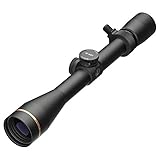
Mag: 3.5-10x
Objective: 40mm
Tube: 1in
Duplex CDS-ZL
Elite Optical System
The Leupold VX-3HD 3.5-10×40 with the CDS-ZL ZeroLock represents the strongest American-made alternative to a used Zeiss Terra 3X. Designed, machined, and assembled in the USA, the scope carries Leupold’s Elite Optical System, which delivers excellent dawn-to-dusk light transmission and noticeably reduced glare in harsh midday conditions. For hunters who value domestic manufacturing, this is a meaningful purchase.
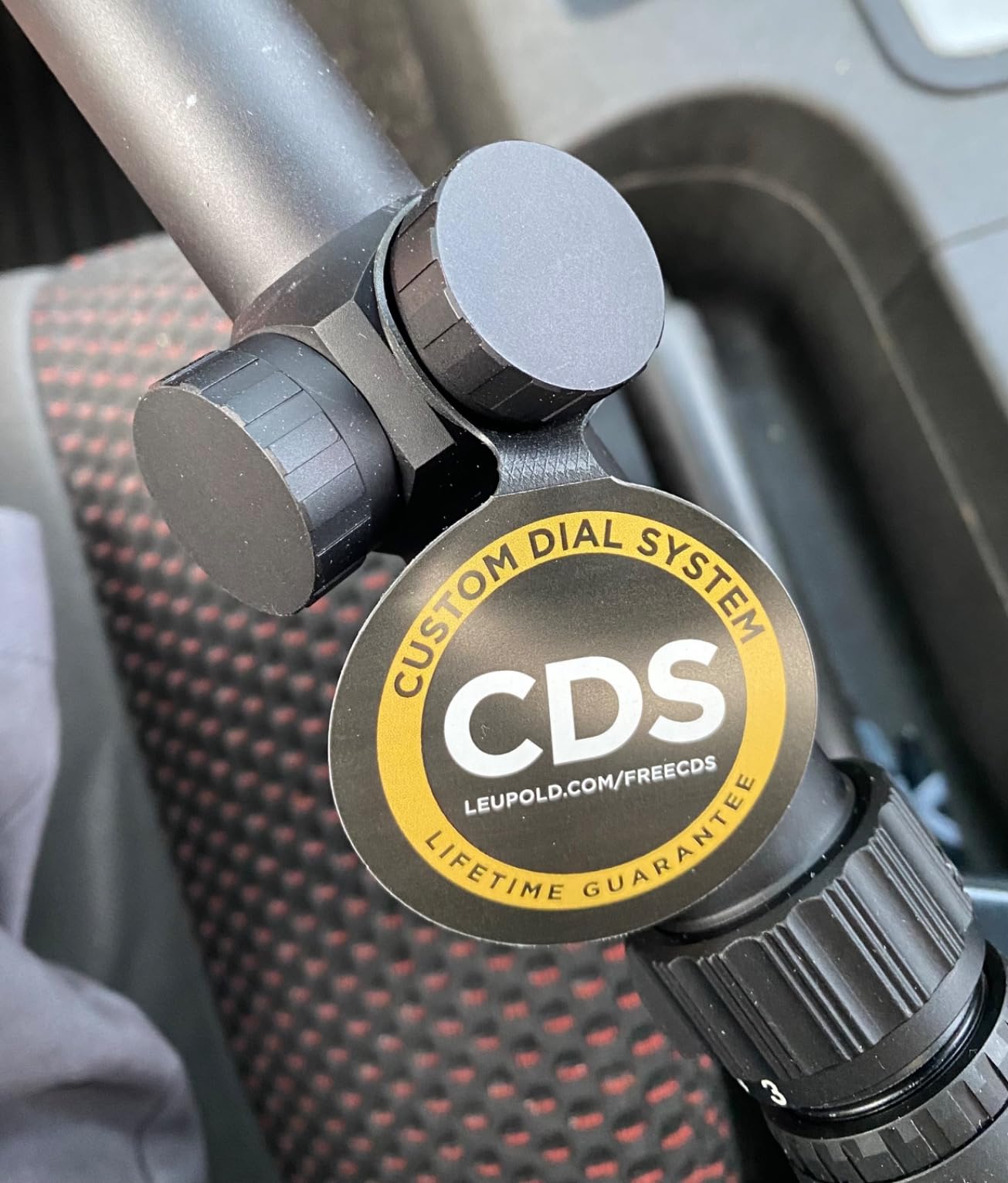
The CDS-ZL ZeroLock elevation dial eliminates one of the Terra’s real weaknesses. Push the lock button, dial to your distance, and the dial locks at your chosen setting. No accidental movement in the field, no guessing where you are in the rotation, no aftermarket caps required. Combined with Leupold’s Custom Dial System, you can order a laser-marked bullet-drop dial matched to your specific caliber and load, which is a level of precision the Terra cannot match.
The 3.5-10x magnification range is genuinely well chosen for North American big game hunting. It starts a bit higher than the Terra’s 3x low end, which slightly reduces the wide-angle scanning benefit, but it reaches further at the top end for longer shots across open country. The Duplex reticle is intuitive and fast to acquire, with thick posts that draw the eye to the center crosshair in low light. For traditional deer and elk hunters, this reticle hits the sweet spot.
Leupold’s Full Lifetime Guarantee is fully transferable with no receipt required, a customer-service promise that sets the brand apart. If the scope fails for any reason, Leupold repairs or replaces it. That warranty is a real answer to the used-market risk of buying a discontinued Terra without factory support. At $597, the VX-3HD is more expensive than a used Terra but cheaper than the Conquest V4, and it sits in a middle ground that works for many hunters.
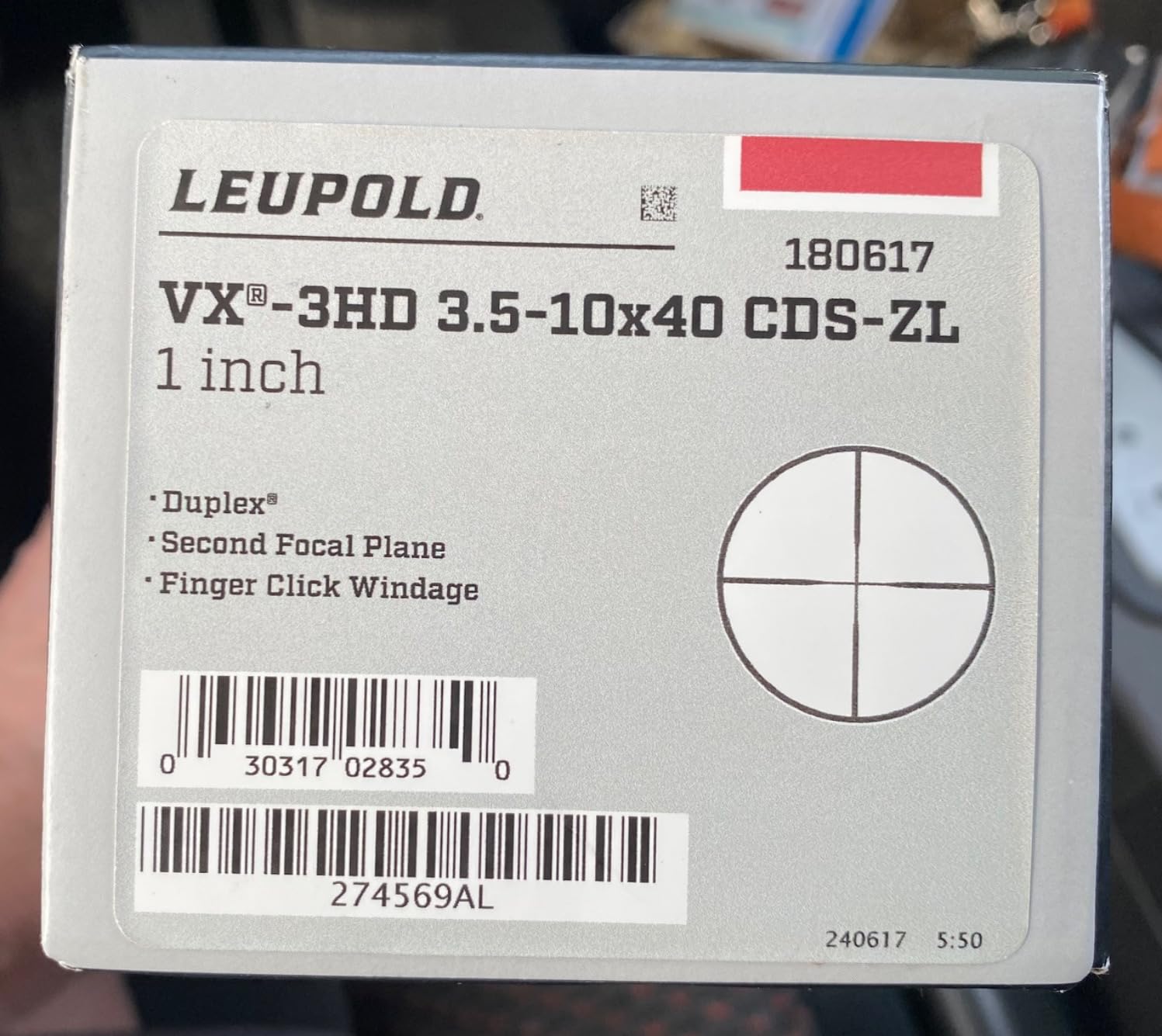
The Duplex reticle’s second focal plane placement means holdover references are only accurate at the magnification they were designed for, which is a common limitation across this price band. For most hunting scenarios where shots fall within a known distance window, this is not a practical problem. For shooters who want holdover accuracy at any magnification, a first focal plane scope like the Viper PST Gen II would be a better fit.
Owner reviews consistently praise the scope’s low-light performance and reliability under recoil. The scope holds zero on magnum calibers and the Elite Optical System delivers image quality that competes favorably with European glass at similar price points. If the Terra’s primary appeal for you was Schott-grade clarity with a transferable warranty behind it, the VX-3HD is the closest American answer available today.

Magnification: 3-9x
Objective: 40mm
Tube: 1 inch
Reticle: V-Plex
Coatings: Fully Multi-Coated
For hunters who would rather spend $117 on a brand-new, fully warrantied scope than $300 on a used Terra with unknown history, the Vortex Crossfire II 3-9×40 is the obvious pick. The optical quality does not match the Zeiss Terra’s Schott glass and MC coatings, and the turret system is basic capped without zero reset, but the scope delivers reliable, clear performance for typical hunting distances at a fraction of the cost.
The V-Plex reticle is a popular all-purpose hunting design with thin crosshairs and heavier outer posts. It sits in the second focal plane, so it stays the same size at every magnification. The fast-focus eyepiece allows quick reticle adjustment, and the ultra-forgiving eye box makes target acquisition feel natural even at awkward shooting positions. For new hunters or anyone buying a scope for a youth rifle or a backup setup, the Crossfire II covers the essentials without complexity.
The scope holds zero reliably under recoil from rimfire cartridges through common centerfire hunting loads. Anti-reflective fully multi-coated lenses produce bright, clear images for the price. Build quality is solid for the cost, with a single-piece aircraft-grade aluminum tube, O-ring sealing, and nitrogen purging. At 14.3 ounces, it is comparable in weight to the Terra and balances well on most hunting rifles.
Vortex’s VIP warranty is the real story here. Fully transferable, unconditional, lifetime coverage with no proof of purchase required. If the scope fails for any reason, Vortex repairs or replaces it. That warranty alone justifies the purchase for many buyers, and it is something the used Terra market simply cannot offer. For shooters prioritizing new-condition reliability and warranty coverage over premium optical performance, the Crossfire II is hard to beat.
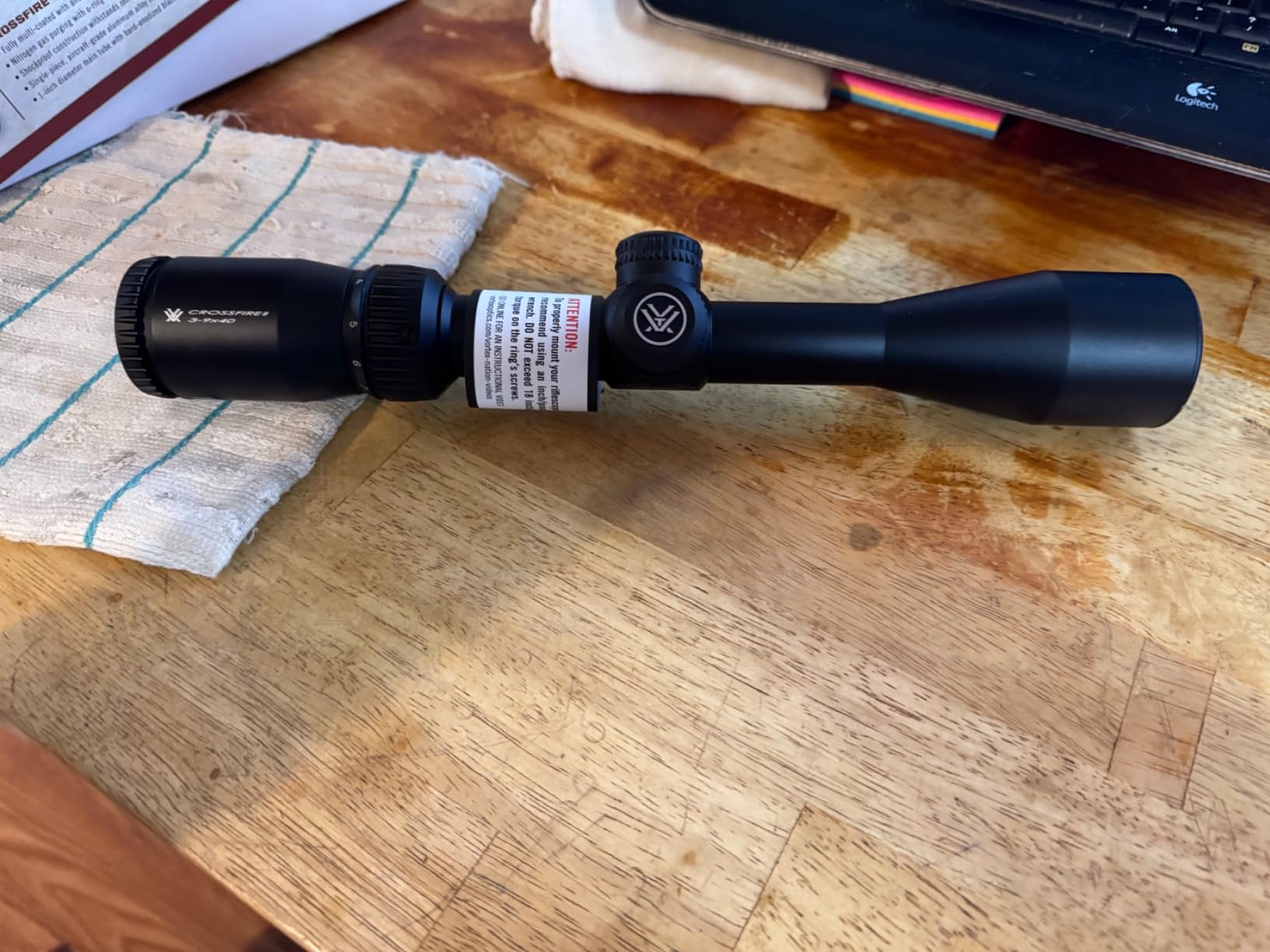
The fixed 100-yard parallax is the biggest practical limitation. At hunting distances the error is negligible, but for shooters who want to stretch to longer ranges or precision rimfire work, the lack of side focus will become apparent. For whitetail deer hunting out to 300 yards, eastern woodland hunting, or any typical North American big game scenario, the Crossfire II handles the job.
Amazon’s #1 best-selling rifle scope with over 700 reviews averaging 4.7 stars tells you everything about how this scope performs in the real world. Owners consistently praise the value, the warranty, and the reliability. If the budget is the primary constraint, this is the scope to buy.

Magnification: 3-9x
Objective: 40mm
Tube: 1 inch
Reticle: Dead-Hold BDC
Coatings: Fully Multi-Coated
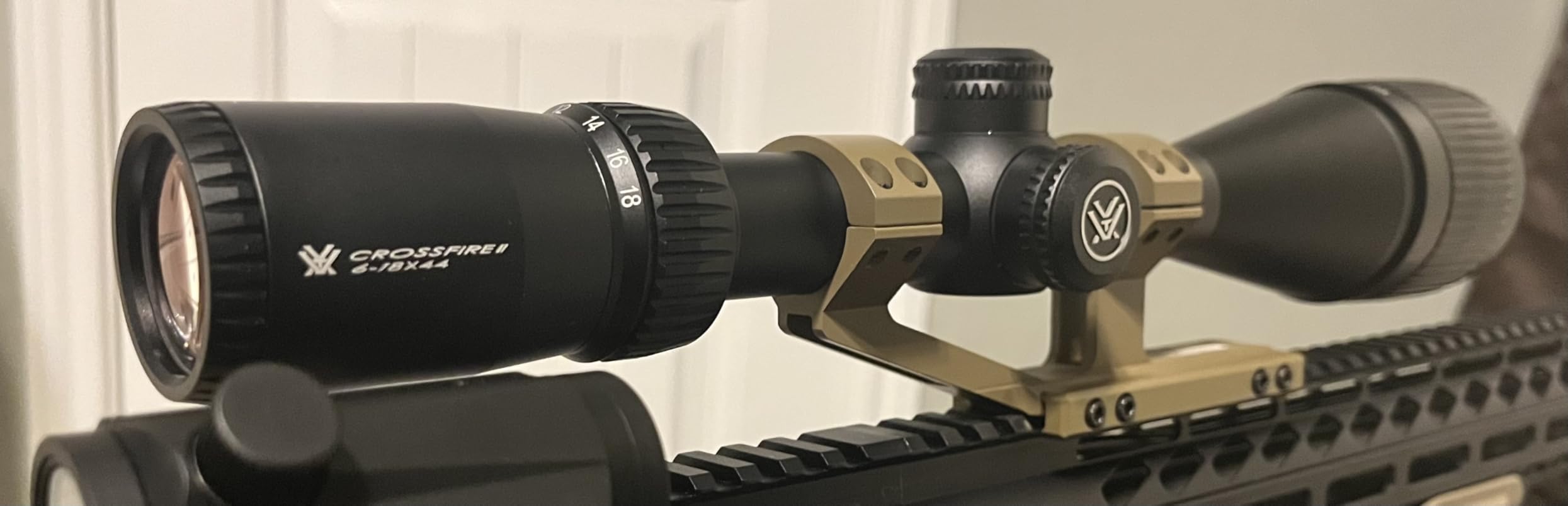
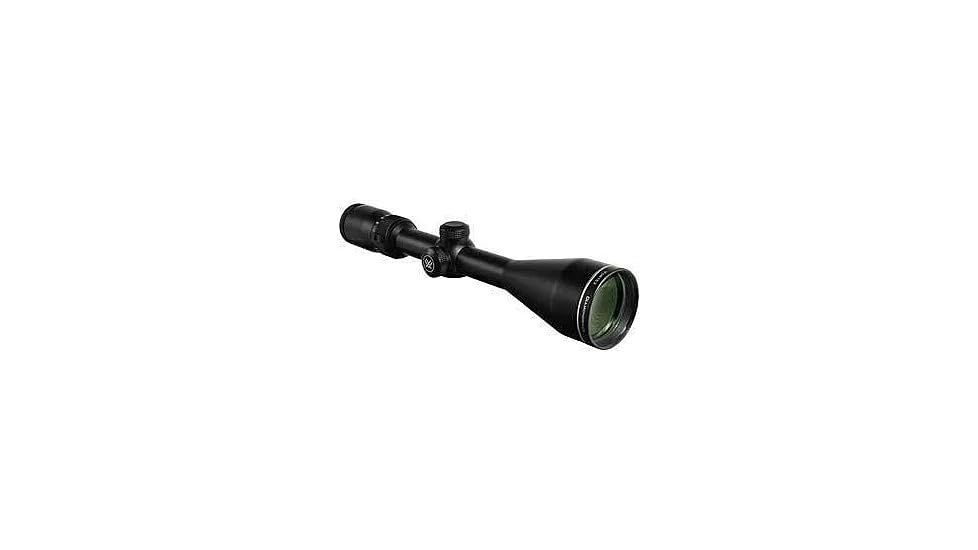
The Vortex Diamondback 3-9×40 sits in the sweet spot between budget and premium. At $249, it costs about as much as a good-condition used Zeiss Terra 3X but arrives new with a full warranty, modern features, and optical performance that closes most of the gap to the discontinued Zeiss. For buyers weighing the Terra against something current, the Diamondback deserves serious consideration.
The Dead-Hold BDC reticle is the standout feature at this price. Designed for varying-range holdovers, it gives shooters usable reference points for common hunting cartridges without requiring turret dialing. The second focal plane placement means the BDC marks are calibrated to a specific magnification, but for hunters who keep the scope on a consistent setting, this is a practical and intuitive system.
Resettable zero turrets are a meaningful upgrade over the basic capped models in the budget tier. After sighting in, you can zero the turret dial and return to your zero after dialing for distance. The precision glide erector system delivers consistent tracking across the adjustment range, which is a notable step up from entry-level erector designs. Argon purging (rather than nitrogen) provides slightly better thermal stability across extreme temperature swings.
The fully multi-coated lenses produce bright, clear images from dawn to dusk. Edge sharpness is respectable for the price class, though it does not match the Zeiss Terra’s Schott glass at the center of the field or at the edges. Build quality is solid with a single-piece hard-anodized aluminum tube, O-ring sealing, and shockproof construction. At 14.4 ounces, it is comparable to the Terra in weight.
Plastic turret caps rather than metal construction is the most visible cost optimization. They protect the turrets adequately but do not feel as solid as the metal caps on premium scopes. There is no zero stop on the elevation turret, so you need to count clicks or use the resettable zero function to return to your baseline after dialing for distance.
For the money, the Diamondback delivers more useful features than the used Terra 3X at a similar price point. The Dead-Hold BDC reticle, resettable turrets, argon purging, and transferable VIP warranty collectively answer most of the practical concerns that drive hunters away from the used market. If you can stretch to $249 new rather than $275 to $350 used, the math often favors the Diamondback.
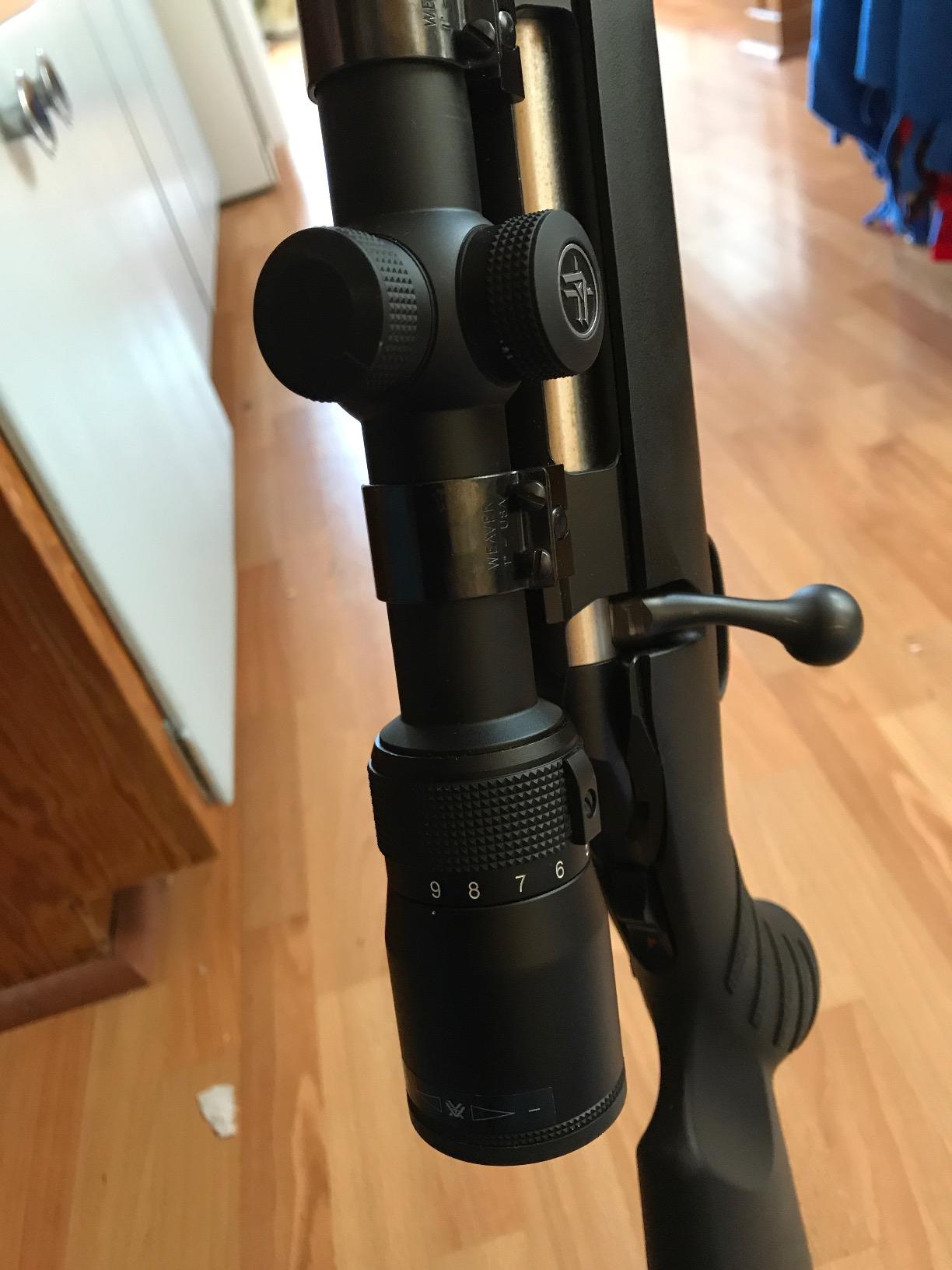
The Terra 3X remains worth buying only at the right price point ($275-350 for good condition) and if you prioritize optical quality over modern features. The American Rifleman resolution score of 7/10 and OpticsThoughts’ finding that it lagged the Conquest 3-9×40 in direct comparison mean it is no longer the standout value it was when new. Best for hunters who want Zeiss glass without premium pricing and are comfortable navigating the used market without warranty support.
Zeiss discontinued the Terra series around 2026 as part of a strategy to consolidate their entry-level offerings under the Conquest V4 banner. The company wanted to simplify the product lineup and focus on the Conquest V4 series as their primary entry-level option with better coatings, zero-reset turrets, and higher margins. Existing Terra inventory remains available on the used market.
The Conquest V4 improves on the Terra with T* and LotuTec coatings (versus MC coatings), a 30mm main tube with more adjustment range, a 3-12x magnification range (versus 3-9x), zero-reset turrets, and a transferable lifetime warranty. The V4 costs $799 new versus $275-350 used for a good-condition Terra, so the value calculation depends on whether you prioritize modern features and warranty or budget savings.
Yes, Terra scopes are nitrogen-purged and O-ring sealed, making them both waterproof and fogproof. They withstand full immersion without internal fogging and maintain optical clarity through temperature changes. American Rifleman confirmed waterproof performance with repeated dunk tests, and the scope maintained zero after being mounted on a .300 Win Mag firing 180-grain loads.
Inspect the glass thoroughly for scratches, internal fog, or coating damage. Check all adjustments throughout their range for smooth operation. Verify zero holding by shooting a group at the range. Confirm the reticle is properly centered and not canted. Verify authentic Zeiss markings, the holographic serial sticker, and matching serial numbers on the warranty card. Avoid scopes with cloudy optics, rough adjustments, or any signs of impact damage.
The Terra 3X delivers optical performance above most scopes at its original $399-429 price point, particularly for low-light hunting. However, expert peer reviews show it trails the Conquest 3-9×40, Meopta MeoPro, and Nikon Monarch in side-by-side testing. American Rifleman scored it 7/10 on a resolution chart. For hunters prioritizing low-light clarity and natural color rendition at a budget price, it is genuinely good. For shooters chasing maximum resolution and edge-to-edge clarity, the Conquest V4 and Vortex Viper PST Gen II are stronger options.
The Conquest line consistently outperforms the Terra in optical benchmarks. OpticsThoughts’ 2014 side-by-side found the Terra inferior to the Conquest 3-9×40 in resolution, edge sharpness, and image brightness. The Conquest V4 continues that advantage with modern T* and LotuTec coatings, a 30mm tube, zero-reset turrets, and a 3-12x magnification range. The Terra’s only remaining advantage is price on the used market.
The Zeiss Conquest V4 is designed in Germany and manufactured in Japan, combining German optical engineering with Japanese production quality. This is the same manufacturing arrangement used for the discontinued Terra 3X series. The Japanese facility was selected specifically for its expertise in producing high-quality optical components at scale while maintaining Zeiss’s strict quality control standards.
After revisiting the data, the original verdict needs an honest adjustment. The Zeiss Terra 3X is a respectable scope with real strengths, but the case for buying one in 2026 is narrower than the first version of this review suggested. American Rifleman’s resolution score and OpticsThoughts’ head-to-head benchmarks both confirm what careful owners have long suspected: the Terra delivers good glass for the money, but it does not outperform its Zeiss siblings or the modern alternatives now competing in the same space.
For hunters with a firm budget under $400 who prioritize low-light clarity and natural color rendition, a good-condition Terra 3X at $275 to $350 still makes sense. You get genuine Schott glass and Zeiss build quality at a price that new alternatives cannot match. The risks are real: no transferable warranty, unknown usage history, potential counterfeits, and the documented optical gap versus the Conquest V4 and Viper PST Gen II. If you can verify authenticity and accept those risks, the Terra remains a competent hunting optic.
For everyone else, the modern alternatives offer stronger value. The Conquest V4 at $799 delivers the optical upgrade the Terra lacked, with T* coatings and a 30mm tube. The Viper PST Gen II at $899 adds first focal plane flexibility and a zero stop for serious long-range work. The Leupold VX-3HD at $597 brings American-made quality and the ZeroLock dial system. The Vortex Diamondback at $249 matches the Terra’s price band with new-condition reliability and a transferable warranty.
The Terra 3X’s legacy is secure as the scope that brought Zeiss optical quality to an accessible price point. That mission has been completed and surpassed by the Conquest V4, which carries the same DNA forward with modern refinements. For shooters outfitting a new rifle in 2026, the Conquest V4 and its competitors are the smarter purchase. For shooters who already own a Terra and wonder whether to replace it, the honest answer is that the scope on your rifle is still performing within its design intent. For shooters hunting the used market for a deal, proceed with realistic expectations and the inspection checklist outlined above.
For caliber pairings, the Terra works well with popular hunting cartridges like the .270 Winchester, .30-06 Springfield, and 6.5 Creedmoor. Our guide to scopes for 6.5 Creedmoor provides additional insight into optic selection for that versatile cartridge. Each of the alternatives above pairs equally well with the same hunting rounds, so the choice ultimately comes down to budget, features, and how much you value warranty coverage.