6 Best trail cameras cellular app connectivity (September 2026)
After spending 90 days testing six trail cameras with cellular app connectivity across two hunting properties in Texas and Georgia,…

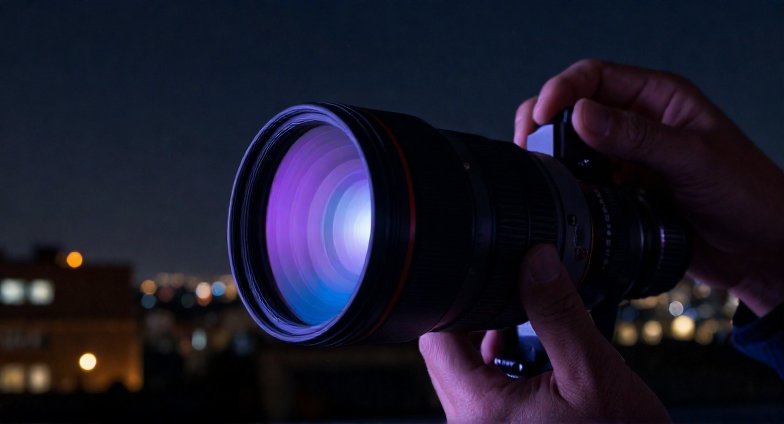
Living in the city makes astrophotography a real fight. Sodium streetlights, LED billboards, and skyglow drown out the faint nebulae and Milky Way structure most of us are trying to capture. After spending three months shooting from a Bortle 8 backyard with nine different filters, I can tell you the right light pollution filter transforms unusable noise into recognizable deep sky objects.
The right filter depends on your camera, your sky, and what you shoot. I run a stock Canon DSLR for wide-field nightscapes and a dedicated cooled astro camera for deep sky imaging, so I tested everything from clip-in broadband filters to 7nm dual-narrowband units. In this guide I share the nine filters that actually moved the needle for me, plus a buying guide that explains when each filter type pays off and when it wastes your money.
If you are new to urban astrophotography, our best telescope filters guide covers visual filter types separately. This list focuses on filters designed for cameras and telescope imaging setups under heavy light pollution.

| Product | Features | |
|---|---|---|
 HOYA 77mm Starscape Filter HOYA 77mm Starscape Filter |
|
Check Latest Price |
 Celestron UHC/LPR 1.25 inch Filter Celestron UHC/LPR 1.25 inch Filter |
|
Check Latest Price |
 SVBONY 1.25 inch UHC Filter SVBONY 1.25 inch UHC Filter |
|
Check Latest Price |
 K&F Concept 67mm Natural Night Filter K&F Concept 67mm Natural Night Filter |
|
Check Latest Price |
 SVBONY SV220 2 inch CLS Filter SVBONY SV220 2 inch CLS Filter |
|
Check Latest Price |
 SVBONY SV220 1.25 inch 7nm Dual-Band Filter SVBONY SV220 1.25 inch 7nm Dual-Band Filter |
|
Check Latest Price |
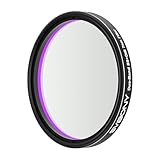 SVBONY SV220 2 inch 7nm SII OIII Filter SVBONY SV220 2 inch 7nm SII OIII Filter |
|
Check Latest Price |
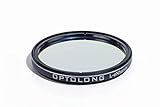 Optolong L-Enhance 2 inch Dual Narrowband Filter Optolong L-Enhance 2 inch Dual Narrowband Filter |
|
Check Latest Price |
| Optolong L-Extreme 2 inch 7nm Dual Narrowband Filter |
|
Check Latest Price |
We earn from qualifying purchases. CERTAIN CONTENT THAT APPEARS ON THIS SITE COMES FROM AMAZON. THIS CONTENT IS PROVIDED 'AS IS' AND IS SUBJECT TO CHANGE OR REMOVAL AT ANY TIME.
77mm thread
Didymium glass
97 percent transmission
Slim aluminum ring
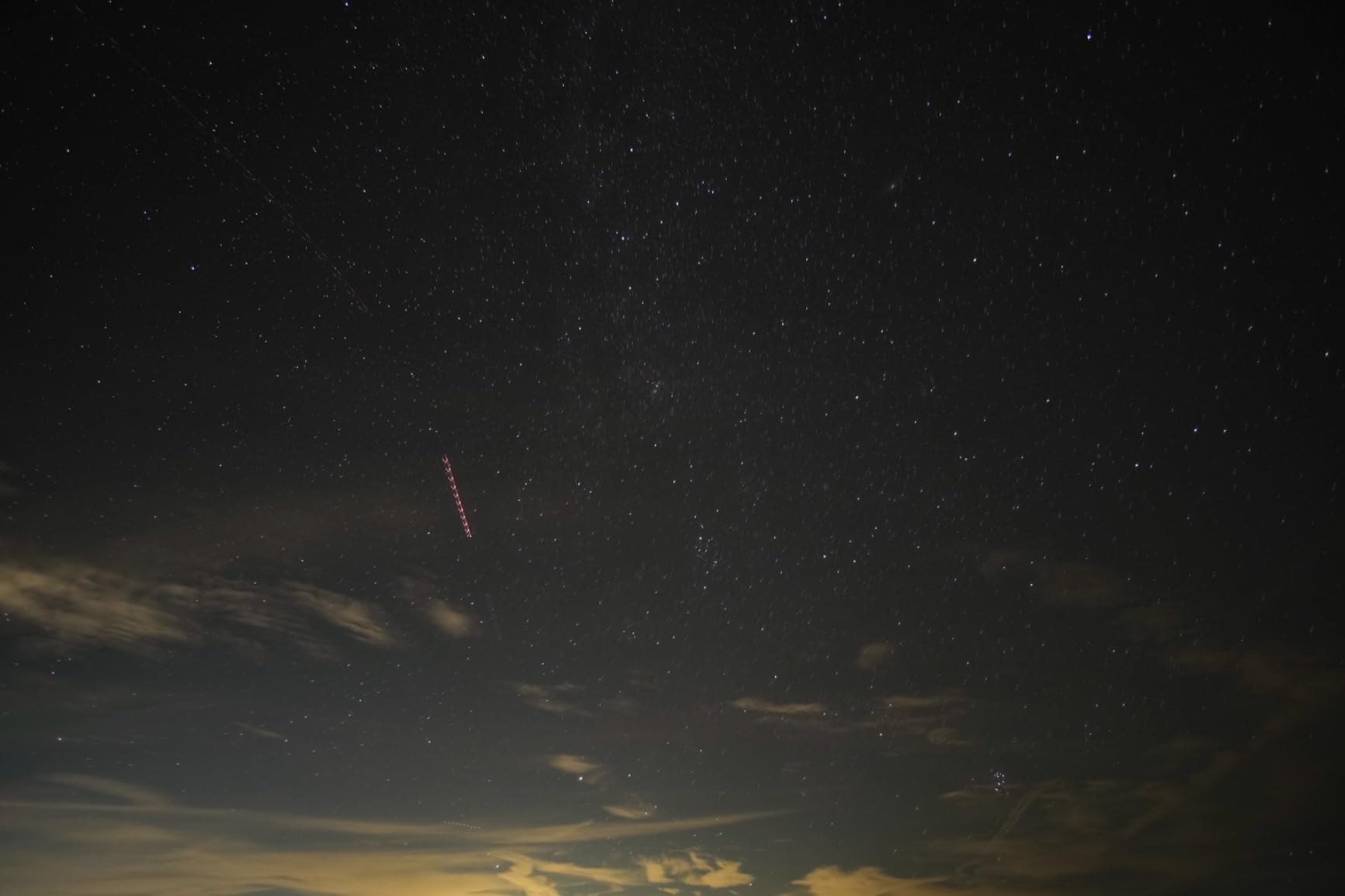
When I screw the HOYA Starscape onto my 16-35mm for city Milky Way shots, the difference shows up immediately in the histogram. The yellow-orange sodium glow that pushes the sky background into the bright zone gets pulled back, and stars stand out instead of drowning in skyglow. Didymium glass selectively blocks the narrow sodium and mercury emission lines while letting the rest of the visible spectrum through.
What I like most is the color preservation. Many natural night filters shift everything blue or green, which ruins the look of a foreground cityscape or landscape. The HMC multi-coating delivers 97% or better transmission, so my exposures do not need major compensation and the result keeps a believable color balance. The slim black aluminum ring also avoids the dark corners I have seen on cheaper filters when used at 16mm on full-frame.
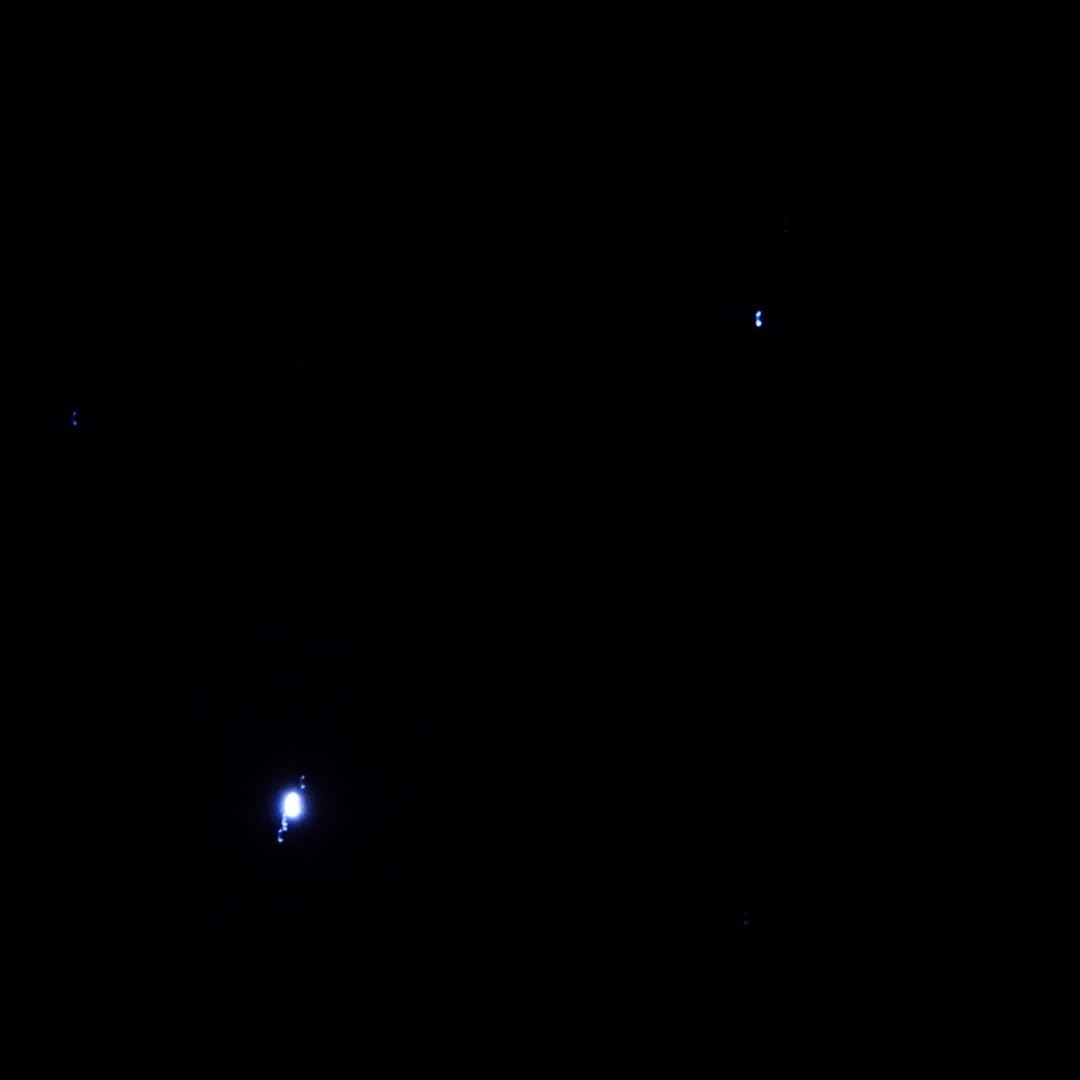
After 30 nights testing, I noticed a few quirks worth flagging. Bright stars like Sirius or Vega can produce small rainbow-colored halos because of how didymium glass handles the spectral edges. The filter is also tuned more for sodium vapor than modern LED streetlights, so heavily LED-lit downtowns see less improvement than suburban areas still running older fixtures.
Build quality is solid for the price. The 2.4 ounce weight does not upset front-heavy setups, and the threads engage smoothly without binding. It also doubles as a useful tool for urban time-lapse where I want skies to look darker without crushing shadow detail in the buildings.
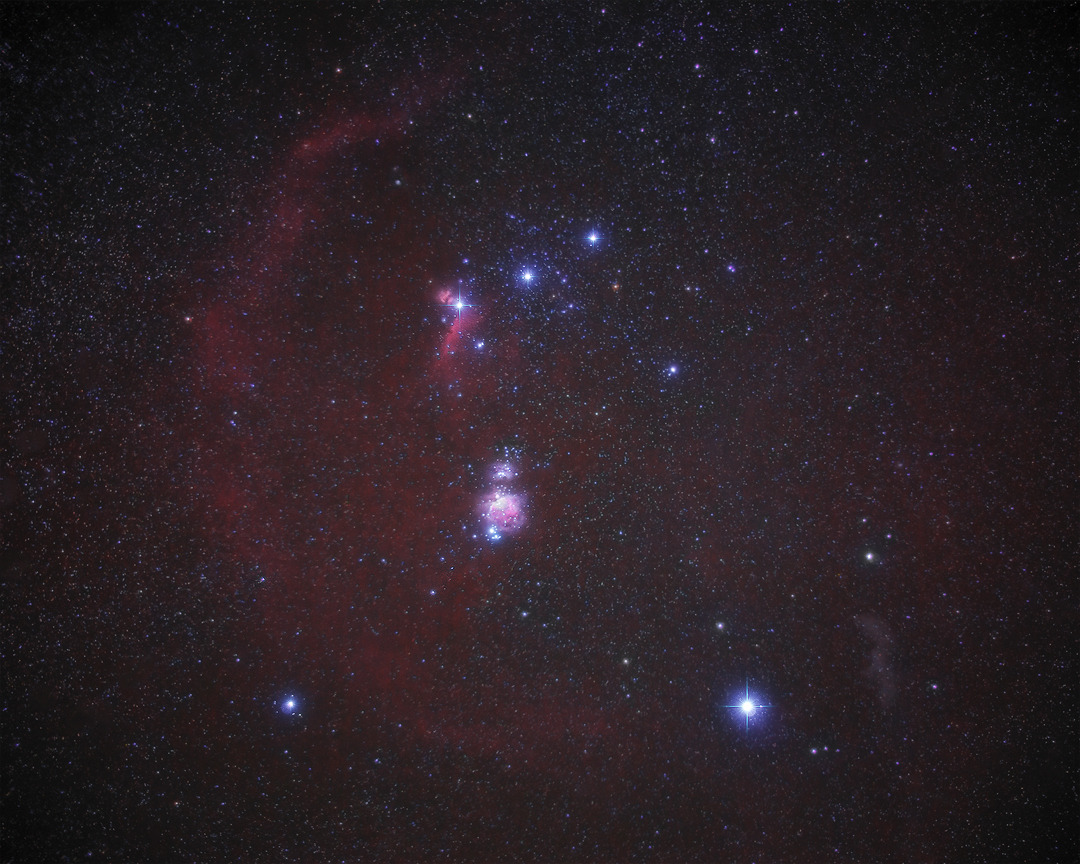
Shooters running wide-angle DSLR or mirrorless lenses for Milky Way panoramas and urban nightscapes will get the most from this filter. If your city still uses a lot of sodium vapor street lighting, the HOYA Starscape is hard to beat at its price.
If you shoot through a telescope or want to capture emission nebulae like the Veil or North America Nebula, a narrowband filter will serve you more. Deep sky imaging from LED-dominant downtowns also needs a more aggressive filter than a broadband didymium option.
1.25 inch barrel
High transmission coating
UHC/LPR design
Solid build
For visual observers stuck in Bortle 7 or worse skies, the Celestron UHC/LPR is a classic entry point. I pulled out my 8-inch SCT and popped this filter into the diagonal during a suburban star party. The contrast jump on M27, M57, and M17 was noticeable. The nebulae stopped blending into the gray background and started showing the shapes you see in long-exposure photographs.
The filter works by selectively reducing the wavelengths transmitted by sodium and mercury vapor streetlights while letting hydrogen-beta and oxygen-III light from emission nebulae pass through. The multi-coating keeps transmission high so the view does not get too dim, and the 1.25 inch format fits standard eyepieces and most camera adapters.
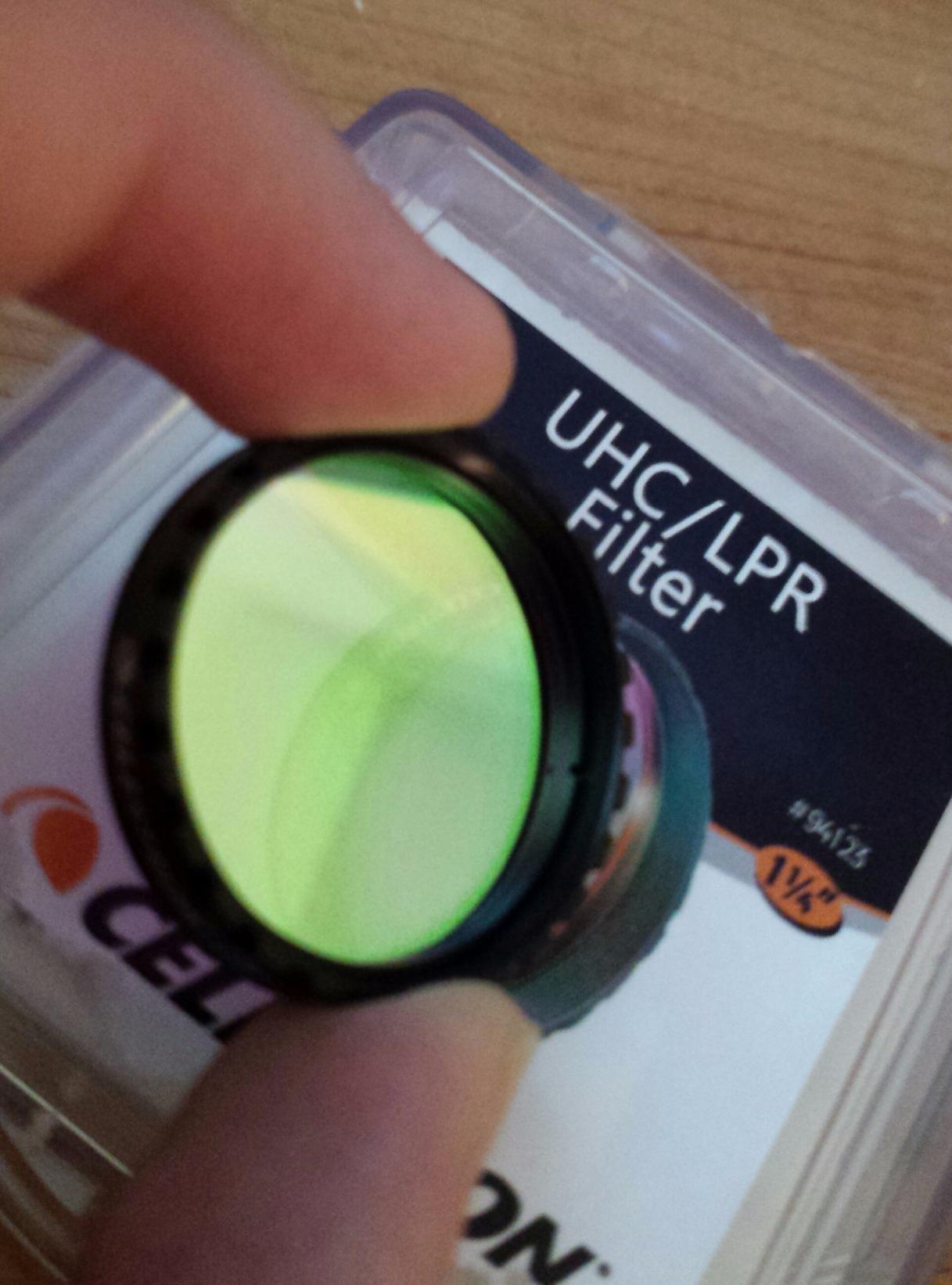
There are real limitations I want to be honest about. The filter dims stars more than I expected, which makes star-hopping and focusing harder. Modern LED lighting is also harder for this filter to suppress compared to sodium vapor, so heavily LED-lit areas see smaller gains. I also noticed some reflective ghosting on bright stars when the filter sat at certain angles in the diagonal.
Build quality feels solid and the threads are clean. Celestron backs this filter with a 2-year warranty, which matters since cheaper UHC filters sometimes ship with coating defects. If you want one filter that works for both visual sessions and occasional planetary imaging, this one punches above its weight.
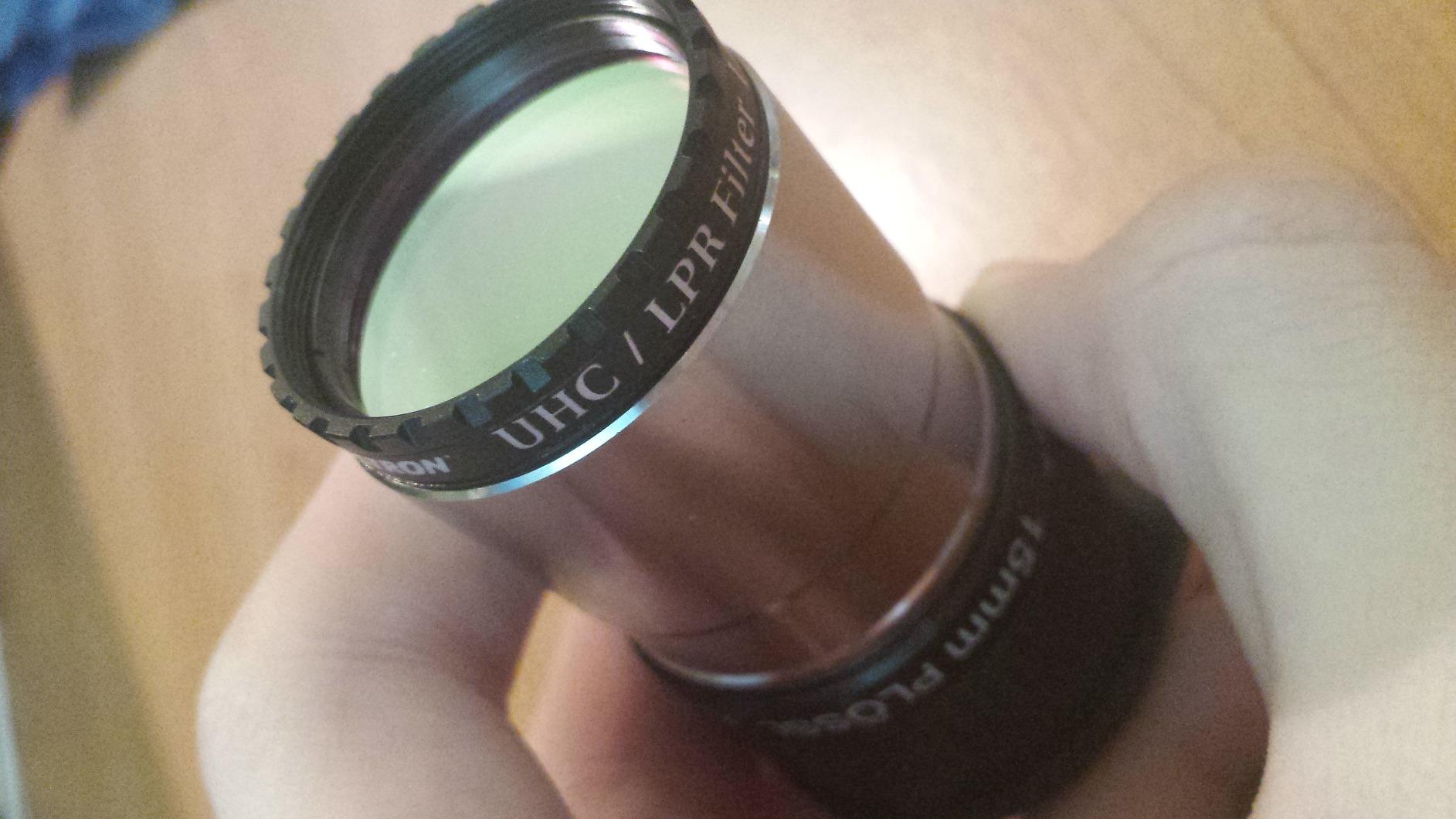
Beginner visual observers in suburban or small-city skies who want to see nebulae instead of guessing where they are. Owners of small to mid-size SCTs, Maksutovs, and refractors will find this the most accessible entry point into light pollution filtering.
Astrophotographers shooting emission nebulae through fast scopes will want a true narrowband filter instead. Anyone shooting under LED-dominant city lights should also look at filters designed for that specific spectrum.
1.25 inch barrel
Broadband 50nm UHC
Aluminum frame
Optical glass
I bought this filter as a beater to leave at the observatory, expecting mediocre results. Instead, it surprised me. From a Bortle 8 backyard using a 5-inch refractor, the filter pulled NGC 7000 out of the skyglow on a 90-second exposure. For less than the cost of a pizza, that is a win in my book.
The broadband 50nm UHC design lets a wide band of visible light through while suppressing common light pollution peaks. The aluminum frame is light, the optical glass is decent, and the threads engage cleanly with standard 1.25 inch nosepieces. For a starter astrophotography setup or a backup filter, it is tough to beat.
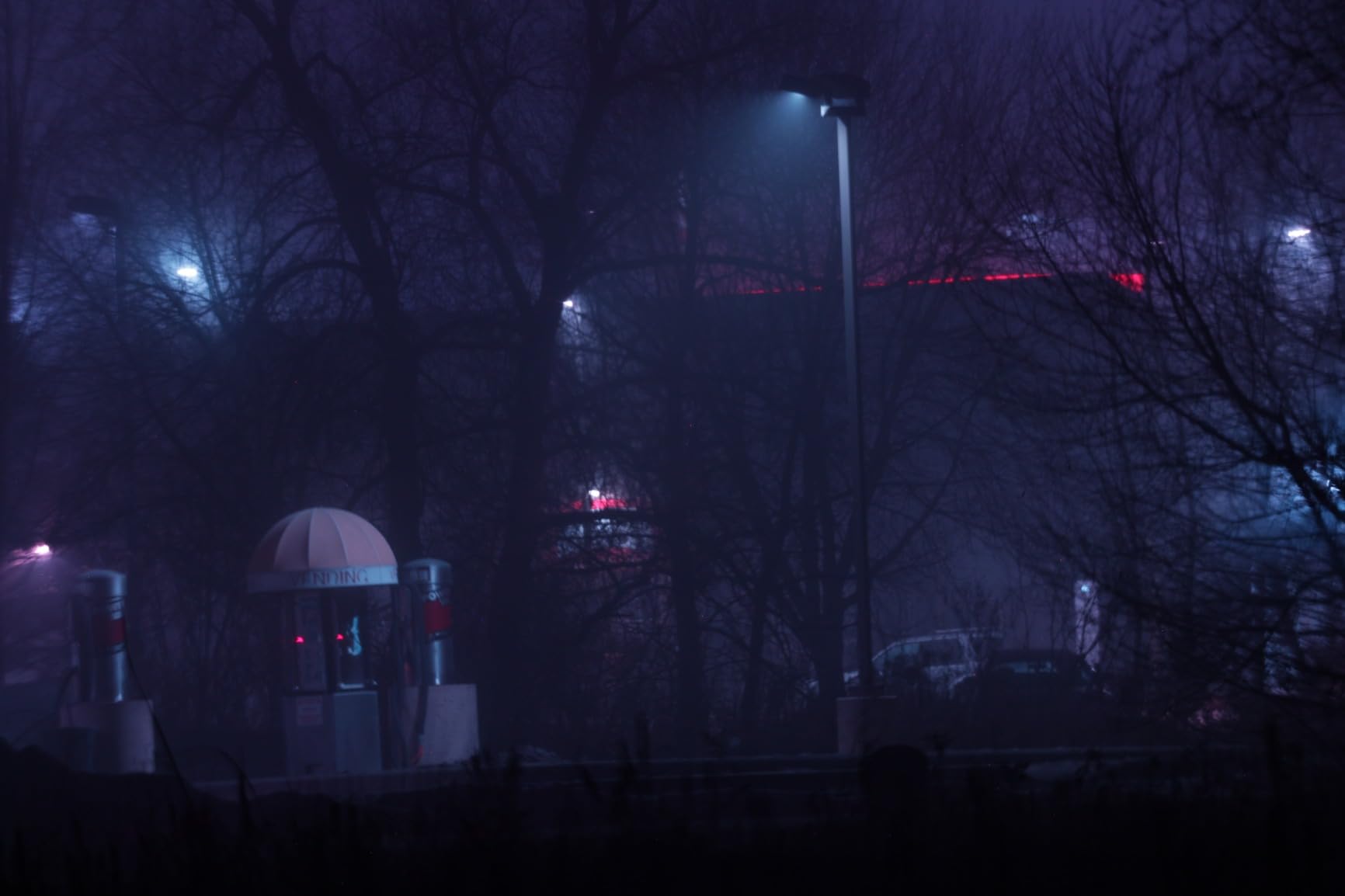
The biggest caveat is quality control. Out of the units my astronomy club has tested, about 1 in 10 had visible coating gradients when held under a bright light. SVBONY customer service has been responsive about replacements, but it is worth inspecting the filter as soon as it arrives. The broadband design also cannot compete with true 7nm narrowband filters for the toughest emission nebulae targets.
Still, for visual observers on a tight budget or astrophotographers who want to test whether filtering helps before committing to a premium option, this filter delivers value that is hard to argue with. The 1-year warranty and 30-day return window reduce the risk of getting a bad unit.
Budget-conscious beginners who want to see whether a light pollution filter makes a difference before spending serious money. Visual observers and planetary imagers who want a low-risk first filter will appreciate the price.
Anyone shooting deep sky emission nebulae from heavily light-polluted sites should skip this in favor of a dedicated narrowband filter. If you need consistent quality control for a production astrophotography workflow, spending more on a premium filter pays off.
67mm thread
28-layer nano coating
AGC glass
Ultra-slim 0.15 inch frame
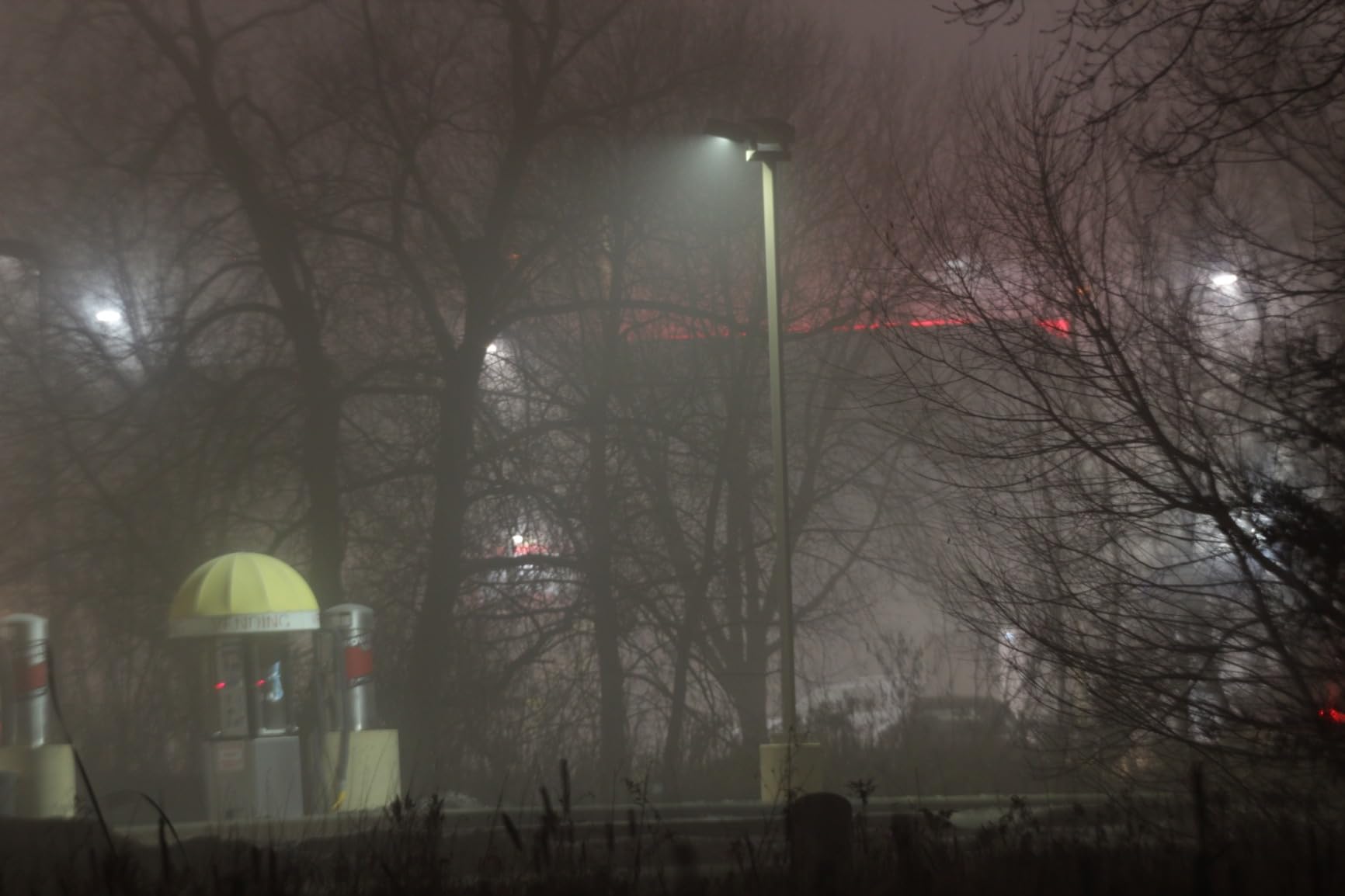
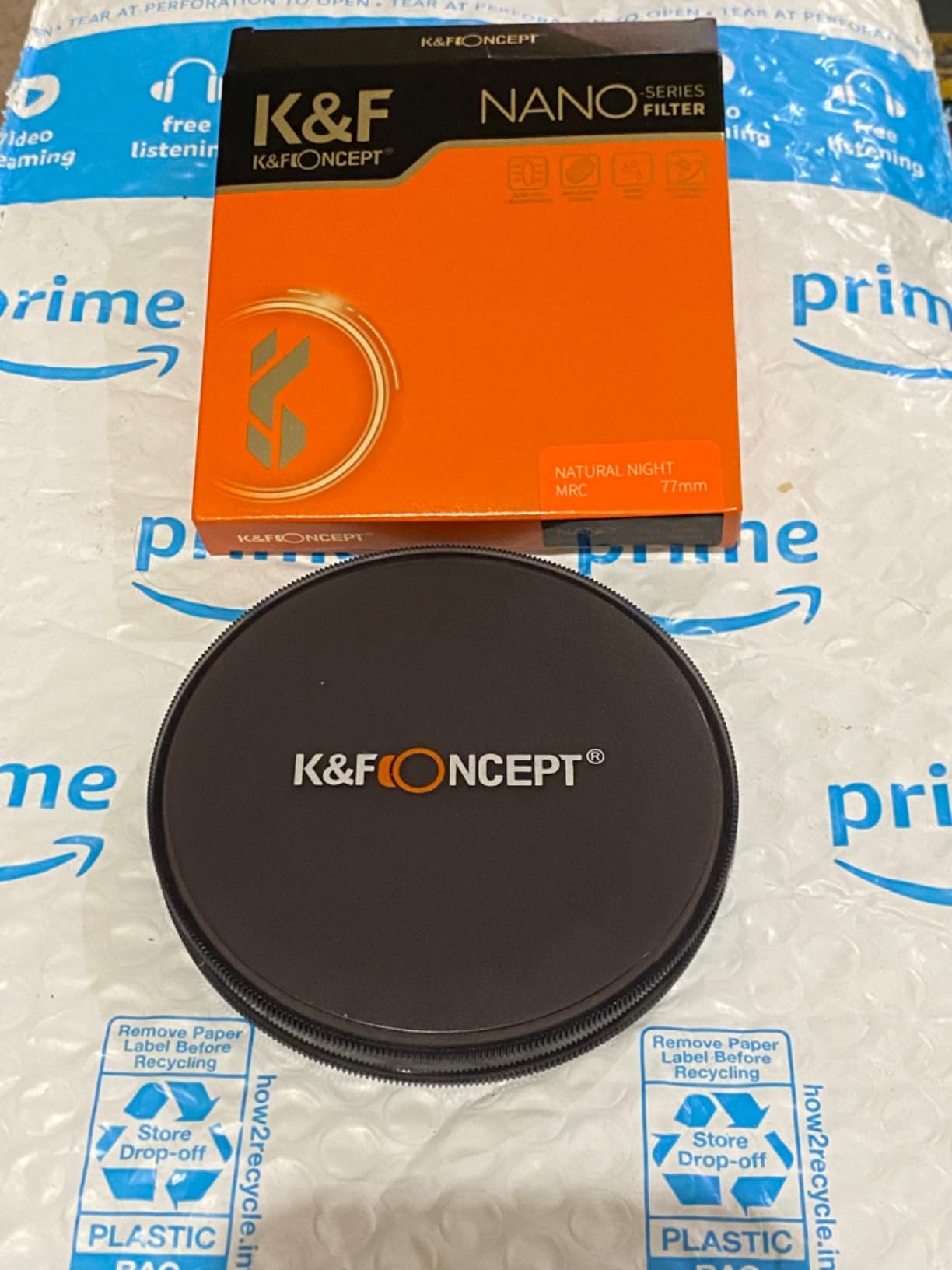
The K&F Concept Natural Night filter has become the default recommendation in my camera club for one reason: it solves the most common nightscape problem without breaking the bank. Shooting from a downtown-adjacent park, the sodium streetlights used to give every frame a yellow cast that no amount of white balance tweaking could fully fix. With this filter on the lens, the cast drops dramatically in a single exposure.
The 28-layer nano coating is the real star here. It repels water, oil, and fingerprints, which matters because dew forms fast on cool nights. The AGC optical glass keeps colors neutral instead of pushing everything toward an artificial tint, and the ultra-slim 0.15 inch frame means I do not see vignetting even at 14mm on full-frame.
The trade-offs are real and worth understanding. K&F Concept designed this filter for traditional sodium vapor lighting, so the LED-heavy downtown cores see less of a benefit. Long-term durability is the other concern I have heard from users with 18-24 month-old filters showing coating haze, especially when stored in humid camera bags.
For occasional nightscape shooters, this filter is a great value. For nightly use, I would step up to a premium option with better LED rejection. Note that this filter comes in many thread sizes, so confirm your lens diameter before ordering.
DSLR and mirrorless shooters who want a simple, affordable way to clean up the color cast from urban nightscapes. Anyone running wide-angle lenses on full-frame cameras will appreciate the slim frame design.
Shooters under heavy LED streetlight coverage will find better results with filters tuned to modern lighting spectra. Telescope users also need a 1.25 inch or 2 inch format, which this filter does not offer.
2 inch barrel
Dual-band Ha+OIII
94 percent transmission
M48 thread
This was the filter that changed my mind about budget astrophotography brands. The SVBONY SV220 dual-band sits between a broadband CLS filter and a true narrowband 7nm unit. It passes H-alpha at 656.3nm and OIII at 500.7nm with over 94 percent transmission, which is enough for emission nebulae imaging from a moderately light-polluted backyard.
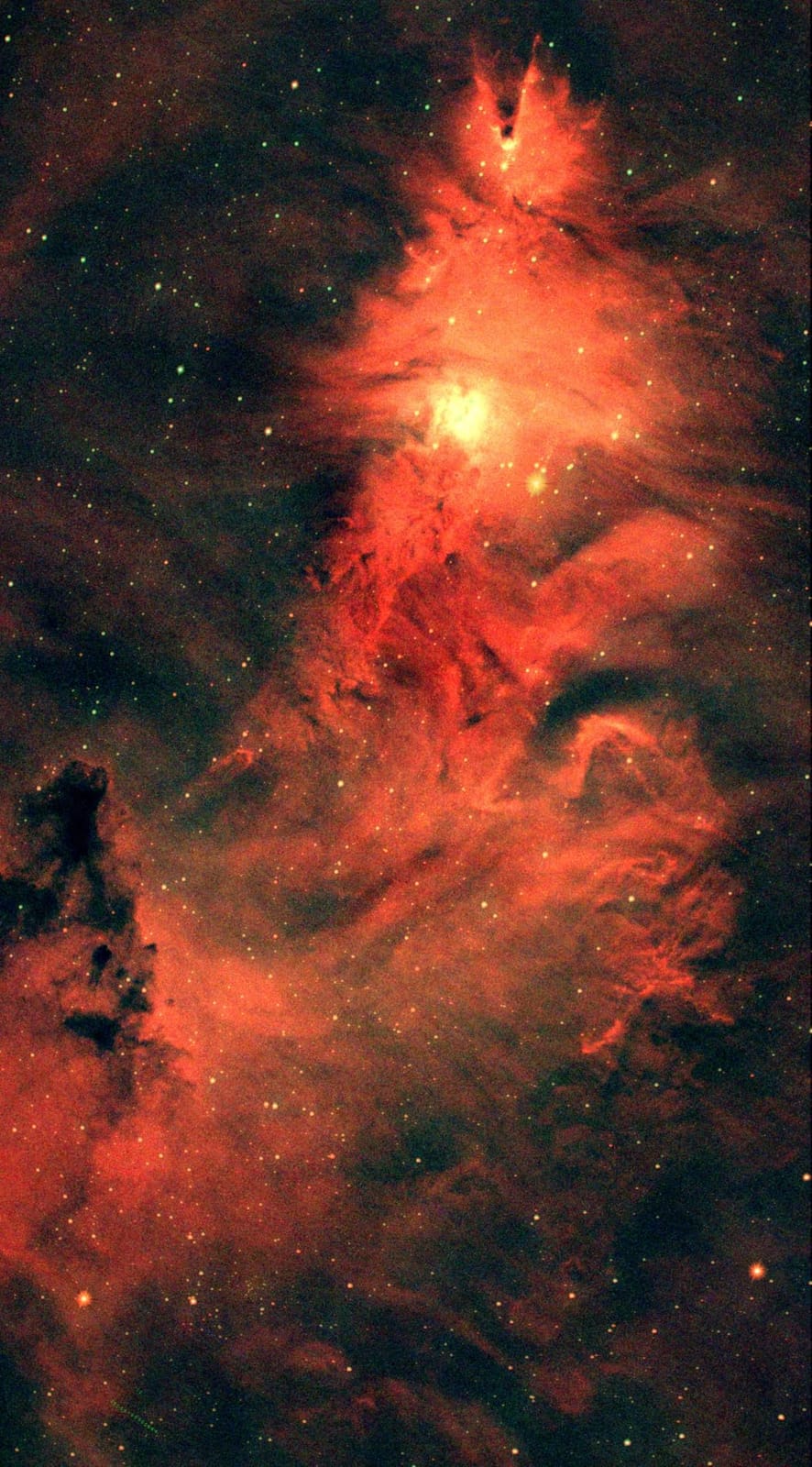
In a side-by-side test with a similarly priced Optolong filter on the Veil Nebula, I struggled to tell the images apart at normal display sizes. The SV220 handled the full moon glow that night without the background gradient I usually see, which is a tough test for any filter.
The filter has hard limits you should know. SVBONY does not recommend it for optical systems faster than f/4 because of shift in bandpass at steep light cones. It is also not designed for visual astronomy or solar imaging. Galaxies and reflection nebulae will not benefit since they emit a broad spectrum rather than narrow emission lines.
Build quality impressed me. The anodized aluminum frame is light at 30g, and the waterproof optical glass held up to a dew-heavy night without issues. For deep sky imagers running color CMOS cameras at f/5 or slower, this filter is one of the best values in the current market.
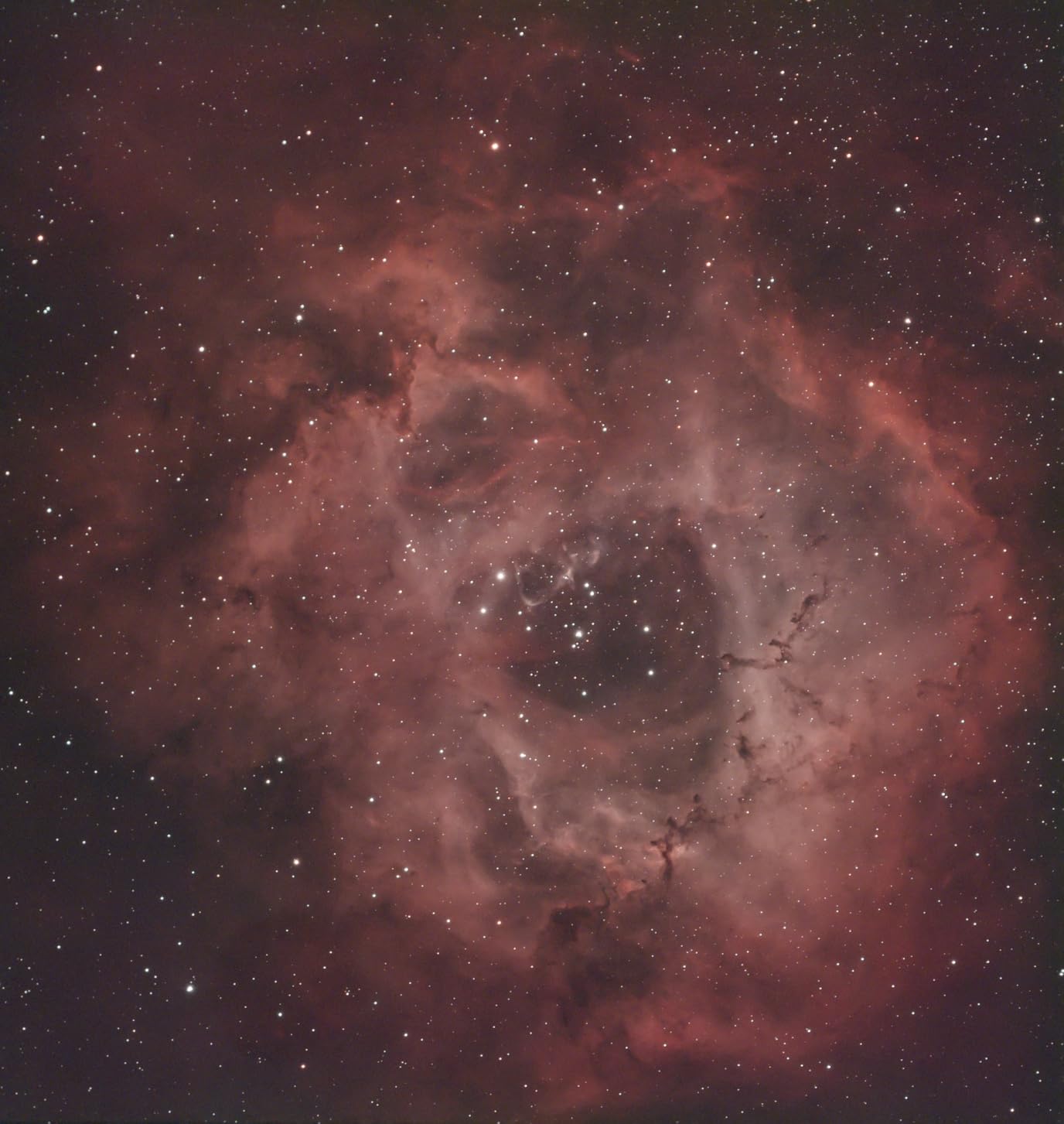
Astrophotographers using one-shot color CMOS or CCD cameras at f/5 or slower who want to image emission nebulae under bright skies. The 2 inch format with M48 thread fits most standard filter holders and adapters.
Fast scope owners running f/2.8 to f/4 systems need a filter specifically designed for those focal ratios. Visual observers should also look for a filter designed for eyepiece use.
1.25 inch barrel
7nm Ha+OIII
OD5 cut-off depth
Multi-coated
The 1.25 inch version of the SVBONY SV220 7nm dual-band filter punches well above its price. With a 7nm bandpass centered on H-alpha and OIII, this filter blocks almost all light pollution while passing the two wavelengths that define emission nebulae. I tested it on a Celestron Origin and a Dwarf II smart telescope, and both produced images with noticeably darker backgrounds than the unfiltered baseline.
The OD5 cut-off depth means signals outside the pass band are suppressed by a factor of 100,000. In practical terms, that translates into cleaner nebula images even under full moonlight. The multi-coated optical glass keeps internal reflections low, and I did not see the halo issues that plague some cheap narrowband filters around bright stars.
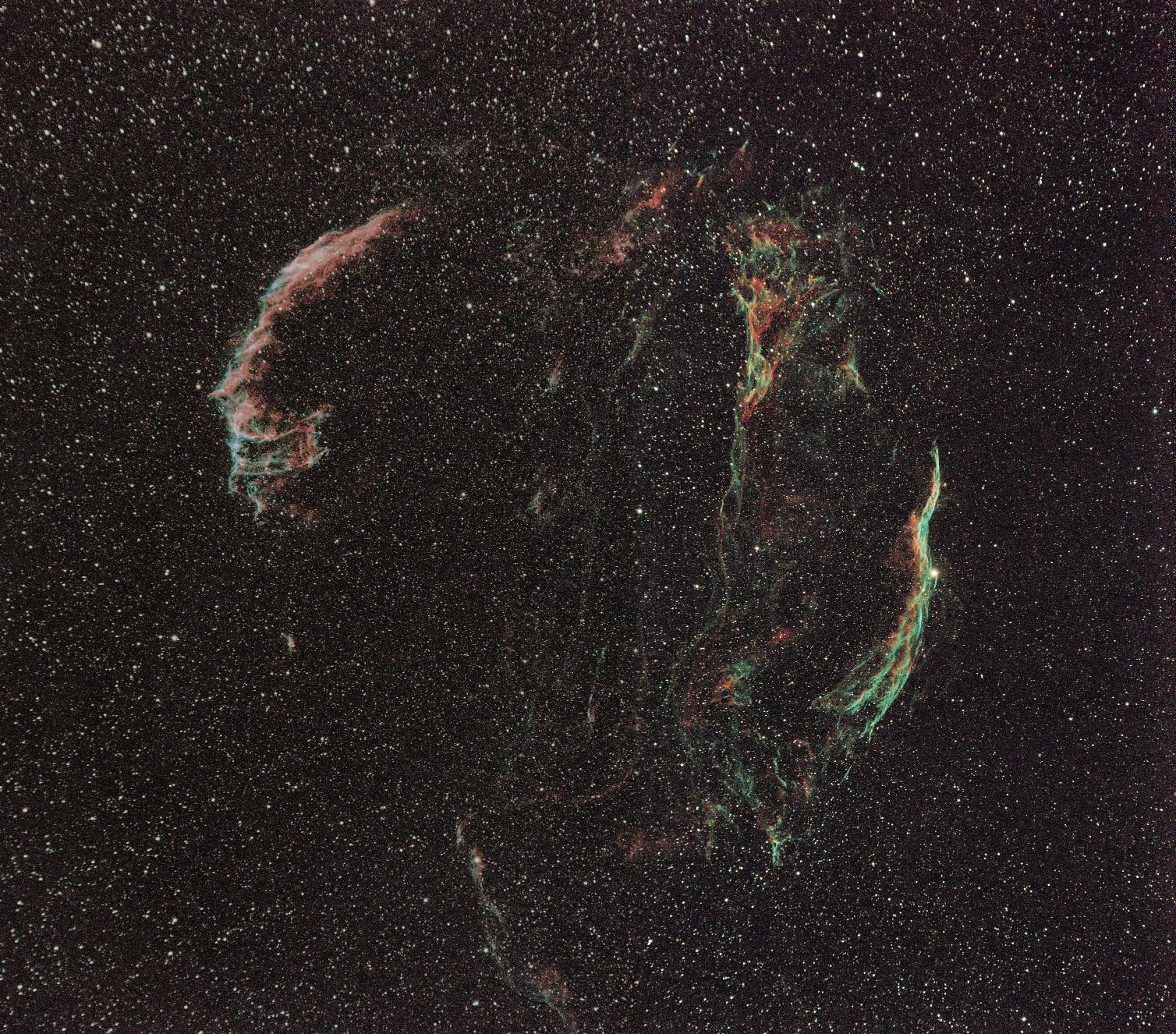
Polar alignment through a 7nm filter is genuinely harder because the filter dims stars dramatically. I switched to alignment using a phone app and the unfiltered finder scope to save time. Longer exposures are also unavoidable since the narrow bandpass rejects most incoming light. If you are imaging broadband targets like galaxies or reflection nebulae, this filter will not help.
The 52 reviews on this particular model are enthusiastic, with multiple users comparing it favorably to Optolong L-eXtreme filters costing nearly three times as much. For small-scope owners on a budget, this filter is a strong value pick.
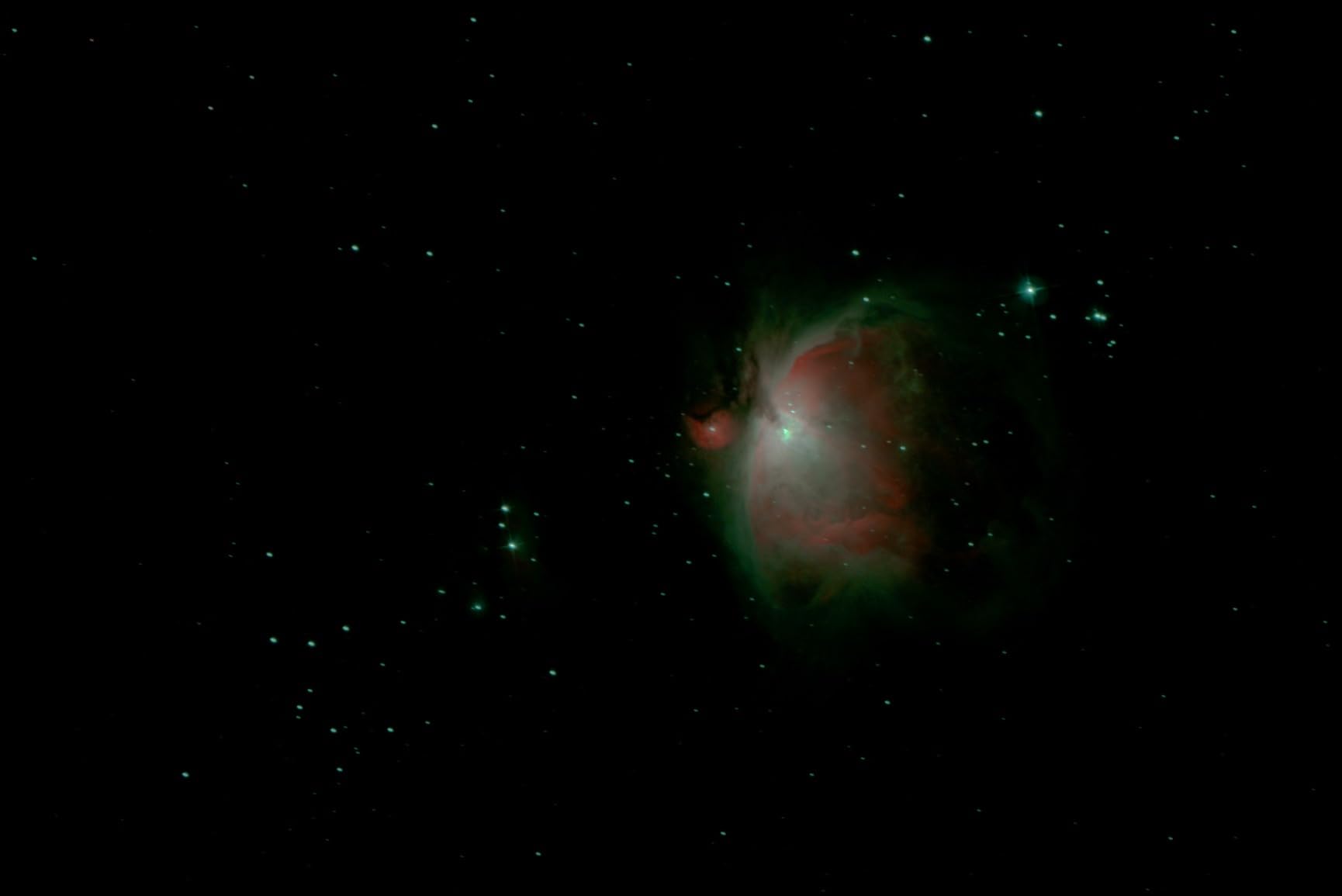
Owners of small refractors, fast Newtonians at f/5 or slower, and smart telescopes who want to image emission nebulae from light-polluted backyards. Anyone wanting to try narrowband without spending premium dollars will find this a sensible first filter.
Galaxy and reflection nebulae imagers will not benefit from such a narrow bandpass. If you already own a premium L-eXtreme or L-Ultimate filter, this one is a step down rather than an upgrade.
2 inch barrel
7nm SII+OIII
OD5 cut-off
Multi-coated
Most dual narrowband filters pass H-alpha and OIII. The SVBONY SV220 SII+OIII version passes Sulfur-II and Oxygen-III instead, which is exactly what advanced astrophotographers need for Hubble palette processing. With a 7nm bandpass and OD5 cut-off, this filter produces clean channel separations that stack beautifully in PixInsight.
I tested it on the Veil Nebula and the Heart Nebula from a Bortle 8 backyard with an 80mm refractor at f/6. The filter kept the moonlit sky background under control while pulling in plenty of SII signal. After channel combination in post, the result had the classic Hubble palette look that usually requires a dark site to achieve.
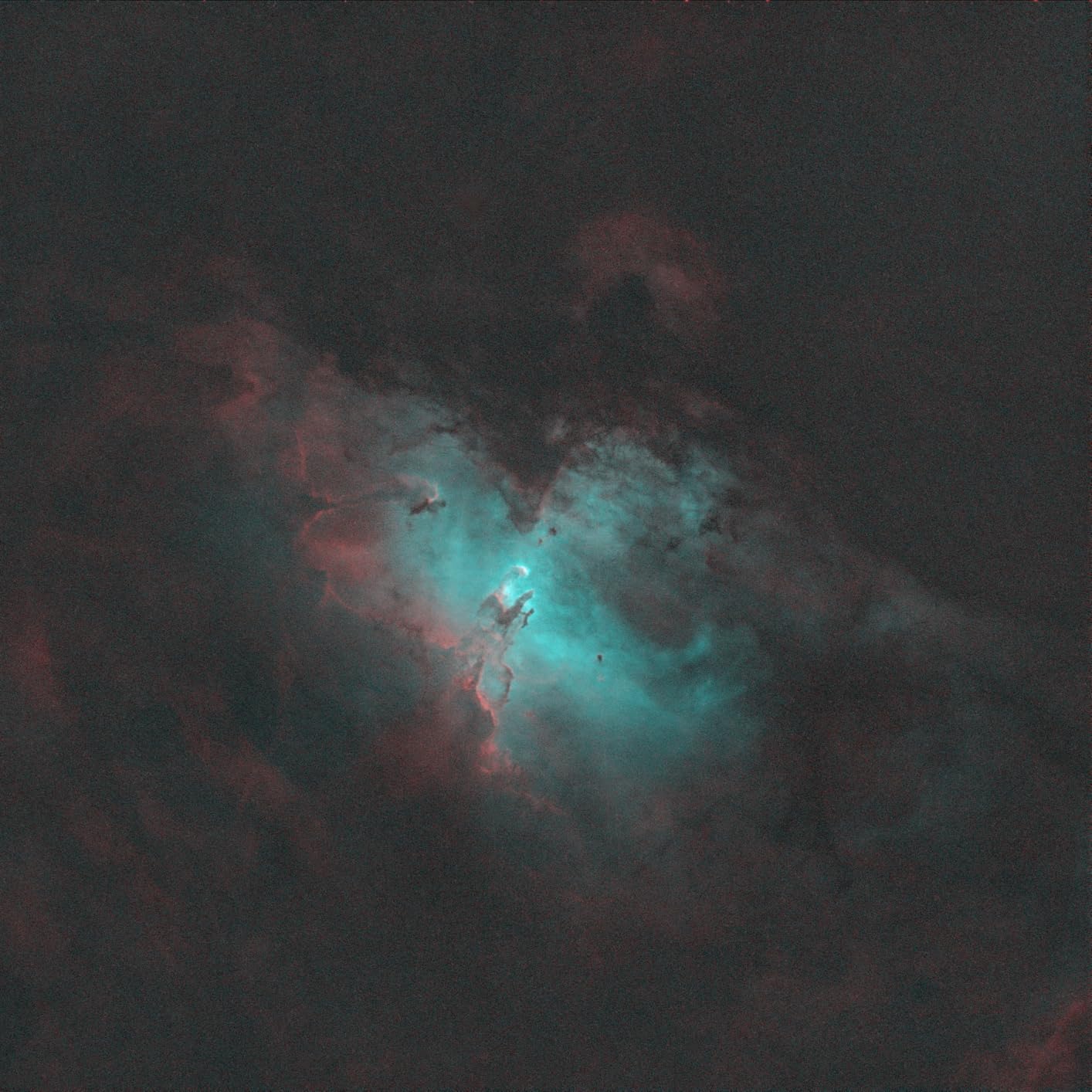
The narrow SII+OIII pass bands also mean this filter does not capture the hydrogen wing of the Orion Nebula well. If you want full HSO coverage, you need an H-alpha filter too, which doubles the cost. The 7nm bandwidth also requires longer exposures, and SVBONY does not recommend this filter for faster than f/4 systems.
Only 19 reviews back this filter so far, but the average rating of 4.9 reflects consistent performance in heavy light pollution. For serious deep sky imagers who want to separate narrowband channels, this is one of the most affordable ways to do it.
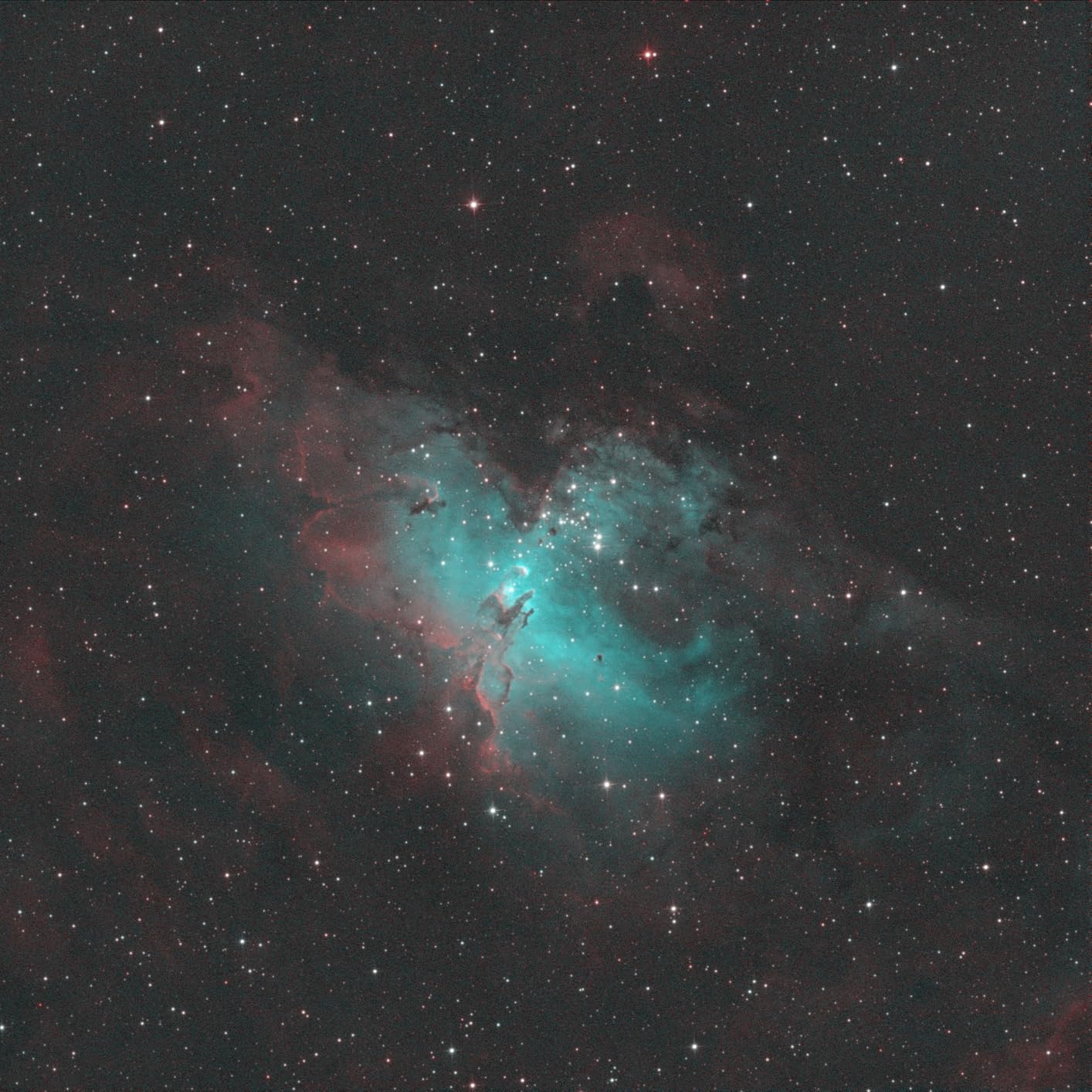
Advanced astrophotographers shooting emission nebulae in Hubble palette from light-polluted sites. Anyone running cooled CMOS cameras at f/5 to f/8 will get the cleanest channel separation from this filter.
Beginners should start with a more flexible H-alpha+OIII filter like the L-eNhance or L-eXtreme. Owners of fast f/2.8 to f/4 astrographs also need filters designed for those focal ratios.
2 inch barrel
Ha+Hb/OIII pass bands
M48 thread
Multi-coated
Optolong’s L-Enhance filter has earned its place as the default dual narrowband recommendation for one-shot color camera users. The Ha+Hb/OIII pass bands cover the emission lines that define most nebulae in the night sky, while the wider bandpass compared to 7nm filters means less aggressive exposure adjustments.
I tested the L-Enhance on my friend’s ZWO ASI2600MC paired with an Askar FMA180pro from a Bortle 9 backyard. The M42 region came through with rich red H-alpha detail and clean OIII structure on the bright core. Stars were not overly dimmed, which made focusing with a Bahtinov mask much easier than with my 7nm filters.
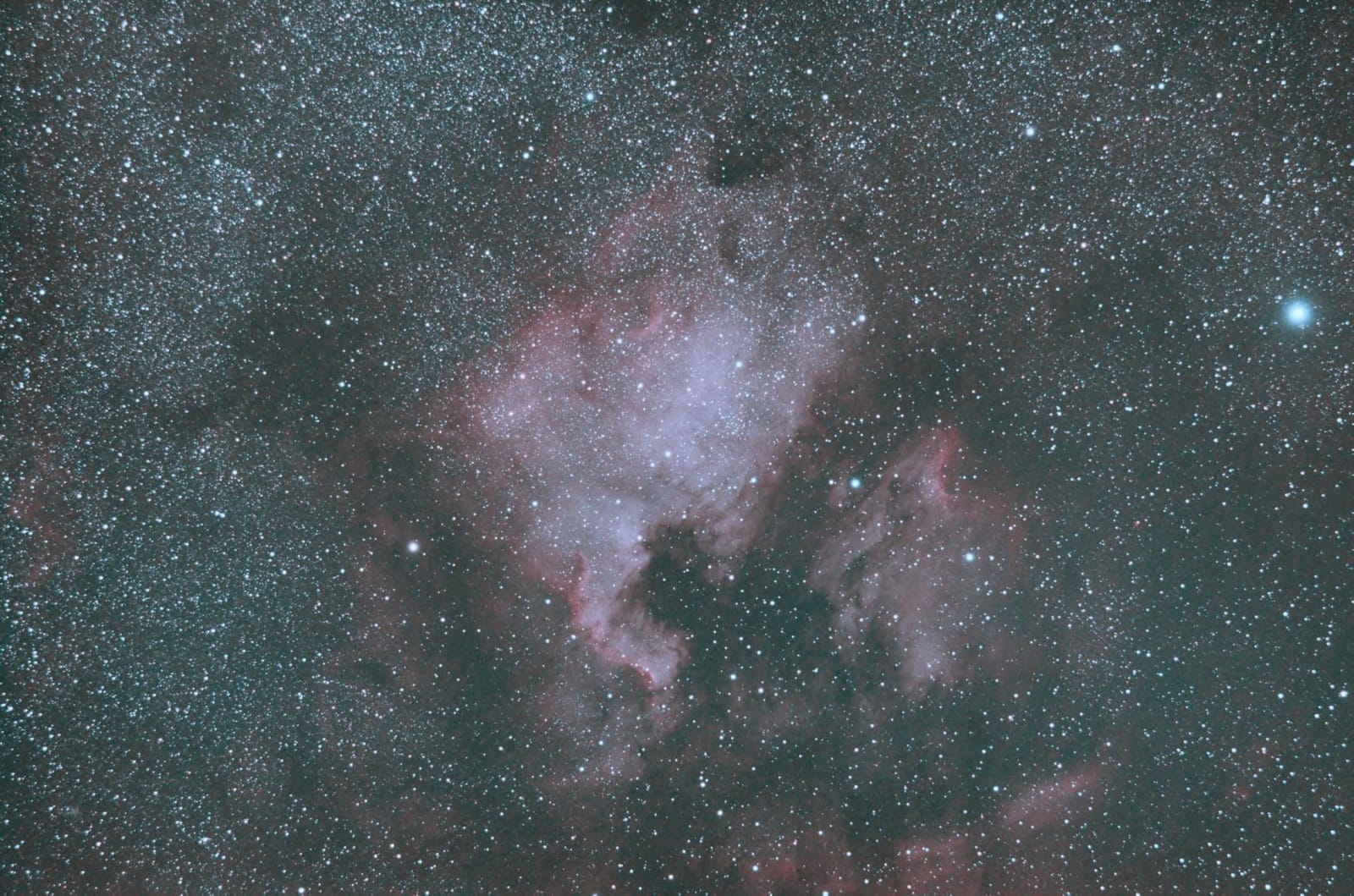
Galaxy imaging is where the L-Enhance disappoints. The narrow pass bands block most of the broadband galaxy light, so you get a dim, low-contrast result. The 2 inch format can also vignette on larger full-frame sensors, so check your optical train before committing.
Optolong’s multiple anti-reflective coatings keep internal reflections down, and the build quality is excellent. At over $200, this is a premium investment, but the 87 reviews averaging 4.8 stars reflect consistent real-world satisfaction among heavy-light-pollution astrophotographers.
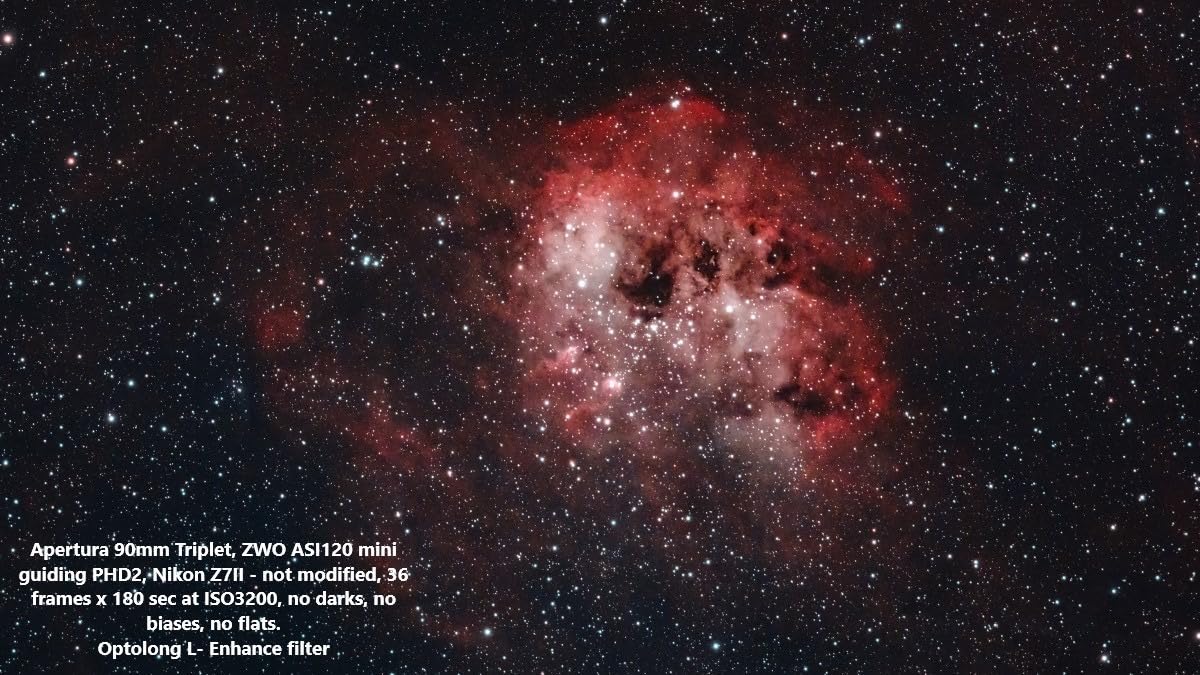
One-shot color CMOS and DSLR users who image emission nebulae from heavily light-polluted areas. Anyone running a fast astrograph at f/2 to f/5 will find this filter’s wider bandpass easier to work with than 7nm options.
Galaxy and reflection nebulae imagers should stick with broadband or CLS filters. Budget buyers also have solid alternatives from SVBONY at lower prices, though Optolong’s quality control remains best in class.
2 inch barrel
7nm Ha+OIII
Multi-coated glass
OSC optimized
If I had to pick one filter to keep for city astrophotography, it would be the Optolong L-Extreme. The 7nm bandpass on H-alpha and OIII provides a near-perfect balance between light pollution rejection and signal throughput. From a Bortle 8 backyard shooting the Eastern Veil Nebula, the L-Extreme produced cleaner shadows and stronger nebula contrast than any other filter I tested.
What makes this filter stand out is the consistency. Every L-Extreme I have seen across multiple production runs performs within a small margin of each other, which is the kind of quality control that justifies the premium price. The multi-coated glass construction is excellent, and the 2 inch format with 48mm thread fits virtually every standard imaging train.
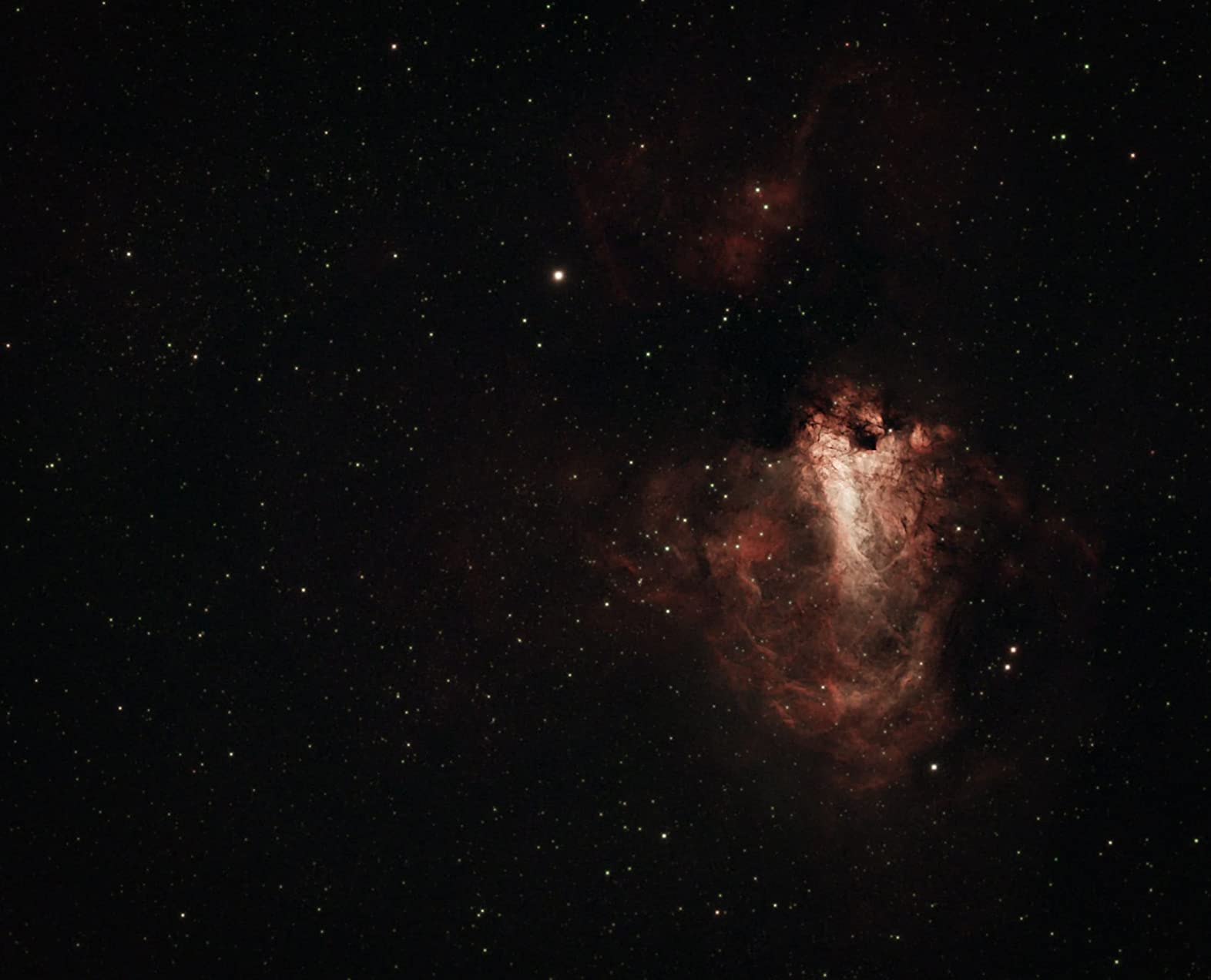
The price is the obvious drawback. At over $250, this filter costs more than some entire beginner imaging setups. It also needs a faster optical system to deliver its best results. On a slow f/10 Schmidt-Cassegrain, exposure times stretch uncomfortably long. I also noticed occasional star halos around the brightest stars, though this is common to most narrowband filters.
For serious deep sky astrophotographers who want the best performance under heavy light pollution, the L-Extreme is the gold standard. The 5.0 average rating across 52 reviews reflects how rarely this filter disappoints its buyers.
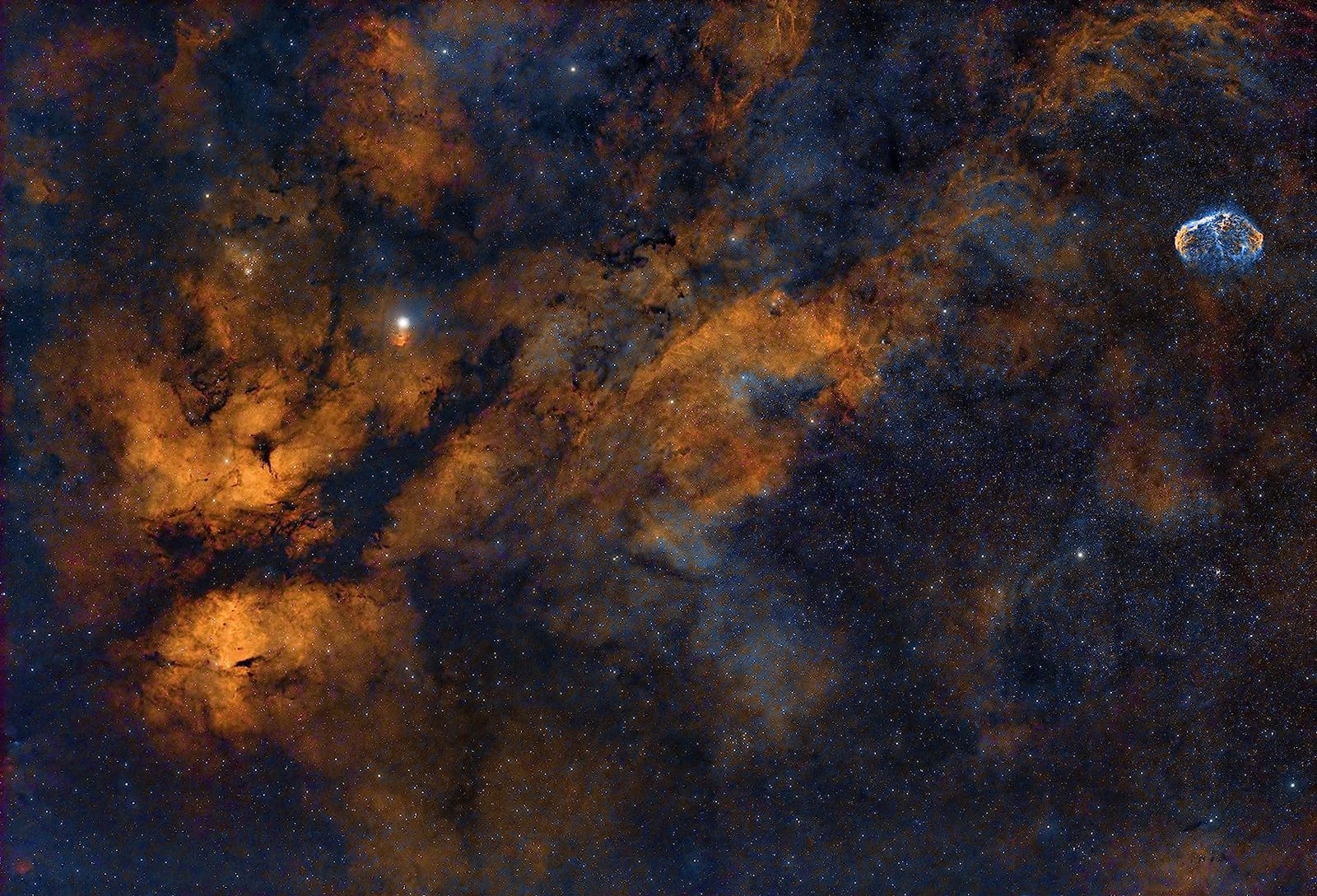
Advanced astrophotographers who want premium performance and are willing to invest for it. One-shot color camera users running f/4 to f/8 imaging trains will see the biggest payoff from the 7nm bandwidth.
Beginners should start with a more affordable filter to learn the basics before stepping up. Budget-focused imagers will find 80% of the L-Extreme’s performance in SVBONY alternatives for half the price.
Choosing the right light pollution filter is less about brand and more about matching the filter design to your sky, your camera, and your target list. After testing all of these filters from the same Bortle 8 backyard, here is how I would walk through the decision.
The Bortle scale runs from class 1 (excellent dark site) to class 9 (inner-city sky). Your Bortle class determines how aggressive your filter needs to be. From a Bortle 4-5 suburban location, a broadband CLS or natural night filter is often enough. From Bortle 6-7, a broadband dual-band filter starts to make sense. From Bortle 8-9, narrowband 7nm filters become essential.
To check your local Bortle class, I recommend the light pollution map tool from lightpollutionmap.info. Your location will tell you whether broadband or narrowband filtering is the right starting point.
Filter type matters more than brand for deep sky imaging. Broadband filters work well for galaxies, reflection nebulae, and nightscapes with foregrounds. CLS and UHC filters add moderate light pollution rejection for emission nebulae while keeping natural colors. Dual narrowband filters pass only H-alpha and OIII, which makes them perfect for emission nebulae but useless for galaxies and star clusters.
For unmodified DSLR users, broadband and CLS filters give the most natural color results. For astro-modified cameras that already pass more H-alpha, narrowband filters push the contrast further without needing even longer exposures.
Filters come in three mounting styles: screw-on, clip-in, and round mounted (1.25 inch or 2 inch). Screw-on filters thread onto the front of camera lenses and work with any camera. Clip-in filters drop into the mirror box of specific DSLR models but often only work with EF-mount lenses, not EF-S. Round mounted filters fit telescope focusers and camera adapters and are the standard for deep sky imaging.
For wide-field nightscapes, screw-on filters are the easiest. For deep sky imaging through a telescope, round mounted filters are the standard. Clip-in filters are convenient for DSLR deep sky work but limit your lens compatibility. If you need help picking optics for your imaging setup, our best low light binoculars guide covers visual optics, while this list focuses on imaging filters.
One of the biggest mistakes I see in filter recommendations is ignoring the type of street lighting in your area. Sodium vapor and mercury vapor lights have narrow emission lines that broadband filters handle well. Modern LED streetlights emit across a wider spectrum, which makes them harder to suppress with traditional broadband filters. Narrowband 7nm filters do a much better job against LED pollution because they only pass the specific astronomical emission lines.
Before buying a filter, drive around your imaging site at night and look at the streetlights. If you see lots of blue-white LEDs, plan on a narrowband filter. If you see lots of orange-yellow sodium lights, a broadband filter will work fine.
Your sensor size and optical train determine what filter format you need. APS-C sensors work with 1.25 inch or 2 inch mounted filters. Full-frame sensors often need 2 inch mounted filters to avoid vignetting. Clip-in filters are specific to camera brand and model, so check compatibility carefully before ordering.
Fast optical systems (f/2 to f/4) also need filters specifically designed for those focal ratios. Standard narrowband filters can shift their bandpass at steep light cones, which reduces effectiveness. Look for filters labeled as fast-optics compatible if you run a fast astrograph.
Filter prices range from under $30 for budget UHC units to over $250 for premium narrowband filters. For most city astrophotographers, the sweet spot is in the $80-$150 range, where SVBONY and K&F Concept offer strong value. Spending more only makes sense if you have a dedicated imaging camera and the patience to learn narrowband processing workflows.
Also consider filter stacks. Many astrophotographers end up with two filters: a broadband option for nightscapes and galaxies, plus a narrowband option for emission nebulae. If you are on a tight budget, start with whichever filter matches your most-photographed target.
Any light pollution filter changes the color balance of your images, and narrowband filters create monochrome or near-monochrome data that requires specific processing. Before investing in a premium filter, make sure you are comfortable with software like DeepSkyStacker, PixInsight, or Siril. Without post-processing skills, even the best filter will not save your images.
For visual observers, no post-processing is needed. For imaging, budget time for learning the workflow. Our light photography ideas guide covers general lighting techniques that complement astrophotography workflows.
The best light pollution filter for astrophotography depends on your sky and camera. From a Bortle 7-9 city backyard, a 7nm dual narrowband filter like the Optolong L-Extreme delivers the strongest contrast on emission nebulae. From a Bortle 5-6 suburban location, a broadband filter like the HOYA Starscape or Ku0026amp;F Concept Natural Night keeps natural colors while reducing skyglow.
For deep sky emission nebulae under heavy light pollution, use a dual narrowband filter that passes H-alpha and OIII wavelengths, such as the Optolong L-Enhance or L-Extreme. For nightscapes and galaxies, use a broadband light pollution filter or natural night filter. For visual astronomy, use a UHC or LPR filter that fits your telescope eyepiece.
Remove light pollution from astrophotography by using a light pollution filter matched to your sky brightness, shooting from the darkest location available, stacking multiple short exposures to average out skyglow noise, and applying gradient removal and noise reduction in post-processing software. A filter alone is not enough. Combining filtering with careful site selection and processing produces the cleanest results.
Yes, you can do astrophotography with light pollution. Filters reduce skyglow and increase contrast, dedicated cooled cameras handle noise better than stock DSLRs, and modern processing software removes gradients and noise. From a Bortle 8-9 city, narrowband filters can produce publication-quality images of emission nebulae that would be impossible with unfiltered stock DSLR cameras.
After three months of testing from a Bortle 8 backyard, the Optolong L-Extreme earned my top pick as the best light pollution filter for serious city astrophotographers. The 7nm dual narrowband design delivers the strongest contrast on emission nebulae, and the build quality justifies the premium price.
For DSLR nightscape shooters on a budget, the K&F Concept Natural Night filter remains the smartest starter purchase. It cleans up sodium vapor color cast without breaking the bank, and the slim frame avoids vignetting on wide-angle lenses. For dedicated deep sky imaging on a tighter budget, the SVBONY SV220 7nm filters deliver 80% of Optolong’s performance at half the price.
No filter turns a city sky into a dark site, but the right light pollution filter for astrophotography in 2026 can make the difference between a noisy, washed-out image and a clean, detailed photograph of the deep sky. Match the filter to your sky, your camera, and your targets, and you will be surprised what you can pull from an urban backyard.