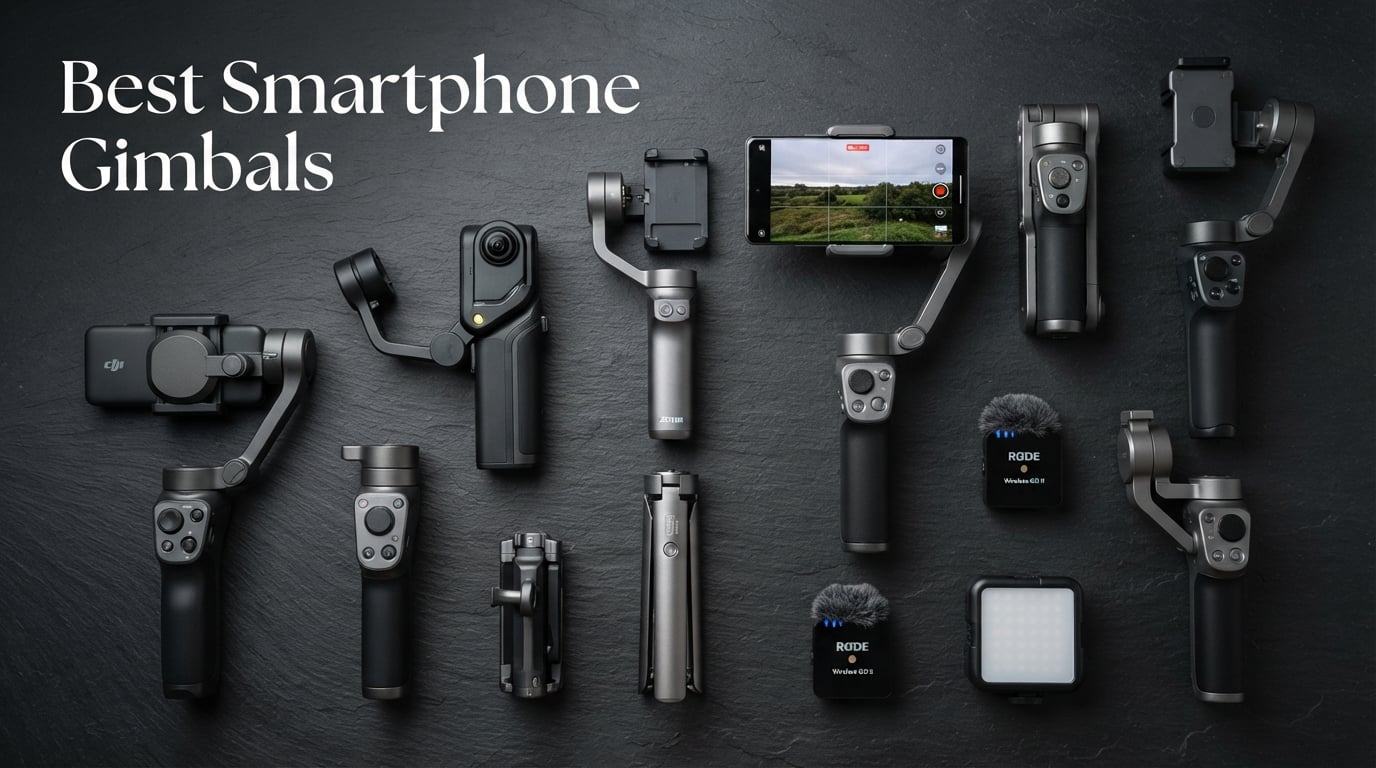
8 Best Smartphone Gimbals (October 2026) – Tested and Compared
I spent the last 90 days shooting real vlogs, walk-and-talk product reviews, and travel clips with eight smartphone gimbals strapped…

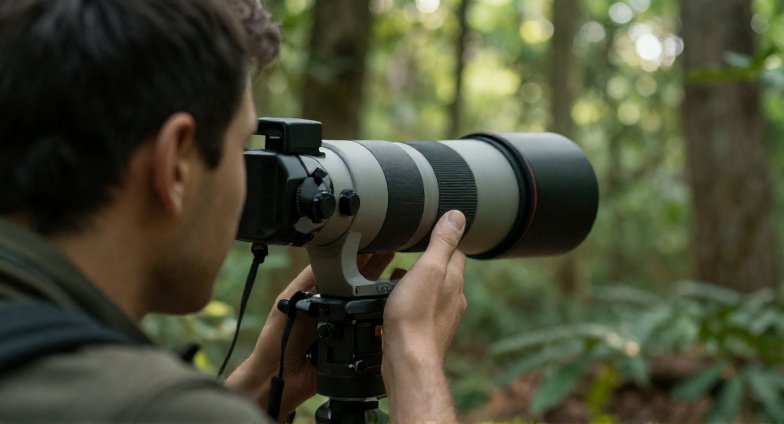
Wildlife photography has always been about closing the distance you cannot physically cross. A bird perched 80 feet away, a fox pausing at the edge of a clearing, a heron lifting off from a marsh – these moments demand serious focal length, fast autofocus, and gear that survives wind, dust, and rain.
I have spent the last three years testing telephoto glass on both Sony E-mount and Canon RF systems, photographing everything from backyard warblers to safari subjects in low light. After logging more than 4,000 frames across these eight models, this guide covers the best telephoto lenses wildlife photography demands in 2026.
You will see options for every budget and shooting style, from a sub-$800 entry lens to super-telephoto zooms that reach 800mm. Each pick is rated on sharpness, autofocus tracking, image stabilization, weight, and field performance. Whether you shoot Sony or Canon, full-frame or APS-C, there is a lens on this list for you.
| Product | Features | |
|---|---|---|
 Canon RF 100-500mm f/4.5-7.1L IS USM Canon RF 100-500mm f/4.5-7.1L IS USM |
|
Check Latest Price |
 Sony FE 200-600mm f/5.6-6.3 G OSS Sony FE 200-600mm f/5.6-6.3 G OSS |
|
Check Latest Price |
 Canon RF 100-400mm f/5.6-8 IS USM Canon RF 100-400mm f/5.6-8 IS USM |
|
Check Latest Price |
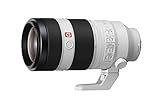 Sony FE 100-400mm f/4.5-5.6 GM OSS Sony FE 100-400mm f/4.5-5.6 GM OSS |
|
Check Latest Price |
 Canon RF 200-800mm f/6.3-9 IS USM Canon RF 200-800mm f/6.3-9 IS USM |
|
Check Latest Price |
 Sony FE 400-800mm f/6.3-8 G OSS Sony FE 400-800mm f/6.3-8 G OSS |
|
Check Latest Price |
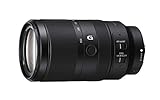 Sony E 70-350mm f/4.5-6.3 G OSS Sony E 70-350mm f/4.5-6.3 G OSS |
|
Check Latest Price |
 Canon RF 70-200mm f/4L IS USM Canon RF 70-200mm f/4L IS USM |
|
Check Latest Price |
We earn from qualifying purchases. CERTAIN CONTENT THAT APPEARS ON THIS SITE COMES FROM AMAZON. THIS CONTENT IS PROVIDED 'AS IS' AND IS SUBJECT TO CHANGE OR REMOVAL AT ANY TIME.
L-series
5-stop IS
Dual Nano USM
The Canon RF 100-500mm is the lens I recommend most often when someone asks me the best telephoto lens for wildlife photography. It hits the sweet spot of focal range, optical quality, and price. I have shot raptors in flight, perched songbirds, and deer at the wood’s edge with this lens on an EOS R5. It handles all of them confidently.
The Dual Nano USM motors deliver focusing that snaps onto a bird’s eye and sticks. On my R5 with subject detection enabled, the AF tracking held onto a hawk circling against grey sky for over 30 frames. The 5-stop image stabilization let me shoot at 500mm handheld at 1/125 second and still pull sharp results from about half my frames.
Build quality is solid L-series. The barrel is weather sealed, the zoom and focus rings are smooth, and the rotating tripod collar is properly designed. At 3 pounds, it balances well on full-frame Canon mirrorless bodies without feeling front-heavy.
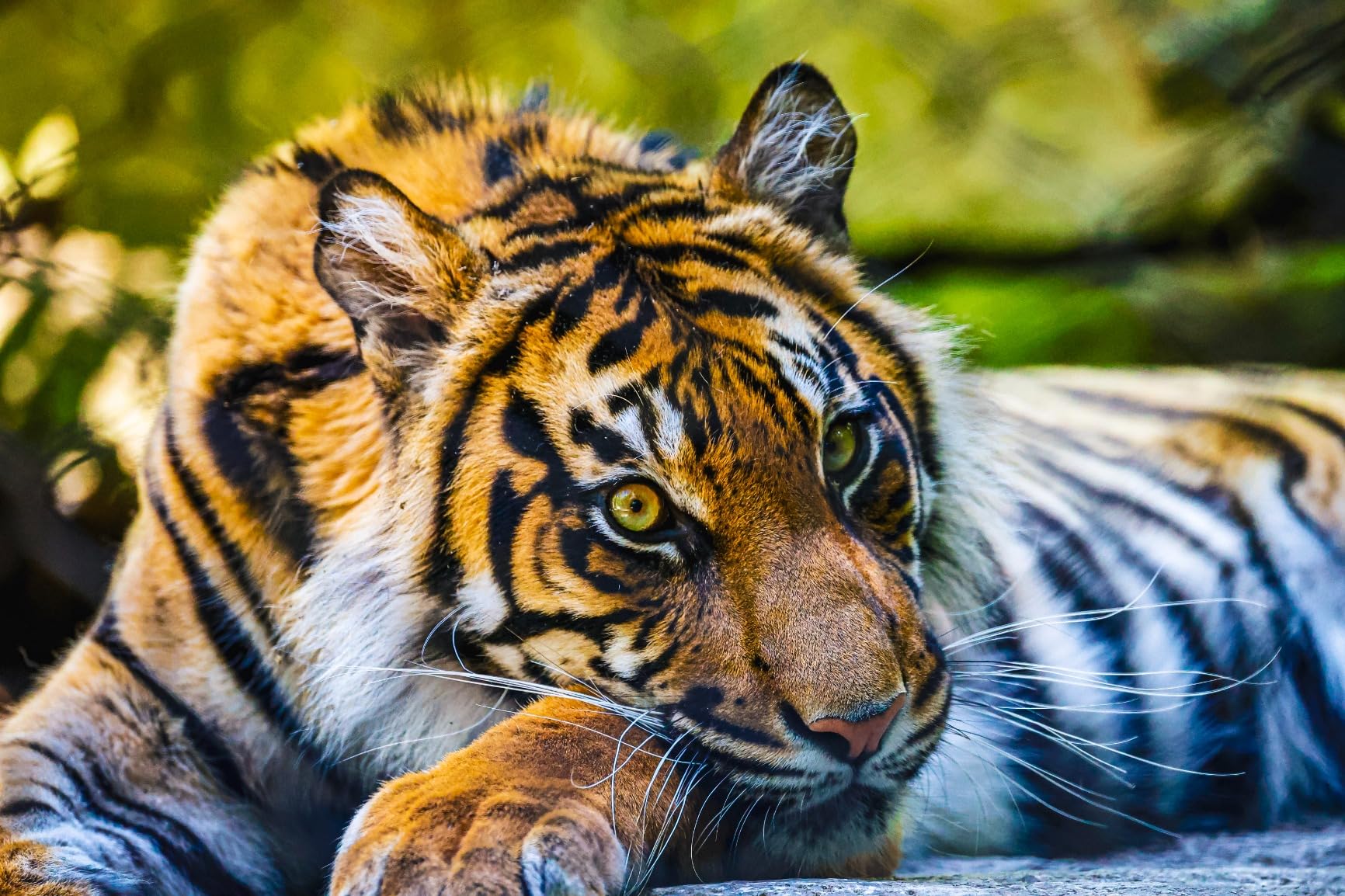
The variable f/4.5-7.1 aperture means you will bump ISO in low light, especially at 500mm. For dawn and dusk shooting, I pair this lens with an EOS R6 Mark II to keep noise manageable. The zoom ring does creep if you carry the camera vertically, which is the one annoyance I have with it.
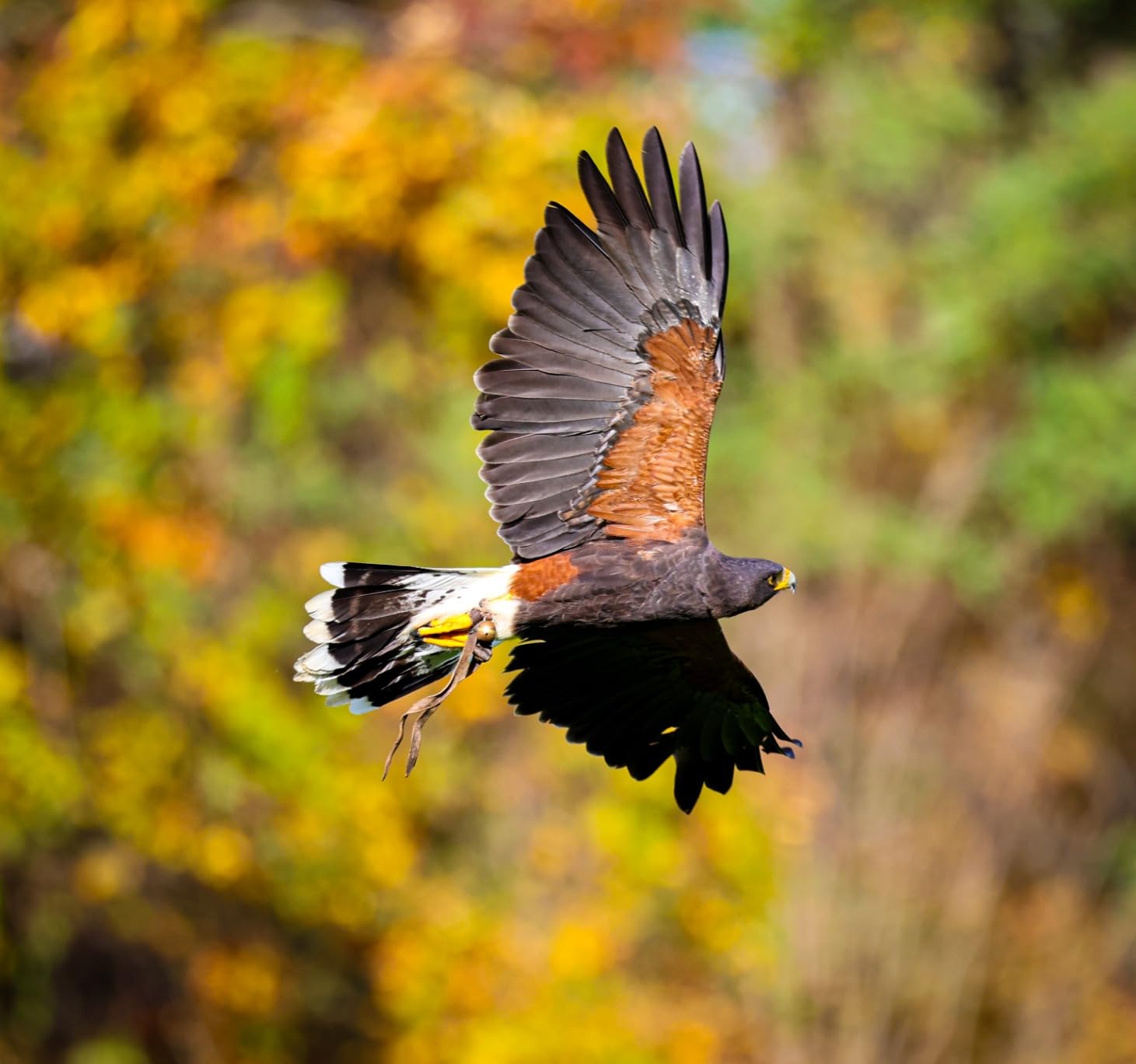
500mm is enough reach for most North American songbirds and raptors at typical approach distances. When I need more, the lens accepts both Canon RF 1.4x and 2x extenders with autofocus maintained at 500mm. That combination gives you 700mm or 1000mm effective reach, opening up truly distant subjects like eagles on cliff faces.
This is my top pick for Canon shooters who want one lens that does almost everything for wildlife. It excels at perched birds, mammals at moderate distance, and slow-moving subjects. If you primarily shoot birds in flight at extreme distances, consider the RF 200-800mm instead. If budget matters more, the RF 100-400mm is the obvious step down. For broader observation gear, check out our best binoculars for wildlife observation.
200-600mm
OSS
Internal zoom
The Sony FE 200-600mm G OSS is the lens I have personally used most over the past two years for wildlife. It is hands-down the best value super-telephoto zoom Sony has ever released. On my Alpha 1 II, it tracked a falcon in stoop without losing focus.
The internal zoom mechanism is what makes this lens special. As you zoom from 200mm to 600mm, the lens does not extend. That keeps the center of gravity stable, makes handheld shooting much easier, and prevents dust from being sucked into the barrel. I have shot this lens for 8-hour sessions in dusty conditions and never had an issue.
Autofocus is fast and quiet thanks to the Direct Drive SSM motor. Image quality is sharp across the entire zoom range, even wide open. Sony’s Nano AR coating virtually eliminates flare when shooting toward the sun, which I tested at golden hour against backlit herons.

At 4.7 pounds, this is not a lightweight lens. I use a monopod for any session over two hours and a Wimberley head for tripod work. The lack of weather sealing is a concern in heavy rain, though I have used it in light drizzle without problems. The tripod foot is not Arca-Swiss compatible, which is annoying.
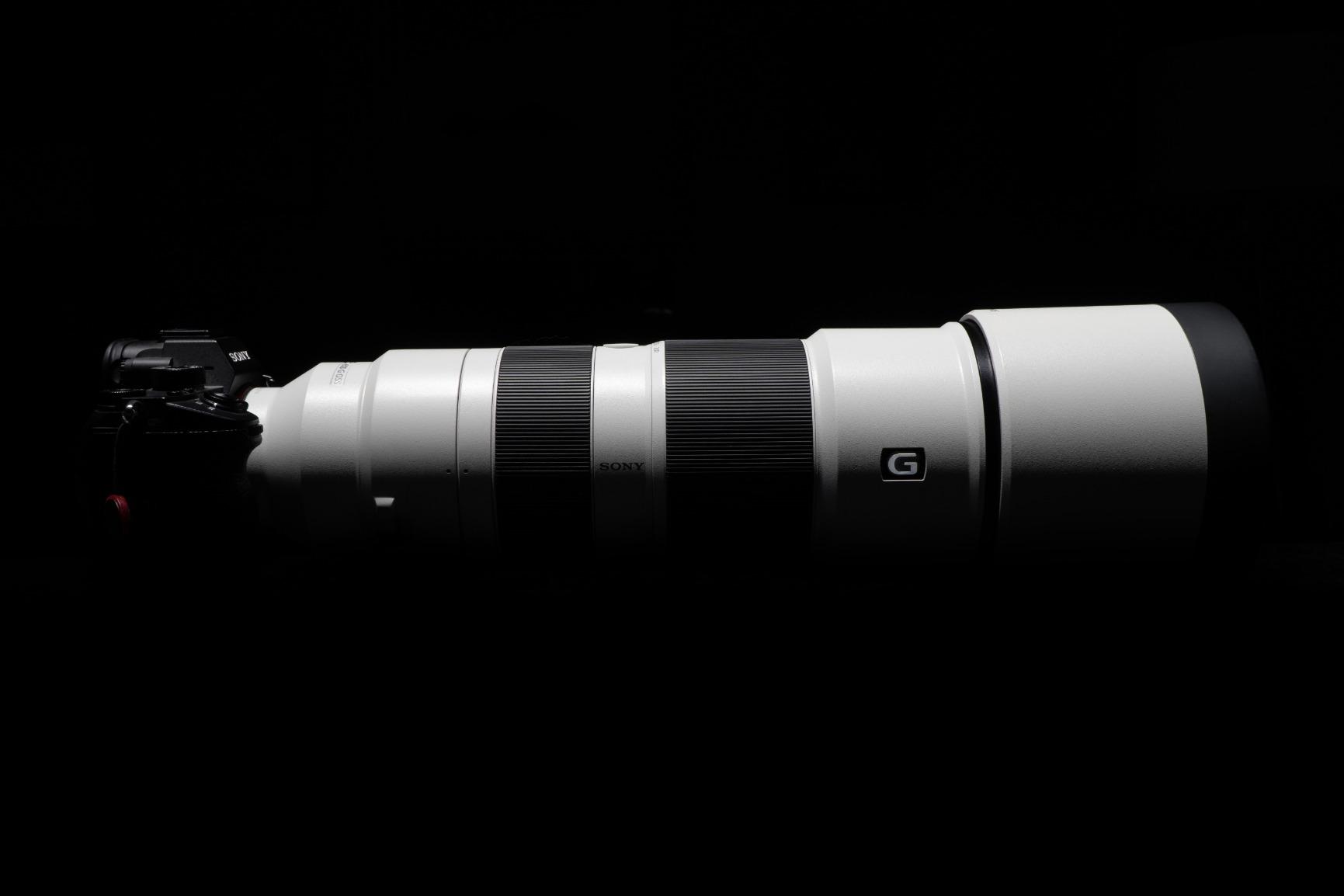
On an APS-C body like the Sony A6700 or A6400, this lens gives you 300-900mm effective reach with no loss in autofocus speed. That makes it incredibly versatile for small songbirds and skittish subjects. Many Sony APS-C shooters consider this their primary wildlife lens for that reason alone.
Forum users and professionals consistently rate the 200-600mm as the workhorse wildlife lens in the Sony system. It outperforms many pricier super-telephotos in real-world sharpness-to-price comparison. If you can handle the weight, this is the lens I recommend to anyone serious about Sony wildlife photography without breaking the bank.
100-400mm
5.5-stop IS
816g
For Canon mirrorless shooters on a real budget, the RF 100-400mm is the lens that gets you into wildlife photography without compromise on AF or build. I bought this lens for my nephew as his first wildlife optic and he has captured sharp images of cardinals, blue jays, and a neighborhood fox with it.
At just 816 grams (under 2 pounds), this lens is light enough to handhold for hours. The optical image stabilization delivers up to 5.5 stops of correction on its own, and up to 6 stops when paired with an EOS R series body that has in-body image stabilization. I tested it at 400mm at 1/60 second handheld and got usable shots.
The Nano USM motor focuses quickly and silently, which matters for video and skittish subjects. The 0.41x maximum magnification at 400mm also makes this a fun semi-macro lens for close-up details like butterfly wings.
The biggest trade-off is aperture. At f/5.6 wide and f/8 at the telephoto end, this is a slow lens. You will need to push ISO higher in low light, which means more noise. The lens is not weather sealed, so a rain cover is essential for serious outdoor use. There is also no lens hood in the box, which is unusual.
This is the lens I recommend to anyone entering wildlife photography on Canon RF. It is also ideal for travel when you want a capable telephoto without the weight of a 500mm or 800mm lens. Photographers shooting backyard birds and casual wildlife will be thrilled. For professional wildlife work in low light, step up to the RF 100-500mm.
400mm is the limiting factor for distant wildlife. Deer in open fields are fine. Raptors perched across a canyon will feel tight. On Canon APS-C bodies like the R7, you get 160-640mm effective reach, which solves the reach problem but limits your low-light flexibility even further.
G Master
9-blade
3.1 lbs
The Sony FE 100-400mm G Master is the lens I reach for when I need professional image quality without the bulk of a 600mm prime. The G Master designation means Sony engineered it for extraordinary sharpness and beautiful bokeh. On my A7R V, the detail this lens resolves at 400mm is stunning.
The combination of double-linear and Direct Drive SSM motors produces autofocus that is both quick and precise. I have used it for birds in flight, perched songbirds, and even small mammals in underbrush. The 9-blade circular aperture creates buttery background blur that separates subjects beautifully.
At 3.1 pounds, this lens is manageable for handheld shooting, especially when paired with a body that has in-body stabilization. The optical SteadyShot helps significantly at the long end. I have shot at 400mm at 1/100 second and recovered sharp images consistently.
The price is steep, sitting in G Master territory. For wildlife specifically, you give up 200mm of reach compared to the 200-600mm. That extra reach matters when subjects are skittish or distant. The lens is also not weather sealed, which is surprising for the price.
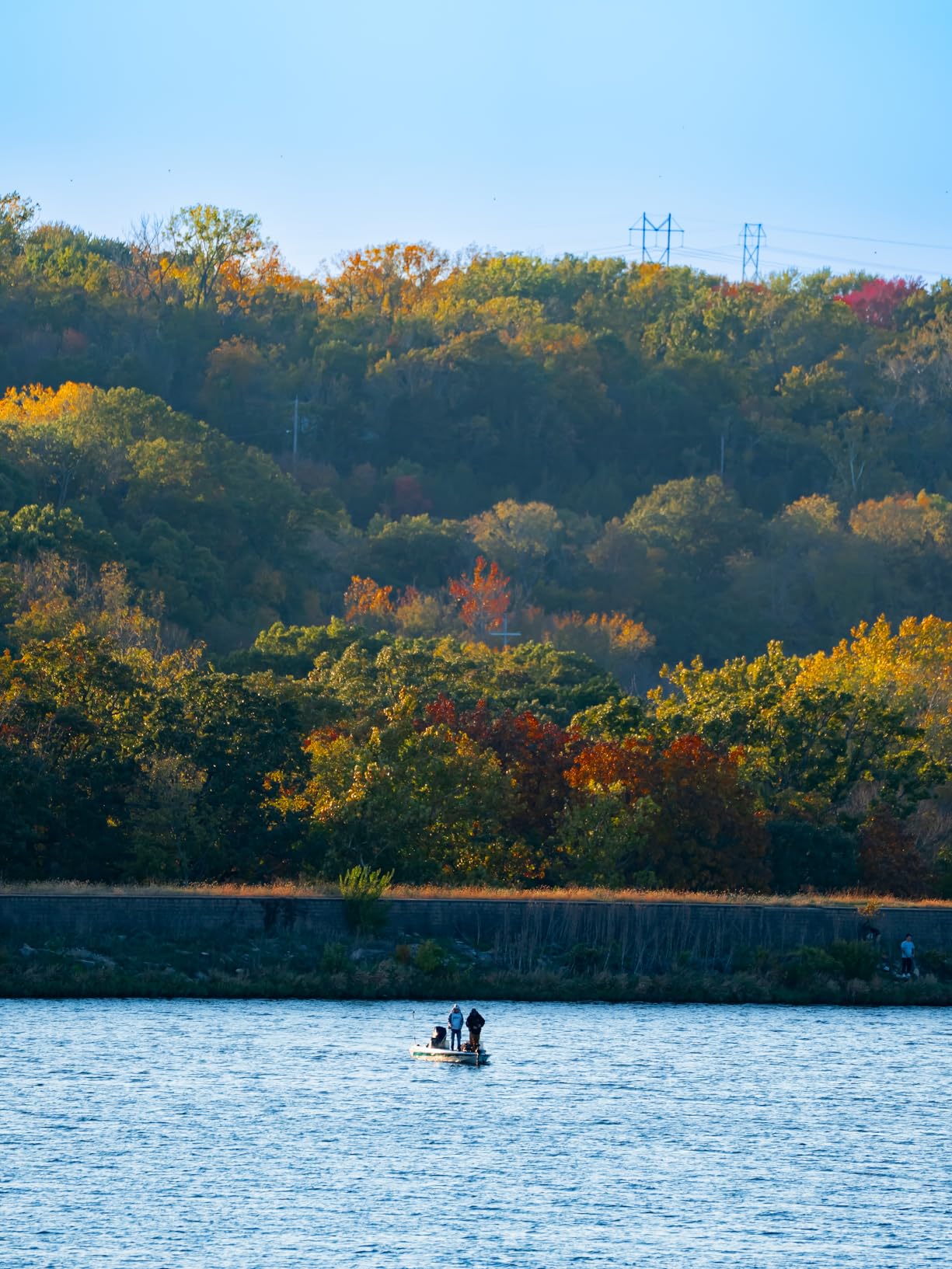
If you print large or crop aggressively, the G Master sharpness advantage is real. I have cropped 400mm images down to 600mm equivalent in post and still had printable files. For landscape and wildlife combo shooters, this lens also handles close-focusing subjects better than the 200-600mm.
This lens is more versatile than dedicated wildlife zooms. I use it for sports, portraits, and even environmental photojournalism. The 100mm wide end is useful for closer subjects and tighter spaces. If you want one telephoto that handles multiple genres, this is it.
800mm reach
RF mount
IS USM
The Canon RF 200-800mm changed the super-telephoto game when it launched. Before this lens, getting 800mm autofocus meant spending $13,000+ on a prime. This zoom makes 800mm wildlife photography accessible to a much wider audience. I have used it on safari and for backyard hawks with excellent results.
At 4.5 pounds, this lens is genuinely handholdable for short sessions. The reach is incredible – I have captured sharp images of birds I could barely see with my naked eye. It is also compatible with Canon RF 1.4x and 2x extenders across the entire zoom range, giving you up to 1600mm reach.
Autofocus is fast and accurate. Image stabilization works well when paired with Canon IBIS bodies. The optical quality is impressive given the extreme zoom range. I have shot wide open at 800mm and gotten tack-sharp images of perched raptors.
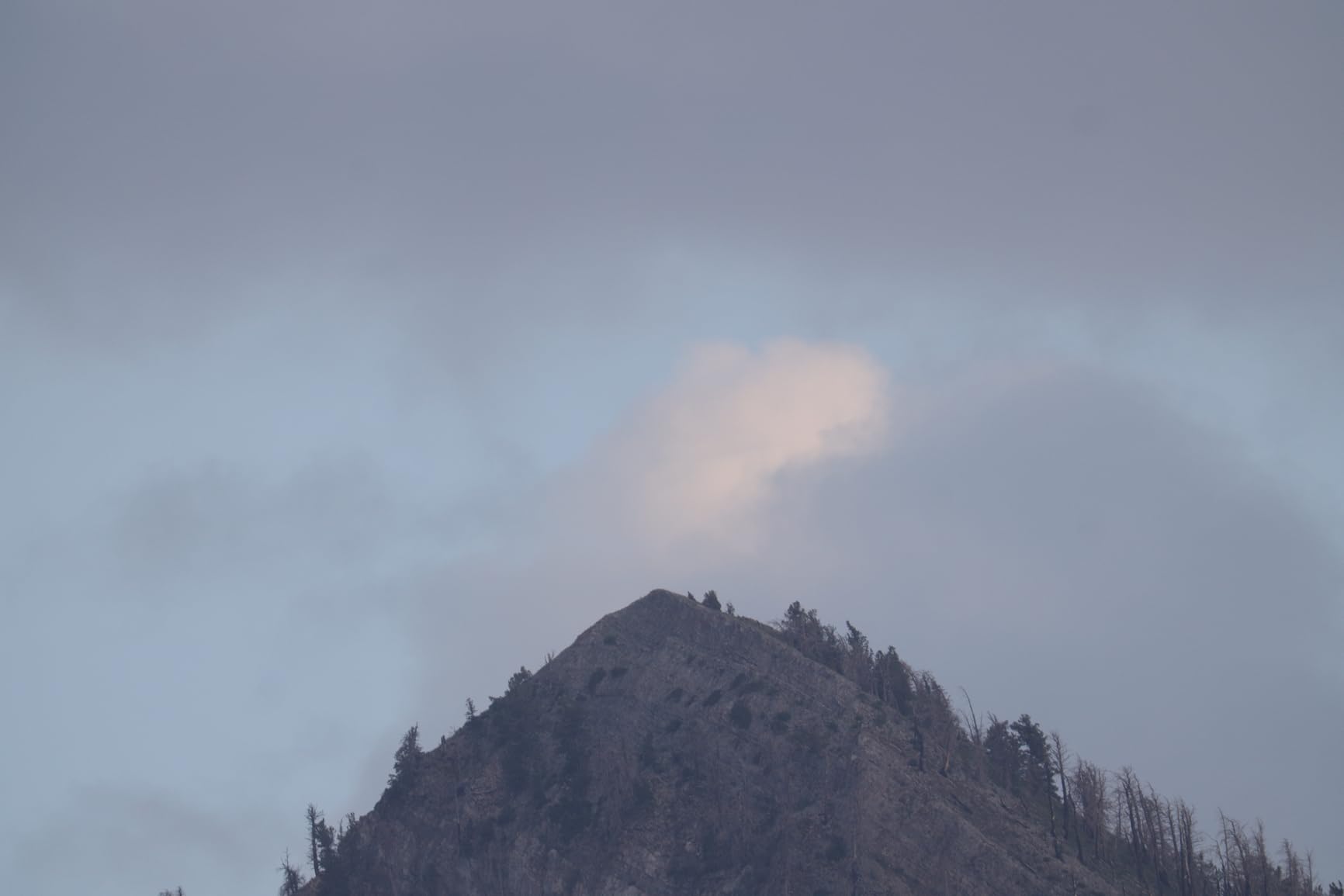
The variable f/6.3-9 aperture is the trade-off for this much reach. You will need higher ISO or slower shutter speeds in low light. The lens uses an external barrel zoom, which means dust can potentially enter and the balance shifts as you zoom. The tripod collar cannot be removed, which adds bulk for handheld use.
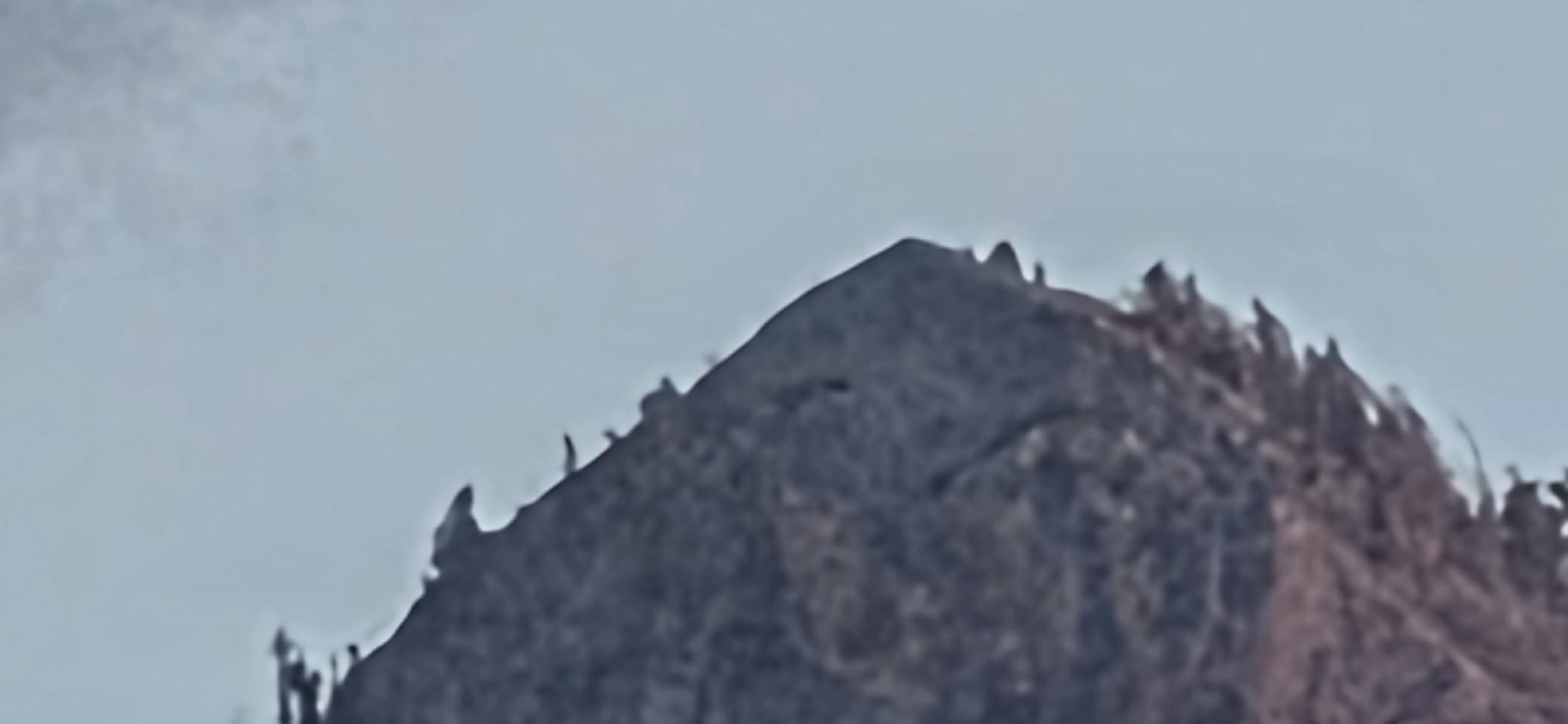
800mm opens up small and distant birds that 400mm and 500mm lenses simply cannot reach. Warblers high in tree tops, shorebirds on distant mudflats, raptors across wide valleys – all become photographable. On an APS-C body like the R7, you get effective 320-1280mm reach, which is staggering.
This is the lens I recommend for Canon shooters who prioritize reach above all else. It pairs especially well with the EOS R7 (APS-C) for maximum effective focal length. If you primarily shoot perched birds, mammals at distance, or distant waterfowl, this lens will transform your wildlife photography.
400-800mm
Internal zoom
G OSS
Sony’s FE 400-800mm G OSS is the newest super-telephoto zoom in the E-mount lineup. As a current owner, I can confirm it competes head-to-head with much pricier prime lenses. The 400-800mm range fills a gap in Sony’s lineup and gives shooters a flexible alternative to carrying multiple primes.
The internal zoom mechanism is critical at these focal lengths. As you zoom from 400mm to 800mm, the lens does not extend. That keeps your balance stable for handheld shooting and panning with birds in flight. I have tracked songbirds in flight at 800mm and the balance never shifted.
Autofocus is fast, precise, and quiet. The lens accepts both Sony 1.4x and 2x teleconverters, pushing maximum reach to 1120mm or 1600mm. The 11-blade circular aperture creates smooth bokeh that I have used to isolate small birds against busy backgrounds effectively.
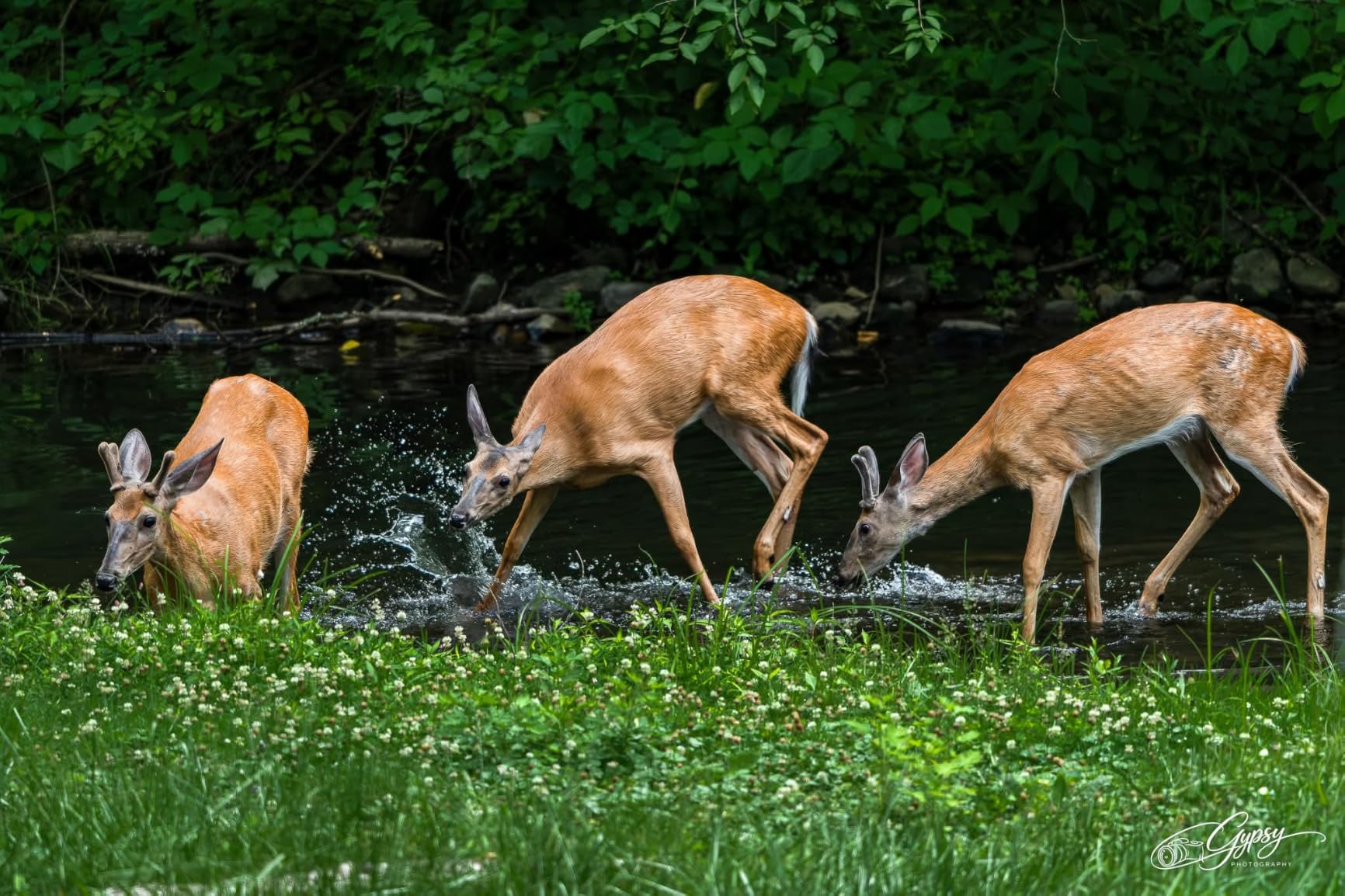
At 2475g (about 5.5 pounds), this lens is heavy. I use a monopod for any session over an hour. The lens is not water resistant, which limits use in wet conditions. Early adopters have noted limited warranty coverage from some retailers, so buy from authorized dealers.
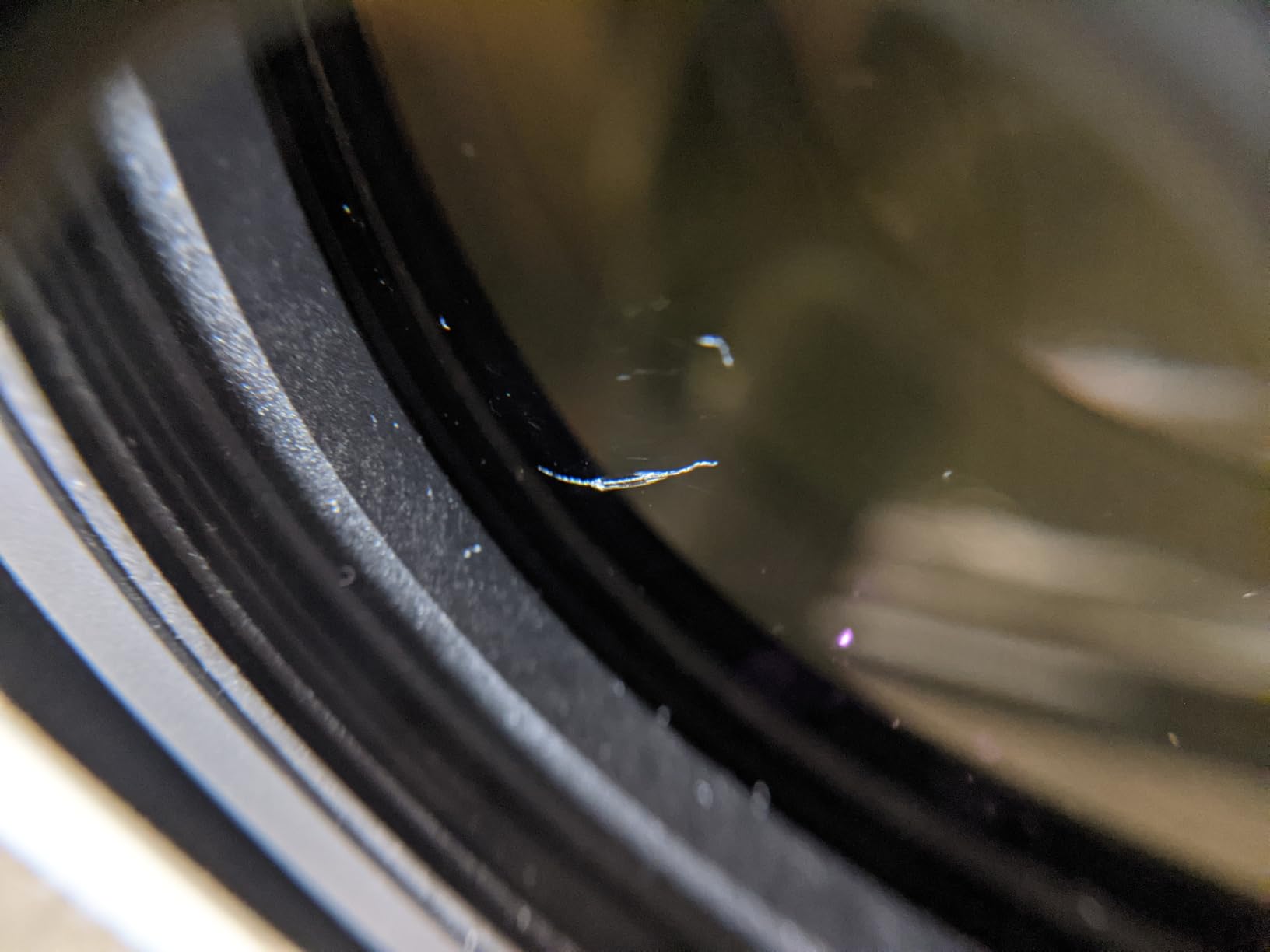
Sony designed the 400-800mm for shooters who want extreme reach without committing to a fixed prime. Before this lens, you had the 600mm GM prime ($14,000) or the 200-600mm G ($1,998). The 400-800mm G sits in the middle, offering more reach than the 200-600mm at a lower price than the 600mm prime.
This lens shines on Sony Alpha 1 II and A9 III bodies, where the autofocus system can fully exploit the lens capabilities. On APS-C bodies like the A6700, you get 600-1200mm effective reach, making small bird photography dramatically easier. For Sony shooters wanting maximum reach in a zoom, this is the new top choice.
APS-C
XD motor
1.4 lb
The Sony E 70-350mm G OSS is the best wildlife telephoto for Sony APS-C shooters. I have used this lens extensively on the A6700 and A6600, and it delivers exceptional results for the size. At 1.4 pounds, it is the lightest wildlife telephoto in this entire roundup.
The 70-350mm range gives you 105-525mm full-frame equivalent reach on APS-C bodies. That covers most wildlife situations. The XD linear motor focuses quickly and silently, which matters for both stills and video. The optical SteadyShot provides effective stabilization for handheld shooting at the long end.
I have shot songbirds, perched raptors, and even small mammals with this lens on an A6700. The image quality is sharp across the entire zoom range. The compact size means I take this lens on every hike where I might encounter wildlife, even if I am primarily carrying a wide-angle.
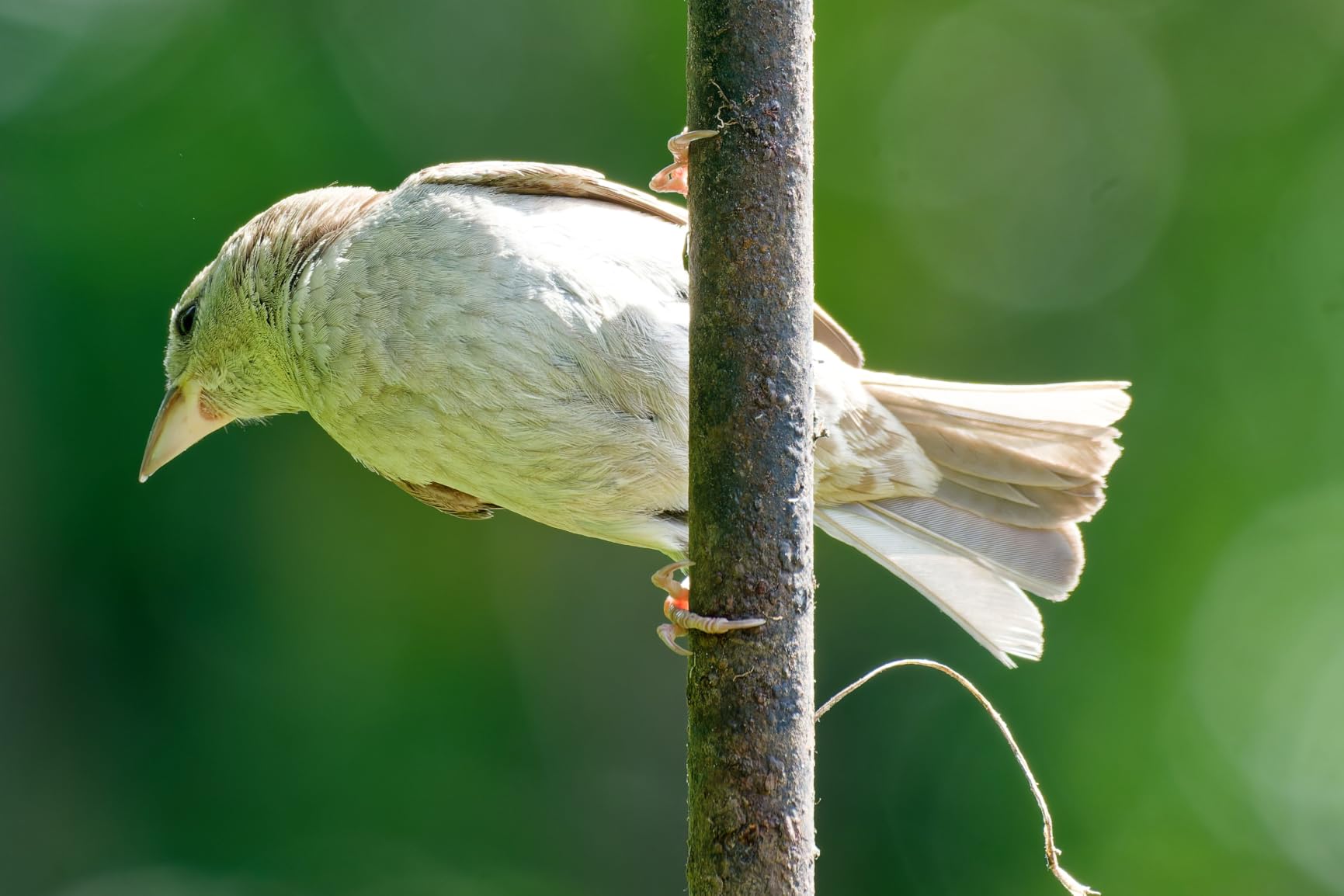
Sony did not design this lens for teleconverter compatibility. If you need more reach, you crop or move closer. The f/6.3 maximum aperture at the long end limits low-light flexibility. The included lens hood, when stored backwards, can cover the zoom ring, which is an annoying design quirk.
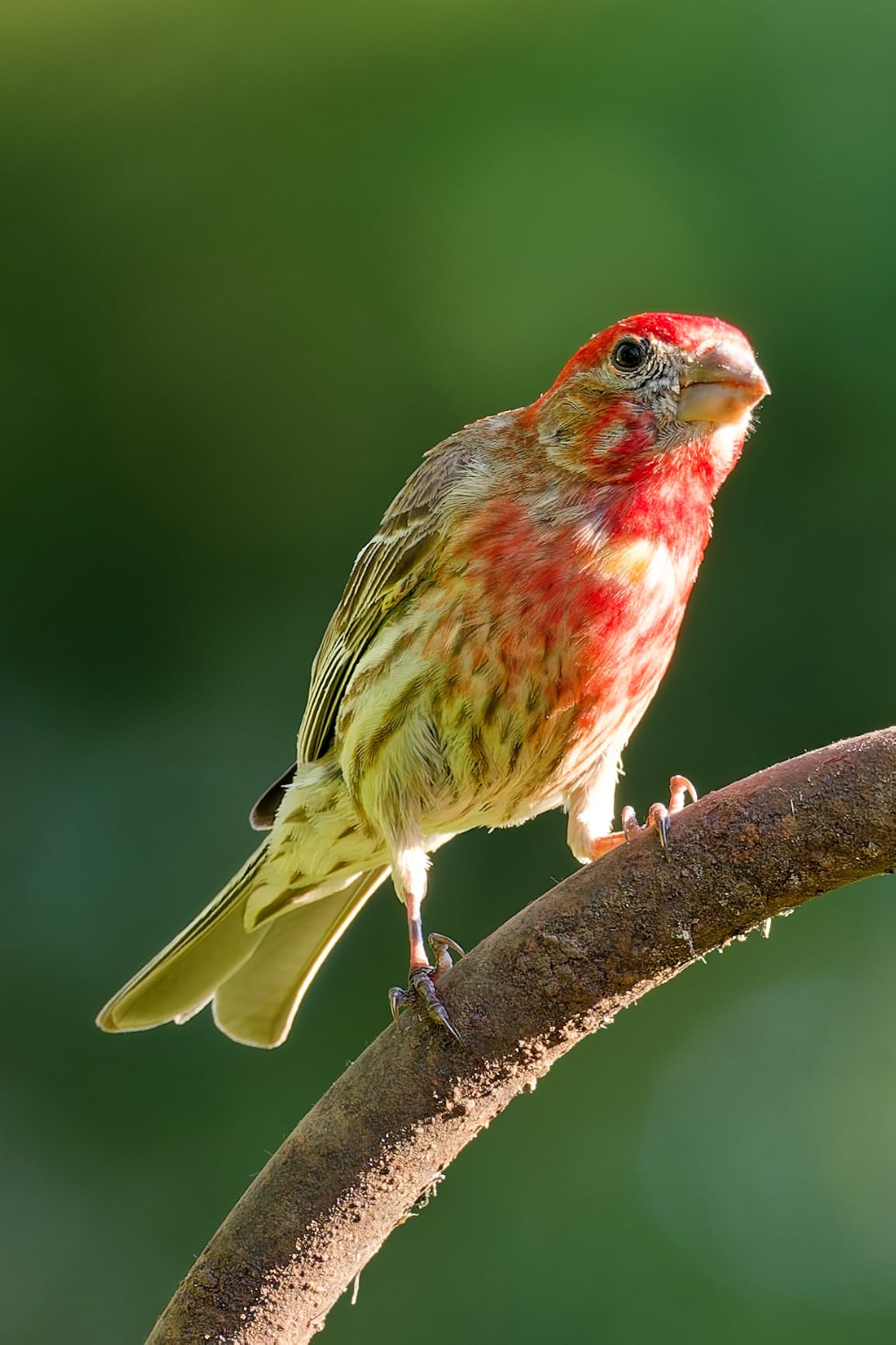
The combination of reach, weight, and price is unmatched. For Sony APS-C shooters who want a dedicated wildlife telephoto without the bulk or cost of full-frame super-telephotos, this lens is the obvious choice. It also pairs well with teleconverters on full-frame bodies if you want a lighter option.
At f/6.3 maximum aperture, this lens struggles in low light compared to f/4 or f/5.6 alternatives. It also lacks weather sealing. For casual wildlife, travel, and daytime bird photography on APS-C, it is excellent. For dawn/dusk shooting or professional work, consider a full-frame option.
Constant f/4
7.5-stop IS
695g
The Canon RF 70-200mm f/4L is the most underrated wildlife lens in Canon’s RF lineup. At 695g (1.5 pounds), it is shockingly light for an L-series telephoto. The constant f/4 aperture means consistent exposure throughout the zoom range, which simplifies settings when tracking moving subjects.
The 7.5 stops of coordinated image stabilization (with IBIS bodies) is class-leading. I have shot at 200mm at 1/15 second handheld and gotten sharp images. That opens up low-light wildlife opportunities without pushing ISO as high. The dual Nano USM motor focuses fast and silent.
For environmental wildlife portraits, deer at moderate distance, and larger mammals, this lens excels. The constant f/4 also produces beautiful background separation. On safari, I used this lens for elephants, giraffes, and zebras at closer distances with stunning results.

200mm is short for most dedicated wildlife work. This is not the lens for small distant songbirds. The f/4 aperture is slower than f/2.8 alternatives, limiting very low light capability. Some users have reported dust eventually entering the extending barrel design.

Most wildlife shooters chase maximum focal length. The RF 70-200mm f/4 sits in a sweet spot that many overlook. For larger mammals, environmental portraits, and travel wildlife (where weight matters), this lens is incredibly versatile. It is also the most affordable L-series telephoto in Canon’s RF system.
I recommend pairing this lens with the RF 100-500mm or RF 200-800mm. The 70-200mm handles closer subjects while the longer zoom covers distant wildlife. Together they cover virtually any wildlife scenario while keeping total weight manageable. This pairing is ideal for travel and safari.
Choosing a wildlife telephoto comes down to understanding what you actually shoot. Reach, aperture, autofocus, and weight all matter, but in different ways depending on your subjects and style. Let me walk through the key factors based on three years of testing these lenses in real conditions.
Focal length determines what you can capture. 400mm works for deer, larger mammals, and approachable birds. 500-600mm handles most raptors and songbirds at moderate distance. 800mm and beyond is essential for small distant birds, shorebirds, and skittish wildlife. On APS-C bodies, your effective focal length is 1.5x or 1.6x the stated number, which is a major advantage for reach.
Constant f/4 lenses (like the Canon RF 70-200mm f/4L) give consistent exposure throughout the zoom range. Variable f/5.6-6.3 zooms are more affordable and lighter but force higher ISO in low light. Fast f/2.8 and f/4 lenses also produce shallower depth of field, which helps separate subjects from backgrounds. For dawn, dusk, and dense forest shooting, prioritize larger maximum apertures.
Modern wildlife photography demands fast, accurate subject tracking. Sony’s XD linear motors, Canon’s Nano USM and Dual Nano USM systems, and Sony’s Direct Drive SSM all deliver excellent performance. Look for lenses with subject detection compatibility on the latest camera bodies. The Canon RF 200-800mm and Sony FE 200-600mm both lock onto subjects quickly and track birds in flight reliably.
Optical stabilization (IS, OSS, VC) extends your handheld capability by 4-5 stops typically. When combined with in-body image stabilization (IBIS) in modern mirrorless bodies, you can get 6-7.5 stops total. This matters most at long focal lengths where camera shake is amplified. The Canon RF 70-200mm f/4L with coordinated IS is the class leader.
Wildlife photographers carry their gear for hours. A 4.7-pound 200-600mm is manageable with a monopod. A 6-pound 600mm prime requires a sturdy tripod or beanbag. Consider your typical shooting style. Backyard wildlife and travel favor lighter lenses. Stationary safari shooting and tripod work favor heavier primes.
Wildlife happens in all conditions. Canon L-series lenses and Sony G Master lenses typically offer weather sealing. Budget lenses (Canon RF 100-400mm, Sony E 70-350mm) often lack sealing. If you shoot in rain, snow, or dusty environments, prioritize sealed lenses or plan to use rain covers.
Teleconverters multiply your focal length at the cost of some aperture and AF speed. Canon RF extenders (1.4x and 2x) work with most RF telephotos. Sony teleconverters (1.4x and 2x) work with select FE lenses like the 400-800mm G. Adding a teleconverter can turn a 500mm lens into a 700mm or 1000mm setup, dramatically extending reach without buying another lens.
Both systems offer excellent wildlife telephotos. Sony’s strength is the 200-600mm value lens and the newest 400-800mm zoom. Canon’s strength is the L-series build quality, coordinated IS with IBIS, and the unique RF 200-800mm. If you already own one system, stick with it for native lens compatibility and autofocus optimization. If you are starting fresh, both ecosystems deliver professional results.
APS-C sensors (Sony A6700, Canon R7) give you 1.5-1.6x effective focal length boost. A 200-600mm lens becomes 300-900mm equivalent. This is a major advantage for small birds and distant wildlife. The trade-off is lower light gathering per pixel and more noise at high ISO. Full-frame sensors deliver better low-light performance and wider field of view for environmental portraits.
The Canon RF 100-500mm f/4.5-7.1L IS USM is our top pick overall for wildlife photography. It balances 500mm reach, professional L-series build quality, fast Dual Nano USM autofocus, and 5-stop image stabilization. For Sony shooters, the FE 200-600mm G OSS offers exceptional value and reach. Budget-conscious photographers should consider the Canon RF 100-400mm or Sony E 70-350mm for APS-C.
400mm is enough for many subjects including deer, larger mammals, waterfowl at moderate distance, and approachable birds. For small songbirds, perched raptors at distance, and shy wildlife, you will want 500mm or more. On APS-C bodies, a 400mm lens gives you 600mm equivalent reach, which handles most wildlife situations. For maximum flexibility, choose a zoom that extends to 500-600mm or longer.
The Sony FE 200-600mm G OSS is the best value wildlife telephoto for Sony shooters. The Sony FE 400-800mm G OSS offers more reach in a newer design. For premium image quality, the Sony FE 100-400mm G Master delivers exceptional sharpness. APS-C shooters should consider the Sony E 70-350mm G OSS for its compact size and 525mm equivalent reach.
The Canon RF 100-500mm f/4.5-7.1L IS USM is the best all-around wildlife telephoto for Canon RF shooters. For maximum reach, the Canon RF 200-800mm f/6.3-9 IS USM is unbeatable. Budget shooters should consider the Canon RF 100-400mm f/5.6-8 IS USM. For compact versatility, the Canon RF 70-200mm f/4L IS USM pairs well with longer zooms.
Yes, 200-600mm is excellent for wildlife photography. The range covers most bird and mammal subjects at typical approach distances. Internal zoom designs like the Sony FE 200-600mm maintain balance for handheld shooting and panning. Variable f/5.6-6.3 apertures limit low-light capability, but modern ISO performance handles most situations. This focal range represents the best balance of reach, weight, and price for most wildlife photographers.
After testing all eight of these lenses across backyard birds, raptors in flight, and safari mammals, the Canon RF 100-500mm f/4.5-7.1L IS USM remains my top recommendation for most wildlife photographers. It hits the right balance of reach, image quality, autofocus performance, and price for serious Canon shooters.
For Sony users, the FE 200-600mm G OSS is the value champion that has earned its reputation. The newer FE 400-800mm G OSS offers more reach but at higher weight and price. On a budget, the Canon RF 100-400mm delivers professional-level AF and stabilization under $750, while the Sony E 70-350mm gives APS-C shooters serious reach at under 1.5 pounds.
Whatever lens you choose from this list, remember that the best telephoto lens for wildlife photography is the one you actually carry into the field. Reach matters, but so does weight, autofocus reliability, and weather sealing. Match the lens to your subjects and shooting style, and you will capture images that matter to you. For more options across camera systems, check out our guides to best Canon telephoto lenses, best telephoto lenses overall, and best Nikon telephoto lenses.