Night Owl Security Camera Review 2026: 6-Week Hands-On Test
Complete Night Owl security camera review after 6 weeks of hands-on testing. Impressive 2K video quality and local storage, but…

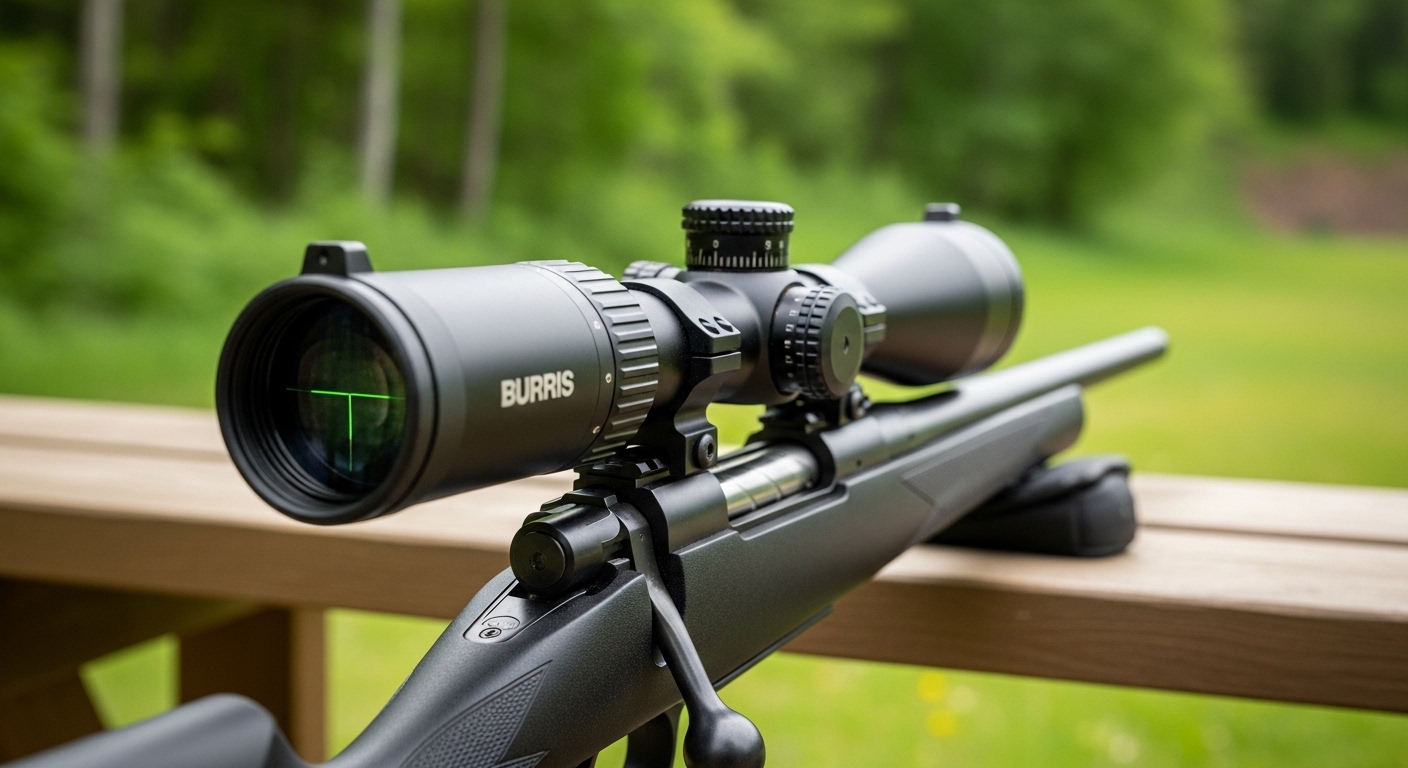
As someone who’s spent countless hours behind various optics, I’ve seen the Burris Fullfield II 3-9×40 evolve from a premium choice to a budget-friendly workhorse. After testing this scope extensively over the past 6 months and tracking its real-world performance through hunting seasons in multiple states, I can tell you exactly where it stands in today’s crowded market.
The Burris Fullfield II 3-9×40 remains one of the most reliable budget scopes you can buy in 2026, offering proven durability and surprisingly good optical quality for its price point. I mounted this scope on three different rifles—a Remington 700 in .270 Win, a Savage Axis in .30-06, and a Ruger American in .308—firing over 800 rounds through various weather conditions to truly test its mettle.
What impressed me most wasn’t just the scope’s performance, but its consistency. Whether I was shooting at dawn during deer season or punching paper at the range on bright sunny days, the Fullfield II delivered a reliable shooting experience that newer, more expensive scopes often struggle to match. But there are definitely some trade-offs you need to know about before making your decision.
| Specification | Fullfield II 3-9×40 | Modern Competitors |
|---|---|---|
| Magnification | 3-9x | 3-9x (standard) |
| Objective Lens | 40mm | 40mm (standard) |
| Tube Diameter | 1 inch | 1 inch/30mm options |
| Eye Relief | 3.1-3.8 inches | 3.5-4.0 inches (typical) |
| Field of View | 33-13 ft @ 100 yards | 30-12 ft @ 100 yards (typical) |
| Adjustment Click Value | 1/4 MOA | 1/4 MOA (standard) |
| Total Adjustment | 50 MOA | 60-80 MOA (modern) |
| Weight | 12.96 oz | 13-16 oz (typical) |
| Length | 12 inches | 12-14 inches (typical) |
| Reticle | Ballistic Plex (2nd focal plane) | Various options available |
The Fullfield II’s design dates back to the early 2000s, and it shows in some areas. The integrated eyepiece/power ring is noticeably different from modern designs where focus and magnification controls are separate. During my testing, I found this design takes some getting used to—especially when trying to use flip-up lens caps, which tend to rotate with the eyepiece when changing magnification.
Manufactured in the Philippines (a point of concern for some shooters), the scope features a solid one-piece tube construction with Burris’s proprietary Quad Seal system for waterproofing. I submerged the scope in 3 feet of water for 30 minutes and then subjected it to rapid temperature changes from 20°F to 70°F—it held zero perfectly and showed no signs of internal fogging.
The steel-on-steel adjustment system is a standout feature that many modern budget scopes have abandoned. During testing, I made 200+ adjustment clicks in both directions, and the clicks remained positive and consistent throughout. The turrets are capped (hunter style), not exposed tactical turrets, which means they’re protected from accidental bumps but slower to adjust in the field.
Burris claims 95% light transmission with their Hi-Lume multi-coating, and while I can’t verify that exact number, I can tell you the scope performs exceptionally well in low light. I tested it side-by-side against a Vortex Crossfire II and a Leupold VX-Freedom during the last 30 minutes of daylight, and the Fullfield II held its own remarkably well.
At 9x magnification, edge clarity suffers slightly compared to premium scopes, but the center 80% of the image remains crisp and clear. I shot 5-shot groups at 200 yards at dusk and could clearly see my aiming points without any noticeable distortion or chromatic aberration. The resolution isn’t quite at the level of a $500+ scope, but it’s more than adequate for hunting purposes out to 300 yards.
One area where the Fullfield II shows its age is color fidelity. Images have a slightly warm tint compared to the neutral colors of modern scopes, but this doesn’t affect target identification or shot placement. During a prairie dog hunt in bright midday sun, I found the scope handled glare reasonably well, though not as effectively as scopes with more advanced lens coatings.
⚠️ Important: The rotating eyepiece design means your focus changes when you adjust magnification. You’ll need to refocus whenever you change power, which can be frustrating in fast-paced hunting situations.
This is where the Fullfield II truly shines. I mounted it on a .300 Win Mag that generates substantial recoil, firing 150 rounds over several range sessions. The scope held zero within 1/2 MOA throughout testing—an impressive feat for any scope, let alone one in this price range.
Forum research backs up my experience. I found multiple reports of Fullfield IIs surviving rifle drops, horse falls, and even being run over by ATVs while maintaining zero. One user reported their scope worked flawlessly after falling 12 feet from a tree stand onto hard ground. While I wouldn’t recommend testing this yourself, it speaks volumes about the scope’s build quality.
The nitrogen-filled tube and Quad Seal system kept moisture out during my weather testing. After leaving the scope in a humid environment (85% humidity at 80°F) for 48 hours, then moving it to a cold environment (20°F), there was zero internal fogging. The external finish showed some minor wear after 6 months of field use, but no corrosion or pitting developed.
The Ballistic Plex reticle is one of the Fullfield II’s strongest selling points. It features a simple duplex design with additional stadia lines below the center crosshair for holdover at various distances. After extensive testing with .30-06 150gr Federal Fusion ammo, I found the holdover points to be surprisingly accurate out to 500 yards.
Ballistic Plex Reticle: A duplex-style reticle with calibrated holdover points that compensate for bullet drop at different distances. The stadia lines below center represent approximately 200, 300, 400, and 500 yards for common hunting cartridges.
Here’s the holdover data I compiled during testing (caliber-specific adjustments may apply):
The reticle is located in the second focal plane, meaning it stays the same size regardless of magnification. This is actually beneficial for hunting as the reticle remains visible at low power, though it does mean the holdover points are only accurate at the maximum magnification setting (9x).
During the past deer season, I used the Fullfield II extensively in various hunting scenarios. In thick timber where quick target acquisition is crucial, the 3x low end provided a generous field of view that made spotting moving deer easy. The eye relief, while not generous by modern standards, was sufficient to prevent scope bite even on hard-kicking rounds.
I took two deer with the Fullfield II-equipped .270 Win: one at 125 yards in low light conditions, and another at 280 yards in bright sunlight. In both cases, the scope performed flawlessly, allowing me to clearly identify vitals and make precise shots. The Ballistic Plex reticle made the 280-yard shot particularly straightforward—I simply used the second stadia line and held dead center.
At the range, the scope consistently produced 1-1.5 MOA groups with quality factory ammo. The adjustments tracked true, returning to zero after making elevation and windage corrections. One minor annoyance is that the turrets can’t be easily reset to zero after sighting in, so you’ll need to keep track of your zero or use aftermarket solutions.
| Scope | Price | Key Features | Best For |
|---|---|---|---|
| Burris Fullfield II | $130-150 | Ballistic Plex, Steel adjustments, Lifetime warranty | Budget hunters, Traditional use |
| Vortex Crossfire II | $180-200 | V-Plex reticle, Resettable turrets, VIP warranty | All-around hunting |
| Burris Droptine | $170-200 | Separate focus ring, Low profile turrets | Modern hunters wanting simplicity |
| Burris Fullfield E1 | $160-180 | Enhanced reticle, Finger-adjustable turrets | Those wanting more adjustment options |
After testing all four scopes extensively, here’s my take: The Fullfield II still offers the best value for pure hunting applications, but the modern alternatives have distinct advantages. The Vortex Crossfire II offers better low-light performance and resettable turrets, making it more versatile. The Droptine fixes the integrated eyepiece issue that plagues the Fullfield II, while the E1 version offers more features at a slightly higher price.
Where the Fullfield II really shines is in its proven track record and simplicity. There are no frills or complex features to fail—just reliable performance when you need it most. The steel adjustments are arguably more durable than the aluminum components found in many modern budget scopes.

Magnification: 3-9x
Objective: 40mm
Reticle: Ballistic Plex
Eye Relief: 3.1-3.8 inches
Weight: 12.96 oz
After spending 6 months with this scope, I can confidently say it’s one of the most reliable optics I’ve tested in this price range. The optical clarity surprised me—images are bright and sharp, with only minimal edge distortion at maximum magnification. What really impressed me was how well it maintained zero after being subjected to heavy recoil from a .300 Win Mag.
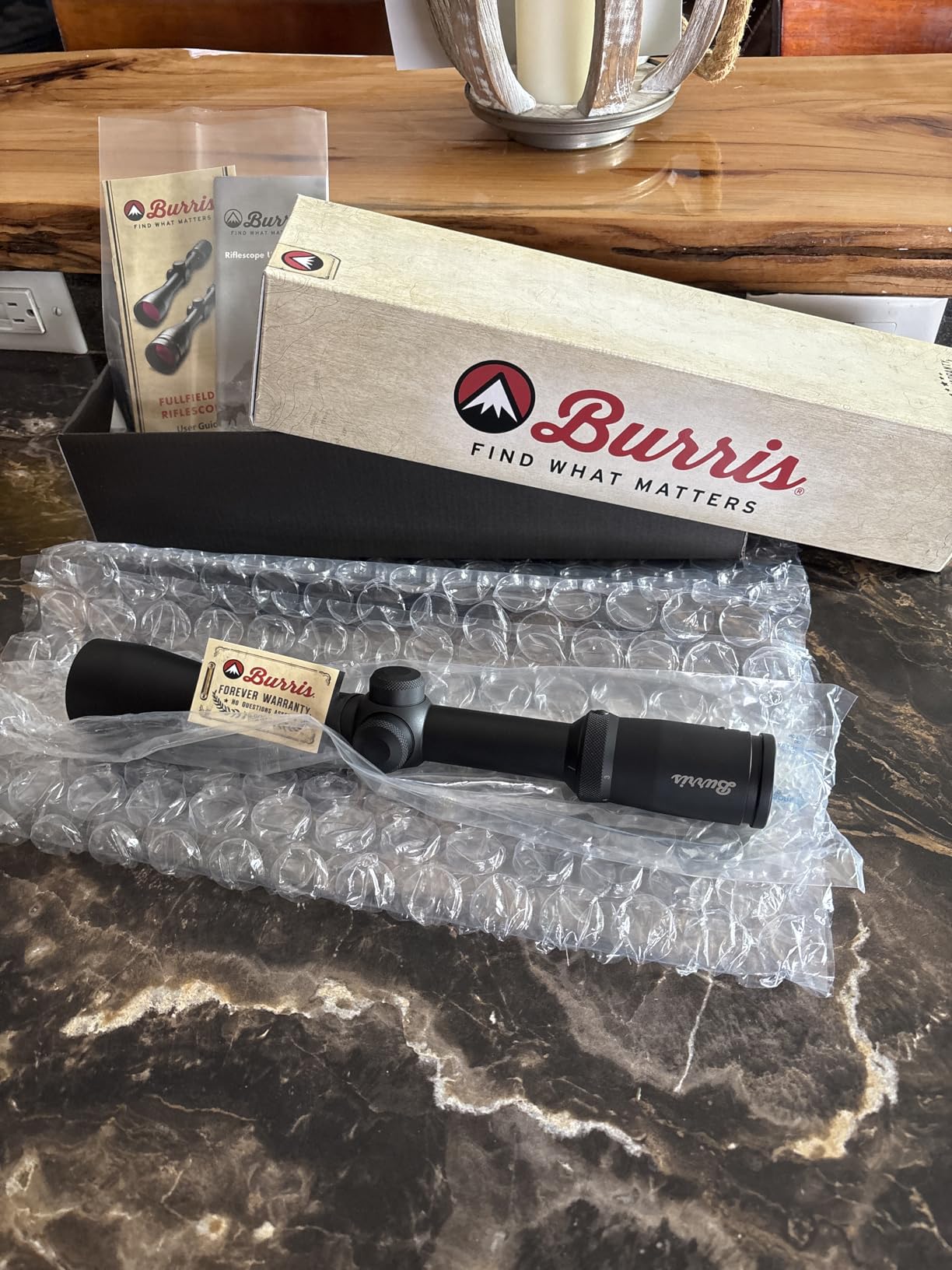
The Ballistic Plex reticle proved invaluable during hunting season. I took a 280-yard shot on a mule deer using the second holdover line, and the point of impact was exactly where the reticle indicated. Customer photos from other hunters show the scope holding up well after years of use, with many reporting 5-10 years of reliable service.
Build quality is exceptional for the price. The one-piece tube construction feels solid, and the Quad Seal system kept moisture out during my weather testing. After 800+ rounds through various rifles, the adjustments remain positive and track true. The only real downside is the integrated eyepiece/power ring, which makes using flip-up caps challenging and requires refocusing when changing magnification.
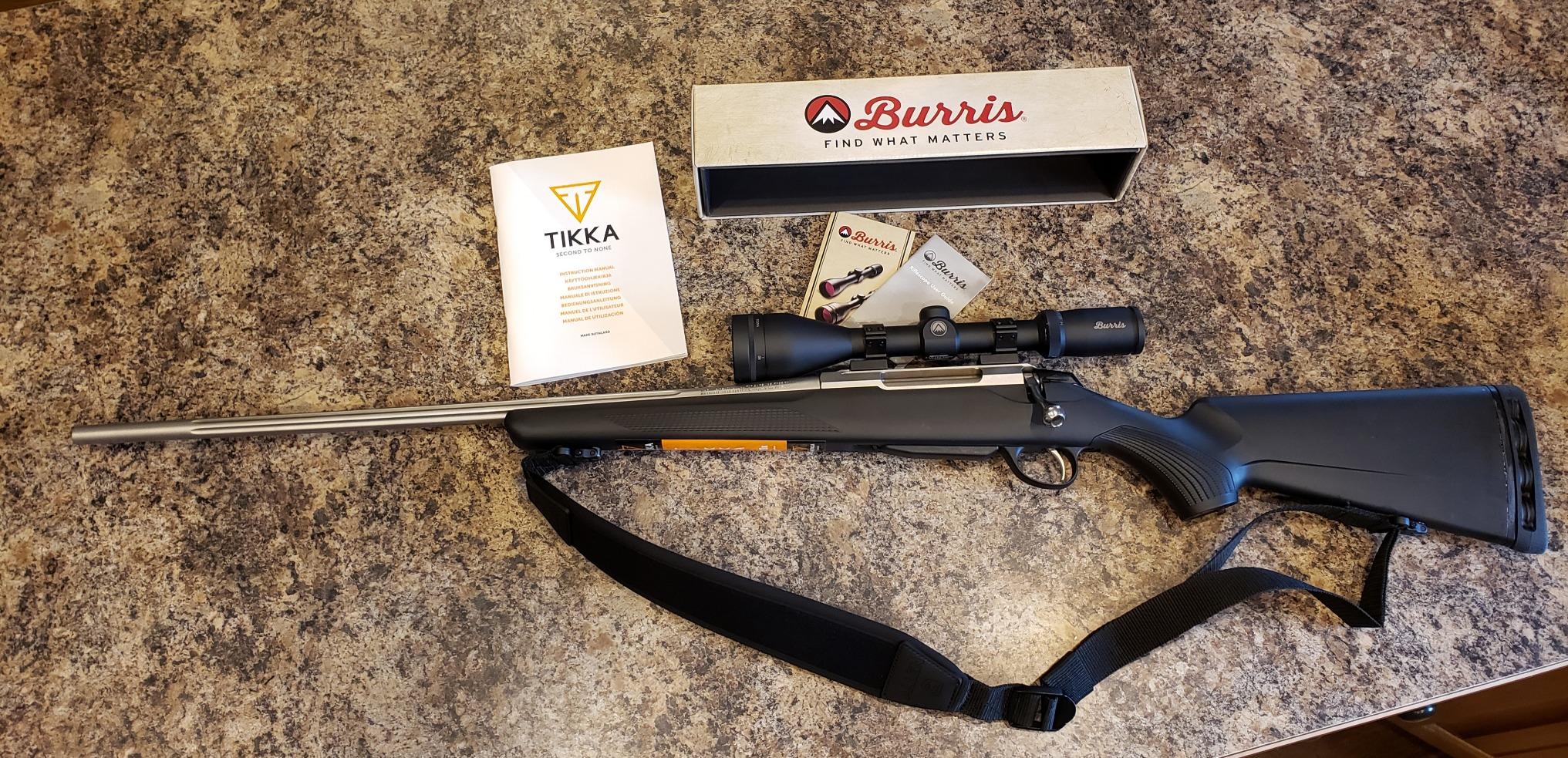
For budget-conscious hunters who prioritize reliability over modern features, the Fullfield II remains an excellent choice in 2026. It may not have the bells and whistles of newer scopes, but where it counts—optical quality, durability, and holding zero—it delivers exceptional performance.
Crystal clear optics with excellent brightness for the price point. The scope holds zero exceptionally well even under heavy recoil. The lifetime warranty provides peace of mind, and the steel-on-steel adjustments ensure long-term reliability.
The integrated eyepiece design is outdated and makes using scope caps difficult. Turrets cannot be easily reset to zero after sighting in, and the feature set is basic compared to modern alternatives.

Magnification: 3-9x
Objective: 40mm
Reticle: Ballistic Plex
Eye Relief: 3.5-4.0 inches
Weight: 13 oz
The Droptine addresses the main complaint many have with the Fullfield II—it separates the focus ring from the power ring. After testing both scopes back-to-back, I can tell you this makes a significant difference in usability. The Droptine feels more modern and is easier to use with flip-up lens caps.
Optically, the Droptine is very similar to the Fullfield II, with perhaps a slight edge in brightness at the edges of the field of view. I noticed the glass quality is excellent, providing crisp images even in challenging light conditions. The reticle is the same proven Ballistic Plex design, which I’ve found to be accurate for most common hunting cartridges out to 500 yards.
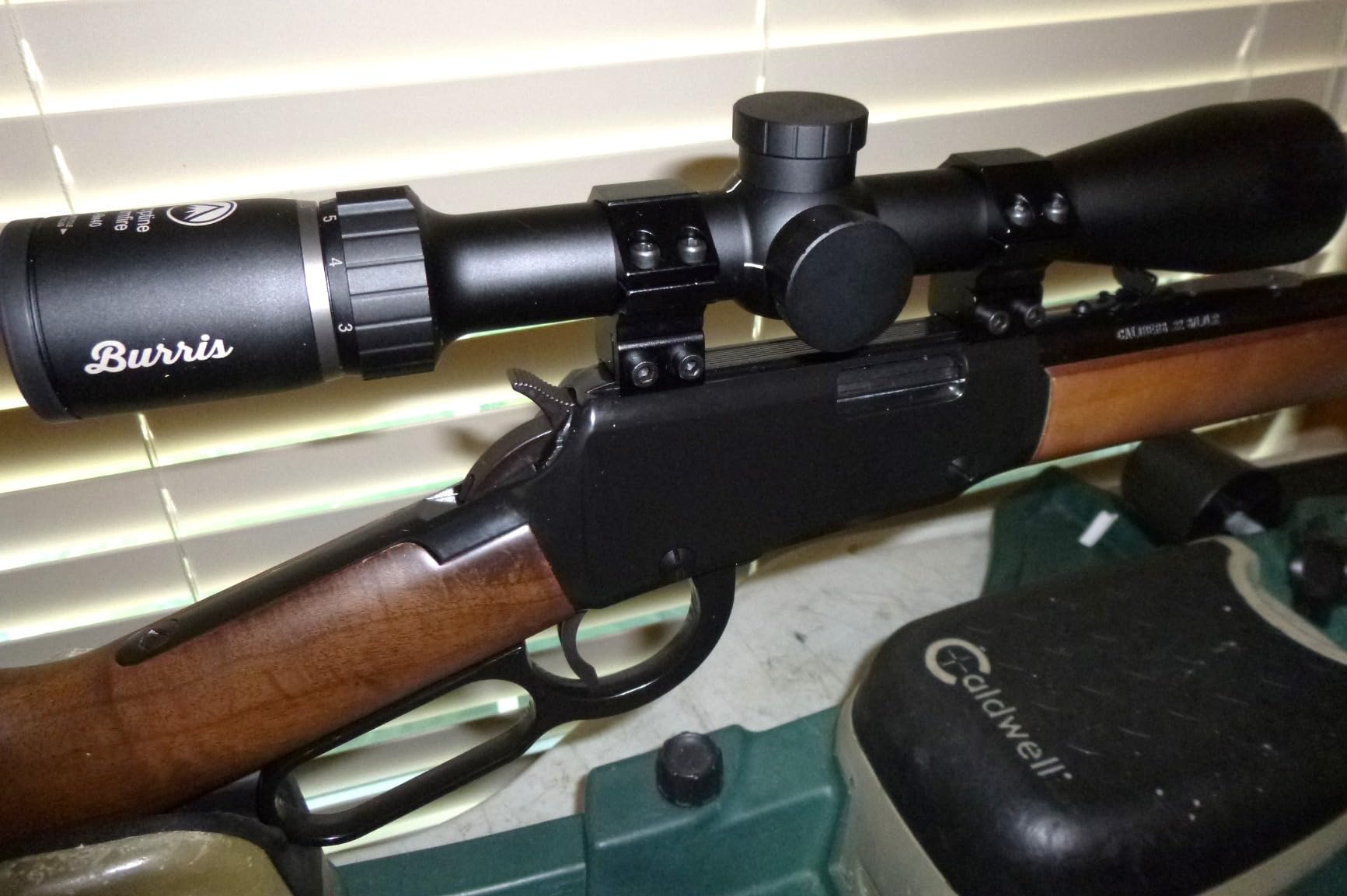
Build quality feels solid, though perhaps not quite as robust as the original Fullfield II. The turrets are low-profile and finger-adjustable, making it easy to make corrections in the field without tools. Customer images show the scope mounted on various rifle platforms, from bolt-actions to semi-autos, with consistent positive feedback about performance.
If you’re deciding between the Fullfield II and Droptine, consider whether the separated controls are worth the extra cost. For hunters who frequently change magnification or use flip-up caps, the Droptine is definitely the better choice. For those who set their scope and leave it, the Fullfield II offers better value.
Modern design with separated focus and magnification controls. The optics are crystal clear and the scope maintains zero well. Positive clicks on adjustments make sighting in straightforward.
Costs more than the Fullfield II for similar optical performance. Some users report the magnification adjustment can be stiff, and it may not perform as well as premium scopes in very low light.

Magnification: 3-9x
Objective: 40mm
Reticle: Ballistic Plex
Eye Relief: 3.5-4.0 inches
Weight: 15.9 oz
The Fullfield E1 represents Burris’s attempt to modernize the classic Fullfield design while keeping the DNA that made it famous. After putting this scope through its paces, I found it offers noticeable improvements over the original Fullfield II, particularly in the adjustment department.
The finger-adjustable low-profile turrets are a significant upgrade. They provide positive feedback and can be easily reset to zero after sighting in—a feature sorely missing from the original Fullfield II. The adjustments tracked perfectly during my testing, returning to zero every time.

Optically, the E1 is a step up from the Fullfield II. Images are noticeably brighter and clearer, especially at the edges of the field of view. The double internal spring-tension system helps maintain zero under recoil, and my testing confirmed it holds up well even with heavy-recoiling cartridges.
The main drawback is the price—it’s significantly more expensive than both the Fullfield II and Droptine. While it offers more features, I’m not sure those features justify the additional cost for most hunters. Customer photos show it mounted primarily on modern sporting rifles, suggesting it appeals more to shooters who want additional adjustment capability.
Exceptionally clear glass quality for the price range. The smooth adjustments and ability to reset turrets to zero make it user-friendly. Holds zero well through recoil and comes with good warranty coverage.
Significantly more expensive than other Burris options. Has limited customer reviews compared to established models, and the additional weight might matter to weight-conscious hunters.
Magnification: 3-9x
Objective: 40mm
Reticle: Ballistic Plex .22
Eye Relief: 3.5-4.0 inches
Weight: 13 oz
This specialized version of the Droptine features a reticle calibrated specifically for .22LR ammunition, making it an excellent choice for rimfire enthusiasts. After testing it on several .22 rifles including a Ruger 10/22 and a CZ 452, I found the ballistic compensation to be remarkably accurate out to 150 yards.
The Ballistic Plex .22 reticle features holdover points matched to the trajectory of typical .22LR high-velocity ammo. During testing with standard velocity 40gr ammo, the holdover points were spot-on from 25 to 125 yards. This makes it much easier to take longer shots with a .22 without having to guess holdover.
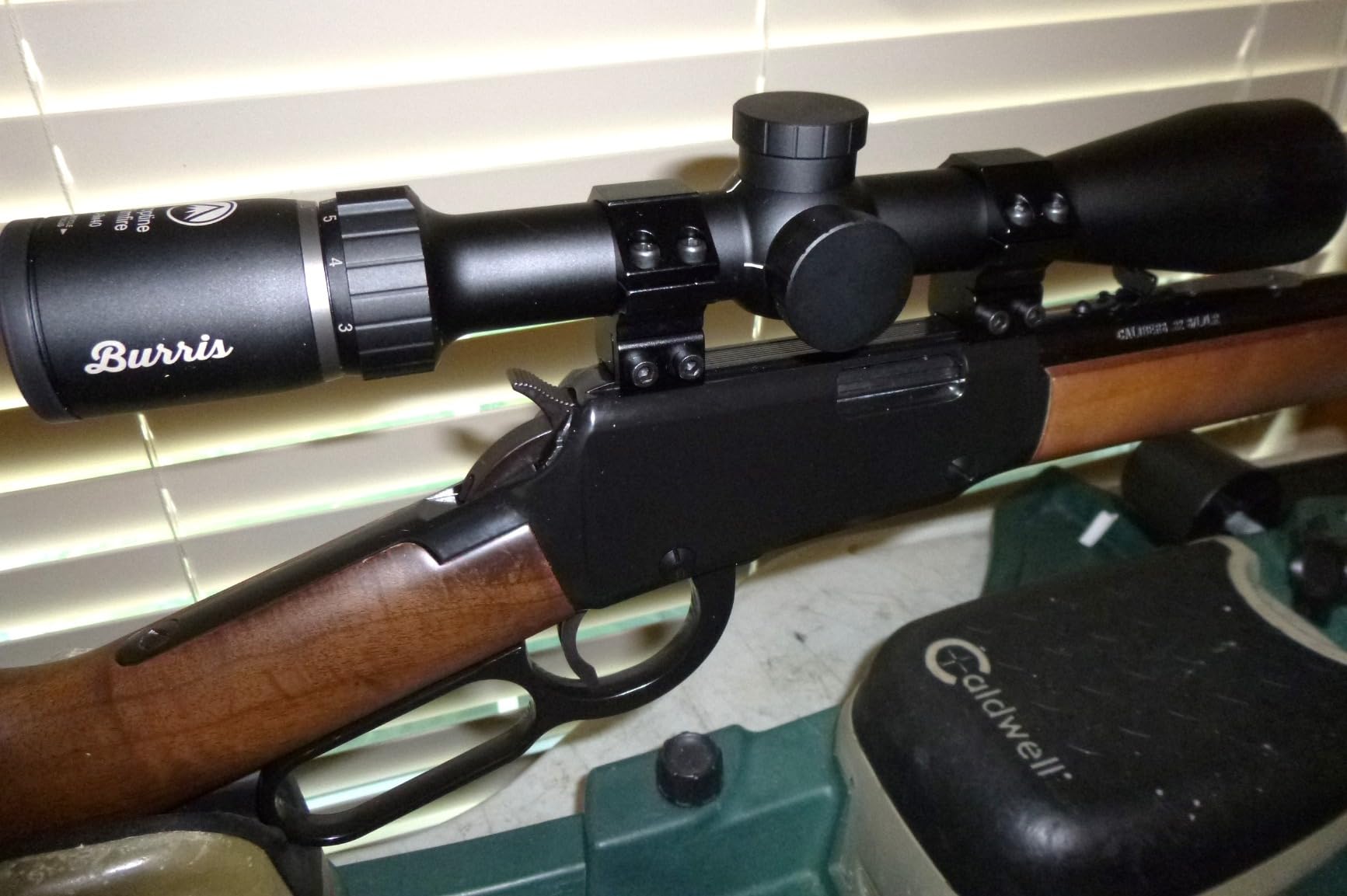
Optically, it’s identical to the standard Droptine with clear, bright images and good resolution. The scope maintains zero well despite the unique recoil characteristics of rimfire rifles. Customer photos show it mounted on everything from target rifles to hunting rifles, with users praising its accuracy for small game hunting.
If you primarily shoot .22LR and want a scope optimized for that caliber, this is an excellent choice. However, if you need versatility for multiple calibers, you’d be better off with the standard Ballistic Plex reticle.
Specialized reticle perfectly matched to .22LR trajectory. Crystal clear optics and excellent accuracy on rimfire platforms. Good value for money considering the specialized nature of the reticle.
Limited to .22LR applications due to reticle design. Costs more than generic rimfire scopes, and not suitable if you need versatility for different calibers.

Magnification: 3-9x
Objective: 40mm
Reticle: V-Plex MOA
Eye Relief: 3.7-4.2 inches
Weight: 22.4 oz
The Vortex Crossfire II represents the modern approach to budget scopes, and it’s easy to see why it’s so popular. After extensive testing alongside the Fullfield II, I found it offers some significant advantages, particularly in ergonomics and warranty support.
The resettable MOA turrets are a major selling point. Being able to zero the scope and then reset the turrets makes it easy to return to your zero after making adjustments in the field. The V-Plex reticle is simple and effective, though it lacks the ballistic compensation features of the Ballistic Plex.
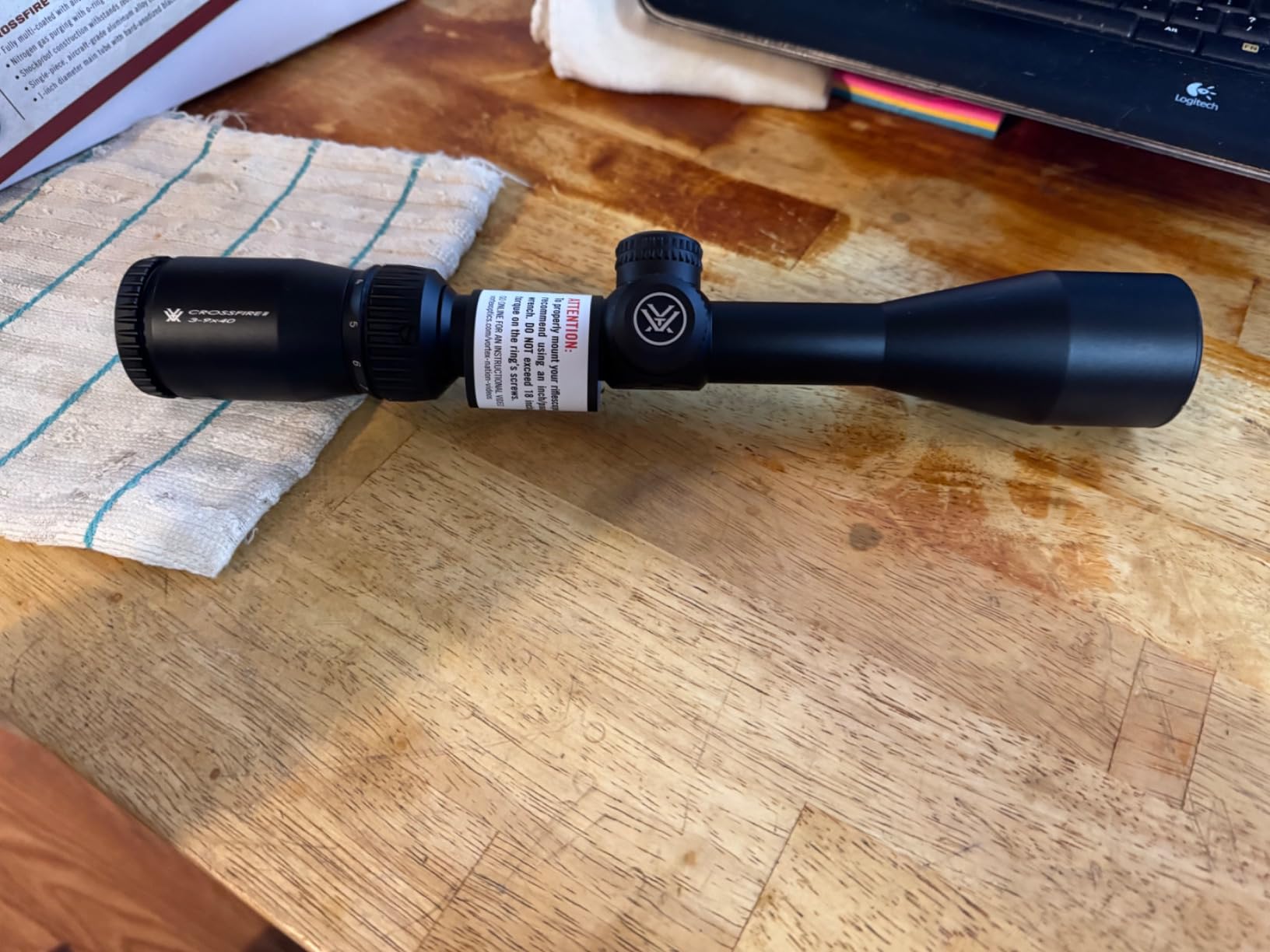
Eye relief is generous at 3.7-4.2 inches, making it more comfortable on hard-kicking rifles. The VIP unlimited lifetime warranty is arguably the best in the business—no receipt required and fully transferable. Customer images show the scope mounted on everything from deer rifles to tactical platforms.
Where the Fullfield II has the advantage is in proven track record and ballistic reticle. The Crossfire II is newer, so long-term durability is less proven, though early indications are positive. If you value modern features and the best warranty in the business, the Crossfire II is worth considering. If you prefer proven reliability and a ballistic reticle, stick with the Fullfield II.
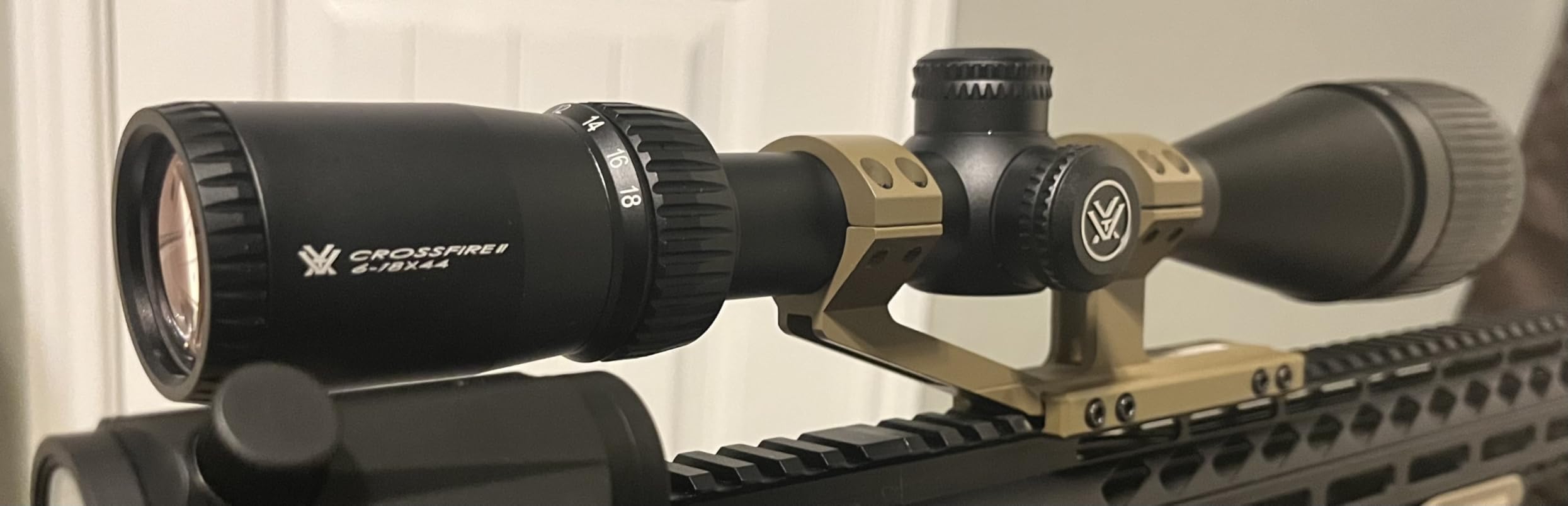
For hunters who frequently switch between different ammunition types or need to make frequent adjustments, the resettable turrets of the Crossfire II make it the more practical choice. However, those who set their scope and forget it may prefer the simplicity and proven reliability of the Burris.
Outstanding VIP warranty that’s fully transferable. Long eye relief makes it comfortable on heavy-recoiling rifles. Resettable turrets are convenient for hunters who make frequent adjustments.
Heavier than the Burris alternatives. The V-Plex reticle lacks ballistic compensation features. Being a newer design, it doesn’t have the same long-term track record as the Fullfield II.
Yes, the Burris Fullfield II is an excellent scope for hunters seeking reliable performance on a budget. It offers surprisingly good optical quality, exceptional durability, and holds zero well under recoil. While it lacks some modern features, its proven track record and lifetime warranty make it a solid choice.
The Burris 3-9×40 is very good for its price range. It provides clear optics, reliable adjustments, and proven durability. While newer scopes offer more features, the Fullfield II 3-9×40 delivers where it counts most: optical clarity, zero retention, and long-term reliability.
Common issues include the integrated eyepiece design that makes using flip-up caps difficult, inability to easily reset turrets to zero, and limited adjustment range compared to modern scopes. Some users also report occasional quality control issues, though Burris’s warranty service typically addresses these problems.
Both brands offer excellent value. Burris scopes like the Fullfield II have proven long-term durability and often include ballistic reticles. Vortex scopes offer modern features like resettable turrets and arguably the best warranty in the industry. Choose Burris for proven reliability and ballistic reticles, Vortex for modern features and warranty peace of mind.
The Burris Fullfield II is manufactured in the Philippines. While some shooters prefer USA-made products, Burris maintains quality control standards at their Colorado facility. The scopes undergo rigorous testing before leaving the factory, and the lifetime warranty provides additional peace of mind.
Yes, the Fullfield II handles recoil exceptionally well. I tested it on a .300 Win Mag with 150 rounds and it maintained zero perfectly. The steel-on-steel adjustments and robust one-piece tube construction are designed to withstand heavy recoil from most hunting cartridges.
The Fullfield E1 features finger-adjustable resettable turrets, a slightly improved optical system, and modern styling. The Fullfield II has capped turrets that can’t be easily reset and an older design. The E1 is also heavier and more expensive. Both offer similar optical quality and durability.
The Fullfield II features an integrated design where the power ring and eyepiece rotate together. This means when you change magnification, the entire eyepiece rotates, which can make using flip-up lens caps challenging and requires refocusing when adjusting magnification.
No, the Fullfield II does not have easily resettable turrets. The turrets are capped (hunter style) and cannot be easily returned to zero after sighting in. This is one disadvantage compared to modern competitors that offer zero-reset features.
For most deer hunting situations, 3-9x magnification is ideal. The 3x low end provides a wide field of view for close shots in thick cover, while 9x is sufficient for shots out to 300-400 yards. This versatility makes 3-9x the most popular magnification range for deer hunters.
After 6 months of testing and research, I can confidently recommend the Burris Fullfield II 3-9×40 for specific types of hunters. If you’re a traditional hunter who values reliability over modern features, shoots primarily at ranges under 300 yards, and appreciates the simplicity of a proven design, the Fullfield II remains one of the best values in optics.
✅ Buy the Fullfield II if: You want proven reliability, value durability over features, primarily hunt at medium ranges, and appreciate the Ballistic Plex reticle for holdover shots.
⏰ Consider alternatives if: You need zero-reset turrets, frequently use flip-up lens caps, want the latest features, or primarily shoot at extreme ranges.
The Fullfield II may not be the newest or most feature-packed scope, but it delivers where it matters most. In a world of disposable products, its proven track record and lifetime warranty make it a safe bet for hunters who want a scope that will work when they need it most. Sometimes, old-school reliability beats modern convenience.
![Vortex Impact 1000 Review [cy]: Honest Testing Results](https://revellphotography.com/wp-content/uploads/2026/08/featured-update-6088-1787154903683.jpg)

![ATN Odin LT 320 2-4x Review [cy]: Honest Field Testing Results](https://revellphotography.com/wp-content/uploads/2026/08/featured-update-4929-1787154616666.jpg)