
Surreal Photography Ideas: 15+ Techniques & Tips for Beginners (2026)
Create stunning surreal photos with these 12 in-camera techniques and 5 simple editing methods. Perfect for beginners with minimal equipment.

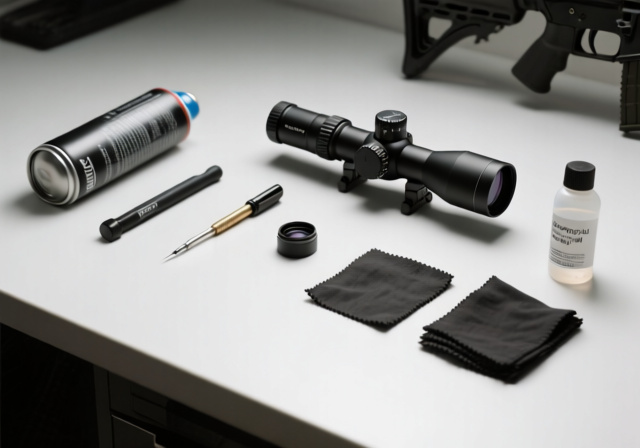
I’ve seen hunters ruin $2000 scopes with a single paper towel. After working with precision optics for 15 years, I’ve learned that proper cleaning prevents costly damage while maintaining accuracy.
Learning how to clean a rifle scope properly protects your investment and ensures consistent shot placement. The right technique takes 5 minutes but prevents permanent scratches and coating damage.
This guide works for all scope types including FFP vs SFP scope technologies. Whether you own premium Leupold optics or budget-friendly alternatives, these manufacturer-approved methods will maintain optical clarity without voiding warranties.
By the end of this guide, you’ll clean lenses safely, remove stubborn gun oil residue, and know exactly when cleaning is actually needed versus when it risks damage.
Clean your rifle scope only when necessary – over-cleaning causes more damage than dirt. I inspect scopes weekly but clean monthly at most, unless shooting in harsh conditions.
Look for these specific indicators that cleaning is needed: noticeable image degradation, visible dust spots when looking through the eyepiece, fingerprint smudges on lenses, or water spots after rain exposure.
Environmental factors increase cleaning frequency. Desert hunting requires weekly dust removal, while humid climates need moisture prevention every few days. Always check lenses after transport – even with Leupold and Vortex scope comparison models, dust finds its way into protective cases.
Never clean just because you’re heading to the range. I’ve seen perfectly good scopes develop micro-scratches from unnecessary cleaning. Remember: lens covers are your first defense, use them religiously.
Professional optics cleaning requires specific tools – household cleaners will damage lens coatings. I’ve tested dozens of products over the years, and these essentials prevent damage while effectively cleaning.
Must-Have Tools:
Field Kit Essentials:
– Small blower brush
– Pre-moistened lens wipes (Zeiss brand recommended)
– Folding microfiber cloth
– Lens covers (if not installed)
What to Avoid: Never use Windex, household glass cleaners, paper towels, tissues, or T-shirts. These contain ammonia or rough fibers that permanently damage coatings. I’ve seen $1500 scopes ruined by a single cleaning with the wrong product.
Follow these exact steps to clean safely. I developed this method after consulting with Leupold and Vortex optics specialists – it prevents damage while removing all contaminants.
For detailed spotting scope care tips, many of these principles apply to other optics as well.
Field cleaning requires different approaches – you won’t have your full kit. I’ve developed emergency techniques using common items that won’t damage coatings.
Emergency Dust Removal: Use your breath. A gentle puff of moisture-free air removes loose debris. Follow with clean, dry microfiber if available. In dust storms, I’ve used the clean hem of a cotton t-shirt in emergencies – though not ideal, it’s better than shooting through obscured lenses.
Removing Fingerprints: The oil from your skin is the most common field contamination. If you have lens wipes, use them. Otherwise, breathe lightly on the lens and wipe with clean microfiber using circular motion. Never use wet wipes or baby wipes – they contain chemicals that damage coatings.
Rain and Moisture: Shake off excess water gently. Use absorbent cloth to pat dry – don’t wipe. Allow to air dry completely before capping. For moisture between lenses, place scope in warm, dry location with lens caps off – avoid direct heat which can cause delamination.
Mud and Dirt Encounters: Let mud dry completely first. Wet mud just spreads grit. Once dry, gently brush away with soft brush. Follow with air if available. Never scrape or rub dried mud – it’s essentially abrasive particles.
Always carry a basic field kit: lens pen, microfiber cloth, and compressed air can. These three items handle 95% of field cleaning situations without risking damage.
I’ve witnessed thousands in preventable damage from common cleaning errors. Avoid these mistakes at all costs – once coatings are damaged, repair costs exceed replacement value.
Using Compressed Air Incorrectly: Shaking cans releases liquid propellant that instantly freezes lens coatings, creating permanent cracks called “crazing.” Also, holding cans too close propels particles at high velocity, embedding them in coatings.
Wiping Dry Lenses: Never wipe a dry lens with any cloth. Dry dust particles act like sandpaper on microscopic lens coatings. Always remove loose particles with air first. I’ve seen pristine scopes develop hazy areas from this single mistake.
Wrong Cleaning Solutions: Windex, alcohol-based glass cleaners, and household cleaners strip anti-reflective coatings. These products contain ammonia and harsh chemicals that dissolve coating bonds. Within weeks, you’ll notice peeling or bubbling – at that point, the scope is ruined.
Using Paper Products: Paper towels, tissues, and toilet paper contain wood fibers that scratch lenses. Even “soft” tissues create micro-abrasions invisible until light hits them just right, revealing a constellation of scratches.
Excessive Pressure: Lens coatings are thin as a soap bubble. Pressing hard while cleaning creates micro-scratches and can delaminate coatings. Use feather-light pressure – if you feel resistance, stop and use more air.
Ignoring Lens Caps: The best cleaning is prevention. I’ve seen shooters remove lens caps “because they’re inconvenient” then complain about constant cleaning needs. Quality caps prevent 90% of contamination.
The best cleaning combination is compressed air followed by a lens pen for spot cleaning, and 90% isopropyl alcohol diluted to 50% with distilled water for stubborn smudges. Always use optics-grade microfiber cloths – never paper products or clothing. Manufacturer cleaning kits from Leupold or Vortex provide safe, specifically formulated solutions.
Never use Windex or any household glass cleaner on rifle scopes. These products contain ammonia and harsh chemicals that strip anti-reflective coatings within seconds. Once damaged, coatings cannot be repaired and the scope will have permanent haze and glare. Stick to optics-specific cleaners or 50% isopropyl alcohol solution.
Clean only when necessary – typically every 1-3 months depending on use and environment. Clean immediately if you notice image degradation, visible spots, or after exposure to rain, dust storms, or salt spray. Never clean routinely as over-cleaning causes more damage than dirt. Weekly inspections with monthly cleaning is a good starting point.
Yes, but only 90% or higher isopropyl alcohol diluted to 50% with distilled water. Lower concentrations contain too much water, while rubbing alcohol contains additives that damage coatings. Apply alcohol to microfiber cloth first, never directly to lens. This solution effectively removes oils and gun oil residue without harming modern coatings.
Internal moisture indicates seal failure and requires professional service. For external moisture, remove lens caps and place in warm, dry location with good air circulation. Silica gel packets help absorb residual moisture. Never use direct heat from hair dryers or heaters – this can damage internal components and worsen seal issues.
After cleaning thousands of scopes for competitive shooters and hunters over the past 15 years, I’ve learned that gentle, infrequent cleaning preserves optical quality best. Invest in quality tools – a $30 lens pen lasts for years and prevents costly damage.
Your scope’s performance directly affects accuracy. Even minor smudges can shift point of impact at long ranges. Regular inspection with conservative cleaning maintains both precision and resale value.
For comprehensive scope maintenance, understanding shotgun scope maintenance principles can enhance your care routine. Quality optics deserve proper care – they’re the link between your skill and successful shots.
![Co-Witness Sights Explained: Complete Guide [cy]](https://revellphotography.com/wp-content/uploads/2026/08/featured-update-4760-1787154749578.jpg)

![Holosun HS507C X2 Review [cy]: Complete Testing Results](https://revellphotography.com/wp-content/uploads/2026/08/featured-update-5446-1787154135691.jpg)