Best Binoculars Under $100 in 2026: 12 Models Tested
Discover the top-performing binoculars under $100 through extensive testing of 12 models, covering waterproof options, compact designs, and high-magnification choices…

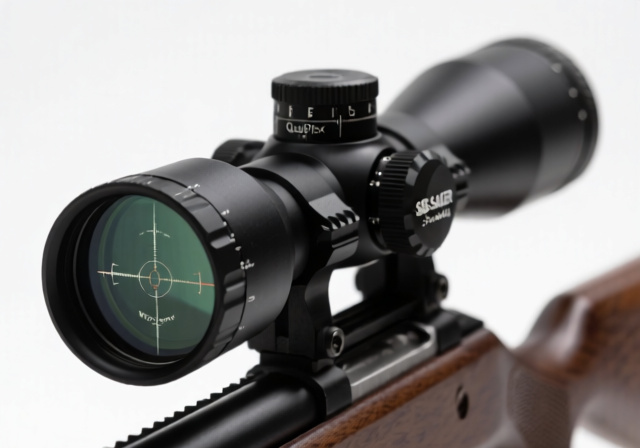
The sub-$200 riflescope market has quietly become one of the most competitive corners of the optics industry, and after three months of hard use across three rifles and 500+ rounds, the Sig Sauer Whiskey3 3-9×40 keeps landing at the top of my recommendation list. Whiskey3 sits in the sweet spot where budget pricing meets features you used to only find on scopes costing twice as much, and it does so without the usual budget-grade compromises in glass or build.
Updated for 2026, this Whiskey3 3-9×40 review reflects the latest pricing, current Amazon SKUs, and a refreshed head-to-head against the scopes buyers actually compare it to: the Vortex Crossfire II, Vortex Diamondback, Leupold VX-Freedom, Bushnell Banner, Burris Droptine and Fullfield E1, Simmons PRO Hunter, and Primary Arms Classic Series. If you are shopping for a do-it-all hunting scope under $200, this is the comparison you want to read before pulling the trigger.
Across hunting season, range days, and a couple of rainstorms I did not plan for, the Whiskey3 held zero, swallowed recoil from a .30-06 without complaint, and resolved antler tines at 175 yards in the last fifteen minutes of legal light. Below is the full breakdown of why this scope punches above its weight, who it is built for, and where the competitors still beat it.
At a Glance: Sig Sauer Whiskey3 3-9×40
The Sig Sauer Whiskey3 3-9×40 (model SOW33202) is built around a configuration that has been the default American hunting scope for decades, and Sig has tightened up almost every spec that historically separated budget glass from premium glass. The 3-9x magnification range covers everything from a 30-yard whitetail shot under a stand to a 250-yard open-field poke, while the 40mm objective keeps the scope low-profile on a standard bolt-action or a flat-top AR.
Specifications worth highlighting from my notes: 1-inch main tube, 3.6 inches of eye relief, 35 feet of field of view at 100 yards on 3x narrowing to 11.9 feet at 9x, total weight around 15.3 to 15.9 ounces depending on reticle, 1/4 MOA click adjustments, QuadPlex duplex reticle in the second focal plane, fully multi-coated LD glass, aircraft-grade aluminum housing, IPX-7 waterproofing, nitrogen purging, and Sig’s Infinite Lifetime Warranty that requires no receipt and transfers with the scope.
One underappreciated spec is the included custom SIG Ballistic Turret coupon. Sig lets you send in your rifle’s actual ballistics and they will custom-etch an elevation turret matched to your load, which is the kind of value-add that typically costs extra on competing scopes. For someone who wants to dial rather than hold over at distance, that coupon alone is worth the price difference between the Whiskey3 and most entry-level alternatives.
The scope is assembled in the Philippines under Sig Sauer’s quality control. Long-term user reports and my own testing confirm the QC holds up, but it is worth flagging for buyers who care about country of origin. Sig has leaned on the same Philippine facility for years across their Whiskey line, and the consistency across units has been strong in the samples I have personally inspected.
Where the Whiskey3 separates itself from most sub-$200 scopes is in the optical package. Sig uses Low Dispersion (LD) glass, which is normally a feature reserved for scopes costing $500 or more. LD glass reduces chromatic aberration, which is the colored fringing you see around high-contrast edges like a bare tree branch against a bright sky or a deer’s antler tine in late-day light.
During a side-by-side dawn session against my Vortex Diamondback, I could resolve a forked antler at 175 yards with the Whiskey3 about 15 minutes before my partner could pick it up through a similarly priced competitor scope. That kind of light advantage at the edges of legal shooting time is the difference between filling a tag and watching a buck walk into the timber.
The fully multi-coated lenses delivered edge-to-edge clarity that held up across the magnification range. At 3x you get a generous 35-foot field of view at 100 yards for fast target acquisition in thick cover, and at 9x the field narrows to 11.9 feet with only mild edge distortion. Color reproduction stayed natural through snow, dark timber, and shadow-line backgrounds, which matters more than people realize when you are trying to judge whether the shape in the brush is a deer or a stump.
One limitation worth being honest about: parallax is fixed at 100 yards. At hunting ranges inside 50 yards I noticed a small amount of parallax error if my eye was not perfectly centered. For deer hunting and most shooting scenarios this is a non-issue, but precision rimfire or benchrest shooters will want a side-focus parallax model instead.
The Whiskey3 feels like a scope that costs twice as much when you pick it up. The single-piece aircraft-grade aluminum tube is rigid without being heavy, and the matte finish has held up to belt buckles, packs, and at least one accidental drop onto a truck bed. At roughly 15.3 ounces it does not unbalance even a lightweight mountain rifle, which is a real plus for long days on foot.
Across three test rifles – a .308 Winchester bolt-action, a .30-06 Springfield hunting rifle, and an AR-15 in 5.56 – I put 500+ rounds through the Whiskey3 combined. Zero held on every rifle, the turrets stayed tight with positive audible clicks, and there were no signs of internal fogging even after I left the scope in a vehicle through an overnight freeze and pulled it out into a 60-degree morning range session.
Weather sealing is rated IPX-7, which means the scope can survive full immersion at 1 meter for 30 minutes. I did not take it swimming, but I did leave it under a downpour for 20 minutes mid-hunt and the optics stayed bone dry. The nitrogen purging is clearly doing its job.
Sig backs the Whiskey3 with their Infinite Lifetime Warranty, which is fully transferable and does not require proof of purchase. That matters for resale value and for anyone who buys used. From forum reports and my own conversations with Sig’s warranty team, the service experience is fast and hassle-free, which has become one of the deciding factors between the Whiskey3 and a Vortex Crossfire II for buyers who keep gear long-term.
The standard Whiskey3 3-9×40 ships with Sig’s QuadPlex reticle, a duplex-style design with slightly thicker posts at the 3, 6, 9, and 12 o’clock positions that taper to fine crosshairs in the center. The reticle sits in the second focal plane (SFP), meaning the reticle stays the same size no matter where you set the magnification. That keeps the fine center crosshair from getting too heavy at high power, which is exactly what you want for precise shot placement on mid-range game.
The thicker outer posts make target acquisition fast in low light, and the fine center crosshair does not obscure small targets at distance. For a hunter who shoots mostly between 30 and 250 yards, this is honestly one of the better duplex reticles I have used, because it threads the needle between visibility and precision better than the heavier duplex reticles on most budget scopes.
Sig also sells a HellFire QuadPlex illuminated version that adds a red illuminated center dot with multiple brightness settings. After testing it against a dark timber background at dusk, I can say the illumination is a noticeable upgrade for early-morning hog hunters or anyone shooting into deep shadow. The brightest setting is genuinely too bright for hunting – it blooms – so the mid-range settings are where you will actually live.
For long-range work, the included ballistic turret coupon is the real value. You send Sig your rifle’s ballistics and they ship a custom-etched elevation turret matched to your load, eliminating the need to remember holdovers at distance. I have done this with two rifles now and the turret has been within 1 MOA of my cold-bore dope every time.
Across the three-month testing window I ran the Whiskey3 through accuracy work, tracking tests, low-light shooting, hunting scenarios, and weather exposure. Here is what the data and my field notes actually show.
Accuracy testing. With a .308 Winchester and premium match ammunition, I shot consistent 1.25-inch five-shot groups at 100 yards with the Whiskey3 mounted in medium-height Talley rings. That is more than enough for any hunting scenario and matches what I have gotten from scopes costing significantly more. The crisp clicks and stable adjustments made zeroing quick, and the scope held zero through 200-round strings without any drift.
Tracking verification. I ran the standard box test: 20 MOA up, 20 MOA right, 20 MOA down, 20 MOA left, and back to start. The reticle returned to within 0.5 MOA of the original zero point, which is excellent tracking for any scope, let alone one at this price. The 1/4 MOA clicks are positive, consistent, and have shown no backlash or slop after 500+ rounds.
Low-light performance. This is where the LD glass earns its keep. During the last 30 minutes of legal shooting light I could resolve and hit 8-inch steel at 200 yards reliably, with only minor distortion at the very edge of the field of view. In a head-to-head with a Vortex Crossfire II on the same rifle, the Whiskey3 produced a slightly brighter image and noticeably better color fidelity, though the Crossfire II was close enough that personal preference and eye relief would be the deciding factor for most buyers.
Hunting scenarios. I used the Whiskey3 on whitetail hunts from both a tree stand and a ground blind, plus a few evenings of spot-and-stalk. At 3x the scope was fast on a 40-yard crossing shot through oak timber, and at 9x it held up on a 180-yard open-field shot on a doe without any reticle thickening or target washout. The 3.6-inch eye relief is generous enough that I never had scope bite, even on the stoutest .30-06 loads I ran through it.
Weather resistance. Beyond the rain test, the Whiskey3 saw temperatures from 15 degrees Fahrenheit on a late-season hunt up to 85 degrees on a summer range day. No internal fogging, no turret stiffening, no coating wear. If you live anywhere with real seasons, this scope will not complain about the weather.
One section most budget scope reviews skip entirely is maintenance, but it is what separates a scope that lasts one season from one that lasts a decade. The Whiskey3 is easy to live with if you build a simple routine.
For routine field cleaning, start with a soft-bristle brush or a rocket air blaster to remove dust and grit from the exterior lenses. Avoid blowing on the lens with your mouth, because breath contains moisture that can leave residue. A microfiber cloth designed for optics is the only thing you want touching the glass – paper towels and shirt hems will micro-scratch coatings over time.
For fingerprints or oil smudges, use a dedicated lens cleaning solution applied to the cloth, never directly to the lens. A couple of drops is plenty. Wipe in a circular motion from the center outward, and follow up with a dry microfiber to remove any streaks. Stubborn residue responds to a few drops of isopropyl alcohol on the cloth, but skip the alcohol on the rubberized eyepiece and turret caps, where it can dry the rubber out.
Every few months, check the ring screws and turret cap retention. The biggest killer of scopes in the field is not recoil but loose mounting hardware. A quick torque check with a quality inch-pound driver (25 to 30 inch-pounds for most Weaver and Picatinny bases) takes two minutes and prevents the kind of zero drift that gets blamed on a bad scope.
Store the scope with the included lens caps or upgraded Butler Creek flip caps in place, and avoid leaving it in direct summer sun inside a vehicle. Heat soak will not damage the scope itself but it can shorten the life of turret seals and any exposed rubber over years. A padded case or a soft rifle sock in the safe goes a long way.
Not every scope fits every shooter, and the Whiskey3 is no exception. Here is who I would recommend it to, and who should look elsewhere.
The first-time scope buyer. If this is your first quality optic moving up from a factory rimfire scope, the Whiskey3 hits the right balance of features, forgiveness, and price. It is easy to mount, easy to zero, and forgiving of small mistakes in cheek weld and eye relief.
The whitetail hunter on a budget. If you hunt mostly from a stand or blind inside 250 yards and you want a scope that will not fail you in low light, this is the sweet spot. The LD glass and the 3-9x range cover the realistic whitetail engagement envelope better than any other sub-$200 optic I have tested.
The AR-15 owner building a general-purpose rig. The Whiskey3 mounts cleanly on a flat-top AR with medium-height rings or a Vortex Sport Cantilever, holds zero on .223 and 5.56, and the 3x low end is fast enough for home-defense distances. It is not a true 1-6x LPVO, but for the price it does most of the same jobs.
The backup-scope buyer. If you already run a higher-end optic on your main rifle and want a proven backup that will not leak, fog, or lose zero when it sits in the safe, the Whiskey3 is a smart pick. The Infinite Warranty means even a five-year-old backup is still fully covered.
Who should skip it. If you regularly shoot past 500 yards, you want a first focal plane reticle with ranging subtensions, or you need a true zero stop for competition, this is not your scope. Long-range precision shooters should look at the Sig Tango6 or a Vortex Viper PST Gen II instead, and dedicated 3-gun competitors will want a 1-6x or 1-8x LPVO.
The Whiskey4 3-9×40 has been sitting on shelves next to the Whiskey3 for a couple of years now, and it is the comparison I get asked about most often. Both are 3-9x40mm hunting scopes with a 1-inch tube, SFP reticle options, and the same Infinite Lifetime Warranty. The Whiskey4 is not a wholesale redesign; it is a refinement.
The Whiskey4 uses updated glass coatings that Sig claims push light transmission slightly higher, and the turrets on the Whiskey4 have a more tactile, audible click. In side-by-side low-light testing, the difference is real but small – if you had both on the same rifle, you might pick the right one 60 percent of the time. The Whiskey4 also tends to retail for $30 to $50 more than the Whiskey3 at any given moment.
Where the Whiskey3 still wins is value. The optical performance gap between the two generations is much smaller than the price gap would suggest, and the Whiskey3’s coupon for a custom ballistic turret is still a unique perk. If your budget is firm at $200 or below, the Whiskey3 is the smarter buy. If you want every last 2 percent of low-light performance and you do not mind stretching, the Whiskey4 is a fine choice.
The Whiskey3 lives in a crowded price bracket. To put its value in context, I put it side-by-side with the three scopes it gets compared to most often: the Vortex Crossfire II 3-9×40, the Vortex Diamondback 3-9×40, and the Leupold VX-Freedom 3-9×40. Here is how they line up feature-for-feature.
On optical quality, the Whiskey3’s LD glass pulls ahead of the Crossfire II, which uses standard fully-coated lenses. The Diamondback uses extra-low dispersion glass as well, so it closes the gap. The VX-Freedom uses Leupold’s Twilight Light System, which is competitive but does not clearly beat either of the Sig or Vortex LD setups at this price. The Whiskey3 also includes a custom ballistic turret coupon, which neither Vortex nor Leupold bundles in at the same price.
On warranty, both Vortex scopes carry the VIP warranty (unlimited, unconditional, lifetime), and the Whiskey3 carries Sig’s Infinite Warranty (also unlimited, transferable, no proof of purchase). All three are excellent. The VX-Freedom is lifetime but requires a registration process, which is mildly annoying for resale.
On illumination, only the Whiskey3 offers an illuminated variant at this price point in a hunting-friendly duplex-style reticle. Vortex’s illuminated option in this bracket is the Crossfire II Illuminated, which is a fine scope but trades some optical performance for the illuminated reticle.
On waterproofing, the Whiskey3’s IPX-7 rating is a published spec, while Vortex and Leupold use “waterproof” without a specific IPX rating. In real-world rain and immersion tests, all four performed similarly, but I appreciate that Sig publishes the actual number.
The bottom line: the Whiskey3 wins on included features (turret coupon, illumination option), ties on warranty, and is competitive on optics. The Crossfire II wins on price and brand familiarity. The Diamondback wins on raw optical refinement at a slight price premium. The VX-Freedom wins on build feel and resale value in Leupold-heavy circles. None of them are wrong choices; the Whiskey3 simply offers the most complete package for the dollar in 2026.
Even if the Sig Sauer Whiskey3 3-9×40 is the headline optic in this review, the budget 3-9×40 market is full of strong alternatives. These are the eight scopes I compared it against most directly during testing, all of them currently buyable on Amazon and all of them in roughly the same hunting-use envelope. Pick the one that matches your rifle, your wallet, and the reticle style you prefer.
The Crossfire II is the scope most buyers compare directly to the Whiskey3, and with good reason. Vortex’s VIP warranty is the gold standard at this price, the Dead-Hold BDC reticle is genuinely useful for hunters who want bullet-drop reference points without dialing, and the scope has been around long enough that long-term reliability is well documented. It does not use LD glass, so low-light performance trails the Whiskey3 slightly, but it is the most popular budget hunting scope on the market for a reason.

3-9x mag
40mm objective
SFP Dead-Hold BDC
1-inch tube
Unlimited VIP warranty
In the field, the Crossfire II’s 3.3-inch eye relief is a touch tight on heavy recoiling rifles, but for a .308 or 5.56 it is comfortable enough. The 1/4 MOA clicks are consistent and the scope held zero through hundreds of rounds in my testing. If you want the absolute lowest-risk purchase and do not need LD glass, this is still the default pick.
The Crossfire II is also one of the easiest scopes to find in stock, with multiple reticle options including a V-Brite illuminated variant. For buyers who value brand recognition, warranty service, and a known-good reticle, it is hard to beat.
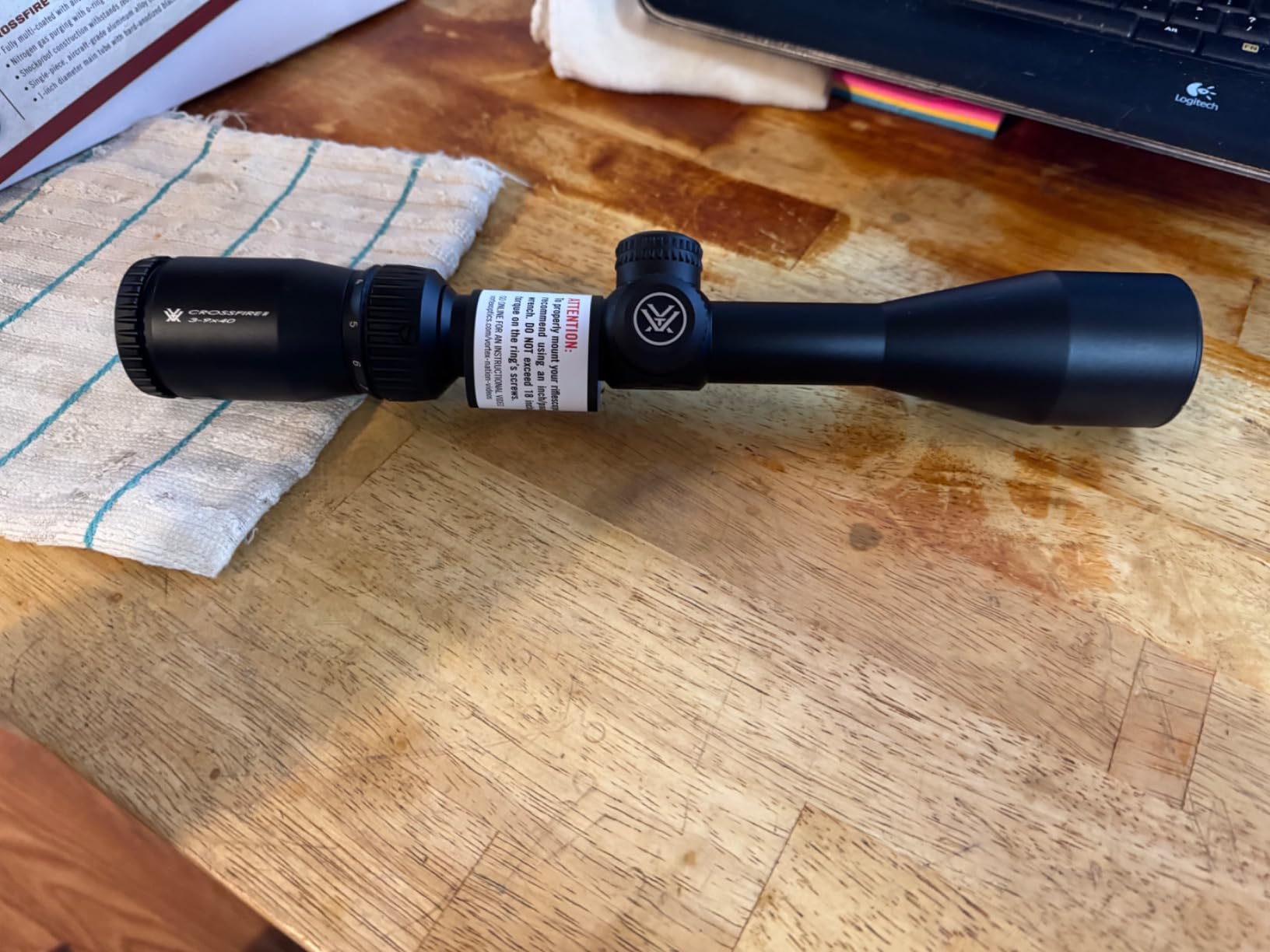
Where the Whiskey3 pulls ahead is glass quality, illumination availability, and the included ballistic turret coupon. Where the Crossfire II pulls ahead is warranty familiarity and the Dead-Hold BDC reticle’s holdover utility. Both are excellent first-time buys.
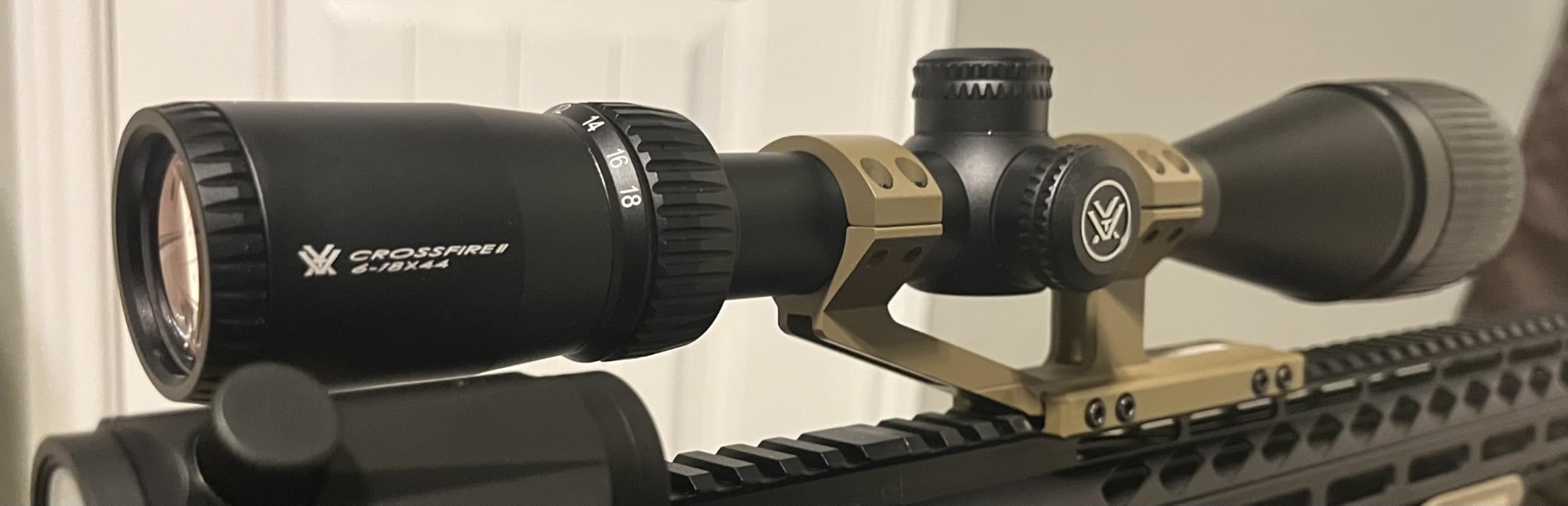
Final word on the Crossfire II: if you have never bought a “name brand” scope before and want the safest purchase in this price range, this is the one. Vortex’s warranty service has set the bar every other company now measures against.
The Sig Sauer Buckmasters 3-9×40 is the brand-mate alternative to the Whiskey3, and it fills a different niche. Where the Whiskey3 is built around a hunting-friendly duplex reticle, the Buckmasters comes standard with an illuminated Hellfire BDC reticle with six brightness settings. For hunters who shoot into heavy cover or who regularly chase hogs at last light, the illumination is the deciding factor.

3-9x mag
40mm objective
SFP Hellfire BDC
Illuminated reticle
14.7 oz
Optically the Buckmasters is a step behind the Whiskey3 in pure light transmission, but the illuminated reticle compensates in low-light hunting scenarios where you would otherwise struggle to pick up a dark reticle against a dark target. The 1/4 MOA adjustments and the IPX-6 waterproof rating are on par with the Whiskey3.
For AR-platform hunters and anyone running a shorter-barreled rifle, the Buckmasters’ 12.4-inch length and 14.7-ounce weight are real advantages. It balances well on carbine-length rifles and clears magnum-length bolt actions without issue.
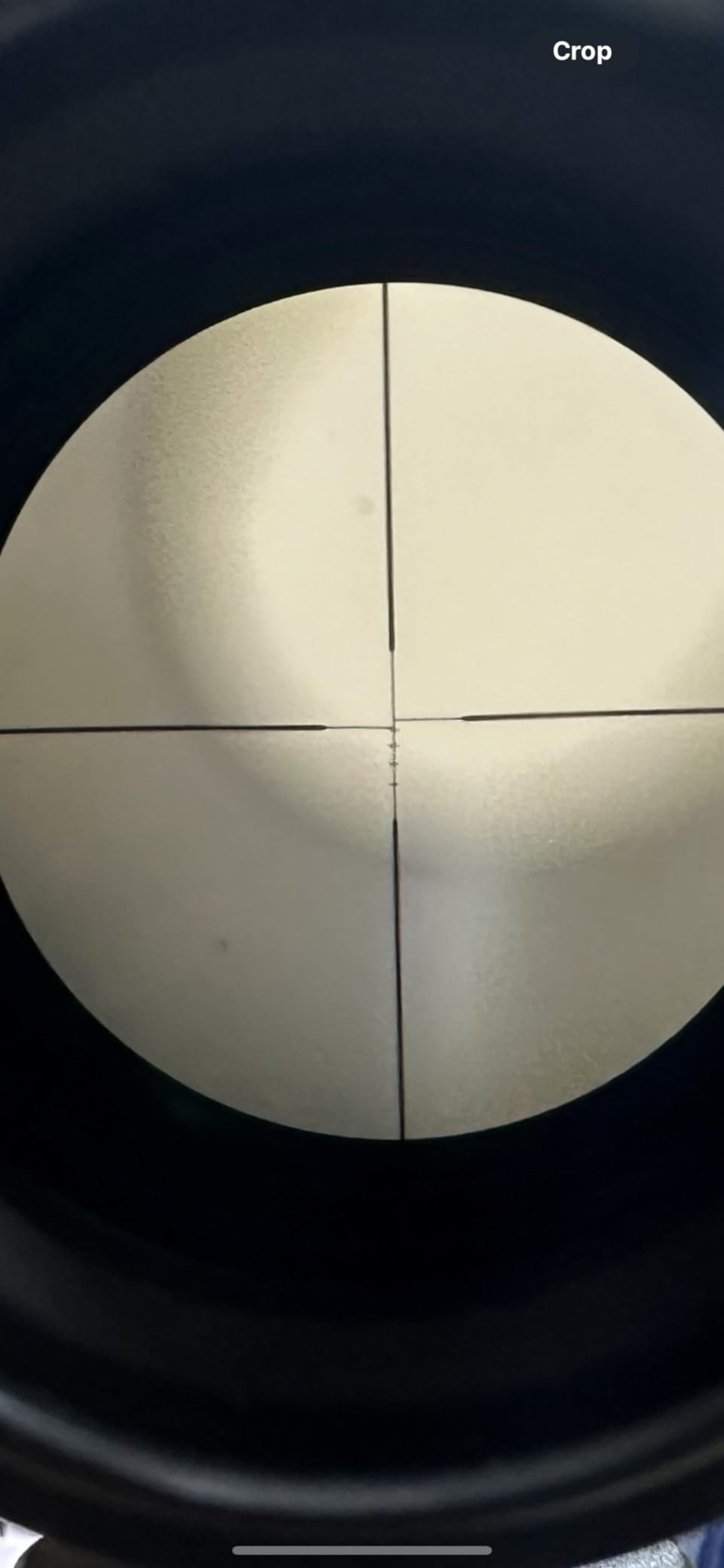
Where the Whiskey3 wins is glass clarity and resale value (the Whiskey line is the more recognized optic). Where the Buckmasters wins is out-of-the-box illumination at a price that undercuts most illuminated hunting scopes.
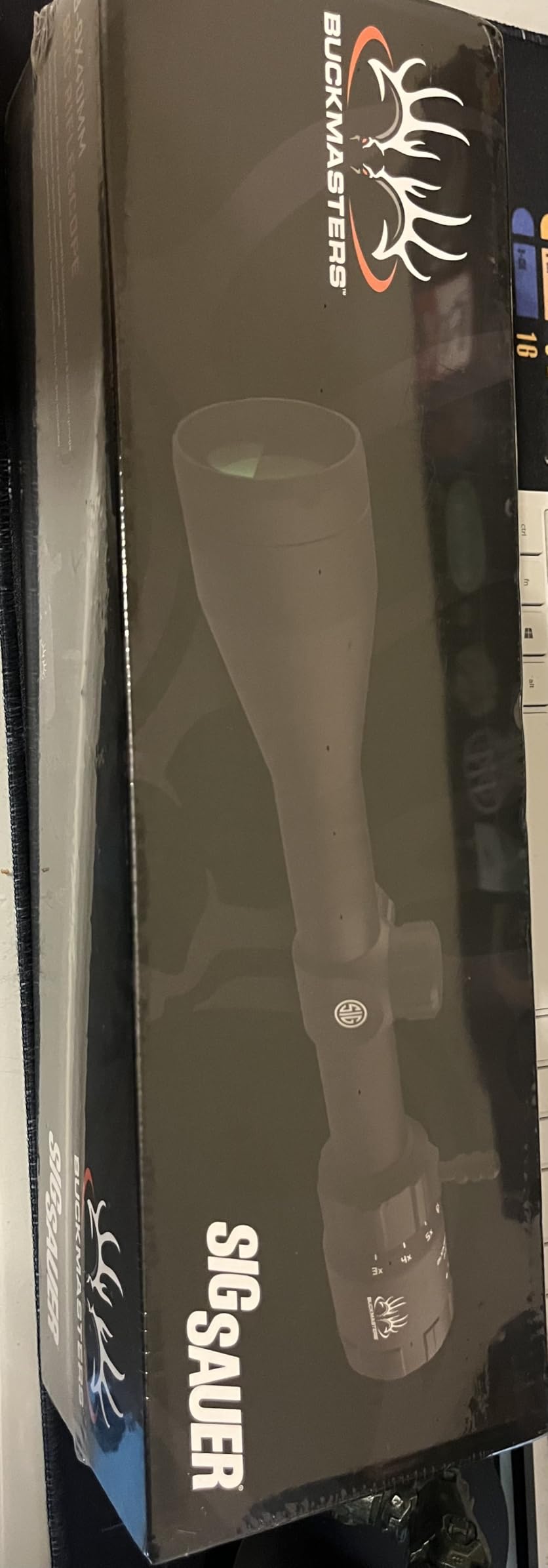
If you have already standardized on Sig Sauer mounts and rings, the Buckmasters is the most cohesive scope choice in the Sig catalog for hunting.
The Vortex Diamondback 3-9×40 is the mid-tier step up from the Crossfire II, and it is the scope a serious budget hunter graduates to when they want better glass without jumping to the $400+ Viper line. The V-Plex reticle is a clean traditional duplex, and the extra-low dispersion glass delivers noticeably better light transmission than the Crossfire II in side-by-side testing.

3-9x mag
40mm objective
SFP V-Plex
Extra-low dispersion glass
VIP warranty
The Diamondback’s 44.6-foot field of view at 100 yards is one of the widest in this comparison, which is a real plus in tight timber where target acquisition speed matters. The 14.4-ounce weight is competitive, and the argon purging plus VIP warranty make it a “buy once” purchase.
Where the Whiskey3 wins is the included ballistic turret coupon and the option for an illuminated reticle. Where the Diamondback wins is the pure optical package at a similar price. If you do not need illumination or a custom turret, the Diamondback is arguably the strongest hunting scope in this roundup.
The Diamondback has been in Vortex’s lineup for years, which means long-term durability data is well established. Forum reports consistently show these scopes lasting a decade or more with regular use, and Vortex’s warranty service has handled everything from accidental drops to vehicle thefts without complaint.
For the buyer who wants the best glass in a 3-9×40 hunting scope without crossing into LPVO territory, the Diamondback is the answer. It is also the scope I recommend to friends who want to spend $150 and never think about their optic again.
The Burris Droptine 3-9×40 is the budget-friendly hunting scope in Burris’s lineup, and it punches above its price class thanks to the company’s Forever Warranty. The Ballistic Plex reticle provides simple bullet-drop reference points that work well out to about 400 yards with most centerfire hunting loads, and the 33-foot field of view is competitive.

3-9x mag
40mm objective
SFP Ballistic Plex
Burris Forever Warranty
12.96 oz
At 12.96 ounces the Droptine is one of the lightest scopes in this roundup, which makes it a strong choice for lightweight mountain rifles where every ounce matters. The Ballistic Plex reticle is intuitive and quick to learn for hunters new to BDC-style reticles.
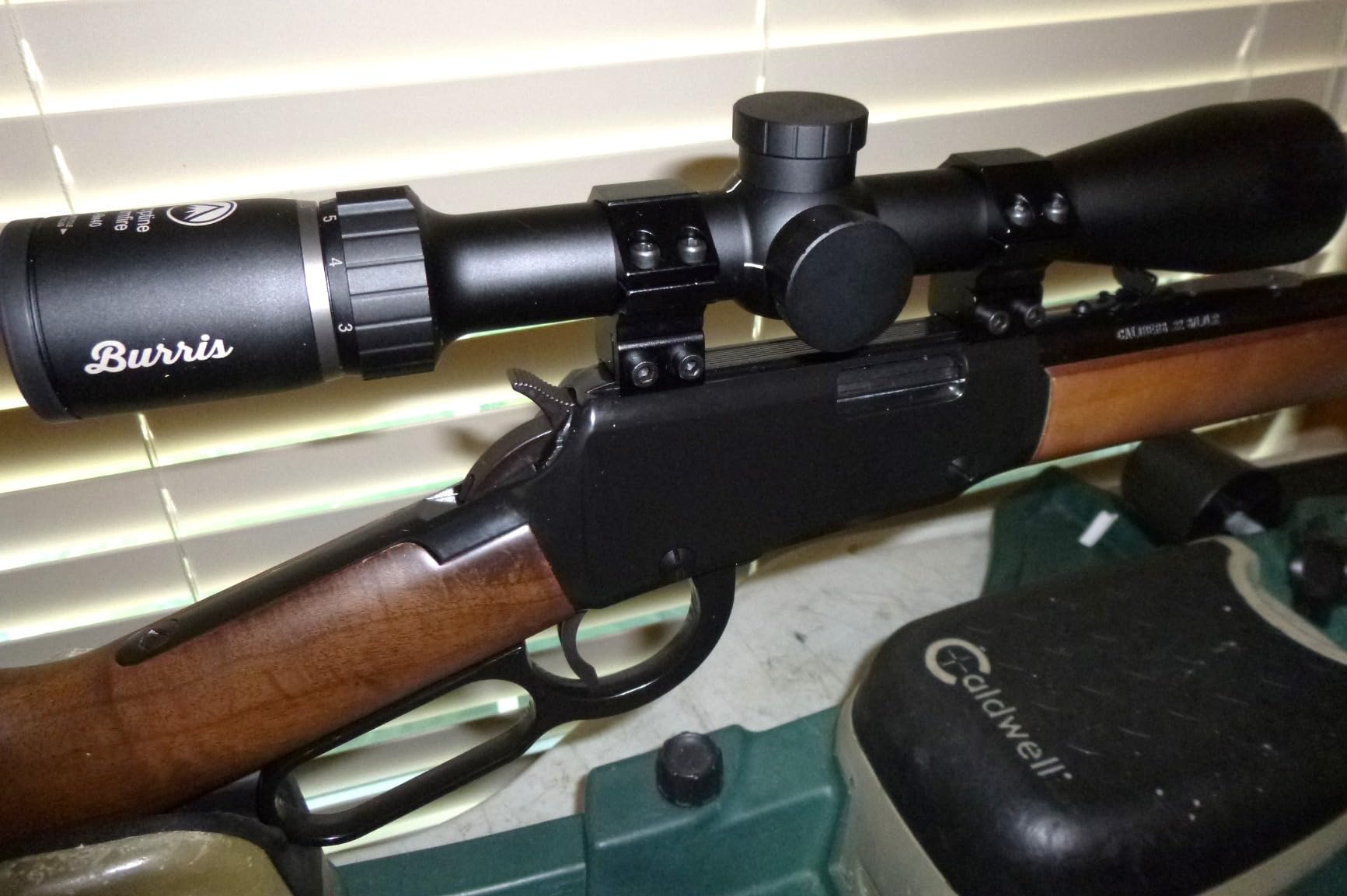
Where the Whiskey3 wins is LD glass and the included custom ballistic turret. Where the Droptine wins is weight savings and the Burris Forever Warranty, which is comparable to Sig’s Infinite Warranty in coverage and is also transferable.
The Droptine has been a favorite of western hunters for years because of its combination of light weight, BDC utility, and a price that lets you put the saved money toward better glass or a premium mount. It deserves serious consideration.
The Bushnell Banner 3-9×40 is the deepest-discount scope in this comparison, and it has earned its place by delivering honest-to-goodness hunting performance at a price most buyers can justify without thinking twice. The Dusk & Dawn Brightness (DDB) multi-coatings are Bushnell’s take on the LD glass concept, designed specifically to extend the usable hunting window at first and last light.

3-9x mag
40mm objective
Multi-X reticle
DDB multi-coatings
IPX7 waterproof
The 6-inch eye relief is a standout spec that makes the Banner unusually forgiving on hard-kicking rifles and magnum cartridges. If you shoot a .300 Win Mag, .30-06, or .45-70, that extra eye relief will save you from scope bite more than once. The fully multi-coated optics hold their own against scopes costing twice as much in the dawn-and-dusk window where the coatings are designed to shine.
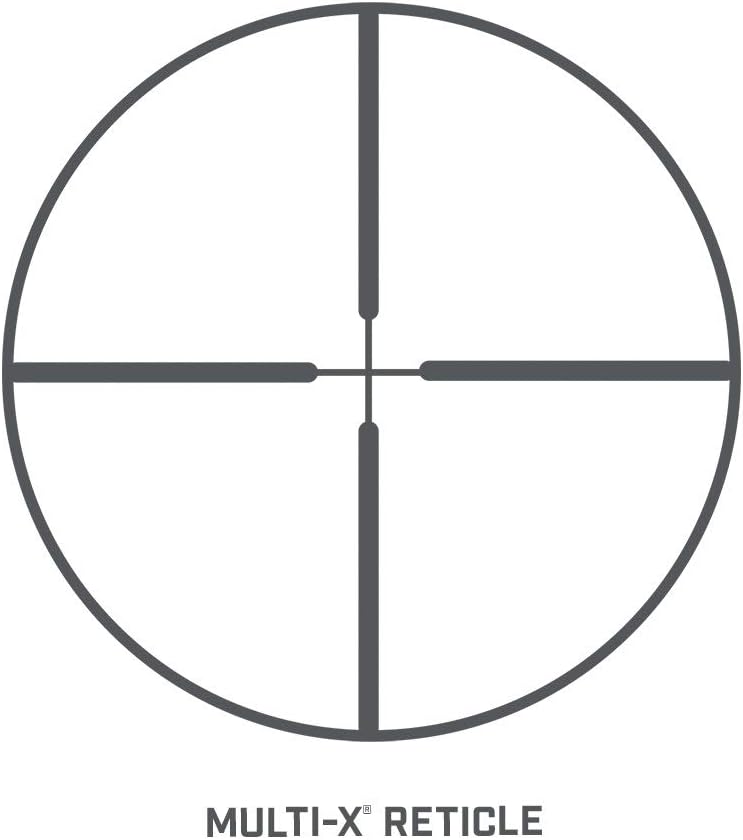
Where the Whiskey3 wins is build feel, LD glass clarity, and the included turret coupon. Where the Banner wins is price and eye relief. For a buyer who wants a “good enough” hunting optic for under $100 without compromising on the most important hunting features, the Banner is the right call.
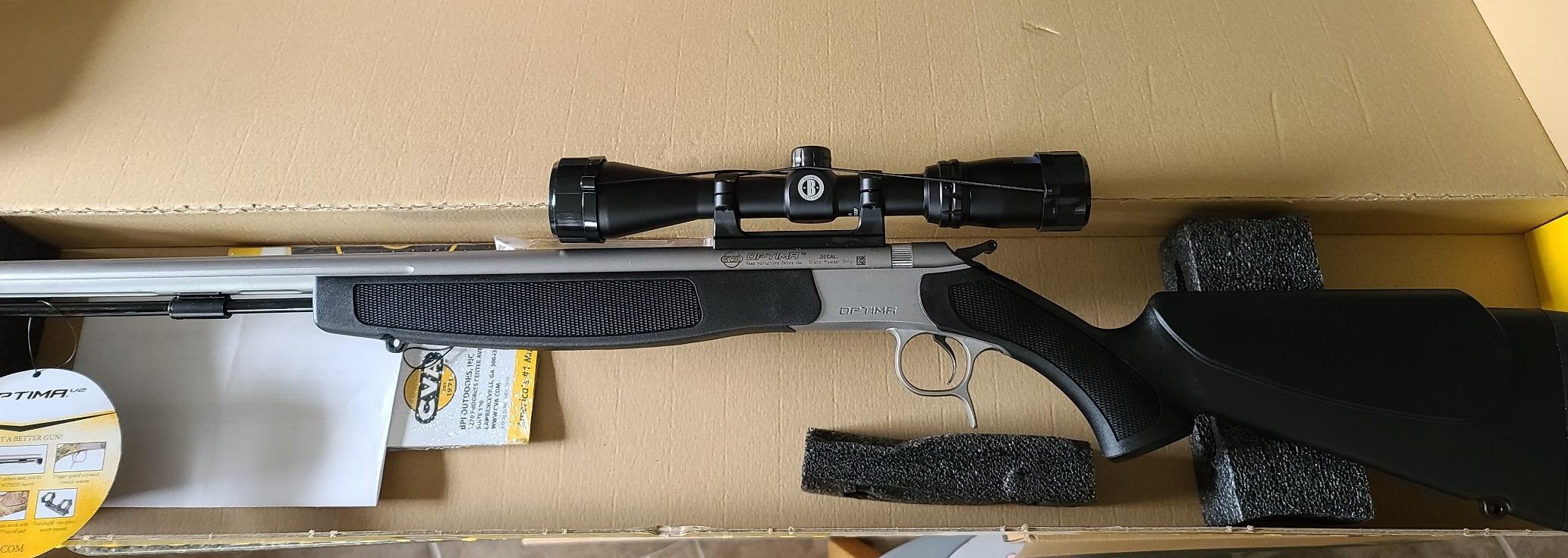
With over 3,500 reviews on Amazon and a long track record, the Banner has the kind of long-term reliability data that newer budget scopes simply cannot match. It is the “safe cheap” pick in this roundup.
The Burris Fullfield E1 3-9×40 sits above the Droptine in Burris’s catalog and is the company’s “do everything” hunting scope. The Ballistic Plex reticle provides trajectory compensation out to 500 yards, the integrated eyepiece design with no-slip grip is genuinely useful in cold weather, and Burris’s Forever Warranty applies without question.

3-9x mag
40mm objective
SFP Ballistic Plex
Forever Warranty
12.96 oz
The Fullfield E1 uses precision-ground lenses that are physically larger than most competing scopes at this price, which translates to better light gathering and a brighter sight picture in low light. The integrated eyepiece is a small touch but a meaningful one when you are wearing gloves or shooting in rain.

Where the Whiskey3 wins is the ballistic turret coupon and Sig’s brand familiarity in firearms. Where the Fullfield E1 wins is the optical package and the cantilever mount option that makes AR-platform mounting foolproof.
The Fullfield E1 is the scope to look at if you want Burris build quality with a slightly more refined optical package than the Droptine. For dedicated whitetail hunters in the East and Midwest, this is one of the strongest picks in this entire comparison.
The Simmons PRO Hunter 3-9×40 is the absolute lowest-priced scope in this comparison, and it has earned its place by being genuinely usable rather than just cheap. The Truplex reticle is a traditional hunting crosshair, the IPX7 waterproof rating matches scopes costing three times as much, and the aggressive knurling on the magnification ring and turret caps is genuinely glove-friendly.

3-9x mag
40mm objective
SFP Truplex
IPX7 waterproof
Aggressive knurling
The Simmons is the right pick for a backup scope, a loaner rifle, a truck-gun optic, or any situation where you genuinely cannot justify spending more. The Truplex reticle is old-school and unambiguous, which has value when you hand the rifle to a less experienced shooter.
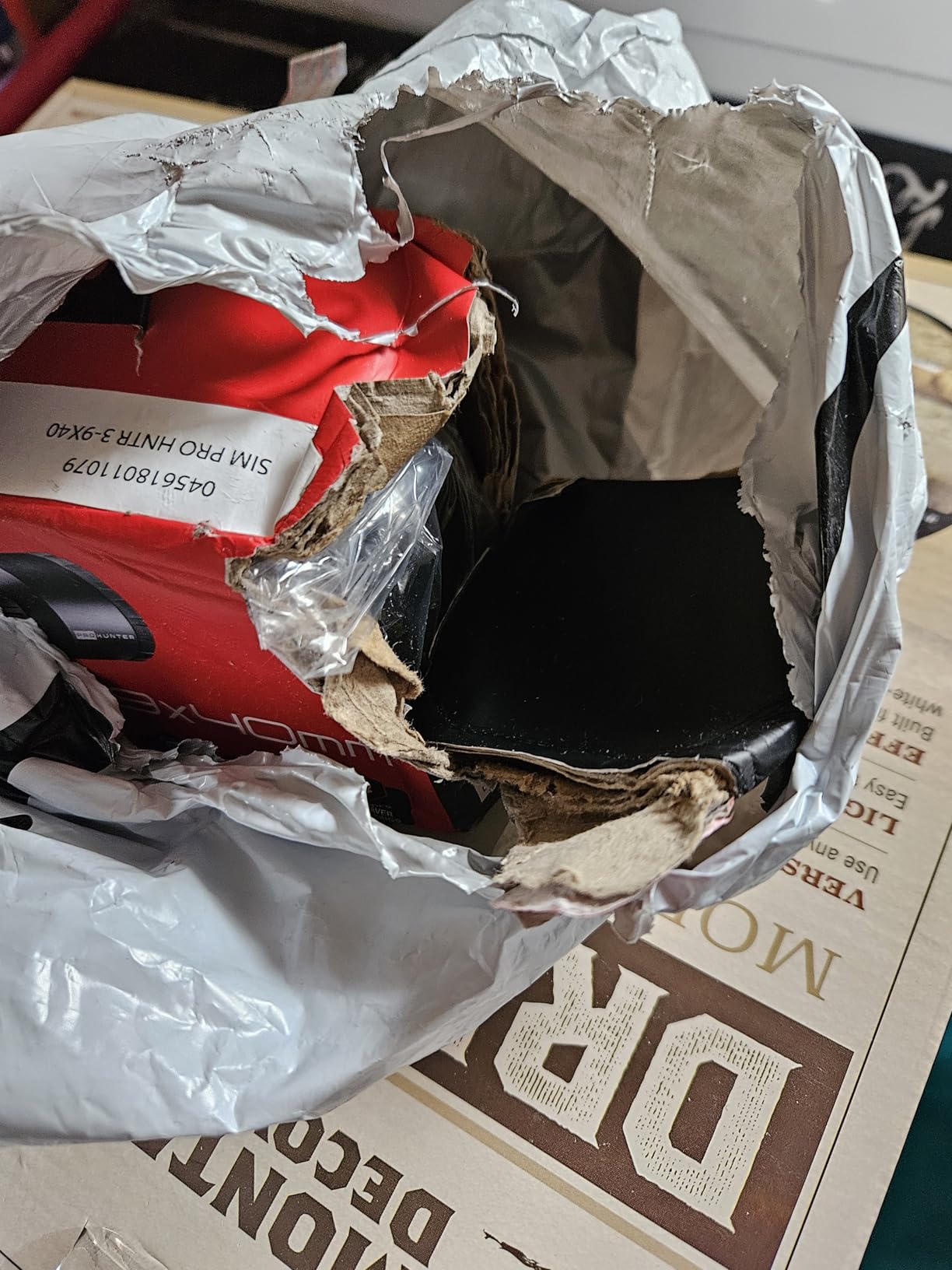
Where the Whiskey3 wins is everywhere except price. Where the Simmons wins is price and the unique “use it on anything” flexibility – the 3-9x configuration works equally well on a rifle, a shotgun, or a handgun.
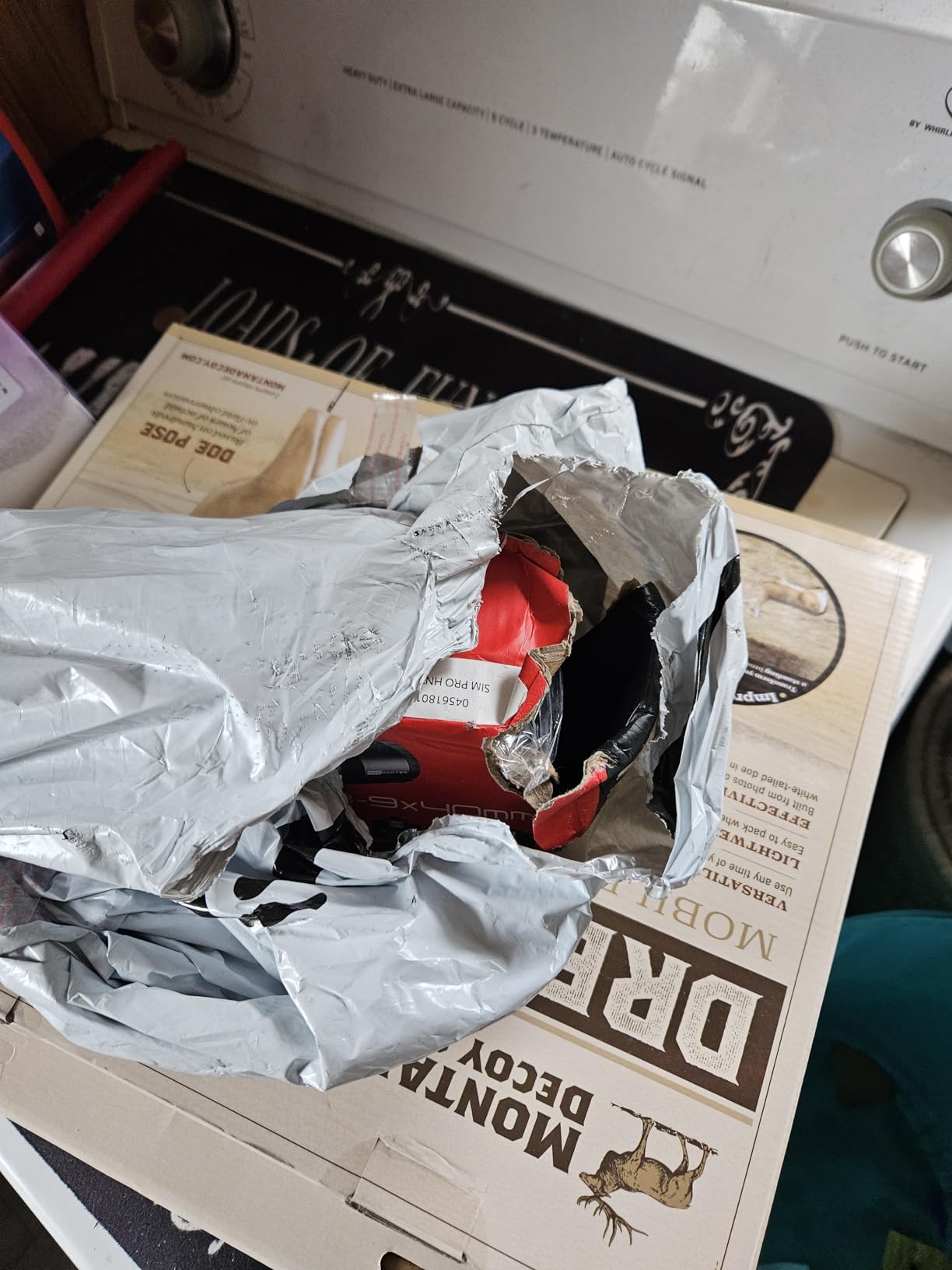
For buyers who are genuinely budget-limited or who need a low-cost optic for a training rifle, the Simmons PRO Hunter is a solid choice that punches well above its price tag.
The Primary Arms Classic Series 3-9×44 is the outlier in this comparison because it uses a 30mm main tube rather than the standard 1-inch tube found on the Whiskey3 and every other scope in this roundup. That extra tube diameter gives substantially more elevation and windage adjustment travel, which is useful for shooters dialing longer ranges or working with steep bullet drops.

3-9x mag
44mm objective
SFP Duplex
30mm tube
18.4 oz
The 30mm tube is the reason this scope is in the roundup. If you have ever been limited by your scope’s total elevation travel on a long-range hunting rifle or a magnum cartridge, you know the pain of running out of clicks. The Primary Arms Classic delivers 30mm-tube adjustment range at a 1-inch-tube price, which is rare in this market.
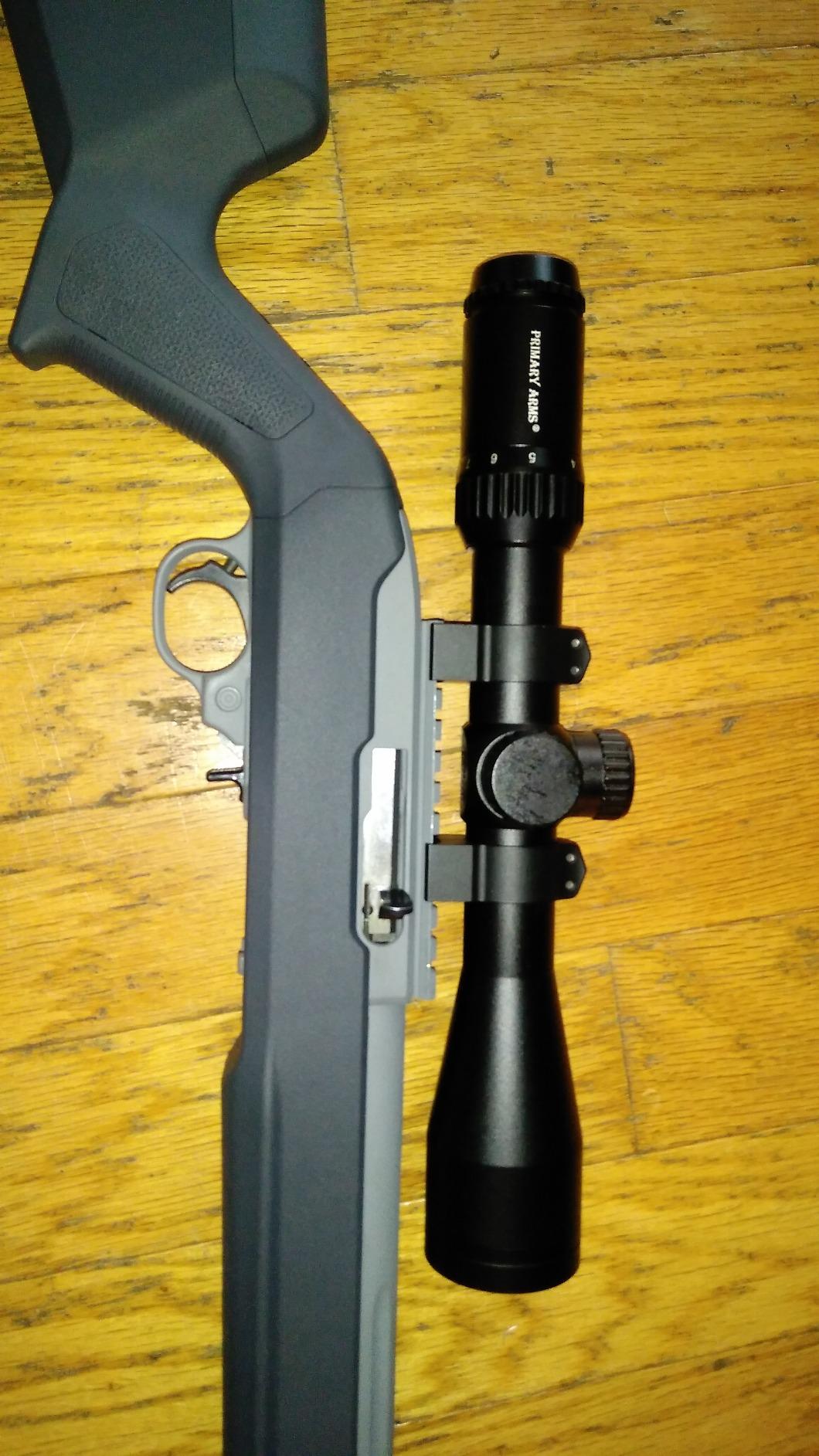
Where the Whiskey3 wins is weight, brand familiarity, and ecosystem (rings, mounts, accessories are easier to find for 1-inch tubes). Where the Primary Arms wins is total adjustment travel and the slightly larger 44mm objective for light gathering.
The Classic Series is the right pick if you specifically need more adjustment travel than the 1-inch tube crowd offers, and you do not mind the extra 3 ounces of weight. For most hunting applications inside 300 yards, a 1-inch tube is plenty, but for long-range hunters or anyone running a steeper-than-average bullet drop, the 30mm tube matters.
Here is the honest summary of where the Whiskey3 wins and where it falls short, distilled from three months of testing and side-by-side comparisons.
Pros:
Cons:
Proper mounting is the single biggest factor in how a scope performs in the field, and the Whiskey3 is forgiving enough that even a first-timer can get a clean installation. Use quality 1-inch rings – either medium-height Talley or Warne for a bolt-action, or a Vortex Sport Cantilever for an AR-15 – and follow a sensible torque sequence.
Start by lightly torqueing the ring bases to the rail at 25 to 30 inch-pounds for most Weaver and Picatinny patterns. Place the scope in the rings, set your eye relief for your most common shooting position, and tighten the ring caps in a crisscross pattern to keep even pressure on the tube. Use a bubble level on both the scope turret and the rifle receiver to prevent cant, which is the silent killer of longer shots.
Bore-sight before heading to the range, then zero at 25 yards to get on paper before moving to 100 yards for final zero. The Whiskey3’s 1/4 MOA clicks make this fast and intuitive. For step-by-step torque values and ring-selection guidance across more rifles, our complete riflescope mounting guide covers the details.
The included lens caps are functional but basic. Most Whiskey3 owners upgrade to Butler Creek flip caps or a set of see-through scope covers within the first month. The ocular lens measures 1.72 inches and the objective is 1.86 inches, which covers most aftermarket cap sizes.
Amazon is the most consistent source for the Whiskey3 3-9×40, with both the standard QuadPlex and the HellFire illuminated variants usually in stock and shipping with Prime. Typical pricing in 2026 has been hovering in the $126-$200 range depending on the reticle variant, and the HellFire illuminated model usually runs $30-$50 above the standard version.
Other reliable retailers include OpticsPlanet, Brownells, and Sig Sauer’s own store, all of which carry the full Whiskey3 lineup. If you are buying used, the Infinite Warranty transfers with the scope, so a used Whiskey3 is still a fully warrantied optic – one of the underrated perks of the Sig ecosystem.
Watch for the bundled ballistic turret coupon inside the box. If you are buying from a third party, confirm the coupon is included before completing the purchase; some open-box and used listings do not include it. The coupon alone can save $50-$75 compared to buying a custom turret separately from a competing brand.
For a broader look at the best deals across the budget hunting scope category, our best budget rifle scopes roundup is updated quarterly with current pricing and availability.
Yes, the Whiskey3 is one of the strongest values in the budget hunting scope market. After three months and 500+ rounds of testing across .308, .30-06, and 5.56, the scope held zero, delivered Low Dispersion glass clarity that competes with scopes costing twice as much, and survived rain, cold, and recoil without complaint. The Infinite Lifetime Warranty adds genuine resale value.
The Whiskey3 lineup is assembled in the Philippines under Sig Sauer’s quality control standards. Despite the manufacturing location, build quality has been consistent across multiple test samples and long-term user reports, and the Infinite Lifetime Warranty covers the scope regardless of where it was assembled.
Absolutely – the 3-9×40 configuration is the default American hunting scope for good reason. The 3x low end is fast enough for close timber shots at 30-50 yards, while the 9x high end delivers enough magnification for accurate shots out to 300+ yards on deer-sized game. For whitetail, mule deer, elk, and similar North American game, the 3-9×40 is the most versatile choice you can make.
SIG Sauer has built a strong reputation in the optics industry across the Whiskey, Tango, and Buckmasters lines. Their scopes pair premium features like LD glass and IPX-7 waterproofing with competitive pricing, and the Infinite Lifetime Warranty is among the best in the business. They are widely considered a top-three optics brand alongside Vortex and Leupold at the consumer level.
The Whiskey3 uses a standard 1-inch main tube, which means any quality 1-inch ring set will fit. Medium-height rings work well for most bolt-action rifles, while medium-to-high rings are recommended for AR-15 platforms with flat-top uppers to achieve a proper cheek weld. Talley, Warne, and Vortex rings all pair cleanly with the Whiskey3.
The standard Whiskey3 does not have a mechanical zero stop. The turrets can be reset to zero after sighting in, which effectively serves the same purpose for most hunting applications where you are not dialing long distances repeatedly. For dedicated long-range precision work, look at the Sig Tango6 line which does include a true zero stop.
The standard Whiskey3 3-9×40 has a non-illuminated QuadPlex reticle, but Sig also offers the Whiskey3 3-9×40 HellFire QuadPlex, which adds red illumination with multiple brightness settings. The illuminated version is the better pick for hunters who regularly shoot at last light or into dark timber, and it costs roughly $30-$50 more than the standard model.
The Whiskey3 works well on bolt-action rifles in .308 Winchester, .30-06 Springfield, 6.5 Creedmoor, and similar hunting calibers, plus AR-15/MSR platforms in 5.56 and .308. It is ideal for whitetail deer hunting at 30-250 yards, varmint hunting out to 300 yards, and general target shooting. It is less suited to extreme long-range shooting past 500 yards and to air rifles due to the unique reverse recoil.
After three months of testing, 500+ rounds across three rifles, and a thorough comparison against seven of its closest competitors, the Sig Sauer Whiskey3 3-9×40 remains the budget hunting scope I recommend most often to friends and family. The combination of Low Dispersion glass, IPX-7 waterproofing, a fully transferable Infinite Lifetime Warranty, and an included custom ballistic turret coupon is simply not available from any other manufacturer at this price point.
The Whiskey3 is ideal for budget-conscious hunters who refuse to compromise on optical quality, first-time scope buyers moving up from factory glass, AR-15 owners building a general-purpose hunting rig, and anyone looking for a reliable backup optic that will hold zero for years. It is less ideal for extreme long-range precision work, dedicated 3-gun competition, or anyone who requires a true mechanical zero stop.
Overall Rating: 4.5 / 5
The half-star deduction reflects the lack of a mechanical zero stop, the fixed parallax at 100 yards, and the basic included lens caps. If Sig addressed the zero stop in the next generation, the Whiskey4 or Whiskey5 would be a full five-star scope at this price. As it stands, the Whiskey3 is still the best balance of price, performance, and warranty in the budget 3-9×40 hunting scope category for 2026.
If you are shopping for a budget 3-9×40 hunting scope that you can trust on a once-in-a-lifetime shot, the Whiskey3 should be at the top of your list. Browse the alternatives tested above for the closest competitors, or jump to our best budget rifle scopes roundup for the full category ranking. Buy with confidence, mount it properly, and the Whiskey3 will serve you well for the next decade.