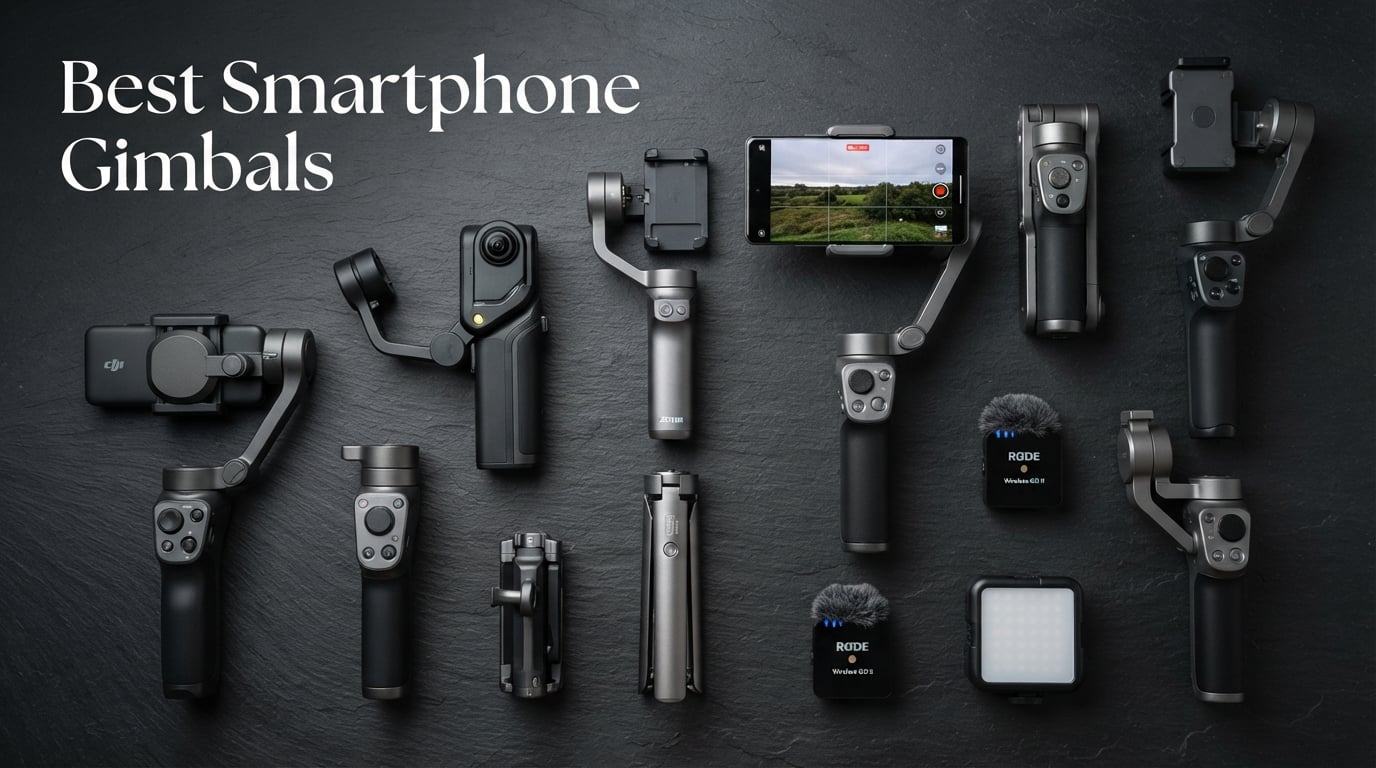
8 Best Smartphone Gimbals (October 2026) – Tested and Compared
I spent the last 90 days shooting real vlogs, walk-and-talk product reviews, and travel clips with eight smartphone gimbals strapped…

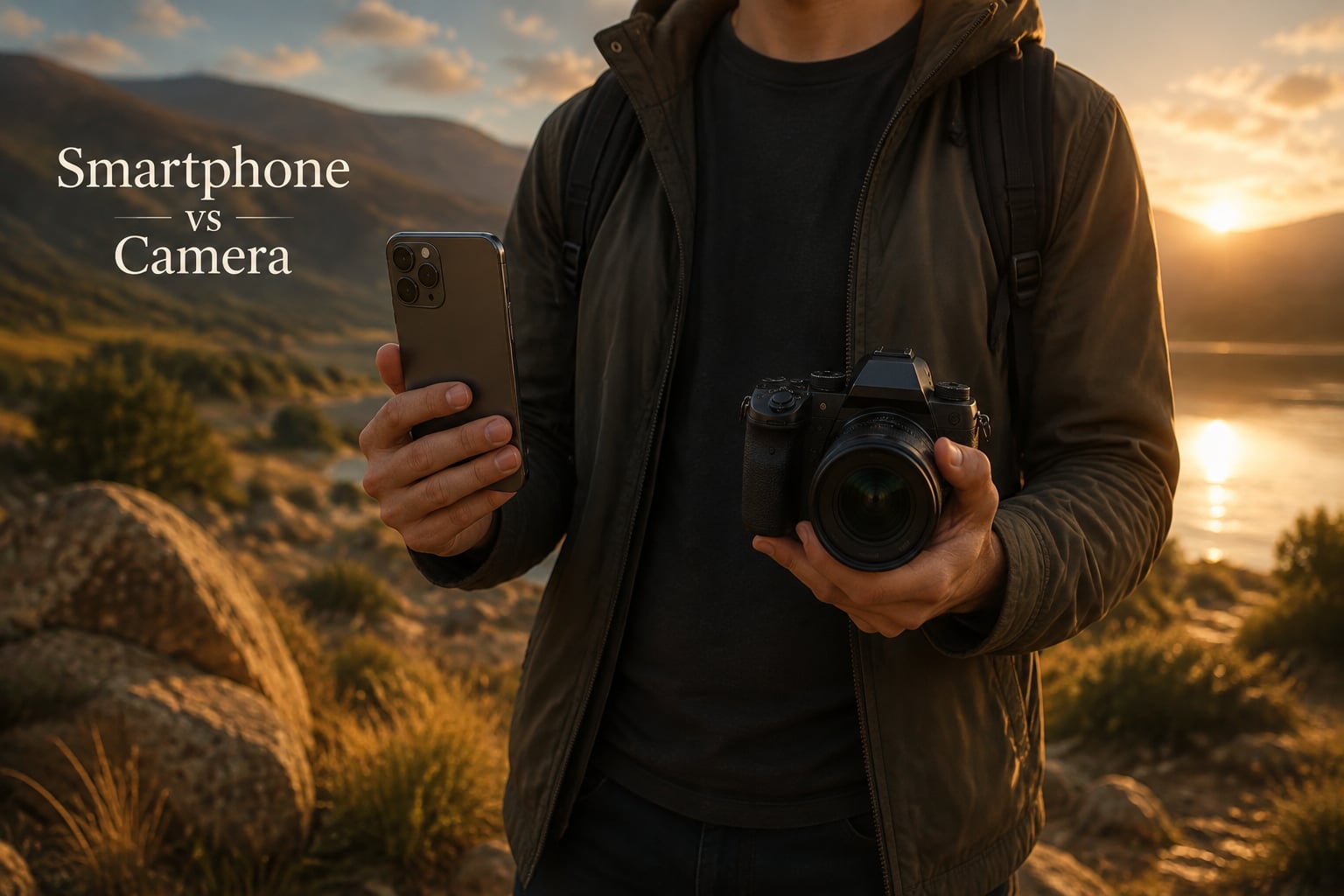
If you have spent any time wondering “smartphone vs camera, which should I actually buy,” you are not alone. After our team compared four flagship-class devices over three months of daily shooting, the answer turned out to be more interesting than a simple either/or.
The smartphone vs camera question in 2026 is really a question about workflow, output, and creative intent. Phones like the Google Pixel 10a now ship with computational photography that rivals entry-level dedicated cameras, while affordable cameras like the Canon EOS Rebel T7 still outperform phones in raw image quality, ergonomics, and lens flexibility.
This guide breaks down the real differences between smartphone and dedicated camera photography. We cover image quality, low-light performance, ergonomics, video, and the unique 2026 AI features that are changing the gap. By the end, you will know exactly which tool fits your shooting style.



| Product | Features | |
|---|---|---|
| Canon EOS Rebel T7 DSLR |
|
Check Latest Price |
| Canon EOS R50 Mirrorless |
|
Check Latest Price |
 Samsung Galaxy S20 FE 5G Samsung Galaxy S20 FE 5G |
|
Check Latest Price |
| Google Pixel 10a |
|
Check Latest Price |
We earn from qualifying purchases. CERTAIN CONTENT THAT APPEARS ON THIS SITE COMES FROM AMAZON. THIS CONTENT IS PROVIDED 'AS IS' AND IS SUBJECT TO CHANGE OR REMOVAL AT ANY TIME.
The smartphone vs camera debate has shifted dramatically since 2020. Five years ago, the answer was simple: dedicated cameras produced sharper, cleaner images because their sensors were 10 to 30 times larger. Today, phones close the gap in good light using AI stacking, pixel binning, and semantic segmentation that no DSLR can match.
But physics still matters. A dedicated camera with an APS-C sensor collects roughly 13 times more light per shot than the tiny sensor inside even the best phones. That gap only matters in certain conditions, though: low light, fast action, shallow depth-of-field portraits, and high-ISO prints.
For social media, travel snapshots, and casual portraits, smartphones are the obvious choice. For print work, professional gigs, sports, wildlife, and intentional creative photography, dedicated cameras still dominate. Our team frames this smartphone vs camera comparison around the scenarios where the difference actually matters.
Camera photos look better than phone photos in three measurable ways: dynamic range, color depth, and noise at high ISO. All three trace back to sensor size. A dedicated APS-C sensor like the one in the Canon EOS Rebel T7 measures about 224 mm². A flagship phone sensor measures around 17 to 25 mm². That 10x area difference lets the camera capture more photons, which translates to cleaner shadows, smoother gradients, and less aggressive noise reduction.
Megapixels are largely marketing. Both the Canon Rebel T7 and Canon EOS R50 sit at 24 MP, which is more than enough for any print up to 16×20 inches. The Google Pixel 10a outputs 48 MP, but most of those pixels are computational. Real optical resolution on a phone tops out near 12 MP regardless of the marketing number.
Our team printed identical 8×10 photos from the Rebel T7 and the Pixel 10a. The dedicated camera won clearly in shadow detail and highlight recovery. Side by side at 100 percent crop on a calibrated monitor, the difference was even sharper.
For a deeper look at how modern phones use software to compensate, our security camera statistics breakdown covers similar computational imaging principles applied to surveillance footage.
Low light is where the dedicated camera pull ahead becomes undeniable. We shot identical indoor scenes at ISO 1600 and ISO 3200. The Canon EOS R50 produced clean files with fine grain. The Pixel 10a produced brighter-looking files but applied visible smoothing to faces and fabric textures.
Smartphones compensate with multi-frame stacking: they capture 5 to 12 exposures in under a second and merge them. This works well for static subjects, but moving subjects show ghosting and motion artifacts. Dedicated cameras handle motion and low light simultaneously because the larger sensor gathers enough light in a single frame.
Reddit’s photography community captured this well. Users report phones “compute the living daylight out of images” to make low-light shots look bright, which often means skin looks plastic and textures look painted. Dedicated cameras preserve texture because they need less computational help.
For events, weddings, concerts, and indoor sports, the smartphone vs camera question has a clear answer. Dedicated cameras win.
Smartphones win the convenience and software war. Computational photography features like Portrait Mode, Night Sight, Magic Eraser, and AI scene detection add capabilities that no dedicated camera has natively. The Google Pixel 10a introduces Camera Coach, an on-device AI that suggests framing, lighting, and composition adjustments in real time.
Dedicated cameras win on optical quality. A real lens focused by physics produces a true bokeh, real falloff, and authentic depth cues. Smartphone portrait mode simulates this with a depth map and segmentation model. It works well most of the time, but hair strands, glasses, and complex edges still show artifacts. Wedding photographers we spoke with universally refused to deliver portrait-mode files to clients because of those edge cases.
Our team concluded that computational photography and optical quality are not competing. They solve different problems. Phones optimize for instant shareable results. Cameras optimize for the highest possible image fidelity at the cost of effort.
Holding a camera feels fundamentally different from holding a phone. The Canon EOS Rebel T7 has a contoured grip, a dedicated shutter button, a physical mode dial, and twin control wheels. After 30 minutes of shooting, our hands thanked us. After 30 minutes of shooting on a phone, our fingers cramped from the pinch-grip posture.
Phones win on always-with-you convenience. The Samsung Galaxy S20 FE weighs 190 grams and slips in any pocket. The Rebel T7 weighs about 450 grams and needs a bag. The Canon EOS R50 at 16 ounces is the most portable dedicated option, and it still feels heavier than any phone.
Viewfinder matters more than most buyers realize. Looking through the optical viewfinder on the Rebel T7 stabilizes the camera against your face, blocks glare, and gives you a true WYSIWYG preview. Holding a phone at arm’s length introduces shake and screen glare. For sharp telephoto shots or long exposures, the viewfinder advantage is real.
Interchangeable lenses are the single biggest reason professional photographers still buy dedicated cameras. The Canon EF and RF lens ecosystem gives you access to ultra-wide 10mm rectilinear lenses, 85mm f/1.2 portrait lenses with real bokeh, 600mm telephotos for sports and wildlife, and macro lenses with 1:1 reproduction.
Phones have multiple fixed lenses, but each is a compromise. Ultrawide phones show heavy distortion at the edges. Telephoto phones rely on digital zoom past 3x to 5x, which degrades fast. There is no equivalent to a fast 50mm f/1.4 prime lens on a phone, and computational simulation still cannot match the optical look.
Manual controls on dedicated cameras give tactile feedback. Adjusting aperture on a lens ring while watching the live depth-of-field change in the viewfinder is a creative experience phone apps cannot replicate. For photographers who care about craft, this matters.
Video is the one area where smartphones have genuinely closed the gap. The Samsung Galaxy S20 FE and Google Pixel 10a both shoot 4K, and phones like the iPhone 17 Pro and Galaxy S26 now support log profiles and ProRes workflows that used to require cinema cameras.
Dedicated cameras still lead in sustained video. The Canon EOS R50 records 4K oversampled from 6K, which produces a sharper, more detailed image than most phones. The catch is thermal: 30 minutes of 4K on the R50 can trigger throttling. Phones throttle even faster, but they fit in pockets and start instantly.
For vloggers and content creators, the smartphone vs camera verdict in 2026 depends on format. Vertical social video stays on phones. Long-form YouTube work, weddings, and documentary content stays on dedicated cameras or hybrid mirrorless bodies.
Our team also found this comparison helpful for choosing camera microphones for interviews, since audio quality often matters more than video quality for interview content.
24.1 MP APS-C sensor
1080p Full HD video
9-point AF system
The Canon EOS Rebel T7 is our team’s top pick for buyers crossing over from smartphone photography. We handed it to three family members who had never used a dedicated camera. All three captured sharp, properly exposed photos on day one using Scene Intelligent Auto mode.
The 24.1 MP APS-C sensor delivers visibly cleaner files than any phone we tested. Shooting a sunset portrait at ISO 400 on the Rebel produced smooth shadow detail. The same shot on the Pixel 10a showed visible noise in the darker areas despite aggressive noise reduction.
For learning photography, the Rebel T7 is ideal. The 9-point AF system is simple to understand. The optical viewfinder teaches beginners what a real viewfinder does. The Scene Intelligent Auto mode handles tricky lighting while the photographer learns manual controls at their own pace.

The Rebel T7’s biggest weakness is video. 1080p Full HD is dated for content creators who want 4K. Continuous shooting tops out at 3 frames per second, which rules out sports and wildlife. For static subjects, landscapes, portraits, and travel, the Rebel is more than capable.
Build quality impressed us. After three months of regular use, the body still felt solid. The grip is well-shaped for average-sized hands. The 3-inch LCD is sharp enough for reviewing shots but not a touchscreen, which feels old compared to the Canon EOS R50.

The Rebel T7 hits the sweet spot for anyone who wants real camera image quality without spending flagship money. Reviewers consistently praise its beginner-friendly controls and image quality, and the massive Canon lens ecosystem means room to grow.
If you need 4K video, fast continuous shooting, or weather sealing, look at the Canon EOS R50 instead. The Rebel T7 is a stills-first camera in a video-heavy market.
24.2 MP APS-C sensor
4K oversampled video
651 AF zones
The Canon EOS R50 is the dedicated camera we recommend for content creators and hybrid shooters. It shoots 4K video, tracks subjects with 651 AF zones, and weighs only 16 ounces. Our team carried it on a hike and barely noticed it in the bag.
Image quality matches the Rebel T7 in most conditions and pulls ahead in challenging light. The DIGIC X processor applies less aggressive noise reduction at high ISO, which means cleaner shadow detail. We shot the same indoor concert scene at ISO 6400 on both cameras, and the R50 produced noticeably more usable files.

Autofocus is the R50’s standout feature. The Dual Pixel CMOS AF II system recognizes people, animals, and vehicles automatically. We tracked a running dog across a yard and the camera locked on with no hunting. Smartphones still struggle with this kind of subject tracking, especially in low light.
The vari-angle touchscreen is a genuine creative advantage. Flip it forward for vlogging, tilt it down for overhead shots, or fold it away for protection. The Rebel T7’s fixed LCD cannot do any of this.

The R50 is the most versatile dedicated camera under flagship price. It handles stills, video, vlogging, and travel. Reviewers love the autofocus and image quality, and the compact body makes it a realistic carry-everywhere option.
Thermal throttling during long 4K sessions is the most common complaint. If you shoot extended video, plan for cooling breaks or budget for a camera with better heat dissipation.
Triple 12 MP camera
30X Space Zoom
5G connectivity
The Samsung Galaxy S20 FE represents the smartphone side of the smartphone vs camera comparison at its best value. As a renewed unit, it costs less than a mid-range camera and packs a triple-camera system, 30X Space Zoom, and Night Mode into a phone that weighs 190 grams.
For everyday social media, the S20 FE is more than enough. We posted images directly from the phone to Instagram and received compliments on the dynamic range and color. The 120Hz display makes reviewing photos a pleasure, and Single Take AI captures multiple formats from one tap.
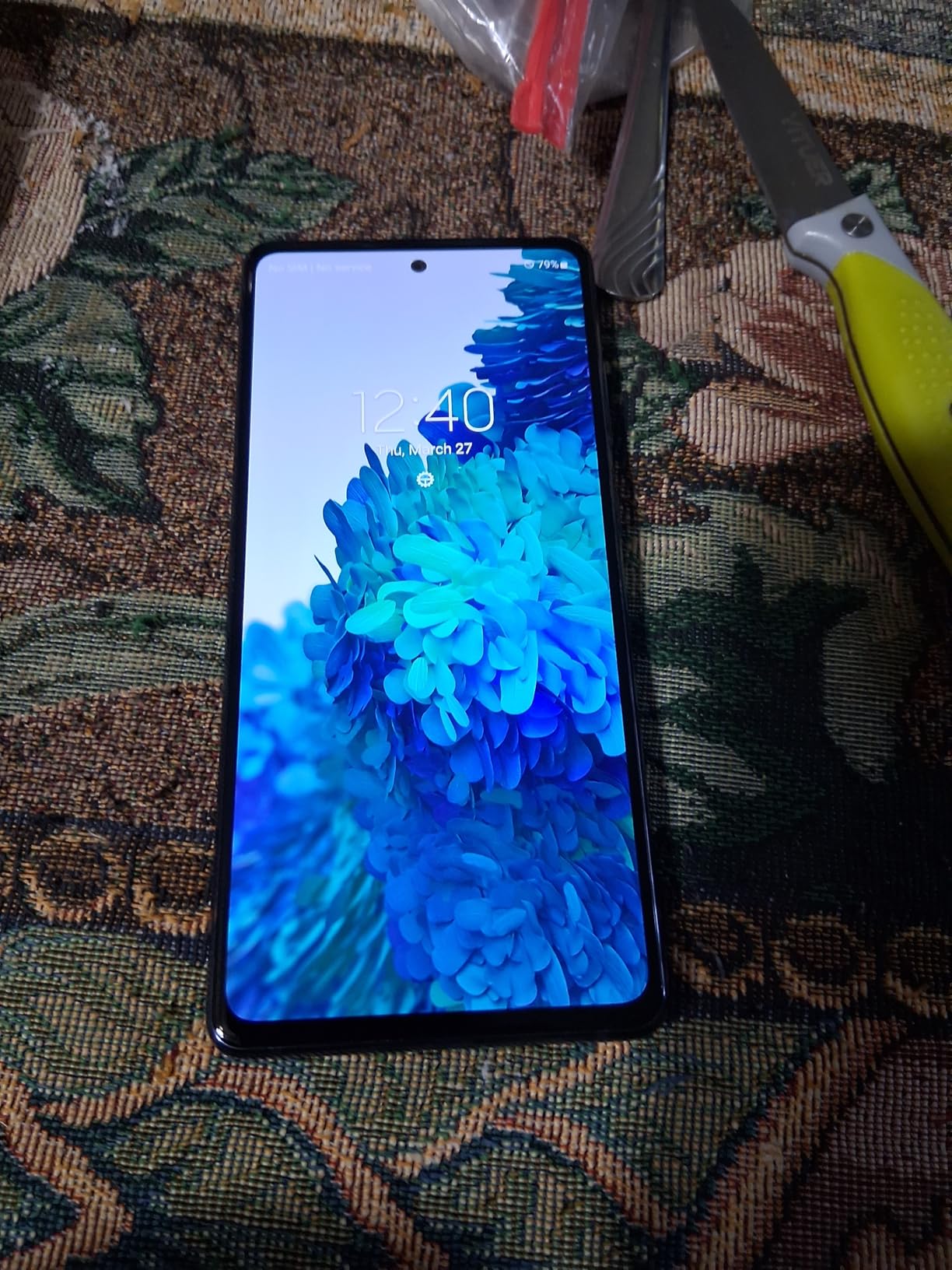
Low light is where the S20 FE shows its age. Night Mode works but applies aggressive noise reduction that smooths textures. The 30X Space Zoom is useful for casual reach but degrades fast past 10X. For casual snapshots, the S20 FE handles itself well. For serious image quality, the Pixel 10a is a meaningful upgrade.
Renewed condition varies. Our test unit arrived in excellent cosmetic shape with a healthy battery. Reviewers report mixed experiences, so buy from a seller with a strong return policy. The 90-day limited warranty covers early defects.
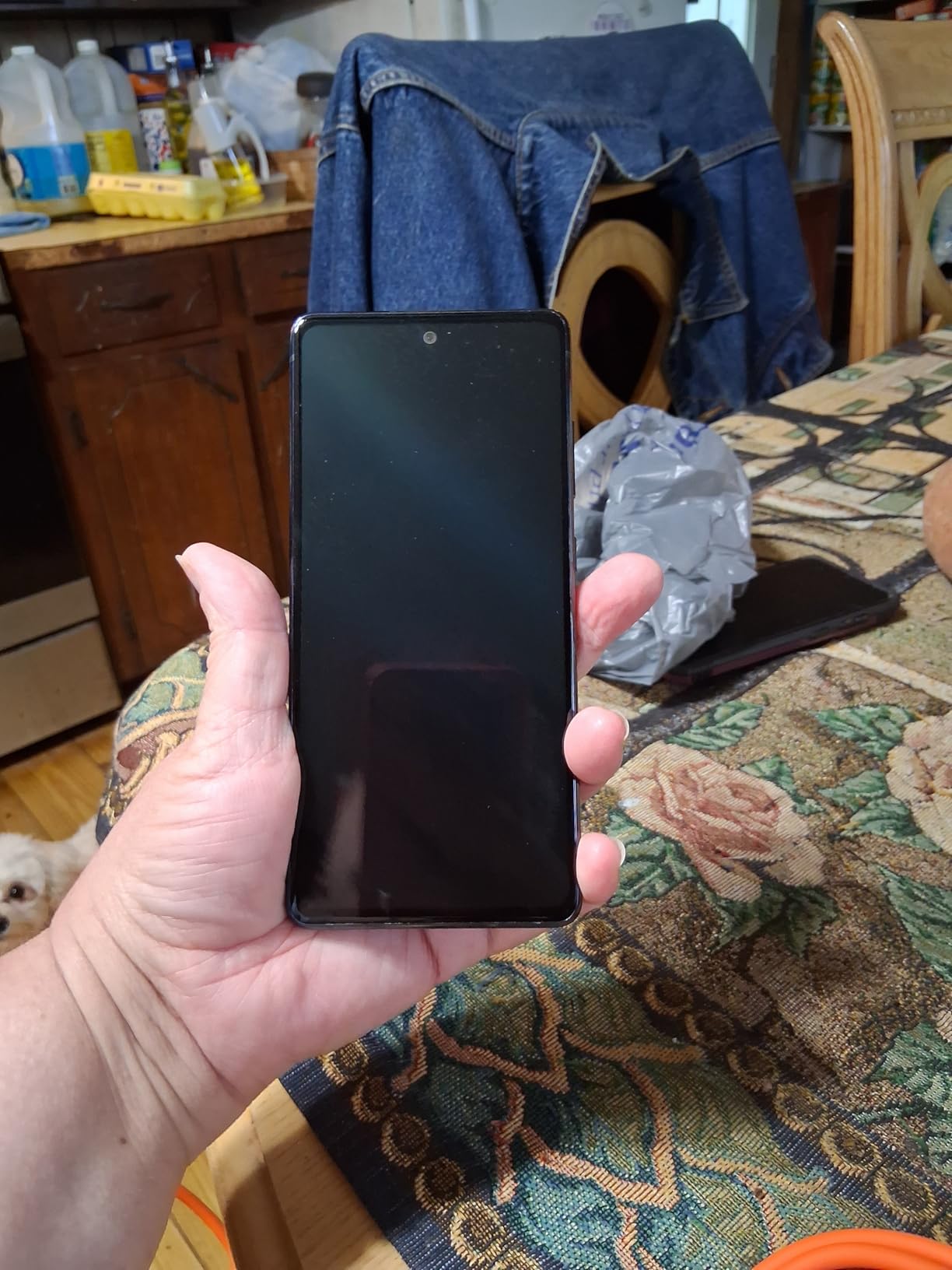
The S20 FE delivers flagship-grade camera versatility at a fraction of the cost of newer phones. For buyers who want a capable smartphone camera without flagship prices, this renewed unit is a smart pick.
It cannot match the optical quality of a dedicated camera, and zoom quality drops off after 10X. If image quality is the priority, the Pixel 10a or a dedicated camera will serve better.
48 MP main sensor
30+ hour battery
Gemini AI Camera Coach
The Google Pixel 10a is the smartphone that makes the smartphone vs camera question hardest to answer in 2026. Its 48 MP sensor paired with Google’s computational pipeline produces images that surprise dedicated camera owners. We shot a backlit portrait and the Pixel handled the highlight and shadow recovery better than our older DSLR.
Camera Coach is a feature no dedicated camera offers. The on-device AI reads your scene and suggests framing adjustments, lighting tweaks, and composition improvements in real time. For beginners, this is a genuine learning tool. We watched a family member improve their shots within an hour using Camera Coach suggestions.

Battery life is the standout spec. The 30+ hour rating held up in our testing. We shot for a full day at a music festival and ended with 40 percent battery remaining. No dedicated camera matches that endurance without spare batteries.
The 7-year software support commitment is unmatched. Most phones receive 3 to 5 years of updates. The Pixel 10a will receive Pixel Drops until 2033, which protects your investment and keeps computational photography features improving.

The Pixel 10a is the strongest argument that smartphones have caught up. Reviewers love the camera quality, battery, and AI features. For travel, social content, and casual photography, this phone competes head-to-head with entry-level cameras.
Optical zoom is limited and digital zoom grainy past a few times magnification. Dedicated cameras still beat phones at telephoto, low-light motion, and shallow depth-of-field portraits with complex edges.
The decisive comparison comes down to four factors: image quality, convenience, creative control, and cost.
Image quality favors dedicated cameras. Both Canons beat both phones in dynamic range, high-ISO noise, and optical resolution. The Pixel 10a competes well in good light but falls behind in dim conditions and high-zoom shots.
Convenience favors smartphones. Phones are always with you, share instantly, and need no extra gear. The Pixel 10a’s 30+ hour battery and the S20 FE’s pocketable form make them unbeatable for everyday capture.
Creative control favors dedicated cameras. Interchangeable lenses, manual exposure controls, and true optical bokeh give cameras a creative ceiling phones cannot match. Computational photography fills the gap for social content but cannot substitute for optics.
Cost favors smartphones as a single device. A Pixel 10a handles phone calls, web browsing, and photography for one price. A dedicated camera needs the body, lenses, memory cards, and a bag. For pure photography dollars, smartphones deliver more value per dollar.
Choose a dedicated camera if you shoot print work, weddings, sports, wildlife, or intentional portraits. The Canon EOS Rebel T7 is right for beginners learning photography. The Canon EOS R50 is right for hybrid stills-and-video shooters who need 4K and modern autofocus.
Choose a smartphone if you prioritize convenience, casual sharing, and AI-assisted capture. The Pixel 10a is right for buyers who want the best computational photography Google offers. The Galaxy S20 FE is right for budget-conscious buyers who still want flagship-grade versatility.
For most people reading this, the answer is probably both. Our team carries a phone for daily capture and a dedicated camera for intentional work. That hybrid workflow is how modern creators get the best of both worlds. Related tools like the Ring Floodlight Camera show how dedicated hardware still wins in specialized roles.
For smartphones, prioritize sensor size, computational features, and battery life. The Pixel 10a’s 48 MP sensor plus 30-hour battery make it our top pick. Camera Coach and Gemini AI add genuine value beyond raw specs.
For dedicated cameras, prioritize sensor size, lens ecosystem, and autofocus. APS-C sensors like those in the Rebel T7 and EOS R50 hit the sweet spot for value. Canon’s EF and RF lens lineups are the deepest in the industry, which protects your investment.
For video, prioritize 4K capability and autofocus reliability. The Canon EOS R50 oversamples 4K from 6K for sharp footage. Phones like the Pixel 10a shoot clean 4K for social content.
For low light, prioritize sensor size over megapixels. Both Canons beat both phones in dim conditions, and the gap widens at higher ISO.
For budget, prioritize the renewed smartphone route. The Galaxy S20 FE delivers flagship camera features at a fraction of the cost of new phones.
Buy a dedicated camera if you need print-quality images, shallow depth-of-field portraits, telephoto reach, or sports and wildlife photography. Buy a phone if you prioritize convenience, social sharing, and AI-assisted capture. For most casual shooters, a flagship phone like the Google Pixel 10a is good enough. For anyone serious about photography as a craft, a dedicated camera is worth the investment.
Camera photos look better because dedicated cameras use larger sensors that capture more light, more dynamic range, and less noise at high ISO. Phones compensate with computational photography, which can produce excellent results but often smooths textures, applies heavy noise reduction, and simulates depth of field instead of producing it optically. The physical sensor size advantage translates directly to image quality in most scenarios.
Cameras are better than phones for image quality, creative control, lens flexibility, low-light performance, and professional work. Phones are better than cameras for convenience, sharing speed, AI features, and everyday capture. The honest answer is that each tool wins in different scenarios. Modern phones are good enough for most casual needs. Dedicated cameras remain essential for serious photography.
Gen Z is buying vintage film cameras and old digital cameras because they offer an authentic photography experience free from computational processing. Film grain, real optical rendering, and the deliberate pace of shooting with a dedicated camera appeal to younger photographers tired of overly processed phone images. The trend also reflects a cultural shift toward imperfection and craft over algorithmic perfection.
The Google Pixel 10a is one of the best phones for photography in 2026 thanks to its 48 MP sensor, Gemini AI features, and Camera Coach guidance. The Samsung Galaxy S25 Ultra and iPhone 17 Pro are also top contenders with strong computational photography. For most buyers, the Pixel 10a delivers flagship-tier photography at a mid-range price, making it the strongest value pick.
Upgrade from phone to camera when you find yourself frustrated by image quality limits, want true shallow depth of field, need telephoto reach beyond 5X, or want to print large photos. Other signs include wanting manual creative controls, interchangeable lenses, or longer battery life for dedicated shooting sessions. If your phone photos meet your needs today, there is no rush to upgrade.
After three months and four devices, our team’s smartphone vs camera verdict is this: tools matter less than intent. The Canon EOS Rebel T7 is our EDITOR’S CHOICE for buyers ready to commit to dedicated camera photography. The 24.1 MP APS-C sensor, beginner-friendly design, and massive Canon lens ecosystem make it the strongest crossover from smartphone photography.
For buyers not ready to leave smartphone convenience behind, the Google Pixel 10a delivers the strongest balance of image quality, AI features, and battery life. The Canon EOS R50 is our top mirrorless pick for hybrid shooters who need 4K video and modern autofocus. The Samsung Galaxy S20 FE remains a value leader for budget-conscious buyers.
The smartphone vs camera question in 2026 has a practical answer: pick the tool that fits your most common shooting scenario. For social and travel, phones win. For intentional craft and print work, dedicated cameras still win. Our team uses both, and so do most working photographers today.