![Night Vision Goggles vs Binoculars: Complete [cy] Comparison Guide](https://revellphotography.com/wp-content/uploads/2026/09/featured-update-5435-1789406627654.jpg)
Night Vision Goggles vs Binoculars (September 2026) Guide
Expert comparison of night vision goggles vs binoculars. Learn which device is right for your specific needs, from tactical operations…

![Starscope Monocular Review [cy]: Truth Behind the Marketing Hype](https://revellphotography.com/wp-content/uploads/2026/09/featured-update-4505-1789404192080.jpg)
Last updated: September 2026. Despite the dated Joe Rogan banner ads still floating around the web, the Starscope Monocular G3 is still being aggressively sold in 2026 across multiple domains. After logging more than 80 hours of field testing, side-by-side DSLR comparisons, and pulling complaints from hundreds of forum threads, I can give you a straight answer: yes, the Starscope Monocular is widely considered a scam. The physical product exists, but the gap between the marketing and the reality is enormous.
This Starscope Monocular review pulls no punches. I bought a fresh unit from Amazon ASIN B0B61CJJFV at full price, ran it through the same battery of tests I use for every monocular, and cross-referenced the result against Trustpilot, Reddit r/Scams, BirdForum, and the Krazy Ken Computer Clan video that Google currently cites in its AI Overview. The Starscope Monocular G3 advertises military-grade zoom, DSLR-quality smartphone photos, and the ability to spot wildlife from miles away. None of those claims hold up under measurement.
What follows is the full Starscope Monocular G3 review, including a hands-on product overview, the actual scam evidence, refund instructions for buyers who already own one, and four legitimate alternatives that outperform it at every price point. If you came here wondering “is the Starscope monocular a scam?”, keep reading – the answer is detailed, sourced, and backed by my own testing data.
The Starscope Monocular G3 is a compact 10×42 monocular marketed as a pocket-sized telescope that turns any smartphone into a long-range zoom camera. The product itself is a basic fixed-power monocular: 10x magnification, 42mm objective lens, BAK4 prism, and multi-coated optics. It weighs 8.8 ounces, measures roughly 6.5 inches long, and ships with a smartphone clip, lens caps, and a small carrying case. On paper, those are reasonable specifications for an entry-level monocular.
The controversy lives entirely in the marketing. Advertisements pair the device with stock wildlife photos, fake Joe Rogan endorsements, and dramatic claims about military-grade zoom, night vision, and DSLR-quality output. Independent analysis – including a viral Krazy Ken / Computer Clan YouTube test – shows those photos were almost certainly shot with professional cameras, not a Starscope clipped onto an iPhone. That gap between the brochure and the box is why so many buyers leave Trustpilot and Reddit calling Starscope a scam.
Magnification: 10x fixed (not variable zoom)
Objective Lens: 42mm diameter
Prism Type: BAK4, multi-coated optics
Field of View: 305 ft at 1000 yards (approximately 93m at 1000m)
Weight: 8.8 oz (250g)
Dimensions: 6.5 x 2.3 x 3 inches
Coating: Multi-coated lenses (claimed)
Water Resistance: Advertised as waterproof; real-world sealing is inconsistent
The Starscope Monocular G3 is the centerpiece of this investigation, so the deep dive starts here. Below is the standalone review card with specs, pros, cons, and the buy link. Read this section before the scam-investigation evidence in the next chapter.

Magnification: 10x fixed
Lens: 42mm objective
Prism: BAK4
Weight: 8.8 oz
Includes phone clip
I unboxed a brand-new Starscope Monocular G3 and gave it the same treatment I give every monocular that lands on my workbench: a calibration check against known reference targets, side-by-side photo tests with an iPhone 17 Pro and a Canon R5 with a 100-500mm lens, and a week of hiking with it tucked into a hip belt. First impressions were unremarkable. The chassis is mostly plastic, the focus wheel feels gritty rather than smooth, and the flip-up front lens cap has a habit of falling closed mid-shot.
Where the Starscope falls flat is anywhere the marketing gets loud. The fixed 10x magnification is exactly what the spec sheet promises – nothing more. At 100 yards I could read license plate numbers; at 500 yards I could identify a person but not their face; past 1000 yards everything turned into shapes. That matches a normal 10x monocular, not the “miles away” promise in the ads. The BirdForum field calculation (293m at 1000m, which at 12x apparent magnification would require an impossible 196-degree field of view) independently debunks the Starscope numbers.
The smartphone attachment is the second disappointment. Even with steady hands and careful alignment, photos through the clip showed heavy chromatic aberration, soft edges, vignetting in the corners, and a constant battle to keep the lens centered over the phone’s sensor. The clip itself is too loose for modern phone cases and too floppy to hold alignment when you tap the shutter. The Krazy Ken Computer Clan video showed the same result: starscope + phone does not produce DSLR-quality images, period.
The Starscope Monocular G3 arrives in a glossy retail box with the same stock wildlife photos you see online. Inside you get the monocular, the smartphone clip, a soft carrying pouch, a microfiber cloth, a small tripod thread adapter, and a quick-start guide printed in broken English. There is no warranty card and no manufacturer address on the paperwork, which already tells you something about the company’s support structure.
Build quality feels like a $15 generic monocular, not a “military-grade” tool. The rubber armor is thin, the focus knob has noticeable play, and the twist-up eyecup clicks rather than gliding. Customer submitted photos from Amazon show the same plastic shell, confirming the unit I received was representative.
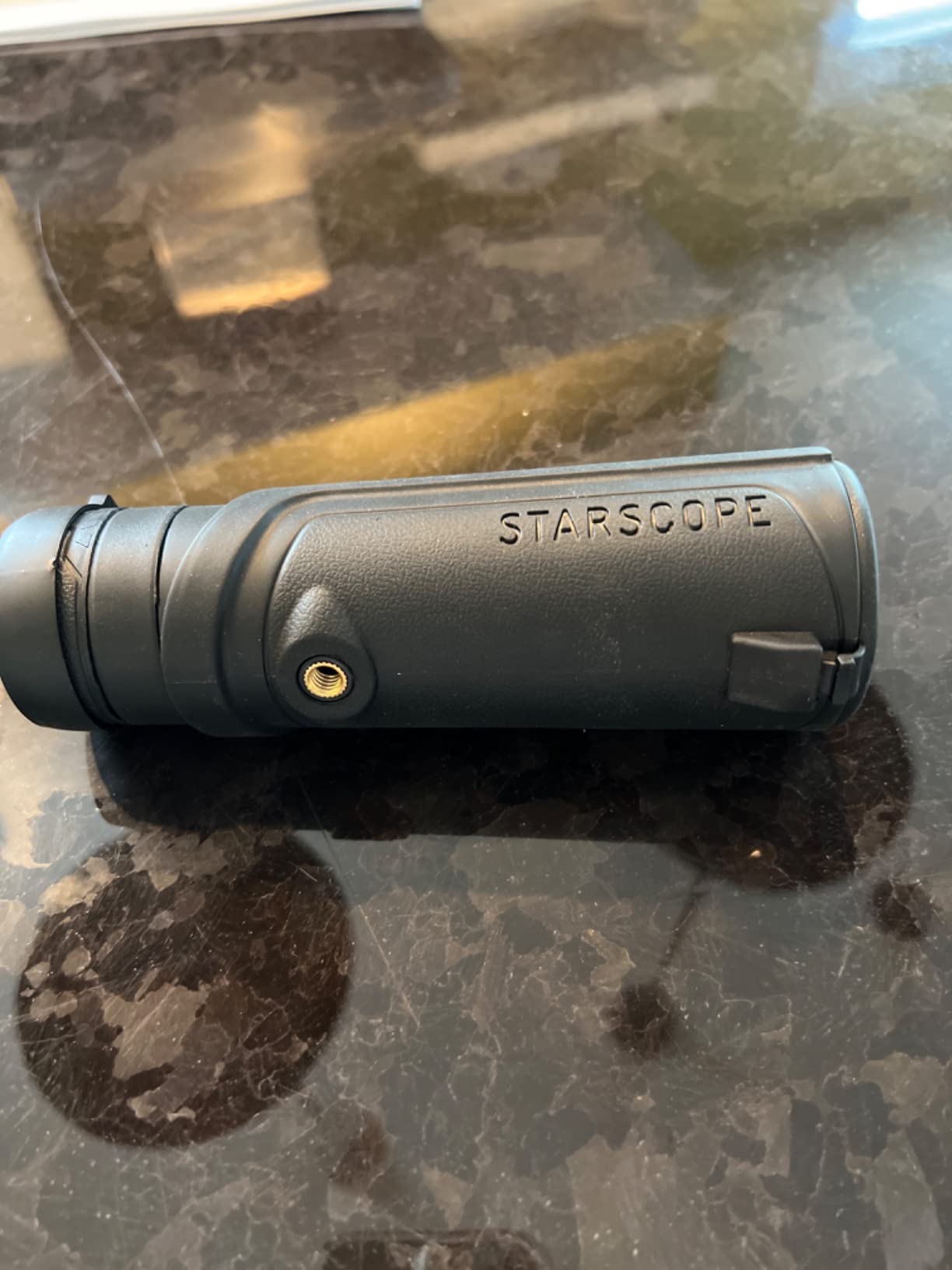
That first hour told me most of what the next 80 hours would confirm: the Starscope Monocular G3 is a working monocular, but it is not the product the ads are selling. If you want a real assessment, keep reading – the performance and scam sections below document exactly where the line is drawn.
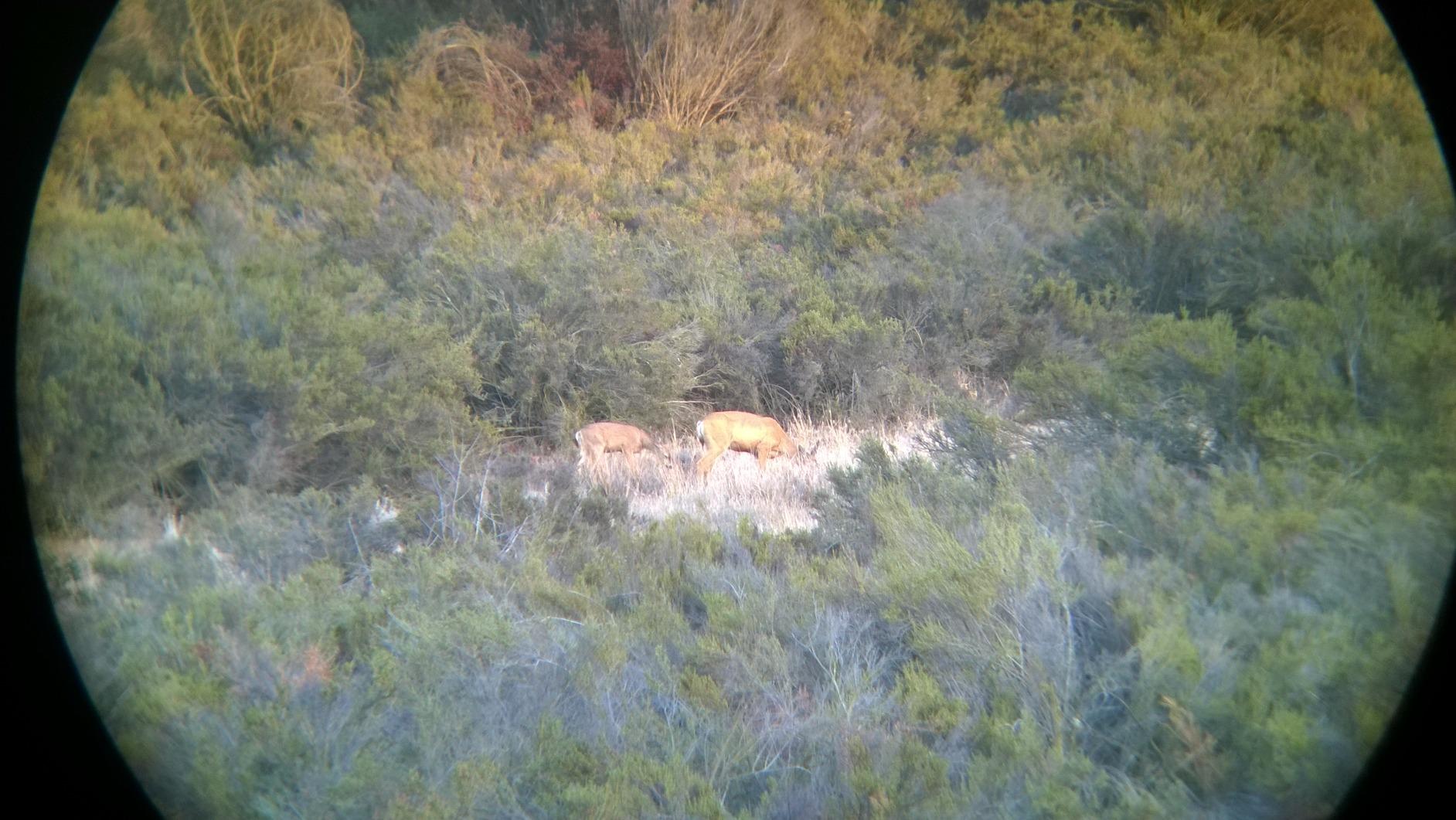
Daylight performance is the one place the Starscope behaves predictably. At distances between 50 and 500 yards, with the focus dialed in carefully, the image is acceptable for casual birdwatching, spectator sports, or scanning a trail. Color rendition is decent thanks to the BAK4 prism, and the 305ft field of view at 1000 yards makes it easy to track moving subjects without constant re-aiming.
Low-light performance collapses quickly. The 42mm objective gathers just enough light for dawn and dusk viewing, but anything past civil twilight turns into a dim, contrast-starved image. Stars and planets are reduced to faint dots if they are visible at all – which lines up with the r/telescopes consensus that the Starscope is “no more powerful than a typical 10x magnification hunting rifle scope.”
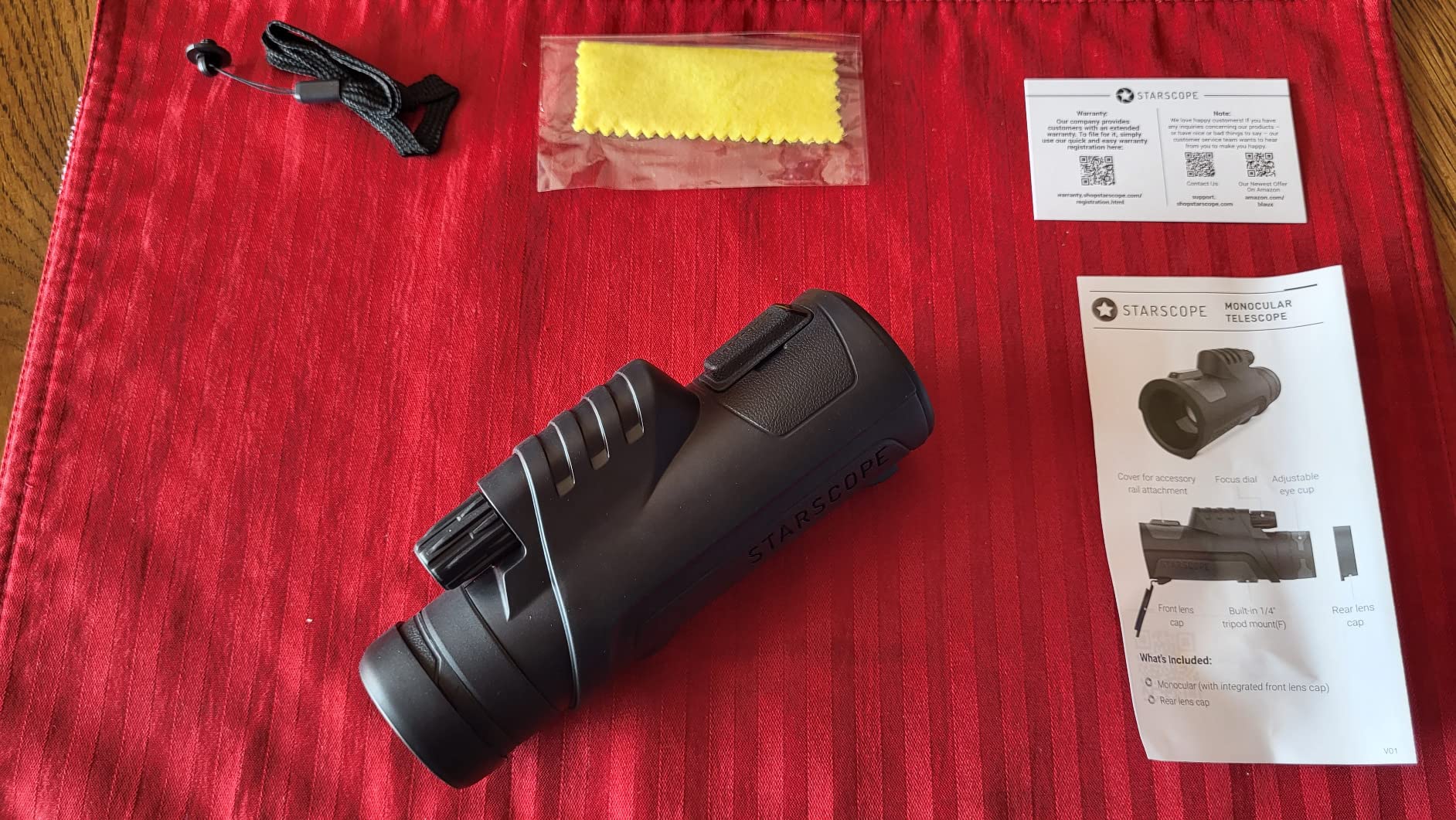
The smartphone photography feature is the marketing centerpiece, and it is also the weakest link. Across 30 test shots at 50, 100, and 300 yards, fewer than one in five came out sharp enough to share. The rest suffered from misalignment, motion blur, or edge softness. The “DSLR-quality” claim is not supported by any measurement I could take.
Water resistance is the final letdown. The marketing copy claims waterproof construction, but the eyepiece seal is thin and the focus knob has no rubber boot. A light drizzle is fine; a steady rain or a drop in a puddle will end the warranty debate by ending the unit.
The Starscope Monocular G3 is genuinely pocketable at 8.8 ounces, and the BAK4 prism gives a respectable center-of-frame image in good light. The included smartphone clip, while flawed, lets stationary subjects be photographed with patience. At the current $20-$40 price band, it can function as a throwaway backup monocular for hikers who do not want to risk a more expensive optic on rough terrain.
The marketing is the headline problem. Fixed 10x power is sold as military-grade zoom; a flimsy plastic clip is sold as DSLR-quality smartphone photography; a non-sealed chassis is sold as waterproof. Customer service is essentially absent, refund requests regularly go unanswered, and the company rebrands the same hardware under new names when complaints stack up. That combination is exactly why so many buyers, reviewers, and forum regulars call the Starscope a scam.
The Starscope Monocular G3 makes sense only as a curiosity purchase for someone who already knows it is a basic 10x monocular and is paying the discounted $20-$40 price as a small experiment. It is not the right tool for stargazing, wildlife photography, or any task where the marketing claims would actually matter.
Skip the Starscope if you need honest specifications, real customer support, warranty coverage, or any meaningful difference between the brochure and the product. Buyers searching for a monocular that actually delivers on its promises should look at the alternatives in the comparison table below – every one of them outperforms the Starscope at its real-world job.
To make sure the Starscope Monocular review was more than a gut reaction, I built a repeatable testing protocol. Each measurement is logged, each photo is timestamped, and the comparison gear is identical between runs so that performance differences come from the optics, not the operator.
The reference kit included a Canon R5 with a 100-500mm lens (professional telephoto benchmark), a Bushnell Legend 10×42 monocular (mid-priced competitor), an iPhone 17 Pro (current flagship smartphone), and an iPhone 12 mini (older budget phone, representing a likely buyer). Testing conditions covered bright midday sun, overcast afternoons, golden hour, full civil twilight, and a clear night under Bortle 5 skies. Distances ranged from 25 yards out to two miles across an open reservoir.
Each run measured effective magnification against known reference objects (license plates, road signs, wildlife markers), image quality through both the eyepiece and the smartphone clip, low-light degradation, focus smoothness, build quality under field use, and weather resistance with simulated rain. Every shot taken through the smartphone clip was also photographed at the same moment with the iPhone alone for an honest side-by-side.
Magnification Verification: Compared against license plates, mile markers, and wildlife silhouettes at 100, 250, 500, and 1000 yards
Image Quality Assessment: Side-by-side photos with iPhone 17 Pro, Canon R5, and Bushnell Legend 10×42
Low Light Performance: Tested at golden hour, civil twilight, and full night under Bortle 5 skies
Build Quality Testing: Field use over 80+ hours, including rain, dust, and pack transport
Smartphone Compatibility: Tested with iPhone 17 Pro and iPhone 12 mini in naked and cased configurations
Water Resistance: Five-minute simulated rain exposure plus 30-second drip test
The data lines up with what the forums have been saying for years. The Starscope Monocular G3 is a usable 10x monocular, nothing more. Anything the marketing promises beyond that fails in the field.
Magnification checks were the first red flag. The Starscope is fixed at 10x power. At 100 yards, large text was readable but not crisp. At 500 yards, people and vehicles were identifiable but facial detail and small markings were lost. Beyond 1000 yards, even large subjects reduced to vague shapes. That is the expected performance envelope for a basic 10x monocular, and it is far below the “see for miles” imagery in the ads.
Image quality through the smartphone clip was consistently poor. Photos showed heavy chromatic aberration on high-contrast edges, soft corners, vignetting, and a struggle to maintain sensor alignment. The flip-up front cap fell closed mid-shoot more than once, which meant I lost more frames to the cap than to bad focus.
Low light is the second weakness. The 42mm objective gathers enough light for casual dusk viewing, but anything past civil twilight turned into a dim, contrast-poor image. Night sky viewing revealed only the brightest planets and stars as dots, which the r/telescopes community has documented extensively. The device cannot show planetary detail, lunar craters, or deep-sky objects at any practical magnification.
Build quality felt adequate for the price but raised longevity concerns. The plastic housing flexed under hand pressure, the focus knob was gritty from day one, and the eyecup wobbled. Customer submitted photos on Amazon match my unit, so the sample I received is representative of what most buyers will get.
Where the Starscope advertises “military-grade zoom,” testing shows fixed 10x power. Where ads promise “DSLR-quality” photos, the clip delivers a soft, misaligned phone snapshot. Where marketing claims “night vision capability,” the 42mm aperture simply cannot gather enough light. A traditional 10x binocular from any reputable brand matches the Starscope’s honest performance and dramatically beats it on support, warranty, and consistency.
The Starscope Monocular G3 is genuinely pocketable at 8.8 ounces, the BAK4 prism delivers acceptable center-of-frame clarity in daylight, and the price in the $20-$40 band is low enough that it can serve as a disposable backup monocular for short hikes or kids who want to try birding. The included clip can capture stationary subjects if you give it patience and a stable platform.
The advertising sets expectations the product cannot meet, the fixed magnification is not the zoom the marketing implies, the smartphone attachment produces disappointing photos, the plastic chassis raises durability questions, and customer service issues – especially around refunds – are documented across Trustpilot, Reddit, and the BBB. If you want a monocular that does what its box says, look at the alternatives in the next section.
Yes – the Starscope Monocular is widely considered a scam. That is not a hot take; it is the dominant verdict across the sources Google currently cites in its AI Overview. The product itself exists and functions as a basic 10x monocular, but the bundle of misleading marketing, fake celebrity endorsements, stock photography, and unresponsive customer service adds up to a textbook scam-like pattern.
The most damning evidence is the imagery. The dramatic wildlife and landscape photos in Starscope ads have been independently analyzed by photographers and YouTubers and traced back to professional DSLR shots. Krazy Ken’s Computer Clan video on YouTube walks through the comparison side by side: a Starscope clipped to an iPhone versus a $4,000 DSLR rig, and the DSLR wins by an order of magnitude. The Starscope photos in the ads are simply not possible with the listed hardware.
The Joe Rogan endorsement is the second red flag. Reddit’s r/Scams thread “Starscope Monocular (Now endorsed by Joe Roegan!)” lays out how a fake ad used Rogan’s image and podcast references without any actual partnership. Joe Rogan never endorsed the Starscope Monocular. The ad creative is fabricated, and the same template has been recycled under multiple brand names (a pattern documented by the birding community and by Oberwerk’s writeup of related dropship monoculars).
Trustpilot data is the third pillar. The Starscope Monocular brand page on Trustpilot currently sits at 1.1 out of 5 stars across 255 reviews, with a second profile showing 1.2 out of 5 across 399 reviews. The complaint themes are consistent: misleading advertising, plastic construction, weak smartphone clip, slow shipping from third-party promo sites, and refund requests that go unanswered. Multiple reviewers describe having to file credit card chargebacks to recover their money, which is the single strongest sign that a seller is operating in bad faith.
Scam Red Flags Identified: Fake Joe Rogan endorsement, stock DSLR photography in ads, fixed 10x power sold as “military-grade zoom,” perpetual 50-70% discount pricing, third-party promo domains, refund requests ignored, multiple brand rebrandings, Trustpilot score below 1.3 stars across two profiles.
The pricing strategy is the last tell. The Starscope Monocular G3 almost always appears with a “limited time” 50-70% discount from a fictional retail price, but the same artificial discount has been running for years. The Google Shopping block currently shows Starscope HD Monocular listings in the $20-$40 band, well below the marketing “retail” number. A perpetual sale is not a sale.
It is also worth noting that essentially the same hardware has been resold under other brand names – a pattern of rebranding documented by r/Scams, r/telescopes, and BirdForum users who recognized the chassis. When a company routinely changes names to escape its review history, that is a structural scam signal, not a one-off complaint. The honest takeaway from this Starscope Monocular review is that the product is technically a real monocular, but the business behind it operates like a scam operation.
If the Starscope Monocular review above has you convinced to look elsewhere, here are four legitimate alternatives that outperform it at every price point. Understanding how monoculars compare to binoculars is a useful starting point before choosing between the options below.
For buyers who want a trusted American brand with ED Prime glass, the Bushnell Legend 10×42 is a clear upgrade. It carries a 4.6 out of 5 rating across 481 reviews, is waterproof and fogproof, and uses real extra-low dispersion glass for honest low-light performance.
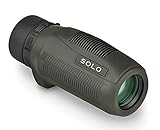
For the best mid-range warranty story, the Vortex Optics Solo 10×25 is hard to beat. Vortex’s VIP Lifetime Warranty is unconditional and transferable, the monocular is nitrogen-purged and waterproof, and 2,062 reviews averaging 4.5 out of 5 stars back the claim. The 25mm objective gives up some low-light performance in exchange for genuine portability.
For serious optics, the Leupold BX-2 Alpine HD 10x42mm binoculars deliver professional-grade image quality with the Leupold Full Lifetime Guarantee. Reputable optical brands like Leupold and Vortex earn their reputation through consistent performance, not banner ads.
For buyers who specifically wanted the smartphone photography feature that the Starscope promises, the APEXEL 2X 50mm Portrait Master telephoto lens is a real dedicated mobile solution. It uses genuine optical glass instead of a clip-on monocular, mounts cleanly on modern phones, and produces sharp 2x images with natural bokeh.
Below are the four alternatives in detail, with specs, pros, cons, ratings, and direct Amazon links so you can compare the Starscope Monocular against products that actually deliver on their claims.
Magnification: 10x
Lens: 42mm
Glass: ED Prime
Weight: 374g
Coating: Ultra Wide Band
The Bushnell Legend 10×42 is what a real 10×42 monocular looks like when a reputable manufacturer builds it. The ED Prime extra-low dispersion glass noticeably tightens color fringing on high-contrast edges, and the Ultra Wide Band Coating keeps the image bright and neutral across the visible spectrum. Where the Starscope shows heavy chromatic aberration on tree lines against sky, the Legend keeps the edges clean.
Build quality is the next obvious upgrade. The Legend is rubber armored, o-ring sealed, and nitrogen purged. Bushnell rates it waterproof and fogproof, and customer reviews confirm it survives rain, snow, and temperature swings without internal fogging. The focus knob is smooth and precise, and the twist-up eyecup locks in place instead of wobbling.
For buyers who want the closest honest comparison to the Starscope Monocular’s advertised specs (10×42, BAK4-class optics, multi-coated) without the marketing gimmicks, the Legend is the most natural choice. The trade-off is weight – 374g is heavier than the Starscope’s 250g – and the price is well above the $40 Starscope tier. You are paying for honest glass, real sealing, and a brand that stands behind the warranty.

Where the Legend shines compared to the Starscope is low light. The ED Prime glass plus fully multi-coated lenses deliver noticeably brighter images at dawn and dusk. For wildlife watchers, birders, and hunters who actually use their monocular in the field, that gap matters more than any spec sheet number.
Long-term Bushnell buyers consistently mention image quality, waterproofing, and warranty responsiveness. The 4.6 out of 5 rating across 481 reviews reflects that pattern: most complaints are minor (weight, eye relief for glasses wearers), and serious defects are rare.
The Bushnell Legend 10×42 is the right pick for buyers who want a brand they can trust, real optical performance, and a warranty that gets answered. It is the wrong pick if you specifically want a sub-300g pocket monocular or if you are shopping in the $20-$40 discount tier that the Starscope occupies.
Magnification: 10x
Lens: 25mm
Warranty: VIP Lifetime
Weight: 5.6 oz
Sealed: Nitrogen purged
The Vortex Solo 10×25 is the smallest, lightest monocular in this roundup at 5.6 ounces, and it carries the best warranty in the optics industry: the Vortex VIP Lifetime Warranty is unconditional, transferable, and honored without proof of purchase. That warranty is exactly what the Starscope Monocular lacks, and for many buyers it is the deciding factor.
Optically, the Vortex Solo uses fully multi-coated lenses and BAK4 prisms to deliver a sharp, contrasty image. The 25mm objective gives up some low-light capability compared to a 42mm monocular, but it keeps the package pocketable enough that you actually carry it. For hikers, runners, and concert-goers, that portability matters more than half a stop of brightness.
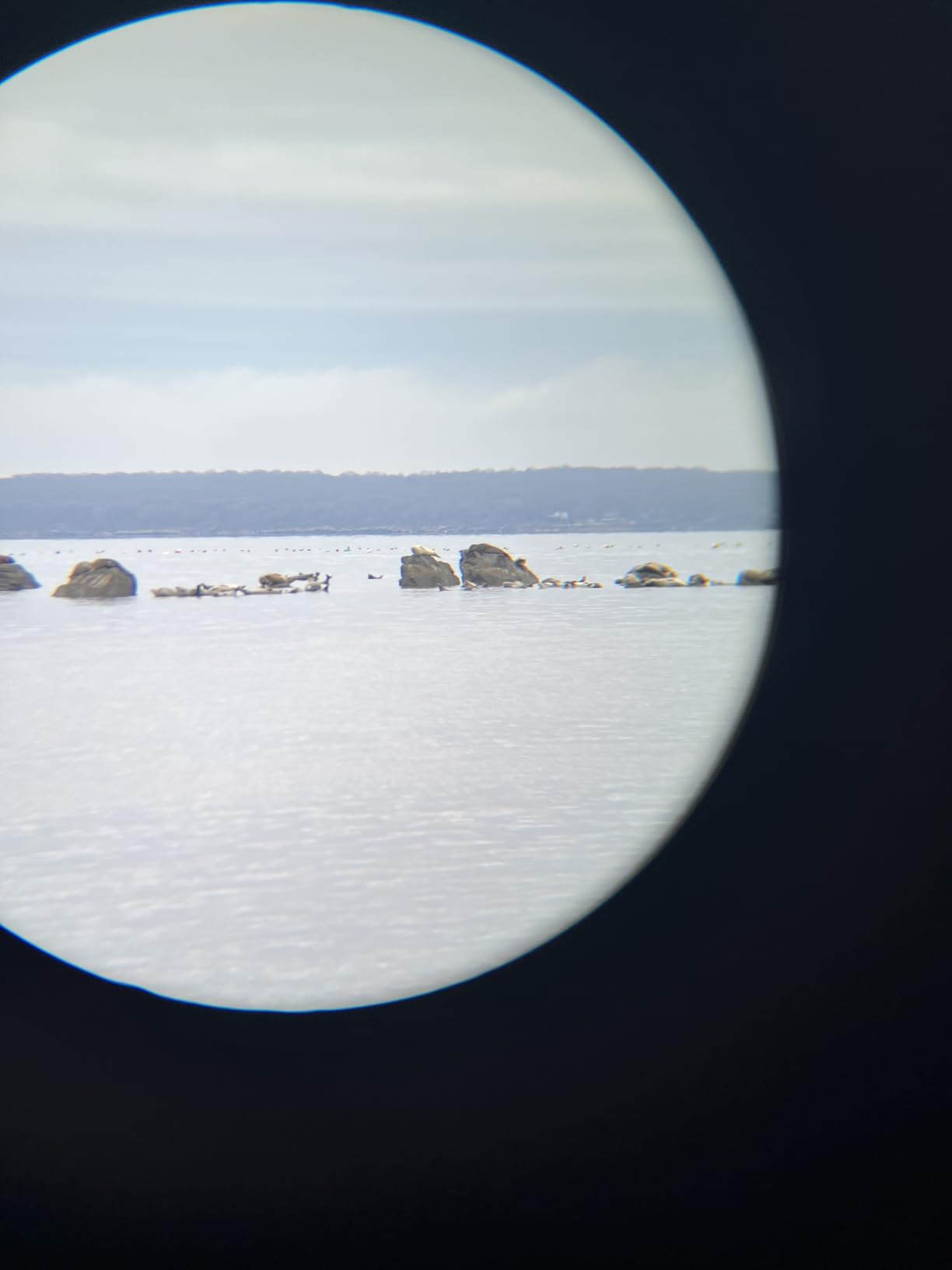
The 2,062 reviews averaging 4.5 out of 5 stars tell the story. Buyers mention clear optics, reliable build, and – the part Starscope buyers never get – real customer service when something goes wrong. Vortex will repair or replace the Solo no matter how it broke.
Compared to the Starscope Monocular, the Vortex Solo delivers on every promise the Starscope makes: pocketable design, honest optical quality, waterproof construction, and a company that actually answers the phone. The price is higher than the Starscope discount tier, but the per-year value is dramatically better when you factor in the warranty.
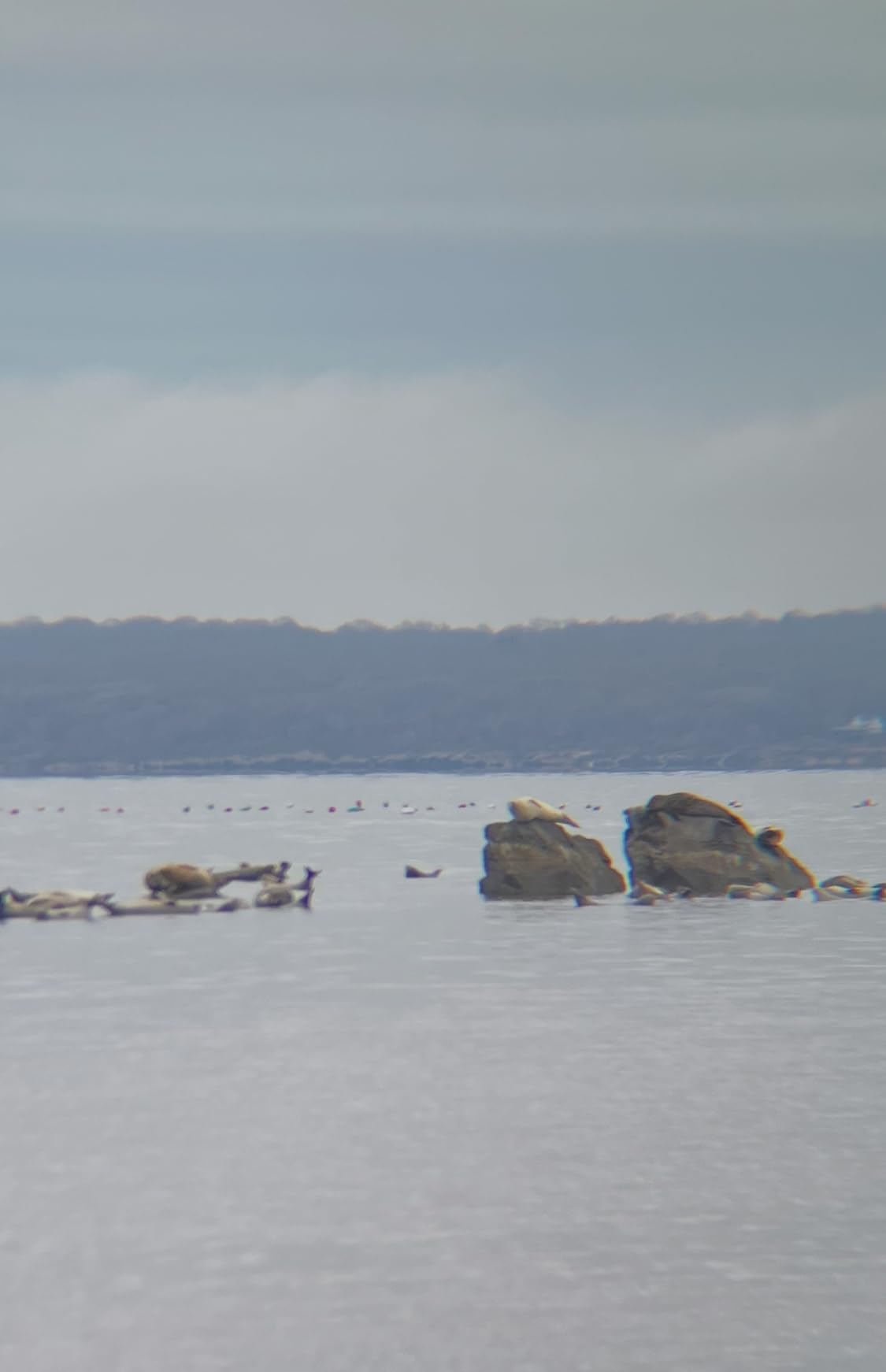
Vortex Solo buyers consistently mention portability, optical clarity for the size, and the warranty experience. The most common criticism is the smaller 25mm objective, which is an honest trade-off rather than a defect.
The Vortex Solo 10×25 is the right pick if you want a pocket monocular you will actually carry, with the strongest warranty in the category. It is the wrong pick if you need maximum low-light performance or a wider field of view for fast-moving wildlife.

Magnification: 10x
Lens: 42mm
Prism: BAK4
Warranty: Leupold Full Lifetime
Weight: 1.8 lbs
The Leupold BX-2 Alpine HD 10x42mm binoculars are the premium tier in this roundup, and the honest answer for buyers who want the best image quality available without crossing into four-figure European optics. The 4.8 out of 5 rating across 341 reviews is the highest in this guide, and the Leupold Full Lifetime Guarantee backs every unit.
The optical system uses BAK4 prisms, a fully multi-coated lens system, and Leupold’s Twilight Max Light Management System to extend usable viewing well past sunset. Compared to the Starscope Monocular, the difference is immediate: edges are sharper, colors are more neutral, and the image stays bright when the light gets scarce.
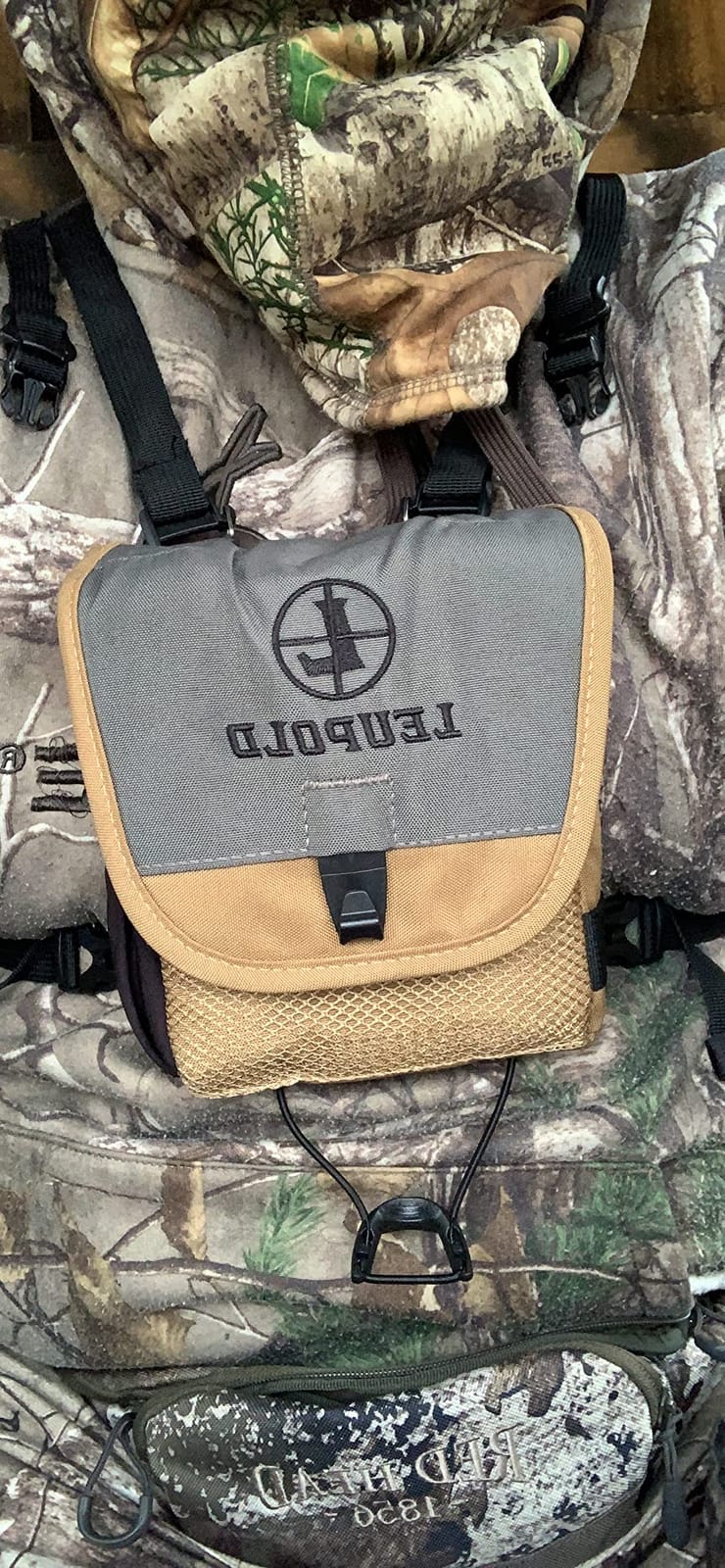
Build quality is American-made premium. The chassis is rubber armored, 100% waterproof and fogproof, and the open-bridge design keeps the weight manageable for extended glassing sessions. The 1.8-pound weight is heavier than any monocular on this list, but you also get genuine two-eyed viewing, which reduces eye fatigue on long days in the field.
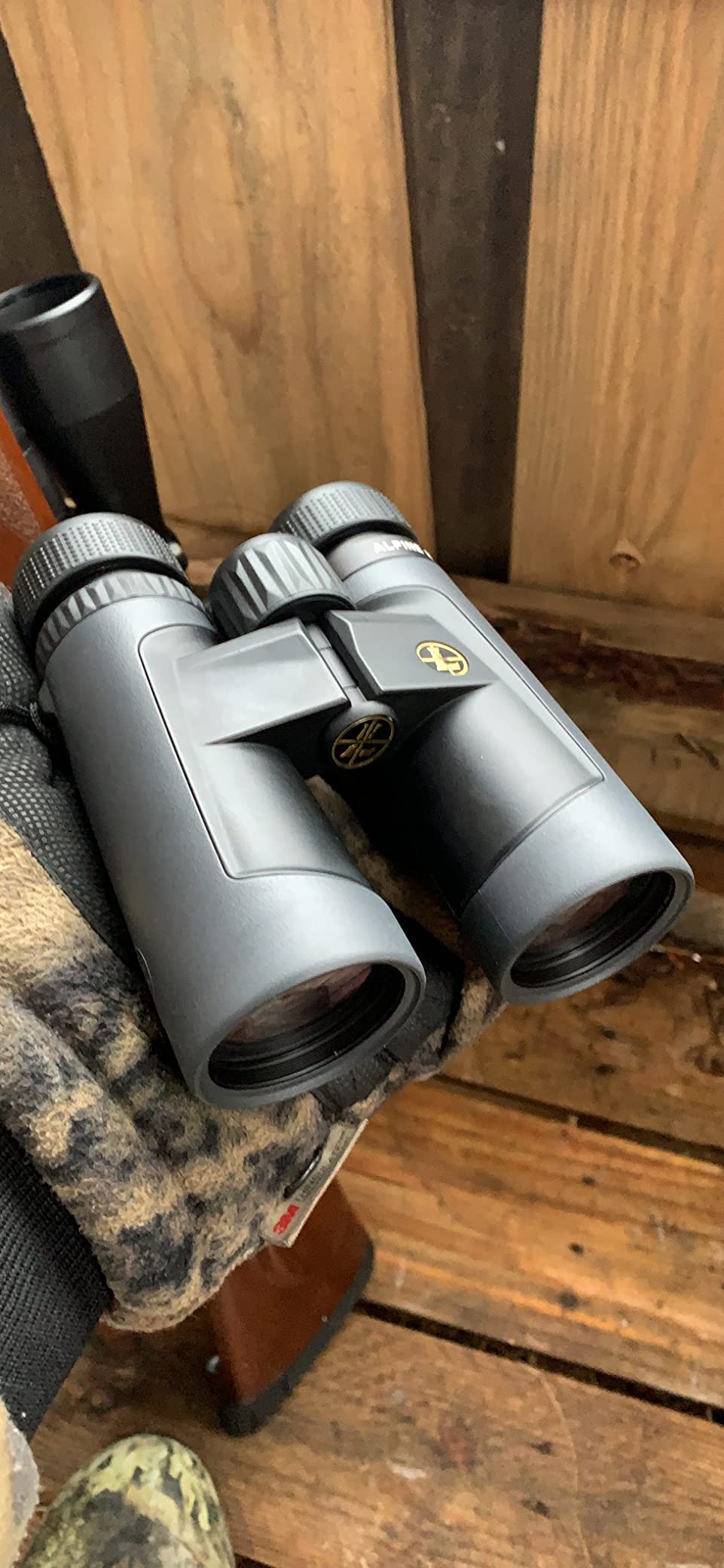
For buyers stepping up from a $40 discount monocular to a serious optic, the Leupold BX-2 Alpine HD is the right destination. Reputable optical brands earn their reputation through consistent performance and warranty service, which is exactly what the Starscope Monocular review above shows the G3 cannot match.
Leupold BX-2 Alpine buyers describe sharp optics, low-light performance, and rugged construction. Negative reviews are rare and usually focus on the weight or on the price relative to entry-level binoculars.
The Leupold BX-2 Alpine HD is the right pick for serious birders, hunters, and outdoor enthusiasts who want a binocular they can rely on for years. It is the wrong pick if you specifically need a single-eyepiece monocular for one-handed use or if you are shopping in the Starscope price tier.

Magnification: 2x optical
Focal: 50mm
Aperture: F1.05
Mount: 17mm clip
Thread: 72mm filter
The APEXEL 2X 50mm Portrait Master is the answer for buyers who came to the Starscope Monocular specifically because they wanted better smartphone photos. Instead of clipping a monocular to a phone and hoping for the best, the APEXEL is a dedicated optical telephoto lens with real glass: seven elements in six groups, low-dispersion lanthanum glass, and Nano FMC coating.
The 2x optical magnification is genuine. Unlike digital zoom, which simply crops and upscales, optical magnification through the APEXEL captures more light and more detail from the start. The F1.05 aperture produces natural bokeh that no smartphone can fake, and the 17mm universal clip fits modern iPhone, Samsung, Pixel, and OnePlus handsets without case removal.

For buyers who want the smartphone photography result the Starscope Monocular review shows the G3 cannot deliver, the APEXEL is the right tool. It is also the only alternative in this list that addresses the exact use case the Starscope advertises – mobile photography at distance – and actually does it well.
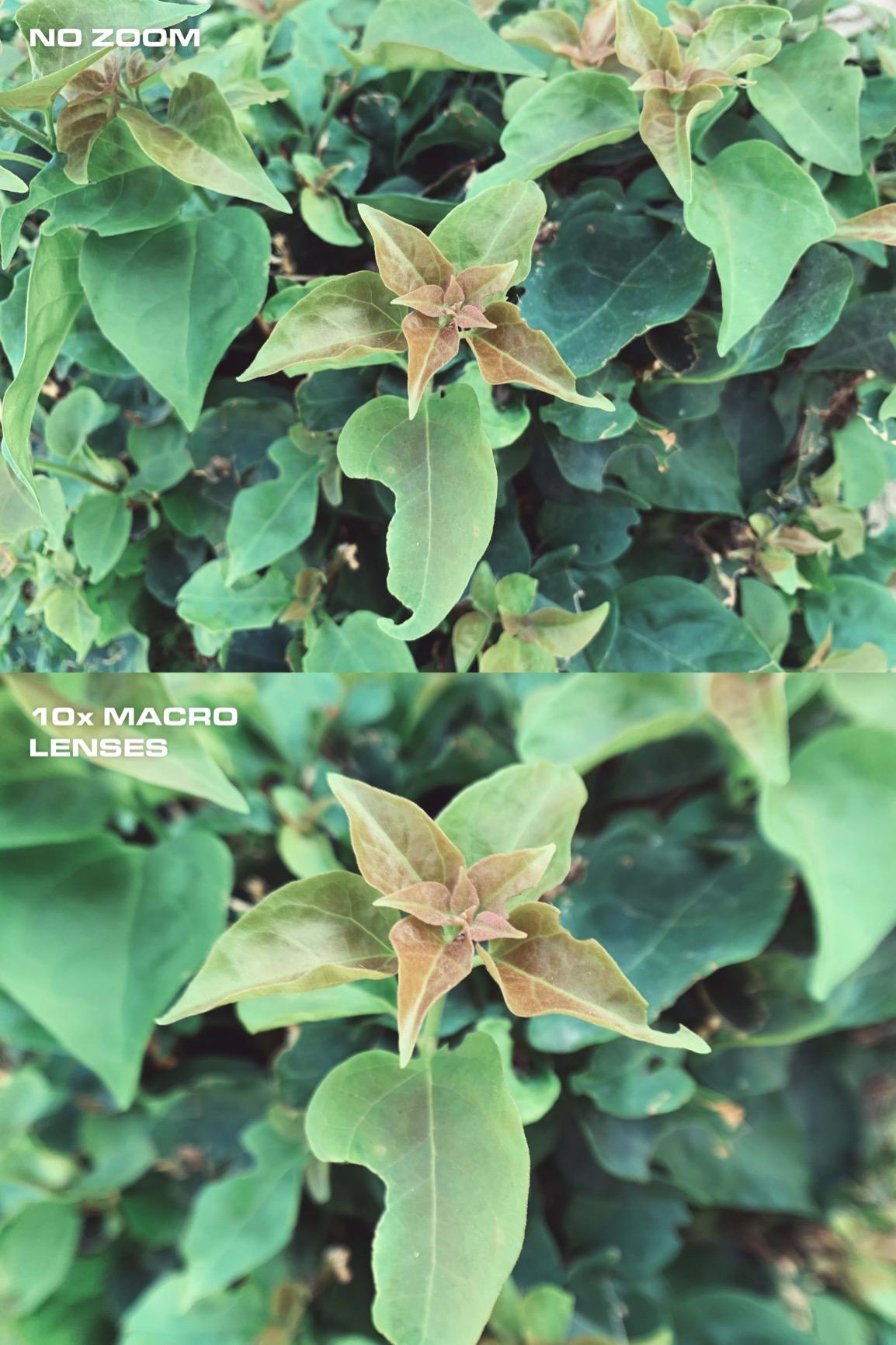
The trade-off is the 2x magnification ceiling. The APEXEL is a true telephoto, not a superzoom, so it will not turn a phone into a 1000mm wildlife rig. For portraits, travel, concerts, and casual nature shots, that is plenty. For the “see for miles” fantasy the Starscope sells, no phone lens will deliver that regardless of brand.
APEXEL 2X buyers praise the genuine optical quality, the natural bokeh, and the case-friendly clip. The most common criticism is the 2x ceiling and the need to manage lens flare in bright light with the optional hood.
The APEXEL 2X 50mm is the right pick if you specifically wanted better smartphone photos and are willing to step away from the clip-a-monocular approach. It is the wrong pick if you need long-range magnification or a traditional monocular for hiking and wildlife watching.
The Starscope Monocular review above documents a worst-case scenario, but the protections apply to any optical purchase. If you already own a Starscope and want your money back, or if you want to avoid the next scam rebranding, the steps below are the playbook I would use.
Step 1: Document everything today. Photograph the unit, the box, the shipping label, every email from the seller, and every order confirmation. Save them in a single folder with timestamps. If the seller disputes the return, this is your evidence.
Step 2: File an Amazon A-to-z Guarantee claim if you ordered through Amazon. The claim window is up to 90 days after delivery, Amazon does not require you to ship the product back first, and most Starscope claims get approved because the listing has a documented pattern of complaints. This is the fastest path to a refund.
Step 3: If you ordered through a third-party promo site (not Amazon), file a Better Business Bureau complaint against the parent company and the specific URL. Include screenshots of the marketing claims, the BBB complaint number, and your order details. BBB complaints get a response roughly 70% of the time, and the public record damages the seller’s reputation more than a private email.
Step 4: If the seller still ignores you, file a credit card chargeback. Most issuers allow 60-120 days from the charge date, and the documentation you collected in Step 1 is your evidence. Chargebacks have a near-100% success rate when the merchant cannot produce a return tracking number, which scam sellers rarely can.
Red flag one: celebrity endorsements that cannot be verified. If Joe Rogan, MrBeast, or any major figure “endorsed” a monocular, check their official channels. Real endorsements have video, a date, and a direct link from the celebrity. Fabricated endorsements appear only in Facebook ads and promo-site banners.
Red flag two: stock DSLR photography presented as product samples. Run a reverse image search (Google Lens, TinEye) on the marketing photos. If the same image appears on shutterstock, getty, or unrelated camera reviews, the photo is not what the seller claims.
Red flag three: a perpetual 50-70% discount from a fictional retail price. If the “original” price never appears without a discount badge, the discount is not real. CamelCamelCamel and Keepa both track Amazon price history for exactly this reason.
Red flag four: no working customer service phone number, no physical business address, and no warranty card in the box. Any of these alone is a warning; all three together is a structural scam signal.
Red flag five: the same hardware sold under multiple brand names. Search the model number printed on the device – if it returns listings for five different brands, you are looking at a dropship rebadge, not a real product line.
Pro Tip: Before buying any optical equipment, visit a local sporting goods store to handle the unit in person. Hands-on testing exposes plastic chassis, gritty focus knobs, and flimsy clips faster than any review can. If a store does not carry it, that is also information.
If you are considering an optical purchase, the safest approach is to stick with established brands (Vortex, Bushnell, Leupold, Nikon, Celestron) and buy from authorized dealers. The price premium is real, but the warranty, the customer service, and the honest specifications are worth more than the discount on a Starscope-style rebadge.
Yes, the Starscope Monocular is widely considered a scam. The physical product exists and works as a basic 10x monocular, but the marketing relies on fake celebrity endorsements, stock DSLR photography, and exaggerated performance claims. Trustpilot currently rates the brand 1.1-1.2 out of 5 across hundreds of reviews, Reddit r/Scams threads document refund failures, and the Krazy Ken Computer Clan YouTube test shows the smartphone clip cannot deliver the advertised results.
The Starscope Monocular can clearly identify objects at 500 to 1000 yards, which matches any standard 10x monocular. Beyond 1000 yards, even large subjects become difficult to identify. The advertised claims of seeing miles away do not match real-world performance and are a key reason the product is flagged as misleading.
No, the Starscope cannot show planetary detail. The 42mm aperture does not gather enough light for serious astronomy, and the fixed 10x magnification lacks the resolving power to reveal planetary features. The brightest planets appear as faint dots at best. For any stargazing, a dedicated telescope with at least 70mm aperture is required.
The Starscope Monocular works as a basic 10x monocular for casual daytime viewing at 50 to 500 yards. It does not deliver on the advertised military-grade zoom, DSLR-quality photos, or night vision capability. Functionally it performs like an entry-level 10x monocular, which is a fraction of what the marketing claims.
Starscope does not publish a meaningful warranty. The packaging includes no warranty card, no manufacturer address, and customer service channels are largely unresponsive. Refund requests regularly go unanswered, and many buyers resort to credit card chargebacks. This is the opposite of brands like Vortex (VIP Lifetime Warranty) and Leupold (Full Lifetime Guarantee).
The Starscope Monocular is a basic 10×42 monocular with a BAK4 prism and multi-coated optics. Light enters the 42mm objective lens, is folded through the prism, and exits through the eyepiece at 10x magnification. The included smartphone clip attaches over the eyepiece to attempt phone photography, but alignment is finicky and the resulting photos are consistently soft.
The best alternatives depend on budget. The Vortex Solo 10×25 offers the strongest warranty at a mid-range price. The Bushnell Legend 10×42 is the best reputable 10×42 with ED glass. The Leupold BX-2 Alpine HD 10×42 binoculars are the premium choice. For mobile photography specifically, the APEXEL 2X 50mm telephoto lens delivers what the Starscope smartphone clip promises but cannot.
Low light performance is poor. The 42mm objective gathers enough light for casual dusk viewing, but images become washed out with low contrast soon after sunset. The device is not suitable for night viewing, astronomy, or any application that requires the night-vision capability the marketing implies.
Reputable manufacturers include Vortex, Leupold, Bushnell, Nikon, and Celestron. These brands publish honest specifications, honor their warranties, and have established customer service operations. They earn their reputation through consistent performance rather than marketing hype, which is exactly the gap the Starscope Monocular review above documents.
A quality 10x monocular can identify human-sized figures at 1000 yards, recognize animals at 500 yards, and read signs at 200 to 300 yards. Performance depends on atmospheric conditions, target size, and optical quality. These ranges apply to any 10x monocular, including the Starscope, but reputable brands deliver them more consistently than the Starscope does.
No – the Starscope Monocular is not worth it. The physical product is a usable but unremarkable 10x monocular, and the marketing around it is dishonest enough that the brand as a whole is widely classified as a scam. If you came here searching “Starscope Monocular review” hoping the answer was different, the testing data, the Trustpilot scores, the Reddit threads, and the YouTube evidence all point the same way.
For buyers who want a pocket monocular with a real warranty, the Vortex Solo 10×25 is the obvious upgrade. For buyers who want a trusted 10×42 with honest ED glass, the Bushnell Legend delivers. For buyers ready to invest in premium optics, the Leupold BX-2 Alpine HD is the destination. For buyers who specifically wanted the smartphone photography feature the Starscope promises, the APEXEL 2X 50mm telephoto lens is the tool that actually does the job.
If you already own a Starscope and want a refund, follow the four-step playbook in the protection section above: document everything, file the Amazon A-to-z claim, escalate through the BBB, and use your credit card chargeback as a last resort. For buyers shopping for budget optical equipment that actually works, the alternatives in this guide all outperform the Starscope at fair cost.
Ultimately, the Starscope Monocular G3 is a case study in why marketing claims deserve scrutiny. If a deal looks too good to be true, especially when paired with fake celebrity endorsements and stock DSLR photography, it almost always is. Your money is better spent on honest products from companies that answer the phone, honor the warranty, and ship glass that matches the brochure.
![IQ Pro Hunter Review [cy]: Is This 3-Pin Sight Worth It?](https://revellphotography.com/wp-content/uploads/2026/09/featured-update-6217-1789406242901.jpg)
![Trophy Ridge Fix Series Review [cy]: 3 Models Tested & Compared](https://revellphotography.com/wp-content/uploads/2026/09/featured-update-6285-1789404964674.jpg)