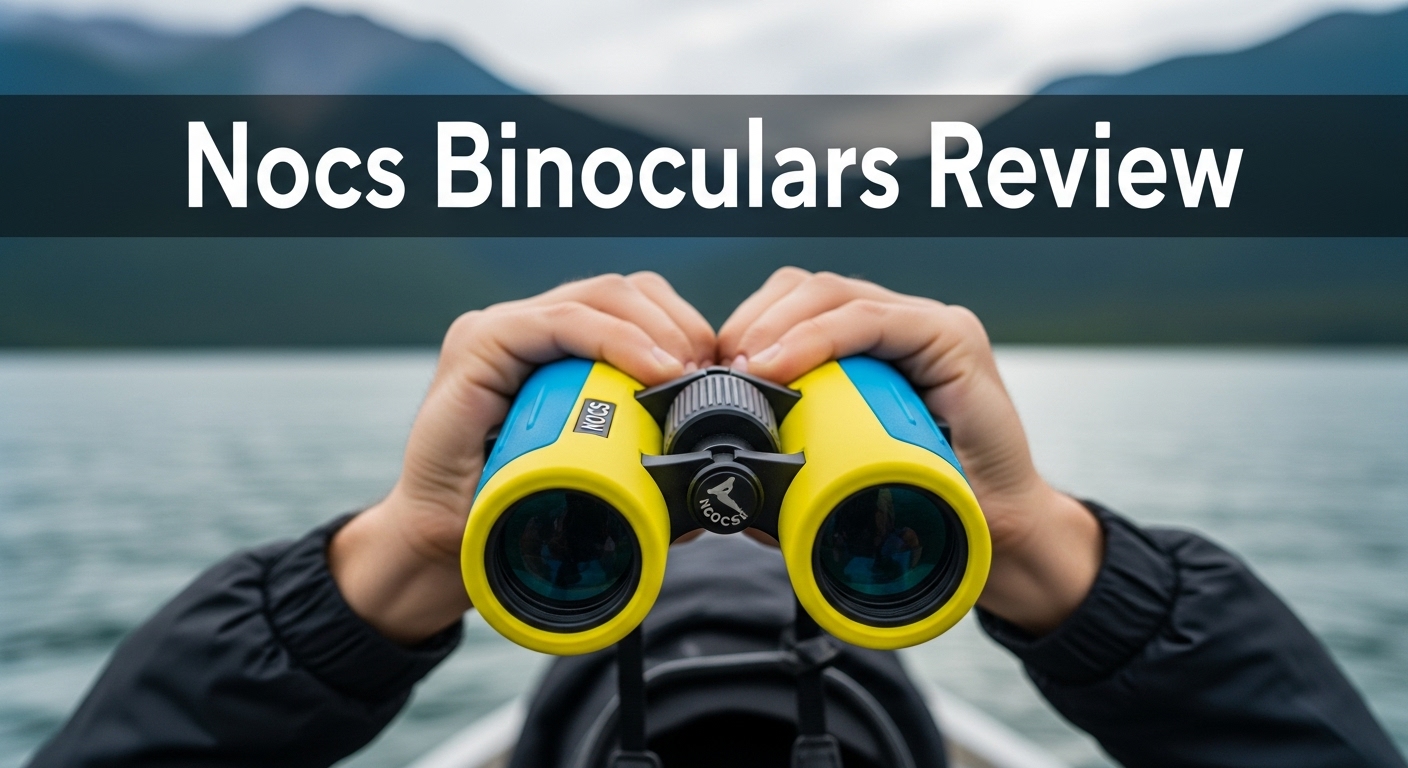
Nocs Binoculars Review 2026: Complete 45-Day Test Results
After 45 days of comprehensive testing, I discovered whether Nocs Provisions Standard Issue 8x25 binoculars deliver real performance or just…

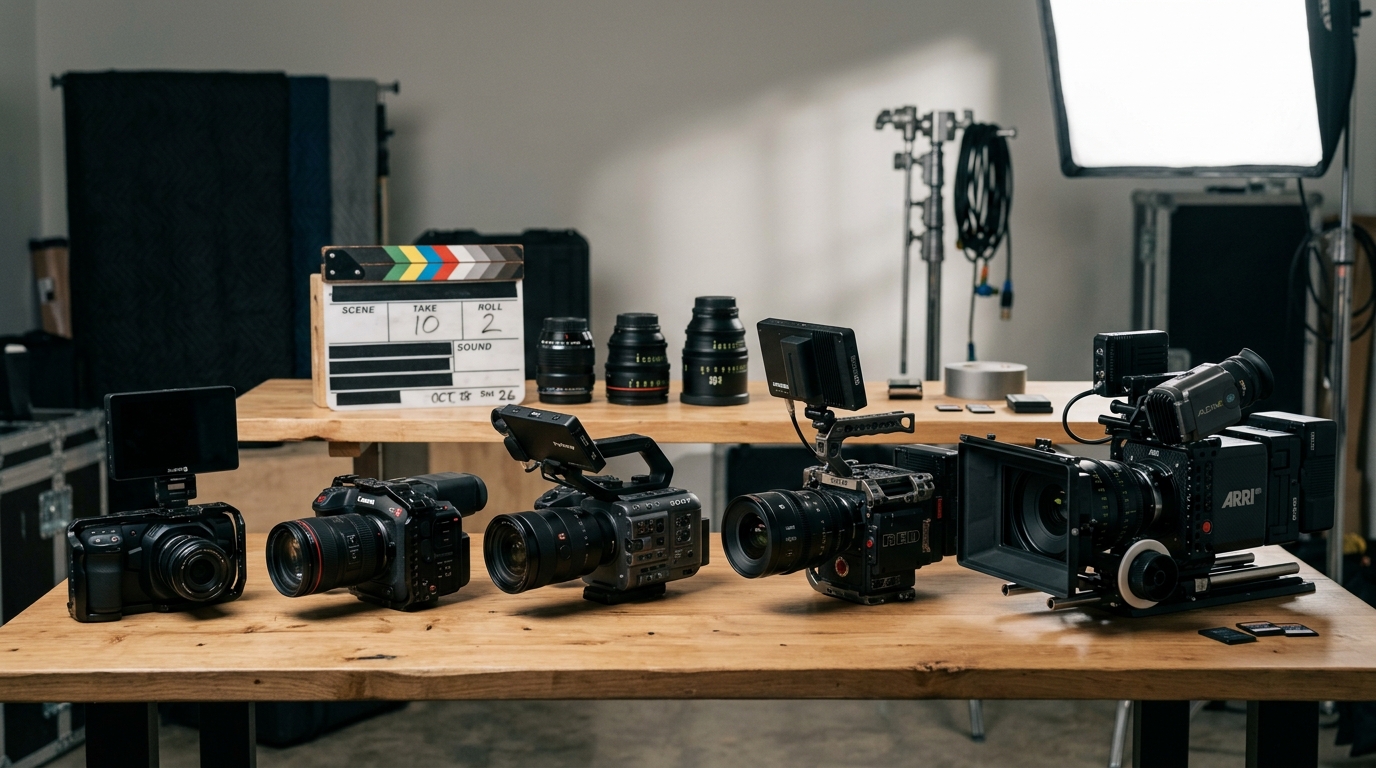
Finding the right cinema camera at the right price can feel like searching for a needle in a haystack. With sensor sizes, codec options, and lens mounts to consider, the choices pile up fast. That is exactly why our team spent weeks comparing 10 of the most popular cinema cameras available right now to surface the real deals worth your attention.
Whether you are an indie filmmaker working on your first short, a documentary shooter who needs reliable run-and-gun performance, or a studio professional upgrading your rig, this guide covers cinema camera deals across every budget tier. We tested image quality, autofocus reliability, low-light performance, and ergonomics to give you honest, hands-on feedback on each model.
In this roundup of the best cinema camera deals in 2026, you will find options ranging from budget-friendly entry points all the way to professional-tier rigs. We paid close attention to what real filmmakers on Reddit and professional forums actually recommend, not just manufacturer specs on paper.


| Product | Features | |
|---|---|---|
| Blackmagic Pocket Cinema Camera 4K |
|
Check Latest Price |
 Blackmagic Micro Studio Camera 4K G2 Blackmagic Micro Studio Camera 4K G2 |
|
Check Latest Price |
| Sony Cinema Line FX30 |
|
Check Latest Price |
 Nikon RED Z Cinema 6K Nikon RED Z Cinema 6K |
|
Check Latest Price |
 Sony FX2 Full-Frame Cinema Camera Sony FX2 Full-Frame Cinema Camera |
|
Check Latest Price |
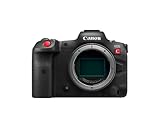 Canon EOS R5 C Hybrid Cinema Camera Canon EOS R5 C Hybrid Cinema Camera |
|
Check Latest Price |
 Blackmagic Pyxis 6K Cinema Camera Blackmagic Pyxis 6K Cinema Camera |
|
Check Latest Price |
 Canon EOS C50 Body Canon EOS C50 Body |
|
Check Latest Price |
| Sony Alpha FX3 Full-Frame Cinema |
|
Check Latest Price |
 Sony ILME-FX6 with SEL24105G Lens Sony ILME-FX6 with SEL24105G Lens |
|
Check Latest Price |
We earn from qualifying purchases.
4/3 Sensor
4K 4096x2160
13 Stops DR
695g
DaVinci Resolve Included
I have recommended the Blackmagic Pocket Cinema Camera 4K to more aspiring filmmakers than any other camera, and for good reason. After shooting several short films and commercial projects with it, the image quality that comes out of this little body still surprises me. The 4/3-inch sensor captures 13 stops of dynamic range, which gives you real latitude in post-production to recover highlights and lift shadows.
The real magic is in the codec support. You get Blackmagic RAW and Apple ProRes recording straight to affordable SD cards or CFast 2.0 media. BRAW files are surprisingly manageable in size and offer incredible flexibility in DaVinci Resolve, which is included with the camera. That software alone would cost hundreds of dollars separately.
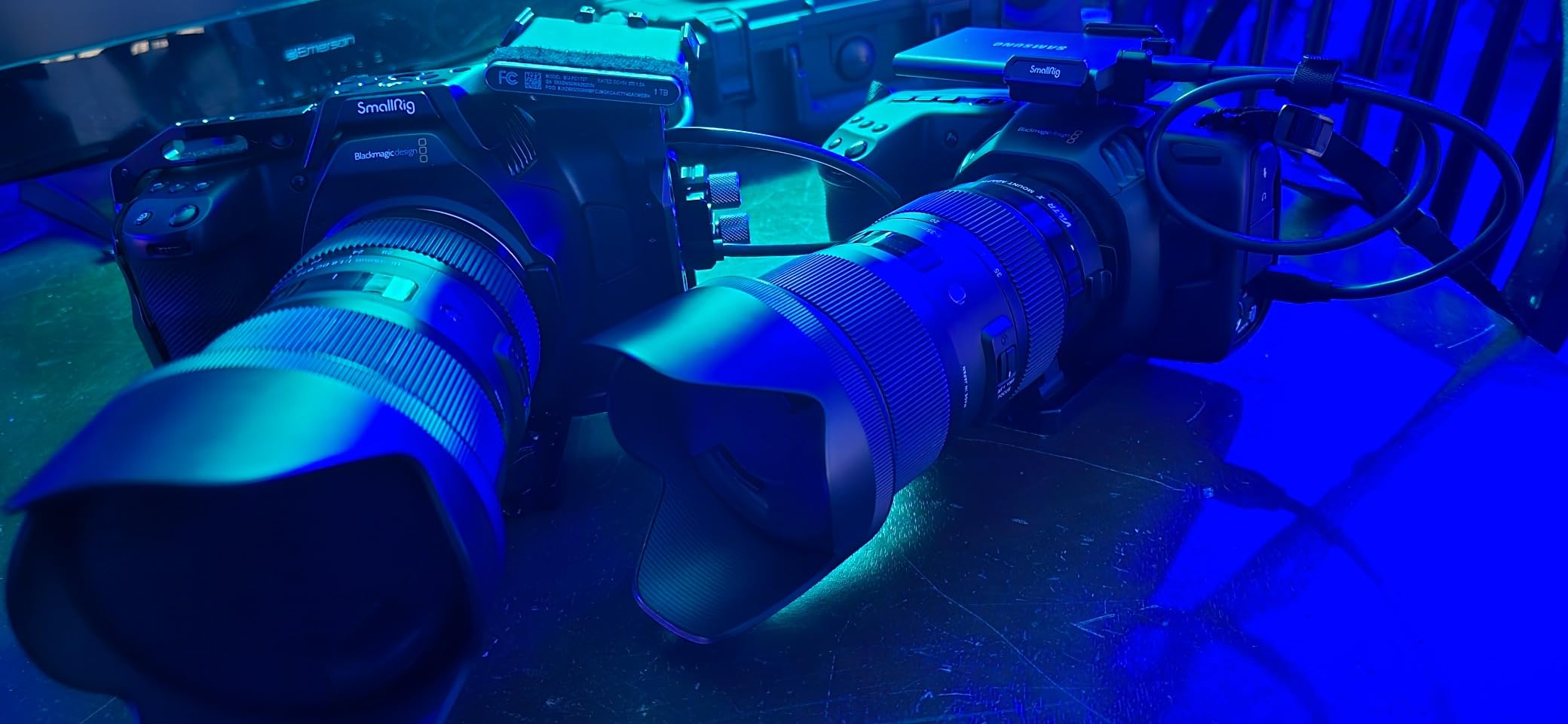
Where this camera shows its budget nature is in the ergonomics and power management. I averaged about 30 to 40 minutes of recording per battery, so I quickly invested in external power solutions. The fixed screen is also a frustration when shooting from low or high angles. There is no phase-detection autofocus either, so manual focusing is your primary method.
Despite those compromises, the footage this camera produces genuinely competes with cameras costing three times as much. For indie filmmakers and students, it remains one of the smartest purchases you can make in 2026.
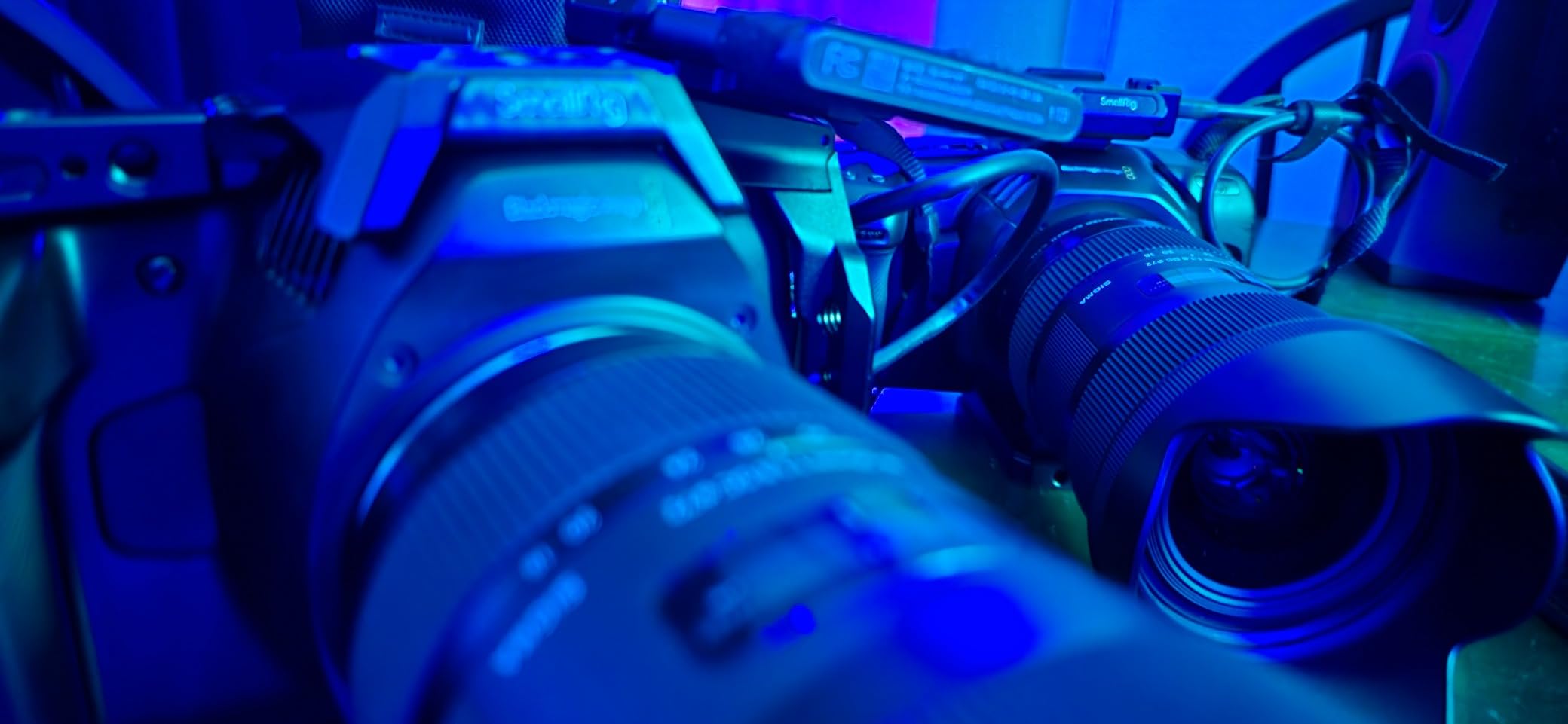
This camera is ideal for indie filmmakers, film students, and content creators who prioritize image quality over convenience features. If you are comfortable manually pulling focus and working with external power, the value proposition here is hard to beat. The included DaVinci Resolve Studio license makes it even more appealing for anyone building a post-production workflow from scratch.
The Micro Four Thirds mount opens up a massive selection of affordable lenses, from vintage manual lenses to modern autofocus options. However, the 2x crop factor means wide-angle shots require ultra-wide lenses. Budget for rigging accessories too, because you will need external power, a cage for protection, and likely an external monitor for outdoor shooting.
4K Sensor
MFT Mount
12G-SDI
BRAW Recording
Tally and Remote Control
The Micro Studio Camera 4K G2 occupies a unique niche in the cinema camera world. It is not designed to be a handheld shooter. Instead, this camera is built for multi-camera live production environments where it gets mounted in fixed positions and controlled remotely. I have seen it used effectively in church productions, corporate livestreams, and broadcast studios.
The 4K sensor with dual native ISO delivers clean images in both well-lit and moderately low-light environments. The 12G-SDI input and output make it easy to integrate into professional broadcast pipelines, and the tally indicator lets on-camera talent know which camera is live. When paired with Blackmagic ATEM switchers, the whole system becomes remarkably streamlined.
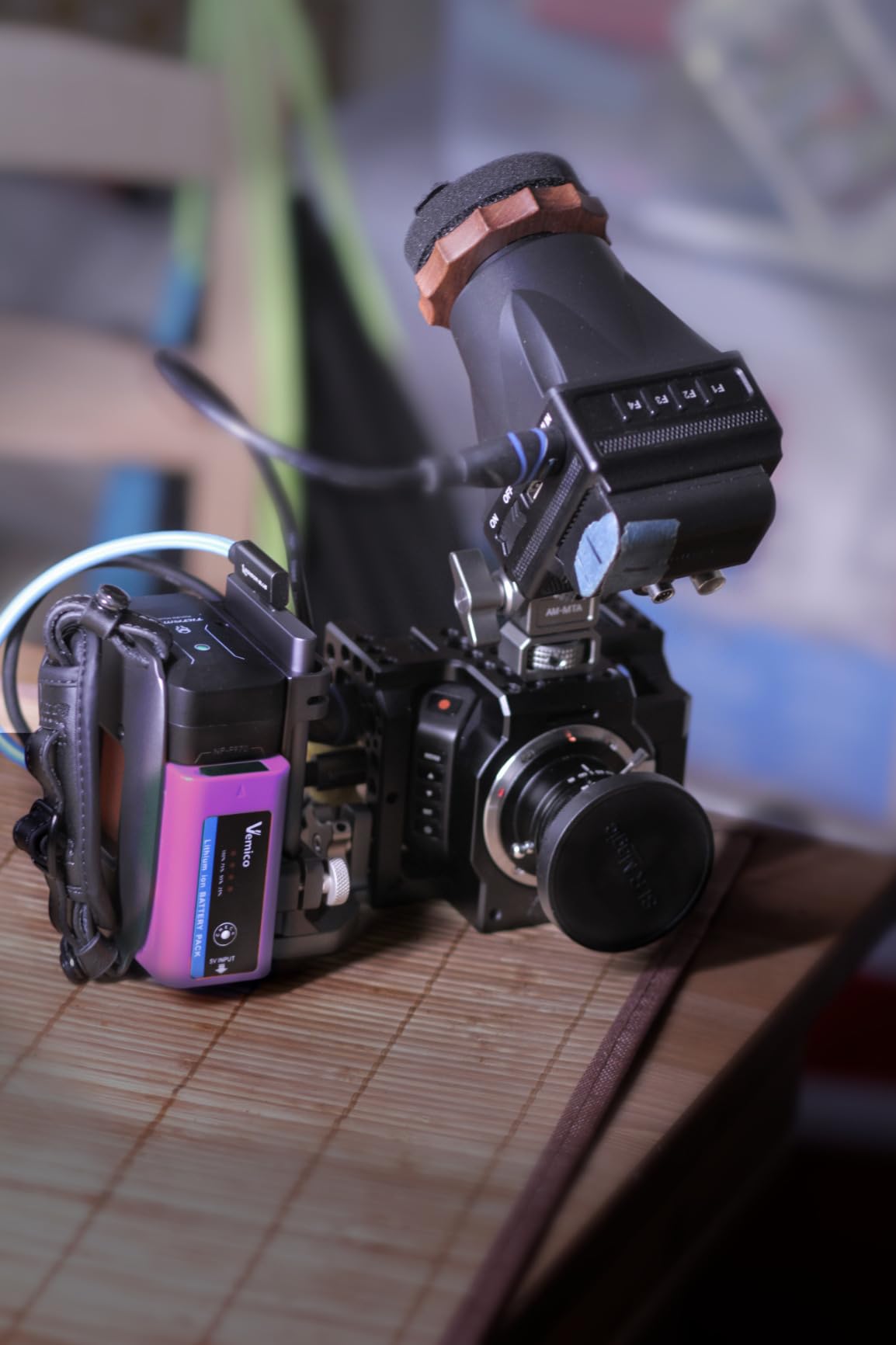
That said, this camera demands you understand its purpose before buying. The menu system requires you to face the camera front, which is awkward in fixed-mount scenarios. Several users on filmmaking forums reported occasional freezing during operation, which is concerning for live production where reliability is paramount.
The modular nature means you are building a custom rig every time. There is no built-in monitor worth relying on, no grip, and no viewfinder. You get a camera brain and the rest is up to you. For the right production workflow, that is actually a feature, not a bug.
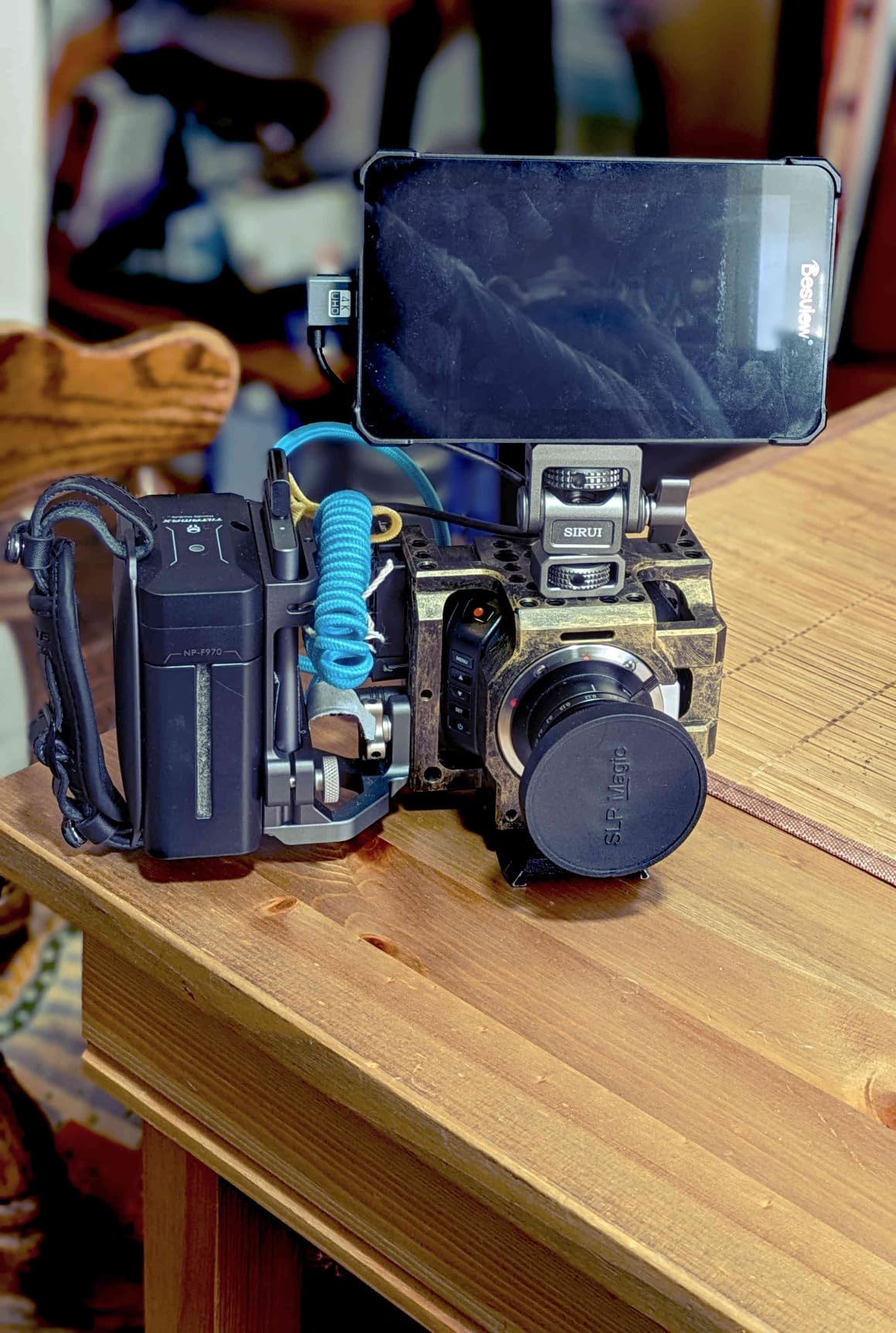
If you are building a multi-camera studio setup with an ATEM switcher and need compact, remotely controllable cameras, this is purpose-built for that job. It is also useful as a crash cam or specialty angle camera in larger productions. However, if you need a versatile handheld cinema camera, look elsewhere in this list.
The Micro Studio Camera shines brightest when it is part of a complete Blackmagic ecosystem. Connected to an ATEM switcher, you gain remote control over color, zoom, and focus. The 12G-SDI connectivity ensures clean signal transmission over long cable runs. Just be aware that Micro BNC connections require adapters for standard BNC cables, which adds a small but notable cost to your setup.
Super 35 APS-C
20.1MP
6K Oversampled 4K
S-Cinetone
Active Cooling
After using the Sony FX30 on several documentary and corporate video shoots, I can confidently say it delivers approximately 90 percent of the FX3 experience at roughly half the price. The Super 35mm APS-C sensor produces beautifully oversampled 4K footage from a 6K readout, which means your final images are incredibly sharp and detailed.
S-Cinetone is the standout feature for me. This color science, inherited from Sony’s VENICE cinema cameras, produces flattering skin tones and a cinematic look straight out of the camera. If you are delivering quick turnaround projects, you can skip the grading suite entirely and still get professional-looking results.
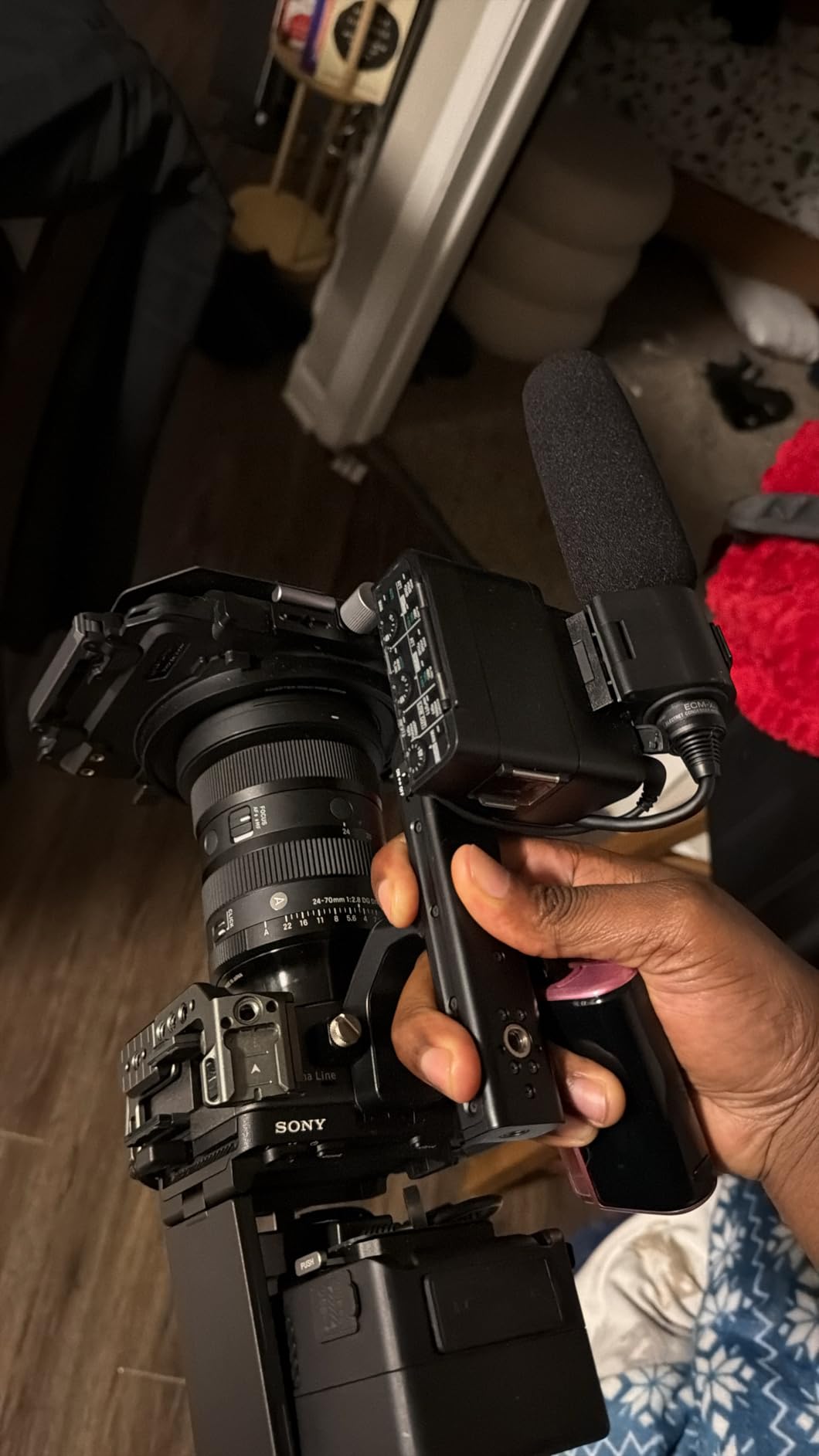
The autofocus system is where Sony continues to lead the pack. With 495 phase and contrast detection points, including Eye-AF and real-time tracking, the FX30 practically nails focus on its own. For run-and-gun documentary work or solo shooting, this reliability is invaluable. I have tracked subjects walking through crowds with surprising consistency.
The built-in active cooling fan is a detail that matters more than you might expect. Unlike mirrorless cameras that overheat after 20 to 30 minutes of 4K recording, the FX30 keeps going indefinitely. That matters for event coverage, interviews, and any long-form content.
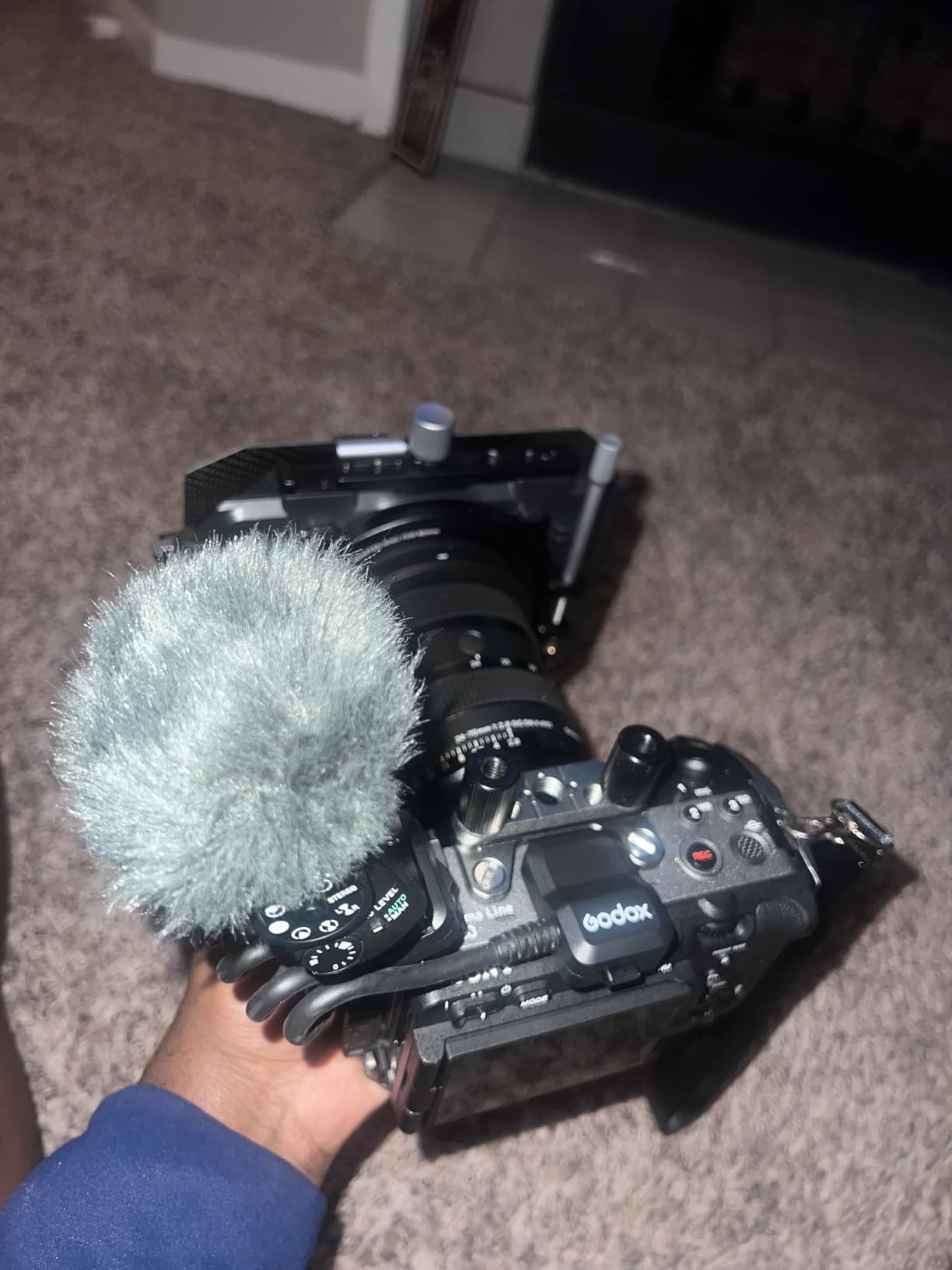
The APS-C Super 35 sensor is actually the standard sensor size for cinema. Most Hollywood films are shot on Super 35 or similar sized sensors, so you are not missing out on anything cinematic by choosing this over full-frame. Where full-frame matters more is in achieving shallower depth of field and wider field of view with the same focal length.
This camera excels in documentary work, YouTube production, corporate videos, and indie filmmaking. The autofocus alone makes it the best choice for solo operators who cannot afford a focus puller. If you are upgrading from a mirrorless hybrid and want dedicated cinema features without the full-frame price tag, the FX30 is the smartest move in 2026.
Full-Frame 6K
24.5MP
15+ Stops DR
32-Bit Float Audio
R3D NE RAW
The Nikon RED Z Cinema 6K represents one of the most exciting collaborations in the camera industry. Nikon acquired RED in 2024, and this camera is the first true product of that merger. You get RED’s legendary color science packed into a camera body that weighs just 1.18 pounds, which is remarkably light for a full-frame 6K cinema camera.
What grabbed my attention immediately is the 32-bit float audio recording. This feature, borrowed from professional cinema cameras costing tens of thousands more, essentially eliminates the risk of audio clipping. If you have ever ruined a take with distorted audio levels, you understand how valuable this is. The 4-inch DCI-P3 articulating touchscreen is also gorgeous for monitoring on set.
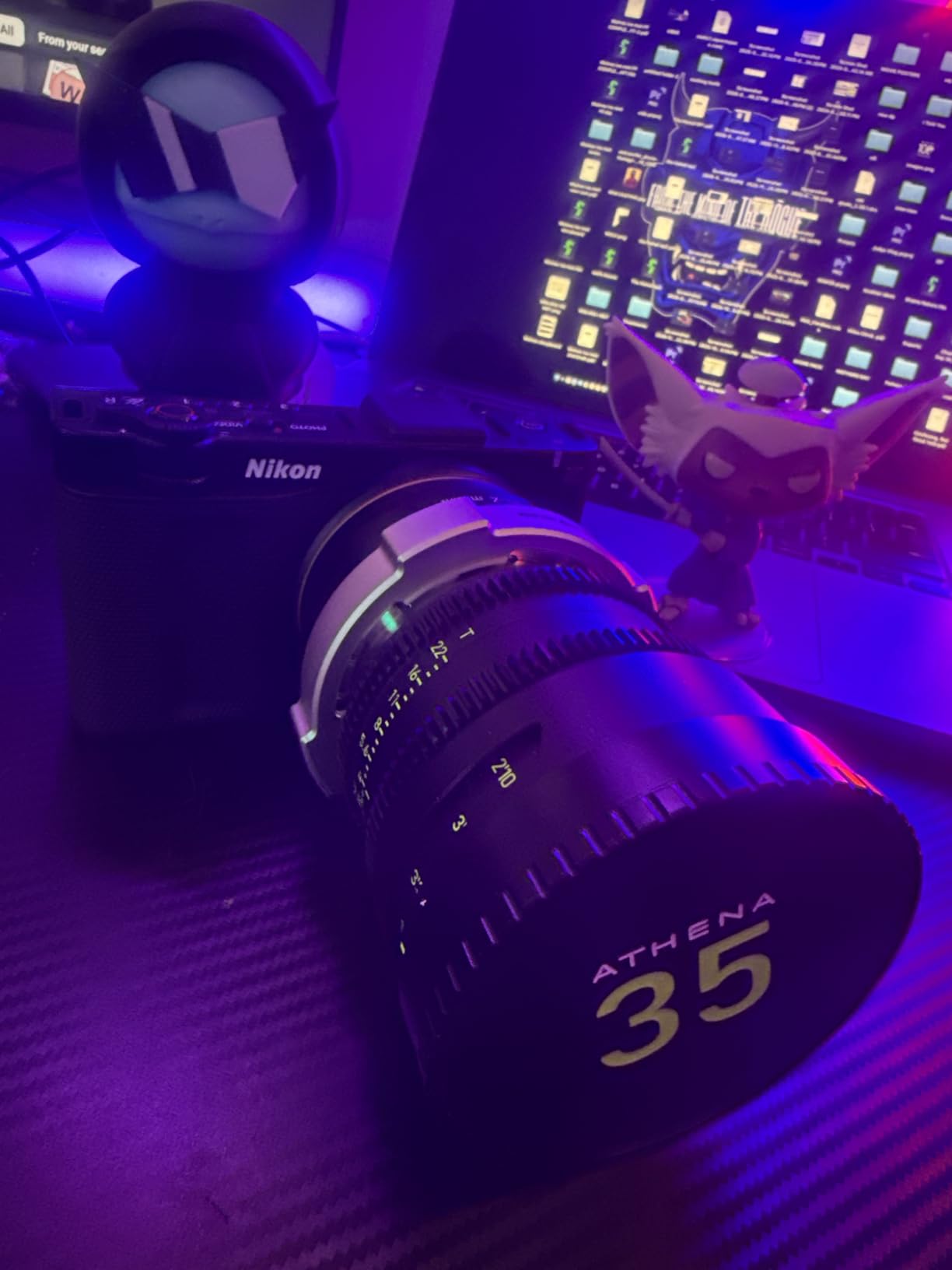
The REDCODE RAW format, called R3D NE here, gives you immense flexibility in post-production. However, there is a significant caveat: as of this writing, R3D NE files cannot be edited natively in Adobe Premiere Pro. You will need DaVinci Resolve or another compatible NLE. File sizes are also substantial, so invest in fast, high-capacity CFexpress Type B cards.
At this price point, the combination of full-frame 6K capture, RED color science, and professional audio features makes this one of the most compelling cinema camera deals for filmmakers who want Hollywood-level tools without Hollywood-level budgets.
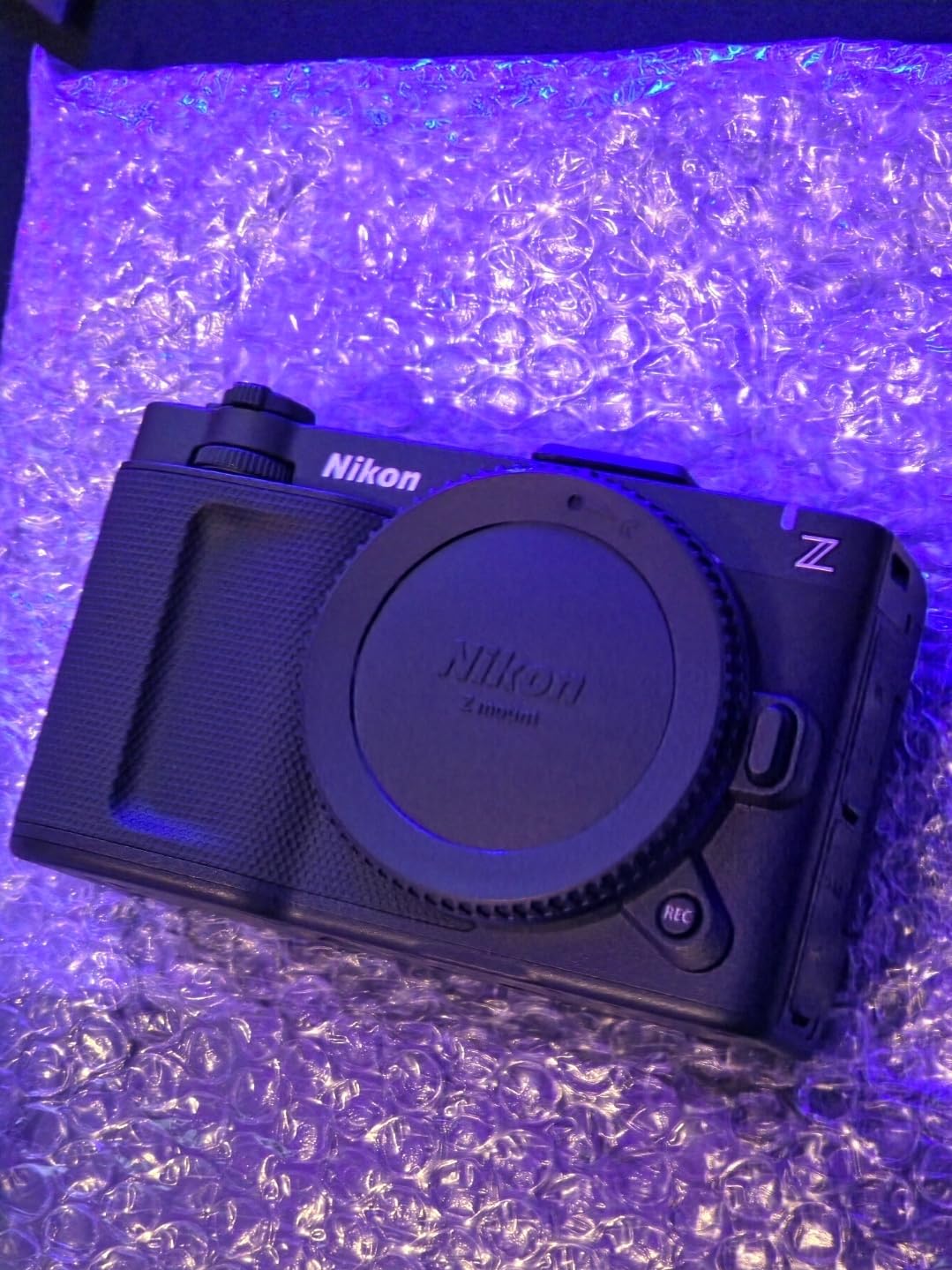
Plan your post-production pipeline before committing to this camera. DaVinci Resolve handles R3D NE files natively and that is where the workflow is smoothest. If your editing team relies on Premiere Pro, you will need to transcode footage first or wait for Adobe to add native support. Budget for fast CFexpress Type B cards and a workstation with plenty of storage.
The Nikon Z mount is the widest lens mount in the industry, which translates to excellent optical performance especially with fast primes. Nikon’s own Z-mount cinema lenses are outstanding, and adapters open up PL-mount and other cinema lens options. The growing lens ecosystem makes this a camera system you can invest in for years.
Full-Frame 33MP
15+ Stops DR
Dual Base ISO 800/4000
Angle-Adjustable EVF
759 AF Points
The Sony FX2 slots into Sony’s cinema lineup as a more accessible full-frame option sitting between the FX30 and the FX3. With a 33-megapixel full-frame Exmor R CMOS sensor, it delivers 15+ stops of dynamic range in Log mode, which gives you professional-grade latitude for color grading. I appreciate that Sony brought the BIONZ XR processor over from their higher-end models.
The standout physical feature is the angle-adjustable electronic viewfinder. Most cinema cameras in this price range either skip the EVF entirely or offer it as an expensive add-on. Having a built-in EVF that you can position to your liking makes shooting in bright outdoor conditions much more practical than relying solely on the rear LCD.
Sony’s autofocus continues to impress here with 759 phase-detection points. The sensor-shift image stabilization is among the best I have used in a cinema camera, producing noticeably smoother handheld footage. For documentary and run-and-gun shooters, that combination of reliable AF and effective IBIS reduces the need for gimbals in many situations.
The dual base ISO of 800 and 4000 means you get clean images in both daylight and low-light conditions without excessive noise. The flexible shooting modes, including Cine EI and Cine EI Quick, give you the same professional workflow options found in Sony’s flagship cinema cameras.
The FX3 offers 4K 120p recording and comes with an XLR top handle, which the FX2 lacks. However, the FX2 adds the EVF, higher resolution stills capability, and better IBIS. For filmmakers who prioritize photography alongside video, the FX2 is the stronger hybrid option. For pure cinema work, the FX3 still holds a slight edge.
The dual card slots accept both CFexpress Type A and SDXC cards. For the best performance with high-bitrate recording modes, CFexpress Type A cards are essential. The good news is you can use affordable SD cards for proxy recording or lower bitrate modes, keeping your media costs manageable.
Full-Frame 45MP
8K/60P RAW
XF-AVC and MP4
Internal Cooling Fan
RF Mount
The Canon EOS R5 C is what happens when a camera manufacturer decides to build a true hybrid without compromise. This camera shoots 8K RAW internally at up to 60 frames per second, and it also captures 45-megapixel stills at up to 20fps. For filmmakers and photographers who refuse to carry two bodies, this is the answer.
Canon’s color science has always been a strength, and the R5 C continues that tradition. Skin tones render beautifully with natural warmth and accuracy. The XF-AVC recording format is professional-grade, and the multiple recording options including Cinema RAW Light give you flexibility to balance quality against file size depending on the project.
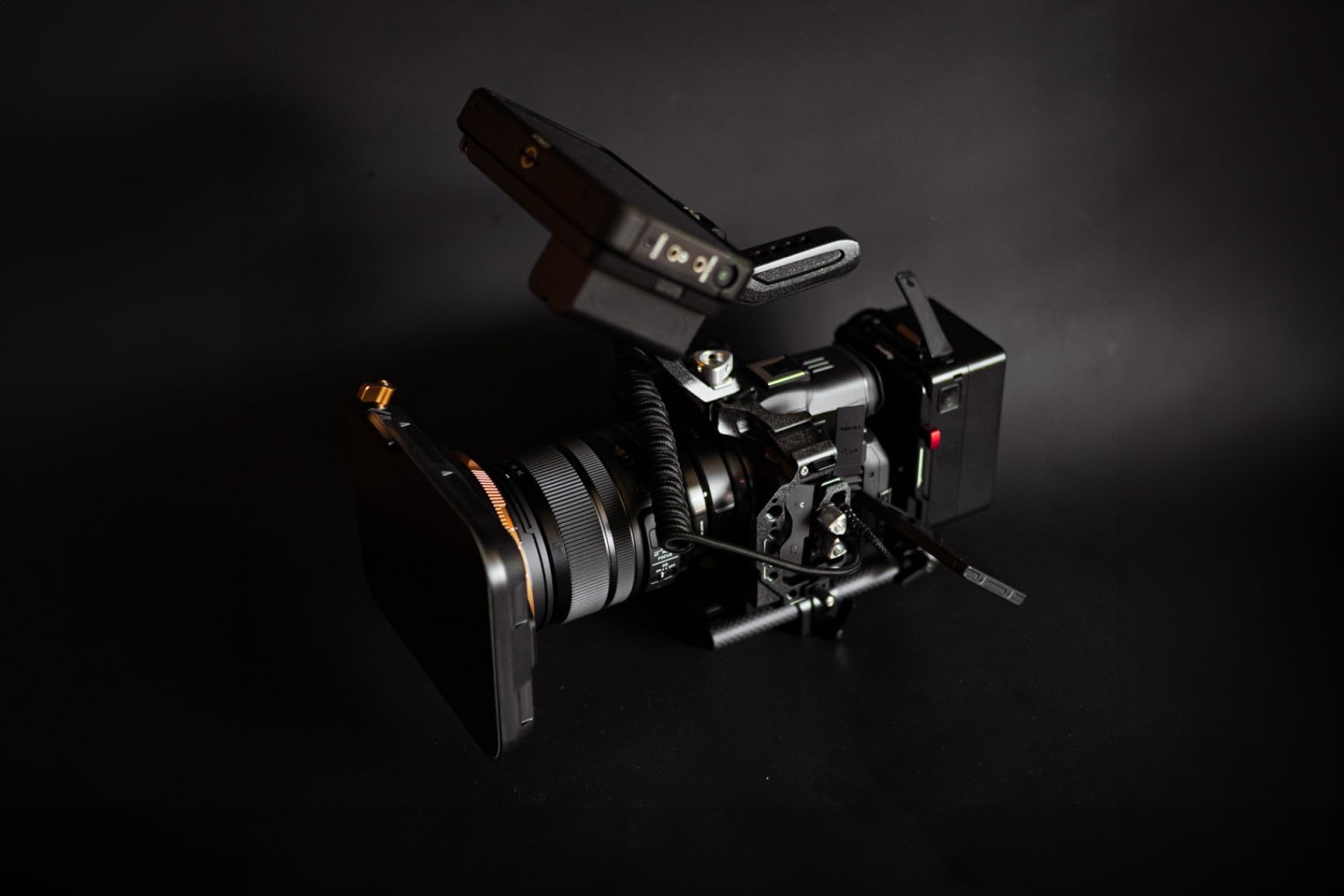
The internal cooling fan is a critical feature that separates this from the standard EOS R5. The original R5 was notorious for overheating during extended video recording. The R5 C solves this completely, allowing uninterrupted recording sessions that last as long as your media and power allow.
The biggest practical drawback is battery life. I burned through Canon LP-E6NH batteries quickly during 8K recording sessions. Most serious users upgrade to a V-mount battery plate mounted on a cage, which adds weight and cost but solves the problem entirely.
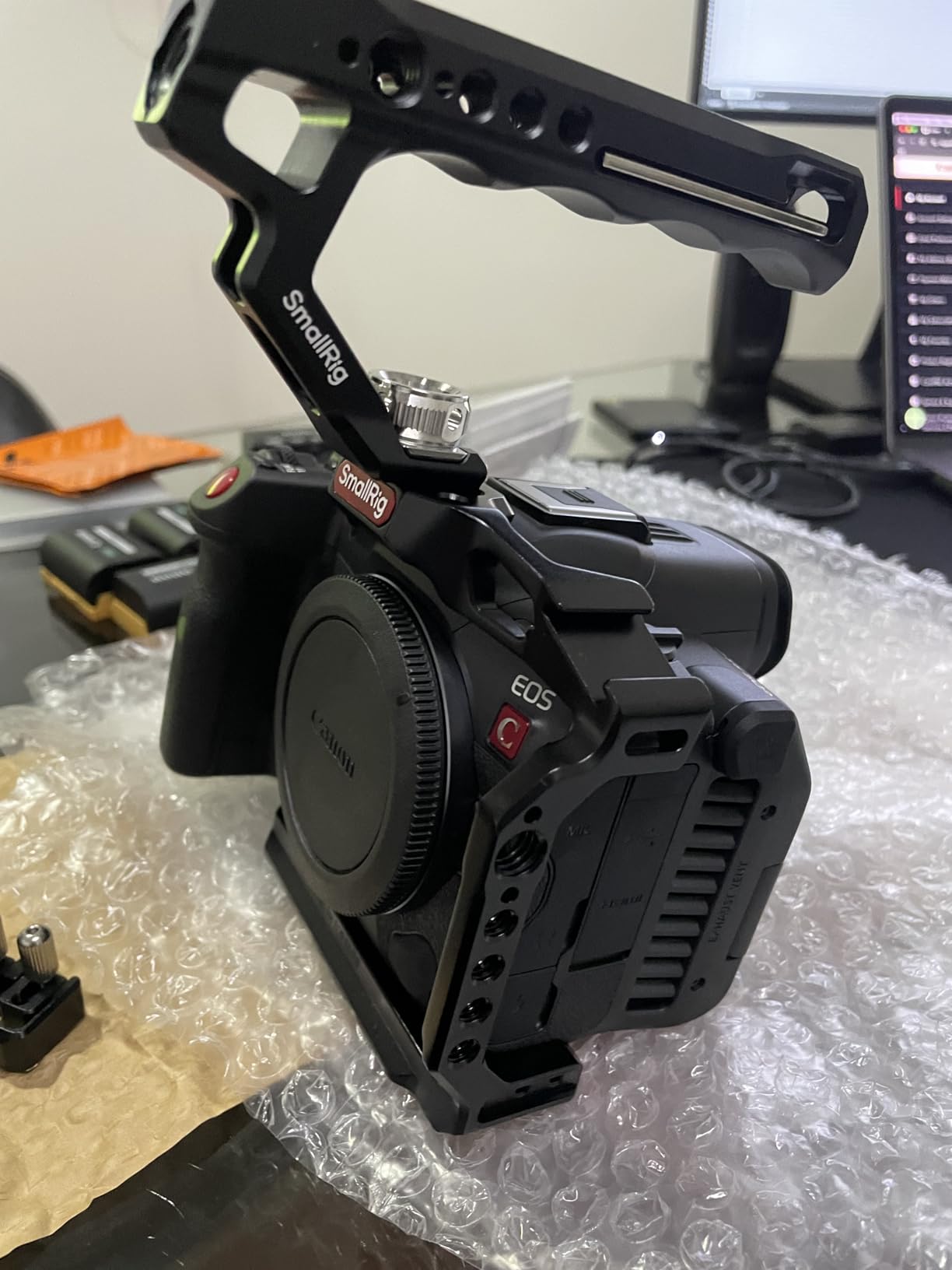
8K recording sounds impressive on paper, and it genuinely is useful for specific workflows. Shooting in 8K gives you the flexibility to crop, reframe, and stabilize footage in post while still delivering a sharp 4K final product. However, 8K files are massive and demand serious storage and processing power. For most projects, the 4K HQ mode (oversampled from 8K) delivers equally stunning results with much more manageable file sizes.
Plan to invest in a cage, a V-mount or NP-F battery plate, and potentially an external monitor. The mini HDMI port on the camera is a known weak point, so a cage with an HDMI cable clamp is essential for professional use. Canon’s RF lens mount gives you access to outstanding lenses, and the EF-to-RF adapter works flawlessly with Canon’s enormous EF lens library.
Full-Frame 6K
Open Gate 3:2
Anamorphic Modes
L-Mount
1500 Nit LCD
The Blackmagic Pyxis 6K is for filmmakers who care about one thing above all else: image quality. This camera produces footage that multiple reviewers have compared favorably to ARRI cameras costing ten times as much. The full-frame 36x24mm sensor captures stunning 6K imagery with open gate 3:2 recording, giving you maximum flexibility for both 16:9 and 2.39:1 deliverables.
The open gate recording mode is a significant advantage over competitors that only shoot in standard 16:9. With open gate, you capture the entire sensor area and can make framing decisions in post-production. The 6:5 anamorphic mode is also a welcome feature for filmmakers who love the anamorphic look but do not want to invest in specialized squeeze lenses.
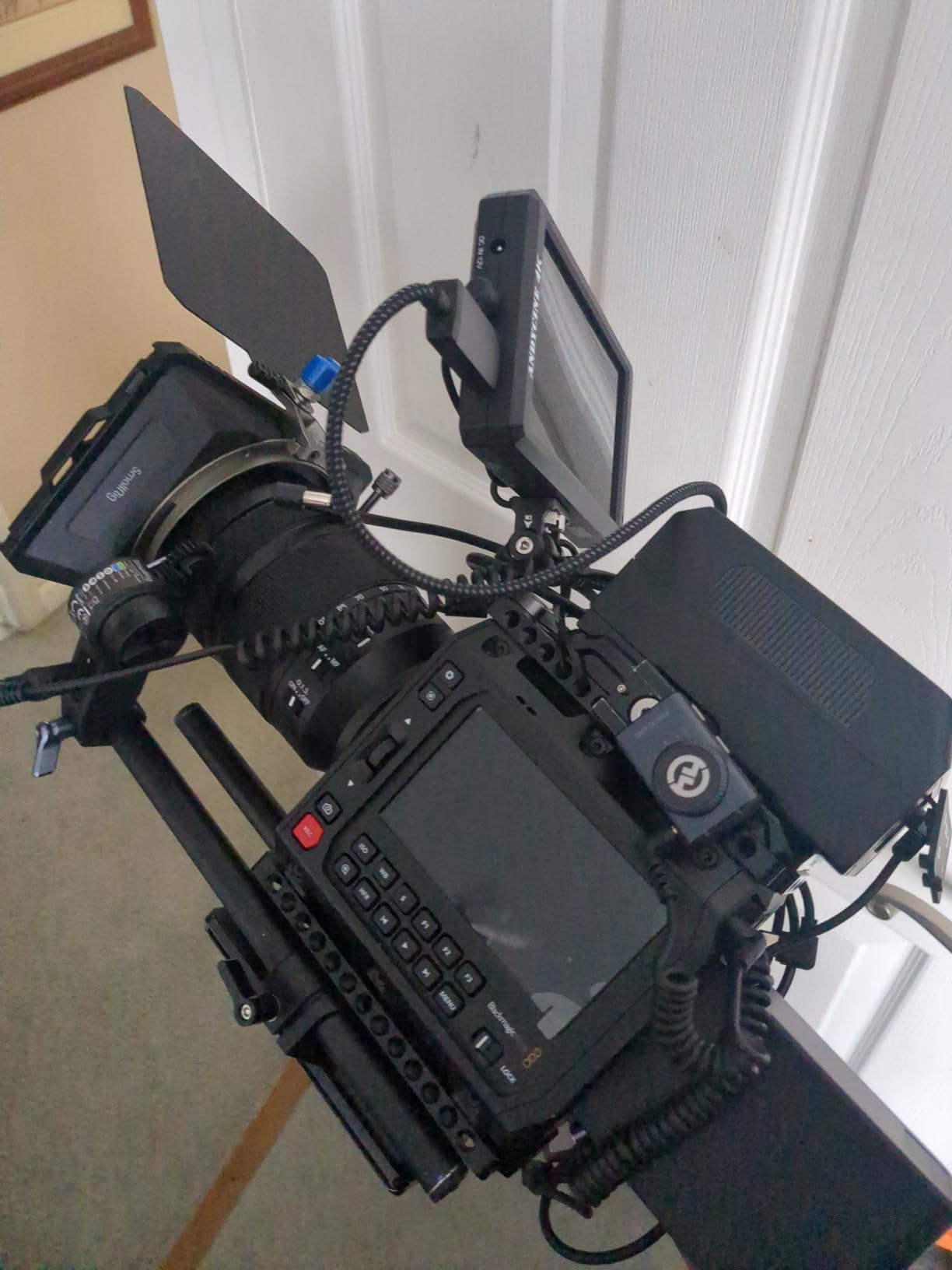
Blackmagic’s color science remains the gold standard in my opinion. The way this camera renders skin tones, shadows, and highlights feels distinctly cinematic without any grading. Combined with Blackmagic RAW recording and H.264 proxy generation, the post-production workflow is efficient and flexible.
The caveat is that you are buying a camera brain, not a complete shooting package. Despite product images showing a top handle and EVF, those are not included. You will need to budget for rigging, power, monitoring, and storage solutions separately. For some filmmakers, this is an invitation to build the perfect custom rig. For others, it is a frustrating hidden cost.
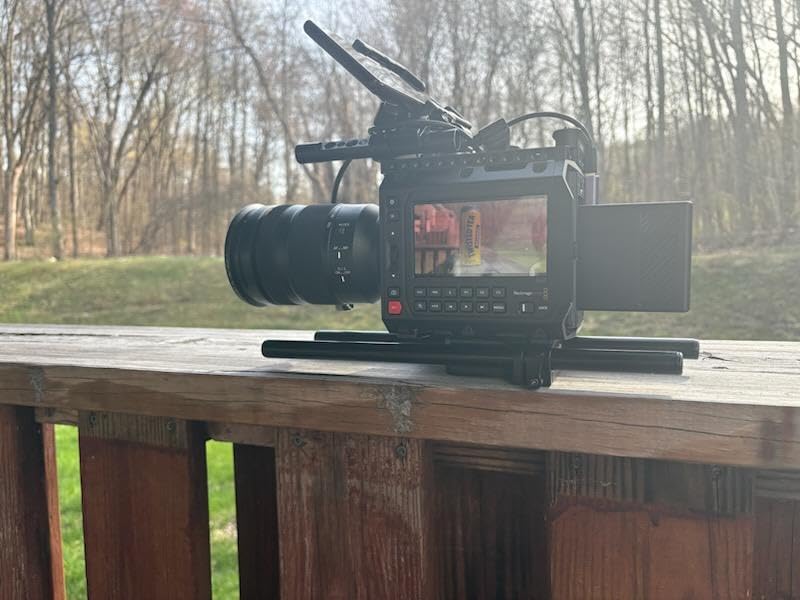
Expect to spend an additional 500 to 1500 dollars on accessories to make this camera field-ready. Essentials include a top handle, battery plate with V-mount or Gold mount batteries, an EVF or external monitor, CFexpress media, and a cage or rod system. The L-mount gives you access to lenses from Leica, Sigma, and Panasonic, which is a strong and growing ecosystem.
This camera targets experienced cinema camera operators who know exactly what they want in a rig and prefer to build it themselves. If you are coming from a Blackmagic Pocket Cinema Camera and want to move to full-frame, the Pyxis is the natural upgrade. Beginners who want an out-of-the-box shooting experience should look at the Sony FX30 or Canon C50 instead.
7K Full-Frame CMOS
Cinema RAW Light
4K 120P
Dual Base ISO
RF Mount
1.76 lbs
The Canon EOS C50 holds the highest user rating in this entire roundup at 4.9 stars, and after looking at what it offers, I understand why. Canon packed a newly developed 7K full-frame CMOS sensor into a compact body that weighs just 1.76 pounds. This is a camera designed for professional cinematographers who need a reliable, powerful tool that does not weigh them down.
The 7K sensor records internally in Cinema RAW Light, which gives you tremendous latitude in post while keeping file sizes more manageable than uncompressed RAW. Dual base ISO ensures clean images whether you are shooting in bright sunlight or dimly lit interiors. The RF mount provides access to Canon’s superb RF lens lineup, which is one of the strongest mirrorless lens ecosystems available.
Canon’s Dual Pixel autofocus with face and eye tracking is fast and reliable. For documentary and event shooters who cannot always pull focus manually, this system performs exceptionally well. The gyro-based metadata enables powerful stabilization in Canon’s post-production software, making handheld footage smoother than you might expect.
At this price point, the C50 competes directly with the Sony FX3. The Canon wins on color science and the included professional interface, while the Sony has the edge in low-light sensitivity and Netflix approval status. Both are outstanding cameras, and the choice largely comes down to which ecosystem you prefer.
The C50 is the newer camera with a full-frame sensor, while the C70 uses a Super 35 sensor but has built-in ND filters. If you shoot primarily run-and-gun content where variable NDs are essential, the C70 might actually be the more practical choice despite the smaller sensor. The C50 delivers better image quality overall, but consider whether the lack of built-in NDs fits your shooting style.
Cinema RAW Light is Canon’s compressed RAW format that preserves maximum dynamic range and color information while reducing file sizes by roughly 50 percent compared to uncompressed RAW. You also get XF-AVC recording in 10-bit 4:2:2 for projects where RAW is overkill. The 4K 120p high frame rate mode opens up creative slow-motion possibilities without sacrificing quality.
Full-Frame 10.2MP
4K 120p 10-bit
15+ Stops DR
627 AF Points
Netflix Approved
S-Cinetone
The Sony FX3 has become one of the most widely used cinema cameras in professional video production, and it earned that reputation through consistent, reliable performance. With 216 customer reviews and a 4.8-star average, the real-world feedback speaks volumes. This camera shoots 4K at up to 120fps with full pixel readout and 10-bit 4:2:2 sampling, producing footage that holds up under heavy color grading.
The 15+ stop dynamic range gives you the latitude to capture challenging scenes with both bright highlights and deep shadows. S-Cinetone color science, inspired by the VENICE cinema camera line, delivers a polished cinematic look without extensive grading. For quick-turnaround projects, you can shoot S-Cinetone and deliver directly with minimal post work.
The built-in XLR top handle is a practical touch that saves you from buying an external audio adapter. Professional XLR inputs for microphones mean clean, balanced audio without extra accessories cluttering your rig. The cooling fan enables unlimited recording times, which matters for event and documentary work.
The compact body with integrated 1/4-inch mounting points means many shooters use it without a cage entirely. This keeps the package small and light, which your back and arms will appreciate on long shoot days. At 1.5 kilograms, it is manageable on gimbals and stabilizers that would struggle with heavier cinema cameras.

The FX3 is officially Netflix approved, which means it meets the technical requirements for shooting Netflix original content. This approval carries weight beyond Netflix specifically, as many production companies and studios use the Netflix approved camera list as a baseline for acceptable production quality. If you are bidding on professional gigs, having a Netflix-approved camera in your kit can be a genuine competitive advantage.
Several Amazon reviewers noted receiving grey market imports without US warranty coverage. To protect yourself, verify the seller is an authorized Sony dealer before purchasing. Grey market cameras may lack warranty support and service center access, which becomes critical if your camera needs repairs during a production. The savings are rarely worth the risk for a professional tool.
Full-Frame 10.2MP
ISO 409600
15+ Stops DR
Built-in Variable ND
Includes 24-105mm Lens
XAVC Recording
The Sony FX6 represents the pinnacle of Sony’s cinema camera line for individual operators and small production companies. It carries a perfect 5.0-star rating from every single reviewer, which is virtually unheard of for a product at this price. The combination of a full-frame 10.2-megapixel sensor, extraordinary ISO performance up to 409,600, and professional ergonomics makes this the camera many professionals consider the best in its class.
The electronically controlled variable ND filter is the feature that sets this camera apart from every other option in this roundup. Instead of swapping physical ND filters every time the light changes, you simply rotate a dial on the camera body. This saves enormous amounts of time on set and allows seamless exposure adjustments while recording, which is critical for run-and-gun documentary work.
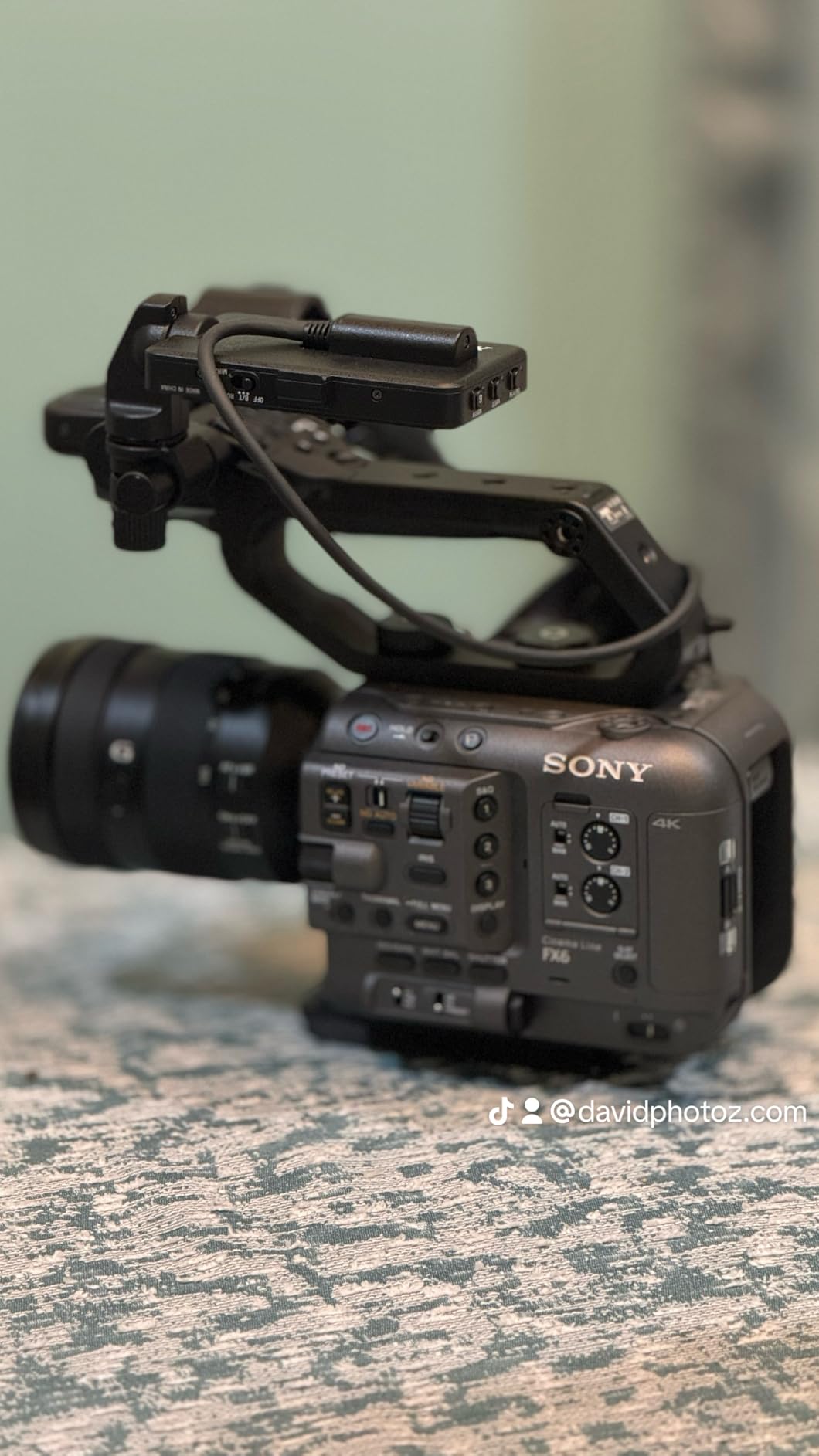
This bundle includes the Sony SEL24105G f/4 G lens, which covers a versatile 24mm to 105mm focal range. Having this professional-grade lens included means you can start shooting immediately without shopping for glass separately. The 627-point phase-detection autofocus system with Eye-AF tracking performs flawlessly, even in challenging lighting conditions.
The XAVC recording format delivers broadcast-quality footage with efficient compression. With dual memory slots supporting both CFexpress Type A and SDXC cards, you have redundant recording for critical shoots. The operational experience is reportedly superior to the A7S III, with better ergonomics, dedicated cinema controls, and a more intuitive menu system designed for video professionals.
The FX6 makes sense when you need the built-in variable ND filter, the traditional cinema camera body style with built-in grip, or the included lens kit. For professional videographers shooting events, documentaries, and corporate content daily, the variable ND alone justifies the price difference. If you primarily shoot in controlled studio environments or are budget-conscious, the FX3 delivers comparable image quality at a lower price.
While the FX6 is a significant investment, the included lens reduces your initial out-of-pocket expenses compared to body-only cameras that require separate lens purchases. Factor in the reduced need for external ND filters, the professional XLR audio inputs, and the robust build quality, and the total cost of ownership over a three to five year professional lifespan becomes quite competitive with other options in this tier.
Picking the right cinema camera from the options above comes down to understanding your specific needs, budget, and workflow. Here are the key factors I recommend considering before making your decision.
Sensor size affects three things significantly: depth of field, low-light performance, and field of view. Full-frame sensors deliver the shallowest depth of field and the best low-light performance. Super 35 and APS-C sensors are the traditional cinema standard and offer a great balance. Micro Four Thirds sensors, like in the Blackmagic Pocket 4K, have a 2x crop factor but also let you use smaller, more affordable lenses. For most filmmakers, Super 35 or APS-C is the sweet spot between capability and cost.
One of the biggest pain points filmmakers mention on forums is confusion about codecs. Here is a simplified breakdown. RAW recording, whether BRAW from Blackmagic or R3D from RED, gives you maximum flexibility in post-production with the largest file sizes. ProRes is a professional intermediate codec that balances quality and file size. H.264 and H.265 are compressed formats ideal for direct delivery or when storage is limited. If you plan to do heavy color grading, RAW or ProRes is worth the storage investment.
Dynamic range, measured in stops, determines how much detail you can capture in both the brightest and darkest parts of your image simultaneously. Cameras with 13 to 15+ stops of dynamic range give you significantly more room to adjust exposure and recover details in post. Color science varies by manufacturer: Canon is known for warm, flattering skin tones; Sony’s S-Cinetone delivers a cinematic polish; Blackmagic’s color science has a distinct filmic quality. Choose based on the look you want to achieve.
If you shoot solo or in fast-paced documentary environments, reliable autofocus is not a luxury, it is essential. Sony leads the industry here with Eye-AF and subject tracking that actually works. Canon’s Dual Pixel AF is also excellent. Blackmagic cameras rely primarily on manual focus, which is fine for controlled sets with a focus puller but challenging for run-and-gun work.
Overheating is a real concern that comes up repeatedly in filmmaker forums. Sony’s FX30 and FX3 include active cooling fans that allow unlimited recording. Canon’s R5 C also has a dedicated cooling system. Cameras without active cooling, including many Blackmagic models, may overheat during extended outdoor shoots in warm conditions. Plan your power solution, whether that means extra batteries, a V-mount plate, or external power adapters, before your first shoot.
The camera body is only part of your investment. Factor in lenses, media cards, batteries, cages or rigs, monitoring, audio equipment, and storage for your footage. A camera like the Blackmagic Pyxis 6K requires significant additional spending to become field-ready, while the Sony FX6 bundle includes a professional lens. Calculate your total budget before committing to a camera body, so you are not caught short on essential accessories.
The Blackmagic Design Pocket Cinema Camera 4K is widely considered the best budget cinema camera for beginners. At around $1,100, it offers 13 stops of dynamic range, professional codec support with Blackmagic RAW and ProRes, and includes a full DaVinci Resolve Studio license. The Sony FX30 is another strong option for beginners who want reliable autofocus, though it costs more.
The Sony Cinema Line FX30 offers the best overall value for money in 2026. It provides approximately 90% of the FX3’s capabilities at roughly half the price, including S-Cinetone color science, 6K oversampled 4K recording, outstanding autofocus, and active cooling for unlimited recording. The Blackmagic Pocket Cinema Camera 4K is the best value for filmmakers on a tighter budget.
In a cinema camera under $2000, prioritize sensor size (at least Micro Four Thirds), at least 12 stops of dynamic range, RAW or ProRes recording capability, and a reliable lens mount with affordable lens options. Dual native ISO for low-light performance and an articulating or tilting monitor are also important. Both the Blackmagic Pocket 4K and Sony FX30 meet these criteria.
Professional filmmakers use a range of cameras depending on the project. For high-end productions, ARRI ALEXA and RED V-RAPTOR cameras are common. For professional independent work, the Sony FX3 and FX6 are extremely popular due to their Netflix approval status. The Canon EOS C50 and Blackmagic Pyxis 6K are also gaining traction among working cinematographers. Many professionals also use the Canon EOS R5 C for hybrid photo and video work.
A dedicated cinema camera is worth the investment if you regularly shoot long-form video content, need professional codecs like RAW or ProRes, require features like built-in ND filters or XLR audio inputs, or want cooling systems that enable unlimited recording. Mirrorless cameras like the Sony A7 IV offer excellent video but overheat during extended recording and lack dedicated cinema controls. If video is your primary focus, a cinema camera provides a more reliable and professional workflow.
After testing and comparing these 10 cinema cameras, a few clear recommendations emerge. The Sony FX30 stands out as the best overall value, combining professional cinema features with reliable autofocus and an accessible price. The Blackmagic Pocket Cinema Camera 4K remains the champion for budget-conscious filmmakers who want maximum image quality per dollar spent.
For professionals who need top-tier performance, the Sony FX3 and Canon EOS C50 deliver exceptional results with the reliability that paid productions demand. And the Sony FX6 with its built-in variable ND filter and included lens kit represents the most complete professional package in this lineup.
The best cinema camera deals in 2026 span a wide range of budgets and use cases. Match your choice to your specific workflow, factor in the total cost of accessories and lenses, and invest in the camera that fits how you actually work, not just the one with the most impressive spec sheet.