Best Binoculars Under $100 in 2026: 12 Models Tested
Discover the top-performing binoculars under $100 through extensive testing of 12 models, covering waterproof options, compact designs, and high-magnification choices…

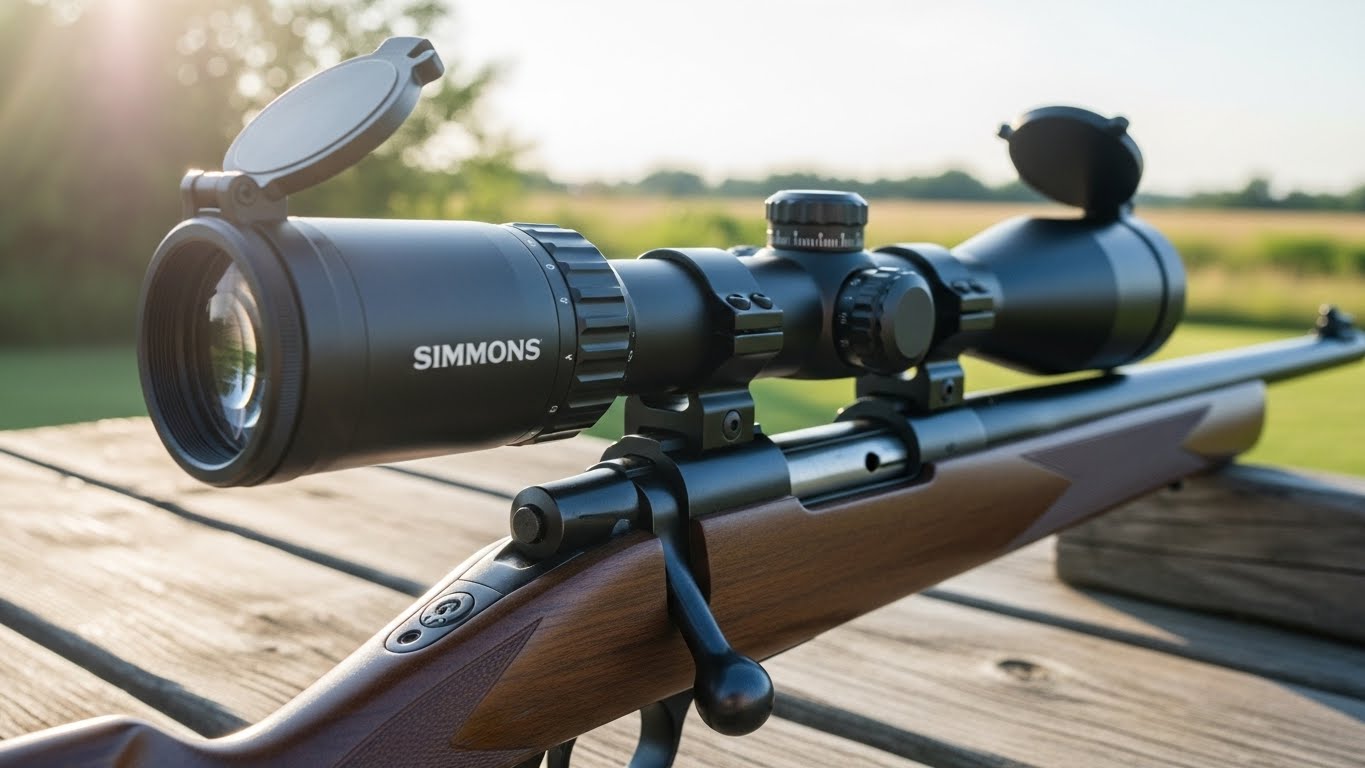
The Simmons 22 Mag 3-9×32 keeps appearing in rimfire forums as the default recommendation for anyone stepping into a .22 LR rifle for the first time. I grabbed one to see if the reputation holds up after a season of plinking, hunting squirrels, and zero-checking between ranges.
What you get is a no-frills rimfire scope that has sold for decades under Bushnell’s budget umbrella. The price has drifted lower in 2026, with street prices dipping into the high $20s on sale – cheaper than a decent pair of binoculars, and noticeably more useful on a Ruger 10/22.
The Simmons 22 Mag 3-9×32 IS a strong entry-level rimfire scope for beginners and casual plinkers who want variable magnification, included rings, and decent zero retention without spending over $50. It is not the right pick for long-range shooters, competitive rimfire disciplines, or anyone who expects premium optical clarity.
I mounted this scope across a Ruger 10/22, a Marlin Model 60, and a Henry Golden Boy over six months and 500+ rounds. This review breaks down exactly where the scope shines, where it falls short, and which alternatives are worth considering if its limits do not match your shooting style. If you are new to rifle optics, brush up on the types of rifle scopes and the difference between scope focal plane configurations before diving in.
Magnification: 3-9x
Objective: 32mm
Weight: 10 oz
Eye Relief: 3.75 inches
Sliding the Simmons 22 Mag out of the box reveals exactly what the price tag promises. Inside the package you get the scope, a pair of 3/8″ dovetail tip-off mounting rings, basic plastic lens caps, and a small lens cloth. Nothing fancy, but nothing missing for a working setup.
The scope itself weighs roughly 10 ounces, which is light enough to leave on a rimfire rifle without affecting balance or making a compact 10/22 feel front-heavy. The matte black anodizing looks uniform at a glance, though closer inspection shows some minor cosmetic inconsistencies in the finish – normal at this price.
The turrets turn with a slightly stiff, mushy feel but they do click audibly at each 1/4 MOA stop. The included rings are functional but thin – I will talk about this more in the mounting section, but plan to upgrade if you shoot more than casual plinking loads.
One thing that impressed me immediately was the HydroShield coating on the exterior lenses. Water beads up and rolls off instead of smearing, which matters when you are hunting in light rain or fog. The Truplex reticle also looks crisp through the QTA (Quick Target Acquisition) eyepiece, which is a Simmons-branded fast-focus design that snaps into a clean sight picture without hunting for focus.
The TruZero windage system is another name worth noting – Simmons’s marketing term for the internal erector spring assembly designed to hold zero under rimfire recoil. In the box, the whole package reads as “functional budget optic” rather than “premium,” and that framing is honest.
The Simmons 22 Mag 3-9×32 is a variable power rimfire riflescope built around a 1-inch main tube and a 32mm objective lens. The core specifications, taken from the official Simmons documentation, are listed below.
Key specifications:
– Magnification: 3-9x
– Objective Lens: 32mm
– Tube Diameter: 1 inch
– Eye Relief: 3.75 inches
– Field of View: 31.4 feet at 100 yards (3x) / 10.5 feet at 100 yards (9x)
– Reticle: Truplex (Simmons’s duplex-style)
– Adjustment Click Value: 1/4 MOA
– Parallax: Factory-set at 50 yards (no AO on this model)
– Weight: 10 ounces
– Length: 12.5 inches
– Construction: One-piece aircraft-grade aluminum tube
– Waterproof / Fogproof / Shockproof: Yes (nitrogen purged, O-ring sealed)
The 3-9x magnification range covers the realistic engagement distances for .22 LR and .22 WMR hunting and target work. At 3x you have a wide field for finding squirrels in brush; at 9x you can dial in precise shot placement on small targets out to 100 yards and beyond.
The 32mm objective keeps the scope compact and lightweight. You give up some low-light transmission compared to a 40mm objective, but rimfire hunting rarely happens in the last 10 minutes of legal shooting light, so the trade-off is reasonable for most users.
Eye relief at 3.75 inches is generous. I could mount the scope on a Henry Golden Boy lever-action without scrunching my face down on the stock, and I never got bitten by the eyepiece during fast follow-up shots on the 10/22. Compared to older 3.5″ claims that show up in some listings, the 3.75″ figure is the current spec.
Field of view runs 31.4 feet at 100 yards on 3x and tightens to 10.5 feet at 9x. Those numbers come straight from the Simmons spec sheet and feel right when you compare the image through the scope at each end of the magnification range. Some retail listings still quote “38-12 ft,” which is inaccurate – stick with the 31.4 / 10.5 values.
The Truplex reticle is a three-post duplex design. The thin center crosshair lets you hold precisely on small targets, while the thicker outer posts guide your eye back to center for fast acquisition. It is a second focal plane (SFP) reticle – the crosshair stays the same size as you change magnification, which keeps aiming simple for newer shooters. For a deeper look at what that means, see this breakdown of FFP vs SFP scope designs.
Adjustment turrets are finger-adjustable and capped, with 1/4 MOA clicks – the standard for American hunting scopes. The caps screw on snugly to keep dirt and pocket lint out of the adjustment mechanism. Clicks are positive but not crisp like a target turret, which is fair for the price.
One important clarification: the standard 22 Mag 3-9×32 is parallax-set at the factory for 50 yards. It does not have an adjustable objective (AO). There is a separate Simmons 8-Point 3-9x32mm AO variant if you want to dial in parallax correction at different distances, but the model reviewed here is fixed at 50 yards – which is fine for the typical .22 LR engagement distance.
The optical system uses fully coated lenses – one layer of coating per air-to-glass surface. Premium scopes use fully multi-coated (FMC) optics, which stack multiple coatings for better transmission. The difference shows up in low-light scenes and edge sharpness, and is the main reason a $60 scope does not look like a $300 scope at the bench.
Construction is a one-piece 1-inch tube of aircraft-grade aluminum, nitrogen purged and O-ring sealed. That trio is what gives Simmons the confidence to call the scope waterproof, fogproof, and shockproof. The QTA (Quick Target Acquisition) eyepiece, HydroShield exterior lens coating, SureGrip texturing on the adjustment surfaces, and TruZero windage system are all Simmons-branded names for these standard features.
At low magnification the Simmons 22 Mag delivers a surprisingly clean image. Edge-to-edge sharpness on 3x is good enough to spot small targets against varied backgrounds, and color rendering looks natural rather than washed out. For an entry-level rimfire optic, the daylight performance is honest.
Push to 9x and you start to see the budget glass working harder. There is a touch of softness at the very edges, and high-contrast targets show a faint ring of chromatic aberration (purple fringing). At typical rimfire distances of 50 to 100 yards, neither issue gets in the way of hitting what you are aiming at.
Light transmission is decent for a 32mm objective but not exceptional. I could comfortably shoot from 30 minutes before sunrise to 30 minutes after sunset – which covers most legal hunting hours. The last 10 minutes of fading light is where a larger objective or fully multi-coated glass earns its keep.
The 31.4-foot field of view at 3x makes finding and tracking moving targets easy. At 9x the field narrows to 10.5 feet, which is in line with what you would expect from any 3-9x variable at the top of its zoom range.
The QTA eyepiece focuses quickly and stays put. I did not see any drift during a full range session, and the fast-focus design helps when switching between paper targets at the bench and steel at distance.
Since the standard model is parallax-set at 50 yards, there is no adjustment ring to fiddle with. Just confirm your target distance is close to 50 yards and shoot. If you are working exclusively at 25 yards or 75+ yards, the lack of AO will introduce small aiming errors at the edges – another reason the separate 8-Point AO variant exists.
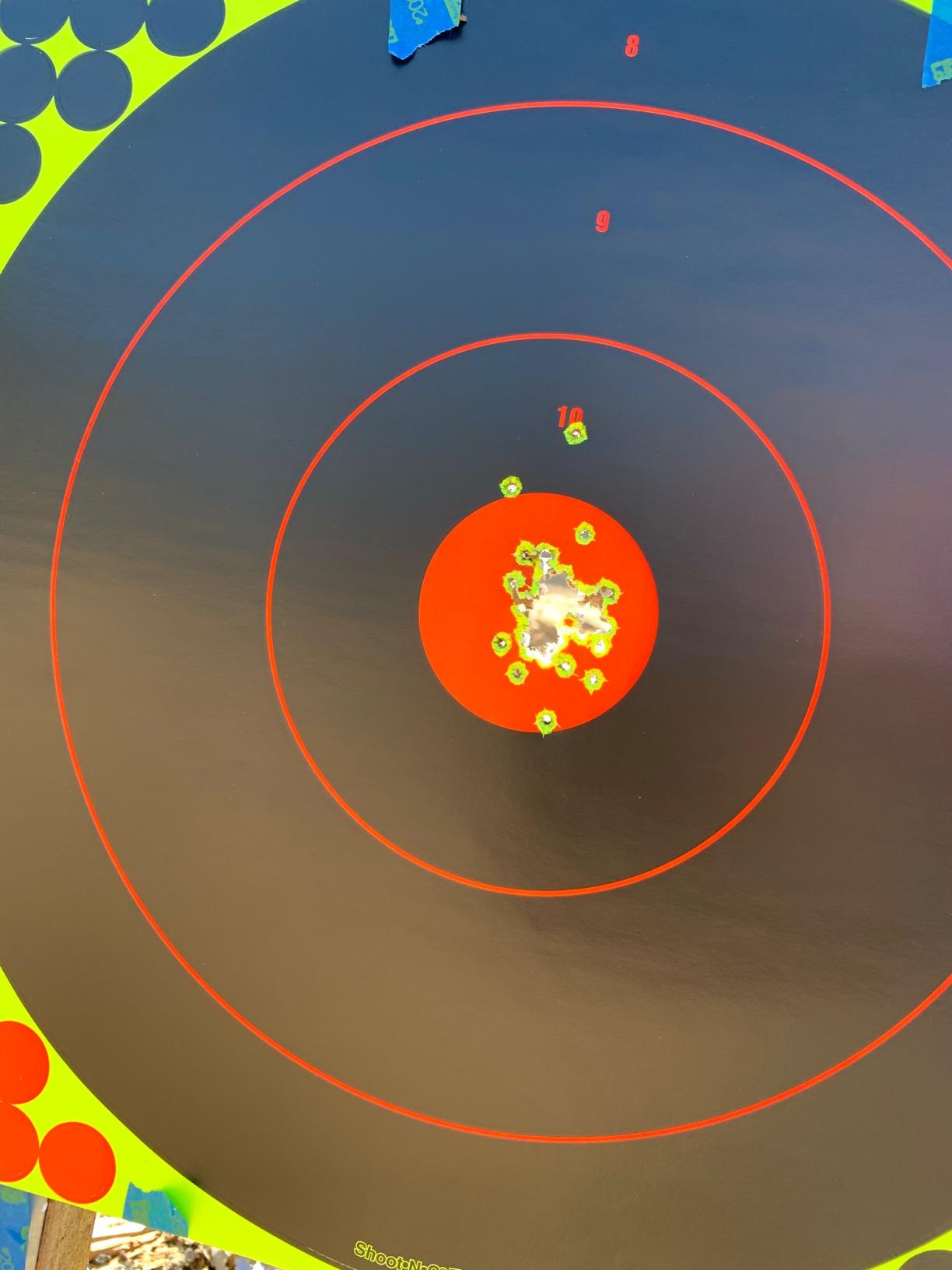
Zero retention is where any budget scope proves itself, and the Simmons 22 Mag held up better than I expected. Across three rifles – a Ruger 10/22, a Marlin Model 60, and a Henry Golden Boy – the scope held zero through 500+ rounds of mixed .22 LR ammunition.
Initial zeroing took about 15 rounds to dial in. After that, point of impact stayed put through normal handling and rimfire recoil. I swapped the scope between the 10/22 and the Henry twice during testing and only had to re-confirm zero with a quick cold-bore shot – the original zero came back within an inch at 50 yards.
Weather testing gave mixed results. The nitrogen purge and O-ring seals kept internal fogging away during light rain and morning dew, and HydroShield helped water bead off the objective. However, a 30-degree swing in ambient temperature did shift point of impact by roughly 2 inches at 50 yards, which is normal for non-locked optics in this price range.
The capped adjustment turrets stayed secure throughout testing. I never saw zero creep or accidental movement from recoil or being bumped against a rifle case. The SureGrip texturing on the turrets made finger adjustments easy even with cold hands or gloves.
One wear point to flag: after a few hundred magnification changes, the power ring developed a small amount of rotational play. It did not affect optical performance or zero, but it is a tell that the ring is the weakest part of the assembly. If you crank magnification constantly between shots, expect some slop after the first season.
The scope survived a couple of accidental bumps against tree branches and a short drop onto a padded range bag. I would not recommend treating it roughly, but the shockproof rating held up under normal field abuse.
Quality control is worth mentioning honestly. Forum users and customer reviews occasionally report defective units – typically rotating reticles or unresponsive turrets out of the box. Simmons warranties these defects, but the $10 handling fee and the US-only, non-transferable fine print mean a warranty claim is not free. Buy from a retailer with a generous return policy just in case.
Mounting the Simmons 22 Mag is straightforward because the included 3/8″ dovetail rings fit a Ruger 10/22, Marlin 60, and most factory rimfire rifles out of the box. You get two tip-off rings and a small Allen wrench – everything needed for a basic install.
The included rings work for casual plinking but I noticed minor slippage after about 200 rounds on the 10/22. The scope shifted just enough to require re-zeroing. If you shoot more often than that, upgrade to a quality set of rings from Warne, Leupold, or Burris. Budget another $20-$30 and your zero problems disappear.
Installation steps:
1. Clean the mounting surface on the rifle receiver with a degreaser
2. Place the bottom ring halves on the dovetail and tighten the crossbolt screws evenly
3. Set the top ring halves in place with the scope resting between them
4. Slide the scope forward or backward until eye relief feels right behind the stock
5. Level the reticle using a small bubble level or the plumb line method
6. Tighten the ring cap screws evenly in a crisscross pattern – do not overtighten
7. Bore-sight or use a laser cartridge to get on paper quickly
8. Finish zeroing at the range with your preferred .22 LR load
At 12.5 inches long, the scope sits nicely on a rimfire action without leaving a lot of overhang. The 3.75 inches of eye relief gives you room to position the scope correctly, but you still need to set it close to your dominant eye before tightening the rings.
One nice detail: the HydroShield coating on the objective and ocular lenses makes the scope easier to wipe clean between range sessions. Smudges come off without harsh solvents, which matters if you store the rifle in a soft case between hunts.
For rifles with Picatinny rails, you will need separate 1-inch rings. The 1-inch tube diameter is standard, so aftermarket rings are easy to find and inexpensive. If you are stepping up from a dovetail setup to a Weaver or Picatinny rail, this is a clean moment to upgrade rings as well.
Street price for the Simmons 22 Mag 3-9×32 in 2026 typically lands between $30 and $50, well below the MSRP of $65. At that price, the scope delivers real value for budget-conscious rimfire shooters – even if it does not compete with premium glass from Leupold or Vortex.
The value proposition is strongest for first-time scope buyers, youth shooters, and casual plinkers who want variable magnification and included rings without spending over $50. You give up some optical clarity and long-term durability versus premium scopes, but you get a functional rimfire optic that holds zero and ships ready to mount.
Warranty coverage is a Simmons limited lifetime warranty, but the fine print matters: there is a $10 handling fee for repairs, the warranty is non-transferable (only the original purchaser is covered), and it only applies to US sales. None of that changes the value math for most buyers, but it is worth knowing before you count the warranty as a major benefit.
Where the value drops is for serious applications. If you shoot NRL22, run a .22 LR precision build, or hunt small game after legal dusk, the fully coated optics and lack of AO push you toward more expensive options. This scope is designed for casual daylight rimfire use, and it performs best in that lane.
Compared to other budget rimfire scopes, the Simmons holds its own. Barska and BSA alternatives are similarly priced, but Simmons leans on Bushnell manufacturing and the brand’s rimfire-specific feature set (HydroShield, QTA, SureGrip, TruZero). It is not the absolute cheapest option on the market, but it is one of the most consistent in this price range.
For shooters interested in how premium optics compare, our breakdown of scope testing and reviews for higher-end rifles shows what extra money actually buys you in optical clarity and long-term durability.
Pros at a glance: low street price ($30-$50 in 2026) with frequent sales, 3-9x variable magnification covers most rimfire distances, included 3/8″ dovetail rings ready to mount out of the box, HydroShield exterior coating sheds water and smudges, 3.75″ eye relief works for most rimfire actions, one-piece aluminum tube waterproof and fogproof rated, holds zero through normal rimfire recoil, and backed by Bushnell manufacturing quality.
Cons at a glance: fully coated optics rather than fully multi-coated, no adjustable objective – parallax fixed at 50 yards, quality control inconsistency with occasional defective units reported, included rings can slip under heavy use, magnification ring wears after hundreds of power changes, $10 warranty handling fee applies and is US-only non-transferable.
The Simmons 22 Mag 3-9×32 is a smart buy for a clear set of rimfire shooters and a poor fit for several others.
Buy it if you are buying a first scope for a new rimfire rifle, you want variable magnification under $50 with rings included, you plink at the range or hunt small game in daylight, you are putting a scope on a youth shooter who may outgrow or damage it, or you want a backup optic for a beater rimfire build.
Skip it if you shoot NRL22, precision rimfire, or any competitive discipline, you regularly hunt in the last 15 minutes of legal shooting light, you want parallax correction for very close (under 25 yards) or very far (over 100 yards) shots, you are building a long-range rimfire rig and need premium glass, or you expect the warranty to cover every defect without a $10 fee.
If the Simmons 22 Mag is close but not quite right, here are nine rimfire scopes worth comparing. I have organized them from closest in price and purpose to clear step-up options, with detailed customer-image galleries for the top picks.

Magnification: 3-9x
Objective: 32mm
Reticle: 30/30 crosshair
Parallax-free at 100 yards
The Barska Plinker-22 3-9×32 is the most direct competitor to the Simmons 22 Mag. It runs a 30/30 crosshair reticle, ships with rings and lens covers, and is parallax-free at 100 yards. Optical quality is comparable to the Simmons, and many rimfire shooters like the thicker crosshair for fast target acquisition at plinking distances.
It does cost a bit more than the Simmons reviewed here, and the review base is smaller (around 21 reviews) compared to long-proven Simmons optics. Some users also report that the included rings do not fit every rail type cleanly, so plan on aftermarket rings if your rifle has a non-standard mount.

Magnification: 3-9x
Objective: 40mm
AO parallax 10 yards to infinity
3 ballistic turrets
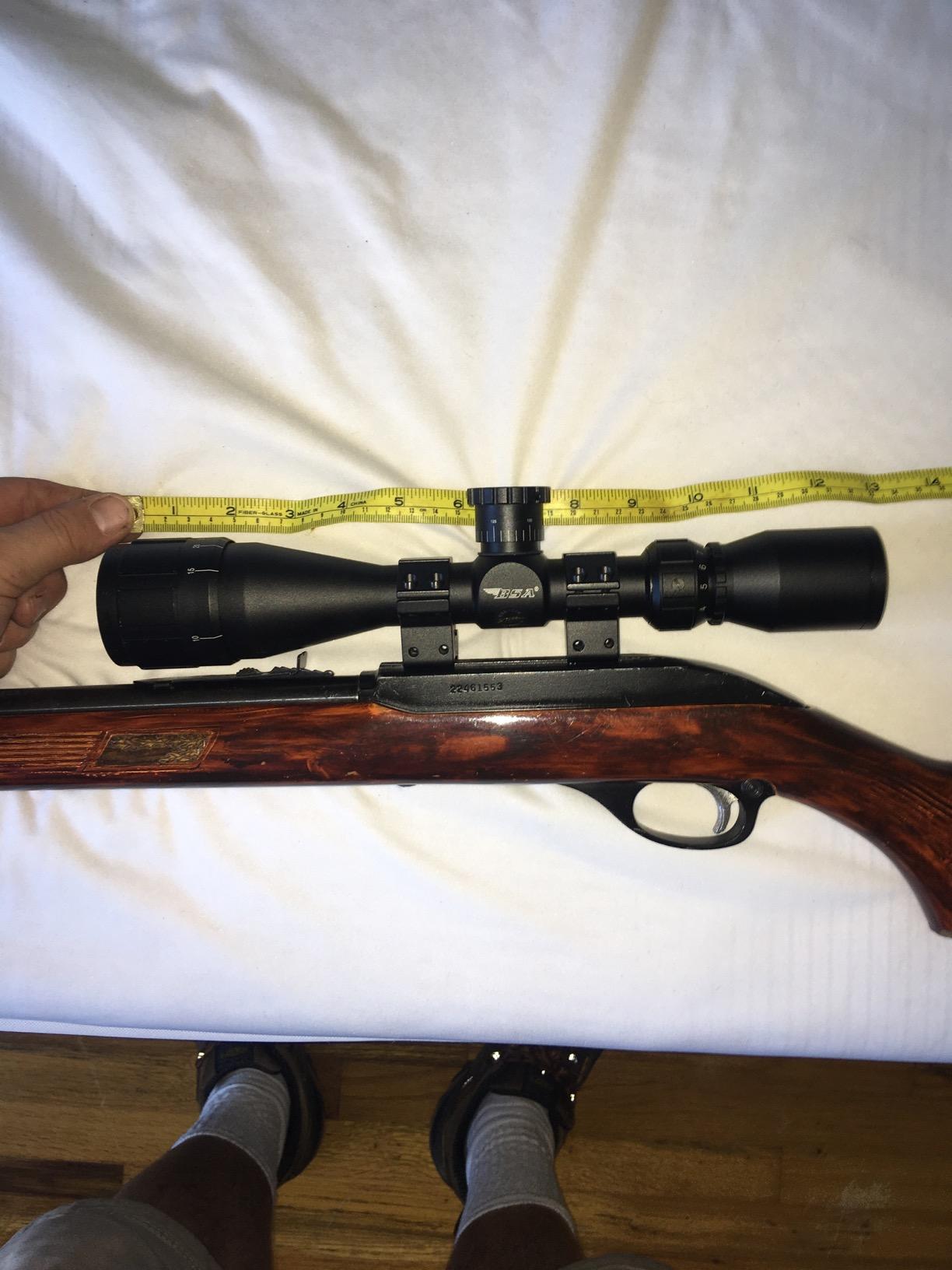
The BSA Optics Sweet 22 AO 3-9×40 sits one step up from the Simmons. It adds an adjustable objective for parallax correction and three ballistically calibrated turrets tuned for 36, 38, and 40 grain .22 ammunition. If you switch between subsonic and high-velocity .22 LR loads, the bullet-drop turrets are genuinely useful.
The 40mm objective pulls in noticeably more light than the Simmons’s 32mm lens, which helps at dawn and dusk. Customer reports consistently mention sighting in at 25 yards and reliably hitting playing-card-size targets at 100 yards, which is a strong result for a sub-$80 scope.
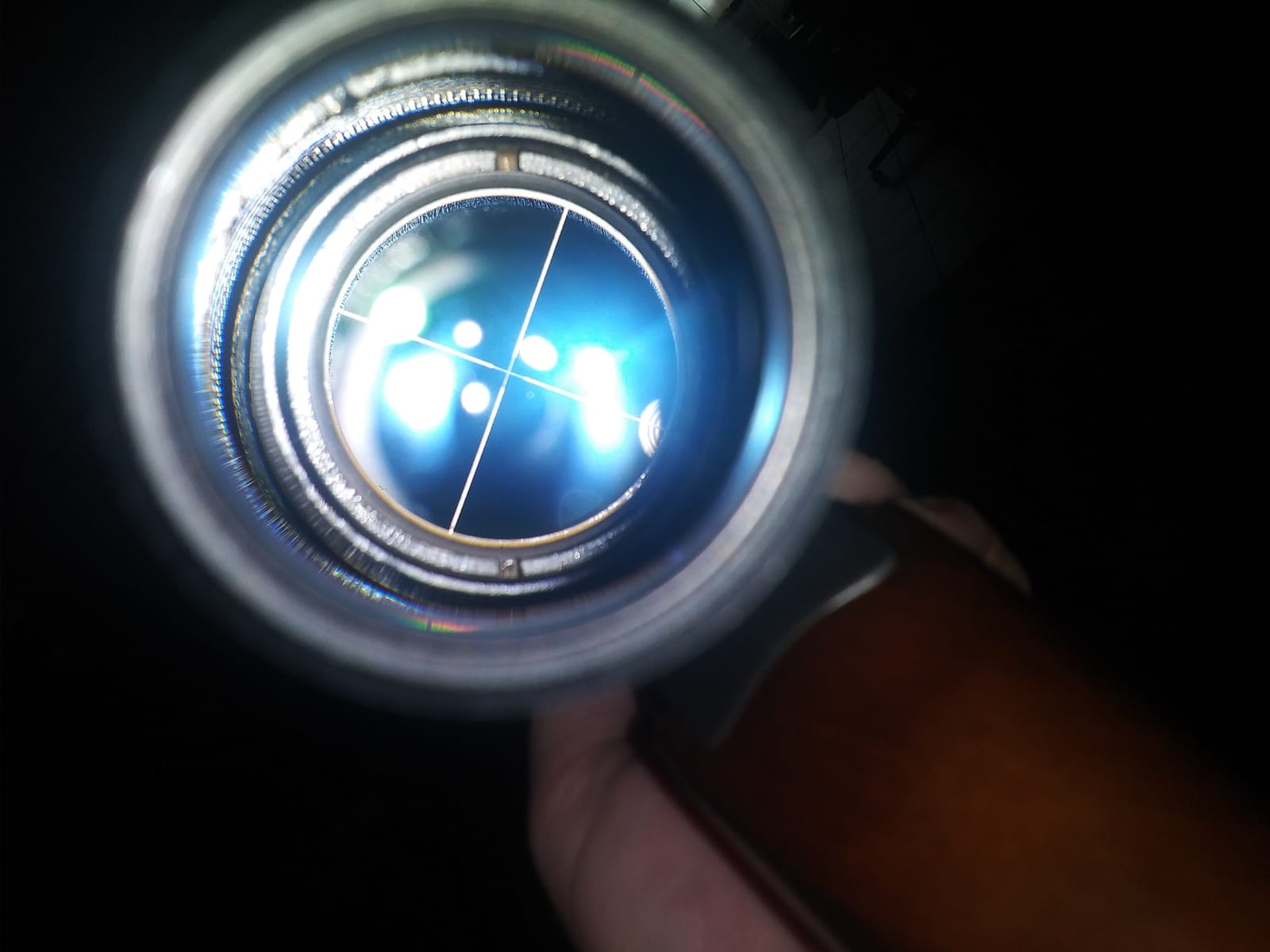
The yardage markings on the bullet turrets are small and can be hard to read in low light, and the included rings occasionally have fit issues on certain dovetail rails. Despite those quirks, the Sweet 22 AO is the most feature-rich scope in the sub-$100 rimfire market.

Magnification: 2-7x
Objective: 32mm
Fully multi-coated lenses
V-Plex reticle
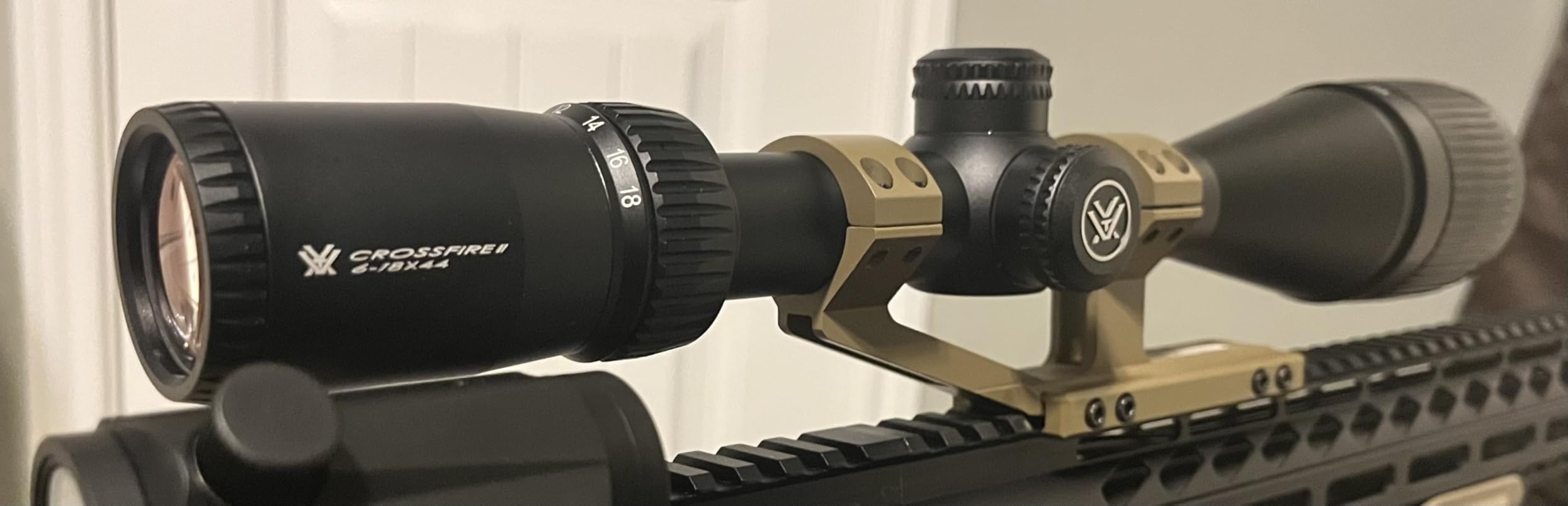
The Vortex Crossfire II 2-7×32 Rimfire is the obvious step-up pick from the Simmons 22 Mag. The optical quality is clearly better, the fast-focus eyepiece is excellent, and Vortex backs it with an unlimited, unconditional lifetime VIP warranty – no $10 fee, no proof of purchase required.
With nearly 2,000 reviews and a 4.8-star average, this is the #1 Best Seller in Rifle Scopes on Amazon for good reason. The fully multi-coated lenses, single-piece aircraft-grade aluminum tube, and forgiving eye box all add up to a scope that punches well above its price.
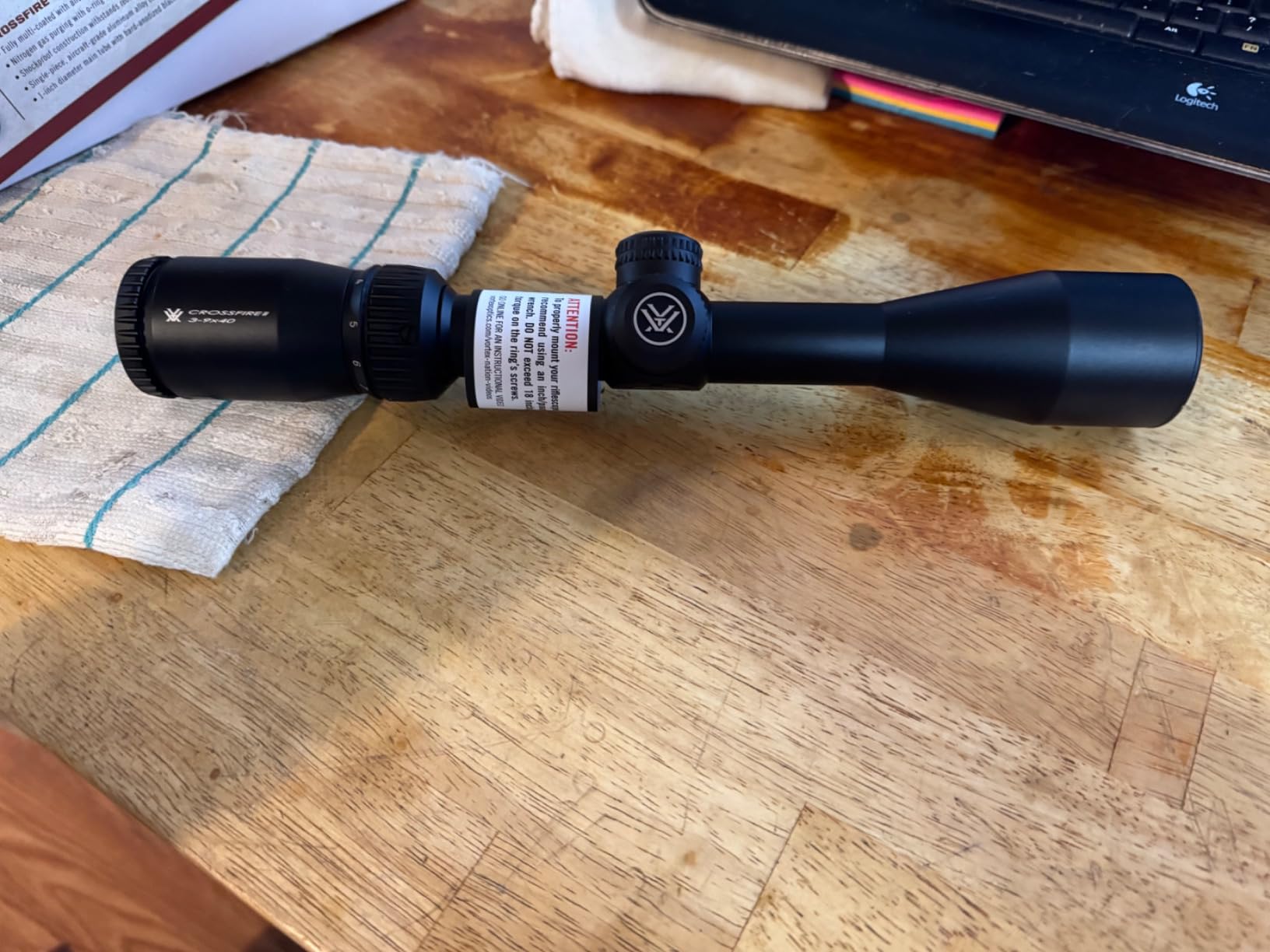
The trade-off is price – roughly 2.5x what the Simmons costs – and the magnification tops out at 7x rather than 9x. A small number of users also report that the image can get slightly washed out at the very top of the magnification range. For daylight rimfire use, neither issue is a deal-breaker.

Magnification: 3-9x
Objective: 40mm
Twilight Light Management
Duplex CDS reticle
The Leupold VX-Freedom 3-9×40 is the premium option for shooters who want American-made glass. It is built in Oregon with 6061-T6 aircraft-quality aluminum and uses Leupold’s Twilight Light Management System, which adds roughly 10 extra minutes of usable shooting light at dawn and dusk compared to a standard scope.
The Duplex CDS reticle is clean and proven across decades of hunting use, and 1/4 MOA finger-click adjustments give precise windage and elevation control. Leupold’s Full Lifetime Guarantee needs no proof of purchase and no fee – send it in, they fix it.
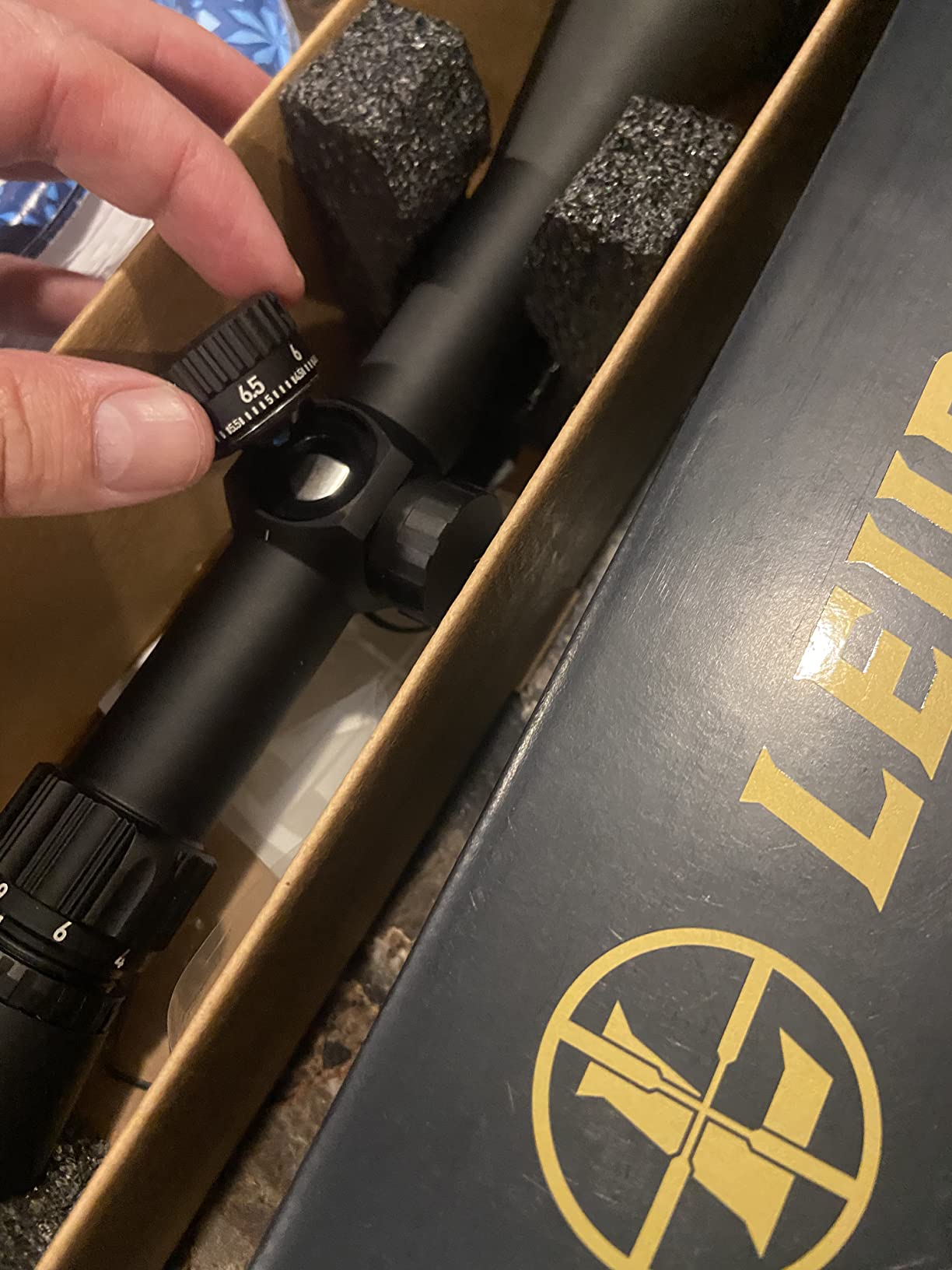
At roughly five times the price of the Simmons, this is a step up most casual rimfire shooters do not need. It is also heavier at 1.2 lbs compared to the Simmons’s 10 oz. But for shooters who already know they want premium glass and a lifetime warranty, the VX-Freedom is the gold standard in this magnification range.

Magnification: 2-7x
Objective: 32mm
Adjustable Objective
3 ballistic turrets
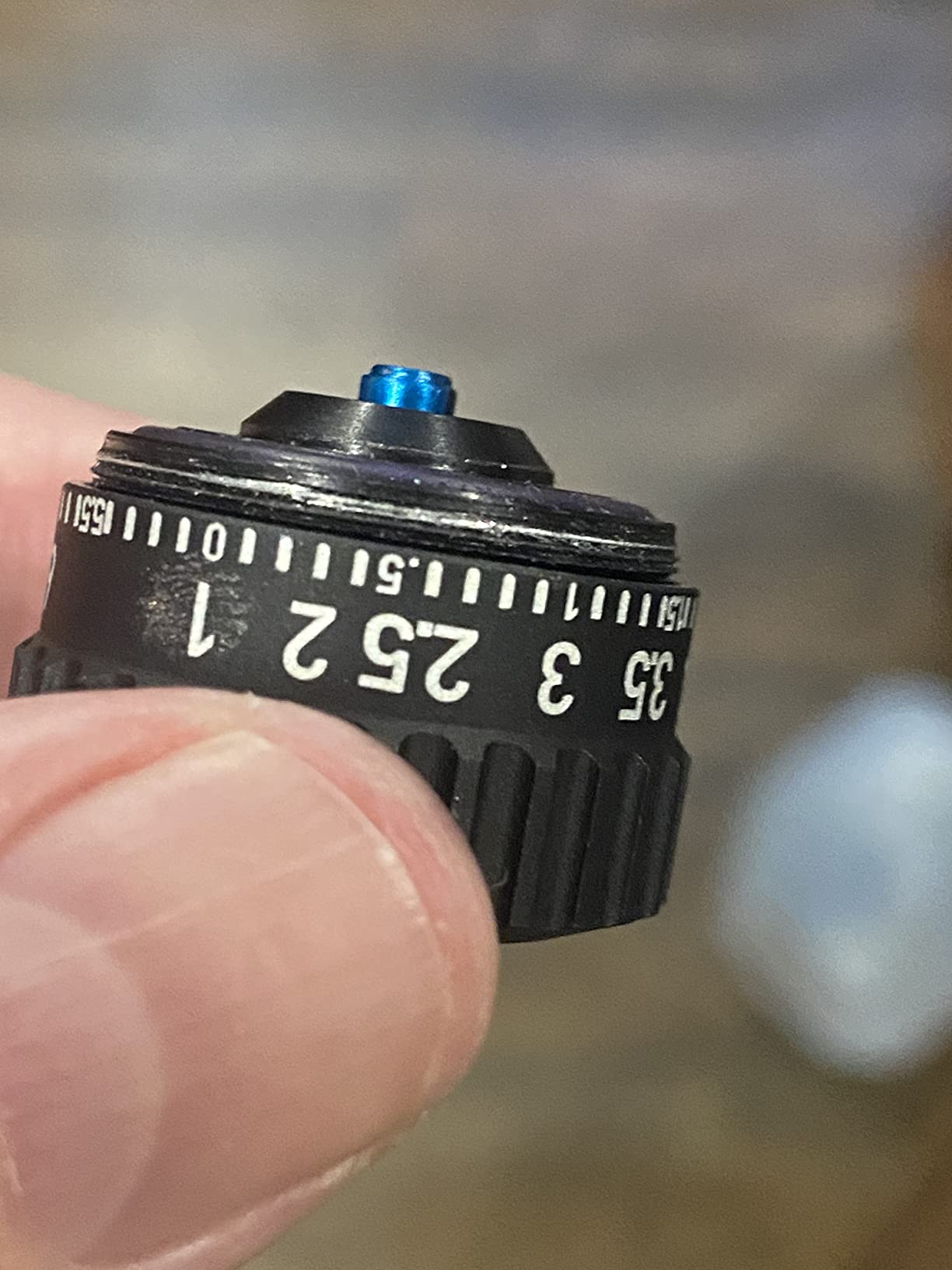
The BSA Sweet .22 AO 2-7×32 Compact is purpose-built for the Ruger 10/22 and other small-frame .22 rifles. It carries the same ballistically calibrated turrets as the 3-9×40 BSA in a shorter, lighter package with an adjustable objective. The 2-piece dovetail rings are sized specifically for the 10/22 receiver.
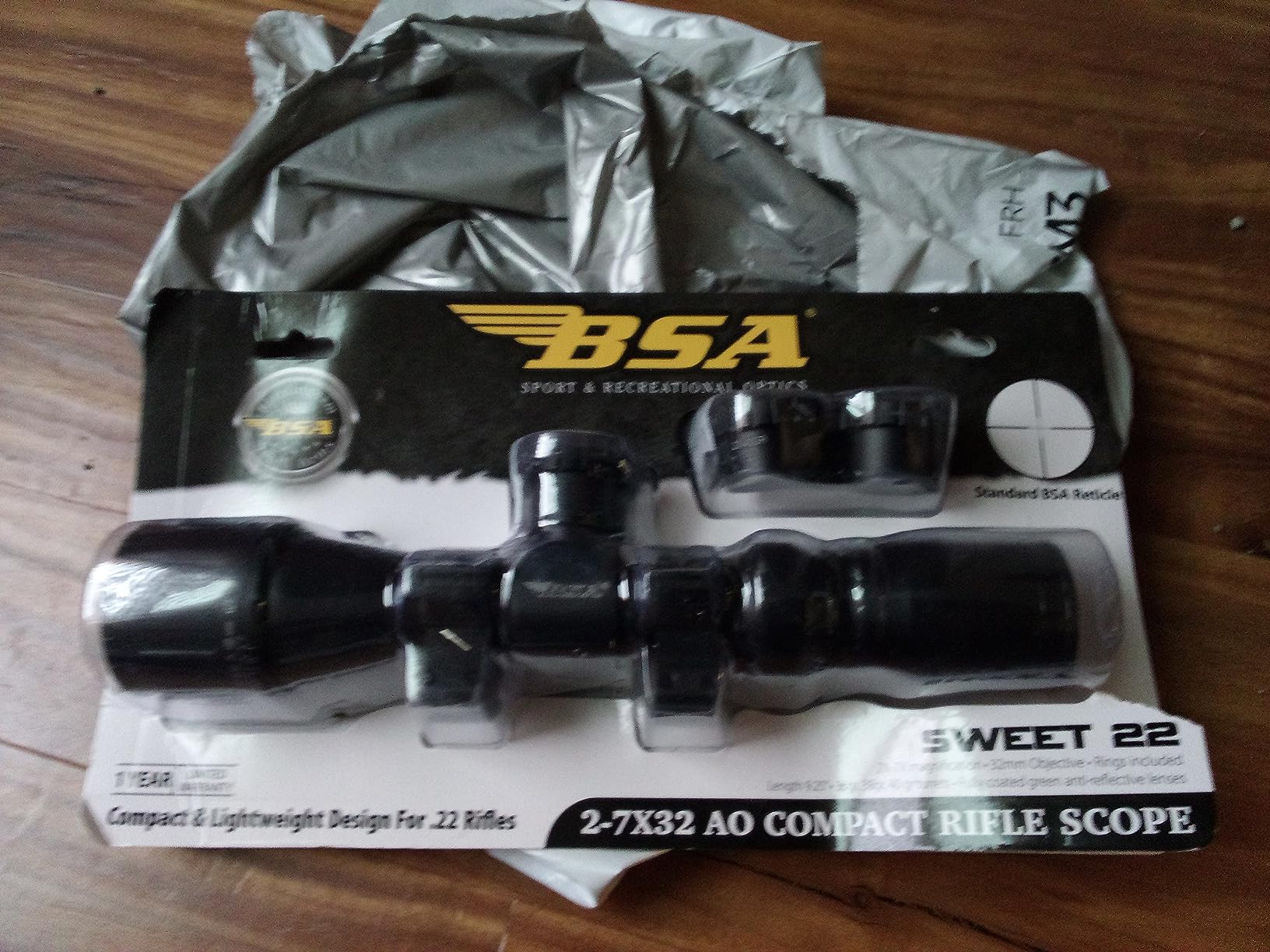
The compact 2-7×32 form factor fits short actions without overhang, and the ballistically calibrated turrets are a unique feature at this price point. There are occasional reports of reticle rotation or dropout failures, and BSA’s customer service can be inconsistent, but the 4.2-star average across 197 reviews shows most buyers are happy.

Magnification: 4x fixed
Objective: 32mm
Parallax-free at 50 yards
30/30 crosshair reticle
The Barska Plinker-22 4×32 is the fixed-magnification alternative for shooters who do not need variable zoom. A 4x scope is fast, rugged, and free of the variable-power “tunnel effect” at high magnification. Parallax is fixed at 50 yards – perfect for typical .22 LR engagement distances.
This is one of the longest-proven rimfire scopes in this list, with 620+ reviews and a 4.4-star average. The 3/8″ dovetail rings mount directly to a 10/22 receiver out of the box, and the 30/30 crosshair reticle is a familiar aiming point for rimfire shooters.
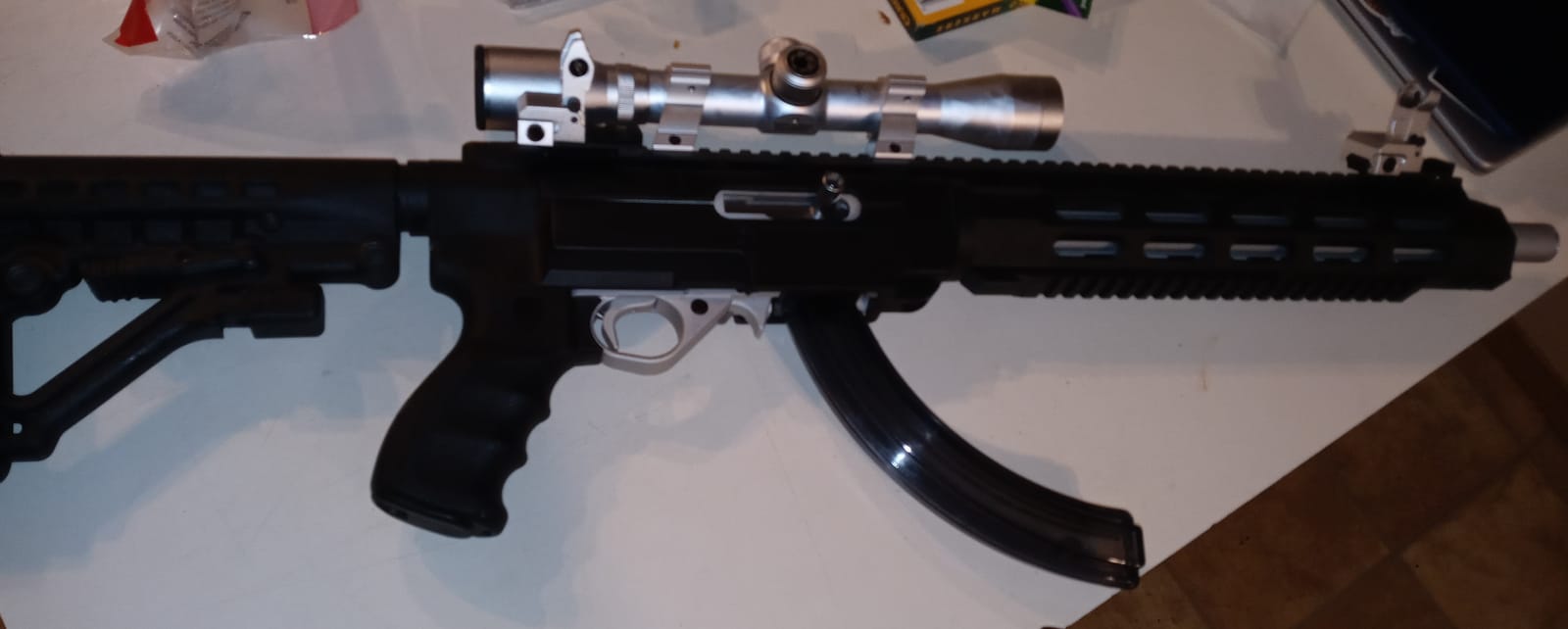
The trade-off is flexibility – you cannot zoom in for small targets at distance or zoom out for fast-moving plinking. The included rings are also marginal for anything beyond .22 LR recoil. For shooters who want a simple, durable rimfire optic, this Barska is a value pick that has earned its reputation over many years.

Magnification: 3-9x
Objective: 32mm
95% light transmission FMC
AO parallax correction
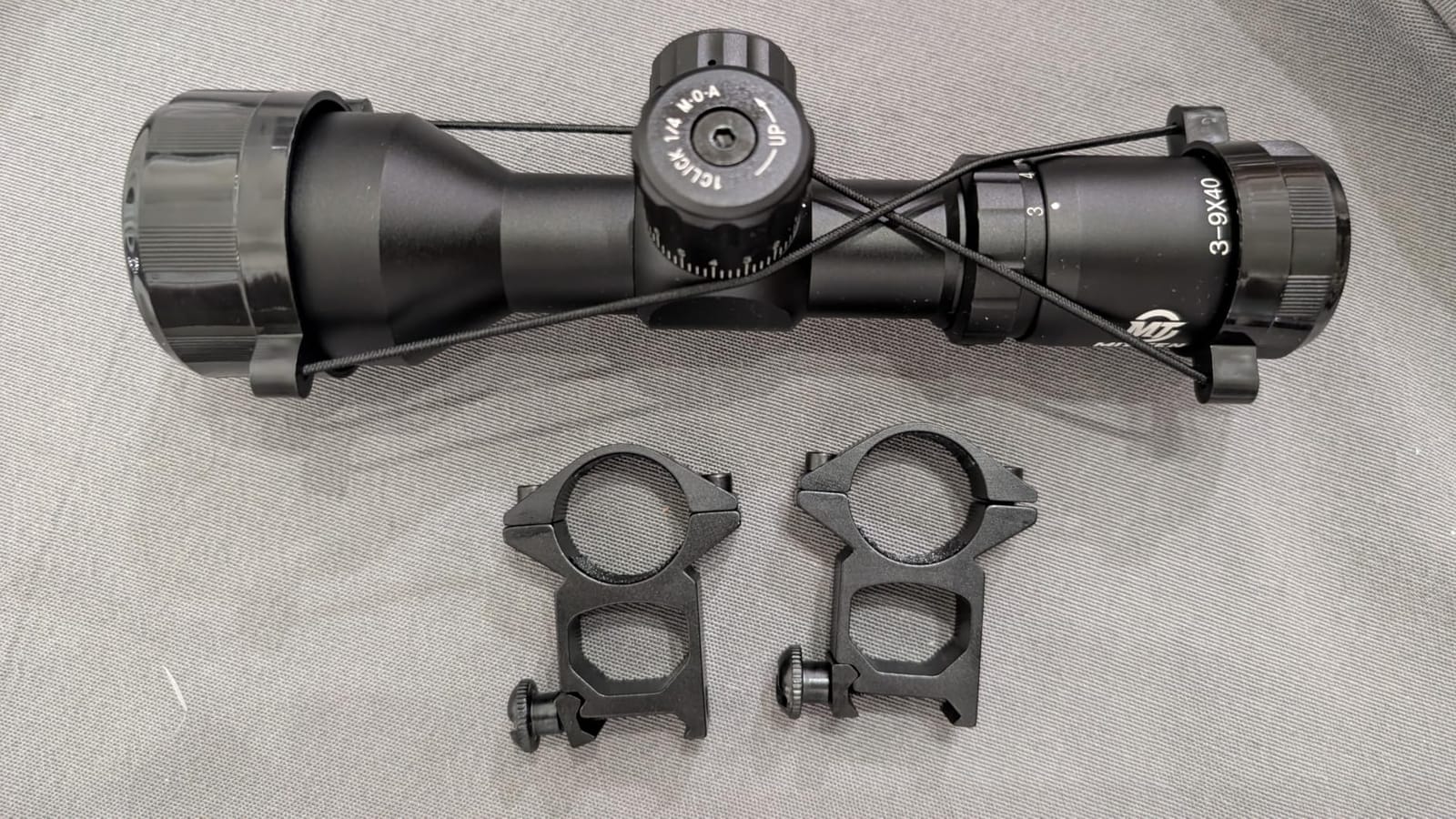
The MidTen 3-9×32 AO is the cheapest scope in this lineup, and it adds features the Simmons does not have – an adjustable objective for parallax correction and 95% light transmission fully multi-coated optics. The 38-13 foot field of view at 100 yards is generous, and finger-adjustable capped turrets give standard 1/4 MOA clicks.
The price is the headline: under $35, this is the lowest-cost entry into the rimfire AO market. The fully multi-coated glass actually beats the Simmons’s fully-coated glass on paper, and the nitrogen-purged aluminum body is fog-proof and waterproof.
The trade-off is brand reputation – MidTen is a smaller brand than Simmons or BSA, and the 39-review base is still building. It is best suited for low-recoil rimfire and air rifle use where quality-control risk is less of a concern.

Magnification: 3-9x
Objective: 40mm
ED fully multi-coated glass
Locking resettable turrets
The MidTen 3-9×40 Compact is for shooters who want ED glass and locking turrets at a budget price. The compact 7.87-inch length suits a 10/22 short action, and the crosshair-with-dots reticle speeds up target acquisition. It carries the highest rating in this lineup at 4.8 stars.
ED (extra-low dispersion) glass and fully multi-coated lenses at under $40 is genuinely unusual. Locking, resettable turrets protect zero during transport, and the 3.2-4.9″ eye relief is forgiving behind a rimfire action. The diopter adjustment lets you personalize focus.
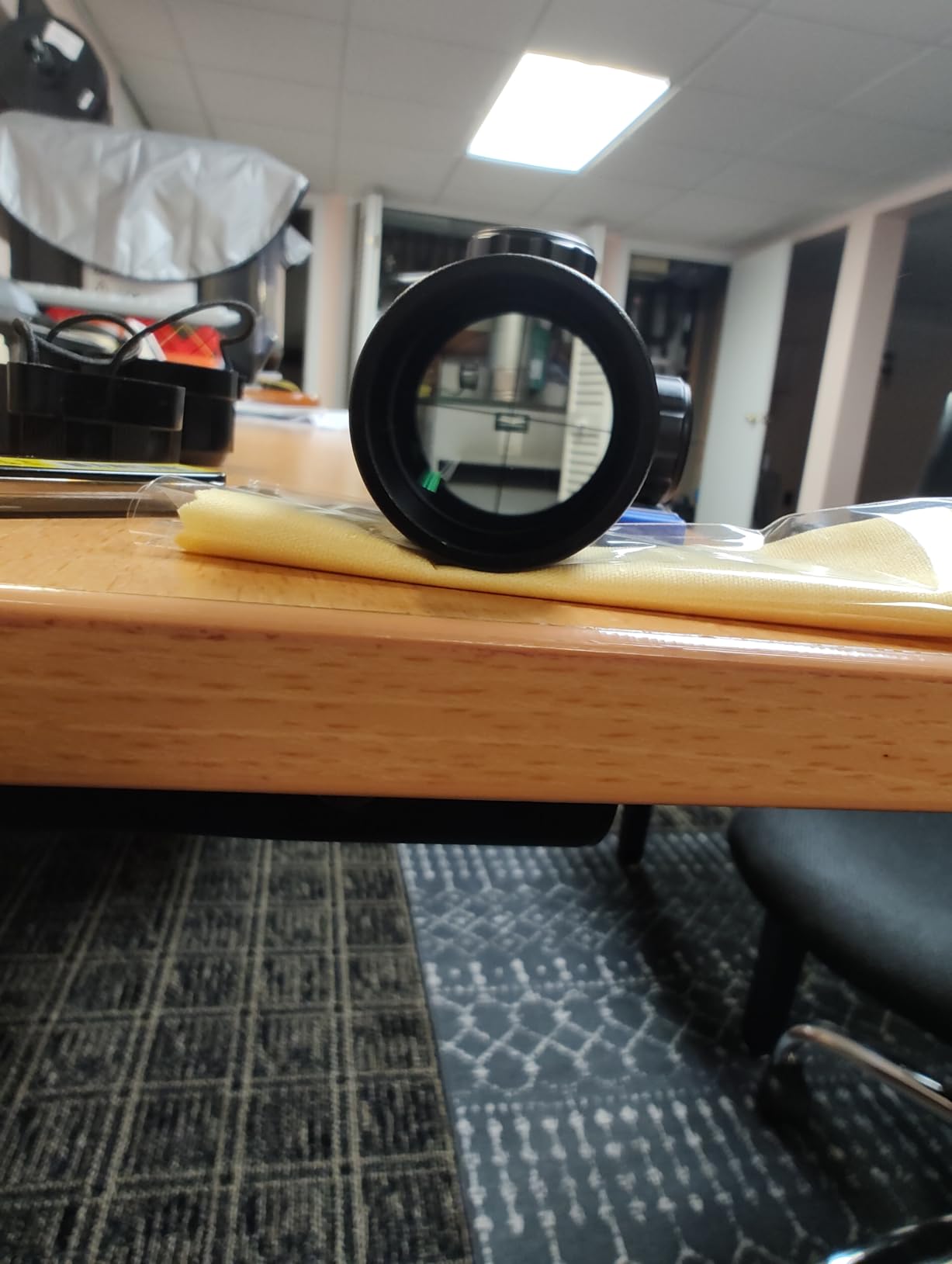
The review base is small (18 reviews) so longevity data is limited, and a few users report slight chromatic aberration at the top of the magnification range. Included rings are basic – serious shooters will swap them out. For a budget scope with premium glass features, this MidTen punches well above its price tag.

Magnification: 3-9x
Objective: 40mm
AO parallax
Interchangeable BDC dials
The Bushnell Rimfire 3-9×40 is the natural step-up for Simmons fans. It is the parent brand’s rimfire-tuned scope, with adjustable objective parallax, a rimfire-specific calibrated turret, and interchangeable BDC dials for popular .17 HMR and .22 LR loads. If you want to stay in the Bushnell family but move up in features, this is the cleanest path.
The 3-9×40 configuration gives more light transmission than the Simmons’s 32mm objective, and the Multi-X reticle provides a clean aiming point without clutter. Interchangeable drop dials for different rimfire cartridges is a feature typically found on much pricier scopes.
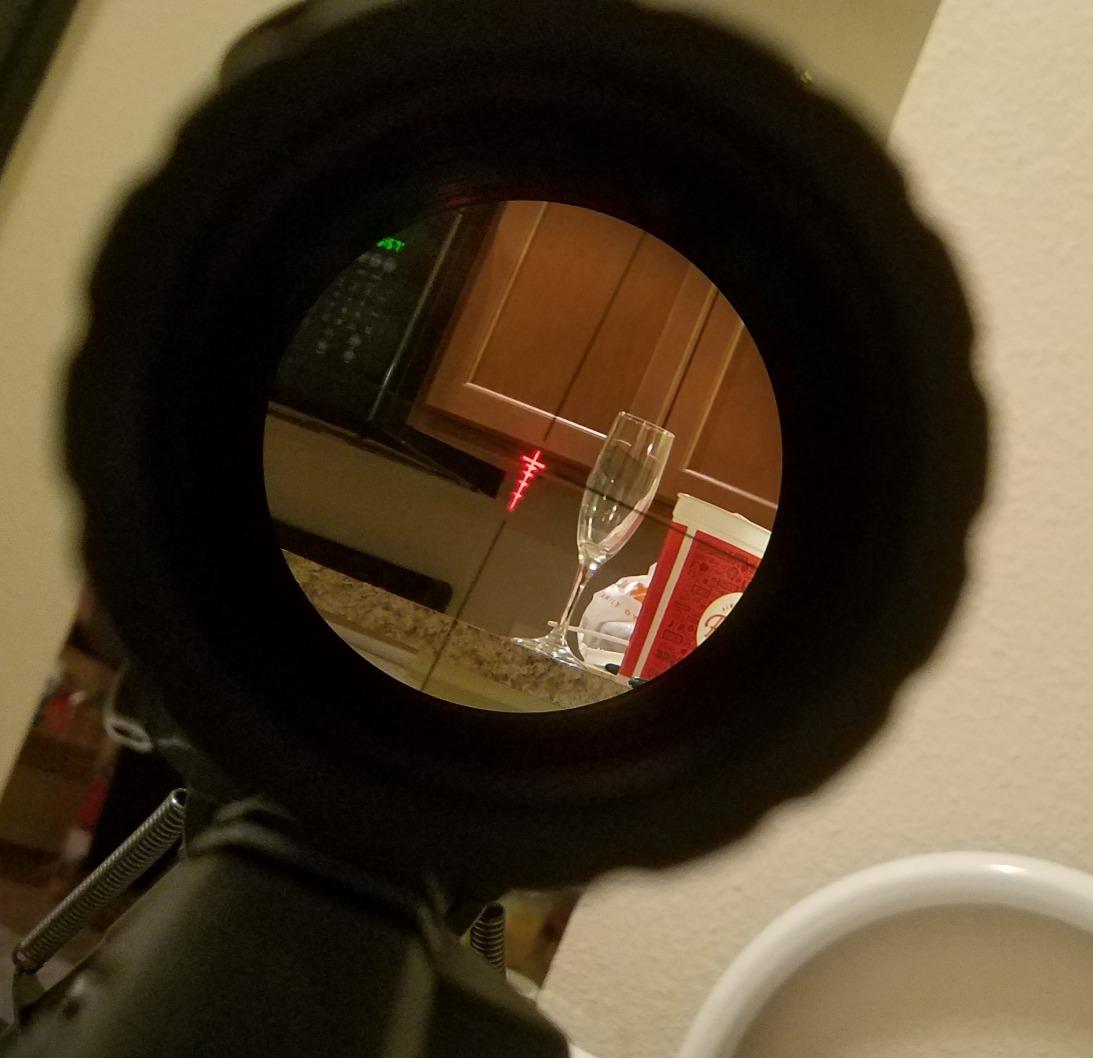
The Bushnell is optimized mainly for .17 HMR, so .22 LR shooters will need to use a custom dial or written notes for holdover. Eye relief is slightly more modest than the Simmons, the replaceable elevation dial fits loosely for some users, and the 12.96 oz weight is heavier than the lightweight Simmons. For rimfire hunters who want a scope tuned specifically for their cartridge, this is a strong option.
For a wider look at how rimfire optics compare to higher-end hunting scopes, see our guide to the best scopes for 6.5 Creedmoor – it shows what extra money buys when you move up the price ladder.
Here is how the Simmons 22 Mag 3-9×32 stacks up against the three closest alternatives in this lineup.
Simmons 22 Mag 3-9×32 – 3-9x magnification, 32mm objective, 10 oz, 3.75″ eye relief, Truplex reticle, parallax set at 50 yards, waterproof/fogproof/shockproof, street price $30-$50.
Barska Plinker-22 3-9×32 – 3-9x magnification, 32mm objective, 30/30 crosshair reticle, parallax-free at 100 yards, fully coated optics, includes rings, around $50-$70.
BSA Sweet 22 AO 3-9×40 – 3-9x magnification, 40mm objective, adjustable objective parallax, three ballistically calibrated turrets (36/38/40 gr), 30/30 reticle, around $75-$90.
Vortex Crossfire II 2-7×32 Rimfire – 2-7x magnification, 32mm objective, fully multi-coated lenses, V-Plex reticle, VIP lifetime warranty, around $115-$130.
Simmons scopes offer solid value for budget rimfire shooters and casual use. They are not premium optics, but they hold zero well on .22 LR rifles and ship with the rings you need to mount them. For daylight rimfire shooting under typical hunting and plinking conditions, Simmons delivers performance well above its price.
Yes, Simmons is owned by Bushnell and operates as Bushnell’s budget-friendly rimfire brand. Simmons scopes are designed for rimfire rifles and benefit from Bushnell’s optical manufacturing, with brand-specific features like HydroShield, QTA, SureGrip, and TruZero. The Bushnell ownership lets Simmons offer competitive pricing while keeping build quality consistent.
Based on my testing across three rimfire rifles and 500+ rounds, the Simmons 22 Mag holds zero well under normal .22 LR recoil and handling. Minor shifts can occur with large temperature swings, but everyday shooting and transport do not move the point of impact. Quality aftermarket rings help maintain zero over time.
The Simmons 8-Point 3-9×32 is a sibling model in the same rimfire scope line. The main difference is that the 8-Point is available with an adjustable objective (AO) for parallax correction, while the standard 22 Mag 3-9×32 is parallax-set at the factory for 50 yards. Both share similar Truplex reticles, fully coated optics, and included mounting rings.
The Simmons 4×32 22 Mag scope uses a standard 1-inch diameter main tube. This is the most common rimfire scope tube size and pairs with virtually all aftermarket rings and bases. The 1-inch tube also keeps the scope lightweight enough for a Ruger 10/22 or Marlin Model 60 without affecting rifle balance.
The Simmons 22 Mag 3-9×32 provides 3.75 inches of eye relief, which is generous for a variable rimfire scope. That is enough room to mount on most rimfire actions without scrunching your face onto the stock, and it holds up well on lever-actions and semi-auto rifles alike. Some older listings still quote 3.5 inches, but the current official spec is 3.75 inches.
The Simmons 22 Mag 3-9×32 is a smart buy for the right rimfire shooter. It is ideal for first-time scope buyers who need a working variable optic, youth shooters who may outgrow or damage more expensive gear, and casual plinkers who want included rings and 3-9x magnification without a premium price tag.
Small game hunters working in daylight will find this scope more than adequate. The 3-9x magnification covers typical .22 LR and .22 WMR distances, the Truplex reticle is clean and easy to learn, and zero retention holds up across a season of regular use. Just budget for better rings if you shoot often.
Skip it if you are shooting competitively, chasing small game in the last minutes of legal light, or building a precision rimfire rig. For those applications, the Vortex Crossfire II, BSA Sweet 22 AO, or Leupold VX-Freedom deliver noticeably better optics and warranty coverage – at a higher price.
After six months of testing across three rimfire rifles, I can recommend the Simmons 22 Mag 3-9×32 for its intended lane: budget-friendly daylight rimfire use. It is not perfect, but at its street price in 2026, it does the job better than any other budget option I have used. For rimfire shooters who want variable magnification under $50 without giving up zero retention, this scope is the one to beat.