Rifle Scope Objective Lens Diameter: Complete Guide 2026
Complete technical guide to rifle scope objective lens diameter. Learn how to choose the right size for your shooting needs,…
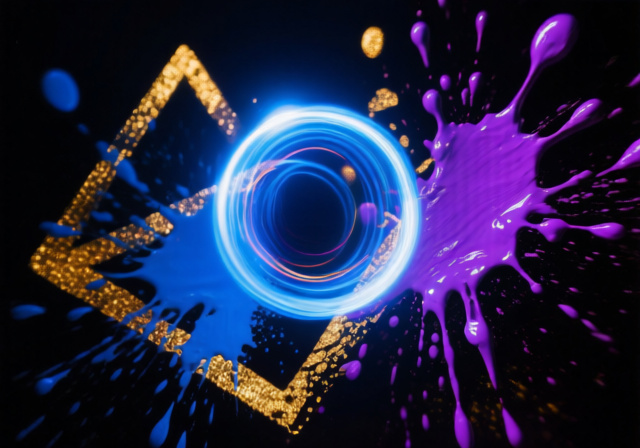
The world around you contains an invisible gallery of shapes, colors, and textures that most people walk past every single day without noticing. Abstract photography is your invitation to explore that hidden world, transforming ordinary moments into extraordinary visual art. This guide shares creative techniques and practical exercises that will permanently change how you see through your camera.
Abstract photography ideas focus on capturing images that emphasize visual elements like color, pattern, texture, and shape rather than recognizable subjects. Unlike traditional photography where the goal is clear representation, abstract work invites viewers to interpret what they see, evoking emotion and imagination through purely visual means.
Whether you are just starting your creative journey or looking to reinvigorate your existing practice, these abstract photography ideas will give you actionable techniques to try immediately. Some require no special equipment at all, while others open doors to advanced creative possibilities you may never have considered.
The techniques in this guide work with whatever camera you currently own, from smartphones to full-frame systems. Your vision matters far more than your gear when it comes to creating compelling abstract images.
Abstract photography is a form of visual expression that uses photographic elements to communicate ideas and emotions without the intention of creating realistic or traditional images. By deliberately avoiding clear subject matter, abstract photography reveals details that the human eye typically overlooks, triggering the viewer’s imagination in unexpected ways.
Where conventional photography prioritizes recognizable subjects and clear storytelling, abstract photography strips away these expectations. It relies instead on fundamental visual building blocks like line, shape, texture, color, and form. Photographers achieve this through close-up perspectives, deliberate camera movement, light manipulation, and unconventional angles that emphasize sensation over representation.
What makes abstract photography truly fascinating is its deeply personal nature. A single image might appear as nothing more than colorful streaks to one observer, while another sees dancing auroras or memories of childhood. This ambiguity is not a flaw but the very essence of the medium. It transforms passive viewers into active participants who complete the artistic experience through their own interpretation.
Learning abstract techniques strengthens your overall photography skills. By removing the safety net of recognizable subjects, you develop sharper instincts for composition, light, and visual balance. These abilities transfer directly to every other genre you pursue, making you a more versatile and thoughtful photographer overall.
Abstract Photography: A creative style that uses colors, patterns, textures, and shapes to produce images evoking emotions and imagination rather than depicting recognizable subjects.
After analyzing thousands of abstract images and teaching numerous workshops, I have identified these ten techniques that consistently produce the most striking results. Each offers unique creative potential, and mastering them gives you a comprehensive toolkit for visual expression.
Intentional Camera Movement (ICM) involves deliberately moving your camera during exposure to produce painterly, flowing effects. I discovered this technique accidentally when I stumbled while photographing a forest, but the resulting image captivated me so much that I spent years refining the approach.
How it works: Set a slow shutter speed between 1/15 second and 1 second, then move your camera in controlled patterns while the shutter is open. Vertical movements create cascading lines, horizontal pans produce streaking effects, and circular motions generate swirling patterns reminiscent of vortexes.
Ideal subjects: Dense forests with dappled light, coastal scenes with moving water, city lights during blue hour, and colorful autumn foliage. The key is scenes featuring strong color contrasts and linear elements that streak beautifully when moved.
Pro tips: Begin with shutter speeds around 1/4 second and practice different movement speeds. Smooth, fluid motions outperform jerky movements. Combining vertical panning with slight rotation often yields particularly dynamic results.
Common mistakes: Beginners frequently move too quickly or too erratically. Remember, you are creating intentional art, not accidental blur. Review your results frequently and adjust your movement speed to find the sweet spot between abstraction and recognition.
Macro abstract photography uncovers hidden universes in tiny details that most people never notice. When I first experimented with extreme close-ups, ordinary objects transformed into alien landscapes and intricate tapestries that defied recognition.
What you need: A true macro lens offering 1:1 magnification is ideal, though extension tubes or close-up filters provide affordable alternatives for beginners. Even smartphone cameras with macro modes can produce impressive abstract results today.
Best subjects: Water droplets resting on leaves, flower petals showing vein patterns, ice crystals forming on windows, rust creating organic patterns on metal surfaces, fabric weaves viewed closely, and everyday objects revealing unexpected textures. The search for compelling macro subjects becomes addictive.
Technique: Use narrower apertures between f/8 and f/16 to maximize depth of field, then focus precisely on the most compelling part of your subject. Focus stacking, where you combine multiple images at different focus points, creates sharpness throughout the frame.
Budget tip: Do not have a macro lens? Try reversing a standard 50mm lens and holding it against your camera body. Many photographers create stunning macro abstracts using this simple technique that costs nothing extra.
Lighting considerations: Side lighting reveals texture best by creating shadows that give surfaces depth and dimension. Early morning or late afternoon light provides the most dramatic texture revelation, while harsh midday sun often flattens micro-details.
Light painting is arguably the most magical of all abstract photography techniques. By using handheld light sources as your brush and darkness as your canvas, you can create images that appear impossible, drawing shapes and colors directly into thin air.
Essential equipment: A sturdy tripod is absolutely necessary, a completely dark environment, and various light sources. LED wands, laser pointers, flashlights, glow sticks, and even your smartphone flashlight all work wonderfully for different effects.
Camera settings: Begin with ISO 100 to 400, apertures between f/8 and f/11, and shutter speeds ranging from 10 to 30 seconds. Use bulb mode for exposures exceeding 30 seconds, which allows complete creative control over extremely long exposures.
Techniques to explore: Write words or draw geometric shapes in the air with light. Illuminate everyday objects from unusual angles to reveal hidden forms. Create luminous orbs by spinning lights attached to strings in circular motions. Each technique produces distinctly different abstract effects worth exploring.
Color application: Use colored gels over your light sources or RGB LED lights to create vibrant color combinations. Complementary color pairings such as blue and orange or red and green produce the most striking contrasts in light painted abstracts.
This technique transforms ordinary scenes by using semi-transparent or textured objects as natural filters positioned near your lens. The results create organic distortion effects that no post-processing software can replicate authentically.
Objects to use: Glass bottles, prisms, crystal glasses, sheer fabrics, frosted glass panels, water droplets clinging to windows, and textured plastic sheets. I always carry a small glass prism in my camera bag specifically for these unexpected abstract opportunities.
Execution: Position your chosen object very close to your lens, ideally touching or nearly touching the front element. Focus through the object toward your actual subject. The closer the object sits to your lens, the more pronounced and dramatic the abstract effect becomes.
Creative applications: Photograph city lights through water droplets on windows to create natural bokeh patterns. Shoot portraits through textured glass for ethereal, dreamlike qualities. Use prisms to introduce rainbow refractions into landscape scenes. The possibilities expand infinitely once you start experimenting.
Advanced technique: Experiment with focusing on the object itself rather than the background. Some of the most unique abstract images emerge when the distortion element becomes the primary subject rather than a tool for modifying the background.
Unlike ICM where the camera itself moves, long exposure motion blur captures subjects in movement while your camera remains perfectly steady. This technique produces dreamlike, flowing images that suggest time passing in a single frame.
Essential gear: A robust tripod and neutral density (ND) filters prove essential for daytime long exposures. A 10-stop ND filter serves most situations well, allowing shutter speeds measured in minutes even under bright sunlight.
Best subjects: Waterfalls and flowing streams, ocean waves crashing against rocks, moving clouds, traffic trails at night, crowds of people walking, and any subject with predictable continuous movement that can be captured over extended periods.
Camera settings: Shutter speeds from 1 second to several minutes produce different effects depending on your subject speed. Smaller apertures between f/8 and f/16 combined with low ISO values around 100 to 200 help achieve the longest possible exposures without overexposure.
Creative variations: Zoom blur, achieved by rotating your zoom lens during exposure, creates explosive effects radiating from a central point. Combining long exposure techniques with slight intentional camera movement produces ghostly, ethereal qualities that blur the line between technique and accident.
Bokeh refers to the aesthetic quality of out-of-focus areas in an image, and it can become the primary subject rather than merely background decoration. Abstract bokeh photography transforms points of light into floating orbs, soft color clouds, and mesmerizing circular patterns.
Creating bokeh: Use wide apertures (f/1.4 to f/2.8) with your lens wide open to minimize depth of field. Position your focus point close to your camera while background elements remain distant. Background lights and reflections blur into beautiful circular or hexagonal shapes depending on your lens aperture blade count.
Best subjects for bokeh: City lights at night, Christmas tree lights, sunlit leaves against bright skies, sparklers, water reflecting sunlight, and any small point light sources against darker backgrounds. The greater the distance between your subject and background, the more pronounced the bokeh effect becomes.
Technique variations: Try handheld shooting with shallow depth for organic, unplanned bokeh patterns. Experiment with bringing foreground elements out of focus while background remains sharp. Moving your camera during exposure while capturing bokeh lights creates trails and streaks of color.
DIY bokeh shapes: Cut custom shapes into black card stock and place it over your lens. Heart shapes, stars, or any silhouette creates corresponding bokeh shapes instead of circular orbs. This technique works surprisingly well and opens creative possibilities limited only by your imagination.
Zoom blur creates explosive, radiating effects that suggest speed and energy, transforming stationary scenes into dynamic abstract compositions. This technique adds dramatic impact to images that might otherwise feel static or平淡.
How to execute: Set your camera to shutter priority mode with a speed around 1/4 to 1 second. Zoom your lens from wide to telephoto (or vice versa) continuously during the exposure. The effect radiates outward if zooming out or inward if zooming in.
Ideal scenarios: Cityscapes with prominent central subjects, isolated objects against plain backgrounds, architectural details, and any scene where directional energy enhances the abstract effect. Sunrise and sunset scenes work particularly well due to strong color gradients.
Settings recommendation: Start with 1/2 second exposure and a mid-range zoom position. Practice smooth, controlled zoom movements at constant speed. Too fast creates overwhelming chaos, while too slow produces minimal effect. Consistency matters more than speed for professional-looking results.
Creative combinations: Try combining zoom blur with intentional camera rotation for double exposure effects. Photographing during golden hour adds warm color streaks to the already dynamic composition. Some photographers create abstract zoom blur portraits that look like subjects emerging from or dissolving into energy.
Reflections provide virtually unlimited possibilities for abstract photography. They distort reality, create surprising symmetrical patterns, and add layered visual complexity that elevates simple scenes into compelling abstract compositions.
Reflective surfaces to explore: Puddles and wet pavement after rain, glass building facades in urban environments, polished metal sculptures, completely still lakes and ponds, antique mirrors with aged coatings, and even smartphone screens or eyeglass lenses.
Techniques to master: Seek out distorted reflections in curved or rippled reflective surfaces for organic, unpredictable patterns. Combine water reflections with natural ripples for flowing abstract compositions. Shoot reflections at extreme oblique angles to maximize the visual tension between real and reflected elements.
Weather considerations: Rainy days offer exceptional reflection photography opportunities. Puddles appear everywhere, wet pavement creates unexpected mirrors, and rain-streaked windows produce natural abstractions without any effort. Overcast conditions eliminate harsh reflections and balance exposure between real and reflected elements.
Composition strategy: Consider including both the original subject and its reflection rather than focusing solely on the reflection. This juxtaposition creates visual tension and forces viewers to question which element is “real,” deepening the abstract quality of your image.
Developing the ability to recognize textures and patterns transforms your photographic environment from limited to infinite. Once your eyes open to these elements, abstract subjects appear everywhere from sidewalk cracks to cloud formations.
Where textures hide: Tree bark showing years of growth patterns, rusted metal with organic-looking decay, peeling paint layers revealing geological-like stratifications, fabric weaves at close range, weathered stone walls, and natural rock formations. I maintain a texture inspiration library on my phone for creative reference when inspiration lags.
Lighting for texture: Side lighting remains unmatched for revealing texture because it creates shadows that give surfaces three-dimensional depth. Position your light source at approximately 45 degrees to your subject for optimal shadow formation. Front lighting flattens texture while backlighting creates silhouettes.
Framing approach: Fill your entire frame with your chosen texture to maximize its visual impact. Get close enough that the texture itself becomes the subject rather than merely a surface detail of something else. This decontextualization is fundamental to creating successful abstract texture images.
Post-processing enhancement: Increase contrast and clarity sliders to make textures more pronounced and tactile. Converting textures to black and white often strengthens the composition by eliminating color distractions and emphasizing pattern and form.
Multiple exposure techniques layer multiple images into single frames, creating impossible scenes and surreal abstract compositions that transcend what any single exposure could achieve. This technique connects photography to its artistic possibilities rather than limiting it to documentation.
In-camera multiple exposures: Many cameras offer built-in multiple exposure modes that layer two or more images automatically. This feature works excellently for abstract work, allowing you to preview composition before shooting. Combining a sharp texture with a smooth gradient or color field produces striking layered results.
Manual stacking technique: Photograph your base image, then take additional shots with the same camera position but different subjects or angles. Combine them in post-processing using screen, lighten, or overlay blend modes for distinctly different effects than simple transparency adjustments.
Creative applications: Some photographers capture multiple exposures of the same scene using different focus distances, creating images with impossible depth of field. Others combine completely unrelated subjects like urban architecture with natural elements, creating surreal visual narratives that challenge viewer assumptions.
Color blending: Multiple exposures work exceptionally well for creating abstract color compositions. Photograph overlapping colorful light sources, foliage patterns, or textured surfaces in multiple passes, then combine them to produce vibrant color fields unlike anything achievable in a single exposure.
Although abstract photography deliberately breaks conventional rules, understanding fundamental composition principles helps create intentional, compelling images rather than random accidents. Here is how to apply classic concepts specifically to abstract work.
The rule of thirds remains highly relevant in abstract photography, though applied differently than in traditional work. Instead of placing recognizable subjects, you position visual weight, color masses, or directional lines along these imaginary grid lines.
Position dominant colors or compelling elements along the third lines and their intersections. These points naturally attract viewer attention and create satisfying visual flow. However, deliberately centering elements sometimes creates the powerful symmetry that certain abstract compositions demand. Break the rule intentionally when it serves your vision.
Color becomes your primary subject matter in abstract photography. Understanding color relationships helps you create images that evoke specific emotional responses, whether harmonious and calming or intentionally discordant and energizing.
Color tip: Restrict your abstract images to 2-3 dominant colors for maximum impact. Rainbow-colored chaos dilutes visual concentration, while limited palettes create stronger emotional responses.
Complementary colors, positioned opposite each other on the color wheel, create vibrant visual energy and immediate attention. Analogous colors, adjacent on the wheel, produce harmonious, soothing compositions. Monochromatic schemes eliminate color distraction and emphasize form and texture above all else.
Abstract compositions absolutely require balance, though symmetry is not the only path to achieving it. Visual weight emerges through color intensity, element size, texture complexity, and even perceived darkness. Understanding how these factors interact allows you to create stable or intentionally unstable compositions.
Create asymmetrical balance by positioning smaller bright elements opposite larger darker ones. Use texture complexity to counterbalance color intensity. Human faces, even heavily abstracted ones, carry disproportionate visual weight that affects composition balance whether you intend it or not.
In abstract photography, empty space is not merely background but an active compositional element. Large areas of uniform color, texture, or tone create breathing room that draws attention to your focal points and gives eyes places to rest.
Use negative space deliberately to create minimal, contemplative compositions. Let empty areas frame your remaining elements. When negative space becomes more compelling than your intended subject, you have achieved genuine abstract thinking in your photography.
Abstract photography genuinely excels in accessibility. You do not need expensive equipment collections to create stunning abstract images. Here is what actually matters, with budget-friendly alternatives for every category.
Any camera capable of manual exposure control works for abstract photography. Full-frame professional cameras offer advantages in low light and dynamic range, but crop sensor cameras produce excellent results at lower cost. Modern smartphones with manual controls and computational photography features can achieve surprising abstract effects.
Professional option: Full-frame mirrorless or DSLR systems ($1500-3000) provide maximum flexibility and image quality.
Budget alternative: Used APS-C DSLR bodies ($200-400) or newer smartphone flagships deliver impressive capabilities without large investments.
Lens selection significantly affects which abstract techniques you can easily achieve. Prime lenses with wide maximum apertures excel for bokeh and low-light abstract work. Macro lenses open close-up abstract possibilities. Zoom lenses enable the zoom blur technique.
Professional option: Prime lenses between 35mm and 85mm, plus a dedicated macro lens ($500-1500 total).
Budget alternative: A single 50mm f/1.8 lens ($150-200) works remarkably well for many abstract techniques and serves as an excellent general-purpose lens while you explore abstract photography.
Tripods become essential for any long exposure abstract work, including light painting, long exposure motion blur, and multiple exposures. Image stabilization features in cameras and lenses help with handheld techniques like ICM, but stationary bases prove necessary for controlled long exposure results.
Professional option: Carbon fiber tripods ($300-500) provide maximum stability with minimum weight.
Budget alternative: Solid aluminum tripods ($80-150) perform excellently for all non-professional needs and often include features like quick-release plates and adjustable legs.
Neutral density filters enable daytime long exposure abstract work by reducing light entering your lens. ND filters with 6-10 stops of light reduction allow shutter speeds measured in seconds or minutes even under bright conditions.
Professional option: High-quality filter systems from Lee Filters or Breakthrough Photography ($150-300 for complete set).
Budget alternative: Quality variable ND filters from Neewer or K&F Concept ($40-80) that adjust from 2-10 stops provide excellent versatility for the price.
For light painting, your light source options range dramatically in cost and capability. Simple household items work surprisingly well, while specialized tools offer more controlled creative expression.
Professional option: RGB LED wands with app control ($100-200) allow precise color selection and pattern programming.
Budget alternative: Basic LED flashlights, smartphone flashlights, and glow sticks ($10-30 total) create beautiful abstract light painting effects with practice and experimentation.
After testing numerous equipment combinations, I have concluded that creative vision matters infinitely more than gear quality. Some of my most successful abstract images emerged from a 10-year-old camera with a basic kit lens. Understanding your equipment’s capabilities and limitations enables creativity that expensive gear sometimes inhibits.
Post-processing significantly influences abstract photography outcomes. Appropriate adjustments transform good abstract captures into extraordinary final images. Here is my refined workflow developed through years of experimentation with various approaches.
Begin every abstract edit with fundamental exposure corrections: adjust highlights and shadows, set appropriate contrast levels, and correct white balance if needed. Abstract images frequently benefit from aggressive contrast increases that make patterns and textures more visually pronounced.
White balance can be intentionally “incorrect” for creative effect. Warming images with bluish tones or cooling warm-toned scenes creates emotional atmospheres that enhance abstract qualities. In abstract work, emotional truth supersedes technical accuracy.
Clarity and texture adjustment sliders prove invaluable for abstract work. These controls emphasize mid-tone contrast and make textures more tactile and visible. Moderate applications create impressive depth, though excessive use produces unnatural results that distract from rather than enhance abstraction.
Experiment boldly with saturation and vibrance. Abstract images often benefit from strengthened colors, but consider black-and-white conversion when color competes with compositional elements or distracts from the intended texture focus.
Inverting colors produces striking abstract transformations, particularly effective with negative space compositions and high-contrast scenes. Mirror effects, achieved by flipping and blending duplicate layers, generate kaleidoscopic symmetrical patterns that expand creative possibilities beyond what the original capture contained.
Blur effects in post-processing enhance movement impressions already present or create entirely new abstract directions. Radial blur suits images with implied energy radiating from central points, while motion blur strengthens existing movement directionality.
Adobe Lightroom and Photoshop remain industry standards for good reason. Their comprehensive toolkits handle virtually any abstract editing requirement. However, free alternatives like GIMP and mobile applications like Snapseed accomplish impressive results for photographers on limited budgets.
Specialized plugins extend your creative options significantly. Topaz Studio excels at texture enhancement and clarity adjustments. Nik Collection provides exceptional color treatment tools, with Color Efex Pro handling approximately 70% of my personal abstract color work through its powerful preset system.
The question I hear most frequently is “Where do you find abstract subjects?” The answer surprises people: everywhere! Developing the ability to see abstractly transforms mundane environments into rich creative landscapes.
Cities contain extraordinary abstract potential waiting to be discovered. Glass building facades reflect distorted skies and surroundings. Architectural details present repeating patterns and geometric shapes. Infrastructure elements like bridges, fences, and railings create linear abstractions against urban backgrounds.
Blue hour, the period immediately after sunset, offers particularly rich abstract possibilities as artificial lighting activates while remaining ambient light provides detail. Construction sites temporarily expose industrial patterns, rebar arrangements, and safety equipment configurations that rarely appear in finished architecture.
Nature provides infinite abstract subjects once you know how to look. Tree bark shows growth patterns accumulated over decades. Rock formations reveal geological layering. Cloud configurations create ever-changing abstract compositions in the sky above us. Water surfaces transform reflections into liquid abstractions.
Seasonal changes continuously refresh nature’s abstract offerings. Winter ice crystals present intricate patterns. Spring blooms provide color and organic forms. Summer heat creates distortion waves visible above hot surfaces. Autumn leaf arrangements on ground surfaces create natural abstract collages.
Extraordinary abstract photography requires no travel at all. Your home contains countless subjects: soap bubble films showing color interference, oil floating on water creating surreal patterns, steam rising from beverages, condensation drops on windows, fabric textures, and shadows filtering through blinds onto walls.
Kitchen photography yields particularly rewarding results. Steam rising from coffee creates ethereal columns. Vegetable cross-sections reveal radial patterns. Spices arranged on surfaces form abstract still lifes. Oil patterns on water produce surreal organic shapes that shift and change with your movement.
Weather conditions that discourage conventional photography create ideal abstract opportunities. Fog generates mysterious atmospheres that simplify scenes to essential forms. Rain produces reflective surfaces on every street and sidewalk. Snow transforms landscapes into minimalist white canvases punctuated by dark elements.
Wind creates visible movement patterns in trees, flags, and loose objects. Storm clouds bring dramatic lighting contrasts. Even simple overcast conditions provide soft, even illumination ideal for texture studies without harsh shadow interference.
Understanding abstract photography examples helps visualize what becomes possible once techniques become automatic. Here are real-world examples and creative prompts to inspire your own practice.
Simple abstract photography ideas for beginners: Start by photographing everyday objects with intentional camera movement. Try a slow shutter speed of 1/4 second while gently tilting your camera upward through a tree canopy. The result transforms ordinary leaves into flowing green abstract brushstrokes.
Water abstraction: Fill a glass container with water and add a few drops of milk or oil. Photograph the resulting swirls and color separation with your smartphone macro mode. The fluid dynamics create constantly changing abstract compositions limited only by your timing.
Minimalist photography examples: Place a single object on a plain background and focus carefully while slightly moving the object during a long exposure. A wine glass on a black cloth becomes a ghostly silhouette when photographed with a 2-second exposure while slowly rotating the glass.
The 20 60 20 rule offers a useful compositional guideline particularly relevant to abstract photography. While not as widely known as the rule of thirds, this principle provides practical guidance for creating balanced, visually engaging abstract compositions.
How the rule works: Allocate approximately 20% of your frame to one visual element, 60% to your primary subject or dominant element, and the remaining 20% to a supporting or contrasting element. This distribution creates natural visual hierarchy that guides viewer attention without overwhelming the composition.
Applying this to abstract photography: Consider these percentages in terms of visual weight rather than literal subject area. Your dominant color might occupy 60% of visual attention through saturation and size, while two secondary elements each claim 20% through contrast and placement. The key is creating clear primary focal points without static symmetry.
The 20 60 20 Rule: Divide your composition with approximately 20% emphasis on a secondary element, 60% on your primary subject, and 20% on supporting visual weight. This creates natural hierarchy and prevents both overwhelming busyness and uninterestingly static balance.
Abstract photography ultimately transcends technique to become about developing your unique visual voice. Through teaching hundreds of workshops, I have observed that photographers who find authentic personal expression create the most compelling abstract work that resonates with viewers.
Begin by experimenting with all ten techniques presented here, but do not stop exploring once you find comfortable approaches. Combining methods often produces the most distinctive results. Try intentional camera movement during long exposures. Experiment with shooting through objects while using macro perspectives. My signature style emerged accidentally from combining light painting with camera movement, creating images resembling captured auroras.
Organize your practice into projects and series rather than collecting random individual images. Challenge yourself to explore a single theme such as reflections, textures, or geometric patterns for one month. I once spent thirty consecutive days photographing only abstract patterns found in nature, and that focused practice taught me more than years of scattered experimentation.
Embrace failure as a teacher. Several of my most successful techniques originated from mistakes that I subsequently refined and developed deliberately. Abstract photography rewards experimentation relentlessly, so maintain your shooting practice, continue learning from results, and most importantly, preserve fresh eyes that notice the extraordinary hidden in ordinary moments.
Abstract photography represents a journey without destination. Every image you create reveals something new about visual perception, technical skill, and your personal artistic identity. Select one technique from this guide and commit to practicing it this week. You might just discover an entirely new way of seeing that transforms your entire photographic practice.
For continued creative development, explore our guides on night photography techniques that complement abstract work beautifully, particularly light painting and long exposure methods. Additionally, mastering photography composition fundamentals builds skills that strengthen every abstract image you create.
To start abstract photography, focus on visual elements rather than recognizable objects. Search for patterns, textures, colors, and shapes around you. Practice techniques like intentional camera movement, macro photography, and shooting through objects. Use slow shutter speeds, close-up perspectives, and experimental angles. Release the need to capture identifiable subjects and instead aim to evoke emotions and visual interest through purely photographic means.
A successful abstract photo demonstrates intentional composition and visual harmony, while a blurry photo appears accidental. Abstract images employ deliberate techniques such as controlled camera movement, specific focus decisions, or intentional motion blur to achieve effects. They show careful attention to color relationships, visual balance, and guiding viewer perception. When observers feel curiosity rather than confusion, you have created abstract art rather than a technical error.
Abstract photography presents both accessibility and challenge. It is easy to begin because any camera works and subjects exist everywhere. However, producing compelling abstract images that resonate with viewers requires developed visual perception and technical control. Freedom from traditional rules makes entry straightforward, but achieving mastery demands sustained practice. Start with one technique at a time and gradually build your abstract photography vocabulary and personal style.
Abstract photography permits more post-processing flexibility than conventional photography. Since artistic expression supersedes realistic representation, substantial processing often enhances rather than diminishes abstract work. However, if processing obliterates underlying patterns or creates chaotic appearance without visual coherence, you have exceeded beneficial limits. The standard is maintaining visual harmony even in heavily processed images, ensuring balanced composition and intentional color relationships guide the viewer.
Abstract photography settings depend on your chosen technique. For intentional camera movement, try shutter speeds between 1/15 second and 1 second. For long exposure work, use bulb mode with ND filters and exposures of 10+ seconds. For macro abstraction, select apertures from f/8 to f/16 for adequate depth of field. Begin with ISO 100-400 and adjust based on available light. Abstract photography rewards breaking conventional exposure rules to achieve desired creative effects.
The 20 60 20 rule divides composition into approximately 20% secondary visual weight, 60% primary subject emphasis, and 20% supporting elements. This distribution creates natural visual hierarchy without overwhelming busyness or deadening symmetry. In abstract photography, apply these percentages to visual weight through color intensity, element size, and placement rather than literal subject area. The rule helps create clear focal points while maintaining dynamic balance.
![Rifle Scope Parallax Adjustments: Complete Guide [cy]](https://revellphotography.com/wp-content/uploads/2026/09/featured-update-5315-1789865033761.jpg)