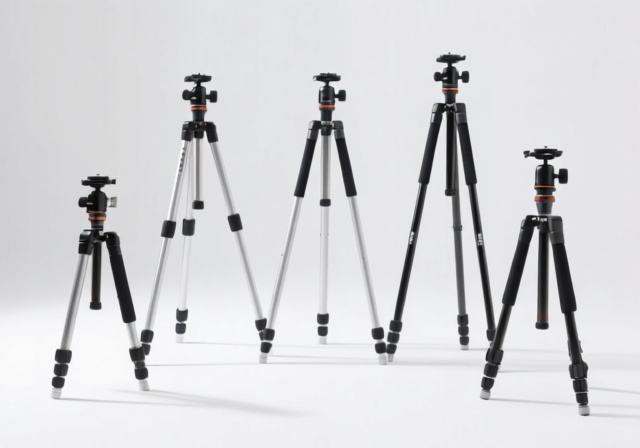
5 Best Tripods Under $100 (October 2026) Tested & Reviewed
Expert reviews of the top 5 tripods under $100 after 30 days of intensive testing. Find stable camera support that…

Few experiences rival standing beneath a pitch-black sky filled with countless points of light. Yet most beginners encounter nothing but frustration when they first attempt to capture this celestial display. Blurry stars, black frames, and annoying light trails dominate early attempts. The solution lies in understanding how your camera responds to near-zero lighting conditions and applying specific techniques that work with your equipment’s capabilities.
Learning how to photograph stars requires mastering three interconnected settings: aperture, shutter speed, and ISO. These form the exposure triangle that determines how much light reaches your sensor during those critical seconds of exposure. When combined with proper focusing technique and strategic planning, anyone with a basic camera can produce stunning images of the night sky.
This guide covers everything from selecting the right gear to processing your final images. You will discover why the 500 Rule and its alternatives matter, how to achieve tack-sharp focus in complete darkness, and which planning tools help you capture the Milky Way at its finest. Whether you shoot with a smartphone or a dedicated camera, these principles apply to help you create compelling astrophotography.
Night sky photography demands equipment capable of gathering as much light as possible during brief exposure windows. While specialized gear helps, many beginners already own sufficient equipment for their first successful star images. Understanding what matters most allows you to work within your budget while achieving professional-quality results.
Any camera offering manual mode control can capture star photos, though sensor size and high-ISO performance significantly influence final image quality. Both DSLR and mirrorless cameras work equally well for night photography, provided they allow independent adjustment of aperture, shutter speed, and sensitivity settings. The ability to shoot in RAW format proves essential for maximizing detail during post-processing.
Full-frame sensors hold a distinct advantage because their larger photosites collect more photons per pixel, reducing noise at elevated ISO values. This translates to cleaner images when pushing sensitivity above ISO 1600. However, modern APS-C and Micro Four Thirds sensors have narrowed this gap considerably, and many crop-sensor cameras produce excellent results with proper technique.
Your camera must handle ISO 1600 without excessive noise degradation to photograph stars effectively. ISO 3200 represents an ideal target for darker skies, though some cameras manage ISO 6400 with acceptable results. Test your specific model before investing in dedicated astrophotography equipment to understand its practical limits.
Wide-angle lenses dominate night sky photography because they capture expansive star fields while allowing reasonable exposure times before Earth rotation creates visible trails. Focal lengths between 14mm and 24mm suit full-frame cameras best, while 10mm to 18mm serves crop-sensor platforms effectively. The wider your lens, the longer you can expose before stars streak across your frame.
Aperture selection matters more than focal length for star photography success. The maximum aperture determines how much light reaches your sensor during each exposure. An f/2.8 opening represents the ideal balance point, delivering generous light-gathering ability while maintaining sharpness across most of the frame. Faster apertures like f/1.4 or f/1.8 collect more light but often suffer from soft corners and demanding autofocus requirements.
Recommended Star Photography Lenses:
| Camera Type | Budget Option | Professional Choice |
|---|---|---|
| Full Frame | Samyang 14mm f/2.8 | Sigma 14-24mm f/2.8 DG DN Art |
| Crop Sensor | Tokina 11-16mm f/2.8 | Fujifilm 10-24mm f/4 |
Stability ranks as the most critical factor separating successful star photos from disappointing failures. Even microscopic vibrations during long exposures create unsharp stars and ruined images. A sturdy tripod forms the foundation of your night photography setup, with carbon fiber models offering superior vibration dampening compared to aluminum alternatives.
Select a tripod rated for at least twice your total gear weight to ensure stability in challenging conditions. Maximum height matters less than stability when assembled, so avoid raising the center column whenever possible. Strong winds demand positioning the tripod low and possibly adding weight to increase stability.
Quality ball heads enable precise composition adjustments while maintaining secure positioning. Look for heads featuring separate panning bases and robust locking mechanisms. Arca-Swiss compatible quick-release plates streamline setup in darkness, allowing rapid camera attachment without fumbling with mounting screws in low light.
Several accessories substantially improve the night photography experience, though none prove strictly essential for first attempts. Remote shutter releases or intervalometers eliminate camera shake from physically pressing the shutter button, which creates subtle blur during critical exposures. Most cameras include built-in 2-second or 10-second self-timers as free alternatives to dedicated remotes.
Cold temperatures and extended shooting sessions rapidly deplete battery reserves. Pack three to five fully charged batteries for all-night sessions, keeping spares warm in an interior pocket until needed. Battery performance drops significantly in cold conditions, making backup power essential for serious night photography.
Quick Start Equipment Checklist:
Modern smartphones have revolutionized night sky photography by embedding sophisticated computational photography features directly into compact devices. Night modes on recent iPhones and Android flagships can capture recognizable star fields and even the Milky Way under optimal conditions. These capabilities open astrophotography to anyone carrying a smartphone, no specialized equipment required.
Smartphone night modes work by capturing multiple exposures over several seconds and combining them using onboard processing algorithms. This technique simulates the results of much longer individual exposures while avoiding the sensor noise that plagues single long exposures on small smartphone chips. Place your phone on a stable surface or tripod for best results, since any movement during the capture process corrupts the final image.
iPhone users benefit from Night mode automatically activating in low-light situations, with manual control available through third-party apps like NightCap Camera. This app enables extended exposures up to 30 seconds and provides options for star trails photography. Android users should explore Pro modes in their manufacturer apps or consider CameraFV-5 for advanced control over ISO, shutter speed, and white balance.
Smartphone limitations become apparent when comparing results to dedicated camera systems. Small sensors capture significantly less light, producing grainier images with fewer visible stars. However, sharing your celestial discoveries instantly and learning fundamental concepts makes smartphones an excellent starting point for astrophotography.
Automatic exposure systems fail catastrophically when photographing stars because standard metering cannot function in near-total darkness. Switching to manual mode grants complete authority over your exposure settings, enabling the precise control necessary for successful night photography. This transition from automatic to manual control represents the most significant learning curve for beginners.
Configure your camera to capture RAW files rather than compressed JPEGs. RAW format preserves all image data captured by your sensor, providing maximum flexibility when adjusting exposure, white balance, and colors during editing. This proves especially valuable for night photography where subtle details hide in shadow areas and require careful recovery in post-processing.
Disable any in-camera noise reduction settings, as these only affect JPEG previews and consume battery life unnecessarily. Turn off optical stabilization systems when your camera rests on a tripod, since these mechanisms can introduce micro-movements during extended exposures. Set white balance to Kelvin mode between 3200K and 4000K for natural-looking night skies that accurately represent what your eyes perceived.
Aperture controls the size of your lens opening, directly determining how much light reaches your sensor during each exposure. For star photography, you want the widest possible opening to gather maximum photons during brief exposure windows. An aperture of f/2.8 delivers the optimal balance between light-gathering ability and overall frame sharpness for most situations.
Lenses with maximum apertures of f/4 require compensation through higher ISO values or longer exposure times to achieve equivalent brightness. While lenses opening to f/1.4 or f/1.8 gather more light, they frequently produce soft corners and make precise manual focusing more challenging. Many photographers discover that f/2.8 provides the best combination of performance and practicality for night photography.
Most lenses achieve peak sharpness one to two stops down from their maximum aperture. However, star photography demands maximum light collection despite minor sharpness compromises at wide-open settings. Modern lens designs perform admirably at their widest apertures, particularly those specifically engineered for astrophotography applications.
Earth’s constant rotation causes stars to drift across your frame during long exposures, creating unsightly trails that ruin sharp astrophotography. The 500 Rule provides a simple calculation to determine the longest exposure time before noticeable trailing appears. Divide 500 by your lens focal length to find your maximum exposure duration.
500 Rule Quick Reference:
| Focal Length | Full Frame Max | Crop Sensor Max |
|---|---|---|
| 14mm | 35 seconds | 23 seconds |
| 20mm | 25 seconds | 16 seconds |
| 24mm | 20 seconds | 13 seconds |
Most photographers achieve excellent results using 20 to 25 second exposures for sharp, pinpoint stars. The PhotoPills Spot Stars calculator provides more precise calculations accounting for your specific camera sensor and desired sharpness level.
The traditional 500 Rule predates modern high-resolution camera sensors and often produces results that appear sharp on older cameras but show trailing on today’s pixel-dense sensors. The NPF Rule addresses this discrepancy by incorporating sensor pixel pitch and the diffraction-limited aperture into its calculation. This makes it substantially more accurate for contemporary cameras.
The NPF Rule formula is more complex than the simple 500 division: (35 x aperture + 30 x pixel pitch) divided by focal length. This accounts for how smaller pixels on modern sensors record star movement more quickly than larger pixels on older models. For a 24mm f/2.8 lens on a 24-megapixel full-frame camera, the NPF Rule yields approximately 15 seconds rather than the 20 seconds suggested by the 500 Rule.
Professional astrophotographers increasingly favor the NPF Rule or even more conservative calculations like the 400 Rule when maximum sharpness is essential. The slight reduction in exposure time often goes unnoticed in final images, while the improved star pinpoint quality justifies this adjustment. Use the NPF Rule when working with high-resolution cameras or when preparing images for large prints.
ISO determines your sensor’s sensitivity to light, with higher values brightening your image but introducing increasing amounts of noise. Begin with ISO 1600 as your baseline setting for star photography, adjusting based on sky darkness and local light pollution levels. This starting point balances sensitivity with acceptable noise for most modern camera systems.
Remote dark sky locations allow ISO 1600 to capture abundant detail, while urban or suburban areas with significant light pollution may require ISO 3200 or even ISO 6400. Resist the temptation to push ISO higher than necessary, as excessive sensitivity introduces noise that proves difficult to remove without degrading star detail.
Full-frame cameras typically handle ISO 3200 to ISO 6400 with acceptable results, while crop-sensor cameras often perform best at ISO 3200 or below. Understanding your specific camera’s noise characteristics through pre-session testing enables informed decisions when balancing brightness against image quality.
Camera Settings Quick Reference Table:
| Setting | Recommended Value | Purpose |
|---|---|---|
| Mode | Manual (M) | Full control over exposure |
| File Format | RAW | Maximum editing flexibility |
| Aperture | f/2.8 | Optimal light gathering |
| Shutter Speed | 20-25 seconds | Sharp stars without trails |
| ISO | 1600-3200 | Balance of sensitivity and noise |
| White Balance | 3200-4000K | Natural night sky color |
Common Settings Mistakes to Avoid:
- Using auto ISO (creates inconsistent exposures)
- Leaving lens stabilization on (causes blur on tripod)
- Shooting JPEG only (limits editing potential)
- Pushing ISO too high unnecessarily (increases noise)
- Using too long shutter speeds (creates star trails)
Autofocus systems cannot acquire focus on stars alone in pitch darkness, making manual focus techniques essential for sharp results. Most lenses feature an infinity symbol on their focus rings, yet this marking rarely represents true optical infinity for astrophotography. Understanding why this occurs and how to find accurate infinity focus proves crucial for sharp star images.
Begin by switching your lens to manual focus mode. Rotate the focus ring toward the infinity symbol, then gradually back off slightly. On most lenses, sharpest infinity focus occurs just before the infinity marking rather than directly at it. This small adjustment often determines whether stars appear as crisp pinpoints or soft blobs.
Electronic focus-by-wire systems found in many modern lenses lack the tactile feedback of traditional designs, making precise adjustment more challenging. Take your time with small incremental adjustments, testing each position before proceeding. Rushing this process guarantees disappointing results when you review your images later.
The most reliable focusing method actually occurs before darkness arrives. During daylight hours, set up your camera with the exact lens and focal length you plan to use that night. Mount it on your tripod at your intended shooting location, then focus on a distant object approximately 50 feet away using autofocus or Live View magnification.
Step-by-Step Daytime Focus Method:
This preset focus point remains reliable for all star photography at that focal length. The hyperfocal distance principle ensures everything from nearby foreground elements to distant stars remains acceptably sharp. Create separate marks for different focal lengths if using a zoom lens.
When daytime pre-focusing is impractical, Live View magnification provides the most accurate in-field focusing method for star photography. This technique works best with bright stars, planets, or the Moon visible in your frame. Even though the Moon is too bright for properly exposed star photos, it serves as an excellent focusing reference.
Activate Live View and point your camera at the brightest star visible in your sky. Magnify the Live View display to maximum zoom, typically 10x on most cameras. The star should appear as a small point of light on your screen. Carefully adjust focus until this point reaches its smallest, sharpest appearance.
Verify focus across the entire frame, especially in corners where wide-angle lenses often exhibit softness. If corner regions appear noticeably less sharp than the center, consider stopping down to f/4 for improved edge-to-edge sharpness. This tradeoff requires higher ISO but delivers sharper overall results.
Visual Focus Check Guide:
Light pollution represents the most significant obstacle separating amateur star photographs from professional-quality images. Urban areas cast a visible orange glow into the sky, washing out all but the brightest stars. Escaping to genuinely dark locations transforms your photography by revealing thousands of additional celestial objects invisible from cities.
The Light Pollution Map helps locate the darkest areas within driving distance of your home. Look for regions marked green, blue, or black on the map for excellent star visibility. Most photographers find traveling 60 to 100 miles from major metropolitan centers provides sufficiently dark skies for impressive results.
National parks, designated Dark Sky Parks, and wilderness areas offer ideal conditions for astrophotography. These locations actively protect natural darkness through lighting ordinances and management practices. Popular dark sky destinations frequently feature established viewpoints specifically suited for landscape astrophotography compositions.
Lunar brightness dramatically affects star visibility, making phase planning essential for successful night photography. New moon periods deliver the darkest skies, revealing far more stars than visible during full moon phases. Schedule your shoots within five days before or after new moon for optimal darkness.
Moon Phase Impact on Star Photography:
Beyond moon phases, timing within each night significantly impacts darkness levels. The darkest conditions occur between astronomical twilight and dawn, typically midnight to 4 AM. Earlier evening sessions contend with lingering twilight, while pre-dawn shoots risk approaching sunrise interference.
Clear skies seem obvious for star photography, yet strategic cloud cover can enhance rather than ruin compositions. Nights with 0 to 50 percent cloud cover often produce more interesting images than completely clear skies, as high clouds catch subtle starlight and create visual drama. Monitor forecasts carefully to leverage cloud cover creatively.
The Milky Way season spans March through October in the Northern Hemisphere, with peak visibility during summer months when the galactic center rises highest. Winter months feature Orion and other prominent winter constellations instead. Each season offers unique celestial subjects for long exposure photography.
Temperature drops significantly after sunset, so dress warmly and bring extra layers even during summer months. Dew formation poses a particular challenge during humid nights, potentially fogging lenses during extended sessions. Keep lens cloths accessible and consider lens heating bands for humid conditions.
Skywatchers in 2026 can look forward to several spectacular astronomical events. Meteor showers like the Quadrantids (January), Perseids (August), and Geminids (December) offer opportunities for dramatic star trail images. Eclipses, planetary conjunctions, and comet appearances provide additional motivation for night photography sessions throughout the year.
Modern smartphone applications have transformed astrophotography planning, removing guesswork from celestial positioning and lighting conditions. PhotoPills stands out as the most comprehensive solution, combining sun and moon data, Milky Way positioning, and hyperfocal distance calculations in a single platform. The Night AR mode overlays celestial objects directly onto your camera view.
Stellarium provides detailed sky maps for any location and time, showing exactly where constellations, planets, and the Milky Way appear throughout the night. This free planetarium software enables planning compositions months in advance by visualizing the night sky for specific dates and locations.
Essential Planning Tools:
Compelling star photography transcends simply pointing your camera skyward. Incorporating strong foreground elements creates depth and context that transforms simple snapshots into complete artworks. The contrast between earthly subjects and cosmic backgrounds generates visual interest that draws viewers into your images.
Trees offer versatile foreground subjects, with their distinctive silhouettes framing the night sky dramatically. Dead trees or bare branches work particularly well, creating intricate patterns against star fields. Experiment with positioning yourself and your camera to capture interesting tree shapes without cluttering your composition.
Mountains and rock formations provide solid anchors for ethereal star scenes. These permanent geological features ground your images while showcasing the vastness of the cosmos above. Lakes and rivers introduce reflective surfaces that effectively double the visual impact of stars, though wind can disturb mirror-like reflections during long exposures.
Architecture adds human elements to cosmic scenes. Old barns, abandoned buildings, and ancient ruins tell stories beneath the stars. Lighthouses, bridges, and monuments create recognizable landmarks that viewers connect with emotionally. Ensure any artificial lighting in your foreground complements rather than overwhelms the celestial display.
The Milky Way galactic center creates the most dramatic celestial subject for night photography. This bright core displays rich detail and color invisible to the naked eye, rising in the southern sky during peak season. Understanding its position throughout the night enables powerful compositions regardless of your shooting time.
Vertical compositions emphasize the Milky Way’s towering presence, especially when it rises nearly perpendicular to the horizon. This orientation works beautifully with tall foreground elements like trees, rock spires, or structures. Horizontal compositions capture the galaxy stretching across the sky, ideal for panoramic landscapes featuring sweeping vistas.
Milky Way Composition Guidelines:
Wide-angle lens distortion becomes a creative tool in night photography. Exaggerated perspectives make foregrounds appear larger while maintaining expansive sky views. Position interesting elements near frame edges to maximize this effect while keeping the Milky Way prominent.
Light painting adds selective illumination to foregrounds during long exposures, revealing details invisible in pure starlight. This technique bridges the exposure gap between bright celestial objects and dark landscapes. When applied subtly, light painting enhances without appearing artificial or over-processed.
Use low-powered LED flashlights with warm color temperatures around 3000K. Cool white LEDs create unnatural blue casts that clash with warm star colors. Red filters preserve your night vision while adding dramatic mood to foreground elements. Practice your painting motions before opening the shutter to ensure smooth, consistent coverage.
Light Painting Best Practices:
Advanced practitioners combine multiple light sources for complex effects. Colored gels create artistic interpretations, while precise spotlighting highlights specific features. Remote-controlled lights enable painting from camera position. Remember that subtlety typically produces the most natural and compelling results.
Unintended star trails frustrate beginners learning night photography techniques. These streaks appear when exposure times exceed the threshold for your specific focal length and sensor combination. Even when carefully following standard calculations, atmospheric conditions or equipment limitations sometimes allow trailing to occur.
First, verify your calculations match your actual focal length and sensor size. Crop sensor cameras require shorter exposures than full-frame cameras for equivalent results. Many photographers find the 500 Rule produces trailing on high-resolution sensors, so try the 400 Rule instead for guaranteed sharp stars.
Check for mechanical issues causing unwanted movement. Loose tripod connections, sagging ball heads, and wind vibration all create trails. Mirror slap in DSLRs can introduce subtle shake, so enable mirror lock-up or use electronic first curtain shutter modes. Even pressing the shutter button causes enough movement to blur stars.
Star Trail Prevention Checklist:
Soft, bloated stars indicate focus problems requiring immediate attention. This issue devastates otherwise perfect compositions, and no amount of post-processing recovers poorly focused images. Understanding various blur causes helps diagnose and solve focus issues quickly before they waste an entire shooting session.
Wide-open apertures often produce soft corners on budget lenses. While center sharpness might appear acceptable, edges show significant degradation. Test your specific lens beforehand to understand its characteristics. Stopping down to f/4 dramatically improves corner performance on most lenses, though it requires ISO compensation.
Atmospheric conditions significantly impact star sharpness regardless of perfect focus technique. High humidity, temperature inversions, and atmospheric turbulence blur star images. Low elevation shooting locations suffer more from atmospheric interference than high-altitude positions.
Temperature changes between setup and shooting cause focus shift as lens elements expand or contract. Metal lenses show more thermal expansion than modern composite materials. Refocus periodically throughout the night, especially during significant temperature drops. Some dedicated astrophotographers tape lens barrels to minimize thermal focus shift.
High ISO noise seems inevitable when pushing sensitivity limits for night photography, yet proper technique minimizes its impact. Understanding your camera’s noise characteristics enables informed decisions balancing brightness against quality. Modern sensors handle high ISO remarkably better than older generations, though each camera has practical limits.
Underexposure amplifies noise more than high ISO itself. Ensure your histogram shows adequate data without clipping highlights. The common advice to expose to the right applies within reason. Do not artificially brighten the night sky beyond natural darkness. Natural darkness with visible detail produces the most realistic and pleasing results.
Noise Reduction Strategies:
| In-Camera | Post-Processing | Advanced |
|---|---|---|
| Optimal exposure | Luminance NR | Dark frame subtraction |
| Lowest necessary ISO | Color NR | Image stacking |
| Proper white balance | Selective masking | Cooled sensors |
For extreme noise situations, consider image stacking techniques. Capturing multiple identical frames allows averaging out random noise while preserving star detail. Even four to eight frames significantly improve final image quality. Specialized software like DeepSkyStacker automates this process for astrophotography.
Shooting RAW files unlocks the full potential of your star images through non-destructive editing. These files contain far more data than visible on your camera LCD, especially in shadow areas where Milky Way details hide. Processing RAW files reveals colors and structures invisible in camera previews.
Import your files into Lightroom, Capture One, or your preferred RAW processor. Begin with lens corrections to remove vignetting and distortion common in wide-angle lenses. These automated corrections improve overall image quality before creative adjustments begin.
Basic adjustments transform dark captures into vibrant night skies. Increase exposure slightly, usually +0.5 to +1.0 stops, lift shadows to reveal foreground detail, and carefully adjust highlights to prevent star bloating. The clarity and texture sliders enhance Milky Way structure when used sparingly.
Essential RAW Adjustments for Stars:
Light pollution creates color casts requiring targeted correction in your editing workflow. The graduated filter tool enables selective adjustments to sky regions without affecting foregrounds. Reduce orange glow near horizons while preserving natural sky colors above.
Star enhancement requires delicate balance between visibility and natural appearance. Masking tools in modern processors select stars automatically. Slight exposure increases make dim stars visible, while clarity adds definition. Avoid over-processing that creates unnatural halos or bloated stars.
Color grading transforms good images into stunning artistic interpretations. Split-toning adds subtle color to highlights and shadows separately. Cool blues in shadows complement warm oranges in highlighted areas. Study natural color palettes in NASA astrophotography galleries for inspiration.
Apply noise reduction last to avoid smearing star details. Luminance noise reduction removes grain while color noise reduction eliminates random color speckles. Apply selectively using masks, as foregrounds tolerate more aggressive reduction than star fields. Modern AI-powered tools excel at preserving star details while eliminating noise.
The optimal camera settings for night photography combine maximum light gathering with minimal noise. Use manual mode with aperture at f/2.8, shutter speed between 20-25 seconds, and ISO 1600-3200. These settings balance star sharpness, brightness, and image quality for most situations. Adjust ISO based on sky darkness and light pollution levels.
The 400 Rule calculates maximum exposure time before star trailing by dividing 400 by your lens focal length. For a 20mm lens on full frame, this yields 20 seconds. The 400 Rule produces sharper results than the 500 Rule, making it preferable for high-resolution cameras or large prints. Many photographers use it as a conservative alternative when maximum star pinpoint sharpness is essential.
Focus on stars using the Live View magnification method for best results. Switch to manual focus, activate Live View, and zoom to maximum magnification on a bright star. Adjust focus until stars appear as tiny pinpoints. Alternatively, pre-focus during daylight on a distant object and mark the focus point with tape for reliable nighttime results.
Shoot during new moon phases or within five days for darkest skies. The best hours fall between midnight and 4 AM when skies reach maximum darkness. Aim for nights with minimal cloud cover, low humidity, and stable atmospheric conditions. Check astronomy-specific weather forecasts for transparency and seeing conditions.
Kit lenses can capture stars, though with limitations. Most kit lenses open to f/3.5-5.6, requiring higher ISOs to compensate for less light gathering. Use the widest focal length and aperture available, increase ISO to 3200-6400, and consider slightly shorter exposures. While results will not match f/2.8 lenses, compelling star images are still achievable.
Prevent star trails by following the 500 Rule: divide 500 by your focal length for maximum shutter speed. For sharper results, use the 400 Rule instead. A 20mm lens allows 20-second exposures on full frame cameras using the 400 Rule. Ensure your tripod remains completely stable and disable image stabilization when mounted.
Use Night mode on recent iPhones for automatic multi-frame processing. Place your phone on a stable tripod and enable the 10-second timer. For manual control, apps like NightCap Camera allow extended exposures up to 30 seconds with ISO and shutter speed adjustments. Results will not match dedicated cameras, but smartphones can capture recognizable star fields under good conditions.
The NPF Rule provides more accurate exposure calculations for modern high-resolution cameras by accounting for sensor pixel pitch. The formula is (35 x aperture + 30 x pixel pitch) divided by focal length. For a 24mm f/2.8 lens on a 24MP full-frame camera, it yields approximately 15 seconds versus 20 seconds from the 500 Rule. Professional astrophotographers prefer it for pixel-dense sensors.
Mastering how to photograph stars transforms initial frustrations into rewarding captures of our universe’s beauty. The journey from relying on automatic modes to confidently controlling manual settings opens creative possibilities limited only by weather conditions and your own vision. Remember the core formula that provides reliable starting points: f/2.8 aperture, 20 to 25 second exposures, and ISO 1600 to 3200 work together to capture stunning night sky images.
Your first successful star photograph ignites a passion that drives continuous improvement with each session. Every outing teaches new lessons about interpreting the night sky, refining technique, and expanding creative boundaries. Whether capturing the Milky Way arching across a dark landscape or simple constellation patterns above familiar scenes, the satisfaction of revealing invisible celestial wonders never diminishes.
Tonight’s clear sky presents your opportunity to begin or continue this journey. Grab your camera, escape the city lights, and point your lens toward infinity. The stars await your unique perspective and interpretation. Start creating your cosmic portfolio under the vast canvas stretching above you.

![Rifle Scope Parallax Adjustments: Complete Guide [cy]](https://revellphotography.com/wp-content/uploads/2026/09/featured-update-5315-1789865033761.jpg)