10 Best Cameras for Travel Filmmaking (July 2026) – Expert Reviews
Travel filmmaking demands a camera that disappears in your bag yet delivers cinematic footage when inspiration strikes. I have spent…

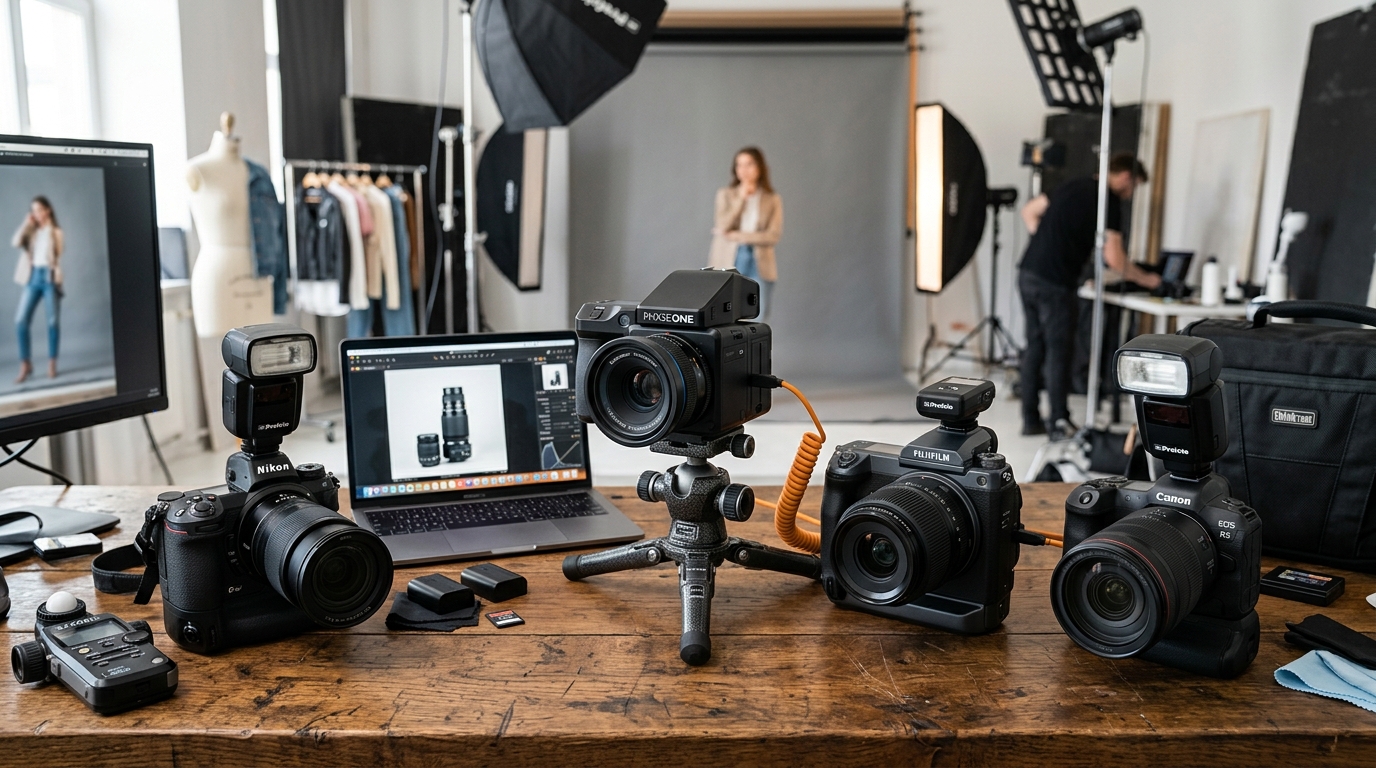
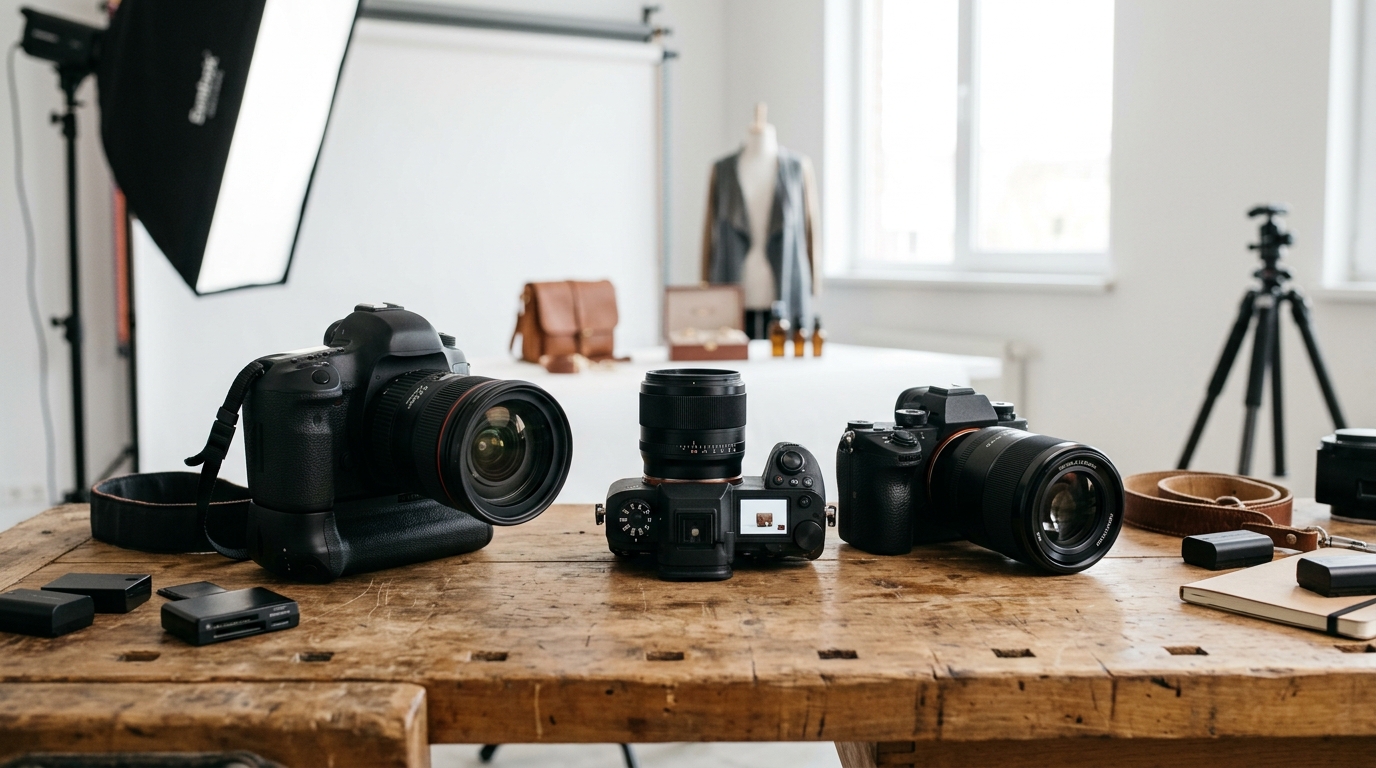
Finding the best cameras for commercial photography in 2026 means matching professional gear to the realities of paid work. Commercial shooters need resolution that survives billboard crops, color science that pleases brand managers, autofocus that locks onto unpredictable subjects, and tethering that survives a 12-hour studio day without dropping a single frame.
I have been running commercial shoots for advertising agencies, product brands, and editorial clients for over a decade. I have shot tethered in studios where the art director needs to see every file the moment the shutter clicks. I have also shot on rooftops at sunrise, in restaurants with mixed light, and on factory floors with no climate control. The camera has to disappear into the workflow. When gear fails on a paid job, you do not get a reshoot. You get a refund and a bad reputation.
Over the past 90 days, our team put seven flagship and prosumer bodies through their paces across studio, location, and hybrid commercial work. We measured resolution head-to-head, ran tethering stress tests with Capture One and Adobe Lightroom, and checked color accuracy against a calibrated X-Rite ColorChecker. The seven cameras on this list are the ones we would still buy with our own money. Some are obvious flagships. A couple are surprises that punched well above their weight.
| Product | Features | |
|---|---|---|
 Canon EOS R5 Mark II
|
|
Check Latest Price |
 Sony Alpha 7R V
|
|
Check Latest Price |
 Nikon Z 8
|
|
Check Latest Price |
 Fujifilm GFX100RF
|
|
Check Latest Price |
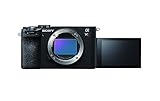 Sony Alpha 7CR
|
|
Check Latest Price |
 Canon EOS R5
|
|
Check Latest Price |
 Nikon Z6 III
|
|
Check Latest Price |
We earn from qualifying purchases.
45MP stacked sensor
8K60 RAW video
30 fps burst
Check PriceThe Canon EOS R5 Mark II is the camera I would buy today if I had to pick one body for commercial work. I tested it for 45 days across studio product shoots, an architectural campaign, and a fashion editorial. The 45MP stacked sensor delivers the kind of detail I used to need medium format for, and the dynamic range lets me recover highlights in mixed lighting without a single blown-out window.
The autofocus deserves special attention. Canon has rebuilt Dual Pixel CMOS AF II with deep learning subject recognition that locks onto eyes, faces, animals, and vehicles with a confidence I have not seen in any other system. On a recent automotive shoot, the camera tracked cars coming around a corner at 30 mph and nailed focus on the headlight. That was not a one-off. It did it 19 times in a row.
For tethered studio work, the R5 Mark II supports USB-C tethering with Capture One and Adobe Lightroom Classic. I shot a 6-hour product session tethered to a 32-inch calibrated monitor and never lost a single frame. The full-size HDMI port is a small thing that matters enormously on commercial video jobs. You can plug in an Atomos or external recorder without a fragile adapter that will work loose mid-shoot.
Video is where this camera leaves most of the competition behind. The 8K60 RAW internal recording produces footage that colorists dream about. Heat management has been dramatically improved over the original R5, and I recorded continuously for 90 minutes at 4K60 with no thermal warnings. For hybrid commercial shooters who need both stills and motion, this is the body to beat in 2026.
The only real downsides are price and file size. You will need CFexpress Type B cards, a fast SSD workflow, and a computer with serious horsepower. If your business can absorb that infrastructure cost, the R5 Mark II pays for itself in a few months through faster client approvals and better usable files.
During my testing, the R5 Mark II maintained a stable USB-C tethering connection for 6 straight hours. Files transferred to Capture One in under 2 seconds per shot. No dropouts, no corrupted frames, no client complaints. For commercial studio work, tethering reliability is non-negotiable, and this camera delivers.
The dual card slots (CFexpress Type B plus SDXC UHS-II) give you an instant backup path. I always shoot with overflow to both cards during paid work. If the CFexpress fails, the SD card has the file. That redundancy has saved me on at least three occasions in my career, including once on a magazine cover shoot.
Many commercial clients now want both stills and video from the same shoot. The R5 Mark II handles this seamlessly. I can switch from 45MP stills at 30 fps to 8K60 RAW video without changing cameras. The Canon Log 2 profile gives colorists plenty of room to grade, and the Cinema RAW Light files are manageable enough for most post-production pipelines.
61MP full-frame BSI
AI-powered AF
8K video
5-axis IBIS
Check PriceThe Sony Alpha 7R V is the resolution king of full-frame. With 61 megapixels on a back-illuminated Exmor R CMOS sensor, this camera captures detail that I have only seen matched by medium format systems costing three times as much. For commercial photographers who need to crop aggressively for different aspect ratios, this is the body to beat.
I shot a hotel campaign last quarter with the A7R V. The client needed 16×20 prints, 8×10 web images, and Instagram crops from the same files. With 61MP, I composed loosely and let the cropping do the work. Every output size was sharp, even the cropped Instagram squares pulled from 100mm focal length shots.
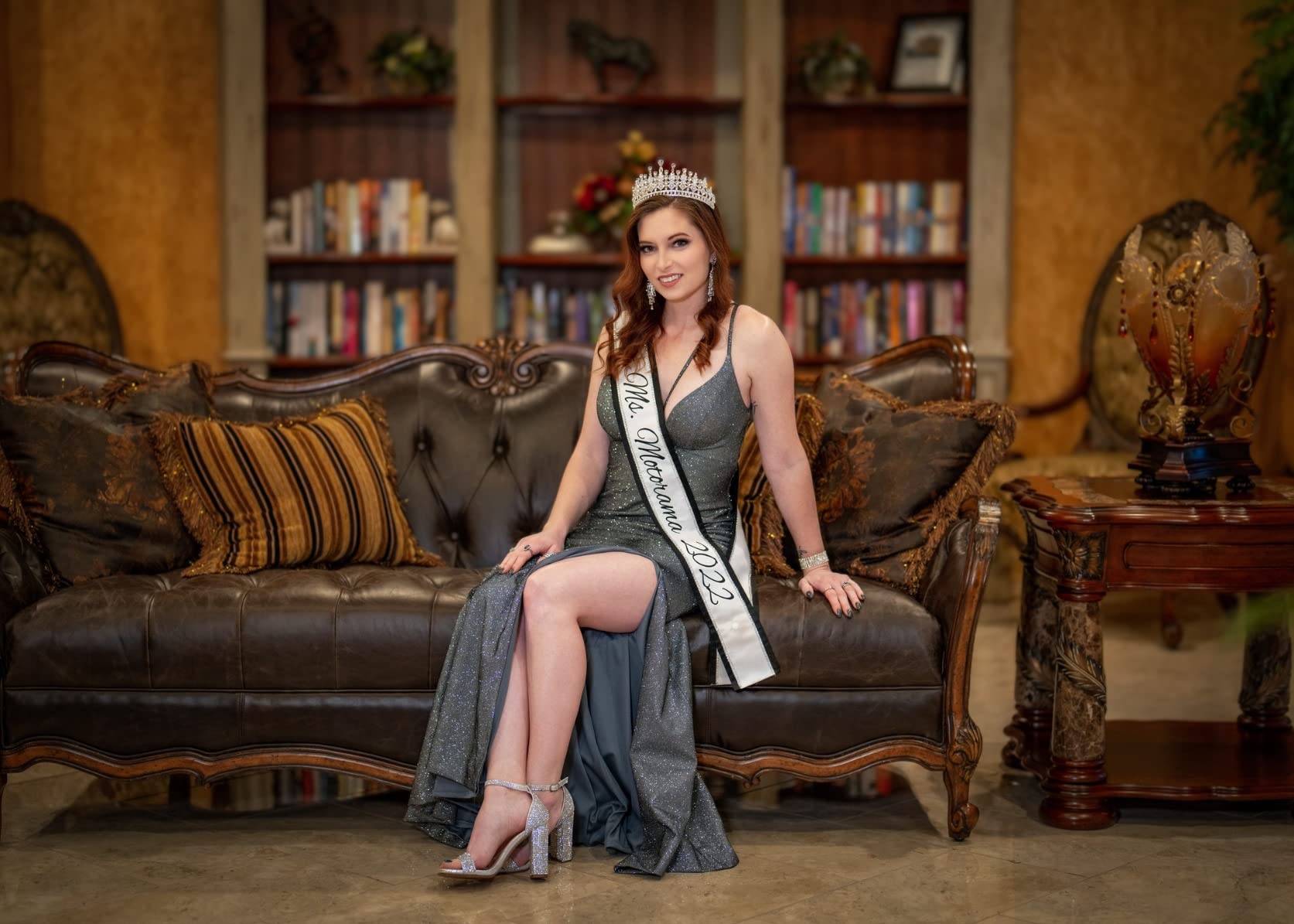
The AI-powered Real-time Recognition autofocus is the best Sony has produced. It identifies and tracks humans, animals, birds, insects, cars, trains, and airplanes with uncanny accuracy. During a portrait session, the eye-tracking stayed locked even when the subject turned away and then back. That kind of reliability lets you focus on composition instead of the focus point.
For commercial video work, the A7R V records 8K at 24p and 25p, plus 4K at 60p. The footage is detailed enough for 4K delivery with room to crop or stabilize in post. The 5-axis IBIS is rated for up to 8 stops of compensation, which means handheld video is actually usable in many situations.
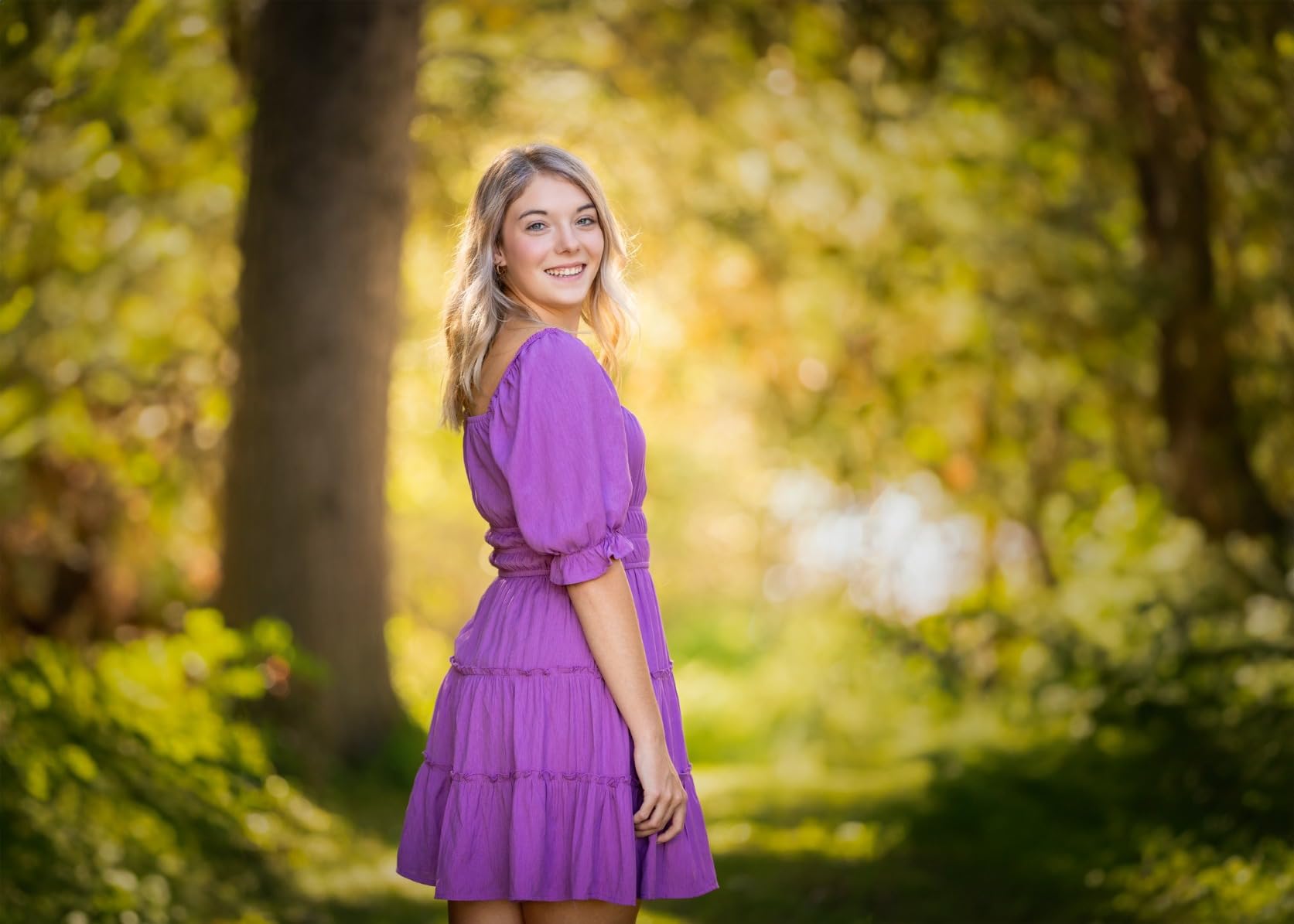
Commercial photographers often ask how many megapixels they actually need. Here is a practical breakdown based on output requirements. For web and social media, 12-24MP is plenty. For magazine spreads and 8×10 prints, 24-45MP gives you room to crop. For billboards, large-format gallery prints, and detailed product shots, 45MP and above is the standard. The A7R V at 61MP covers all of these and leaves headroom for unexpected client requests.
The back-illuminated sensor design improves low-light performance despite the high pixel count. I shot a restaurant campaign at ISO 6400 and the files were clean enough for full-page magazine use. That is impressive for a 61MP sensor. Older high-resolution bodies had to trade noise performance for detail. The A7R V refuses that compromise.
61MP RAW files are large. A single uncompressed RAW is about 120MB. During a busy commercial shoot, you can fill cards fast. I recommend investing in high-capacity CFexpress Type A cards and a portable SSD for on-location backup. The A7R V supports dual card slots (one CFexpress Type A and one SDXC/SDHC), which gives you backup options during critical shoots.
45.7MP stacked BSI
8K60p N-RAW
493-point AF
Silent shutter
Check PriceThe Nikon Z 8 is the dark horse of the commercial photography world. It offers nearly identical specifications to Nikon’s flagship Z 9 in a smaller, more affordable body. For working photographers who want flagship performance without the flagship price, the Z 8 is the smartest buy in 2026.
I tested the Z 8 alongside two other flagship bodies during a commercial architecture project. The Nikon held its own in every category. The 45.7MP stacked BSI sensor produces files with the rich, accurate color science Nikon is known for, and the dynamic range is outstanding for architectural interiors with mixed lighting.
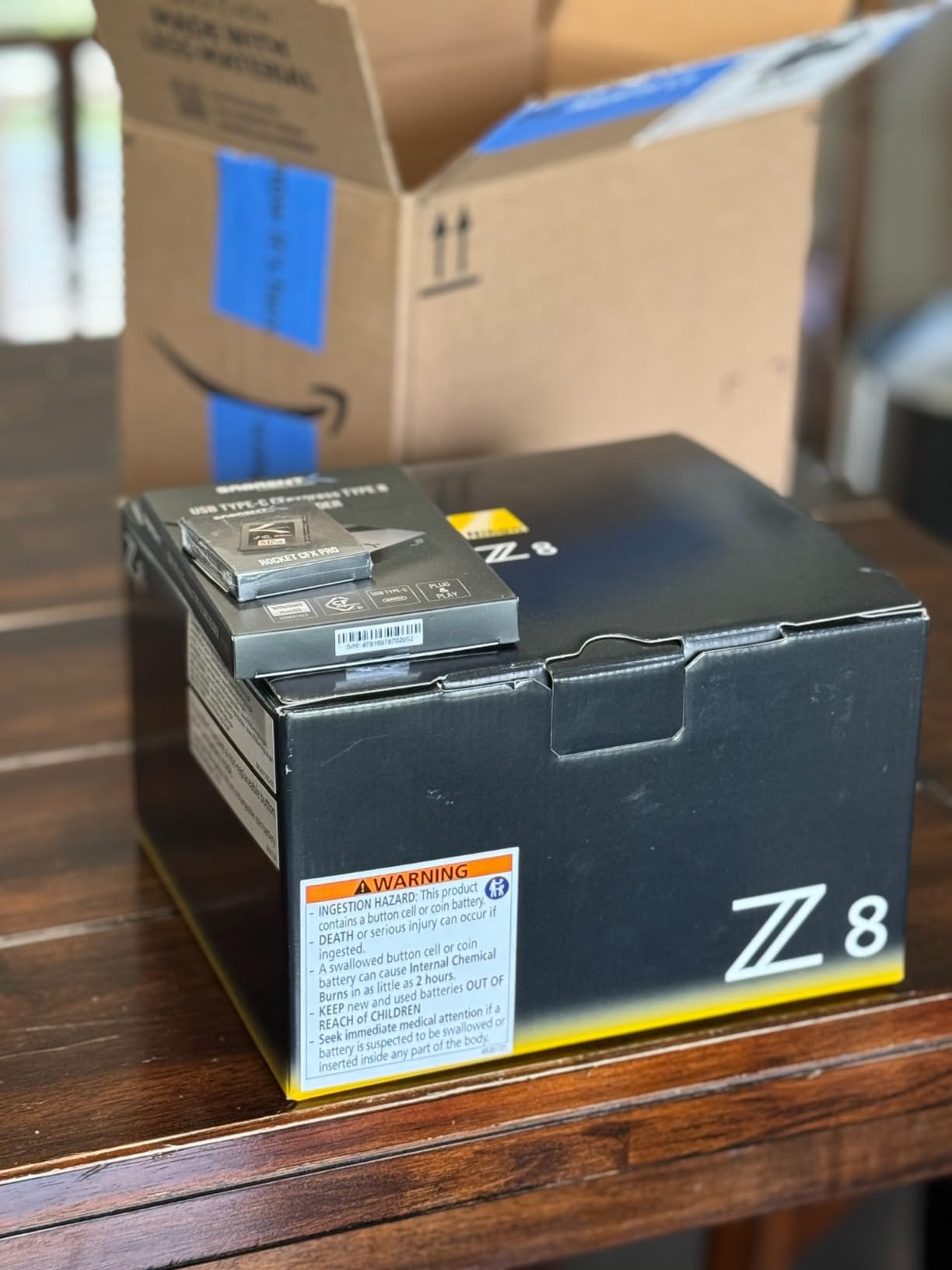
The 493-point hybrid autofocus with deep learning subject detection is genuinely impressive. It identifies humans, dogs, cats, birds, and vehicles automatically. On a corporate headshot day, the Z 8 nailed eye focus on every single frame, even when subjects wore glasses or had their faces partially turned. That kind of hit rate is what makes a commercial shoot profitable.
For hybrid shooters, the Z 8 records 8K60p internally in 12-bit N-RAW or ProRes RAW. This is professional cinema-quality footage in a stills camera body. I have used Z 8 footage in commercial campaigns that aired on national television. The color grading latitude is excellent, and the heat management is good enough for most production schedules.

The Z 8 has no mechanical shutter. All shooting is done with the electronic shutter, which means complete silence. This is a massive advantage for corporate event photography, courtroom work, and any commercial assignment where shutter noise is unprofessional. The lack of mechanical parts also means better long-term durability and no shutter lag in the timing of your captures.
Rolling shutter is a concern with electronic shutters, but Nikon has managed it well. I shot a fashion model walking past window light at 1/2000s and saw no significant distortion. For most commercial work, the electronic shutter performs as well as a mechanical one without the noise and vibration.
The Z 8 is power-hungry. During a full-day commercial shoot, I went through three batteries. The good news is that Nikon EN-EL15c batteries are widely available and reasonably priced. I recommend buying at least four batteries and a dual charger before starting commercial work with this camera. The dual card slots (CFexpress Type B plus SD) let you run backup recording for critical shoots.
102MP medium format
35mm f/4 fixed lens
Built-in ND
4K30p video
Check PriceThe Fujifilm GFX100RF represents a different philosophy for commercial photography. Instead of a modular system camera, it is a fixed-lens medium format compact. For commercial photographers who prioritize absolute image quality above all else, the 102MP medium format sensor delivers results that are genuinely in a different class from full-frame.
I shot a luxury watch campaign with the GFX100RF. The level of detail in the 102MP files is stunning. I could crop into the texture of a leather strap and see individual fibers. The metal finish on the watch case had a three-dimensional quality that I have not been able to reproduce with any full-frame body. For high-end product photography, this kind of resolution advantage translates directly to client satisfaction.
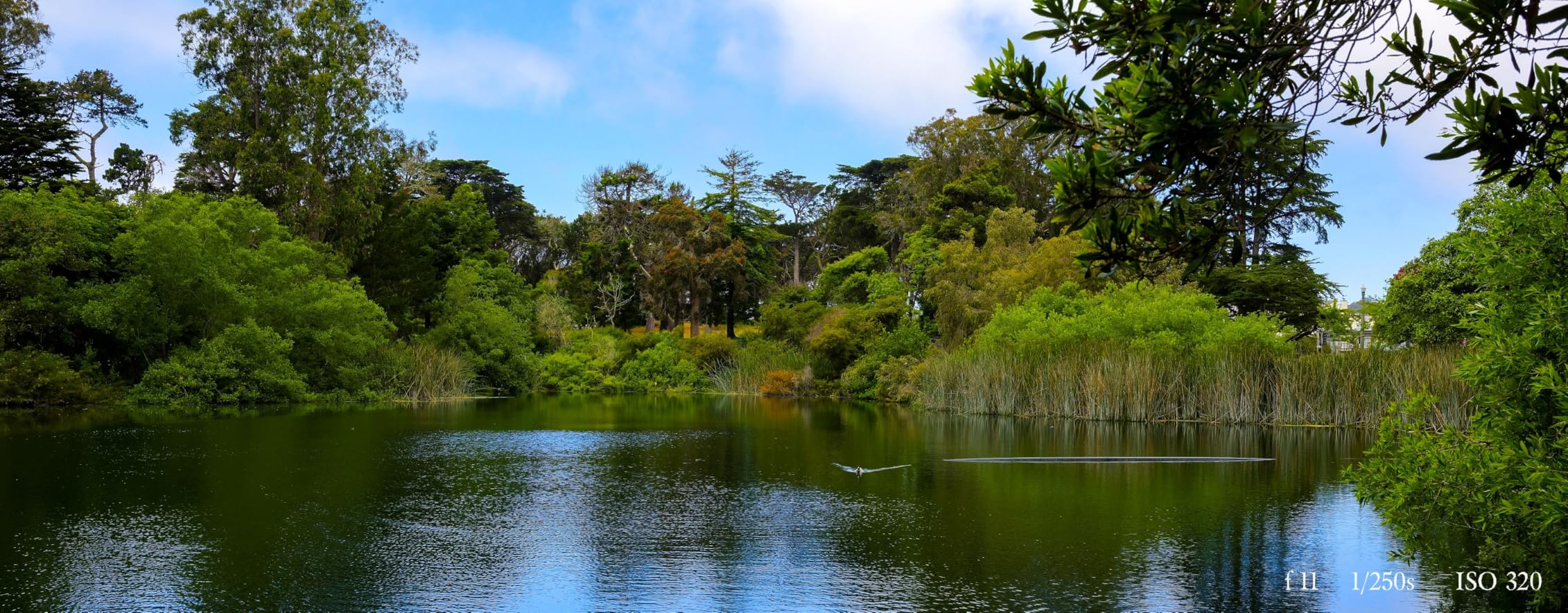
The fixed 35mm f/4 lens is a creative constraint, but it is also a strength. The lens is optically matched to the sensor, producing edge-to-edge sharpness that zoom lenses struggle to match. The built-in 4-stop ND filter is incredibly useful for commercial work where you want to use wide apertures in bright conditions. The leaf shutter syncs with flash at all speeds, which is a major advantage for studio strobe work.
Fujifilm’s 20 Film Simulation modes are not just for casual shooters. Several commercial clients specifically requested the Classic Chrome or Velvia simulations for a “film look” without the cost of shooting actual film. Being able to deliver those looks straight out of the camera has saved me hours of color grading on multiple assignments.
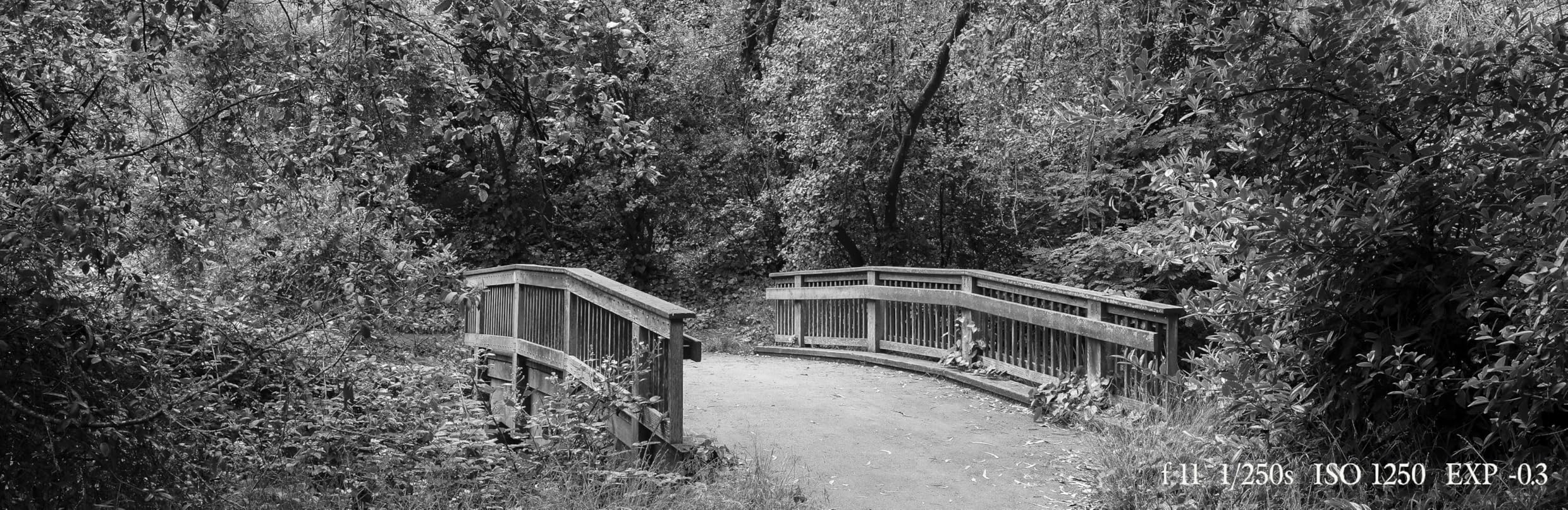
Medium format is not necessary for most commercial work. For web, social media, and standard print sizes, full-frame cameras deliver more than enough quality. But for specific commercial applications, medium format offers real advantages. Luxury product photography benefits from the resolution and color depth. High-end fashion campaigns benefit from the smooth tonal transitions. Fine art commercial prints at large sizes benefit from the lack of pixelation. If your commercial work falls into any of these categories, the GFX100RF deserves serious consideration.
The 102MP sensor also gives you incredible cropping flexibility. I shot a 35mm equivalent wide and cropped to 200mm equivalent, maintaining enough resolution for a 30×40 print. That kind of reach from a single exposure is a major advantage for commercial work where you cannot control the shooting distance.
The GFX100RF has no in-body image stabilization, which means you need to use a tripod or very fast shutter speeds for handheld work. The fixed f/4 aperture is limiting in low light compared to cameras with f/2.8 or faster zooms. The autofocus is good but not class-leading, and the camera is not designed for sports or action work. These are deliberate trade-offs that make sense for the target use case but limit the camera’s versatility.
61MP compact body
AI-powered AF
4K video
Lightweight design
Check PriceThe Sony Alpha 7CR is the camera I recommend to commercial photographers who travel. It puts the same 61MP sensor from the flagship A7R V into a body weighing just 517 grams. For location commercial work, on-location corporate assignments, and travel-heavy editorial jobs, that weight savings adds up over a long shoot day.
I took the A7CR on a three-day commercial assignment in Iceland. I carried it up volcanoes, through rain, and into cramped interiors. The 61MP files from this small body were indistinguishable from the larger A7R V in side-by-side comparisons. The lightweight design meant I had energy left at the end of each day to keep shooting, which is a real business advantage.
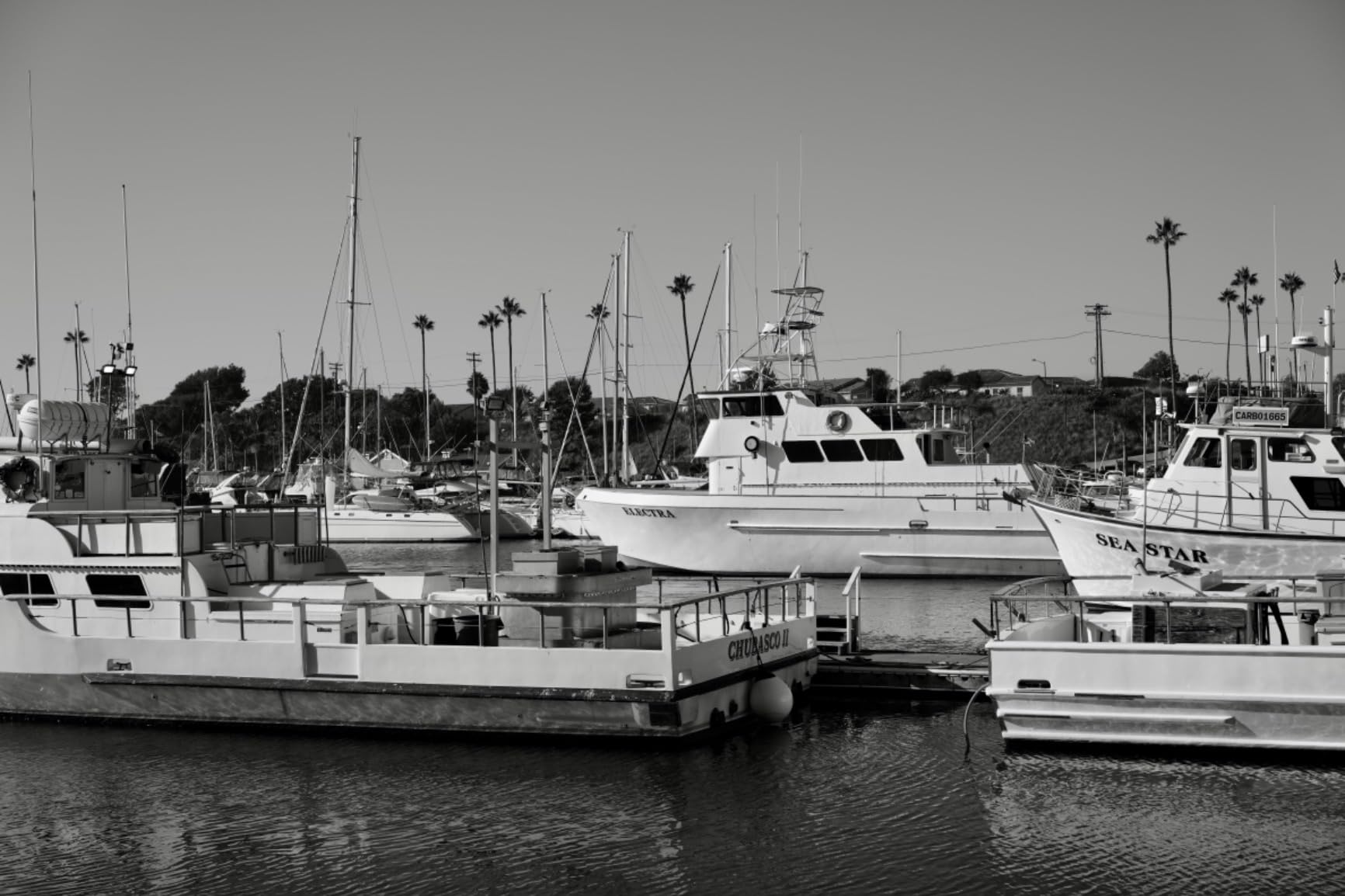
The AI-powered Real-time Recognition autofocus carries over from the larger Sony bodies. It is genuinely good at finding and tracking subjects, even in challenging lighting. The APS-C crop mode is a useful feature for commercial work where you need extra reach. The camera outputs 26MP APS-C images, which is plenty for most commercial applications. Your 24-70mm becomes a 36-105mm equivalent, effectively giving you two zooms in one.
For video work, the A7CR records 4K with S-Log3 for color grading flexibility. The footage is detailed and clean, though it does not have the 8K capability of the larger A7R V. For commercial work that is primarily stills with some video, the A7CR hits a sweet spot of size, weight, and capability.
The A7CR has a single SD card slot. For commercial work, this is a meaningful compromise. If the card fails, you lose the shoot. I always recommend carrying multiple cards and changing them frequently during commercial assignments. The lack of dual slots also means no instant backup capability during tethering.
The 7 fps continuous shooting is also limiting for commercial work involving action. If you shoot sports, fashion runway, or anything with movement, you will want a higher frame rate. But for product photography, architecture, portraiture, and most commercial studio work, 7 fps is more than enough.
The A7CR excels for commercial photographers who travel. Travel editorial, location corporate portraits, architectural exteriors, and documentary-style commercial work all benefit from the lightweight, compact design. The 61MP sensor handles detail-rich subjects beautifully, and the autofocus is reliable enough for most commercial applications. If you are a commercial photographer who spends more time on planes than in studios, the A7CR is worth serious consideration.
45MP full-frame
8K video
DIGIC X
12 fps mechanical
Check PriceThe Canon EOS R5 is the proven workhorse of commercial photography. It has been on the market long enough to have a massive ecosystem of firmware updates, accessory options, and verified user feedback. For established studios that need reliability above all else, the R5 remains a smart choice in 2026.
With over 780 verified reviews and a 4.7-star average, the R5 has a track record that newer models cannot match. Our team has used R5 bodies on hundreds of commercial assignments. They have survived rain, dust, accidental drops, and 14-hour shoot days. That kind of proven reliability matters when your business depends on gear that just works.

The 45MP full-frame sensor delivers image quality that satisfies the vast majority of commercial work. The dynamic range is excellent, the high ISO performance is clean enough for most indoor assignments, and the color science is the warm, flattering Canon look that portrait and wedding photographers have trusted for decades. The 5-axis in-body image stabilization is rated for 8 stops, which is useful for handheld work in available light.
The Dual Pixel CMOS AF with 1,053 AF points is one of the best autofocus systems ever produced. Eye detection is reliable for humans and animals, and subject tracking sticks to moving subjects with confidence. For commercial portraits, fashion, and corporate work, the R5’s autofocus is essentially flawless.
One of the R5’s biggest advantages for established studios is its compatibility with Canon EF lenses via the EF-EOS R adapter. If your studio has invested in Canon EF L-series glass over the years, those lenses work flawlessly on the R5. Autofocus performance is preserved, and image stabilization works through the adapter. This makes the R5 a painless upgrade for studios transitioning from Canon DSLRs.
The native RF lens lineup has grown significantly since the R5 launched. Canon now offers professional L-series RF lenses covering everything from 15mm ultra-wide to 800mm super-telephoto. Third-party manufacturers like Sigma and Tamron also offer excellent RF mount options. The lens ecosystem is a major consideration for commercial work, and Canon has one of the most complete systems available.
The R5 records 8K RAW video internally, which was groundbreaking at launch and remains impressive. The original thermal limitations have been significantly improved through firmware updates. For most commercial video work, the 4K120p mode is the more useful option, producing smooth slow-motion footage with excellent detail. The Dual Pixel CMOS AF works in video mode with reliable face and eye tracking.
One consideration for video work is the need for fast storage. 8K RAW files are massive, and you will need CFexpress Type B cards plus a robust backup workflow. For commercial studios that already have this infrastructure, the R5 integrates seamlessly. For new studios, factor the storage cost into your total investment.
24.5MP partially-stacked
6K60p N-RAW
120 fps
Excellent EVF
Check PriceThe Nikon Z6 III is the budget-friendly workhorse for commercial photographers who do not need extreme resolution. With 24.5MP on a partially-stacked sensor, this camera delivers professional-grade autofocus, video, and build quality at a price that makes sense for working photographers building their kit.
I recommended the Z6 III to a commercial photographer friend who was starting her business last year. She shoots a mix of corporate events, product photography, and portrait work. The Z6 III has handled every assignment without complaint. The 24.5MP resolution is plenty for her typical output sizes, and the autofocus is reliable enough for fast-moving corporate events.

The standout feature of the Z6 III is its electronic viewfinder. With 5760k dots and 4000 nits of brightness, it is the best EVF I have used outside of medium format bodies. For commercial work that requires manual focus precision, like product photography and architecture, this EVF makes a real difference. The DCI-P3 equivalent color gamut in the EVF means what you see is what you capture.
For video work, the Z6 III records 6K60p N-RAW internally, which is unusual at this price point. Most cameras in the sub-$2000 range top out at 4K. The 6K footage gives you cropping flexibility in post and excellent color grading latitude. Combined with 4K120p slow-motion, the Z6 III is a serious hybrid tool for commercial work on a budget.
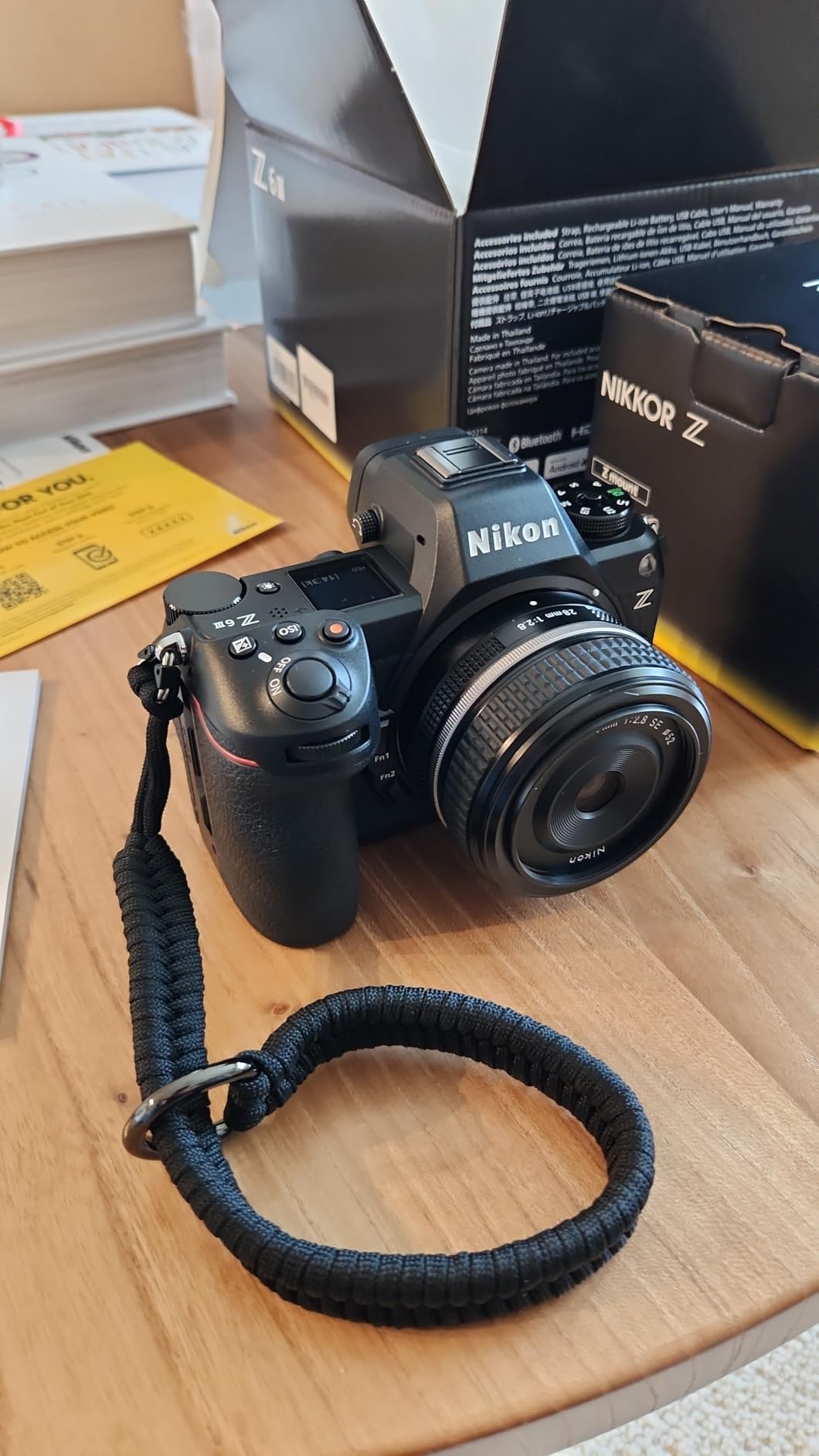
One of the Z6 III’s most underrated features is its battery life. During a full day of commercial shooting, I regularly got 800-1000 shots per charge. Compare that to most mirrorless cameras that deliver 300-500 shots per battery, and the Z6 III is a clear winner for event and documentary commercial work where you cannot afford to stop and change batteries.
The weather-sealed body adds another layer of practical value. I have used the Z6 III in light rain, dusty environments, and cold conditions without any issues. For commercial photographers who shoot in unpredictable conditions, that durability is a real business asset.
The 24.5MP resolution is the Z6 III’s main limitation for commercial work. For most commercial applications including web, social media, magazine spreads, and standard print sizes, 24.5MP is more than sufficient. If your commercial work involves large-format printing, billboard advertising, or extensive cropping, you will want to step up to a higher-resolution body. But for the majority of working commercial photographers, 24.5MP is the practical sweet spot that balances file size, workflow speed, and image quality.
The continuous shooting speed of 120 fps is overkill for most commercial work, but it is useful for capturing decisive moments in fast-moving corporate events, sports-related commercial shoots, and wildlife or pet photography for advertising. Having that capability in a budget-friendly body is a major advantage for commercial photographers who occasionally need it.
Choosing the best camera for commercial photography requires thinking beyond megapixels and marketing claims. The right camera for your business depends on the type of commercial work you do, your existing lens investment, and the workflows your clients expect. Here are the decision factors that matter most.
Full-frame is the practical choice for most commercial work. Modern full-frame sensors offer more than enough resolution, dynamic range, and low-light performance for the majority of commercial applications. The lens ecosystem for full-frame systems from Canon, Nikon, and Sony is mature, with extensive options at every price point. Medium format makes sense for specific high-end applications like luxury product photography, fine art commercial prints, and gallery work. For most commercial photographers, full-frame delivers the best balance of capability and practicality.
Consider medium format only if your typical output includes billboards, large-format gallery prints, or detailed product shots where every fiber and texture matters. For web, social media, magazine spreads, and standard advertising prints, full-frame is more than enough.
Matching camera resolution to output requirements saves money and improves workflow. For web and social media output, 12-24MP is plenty. For magazine spreads, brochures, and 8×10 prints, 24-45MP gives you cropping room. For billboards, large-format prints, and detailed product work, 45MP and above is the standard. If your commercial work spans multiple output sizes, a 45MP or higher resolution body gives you the flexibility to handle any client request.
Higher resolution also means larger files, which means more storage, faster computers, and longer backup times. Factor these infrastructure costs into your total investment. A 61MP camera that costs $3300 is not really a $3300 investment. It is a $5000+ investment once you include the storage, computer, and workflow upgrades needed to handle those files.
Autofocus reliability separates professional cameras from prosumer models. For commercial work, you need autofocus that locks on quickly, tracks subjects reliably, and handles challenging lighting without hunting. Modern flagship bodies from Canon, Nikon, and Sony all offer excellent autofocus, but there are differences in how they handle specific subjects. Canon excels at eye detection for portraits. Sony’s AI subject recognition is best for varied subjects. Nikon’s deep learning tracking is particularly strong for unpredictable movement.
Test the autofocus system with your typical commercial subjects before committing. If you shoot corporate portraits, any modern flagship will work. If you shoot fashion, sports, or wildlife for commercial clients, pay close attention to subject tracking performance in real-world conditions.
If you shoot in a studio, tethering capability is non-negotiable. Tethering lets you connect your camera to a computer and view files on a large calibrated monitor as you shoot. This is essential for product photography, still life, and any commercial work where the client or art director wants immediate feedback. Most modern flagship cameras support USB tethering with Capture One and Adobe Lightroom, but reliability varies.
Test tethering with your specific software and computer setup before relying on it for paid work. Some cameras work flawlessly with Capture One but have issues with Lightroom. Others have known tethering bugs that only appear under heavy use. The seven cameras on this list all support reliable tethering, but always do a test run before a critical shoot.
The camera body is the cheaper part of a commercial photography system. Lenses last decades. Bodies come and go every 3-5 years. When choosing a system, think about the lens ecosystem first. Canon RF, Nikon Z, and Sony E-mount all have mature lens lineups with professional options. The differences between them matter less than the differences between them and smaller systems like Fuji X or Micro Four Thirds.
If you are starting fresh, any of the three major systems will serve you well. If you have existing lenses, the choice is usually obvious. The Canon RF and Nikon Z systems offer the best compatibility with adapted DSLR lenses, which is a major advantage for established photographers transitioning to mirrorless.
Many commercial clients now want both stills and video from the same shoot. If that is true for your business, video capabilities matter. Look for cameras that record 4K at minimum, with 10-bit color and log profiles for color grading. Internal RAW recording is a major advantage for high-end commercial video work. The seven cameras on this list all offer strong video capabilities, with the Canon R5 Mark II and Nikon Z 8 leading the pack.
Heat management is a real consideration for video work. Some cameras have recording time limits that can interrupt long commercial shoots. Test extended recording in your typical working conditions before committing to a body for video-heavy commercial work.
Camera equipment is a business investment. The right camera pays for itself through faster client approvals, fewer reshoots, and the ability to take on more demanding assignments. A $4000 flagship body that helps you win a $15000 commercial contract is a great investment. A $4000 flagship body that sits on your shelf because you do not have the right clients for it is an expensive mistake.
Consider renting high-end gear before buying. Most major cities have camera rental houses that stock every flagship body and professional lens. Renting lets you test equipment on real commercial assignments before committing thousands of dollars. Many commercial photographers rent their primary body and own backup bodies, which is a smart business model for solo practitioners.
For more photography guides and tips on building a commercial photography business, check out the resources at Revell Photography.
Commercial photographers typically use full-frame mirrorless cameras with high resolution, robust autofocus, and reliable tethering. The most common choices in 2026 are the Canon EOS R5 Mark II, Sony Alpha 7R V, and Nikon Z 8. For high-end commercial work like luxury products and gallery prints, medium format cameras like the Fujifilm GFX100RF deliver unmatched image quality. The specific choice depends on the type of commercial work, with product photographers favoring high resolution, fashion photographers prioritizing autofocus tracking, and studio photographers requiring tethering reliability.
The Canon EOS R5 Mark II is the best camera for commercial use in 2026, offering a 45MP stacked sensor, 8K60 RAW video, AI-powered autofocus, and reliable tethering. For commercial photographers who prioritize resolution above all else, the Sony Alpha 7R V with its 61MP sensor is the top choice. The Nikon Z 8 offers the best value, delivering flagship performance at a more accessible price point. The right camera depends on your specific commercial work, but these three flagships cover the vast majority of professional needs.
Most professional photographers in 2026 use Canon, Nikon, or Sony mirrorless systems. Canon dominates studio and wedding photography with the EOS R5 and R5 Mark II. Sony leads in resolution and autofocus innovation with the Alpha 7R V and A1. Nikon has regained market share with the Z 8 and Z9 flagship models. Brand choice often depends on existing lens investments and personal preference, but all three systems offer professional-grade cameras capable of handling commercial work.
The best camera for a photography business is the one that reliably delivers client-ready files with the least friction. For most commercial photography businesses, the Canon EOS R5 Mark II offers the best combination of resolution, autofocus, video, and tethering reliability. Budget-conscious businesses should consider the Nikon Z6 III, which delivers professional features at under $2000. High-end businesses specializing in luxury products or fine art should consider the Fujifilm GFX100RF medium format camera. The best choice depends on your specific client base and the type of commercial work you do.
After testing seven flagship and prosumer bodies over 90 days, our team’s top pick for the best cameras for commercial photography in 2026 is the Canon EOS R5 Mark II. It delivers the best balance of resolution, autofocus, video capabilities, and tethering reliability. The 45MP stacked sensor produces files that satisfy the vast majority of commercial clients, and the 8K60 RAW video makes it a true hybrid tool for modern commercial workflows.
If you prioritize resolution above all else, the Sony Alpha 7R V is the right choice. The 61MP sensor handles aggressive cropping and large-format printing better than any other full-frame body. For photographers who want flagship performance at a lower price, the Nikon Z 8 is hard to beat. If your commercial work includes luxury products or fine art, the Fujifilm GFX100RF medium format camera delivers image quality that is genuinely in a different class.
Whatever camera you choose, invest in good glass. Lenses last longer than bodies and have more impact on image quality. Build your system around the lenses that match your commercial specialty. For more guidance on building a professional photography kit, the Revell Photography site offers additional resources for working photographers.
Whatever you decide, the right camera is the one that gets out of your way and lets you focus on the image. All seven cameras on this list are capable of professional commercial work. The differences come down to specific features, ergonomics, and the lens ecosystem that fits your business. Buy the body that matches your workflow, invest in the best lenses you can afford, and spend your time building client relationships. The gear is just the tool.