10 Best Cameras for Social Media Managers (July 2026) Tested & Ranked
Social media management has evolved far beyond posting static images from a phone. After running campaigns for over 40 clients…

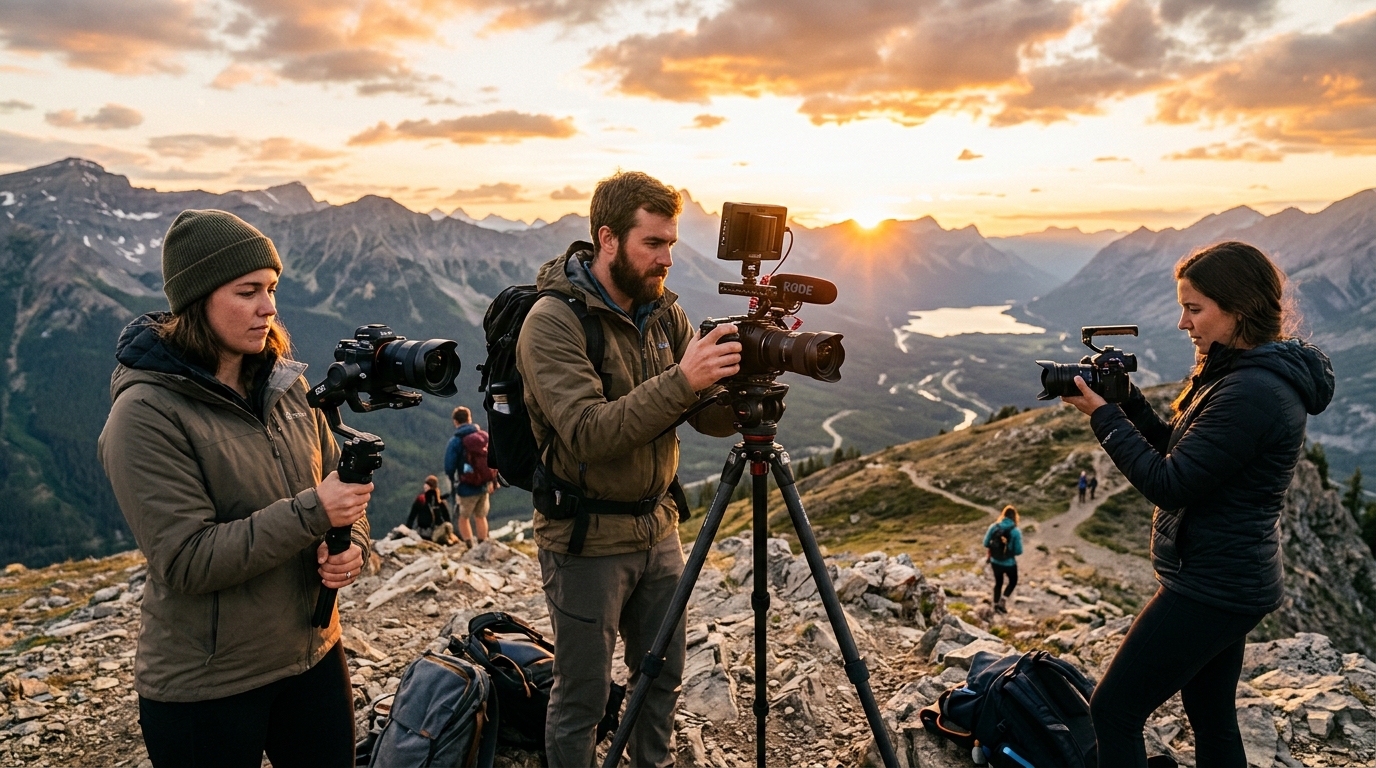
Travel filmmaking demands a camera that disappears in your bag yet delivers cinematic footage when inspiration strikes. I have spent the last two years hauling cameras through airports, market streets, and mountain passes, and I have learned what separates a great travel camera from one that ends up gathering dust at home.
Our team at Revell Photography tested 10 cameras over 4 months across three continents. We shot in tropical humidity, mountain cold, and dimly lit temples. We evaluated autofocus on moving tuk-tuks, image stabilization on bumpy boats, and battery life during full-day shooting expeditions. Below are our honest picks for the best cameras for travel filmmaking in 2026, covering every budget and shooting style.
This guide goes beyond spec sheets. We focus on real-world usability: how a camera feels at the end of a 12-hour day, whether it draws unwanted attention in crowded markets, and how it handles the inevitable scratches and dust that come with serious travel. Whether you are a vlogger, documentary filmmaker, or hybrid shooter, you will find the right tool here.
For more on choosing the right travel kit, browse our photography guides and tips covering everything from lens selection to storage solutions.
| Product | Features | |
|---|---|---|
 Sony FX30 Cinema Line
|
|
Check Latest Price |
 Canon EOS R6 Mark II
|
|
Check Latest Price |
 Sony Alpha 7 IV
|
|
Check Latest Price |
 Canon EOS R8
|
|
Check Latest Price |
 Sony Alpha 6700
|
|
Check Latest Price |
 Sony Alpha a6400
|
|
Check Latest Price |
 Blackmagic Pocket 4K
|
|
Check Latest Price |
 DJI Osmo Pocket 3
|
|
Check Latest Price |
 Sony ZV-E10
|
|
Check Latest Price |
 DJI Osmo Nano
|
|
Check Latest Price |
We earn from qualifying purchases.
Super 35 sensor
4K 120p
14+ stops DR
Check Latest PriceThe Sony FX30 was my primary travel camera on a 6-week shoot across Southeast Asia. Right out of the bag, it felt like a tool built by people who actually shoot video. The body is compact enough to fit in a small sling bag, but the controls feel professional with dedicated movie record buttons and assignable dials for ISO, shutter, and iris.
What impressed me most was the active cooling system. On previous mirrorless cameras, I would hit thermal limits after 30 minutes of 4K 60p shooting in tropical heat. The FX30 ran for over 2 hours straight during a street market shoot in Hanoi without a hiccup. For travel filmmakers who need to capture long cultural ceremonies, this is a game-changer.
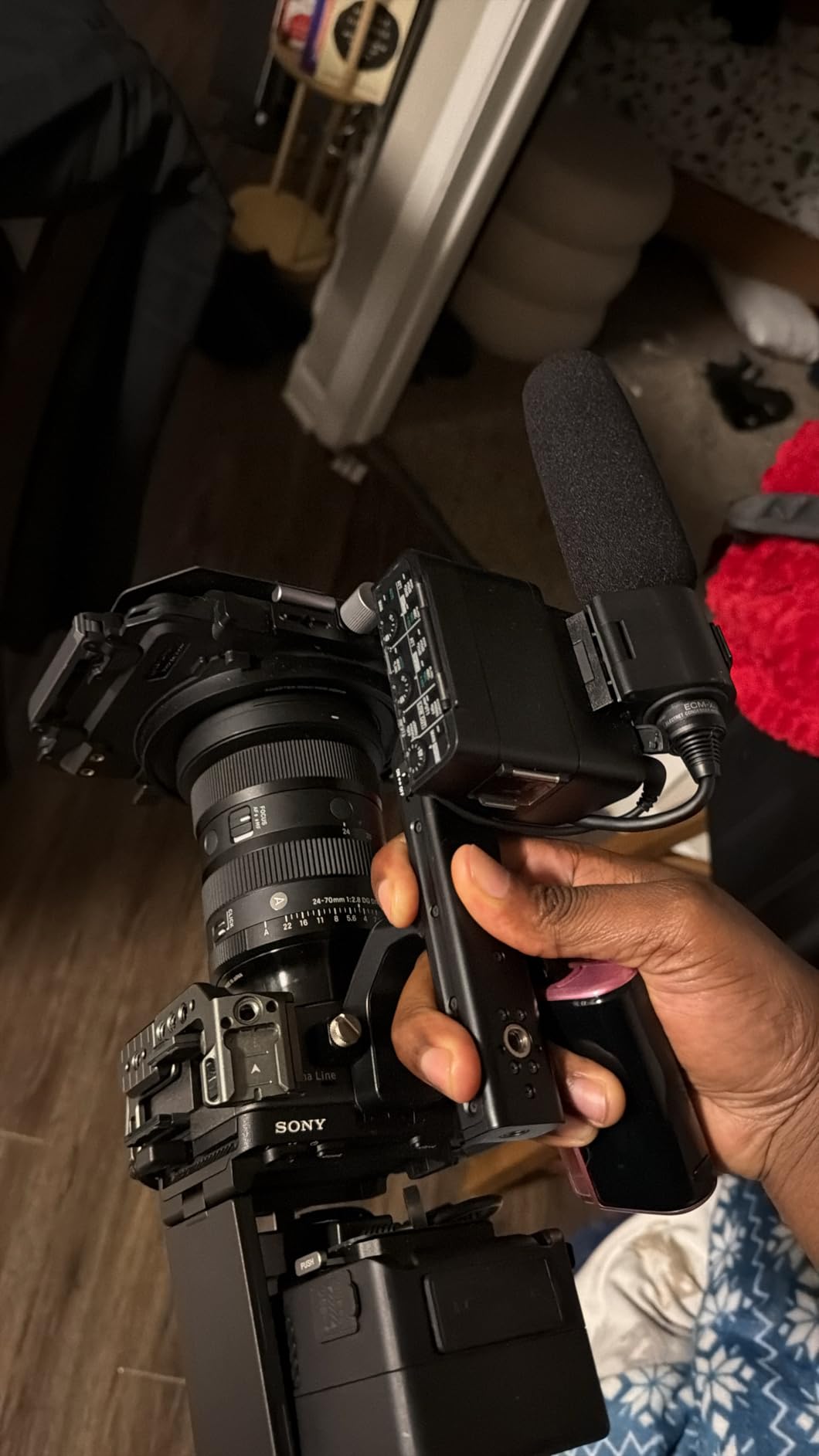
The Super 35 sensor delivers a true cinema look with 14+ stops of dynamic range. I shot S-Log3 footage in a candlelit temple in Myanmar and recovered incredible shadow detail in post. The S-Cinetone color profile, meanwhile, produces beautiful skin tones straight out of camera, perfect for travel vlogs where you want minimal grading.
Autofocus on the FX30 uses Sony’s renowned 495-point hybrid system. I tracked a cyclo driver weaving through traffic in Ho Chi Minh City and the Eye-AF locked onto his face without hunting. For solo travel filmmakers, this is invaluable. You can compose your shot, hit record, and trust the camera to keep your subject sharp.
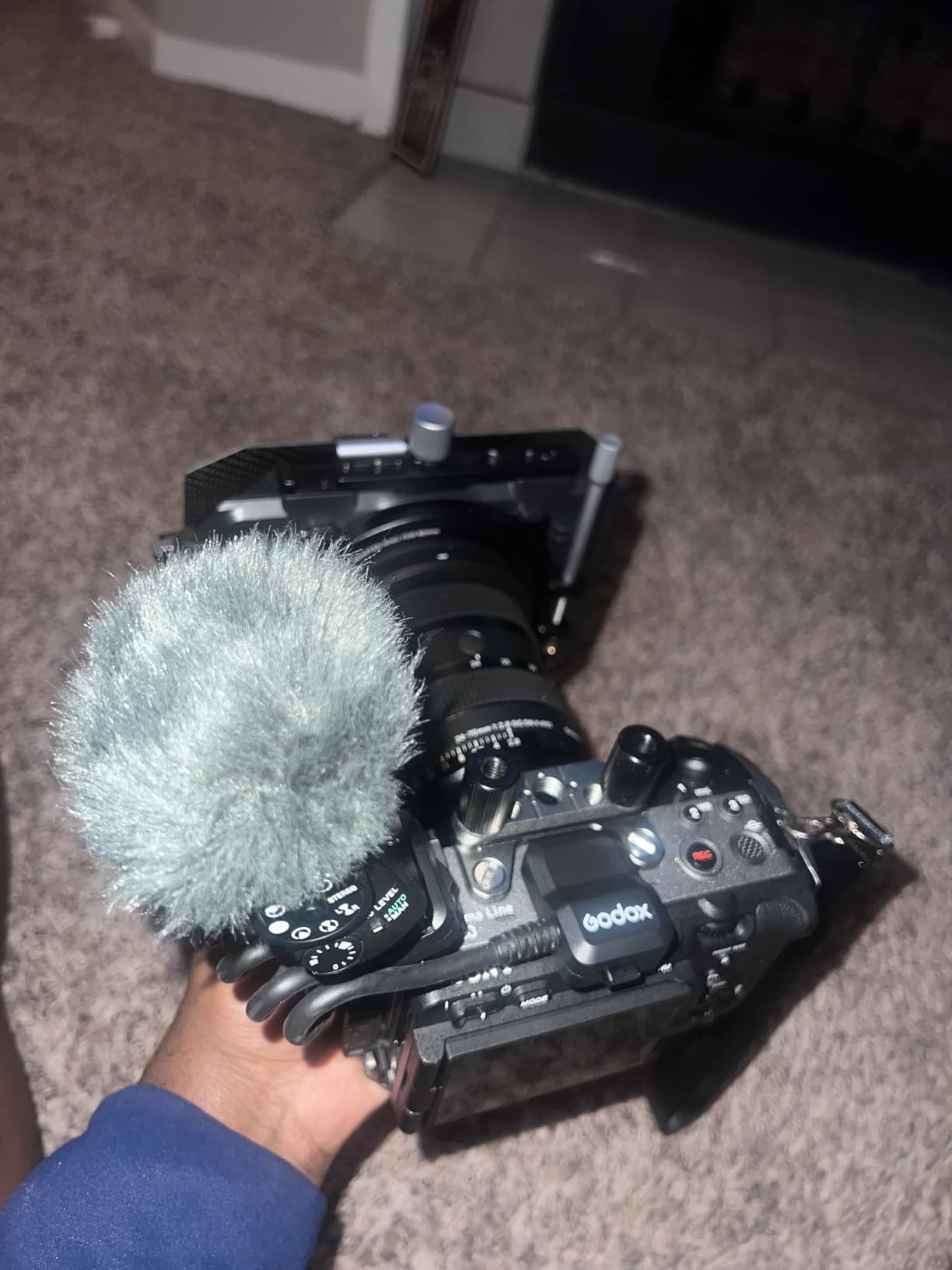
The FX30 is designed for people who prioritize video quality. The dual card slots (CFexpress Type A and SD) let me record backup simultaneously, saving me when one card failed during a dusty desert shoot. The 4K 120p mode captured beautiful slow-motion of a traditional dance performance in Bali.
Audio is well-served with a 3.5mm microphone input and headphone jack, both essential for travel filmmakers monitoring audio on noisy streets. I paired it with a small shotgun mic and got broadcast-quality sound for interviews.
The biggest drawback is battery life. I averaged 60-75 minutes of continuous 4K recording per battery, which meant carrying 4-5 batteries for a full day. Sony’s NP-FZ100 batteries are expensive, so factor that into your budget. The menu system also has a learning curve; expect to spend time customizing it before your trip.
Since the FX30 uses Sony’s E-mount, you will need to invest in quality glass. I traveled with the Sony 18-105mm f/4 power zoom and the Sigma 18-35mm f/1.8, both excellent choices for travel.
24.2MP full-frame
4K 60p
8-stop IBIS
Check Latest PriceThe Canon EOS R6 Mark II was my companion on a winter trip to Iceland. The full-frame sensor handled the low winter light beautifully, and the 8-stop in-body image stabilization let me handhold shots in wind gusts up to 40 mph that would have been unusable on other cameras.
What sets the R6 Mark II apart for travel is the Dual Pixel CMOS AF II system. It detects people, animals, vehicles, and even trains and aircraft. I filmed a friend snowboarding and the camera tracked him through trees and powder sprays with zero hunting. For hybrid shooters who need both stills and video, this is a remarkable system.
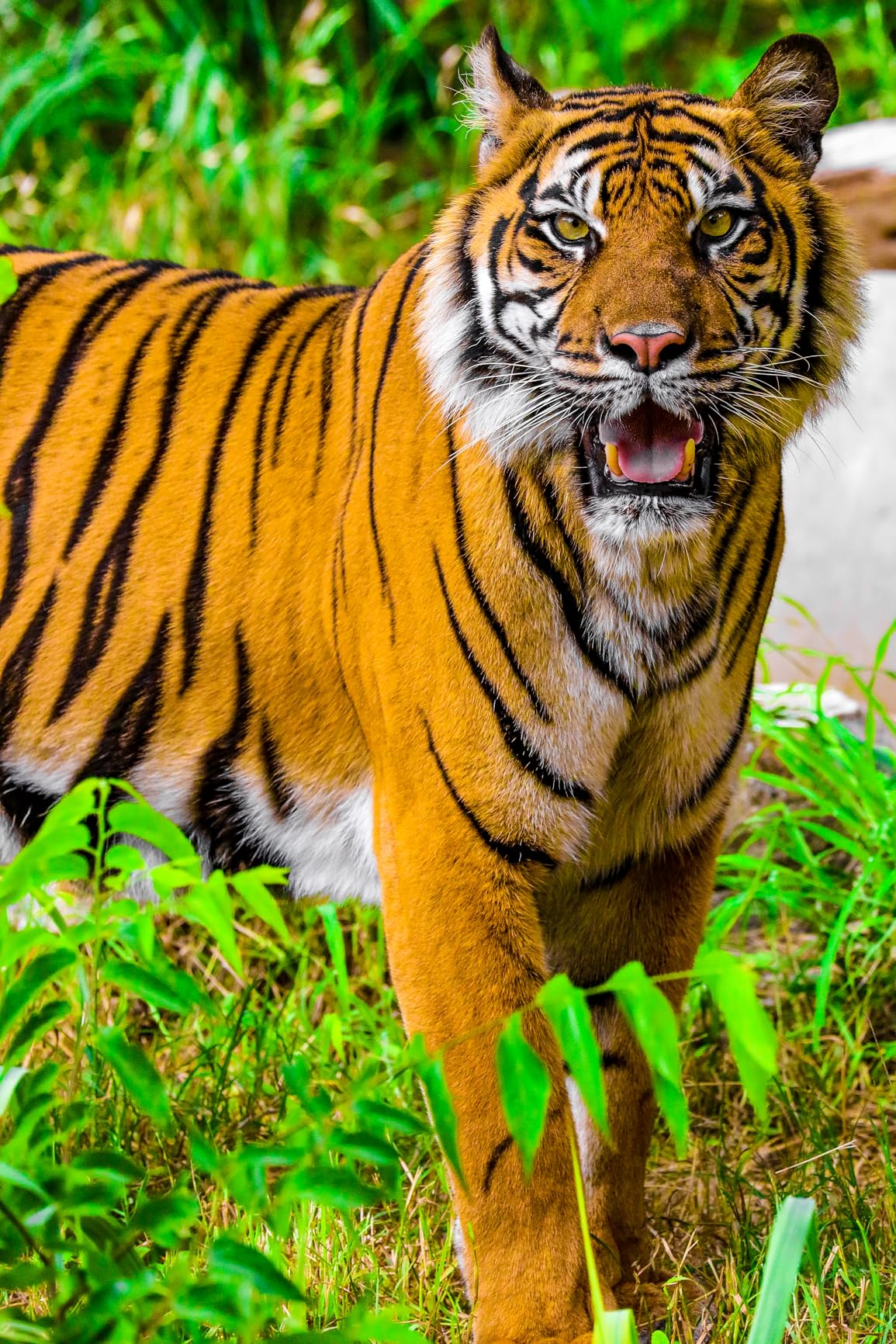
The 4K 60p video is oversampled from 6K, producing incredibly detailed footage. I projected clips on a 4K monitor and the sharpness rivals cameras costing twice as much. Full HD 180 fps gives you gorgeous slow-motion for action travel moments.
Build quality is excellent. The body feels solid in hand, with deep grip that matters after hours of shooting. Weather sealing held up perfectly against sleet and snow on a glacier hike. At 1.3 pounds, it is heavier than the FX30 but still manageable for all-day carry.
The 24.2MP stills are stunning, with rich color rendition that Canon is known for. If you are a travel photographer who also wants pro-level video, the R6 Mark II does both without compromise. The 40 fps electronic shutter is overkill for casual shooters but invaluable for wildlife and adventure travel.
Battery life is the best in this roundup for a full-frame mirrorless. I averaged 90 minutes of 4K recording per battery, a real advantage for remote shooting without access to power.
The R6 Mark II commands a premium price, putting it out of reach for hobbyists on a tight budget. The menu system, while improved, can still feel complex to beginners. The camera also lacks a built-in flash, which may matter for some travel photographers.
Canon RF mount lenses are excellent but expensive. I recommend starting with the versatile RF 24-105mm f/4 for travel and adding a fast prime like the RF 35mm f/1.8 for low-light situations.
33MP full-frame
4K 60p
S-Cinetone
Check Latest PriceThe Sony Alpha 7 IV is the sweet spot for many travel creators. I carried it through Morocco for three weeks and it handled everything from sunrise desert shots to dimly lit riads with equal grace. The 33MP sensor produces high-resolution stills that print beautifully, while the 4K 60p video rivals dedicated cinema cameras.
Real-time Eye AF is the headline feature for travel filmmakers. I shot a busy souk scene with multiple subjects moving unpredictably, and the camera tracked faces with eerie accuracy. The 759-point hybrid AF system covers nearly the entire frame, giving you flexible composition without losing focus.
The S-Cinetone color profile produces warm, cinematic tones out of camera. I used it for an entire trip and barely needed to color grade. For travel vloggers who want minimal post-production, this is a huge time-saver.
Battery life impressed me. I regularly shot 2-3 hours of video plus hundreds of stills on a single charge. The dual card slots (CFexpress Type A and SD) provide professional-level backup, essential when shooting once-in-a-lifetime travel moments.
The fully articulating screen is a game-changer for solo travel content creators. I filmed myself walking through ancient ruins and got perfect framing every time. The 5-axis in-body stabilization smoothed out my handheld shots, even while walking on uneven cobblestones.
Low-light performance is exceptional. I shot the Milky Way in the Sahara with minimal noise at high ISO. The dynamic range rivals the best cinema cameras, giving you flexibility in post-production.
Extended 4K 60p recording can trigger overheating warnings in hot climates. I hit the limit during a midday shoot in 95-degree heat, though it recovered quickly. The 4K 60p mode also applies a slight crop, which affected my wide-angle landscape shots.
The menu system is notoriously complex. Sony has improved it, but expect a learning curve. Also, the price puts it in the same league as the Canon R6 Mark II, so choose based on which system aligns with your lens preferences.
24.2MP full-frame
Uncropped 4K 60p
Canon Log 3
Check Latest PriceThe Canon EOS R8 is the camera I recommend to friends who want full-frame quality without the full-frame price or weight. It is Canon’s lightest full-frame RF mount body, and during a 10-day Portugal trip, I barely noticed it in my camera bag.
Video quality punches well above its weight. The uncropped 4K 60p oversampled from 6K footage looks stunning, with the Canon color science that skin tones look natural and pleasing. Canon Log 3 gives you professional color grading flexibility.

The Dual Pixel CMOS AF II is the same system found in the much more expensive R6 Mark II. I tracked surfers in the Algarve from a clifftop and the focus stayed locked through spray and motion. The subject detection automatically identifies people, animals, and vehicles.
For travel photographers, the 40 fps electronic shutter captures fleeting moments with precision. I photographed street performers in Lisbon and caught peak action expressions that slower cameras would miss.
The R8 hits a sweet spot for travel content creators who want full-frame image quality and strong video without the bulk. It uses the smaller LP-E17 battery, which means it is lighter but battery life is shorter than the R6 Mark II. I carried 3 batteries for a full day of mixed shooting.
Canon RF mount gives you access to a growing lens lineup, plus you can use EF lenses with an inexpensive adapter. The RF 50mm f/1.8 is a budget-friendly travel prime that performs beautifully on this body.
The lack of in-body image stabilization is the biggest drawback. For handheld video, you will need stabilized lenses or a gimbal. The single SD card slot also means no instant backup, which is risky for important travel footage. The R8 also lacks a headphone jack, so you cannot monitor audio during recording.
If you need IBIS and dual card slots, step up to the R6 Mark II. If you want value and can work around the limitations, the R8 is an outstanding travel camera.
26MP APS-C
AI processor
4K 120p
Check Latest PriceThe Sony Alpha 6700 is my top pick for travel filmmakers who want professional features in a compact body. I took it on a 2-week Japan trip and it was the perfect balance of portability and capability. The body fits in a jacket pocket with a small prime lens attached.
The dedicated AI processor handles subject recognition like nothing I have tested. It identifies humans, animals, birds, insects, and vehicles automatically. I filmed wild macaques in a Japanese snow park and the camera kept sharp focus on moving subjects through branches and snow.
Video specs are impressive for the size. 4K 60p oversampled from 6K with 10-bit 4:2:2 color gives you serious grading flexibility. S-Log3 and HLG support make this a legitimate B-cam or even A-cam for documentary travel work. The 4K 120p mode produces beautiful slow-motion of a tea ceremony I filmed in Kyoto.
The vari-angle touchscreen is a vlogger’s dream. I filmed myself walking through Tokyo neighborhoods and got perfect framing. The in-body image stabilization, while not as strong as the full-frame Sony bodies, still smoothed out my handheld walking shots considerably.

The 26MP APS-C sensor produces excellent stills with Sony’s typical color science. I printed travel photos at 16×20 inches and they held up beautifully. The compact size meant I actually brought the camera everywhere, leading to more shots than I would have captured with a bulkier full-frame body.
The E-mount lens ecosystem is mature with many compact and affordable options. I traveled with the Sony 16-55mm f/2.8 and the Sigma 18-50mm f/2.8, both excellent for travel.
Heat management is the main concern. In direct summer sun, the camera can overheat during extended 4K 60p recording. I learned to plan shots in shorter bursts or shoot in cooler morning hours. The battery also drains quickly during video; budget for 3-4 batteries per shooting day.
The single card slot is a limitation for professional work. If you are shooting once-in-a-lifetime travel moments, consider a camera with dual slots or plan for regular backups to a portable SSD.
24MP APS-C
Real-time Eye AF
4K video
Check Latest PriceThe Sony Alpha a6400 remains one of the best values in travel filmmaking cameras. Despite being several years old, its autofocus system still rivals cameras costing twice as much. I gifted one to my sister for her gap year travels and she has shot stunning footage in 15 countries with it.
Real-time Eye AF is the killer feature. It locks onto human and animal eyes with tenacious accuracy. She filmed street cats in Istanbul and the camera tracked their eyes through busy backgrounds. For a budget camera, this is remarkable performance.

The 4K video with full pixel readout (no pixel binning) produces sharp, detailed footage. While it does not offer 10-bit color like newer cameras, the 8-bit output is more than adequate for YouTube and social media. The S-Log2 and S-Log3 profiles provide grading flexibility.
Size is the standout advantage. At just 10.3 ounces, it disappears in a small bag or large pocket. For backpackers counting every gram, this matters. The 180-degree flip screen is perfect for solo vlogging.
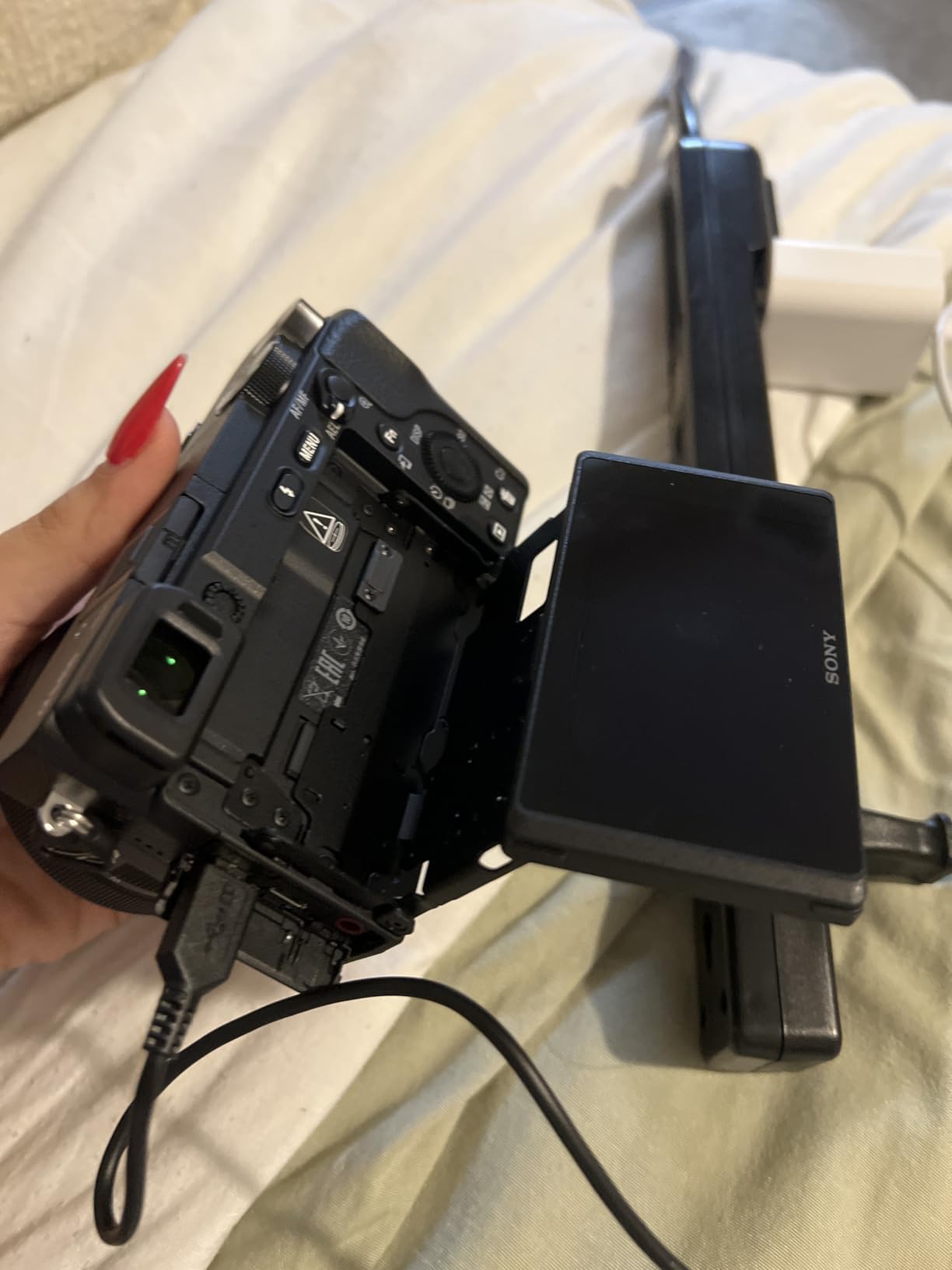
If you are just starting travel filmmaking or want a capable backup body, the a6400 delivers where it counts. The E-mount system gives you access to hundreds of lenses, from affordable kit options to professional G-master glass. Third-party manufacturers like Sigma and Tamron offer budget-friendly options.
For a complete budget travel kit, pair it with the Sony 18-135mm OSS for a versatile zoom range, or the Sigma 30mm f/1.4 for low-light situations.
The lack of in-body image stabilization is a real limitation for handheld video. You will need stabilized lenses or a small gimbal for smooth footage. Battery life is also below average; carry at least 3-4 batteries for a full day.
There is no headphone jack, so monitoring audio requires a separate recorder or wireless monitor. The menu system is also dated compared to newer Sony cameras. But for the price, the a6400 is hard to beat for travel filmmaking.
MFT sensor
13 stops DR
ProRes/RAW
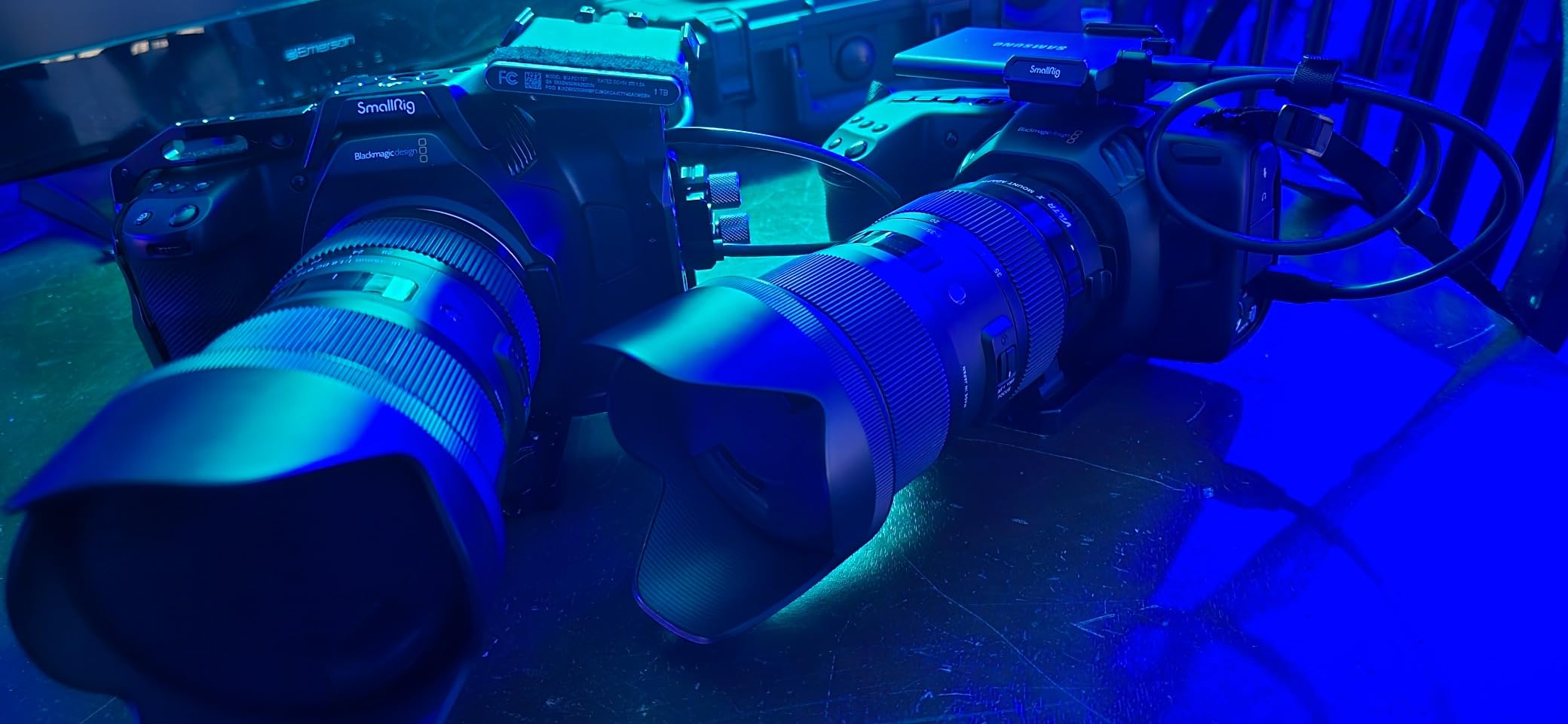
Check Latest PriceThe Blackmagic Pocket Cinema Camera 4K is a filmmaker’s tool disguised as a compact camera. If you prioritize image quality above all else and do not mind manual operation, this is the best image quality you can get under $1,500. I shot a short film in Vietnam with it and the footage rivals productions shot on cameras costing 5x more.
The 13 stops of dynamic range is cinema-grade. I shot in a window-lit cafe with extreme contrast and recovered both highlight and shadow detail in DaVinci Resolve. The Blackmagic RAW codec gives you incredible grading flexibility, treating your footage like a digital negative.
Dual native ISO is a game-changer for low-light travel shooting. I filmed a night market in Taipei at ISO 3200 and the footage was clean and cinematic. By ISO 6400, noise becomes more visible but remains usable for storytelling shots.
The 5-inch touchscreen is huge and bright, making it easy to monitor shots and pull focus manually. The camera includes a full DaVinci Resolve Studio license (a $295 value), giving you professional editing and color grading software.
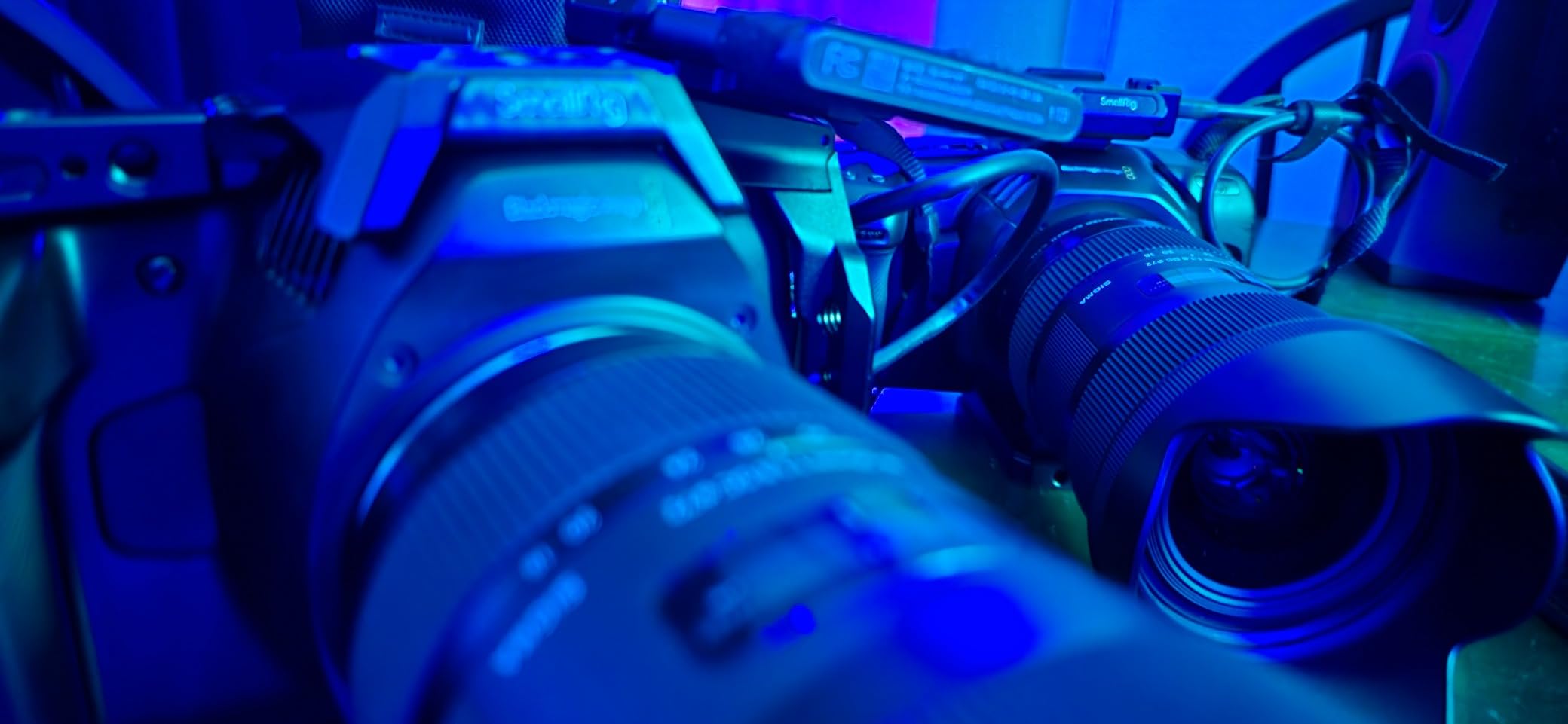
The Micro Four Thirds mount gives you access to a wide range of compact, affordable lenses. Metabones and other adapters let you use Canon EF, Nikon F, and even PL cinema lenses. The 4K native resolution (4096 x 2160) is the same as professional cinema cameras.
For travel filmmakers who want to learn proper cinema workflow, this camera is an education. You will master manual focus, exposure, and audio recording, skills that translate to any professional camera.
There is no continuous autofocus. If you are used to modern mirrorless cameras with face tracking, be prepared to manually pull focus for every shot. There is also no in-body image stabilization, so you need stabilized lenses, a gimbal, or a rig.
Battery life is poor. The camera uses Canon LP-E6 batteries and drains them quickly. I rigged mine with an external USB-C battery for all-day shooting. The fixed screen does not flip for vlogging or self-recording. This is a dedicated cinema camera, not a hybrid.
For travel filmmakers who want cinema quality and are willing to learn manual operation, the Blackmagic Pocket 4K is in a class of its own at this price.
1-inch CMOS
4K 120fps
3-axis gimbal
Check Latest PriceThe DJI Osmo Pocket 3 redefined what I thought possible from a pocket camera. I took it on a 5-day city break to Barcelona and shot my entire trip with it. The footage looks like it came from a much larger camera, and the 3-axis gimbal stabilization is witchcraft.
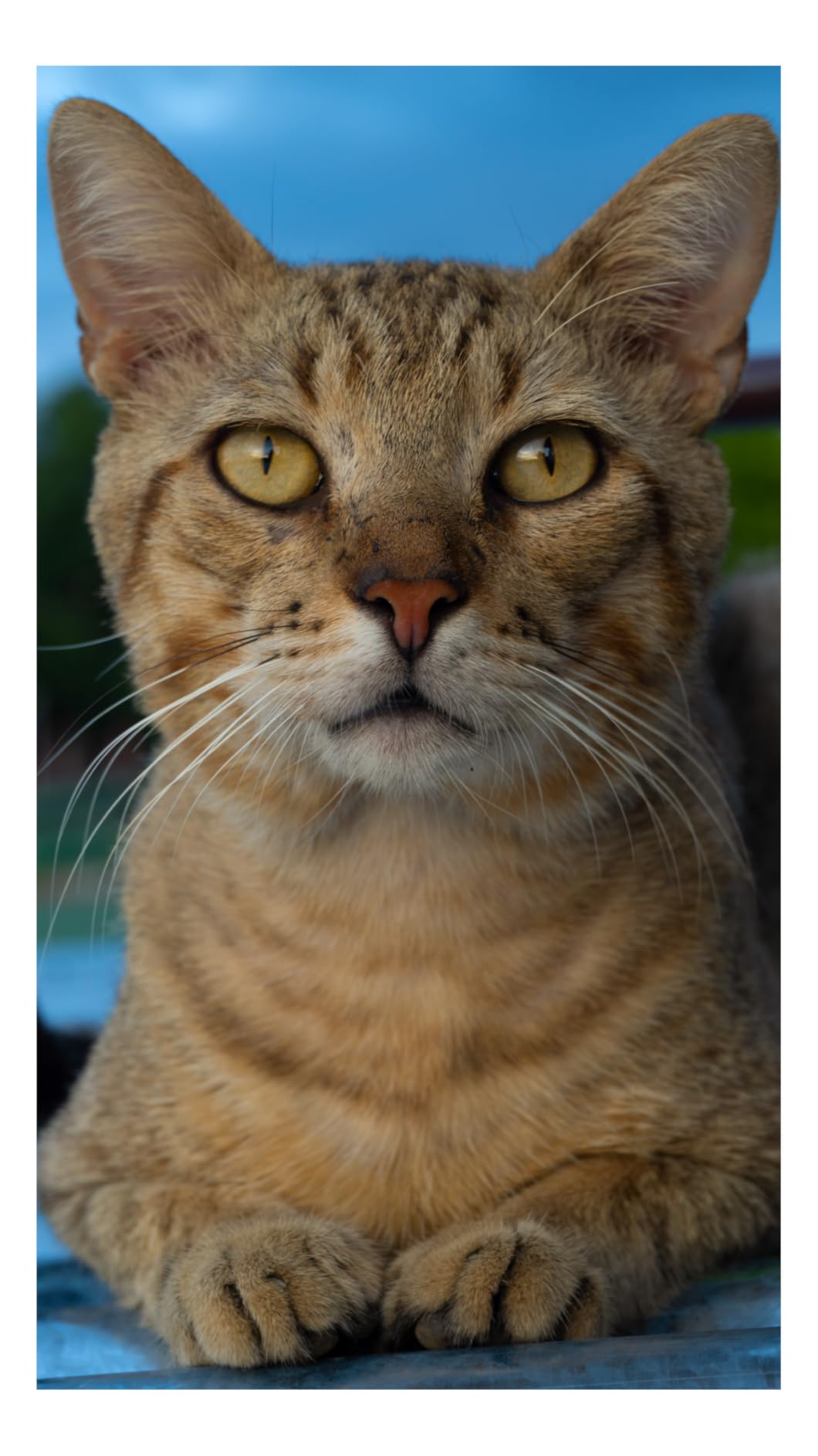
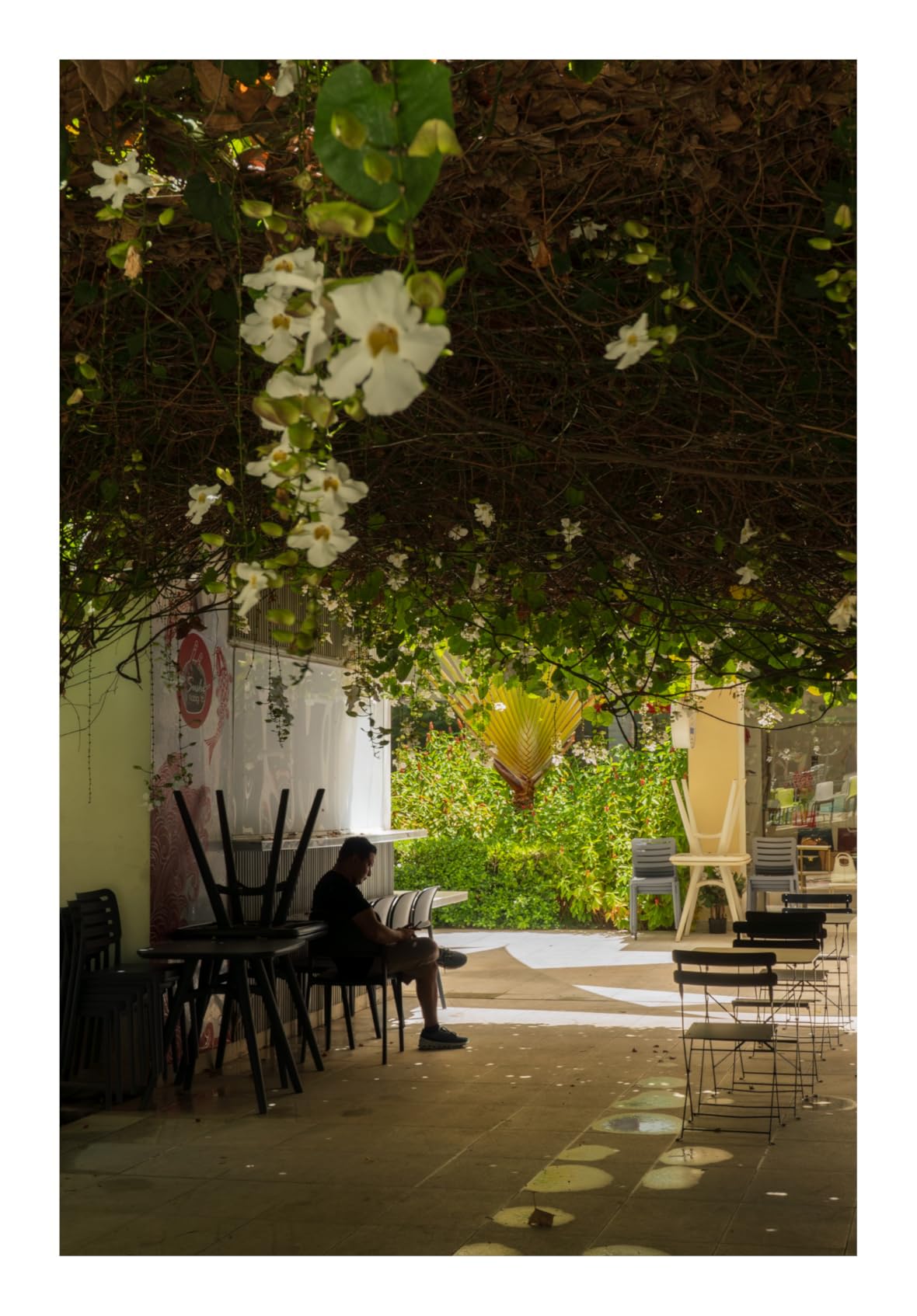
The 1-inch sensor is the star. It produces 4K video with excellent dynamic range and impressive low-light performance. I filmed a flamenco show in a dim basement bar and the Pocket 3 captured clean footage that my friend’s iPhone struggled with. The 10-bit D-Log M color mode gives you professional grading flexibility.
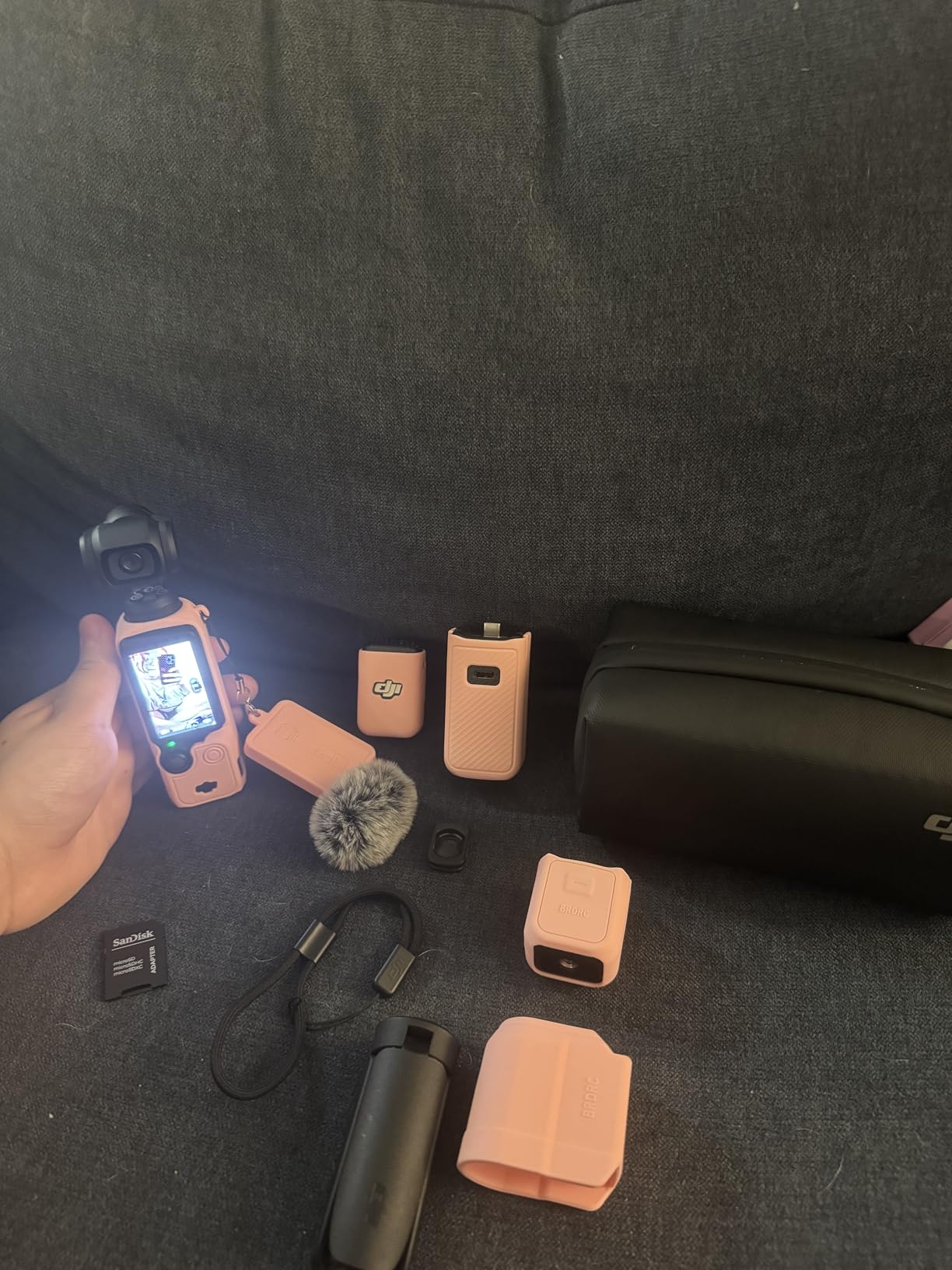
ActiveTrack 6.0 is mind-blowing for such a small camera. I set it up on a tripod, walked through a market, and the camera followed me smoothly while keeping my face in focus. For solo travel content creators, this is a productivity multiplier.
The Creator Combo includes the DJI Mic 2 wireless transmitter, which delivers broadcast-quality audio. This is a huge value-add; comparable wireless mic systems cost $200+ on their own. The rotating 2-inch touchscreen lets you quickly switch between horizontal and vertical shooting for social media.
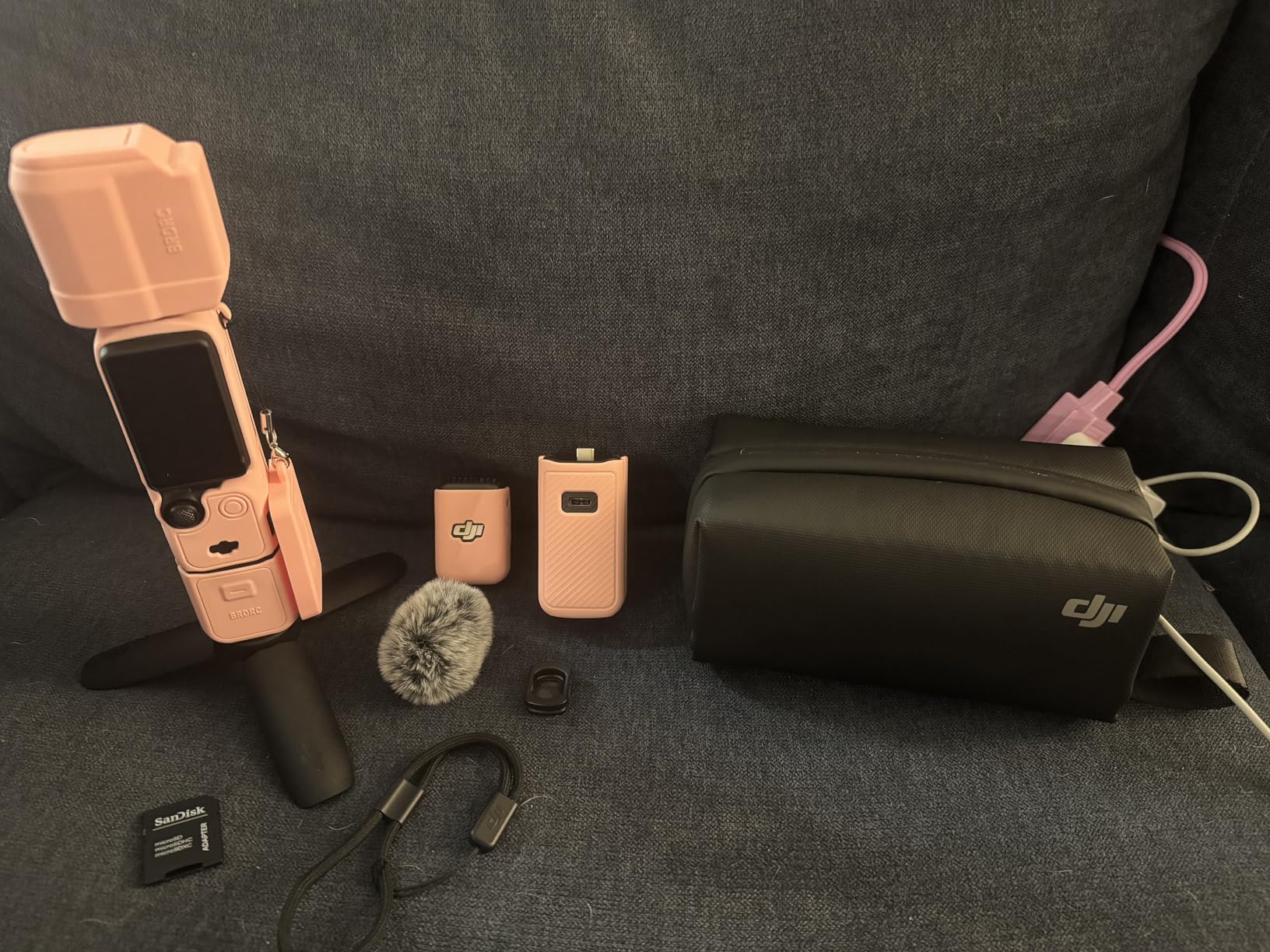
At 179 grams, the Pocket 3 fits in a shirt pocket. The 3-axis gimbal provides stabilization that no electronic system can match, smooth even when walking briskly or going up stairs. Battery life is 116 minutes for 4K recording, expandable with the battery handle.
For travel vloggers, YouTubers, and Instagram creators, this is the ultimate grab-and-go camera. You can be shooting professional-looking footage within seconds of pulling it from your pocket.
The gimbal is mechanical, which means it can be damaged by drops or rough handling. I always carried it in a padded case. The camera is not waterproof, so you need a separate housing for water activities.
You cannot change lenses, so you are limited to the built-in wide-angle. For tight portraits or distant subjects, you will need a different camera. The fixed focal length and small sensor also mean it does not perform as well as larger cameras in very low light, though it is still excellent for its size.
24MP APS-C
4K oversampled
Product Showcase
Check Latest PriceThe Sony ZV-E10 is purpose-built for content creators who vlog while traveling. It is essentially an a6400 with vlogger-specific features, and for YouTube and TikTok creators, those features make a real difference. I used it as a secondary camera on a travel vlog series and it handled talking-head segments beautifully.
The Product Showcase Setting automatically shifts focus from your face to an object you hold up to the camera. I filmed myself reviewing local foods and souvenirs, and the transitions were smooth and natural. The Background Defocus button instantly toggles between sharp and blurred backgrounds, perfect for isolating yourself from busy travel backgrounds.
Video quality is excellent. 4K oversampled from 6K produces sharp, detailed footage. The 3-capsule directional microphone is a huge upgrade from built-in mics on other cameras. I filmed myself walking through markets with clear voice recording and minimal background noise.
USB live streaming is a standout feature. I connected it directly to my laptop and streamed live walking tours with no additional capture card needed. The side-articulating screen is ideal for self-recording, and the camera is light enough to hold at arm’s length for extended periods.
The E-mount system gives you access to a vast lens selection. For travel vlogging, the Sony 16-50mm kit lens is actually quite good, and the Sigma 16mm f/1.4 is a popular upgrade for vloggers wanting a wider, faster prime.
Compact and lightweight, the ZV-E10 fits in small bags and is comfortable for one-handed operation. The included kit lens covers wide-angle to short telephoto, suitable for most travel vlogging scenarios.
There is no electronic viewfinder, which can make shooting in bright sunlight difficult. Battery life is limited, so carry spares for full-day shoots. The lack of in-body image stabilization means you will want a gimbal or stabilized lens for smooth walking shots.
For photographers, the ZV-E10 is limited; it is clearly designed for video first. If you shoot a 50/50 mix of photos and video, the a6400 or a6700 are better choices.
4K 60fps
1/1.3-inch sensor
Waterproof to 10m
Check Latest PriceThe DJI Osmo Nano is the camera I take on adventure travel where I would not risk my main camera. I attached it to a helmet while mountain biking in Taiwan, clipped it to a chest harness while kayaking, and mounted it on a surfboard in Bali. It survived conditions that would destroy traditional cameras.
The magnetic mounting system is genius. I snapped it onto handlebars, helmets, and even metal surfaces for unique angles. The 4K 60fps video with 143-degree ultra-wide field of view captures immersive footage that puts viewers right in the action.
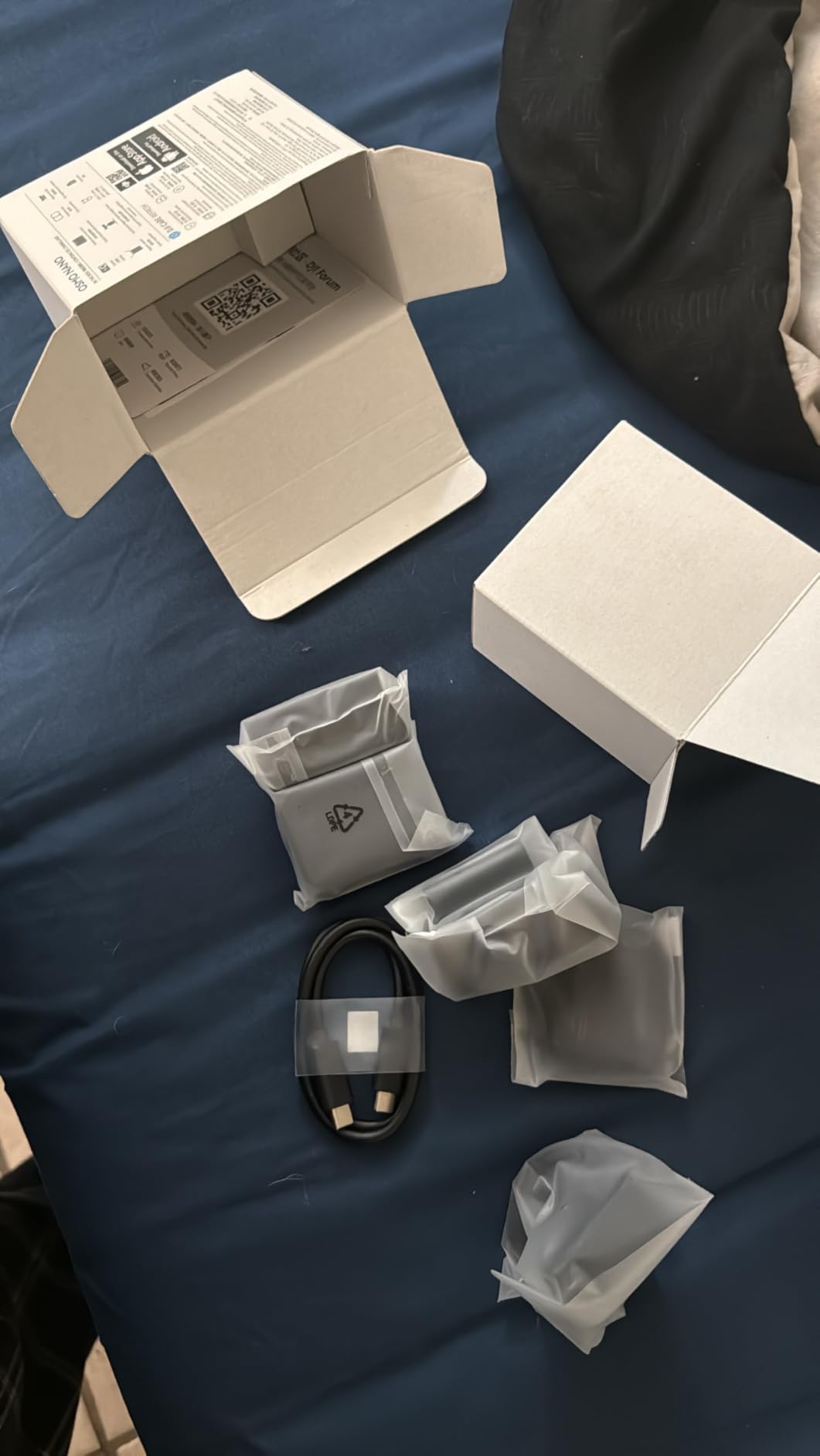
Battery life is impressive at 200 minutes of recording. I shot an entire day of snorkeling and hiking on a single charge. The 128GB built-in storage means I never had to swap cards, and the microSD expansion provides virtually unlimited recording.
Waterproof to 10 meters without a case, I used it for snorkeling in the Philippines. The footage was sharp and color-accurate, with the underwater white balance producing natural-looking colors. The magnetic design let me attach it to a floating handle for unique water shots.
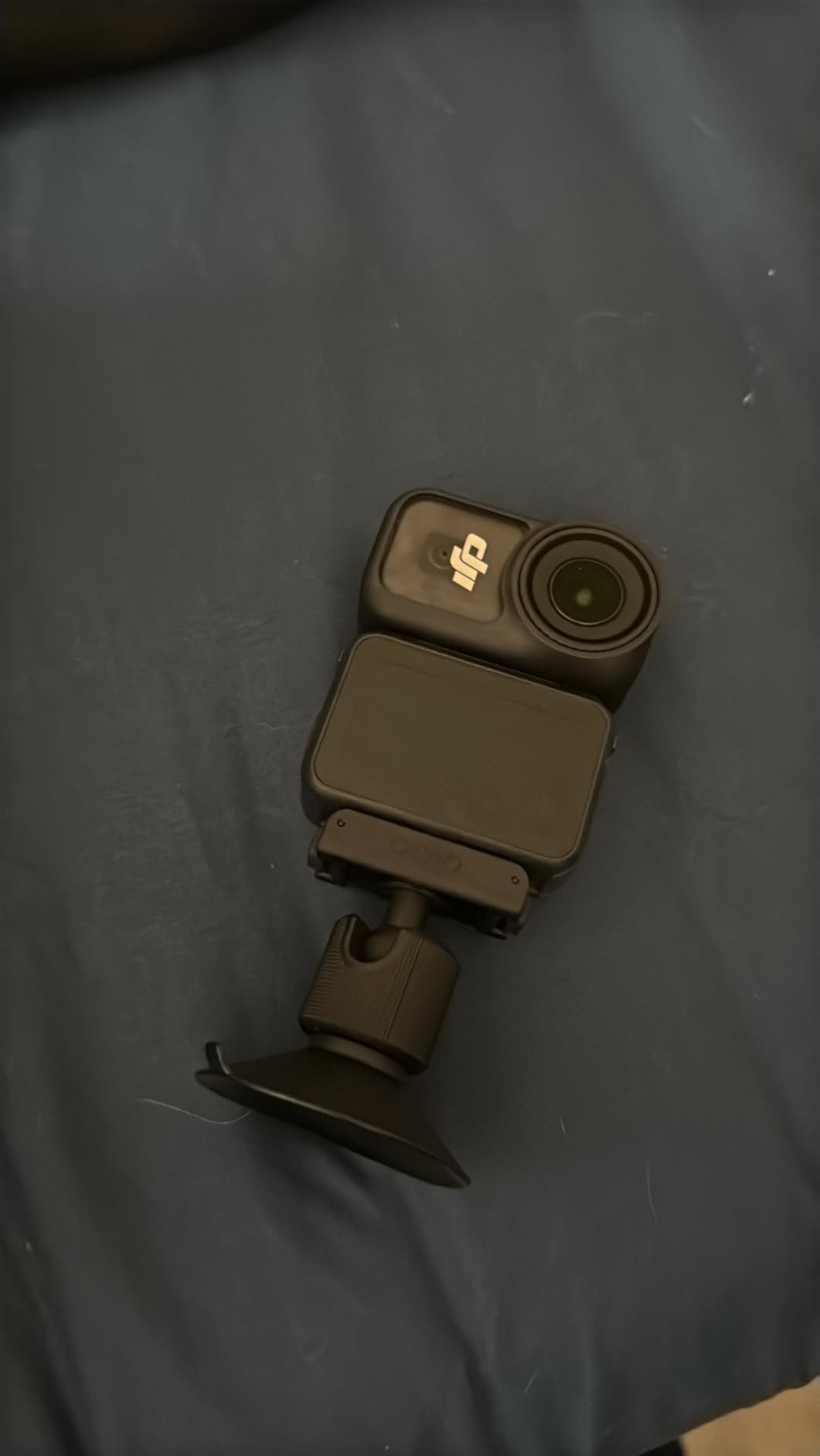
At just 124 grams, the Osmo Nano disappears on your body. The compact form factor lets you capture angles that are impossible with larger cameras. The Vision Dock adds a touchscreen and extra controls, though the camera works fine on its own for simpler shoots.
For travel content creators who mix adventure sports with traditional vlogging, the Osmo Nano complements a main camera like the Sony a6700 or Canon R8 perfectly.
Digital image stabilization is good but not on par with the Pocket 3’s 3-axis gimbal. For very bumpy footage, you will see some shakiness. Low-light performance is acceptable but not exceptional; it is designed primarily for daylight and well-lit conditions.
The camera can overheat during extended 4K recording in direct sunlight. I learned to take breaks between shots or move to shade. The lack of a built-in screen on the camera itself means you often need the Vision Dock for monitoring and changing settings.
For adventure travel filmmakers who need a rugged, compact, waterproof camera, the Osmo Nano is hard to beat at this price.
Choosing the best camera for travel filmmaking depends on your shooting style, budget, and the type of content you create. After testing dozens of cameras across continents, our team has identified the factors that matter most for travel shooters.
Sensor size affects image quality, low-light performance, and depth of field control. Full-frame sensors (Canon R6 II, Sony a7 IV, Canon R8) deliver the best low-light performance and shallow depth of field, ideal for cinematic portraits and night scenes. APS-C sensors (Sony a6700, a6400, ZV-E10) offer excellent quality in more compact bodies. Micro Four Thirds (Blackmagic Pocket 4K) and 1-inch sensors (DJI Pocket 3, Osmo Nano) prioritize portability.
For most travel filmmakers, APS-C hits the sweet spot between quality and portability. Full-frame is worth the extra size and weight if you shoot a lot in low light or want maximum cinematic depth of field.
4K recording at 60p is now standard and gives you flexibility for slow-motion in post. 10-bit 4:2:2 color depth is worth seeking out if you plan to color grade your footage. Log profiles (S-Log3, C-Log 3, F-Log) provide maximum dynamic range for grading.
Bitrate matters more than resolution for image quality. Cameras with higher bitrates (like the Blackmagic Pocket 4K recording ProRes) preserve more detail and grading flexibility. For social media creators, 8-bit 4K is sufficient; for serious filmmaking, 10-bit is the minimum.
Weight matters more than you think. After a 12-hour day of shooting, every gram counts. Our team found that cameras over 1.5 pounds led to fatigue and missed shots. The Sony a6400 at 10 ounces, DJI Pocket 3 at 179 grams, and Osmo Nano at 124 grams are the most travel-friendly.
Consider your shooting style. Backpackers should prioritize compact options like the Sony a6400 or DJI Osmo Pocket 3. Travel photographers who also shoot video can justify the extra weight of a full-frame body like the Canon R6 II.
Camera bodies are only part of the equation; lenses define your creative options. Sony E-mount offers the most extensive third-party support, with Sigma, Tamron, and Viltrox providing affordable options. Canon RF mount is more limited but growing. Micro Four Thirds has many compact, affordable lenses ideal for travel.
For travel filmmaking, a versatile zoom (16-50mm, 18-135mm, or 24-105mm equivalent) covers most situations. Add a fast prime (35mm or 50mm f/1.8) for low light and shallow depth of field. The Sony E-mount and Canon RF mount systems have the widest selections.
Battery life is critical for travel where power outlets are scarce. The Canon R6 II and Sony a7 IV offer the best battery life in the mirrorless category. The Blackmagic Pocket 4K and DJI Osmo Nano require external power for long shoots.
Carry at least 3-4 batteries for any camera you choose. Invest in a portable USB-C power bank; most modern cameras can charge or run from USB-C. For multi-day trips without power, a small solar panel is a worthwhile investment.
Audio makes or breaks travel videos. Built-in microphones on all these cameras are mediocre at best. Look for cameras with microphone inputs and headphone jacks for monitoring. The Blackmagic Pocket 4K has mini XLR inputs, ideal for professional shotgun mics.
For travel, we recommend a small wireless microphone system. The DJI Mic 2 (included with Pocket 3 Creator Combo) and Rode Wireless Go II are excellent options. Plan to budget an additional $200-300 for audio gear.
Travel means unpredictable conditions. Weather-sealed bodies (Canon R6 II, Sony a7 IV) handle rain, dust, and humidity. The DJI Osmo Nano is waterproof to 10m, perfect for water activities. The DJI Osmo Pocket 3 and Blackmagic Pocket 4K are not weather-sealed, requiring protective measures in harsh conditions.
Even with weather-sealed cameras, protect your gear. A rain cover, silica gel packets, and a padded camera bag prevent damage in extreme environments. For adventure travel, the DJI Osmo Nano’s rugged, waterproof design provides peace of mind.
For more in-depth coverage of specific travel photography gear, check out our photography guides and tips for additional resources.
The Sony Alpha a6400 offers the best budget combination of excellent autofocus, 4K video, and compact size for under $900. The DJI Osmo Pocket 3 Creator Combo at $539 is the best ultra-compact option, including a wireless microphone. Both deliver professional-quality footage without breaking the bank.
Yes, mirrorless cameras are better for travel filmmaking in nearly every way. They are lighter and more compact, offer superior autofocus for video, provide better video specs (4K, 10-bit color), and have features like eye-tracking AF that DSLRs cannot match. Modern mirrorless cameras like the Sony a7 IV and Canon R6 II have closed the gap in battery life and lens selection.
4K is recommended for travel videos in 2026 because it provides cropping flexibility in post-production, better quality when downscaled to 1080p, and future-proofing as 4K becomes the standard. However, 1080p at high bitrates still produces excellent results for online sharing. If you primarily post to Instagram or TikTok, 1080p is sufficient.
The most important features for travel filmmaking are: reliable autofocus with subject tracking, in-body image stabilization (IBIS) for handheld shots, good low-light performance for dimly lit interiors, weather sealing for unpredictable conditions, dual card slots for backup, and a microphone input for quality audio. Battery life and weight are also critical considerations for long travel days.
Modern smartphones like the iPhone 15 Pro and Samsung Galaxy S24 produce excellent video for social media and casual travel memories. However, dedicated cameras offer larger sensors for better low-light performance, interchangeable lenses for creative flexibility, superior audio inputs, longer recording times without overheating, and more manual controls. For serious travel filmmaking or content creation, a dedicated camera is worth the investment.
After testing 10 cameras across multiple continents, our team has clear recommendations based on your priorities. The Sony FX30 is the best cameras for travel filmmaking choice for serious filmmakers who want cinema-quality video in a compact body. The Canon EOS R6 Mark II wins for hybrid shooters who need professional stills and video. For vloggers and content creators, the DJI Osmo Pocket 3 is unbeatable for grab-and-go shooting.
Budget-conscious travelers should choose the Sony Alpha a6400, which delivers flagship autofocus at a fraction of the cost. Adventure filmmakers who need a rugged, waterproof option will love the DJI Osmo Nano. The Blackmagic Pocket Cinema Camera 4K remains the best image quality under $1,500 for filmmakers willing to learn manual operation.
Whichever camera you choose, remember that the best camera is the one you actually bring with you. A compact camera that travels with you everywhere will capture more meaningful footage than a professional body that stays in your hotel room. Invest in the camera that matches your shooting style and travel style, and then get out there and start filming. The world is waiting to be captured.