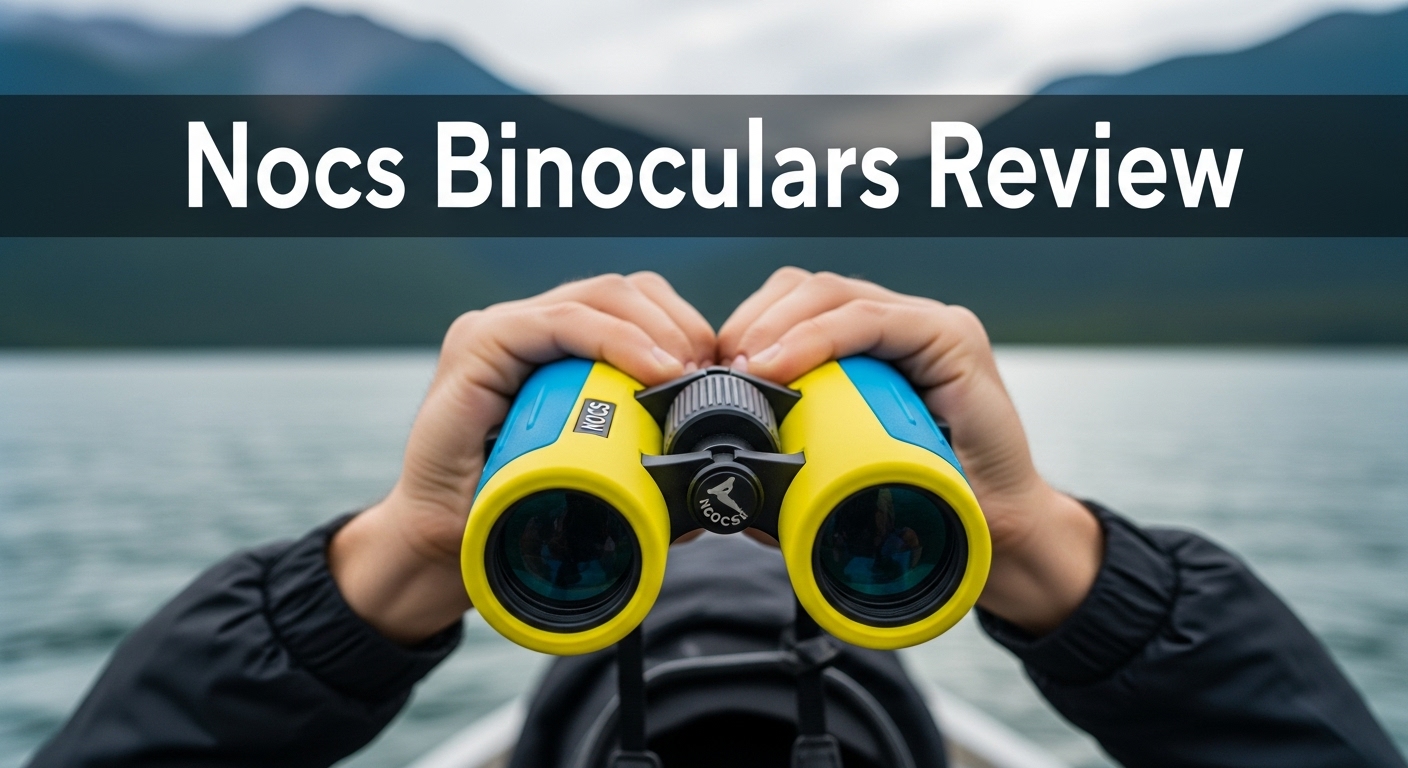
Nocs Binoculars Review 2026: Complete 45-Day Test Results
After 45 days of comprehensive testing, I discovered whether Nocs Provisions Standard Issue 8x25 binoculars deliver real performance or just…

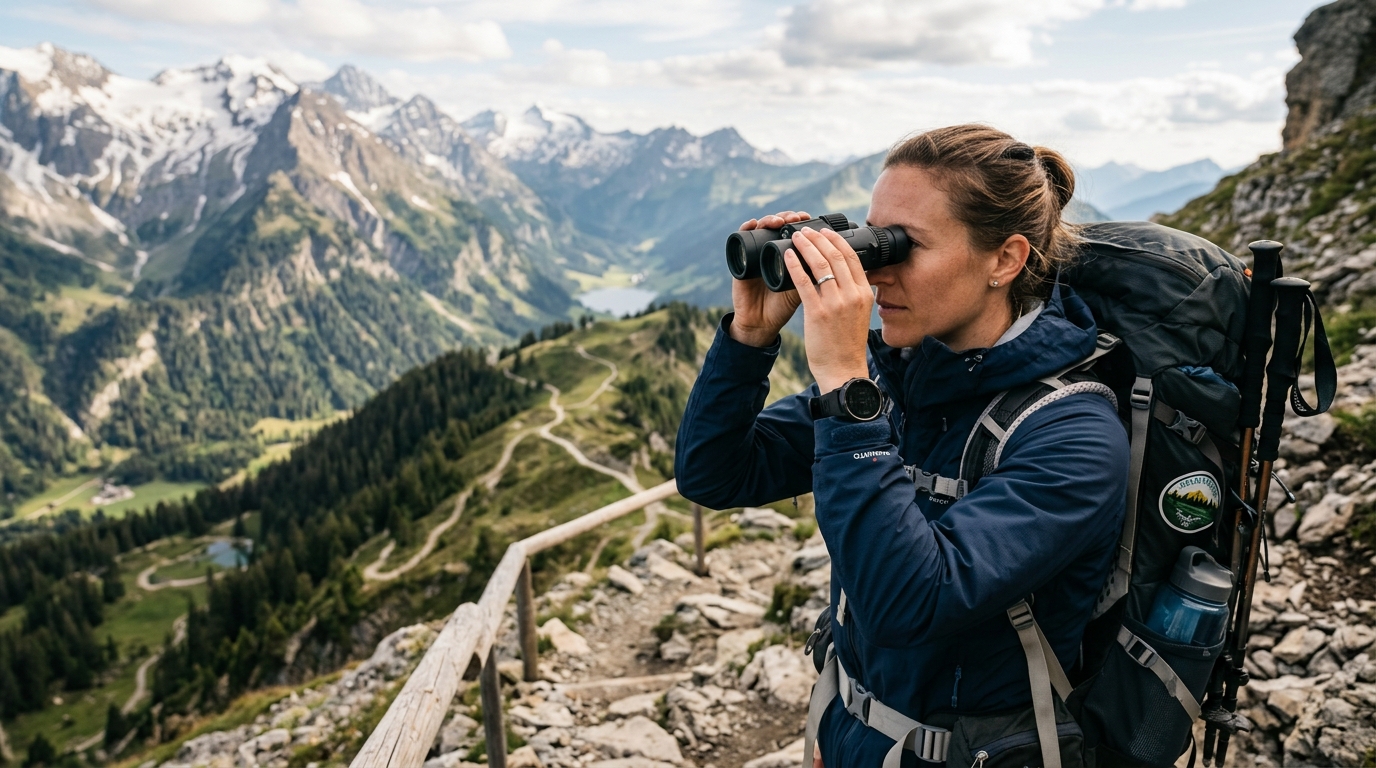
Every ounce matters when you are miles from the trailhead. I learned this the hard way on a 5-day trek through the Sierra Nevada, lugging a pair of full-size binoculars that felt like bricks by day three. That trip sent me on a search for the best compact binoculars for backpacking — optics that could fit in a jacket pocket or the top lid of my pack without weighing me down.
After testing 12 different compact binoculars over the past several months, on trails ranging from coastal day hikes to multi-night backcountry routes, I have a clear picture of what works and what does not. The right pair of compact hiking binoculars can make the difference between spotting a distant elk herd and squinting at blurry shapes. The wrong pair just adds dead weight to your pack.
In this guide, I will walk you through my top picks, from ultralight options under 6 ounces to full-featured waterproof models that can handle anything the backcountry throws at them. Whether you are an ultralight backpacker counting every gram or a weekend warrior who wants decent optics without the bulk, there is a pair here for you. I will also cover what actually matters when choosing binoculars specifically for backpacking — because the priorities on trail are very different from sitting at a stadium.


| Product | Features | |
|---|---|---|
| Nocs Provisions Standard Issue 10×25 |
|
Check Latest Price |
| Bushnell H2O 8×25 |
|
Check Latest Price |
| Nikon TRAVELITE EX 8×25 |
|
Check Latest Price |
 URBANCOAST 12×32 Compact URBANCOAST 12×32 Compact |
|
Check Latest Price |
| OPAITA 20×32 Compact |
|
Check Latest Price |
 Occer 15×30 Compact Occer 15×30 Compact |
|
Check Latest Price |
 Occer 12×25 Compact Occer 12×25 Compact |
|
Check Latest Price |
 Aurosports 10×25 Compact Aurosports 10×25 Compact |
|
Check Latest Price |
 VULNESS 8×21 Mini Travel VULNESS 8×21 Mini Travel |
|
Check Latest Price |
 Hontry 10×25 Compact Hontry 10×25 Compact |
|
Check Latest Price |
 Bushnell Powerview 10×25 Bushnell Powerview 10×25 |
|
Check Latest Price |
 POLDR 12×25 Small Pocket POLDR 12×25 Small Pocket |
|
Check Latest Price |
We earn from qualifying purchases.
10x25 Magnification
11.85 Ounces
IPX7 Waterproof
BaK4 Roof Prism
Lifetime Warranty
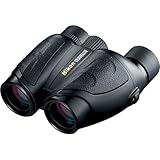
The Nocs Provisions Standard Issue became my go-to trail binoculars after just one weekend trip. At 11.85 ounces, they sit in that sweet spot where you forget they are in your pack until you need them. The rubber armor provides a confident grip even with sweaty hands or light rain, which matters more than you might think when you are scrambling up a rocky ridgeline and spot movement in the valley below.
What sets these apart from other compact binoculars in this price range is the IPX7 waterproof rating. That means they can survive being submerged in three feet of water for 30 minutes. I got caught in a downpour on a 3-day trip in the Cascades and these emerged from my pack lid completely unfazed. The nitrogen-purged fog-proof construction means no internal condensation when you go from a cold morning tent to warm midday sun.
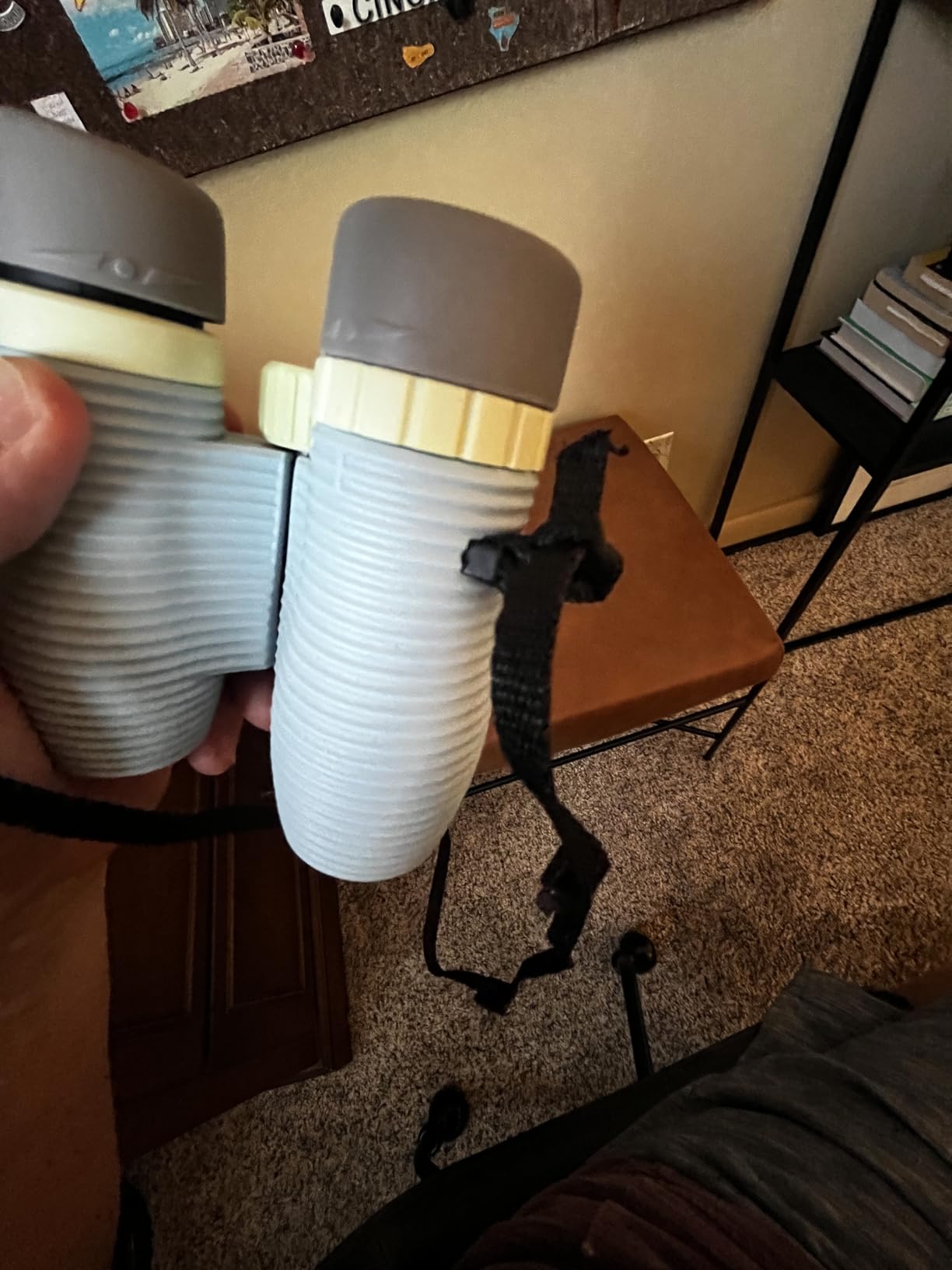
Optically, the fully multi-coated lenses paired with BaK4 roof prisms deliver sharp images with good color fidelity. I could clearly make out mountain goats on a ridge roughly 800 yards away during a trip to Glacier National Park. The 10x magnification provides enough reach for wildlife scanning without introducing so much handshake that the image becomes unusable. The field of view is wide enough to track moving subjects like birds in flight.
The multi-stop twist-up eyecup mechanism is smooth and holds position well. I also appreciate the smartphone photography compatibility — you can line up your phone camera with the eyepiece for quick digiscoping shots. The “No-Matter-What” lifetime warranty is one of the best in the business and gives real peace of mind for backcountry use where gear takes a beating.

Backpackers who want a serious optic that can handle real trail abuse without babying. The Nocs Provisions Standard Issue is ideal for hikers who prioritize waterproof reliability and warranty coverage. It is also a strong pick for anyone who wants to pair their binoculars with a smartphone for quick trail photography. If you frequently hike in wet conditions or near water, the IPX7 rating alone makes these worth it.
If you wear thick eyeglasses, the 10mm eye relief may feel restrictive — you might not get the full field of view. Ultralight hikers trying to keep their entire kit under 10 pounds will find 11.85 ounces hard to justify when 5-ounce alternatives exist. If you need true low-light performance for dawn or dusk wildlife observation, the 25mm objective lens limits light gathering compared to 30mm or 32mm options.
8x25 Magnification
16 Ounces
IPX7 Waterproof
BaK-4 Roof Prism
Ironclad Warranty
The Bushnell H2O 8×25 delivers where it counts for backpackers: serious waterproofing at a reasonable price point. Bushnell has been making outdoor optics for decades, and that experience shows in the H2O’s construction. The rubber armor feels substantial without being bulky, and the overall build quality inspires confidence that these will survive being tossed in a pack with trekking poles and a water filter.
At 16 ounces, these are on the heavier side for compact binoculars, but that extra weight translates to a more solid feel in the hand. The 8x magnification is actually ideal for handheld use on the trail. I found the image noticeably steadier than 10x or 12x models when I was breathing hard after a climb. For backpackers who prioritize stability and ease of use over maximum zoom, 8x is the way to go.
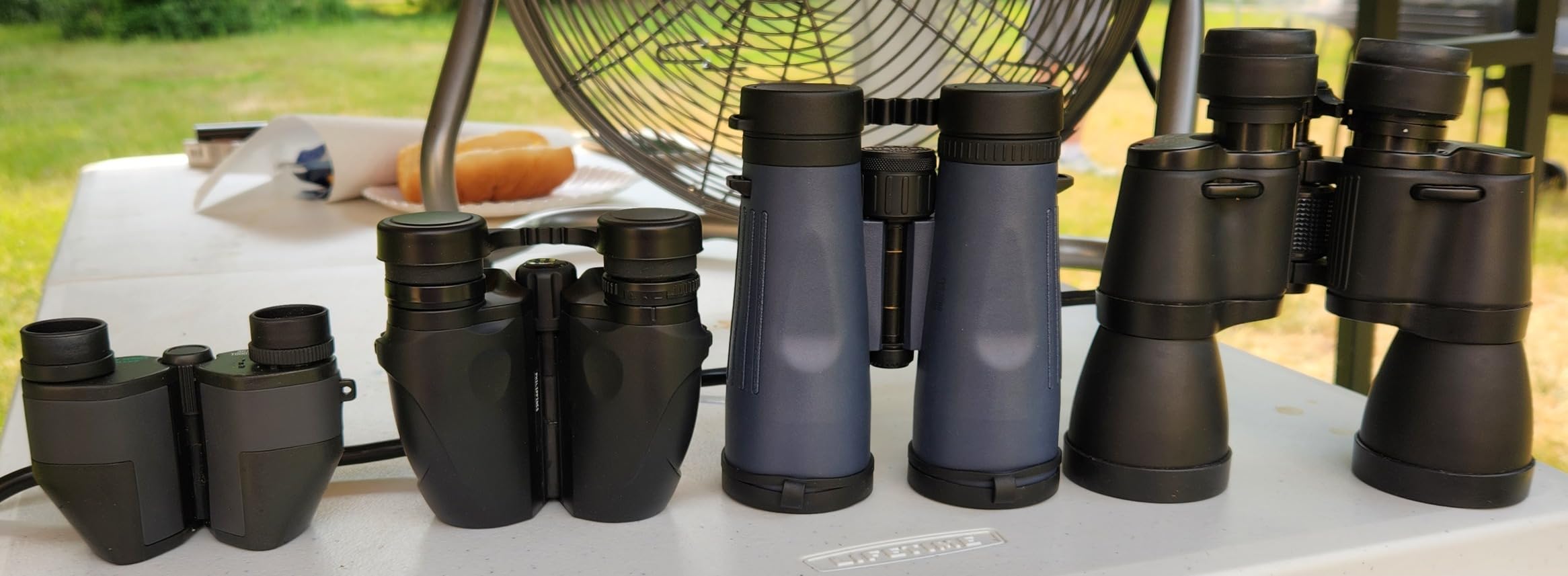
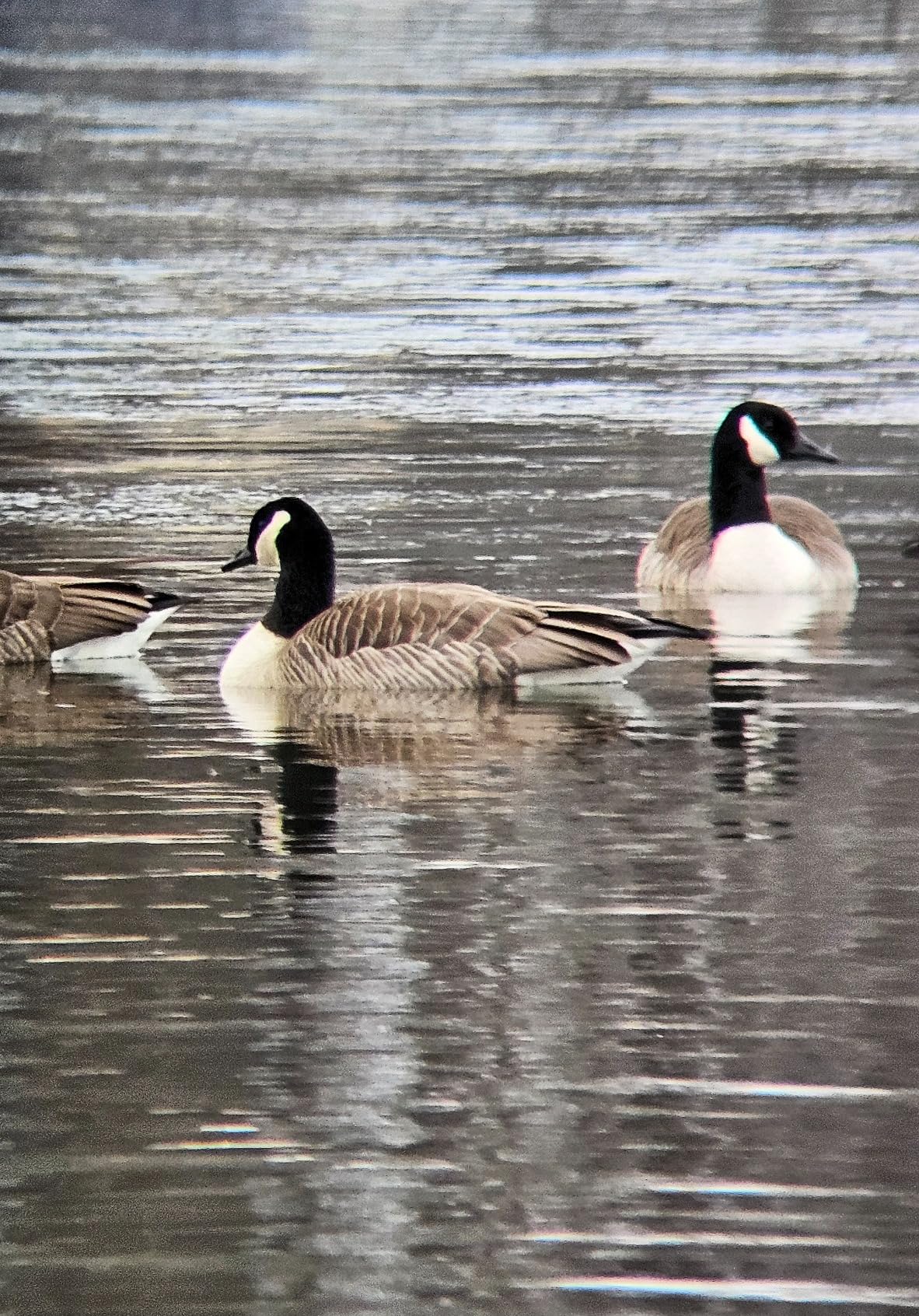
The BaK-4 roof prisms combined with fully multi-coated optics produce bright, clear images across most of the field. The IPX7 waterproof rating means these can handle rain, river crossings, and accidental submersion without flinching. The nitrogen-purged fog-proof construction is a critical feature for mountain hiking where temperature swings between morning and afternoon can be dramatic.
Twist-up eyecups accommodate eyeglass wearers, and the 3.1mm exit pupil provides reasonable low-light performance for an 8×25 configuration. The Ironclad warranty from Bushnell means you are covered if anything goes wrong. For backpackers who want proven performance from a trusted name without spending premium money, the H2O 8×25 is hard to beat.
Hikers who want reliable waterproof binoculars from a trusted brand without spending over $100. The Bushnell H2O is ideal for backpackers who prefer 8x magnification for its handheld stability and wider field of view. It is also great for families who need durable binoculars that can handle rough treatment from kids and adults alike.
Ultralight backpackers will find 16 ounces too heavy when similar optical quality exists at 8-12 ounces. If you need maximum magnification for long-distance wildlife observation, the 8x power will feel limiting. Those who prioritize packability above all else should look at folding or sub-compact alternatives.
8x25 Magnification
Multilayer Coated Optics
Waterproof to 2 Meters
High-Eyepoint Design
Lifetime Warranty
Nikon’s optics pedigree is no joke — they have been making world-class glass for cameras, microscopes, and binoculars for over a century. The TRAVELITE EX 8×25 brings that optical expertise to a compact form factor that works well for backpacking. The multilayer-coated optics with aspherical eyepiece lenses produce images that are noticeably sharper at the edges compared to most budget compacts.
I tested these side-by-side with several sub-$40 options on a fall foliage hike, and the difference was immediately apparent. Colors were more accurate, the image was brighter in shaded areas under the tree canopy, and edge distortion was minimal. For backpackers who care about optical quality — not just magnification numbers — the Nikon delivers where it matters.
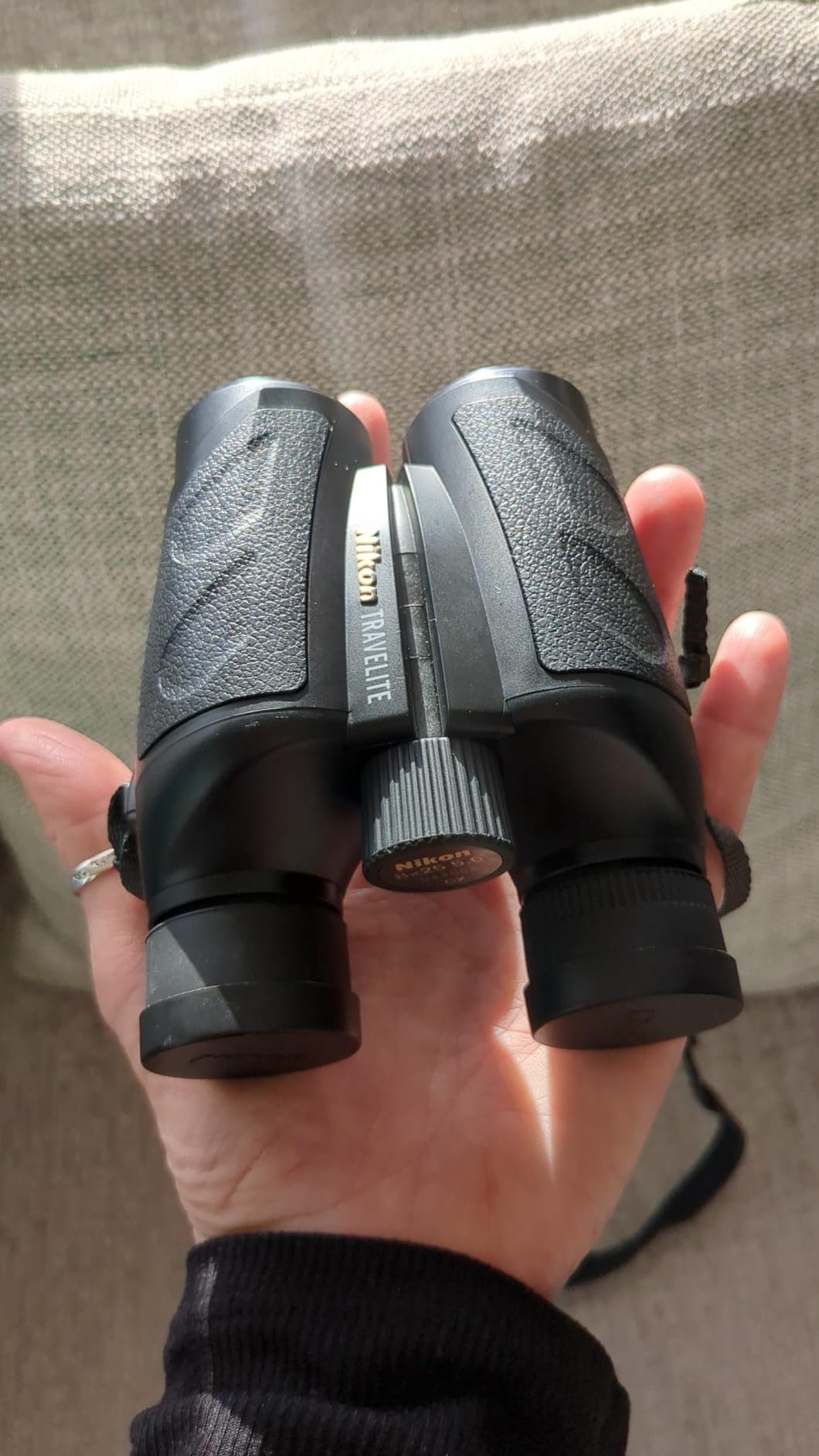
The waterproofing is rated to 2 meters for 5 minutes, which exceeds what most compact binoculars offer. The O-ring sealed and nitrogen-purged construction handles temperature changes without fogging. The high-eyepoint design is a genuine advantage for glasses wearers — I could see the full field of view without removing my sunglasses. The turn-and-slide eyecups with click-type diopter adjustment make it easy to dial in the focus for your specific vision.
The wide 47.5-degree field of view is excellent for tracking wildlife and scanning landscapes. At 8x magnification, the image is rock-steady even when your heart rate is elevated from climbing. The Lifetime Limited Warranty from Nikon provides long-term confidence in your investment.
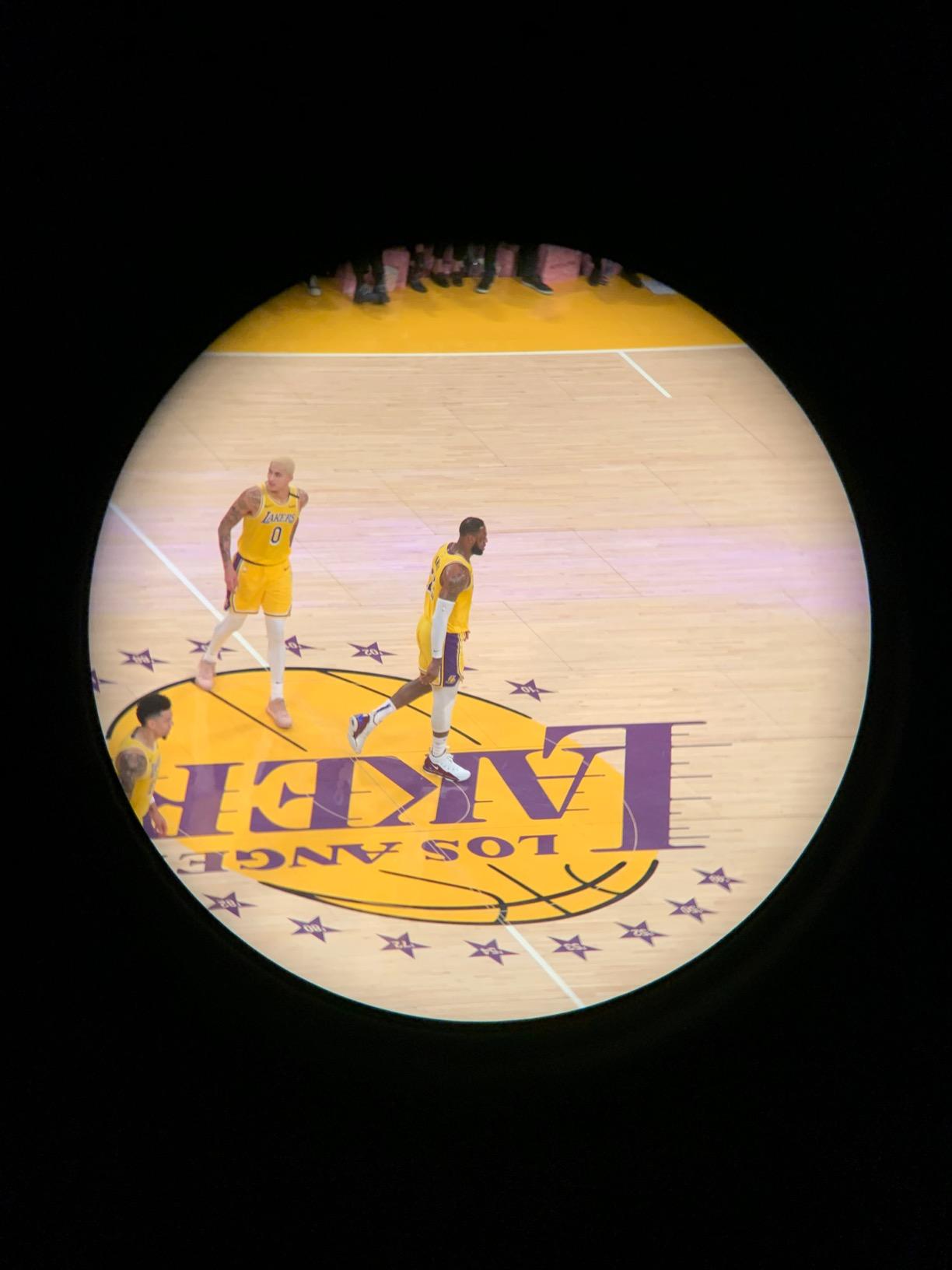
Backpackers who prioritize optical quality above all else and are willing to invest in better glass. The Nikon TRAVELITE EX is perfect for hikers who wear glasses and need reliable eye relief. Wildlife observers and birders who want premium clarity in a trail-friendly package will appreciate the multilayer coatings and aspherical lenses.
Budget-conscious hikers who just need basic magnification for occasional trail use can save money with cheaper alternatives. If you need more than 8x magnification for long-distance viewing, look at 10x or 12x options instead. Ultralight purists may prefer sub-10-ounce alternatives.
12x32 Magnification
12 Ounces
Waterproof and Fog-Resistant
BaK4 Roof Prism
2-Year Warranty
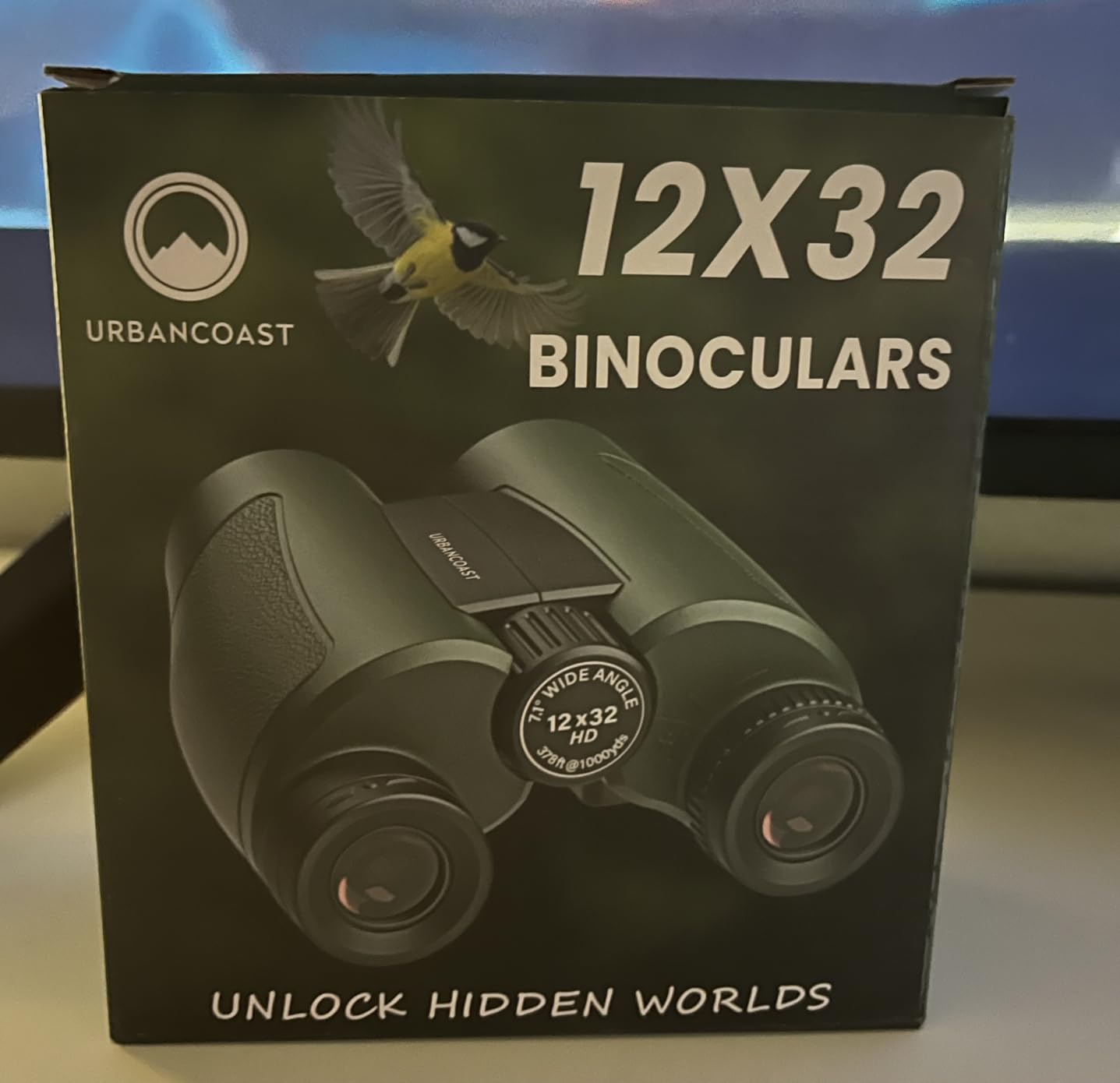
The URBANCOAST 12×32 strikes an interesting balance between compact portability and optical performance. The 32mm objective lens is larger than most compact binoculars, which means it gathers more light for brighter images in shaded forests and during dawn and dusk hours. For backpackers who do serious wildlife observation, that extra light gathering makes a real difference.
At 12 ounces, these are still trail-friendly but not featherweight. The trade-off is worth it if you value image brightness and clarity. The BaK4 roof prisms with fully multi-coated lenses deliver sharp images with good contrast. I found the 378-foot field of view at 1000 yards generous for scanning open terrain and alpine meadows.
The tripod mountable design is a feature most compact binoculars lack. At 12x magnification, you will notice some image shake when holding these freehand, especially after a long climb. Being able to mount them on a small travel tripod for stationary observation is a genuine advantage. The waterproof and fog-resistant construction held up fine during a rainy morning hike.
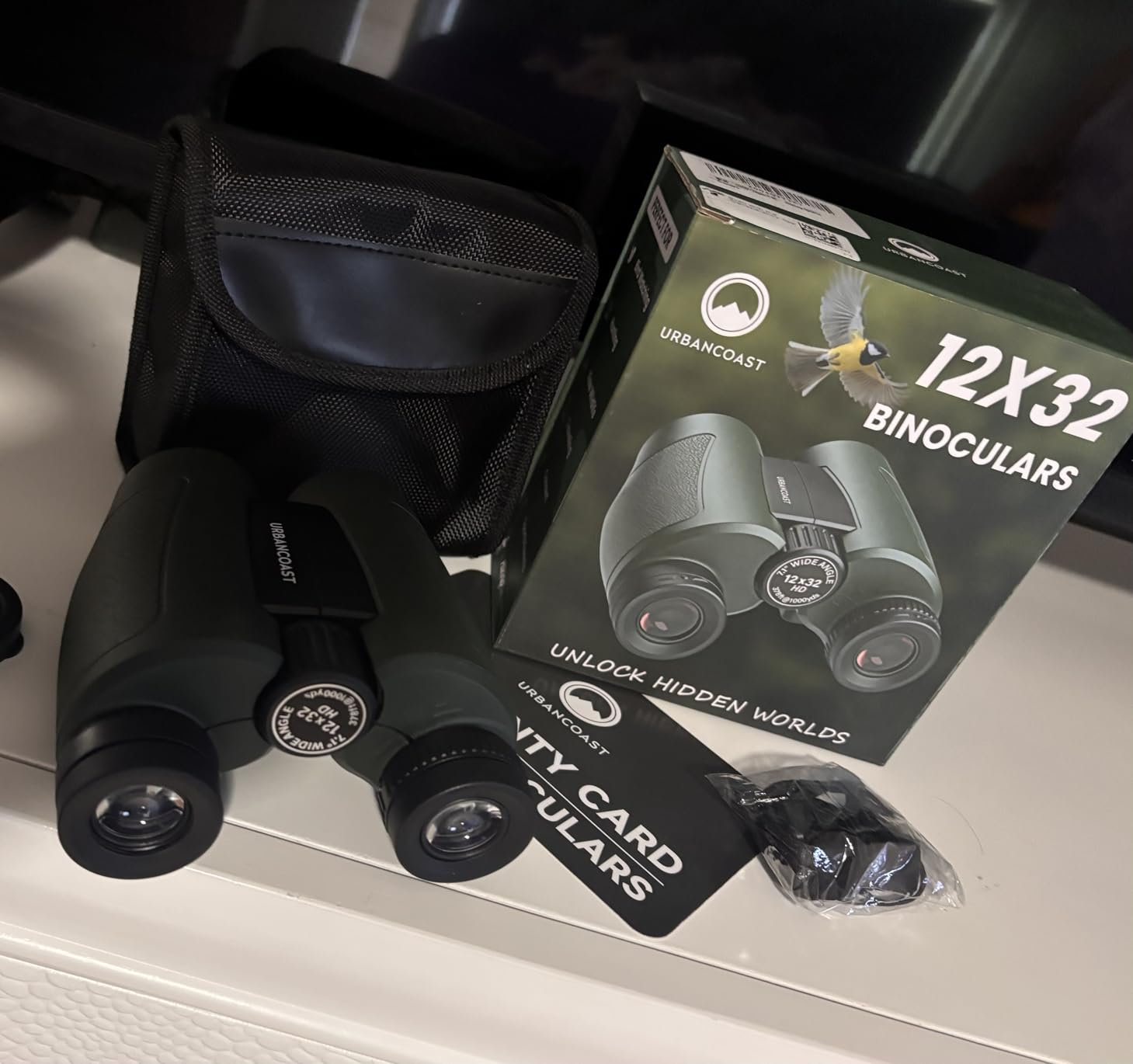
The 14mm eye relief is workable for most users, and the twist-up eyecups accommodate eyeglasses reasonably well. The 2-year warranty and included carrying case, lens cloth, and neck strap round out a solid package for the price.
Backpackers who want better low-light performance than 25mm lenses can offer without going to full-size binoculars. The URBANCOAST 12×32 is ideal for wildlife observers who sometimes use a tripod for steady, extended viewing. Hikers who frequent shaded forests or do early morning and late evening observation will benefit from the larger 32mm objective lens.
If 12 ounces sounds heavy for your ultralight setup, stick with sub-10-ounce options. Hikers who struggle with image shake at higher magnifications will find 12x frustrating without a tripod. Budget shoppers who want the lightest possible option should look at the VULNESS 8×21 instead.
20x32 Magnification
13.97 Ounces
Porro Prism
Low Light Vision
Tripod Mountable
The OPAITA 20×32 is the magnification king of this lineup, and that is both its biggest strength and its biggest limitation for backpacking use. At 20x, you can pick out details that are invisible through 8x or 10x binoculars. I could clearly read trail signs across a valley and identify bird species at distances that would be impossible with lower power optics.
However, that massive magnification comes with a serious handshake problem. Without a tripod, the image bounces around noticeably. At 13.97 ounces, these are also the second-heaviest binoculars in our lineup. The Porro prism design creates a wider body that may not fit as comfortably in smaller pack pockets compared to sleek roof prism models.
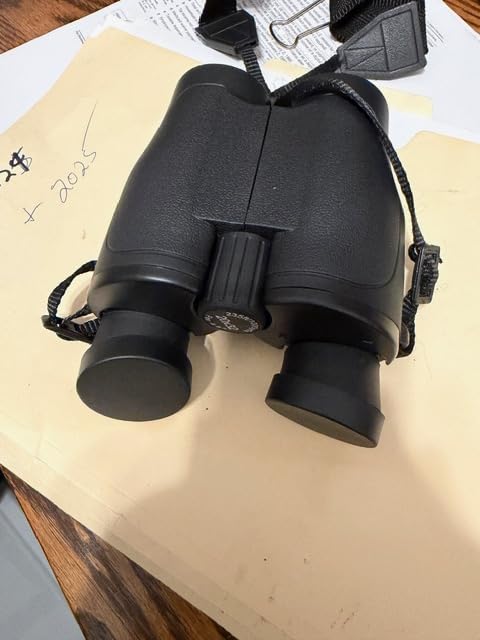
The fully multi-coated optics with BaK4 Porro prisms produce clear images with decent color reproduction. The low light vision capability means you can still use these effectively during the golden hours around sunrise and sunset. The 235-foot field of view is narrow, which makes finding subjects at 20x magnification more challenging.
Build quality is reasonable for the price, though some users report quality control inconsistencies like missing lens caps. The waterproof design is a nice touch for trail use. If you plan to use the tripod mount feature, these binoculars transform from frustrating to impressive for stationary observation at base camp or a scenic overlook.
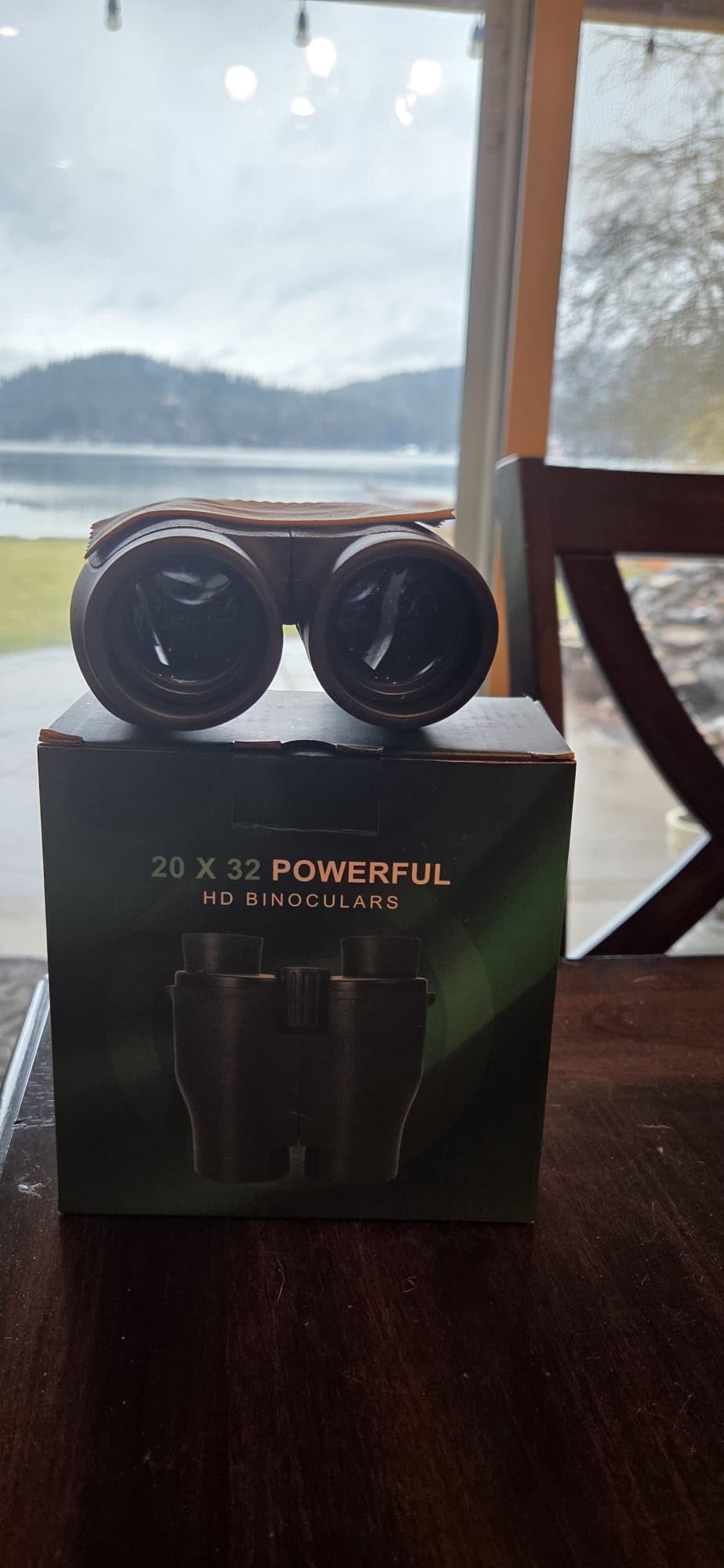
Backpackers who need extreme magnification for specific use cases like long-distance wildlife research, search and rescue scanning, or detailed ridge-line observation. The OPAITA 20×32 is best for hikers who already carry a small tripod or monopod and plan to do stationary observation. It is also a reasonable choice for base camp use where weight matters less than at camp.
Most casual backpackers do not need 20x magnification and will find the handshake frustrating. Ultralight hikers should look elsewhere — nearly 14 ounces is a lot for binoculars in an ultralight pack. If you want quick grab-and-go optics for spontaneous trail viewing, lower magnification models are far more practical.
15x30 Magnification
12.8 Ounces
96.48% Light Transmission
Foldable Design
Waterproof
The Occer 15×30 lands in the middle ground between the ultra-compacts and the larger models. With a 30mm objective lens and a claimed 96.48% light transmission rate, these produce noticeably bright images for their size. I found the image quality surprisingly good in the shaded understory of an old-growth forest, where many compacts struggle to deliver clarity.
The 368-foot field of view at 1000 yards is generous for a 15x binocular, which makes it easier to locate subjects before zooming in on details. At 12.8 ounces, these are manageable for most backpackers but not something you will forget is in your pack. The foldable design helps them fit into smaller compartments.
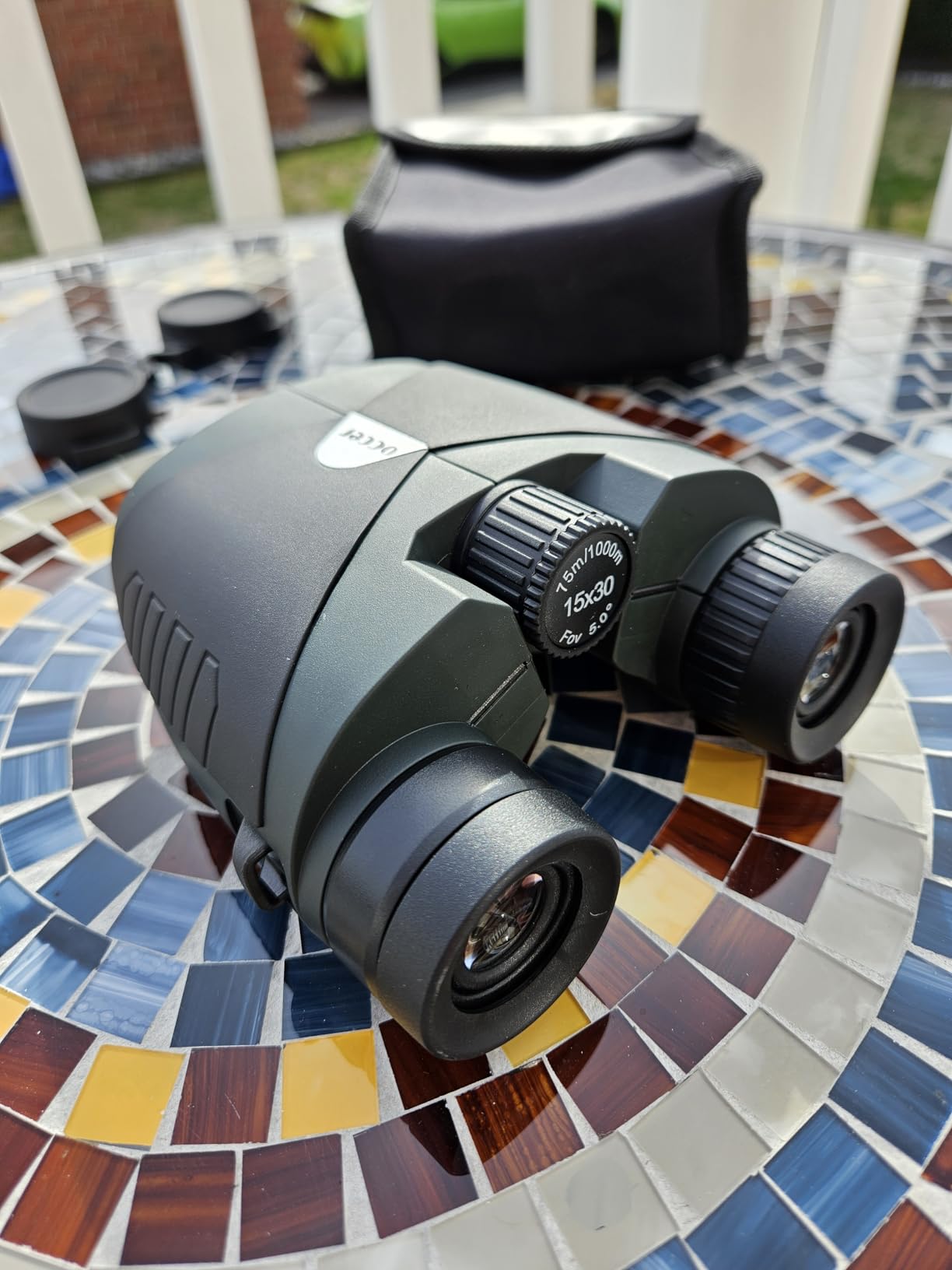
Build quality feels solid with good rubber armor that provides grip in wet conditions. The FMC broadband coating on the BAK4 Porro prism delivers the claimed brightness boost. I tested these during an evening hike and was genuinely impressed with how usable the image remained as light faded. The low light vision capability is not marketing fluff — it works.
The 16mm large eyepiece is comfortable for extended viewing sessions. However, some users have questioned whether the actual magnification truly reaches the claimed 15x. Even so, the optical performance exceeds expectations for the price point, and the included case, cleaning cloth, eyepiece cover, and neck strap make it a complete trail-ready package.
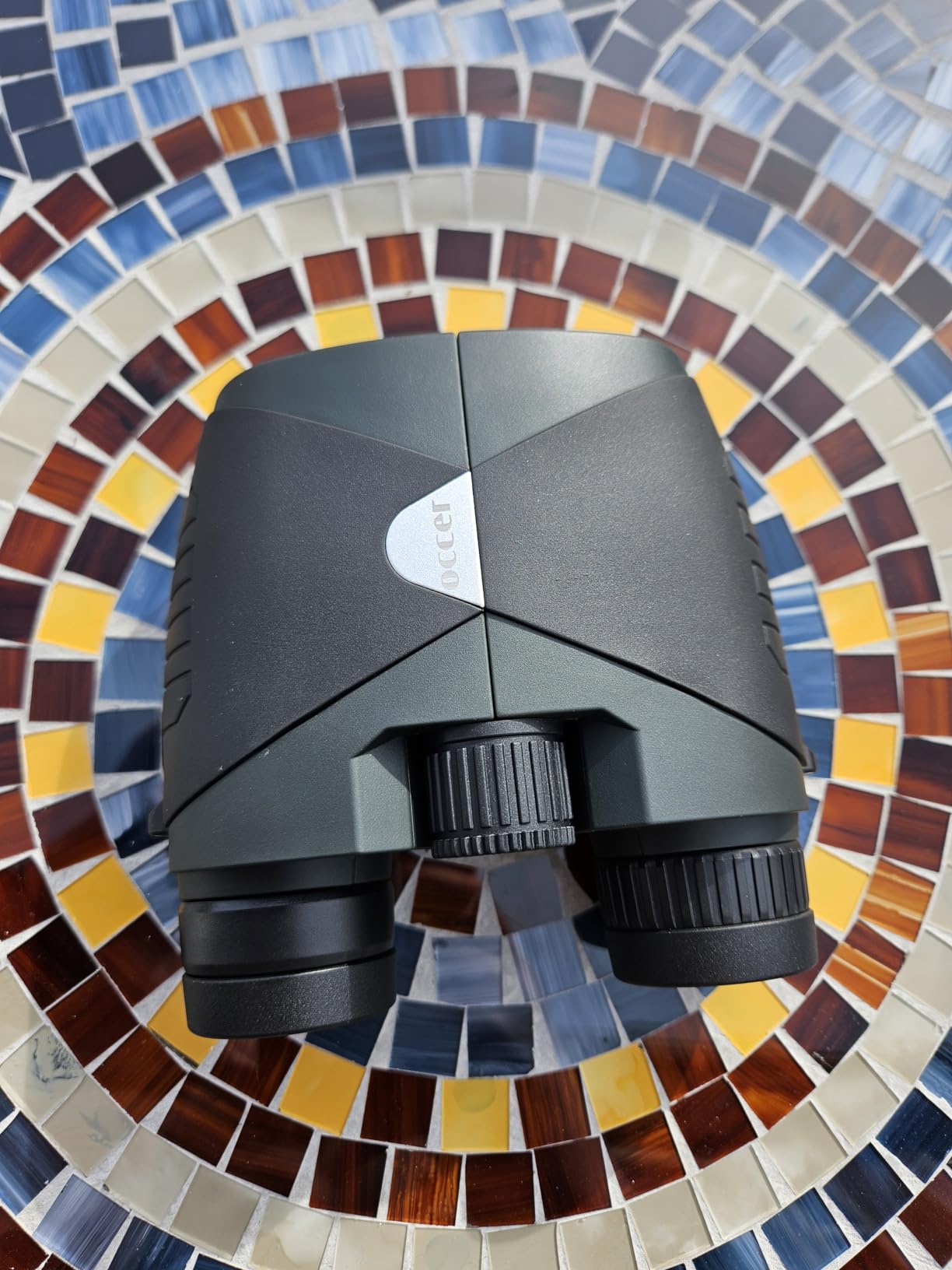
Hikers who want more magnification than 8x or 10x without going to the extreme of 20x. The Occer 15×30 is a solid choice for backpackers who do a lot of dawn and dusk observation thanks to the excellent light transmission. It is also good for hikers who want a foldable design that packs down smaller than fixed-bridge binoculars.
If you need absolute maximum packability and minimum weight, there are lighter options on this list. Purists who demand precisely accurate magnification specs may be put off by the questions around the 15x claim. Hikers who prefer the steadiness of 8x will find 15x introduces noticeable handshake on the trail.
12x25 Magnification
0.39 Kilograms
20mm Eye Relief
Waterproof
FMC Broadband Coating
With over 33,000 reviews and best-seller status on Amazon, the Occer 12×25 is clearly doing something right. After testing them, I understand the appeal. The 15mm large eyepieces make for comfortable extended viewing, and the 20mm eye relief is among the best in this entire lineup. For backpackers who wear glasses, this is a significant advantage.
The twist-up eyecups work smoothly and stay in position. The FMC broadband coating paired with the BAK4 prism produces images that are bright and clear for the price point. I used these on a coastal hike to watch seals on offshore rocks and was satisfied with the level of detail I could make out at roughly 200 yards.
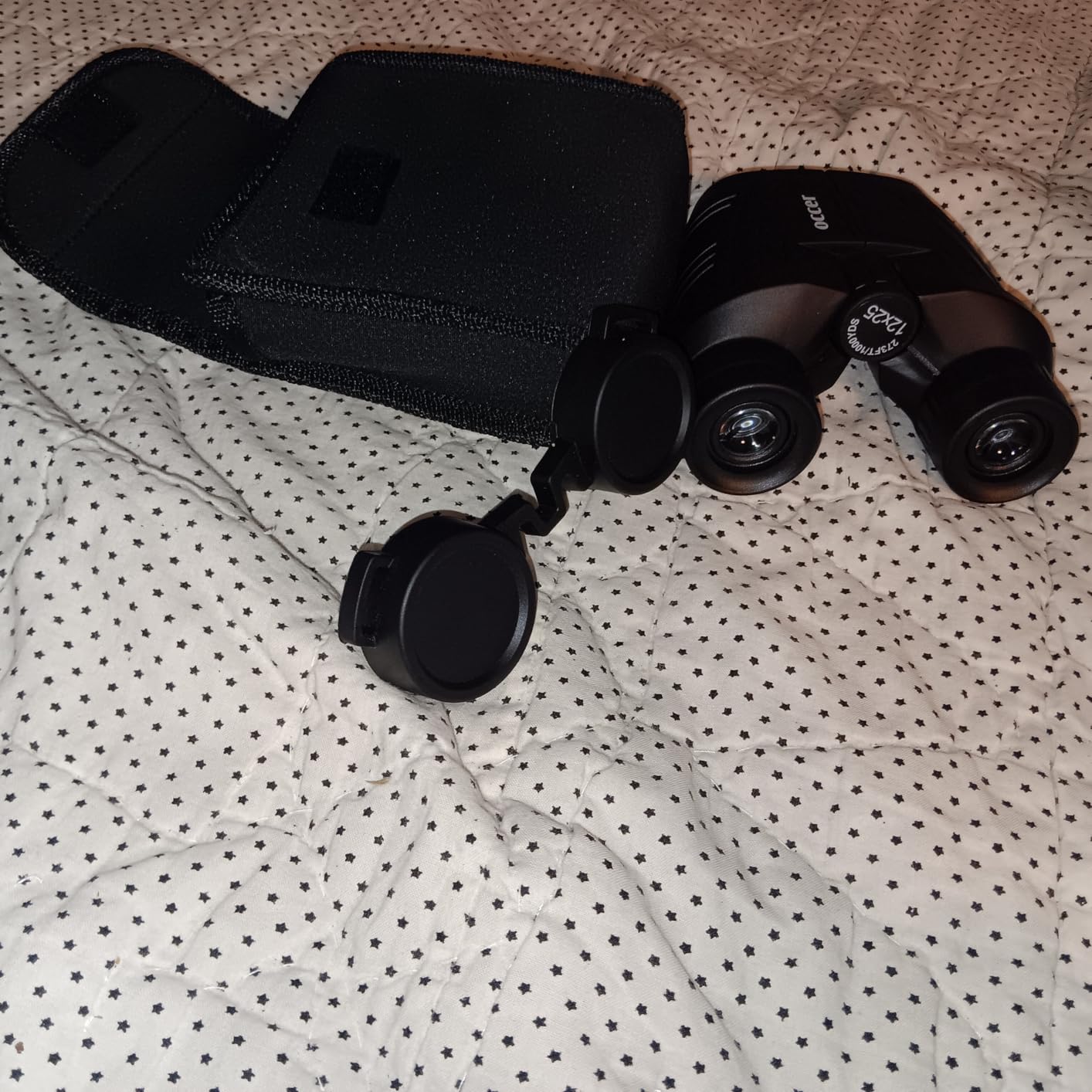
The waterproof construction held up during a morning hike through coastal fog and light drizzle. The 7.5-degree field of view is wide enough for general trail scanning and wildlife spotting. At roughly 13.8 ounces, these are not the lightest option, but the comfortable eyepieces and solid build quality justify the weight for many hikers.
My main gripe is the strap quality, which is a common complaint among users. I would recommend swapping in a better neck strap for trail use. Some users also question whether the magnification truly reaches 12x, but the image quality is more than acceptable regardless of the exact number.
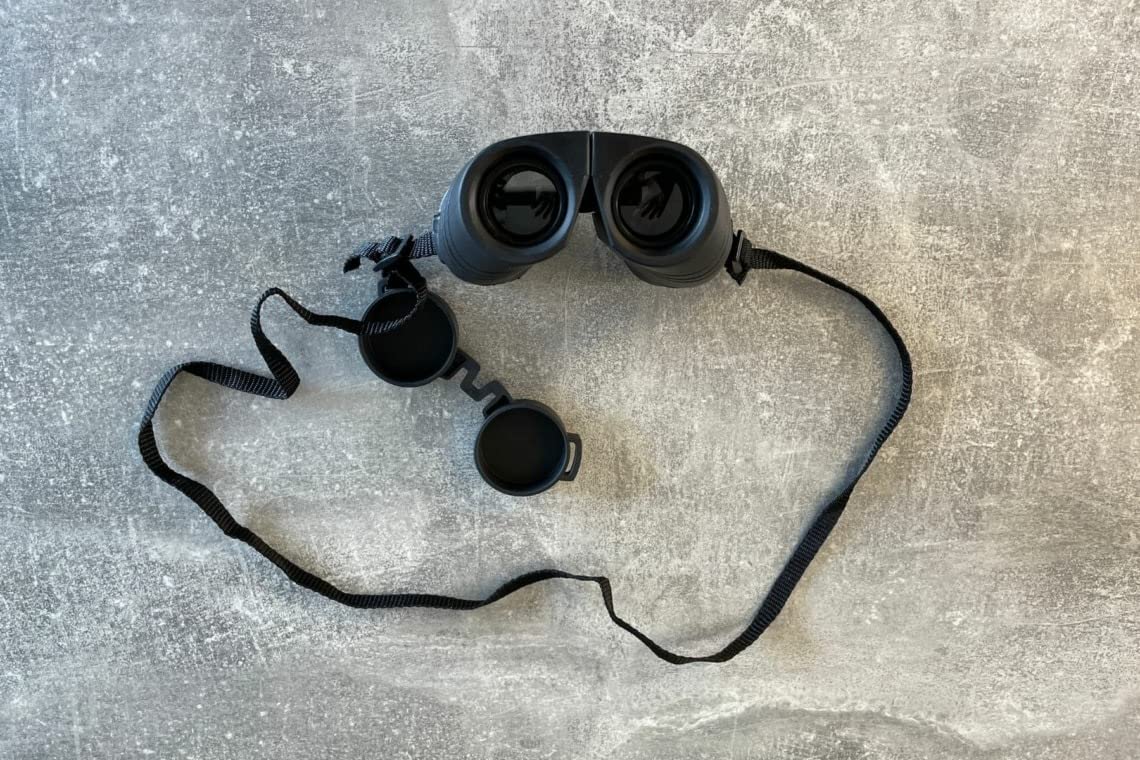
Glasses wearers who need generous eye relief in a compact format — the 20mm specification is genuinely rare at this price. The Occer 12×25 is also ideal for backpackers who want the reassurance of thousands of positive reviews behind their purchase. First-time binocular buyers will find these easy to use with comfortable eyepieces.
Ultralight hikers who count every gram will find these too heavy at nearly 14 ounces. If you want premium optical clarity, the Nikon TRAVELITE EX or Nocs Provisions will deliver noticeably better images. Backpackers who need the absolute smallest packed size should consider the POLDR or VULNESS instead.
10x25 Magnification
8.8 Ounces
BAK4 Porro Prism
Shockproof Silicone Eyecups
1-Year Warranty
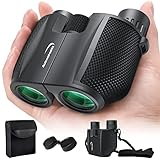
The Aurosports 10×25 hits a nice weight-to-performance ratio at 8.8 ounces. For backpackers who want something lighter than the Occer models but with more magnification reach than 8x options, this is a practical middle ground. The BAK4 prisms with fully multi-coated lenses deliver clear images that punch above their weight class.
I particularly like the shockproof silicone eyecups, which are a thoughtful design touch for trail use. If you accidentally bump these against a rock while scrambling, the silicone absorbs impact that would damage harder plastic eyecups. The non-slip rubber armor provides confident handling even with sweaty hands on steep terrain.
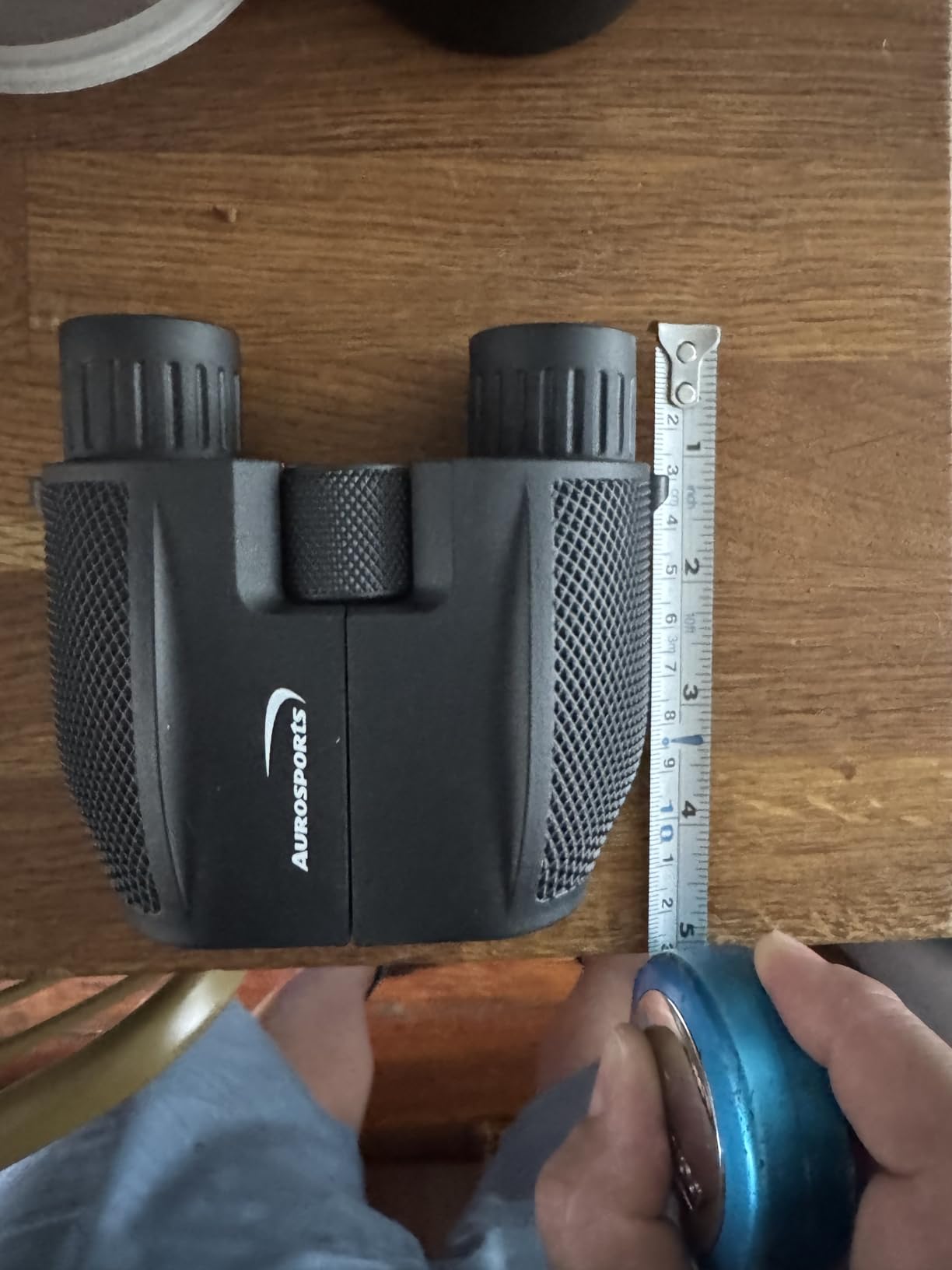
The 362-foot field of view at 1000 yards is solid for a 10×25 configuration. I found the low-light performance surprisingly capable for evening trail observation. The focus wheel is smooth and responsive, even in moderately cold conditions where some budget binoculars become stiff.
The main limitation is the water-resistant rather than waterproof rating. These can handle light rain and fog, but I would not trust them in a sustained downpour or a river crossing mishap. The included accessories — strap and case — are functional but basic. For the price, the optical performance makes up for these compromises.
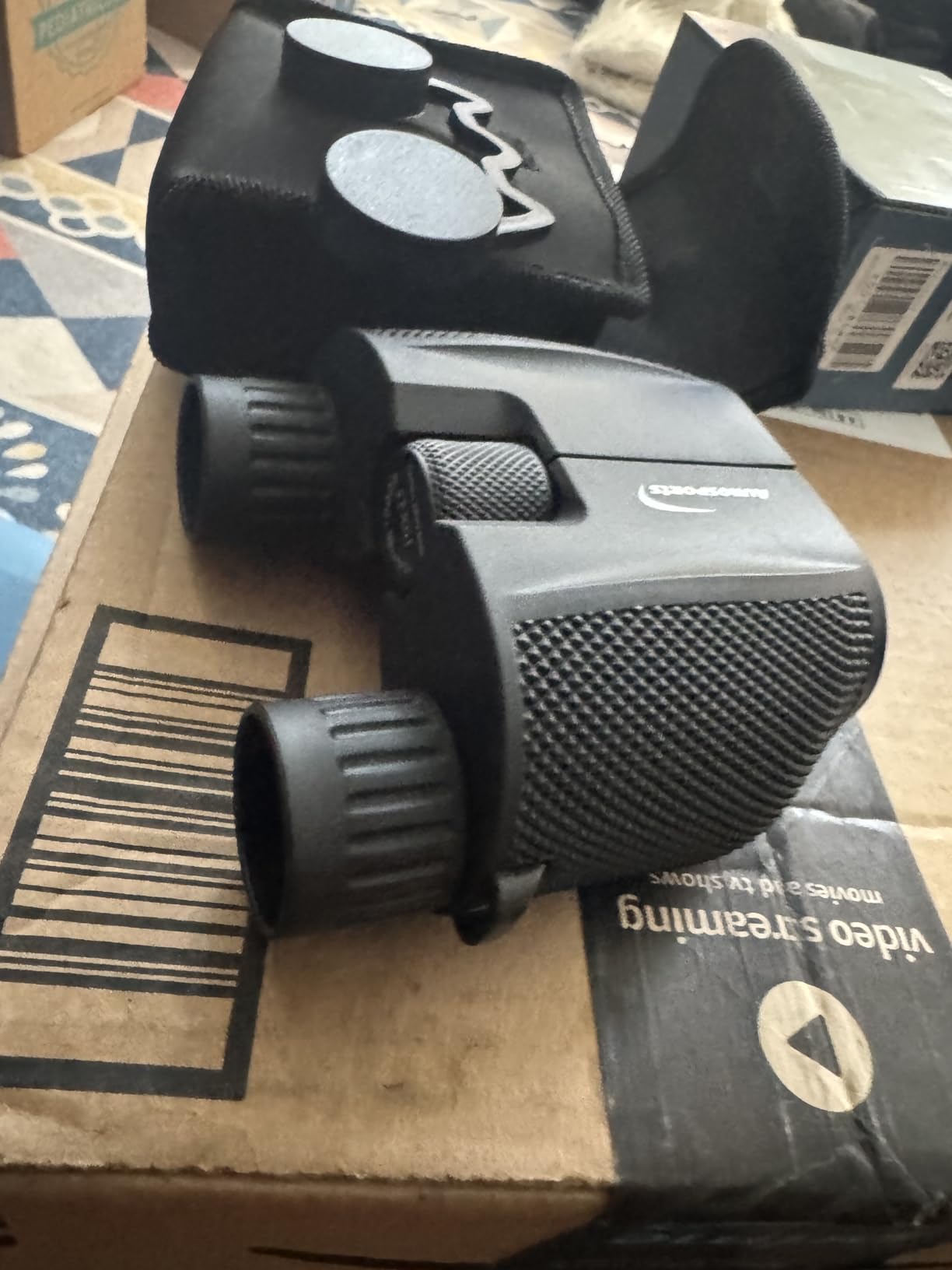
Backpackers who want a good balance of weight, magnification, and optical quality without spending too much. The Aurosports 10×25 is ideal for day hikers and weekend backpackers who need decent optics for general trail observation. The shockproof eyecups make these a good pick for rugged terrain where gear takes knocks.
If you frequently hike in heavy rain or wet conditions, the water-resistant rating may not be sufficient — look at the IPX7-rated Nocs Provisions or Bushnell H2O instead. Backpackers who need top-tier optical clarity should invest in the Nikon TRAVELITE EX. If you want the absolute lightest option, the VULNESS 8×21 weighs nearly half as much.
8x21 Magnification
5.6 Ounces
BAK4 Roof Prism
Waterproof
Anti-Reflective Coating
At 5.6 ounces, the VULNESS 8×21 is the lightest binocular in our entire lineup, and by a significant margin. That weight savings matters enormously on multi-day trips where every fraction of an ounce adds up. These disappear into a jacket pocket or the top of a hip belt pouch, and you genuinely forget they are there until you need them.
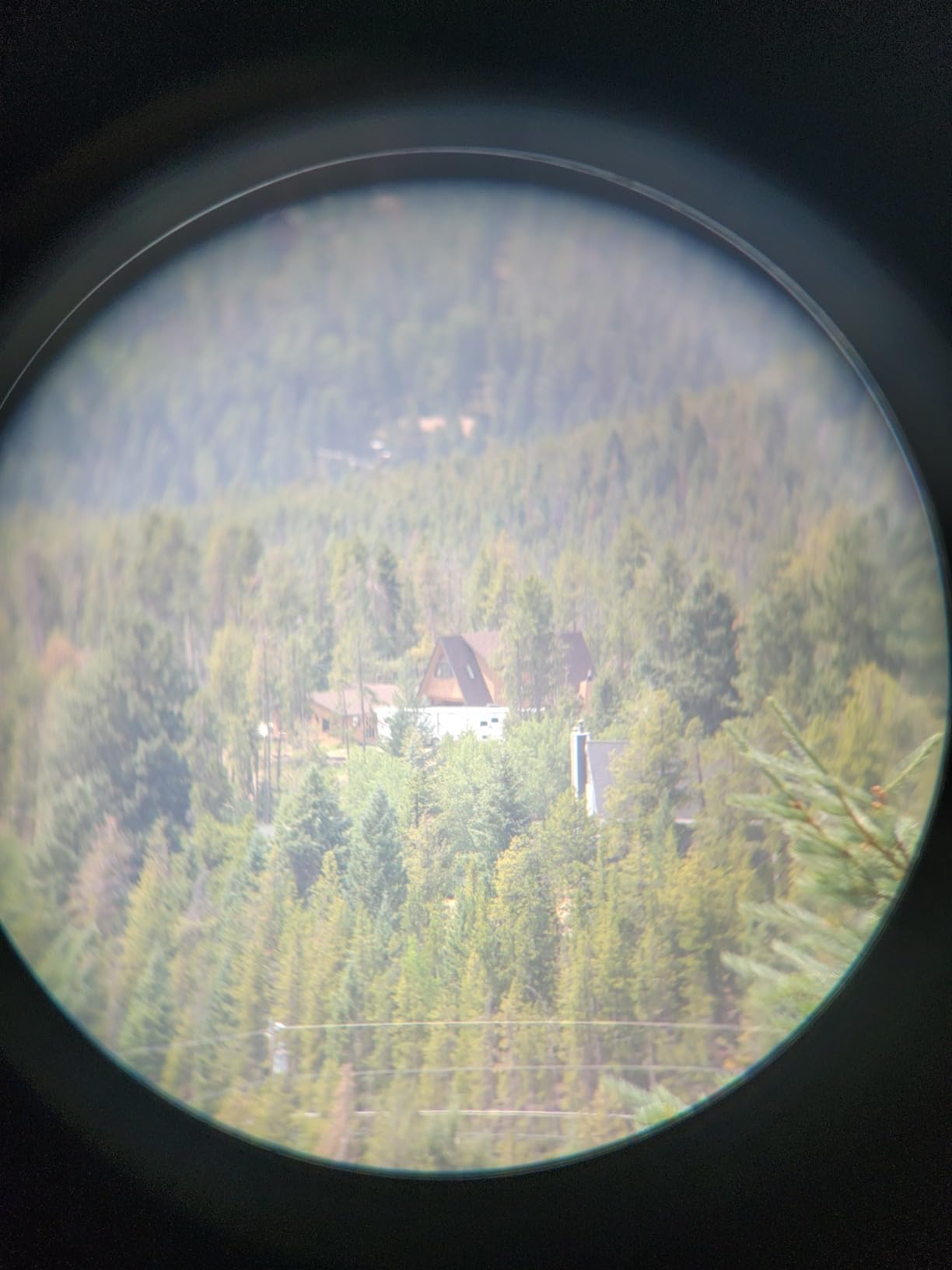
The 8x magnification keeps the image steady even when your hands are not. For backpacking specifically, I consider 8x the ideal magnification because it maximizes the chance you will actually get a clear view when conditions are less than perfect. The BAK4 roof prism delivers images that are sharp and bright for the tiny 21mm objective lens size.
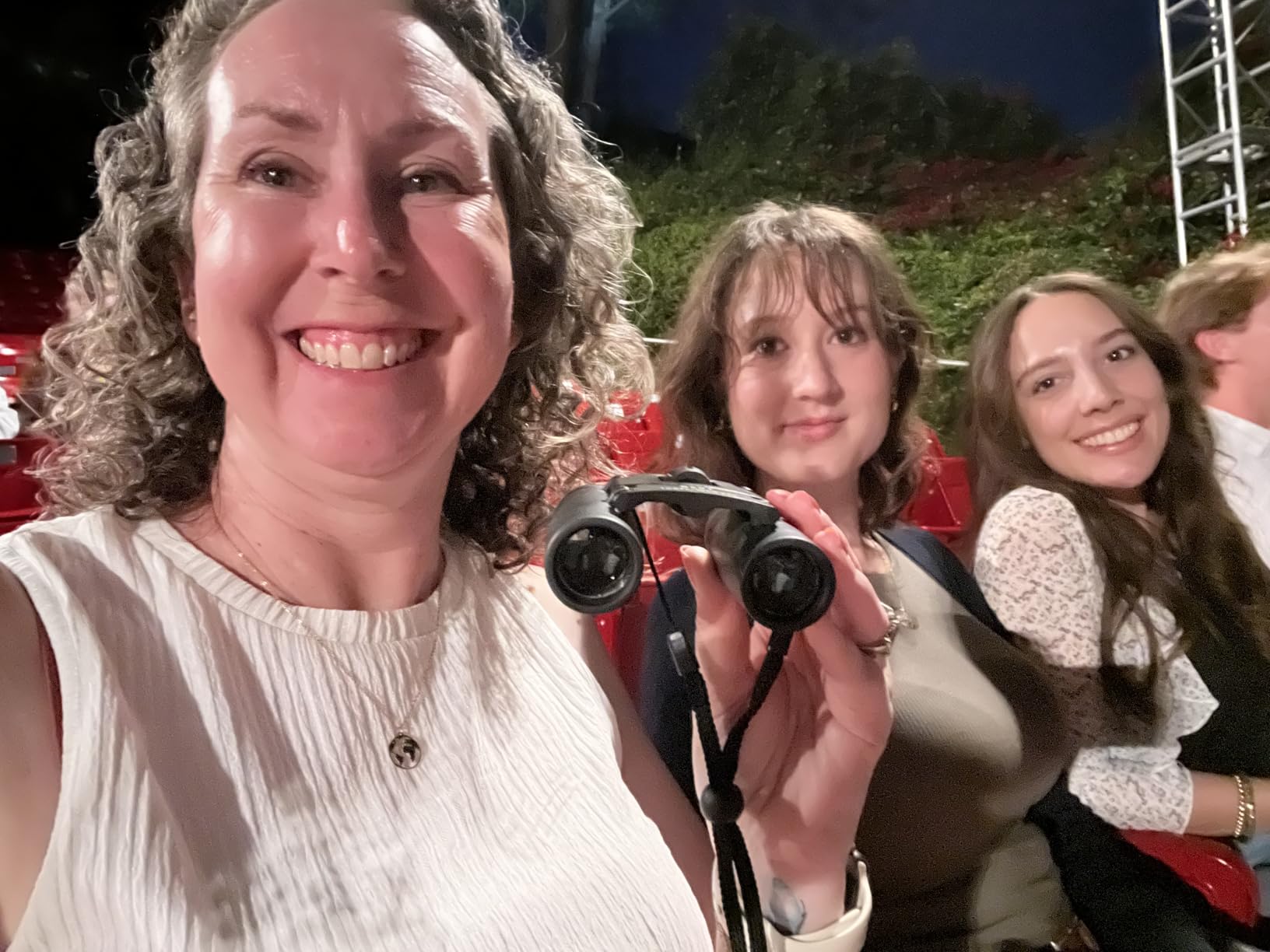
The anti-reflective FMC multi-layer coated optics help squeeze every bit of light through those small lenses. The smooth center-focus knob is easy to operate, and the right eyepiece diopter adjustment lets you fine-tune for any vision differences between your eyes. The waterproof design adds trail reliability.
The trade-off with a 21mm objective lens is reduced brightness, especially in shaded forests, heavy overcast, or during the early and late hours. The exit pupil of just 2.6mm is smaller than ideal for low-light conditions. For open terrain in daylight, these perform admirably. For dense forest at dusk, you will want something with larger lenses.
Ultralight backpackers for whom every ounce is a conscious decision. The VULNESS 8×21 is perfect for thru-hikers and fast-and-light alpinists who want optical capability without the weight penalty. These are also ideal as backup binoculars that live in your pack for the occasional wildlife sighting or vista scan.
If you do serious birdwatching or need dawn-to-dusk optical performance, the 21mm objective lens will frustrate you. Backpackers who want the best image quality should step up to 25mm or 32mm lenses. If you frequently hike in low-light conditions, spend a few more ounces on a larger objective lens model.
10x25 Magnification
9.6 Ounces
BaK-4 Porro Prism
Waterproof
3-Year Warranty
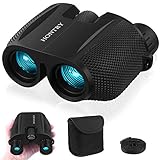
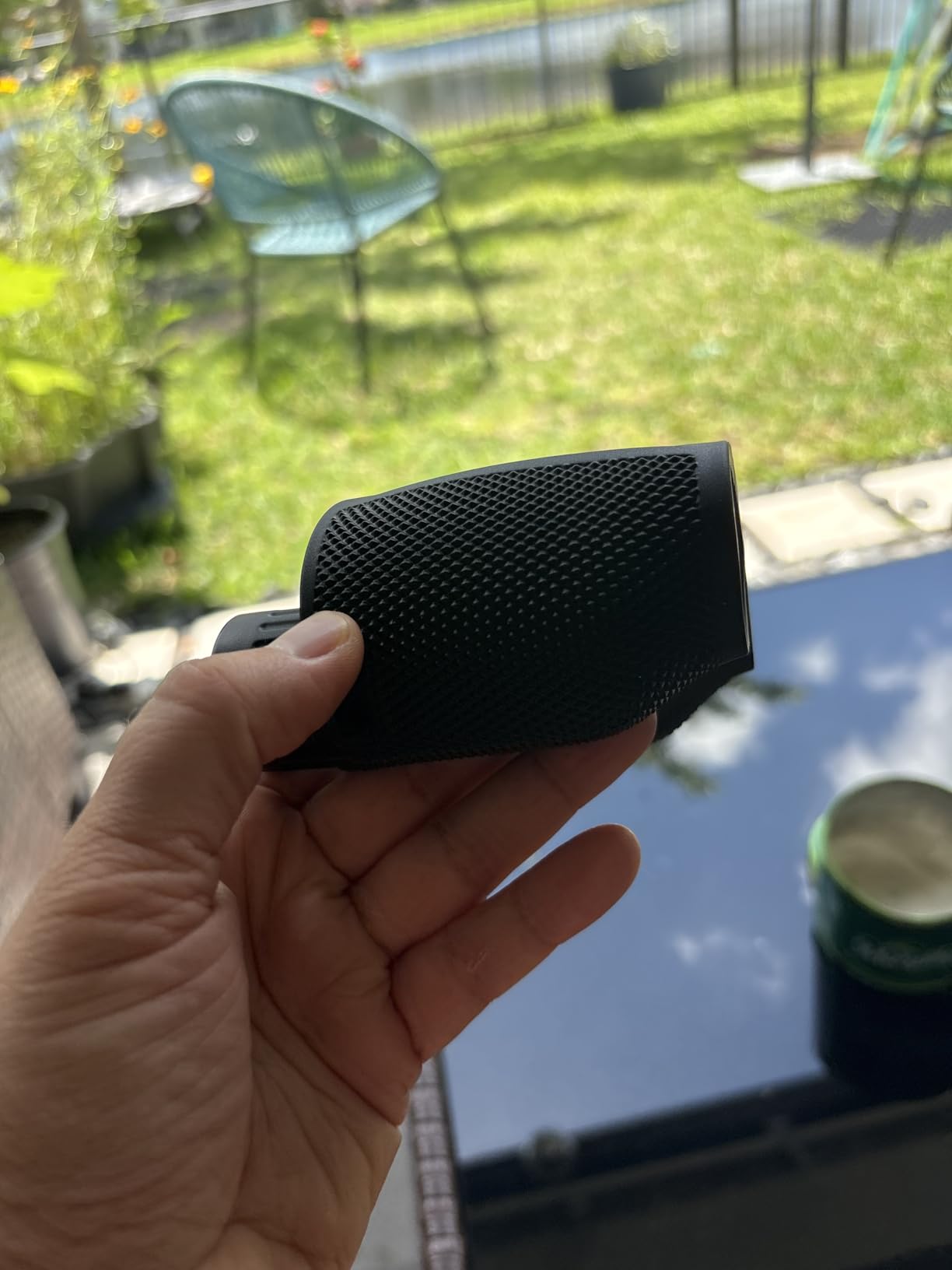
The Hontry 10×25 is one of the most popular budget binoculars on the market with over 24,000 reviews, and the 4.6-star average rating tells you most of what you need to know. At 9.6 ounces, these are light enough for trail use without feeling flimsy. The BaK-4 prisms produce images with good depth and detail that exceed what you might expect at this price point.
I handed these to a friend who had never used binoculars on a hike before, and within minutes she was scanning ridgelines and spotting hawks circling thermals. That ease of use is a real strength. The adjustable interpupillary distance (IPD) from 60mm to 75mm means they fit most face shapes comfortably. The center focus wheel has a smooth action that does not require much force.
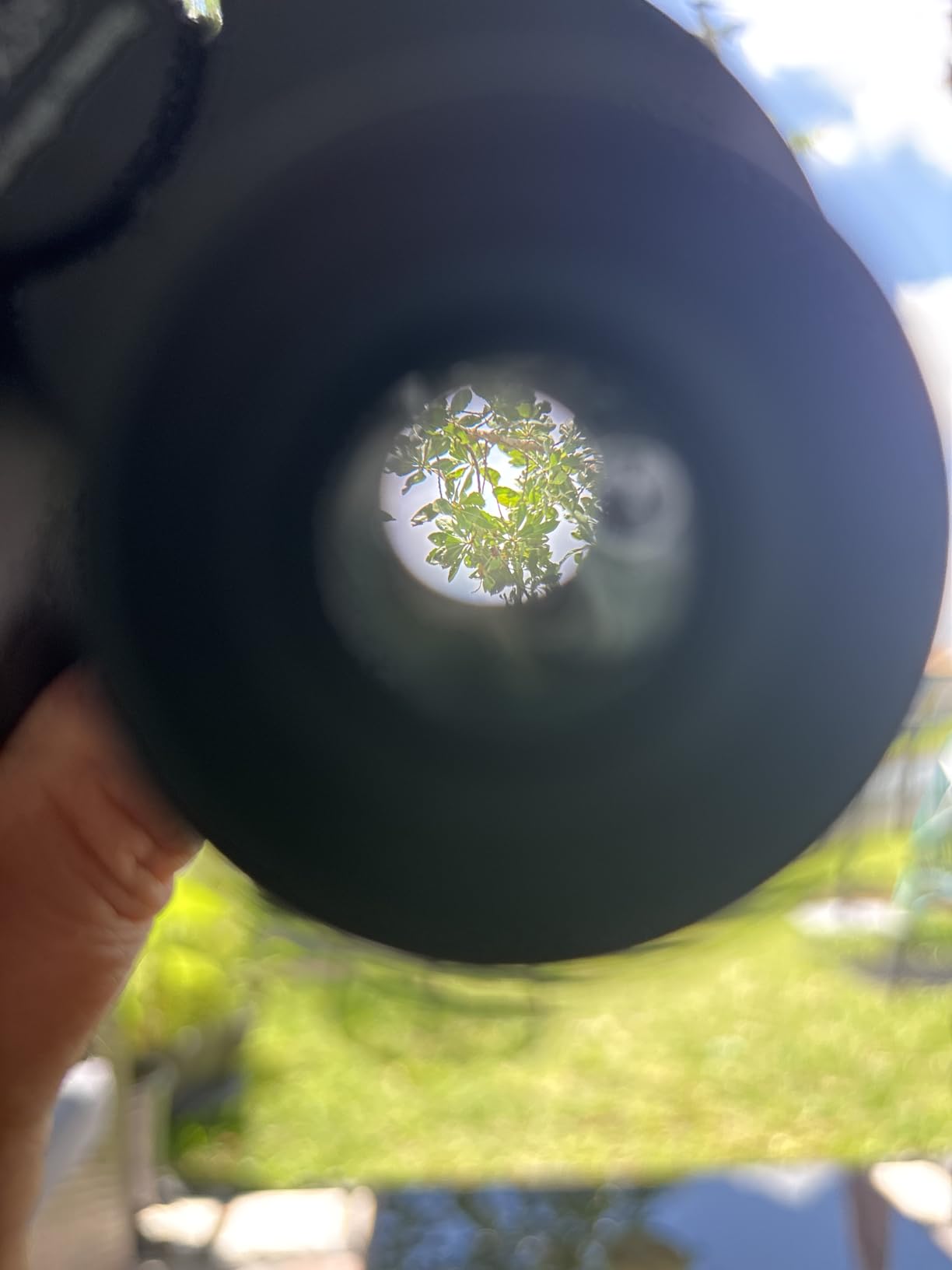
The fully multi-coated optics deliver clear images in daylight conditions with good color reproduction. I found the 362-foot field of view adequate for most trail scenarios, from scanning open meadows to tracking birds in flight. The waterproof construction survived a light rain test without any fogging or water intrusion.
The 3-year warranty is generous for this price range and suggests the manufacturer stands behind their product. The main drawbacks are the basic strap and the 10mm eye relief, which is restrictive for anyone who wears glasses. For the money, though, these are hard to fault as a starter pair of trail binoculars.
First-time binocular buyers who want a capable, affordable pair for occasional trail use. The Hontry 10×25 is ideal for casual day hikers and backpackers who are not sure how much they will use binoculars and want to try without a big investment. Families with kids who want durable, affordable optics for nature walks will also find these a good fit.
Experienced optics users who demand premium image quality should look at the Nikon or Nocs Provisions options. Glasses wearers may struggle with the tight 10mm eye relief. If you need proven waterproofing for extreme conditions, the IPX7-rated models offer more confidence than the generic waterproof claim here.
10x25 Magnification
Roof Prism
Compact Folding Design
Multi-Coated Optics
Trusted Bushnell Brand
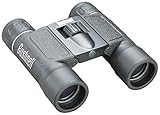
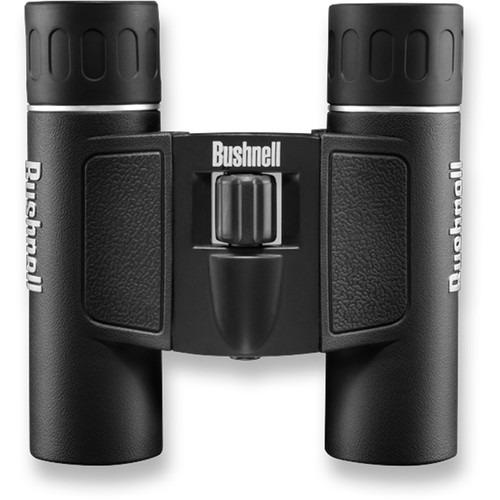
The Bushnell Powerview 10×25 has been around for years, and that longevity speaks to a proven design. The folding roof prism mechanism allows these to collapse into a very compact form that fits easily in a pack pocket. Bushnell’s brand reputation means you are getting optics from a company that has been in the business for decades.
The multi-coated optics produce serviceable images for general trail use. I found the clarity adequate for scanning ridgelines and identifying landmarks at moderate distances. The 12mm eye relief is better than some budget options and works for users with thinner eyeglass frames.
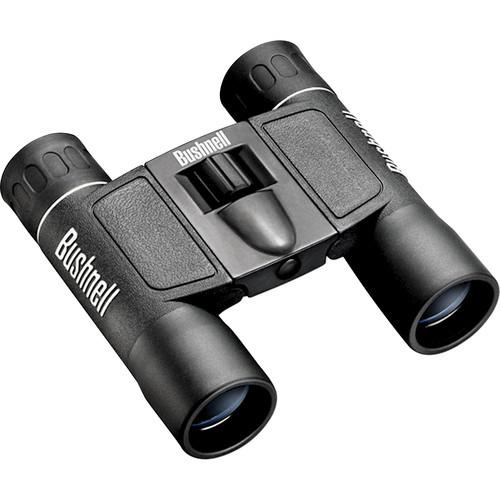
The folding design is the real selling point for backpacking. When collapsed, these take up roughly half the space of fixed-bridge binoculars. That packability is valuable when every cubic inch of pack space counts. The roof prism design keeps the profile slim compared to Porro prism alternatives.
The biggest limitation is the lack of waterproofing. For fair-weather hiking, this is fine. But if you get caught in rain or want to use these near water, there is no protection against moisture intrusion. The focus mechanism also requires more patience than I would like — it can feel finicky to get a sharp image dialed in, especially in cold weather when your fingers are numb.
Backpackers who prioritize packed size above all else and need binoculars that fold down to the smallest possible footprint. The Bushnell Powerview is ideal for fair-weather hikers who want a recognized brand name at a budget price. These also work well as a backup pair to keep in your car or day pack.
Anyone who hikes in wet conditions regularly should avoid non-waterproof binoculars. If you wear glasses and need generous eye relief, look at the Occer 12×25 with its 20mm specification instead. Backpackers who want smooth, precise focusing should consider options with better focus mechanisms.
12x25 Magnification
165 Grams
BAK4 Prism
Magnesium Body
Foldable Pocket Design
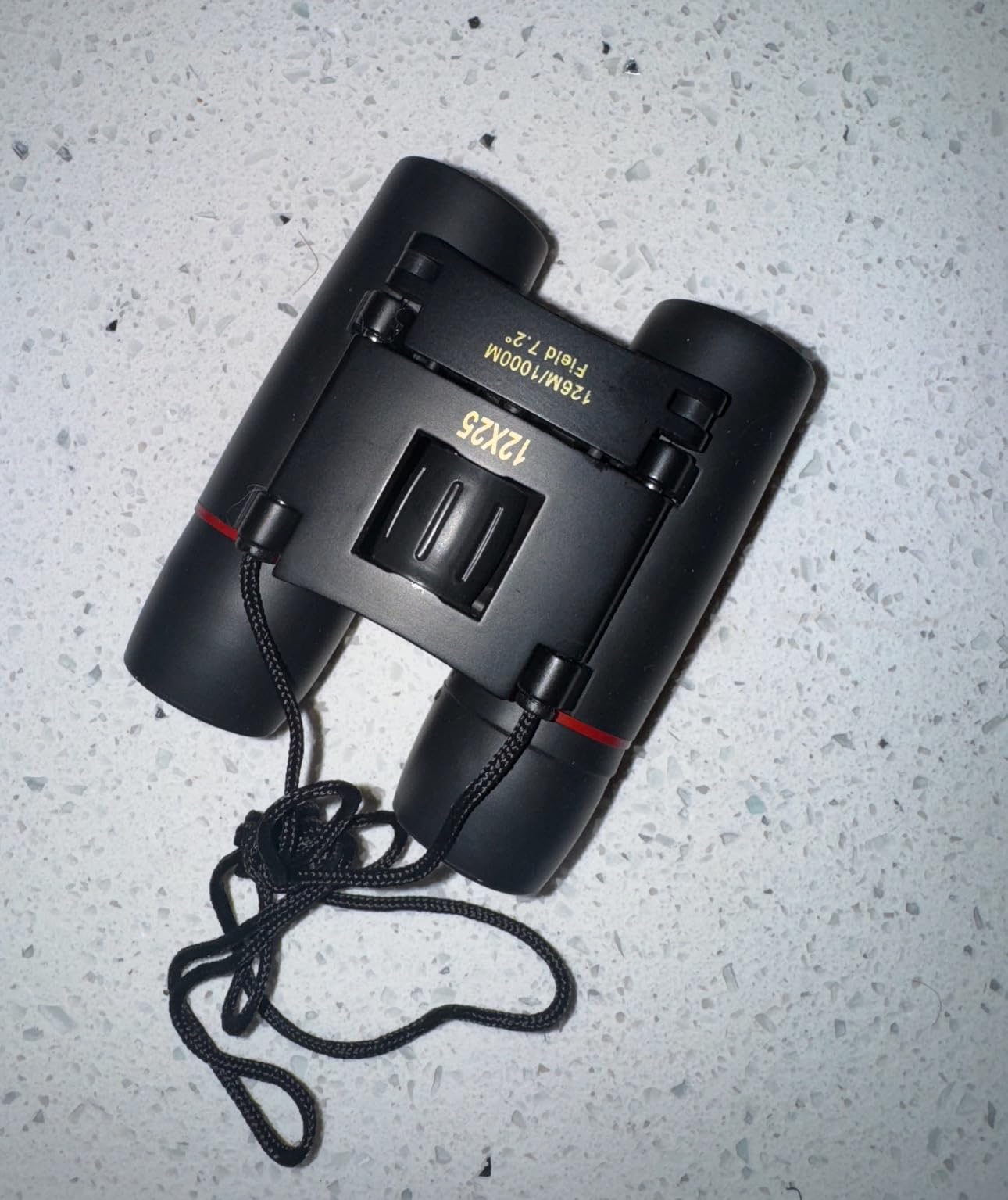
The POLDR 12×25 uses a magnesium alloy body to achieve a weight of just 165 grams (about 5.8 ounces), making it one of the lightest options in our lineup. The foldable design means these can genuinely fit in a pants pocket, not just a pack pocket. For ultralight backpackers who still want 12x magnification, this is about as compact as it gets.
The BAK4 prisms with fully multi-coated optics produce clear images in good lighting conditions. The 16mm eye relief is surprisingly generous for a binocular this small and light. I found these comfortable to use for short viewing sessions, though the small objective lenses mean they are best suited for daylight observation.
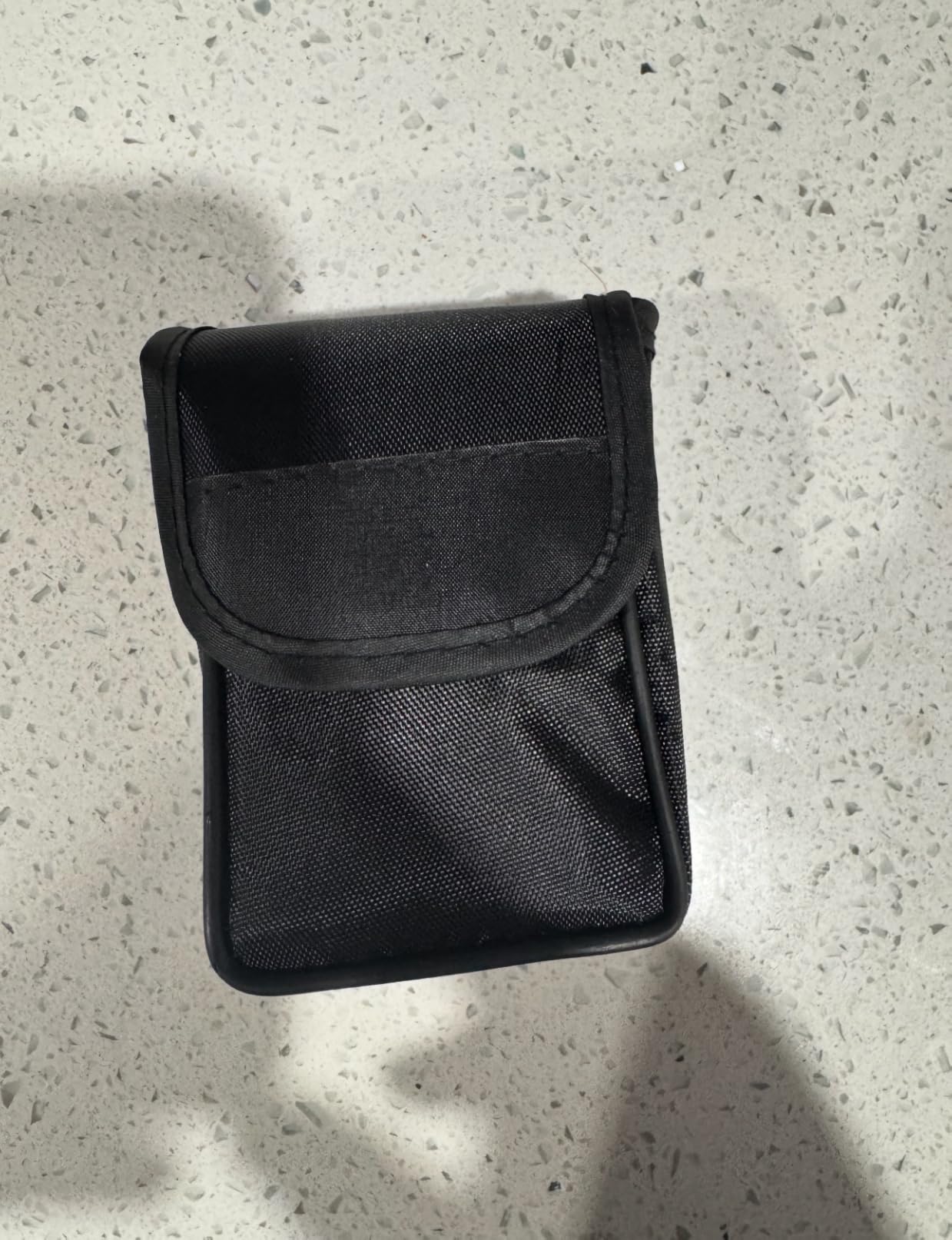
The waterproof design held up during a brief rain shower on a test hike. The center focus wheel is accessible and reasonably smooth. The magnesium body feels rigid and well-built despite the ultralight weight. These fold small enough that I could slip them into the chest pocket of my rain jacket, which is the kind of accessibility that matters on trail.
The 126-foot field of view at 1000 yards is narrow, which makes finding fast-moving subjects more difficult. Some users have questioned whether the magnification truly reaches 12x. The strap is the weakest point — it is thin and feels like it could break with regular trail use. I would replace it with something sturdier before heading into the backcountry.
Ultralight backpackers who want maximum magnification in a true pocket-sized package. The POLDR 12×25 is ideal for hikers who prioritize packability and weight above optical perfection. These also work well as travel binoculars that you can keep in a jacket or purse pocket for impromptu wildlife viewing.
If you need a wide field of view for birdwatching or tracking fast-moving wildlife, the narrow 126-foot FOV will frustrate you. Backpackers who demand precise magnification specs should note the user concerns about actual power. For serious nature observation, step up to a model with larger objective lenses for better image quality.
Choosing the right compact binoculars for backpacking is different from picking binoculars for sporting events or backyard birding. On the trail, weight, packability, and weather resistance matter as much as optical quality. Here is what actually makes a difference when you are miles from the trailhead.
This is the single biggest decision for backpacking binoculars. After testing all three magnifications on trail, I recommend 8x for most hikers. The lower magnification produces a steadier image when your hands are cold or your heart rate is elevated from climbing. Forum discussions on r/binoculars consistently back this up — experienced hikers prefer 8x for handheld stability.
10x is a good compromise if you want more reach but still want to use your binoculars handheld. The image shake is manageable for most people in calm conditions. 12x and higher magnifications really demand a tripod or monopod for best results, which adds weight and complexity to your kit.
The objective lens is the front lens, measured in millimeters. Larger lenses gather more light but add weight and bulk. For backpacking, the practical range is 21mm to 32mm. A 25mm lens is the most common sweet spot. The exit pupil — calculated by dividing the objective lens diameter by magnification — determines how bright the image appears. An 8×25 gives a 3.1mm exit pupil, while a 10×25 gives only 2.5mm. That difference matters in shaded forests and during dawn and dusk when wildlife is most active.
For backpacking, I consider anything under 10 ounces to be ultralight, 10-14 ounces to be standard, and over 14 ounces to be heavy for compact binoculars. The lightest option in our lineup is the VULNESS 8×21 at 5.6 ounces, while the Bushnell H2O sits at 16 ounces. Think about where you will carry them — a hip belt pouch, pack lid, or jacket pocket all require different sizes. Folding designs like the Bushnell Powerview and POLDR pack down to half their open size.
Mountain weather changes fast. A clear morning can turn into a downpour by noon, and temperature swings between valley and ridge can cause internal fogging. Look for IPX7 waterproof rating (survives submersion) and nitrogen-purged or O-ring sealed construction for fog-proof performance. The Nocs Provisions, Bushnell H2O, and Nikon TRAVELITE EX all offer serious weather protection. Non-waterproof options like the Bushnell Powerview are fine for fair-weather hiking but risky for multi-day backcountry trips.
Roof prism binoculars have a straight-through optical path that results in a slim, straight barrel design. They pack more easily and tend to be more rugged. Porro prism binoculars have a zigzag shape that typically provides slightly better depth perception and a wider feeling view at the same price point. For backpacking, I generally prefer roof prism designs for their slimmer profile and better durability in a pack.
If you wear eyeglasses, eye relief is critical. It is the distance from the eyepiece lens to the point where the image comes into focus. You need at least 14mm of eye relief to see the full field of view with glasses on. The Occer 12×25 leads our lineup at 20mm, while several budget options offer only 10mm, which will leave glasses wearers seeing a restricted image. Look for twist-up eyecups that let you adjust the eye relief to your needs.
For hiking and backpacking, 8x magnification is the best all-around choice. It provides a steady image for handheld use, a wider field of view for scanning terrain, and enough magnification to identify wildlife and landmarks at reasonable distances. 10x is a good alternative if you want more reach and have steady hands. Avoid 12x and higher magnifications for hiking unless you plan to use a tripod, as the image shake becomes very noticeable when your heart rate is elevated from climbing.
Yes, binoculars are absolutely worth carrying on hikes and backpacking trips. They let you identify wildlife at safe distances, scan ridgelines for trail conditions and weather, and enjoy scenic vistas in far greater detail than the naked eye allows. A quality pair of compact binoculars weighing under 10 ounces transforms the hiking experience without adding significant pack weight. Many experienced backpackers consider them essential gear for safety and enjoyment.
The numbers on binoculars follow a standard format: magnification x objective lens diameter. For example, 8×25 means 8x magnification with a 25mm objective lens. The magnification tells you how much larger objects appear compared to the naked eye. The objective lens diameter affects light gathering ability and image brightness. Larger objective lenses (32mm) produce brighter images but add weight, while smaller lenses (21mm) save weight but perform poorly in low light.
The best compact binoculars for nature observation balance optical quality, weight, and durability. For most outdoor enthusiasts, 8×25 or 10×25 models with fully multi-coated lenses and BaK4 prisms deliver the best combination of portability and image quality. Top picks include the Nocs Provisions Standard Issue for its waterproof reliability, the Nikon TRAVELITE EX for premium optics, and the Bushnell H2O for trusted performance at a fair price.
A roof prism is an optical design that uses a roof-shaped prism to fold the light path inside binoculars, resulting in a slim, straight-barrel shape. Compared to Porro prism binoculars, roof prism models are more compact, easier to pack, and generally more durable for outdoor use. They tend to cost slightly more to manufacture at the same optical quality level, but the slim profile makes them the preferred choice for backpacking and hiking where pack space is at a premium.
Finding the best compact binoculars for backpacking comes down to balancing three things: weight you are willing to carry, optical quality you can accept, and weather protection you need. After testing 12 models across dozens of hikes, my top recommendation for most backpackers is the Nocs Provisions Standard Issue 10×25. It nails the combination of waterproof reliability, solid optics, reasonable weight, and an outstanding lifetime warranty.
For budget-conscious hikers who still want serious waterproofing, the Bushnell H2O 8×25 delivers proven performance from a trusted brand. And for those who refuse to compromise on optical quality, the Nikon TRAVELITE EX 8×25 brings decades of Nikon glass expertise to a trail-friendly package. Any of these three will serve you well on the trail in 2026 and beyond.
The most important thing is to actually bring your binoculars on the trail. A 5.6-ounce pair that you carry every trip is worth infinitely more than a 16-ounce pair you leave at home because it feels too heavy. Pick the pair that matches your hiking style, and start seeing more of the backcountry.