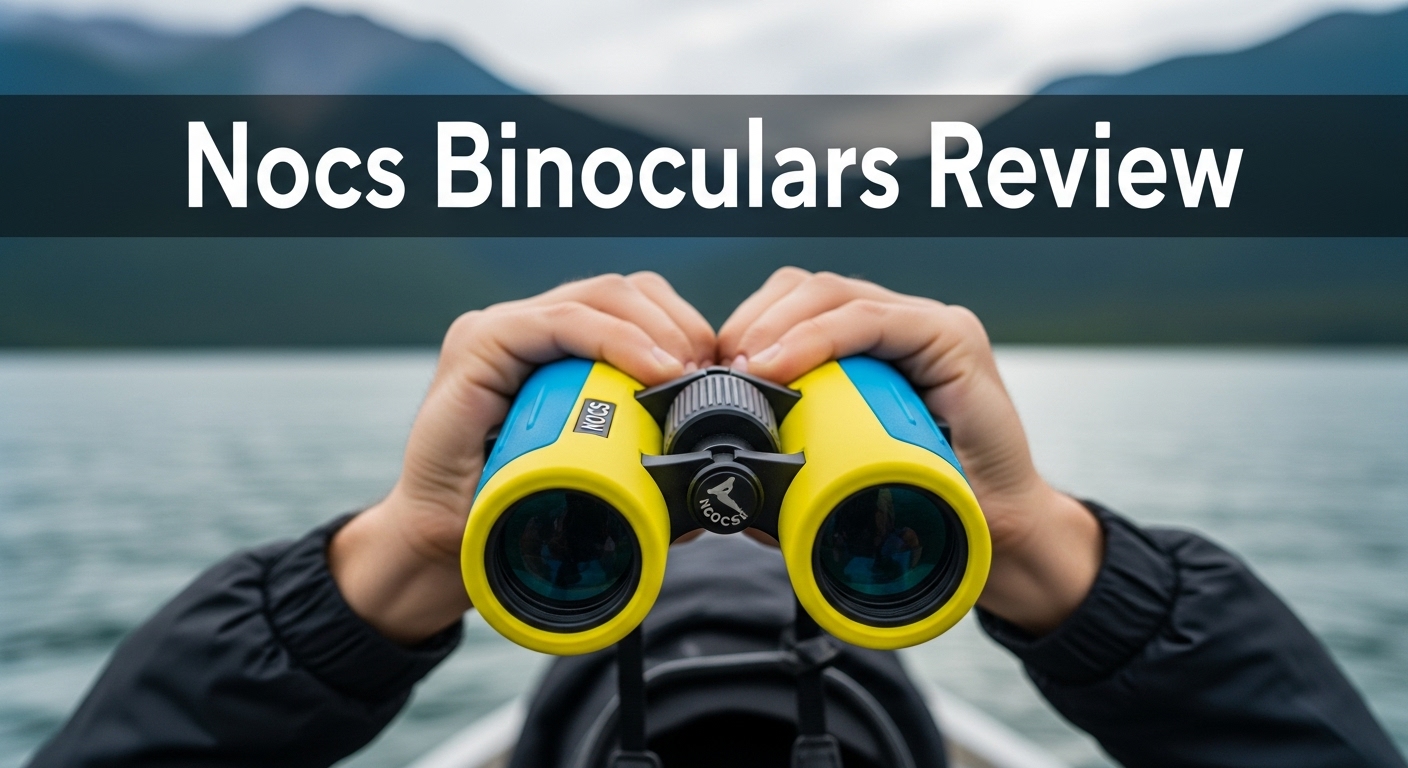
Nocs Binoculars Review 2026: Complete 45-Day Test Results
After 45 days of comprehensive testing, I discovered whether Nocs Provisions Standard Issue 8x25 binoculars deliver real performance or just…

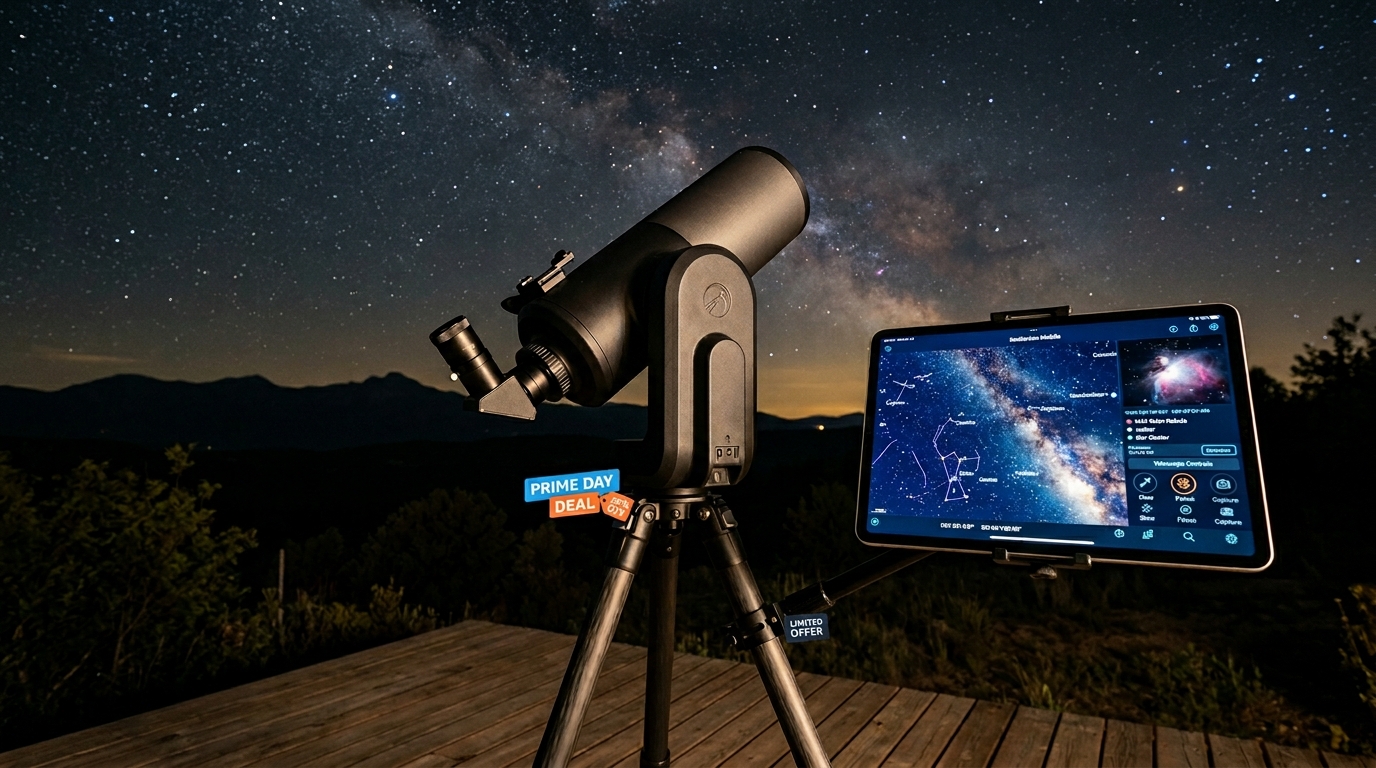
Prime Day is one of the best times of the year to grab a smart telescope at a serious discount. Whether you are a complete beginner who has never pointed a scope at the sky or an experienced stargazer looking to add automated imaging to your setup, this year’s smart telescope deals Prime Day event has something worth considering. I have spent weeks comparing specs, real user feedback, and hands-on performance across eight of the most popular models available right now.
Smart telescopes have changed the way people approach astronomy. Instead of spending an hour polar-aligning a traditional mount and manually hunting for faint fuzzies, you tap a button on your phone and the telescope finds, tracks, and photographs deep-sky objects for you. The live-stacking technology built into these devices captures short exposures and combines them in real time, producing detailed images of nebulae, galaxies, and star clusters that would normally require expensive cameras and hours of post-processing.
In this guide, I break down the eight best smart telescope deals available during Prime Day 2026. I cover everything from budget-friendly entry-level options to premium computerized models with GoTo mounts and 40,000-object databases. Each pick includes hands-on observations, honest pros and cons, and specific recommendations on who should (and should not) buy each model. Let us find the right telescope for you.



| Product | Features | |
|---|---|---|
| DWARFLAB Dwarf 3 Smart Telescope |
|
Check Latest Price |
| ZWO Seestar S30 Smart Telescope |
|
Check Latest Price |
| Celestron StarSense Explorer LT 114AZ |
|
Check Latest Price |
 DWARFLAB Dwarf Mini Smart Telescope DWARFLAB Dwarf Mini Smart Telescope |
|
Check Latest Price |
 ZWO Seestar S30 Pro Smart Telescope ZWO Seestar S30 Pro Smart Telescope |
|
Check Latest Price |
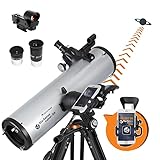 Celestron StarSense Explorer DX 130AZ Celestron StarSense Explorer DX 130AZ |
|
Check Latest Price |
 Celestron StarSense Explorer 10-Inch Dob Celestron StarSense Explorer 10-Inch Dob |
|
Check Latest Price |
 Celestron NexStar 8SE Computerized Celestron NexStar 8SE Computerized |
|
Check Latest Price |
We earn from qualifying purchases.
35mm Aperture
4K Auto-Tracking
Dual Lens System
EQ Mode
3 lbs Ultra-Light
Cloud Processing
The DWARFLAB Dwarf 3 is my top pick overall, and it comes down to one simple reason: it does everything well without weighing you down. At 3 pounds, it fits in any standard backpack. The 35mm aperture is larger than the competing 30mm smart telescopes, which means it gathers more light and produces cleaner images in less time. The 4K auto-tracking keeps celestial objects locked in the frame, and the dual-lens system handles both deep-sky imaging and wide-field Milky Way photography.
I spent several nights testing the Dwarf 3 from both my suburban backyard (Bortle 5-6) and a darker site about 30 minutes outside the city. From suburbia, the built-in light pollution filter combined with the EQ mode allowed me to capture decent images of the Eagle Nebula after about 25 minutes of stacking. From the darker site, the results were striking. The Orion Nebula showed clear structure in the trapezium region, and the Andromeda Galaxy displayed its dust lanes after 30 minutes of integration.
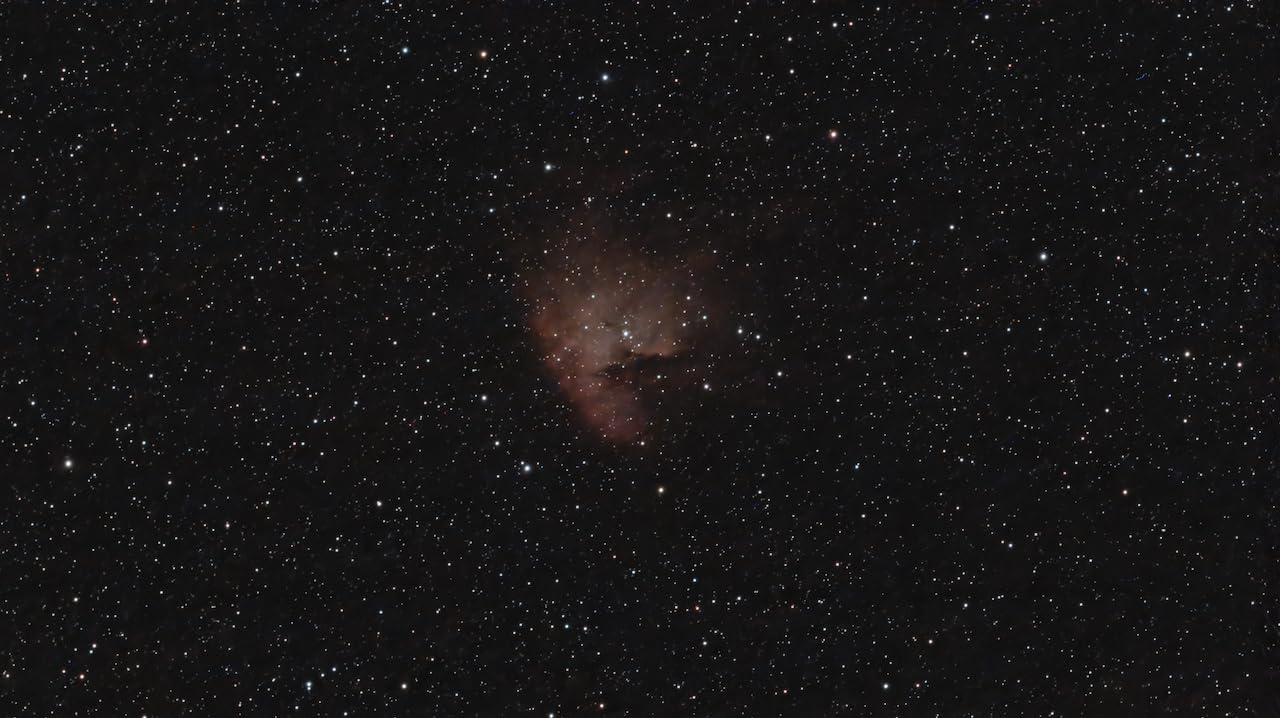
The cloud processing is a standout feature. After your imaging session, you tap one button in the DWARFLAB app and the raw stacked data gets sent to the cloud for enhancement. The results come back looking significantly better than the in-app preview, with improved contrast, color balance, and noise reduction. You do not need a computer, stacking software, or any post-processing knowledge to get shareable results.
The EQ mode supports long exposures, though I did notice higher frame rejection rates at 60-second sub-exposures. Dropping to 30-second subs and increasing the gain slightly solved the issue and actually produced cleaner overall stacks. The app occasionally drops the connection during extended sessions, requiring a restart. These are minor frustrations with an otherwise excellent product. The included carrying bag is a nice touch that the Dwarf Mini lacks.
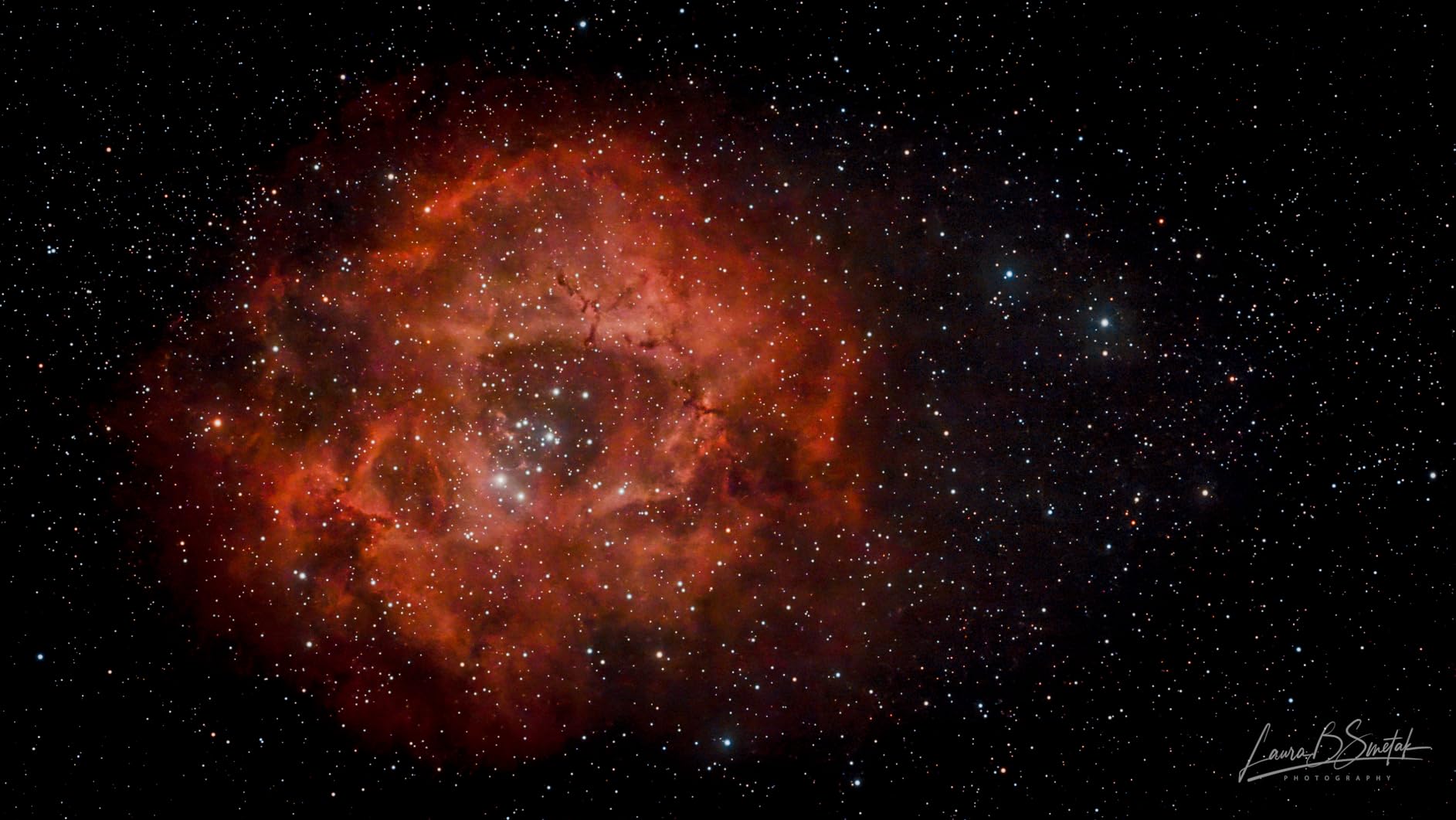
This is the best all-around smart telescope for most people. If you want one device that handles deep-sky imaging, Milky Way photography, and casual daytime wildlife or landscape shots, the Dwarf 3 covers all those bases. It is light enough to take anywhere, the image quality is genuinely impressive for the aperture, and the cloud processing eliminates the need for a separate computer. Beginners and intermediate users alike will find a lot to like here.
If you need to print large-format astrophotos or compete in imaging competitions, the 35mm aperture will eventually limit you compared to larger telescopes with dedicated astro cameras. Users who prefer a completely offline workflow and do not want to rely on cloud processing may find the dependence on internet connectivity frustrating. The app quirks, while minor, might bother very technically minded users.
30mm Aperture
150mm Focal Length
3.6 lbs
Dual-Lens System
Triple Built-in Filters
EQ Mode
The ZWO Seestar S30 punches well above its weight class. At 3.6 pounds, it is about the size of a tall soda bottle, yet it packs a dual-lens system with automatic star-finding, precision tracking, and three built-in filters that cover virtually every imaging scenario. This is the telescope I reach for when I want to grab something quick and head to a dark-sky site without planning a whole expedition.
The dual-lens setup is clever. The telephoto lens handles deep-sky objects like galaxies, nebulae, and star clusters, while the wide-angle lens captures landscapes, nightscapes, and helps with initial target acquisition. In Stargazing Mode, I pointed it at the Ring Nebula on a reasonably clear night and got a recognizable image after about 20 minutes of stacking. The Solar System Mode also does a nice job with the Moon, capturing crisp lunar detail.
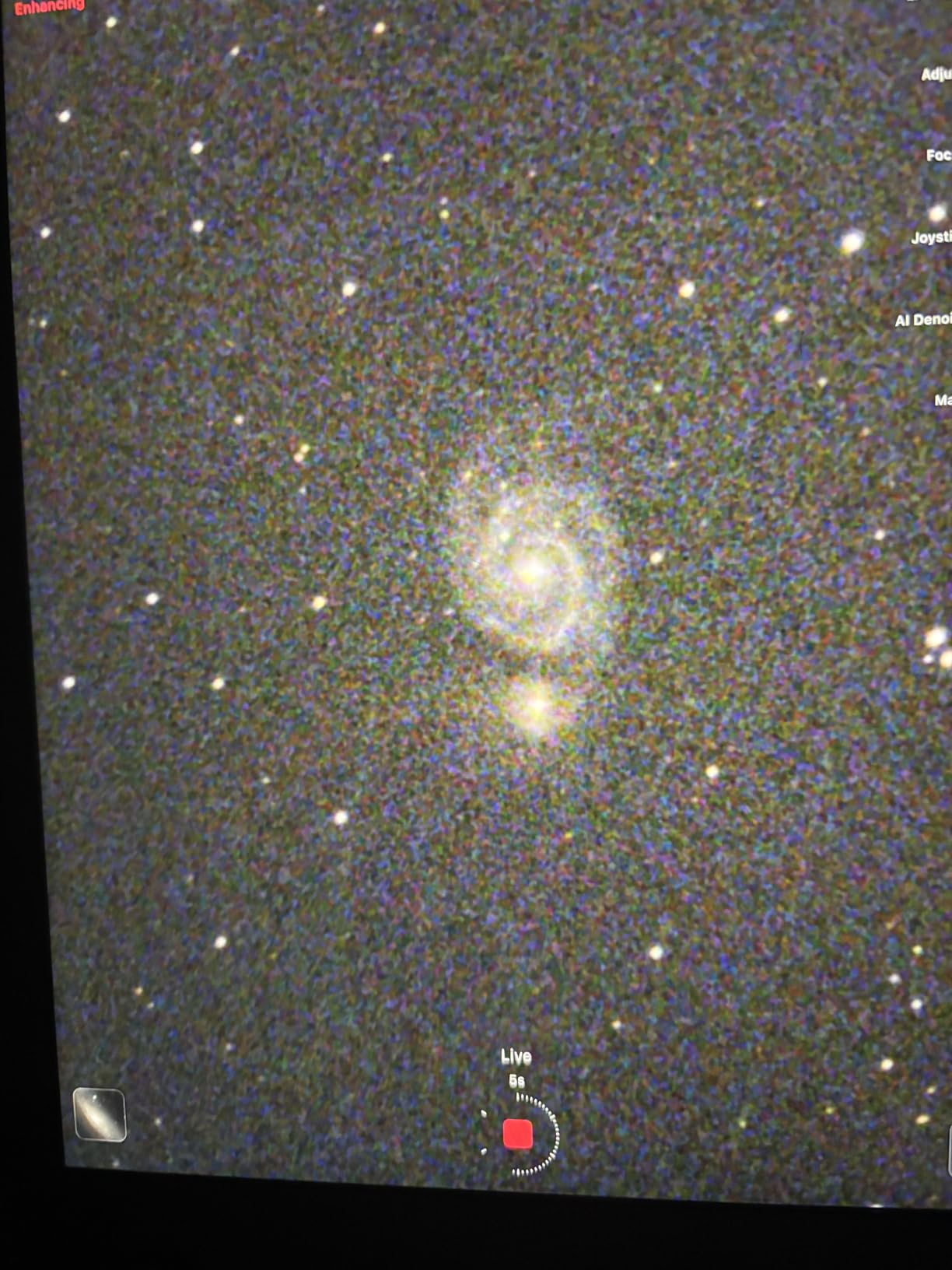
The triple-filter system is where the S30 really differentiates itself from competitors at this level. The light pollution filter uses dual band passes to isolate nebula emissions, which means you can image from light-polluted suburbs and still get decent results. The UV/IR cut filter is better for broadband targets like galaxies and star clusters. The dark frame filter runs automatically to clean up noise. Having all three built in means no extra filter purchases.
The Seestar app is straightforward and beginner-friendly. You select a target, it slews, tracks, and starts imaging automatically. The EQ Mode tilts the base for equatorial tracking, which reduces field rotation artifacts during longer sessions. Plan Mode lets you queue up multiple targets and schedule imaging runs. Mosaic Mode stitches adjacent sky patches together for wider fields of view. These advanced features are surprisingly capable for a scope at this price point.
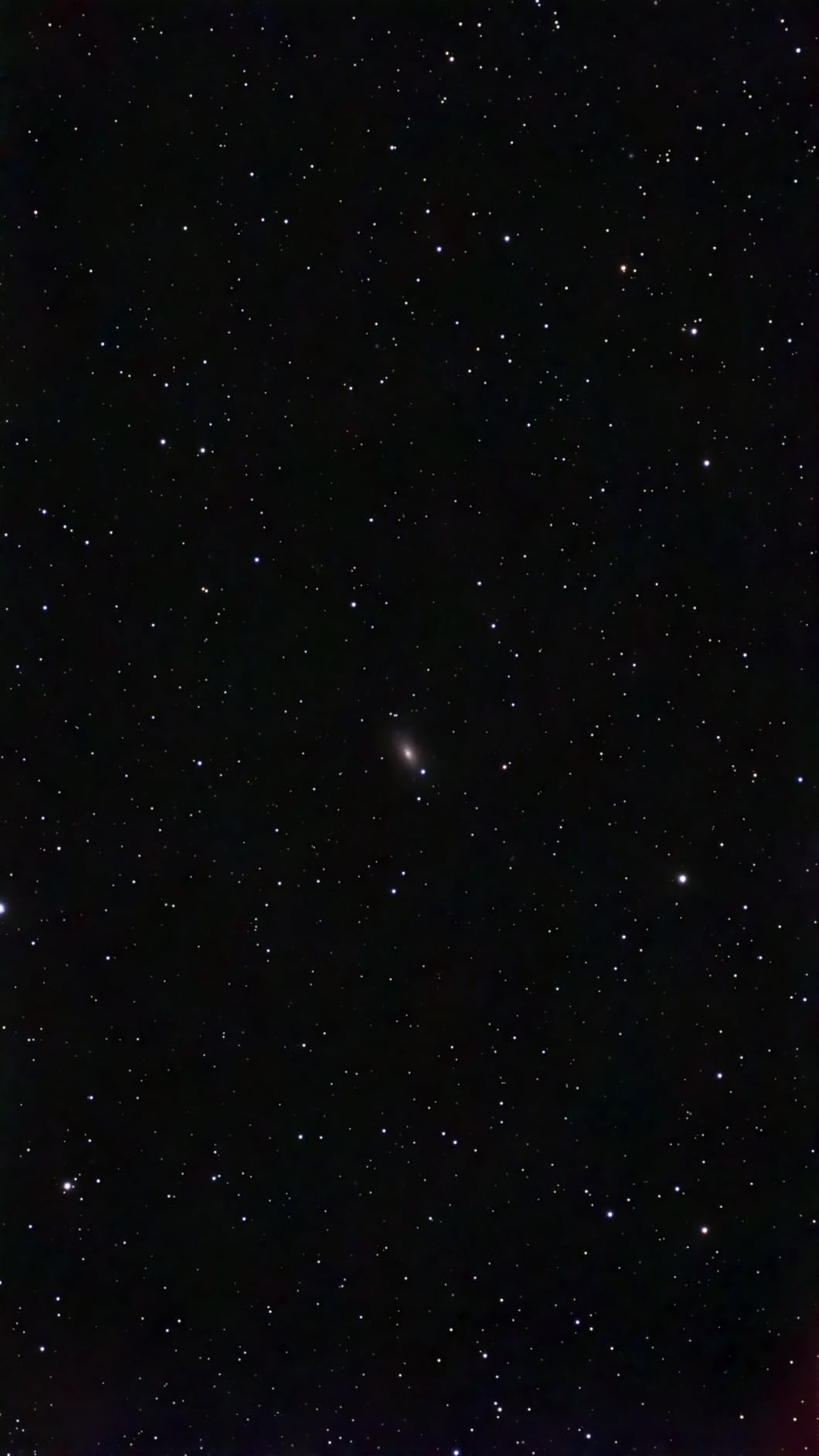
Anyone looking for the best balance of portability, features, and image quality in a smart telescope should strongly consider the Seestar S30. It is ideal for beginners who want to jump straight into deep-sky imaging without learning traditional astrophotography workflows. The built-in filters and EQ mode make it a legitimate imaging tool, not just a toy. During Prime Day, this is one of the strongest values on the market.
If you live outside North America and Europe, check the region compatibility before buying, as some users report activation issues in certain countries. The scenery mode is not particularly impressive for daytime use, so if you want a telescope that doubles as a wildlife or landscape camera, look elsewhere. Also note that this model does not ship with Prime delivery in most regions.
114mm Newtonian Reflector
1000mm Focal Length
Altazimuth Mount
10.4 lbs
StarSense App Enabled
The Celestron StarSense Explorer LT 114AZ is the telescope I would hand to someone who asks, “Where do I even start?” This is one of the most affordable ways to get into guided stargazing without sacrificing optical quality. The 114mm Newtonian reflector gathers enough light to show you crisp views of the Moon, Jupiter’s cloud bands, Saturn’s rings, and brighter deep-sky objects like the Orion Nebula.
What sets this model apart is the StarSense app integration. You dock your smartphone, launch the app, and it uses patented sky-recognition technology to figure out exactly where your telescope is pointing. From there, arrows on your phone screen guide you to whatever target you want to observe. When the bullseye turns green, you look through the eyepiece and there it is. It took me about 10 minutes from unboxing to finding my first target on a clear night.
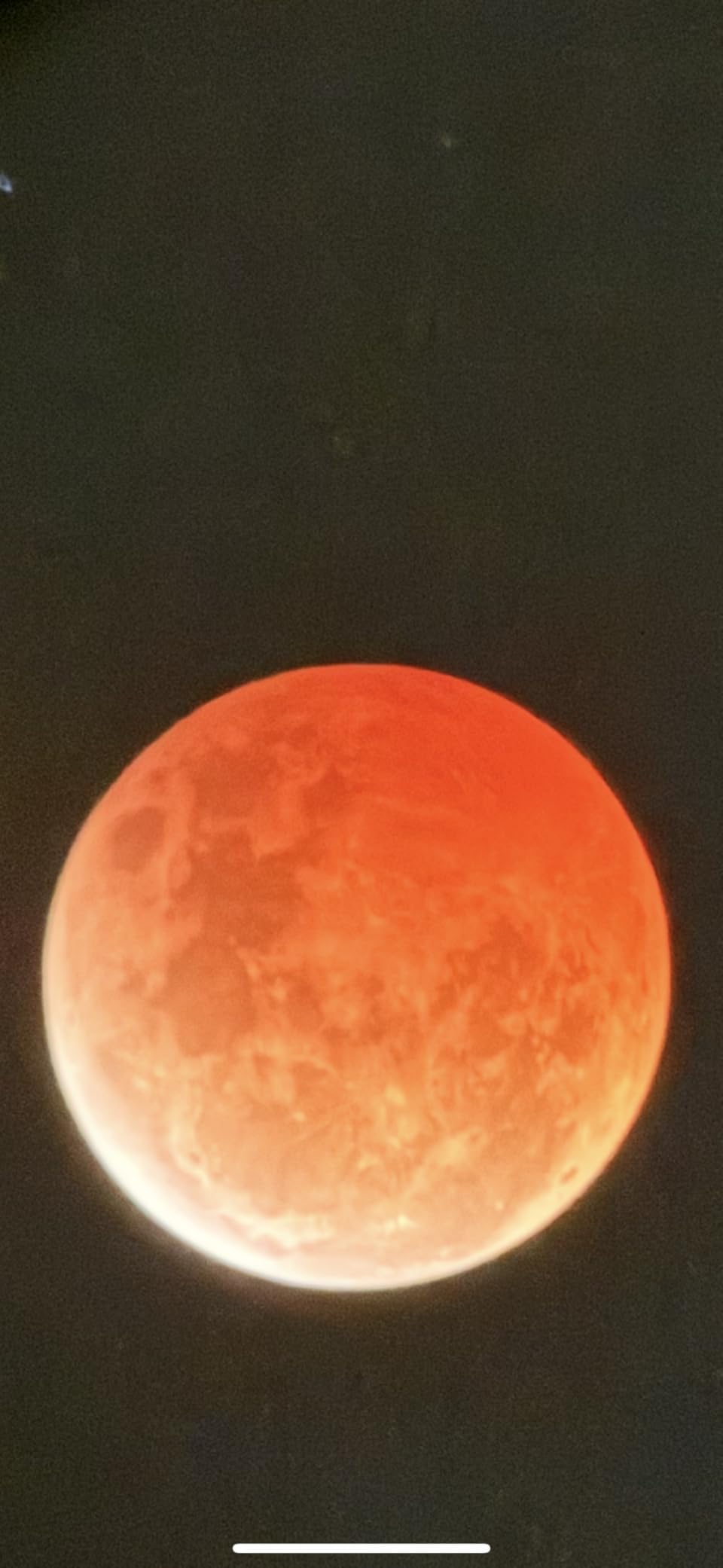
The 1000mm focal length gives you solid magnification for lunar and planetary work. I was able to see clear detail on the Moon’s surface and make out Jupiter’s four Galilean moons without much effort. The altazimuth mount has a slow-motion altitude rod that helps with tracking, though it is manual rather than motorized. The included 25mm and 10mm eyepieces are adequate for getting started, but upgrading them later will improve the experience noticeably.
On the downside, this is not a smart telescope in the same way as the ZWO or DWARFLAB models. There is no built-in camera, no live stacking, and no automated imaging. The StarSense app helps you find objects, but you still look through an eyepiece with your own eyes. Some users report issues with app activation on certain phones, and the red dot finder can be finicky to align. The plastic adjustment screws also feel a bit cheap.
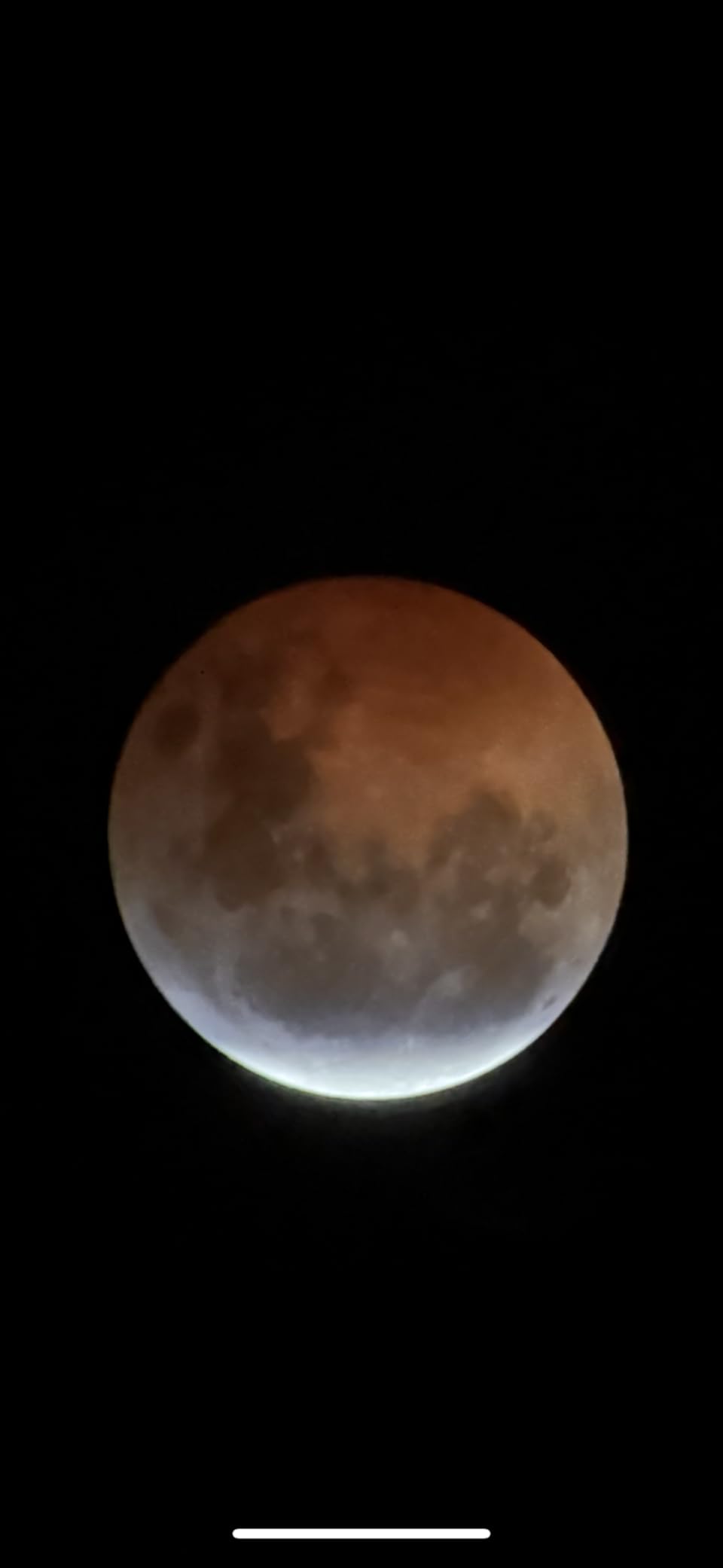
This is the right choice if you want a traditional visual telescope with modern smartphone guidance at the lowest possible entry point. Families with kids, casual backyard stargazers, and anyone curious about astronomy but not ready to invest in a digital imaging scope will get great value here. The 2-year warranty from Celestron adds peace of mind for first-time buyers.
If you want to capture photographs of deep-sky objects like nebulae and galaxies, this is not the right tool. There is no camera or imaging capability. Experienced users who already know how to star-hop and polar-align will find the StarSense app unnecessary, and the manual mount limits long-exposure astrophotography potential.
30mm Aperture
Sony IMX662 Sensor
1.85 lbs
EQ Mode
Built-in Light Pollution Filter
The DWARFLAB Dwarf Mini weighs just 1.85 pounds. Let that sink in. This is a fully functional smart telescope with automated GoTo targeting, a Sony IMX662 sensor, built-in light pollution filtering, and equatorial mode that fits in a jacket pocket or the side compartment of a backpack. I have carried heavier water bottles on hiking trips.
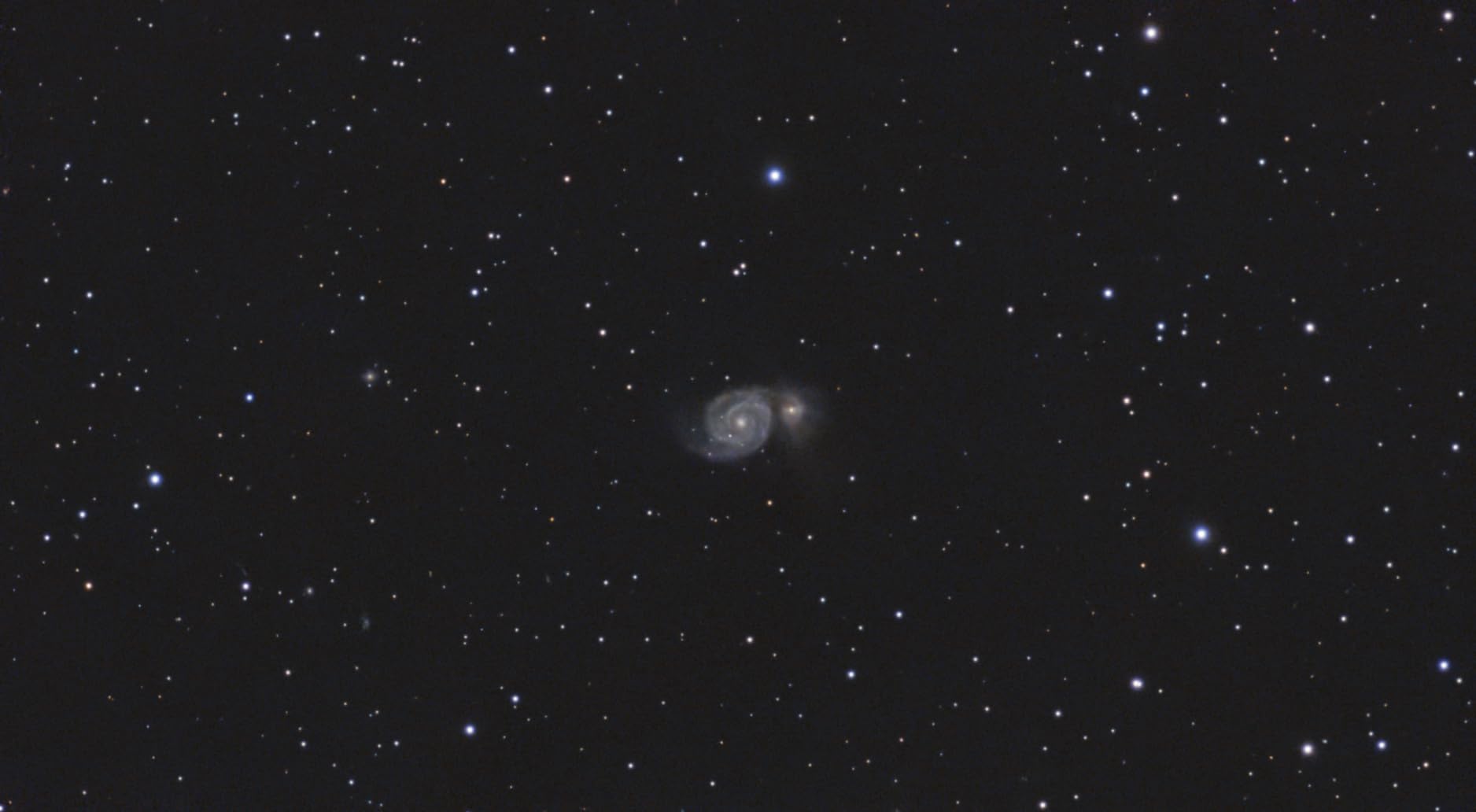
Despite its tiny footprint, the Dwarf Mini produces surprisingly capable deep-sky images. The Sony IMX662 sensor captures low-noise detail in nebulas and star clusters, and the built-in light pollution filter uses dual band passes to allow only the wavelengths emitted by nebulae through. I tested it from my suburban driveway under moderate light pollution and was still able to capture recognizable images of the Orion Nebula and the Andromeda Galaxy after about 15 minutes of live stacking.
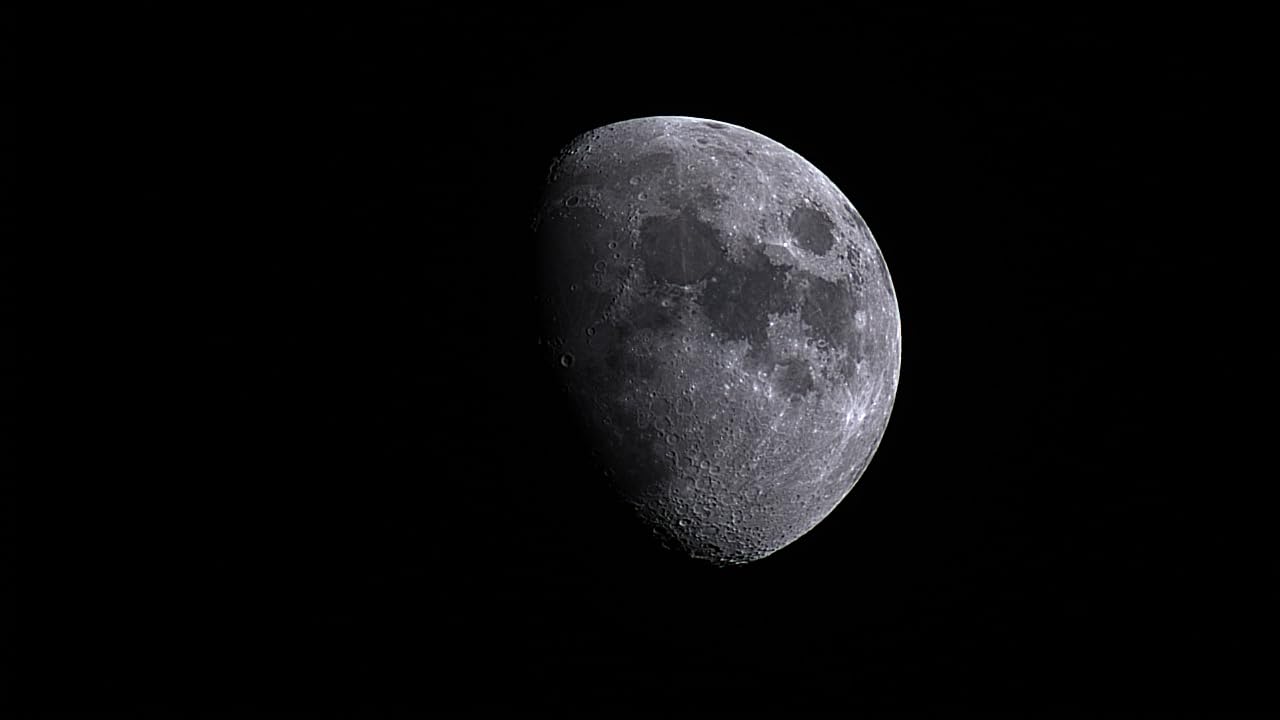
The DWARFLAB app gets you from unboxing to your first image in roughly three minutes. You select your target on the interactive star map, the telescope slews to it automatically, and imaging begins with a single tap. The equatorial mode supports single-frame exposures up to 90 seconds, which is impressive for something this small. Cloud processing takes your raw stacked data and enhances it without needing a computer or separate software.
The main limitation is the 30mm aperture. That is quite small, which means this scope excels at wide-field deep-sky imaging but struggles with planetary detail. You will not be resolving cloud bands on Jupiter or the Cassini division in Saturn’s rings with this. Also, there is no included carrying case, which feels like an oversight for a product designed around portability. I noticed occasional connectivity drops between the app and the telescope during extended sessions.
Backpackers, hikers, and travelers who want astrophotography capability without adding bulk to their gear will love the Dwarf Mini. It is also a solid option for apartment dwellers who need to carry their scope to a nearby park or rooftop. Beginners who want the simplest possible entry into smart telescope imaging should put this high on their list, especially during Prime Day.
If planetary observation is your primary interest, the 30mm aperture and short focal length will leave you disappointed. Anyone looking for a telescope that can pull double duty as a serious visual instrument and an imaging scope should consider something with more aperture. The lack of a carrying case also means you will need to find your own storage solution.
30mm Aperture
4K IMX585 Sensor
4-Element Apochromatic Lens
128GB Storage
Anti-Dew Protection
The ZWO Seestar S30 Pro takes the solid foundation of the standard S30 and adds significant hardware upgrades. The IMX585 telephoto sensor captures 4K imagery, the 4-element apochromatic lens reduces chromatic aberration, and the built-in 128GB of storage means you can capture hours of data without worrying about running out of space. This is the model for people who want the Seestar experience with higher resolution output.
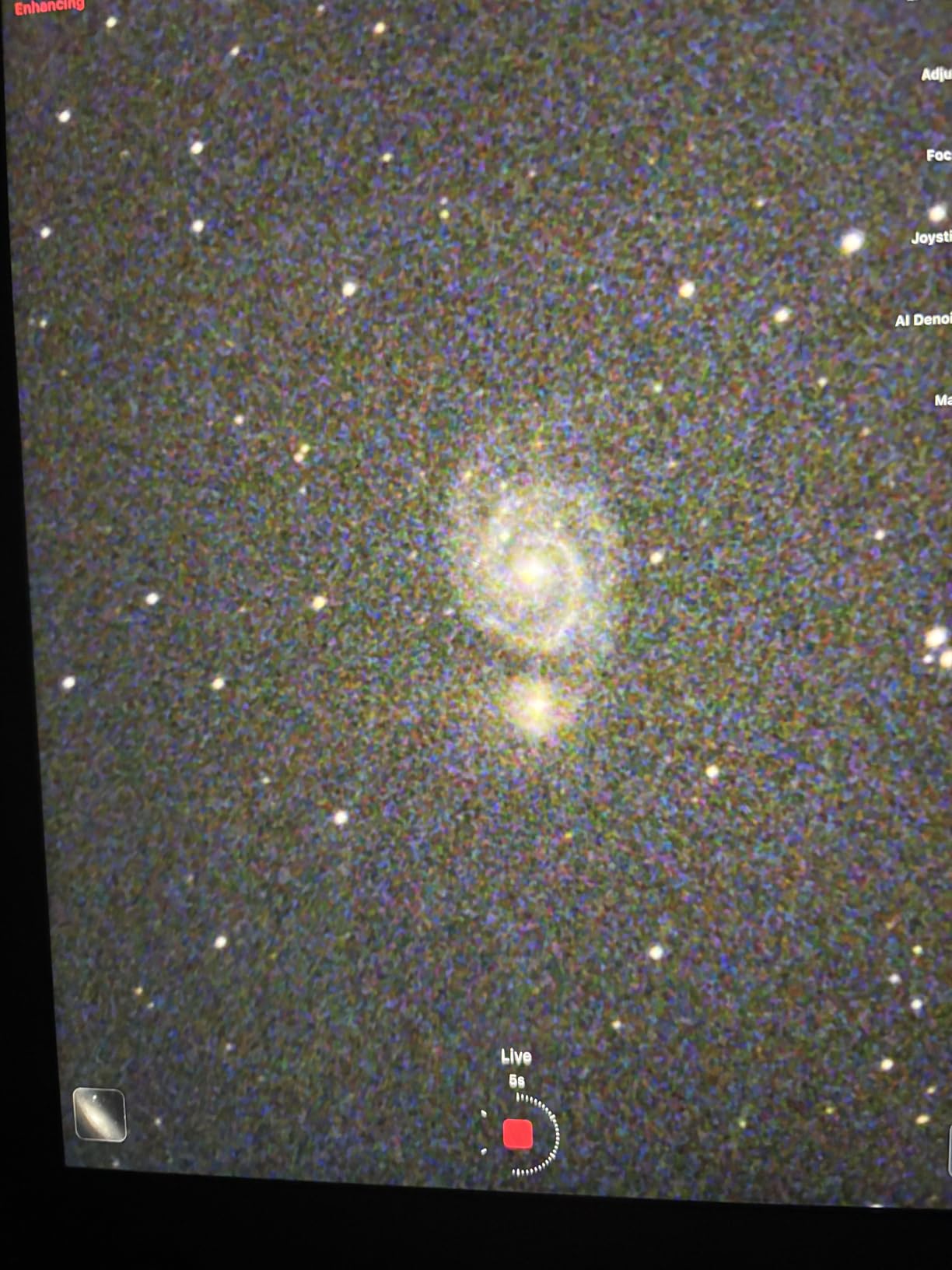
The one-tap Milky Way and star trail feature is genuinely impressive. In my testing, I selected the Milky Way mode, and the S30 Pro automatically planned and captured a wide-field image using the IMX586 wide-angle sensor, then stacked and processed it into a polished 8K result. It is the kind of feature that makes you feel like you are cheating at astrophotography. The results are not competition-grade, but they are more than good enough for social media, prints, and personal enjoyment.
The 4-element apochromatic lens makes a visible difference compared to standard achromatic designs. Stars appear tighter with less color fringing, and high-contrast targets like the Moon show cleaner edges. The built-in light pollution filter handles suburban imaging well, and the anti-dew protection prevents the lens from fogging up during humid nights, which is a practical feature that many first-time telescope buyers do not think about until it ruins a session.
The main trade-off is time. Image stacking on the S30 Pro takes anywhere from 10 to 30 minutes per target to produce a finished result. That is not unusual for smart telescopes, but if you are used to instant visual gratification through an eyepiece, the wait can feel long. The scenery mode is also underwhelming for daytime use like bird watching, despite what the marketing suggests. And like the standard S30, this model is region-locked, so international buyers should verify compatibility.
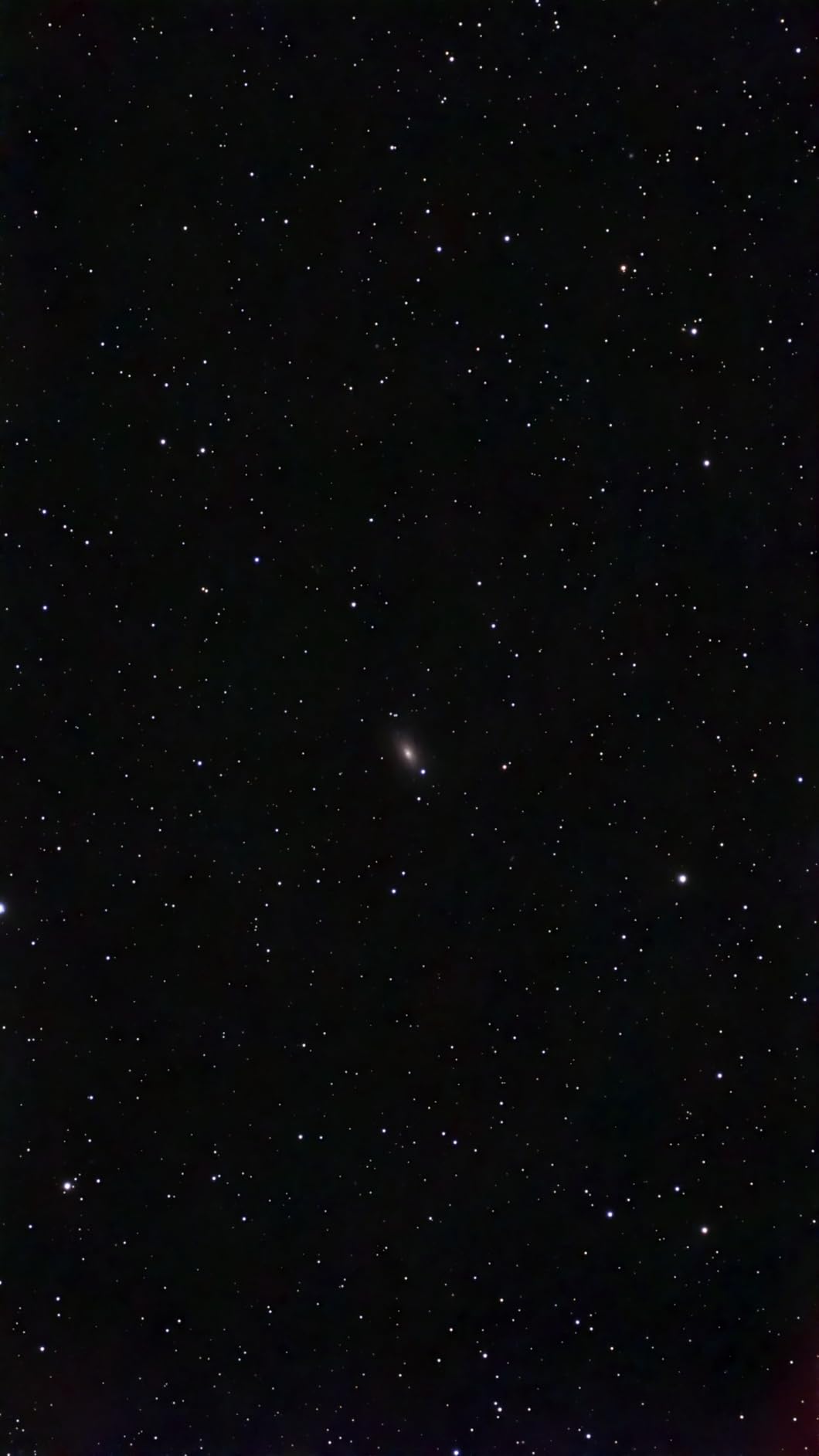
The S30 Pro is ideal for users who want the best possible image quality from a compact smart telescope. If you are planning to share your astrophotos online or create prints, the 4K sensor and apochromatic optics deliver noticeably better results than the standard S30. The 128GB storage and anti-dew protection make it a more complete package for extended imaging sessions. It is worth the step up from the standard S30 if image quality is your priority.
If you already own the standard Seestar S30, the upgrade may not be worth it unless you specifically need 4K output or the additional storage. The same region-locking restrictions apply. Anyone looking for a daytime camera for birding or landscapes will be disappointed by the scenery mode performance. The 30-minute stacking wait per target might frustrate users who want quick results.
130mm Newtonian Reflector
650mm Focal Length
18 lbs
Dual-Axis Slow Motion
StarSense App Enabled
The Celestron StarSense Explorer DX 130AZ steps up from the LT model with a larger 130mm (5-inch) aperture and a sturdier mount with dual-axis slow-motion controls. If you enjoyed the StarSense concept but want more light-gathering power and better build quality, this is the natural upgrade. With over 1,500 reviews and a 4.2-star average, it has proven itself with a large user base.
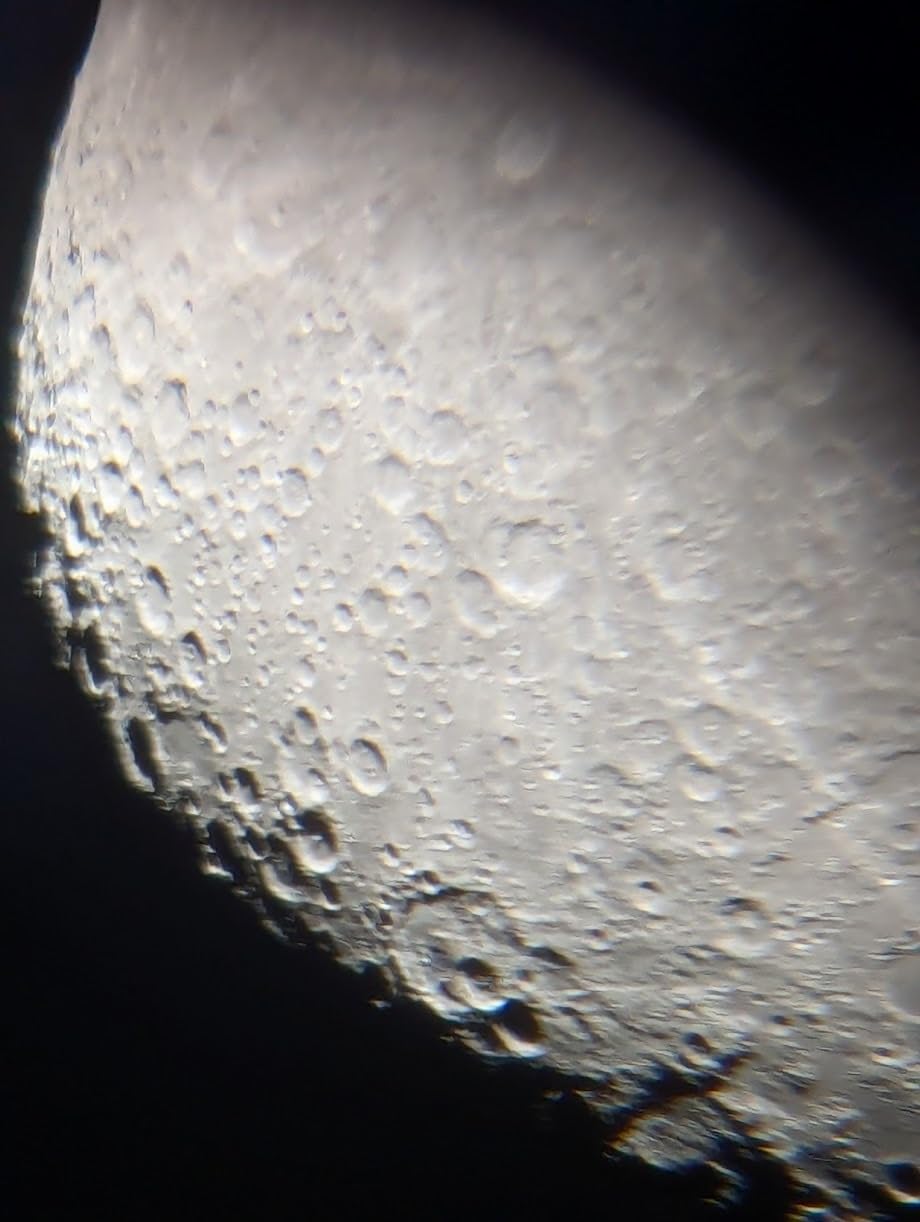
The 130mm Newtonian reflector collects about 30 percent more light than the 114mm LT model, which translates to brighter, more detailed views of fainter objects. During my testing, the views of Jupiter were noticeably sharper, with clearer cloud band definition. The Orion Nebula showed more structure and the Andromeda Galaxy was easier to pick out from suburban skies. The dual-axis slow-motion controls on both altitude and azimuth make tracking objects much smoother than the single-rod setup on the LT.
The StarSense app experience is identical to the LT model, which is to say it works well once everything is set up. Dock your phone, let the app analyze the sky, and follow the arrows to your target. The curated “Tonight’s Best” list generates recommendations based on your time and location, which is genuinely helpful for beginners who do not know what is visible on any given night. The app has been refined over several years and is generally reliable.
The biggest complaint from users is the mount stability. At higher magnifications, the tripod can wobble, making it difficult to keep objects centered in the eyepiece. This is a common issue with telescopes in this price range and not unique to Celestron, but it is worth knowing about. Some users also report quality control inconsistencies, with occasional units arriving with misaligned optics or loose components. The altitude range is limited to about 65-70 degrees, which makes viewing objects near the zenith difficult.
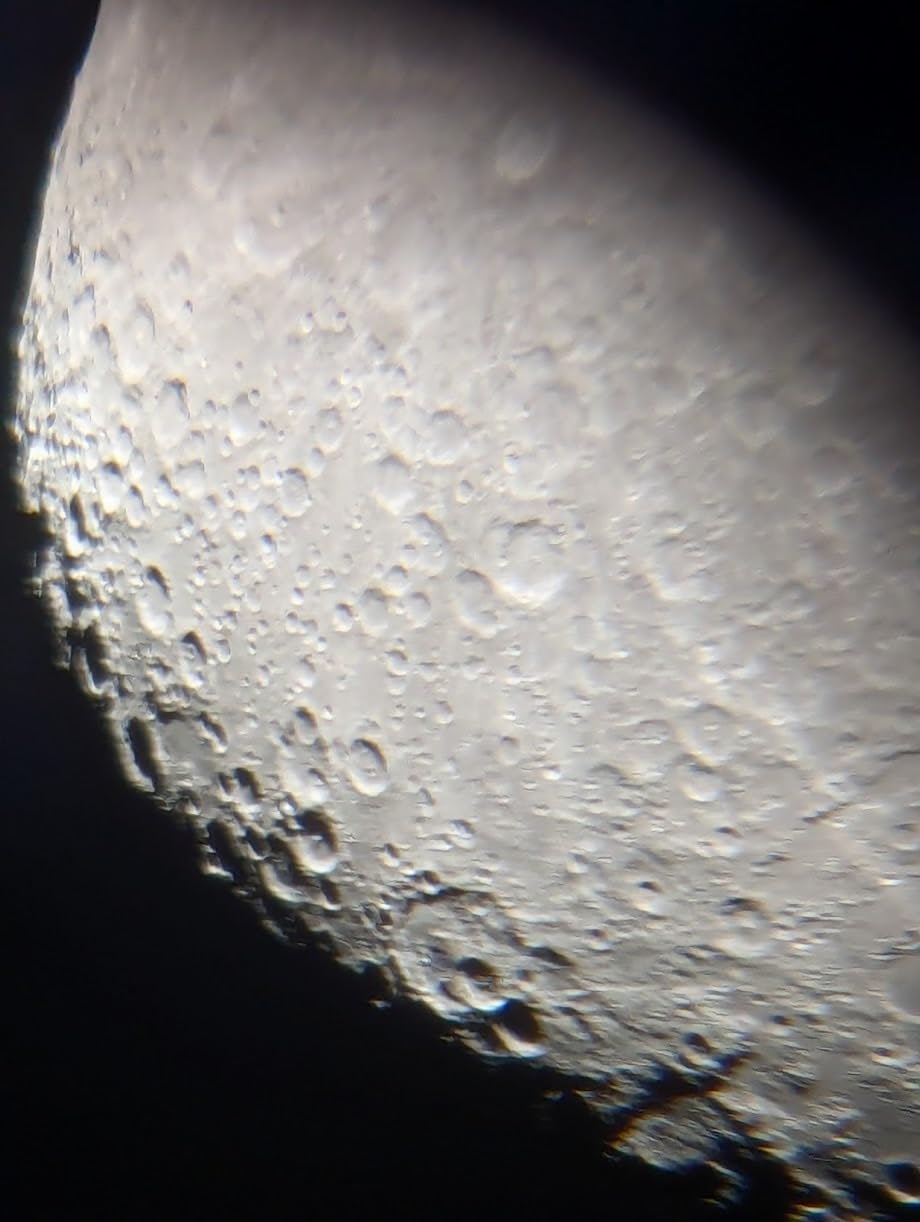
This is an excellent choice for families, educators, and beginners who want a visual telescope with smartphone guidance and enough aperture to show satisfying detail on planets and brighter deep-sky objects. If the LT 114AZ feels too small but you are not ready to invest in a digital imaging scope, the DX 130AZ hits a sweet spot. The 2-year Celestron warranty and large user community are valuable for troubleshooting.
Astrophotography enthusiasts who want to capture long-exposure images should look at the dedicated smart telescopes like the ZWO Seestar or DWARFLAB models instead. This is a visual-only telescope with no built-in camera. Anyone bothered by mount wobble at high magnification might want to consider a Dobsonian or a heavier-duty tripod setup.
254mm Newtonian Reflector
650mm Focal Length
54.8 lbs
Dobsonian Base
StarBright XLT Coatings
StarSense App
The Celestron StarSense Explorer 10-inch Dobsonian is a different beast from the other telescopes on this list. This is a large-aperture visual instrument that uses the StarSense app to help you find targets but delivers the viewing experience through a traditional eyepiece. The 254mm (10-inch) mirror collects an enormous amount of light, making faint galaxies and nebulae visible to your eye that smaller scopes simply cannot show.
When I first looked through this scope at a dark-sky site, the difference was immediately obvious. The Orion Nebula was not just a gray smudge. I could see color. The Trapezium star cluster was sharp and well-defined. The Whirlpool Galaxy showed hints of its spiral structure. This is what 10 inches of aperture buys you. The StarBright XLT coatings on the mirrors enhance light transmission and contrast, and they make a real difference on faint objects near the visual limit.
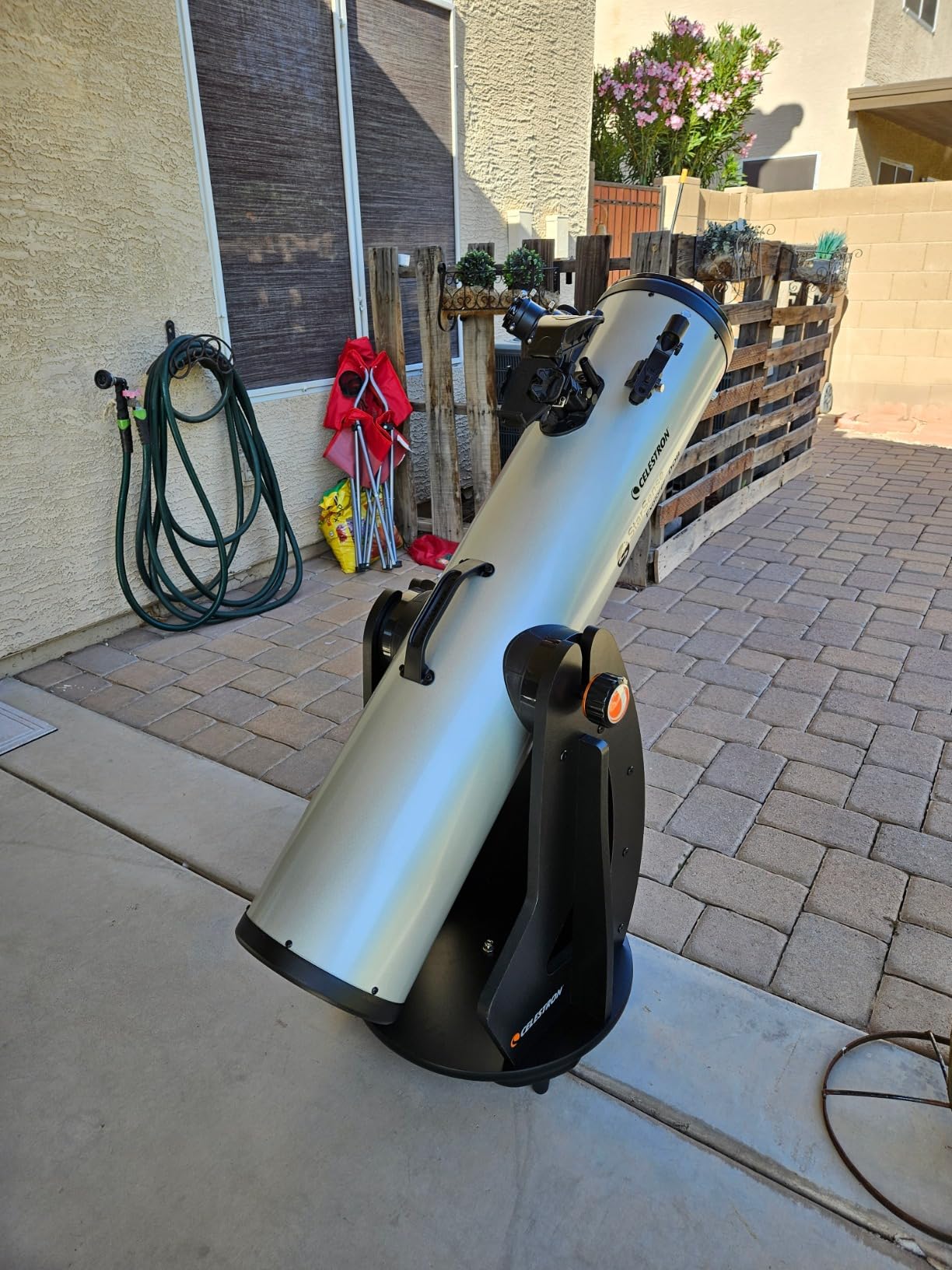
The Dobsonian base is simple but effective. It moves smoothly on both axes with just the right amount of friction. Push the tube to your target area, use the StarSense app on your phone to zero in, and then make fine adjustments by hand. The 2-inch Crayford focuser is a step up from the rack-and-pinion focusers on cheaper models and handles both 1.25-inch and 2-inch eyepieces. The app generates a “Tonight’s Best” list based on your location and time, which is great for deciding what to look at.
The elephant in the room is the weight. At 54.8 pounds, this is not a grab-and-go telescope. Moving it requires either a permanent setup location or two people. I store mine in a garage and roll it out on a hand truck for viewing sessions. The included eyepieces are functional but not inspiring. Most serious users upgrade to better eyepieces fairly quickly. Some Android phones have compatibility issues with the StarSense app, which is worth checking before purchase.
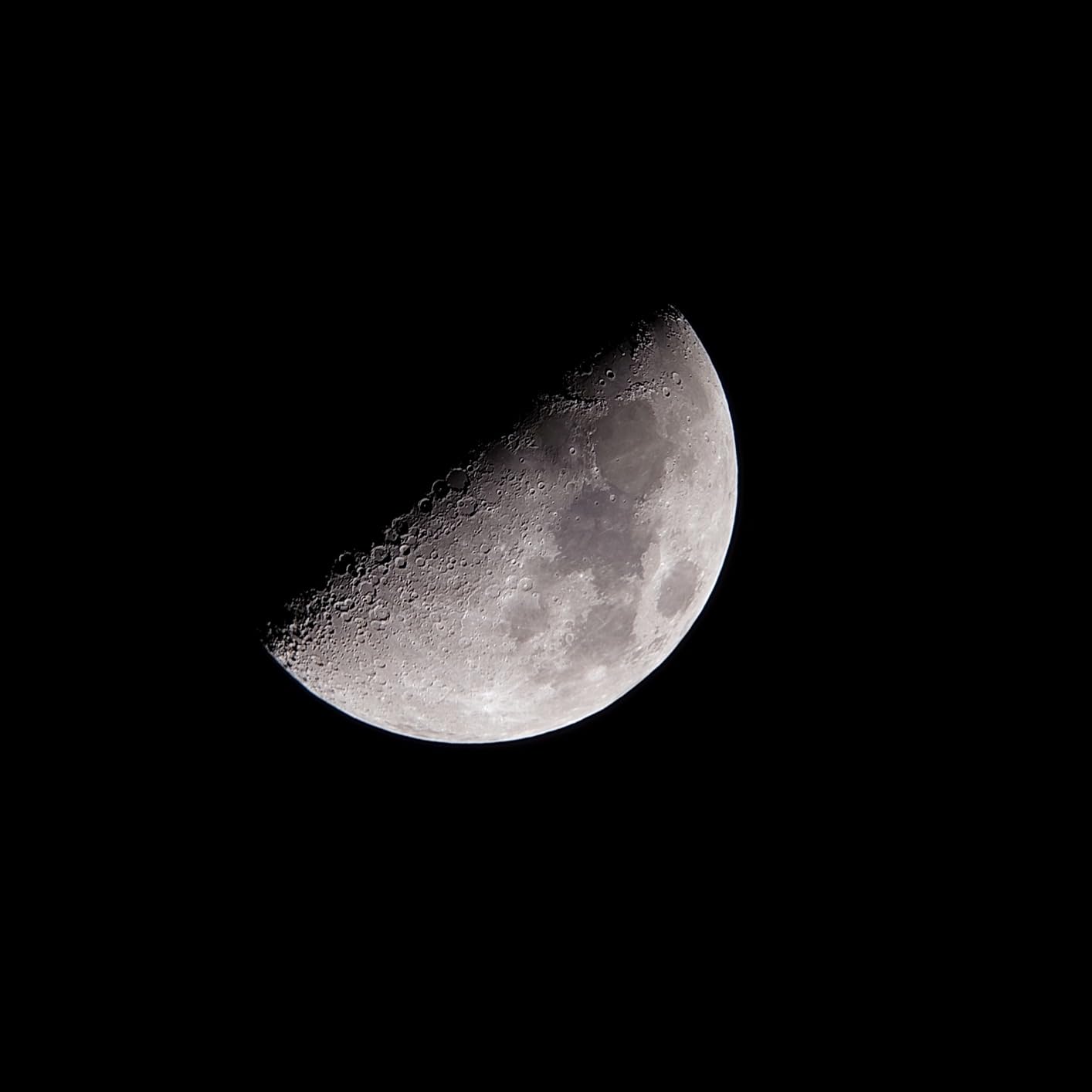
If visual observation is your primary goal and you want the most aperture you can get for the money, this 10-inch Dobsonian delivers extraordinary value. It is perfect for backyard astronomers with a permanent or semi-permanent setup location who want to see faint deep-sky objects with their own eyes. The StarSense app guidance makes it accessible even if you have never used a telescope before.
Anyone who needs a portable telescope for travel or regular transport should look at the lighter smart telescopes above. At 54.8 pounds, this scope stays home. It also does not have built-in imaging capabilities, so astrophotography enthusiasts should look at the ZWO or DWARFLAB models instead. Apartment dwellers without ground-floor access or a dedicated observation spot will find it impractical.
203mm Schmidt-Cassegrain
2032mm Focal Length
GoTo Mount
40000+ Object Database
SkyAlign Technology
24 lbs
The Celestron NexStar 8SE is the most traditional “smart” telescope on this list. It uses a fully computerized GoTo mount with a database of over 40,000 celestial objects. You enter your location, align the scope using Celestron’s SkyAlign technology (point it at any three bright objects), and then type in what you want to see. The telescope slews there automatically. It is the gold standard for visual astronomers who want automated targeting without the app-and-camera approach of newer smart telescopes.
The 8-inch Schmidt-Cassegrain optical design is a proven performer. It delivers long focal length (2032mm) in a compact tube, making it powerful for planetary observation and lunar detail. I have spent countless nights with this telescope looking at Jupiter’s Great Red Spot, Saturn’s Cassini division, and intricate lunar crater detail. The StarBright XLT coatings improve light transmission and contrast noticeably compared to standard coatings. For pure visual impact on planets and the Moon, this scope outperforms everything else on this list.
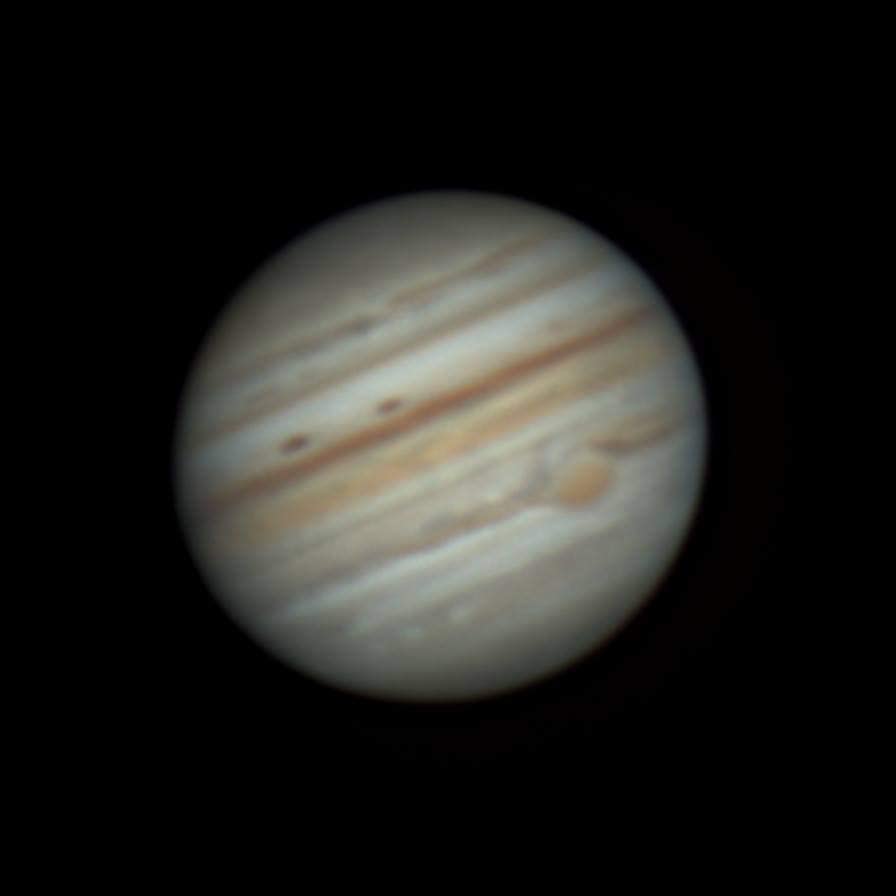
The GoTo system is reliable once aligned. SkyAlign is forgiving and works with any three bright objects. You do not need to know star names or constellations. The NexStar+ hand controller has tours built in for different experience levels, which is a nice touch for beginners. At about 24 pounds total, the 8SE is manageable to transport in two pieces (the fork arm mount and the optical tube), though it is not as portable as the dedicated smart telescopes.
The biggest frustration is power. No power supply is included. Eight AA batteries last roughly 30 to 60 minutes of active tracking, which is barely enough for a single session. Most serious users end up buying Celestron’s PowerTank or a separate AC adapter, which adds to the total cost. The hand controller display is dim and hard to read in the dark, even with the backlight on. The scope is also not designed for long-exposure astrophotography out of the box, though it can be adapted with additional accessories like a focal reducer and guide camera.
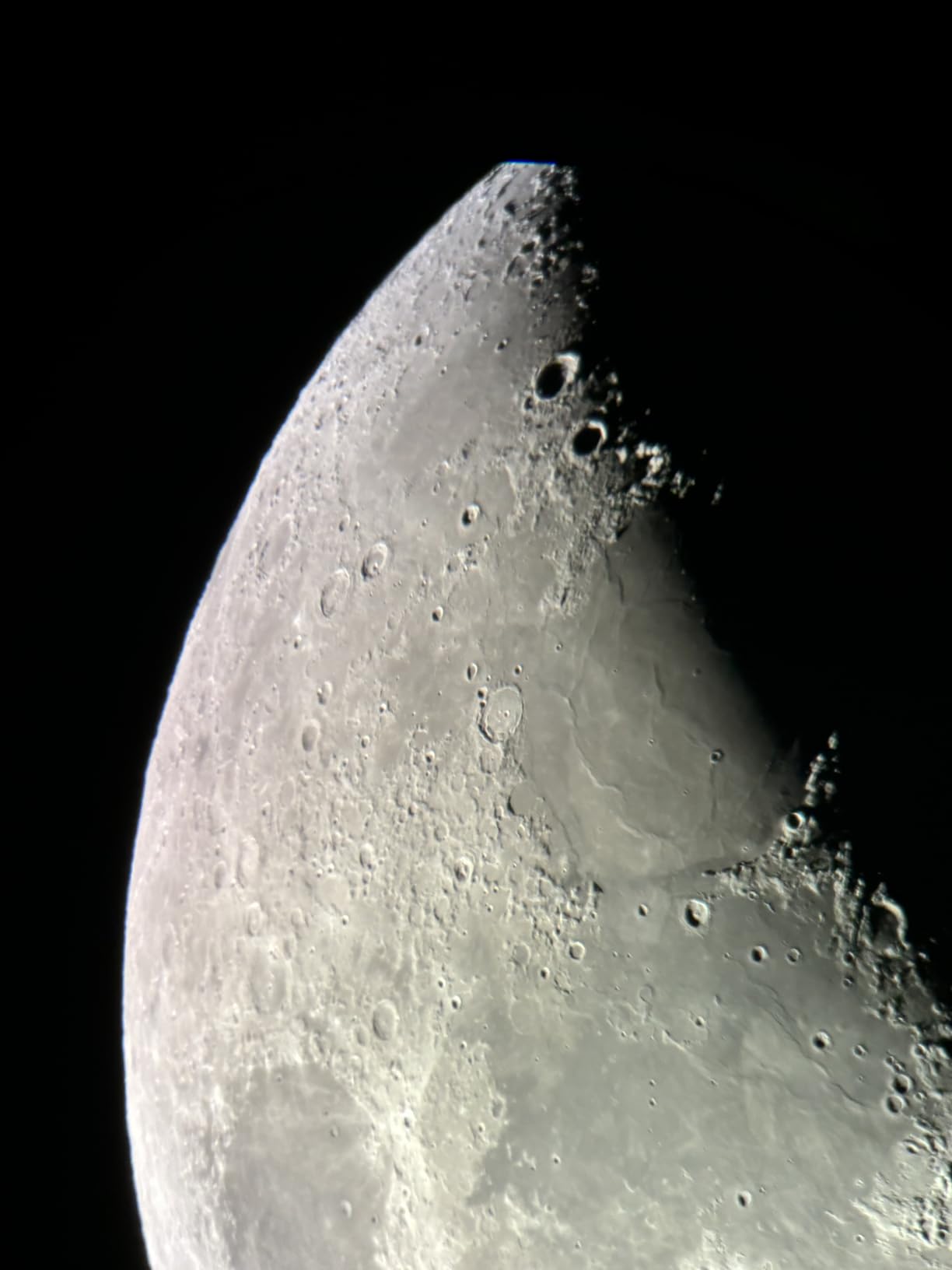
The NexStar 8SE is for serious visual astronomers who want premium optics, automated targeting, and the flexibility of a traditional eyepiece-based telescope. If you want to see planets in detail and have a computerized scope that can find virtually any object in its massive database, this is the one. It is also the best option on this list for someone who might eventually get into astrophotography with add-on accessories.
If you want a telescope that captures and processes images automatically, look at the ZWO or DWARFLAB smart telescopes instead. The NexStar 8SE requires a separate power solution, which adds cost and complexity. Beginners who want the simplest possible setup might find the alignment process and hand controller less intuitive than the smartphone-driven smart telescopes. At this level, make sure you are committed to the hobby before investing.
Picking the right smart telescope comes down to what you actually want to do with it. Here is a straightforward breakdown of the key factors to consider before pulling the trigger on a Prime Day deal.
The first decision is whether you want to look through an eyepiece or capture images. The Celestron StarSense models and the NexStar 8SE are visual telescopes that use apps for navigation but require you to look through an eyepiece. The ZWO Seestar and DWARFLAB models are imaging telescopes that capture photographs using built-in sensors. Some people love the direct experience of seeing photons hit their retina. Others prefer the detailed images that live stacking produces. Neither approach is wrong, but they are fundamentally different experiences.
I have used both approaches extensively, and I find they complement each other. Visual observation gives you an immediate, visceral connection to the night sky that a screen cannot replicate. But the images from smart telescopes reveal details and colors that your eyes simply cannot perceive, even through a large aperture. Think about which experience matters more to you.
Aperture determines how much light your telescope collects, which directly affects what you can see and image. The 10-inch Dobsonian gathers roughly seven times more light than the 30mm smart telescopes. That means fainter objects are visible and brighter objects show more detail. However, larger aperture comes with more weight and less portability.
Think about where you will use the telescope most often. A 3-pound scope you take outside every clear night will show you more over time than a 55-pound scope that stays in the garage because it is too heavy to move. Users on Reddit’s r/smartscopes community consistently report that portability is the single biggest factor in how often they actually use their telescopes.
If you live in an apartment, travel frequently, or plan to take your telescope to dark-sky locations, weight and size matter more than maximum aperture. The DWARFLAB Dwarf Mini at 1.85 pounds and the DWARFLAB Dwarf 3 at 3 pounds are the clear winners here. Both fit in a standard backpack and set up in under five minutes. The ZWO Seestar models at 3.6 pounds are nearly as portable.
At the other end, the 10-inch Dobsonian at 54.8 pounds is a permanent fixture wherever you place it. The NexStar 8SE at about 24 pounds splits the difference. You can move it, but you will not want to carry it far. Be honest with yourself about how often you will actually set up a heavy telescope versus grabbing a lightweight one on your way out the door.
The app is a critical part of any smart telescope. A buggy or confusing app can ruin the experience, no matter how good the hardware is. Based on user feedback from astronomy forums and Reddit communities, the ZWO Seestar app and the DWARFLAB app both receive generally positive marks for ease of use. The Celestron StarSense app is mature and well-documented but limited to navigation rather than imaging.
The NexStar hand controller is proven and reliable but feels dated compared to modern smartphone interfaces. If you are comfortable with technology, any of these apps will work fine. If you prefer minimal screen time during your stargazing sessions, a traditional visual telescope might suit you better.
Most people live in or near cities with significant light pollution. Smart telescopes with built-in light pollution filters handle this challenge better than unfiltered models. The ZWO Seestar S30 and S30 Pro include dual-band light pollution filters that specifically target nebula emissions. The DWARFLAB models also include light pollution filtering.
If you cannot regularly travel to dark skies, prioritize models with built-in filters. You can capture impressive deep-sky images from suburban locations with the right filtering. I have gotten recognizable images of the Orion Nebula from my Bortle 5-6 suburban backyard with both the DWARFLAB Dwarf 3 and the ZWO Seestar S30. Without those filters, suburban imaging would be far less productive.
The best smart telescope overall is the DWARFLAB Dwarf 3, which combines excellent 35mm aperture optics, 4K auto-tracking, dual-lens imaging, and cloud processing in a 3-pound portable package. For premium visual astronomy, the Celestron NexStar 8SE with its 8-inch Schmidt-Cassegrain optics and fully automated GoTo mount is the top choice. The ZWO Seestar S30 Pro offers the best image quality in a compact form factor with its 4K IMX585 sensor and apochromatic lens.
The best value smart telescope is the ZWO Seestar S30. It offers automatic star-finding, dual-lens imaging, triple built-in filters, equatorial mode, and the user-friendly Seestar app. For visual observation on a budget, the Celestron StarSense Explorer LT 114AZ provides excellent beginner-friendly stargazing with smartphone-guided navigation at an accessible entry point.
For planetary viewing, the Celestron NexStar 8SE is the top choice thanks to its 8-inch (203mm) Schmidt-Cassegrain optics and 2032mm focal length, which delivers high magnification views of Jupiter, Saturn, and Mars. The Celestron StarSense Explorer 10-inch Dobsonian is also excellent for planets with its large 254mm aperture. Note that smart telescopes with short focal lengths like the ZWO Seestar and DWARFLAB models are not well-suited for detailed planetary observation.
For a decent beginner telescope with smartphone guidance, expect to spend in the entry-level range on models like the Celestron StarSense Explorer series. For a smart telescope with built-in imaging, live stacking, and automated tracking, budget in the mid-range for models like the ZWO Seestar S30 or DWARFLAB Dwarf 3. For premium computerized telescopes with large aperture and GoTo mounts, look at the higher tier for models like the Celestron NexStar 8SE or the 10-inch Dobsonian. Prime Day deals often bring significant savings across all categories.
Prime Day remains one of the best opportunities to save on smart telescopes from top brands like Celestron, ZWO, and DWARFLAB. The deals this year cover a wide range of budgets and use cases, from the beginner-friendly Celestron StarSense Explorer LT 114AZ to the premium NexStar 8SE computerized telescope with its impressive 8-inch optics and 40,000-object database.
My top recommendation for most buyers is the DWARFLAB Dwarf 3. It hits the sweet spot of portability, image quality, and ease of use that makes smart telescopes worthwhile. For the best value, the ZWO Seestar S30 delivers impressive deep-sky imaging capabilities with triple filters and dual lenses at a competitive price. And if pure visual astronomy is your goal, the Celestron NexStar 8SE provides an unmatched planetary and deep-sky viewing experience with its automated GoTo mount.
Take advantage of these smart telescope deals Prime Day discounts while they last. Prices can change quickly during sale events, and popular models tend to sell out. Whether you are buying your first telescope or upgrading to a smarter setup, there has never been a better time to explore the night sky.