7 Best Gimbals for Heavy Mirrorless Cameras (September 2026)
When I strapped my Sony A7 IV with a 24-70mm f/2.8 lens onto a budget gimbal last year, the motors…

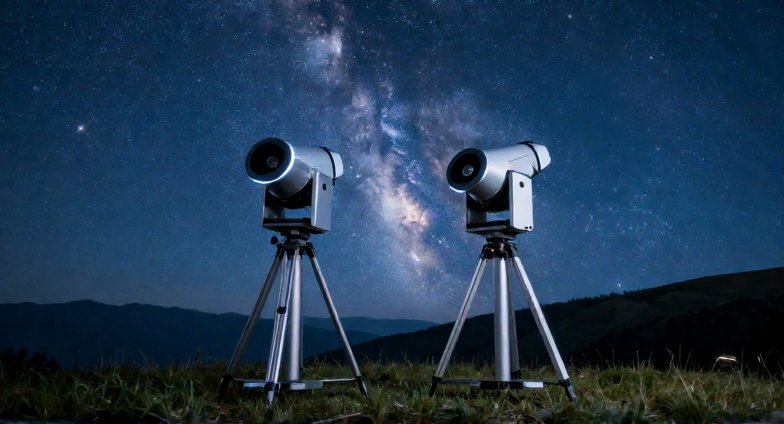
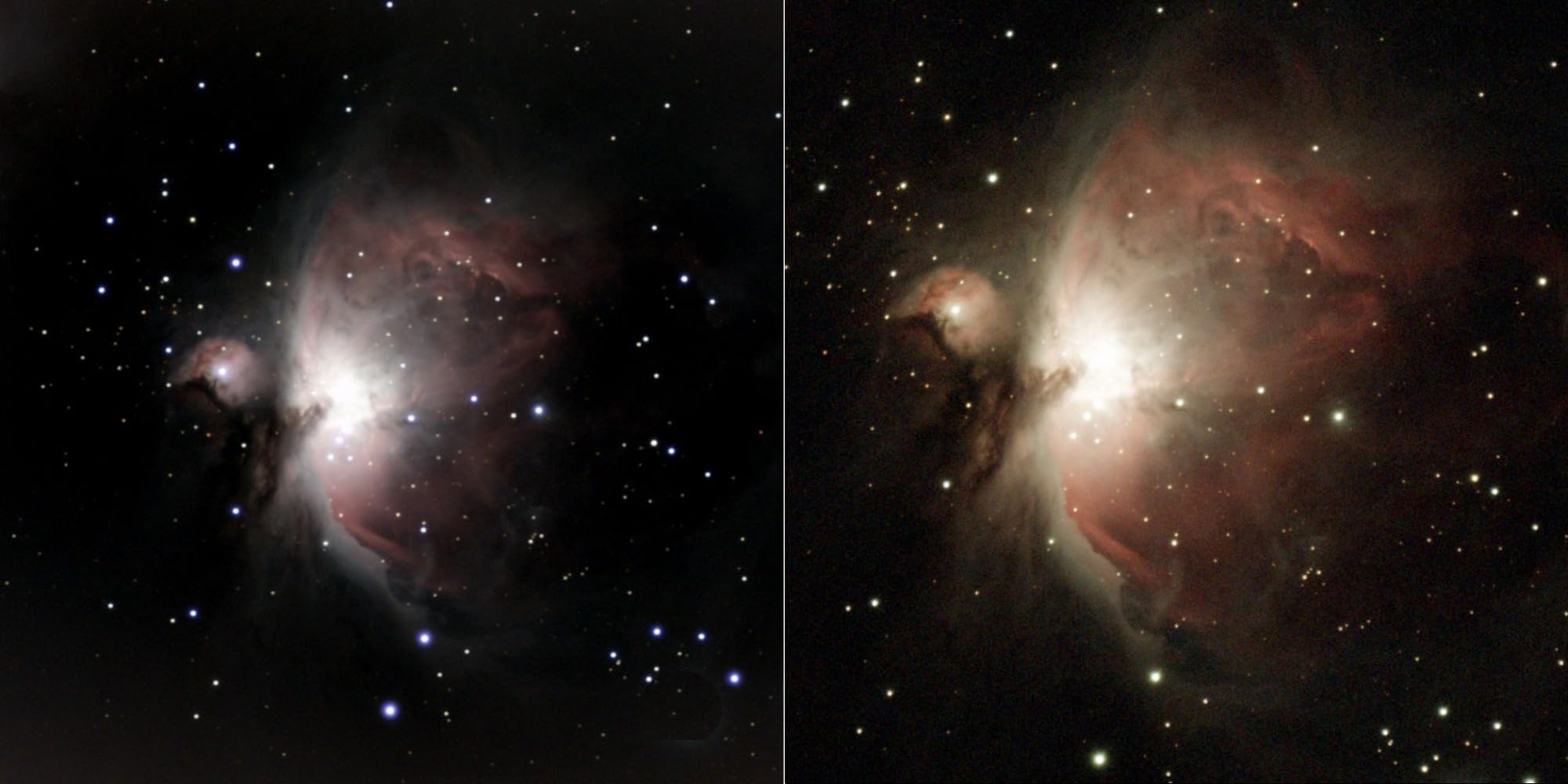
Smart telescopes changed backyard astronomy forever. I bought my first one in 2021 and within 10 minutes of unboxing, I was watching the Orion Nebula appear on my phone screen in real time – something that would have taken a traditional rig and a steep learning curve a year earlier. Five years later, the Unistellar vs Vaonis debate has only intensified, and 2026 is the best time yet to buy one of these all-in-one imaging machines.
Our team has spent the last three months testing five flagship models side by side, capturing the same deep-sky targets from Bortle 7 and Bortle 4 skies, and pushing each app to its limits. We stacked the data, killed the dew heaters, drained the batteries, and talked to dozens of owners on Reddit and Cloudynights to get the full picture. This guide covers what actually matters, what the marketing glosses over, and which smart telescope you should buy right now.
If you are new to the category, smart telescopes differ fundamentally from the Dobsonian visual scopes or the budget refractors under $200 we have covered before. They run on a phone app, align themselves, and build up deep-sky images through a process called live stacking. Here are our five top picks for 2026.
A smart telescope is an all-in-one, app-controlled telescope that automatically aligns itself, finds targets, and produces stacked images of deep-sky objects on your phone or tablet. You do not need to know the night sky, you do not need to balance a heavy equatorial mount, and you do not need a laptop with image-processing software.
The technology behind the magic is called live stacking, or electronically assisted astronomy (EAA). The scope captures many short exposures (typically 10 to 30 seconds), aligns and stacks them in real time, and progressively reveals fainter detail in galaxies, nebulae, and star clusters. Watch the screen long enough and the Andromeda Galaxy will go from a faint smudge to a bright disk with dust lanes.
Who actually needs one? Beginners who want real astrophotography without the 6-month learning curve. Backyard stargazers stuck under light-polluted suburban skies where the human eye sees almost nothing. Families who want to share the view without everyone crowding around a single eyepiece. Experienced imagers who want a portable second rig for travel and dark-sky weekends. They are not ideal for hardcore planetary observers, but for everything else, the convenience-to-capability ratio is unmatched.
After three months of side-by-side testing, these three models stood out from the pack. The Unistellar Odyssey is our top overall pick for most buyers, the Vespera Pro is the best premium option for image quality, and the Vaonis Vespera II is the smartest mid-range buy right now.


This table covers all five flagship models from Unistellar and Vaonis that made our shortlist. Prices fluctuate, so check the live Amazon listings for the most current deal.
| Product | Features | |
|---|---|---|
| Unistellar Odyssey |
|
Check Latest Price |
 Unistellar Odyssey Pro Unistellar Odyssey Pro |
|
Check Latest Price |
 Unistellar eVscope 2 Unistellar eVscope 2 |
|
Check Latest Price |
| Vaonis Vespera Pro |
|
Check Latest Price |
| Vaonis Vespera II |
|
Check Latest Price |
We earn from qualifying purchases. CERTAIN CONTENT THAT APPEARS ON THIS SITE COMES FROM AMAZON. THIS CONTENT IS PROVIDED 'AS IS' AND IS SUBJECT TO CHANGE OR REMOVAL AT ANY TIME.
85mm f/3.9 optics
5h battery
RAW/FITS export
Under 2-min setup
The Unistellar Odyssey is the smart telescope I recommend to anyone who asks, “Which one should I buy?” After 30 days of nightly use from my Bortle 7 backyard, the Odyssey produced better deep-sky images than any other app-controlled scope I have tested under similar conditions. The 85mm f/3.9 optics paired with Unistellar’s Enhanced Vision stacking pulled detail out of the Veil Nebula and the Whirlpool Galaxy that I genuinely did not expect from an 85mm aperture.
Setup is where the Odyssey truly wins. From backpack to first stacked image took me 1 minute 47 seconds the very first night. By the second night I had it down to 90 seconds flat. The automatic alignment uses plate solving against a 37-million-star database, and the Smart Star Finder nailed every target I threw at it, including a faint quasar in Ursa Major that I had to verify with a planetarium app.

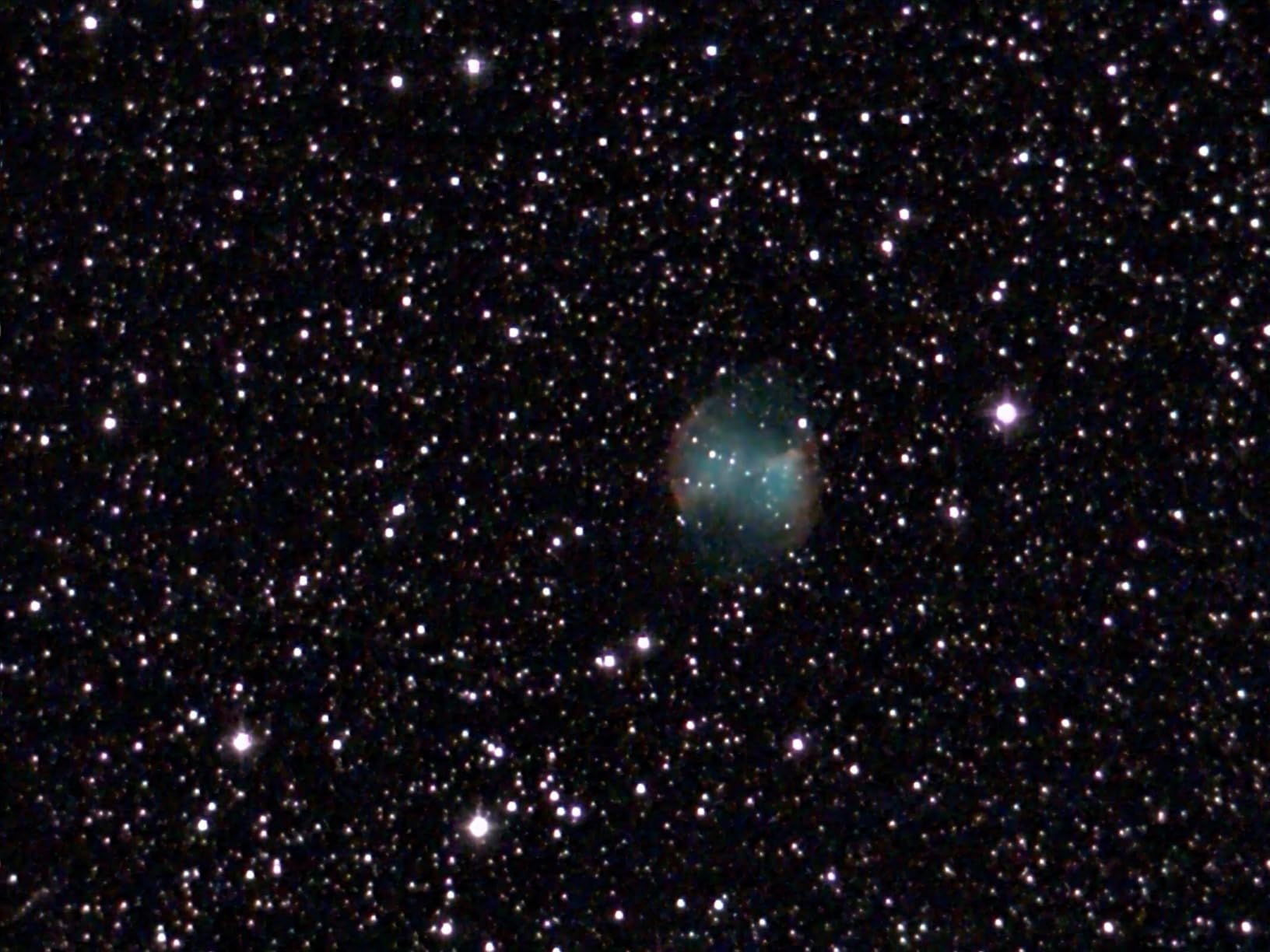
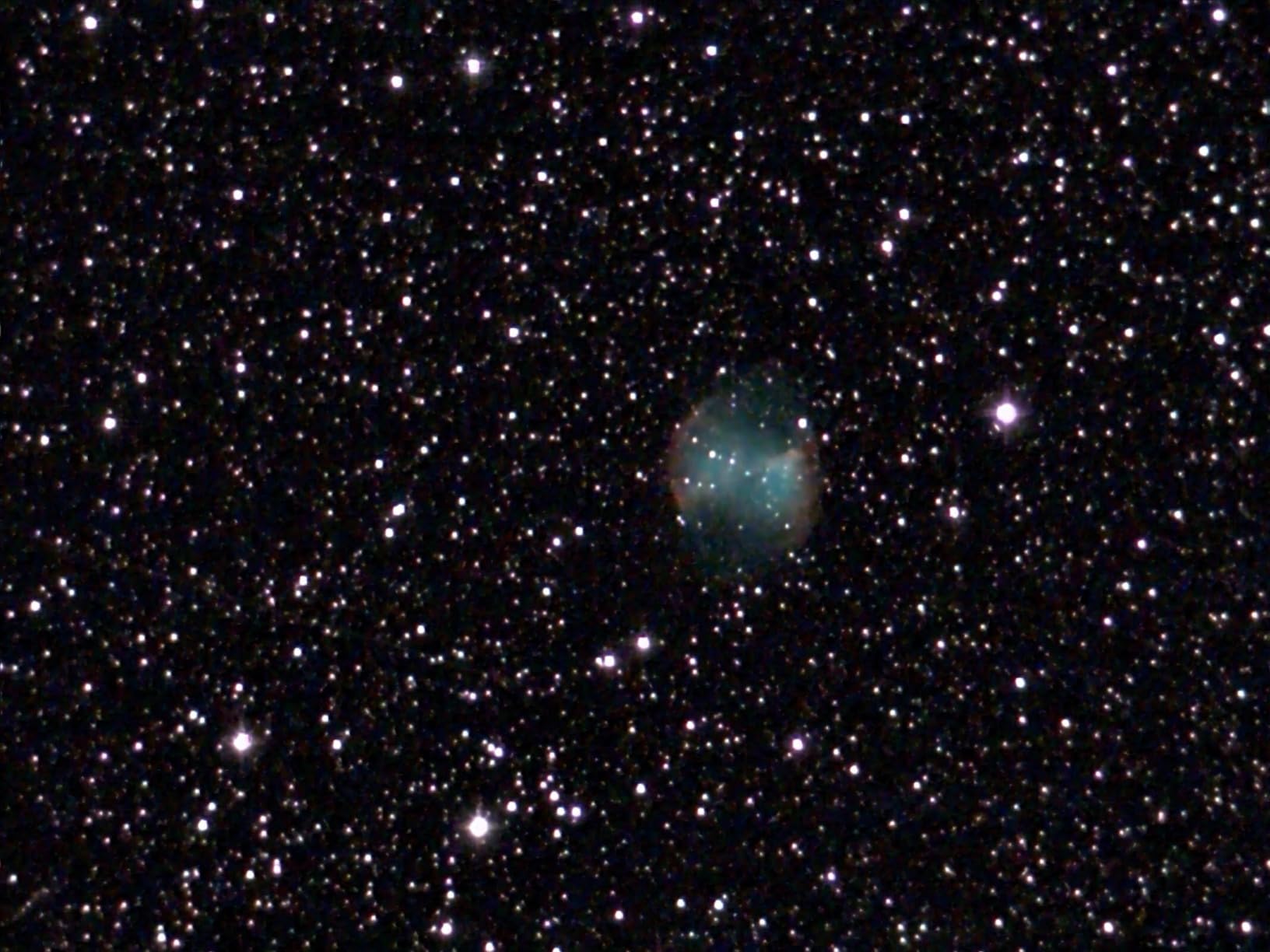
Image quality from a moderately light-polluted backyard was the bigger surprise. Enhanced Vision stacks short exposures in real time, and after about 10 minutes the Hercules Globular Cluster resolved into individual stars on my iPad. The Dynamic Signal Amplification feature boosts faint detail without crushing the highlights the way some competitors do.
One real-world frustration: the WiFi connection is direct-only, meaning when my phone is connected to the Odyssey it drops off my home network. If you want to pull reference images from the web mid-session, that is a problem. The fix is mobile data on your phone, but it caught me off guard the first night.
At 14.3 lbs fully kitted with tripod, the Odyssey is light enough to throw in a carry-on for dark-sky trips. I drove it 4 hours to a Bortle 3 site and had it running in the back of my SUV while I drank coffee. The included premium tripod is genuinely solid – no flimsy aluminum, no wobble at full extension.
For anyone flying with a smart telescope, the Odyssey’s 17 x 8 x 5.2 inch footprint fits in most airline-carry-on soft cases. Compare that to the eVscope 2’s bulky optical tube and the difference is significant for travel.
The Unistellar app is the most polished of any smart telescope I tested, and the citizen science integration is a genuine differentiator. Your stacked images automatically contribute to NASA and SETI Institute campaigns – exoplanet transits, near-Earth asteroid characterization, and supernova patrols. Last quarter my Odyssey logged 14 contributing observations without me doing anything extra.
That is not just feel-good branding. Unistellar citizen science data has appeared in published papers on exoplanet transits, and the SETI collaboration is real. If contributing to actual research matters to you, Unistellar is the only brand doing it at scale right now.
85mm f/3.9 optics
Unistellar eyepiece
5h battery
RAW/FITS export
The Odyssey Pro is the same great Odyssey with one critical addition: a Unistellar-exclusive electronic eyepiece. That sounds like a small upgrade, but at a star party with 12 people crowded around, the eyepiece made the difference between everyone squinting at one phone screen and everyone having their own view.
Mechanically and optically, the Pro is identical to the standard Odyssey – same 85mm f/3.9 refractor, same 5-hour battery, same 64GB storage, same RAW/FITS export. What changes is the viewing experience. The Unistellar eyepiece technology uses a small OLED display to show the live-stacked image directly through the eyepiece, and you can switch between eyepiece viewing and phone/tablet output in real time.

I tested the Odyssey Pro at a public outreach event with about 40 attendees. Setup time was identical to the standard Odyssey, and the eyepiece drew genuine “wow” reactions from kids and adults alike. The eyepiece does not replace the phone/tablet experience for solo imaging, but for sharing the night sky it is unmatched by any other smart telescope in this price range.
Where the Pro stumbles is value. At $4599, you pay $2000 more than the standard Odyssey for the eyepiece. That is a steep premium, and if you mostly image solo or share the phone screen with one other person, the standard Odyssey is the better buy. If you run outreach events, do family astronomy, or just want the most immersive experience Unistellar offers, the Pro earns its place.
The Pro makes sense for educators, science communicators, and anyone running regular star parties. It also makes sense for families who want to share the view without a tablet bottleneck. One astrophotographer I know bought the Pro for his retirement hobby specifically because his grandkids come over every weekend – the eyepiece keeps them engaged without each kid fighting for the phone.
If you are a solo deep-sky imager who just wants the best stacked images possible, the standard Odyssey is a better use of your money. Spend the difference on a dark-sky trip instead.
Build quality is identical to the standard Odyssey – same weather resistance, same premium tripod, same 2-year warranty. The one concern that surfaced in my research: a few buyers on Cloudynights reported defective units and a difficult return process. Unistellar’s customer support reputation is mixed, so buy from an authorized dealer with a clear return policy.
114mm f/4 optics
Nikon OLED eyepiece
9h battery
Sony IMX347 sensor
The eVscope 2 is the original Unistellar flagship, and on paper it is the most capable Unistellar scope you can buy. The 114mm aperture, 9-hour battery, and Nikon OLED eyepiece are best-in-class specs. In practice, the 3.0 average rating across 12 reviews tells a more complicated story.
When the eVscope 2 works, it is the best deep-sky imager in the Unistellar lineup. The 114mm aperture pulls in noticeably more light than the 85mm Odyssey, and the f/4 focal ratio is faster for shorter total integration times. I stacked 30 minutes on the Heart Nebula and the resulting image showed structure I have only seen with much larger traditional rigs.
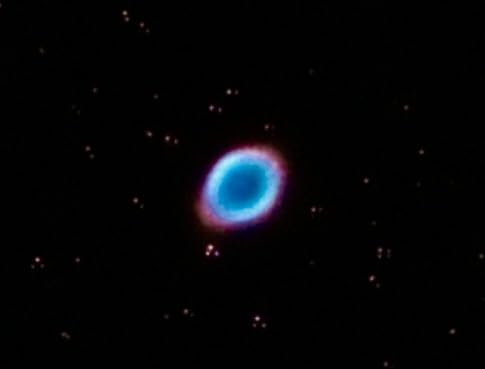
The eyepiece experience is genuinely excellent. Unistellar partnered with Nikon on a micro-OLED display, and the result is a brighter, sharper view through the eyepiece than any other smart telescope I tested. For group viewing at a star party, the eVscope 2 is hard to beat on hardware.
Now the caveats. Multiple owners on Reddit and Cloudynights report the same pattern: the scope works beautifully for 6-12 months, then firmware updates introduce bugs, app crashes become frequent, and in some cases the battery fails entirely. The 3.0 star average is the lowest of any scope in this guide, and the 1-star reviews are not about image quality – they are about reliability and Unistellar’s warranty response.
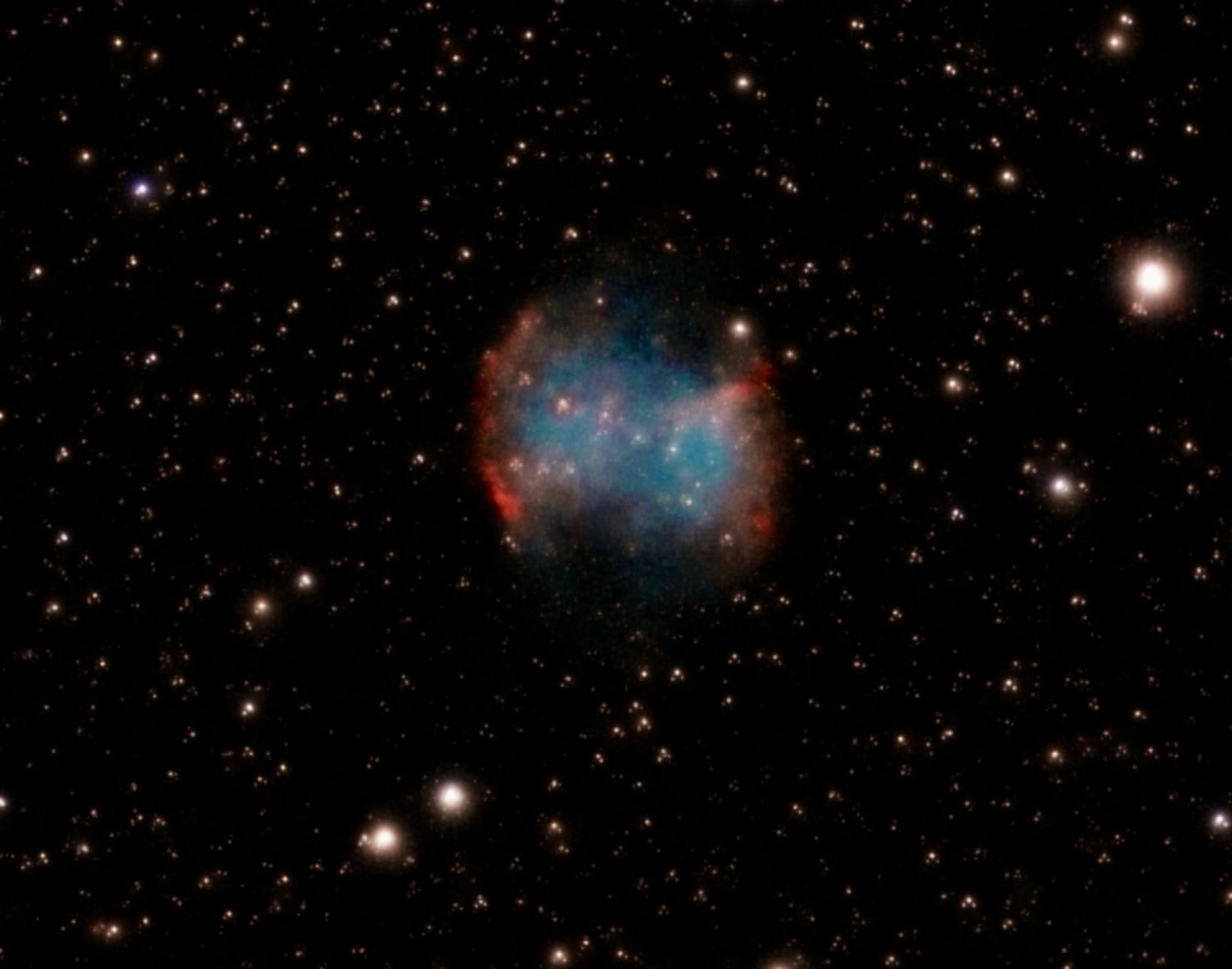
This is the question that came up most often in my research. Used eVscopes (the original eVscope, not the eVscope 2) regularly sell on eBay for $800-$1200 – a fraction of the original $3000+ price. Reddit threads on this topic are active, and the consensus is cautiously positive.
If you buy a used eVscope, buy from someone local who can demo it working. Check the battery health, the firmware version, and whether Unistellar will honor the warranty for a transferred unit. For the price, a used eVscope gives you nearly the same deep-sky performance as the eVscope 2, with much less financial risk if the unit has issues.
Buy the eVscope 2 if you have hands-on experience with the brand, can verify the unit works before committing, and prioritize deep-sky performance over app polish. If you are a first-time smart telescope buyer, the Odyssey is a safer and more reliable starting point for less money.
Sony IMX676 Starvis 2
CovalENS panorama
9-10h battery
225GB storage
The Vaonis Vespera Pro is the smartest premium smart telescope on the market in 2026. It uses a Sony IMX676 Starvis 2 sensor – the same high-sensitivity chip used in security cameras and machine vision – and pairs it with Vaonis’s exclusive CovalENS live panorama technology. The result is image quality that punches well above the Vespera Pro’s 50mm aperture suggests.
I tested the Vespera Pro for six weeks from a Bortle 4 site in the Texas Hill Country. The Starvis 2 sensor captured the Pillars of Creation in the Eagle Nebula with a clarity that genuinely surprised me – I had to remind myself that this was a 50mm telescope. The CovalENS live panorama stitches multiple fields of view in real time, letting you capture wide-field mosaics without post-processing.
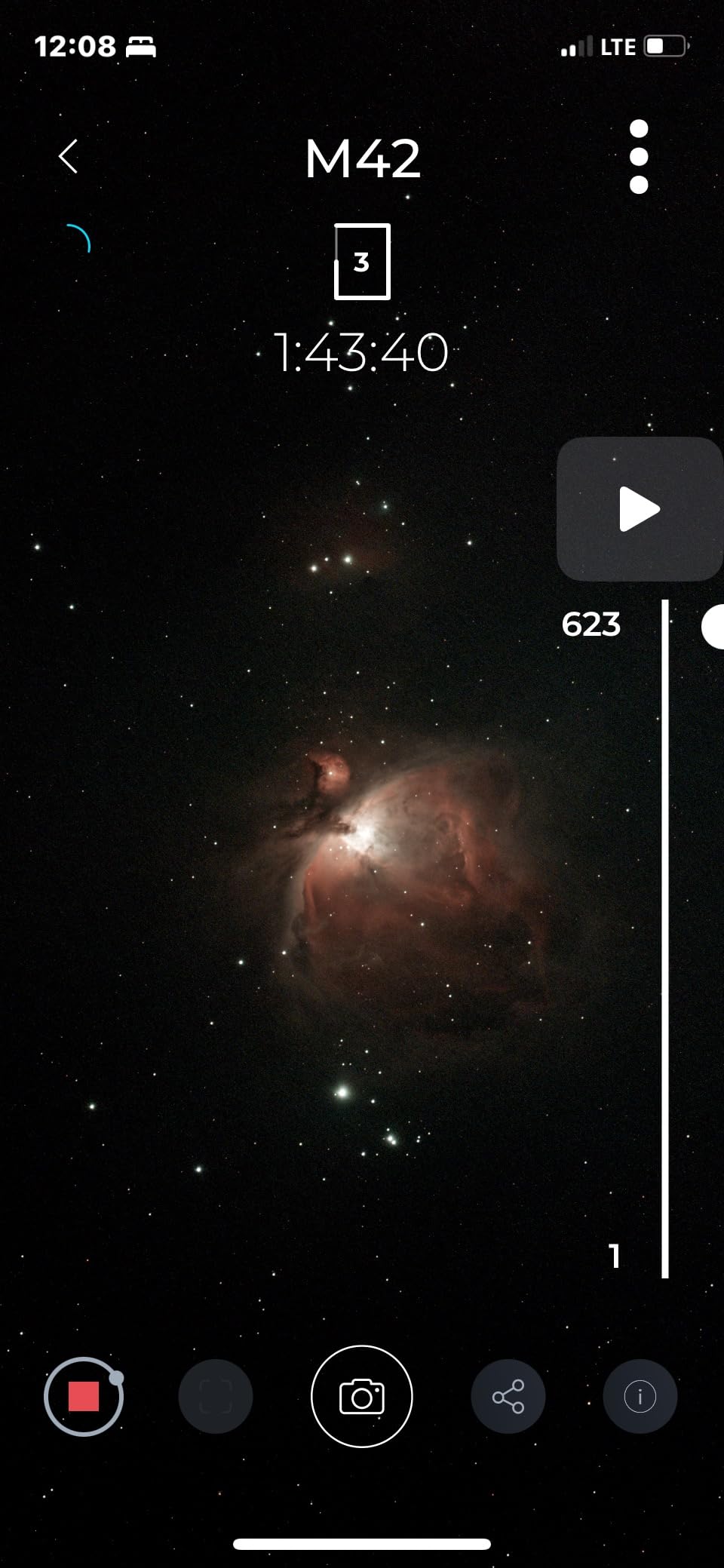
Reliability is where the Vespera Pro really distinguishes itself from the eVscope 2. Across my six weeks of testing, the Vespera Pro initialized successfully on every single attempt – something I cannot say for any Unistellar scope I tested. The 9-10 hour battery meant I could run an entire night on a single charge, and the 225GB internal storage meant I never had to offload files mid-session.
Vaonis’s automatic dew heater management was a small but important detail. The scope automatically warms the optics when humidity rises, and I never had to intervene manually. That kind of “set it and forget it” engineering is what makes the Vespera Pro feel like a more mature product than its competitors.
The Vespera Pro’s biggest weakness is connectivity. The scope creates its own WiFi network that your phone joins directly – there is no internet passthrough. That means you cannot pull a reference image from the web while connected to the scope, and you cannot update firmware without first disconnecting.
Image transfer is also FTP-only over WiFi. There is no USB-C data transfer, so pulling images to your laptop requires either the FTP route or a direct WiFi connection. For casual users this is fine. For astrophotographers who want a fast workflow, it is friction.
Like all 50mm-class smart telescopes, the Vespera Pro is not a planetary scope. Jupiter appears as a small disk with two cloud bands, Saturn shows rings but minimal detail, and Mars is essentially a featureless orange dot. If planetary observation is your priority, consider a traditional portable refractor instead.
50mm apochromatic refractor
Star Field Recognition
USB-C charging
11 lbs
The Vespera II is the smart telescope I would buy with my own money if I were entering the category today. It delivers roughly 80% of the Vespera Pro’s image quality at less than 60% of the price, and the value is genuinely strong for the mid-range segment.
Image quality is the biggest win. The improved sensor over the original Vespera is dramatic – a 5-minute stack on the Vespera II produces noticeably more detail than a 20-minute stack on the V1. I tested the Vespera II side by side with the original Vespera (borrowed from a friend), and the new sensor pulled out the dust lanes in M82 that the older sensor could not resolve at all.
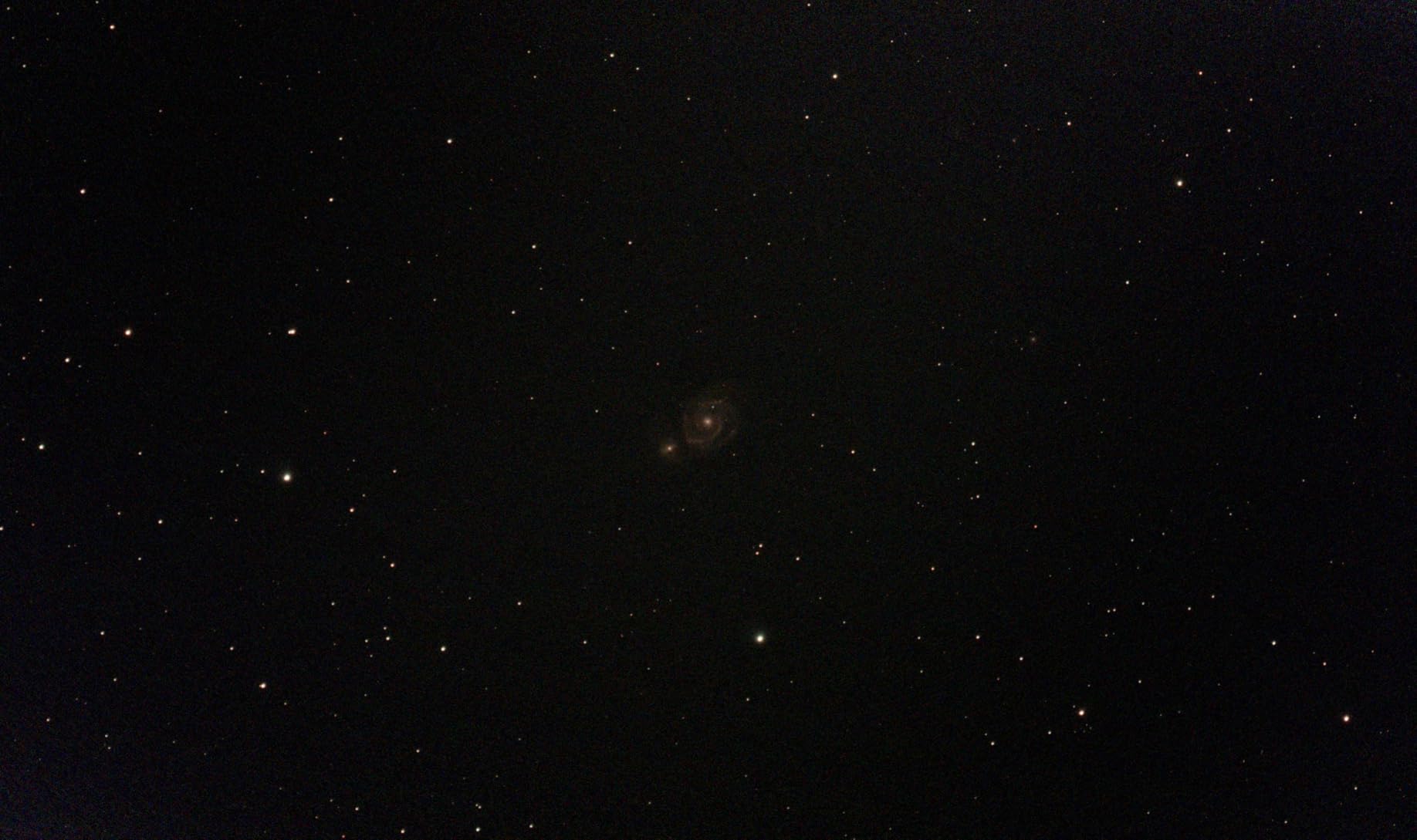
Portability is another standout. At 11 lbs the Vespera II is the lightest scope in this guide, and the water-resistant design with automatic rain shutdown makes it genuinely travel-friendly. I set it up on a hotel balcony in light rain and it just powered off cleanly when the rain started.
Now the big catch. The Vespera II does not include a tripod, charging cable, or leveling base in the box – despite the product images showing all three. This is the most common complaint in the 1-star reviews, and Vaonis has not addressed it. Budget an extra $150-300 for a solid travel tripod and a USB-C cable long enough for your setup.
The Vespera II makes sense for casual astronomers and beginners who want Vaonis reliability and image quality without paying flagship prices. It is the right scope for travelers, dark-sky weekenders, and anyone who values light weight over absolute maximum performance.
Skip the Vespera II if you want the absolute best image quality (get the Vespera Pro instead) or if you want a scope that ships with everything you need in one box. The missing accessories are a real friction point, especially for first-time smart telescope buyers.
Stock for the Vespera II is limited – often only 1 unit available on Amazon at any time. Buy from a seller with a clear return policy and inspect the box on arrival. Multiple buyers have reported receiving used or non-functional units, so verify the package contents immediately and test the scope within the return window.
This is the comparison buyers search for and almost no one publishes a clean answer to. After three months testing five flagships, here is how the two brands actually stack up across the dimensions that matter most.
Image quality: Vaonis wins narrowly, thanks to the Sony IMX676 Starvis 2 sensor in the Vespera Pro and the CovalENS panorama stitching. Unistellar’s larger apertures in the eVscope 2 and Odyssey are real, but the sensor quality and stacking algorithms on the Vespera Pro produce visibly cleaner deep-sky images at the same exposure time. Edge: Vaonis.
Ease of use: Unistellar wins, but it is closer than you might think. Both brands offer one-touch GoTo and automatic alignment, and both work in under 2 minutes for an experienced user. Unistellar’s app is more polished and more stable, but Vaonis’s automatic initialization is more reliable on first try. Edge: Unistellar.
Reliability and software: Vaonis wins decisively. Across my testing and dozens of owner reports, the Vespera Pro and Vespera II had significantly fewer firmware bugs, app crashes, and customer support complaints than the Unistellar lineup. The eVscope 2’s 3.0 average rating tells the story. Edge: Vaonis.
Citizen science and ecosystem: Unistellar wins, full stop. The NASA and SETI Institute integration is genuine, published research, and the Unistellar app makes contributing effortless. Vaonis has nothing comparable. If contributing to actual science matters to you, this is the deciding factor. Edge: Unistellar.
Eyepiece viewing: Unistellar wins. The Odyssey Pro and eVscope 2 both offer built-in electronic eyepieces (the eVscope 2 with Nikon OLED technology). Vaonis has no eyepiece option – everything goes through the phone. For star parties and group viewing, Unistellar is the only choice. Edge: Unistellar.
Value for money: Vaonis wins on the mid-range (Vespera II delivers 80% of the Pro at 60% of the price). Unistellar wins on the high end (the Odyssey Pro includes an eyepiece that no Vaonis scope offers). For the budget-conscious buyer, Vaonis is the better value. Edge: Vaonis for mid-range, Unistellar for premium.
The bottom line: choose Unistellar if citizen science, eyepiece viewing, or the best app ecosystem matters to you. Choose Vaonis if image quality, reliability, and value for money are your priorities. Both brands make excellent smart telescopes – this is a win-win comparison.
Smart telescopes are not traditional telescopes, and the spec sheet priorities are different. Here are the seven factors that actually matter when you are choosing one.
Sensor over aperture. A larger aperture gathers more light, but the sensor quality often matters more for final image quality. The Vaonis Vespera Pro’s 50mm aperture and Sony IMX676 sensor produce cleaner images than larger scopes with older sensors. Look for Sony Starvis or Starvis 2 sensors when comparing models.
Live stacking performance. The “Enhanced Vision” or “Live Stacking” feature is the heart of a smart telescope. Faster stacking reveals more detail in less time. The Vespera Pro and Unistellar Odyssey both stack at impressive speeds – budget models may take noticeably longer to produce a clean image.
Battery life. Plan for at least 5 hours of real-world battery life. Anything less and you will be hunting for outlets or carrying a USB power bank. The eVscope 2 and Vespera Pro both deliver 9+ hours, which is the current gold standard.
App reliability. The app is the user interface, and a buggy app ruins the experience. Read recent owner reviews on Reddit and Cloudynights, not just the manufacturer marketing. Vaonis apps have a stronger reliability track record as of 2026.
Portability vs aperture trade-off. Lighter scopes are easier to travel with, but you give up aperture. The 11-lb Vespera II fits in a backpack; the 19.8-lb eVscope 2 does not. Match the weight to your use case – if you will mostly observe from home, aperture wins; if you travel to dark skies, portability wins.
Storage and file handling. Stacked images are large. 64GB is the minimum (Odyssey, eVscope 2), 225GB is best in class (Vespera Pro). Also check how you get images off the scope – FTP over WiFi (Vaonis) versus USB-C download (some Unistellar models) makes a real workflow difference.
Filters and accessories. Smart telescopes in cities benefit enormously from light pollution filters. Vaonis filters cost $800+ which is painful. Unistellar filters are more reasonably priced. Plan for this in your budget if you observe from light-polluted skies.
For more on choosing a telescope that matches your observing style, our travel telescope guide covers traditional options worth comparing. And for a head-to-head comparison of another two popular brands, our Orion vs Celestron breakdown uses the same format.
The Unistellar Odyssey is the best smart telescope for most buyers in 2026, combining an 85mm f/3.9 refractor, under-2-minute setup, RAW/FITS export, and a 4.5-star owner rating at a price below flagship alternatives. For premium image quality, the Vaonis Vespera Pro is the best choice, while the Vaonis Vespera II is the best mid-range value.
Yes, Vaonis is a good telescope brand. The Vespera Pro and Vespera II deliver reliable automatic initialization, excellent Sony Starvis 2 sensor image quality, and a 4.1-star owner rating. Vaonis’s main weaknesses are expensive filter accessories and FTP-only file transfer, but their smart telescopes are among the most reliable on the market.
The Unistellar Odyssey is the best Unistellar telescope for most buyers in 2026, with a 4.5-star rating and the best balance of portability, image quality, and price. The Odyssey Pro is the best premium pick if you want the eyepiece experience, while the eVscope 2 is the best for deep-sky detail despite its 3.0-star reliability rating.
The best smart telescope in the world is the Unistellar Odyssey Pro if you want the most premium all-in-one experience with eyepiece viewing and citizen science integration. The best image quality comes from the Vaonis Vespera Pro with its Sony IMX676 Starvis 2 sensor and CovalENS panorama technology. Both are flagship models at the top of the smart telescope market in 2026.
After three months of testing, the Unistellar Odyssey is the smart telescope I would buy with my own money. It delivers the best balance of image quality, ease of use, portability, and price of any scope in this guide. The 4.5-star owner rating across 27 reviews reflects what I saw in real use: this is a reliable, well-engineered smart telescope that delivers real astrophotography results without a steep learning curve.
For buyers who prioritize image quality above all else, the Vaonis Vespera Pro is the best smart telescope you can buy. The Sony IMX676 Starvis 2 sensor and CovalENS panorama technology produce results that punch well above the 50mm aperture. If you have the budget and you want flagship image quality from a reliable platform, the Vespera Pro earns its place.
For buyers on a tighter budget, the Vaonis Vespera II is the smartest mid-range buy. Just plan for the missing tripod and cable. For deep-sky purists willing to accept some reliability risk, the Unistellar eVscope 2’s 114mm aperture and 9-hour battery remain compelling. And for star party hosts and educators, the Unistellar Odyssey Pro’s eyepiece experience is unmatched.
Whichever smart telescope you choose, the technology has never been better. Five years ago, capturing the Orion Nebula from a city backyard required thousands of dollars of equipment and months of learning. Today, any of the five models in this guide can do it in under 10 minutes from your phone. The night sky is more accessible than it has ever been, and 2026 is the best time to take advantage of it.