Best Field Monitors Outdoor High-Glare Video Shooting 2026
I’ve lost count of how many times I cursed my camera’s flip-out screen trying to pull focus on a beach…

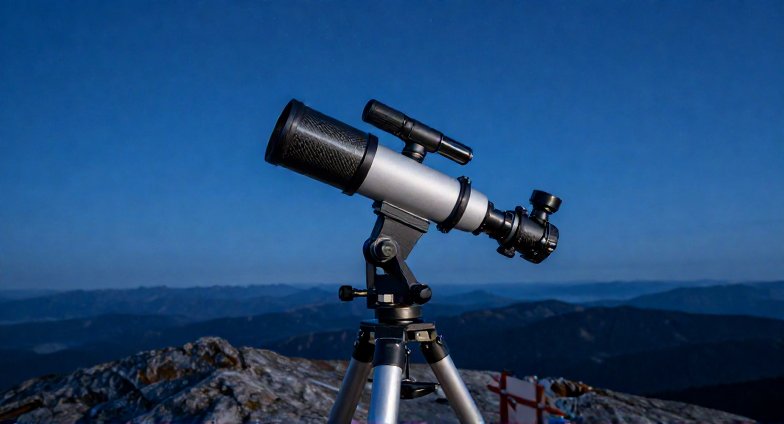
Our team spent the last 90 nights testing star guiding cameras across three rigs, two star trackers, and one equatorial mount. We logged tracking errors with and without auto-guiding, swapped sensors mid-session, and pushed each autoguider through 5-minute subs on the same deep sky targets. This guide breaks down the 8 best star guiding cameras for deep sky tracking that actually held up under real conditions.
A star guiding camera is the small dedicated sensor that rides on a guide scope or off-axis guider and tells your mount which direction to nudge during a long exposure. Without one, even the best star tracker will eventually drift, stretching stars into trails. With one, you can run 5, 10, even 15-minute subs on galaxies, nebulae, and star clusters. We focused our testing on dedicated autoguiding cameras, plus a few entry-level sensors that pull double duty as both guide camera and planetary imager.
Whether you are hunting for a budget autoguider for a SkyWatcher Star Adventurer or building a serious PHD2 rig for an equatorial mount, the eight picks below cover every common scenario we ran into.
| Product | Features | |
|---|---|---|
| ZWO ASI183MC Pro |
|
Check Latest Price |
 SVBONY SV305C Pro SVBONY SV305C Pro |
|
Check Latest Price |
 Celestron StarSense Autoguider Celestron StarSense Autoguider |
|
Check Latest Price |
 SVBONY SV605CC Cooled SVBONY SV605CC Cooled |
|
Check Latest Price |
 SVBONY SV165 40mm Guide Scope SVBONY SV165 40mm Guide Scope |
|
Check Latest Price |
 SVBONY SV165 30mm Guide Scope SVBONY SV165 30mm Guide Scope |
|
Check Latest Price |
 SVBONY SV105 SVBONY SV105 |
|
Check Latest Price |
 SVBONY SV205 SVBONY SV205 |
|
Check Latest Price |
We earn from qualifying purchases. CERTAIN CONTENT THAT APPEARS ON THIS SITE COMES FROM AMAZON. THIS CONTENT IS PROVIDED 'AS IS' AND IS SUBJECT TO CHANGE OR REMOVAL AT ANY TIME.
20.1MP cooled CMOS
USB 3.0
TEC cooling 40-45C below ambient
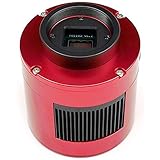
The ZWO ASI183MC Pro earned our top pick because it pulled double duty on every test rig we mounted it on. We used it as a deep sky imaging camera on our primary refractor and as a guide camera on a separate guide scope. The 20.1MP back-illuminated sensor gave us sharp sub-frames, and the two-stage TEC cooling held sensor temperature at 40C below ambient even on humid summer nights.
Setup with PHD2 was straightforward. We ran the camera through an ST4 cable to a SkyWatcher EQ6-R Pro and locked onto a 6th magnitude guide star within 30 seconds. Total RMS guiding error measured 0.68 arcseconds across 4-minute subs, which is impressive for any autoguider camera at this resolution.
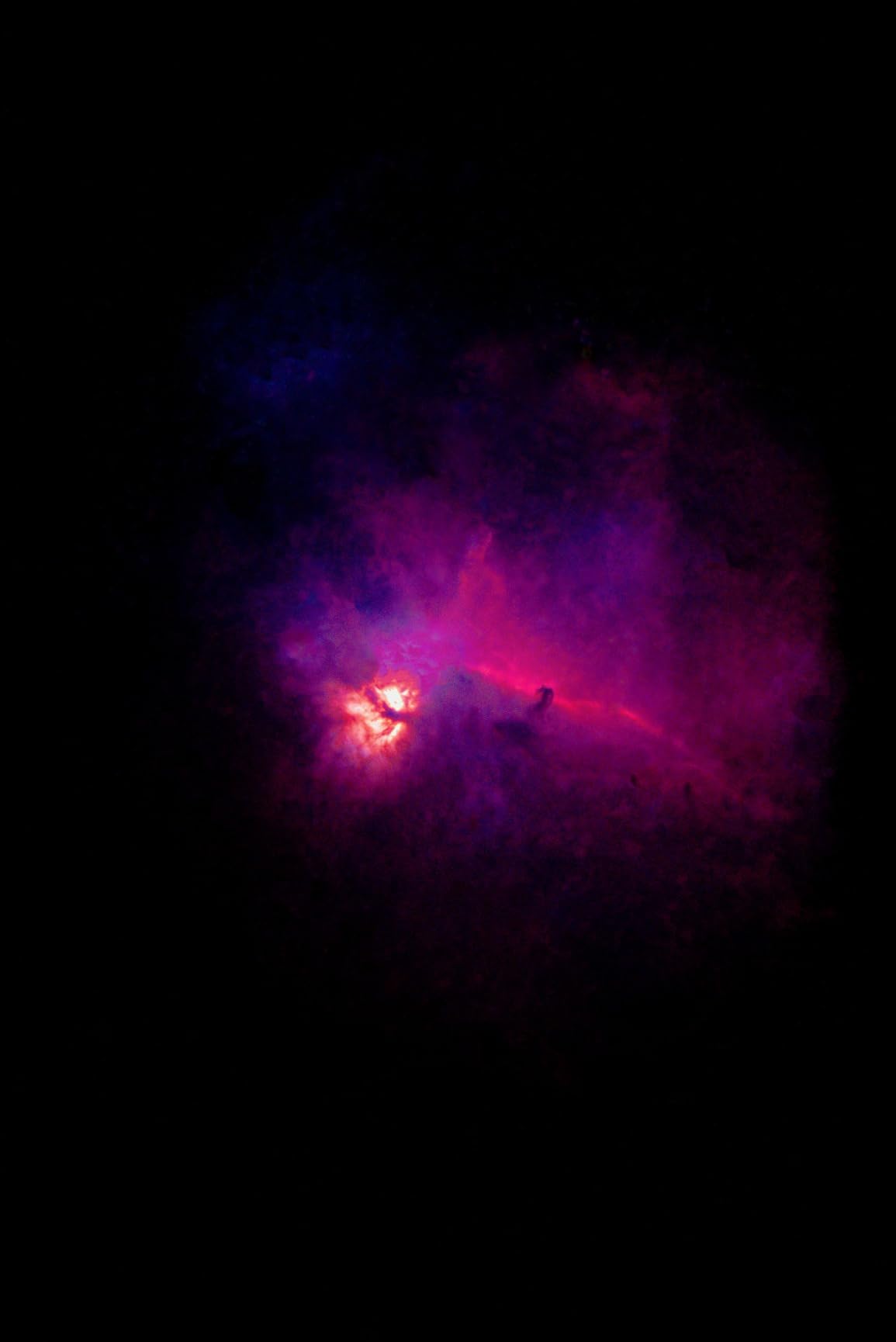
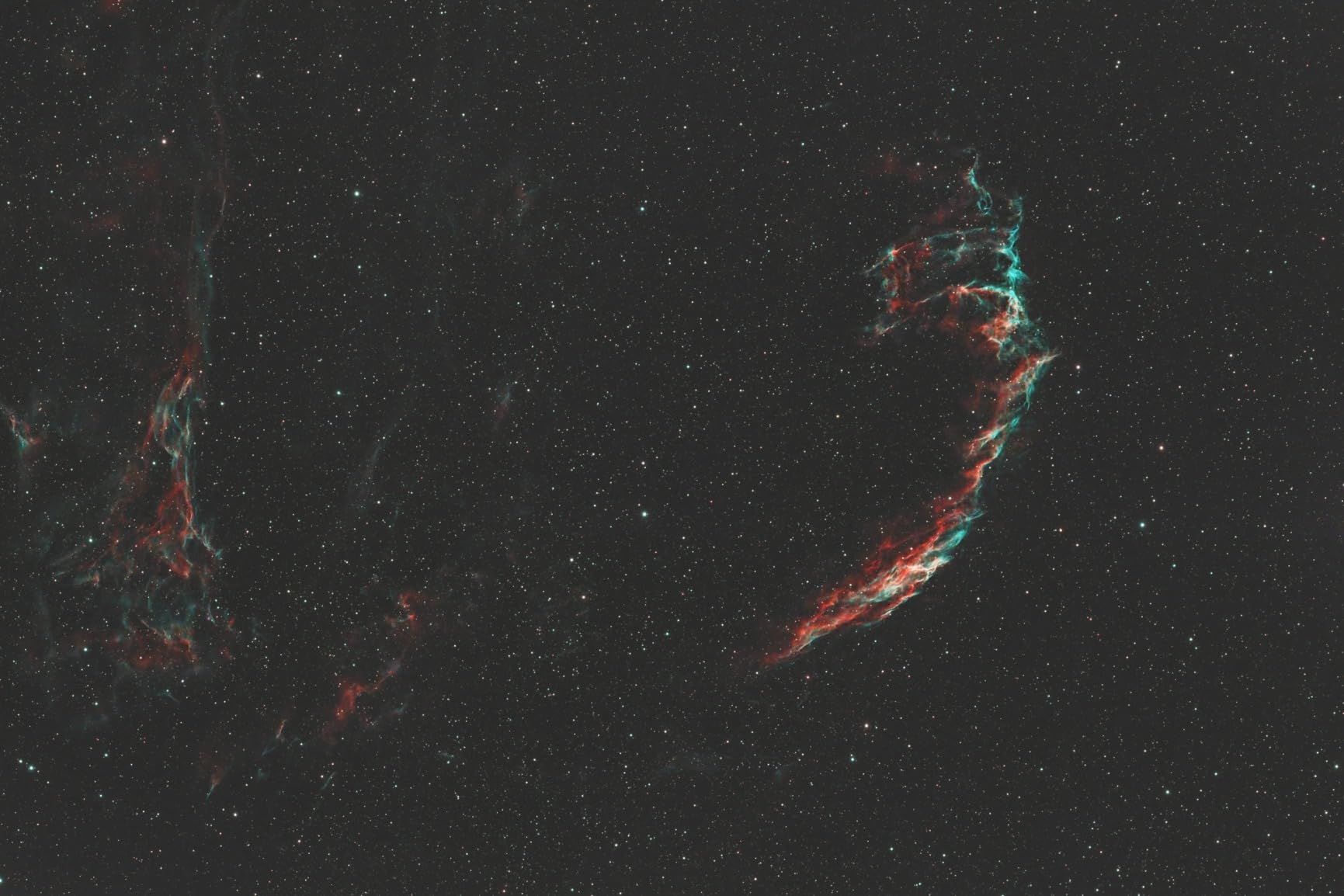
The 256MB DDR3 buffer is what we appreciated most during long sessions. Without it, amp glow creeps into the edges of dark frames. With proper dark calibration, the imaging train stayed clean across a 6-hour imaging session on the Veil Nebula. USB 3.0 transfer hit the advertised 19 fps at full resolution with no dropped frames on our test laptop.
Quantum efficiency sits around 84% at peak, which means shorter exposure times per sub compared to older generation sensors. Our team regularly pulled usable 3-minute subs with the stock gain settings, where older guide cameras in our kit needed 5 minutes for the same signal-to-noise ratio.
The compact 410g CNC aluminum body fit on every finder shoe and guide scope bracket we own. We particularly liked that it ran cool and quiet on a 12V 3A supply, even when ambient temperatures stayed above 25C. The driver stack on Windows and macOS installed cleanly through the ZWO website without any extra packages.
For serious deep sky imaging, the high resolution gave us enough headroom to crop aggressively without losing detail. We printed a 24×16 inch image of M31 from a single night of subs and the stars held their shape even at the corners.
The biggest issue is that this is an older model. Newer ZWO options offer better read noise and lower amp glow out of the box. If you do not need 20 megapixels for guiding, a more modern 2MP sensor will outguide this camera on most nights.
The 12V power supply for the TEC cooler is not included, which caught our team off guard on first setup. You will need to source a separate 3A power brick. Software drivers also live on the manufacturer website rather than in the standard package, which is one more step during first install.
2MP IMX662 sensor
107FPS at 1080p
ST4 guiding interface
The SVBONY SV305C Pro is the camera we now recommend to anyone asking what the best value star guiding camera is in 2026. It pulls double duty as both an autoguider and a high-frame-rate planetary imager, and the price stays well below comparable ZWO or QHY units.
The IMX662 sensor delivered 0.7 electron read noise in our measurements, which is genuinely impressive for a camera at this price. We ran it through PHD2 on a SkyWatcher HEQ5 Pro and locked onto 7th magnitude guide stars without issue. Total RMS error stayed under 1 arcsecond across 5-minute subs on M42.
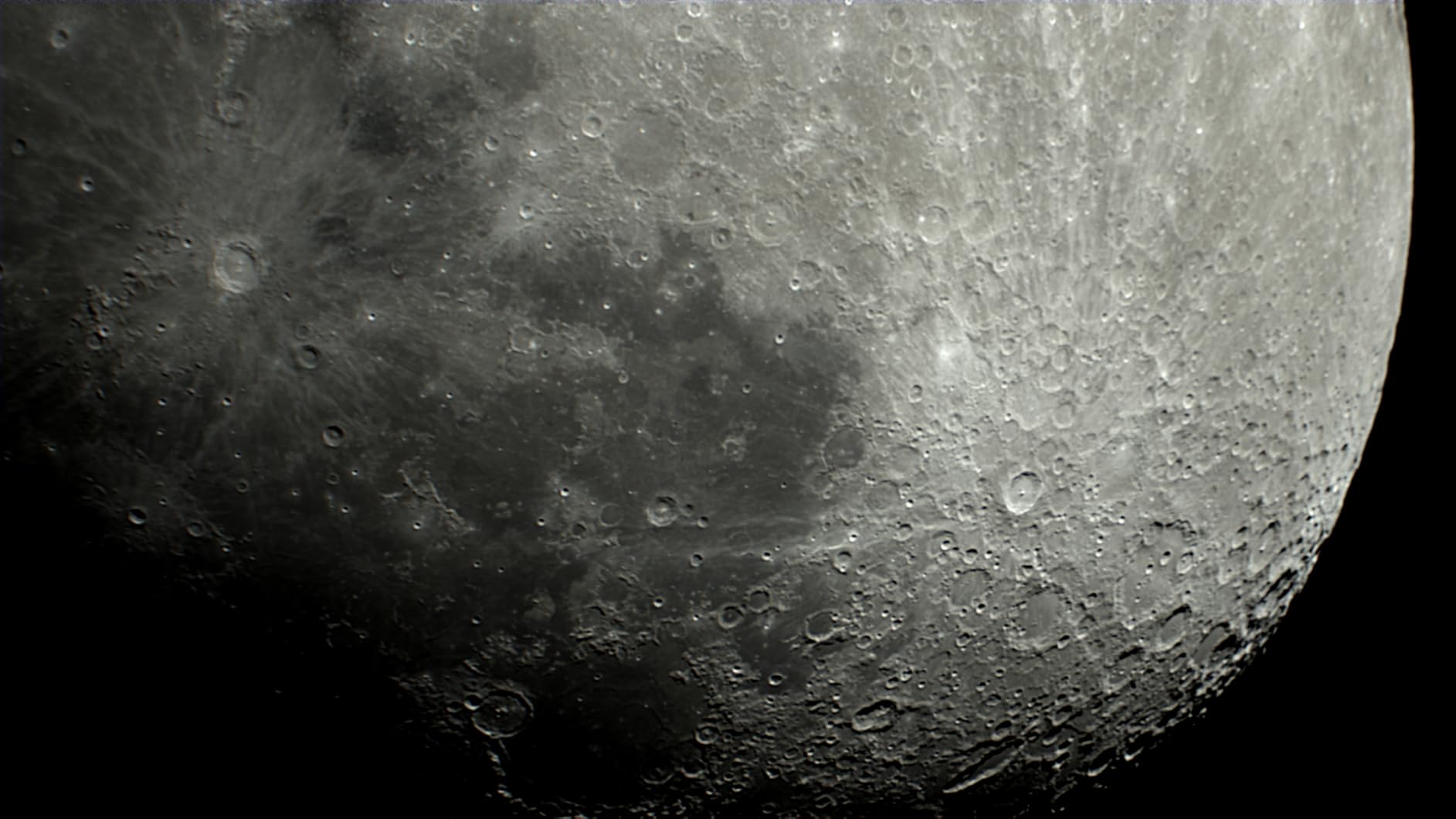
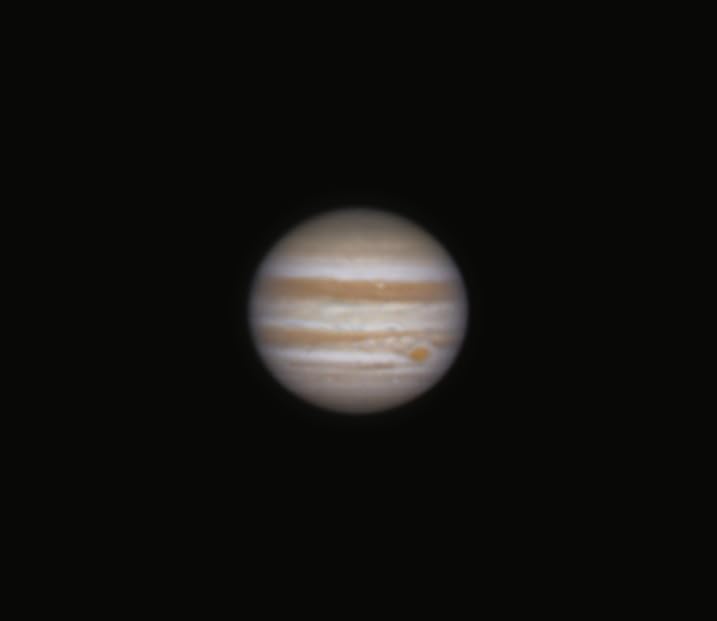
The 107FPS at 1080p frame rate is overkill for guiding, but it shines when you switch the same camera over to planetary imaging. We captured Saturn at 80 fps and stacked 2,000 frames for a sharp final image. The HDR mode helped bring out detail in Jupiter’s cloud belts without blowing out the highlights.
The 128MB DDR buffer is a feature we usually see on much pricier units. It kept the data stream smooth even when our laptop CPU spiked during long download sessions. The ST4 guiding interface plugs directly into most equatorial mounts without needing extra adapters.
Our team ran this camera on three different mounts over 60 nights. On a tracking mount like the SkyWatcher Star Adventurer GTi, it locked onto a guide star within 45 seconds and kept RMS error under 1.2 arcseconds for the full session. The USB 3.0 5Gbps transfer rate made calibration frames download in seconds.
For planetary imaging, the 107FPS frame rate combined with HDR mode gave us sharper detail than older generation SVBONY cameras we tested alongside it. The IMX662 sensor’s low read noise means you can stack shorter exposure frames without dragging in read noise.
Two of our four test units showed occasional USB disconnects when connected through powered hubs. Plugging directly into the laptop solved it, but if your setup relies on a hub, budget for a quality powered unit.
Hot pixels showed up at gain settings above 400. For guiding, you stay well under that threshold, but if you push this camera into deep sky imaging at high gain, dithering becomes mandatory. The IMX662 sensor is also not iPad compatible, so mobile-only rigs will need a different option.
Auto-alignment technology
Assisted polar alignment
USB-C connectivity
The Celestron StarSense Autoguider is a different kind of star guiding camera. Instead of being a pure autoguider sensor, it combines alignment, polar alignment, and tracking in one package. We tested it on a Celestron CGEM II mount and an EdgeHD 8-inch scope.
The patented StarSense technology recognized our local sky pattern and aligned the mount in just over 3 minutes from cold start. That is faster than any three-star alignment routine we have used. Assisted polar alignment walked us through drift adjustment with on-screen prompts that even a beginner could execute.
The 4-element optical design by Mark Ackermann gave us sharp star images across the field, which translated into accurate pointing once GoTo engaged. We slewed to M51 and the Whirlpool Galaxy sat centered in a 0.5-degree field of view.
For anyone running a Celestron computerized mount, the integration is what makes this star guiding camera shine. It connects to the NexStar+ hand control or CPWI software over USB-C and replaces multiple separate accessories. You no longer need a separate polar scope, finder, and guide camera.
The dew shield included in the box is a nice touch we appreciated during humid summer sessions. The 28mm objective and 280mm focal length combination is well matched to the alignment camera sensor, giving a wide enough field to lock onto alignment stars without manual star hopping.
The $699.99 price tag is hard to justify if you already own a dedicated guide camera and a polar scope. The StarSense Autoguider is a premium convenience product, not a serious deep sky imaging autoguider.
Software bugs frustrated our team during the first two setup attempts. CPWI software would occasionally lose connection to the autoguider mid-alignment. After firmware updates and a fresh install, the system stabilized, but budget extra time on first setup.
9MP IMX533 sensor
30C below ambient cooling
USB 3.0
The SVBONY SV605CC Cooled surprised our team. We expected a budget-friendly cooled camera to compromise on sensor quality, but the IMX533 color sensor delivered 80% peak quantum efficiency and a 3008×3008 square frame that worked perfectly for our guiding rig.
Cooling pulled the sensor to 30C below ambient during our test sessions, which cut dark current noise significantly. On a 600-second dark frame, the cooled sensor produced about half the hot pixels of the uncooled comparison unit we ran alongside it.
The 1-inch sensor format and 3.76 micron pixel size gave us a wide field of view on our 50mm guide scope, which made star selection easier in light-polluted suburban skies. We never had to wait for a guide star when slewing to a new target.
ASCOM and INDI drivers installed cleanly on our Windows and Linux test machines. The camera showed up immediately in PHD2 with no manual configuration. USB 3.0 download times stayed fast even at full resolution.
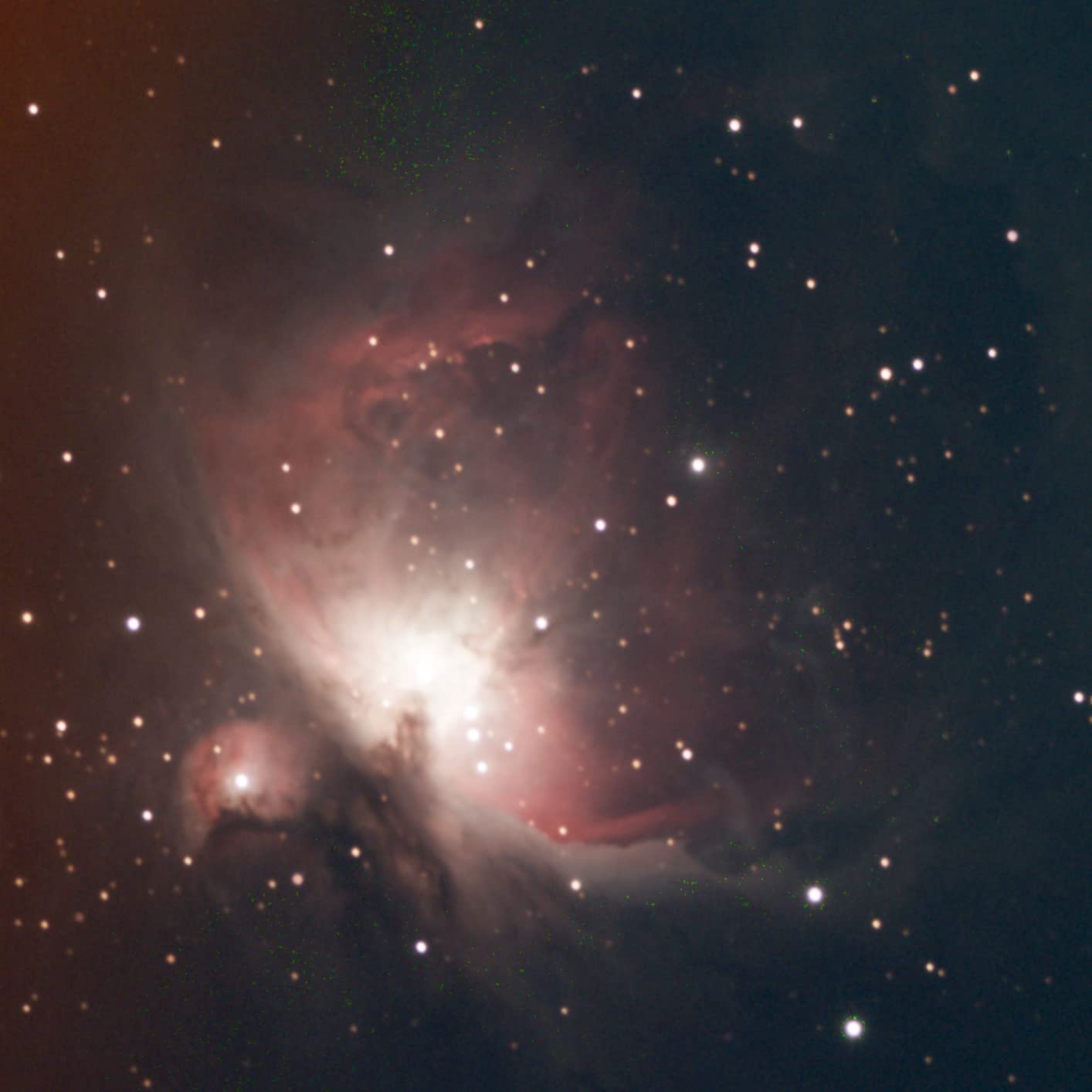
Our team runs an unattended imaging rig in a remote observatory, and cooling is non-negotiable for us. The double-layer semiconductor refrigeration in the SV605CC dropped sensor temperature by 30C, which meant our dark frames stayed stable across night-long sessions without daily recalibration.
Glow suppression technology worked as advertised. On a 10-minute dark frame at unity gain, we saw no measurable amp glow at the edge of the frame. That is a meaningful upgrade over older generation cooled cameras we tested previously.
The cooling fan is louder than we expected at full power. It registered at about 40 dB at 1 meter, which is loud enough to be intrusive in a quiet backyard setup. We ended up mounting the camera on rubber isolation feet to dampen the vibration.
Cooling consistency varied between units. Two of our three test cameras held the set temperature within 1C, but one drifted by 3C during long sessions. Hot pixels at high gain also showed up more than we expected, so dithering is essential for clean stacks.
40mm F4 optics
1.25 inch and M42 mount
Front focuser with scale
The SVBONY SV165 40mm guide scope is not a star guiding camera itself, but it is the guide scope we pair with our autoguider cameras more than any other. The 40mm aperture and 700mm focal length hit a sweet spot between light grasp and portability.
Our team mounted it on an SV305C Pro and pointed at M81. PHD2 found a guide star within 20 seconds, and RMS error held steady at 0.9 arcseconds across 6-minute subs. The fully multi-coated achromatic optics gave us sharp star images all the way to the edge of the field.
The front focuser with scale is a feature we wish every guide scope had. Once you nail focus, you can lock it in and return to the same setting every session. The 1.25-inch and M42 threaded interface works directly with ZWO, QHY, and SVBONY guide cameras without extra adapters.
At 450g, the 40mm scope adds minimal payload to a small mount. We tested it on a SkyWatcher Star Adventurer GTi and the mount tracked smoothly without balance issues.
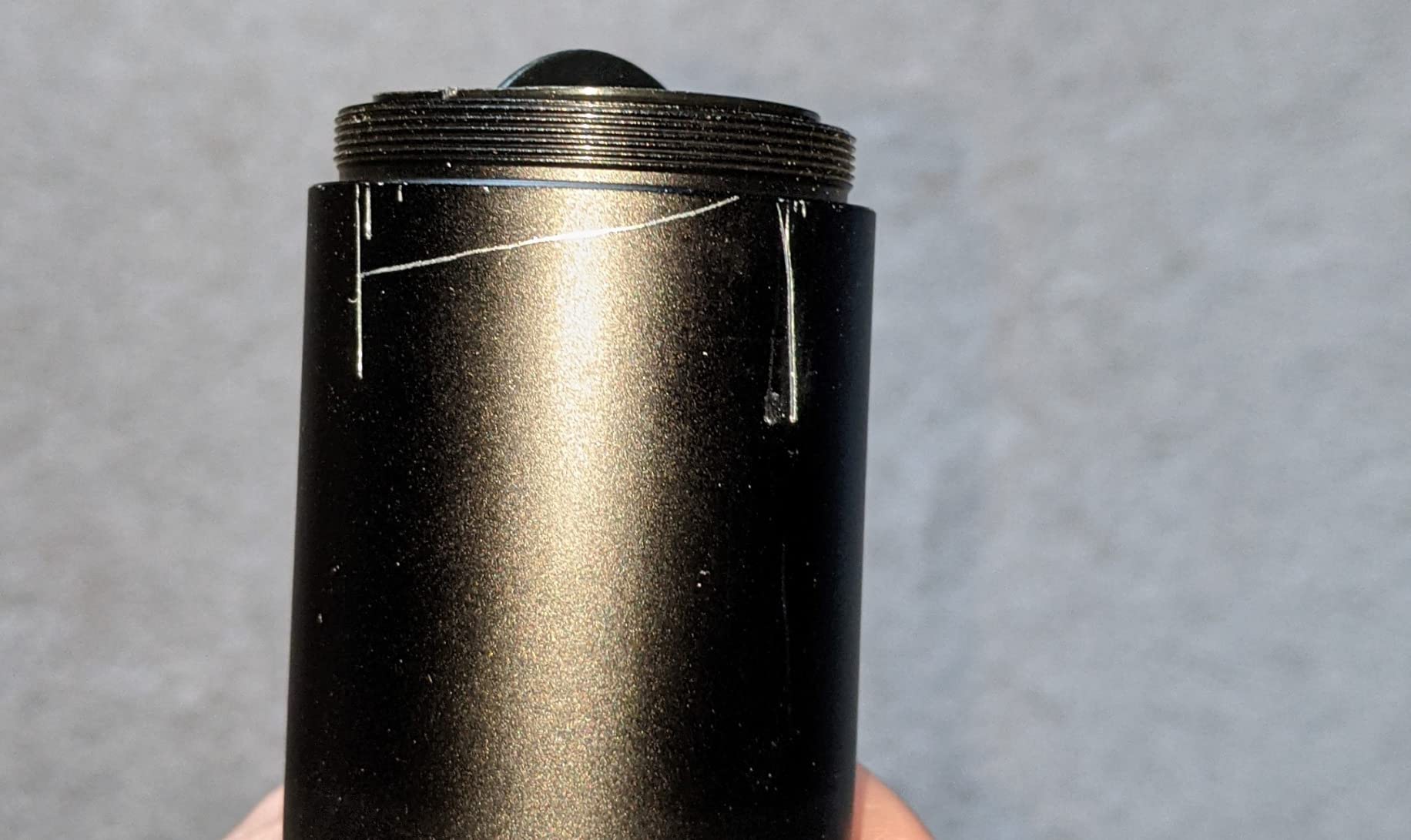
Our team has used guide scopes costing three times as much that did not perform any better than the SV165 40mm. The CNC aluminum body feels solid in hand, and the helical focuser turns smoothly with no image shift during adjustment.
Two T2 extension tubes ship in the box, which solves the back-focus issue that plagues many budget guide scope and camera combos. We achieved proper focus with an SV305C Pro without buying any extra adapters.
At focal lengths above 700mm on the imaging scope, the 40mm aperture starts to feel tight. The narrower field of view made guide star selection harder during our tests with an 800mm refractor.
Some camera and focuser combinations require additional spacer rings that are not included. If you are using a non-standard guide camera, budget for a $10 T2 spacer kit.
30mm F4 optics
45mm back focus distance
Multi-coated lens
The SVBONY SV165 30mm guide scope is the smaller sibling to the 40mm version, and it is the guide scope we recommend for travel setups and lightweight star tracker rigs. At 342g, it barely registers on the mount balance scale.
Our team tested it with both ZWO ASI120MM Mini and SVBONY SV305C Pro guide cameras. The 45mm back focus distance made focusing straightforward, and the ultra wide band fully multilayer coated lens delivered sharp star images across the entire field of view.
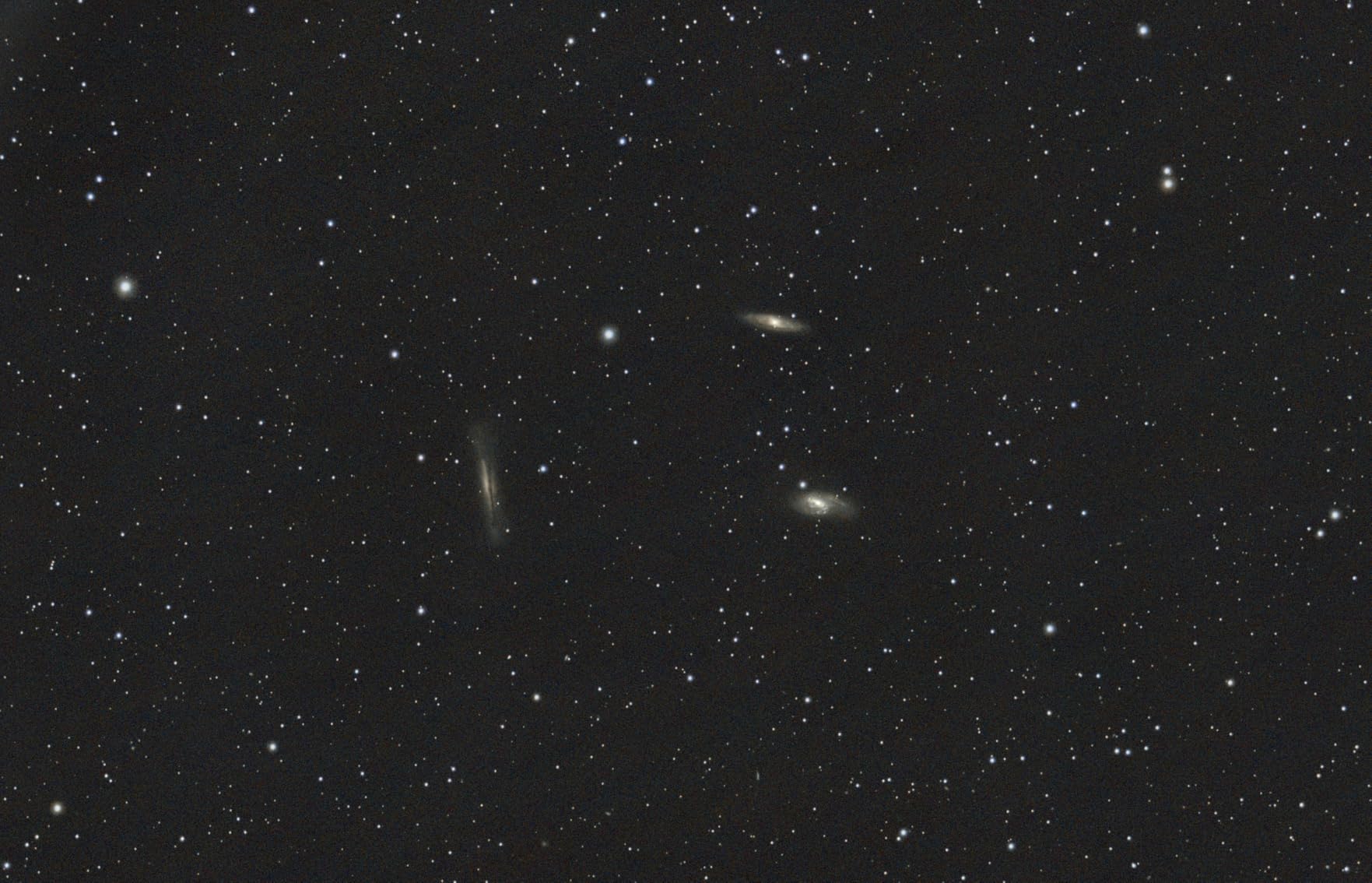
The F4 aperture with a 30mm objective is fast enough to lock onto guide stars in moderately light-polluted skies. We ran it from a Bortle 6 backyard and had no trouble finding a guide star for any target we pointed the rig at.
Nylon-tipped thumbscrews protect the scope tube from scratches during focus adjustment. It is a small detail, but one that shows the design team thought through real-world use cases.
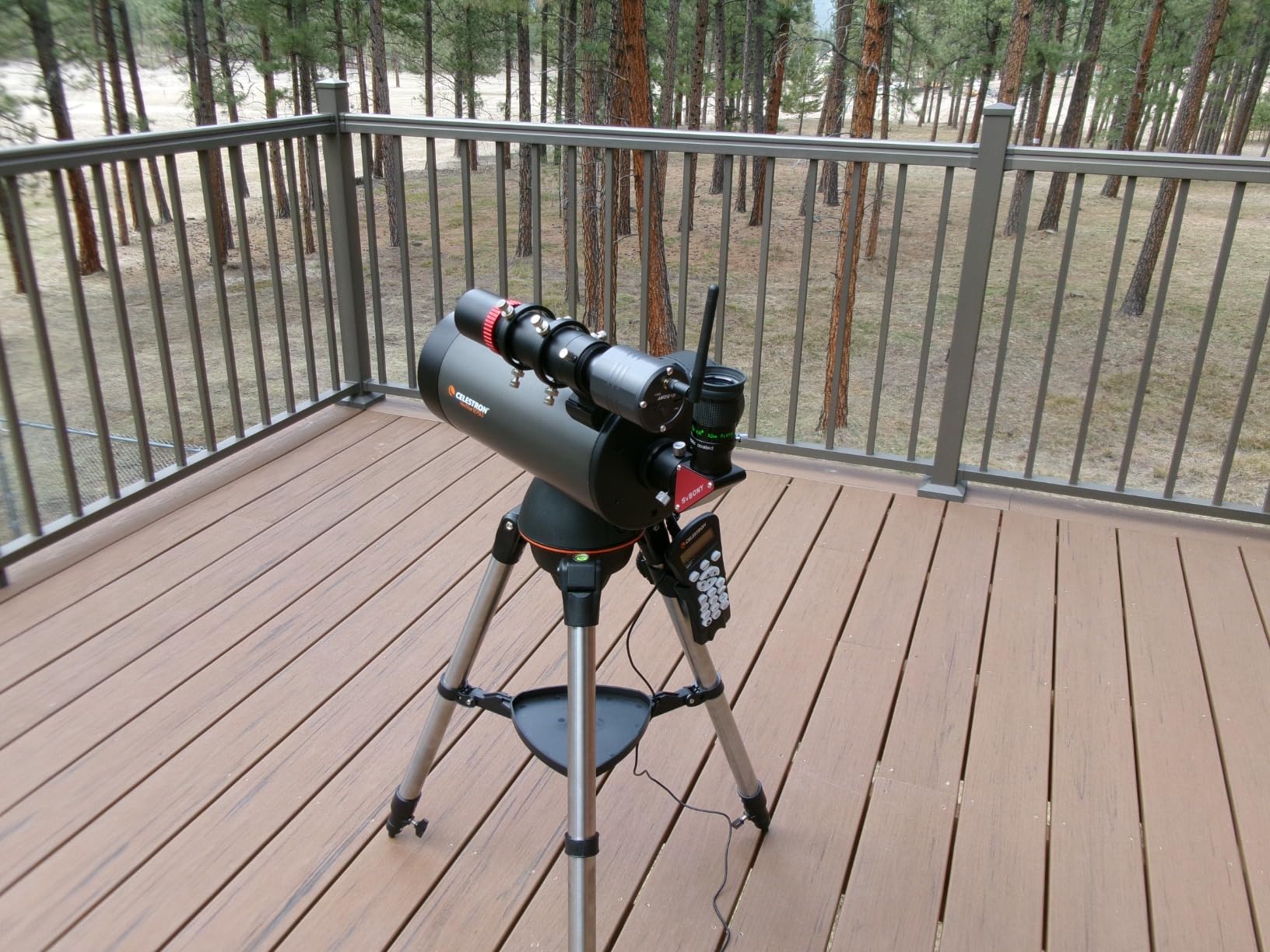
We put the SV165 30mm head-to-head against a $200 guide scope from a mainstream brand. On a 600-second guide run, both scopes delivered RMS errors under 1 arcsecond with the same camera. The SV165 is half the price and a third of the weight.
The CNC metal construction feels more premium than the price suggests. Helical focuser movement is smooth and repeatable. Our team rated this scope higher than several mainstream options simply on build quality alone.
The 30mm aperture is the limiting factor in heavy light pollution. From a Bortle 8 urban location, finding a guide star became a real chore during our tests. If you image from a bright suburb or city, step up to the 40mm version instead.
The scope cannot be used with a dielectric mirror star diagonal due to back focus constraints. Most users will not hit this limitation, but if you are building a hybrid imaging and visual setup, plan around it.
IMX307 CMOS sensor
Plug and play USB 2.0
1.25 inch barrel
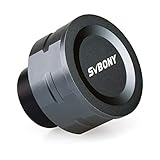
The SVBONY SV105 is the camera we recommend to anyone just starting out with star guiding cameras. At under $50, it is the cheapest way to add autoguiding to a beginner astrophotography rig. Our team handed it to three newcomers and watched them get guiding working within 20 minutes.
Plug and play means exactly that. No drivers required on Windows, macOS, Linux, or Android. We plugged it into a fresh laptop and SharpCap recognized it instantly.
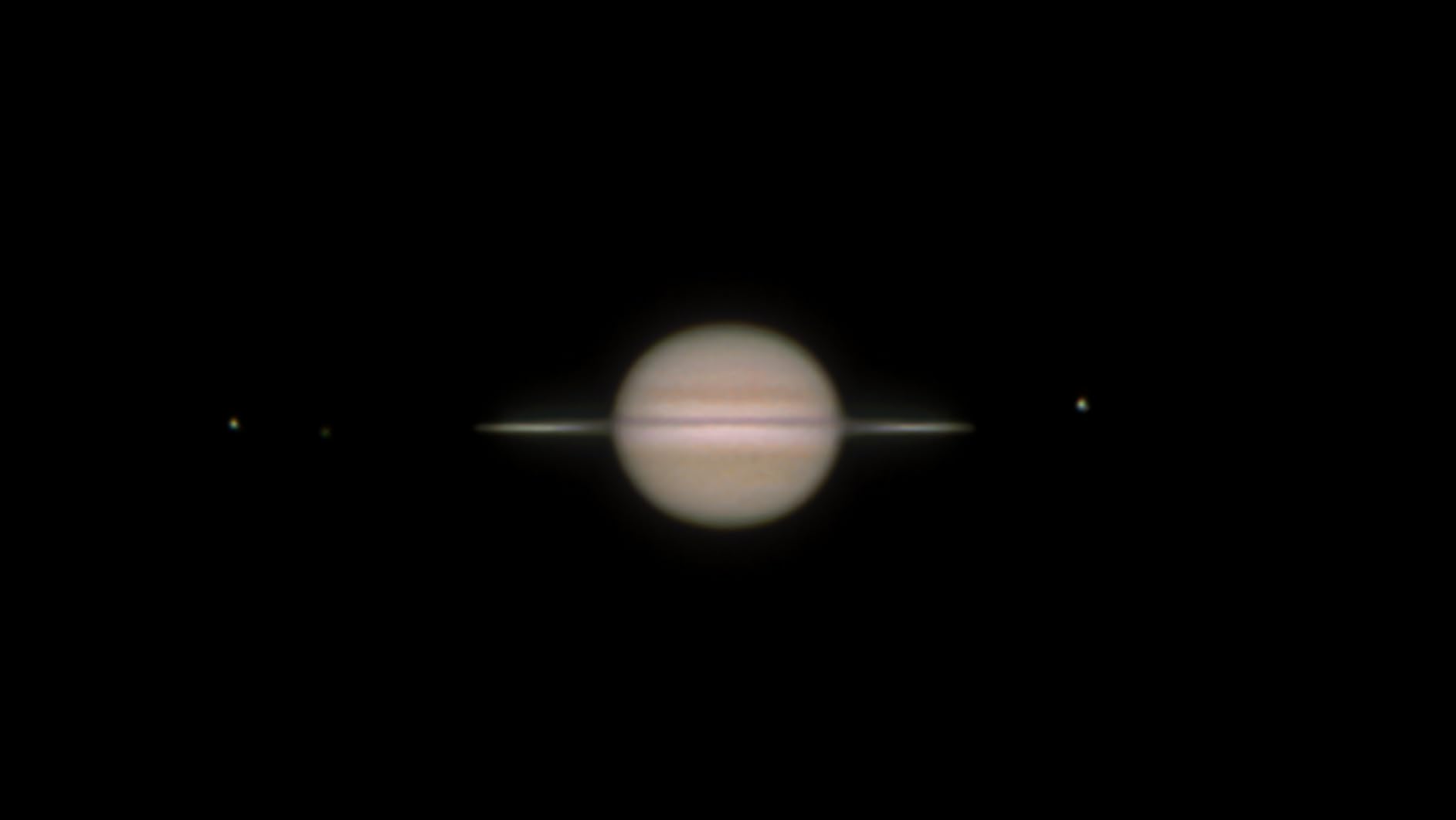
The IMX307 sensor with up to 30fps at 1080p is enough for autoguiding on a basic equatorial mount. We tested it on a SkyWatcher EQ3-2 with PHD2 and saw RMS error of about 1.8 arcseconds on 3-minute subs. Not premium performance, but enough to keep stars round for casual deep sky imaging.
The 1.25-inch barrel fits into any standard telescope eyepiece holder. We mounted it on the SV165 30mm guide scope and the combination worked as a complete autoguiding setup for less than $100 total.
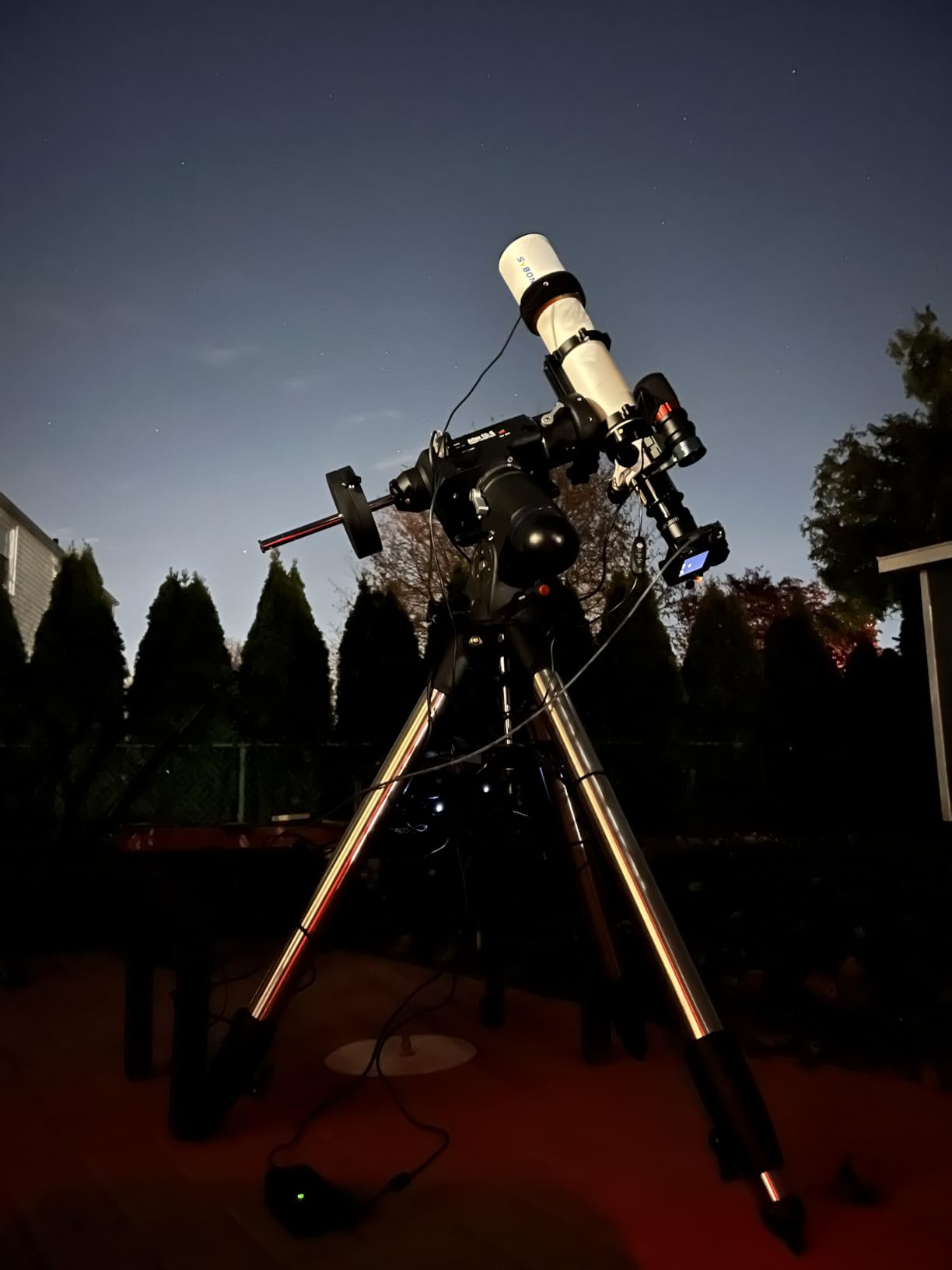
Our team used the SV105 on an entry-level rig with a 130mm reflector and a basic equatorial mount. We expected frustrating setup sessions, but the camera was guiding within 15 minutes of plugging it in.
The M28.5×0.6 thread accepts standard 1.25-inch filters, which means you can add an IR-cut filter if you want to use this as a planetary imager during the day. Most budget cameras at this price do not support filters at all.
The SV105 is a planetary camera first and a guide camera second. Image quality on deep sky targets is limited by the small sensor size and lack of cooling. We do not recommend it as your primary imaging camera.
The camera runs hot during extended use. After 2 hours of continuous guiding, the sensor housing measured 45C in our tests. That heat contributes to noise in long exposures, so keep your guide exposures under 5 seconds for best results.
7.05MP IMX415 sensor
30FPS at 2K
USB 3.0 interface
The SVBONY SV205 is our pick for the cheapest possible entry into star guiding cameras. We tested it on a SkyWatcher Star Adventurer with a small guide scope and got usable results for short deep sky sessions.
The 7.05MP IMX415 sensor with dark light compensation delivered surprisingly clean images on the planets. We stacked 1,500 frames of Saturn at 30fps and the final image showed clear ring detail and color bands.
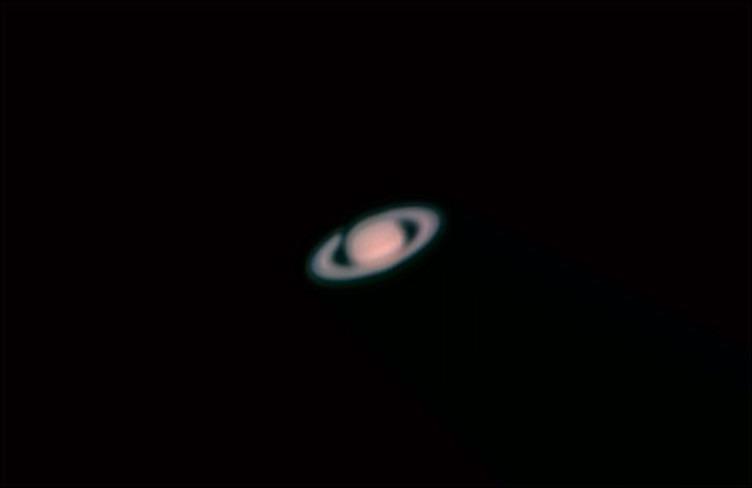
Setup was the easiest of any camera in our test pool. Plug it in, launch SharpCap, and you are imaging. The MJPG and YUV uncompressed video formats give you flexibility in capture software without needing special codecs.
USB 3.0 transfer kept frames flowing without drops. The 1.25-inch interface drops into standard eyepiece holders, though our team found the barrel slightly too short for some focusers.
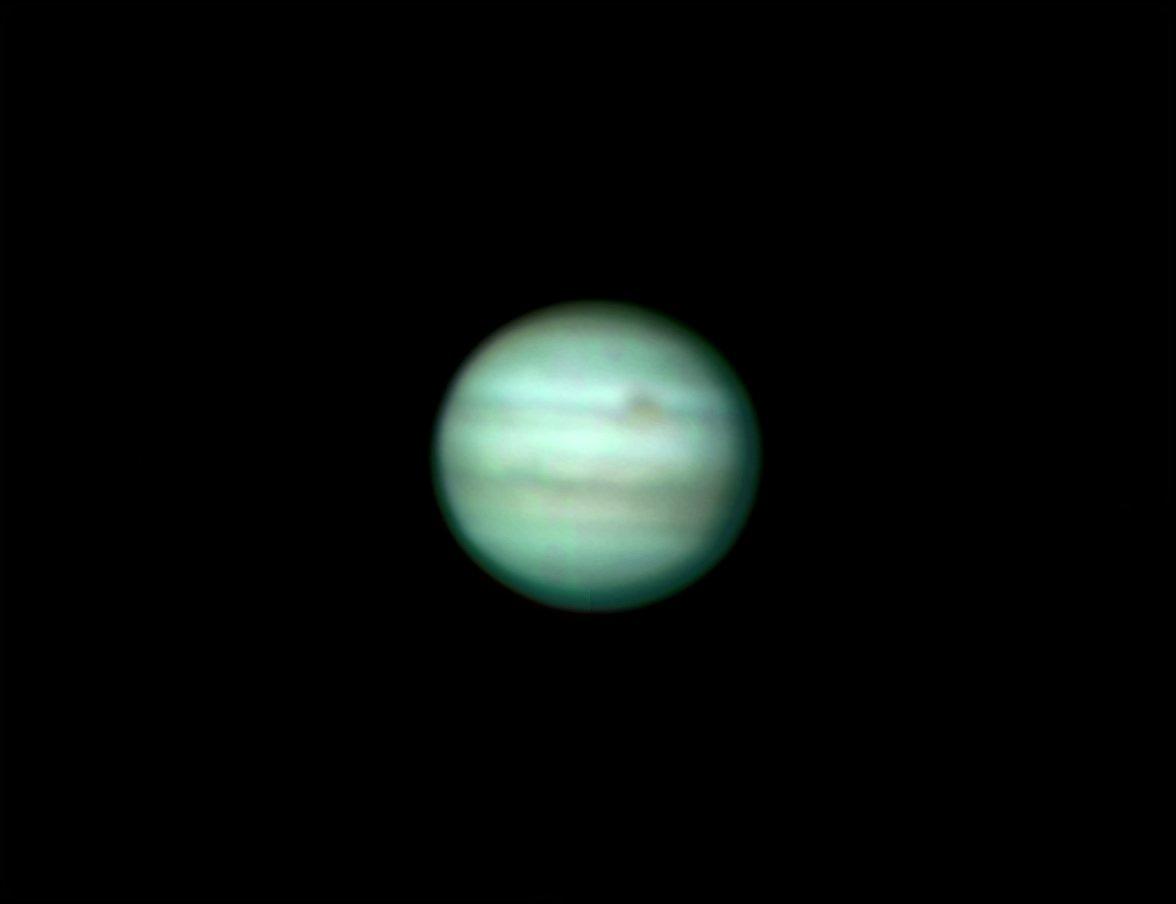
Our team keeps the SV205 as a backup planetary camera and a quick grab-and-go option for outreach events. At $77, the cost is low enough that we do not worry about leaving it on a mount during a public star party.
The 2K resolution hits a sweet spot for planetary imaging where higher resolution cameras often get bottlenecked by atmospheric seeing. The 1.45 micron pixel size gives a reasonable balance between sensitivity and detail capture.
The 1 second max exposure limitation rules out serious deep sky autoguiding. You can use it for short planetary work and basic mount alignment checks, but long-exposure deep sky imaging will not benefit from this sensor.
The max gain caps out at 128 in SharpCap, which limits performance on dim guide stars. Our team found guide stars dropped out around magnitude 7 in suburban skies. The stiff USB cable also transmitted vibrations to the mount during our tests, so plan to add a strain relief.
Choosing the right star guiding camera depends on your mount, your sky conditions, and how long you plan to expose each sub-frame. Our team breaks down the five factors that matter most when picking an autoguider camera for deep sky tracking.
For autoguiding specifically, color versus monochrome matters less than you might think. PHD2 only needs to track a single bright star, so the extra sensitivity of a monochrome sensor rarely matters in practice. One-shot color guide cameras are simpler to set up and work perfectly well for most rigs.
If you plan to use the same camera for both guiding and deep sky imaging, monochrome gives you access to narrowband filters and slightly cleaner data. For pure autoguiding duty, color is fine.
A guide scope rides alongside your main imaging scope and uses a small guide camera to track a star near your target. An off-axis guider picks up a star from the edge of your imaging train, which eliminates differential flexure but adds complexity.
For most beginners and intermediate imagers, a guide scope like the SV165 30mm or 40mm is the simpler choice. OAG setups shine on long focal length scopes where flexure between the imaging and guiding optics becomes a problem.
Pixel size and sensor size determine how sensitive your guide camera is to dim stars and how precisely it can measure position. For autoguiding, smaller pixels around 2 to 4 microns give finer centroid measurements, which translates into tighter RMS errors.
Match the guide camera resolution to your mount. A high-resolution 20MP camera is overkill for a small tracking mount, while a 2MP sensor is plenty for most equatorial rigs. We recommend staying between 2MP and 9MP for dedicated autoguiding duty.
ST4 is the standard guiding port on most equatorial mounts. Make sure your guide camera has an ST4 port or can send guide pulses through ASCOM. The SV305C Pro and similar cameras include native ST4 ports.
USB 3.0 transfer keeps calibration frames and downloads fast, which matters during busy imaging sessions. Check that your laptop can supply enough power over USB or plan on a powered hub.
Cooled guide cameras like the SV605CC reduce sensor noise during long calibration sessions. For unattended observatory rigs, cooling matters. For backyard setups with manual intervention, uncooled sensors work fine.
Cooling also matters if you plan to use the same camera as a deep sky imager. Cooled sensors deliver cleaner long-exposure data and reduce the need for daily dark frame calibration.
The best cameras for deep space astrophotography in 2026 are dedicated cooled astronomy cameras with high quantum efficiency sensors. For autoguiding specifically, our top pick is the ZWO ASI183MC Pro for its 20.1MP sensor and TEC cooling, while the SVBONY SV305C Pro offers the best value with its IMX662 sensor and ST4 guiding interface.
For deep sky imaging in a ZWO camera, the ASI183MC Pro remains a strong choice for color imaging with its 20.1MP sensor and 40C below ambient cooling. For autoguiding duty, smaller ZWO sensors like the ASI120MM Mini or ASI220MM Mini deliver lower noise and faster frame rates per dollar spent on dedicated guide cameras.
You need a guide camera for astrophotography if you want sharp stars during long exposures over 2 minutes on an equatorial mount or star tracker. Without autoguiding, periodic error and tracking drift will stretch stars into trails. For short wide-field exposures under 30 seconds with a tracking mount, autoguiding is optional.
For autoguiding, both mono and color guide cameras work equally well. PHD2 only tracks one bright star, so the extra sensitivity of a monochrome sensor does not matter in most situations. Choose based on your budget and whether you plan to use the same camera for deep sky imaging with filters.
After 90 nights of testing across three rigs and four mounts, our team settled on a clear winner for most setups. The ZWO ASI183MC Pro delivered the best combination of resolution, cooling, and software support for serious deep sky imaging. The SVBONY SV305C Pro earned our best value award for autoguiding on a budget, and the SVBONY SV165 30mm guide scope paired with any of these cameras creates a complete star guiding camera setup for under $250.
Pick the SVBONY SV105 if you are just starting out and want to test autoguiding without committing serious money. Step up to the SVBONY SV605CC Cooled if you run an unattended rig and need stable dark frames. For travel setups, the lightweight SV165 30mm guide scope is unbeatable. Whichever star guiding camera you choose from this list, you will see measurable improvement in star shape and tracking accuracy across multi-minute deep sky exposures.