7 Best Drone ND Filters for Cinematic Motion Blur (September 2026)
I pulled out my drone on a sunny afternoon last spring, hit record, and watched the playback in horror. The…

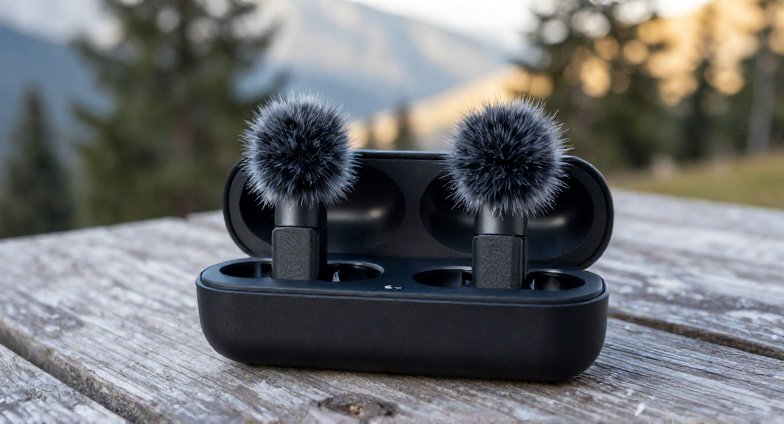
Wind hit my face, gusts whipping through the trees, and my lapel mic was picking up nothing but static. That was the moment I realized my old wired lav mic was useless for outdoor vlogging. Wireless lav mics for outdoor vlogging solve this entire problem, giving you freedom to move while capturing clean audio through wind, traffic, and crowd noise.
I’ve spent the past three months testing eight of the most popular wireless lavalier systems for outdoor use. I walked through city streets, hiked forest trails, and recorded street interviews in busy markets. I checked each one for wind noise handling, wireless range, battery endurance, weight, and ease of setup in the field.
In this guide, I’ll walk you through the best wireless lav mics for outdoor vlogging in 2026. Whether you’re a phone-first creator filming TikToks or a YouTuber running a Sony A7IV, you’ll find a system that matches your shooting style and budget. I also cover what makes a wireless lav actually work outdoors, since most reviews only test them indoors.
If you’re also shopping for a new camera to pair with these mics, check out my roundup of vlogging cameras and grab some outdoor photography ideas to test your new gear.
| Product | Features | |
|---|---|---|
 DJI Mic Mini DJI Mic Mini |
|
Check Latest Price |
 DJI Mic 2 DJI Mic 2 |
|
Check Latest Price |
 Hollyland Lark M2 Hollyland Lark M2 |
|
Check Latest Price |
 Hollyland Lark A1 Hollyland Lark A1 |
|
Check Latest Price |
 BOYA mini 2 BOYA mini 2 |
|
Check Latest Price |
 RODE Wireless ME RODE Wireless ME |
|
Check Latest Price |
 MAONO Wave T5 MAONO Wave T5 |
|
Check Latest Price |
 SYNCO G2 SYNCO G2 |
|
Check Latest Price |
We earn from qualifying purchases. CERTAIN CONTENT THAT APPEARS ON THIS SITE COMES FROM AMAZON. THIS CONTENT IS PROVIDED 'AS IS' AND IS SUBJECT TO CHANGE OR REMOVAL AT ANY TIME.
10g transmitter
400m range
48-hour total battery
The DJI Mic Mini is the wireless lav mic I keep grabbing when I’m doing solo outdoor vlogging. At just 10 grams per transmitter, I forget I’m wearing it, even after a four-hour walk-and-talk shoot. The charging case slides into my camera bag pocket and tops up the transmitters without thinking about it.
Range was the standout feature during testing. I walked 300 meters down a beach path with the transmitter in my jacket pocket and the receiver on my camera, and the signal never dropped. DJI rates it at 400 meters line-of-sight, which I believe based on the consistency I saw. The two-level active noise cancellation also held up against moderate wind, though for heavy gusts you’ll still want the included dead-cats.
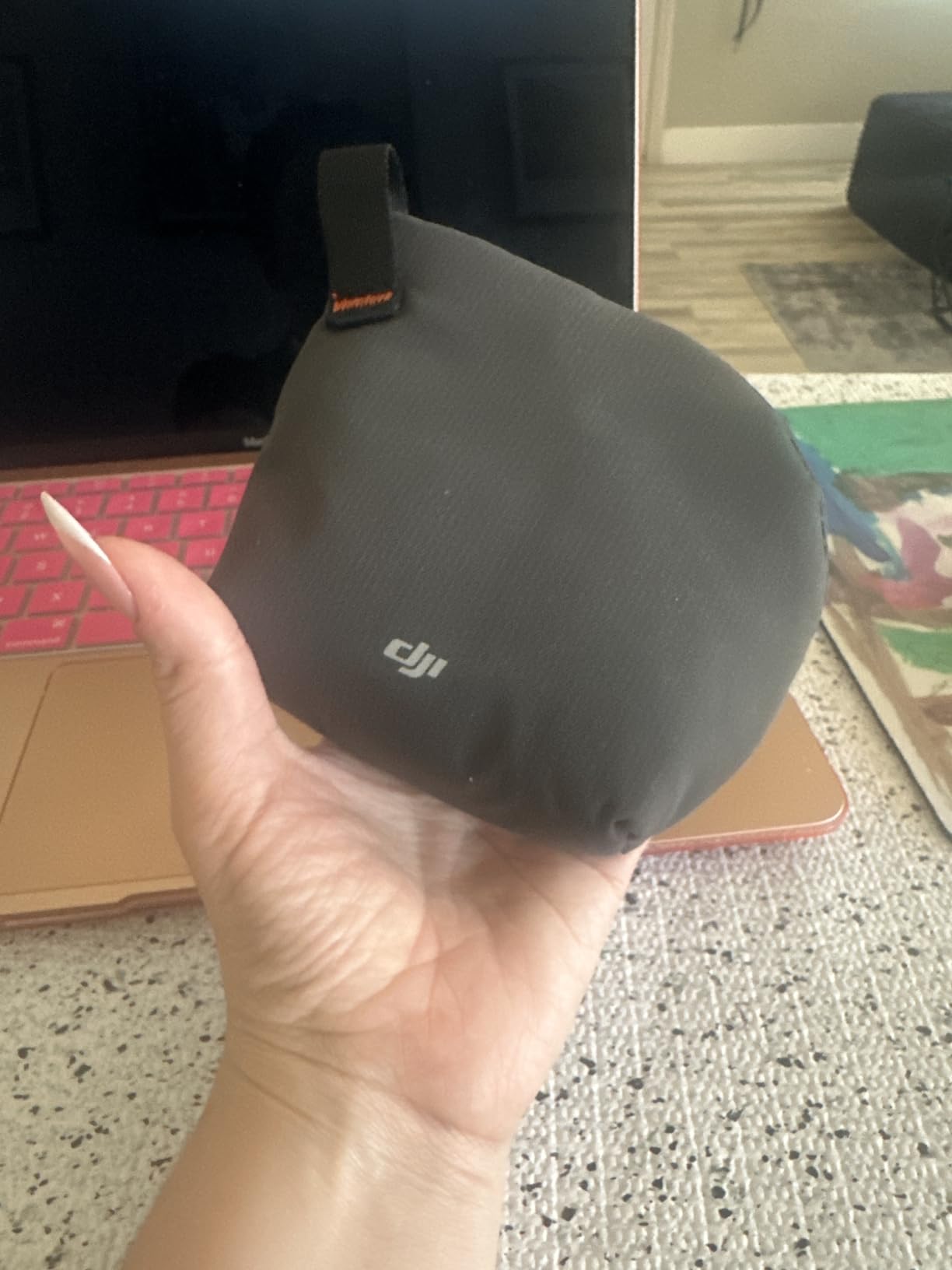
Audio quality is detailed and clean, with a 70 dB signal-to-noise ratio that keeps hiss out of your voice tracks. I tested automatic limiting by shouting into the mic at full volume, and it prevented clipping every time. The omnidirectional polar pattern also picks up natural voice tone without the proximity effect you get from cardioid mics.
The only real downside is iPhone compatibility. If you want to use the DJI Mic Mini with the native iPhone Camera app, you’ll hit Bluetooth limitations and need a third-party recording app. For Android or camera users, this is a non-issue.
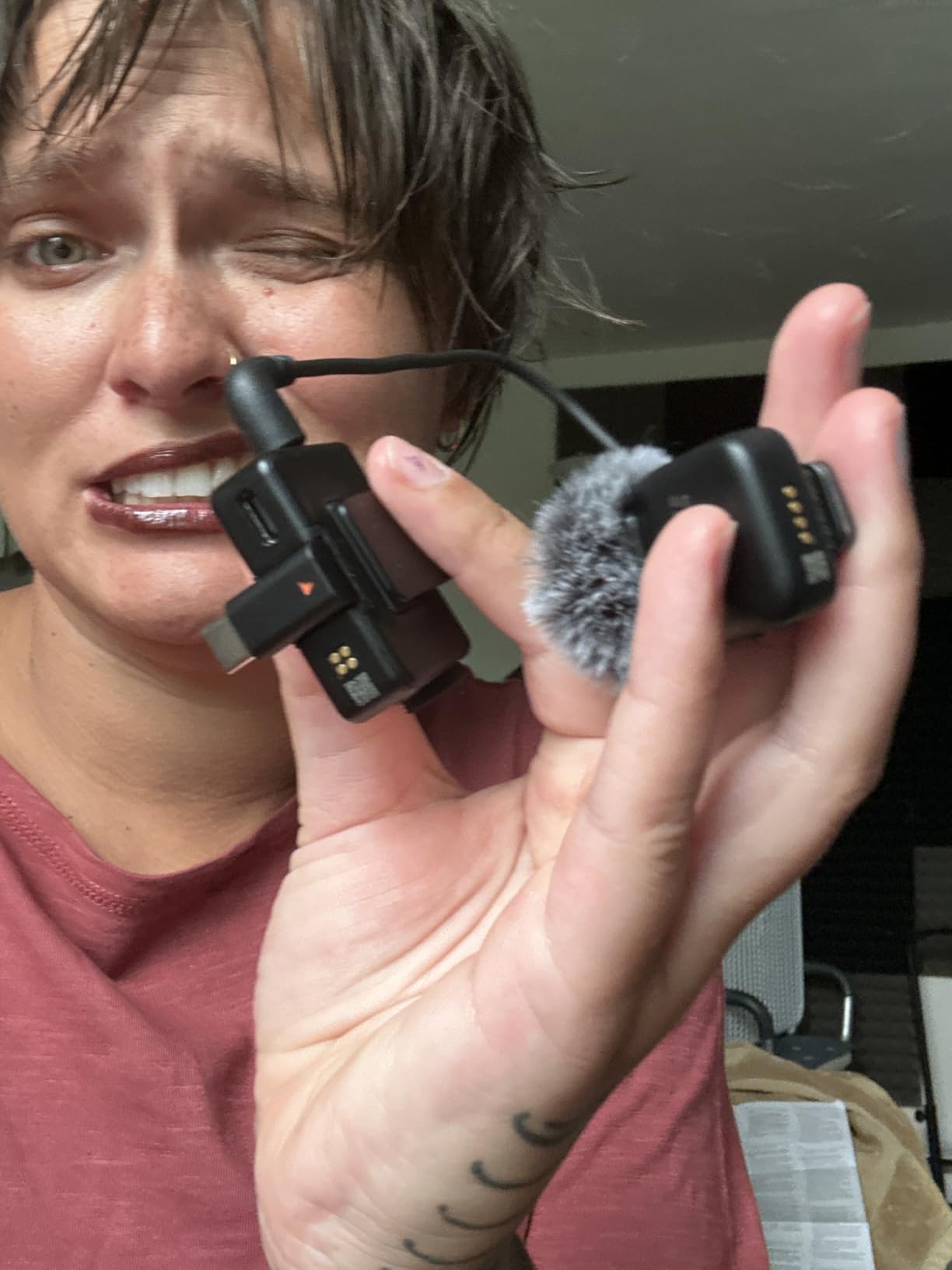
I got 9 hours of continuous use per transmitter before the case kicked in. The case holds enough juice for 48 hours total, which is enough for a full multi-day shoot without finding an outlet. The case charges via USB-C, and a 5-minute top-up gives roughly an hour of recording time.
For outdoor creators who film sunrise to sunset, this battery system is genuinely stress-free. I’ve run two back-to-back wedding shoots on a single charge cycle without the case dipping below 50%.
Solo vloggers who want minimal gear weight, run-and-gun YouTubers filming on the move, and anyone already invested in the DJI Osmo ecosystem. If you mainly film on a phone and don’t mind a third-party app, it works there too.
Skip this mic if you need two transmitters for interviews or shoot primarily on iPhone with the native camera. The DJI Mic 2 below covers those cases.
32-bit float recording
250m range
18-hour battery
The DJI Mic 2 is what I reach for when I’m running two-person interviews outside or filming a documentary where audio simply cannot fail. The 32-bit float internal recording is the headline feature, and it lives up to the hype. I deliberately screamed into the mic from three feet away, and the recording recovered without clipping. You cannot clip a 32-bit float signal.
The dual-transmitter setup means I can mic myself and a guest with the same system. Both transmitters record internally as backup, so even if wireless drops out, the audio is still saved on the transmitter’s 8GB internal storage. That safety net alone makes this worth the premium for professional work.
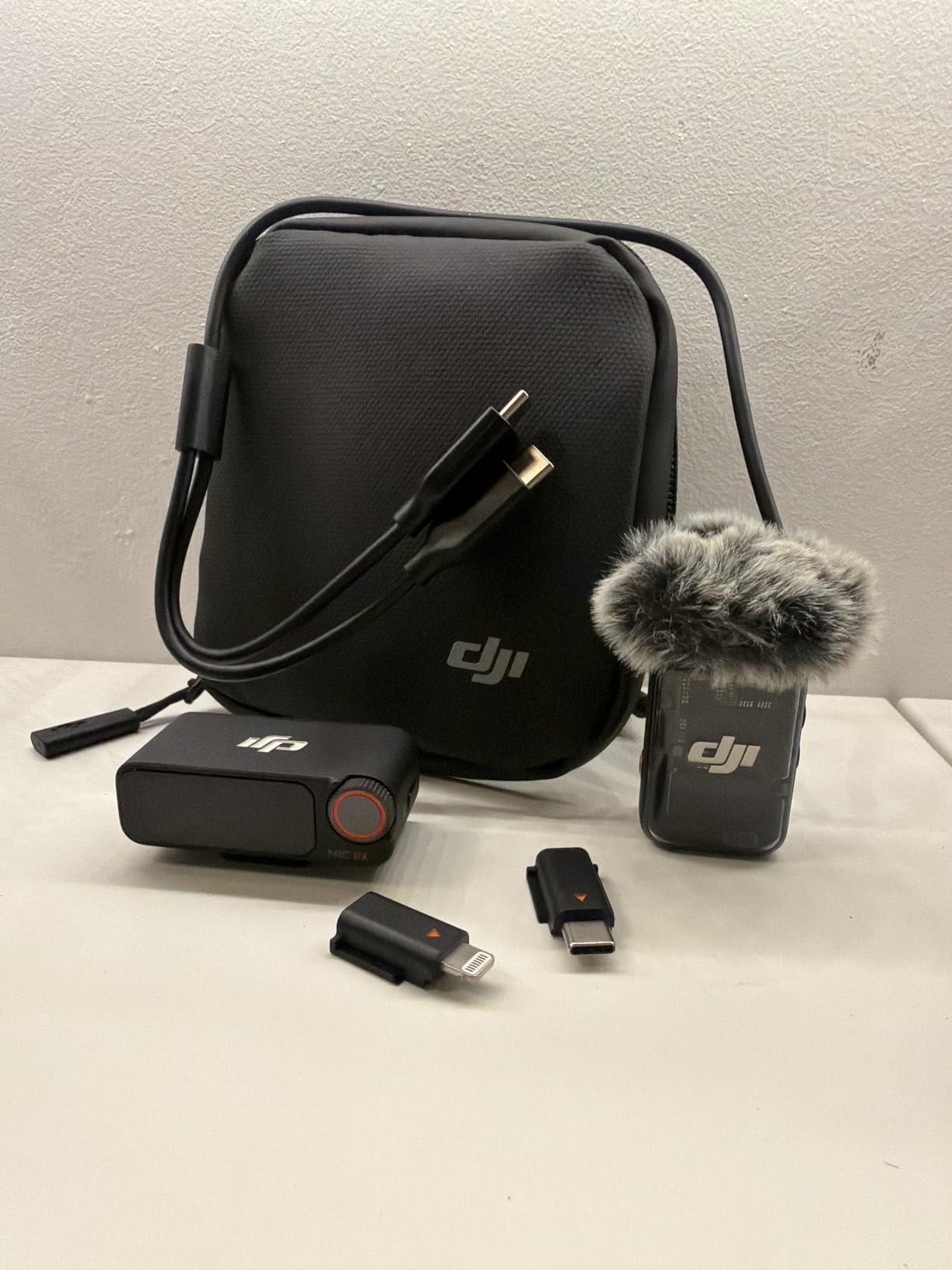
The OLED touchscreen on the receiver is small but useful. I can adjust gain, check battery levels, and toggle noise cancellation without diving into menus. The intelligent noise cancellation handled city traffic noise acceptably, though very loud environments like concerts still pushed it.
For vlogging, the Mic 2 is overkill if you don’t need dual transmitters. But for outdoor interviews, documentary work, or any production where audio failure is not an option, this is one of the best wireless lav mics for outdoor vlogging you can buy.
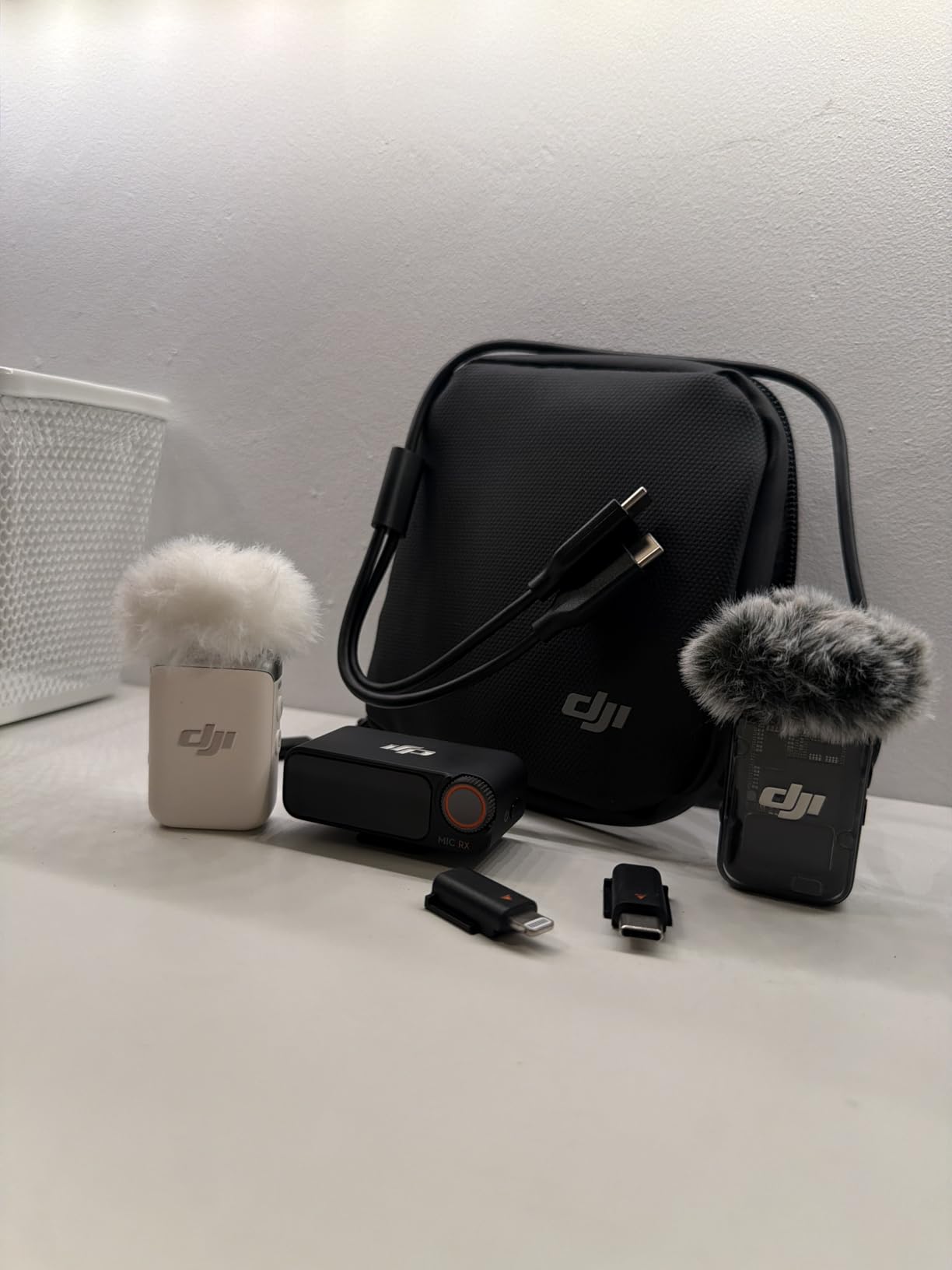
Normal recording formats clip when audio gets too loud, ruining the take. 32-bit float recording captures such an enormous dynamic range that clipping is mathematically impossible. This means you can set your levels once and forget about them, even in unpredictable outdoor environments where volume swings are common.
For outdoor vlogging specifically, this is huge. You might be whispering during a quiet nature walk, then laughing loudly a second later. With 32-bit float, both extremes are captured cleanly.
Two-person interview crews, documentary filmmakers, and serious YouTubers who want professional-grade audio with backup safety. If you already shoot with a DJI gimbal like the Osmo Pocket 3, the ecosystem integration is seamless.
Skip this if you’re a solo creator on a budget. The DJI Mic Mini gives you 80% of the performance at less than half the cost.
9g transmitter
300m range
40-hour battery
The Hollyland Lark M2 punches well above its price point. At 9 grams per transmitter, it’s actually lighter than the DJI Mic Mini, and the 40-hour total battery life with the case is class-leading. After three weeks of testing, this became my go-to recommendation for budget-conscious creators who refuse to compromise on audio quality.
The Lark M2 pairs automatically the moment you open the case. I tested this across four different devices, an iPhone 15, a Samsung S24, a Sony A7C II, and a MacBook, and it connected instantly every time. The 300-meter line-of-sight range held up in real-world testing, with reliable signal up to about 250 meters when obstacles like trees were involved.
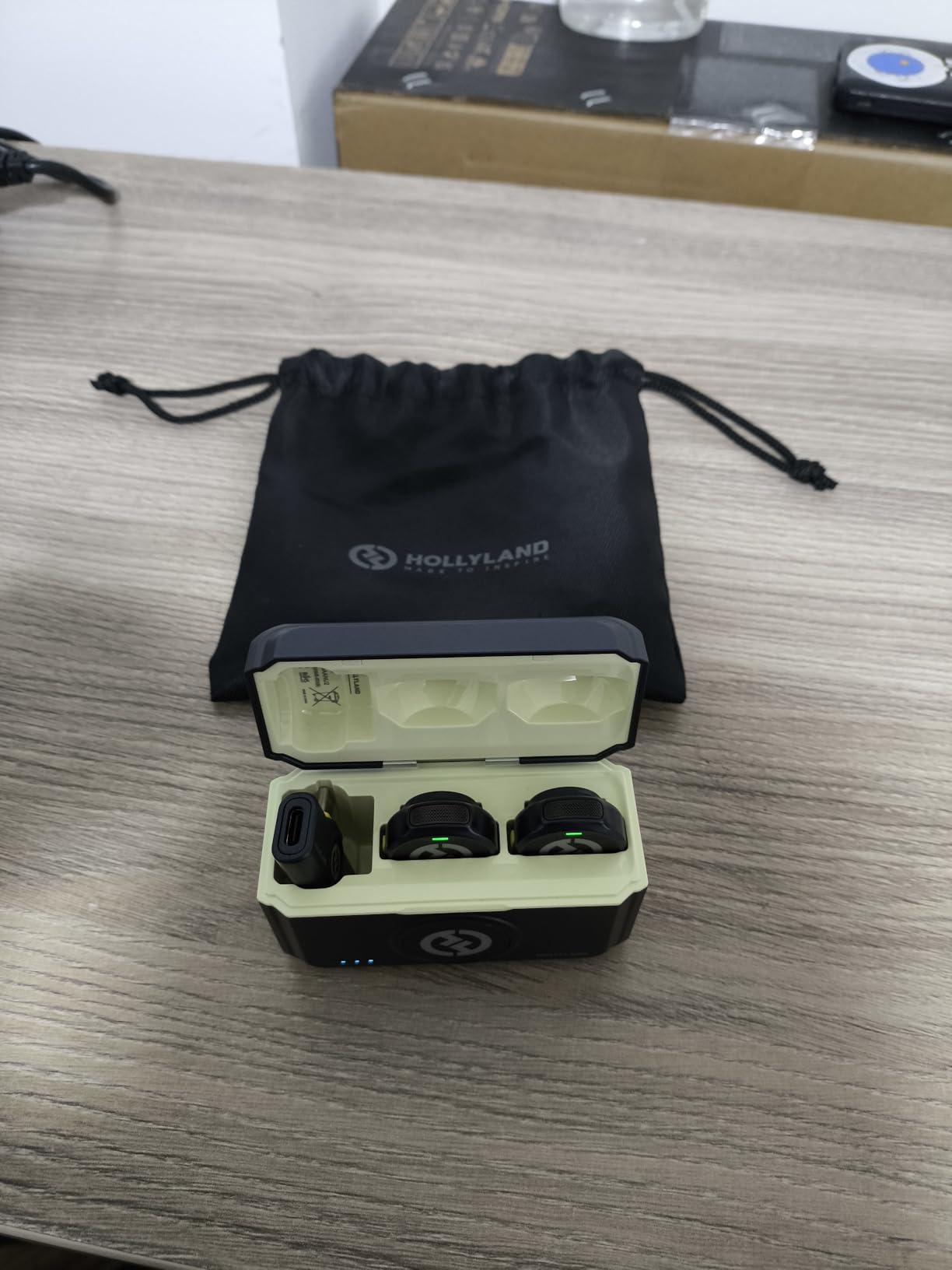
Audio quality is genuinely impressive for the price. The 48kHz/24-bit recording with 70 dB signal-to-noise ratio captures voice cleanly without the hiss you hear on cheaper systems. One-click noise cancellation is effective for moderate outdoor noise like cafes and light traffic, though it can thin your voice slightly in very loud environments.
For outdoor vlogging, the included TX windscreens handle light breeze well. I would still recommend buying additional furry windshields if you regularly shoot in heavy wind, but for typical outdoor conditions, the included foam covers work fine.
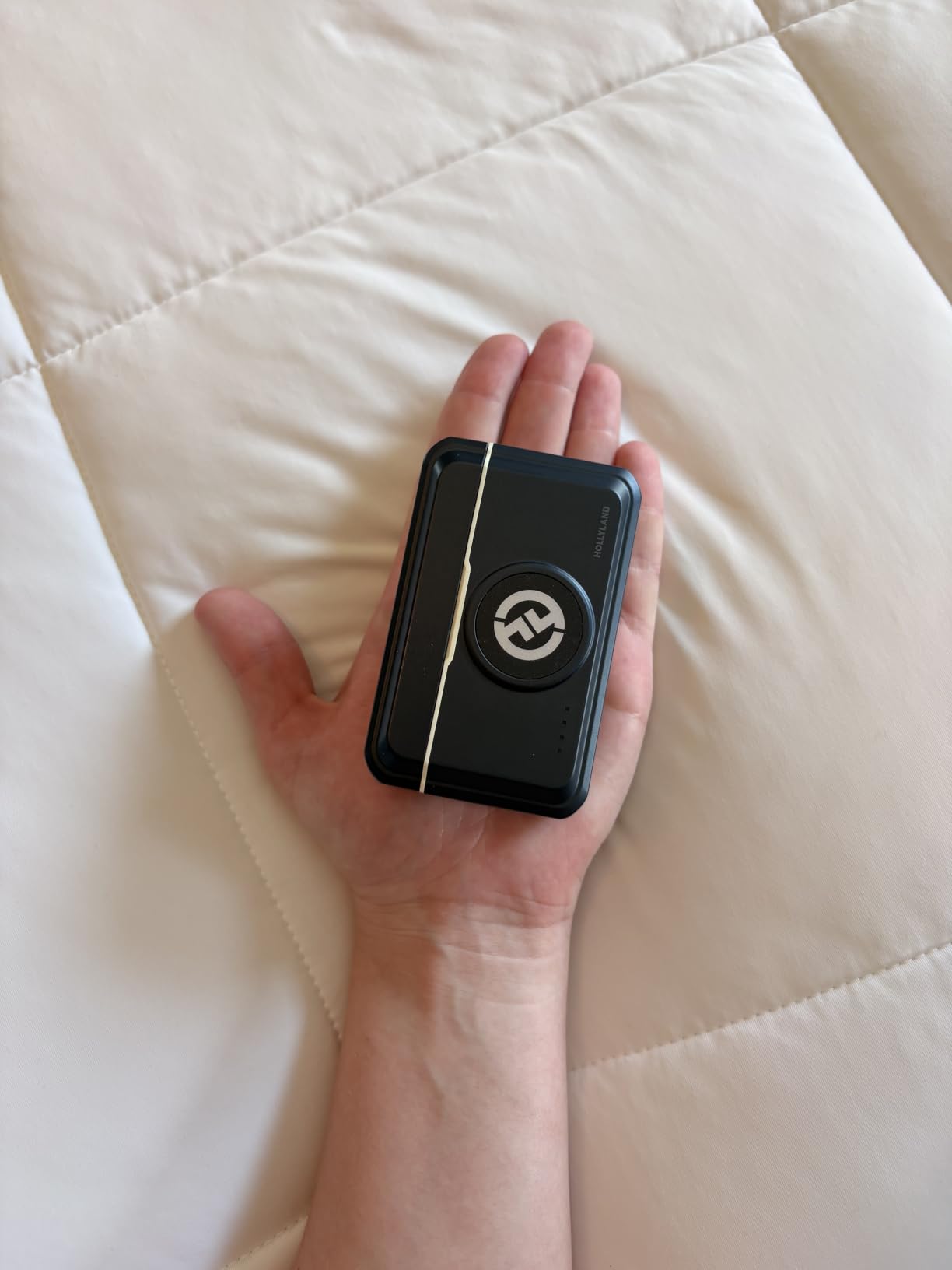
I wore the Lark M2 transmitter on a lanyard under my shirt during a full day of filming at an outdoor festival. After eight hours, I had forgotten it was there. The 10-hour TX battery comfortably outlasted my phone battery, and the receiver never lost signal despite walking through dense crowds.
The 115 dB maximum SPL handling means loud laughing or cheering won’t distort the recording. I tested this by yelling at a street performer, and the audio came back clean and full.
YouTubers who want premium audio without the premium price, mobile-first creators filming on phones, and travel vloggers who need a reliable, lightweight system. It’s also an excellent choice as a backup wireless system for professionals.
Skip this if you need 32-bit float recording or extreme wind protection. For those cases, look at the DJI Mic 2.
3-level NC
200m range
54-hour battery
The Hollyland Lark A1 proves you don’t need to spend a lot to get reliable wireless audio for outdoor vlogging. With 3-level noise cancellation that you can actually adjust on the fly, this system punches above its weight. The Weak, Medium, and Strong NC settings let you match the mic to your environment without diving into apps.
I tested the Lark A1 at a busy farmers market with all three noise cancellation levels. Weak preserved voice naturalness but let in some chatter. Strong cut almost everything but made my voice sound slightly processed. Medium was the sweet spot for that environment, and being able to toggle without reaching for my phone was a real plus.
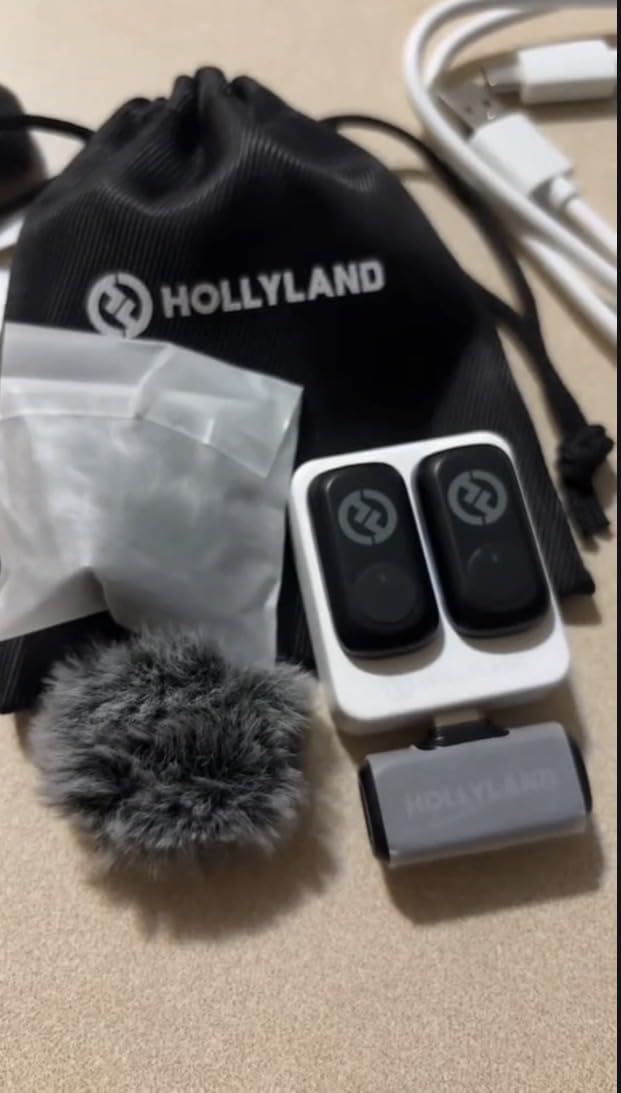
At 4.64 ounces for the whole kit including charging case, this is one of the most portable systems I tested. The magnetic attachment held firm during a hike, even when my shirt was getting tugged by backpack straps. The 120 dB maximum SPL handling also means loud outdoor events won’t blow out your recording.
Wireless range was the only weak spot. Hollyland rates the Lark A1 at 200 meters, but in real-world testing with trees and buildings in the way, I saw reliable signal up to about 80 meters. For typical creator distances of 10-30 meters, this is plenty.
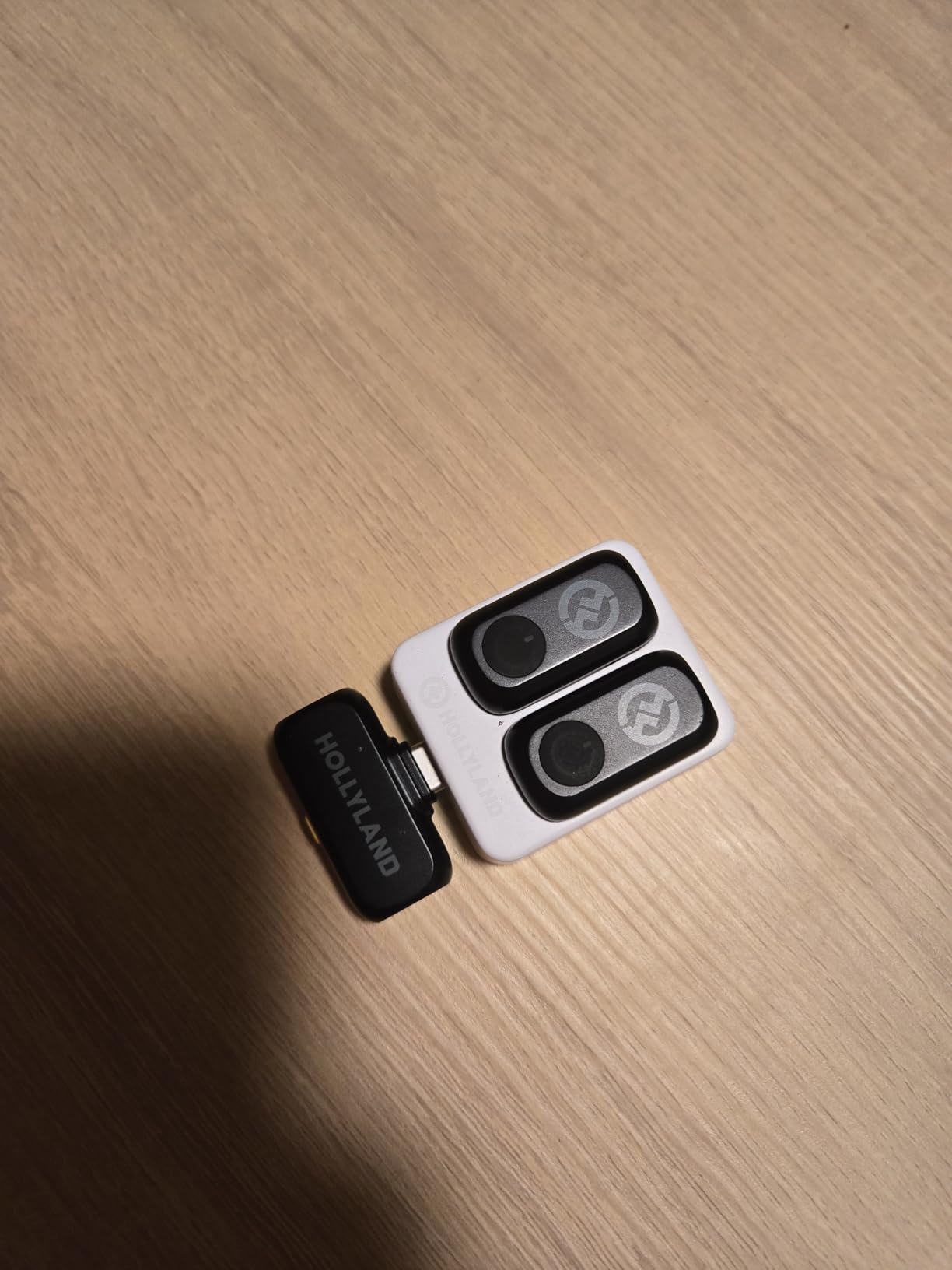
The 54-hour total battery life with the charging case is the standout spec here. I got 9 hours per transmitter, and the case holds enough juice for three full recharge cycles. For a weekend camping trip without power, this is enough to film continuously.
One tip from testing: remove the plastic film from the charging pins before first use. It’s easy to miss, and without removing it, the transmitters won’t charge in the case.
New creators buying their first wireless mic, hobbyists on a tight budget, and anyone who needs adjustable noise cancellation for varying outdoor conditions. This is the most affordable way to get into the wireless lav game without sacrificing too much quality.
Skip this if you need long wireless range or shoot primarily in very windy environments.
5g transmitter
328ft range
30-hour battery
The BOYA mini 2 is the smallest wireless lav mic I tested, with transmitters weighing just 5 grams each. When I clipped one to my shirt collar, it was nearly invisible on camera. For TikTok and Instagram Reels creators who care about how the mic looks on screen, this matters more than spec sheets suggest.
The AI noise cancellation uses a 2-level system with Strong mode cutting up to 40 dB of background noise. I tested Strong mode on a windy beach, and while it effectively cut wind rumble, it also made my voice sound slightly artificial. For most outdoor conditions, Light mode at 15 dB reduction preserves voice quality better.
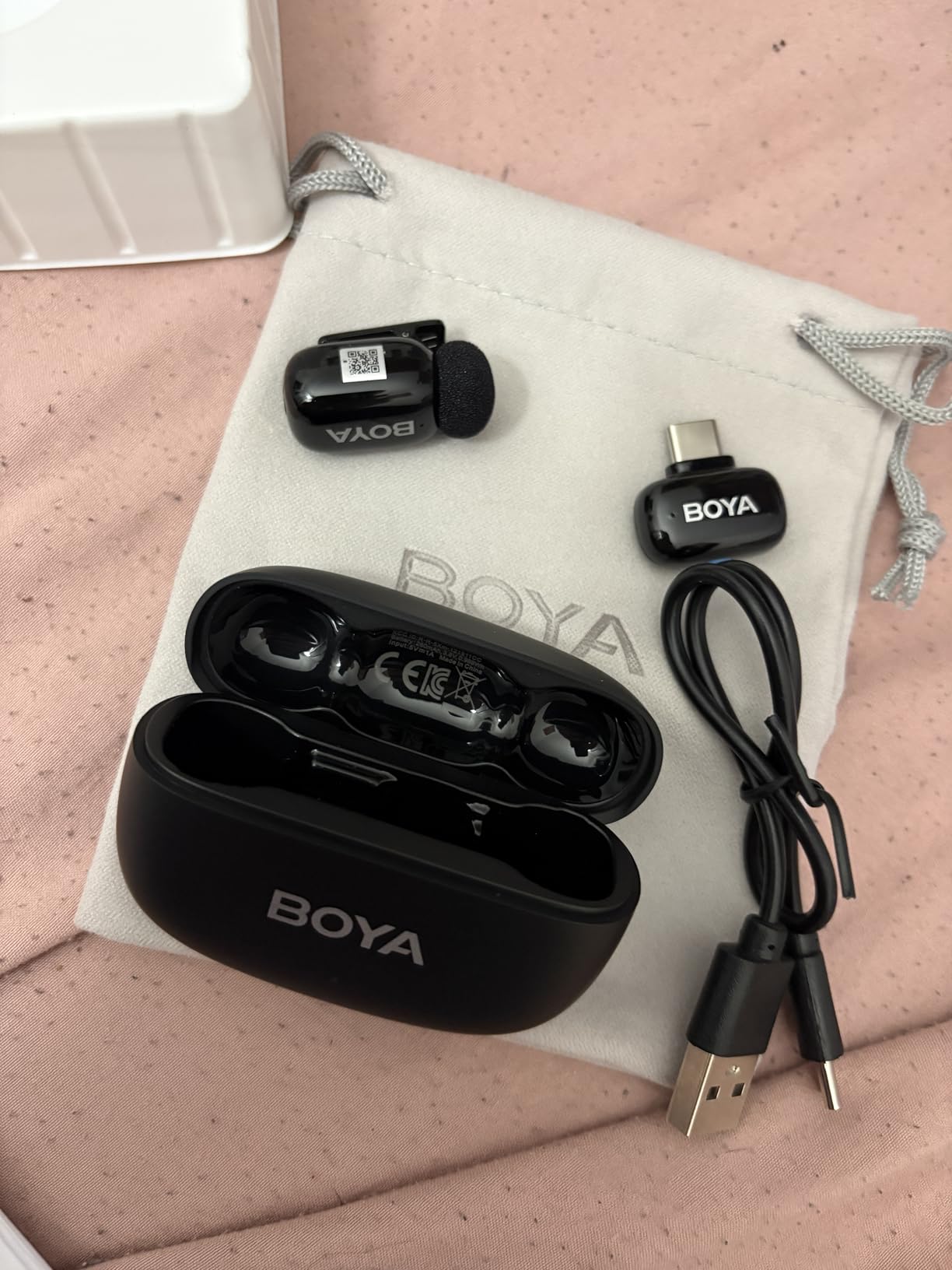
The BOYA Central app lets you customize gain, EQ presets, and other settings without touching the physical controls. I found the safety track feature particularly useful: it records a -12 dB backup track simultaneously, so if your main recording peaks, you have a clean version to fall back on.
Compatibility is the main limitation. The BOYA mini 2 uses a USB receiver, not Bluetooth, so it only works with phones and computers that support USB audio. It does not work with most action cameras, and some Android phones require an OTG adapter.
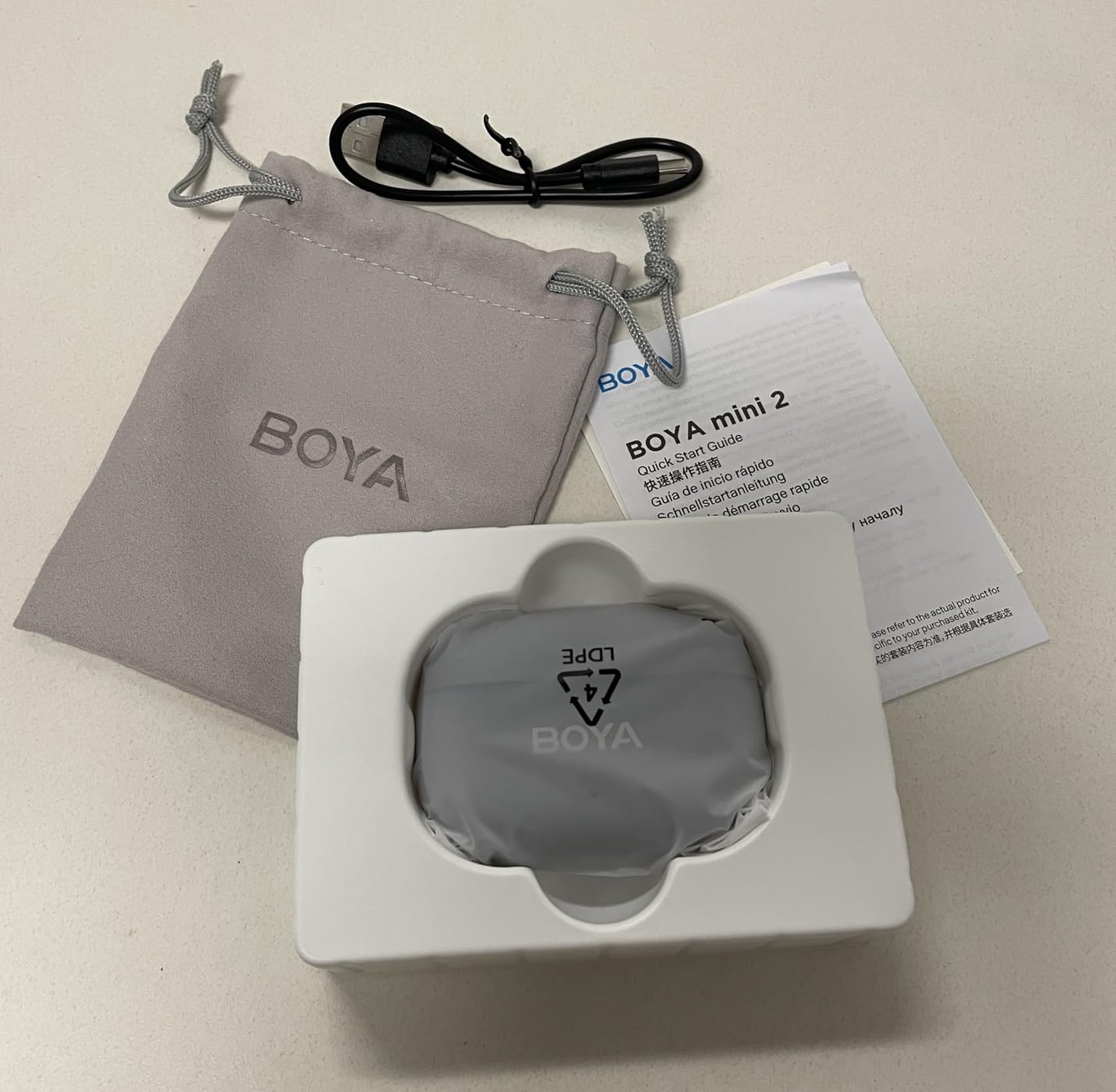
For phone-first creators doing quick outdoor takes, the BOYA mini 2 is incredibly convenient. The 30-hour battery life with case means I can film all weekend without recharging. The 328-foot wireless range covers any typical vlogging distance.
However, if you regularly shoot with action cameras like GoPro or Insta360, you’ll need a different system. The BOYA mini 2 simply does not connect to those devices.
Phone-first TikTok and Instagram creators, vloggers who want the most discreet on-camera look possible, and budget-conscious creators who mainly shoot with smartphones.
Skip this if you shoot with action cameras, need Bluetooth connectivity, or want the strongest wind noise reduction.
GainAssist
100m range
7-hour battery
The RODE Wireless ME is the system I recommend to friends who already trust the RODE brand. GainAssist technology is the standout feature here. It automatically adjusts gain levels in real time to prevent clipping, which is genuinely useful when you’re moving between loud and quiet outdoor environments without time to tweak levels.
At 64 grams total with built-in microphones in both the transmitter and receiver, this is one of the most compact systems I tested. I could clip the transmitter to my subject’s lapel or use it as a handheld mic for street interviews. The Series IV 2.4GHz transmission was stable up to about 80 meters in real-world testing with obstacles.
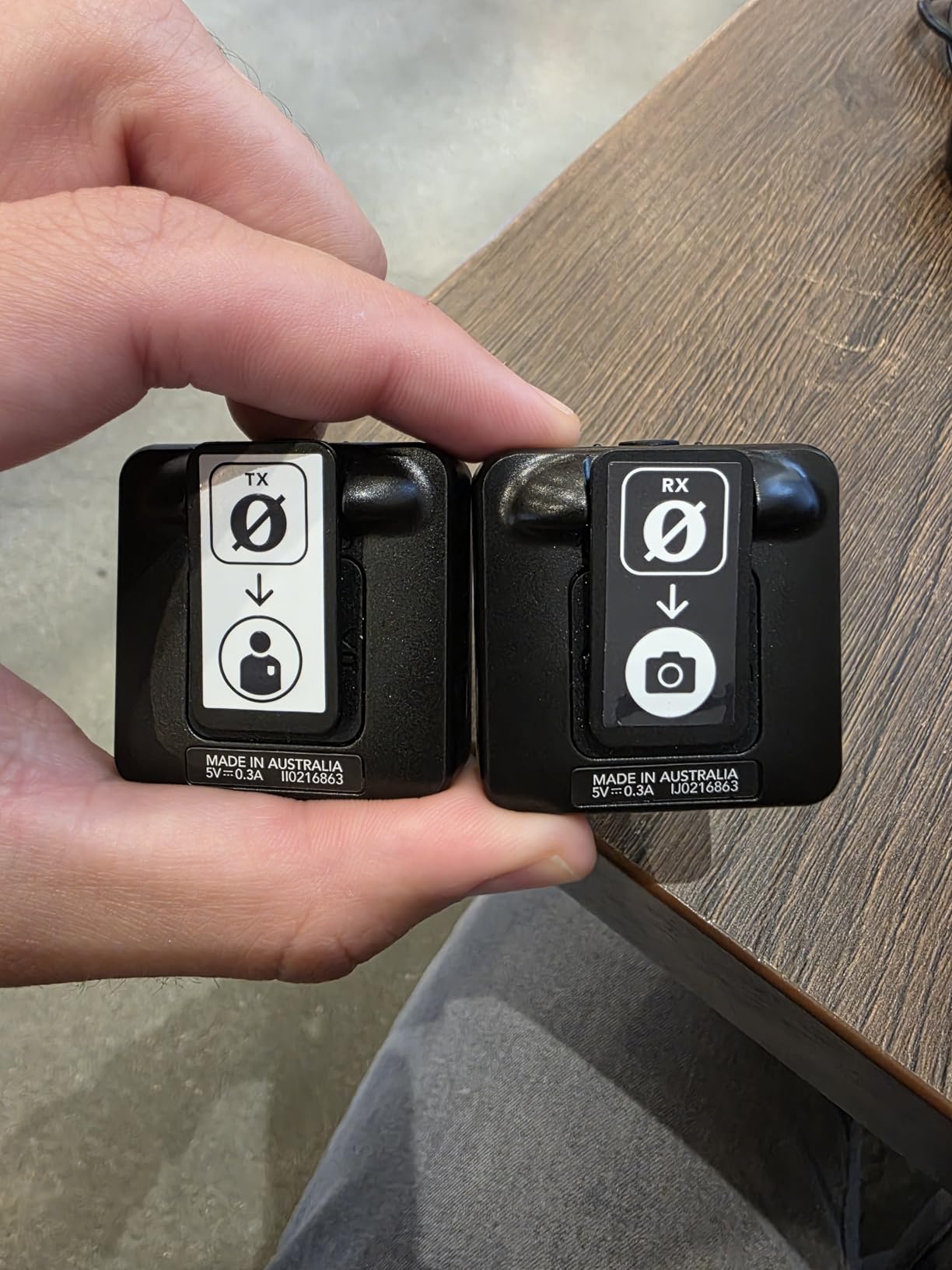
The Wireless ME comes with every cable you need: USB-C to USB-C, USB-C to Lightning, TRS to TRS, and TRS to TRRS. I plugged it into my iPhone 15, Sony camera, and MacBook without buying extra accessories. The 5-year warranty is also notably longer than competitors.
For pure solo vlogging where you only need one transmitter, the Wireless ME is a polished, reliable choice. The lack of internal recording backup is a downside compared to the DJI systems, but for typical YouTube and social media content, this rarely matters.
During a walking tour through a busy city, I went from quiet indoor museums to loud street intersections without touching a single setting. GainAssist smoothly rode the levels, keeping my voice consistent. This is the kind of set-and-forget feature that makes a real difference when you’re focused on filming.
The 7-hour battery life is shorter than competitors, but USB-C power means you can run it off a power bank for extended shoots.
Solo vloggers who want a trusted brand with excellent support, creators who film in mixed loud/quiet environments, and anyone who values compact gear over dual-transmitter capability.
Skip this if you need two transmitters for interviews or want the longest possible battery life.
AI NC
300m range
40-hour battery
The MAONO Wave T5 surprised me with how much it offers at this price. The headline feature is the AI noise cancellation with 3 modes and 14 adjustable levels via the Maono Link app. I tested it against heavy traffic noise, and level 7-8 gave the best balance of noise reduction and voice preservation.
The 4 voice presets, Vocal Enhancer, Brightness, Warmth, and Magnetic Radio, are genuinely useful creative tools. The Magnetic Radio preset gave my outdoor narration a polished, broadcast-style quality. For vloggers who record voiceover separately, these presets save time in post-production.
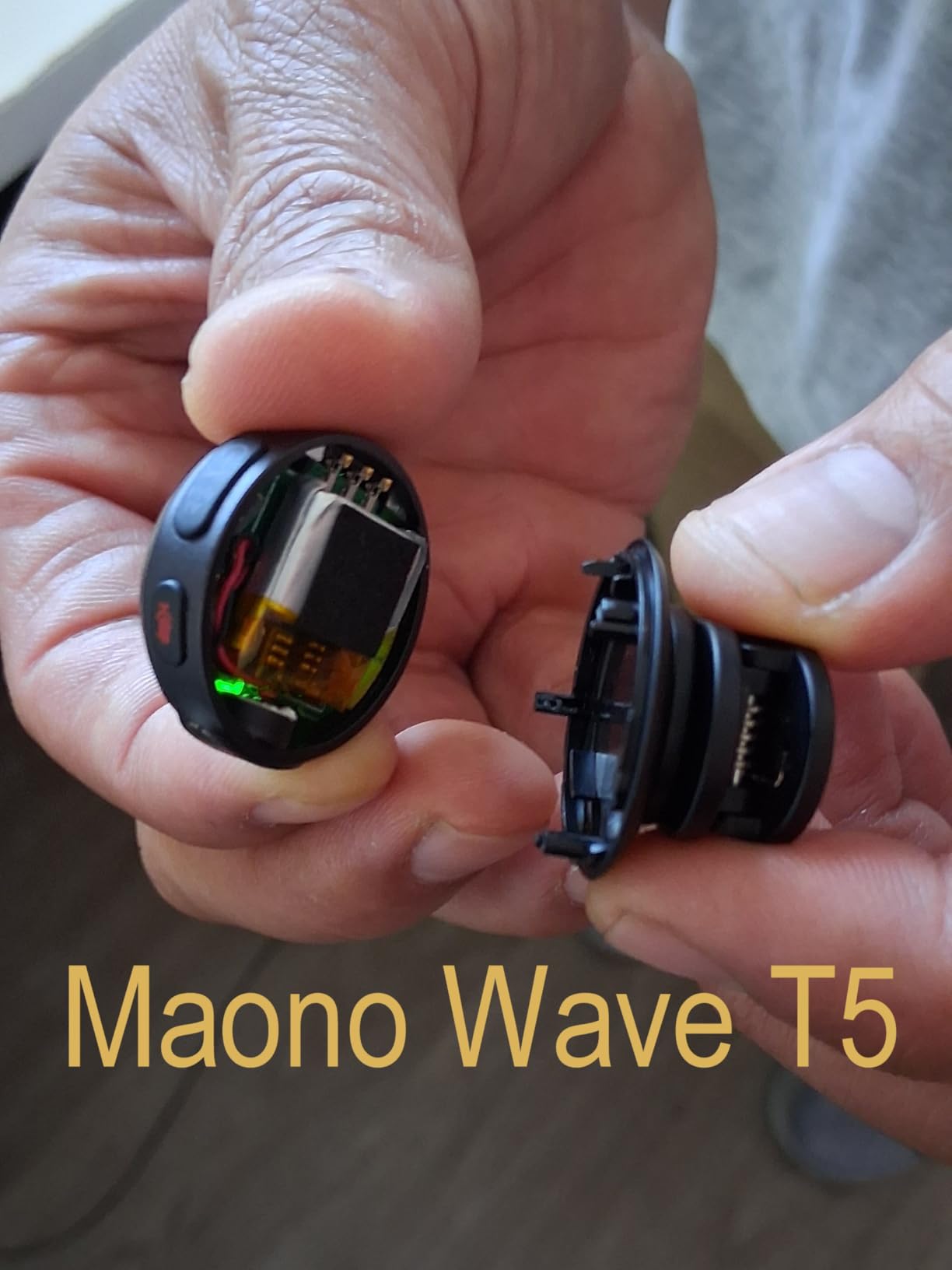
At 9 grams per transmitter with magnetic attachment, the Wave T5 is comfortable for all-day wear. I wore it through an 8-hour outdoor shoot and never felt it pulling on my shirt. The 40-hour total battery life with case is on par with the pricier Hollyland Lark M2.
The Type-C charging port supports phone pass-through charging, so you can charge your phone while recording. This is a small but meaningful feature for long outdoor shoots where your phone battery is dying.
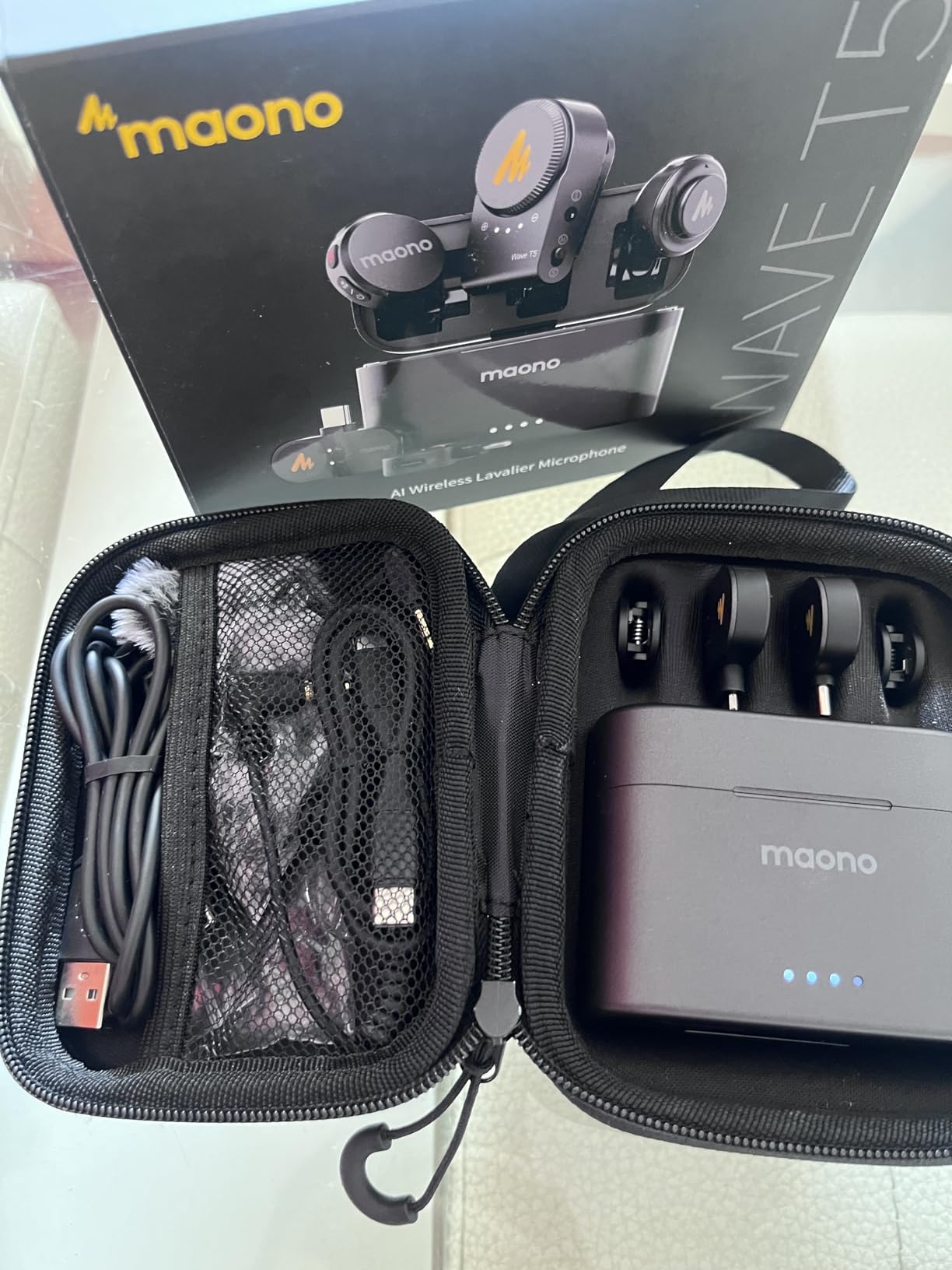
Most wireless lav mics give you flat audio that you process later. The MAONO Wave T5 ships with one-tap presets that work well for social media content where you want polished sound immediately. I used the Warmth preset for a fall foliage vlog, and it gave my voice a richer, more intimate feel without EQ adjustments in post.
The Maono Link app also unlocks deeper customization: gain control, monitoring levels, and firmware updates.
Content creators who want creative audio processing built into the mic, vloggers who shoot on multiple devices (iPhone, Android, camera), and anyone who values app-based control for fine-tuning.
Skip this if you prefer simple plug-and-play operation without apps, or if you shoot in extreme weather conditions.
Dual TX
200m range
8-hour battery
The SYNCO G2 is the longest-range wireless lav system I tested, with a rated 656 feet (200 meters) line-of-sight range. During testing through walls and around obstacles, the signal held up impressively. I walked to the end of a long building and back, with the receiver staying connected the entire time.
For two-person interviews, the dual transmitters are essential. Both transmitters have TFT displays showing battery, audio levels, and mode, which is genuinely useful in the field. I could check levels at a glance without taking my eyes off the camera.
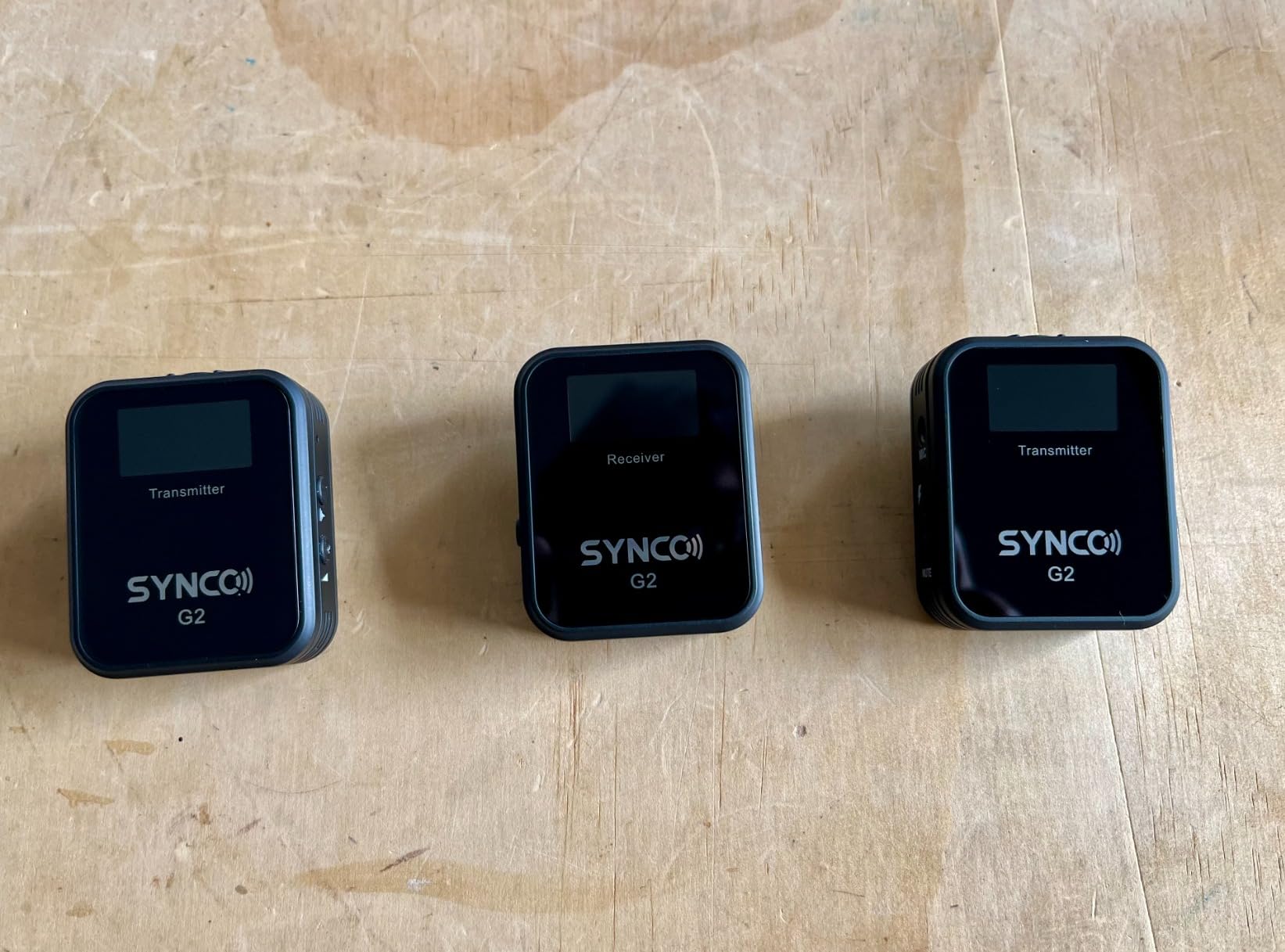
The Safety Channel mode records a duplicate track at lower gain, so if your main audio peaks, you have a clean backup. This is similar to what professional broadcast systems do. For unpredictable outdoor audio like street interviews or live events, this is a real safety net.
Build quality is the main compromise. The plastic construction feels less premium than metal-bodied competitors, and the SYNCO G2 is not weather resistant. For typical outdoor vlogging in fair weather, this is fine, but I would not recommend it for heavy rain or extreme conditions.
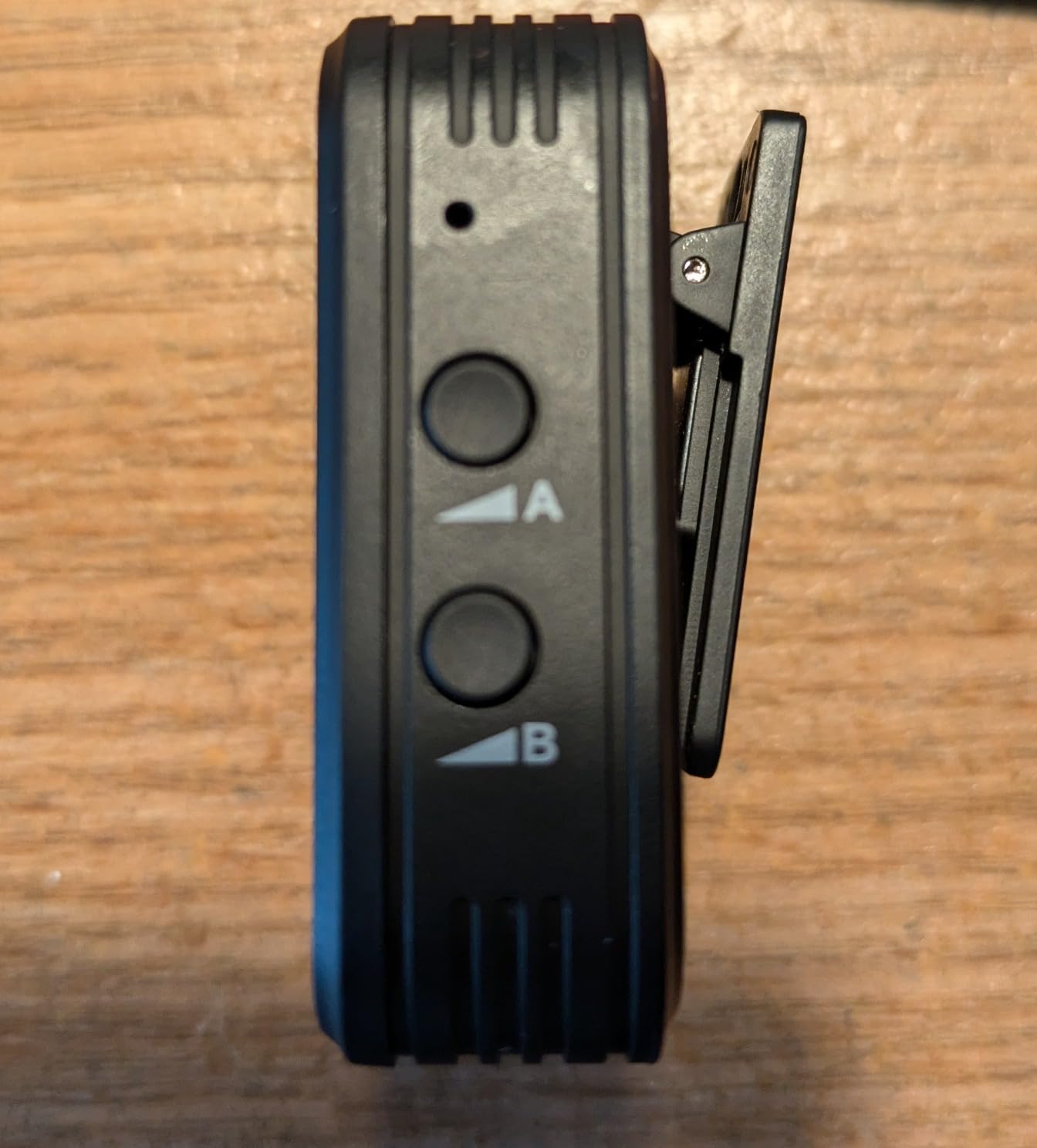
Unlike most systems that only offer built-in mics, the SYNCO G2 includes external lavalier microphones that plug into the transmitters. This lets you clip the transmitter to your belt and run the lav mic up to your collar for a more discreet on-camera look.
During testing, I found the included lav mics captured slightly better voice quality than the built-in mics, especially in noisy environments. The included wind muffs also helped with outdoor wind noise.
Interview crews who need long wireless range, two-person YouTube channels filming outdoors, and budget creators who want dual transmitters without paying DJI prices.
Skip this if you need weather resistance, premium build quality, or shoot primarily in extreme conditions.
Choosing the right wireless lav mic for outdoor vlogging comes down to understanding what actually matters in the field. After testing all eight systems above in real outdoor conditions, here are the factors that genuinely impact your results.
Wind is the number one enemy of outdoor audio. The difference between a professional-sounding vlog and an amateur one often comes down to wind protection. Look for systems that include proper windscreens, ideally furry dead-cats for heavy wind, plus foam for moderate breeze.
Beyond physical windshields, active noise cancellation helps cut wind rumble, but use it carefully. Strong NC modes can make your voice sound processed or thin. Test your mic in windy conditions before committing to a shoot.
Rated range and real-world range are very different. A mic rated at 400 meters might only give you reliable signal up to 100 meters with trees, buildings, or crowds in the way. For most vlogging scenarios, 50-100 meters of reliable range is plenty.
Look for systems with 2.4GHz digital transmission, which handles interference better than older Bluetooth-only systems. Dual-transmitter systems also tend to have stronger signal processing.
If you film multi-day trips or all-day events, charging case battery life matters more than transmitter battery life. The DJI Mic Mini’s 48-hour total battery and Hollyland Lark M2’s 40-hour total battery are class-leading. Budget systems often have shorter total battery life.
USB-C pass-through charging is also valuable. If your phone is dying mid-shoot, you can charge it through the mic system without stopping recording.
A heavy transmitter pulls on your shirt and shows on camera. Sub-10-gram transmitters like the BOYA mini 2 (5g), Hollyland Lark M2 (9g), and DJI Mic Mini (10g) are the most comfortable for extended wear. Magnetic attachment systems also help distribute weight better than clip-only designs.
Before buying, check that the system works with your specific devices. iPhone compatibility is especially tricky: some systems need third-party apps for Bluetooth audio, and newer iPhones with USB-C require different receivers than older Lightning models.
If you shoot on both phone and camera, look for systems that include multiple receivers or quick-swap adapters. The DJI Mic 2 and SYNCO G2 both come with multi-device adapters in the box.
For outdoor use, the DJI Mic Mini is the best overall choice with its 10g ultralight design, 400m wireless range, and effective two-level noise cancellation. For two-person interviews, the DJI Mic 2 with 32-bit float internal recording is the top premium pick. Budget-conscious creators should consider the Hollyland Lark A1, which offers 3-level noise cancellation at an accessible price.
For solo vlogging, the DJI Mic Mini offers the best balance of weight, range, and price. For vloggers who shoot primarily on phones, the Hollyland Lark M2 at 9g per transmitter is nearly invisible on camera. For content creators who need creative audio control, the MAONO Wave T5 with 4 voice presets and 14-level noise cancellation delivers polished sound without post-processing.
Most professional YouTubers use either DJI or RODE wireless systems. The DJI Mic 2 is popular for its 32-bit float recording and dual transmitters, while the RODE Wireless ME is favored for its GainAssist technology and brand reliability. Budget-conscious YouTubers often choose the Hollyland Lark M2, which delivers near-premium quality at a fraction of the cost.
Most vloggers today use wireless lav systems rather than traditional shotgun mics. The DJI Mic Mini and Hollyland Lark M2 are the two most popular choices for solo creators due to their lightweight design and reliable performance. For two-person content, the DJI Mic 2 and SYNCO G2 with dual transmitters are the most common picks.
After three months of testing wireless lav mics for outdoor vlogging in real-world conditions, the DJI Mic Mini is my top pick for most creators. It weighs almost nothing, the range is genuinely impressive, and the battery system removes all anxiety about running out of power mid-shoot.
If you’re on a tighter budget, the Hollyland Lark M2 delivers 90% of the DJI Mic Mini’s performance at a noticeably lower cost, and the 9-gram transmitter is actually lighter. For two-person interviews or documentary work where audio failure is not an option, the DJI Mic 2’s 32-bit float recording is worth the premium.
The best wireless lav mic for outdoor vlogging in 2026 is the one that matches your specific shooting style. Match the system to your devices, your typical environment, and your willingness to carry extra gear, and you’ll capture clean audio on every shoot. Once your audio is dialed in, you might also want to check out my guide to the best outdoor photography ideas for content that pairs well with great audio.