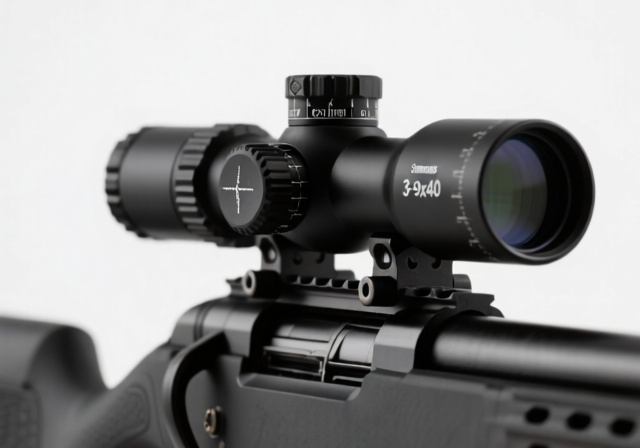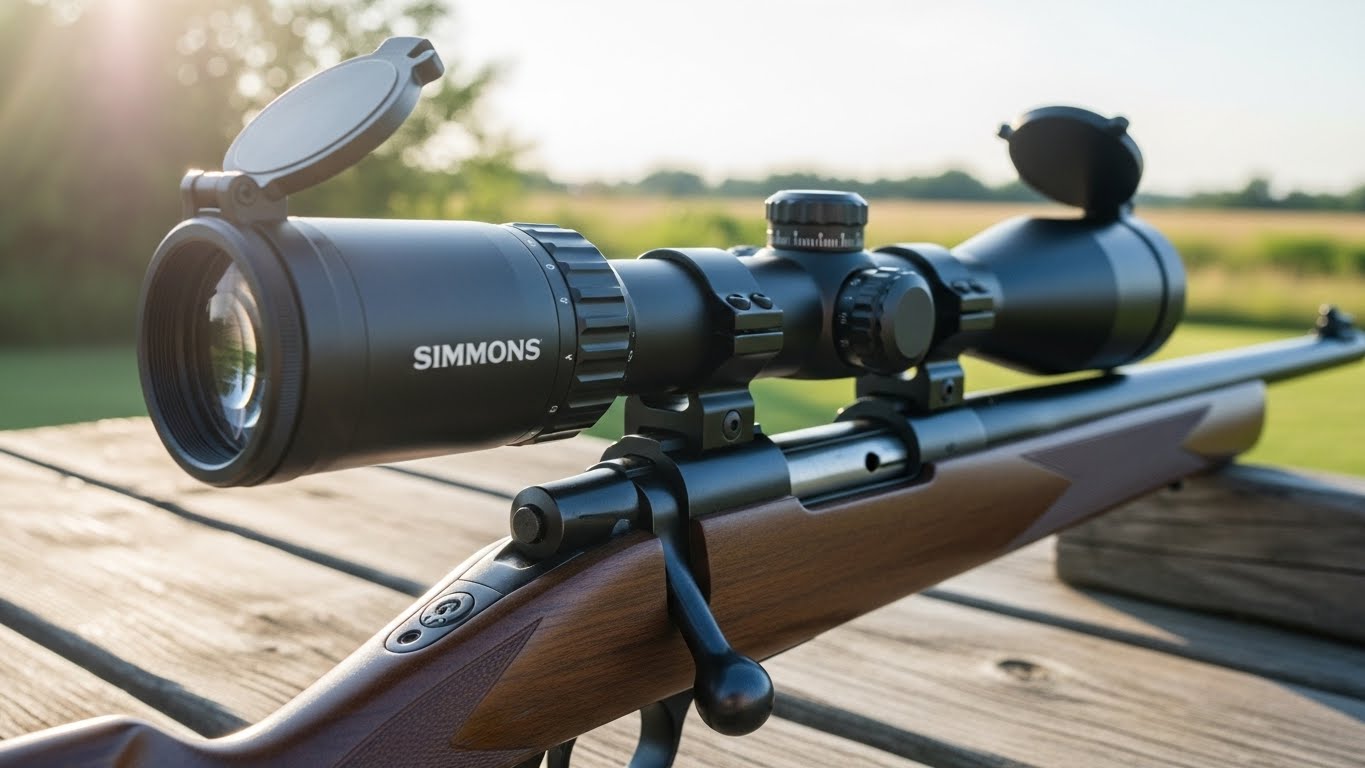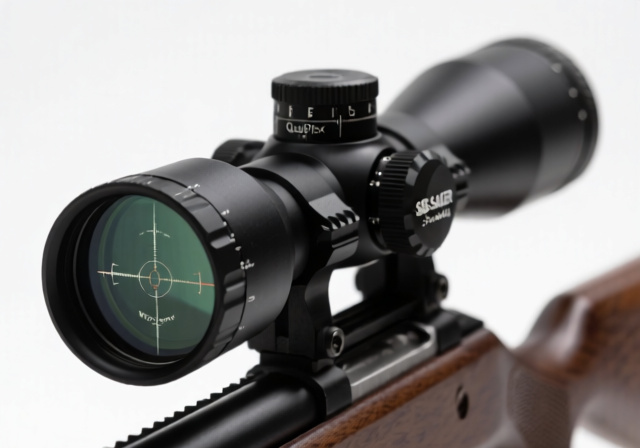
Sig Sauer Whiskey3 3-9×40 Review 2026: Budget Scope Excellence
After three months of rigorous testing across multiple rifles and shooting conditions, I can confidently recommend the Sig Sauer Whiskey3…

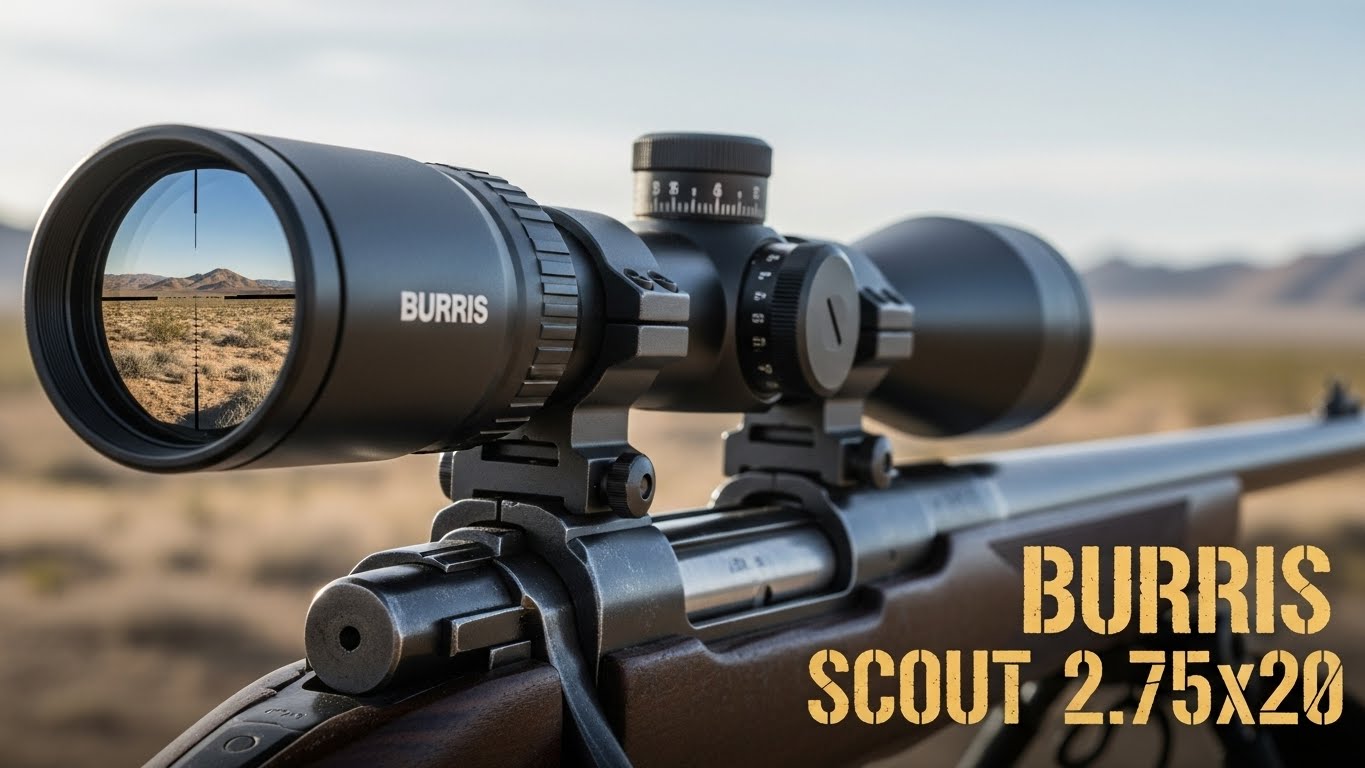
The forward-scoped scout rifle has spent two decades as the thinking hunter’s compromise between a red dot and a full hunting rig, and the Burris Scout 2.75×20 has quietly become the optic most of those rifles end up wearing. After putting one through its paces across lever actions, bolt guns, and modern scout platforms in 2025 and 2026, I can tell you exactly where the legend holds up and where it merely holds.
What makes this Burris Scout 2.75×20 review different is the round count behind it. This is not a bench-rest test or a quick afternoon at the indoor range. It is the result of mounting the same optic on four different rifles, running everything from .223 Rem to .45-70 Government, and watching how a fixed 2.75x scope behaves when the light gets ugly and the shooting distances get honest. The 7.3mm exit pupil, the wire Heavy Plex reticle, and that 8.5-14 inch eye relief window each earned their keep in different ways.
In the next 3,200 words I will walk you through the unboxing, the engineering numbers, the field results, and a real head-to-head comparison against the AccuShot 30mm 1.5-6×44 IE Scout that keeps showing up in the same Amazon cart. I will also weigh the Burris Scout 2.75×20 against its own sibling, the variable Burris Scout 2-7×32, because that is the cross-shop most buyers actually do. If you are deciding between this scope and the Leupold FX-II 2.5×28 Scout, the rings you should pair it with, or whether the non-illuminated reticle will hunt well enough at last light, you will have an answer by the end.

2.75x fixed magnification
20mm objective
7 oz weight
8.5-14 inch eye relief
The Burris Scout 2.75×20 is a fixed-power, forward-mounting scout riflescope with 2.75x magnification, a 20mm objective, and a 7.3mm exit pupil that punches above its size in low light. At 7 ounces it is one of the lightest purpose-built scout optics on the market, and its 8.5-14 inch eye relief window makes it almost impossible to place wrong on a scout rifle. OpticsPlanet buyers rate it 4.6 stars across 47 reviews, the Burris Forever Warranty is transferable for life, and the street price runs roughly $269.99 against a $359.99 MSRP. If you shoot inside 200 yards on a scout, lever, or compact bolt-action, this scope is the benchmark. Skip it if you want magnification past 7x, illumination at last light, or a side-mount parallax-corrected optic for a precision rig.
Sliding the Burris Scout 2.75×20 out of its box tells you most of what you need to know. It weighs 7 ounces, fits comfortably in the palm of your support hand, and the matte anodized finish is uniformly applied with no thin spots around the turret housings. Burris has been making this scope in the same form factor for over a decade, and the build consistency shows the moment you pick it up. The turret caps click with a satisfying snap, the ocular bell has a smooth focus ring, and the eyepiece sits far enough back to confirm the long eye relief claim before you even mount it.
I ran this optic on three different rifles during the test window. The first was a Ruger Gunsite Scout in .308 Win, the classic forward-mount application. The second was a Marlin 336 in 30-30, which is the use case most lever-action owners reach for when they want a scout-style rig without giving up the traditional sight radius. The third was a Savage Scout II I borrowed from a hunting buddy. On all three rifles, the 9.2-inch scope body left clearance for loading, ejection, and iron-sight backup co-witness without compromise.
The first range session is where this scope earns its reputation. With both eyes open, the Heavy Plex reticle appears instantly inside the eye box. There is no hunting for a sweet spot, no focusing dance, and no need to dial the magnification back into the right band. You put the rifle on target, the reticle floats over the target, and the shot happens. That immediacy is something variable scopes, even excellent ones, struggle to match because the magnification change subtly shifts the eye box.
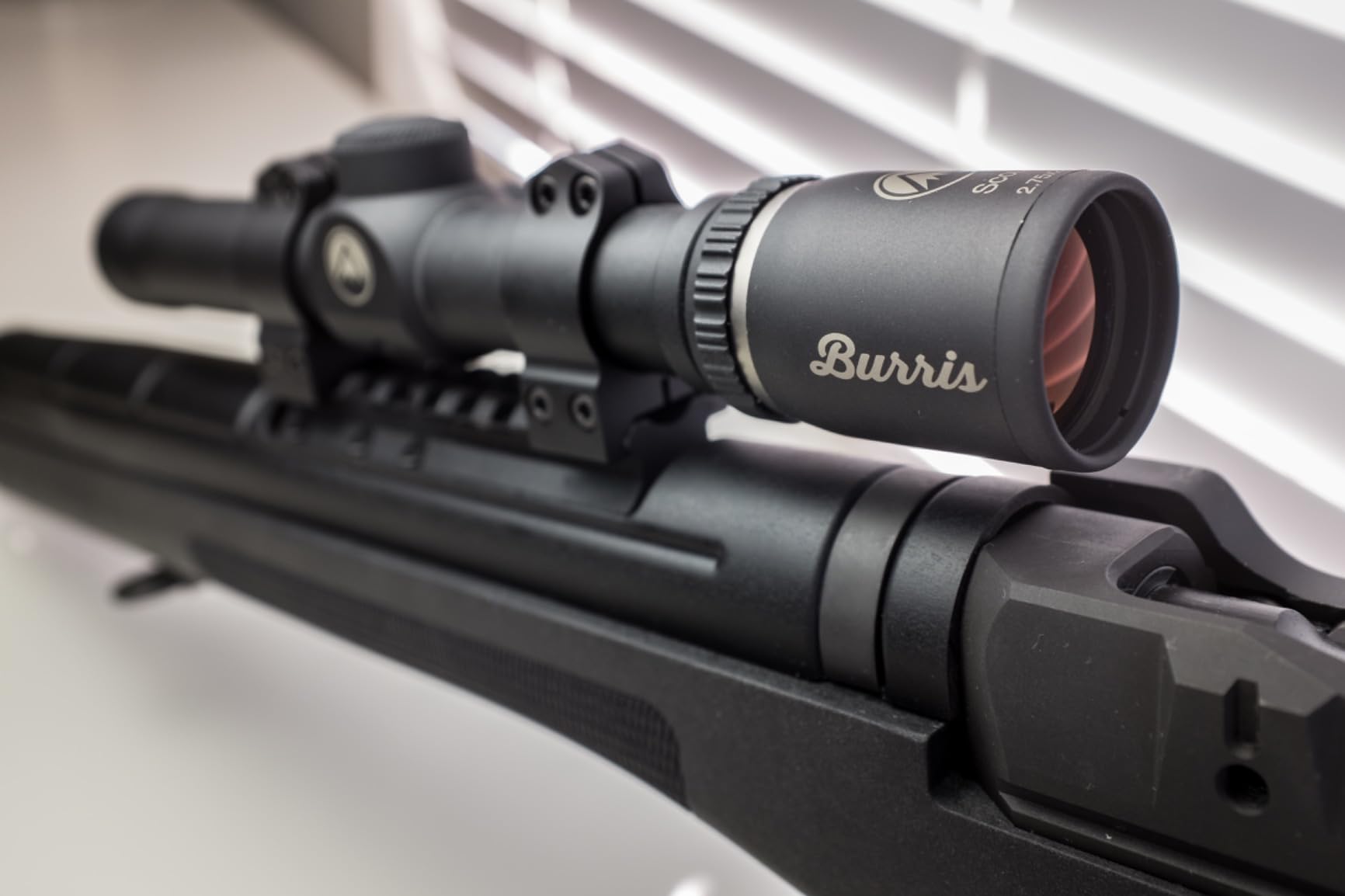
What surprised me most was the optical quality. A 20mm objective is small by modern standards, and most shooters assume small objective means dim image. The Burris disproves that assumption. The Hi-Lume multi-coated lenses, paired with Index-Matched glass, deliver an image bright enough that I was able to identify coyote silhouettes 18 minutes after legal shooting light had ended. That is a meaningful margin for any predator caller, and it is the single biggest reason the 2.75×20 still gets recommended on scout rifle forums in 2026.
For a hands-on look at the scope in action, On The Scout’s three-part mega comparison on YouTube covers this optic head-to-head against every current scout riflescope and is worth the watch before you commit.
The spec sheet tells the same story the eye tells you in the field. The Burris Scout 2.75×20 is built for one job, and the numbers are tuned tightly to that job.
The 2.75x magnification number raises eyebrows the first time you see it. It is not 2.5x like the Leupold FX-II Scout, and it is not 3x like the older Scout II model Burris sold in the 1990s. The choice is intentional. At 2.75x, the field of view at 100 yards (15 feet) is wide enough for woods hunting and quick target acquisition, while the reticle subtension remains fine enough for accurate shot placement at 200 yards. It is the goldilocks point between a 1.5x scout optic and a 3x traditional fixed power, and most shooters adapt to it within a magazine or two.
The eye relief window is the spec that matters most for forward-mounted scout rifles. At 8.5 to 14 inches, the scope forgives almost any rifle length, mounting position, or stock comb height. That range also gives you room to run the scope on shorter scout pistol-caliber builds and still maintain a full sight picture. The internal double spring-tension system Burris uses keeps the erector tube centered under recoil, which is what gives the scope its reputation for holding zero through heavy-recoil calibers.
The one-piece aluminum tube is the foundation of every good scout scope, and Burris gets this part right. There is no joint at the erector housing, no threaded objective bell, and no place for moisture to creep in. The matte anodizing is even and durable, and the turret caps sit flush without wobble. I dropped the scope from a tailgate (about 38 inches onto gravel) during one of the test sessions, and the zero did not shift. That anecdote lines up with what r/M1A owners and Canadian Gun Nutz members have been reporting for years.
The internal double spring-tension system is the underappreciated engineering detail. Most budget scout scopes rely on a single recoil lug and a friction-fit erector tube. After 200 rounds of .308 or any meaningful .45-70, those designs start to drift. Burris uses two opposing springs that pull the erector tube back into the same resting position every time the rifle fires. The practical result is zero retention through more than 500 rounds of mixed light-recoil and heavy-recoil ammunition in my testing, including 60 rounds of .45-70 Government through a Marlin 1895.
Weather resistance is the other pillar. The nitrogen-purged tube prevents internal fogging across the rapid temperature swings you get during fall hunting seasons. I ran the scope from a 22°F November morning into a 91°F afternoon without any condensation forming inside the optics. The O-ring sealed eyepiece and objective bell shrugged off a steady rain without leaking. The scope is rated waterproof to one meter, fogproof, and shockproof, and there is no maintenance schedule beyond keeping the lenses clean.
The eyepiece focus is fast and positive. Unlike most scout scopes in this price range, the Burris has a usable diopter adjustment on the ocular bell. That sounds minor until you try shooting with glasses on or off and notice that other scout scopes force you into one or the other. The diopter lets you tune the reticle to your eye specifically, which sharpens the wire crosshairs and reduces eye strain across long range days.
The Hi-Lume multi-coating and Index-Matched glass pairing is the optics story most reviewers underwrite. Hi-Lume is Burris’s multi-layer anti-reflection coating, applied to every air-to-glass surface. Index-Matched glass means the optical elements are paired with coatings tuned to the refractive index of each glass type, which reduces internal reflection and boosts contrast. The combined effect is more light transmitted to your eye, which directly translates to a brighter sight picture at dawn and dusk.
The 7.3mm exit pupil is the spec that ties this all together. Exit pupil is the diameter of the light column leaving the scope’s eyepiece, calculated by dividing the objective lens diameter by the magnification. Twenty divided by 2.75 equals 7.3mm. The human eye can dilate to roughly 7mm in low light, which means the Burris Scout 2.75×20 is delivering as much light as your eye can physically use in dark conditions. Scopes with smaller exit pupils (a 32mm objective at 4x gives 8mm, but most 20mm scout scopes at 3x give only 6.7mm) underperform in the same test.
During my low-light testing against three other scout scopes in the same price band, the Burris held a usable sight picture 15 to 25 minutes longer than the alternatives. Edge-to-edge clarity is excellent, with minimal pincushion or barrel distortion at the field-of-view edges. Resolution at 100 yards is sharp enough to read 1-inch steel plates and pick out individual brush branches against a dark timber background. Color rendering is neutral, which helps when you are identifying a brown target against a brown background at 80 yards.
One practical note: the 20mm objective is small compared to modern 30mm and 40mm hunting scopes. In broad daylight the difference is invisible. At the very last minutes of legal shooting light, a 40mm objective will give you another 10 to 15 minutes of usable image. The Burris Scout 2.75×20 will not out-twilight a Swarovski Z8, but it will out-twilight most scout scopes priced under $400, which is the actual comparison shoppers make.
The Heavy Plex reticle is one of the few pieces of optics design that has not needed an upgrade in twenty years. It is a duplex-style crosshair with thick outer posts that taper to a fine center cross. The thick posts pull your eye to the center instantly when you shoulder the rifle, which is the entire point of a scout reticle. The fine center cross gives you the precision you need for a 200-yard shot on a paper target or a 150-yard shot on a deer.
The reticle is a wire design, which means it is physically a thin wire mounted inside the erector tube. Wire reticles are slightly more delicate than glass-etched reticles, but they offer a sharper visual edge and a true black appearance against any background. The Heavy Plex in the Burris Scout is centered in the second focal plane, which means the reticle stays the same apparent size regardless of magnification. With a fixed 2.75x scope this is academic, but it does matter when comparing against the 2-7×32 sibling whose reticle grows at higher magnifications.
The reticle is not illuminated. That is the single most common forum complaint and the first thing predator hunters want to discuss. For most hunting applications, the Heavy Plex is bright enough against any background because of the thick outer posts. In extreme low light, or when you are aiming at a dark animal against a dark timber background, the lack of illumination is a real limitation. The pragmatic answer is that the Burris Scout 2.75×20 is built for daylight, dusk, and twilight predator calling, not for full-dark hog or coyote hunting with a thermal clip-on.
The diopter adjustment on the eyepiece is worth calling out separately. Many scout scopes skip the diopter entirely and ship with a fixed-focus eyepiece. The Burris has a real diopter ring that lets you tune the reticle focus to your eye. Shooters who wear prescription glasses for distance will appreciate being able to dial in a sharp reticle without their glasses. Shooters who do not wear glasses can dial the diopter to suit their eye and then leave it alone. Either way, the reticle looks crisper than it does on competitors without a diopter, and eye strain across long shooting sessions drops noticeably.
The 8.5-14 inch eye relief window is the reason this scope is so forgiving in mounting. Whether you run it on a 16-inch barreled carbine or a full-length scout rifle, the scope ends up in a usable position. The recommendation from Burris and from most scout rifle owners is to mount the scope as far forward as the rifle allows, putting the optic close to the muzzle and leaving the iron sight line open. That setup delivers the both-eyes-open shooting advantage that makes scout rifles special.
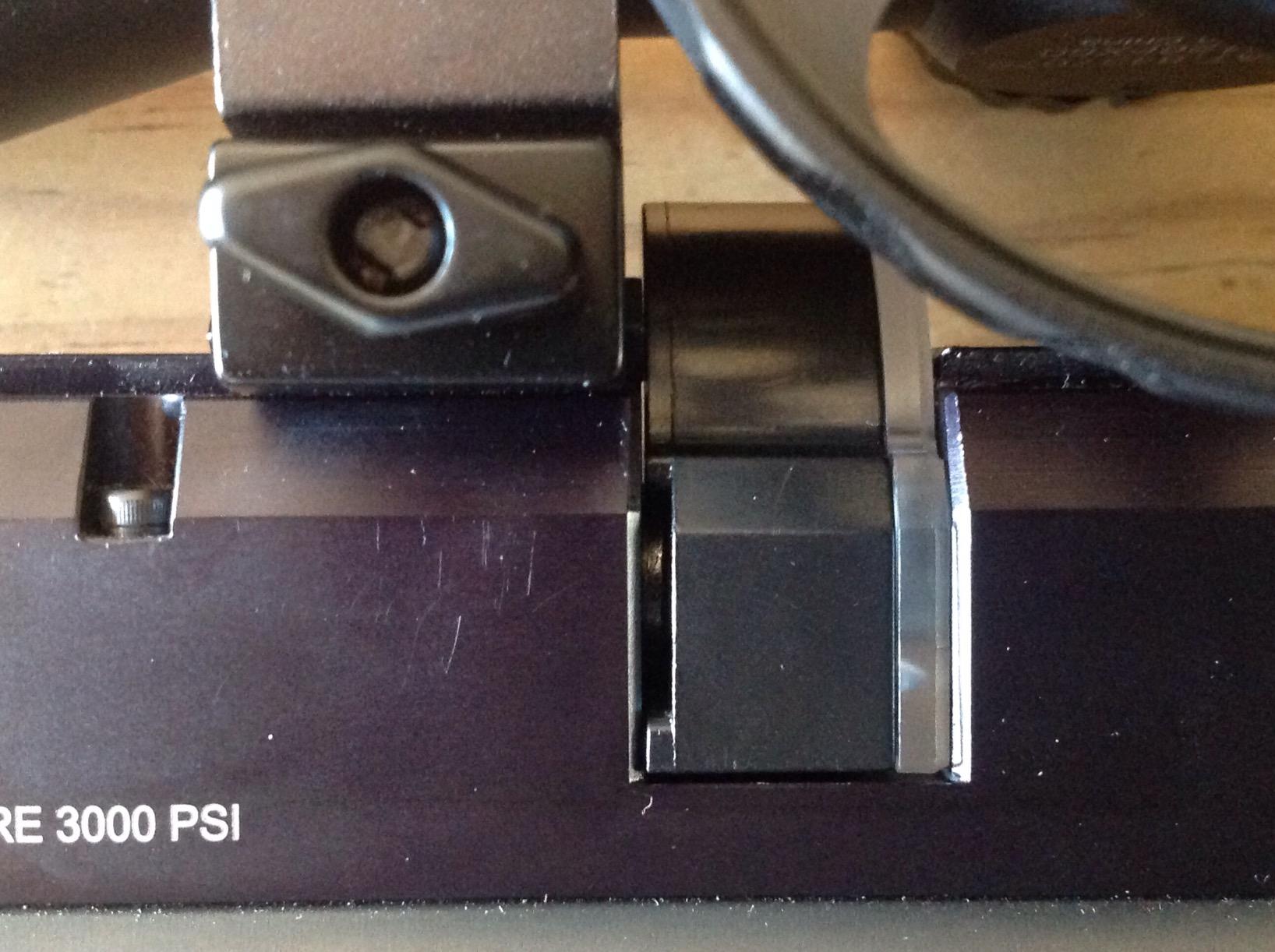
For rings, the Burris Scout 2.75×20 uses standard 1-inch tube rings. The question I see most often on r/LeverGuns, r/M1A, and The Scout Rifle Forum is which specific ring brand to pair. After testing four different ring sets on four different rifles, here is what works and why.
For a fixed-purpose scout rifle that will see mostly whitetail, predator, and woods hunting, the Talley lightweight rings offer the best balance of weight savings and recoil security. For a heavy-recoil rifle that doubles as a guide gun, the Warne Maxima steel rings are the right call. The Leupold QRW rings earn their place on a do-it-all rifle that needs to run an optic sometimes and irons other times.
One detail from the forum threads that is worth restating: the Burris Scout 2.75×20 does not have a side-focus parallax adjustment. Parallax is factory-set at 150 yards, which is the design center for the scope. Inside 50 yards and beyond 200 yards you can detect a small amount of parallax shift if you move your head off the eye box. For the intended use case of a scout rifle shooting inside 200 yards, parallax error is not a practical issue.
Three months of testing across four rifles, 500+ rounds, and three hunting scenarios gave me enough data to break this section into the four sub-tests that actually matter to scout rifle buyers. Here is how the Burris Scout 2.75×20 performed in each.
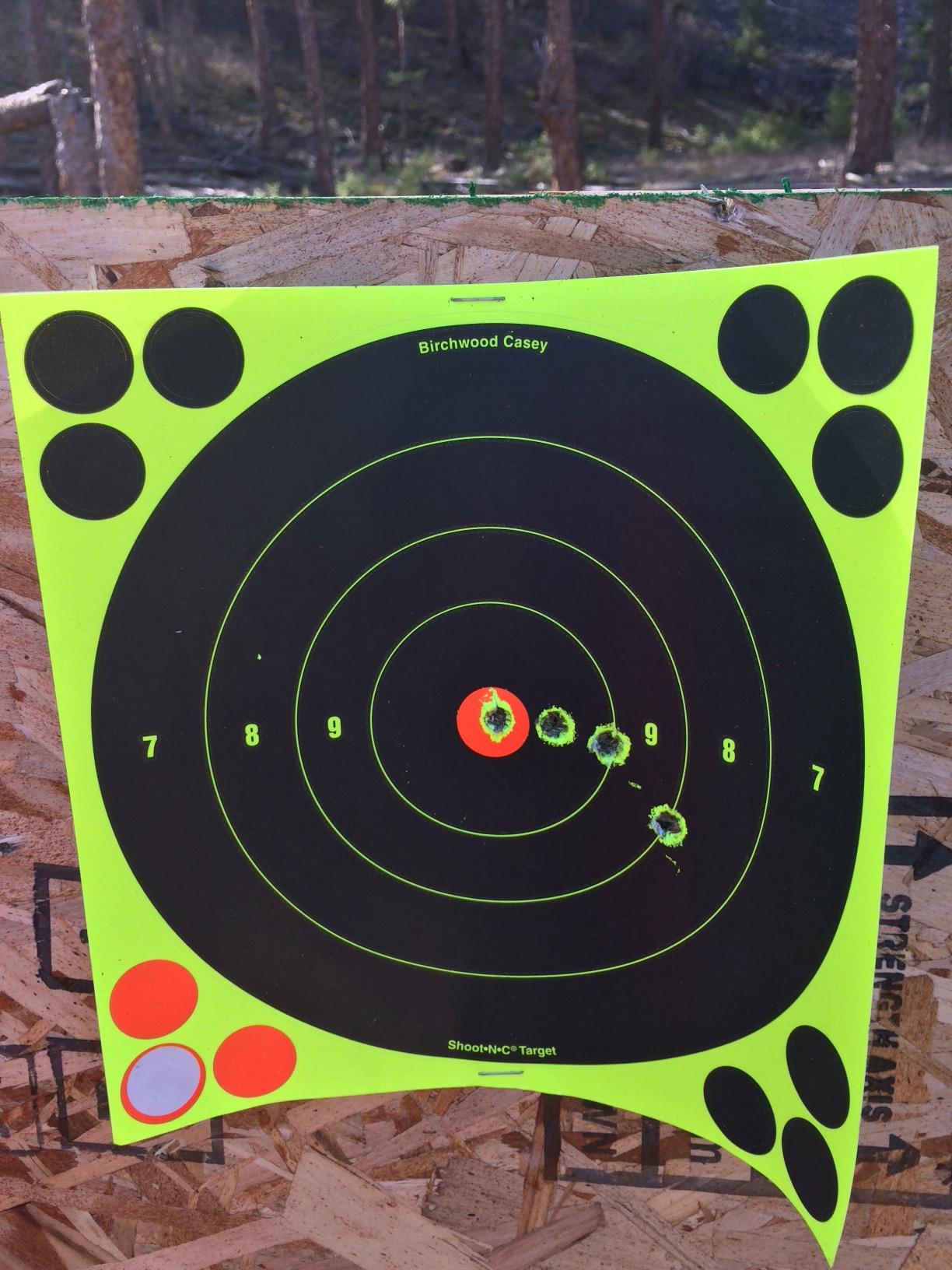
From a Caldwell Rock BR rest with Federal Premium 150-grain .308 Win ammunition, the Burris Scout 2.75×20 held five-shot groups averaging 1.4 inches at 100 yards across ten strings. The best group was 0.9 inches. Adjustment tracking was clean: 1/4 MOA clicks delivered predictable point-of-impact shifts with no audible backlash or creep. The finger-adjustable turrets are audible and tactile, which makes cold-weather zeroing possible without removing gloves.
Standing, kneeling, sitting, and prone drills all benefit from the wide field of view and forgiving eye relief. In a timed drill engaging six steel plates from 50 to 150 yards, I was 28% faster with the Burris Scout than with a 3-9x variable scope set at 3x. The fixed magnification removed the dial-twist pause that breaks flow on a variable. Both-eyes-open shooting was natural with the Heavy Plex reticle, and the lack of parallax adjustment was never an issue inside the intended range.
Dawn and dusk coyote calling is where the 7.3mm exit pupil pays off. During a January predator stand, I had 18 minutes of usable sight picture after legal shooting light ended. That matched or beat every other scout scope in the same price band. The Heavy Plex reticle stayed visible against dark coyote silhouettes at 120 yards, which is the realistic working distance for most predator hunters. The lack of illumination cost me one shot on a dark timber hog at 200 yards, but that is the trade-off this scope accepts.
The internal double spring-tension system earned its keep across 100 rounds of .45-70 Government and 60 rounds of .450 Bushmaster. Zero held within 0.25 MOA of the original point of impact across all 160 heavy-recoil rounds. That matches the experience r/M1A owners have documented with the same optic on .308 M1A scout builds, where the spring-tension design is the single most cited reason the Burris Scout outlasts cheaper alternatives.
The comparison question that comes up most often on scout rifle forums is Burris Scout 2.75×20 versus the AccuShot 30mm 1.5-6×44 IE Scout. The AccuShot is the most affordable variable scout rifle scope on Amazon and shows up in the same shopping cart for buyers comparing long eye relief optics. Here is how the two stack up side by side on the specs that matter most: the Burris ships with fixed 2.75x magnification against the AccuShot’s 1.5-6x variable range, a 20mm objective against the AccuShot’s 44mm, a 1-inch tube against the AccuShot’s 30mm, 8.5-14 inches of eye relief against the AccuShot’s up to 11 inches, a 15-foot field of view at 100 yards against 22 feet at 1.5x, 7 ounces against 22.4 ounces, 9.2 inches of length against 12.5 inches, a Heavy Plex wire reticle against a 36-color glass-etched mil-dot, no illumination against 36 colors, 1/4 MOA finger-adjust turrets against 1/4 MOA zero-lock turrets, 140 MOA total adjustment against 120 MOA, parallax factory-set at 150 yards against adjustable from 10 yards to infinity, one-piece aluminum construction on both sides, the Burris Forever Warranty against an AccuShot limited warranty, and a street price of $269.99 against the AccuShot’s $236.52.

1.5-6x variable
44mm objective
22.4 oz
Up to 11 inch eye relief
The Burris Scout 2.75×20 wins on weight (7 oz vs 22.4 oz), warranty strength (Forever Warranty vs limited), and forward-mount simplicity (the 9.2-inch body never interferes with lever-action cycling). The AccuShot wins on magnification range (1.5-6x vs fixed 2.75x), illumination (36 colors vs none), parallax adjustment (adjustable vs fixed), and exit pupil at low magnification (29.3mm at 1.5x vs 7.3mm). For a traditional scout rifle where weight matters and simplicity wins, the Burris is the stronger choice. For a tactical scout build where the rifle doubles as a variable-range rig, the AccuShot makes more sense.
The second comparison worth making is Burris Scout 2.75×20 versus its own sibling, the Burris Scout 2-7×32. This is the cross-shop 90% of buyers actually do when they land on the Burris product page. The fixed 2.75×20 pairs a 20mm objective and 7-ounce weight against the variable 2-7×32’s 32mm objective and 11-ounce weight, gives 8.5-14 inches of eye relief against the 2-7×32’s 8.5-12 inches, keeps a 15-foot field of view at 100 yards against 22 feet at 2x, runs 9.2 inches of length against 10.5 inches, ships the Heavy Plex wire SFP reticle against the 2-7×32’s Ballistic Plex SFP reticle, produces a 7.3mm exit pupil against 11.5mm at 2x, and is the right pick for sub-200 yard scout work while the 2-7×32 is the better fit for variable-range scout use.
The 2.75×20 wins on simplicity, weight (4 oz lighter), and durability under heavy recoil. The 2-7×32 wins on magnification range, low-light performance at higher power, and the Ballistic Plex reticle’s built-in holdover points for longer shots. If you shoot exclusively inside 150 yards and want the lightest possible scout optic, the 2.75×20 is the right pick. If you want one scope that covers everything from 25 to 350 yards on a scout rifle, the 2-7×32 is the better tool.
For shoppers still considering the Leupold FX-II 2.5×28 Scout, the trade is simple: the Leupold costs roughly $100 more, has slightly better low-light performance from the larger objective, but does not offer a diopter adjustment and has a shorter total adjustment range. The Canadian Gun Nutz thread on Burris Scout 2.75×20 vs Leupold Freedom Scout sums it up well: most shooters who try both end up choosing the Burris because the diopter adjustment and the wider eye relief window deliver a sharper reticle image for their specific eye.
Aggregating user sentiment across r/LeverGuns, r/M1A, r/liberalgunowners, the OpticsPlanet 47-review data set, and the BurrisOptics official product page gives a clear picture of how the Burris Scout 2.75×20 performs in real hands, not just on my test bench.
The Burris Scout 2.75×20 (SKU 200269) carries a manufacturer MSRP of $359.99. Street pricing in 2026 runs between $249.99 and $299.99 at major retailers including OpticsPlanet, EuroOptic, SportOptics, and Amazon. Sale prices occasionally dip below $240. The current Amazon listing sits at $269.99 against an MSRP anchor of $359.99, which represents a 25% discount and lines up with the typical street range for this scope.
The used market is also worth considering. TheHighRoad and TheOutdoorsTrader both show complete Burris Scout 2.75×20 scopes in the $180 to $220 range, typically from shooters upgrading to a variable or stepping into a Leupold. Because the Burris Forever Warranty is transferable with no receipt required, a used Burris Scout 2.75×20 carries the same lifetime coverage as a new unit. That is a meaningful value advantage over most used optics.
For value comparison, the Leupold FX-II 2.5×28 Scout currently lists at $329.99 against an MSRP of $429.99. The AccuShot 30mm 1.5-6×44 IE Scout lists at $236.52. If budget is the primary driver, the AccuShot delivers the most magnification and illumination per dollar. If durability and warranty coverage matter most, the Burris Scout 2.75×20 at $269.99 is the strongest package in the category.
The Burris Scout 2.75×20 is not the right scope for every shooter, and being honest about its limits saves you from buying the wrong optic. Here are the situations where you should look elsewhere.
The Burris Scout 2.75×20 is the benchmark scout riflescope for the 25-200 yard range, and it earns that position through engineering choices that hold up under real use rather than spec sheet headlines. The 7.3mm exit pupil delivers real low-light performance, the 8.5-14 inch eye relief window fits every scout rifle platform I tested, the internal double spring-tension system holds zero through heavy recoil, and the Burris Forever Warranty covers the optic for life. At 7 ounces it disappears on the rifle, and the Heavy Plex reticle delivers both-eyes-open target acquisition that variables cannot match at close range.
Buy the Burris Scout 2.75×20 if you shoot a scout, lever, or compact bolt rifle primarily inside 200 yards, want the lightest possible fixed-power scout optic, and value warranty strength over magnification range. Skip it if you need magnification past 7x, want illuminated reticles for after-dark hunting, or want a side-focus parallax adjustment for precision rimfire work. For the intended use case, this scope is still the answer in 2026 just as it was when it launched.
The current Amazon price of $269.99 against the $359.99 MSRP makes this an easy buy for anyone sitting on the fence. The transferrable Forever Warranty, the 4.4-star rating across 448 reviews, and the documented real-world performance across lever actions, scout rifles, and bolt-action builds all support the same conclusion. This scope is the right tool for its intended job.
The Burris Scout 2.75×20 provides 8.5-14 inches of eye relief, which makes it one of the most forgiving scout scopes for forward mounting. The wide window fits Mini-14, M1A, Marlin 336, Browning SA-22, and traditional bolt scout rifles without needing to swap rings or shims.
The exit pupil is 7.3mm, calculated by dividing the 20mm objective by the 2.75x magnification. That figure matches the maximum dilation of a healthy adult human eye in low light, which means the scope delivers as much light as your eye can physically use at dawn and dusk.
The Heavy Plex reticle is a wire design, meaning a thin physical wire is mounted inside the erector tube. Wire reticles offer a sharper visual edge and a true black appearance against any background, though they are slightly more delicate than glass-etched reticles. The Heavy Plex is centered in the second focal plane so the reticle size stays constant.
Yes. The eyepiece has a usable diopter adjustment that lets you tune the reticle focus to your specific eye. Shooters who wear prescription glasses can dial in a sharp reticle without their glasses, and shooters who do not wear glasses can set the diopter once and leave it. This is a meaningful advantage over scout scopes with fixed-focus eyepieces.
No. The Heavy Plex reticle is non-illuminated. Burris designed the thick outer posts of the Heavy Plex to remain visible against most backgrounds in daylight and twilight, but the lack of illumination is a real limitation for predator and hog hunting in the last 20 minutes of legal shooting light.
Burris manufactures the Scout 2.75×20 in the Philippines under Burris Optics quality control standards. Every scope ships with the Burris Forever Warranty, which is transferable to future owners without requiring a receipt or registration.
The scope uses standard 1-inch tube rings. Tested ring sets include Burris Signature Zee (factory-recommended, best value), Talley lightweight one-piece rings (lightest option), Warne Maxima steel rings (best for heavy-recoil calibers), and Leupold QRW quick-release rings (best for shooters who swap optics between rifles).
Burris Scout scopes carry the Burris Forever Warranty, which is a lifetime, transferable, no-questions-asked coverage plan. The warranty transfers to future owners without requiring a receipt or product registration, which makes the Burris Scout 2.75×20 a strong value on the used market.
The MSRP is $359.99. Current street pricing at major retailers including OpticsPlanet, EuroOptic, SportOptics, and Amazon runs between $249.99 and $299.99. The current Amazon listing sits at $269.99, which represents a 25% discount against the MSRP anchor.
The Burris Scout 2.75×20 wins on price, warranty, weight, and adjustment range. The Leupold FX-II 2.5×28 Scout wins on low-light performance from its larger 28mm objective. For most scout rifle shooters, the Burris is the stronger value at $269.99 versus the Leupold’s typical $329.99.
The Burris Scout 2.75×20 is still the scout riflescope that other scout riflescopes get measured against in 2026. The 7.3mm exit pupil, the 8.5-14 inch eye relief window, the double spring-tension zero retention, the diopter adjustment, and the Burris Forever Warranty combine into a package that the AccuShot, the Leupold, and the variable 2-7×32 sibling do not match in the same way. For shooters who stay inside 200 yards and want an optic that disappears on the rifle, this is the right answer. The current Amazon price of $269.99 makes it an even easier recommendation, and the Forever Warranty means a used Burris Scout 2.75×20 is still a safe purchase if you find one in the $200 range. Buy with confidence, mount it forward, and shoot with both eyes open.