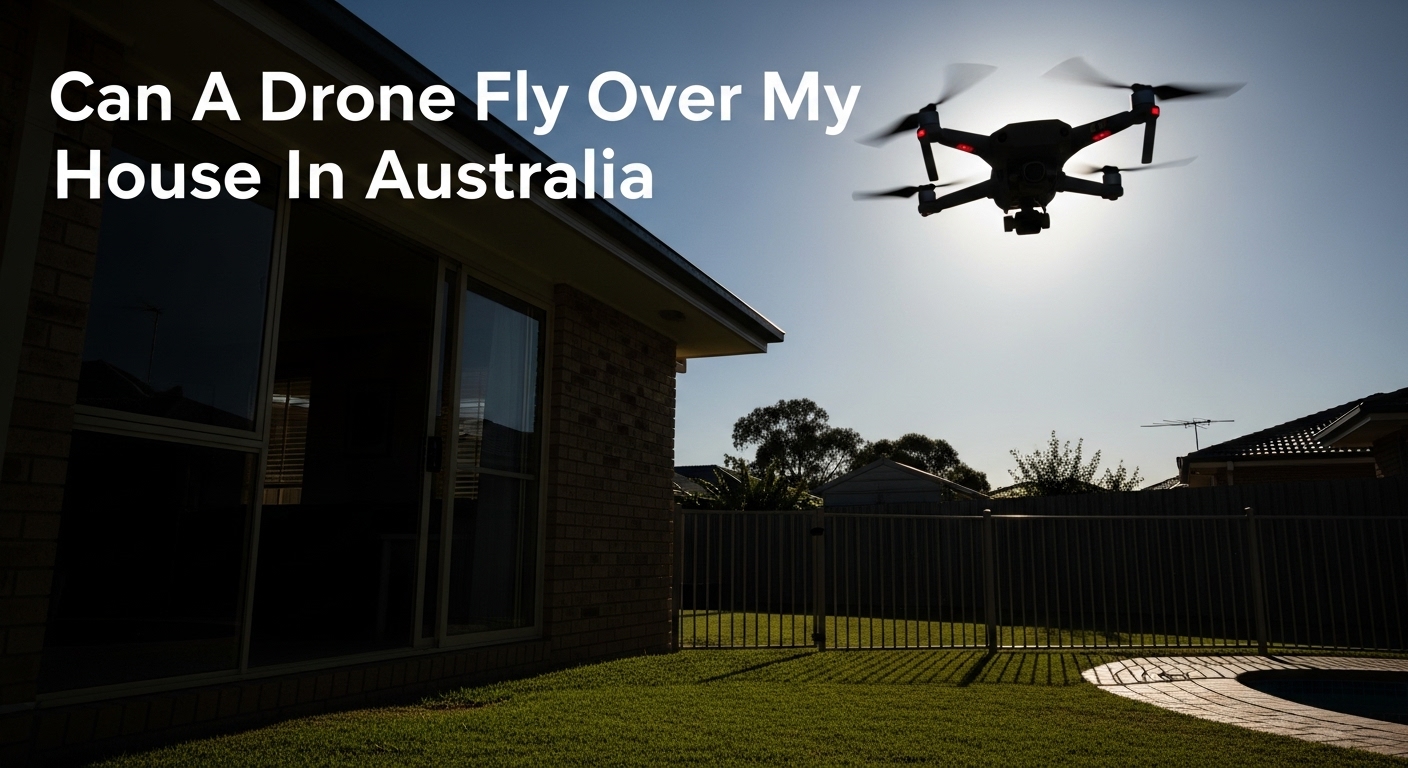
Can A Drone Fly Over My House In Australia? 2026 Legal Guide
Complete legal guide explaining drone overflight rights in Australia. Learn about CASA regulations, privacy laws, and what homeowners can legally…
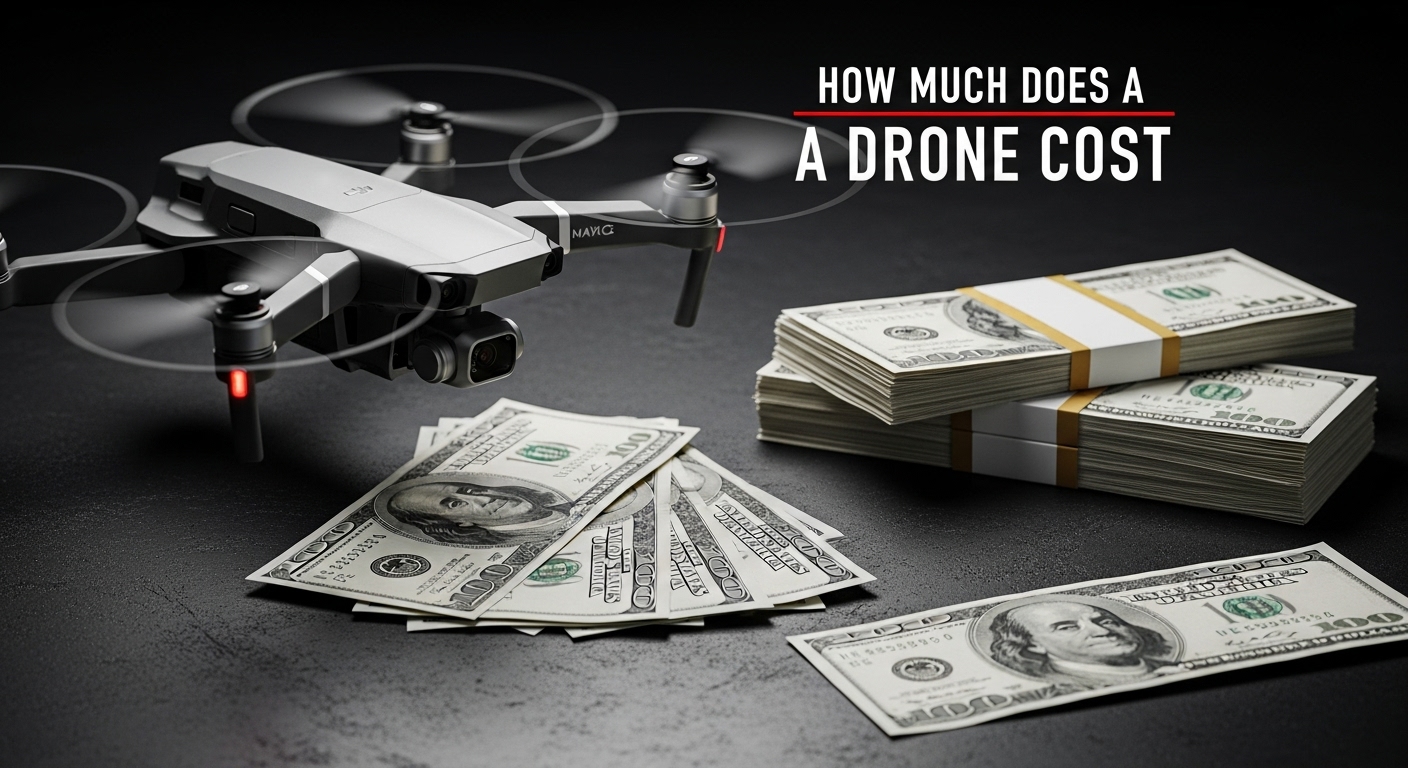
The aerial photography landscape has shifted dramatically in 2026. What once required helicopter budgets now fits in a backpack, and the democratization of drone technology means photographers at every level can capture stunning aerial perspectives without breaking the bank.
Whether you are documenting real estate properties, capturing wedding celebrations, or pursuing landscape photography in remote wilderness areas, understanding drone costs has become essential knowledge for modern photographers. The market now spans everything from $40 toy drones suitable for learning basics to $3,600+ professional cinema platforms capable of Hollywood-grade production work.
This updated guide for 2026 breaks down exactly what you should expect to invest based on your photography goals. I have researched current market rates, analyzed real-world pricing from photographers across multiple specialties, and compiled specific product recommendations that represent the best value at each price point.
After reviewing community feedback from photographers who have made these investments, one truth emerges consistently: matching your equipment budget to your actual needs prevents the two most common mistakes, overspending on features you will never use, or underspending and needing to upgrade within months.
For additional photography guides on expanding your creative toolkit, explore our comprehensive resources covering all aspects of modern photography.
The table below summarizes current market pricing across drone categories relevant to photography work:
| Product | Features | |
|---|---|---|
 Oddire Drone
|
|
Check Latest Prices |
 BLINORY GPS Drone
|
|
Check Latest Prices |
 DJI Mini 4K
|
|
Check Latest Prices |
 Potensic ATOM
|
|
Check Latest Prices |
 DJI Avata 2
|
|
Check Latest Prices |
 DJI Mini 4 Pro
|
|
Check Latest Prices |
 DJI Mavic 4 Pro
|
|
Check Latest Prices |
 DJI Mavic 3 Pro
|
|
Check Latest Prices |
We earn from qualifying purchases.
Each drone tier serves distinct photography needs. Matching your budget to the appropriate category prevents overspending while ensuring you have the capabilities required for your specific work. The key is understanding that camera quality, flight stability, and professional features scale proportionally with price.
Toy drones offer limited photography capabilities but provide valuable flight experience for beginners. These models help new pilots develop hand-eye coordination and understand drone behavior before investing in more expensive equipment.
Most photographers eventually outgrow this category, but toy drones serve a purpose for absolute beginners or as gifts for aspiring aerial photographers. The learning experience does not translate perfectly to professional equipment, but foundational skills like throttle control and orientation awareness transfer across all drone types.
1080P HD Camera
25-28 Min Flight
2 Batteries Included
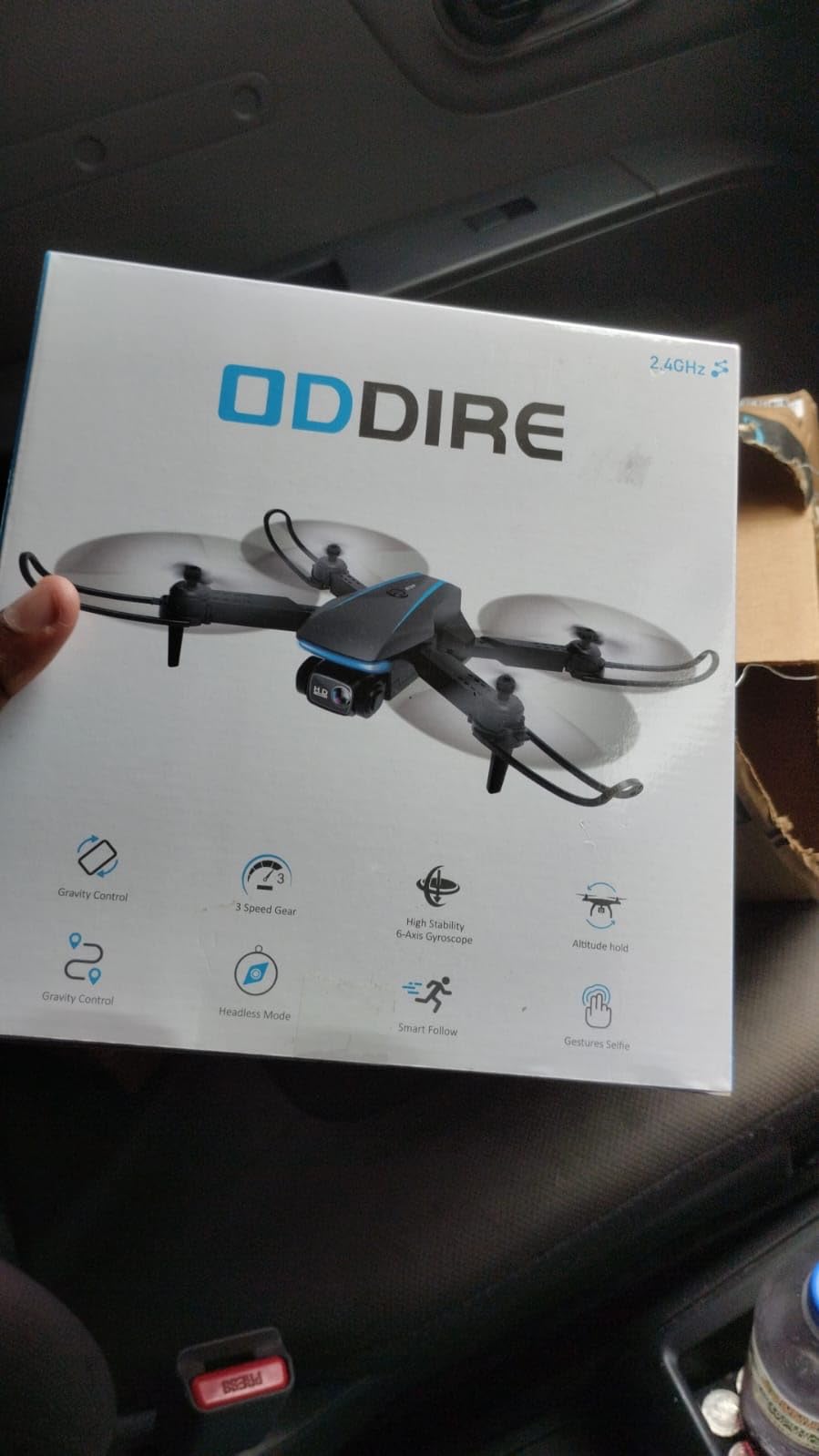
Check Price on AmazonThe Oddire Drone represents the entry point for adults seeking to explore aerial photography basics without significant financial commitment. At $39.97, this foldable drone with 1080P HD camera and dual batteries offers surprisingly capable hardware for casual experimentation.
Electronic image stabilization compensates for basic flight movements, though results cannot match mechanical gimbal systems found on higher-priced models. The WiFi connectivity enables real-time viewing through a smartphone app, and gesture photo features add some creative flexibility.
Flight time of 25-28 minutes with the included two batteries provides adequate practice sessions. The one-key takeoff and landing simplify operations for complete beginners. However, the 16-ounce weight and lack of GPS means this drone performs best in calm conditions with direct line of sight.
2K HD Camera
32 Min Flight
GPS + Optical Flow
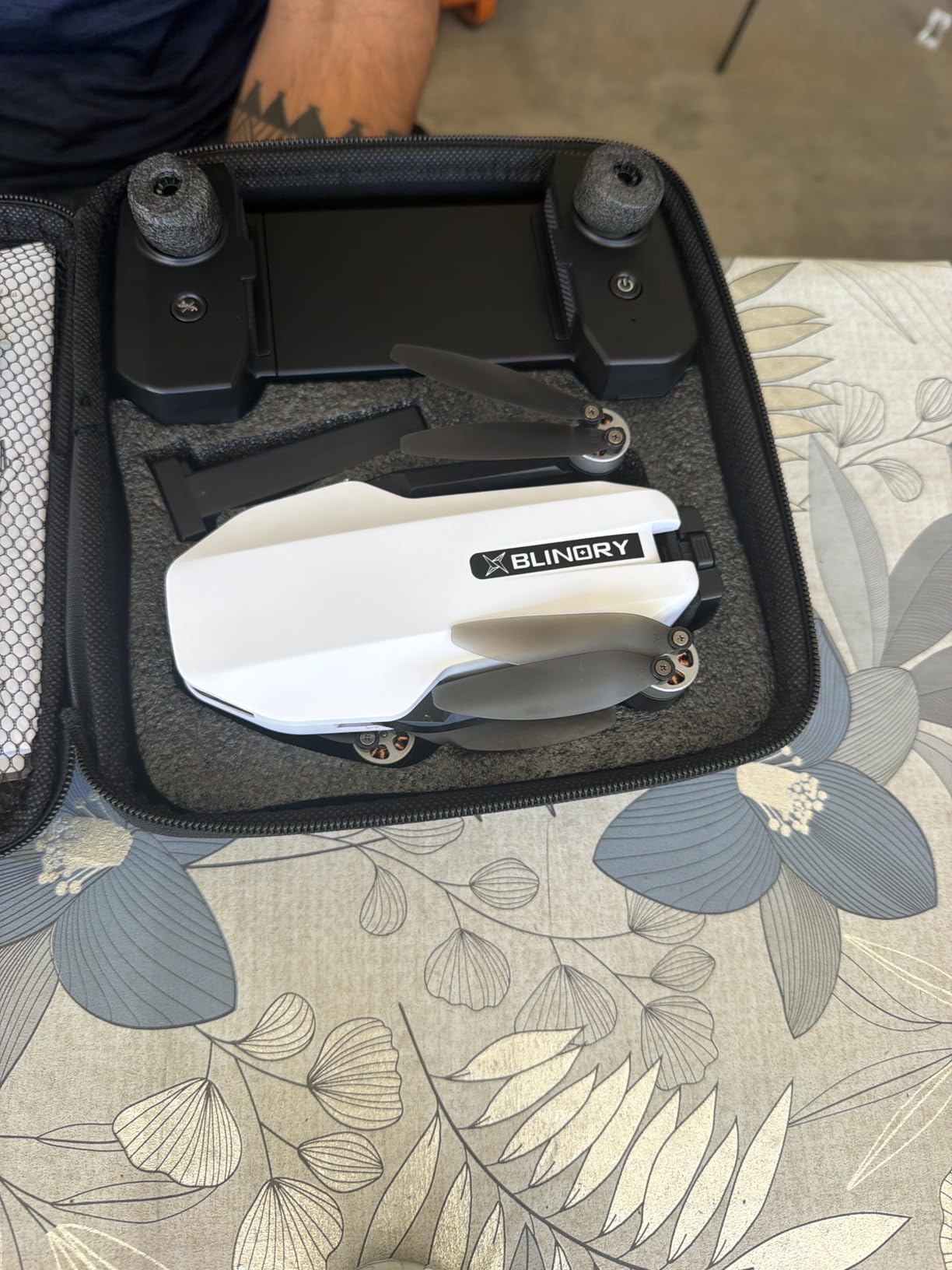
Check Price on AmazonThe BLINORY GPS Drone at $59.98 represents a significant step up from basic toy models, incorporating GPS positioning and intelligent flight modes previously found only on higher-priced equipment. This makes it the best choice in the toy category for photographers who want to explore features before committing to expensive gear.
The 2K HD camera with 90-degree adjustable angle produces notably better stills and video than 1080P competitors. Combined with the 5GHz FPV transmission, pilots receive smooth real-time video feed without the lag common in cheaper WiFi-based systems. Optical flow positioning adds stability for clearer shots.
Intelligent flight modes including Follow Me, Waypoint Flight, and Point of Interest enable creative aerial photography without requiring advanced piloting skills. The brushless motor provides quieter operation and longer lifespan compared to brushed alternatives. At under 250 grams, this drone avoids FAA registration requirements for recreational use.
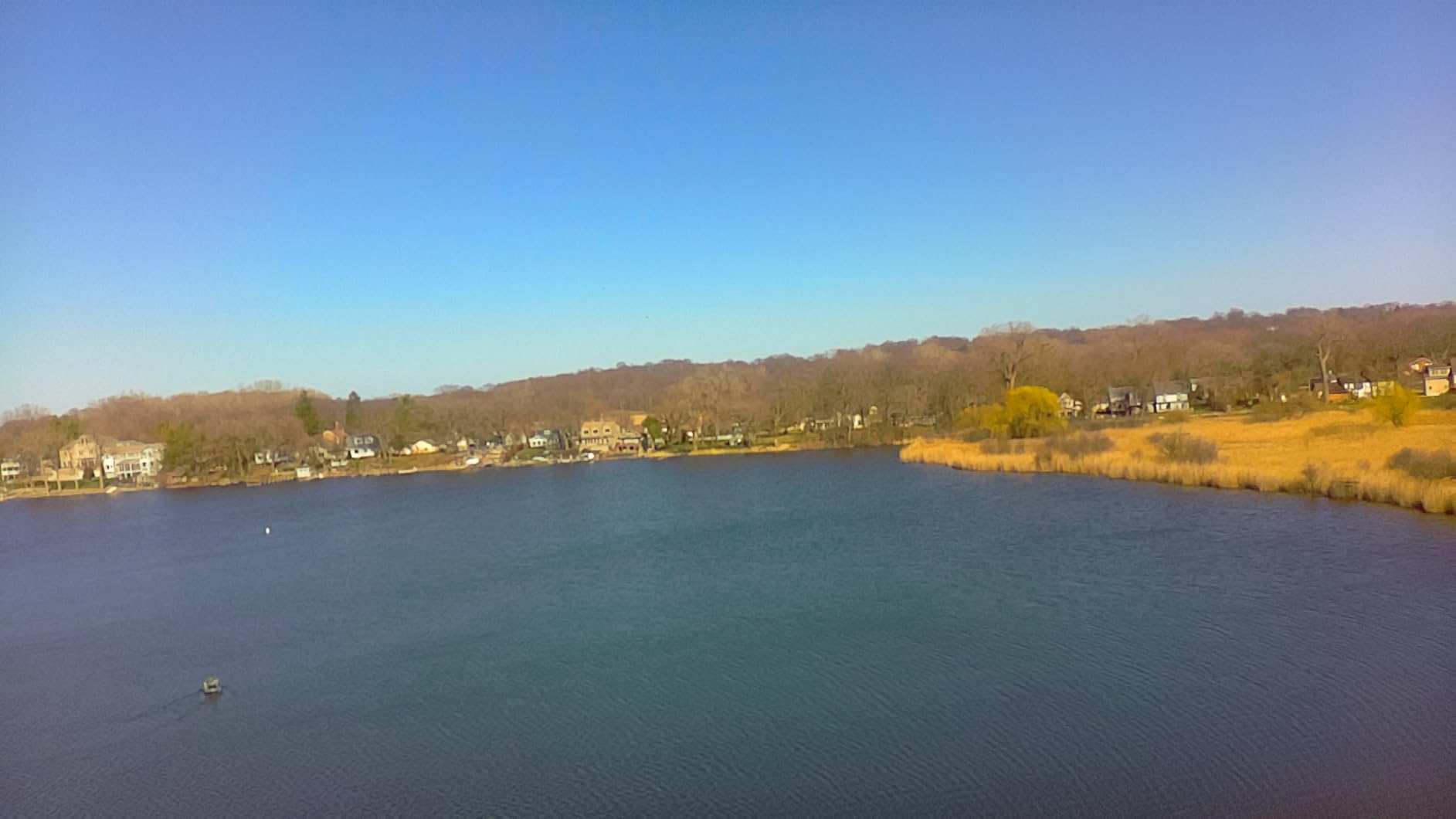
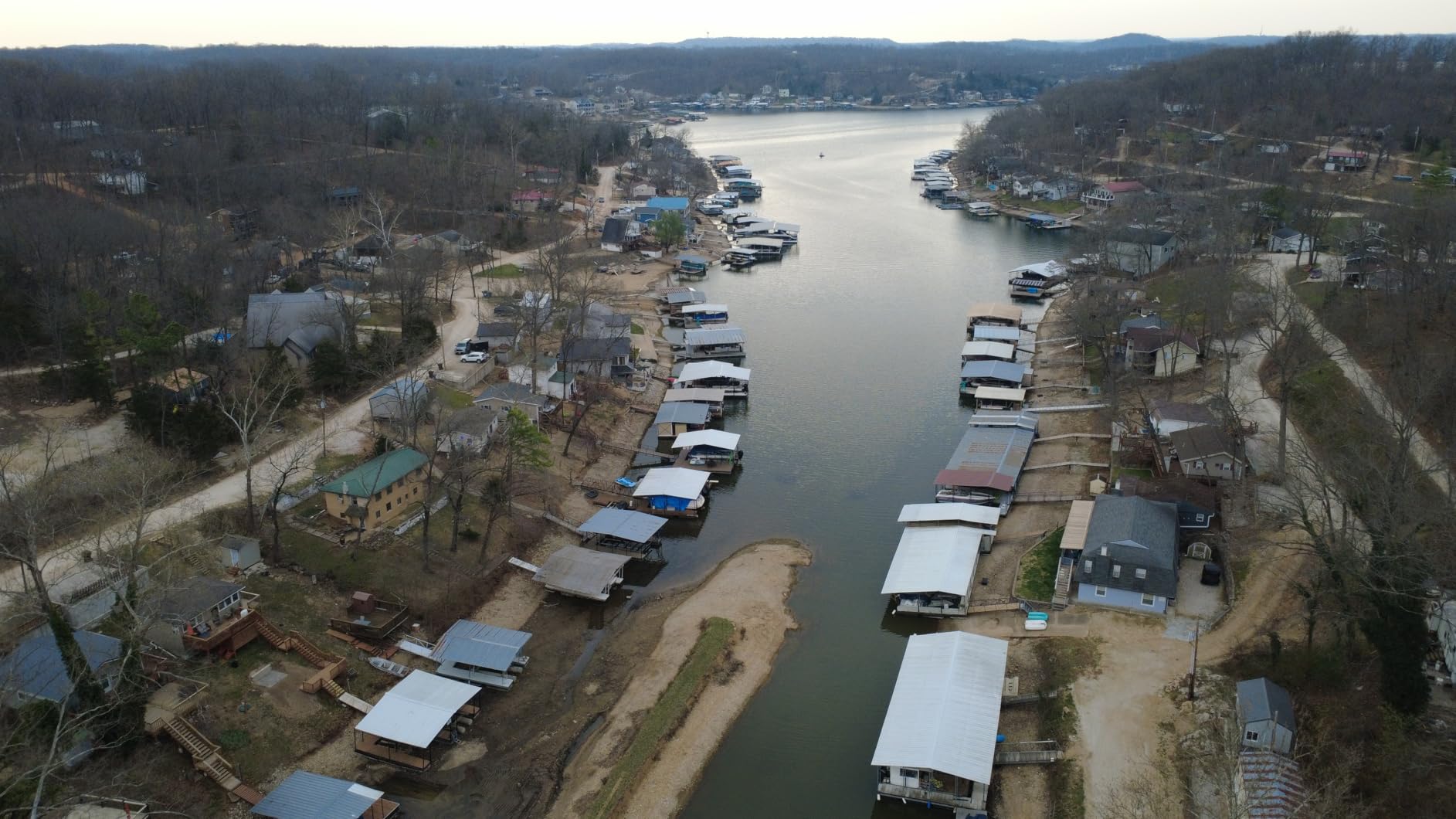
This range offers genuine photography capabilities without professional-level investment. Entry-level 4K cameras with mechanical gimbals produce social-media-ready content and even client work for smaller projects. Flight times of 25-35 minutes and ranges of 5-10 kilometers provide creative freedom for most hobby and semi-professional applications.
Photographers serious about building aerial skills should start here. The jump from toy drones to this category delivers transformative quality improvements. Images become sharp, video footage smooths considerably, and intelligent flight features enable shots previously requiring expensive equipment.
4K UHD Camera
31 Min Flight
3-Axis Gimbal
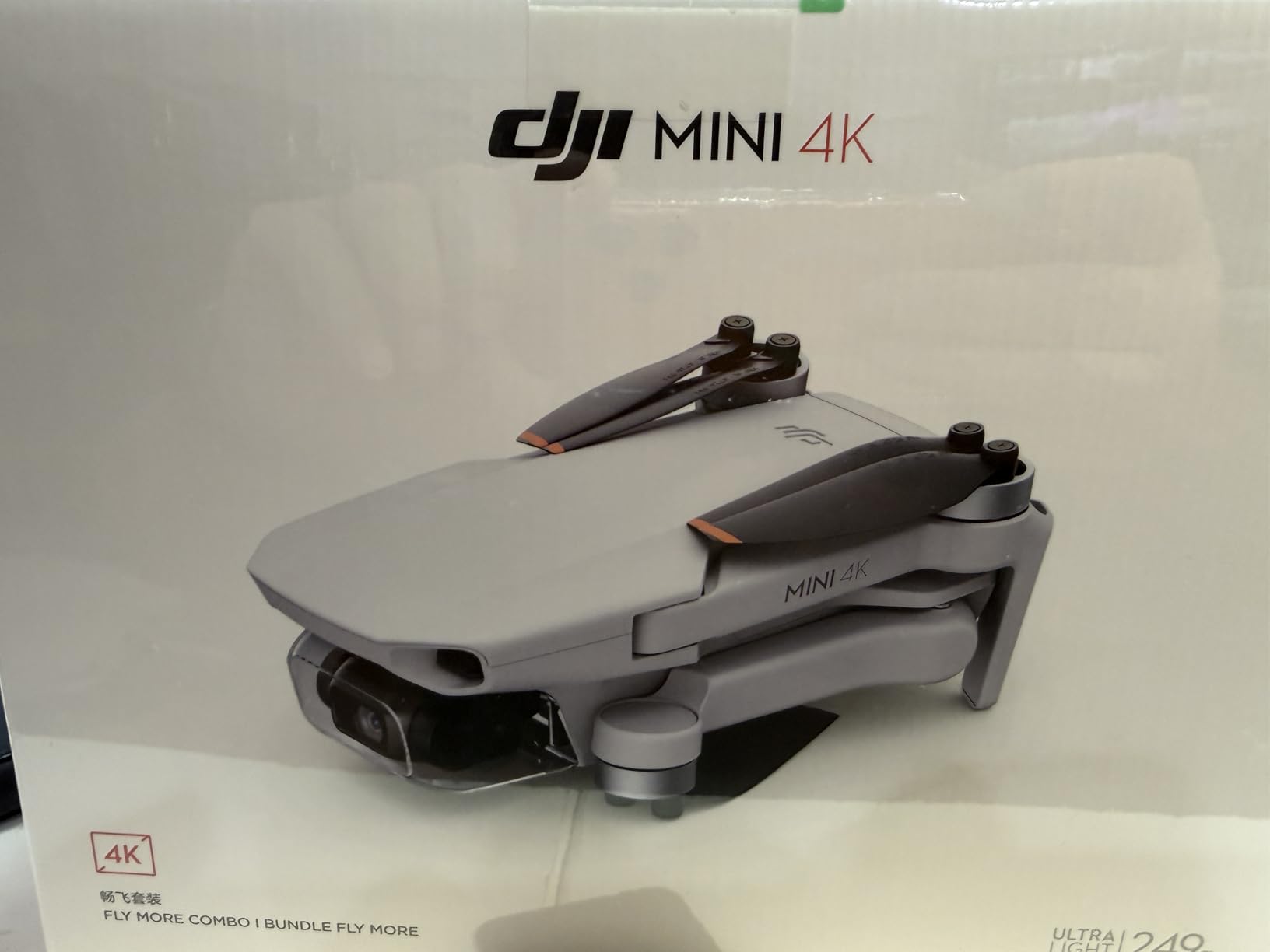
Check Price on AmazonThe DJI Mini 4K at $299 has become the benchmark entry point for serious aerial photography. This compact drone under 249 grams combines 4K UHD video capture with a 3-axis mechanical gimbal, delivering footage that holds up for client presentations and professional portfolios.
DJI’s reputation for reliable flight software and robust build quality means this drone handles wind conditions better than its weight class suggests. Level 5 wind resistance enables stable flight in conditions that ground toy drones. The 10-kilometer O2 transmission provides sufficient range for most photography scenarios without purchasing extended-range hardware.
One-tap takeoff and landing paired with GPS return-to-home make this ideal for beginners transitioning from toy equipment. The 31-minute flight time exceeds most competitors in this price range. However, photographers should budget for additional batteries immediately, as the single-battery configuration limits continuous shooting sessions.
4K/30fps SONY
96 Min Total Flight
3-Axis Brushless Gimbal
Check Price on AmazonThe Potensic ATOM at $277.97 delivers remarkable value through industry-leading flight time and professional-grade features rarely found at this price point. With three batteries providing 96 minutes of total flight time, photographers spend less time charging and more time capturing.
The 3-axis brushless gimbal paired with a SONY CMOS sensor produces 4K/30fps footage that rivals drones costing twice as much. Visual tracking mode enables hands-free subject following, while QuickShots modes like Pull-Away, Rocket, and Circle create cinematic content with a single tap.
PixSync 3.0 transmission technology extends control range to 6 kilometers, outperforming many expensive competitors. The 60-watt fast charging hub replenishes all three batteries in 1.3 hours, minimizing downtime between shoots. At exactly 249 grams, this drone sits right at the FAA registration threshold, making it legal for recreational use without registration in the United States.
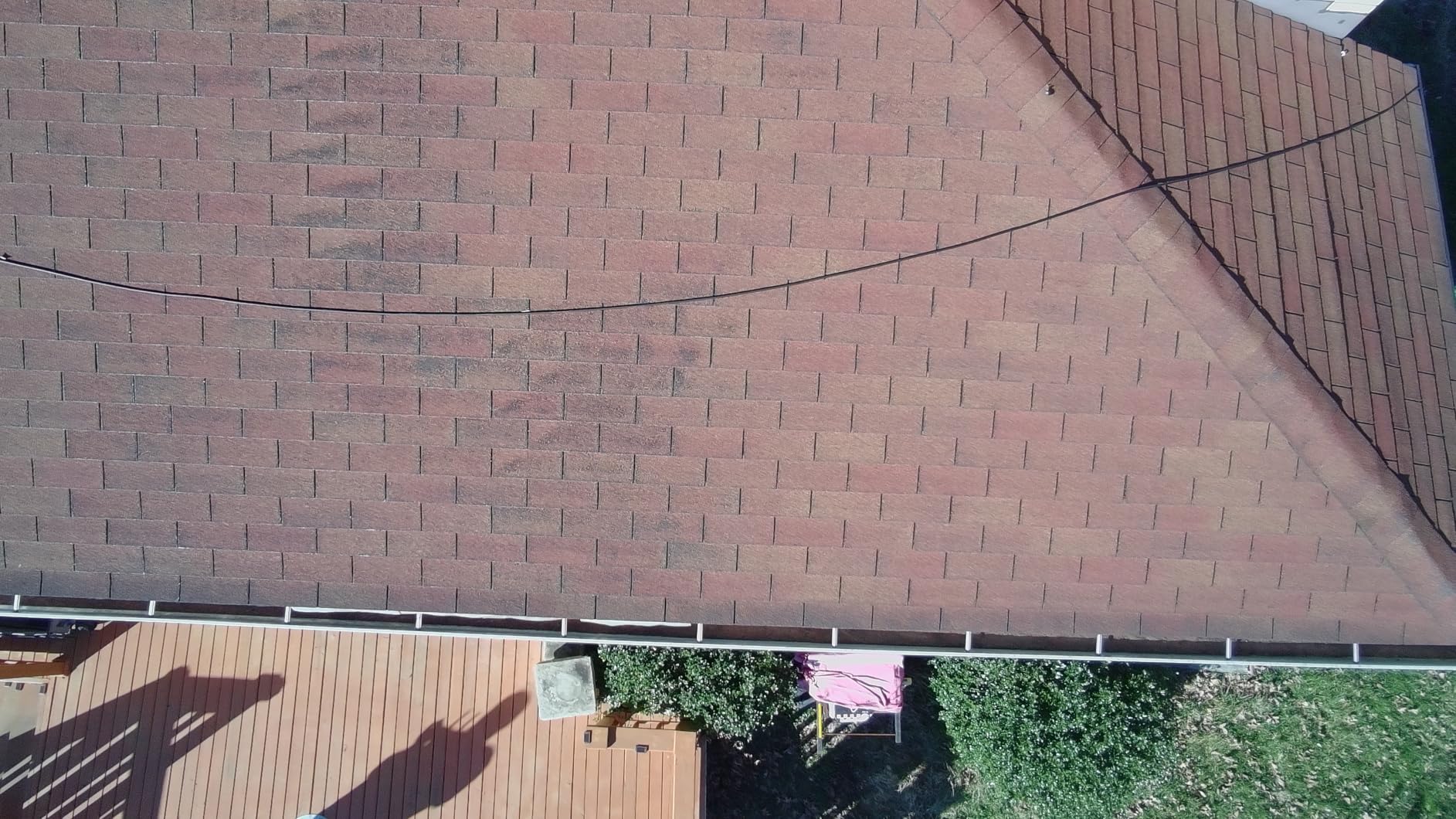
This category delivers image quality and feature sets suitable for commercial client work. Advanced obstacle avoidance, RAW photo capture, and intelligent tracking modes distinguish these drones from consumer models. Photographers building aerial businesses typically find this sweet spot provides the best return on investment.
Dual-operator capabilities, extended transmission ranges, and comprehensive flight modes enable complex production work previously requiring dedicated cinema equipment. The gap between prosumer and professional quality has narrowed considerably, making this category attractive for photographers transitioning to commercial work.
4K/60fps
23 Min Flight
155deg FOV
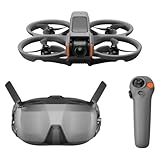
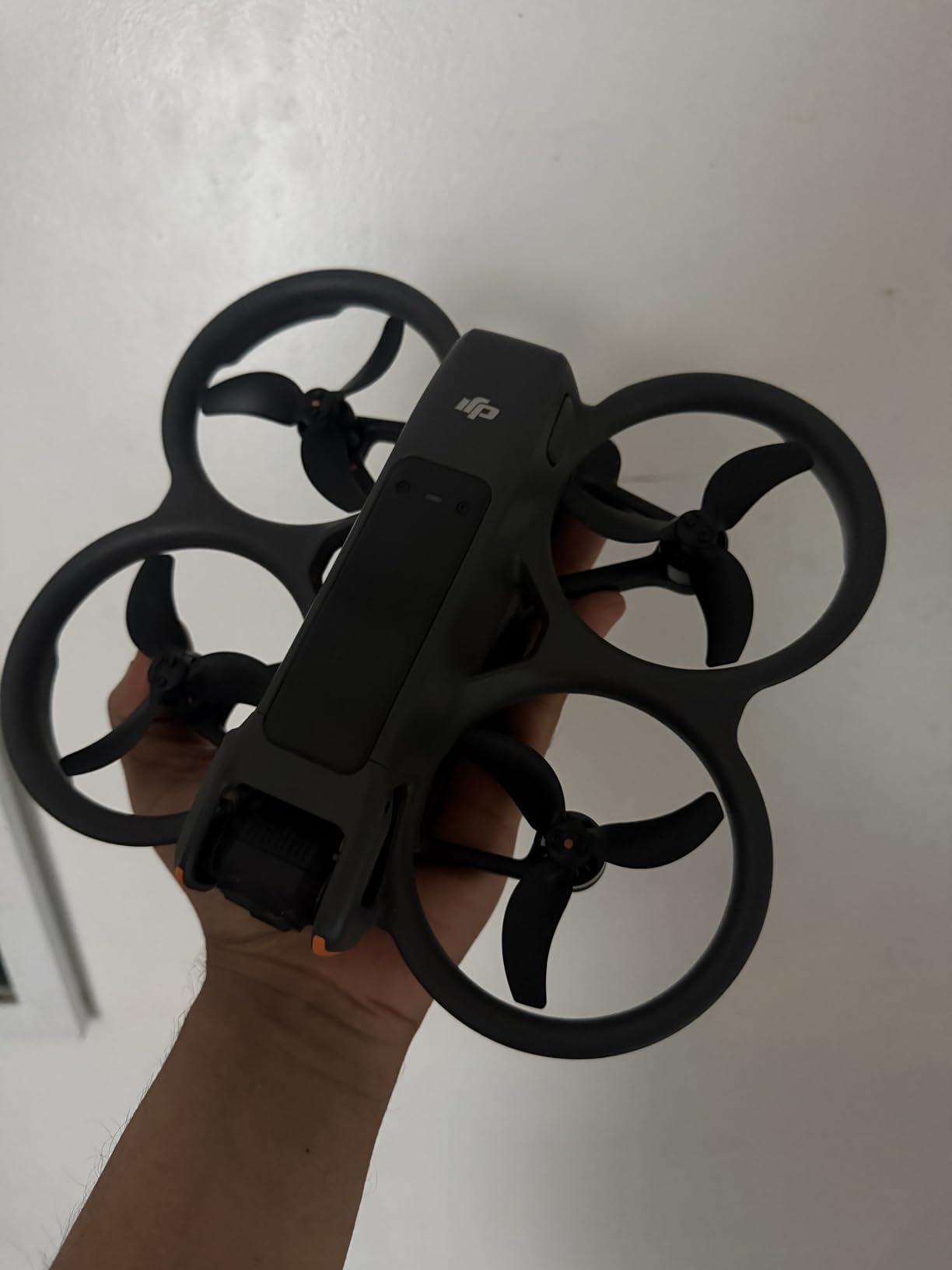
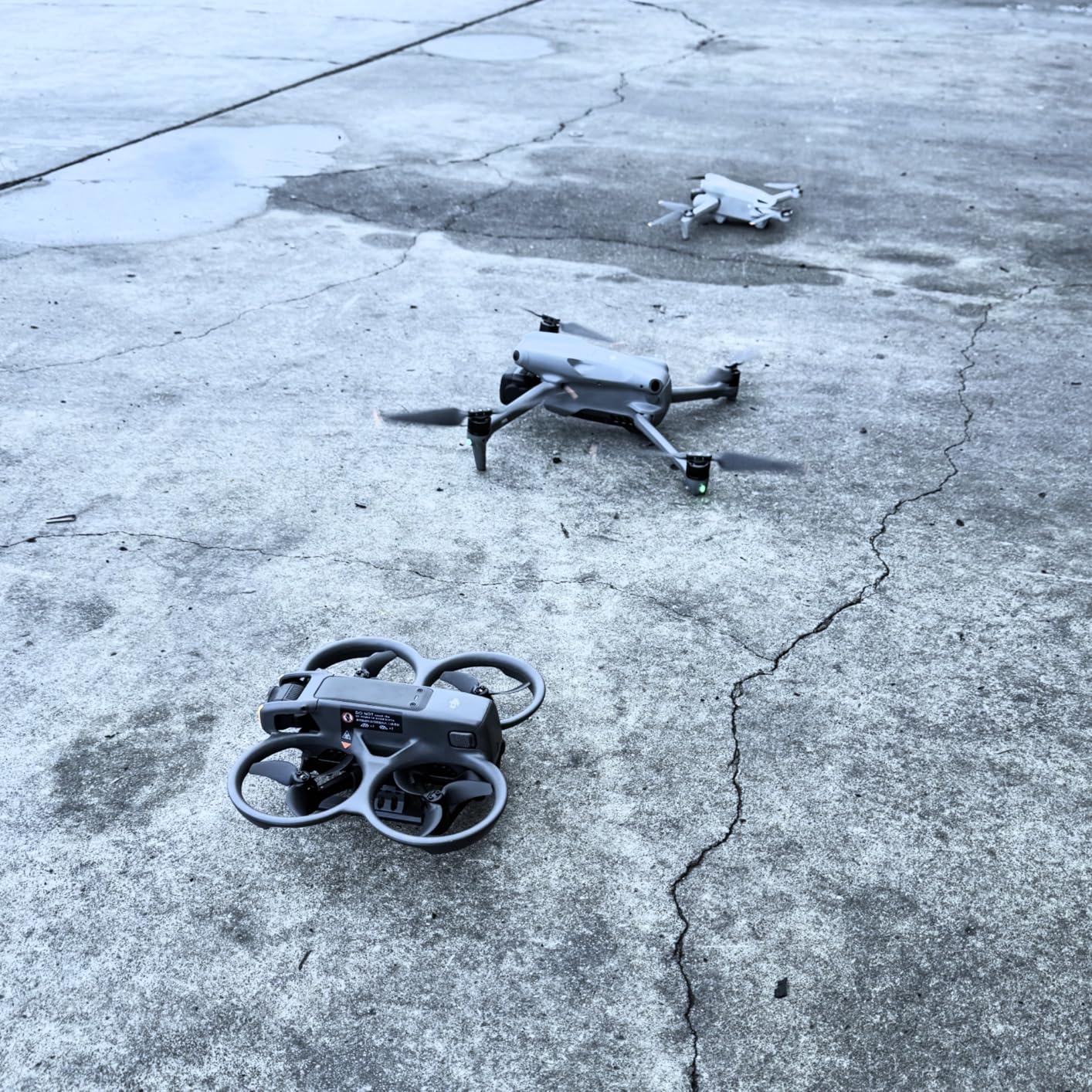
Check Price on AmazonThe DJI Avata 2 at $619 opens cinematic aerial perspectives previously impossible without expensive helicopter equipment. The built-in propeller guard makes this drone remarkably durable for indoor and tight-space flying, while the 155-degree ultra-wide FOV captures immersive footage that standard drones cannot match.
Motion controller integration enables intuitive hand-based control that beginners master quickly. One-push acrobatics perform flips, rolls, and drifts without complex stick combinations. The 4K/60fps capture with the 1/1.3-inch sensor delivers usable professional footage directly from the camera without extensive post-processing.
For content creators specifically, the Avata 2 delivers unique perspectives that standard camera drones cannot achieve. Real estate agents showcasing properties, event coverage highlighting venue scale, and action sports documentation all benefit from the immersive first-person view. However, photographers prioritizing traditional aerial stills may prefer the Mini 4 Pro or Mavic 4 Pro.
4K HDR
102 Min Flight
Omnidirectional Sensing
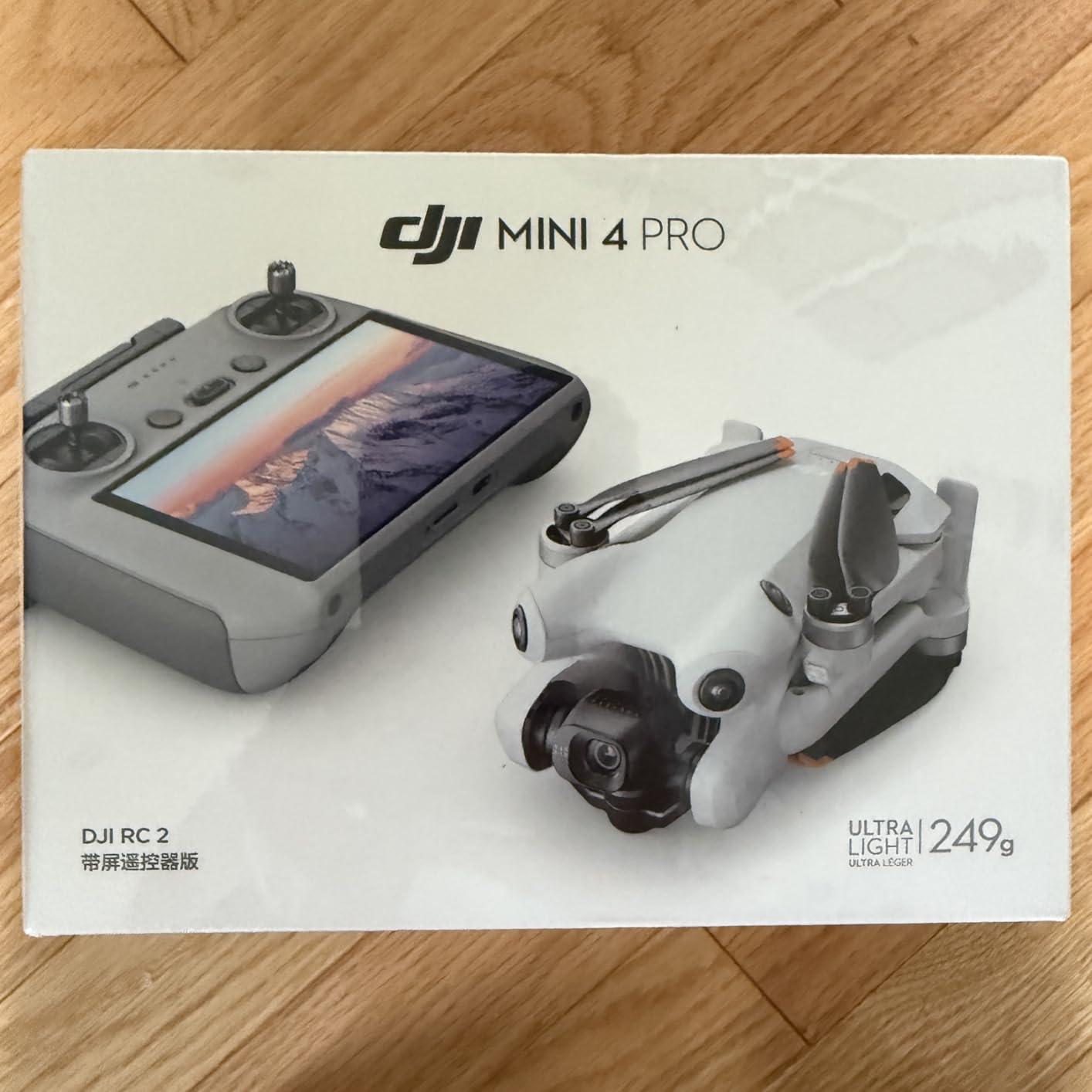
Check Price on AmazonThe DJI Mini 4 Pro at $1,199 represents the most capable compact drone available for photography professionals. The Fly More Combo with three batteries providing 102 minutes of total flight time makes this the ultimate portable production platform for photographers requiring extended shooting sessions.
Omnidirectional obstacle sensing transforms how photographers approach challenging shots. Flying backward, sideways, and through complex environments becomes safer, allowing creators to focus on composition rather than collision avoidance. The 48-megapixel sensor with 4K/60fps HDR recording captures exceptional detail in both stills and video.
360-degree ActiveTrack maintains subjects in frame automatically, enabling hands-free operation for solo photographers. Vertical video mode supports social media content creation without quality-robbing post-production cropping. The 20-kilometer O4 transmission delivers lag-free imagery at distances that exceed most practical photography scenarios.
Professional cinema drones deliver image quality meeting broadcast and commercial production standards. Large sensors, interchangeable lenses, RAW video capture, and comprehensive redundancy systems distinguish this category. Investment typically pays back within 6-12 months for photographers actively offering commercial aerial services.
Real estate photographers charging $500-1,500 per assignment, wedding photographers adding $500-1,500 premiums for aerial coverage, and commercial clients expecting broadcast-quality footage all require this equipment tier. The difference between prosumer and professional quality becomes apparent in challenging lighting, color grading flexibility, and client expectations.
100MP Hasselblad
51 Min Flight
6K/60fps HDR
Check Price on AmazonThe DJI Mavic 4 Pro at $2,199 establishes new benchmarks for professional aerial photography. The 100-megapixel Hasselblad camera with 6K/60fps HDR video captures footage suitable for major commercial productions, while the 360-degree Infinity Gimbal enables dynamic camera movements previously requiring expensive crane equipment.
Dual tele cameras extend creative possibilities for professional aerial work. The 51-minute flight time exceeds most competitors, enabling extended shoots without battery changes. DJI O4+ transmission reaching 30 kilometers provides broadcast-quality live view even at extreme distances.
Night obstacle sensing enables safe professional operations in low-light conditions, critical for golden hour shoots and indoor property documentation. The comprehensive obstacle avoidance system protects this significant investment through automated collision prevention. For photographers serious about aerial income, the Mavic 4 Pro delivers capabilities matching client expectations.
4/3 CMOS Hasselblad
43 Min Flight
5.1K/50fps
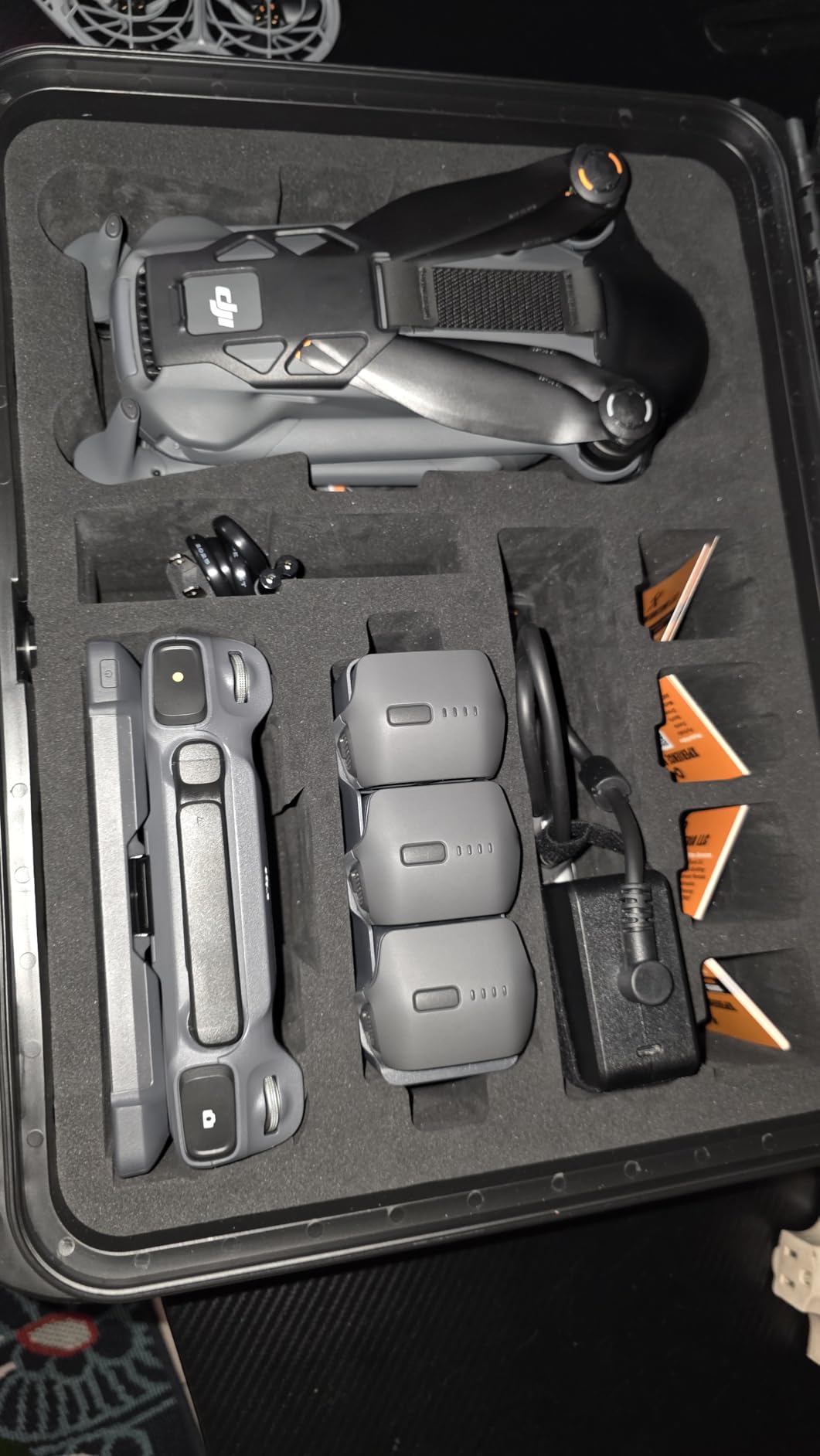
Check Price on AmazonThe DJI Mavic 3 Pro Fly More Combo at $3,599 remains relevant in 2026 despite newer competition because its 4/3 CMOS Hasselblad sensor delivers exceptional low-light performance that newer models have not surpassed. The larger pixel sites capture more light, producing cleaner images in challenging conditions like indoor real estate and evening events.
FAA Remote ID compliance makes this the safer choice for professional work in regulated airspace. The three-battery Fly More Combo provides 129 minutes of total flight time, ideal for full production days without returning to base for charging. APAS 5.0 with eight vision sensors creates comprehensive collision protection.
5.1K/50fps video with Apple ProRes recording when combined with DJI RC Pro controller delivers footage meeting broadcast standards. Commercial photographers specializing in high-end real estate, film production, and inspection work find the Mavic 3 Pro capabilities exceed most project requirements. The lower review rating reflects earlier firmware issues that subsequent updates have largely resolved.
Specialized industrial equipment serving inspection, surveying, and specialized cinematic production. These systems include thermal imaging, LiDAR, and payload capabilities beyond typical photography needs. Most photographers will never require this category unless transitioning into industrial inspection services alongside traditional photography work.
Understanding these seven factors helps evaluate whether a drone’s price justifies its capabilities for your specific work. Community feedback consistently shows overspending on unnecessary features represents the most common budgeting mistake photographers make when purchasing aerial equipment.
Quick Summary: Camera quality, flight performance, build materials, and intelligent features account for approximately 80% of price differences between drone models in 2026.
The camera system typically represents 40-60% of a photography drone’s cost. A 1-inch sensor costs 3-4 times more than a 1/2.3-inch sensor but delivers dramatically better low-light performance and dynamic range. Larger sensors also produce shallower depth of field effects desired for cinematic aerial footage.
Professional photographers shooting weddings or real estate should prioritize larger sensors because they rescue shots in challenging lighting that smaller cameras cannot capture properly. The difference becomes obvious when comparing final images side by side, particularly in interior spaces with mixed lighting conditions.
Three-axis mechanical gimbals represent the standard for drones over $300, though quality varies significantly between manufacturers. Premium gimbals like those in DJI’s professional lineup cost $500-1,000 to manufacture but deliver butter-smooth footage impossible to achieve through software stabilization alone.
Electronic image stabilization found in budget drones can produce acceptable results for casual use but fails during rapid movements or in windy conditions. Photography work requiring professional results depends on mechanical stabilization that keeps the camera perfectly level regardless of drone attitude.
Flight time, maximum speed, and control range directly impact shooting capabilities. Every additional minute of certified flight time adds approximately $100 in battery development costs. Professional drones typically achieve 40-51 minutes per battery, while consumer models manage 20-35 minutes.
Transmission technology affects how far photographers can send controls and receive video feedback. Budget drones offer 2-5 kilometer ranges using WiFi or basic protocols, while professional systems achieve 15-30 kilometers using advanced digital transmission with latency under 120 milliseconds.
Carbon fiber frames cost 3-5 times more than plastic alternatives but survive crashes that would destroy cheaper drones. Magnesium alloy components reduce weight while improving durability. Professional photographers working across diverse locations consistently report durability paying dividends through reduced repair costs and missed shoots.
Obstacle avoidance systems, subject tracking, and automated flight modes add $200-1,000 to drone prices. These features reduce learning curves and increase success rates for photographers operating without dedicated visual observers. The investment proves particularly valuable for solo operators managing both flight and camera controls.
Premium brands including DJI provide ongoing software updates, customer support networks, and repair services. DJI’s ecosystem adds 20-30% to comparable-spec competitor prices but delivers reliability professional photographers depend on for paid work. Spare parts availability and firmware support duration distinguish premium brands from budget alternatives.
Remote ID broadcasting, geofencing databases, and altitude limiters add $50-200 to drone costs but satisfy increasingly mandatory requirements for commercial photography work. Professional drones include advanced compliance features preventing legal issues in controlled airspace.
The FAA began enforcing Remote ID requirements in 2026, making compliance features essential for professional operations. Drones without these capabilities face restricted airspace access and potential penalties. Professional photographers should verify compliance status before purchasing equipment for commercial applications.
New drone regulations taking effect in 2026 significantly impact commercial photography operations. Understanding these requirements helps photographers budget for compliant equipment and avoid costly violations during client work.
The FAA’s Remote ID rule now requires all drones flown outdoors to broadcast identification and location information. Standard drones must either operate with a Remote ID broadcast module or be manufactured with built-in Remote ID capability. Professional photographers using non-compliant equipment risk fines exceeding $1,000 per violation.
LAANC authorization for controlled airspace near airports has expanded to include more recreational flight areas. However, commercial operations now require additional documentation including Part 107 certification, insurance certificates, and operational safety plans when requested by authorities.
Multiple states and municipalities have enacted additional drone restrictions beyond federal requirements. Photographers working across multiple jurisdictions should research local rules before each assignment. Some areas now prohibit flight over public gatherings, certain wildlife habitats, and emergency response scenes.
Different photography specialties require different drone investments. Community feedback from photographers across various niches reveals clear budget guidelines based on actual client requirements and equipment performance.
Real estate agents typically charge $75-300 per session for drone aerial photography, with luxury property sessions commanding $300-500 premiums. Agents report quick return on $800-2,000 drone investments through increased listing engagement and higher perceived property value.
The DJI Mini 4 Pro or DJI Mavic 4 Pro provide excellent image quality for property marketing. Stability matters more than extreme resolution for most real estate work, making 4K capture with mechanical stabilization the practical minimum. Golden hour shoots benefit from larger sensors capturing better interior-exterior contrast.
Wedding photographers consistently report charging $500-1,500 premium fees for drone aerial coverage. Couples increasingly expect aerial venue shots as standard wedding photography packages include drone elements. Equipment reliability becomes critical given the once-in-a-lifetime nature of wedding moments.
The DJI Mavic 4 Pro’s extended flight time and obstacle sensing enable complex venue coverage without excessive battery changes. Dual-operator capability allows one pilot managing flight while the photographer focuses on traditional coverage. Low-light performance matters significantly for indoor ceremony documentation.
Landscape photographers investing $1,000-3,000 in drone equipment gain access to perspectives impossible from ground level. Remote locations demand portability alongside capability. Weather resistance and cold-weather battery performance become essential factors for wilderness photography work.
The DJI Mavic 4 Pro’s 100MP sensor captures detail suitable for large prints and commercial licensing. Traveling light matters for landscape work where drones accompany hiking and camping gear. Foldable designs like the Mavic series pack into standard camera bags without dedicated cases.
For more advanced photography techniques, landscape photographers can combine drone skills with traditional field craft for comprehensive aerial coverage of natural environments.
Commercial clients expect professional results with equipment redundancy. Budget $3,000-8,000 for commercial work requiring maximum reliability and professional-grade deliverables. Corporate events, sports coverage, and construction documentation demand consistent performance and comprehensive safety features.
The DJI Mavic 3 Pro Fly More Combo provides the three-battery capacity and FAA compliance features essential for professional commercial operations. Backup equipment recommendations apply for serious commercial work where equipment failure means missed deadlines and damaged reputations.
Purchase price represents only the starting point for drone ownership expenses. Based on community feedback tracking real photographer expenses, first-year additional costs typically run 25-35% above the initial drone purchase price.
Reality Check: Budget 25-35% of drone price for first-year additional costs. Most beginners underestimate these expenses by 50%.
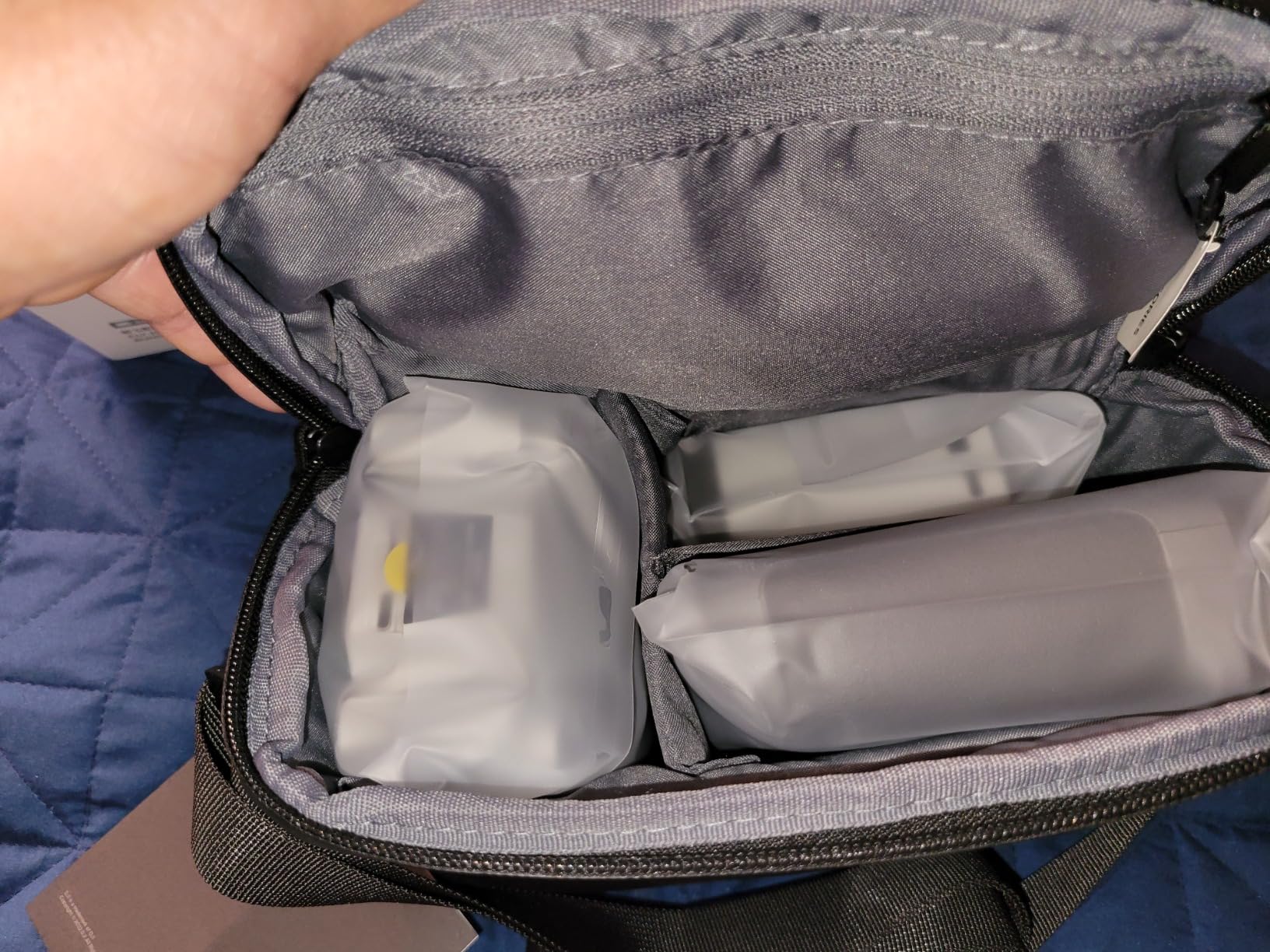
Extra batteries rank as the most critical accessory investment. Professional photographers typically own 4-6 batteries enabling continuous shooting sessions. Each additional DJI battery costs $100-150, representing the single largest accessory expense for most drone photography setups.
Quality carrying cases protecting equipment during transport cost $150-300. ND filter sets for photography work run $100-200, enabling proper exposure control in bright conditions. Memory cards, tablet mounts, and controller accessories add another $50-100 to complete starter kits.
Professional liability insurance for drone photographers costs $600-1,200 annually for comprehensive coverage including equipment damage, liability claims, and professional indemnity. Hobby policies start at $300 but provide limited protection unsuitable for commercial work.
Equipment-specific drone insurance protects the investment against crashes, theft, and manufacturing defects. Community members consistently report that insurance claims during the first year of ownership frequently exceed annual premium costs.
Propeller replacement every 100-200 flights costs $20-40 per replacement cycle. Professional drones require annual maintenance servicing costing $200-500 at authorized repair centers. Unexpected repairs from crash damage typically add $200-500 to annual maintenance budgets.
Professional photo editing software including Adobe Creative Cloud photography plan costs $240 annually. Specialized drone flight planning applications, mapping software for real estate work, and video editing tools add another $100-300 in annual subscriptions.
Commercial drone pilots require Part 107 certification costing $150 for the FAA examination plus $200-350 for preparatory training courses. Even hobby photographers benefit from $50-100 online courses teaching flight fundamentals and airspace regulations.
Professional photographers operating commercially should consider advanced training including night operations certification and operations over people authorizations. These credentials expand service offerings and justify premium pricing from clients requiring compliant vendor documentation.
Return on investment timelines vary significantly based on photography specialty, client base, and pricing strategy. Community experiences provide realistic break-even projections for photographers considering drone purchases as business investments.
Professional photographers report average monthly revenue increases of $1,500-3,000 after adding drone services to their offerings. Aerial photography premiums typically range from $500-2,000 per project depending on complexity, usage rights, and deliverable requirements.
Warning: Do not buy professional drones without first securing clients or developing clear business plans. Many photographers overspend on equipment before establishing market demand for their services.
For occasional aerial photography needs, renting professional equipment for $200-400 daily makes more financial sense than purchasing. Photographers should consider buying only when requiring drone capabilities more than 5 days per month on a consistent basis.
Professional drone rental services provide insurance coverage and technical support, eliminating maintenance concerns while building client relationships. This approach works particularly well for photographers testing market demand before committing significant capital to equipment purchases.
A good photography drone costs between $800-2,000 for serious enthusiasts and $2,000-5,000 for professional use. The sweet spot for most photographers is the DJI Mini 4 Pro at $1,199 or DJI Mavic 4 Pro at $2,199, offering professional image quality with manageable investment.
Beginner photographers should budget $500-800 total, including the drone ($300-500) plus essential accessories. Start with models like the DJI Mini 4K at $299 or Potensic ATOM at $277, then add 2 extra batteries ($150) and a basic case ($100) for a complete starter kit under $600.
Expect total first-year costs of 125-150% of drone price. For a $1,000 drone, budget $1,250-1,500 including extra batteries ($200), insurance ($300), training ($150), maintenance ($100), and accessories ($200-300). Professional photographers typically spend 30% more due to higher usage and insurance requirements.
Hobby drone insurance costs $300-500 annually for $1M liability coverage. Professional photographers pay $600-1,200 for comprehensive policies including equipment damage, professional liability, and client contractual requirements. Premiums increase based on drone value, flight frequency, and coverage limits.
Yes, different photography genres require different investments: Real estate ($800-2,000), wedding ($2,000-4,000), landscape ($1,000-3,000), and commercial cinema ($3,000-8,000+). Matching equipment to your photography niche prevents overspending while ensuring professional results for specific client requirements.
Buy new for professional photography due to warranty coverage, reliability guarantees, and manufacturer support access. Used drones save 20-40% but carry risks including degraded batteries, wear-related failures, and potential firmware issues. If buying used, purchase from reputable dealers with 30-day warranties and budget $100-300 for immediate battery replacement.
Essential photography drone accessories cost $400-800 total: Extra batteries ($100-150 each, plan for 3-4), ND filter set ($100-200), quality case ($150-300), memory cards ($50-100), and controller accessories ($50-100). Professional photographers often spend $1,000+ on comprehensive accessory kits including backup equipment.
Professional drone photography businesses typically break even in 4-8 months. Initial investment of $3,000-5,000 including drone, accessories, training, and insurance recovers through 10-20 paid projects. Established photographers report profit margins of 60-80% on drone services after equipment depreciation costs.
After analyzing market pricing, community feedback, and real-world photography business results, I recommend most photographers start in the $800-1,500 range for serious aerial photography work. This sweet spot delivers professional image quality without prohibitive investment while providing growth room as client demand develops.
The DJI Mini 4 Pro Fly More Combo at $1,199 represents the best overall value for photographers ready to offer commercial services. Exceptional image quality, comprehensive obstacle sensing, and 102 minutes of flight time across three batteries cover most professional scenarios without requiring equipment upgrades.
Remember that total first-year costs typically run 25-35% above purchase price when accounting for essential accessories, insurance premiums, and training investments. Professional photographers should budget $2,000-3,000 for complete setups that generate consistent revenue through aerial photography services.
The most successful photographers I have observed match their equipment investment to their business development stage. They start with capable but affordable equipment like the DJI Mini 4K or Potensic ATOM, then reinvest earnings into better gear as client demand and pricing power grow.
Drone costs continue declining while capabilities improve, making 2026 an excellent time to enter aerial photography. Choose equipment based on your specific photography niche and growth plans rather than simply purchasing the most expensive model within your budget. Start where you can afford, deliver excellent work, and let your business fund future upgrades.