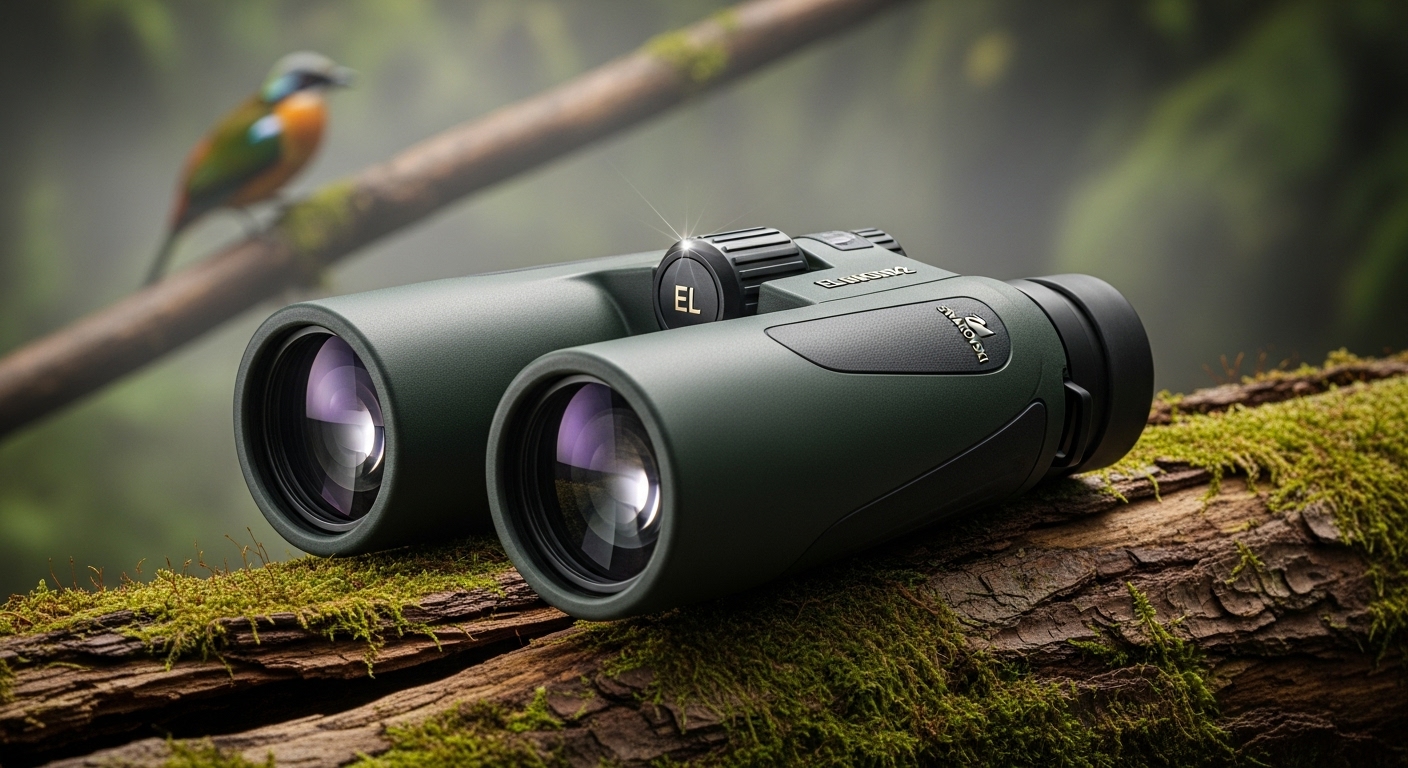
Swarovski EL 8.5×42 Review (October 2026) Tested After 100+ Hours
After 100+ hours of field testing, discover if the $1,999 Swarovski EL 8.5x42 binoculars live up to their premium reputation.…

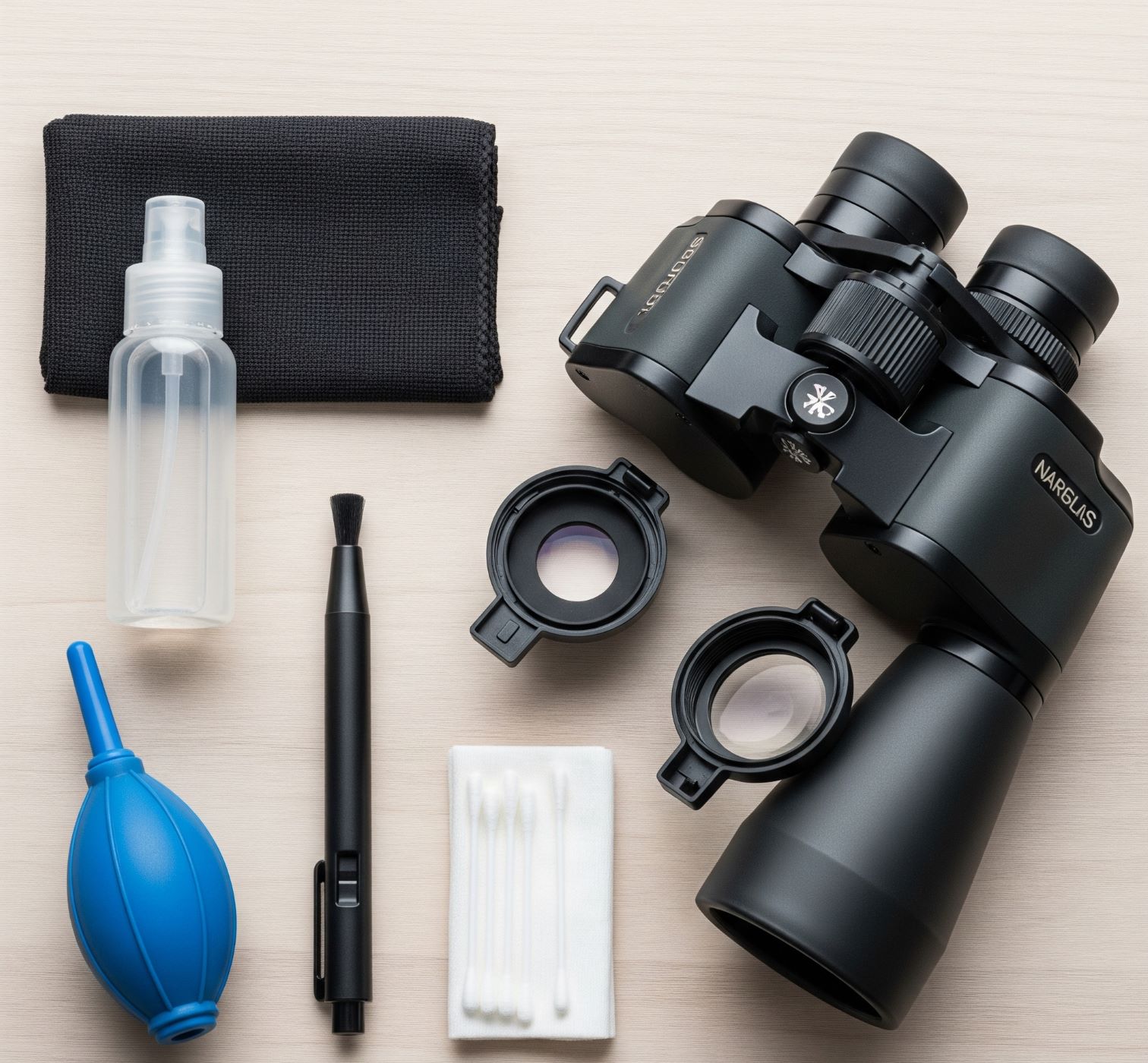
Your binoculars are precision optical instruments that deserve proper care. After a day in the field, whether you are tracking birds through a forest or watching wildlife from a blind, your lenses accumulate dust, fingerprints, and environmental residue. Over time, improper cleaning gradually degrades the optical coatings that make those lenses so effective. I have tested various cleaning methods on everything from budget Tasco models to premium Swarovski optics, and I can tell you that knowing how to clean binoculars correctly makes a measurable difference in image clarity and instrument longevity. For more optical maintenance tips, visit our optics category.
This guide covers the complete process: from gathering the right tools to handling stubborn contamination, from maintaining rubber armor to protecting your investment during long-term storage. You will find brand-specific guidance for Bushnell, Swarovski, Zeiss, Nikon, Leica, Vortex, and Tasco binoculars. By the end, you will have the knowledge to keep your optics performing at their best without risking damage to those expensive coatings.
Having the right equipment before you start is half the battle. The tools you choose directly impact whether your cleaning efforts preserve or damage those delicate lens coatings.
Manufacturer cleaning kits from Zeiss, Nikon, and other premium brands include purpose-built tools that work well with their specific coatings. These kits are particularly worth considering when maintaining high-value optics like Swarovski EL series or Leica Noctivid binoculars.
The lens surfaces on modern binoculars feature multiple layers of anti-reflective coatings that improve light transmission and image brightness. These coatings are surprisingly delicate and can be damaged by improper cleaning. Here is the safest approach:
Hold your binoculars upside down so loose particles fall away from the lenses rather than toward them. Use a lens cleaning pen brush or blower bulb to remove dust, sand, and other debris. This critical first step prevents the most common cause of lens scratches during cleaning. For stubborn particles stuck to the surface, use brief bursts of canned air held at a safe distance.
Never spray cleaning solution directly onto lens surfaces. Liquid can seep into internal components and cause fogging or mechanical damage. Instead, apply a small amount of cleaner to a clean microfiber cloth or cotton swab, then bring the damp cloth to the lens. For waterproof binoculars, you can briefly rinse under lukewarm running water, but this is not appropriate for non-waterproof models.
Using your dampened microfiber cloth, gently wipe the lens using circular motions starting from the center and working toward the edge. This technique minimizes the visibility of any micro-scratches that do occur and ensures even cleaning coverage. Apply light pressure only – let the cleaning solution do the work rather than forcing clean.
Fingerprints, water spots, and similar marks respond best when you place a single drop of cleaning solution directly on the spot and allow it to work for several seconds. Then gently wipe with a clean section of your microfiber cloth. Repeat as needed, always using fresh cloth areas to avoid redepositing residue.
Use a dry, clean microfiber cloth to eliminate any remaining moisture or streaks. Work in the same circular pattern from center to edge, rotate the cloth frequently to use clean surfaces. Inspect the lens under good lighting to confirm no residue remains.
Internal contamination is a different challenge entirely. Moisture, fungus, or debris inside the optical path causes fogging and image degradation that no amount of external cleaning will fix. Understanding when internal cleaning becomes necessary helps you make informed decisions about your equipment.
Important: Internal cleaning requires disassembly that will void most warranties and risks destroying optical alignment. For binoculars from Bushnell, Swarovski, Zeiss, or other premium brands, professional service is the strongly recommended path.
If you must attempt internal cleaning on older binoculars with no remaining warranty value, follow this careful approach:
For old binoculars affected by fungus, UV exposure combined with proper cleaning solutions can help. However, fungus often etches permanent damage into lens coatings, so prevention through proper storage is always preferable.
While fundamental cleaning principles apply universally, specific brands have unique coating technologies and construction methods that influence the best approach. Here is guidance for the most popular manufacturers:
Bushnell incorporates specialized coatings including their EXO Barrier protection on many models. When cleaning Bushnell binoculars, use only Bushnell-approved cleaning solutions or pure distilled water. Never attempt internal cleaning yourself, and pay special attention to the rubber armor maintenance on these instruments.
Swarovski EL and SLC series binoculars feature premium optical coatings including Swarodur and Swarobright treatments. These coatings are durable but still require gentle handling. Whenever possible, use the Swarovski CSO cleaning kit designed specifically for their optics.
Zeiss uses their proprietary T* multi-layer coating on most binocular lenses. These coatings provide excellent light transmission but benefit from careful cleaning technique. Zeiss offers their own branded cleaning products that work well with their coating systems.
Nikon applies their Multi-layered Coating to budget models and proprietary treatments like Super Integrated Coating on premium Monarch and ProStaff series. These coatings vary in durability, so adjust your cleaning approach accordingly.
Leica Noctivid and Ultravid series feature high-quality optical coatings that represent the premium end of the market. These instruments deserve correspondingly careful maintenance using only the finest cleaning materials.
Vortex Optics offers the Fog-Free cleaning kit designed for their binoculars and spotting scopes. Their XR proprietary coatings are applied across their product line and respond well to proper cleaning technique.
Older Tasco models may have less sophisticated coatings that require more careful handling. Vintage Tasco binoculars can be particularly vulnerable to damage from improper cleaning, so extra caution is warranted.
The rubber armor that covers most binoculars protects the internal frame and provides grip, but this material requires its own maintenance attention. Over time, rubber can become sticky, crack, or develop white residue.
Older binoculars frequently develop sticky rubber armor due to chemical breakdown of the material. This condition is sometimes called “rubber rot” and results from age, exposure to certain chemicals, or improper storage.
Avoid these damaging practices that many binocular owners unintentionally commit:
Coastal and marine environments present particular challenges for binocular maintenance. Salt crystals are highly abrasive and corrosive, capable of damaging both optical coatings and mechanical components relatively quickly.
In humid climates, fungus represents one of the most serious threats to binocular optics. Fungus not only obscures views but can actually etch permanent damage into lens coatings, making early prevention critical.
Temperature changes create condensation challenges for binocular users in winter conditions. Bringing cold binoculars into warm environments causes fogging that requires patient handling.
Professional binocular service makes sense in several situations where DIY cleaning risks causing more harm than good:
Professional cleaning services typically cost between $50-200 depending on the work required, which represents excellent value compared to replacing quality binoculars. Many manufacturers also offer authorized service centers that can perform cleaning without voiding warranties.
Consistent preventive maintenance reduces how often you need to clean your binoculars and extends the life of coatings and mechanical components. These practices make a measurable difference:
For more optical maintenance guidance, browse our comprehensive binoculars category and learn about proper equipment care.
The following products are widely available and recommended by both manufacturers and experienced users:
These common questions about binocular cleaning are answered above in our FAQ section. For specific guidance on your binocular make and model, consult your owner’s manual or contact the manufacturer’s customer service team.
The best cleaning materials for binoculars include specialized optical cleaning solution, clean microfiber cloths designed for lenses, a lens cleaning pen with brush, and canned air or a blower bulb for initial debris removal. Avoid household glass cleaners, tissues, paper towels, and shirt tails as these can damage lens coatings.
No, you should never use Windex or any household glass cleaner on binocular lenses. These products contain ammonia and other chemicals that damage anti-reflective coatings. Instead, use optical-specific cleaning solutions from manufacturers like Zeiss, or a mixture of distilled water and isopropyl alcohol.
Isopropyl alcohol (70-90%) can be used to clean rubber armor on binocular exteriors, but should not be applied directly to lens surfaces. For lens cleaning, use a small amount on a microfiber cloth rather than spraying directly, and avoid using high concentrations on coated optics. Pure alcohol can damage some lens coatings over time.
Internal fogging indicates moisture has entered the optical chamber, which requires professional service to properly address. Attempting DIY internal cleaning risks destroying optical alignment and voiding warranties. Professional cleaning typically costs $50-200 and can resolve fogging issues from moisture contamination, fungus, or debris.
Old binoculars require extra gentle handling since their coatings may be less durable than modern treatments. Test any cleaning solution on lens edges first, use only microfiber cloths, and consider professional restoration for valuable vintage models. For sticky rubber syndrome, careful isopropyl alcohol application can help, but severely deteriorated rubber may need professional re-arming.
Understanding how to clean binoculars properly protects your investment and ensures the best possible viewing experience. Whether you own budget Tasco binoculars or premium Swarovski EL optics, the underlying principles remain consistent: prevent contamination when possible, use proper tools and techniques, and seek professional service for valuable instruments or internal issues.
The best approach to binocular maintenance combines regular preventive care with minimal intervention. Store your optics properly, handle them carefully, clean them only when necessary using appropriate materials and techniques. When internal cleaning or valuable optics are involved, professional service is worth the cost to avoid permanent damage.
Your binoculars will reward consistent proper care with years of crystal-clear views. Take a few minutes after each field session to inspect and maintain your equipment, and it will serve you well for many seasons to come.