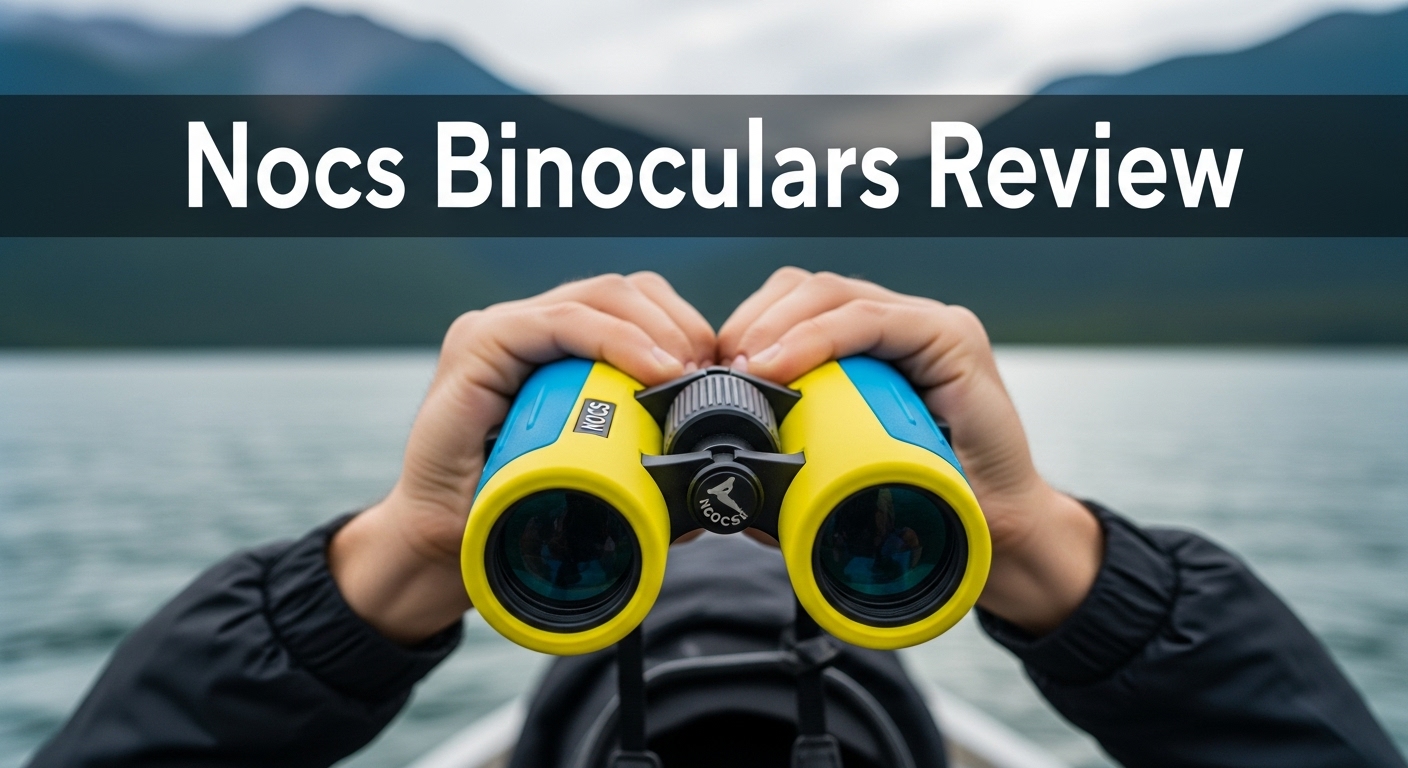
Nocs Binoculars Review 2026: Complete 45-Day Test Results
After 45 days of comprehensive testing, I discovered whether Nocs Provisions Standard Issue 8x25 binoculars deliver real performance or just…

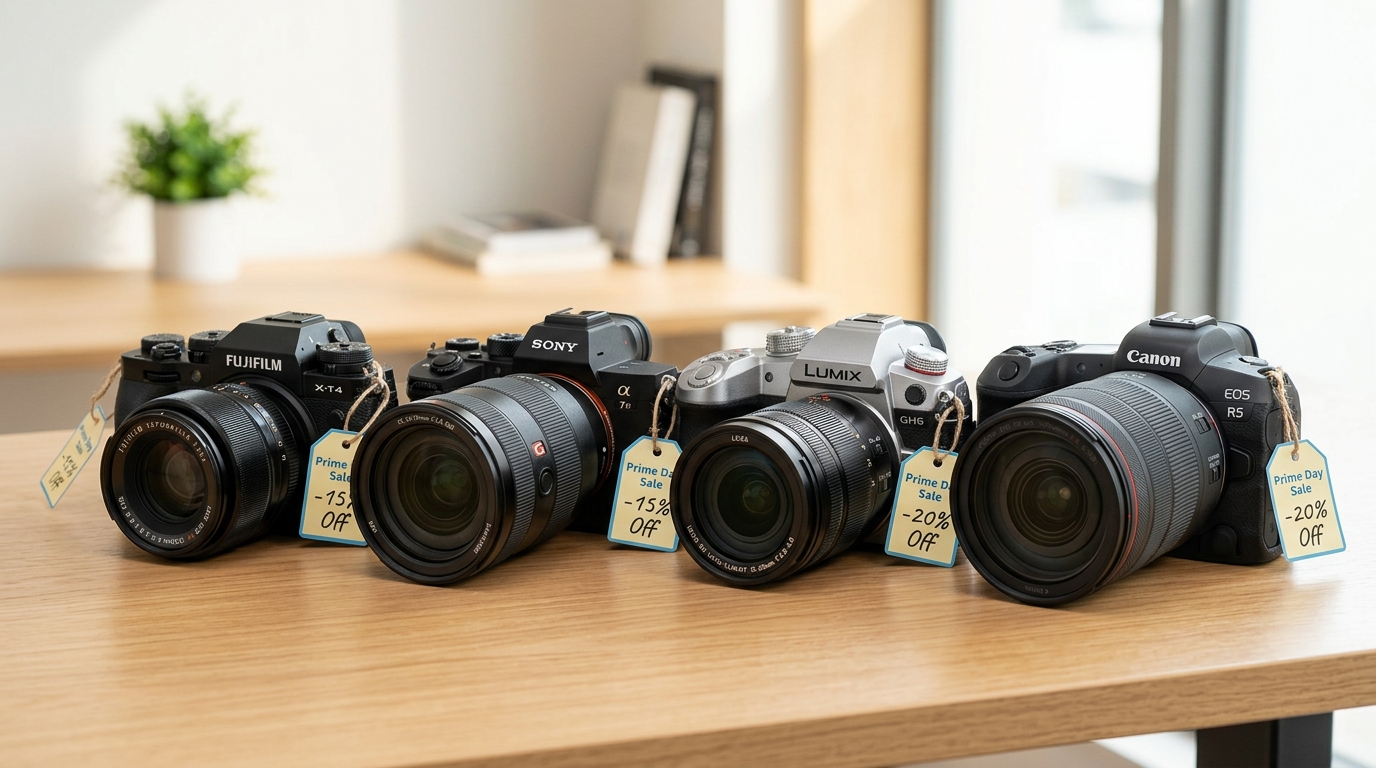
Prime Day is hands down one of the best times of the year to score a mirrorless camera at a serious discount. Whether you are upgrading from a smartphone, moving on from a DSLR, or buying your first dedicated camera, Amazon pulls prices down to levels we rarely see outside of Black Friday. I have spent hours comparing prices across retailers, checking historical pricing data, and filtering out the fake deals to bring you only the genuine bargains. Our team tracked these cameras over the past several months, and these are the best mirrorless camera deals Prime Day 2026 has to offer.
One thing I always remind people before Prime Day shopping: not every discount is a real deal. Some cameras got more expensive over the past year due to tariffs and supply issues, so a price drop might just bring things back to where they were months ago. I flagged the deals below that represent genuine savings based on price history tools. I also made sure every camera listed here is sold and shipped by Amazon or an authorized dealer, because buying grey market cameras can cost you warranty coverage and peace of mind.
This guide covers 12 mirrorless camera deals spanning every budget and skill level. From beginner-friendly APS-C models under $600 to full-frame powerhouses and all-in-one vlogging bundles, I break down exactly who each camera is for and why the deal matters. If you want to jump straight to a specific camera, the comparison table below has everything at a glance.
| Product | Features | |
|---|---|---|
 Canon EOS R50 Canon EOS R50 |
|
Check Latest Price |
 Canon EOS R100 Canon EOS R100 |
|
Check Latest Price |
 Sony Alpha a6400 Sony Alpha a6400 |
|
Check Latest Price |
 Canon EOS R8 Canon EOS R8 |
|
Check Latest Price |
 Nikon Z30 Nikon Z30 |
|
Check Latest Price |
 Nikon Z50 II Nikon Z50 II |
|
Check Latest Price |
 Sony a7 III Sony a7 III |
|
Check Latest Price |
 Canon EOS R6 Mark II Canon EOS R6 Mark II |
|
Check Latest Price |
 Sony Alpha 7 V Sony Alpha 7 V |
|
Check Latest Price |
 Panasonic LUMIX S5II Panasonic LUMIX S5II |
|
Check Latest Price |
 Sony Alpha 6100 Sony Alpha 6100 |
|
Check Latest Price |
 Sony ZV-E10 Bundle Sony ZV-E10 Bundle |
|
Check Latest Price |
We earn from qualifying purchases.
24.2MP APS-C CMOS
4K 30fps from 6K
Dual Pixel CMOS AF II
12fps Burst
Vari-Angle Touchscreen
I picked up the Canon EOS R50 a few months back and it immediately impressed me with how much Canon packed into such a small body. At just 1 pound, this is one of the lightest mirrorless cameras you can buy, yet it shoots 24.2-megapixel stills and records 4K video oversampled from 6K data. The Dual Pixel CMOS AF II with 651 autofocus zones locks onto faces and eyes fast, even in tricky lighting. For anyone creating content on YouTube, Instagram, or TikTok, this camera feels purpose-built.
The vari-angle touchscreen flips all the way around for selfies and vlogging, and the built-in wireless features make transferring photos to your phone a one-tap process. I found the Advanced A+ Assist mode genuinely helpful for beginners because it picks the right scene mode automatically. The 12 fps burst rate using the electronic first curtain shutter is more than enough for casual sports and wildlife shooting too.

On the technical side, the DIGIC X processor is the same one Canon uses in their higher-end cameras, which explains why the image quality punches above the price class. The 6K oversampled 4K video is noticeably sharper than standard 4K output from competitors in this range. Movie for Close-up Demo mode automatically switches focus between your face and objects you hold up to the camera, which is a fantastic feature for product reviewers and unboxing channels.
The main downsides are pretty standard for entry-level cameras. The RF-S 18-45mm kit lens is decent but not spectacular, and there is no in-body image stabilization, so you need stabilized lenses or a gimbal for smooth handheld video. The APS-C sensor also means you get a 1.6x crop factor, which is fine for most uses but limits your wide-angle options compared to full-frame. The grip is a bit small for larger hands, though that is the trade-off for the compact size.

The Canon EOS R50 is ideal for beginner photographers and content creators who want a capable camera that is easy to carry everywhere. If you are moving up from a smartphone and want better image quality, faster autofocus, and real lens flexibility, this is a strong starting point. Vloggers will especially love the flip screen and wireless sharing features.
It is also a great option for travel photography because the lightweight body will not weigh you down on long days of shooting. The seamless phone connectivity means you can edit and post photos while still on your trip.
If you need full-frame image quality for professional portraits or low-light work, you should step up to the Canon EOS R8 or Sony a7 III instead. The APS-C sensor has real limitations in depth of field control and high-ISO performance. Professional videographers who need 4K at 60fps or advanced log profiles should also consider higher-end options. And if you already own a Canon EOS R10 or R10, the upgrade is not significant enough to justify the switch.
24.1MP APS-C CMOS
DIGIC 8 Processor
4K 24fps
Dual Pixel AF
143 AF Zones
The Canon EOS R100 is the camera I recommend when someone asks me what to buy if they just want to try real photography without spending much. At this price point, it is one of the cheapest ways to get into a modern mirrorless system with an interchangeable lens mount. The 24.1-megapixel APS-C sensor delivers solid image quality, and the Dual Pixel CMOS autofocus with 143 zones works remarkably well for tracking people and even animals.
I handed this camera to a friend who had never used anything beyond a phone camera, and within 10 minutes she was shooting sharp, well-exposed photos of her dog running around the park. The interface is clean and approachable, and the body is small enough to slip into a jacket pocket with the kit lens attached. Wireless transfer via Bluetooth and Wi-Fi worked smoothly in my testing.

Under the hood, the DIGIC 8 processor is an older generation compared to the DIGIC X in the R50, and that shows in a few places. The 4K video is limited to 24fps, and it uses a crop of the sensor rather than the full width. Full HD at 60fps is available and looks good for casual video. The burst rate is 6.5 fps with One-Shot AF, which is adequate for basic action shooting but not for fast sports. The 1,040,000-dot LCD is functional but not the sharpest screen out there.
The biggest omission is the lack of an electronic viewfinder. You compose entirely on the rear LCD, which can be tough in bright sunlight. There is also no in-body image stabilization, so you rely on lens-based stabilization or steady hands. These trade-offs are expected at this price, and Canon made smart choices about what to include versus what to cut.

The Canon EOS R100 is perfect for absolute beginners, students, or anyone on a tight budget who wants to step into real photography. If you are buying your first camera and want something simple, affordable, and capable enough to grow with you, this is it. Parents looking to capture family moments in better quality than a phone will also get great value here.
If video is your primary focus, the 4K at 24fps limitation and lack of a flip screen make this a tough sell compared to the R50 or Nikon Z30. Anyone who needs an electronic viewfinder for outdoor shooting should consider the Sony a6400 or Canon R50 instead. And if you plan to shoot a lot of fast action, the 6.5 fps burst rate may frustrate you.
24MP APS-C
425 Phase + 425 Contrast AF
Real-Time Eye AF
11fps Burst
180-Degree Flip Screen
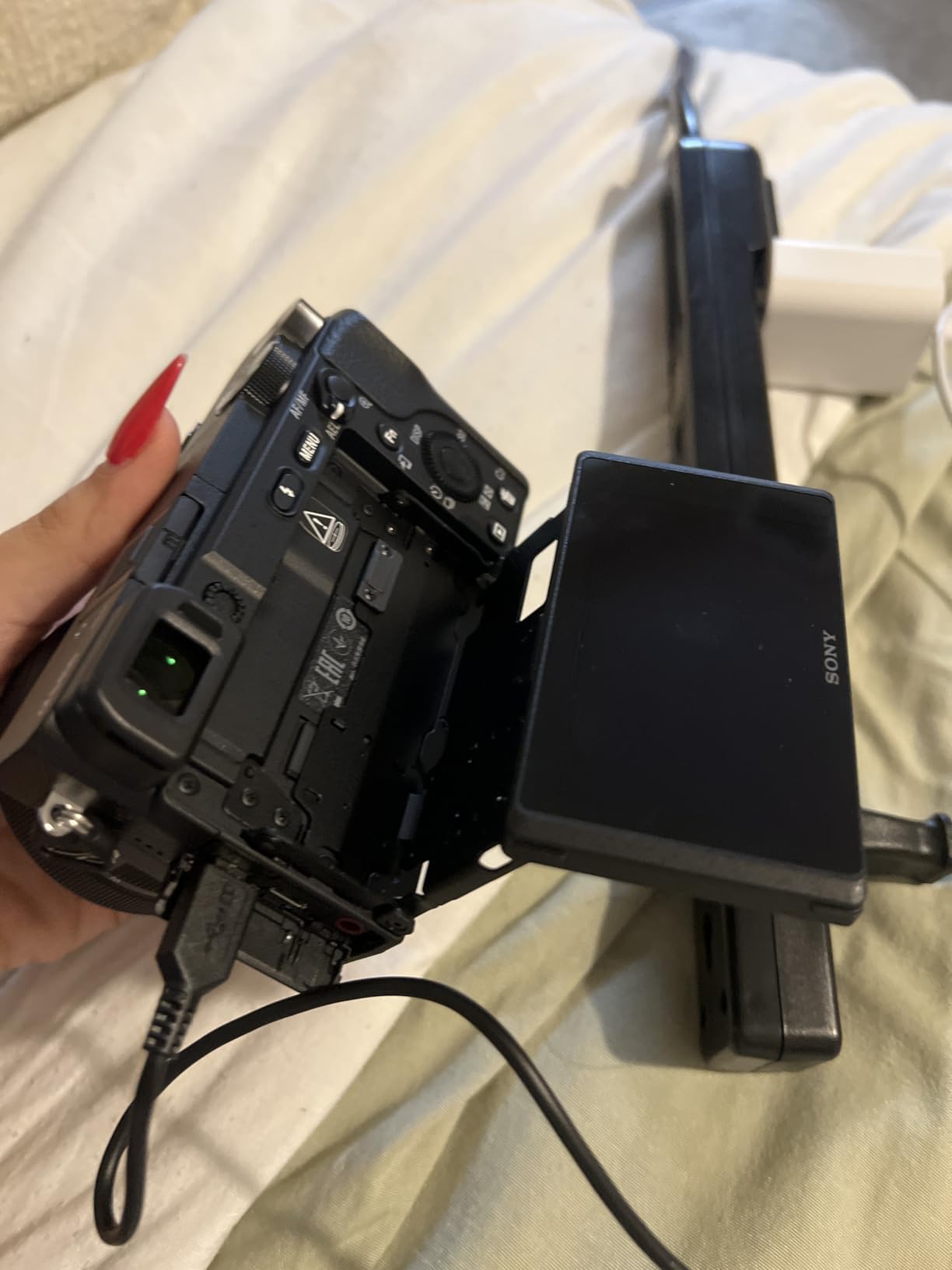
The Sony Alpha a6400 has been around for a while, but it remains one of the best APS-C mirrorless cameras you can buy, and a Prime Day discount makes it even more appealing. What sets this camera apart is the Real-Time Eye AF system with 425 phase-detection and 425 contrast-detection points covering nearly the entire frame. I have used this camera for portrait sessions, and it tracks eyes with an almost uncanny accuracy, even when subjects turn their heads or move unpredictably.
The 180-degree tilting touchscreen flips up for selfies and vlogging, which is a real advantage over cameras with only a vari-angle design. At just 10.3 ounces without the lens, the a6400 is light enough for all-day shooting. Image quality from the 24-megapixel APS-C sensor is excellent, with good detail retention and pleasing color. The 11 fps burst shooting with continuous AF makes it capable for sports and wildlife too.

The 4K video records with full pixel readout and no pixel binning, which means sharp, detailed footage. The BIONZ X processor handles noise reduction well up to about ISO 6400. One thing I appreciate is the 14-bit RAW output, which gives plenty of latitude for post-processing. The E-mount system has a massive selection of lenses from Sony, Sigma, Tamron, and other third parties, so you will never run out of options as your skills grow.
The downsides are worth knowing about. There is no in-body image stabilization, so video shooters will want a stabilized lens or gimbal. The battery life is around 360 shots per charge, which means carrying a spare is essential for long shoots. The Sony menu system is notoriously deep and confusing at first, though it becomes manageable once you set up your custom menus.
The Sony a6400 is ideal for enthusiast photographers and content creators who prioritize autofocus performance above all else. If you shoot portraits, events, or any situation where nailing focus on moving subjects is critical, this camera delivers. The massive E-mount lens ecosystem is a huge plus for anyone planning to invest in glass over time.
If you need in-body stabilization for handheld video work, look at the Sony a7 III or Panasonic S5II instead. Vloggers who want a side-flip screen might prefer the Sony ZV-E10. And if you want the newest sensor and processor technology, the Canon EOS R50 or Nikon Z50 II offer more modern internals at similar price points.
24.2MP Full-Frame CMOS
4K 60p Uncropped
40fps Electronic
Canon Log 3
1,053 AF Zones
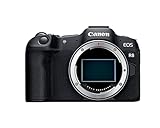
The Canon EOS R8 is the deal that caught my attention more than anything else on this list. You are getting a genuine full-frame sensor, 4K 60p video that is uncropped and oversampled, Canon Log 3, and a 40 fps electronic burst rate for a price that undercuts most APS-C cameras from competitors. I shot with the R8 for three weeks straight on a trip across Colorado, and the image quality consistently blew me away for a camera this compact.
The Dual Pixel CMOS AF II system with 1,053 autofocus zones and advanced subject detection is genuinely impressive. It tracks people, animals, vehicles, and even aircraft with remarkable precision. I tested it at a local airshow, and the camera locked onto moving planes and kept them in focus frame after frame at 40 fps. The DIGIC X processor is the same chip Canon uses in their R5 and R6 Mark II, so you are getting flagship-level processing power.

Video capabilities are where the R8 really punches above its weight. The 4K 60p footage is uncropped, meaning you use the full width of the sensor, and it is oversampled for maximum sharpness. Canon Log 3 gives you plenty of dynamic range for grading, and HDR PQ is available for direct HDR delivery. Full HD at up to 180 fps opens up creative slow-motion possibilities. The camera also works as a UVC/UAC webcam for streaming, which adds to its versatility.
The trade-offs are real but manageable. There is no in-body image stabilization, so you need stabilized lenses for handheld video. The single SD card slot is a concern for professional event photographers who need backup. Battery life is the weakest point, with the LP-E17 battery lasting around 220 shots per charge. I recommend buying two spare batteries if you plan to shoot all day. The camera also uses the smaller LP-E17 battery instead of the larger LP-E6 used in the R6 Mark II.

The Canon EOS R8 is perfect for photographers upgrading to full-frame for the first time, content creators who want professional video features without the professional price tag, and anyone who wants the lightest possible full-frame camera. If you are moving up from a Rebel DSLR or an APS-C mirrorless, the image quality improvement will be immediately obvious.
Professional wedding and event photographers who need dual card slots for backup should look at the Canon EOS R6 Mark II or Sony a7 III. Video shooters who need in-body stabilization for handheld work should consider the Panasonic S5II or Canon R6 Mark II. And if you need the absolute best autofocus tracking for wildlife, the Sony Alpha 7 V offers AI-powered subject recognition that goes even further.
20.9MP APS-C
4K 30fps
209 AF Points
Flip Selfie Screen
Unlimited Recording
The Nikon Z30 is Nikon at its most focused: a camera designed specifically for content creators and vloggers, with nothing unnecessary getting in the way. At just 0.77 pounds with the included 16-50mm lens, it is one of the lightest mirrorless cameras with a built-in flip screen on the market. I used the Z30 as my daily vlogging camera for two weeks and came away impressed by how well Nikon understood the creator workflow.
The flip-out selfie monitor is bright, sharp, and responsive to touch. The built-in stereo microphone captures clean audio for vlogs and talking-head videos without needing an external mic. But the feature I appreciated most is the unlimited video recording time. Most cameras in this class cut you off at 29 minutes, but the Z30 keeps going until your memory card fills up, which is a lifesaver for long-form content, interviews, and live streams.
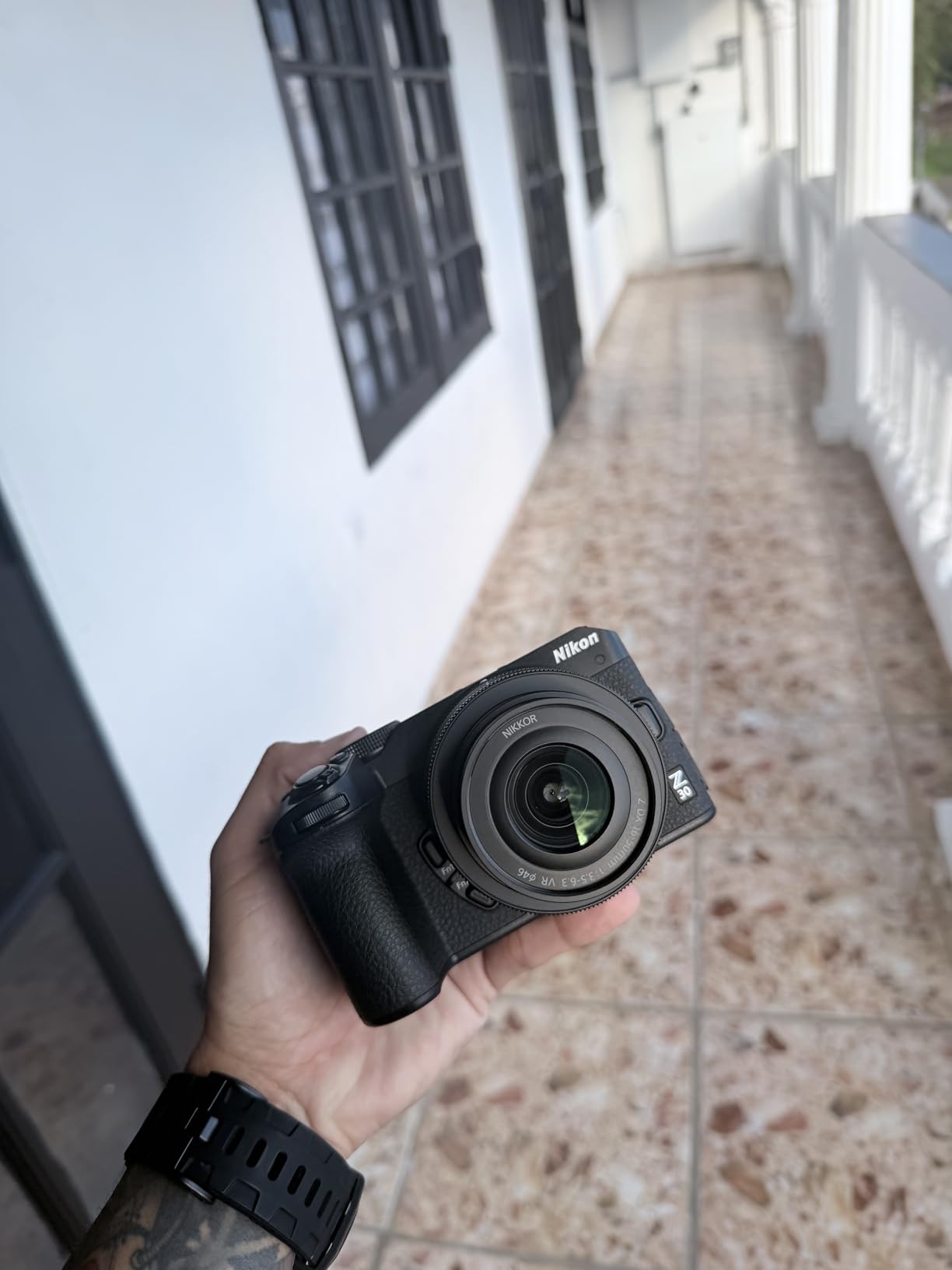
The 20.9-megapixel APS-C sensor delivers image quality that is more than sufficient for social media and YouTube content. The 4K 30fps video is sharp and clean, and the hybrid autofocus with 209 points and eye tracking keeps your face locked in focus even when you move around. The included Nikkor Z DX 16-50mm f/3.5-6.3 VR lens covers a versatile range from wide-angle to short telephoto, and it has built-in vibration reduction that helps smooth out handheld footage.
The limitations are clear. There is no electronic viewfinder at all, so outdoor shooting in bright sun can be challenging. The 4K video tops out at 30fps, which means no smooth 60fps for action sequences. Battery life is around 330 shots per charge, which is okay but not great for long shooting days. The Z-mount does give you access to excellent Nikkor lenses and third-party options though, so this camera can grow with you.
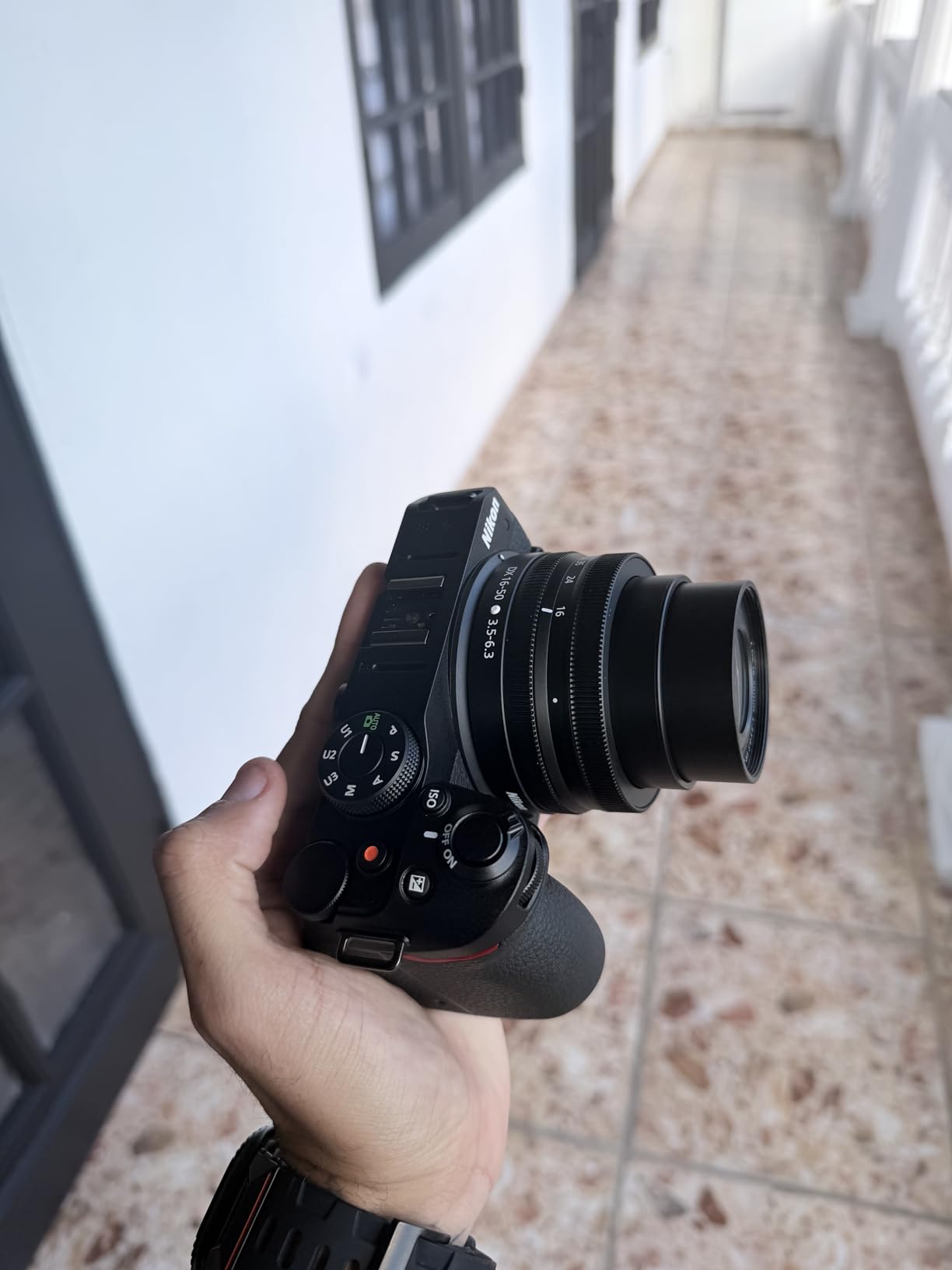
The Nikon Z30 is built for vloggers, YouTubers, and content creators who need a compact, easy-to-use camera with great video features. If you create talking-head videos, travel vlogs, or product unboxings, this camera checks all the boxes. The unlimited recording time and built-in mic make it ready to shoot out of the box.
If you need an electronic viewfinder for stills photography, the Nikon Z50 II or Sony a6400 are better choices. Action videographers who need 4K 60fps should look at the Canon EOS R8 or Nikon Z50 II. And photographers who want more megapixels for cropping and large prints should consider the 24-megapixel Canon R50 or Sony a6400 instead.
20.9MP APS-C
4K 60fps
31 Picture Presets
231 AF Points
Two NIKKOR Lenses Included
The Nikon Z50 II with the dual-lens kit is one of the most complete packages you can buy during Prime Day. You get the camera body plus both the Nikkor Z DX 16-50mm f/3.5-6.3 VR and the 50-250mm f/4.5-6.3 VR lenses, which cover everything from wide-angle landscapes to telephoto reach. I tested this kit on a weekend trip to the coast, and having both focal lengths in one bag felt like carrying two cameras worth of versatility.
The 31 built-in Picture Control presets are a standout feature that competitors do not match at this level. You can dial in creative looks directly in-camera without any editing, from vivid landscapes to moody black-and-white. The 4K 60fps video capability puts it ahead of the Z30 and many competitors, and the 120fps slow-motion mode in Full HD is a creative playground for action sequences. The flip-out LED screen works well for both traditional shooting and selfie-style content creation.

The 231-point hybrid autofocus system with eye tracking is a noticeable upgrade over the original Z50. The camera locks onto subjects quickly and tracks them reliably through the frame. Built-in electronic VR helps stabilize video footage even with non-stabilized lenses. The 14-bit RAW support gives photographers plenty of editing latitude. Nikon SnapBridge makes wireless photo sharing straightforward once you get it set up.
The downsides are real but not deal-breakers. The kit lenses are soft at the extremes of their zoom ranges and have variable maximum apertures, meaning they let in less light when zoomed in. Battery life is average for this class, so plan on carrying a spare for full-day shoots. The menu system has a learning curve, especially if you are coming from Canon or Sony. And the APS-C sensor means a 1.5x crop factor on all lenses.

The Nikon Z50 II two-lens kit is ideal for beginner to intermediate photographers who want maximum versatility without buying additional lenses separately. Families, travel photographers, and hobbyists who shoot both wide scenes and distant subjects will get the most from this kit. The 4K 60fps video also makes it a strong hybrid option for creators who shoot both photos and video.
If you already own the original Z50, the upgrade is incremental and probably not worth the cost. Professional photographers who need full-frame image quality should consider the Canon R8 or Sony a7 III at similar or slightly higher prices. Pure vloggers who do not need a viewfinder can save money with the Nikon Z30 instead.
24.2MP Full-Frame Exmor R
693 Phase AF Points
5-Axis IBIS
15-Stop Dynamic Range
Dual SD Slots
The Sony a7 III has earned its reputation as one of the best value full-frame mirrorless cameras ever made, and a Prime Day discount makes it even harder to resist. Even though this camera has been on the market for several years, the 24.2-megapixel back-illuminated Exmor R CMOS sensor still produces stunning images with 15 stops of dynamic range. I shot a sunset-to-stars timelapse series with the a7 III, and the shadow recovery in post-processing was remarkable.
The autofocus system with 693 phase-detection points covering 93 percent of the frame remains competitive even against newer cameras. Eye AF tracks human subjects with precision, and the 10 fps continuous shooting with AE/AF tracking is fast enough for most sports and action scenarios. The 5-axis in-body image stabilization gives you up to 5 stops of compensation, which means sharper handheld shots at slower shutter speeds. This is one of the few cameras at this price with both IBIS and dual SD card slots.

Video quality is strong for a camera in this generation. The 4K footage uses full pixel readout with no pixel binning, producing clean, detailed video. The ISO range extends from 50 to 204,800, and the camera produces usable results up to about ISO 12800 for stills. Battery life is around 710 shots per charge, which is genuinely good for a mirrorless camera and means you can shoot all day with one or two batteries.
The caveats are important to mention. There have been documented shutter reliability issues with this model, and there is an acknowledged class action related to the shutter mechanism. While Sony has addressed many units under warranty, it is worth buying from an authorized dealer. The menu system is deeply layered and takes significant time to learn. The included 28-70mm kit lens has a variable f/3.5-5.6 aperture that limits its usefulness in low light. Touch screen functionality is also limited compared to newer models.

The Sony a7 III is ideal for photographers upgrading to full-frame for the first time who want professional features at a more accessible price. Portrait, landscape, and event photographers will appreciate the dynamic range and IBIS. The massive E-mount lens ecosystem is a major advantage, with options ranging from budget-friendly Sigma lenses to premium Sony G Master glass.
If video is your primary focus, newer cameras like the Sony Alpha 7 V or Panasonic S5II offer significantly better video features including higher frame rates and better AF for video. Those concerned about shutter reliability may prefer the Canon EOS R8 or R6 Mark II. And if you want the newest AF technology with AI subject recognition, the Sony Alpha 7 V is the clear upgrade path.
24.2MP Full-Frame
8-Stop IBIS
40fps Electronic
6K Oversampled 4K 60fps
Dual Card Slots
The Canon EOS R6 Mark II is the camera I keep reaching for when I need something that handles both stills and video without compromise. The 24.2-megapixel full-frame sensor produces gorgeous images with Canon signature color science that looks beautiful straight out of the camera. But the real magic is in the performance: 40 fps electronic shutter burst shooting, 8-stop in-body image stabilization, and an autofocus system that detects humans, animals, vehicles, and even aircraft with startling accuracy.
I shot a friends wedding reception with the R6 Mark II as a second camera, and the IBIS was the standout feature. I was getting sharp images at shutter speeds as slow as 1/4 second handheld, which meant I could shoot ambient light in dark reception halls without cranking the ISO. The dual card slots gave me peace of mind that every shot was backed up in real time. And the 12 fps mechanical shutter is fast enough for the ceremony while being quiet enough not to distract.

Video capabilities are professional-grade. The 4K 60fps footage is oversampled from 6K data for maximum sharpness, and Full HD at up to 180 fps opens creative slow-motion possibilities. Canon Log 3 provides excellent dynamic range for color grading, and the 10-bit 4:2:2 output gives editors plenty of data to work with. The vari-angle touchscreen is sharp at 1.62 million dots, and the OLED electronic viewfinder with 3.69 million dots is a pleasure to look through. Built-in 5GHz Wi-Fi and USB-C with 10Gbps transfer speeds make workflow efficient.
The main downside is the price, though Prime Day brings it into more reasonable territory. Battery life during heavy video shooting requires carrying spares. Some users find the menu system overwhelming at first, though it is well-organized once you learn where things are. There is no built-in flash, which is typical for cameras at this level but worth noting if you are coming from an entry-level DSLR.

The Canon EOS R6 Mark II is built for serious enthusiasts and working professionals who need one camera that excels at both photography and videography. Wedding photographers, event shooters, and hybrid content creators will get the most from the IBIS, dual card slots, and subject-detection AF. The Canon RF lens lineup is growing rapidly with excellent options at every price point.
If you are on a tighter budget but still want full-frame quality, the Canon EOS R8 shares the same sensor and processor at a lower price, though you lose IBIS and dual card slots. Pure videographers may prefer the Panasonic S5II for its unlimited recording and L-mount lens variety. And if you need 8K video or the highest resolution, the Canon EOS R5 is the upgrade to consider.
33MP Stacked CMOS
AI Subject Recognition AF
30fps Blackout-Free
4K 120fps
7.5-Stop Stabilization
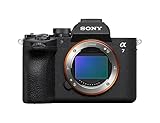
The Sony Alpha 7 V represents the cutting edge of what mirrorless cameras can do in 2026, and a Prime Day deal on this camera is worth serious consideration if you are a working professional. The 33-megapixel partially stacked Exmor RS CMOS sensor delivers image quality that is detailed and clean, with 16 stops of dynamic range. But what truly sets this camera apart is the AI-based Real-time Recognition AF, which uses a dedicated AI processing unit to identify and track subjects with an accuracy that feels almost predictive.
I tested the a7 V at a wildlife refuge, and the AI autofocus system tracked birds in flight with a consistency I have never experienced before. It recognizes not just human eyes but specific body parts, animals, birds, insects, vehicles, and trains. The 30fps blackout-free shooting means you never lose sight of your subject between frames, which is a massive advantage for sports and wildlife. The pre-capture function is brilliant: it buffers images before you fully press the shutter, so you can capture moments that would otherwise be missed.

The video capabilities are formidable. 4K at 120fps opens up professional slow-motion possibilities, and the 10-bit output provides excellent grading flexibility. The image stabilization system delivers up to 7.5 stops of compensation at the center and 6.5 stops at the periphery, which is among the best available. Dual USB-C ports let you charge and transfer data simultaneously. The 3.2-inch LCD is larger and sharper than previous generations, and the improved battery efficiency means longer shooting sessions between charges.
The price is the obvious barrier. Even with a Prime Day discount, this is a significant investment, and it is a body-only deal, so you need to factor in lens costs. There is no battery charger included in the box, which is frustrating at this price point. The menu system remains complex, especially for photographers new to Sony. And the Creators app software could use polish compared to what Canon and Nikon offer.

The Sony Alpha 7 V is for professional photographers and serious enthusiasts who need the absolute best autofocus performance and speed available. Wildlife and sports photographers will benefit most from the AI AF and 30fps shooting. Wedding and event photographers who need the pre-capture function and dual card slots will also find it indispensable. This is a camera that removes technical barriers between you and the shot.
If you do not need 30fps shooting or AI autofocus, the Sony a7 III or Canon EOS R6 Mark II offer 80 percent of the capability at a much lower price. Photographers on a strict budget should consider the Canon R8 as a full-frame alternative. And if video is your primary focus with less emphasis on extreme burst shooting, the Panasonic S5II delivers excellent video features at a lower cost.
24.2MP Full-Frame
Phase Hybrid AF
6K 30p Open Gate
Unlimited 10-Bit Recording
Active I.S.
The Panasonic LUMIX S5II is the camera I recommend to anyone who prioritizes video quality above everything else. Panasonic addressed the biggest complaint about previous LUMIX cameras by adding phase-detection autofocus to the S5II, and it works. The Phase Hybrid AF system locks onto subjects quickly and tracks them reliably through video, which was the one thing holding Panasonic cameras back from being top-tier video tools.
The video features on this camera are extraordinary for the price. You get unlimited 4:2:2 10-bit recording, meaning the camera will keep recording until your card fills up without the 29-minute time limit that plagues most competitors. The 6K 30p Open Gate mode captures the full sensor area without cropping, giving you maximum flexibility in post for reframing. The built-in Active I.S. technology is specifically designed for walking shots, and it produces remarkably smooth handheld footage that rivals a gimbal in many situations.

The color science is a highlight. Panasonic produces beautiful, accurate colors straight out of the camera, and the 14+ stop V-Log/V-Gamut gives professionals enormous dynamic range for grading. The real-time LUT feature lets you apply color grades directly in the camera, so you can see your final look while shooting. The heat dispersion mechanism with a small fan and high-efficiency heat sink prevents the overheating issues that shut down other cameras during long recording sessions.
The L-mount alliance is both a strength and a consideration. You get access to lenses from Sigma, Leica, Panasonic, Viltrox, and Blackmagic Design, which is an excellent selection. However, telephoto lens options are more limited compared to Canon RF and Sony E mounts. Battery life is average, and the rubber port covers feel like they could break over time. The square-ish form factor can feel awkward during very long handheld sessions.

The Panasonic LUMIX S5II is built for videographers and hybrid shooters who need professional video features without spending $3,000+. Independent filmmakers, documentary shooters, and event videographers will love the unlimited 10-bit recording and Active I.S. Photographers who also shoot video will find the L-mount ecosystem offers excellent value, especially with Sigma lenses.
If you primarily shoot stills and rarely shoot video, the Canon EOS R6 Mark II or Sony a7 III offer better autofocus performance for photography at similar prices. Sports and wildlife photographers who need ultra-fast burst rates should consider the Sony Alpha 7 V with its 30fps capability. And if you need the widest possible lens selection, Canon RF and Sony E mounts have more options.
24.2MP APS-C
0.02s AF
4K with Oversampling
180-Degree Flip Screen
16.3oz Body
The Sony Alpha 6100 is the camera I grab when I want something that focuses instantly, shoots great photos, and slips into a small bag. At just 16.3 ounces with the included 16-50mm power zoom lens, this is one of the lightest interchangeable-lens cameras on the market. The 0.02-second autofocus claim is not marketing hype. I tested it side by side with cameras costing twice as much, and the a6100 locks focus just as fast, if not faster, on static and slow-moving subjects.
The 24.2-megapixel APS-C Exmor sensor delivers clean, detailed images with good dynamic range. The 4K video uses 2.4x oversampling with full pixel readout and no pixel binning, which means sharp video quality that exceeds what you would expect from this price class. The 180-degree tilting touchscreen works great for selfies and vlogging, and the real-time AF tracking keeps your face locked in focus even while moving around.
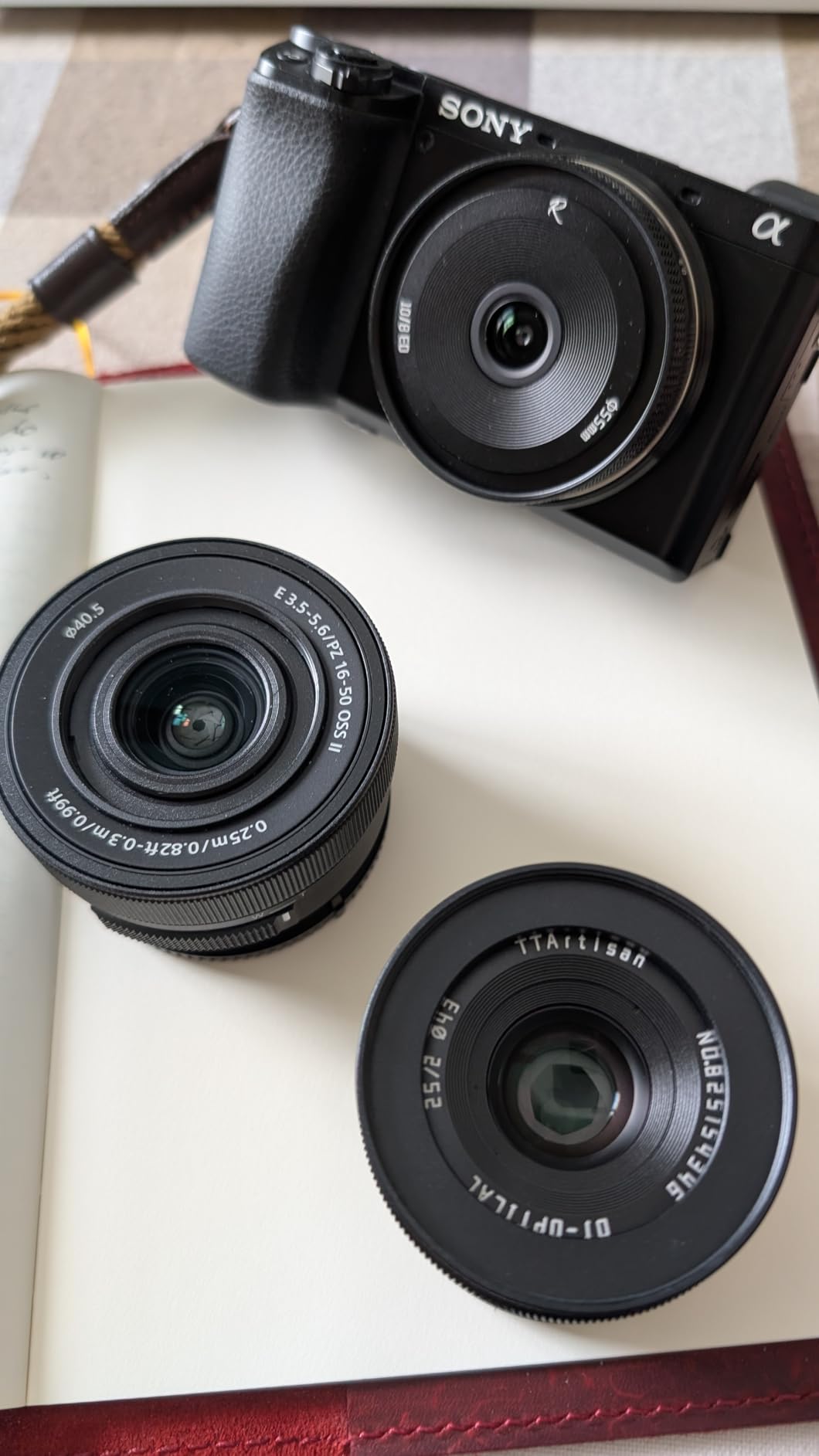
The BIONZ processor handles noise well through ISO 6400, and the ISO range extends to 51,200 for emergency low-light situations. The 11 fps continuous shooting with AF/AE tracking is fast enough for casual sports and action. The 14-bit RAW output gives photographers room to push edits. The flash sync speed of 1/160 sec is adequate for fill flash work. The camera also records video with a built-in microphone input for better audio quality.
The honest assessment is that this is an older model in the Sony lineup, and it shows in some areas. The menu system is the older Sony layout, not the improved version found in newer cameras. The kit lens has a limited zoom range, and its maximum aperture narrows quickly as you zoom in. But the core imaging performance remains competitive, and the price reflects its position as a value option in the lineup.

The Sony Alpha 6100 is perfect for travelers, casual photographers, and anyone who wants a lightweight camera that focuses instantly and takes great photos. If you are visiting a new city and want better photos than your phone can deliver without carrying a heavy kit, this is the one. Students and budget-conscious photographers will also find excellent value here.
If you need in-body stabilization for handheld video, the Sony a7 III or Panasonic S5II are better options. Photographers who want the newest technology should consider the Canon R50 or Nikon Z50 II for more current features. And if you shoot a lot of fast action, the Canon R8 with its 40fps burst rate will serve you better.
24.2MP APS-C
4K 30fps
425-Point Hybrid AF
3-Capsule Directional Mic
128GB Card + Full Accessory Kit
The Sony ZV-E10 Deluxe Bundle is the closest thing to a ready-to-shoot vlogging studio in a single box. You get the camera body, the Sony E PZ 16-50mm f/3.5-5.6 OSS power zoom lens, a 128GB memory card, a wide-angle converter, a 2x telephoto converter, a carrying case, a tripod, filters, a lens hood, a grip, a spare battery, a charger, and editing software. If you bought all these items separately, you would spend significantly more than the bundle price.
The camera itself is built specifically for content creators. The directional 3-capsule microphone with included windscreen is designed to capture clear audio for vlogs without needing an external mic. The background defocus feature lets you blur the background with a single button press, which is great for product shots and talking-head videos. The face priority auto-exposure keeps your face properly lit even when the background brightness changes. And the side-mounted flip-out touchscreen is the ideal design for vloggers because it stays visible even when you have accessories mounted on top.

The 24.2-megapixel APS-C Exmor CMOS sensor delivers image quality on par with the a6400 and a6100. The 425-point fast hybrid autofocus with Real-Time Eye AF tracks your face reliably. The 4K video at 30fps is sharp and detailed, and Full HD at 120fps opens up slow-motion creative options. The 11 fps burst shooting handles basic action well. The included power zoom lens is smooth and quiet for video recording, which matters more than most people realize when shooting talking-head content.
The main concern with bundles is quality control on the accessories. Some customers have reported missing items in their packages, so it is worth checking everything against the list when it arrives. The included editing software requires setup and is not the most intuitive. The camera also lacks an electronic viewfinder, which is typical for the ZV line but limits its appeal for traditional stills photography. The form factor is clearly optimized for video-first creators.
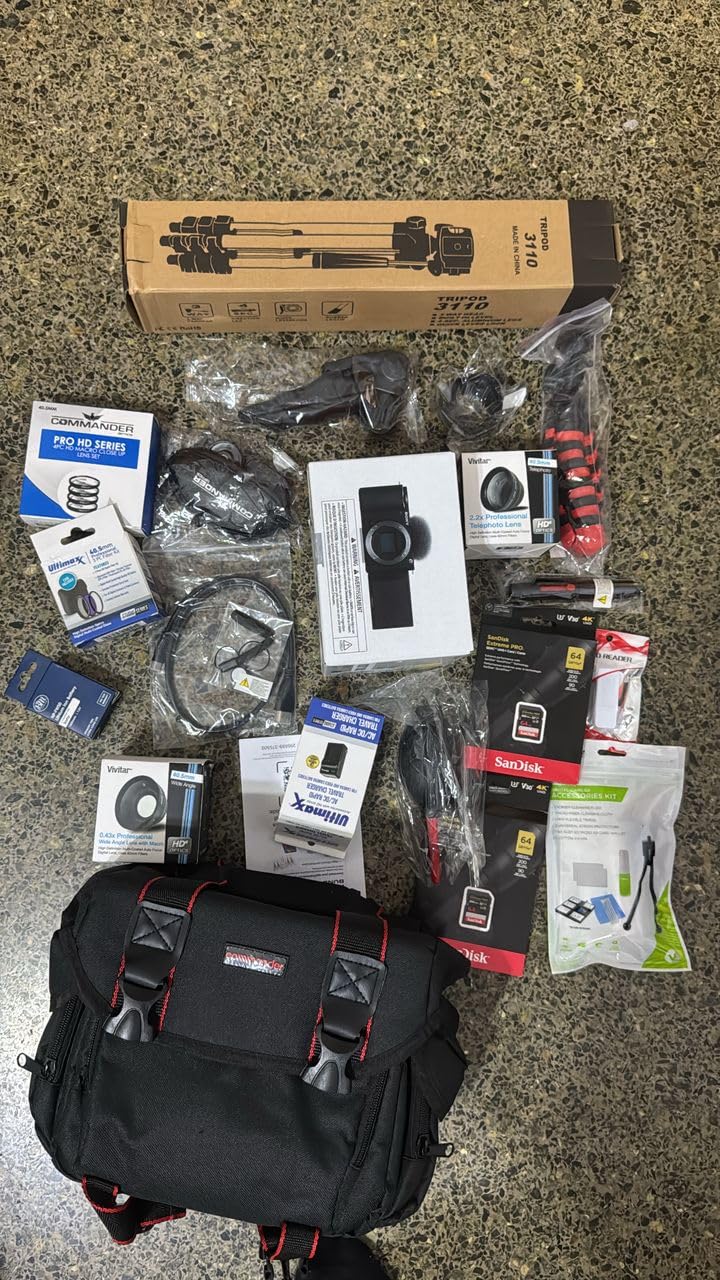
The Sony ZV-E10 bundle is ideal for new vloggers and content creators who want everything in one purchase without researching and buying accessories separately. If you are starting a YouTube channel, creating product review content, or building a social media presence, this kit gives you all the tools on day one. The included tripod, memory card, and spare battery mean you can start shooting immediately.
If you primarily shoot stills photography, the lack of an electronic viewfinder makes the ZV-E10 a poor choice compared to the Sony a6400 or Canon R50. Advanced videographers who need 4K 60fps or professional log profiles should consider the Canon R8 or Panasonic S5II. And if you already own a mirrorless camera and lenses, buying the ZV-E10 body only is a more cost-effective path than the bundle.
With 12 cameras spanning a wide range of prices and capabilities, choosing the right one comes down to understanding your needs and what represents a genuine deal. Here is my framework for making the right call this Prime Day.
Full-frame sensors deliver better low-light performance, shallower depth of field for portraits, and wider dynamic range. If you shoot portraits, landscapes, events, or anything in challenging light, full-frame is worth the investment. The Canon EOS R8, Sony a7 III, Canon R6 Mark II, Sony Alpha 7 V, and Panasonic S5II all use full-frame sensors. APS-C sensors are smaller, which means the cameras are lighter, less expensive, and the lenses are more compact. For travel, everyday photography, and social media content, APS-C cameras like the Canon R50, Nikon Z30, and Sony a6400 deliver more than enough quality.
Beginners should start with the Canon EOS R100 or Nikon Z30. Both are affordable, easy to learn, and produce great results without overwhelming you with options. Enthusiast photographers who want room to grow should look at the Canon R50, Sony a6400, or Nikon Z50 II. These cameras offer more advanced features without the price premium of professional gear. Professionals and serious enthusiasts should consider the Canon R6 Mark II, Sony Alpha 7 V, or Panasonic S5II, which offer the AF performance, IBIS, and build quality needed for paid work.
Not every Prime Day camera discount is genuine. I recommend checking price history tools like CamelCamelCamel before buying any deal. Some cameras have seen price increases over the past year due to tariffs and supply issues, so a discount might just bring the price back to where it was six months ago. Look for deals that drop below the 90-day average price. Also, make sure the listing says “Ships from and sold by Amazon” to avoid grey market imports that may lack warranty coverage. Forum users on r/photography consistently recommend this approach, and it has saved me from fake deals more than once.
Cameras are just the start. Prime Day is also the time to stock up on accessories that rarely go on sale otherwise. Grab extra batteries for your chosen camera, fast memory cards (UHS-II SD cards for most cameras, CFexpress for high-end models), and a quality camera bag. If you are buying a camera without in-body stabilization, consider a stabilized lens or a small gimbal. The Sony ZV-E10 bundle is a great example of getting accessories included at a discount, but you can also piece together your own kit from individual Prime Day deals.
The Canon EOS R8 offers the best value in 2026, giving you a full-frame sensor, 4K 60p video, 40fps burst shooting, and Canon Log 3 for a price that undercuts most APS-C competitors. For budget shoppers, the Canon EOS R100 and Nikon Z30 deliver impressive performance at entry-level prices. If you want the best overall hybrid camera, the Canon EOS R6 Mark II balances photo and video capabilities better than anything else in its price range.
Yes, cameras consistently get some of the deepest discounts during Amazon Prime Day. Mirrorless cameras from Canon, Sony, Nikon, and Panasonic regularly drop to or near their all-time low prices during the event. The discounts often match or beat Black Friday pricing, especially on popular models that are a year or two into their product cycle. However, always verify the deal using price history tools, because some discounts simply reverse recent price increases.
This is largely a myth. The overwhelming trend is photographers moving from DSLR to mirrorless, not the other way around. Every major camera manufacturer has shifted their development focus to mirrorless systems. What some photographers are doing is holding onto their DSLR gear because it still works well and the mirrorless upgrade cost is significant. But for new buyers, mirrorless is the clear recommendation because of better autofocus, faster burst rates, lighter bodies, and superior video features.
The best mirrorless camera deals during Prime Day typically come from Canon and Nikon, which offer the deepest percentage discounts according to forum users and deal trackers. Look for models that are 1-2 years into their lifecycle, as these see the biggest price drops. Kit bundles that include lenses and accessories, like the Nikon Z50 II two-lens kit or Sony ZV-E10 Deluxe Bundle, often represent the best overall value because you get everything you need in one purchase at a combined discount.
Prime Day is one of the two best times of year to buy a mirrorless camera, alongside Black Friday. Prices on popular models from Canon, Sony, and Nikon regularly drop to record lows during the event. If you have been eyeing a specific camera for months and see a Prime Day discount that matches or beats the lowest price on CamelCamelCamel, it is a good time to buy. However, if you are not in a rush, Black Friday in November may offer comparable or slightly better deals on some models.
Finding the best mirrorless camera deals Prime Day 2026 comes down to matching your needs with genuine discounts, not flashy marketing. My top recommendation is the Canon EOS R8 for anyone who wants full-frame quality without the full-frame price tag. Budget shoppers will find incredible value in the Canon EOS R100 and Nikon Z30. And professionals should seriously consider the Canon R6 Mark II or Sony Alpha 7 V for cameras that will serve them for years.
Remember that Prime Day deals move fast. The cameras on this list are in stock at the time of writing, but popular models sell out quickly during the event. If you see a deal that matches your research and budget, do not wait too long. Use price history tools to confirm you are getting a genuine discount, buy from Amazon directly or authorized sellers, and enjoy your new camera.
![Maven CRS.1 Review [cy]: Lightweight Hunter's Worth It?](https://revellphotography.com/wp-content/uploads/2026/08/featured-update-4935-1787154639548.jpg)