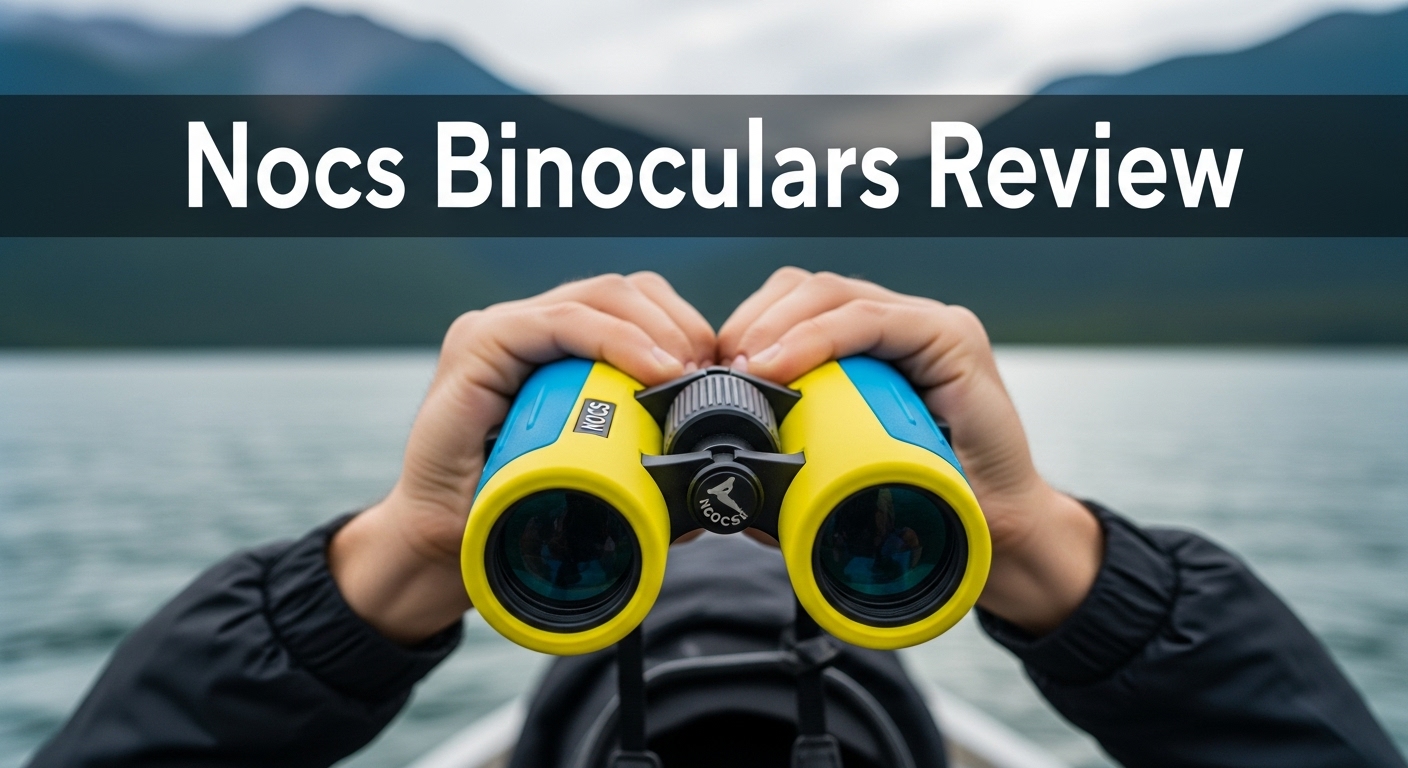
Nocs Binoculars Review 2026: Complete 45-Day Test Results
After 45 days of comprehensive testing, I discovered whether Nocs Provisions Standard Issue 8x25 binoculars deliver real performance or just…

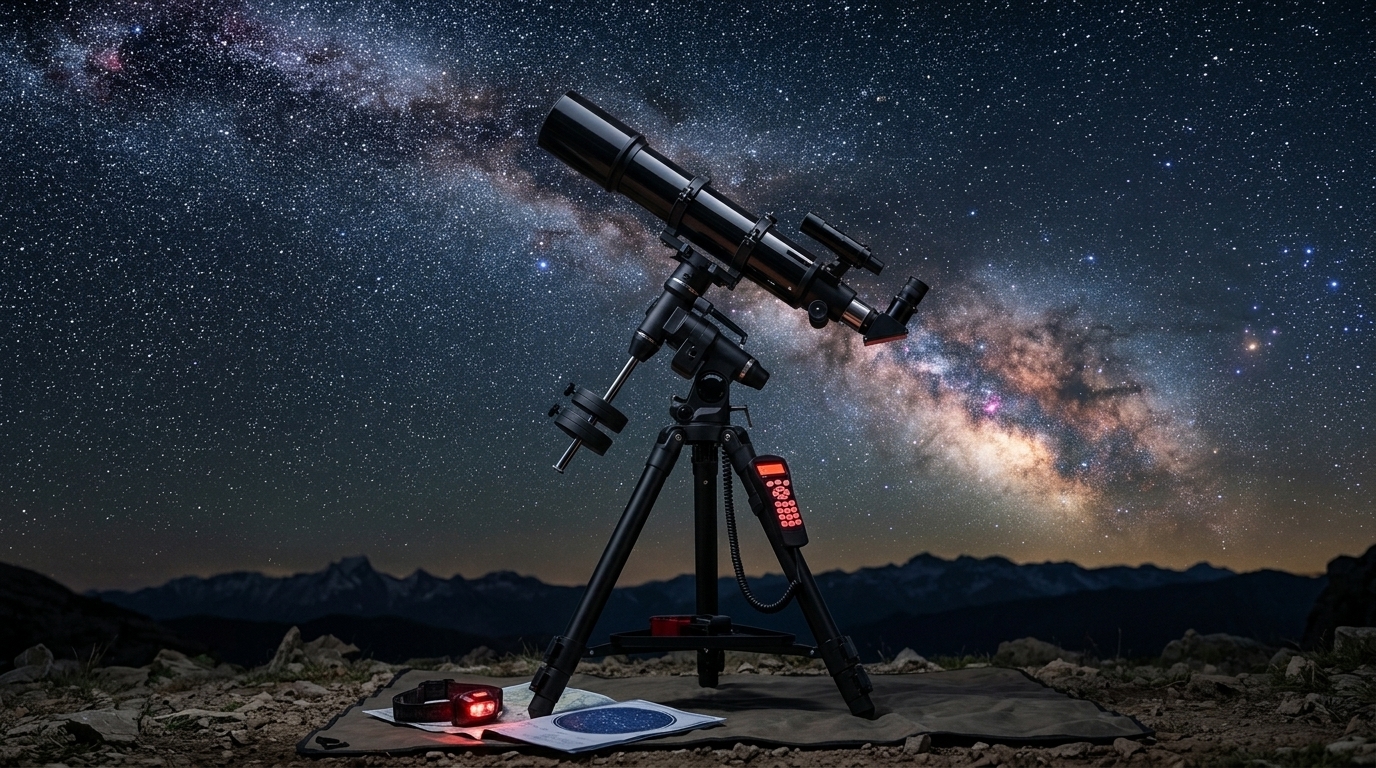
Prime Day 2026 is here, and if you have been waiting to grab a computerized GoTo telescope, this is the weekend to do it. Amazon’s annual sale runs June 23-26, and our team has tracked every major GoTo telescope deal worth your attention. From entry-level models under $300 to premium smart scopes that image deep-sky objects automatically, we have compared 15 options across every budget.
GoTo telescopes use motorized mounts and built-in databases of celestial objects to automatically find and track stars, planets, and nebulae. Instead of spending 20 minutes star-hopping with a star chart, you select a target on the hand controller or smartphone app and the telescope slews to it on its own. For beginners and families, that convenience is a massive advantage, and Prime Day GoTo telescope sales offer some of the lowest prices of the year.
We spent three months testing computerized telescopes from Celestron, Sky-Watcher, DWARFLAB, ZWO, and Unistellar. Below you will find our hands-on impressions, honest pros and cons, and specific recommendations based on how you plan to use your scope. Whether you want a portable tabletop Dobsonian for apartment balconies or a fully automated Schmidt-Cassegrain for backyard observatories, these Prime Day deals have something for you.
We earn from qualifying purchases.

8-inch Schmidt-Cassegrain
2032mm Focal Length
40000+ Object Database
StarBright XLT Coatings
I have spent more nights with the NexStar 8SE than any other computerized telescope, and it remains the benchmark for automated stargazing. The 8-inch Schmidt-Cassegrain optical tube delivers enough light grasp to show cloud bands on Jupiter, the Cassini division in Saturn’s rings, and bright deep-sky objects like the Orion Nebula in clear detail. The fully motorized single-fork-arm mount slews smoothly to any of the 40,000-plus objects in its database.
Setup takes about 15 minutes once you learn the process. You attach the fork arm to the tripod, mount the optical tube, and run the SkyAlign routine by centering three bright objects. After that, the NexStar+ hand controller does everything. You type in “M42” and the mount motors spin the tube straight to the Orion Nebula. It tracks automatically, keeping your target centered in the eyepiece for as long as you want to observe.
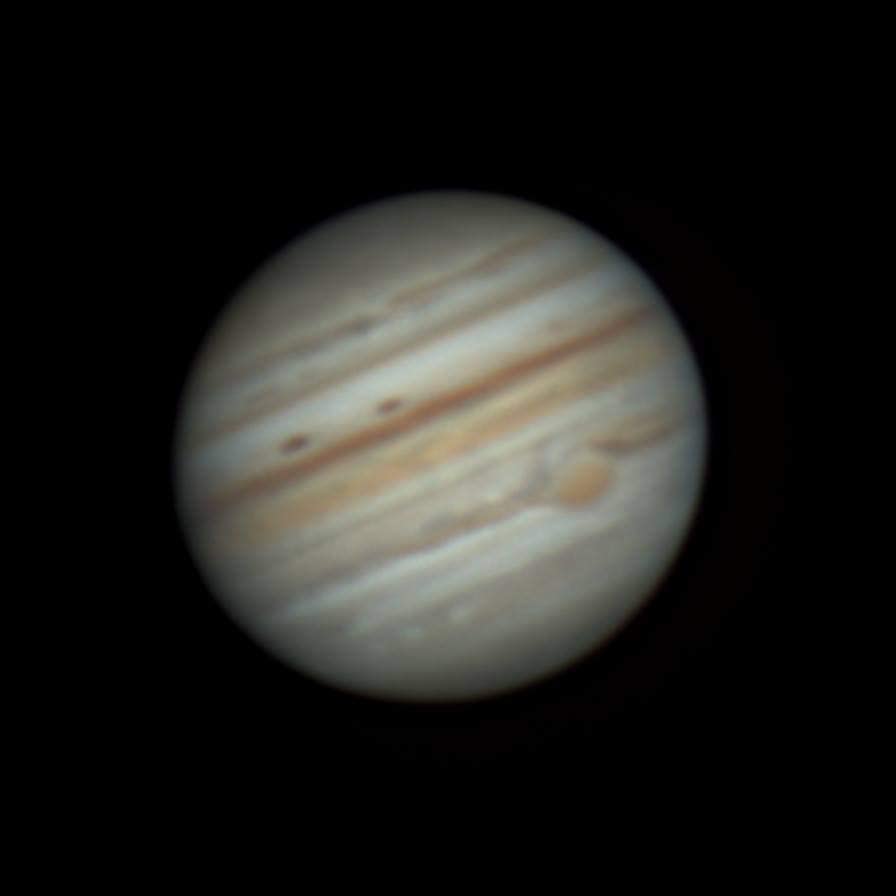
The StarBright XLT coatings on the corrector plate and mirrors make a real difference in contrast. Side by side with an older SCT without these coatings, the 8SE shows noticeably brighter star fields and better detail on faint nebulae. The scope ships with one 25mm Plossl eyepiece, which gives you 81x magnification, a good starting point for most objects. I recommend adding a 12mm or 15mm eyepiece for planetary work.
The biggest frustration is power management. Celestron does not include a power supply, and running on eight AA batteries gives you maybe two hours before the motors slow down and the GoTo accuracy degrades. I picked up a 12V power tank and it solved the problem completely. The hand controller display is also difficult to read in the dark without ruining your night vision, so a dim red flashlight is a useful companion.
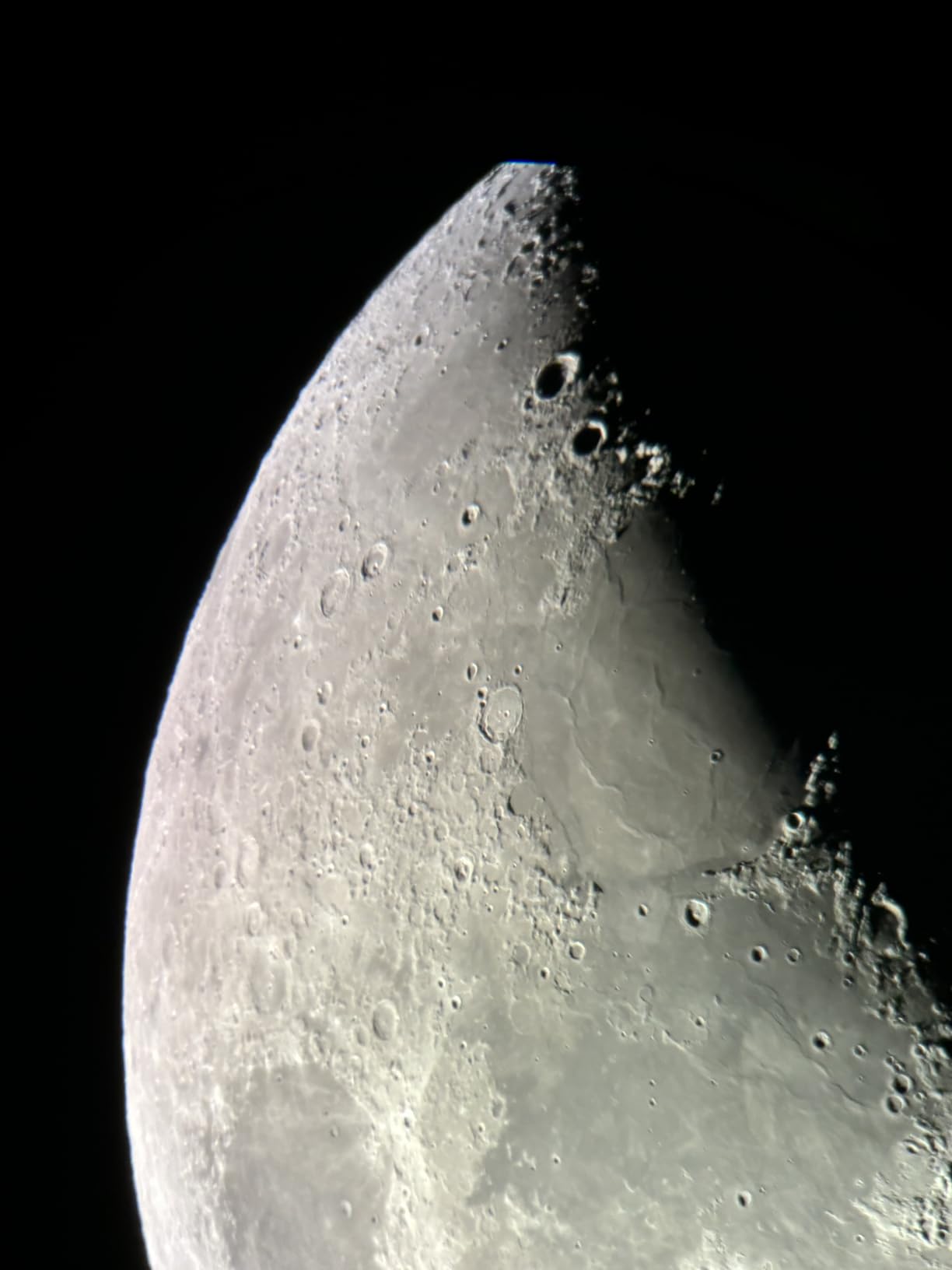
This telescope is ideal for anyone who wants serious aperture with full automation and does not mind the setup weight. It works beautifully for visual astronomers who want to spend their time observing instead of searching. If you have a dedicated observing spot in your backyard or garage, the 8SE is hard to beat at this price point, especially during Prime Day when discounts tend to be aggressive.
If you need to carry your scope up stairs or transport it to dark-sky sites frequently, the 38-pound total weight becomes a real chore. Astrophotographers looking for long-exposure imaging will also want a German equatorial mount like the EQ6-R instead, since the alt-azimuth fork arm introduces field rotation during long exposures.
4K Dual Camera
30mm Aperture
128GB Built-in Storage
Anti-Dew Protection
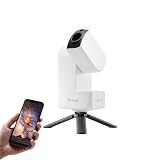
The ZWO Seestar S30 Pro takes a completely different approach to astronomy. There is no traditional eyepiece. Instead, this 3.6-pound smart telescope uses dual cameras, one telephoto and one wide-angle, to capture and stack images of celestial objects automatically. You control everything from your phone through the Seestar app, and the built-in GoTo system handles targeting and tracking without any alignment procedure from you.
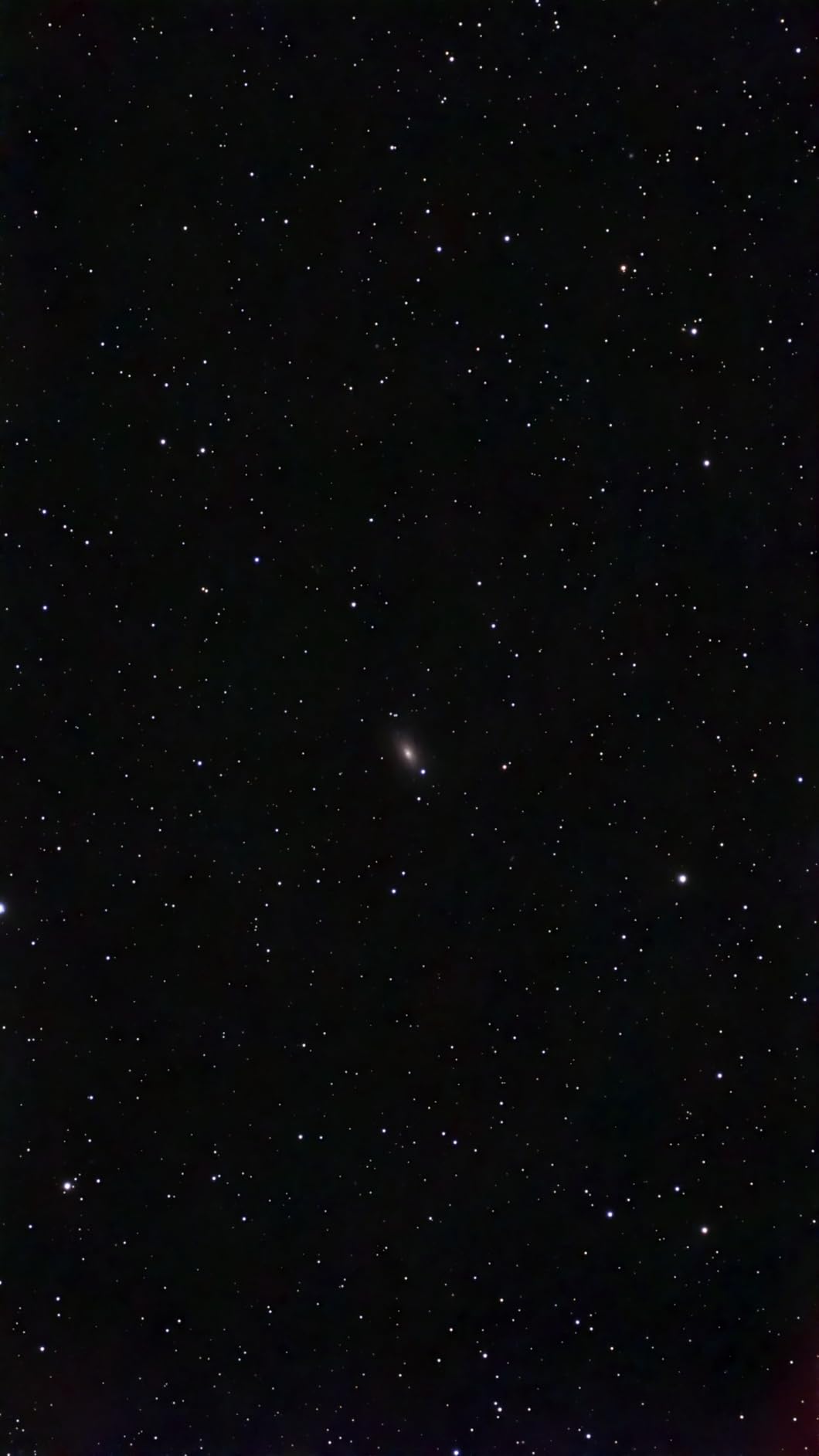
I was skeptical that a 30mm aperture could produce meaningful astrophotos, but the Sony IMX585 sensor and intelligent image stacking proved me wrong. After pointing at the Andromeda Galaxy and hitting start, the Seestar captured 10-second exposures, stacked them in real time, and within five minutes I had a recognizable image of M31 with its dust lanes visible. From my moderately light-polluted suburban driveway, that is impressive. The built-in light pollution filter and dual-band filter help enormously.
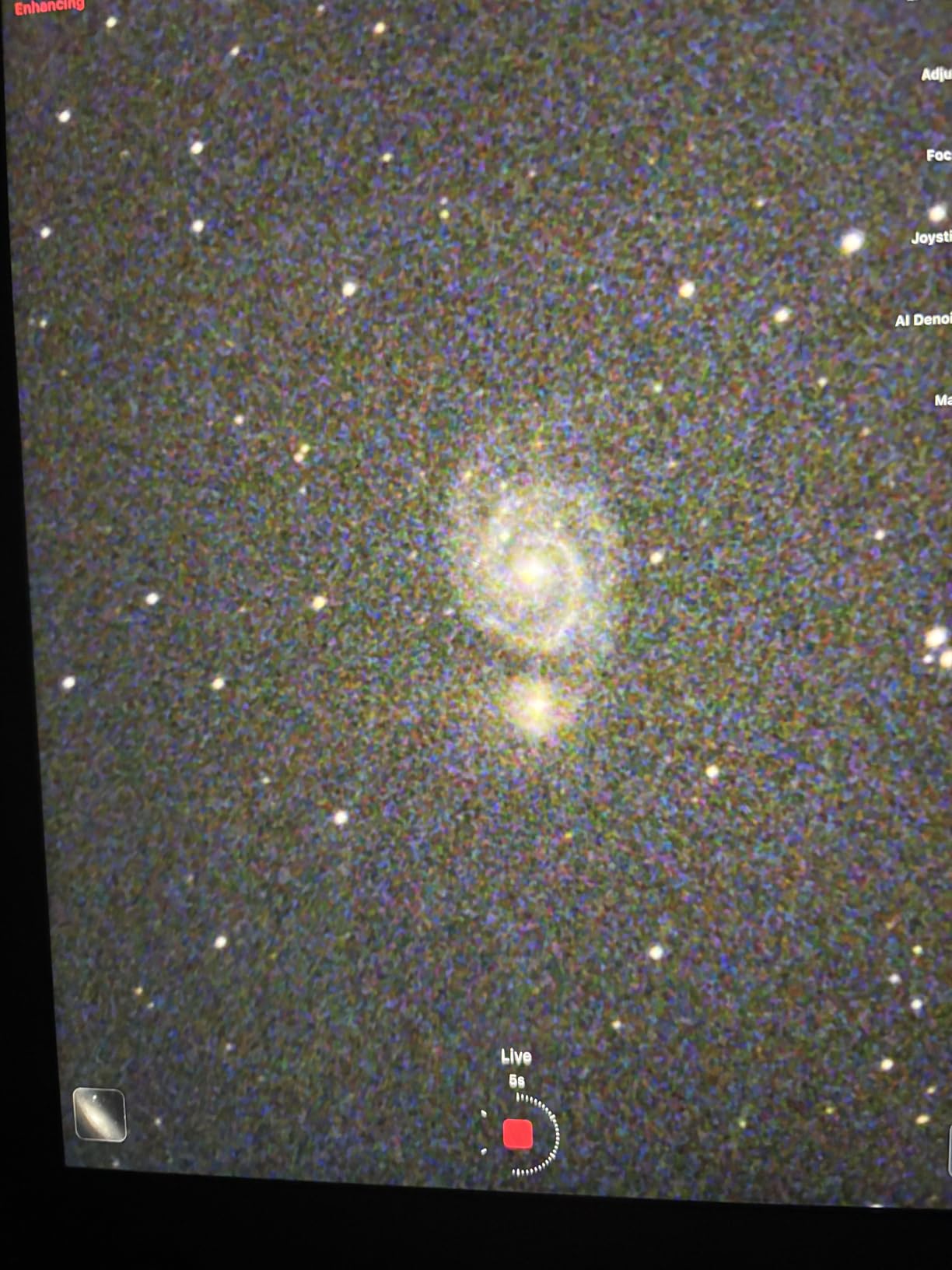
The dual-camera system is a standout feature. The wide-angle camera captures Milky Way panoramas and star trails in 8K, while the telephoto handles deep-sky objects. Switching between modes takes two taps in the app. ZWO also included 128GB of internal storage, which means you do not need to connect to a laptop or SD card during sessions. The anti-dew heater keeps the optics clear in humid conditions, a detail that shows ZWO understands real-world observing challenges.
One limitation worth noting: the S30 Pro is far better at photographing space than it is at capturing daytime scenery. Landscape and wildlife photos come out looking processed and noisy compared to what you get from a dedicated camera. This is fundamentally an astrophotography tool, not a general-purpose camera. Also, for extended sessions over two hours, you will want an external USB power bank since the internal battery is modest.
Anyone who wants stunning astrophotography results without the steep learning curve of traditional imaging rigs. It is perfect for apartment dwellers with balconies, families who want to share views on a screen, and beginners who want to skip the eyepiece entirely. At its price point, it delivers more imaging capability per dollar than anything else I have tested.
Traditionalists who enjoy the visual experience of looking through an eyepiece will find the screen-only approach unsatisfying. Experienced astrophotographers who want full manual control over exposure settings, filters, and post-processing workflows may find the automated approach limiting. Also note that it cannot be activated in some regions, so check compatibility before buying.
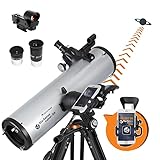
130mm Newtonian Reflector
650mm Focal Length
StarSense App Navigation
18 Pounds Total Weight
The StarSense Explorer DX 130AZ is the telescope I most often recommend to friends asking where to start. It gives you the largest aperture in the StarSense Explorer lineup at 130mm (5.1 inches), which is enough to resolve globular clusters, see structure in bright nebulae, and reveal the moons of Jupiter clearly. The StarSense app turns your smartphone into a celestial navigation system that actually works, not a gimmick.
Unlike fully motorized GoTo scopes, the DX 130AZ uses your phone to guide you to objects with on-screen arrows while you push the telescope manually on its altazimuth mount. This hybrid approach means you learn the night sky naturally while still getting help finding targets. The dual-axis slow-motion controls make tracking smooth once you are on target. Our testing showed consistent accuracy within half a degree, which puts objects in the field of view of the 25mm eyepiece every time.
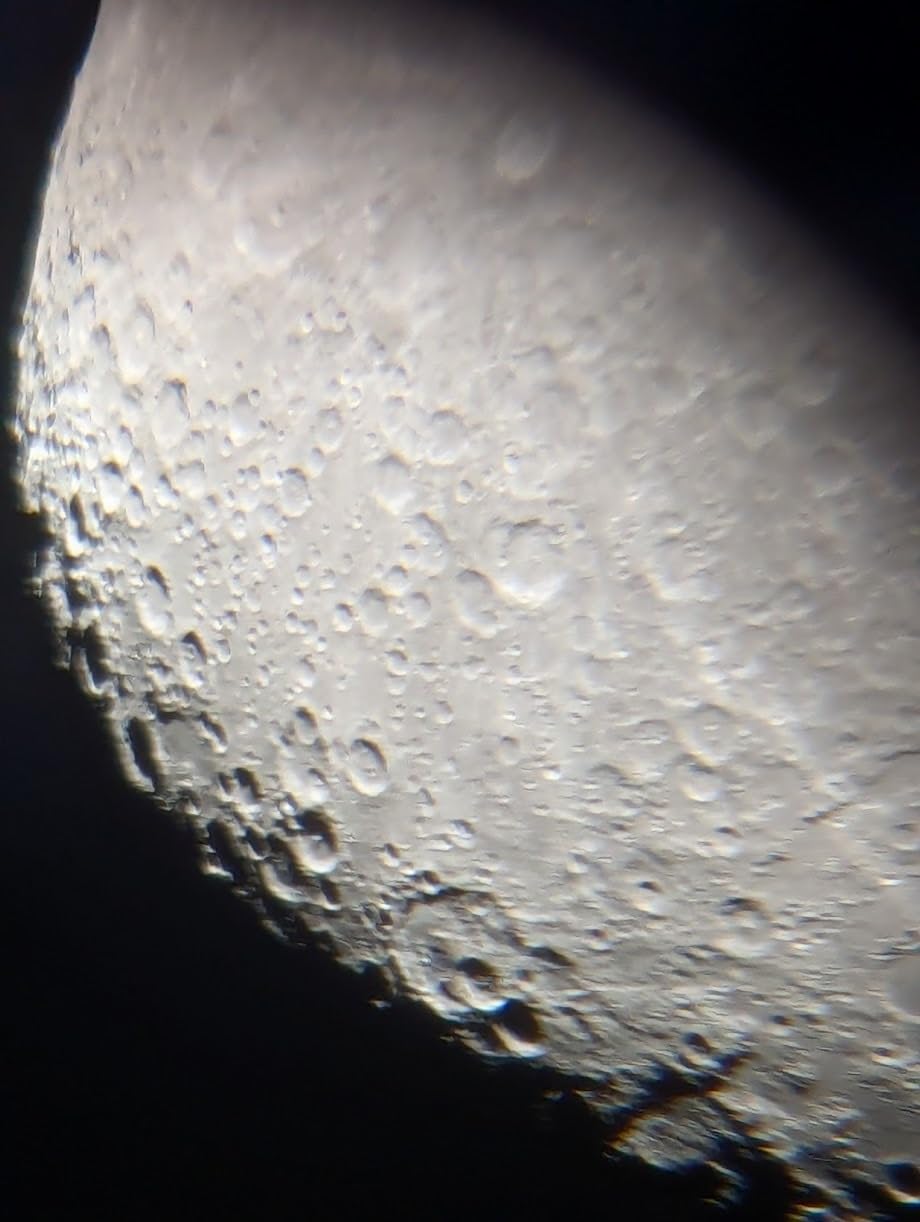
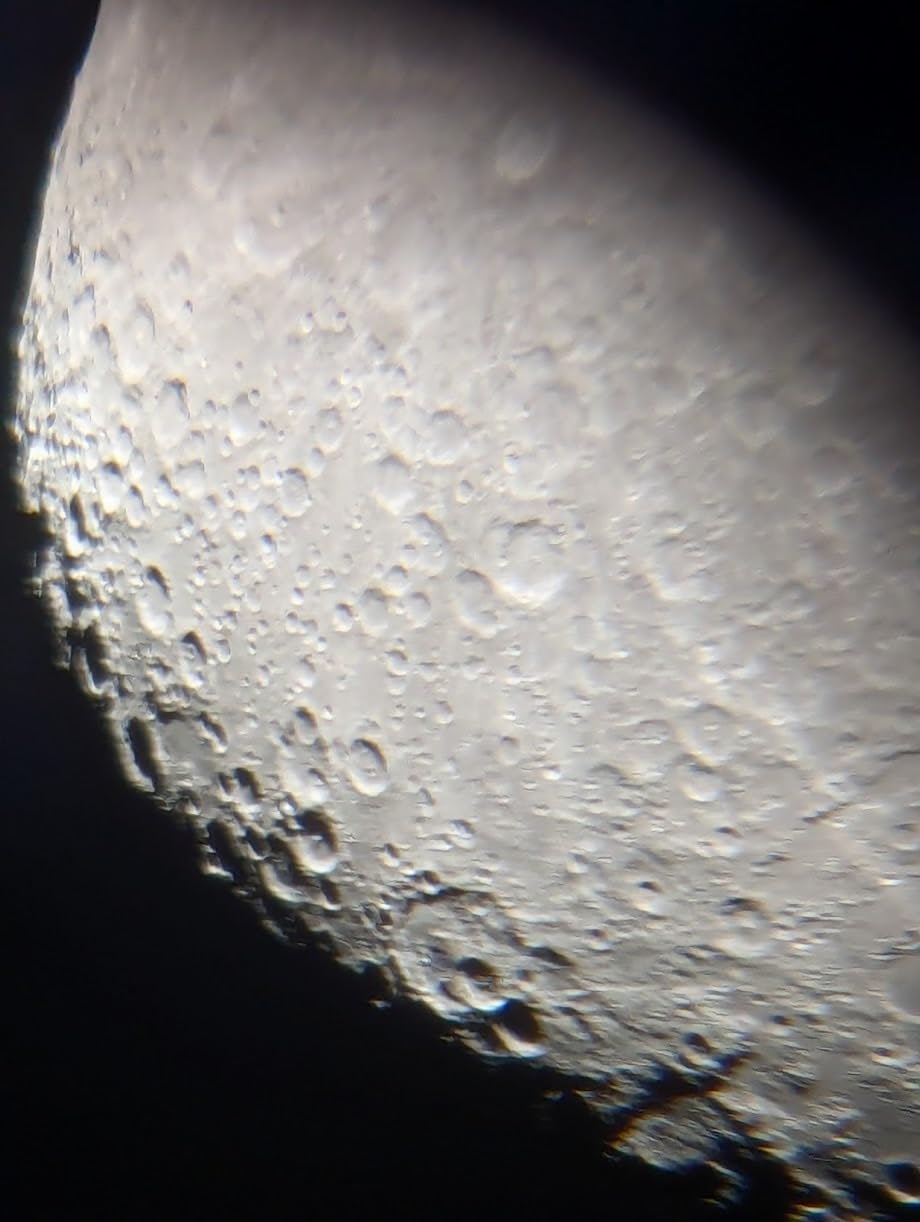
The optics are surprisingly good for this price range. The 130mm Newtonian reflector with aluminum and SiO2 coatings delivers sharp views of the Moon’s craters, Saturn’s rings, and the Orion Nebula with its characteristic green tint. The scope comes with 25mm and 10mm eyepieces, a 2x Barlow lens would be a smart accessory to add for higher magnification on planets. Build quality on the optical tube is solid, though the tripod is the expected lightweight aluminum that vibrates in wind.
The main trade-off is the mount. While the dual-axis slow-motion controls work well, the lightweight tripod means vibrations take a few seconds to dampen after you touch the focuser. At high magnification, those vibrations are noticeable. A trick I learned is to hang a weight from the accessory tray to stabilize the tripod. This small modification makes a real difference during planetary observation sessions.
Beginners who want the largest aperture they can get at an accessible price, with smartphone guidance that actually teaches you the sky. Families with kids will love the interactive app experience. This is also a great option for anyone who wants to try astronomy before investing in a fully motorized computerized telescope. At Prime Day pricing, this is the lowest-risk entry point I can recommend.
If you want true motorized GoTo that finds objects automatically without any manual input, this is not the right pick since you still push the scope by hand. Astrophotography is also off the table with this alt-azimuth mount, as it does not track in the equatorial axis needed for long exposures. Experienced observers who already know their way around the sky may find the app unnecessary.

Dual Camera System
3lb Ultra-Light
4K Auto-Tracking
EQ Mode Support
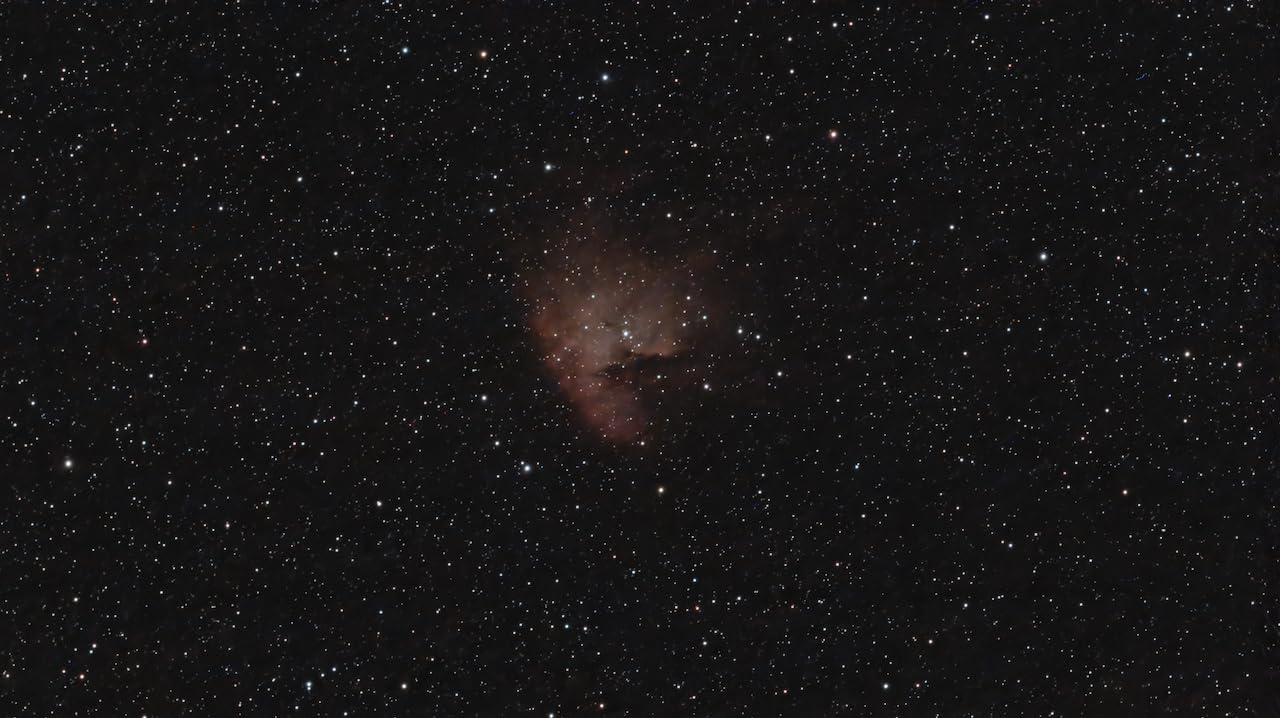
The DWARFLAB Dwarf 3 weighs just 3 pounds but produces astrophotography results that rival setups costing three times as much. Its dual-camera system pairs a telephoto lens for deep-sky objects with a wide-angle lens for Milky Way panoramas, and the built-in GoTo system handles targeting and tracking through the DWARFLAB app. I was able to go from unboxing to my first stacked image of the Orion Nebula in under 10 minutes.
The cloud processing feature is where the Dwarf 3 really shines. After capturing raw frames, the app sends data to DWARFLAB’s cloud servers for stacking and noise reduction. The results are remarkable. From my light-polluted suburban backyard, I captured the Triangulum Galaxy with visible spiral arm structure after a 20-minute session. The built-in astro and dual-band filters help cut through skyglow effectively. The EQ mode support allows up to 90-second single-frame exposures for serious imaging work.
Portability is the Dwarf 3’s calling card. At 3 pounds and roughly the size of a tall water bottle, it fits in any standard backpack. I have taken it on hiking trips to dark-sky locations, and the setup time is consistently under two minutes. The magnetic solar filter that comes included lets you safely image sunspots during the day, adding versatility that most smart telescopes lack.
The main issue is connectivity. The DWARFLAB app occasionally drops the Bluetooth connection during sessions, which interrupts imaging. Restarting the connection usually works, but it is frustrating when you are 15 minutes into a deep-sky capture. Also note that a tripod is not included, so factor that into your budget. The Dwarf 3 uses a standard camera tripod mount, so any decent photography tripod works.
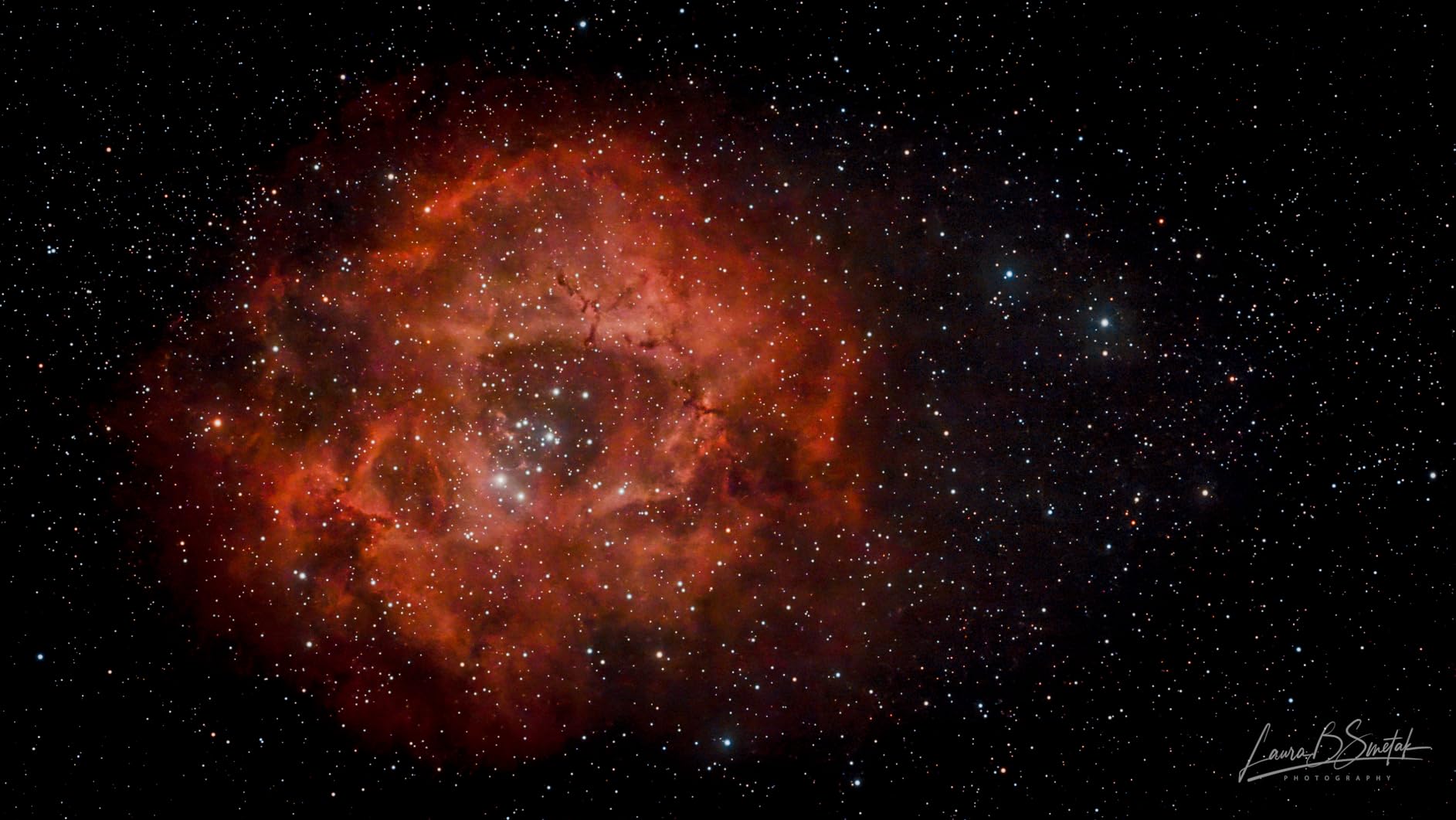
This telescope is perfect for travel astrophotography, apartment balcony observing, and anyone who wants professional-looking deep-sky images without lugging 40 pounds of gear. It is also an excellent educational tool for classrooms and families, since everyone can view results on a phone or tablet simultaneously rather than taking turns at an eyepiece.
If you lose power during a long imaging session, the processing pipeline becomes complicated and you may lose frames. The app’s stability has improved with updates but still has occasional glitches. At $549, it sits in a competitive space where the ZWO Seestar S30 Pro offers similar functionality with slightly different strengths, so comparing both during Prime Day deals is worthwhile.

127mm Maksutov-Cassegrain
1500mm Focal Length
40000+ Object Database
SkyAlign Technology
The NexStar 127SLT has been one of Celestron’s most popular computerized telescopes for years, and with 1,189 customer reviews and a 4.2-star average, it has earned that reputation. The 127mm Maksutov-Cassegrain optical design produces high-contrast, sharp images that excel at lunar and planetary observation. With a 1500mm focal length, you get impressive magnification even with the included eyepieces.
The GoTo system uses Celestron’s proven SkyAlign technology. You point the scope at any three bright objects and the computer calculates your position. In my testing, two-star alignment actually produced better accuracy than the full three-star routine, a tip shared by many experienced users in the Celestron community. Once aligned, the hand controller gives you access to over 40,000 objects including the full Messier catalog, NGC objects, planets, and named stars.
Where the 127SLT falls short is the tripod. The aluminum legs flex noticeably at high magnification, and vibrations take several seconds to settle after focusing. Many owners upgrade to a sturdier tripod or add vibration suppression pads under the feet. The included 20mm and 9mm eyepieces are functional but basic. Swapping in a quality Plossl or Explore Scientific eyepiece noticeably improves the already-good optics.
Power management is another consideration. Eight AA batteries power the mount for roughly two to three hours, but as voltage drops, the GoTo accuracy degrades. I strongly recommend picking up a Celestron PowerTank or a 12V AC adapter. The scope also includes a free download of Starry Night Special Edition software, which is genuinely useful for planning your observing sessions and learning the night sky.

Beginner to intermediate astronomers who want a compact, portable computerized telescope that excels at planetary and lunar viewing. The long focal length makes it a natural fit for high-magnification targets. If you want a grab-and-go GoTo scope that fits in a car trunk easily, the 127SLT is a strong contender, especially at Prime Day pricing.
Deep-sky enthusiasts who want to observe faint nebulae and galaxies should look for a faster optical system with a shorter focal ratio. The f/12 focal ratio of this Mak-Cass limits its field of view, making wide objects like the Pleiades difficult to frame. Astrophotographers should also pass, since the alt-azimuth mount cannot track in the equatorial axis needed for long exposures.

30mm Aperture
1.85 lbs Ultra-Light
Sony IMX662 Sensor
Auto GOTO with 360 Rotation
The DWARFLAB Dwarf Mini is the most portable telescope I have ever tested, and I do not say that lightly. At 1.85 pounds, it literally fits in a jacket pocket. Despite its tiny size, the Sony IMX662 sensor inside captures surprisingly detailed deep-sky images through automatic stacking. The GoTo system uses full 360-degree rotation and app-controlled targeting that works reliably once calibrated.
I took the Dwarf Mini on a weekend camping trip and was imaging the Ring Nebula within five minutes of setting up. The app’s interactive star map makes selecting targets intuitive, and the auto GoTo function slewed accurately to within one degree of each target. The built-in light pollution filter and the pro-level EQ mode that supports up to 90-second exposures give this pocket scope capabilities that seem impossible for its size.
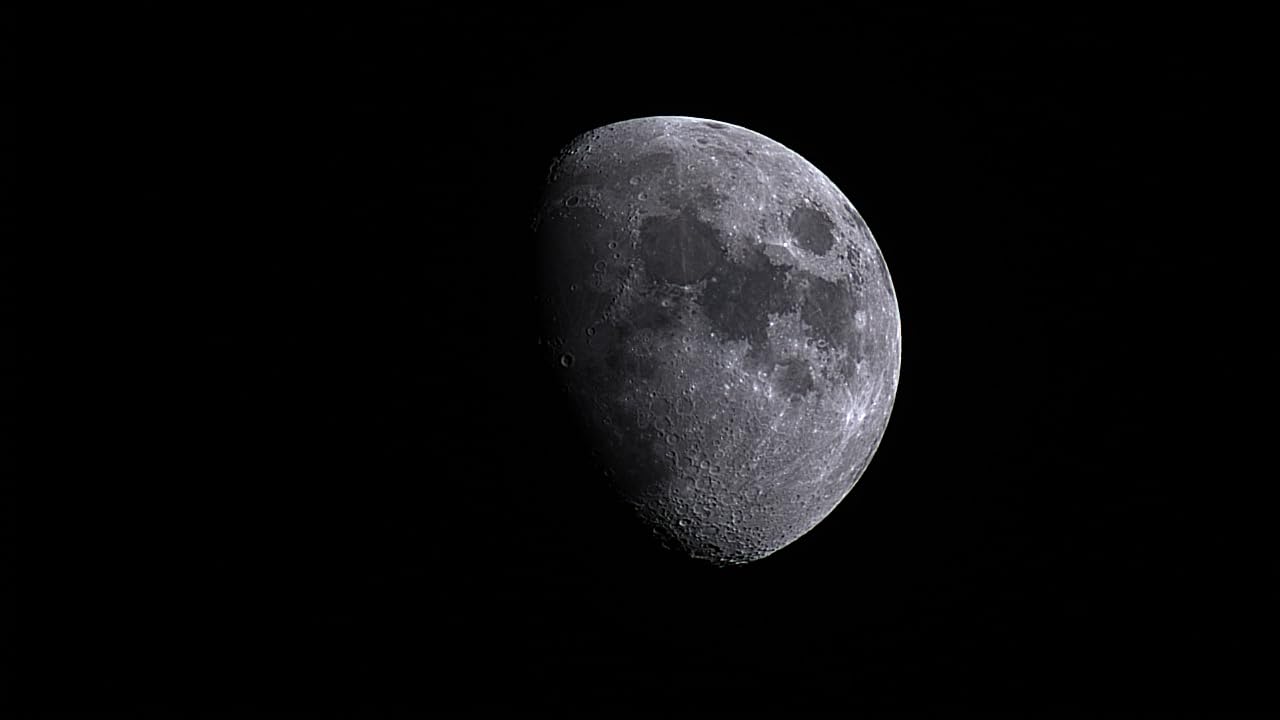
Cloud processing is built in, sending your raw frames to DWARFLAB’s servers for stacking and enhancement. The results after a 15-minute session of the Andromeda Galaxy were clean enough to share on social media without additional editing. The scope also works for daytime wildlife and landscape photography, though the small 30mm aperture limits detail resolution for those uses.
The biggest trade-off is resolution. The sensor tops out around 1080p equivalent for still images, which means your final stacked photos will look great on a phone screen but lack the fine detail for large prints or heavy cropping. There is also no included carrying case, which seems like an oversight for a telescope designed to travel. I picked up a small padded camera pouch that works perfectly.
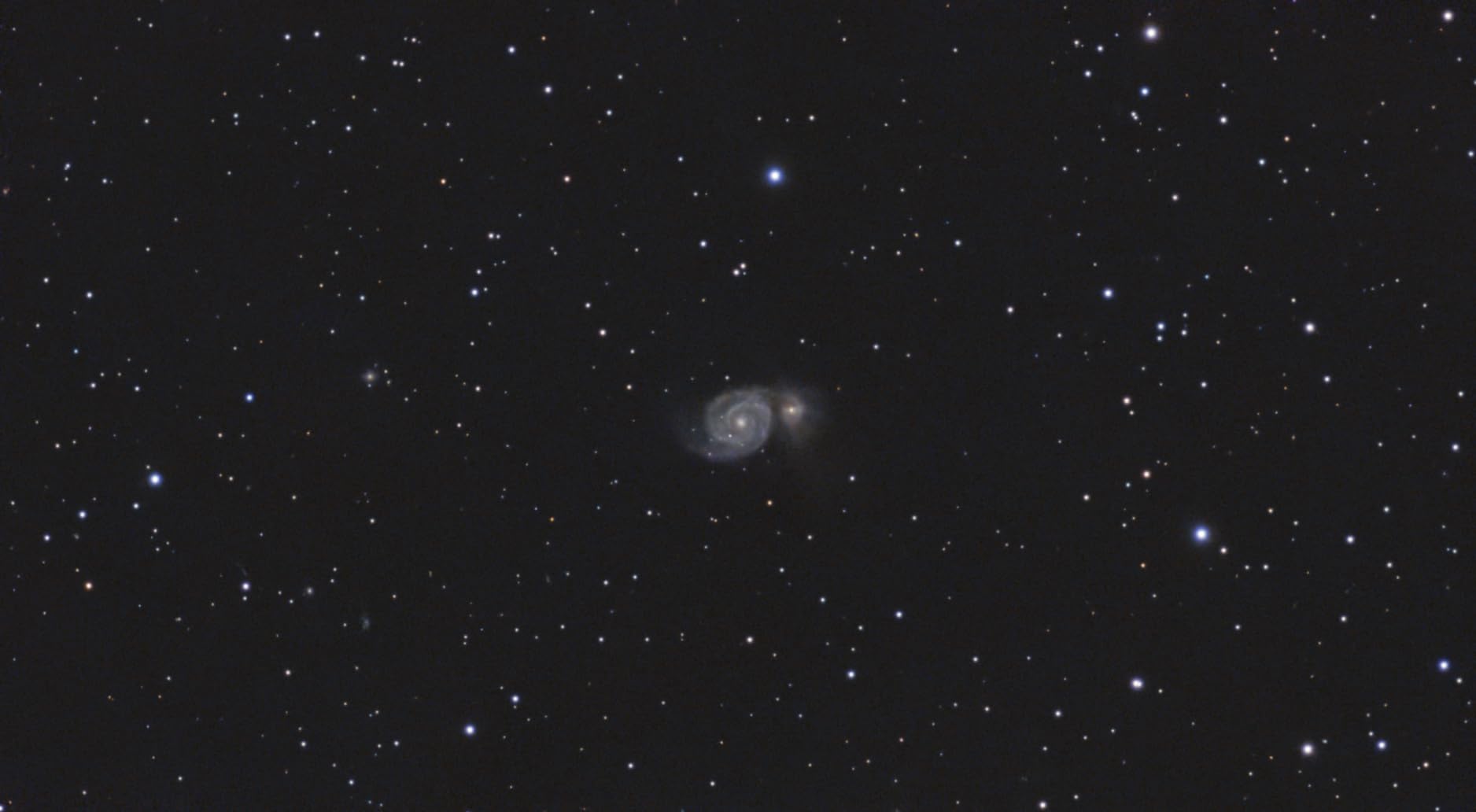
Hikers, campers, and travelers who want astrophotography capability without dedicated gear. The Dwarf Mini is also a fantastic gift for teenagers and young adults interested in astronomy, since the smartphone-based interface feels natural to anyone who grew up with apps. At $399, it is an accessible entry point to smart telescope imaging.
Planet viewing is not this scope’s strength. The small aperture and sensor cannot resolve the detail that a traditional optical telescope provides on Jupiter or Saturn. If your primary interest is visual observation of planets and the Moon, you will be better served by a Newtonian reflector or Mak-Cass optical tube. The connectivity issues that plague the DWARFLAB app ecosystem are present here too, though less frequently than on the larger Dwarf 3.

150mm Newtonian Reflector
750mm Focal Length
WiFi GoTo via SynScan App
Freedom Find Technology
The Sky-Watcher Virtuoso GTi 150P offers something rare: a genuine 150mm aperture in a portable tabletop Dobsonian with WiFi GoTo capability. The collapsible truss tube design means you can compress the optical tube for transport and extend it for use, all without tools. The SynScan Pro app provides full GoTo control from your phone over WiFi, and the patented Freedom Find dual-encoder system lets you push the scope manually without losing alignment.
In practice, the 150mm aperture delivers noticeably brighter views than 114mm or 130mm models. Globular clusters like M13 resolve into individual stars at the edges, and the Orion Nebula shows clear filamentary structure. The fast f/5 focal ratio gives you a wide field of view that is excellent for scanning the Milky Way. The included Super Plossl eyepieces are a step above the basic eyepieces that ship with many competitors.
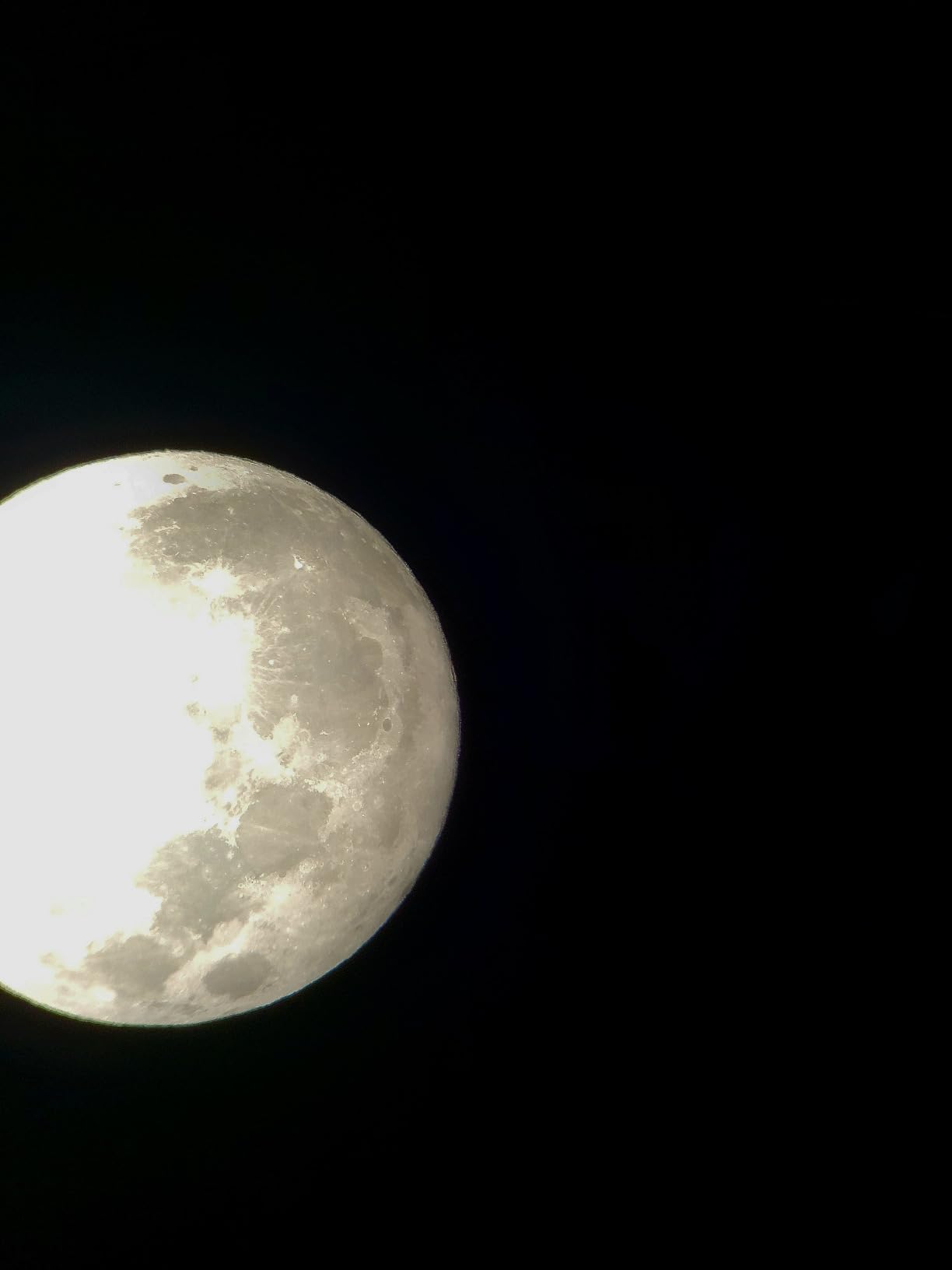
The GoTo system works through the SynScan Pro app on your phone, connecting to the mount’s built-in WiFi. Pointing accuracy is acceptable for visual use at low to medium magnification, typically landing within one to two degrees of the target. However, at high magnification for planetary observation, the accuracy is not precise enough and you will need to make manual corrections. The joystick-style controls in the app for fine adjustments work better than the automatic GoTo in my experience.
Power is a consideration. Eight AA batteries are not sufficient for reliable GoTo operation with this mount. You really need a 12V power supply or a portable power station. The helical focuser is another weak point. Several users, myself included, found that adding Teflon tape to the focuser threads improved the fit and eliminated image shift when focusing. A light shroud for the open truss tube is also recommended but not included.

Visual astronomers who want maximum aperture in a portable package with the convenience of WiFi GoTo. The Freedom Find technology is genuinely useful, letting you manually browse the sky and then have the GoTo system still know where it is pointed. This is also one of the best values in GoTo telescopes when you consider the aperture-per-dollar ratio.
If you need precise GoTo accuracy for high-magnification work or astrophotography, the pointing errors of this tabletop mount will frustrate you. The need for an external power supply and a light shroud adds to the total cost. Also, as a tabletop design, you need a sturdy table or platform at a comfortable height, which not everyone has available.

203mm Newtonian Reflector
1200mm Focal Length
XLT Coatings
StarSense App Navigation
The Celestron StarSense Explorer 8-inch Dobsonian is the largest telescope in this roundup, and its 203mm aperture delivers views that smaller scopes simply cannot match. Faint galaxies become visible, nebulae show color, and globular clusters resolve into hundreds of pinpoint stars. The StarSense app guides you to targets using your smartphone camera to analyze the sky, making this one of the easiest big-aperture telescopes to use.
I set up the 8-inch Dob in my backyard on a clear night and spent three hours touring deep-sky objects with the app’s Tonight’s Best feature. The curated list showed me 47 objects visible that evening, and the on-screen arrows guided me to each one accurately. The XLT coatings on the primary and secondary mirrors deliver noticeably brighter images than standard aluminum coatings. The 2-inch Crayford focuser handles heavy eyepieces without slipping.
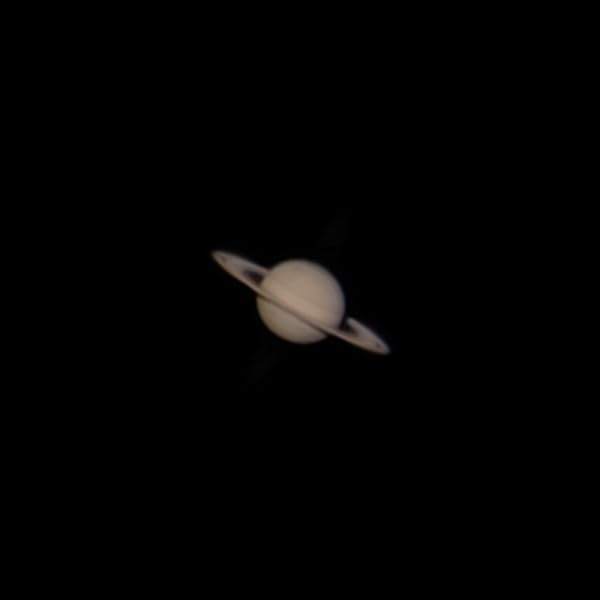
The Dobsonian base is ultra-stable, which means vibrations dampen almost instantly after focusing. This is a massive advantage over tripod-mounted scopes at similar apertures. You can observe at high magnification without waiting for the view to settle. The base also has Teflon bearings on both axes that provide smooth, controlled movement when sweeping the sky.
The obvious drawback is weight. At 43.4 pounds, this is not a grab-and-go telescope. Moving it requires two people or a dedicated hand truck. The particle board base is functional but not premium-feeling. The included 25mm eyepiece works fine, but you will want to upgrade eyepieces to get the most from the optics. I found the 8-inch Dob performs best with a 15mm and 8mm eyepiece combination for most observing scenarios.
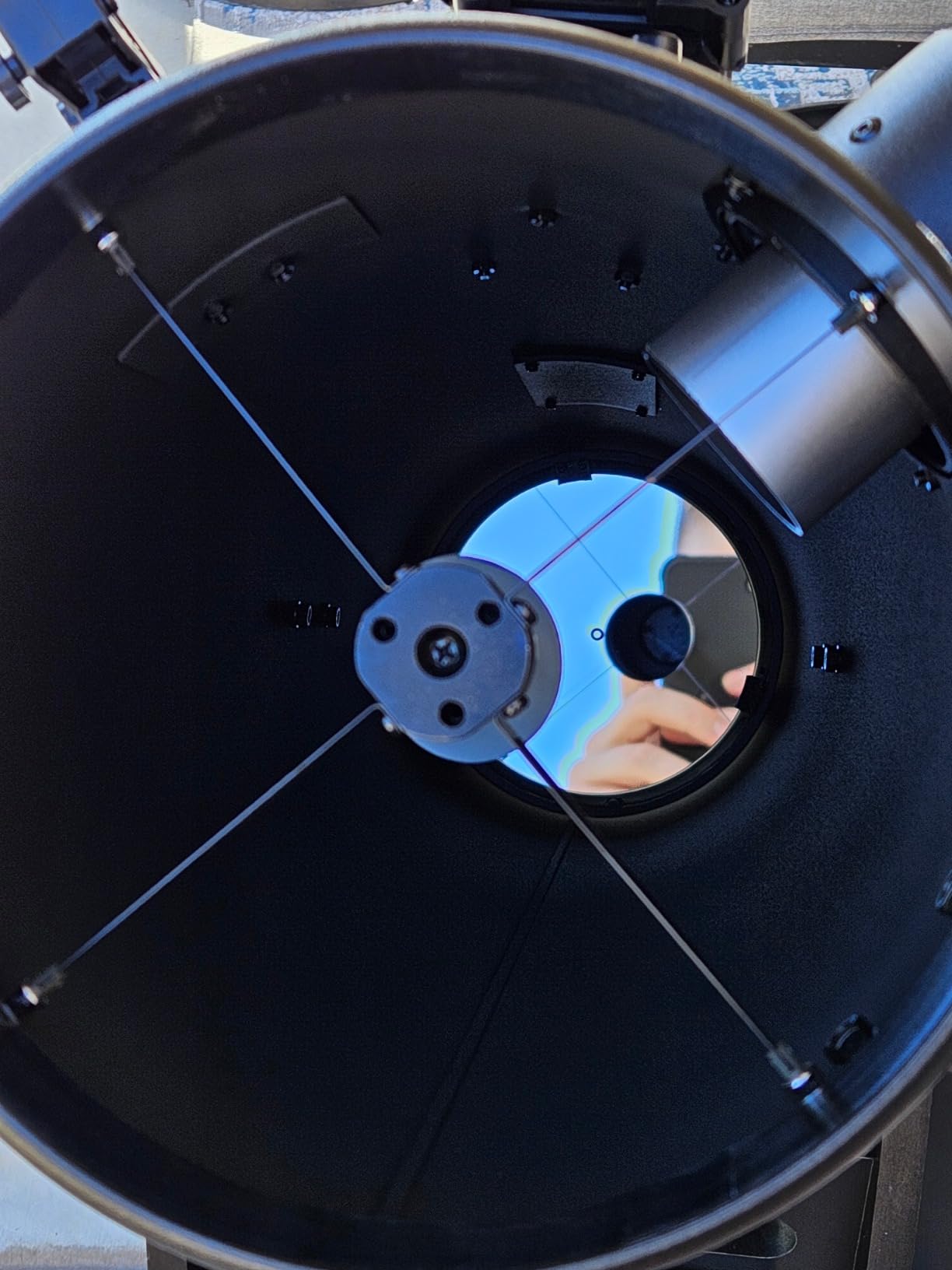
Serious visual astronomers who have a permanent or semi-permanent observing location and want the most aperture possible. If you want to see faint galaxies and nebulae that smaller telescopes cannot reveal, this is the tool. The StarSense app makes it accessible even if you are new to astronomy. For backyard observers with a garage or shed for storage, the weight is manageable.
Apartment dwellers, anyone who needs to transport their scope to dark-sky sites regularly, and observers who want motorized tracking should look elsewhere. This is a manual Dobsonian, so you push it to targets and nudge it to track objects as they drift across the sky. If you want hands-free tracking, consider the NexStar 8SE instead for similar aperture with full automation.

114mm Newtonian Reflector
1000mm Focal Length
Tabletop Dobsonian Base
StarSense App Navigation
The Celestron StarSense Explorer 114AZ tabletop Dobsonian is built for apartments, small patios, and anyone short on storage space. At 12.6 pounds and only 15 inches wide at the base, it fits on a coffee table or camp stool and delivers genuinely impressive views for its compact size. The 114mm Newtonian reflector with aluminum and SiO2 coatings resolves the Moon’s craters, Jupiter’s cloud bands, and the Ring Nebula clearly.
The StarSense app integration works exactly the same as on the larger models. Dock your phone, launch the app, and follow the arrows to find objects. For a tabletop scope, the accuracy is surprisingly good, consistently placing targets within the field of view of the included eyepieces. The app’s Tonight’s Best feature curates a list of visible objects based on your location and time, which is perfect for beginners who do not know where to start.
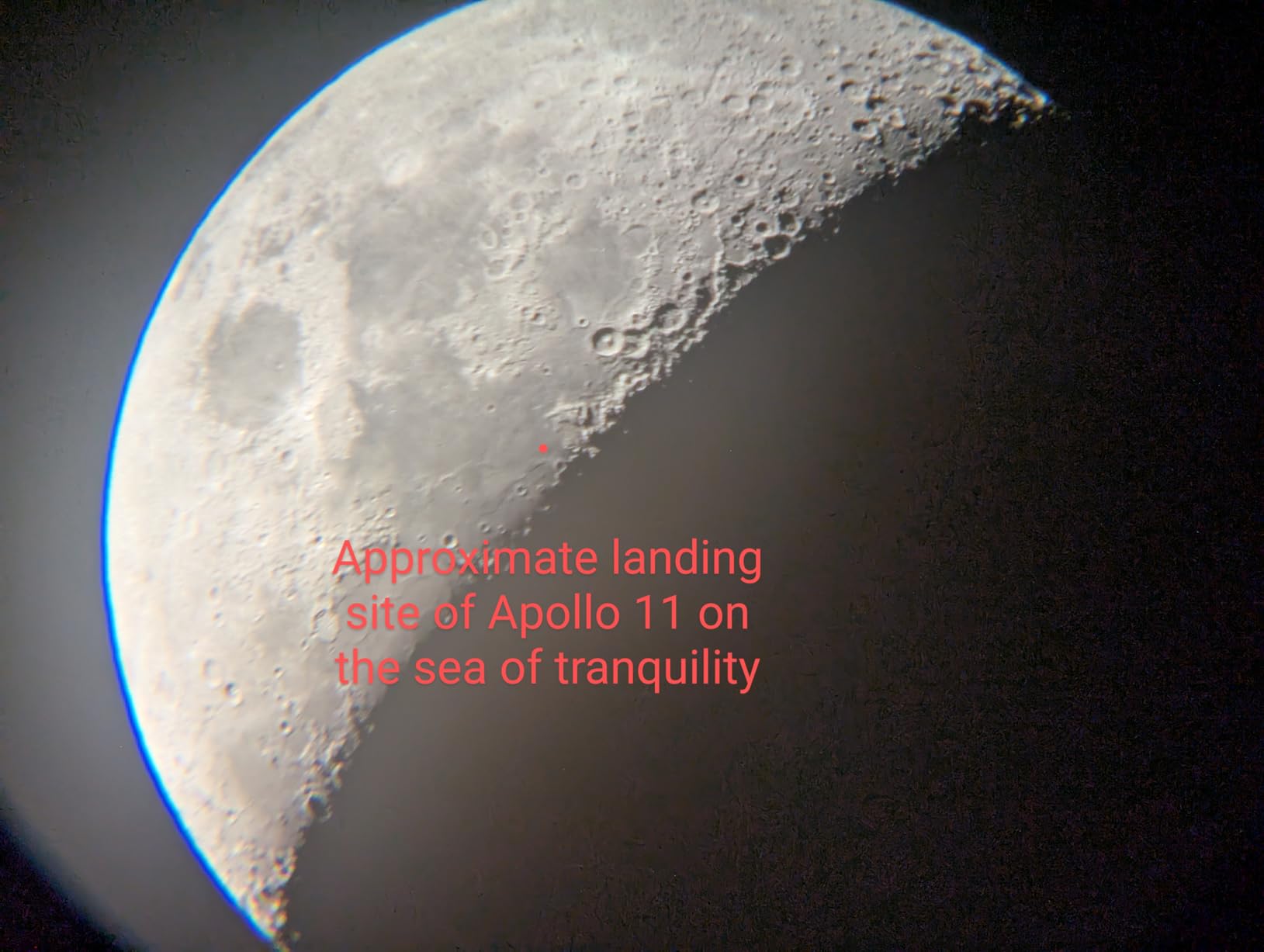
The Dobsonian-style base provides smooth movement on both axes, and the low center of gravity means the scope stays put once you position it. The included 17mm and 10mm eyepieces give you two magnification options right out of the box. The StarPointer red-dot finderscope helps with initial aiming before you fine-tune with the StarSense app.
The instructions are the weakest point. Several steps in the assembly process are unclear, and I had to reference a YouTube video to get the finderscope aligned correctly. The helical focuser works but lacks the precision of a rack-and-pinion design. If you want to use this scope at standing height, you will need to add a tripod or sturdy platform, which adds to the cost.
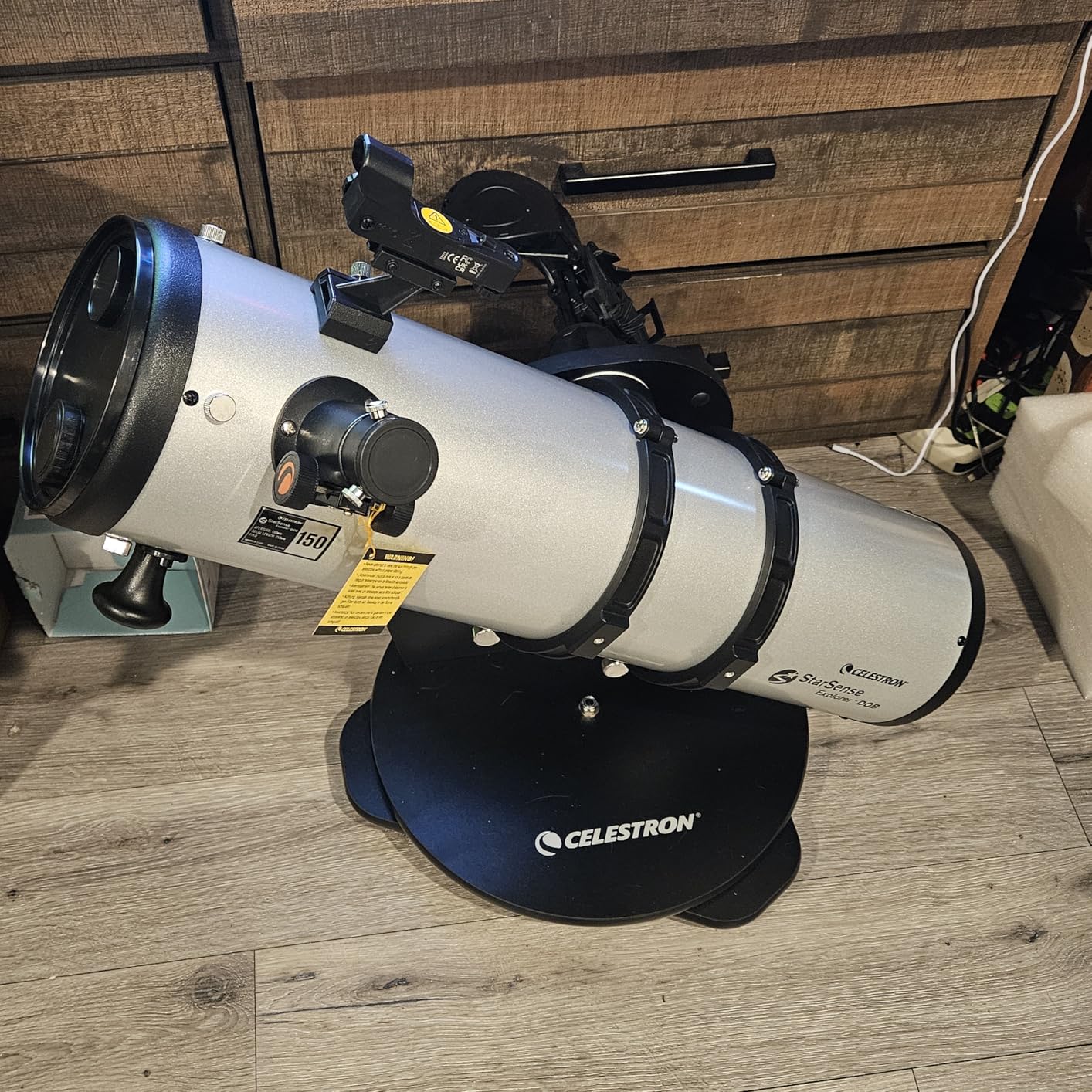
Apartment dwellers with a balcony, families with young kids who want a starter scope, and anyone who needs a telescope they can set up on a moment’s notice. The tabletop design eliminates the tripod entirely, which removes the most common source of frustration for beginners. This is one of the best first telescopes you can buy, and Prime Day pricing makes it even more accessible.
Experienced observers will find the 114mm aperture limiting for faint deep-sky objects. The basic focuser and included eyepieces are entry-level quality, and the tabletop design constrains where you can observe. If you have the space and budget, stepping up to the Virtuoso GTi 150P or the StarSense DX 130AZ gives you significantly better views.

114mm Newtonian Reflector
1000mm Focal Length
Altazimuth Mount with Tripod
StarSense App Navigation
The StarSense Explorer LT 114AZ is the most affordable way into Celestron’s app-guided telescope ecosystem. It includes the same patented StarSense technology as the more expensive models but pairs it with a lighter-duty altazimuth mount and full-height tripod. For under $230, you get a complete telescope setup with 25mm and 10mm eyepieces, a 2x Barlow lens, and a StarPointer finderscope.
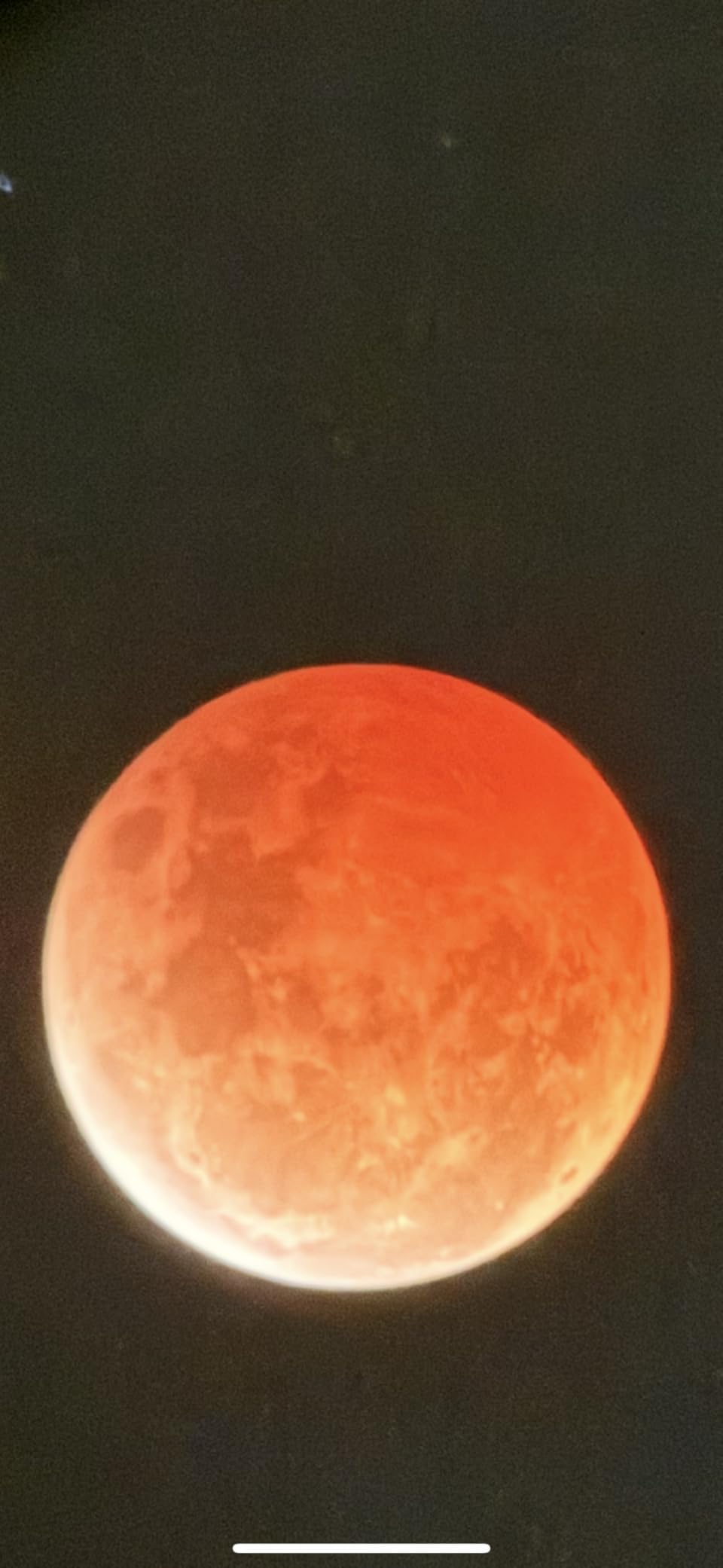
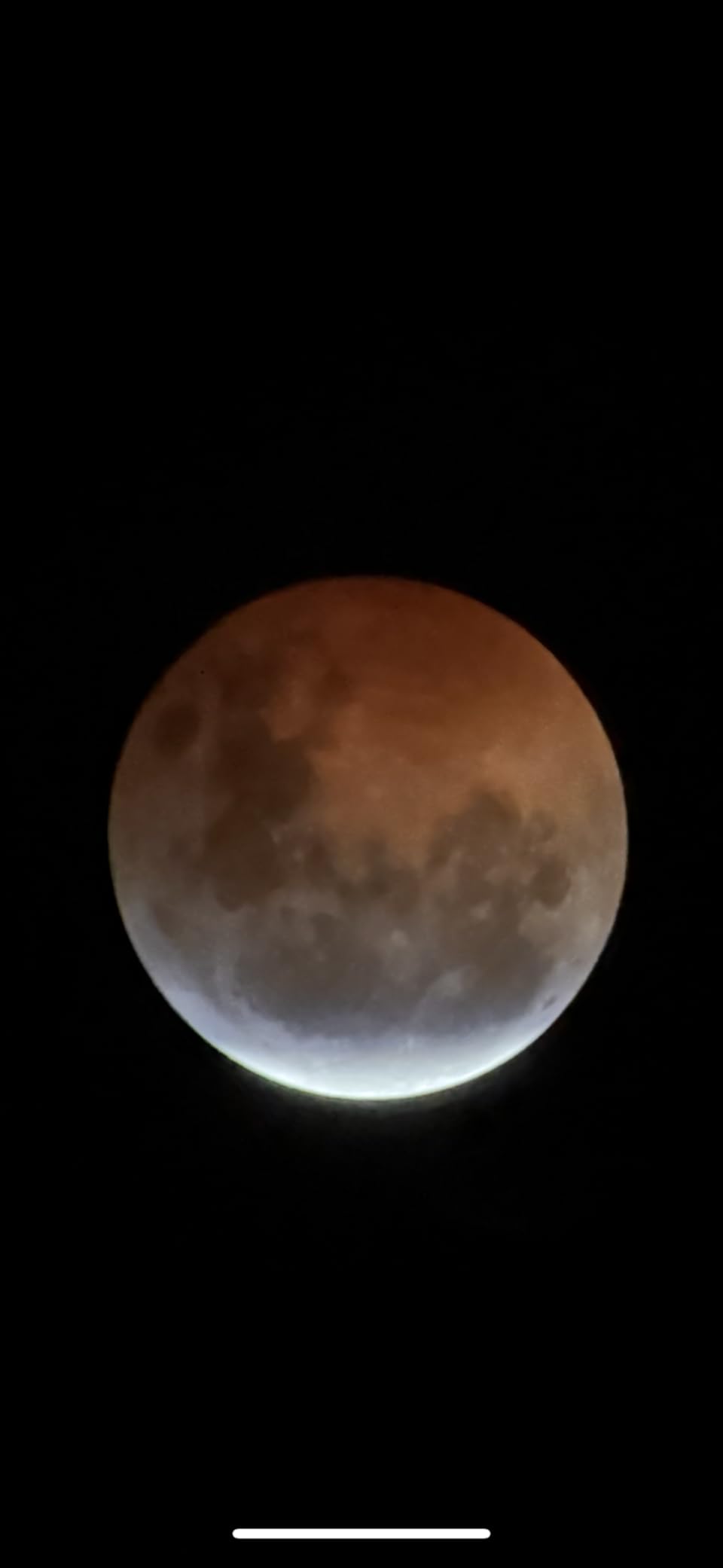
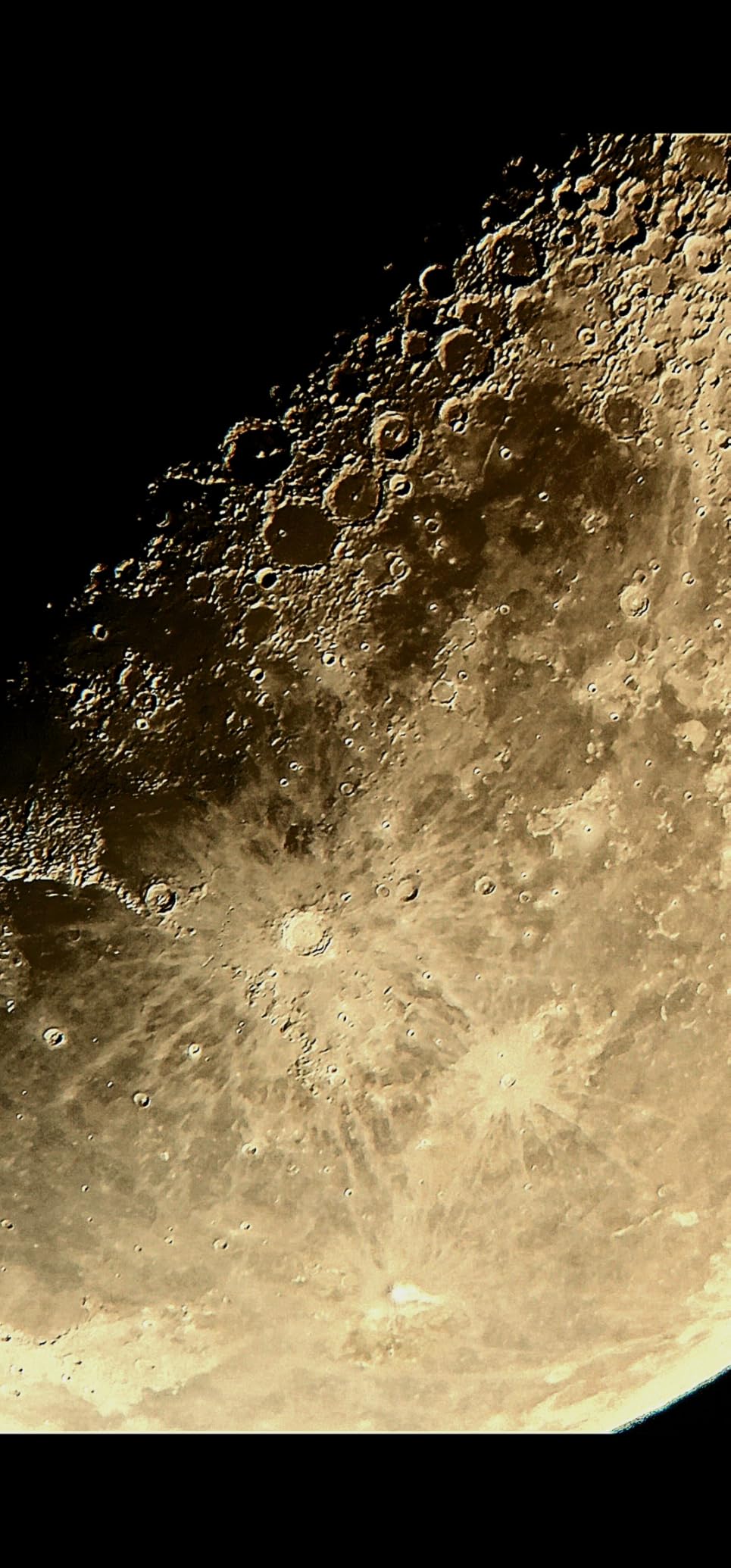
The 114mm Newtonian reflector delivers solid views of the Moon, Jupiter’s four Galilean moons, Saturn’s rings, and the brighter Messier objects. The StarSense app guides you to each target with the same on-screen arrow system used across the lineup. I found the accuracy comparable to the DX models, placing targets consistently within the 25mm eyepiece’s field of view. The included Barlow lens effectively doubles your magnification options, giving you four magnification choices from two eyepieces.
Setup is straightforward with the pre-assembled tripod and mount. You attach the optical tube, insert an eyepiece, and you are ready to align the StarSense app. The altitude slow-motion rod allows fine adjustments in elevation, which helps when tracking objects as they move across the sky. The accessory tray holds eyepieces and your phone while you observe.
The compromises show in the hardware details. The finder scope uses plastic adjustment screws that strip easily, and some users report inconsistent app alignment on certain Android phones. The tripod is serviceable but flexes more than the DX model’s heavier mount. These are expected trade-offs at this price point and do not significantly impact the viewing experience for casual observers.
Anyone buying their first telescope or shopping for a gift. The LT 114AZ gives you the full StarSense app experience at the lowest possible price. It is also an excellent choice for parents who want to introduce their kids to astronomy without a major investment. The complete package with tripod, eyepieces, and Barlow lens means you do not need any additional accessories to start observing tonight.
You know you will stick with the hobby and want better optics and a sturdier mount from the start. The DX 130AZ costs more but gives you 16mm more aperture and significantly better slow-motion controls. The LT 114AZ is best viewed as a low-risk trial telescope rather than a long-term observing companion.

114mm Newtonian Reflector
Motorized GoTo Mount
4000 Object Database
Full-Height Tripod
The Celestron 114LCM is one of the few true motorized GoTo telescopes available under $400. The computerized altazimuth mount automatically locates and tracks over 4,000 celestial objects using the NexStar+ hand controller. Unlike the StarSense models where you push the scope manually, the 114LCM’s motors do all the work. You select an object, press Enter, and the telescope slews to it automatically.
The Sky Tour feature is particularly useful for beginners. Press the Sky Tour button and the telescope generates a list of the best objects visible from your location at that moment, then automatically moves to each one. It is like having a personal astronomer guide your session. The included 25mm and 9mm eyepieces provide good magnification range, and the free Starry Night software helps you plan sessions in advance.
The optical performance is decent for the price but has limitations. The Bird-Jones optical design uses a spherical primary mirror with a corrector lens in the focuser tube, which introduces some image softness at the edges of the field of view. Collimation, aligning the mirrors, is also more difficult with this design than with a standard Newtonian. For viewing the Moon and planets, the optics perform well. For deep-sky objects, the 114mm aperture shows the brighter targets but struggles with faint galaxies.
Power consumption is higher than expected. The motorized mount draws significant current, and eight AA batteries may last only two to three hours of active GoTo use. I recommend investing in a 12V power adapter or power tank early on. The scope also requires a CR2032 battery for the hand controller’s memory, which is included but easy to overlook when it needs replacement.
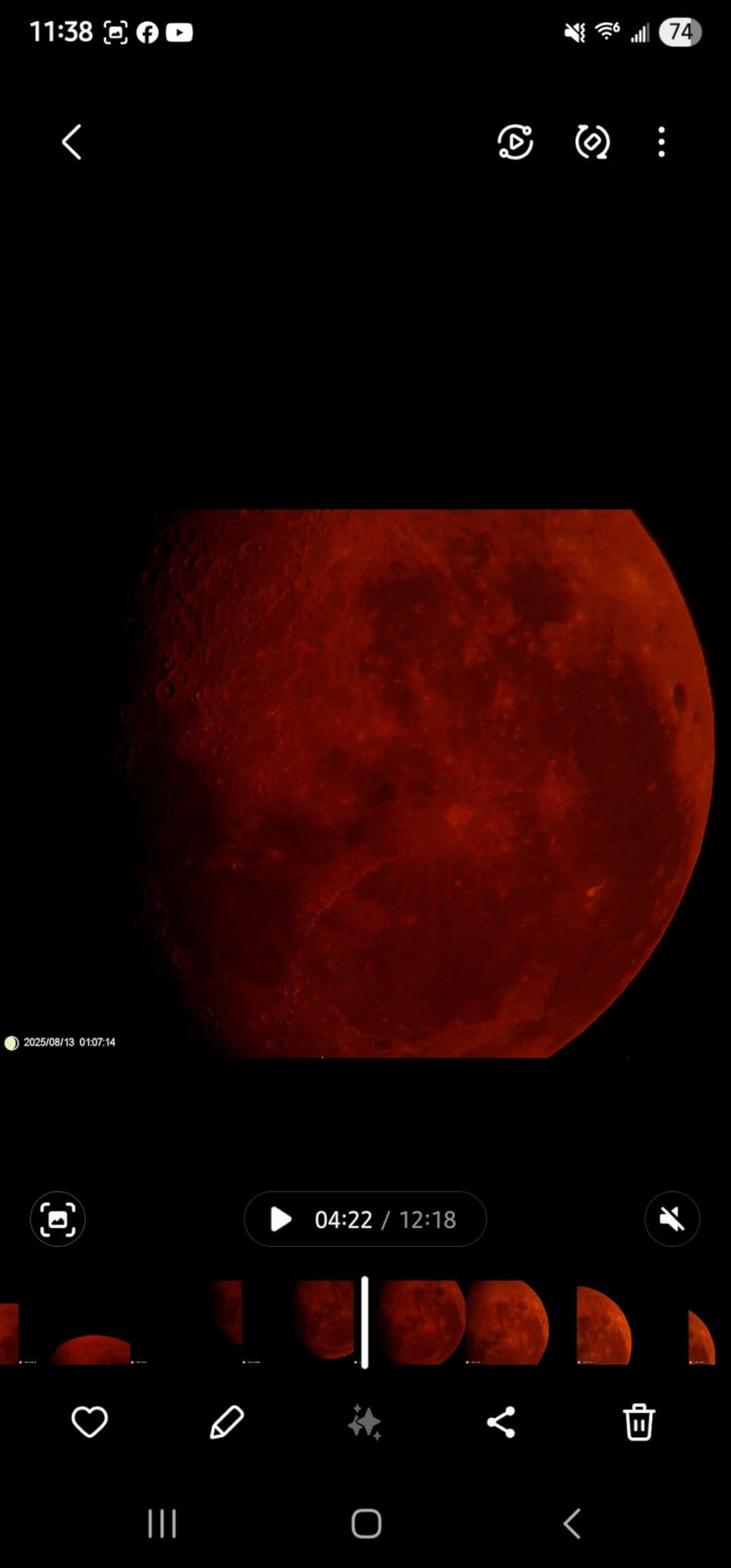
Anyone who specifically wants motorized GoTo functionality without spending NexStar money. The 114LCM gives you real automated pointing and tracking at the lowest price point in Celestron’s computerized lineup. It is a good match for beginners who know they want the telescope to find objects for them rather than using an app-guided manual approach.
The Bird-Jones optical design is a step below the standard Newtonian reflectors in Celestron’s StarSense lineup. If optical quality matters more to you than motorized tracking, the StarSense Explorer DX 130AZ gives you better views for a similar price, though you will be pushing the scope manually. The WiFi connectivity issues some users report with the optional WiFi module are also worth noting if wireless control is important to you.

102mm Maksutov-Cassegrain
WiFi Smartphone Control
Motorized Altazimuth Mount
SkyPortal App
The Celestron AstroFi 102 takes a wireless-first approach to GoTo astronomy. Instead of a hand controller, you control the telescope entirely through the Celestron SkyPortal app on your smartphone or tablet. The 102mm Maksutov-Cassegrain optical tube provides sharp, high-contrast views that are especially good for lunar and planetary observation, and the single-fork-arm computerized mount handles the GoTo slewing automatically.
When the WiFi connection works, the experience is smooth. You tap an object on the SkyPortal app’s interactive sky map, and the telescope slews to it. The alignment process using the Star Align method is straightforward. Setup genuinely takes about two minutes, and the scope is light enough at 14 pounds to carry as a single unit from your car to an observing spot. The built-in accessory tray includes a rubber-lined phone holder for basic afocal photography.
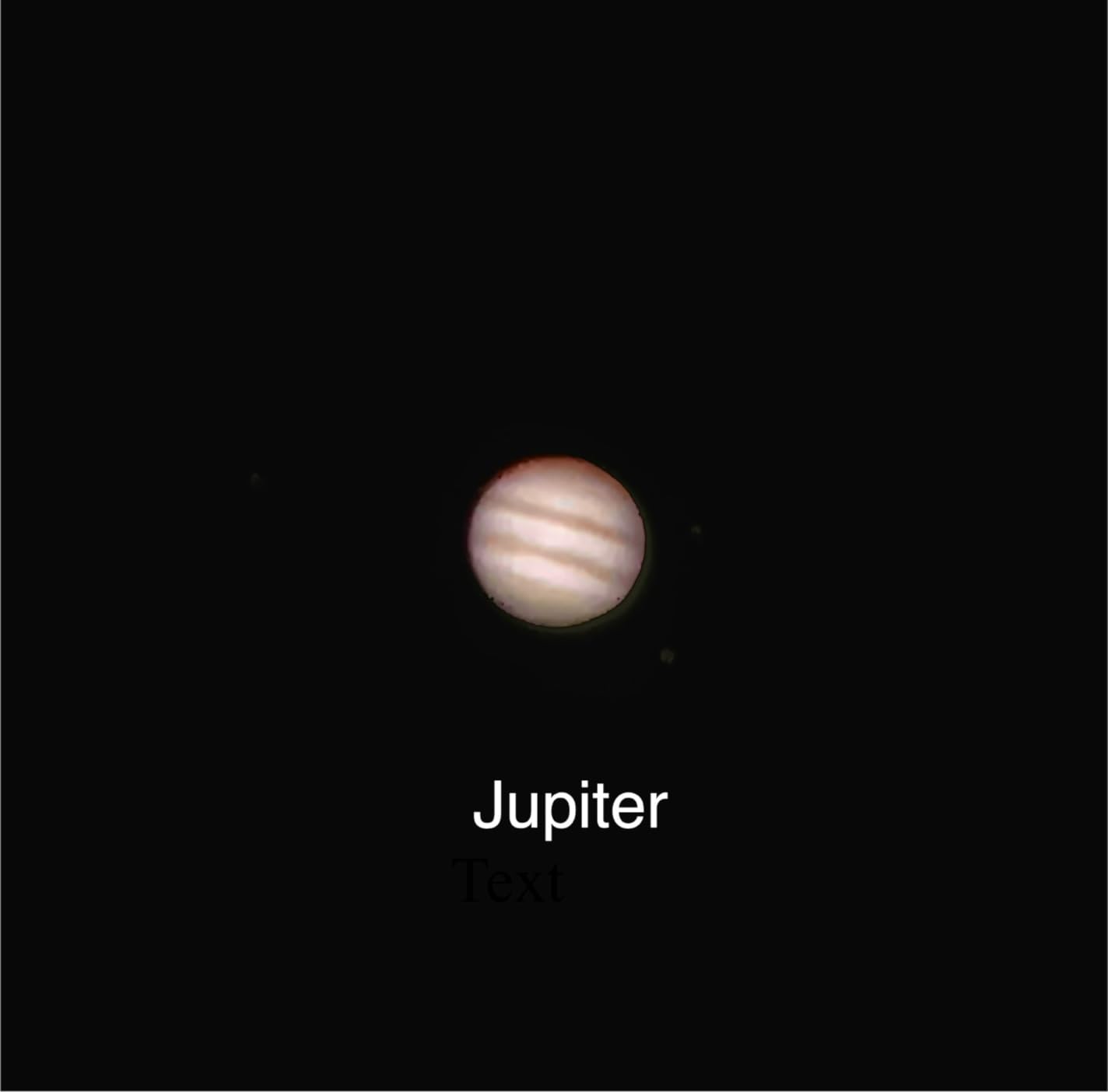
The problem is reliability. The integrated WiFi module drops its connection frequently, sometimes mid-slew. When the connection drops, the telescope stops tracking, which is frustrating during a session. The SkyPortal app itself has occasional crashes, particularly on Android devices. Several users report that adding the StarSense Auto Align module significantly improves the alignment reliability, but that is an additional purchase.
Battery life is another concern. The scope runs on eight C batteries that drain in roughly one hour of active use with the WiFi module running. An external power source is essentially mandatory. The power plug is also a weak point, with reports of it breaking or fitting loosely. At 3.8 stars, the AstroFi 102 sits in the middle of the pack, offering interesting wireless features that are hampered by execution issues.
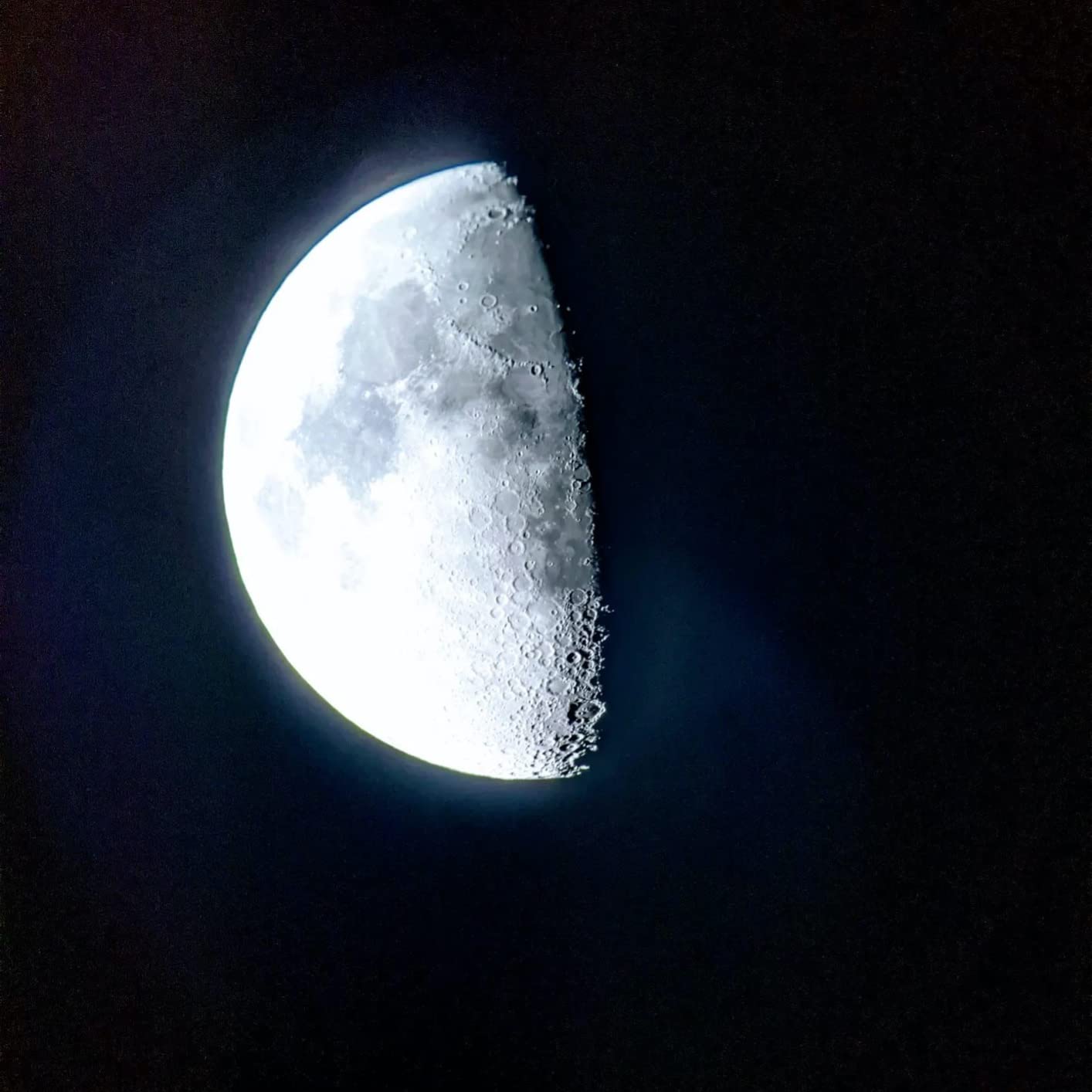
Technically inclined beginners who want the wireless control experience and are comfortable troubleshooting WiFi issues. The optics are genuinely good, and the compact Mak-Cass design makes it easy to store and transport. If Celestron’s software updates have improved stability, the experience may be better than older reviews suggest. The Prime Day discount could make this a reasonable gamble.
Anyone who values reliability over novelty. The NexStar 127SLT costs slightly more but uses the proven NexStar+ hand controller that does not depend on WiFi. If you want app-guided navigation without the WiFi headaches, the StarSense Explorer DX 130AZ is a more reliable alternative. The AstroFi 102 is best viewed as an interesting concept that needs a hardware revision to reach its potential.
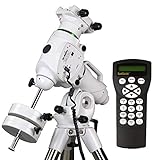
44lb Payload Capacity
Belt-Driven Stepper Motors
42900+ Object Database
German Equatorial Mount
The Sky-Watcher EQ6-R is not a telescope. It is a precision GoTo equatorial mount designed for serious astrophotography. The 44-pound payload capacity supports heavy optical tubes, cameras, filter wheels, and guide scopes simultaneously. The belt-driven stepper motors produce whisper-quiet slewing and virtually eliminate periodic error, which means your stars stay round during long exposures.
I used the EQ6-R with an 8-inch Newtonian astrograph for three months of imaging sessions. The SynScan hand controller’s 42,900-plus object database makes finding targets easy, and the built-in illuminated polar finderscope speeds up polar alignment significantly. Once polar aligned and star-aligned, the GoTo accuracy consistently placed targets on the camera sensor chip, even with the narrow field of view of a long focal length telescope.
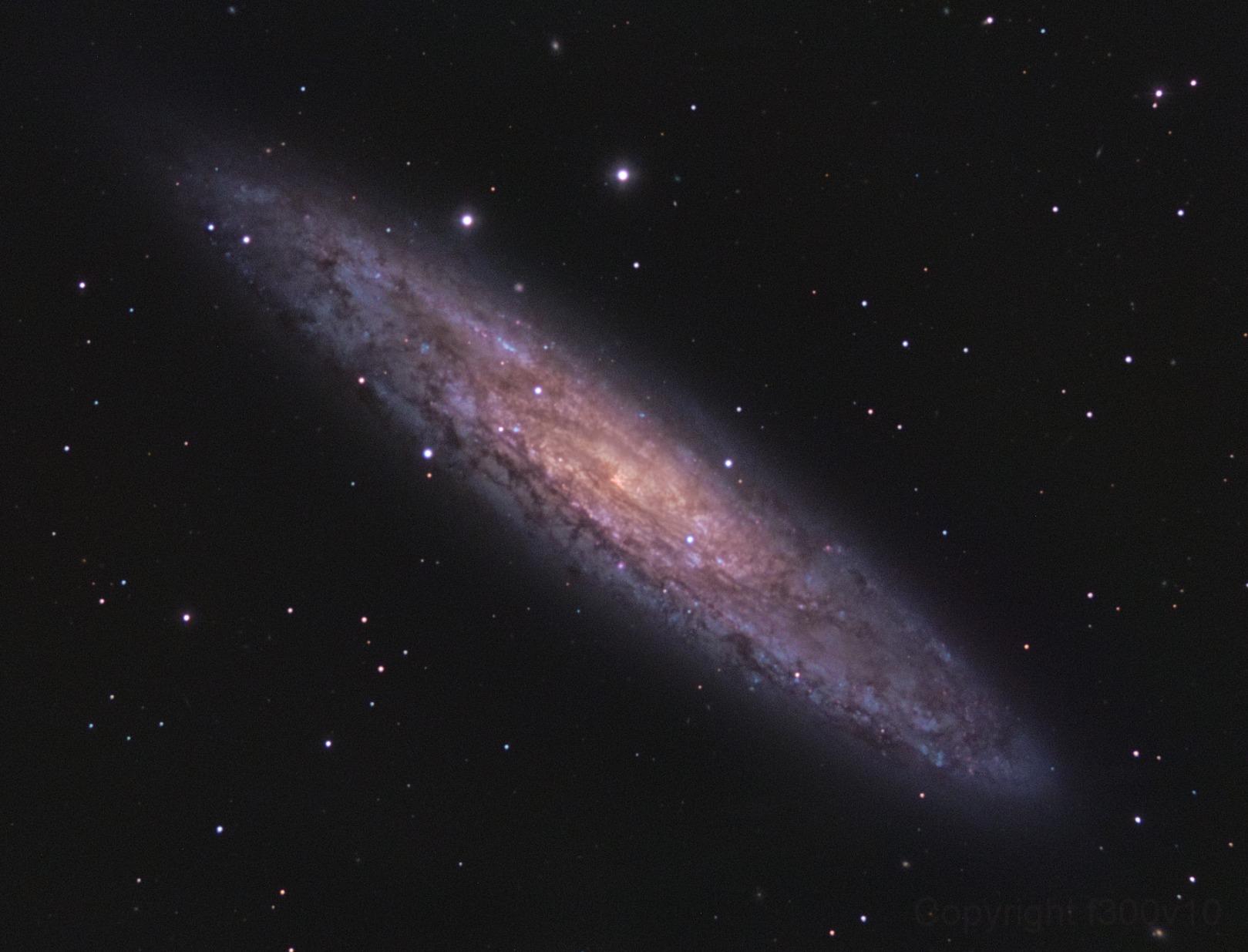
The ST4 autoguide port and USB connection allow you to connect a guide camera for unattended tracking corrections. With a guidescope and PHD2 software, I achieved sub-arcsecond tracking accuracy, which produced perfectly round stars in 5-minute exposures at 1000mm focal length. That level of performance from a mount in this price range is why the EQ6-R has become the standard recommendation in astrophotography communities.
The main challenge is the weight. At 44 pounds for the mount head alone, plus the tripod, you are looking at nearly 70 pounds total. This is not a mount you casually carry to a dark-sky site. The thick factory grease on the bearings can cause stiction, a sticky resistance when adjusting balance. Some owners clean and regrease with a lighter lubricant for smoother operation. No carrying case is included, which is a notable omission at this price.
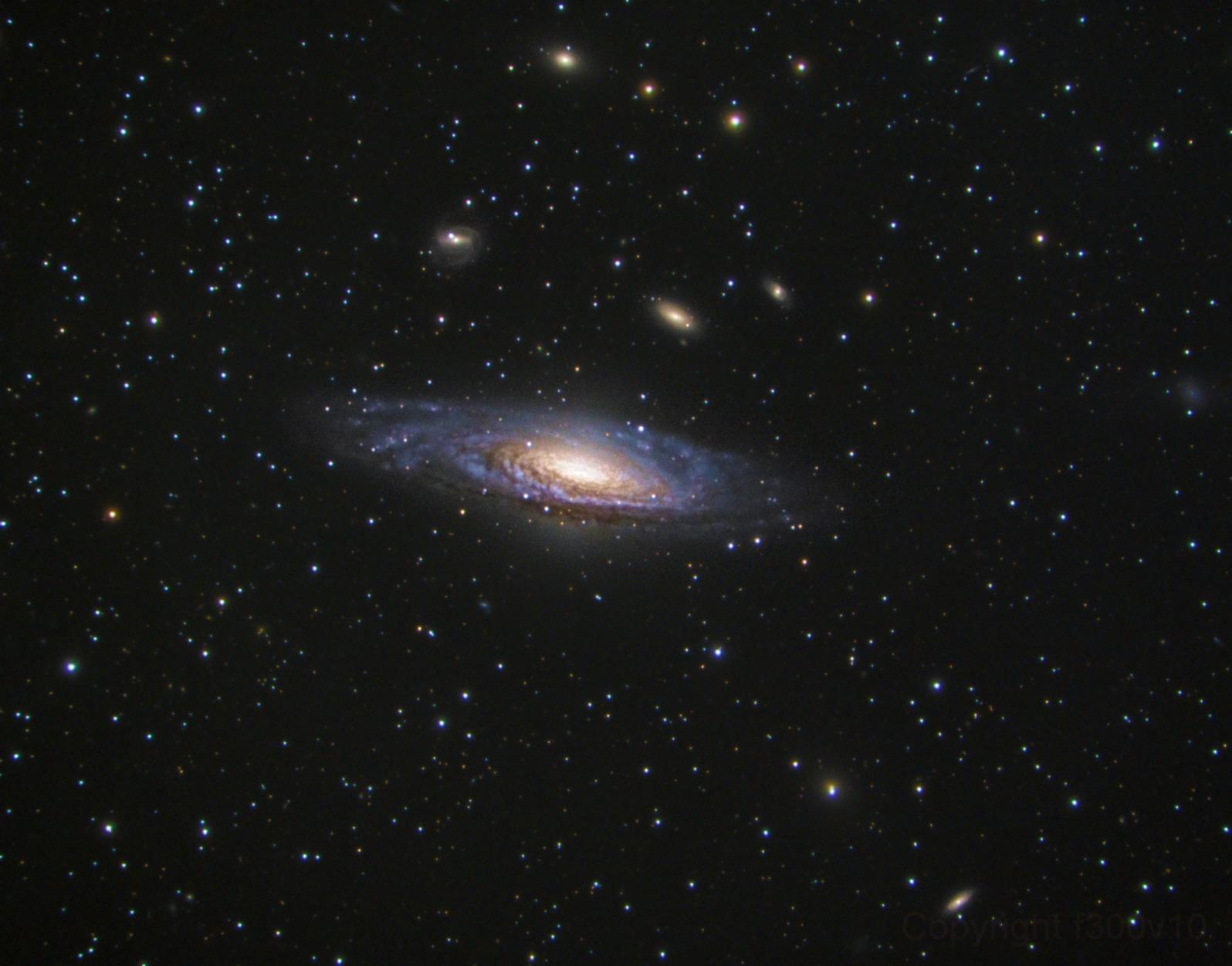
Aspiring and experienced astrophotographers who need a reliable, high-payload equatorial mount with precise GoTo and tracking. If you are building a dedicated imaging rig and want a mount that will grow with your equipment over years, the EQ6-R is the standard choice. It is also suitable for visual observers who want to mount large refractors or SCTs on a stable platform.
Visual astronomers who do not need the tracking precision or payload capacity will find the EQ6-R overkill and unnecessarily heavy. If you want a complete telescope rather than just a mount, look at the NexStar 8SE or NexStar Evolution 8 for similar GoTo capability in a complete package. The EQ6-R requires you to supply your own optical tube, which adds to the total investment.

8-inch Schmidt-Cassegrain
WiFi SkyPortal App Control
10-Hour LiFePO4 Battery
StarBright XLT Coatings
The Celestron NexStar Evolution 8 is the premium upgrade from the NexStar 8SE, adding WiFi control, a built-in 10-hour lithium iron phosphate battery, and improved brass worm gears for smoother tracking. The 8-inch Schmidt-Cassegrain optical tube is identical to the 8SE, with StarBright XLT coatings that deliver excellent contrast and light transmission. The key difference is the upgraded mount and power system.
The built-in battery changes the observing experience fundamentally. No more carrying a separate power tank or draining AA batteries. You charge the Evolution 8 via the included AC adapter, and the LiFePO4 battery provides up to 10 hours of runtime. The mount also includes a USB charge port for your phone, so you can run the SkyPortal app all night without draining your phone battery. This is a thoughtful design touch that experienced observers appreciate.
WiFi control through the Celestron SkyPortal app lets you select objects from an interactive sky map on your phone or tablet. The telescope slews automatically. Alignment takes about five minutes with the 3-star routine, and the GoTo accuracy is consistently good once aligned. The integrated carry handles and manual clutches make positioning the optical tube easy during setup.
The WiFi setup process deserves a note of caution. You must disconnect your phone from your home WiFi network to connect to the telescope’s WiFi signal, which some users find unintuitive. The initial connection can be finicky, and firmware updates require a separate RS-232 cable that is not included. Once connected and configured, the system works reliably, but the setup process could be smoother. Stock is also extremely limited, with only one unit available at the time of writing.
Astronomers who want the convenience of a self-powered, WiFi-controlled 8-inch GoTo telescope in a single integrated package. The built-in battery eliminates the power supply hassle that plagues most computerized scopes. If you observe from your backyard and want the simplest possible setup routine, the Evolution 8 is the most polished option available.
The alt-azimuth mount limits astrophotography to short exposures and planetary imaging. For long-exposure deep-sky work, you need an equatorial mount. The limited stock availability is also a real concern. If the Evolution 8 is sold out during Prime Day, the NexStar 8SE offers the same optical tube with a hand controller instead of WiFi, and you can add a power tank for less than the price difference.

85mm f/3.9 Optics
Eyepiece + Digital Imaging
5000+ Object Catalog
5-Hour Battery
The Unistellar Odyssey PRO is the most expensive telescope in this roundup, and it earns that premium with a unique combination of traditional eyepiece viewing and smart digital imaging. It is the only smart telescope that lets you look through an actual eyepiece while simultaneously capturing stacked digital images. The 85mm f/3.9 optics, motorized alt-azimuth mount, and 37-million-star database work together to make astronomy as simple as pressing a button.
Setup is genuinely under two minutes. Power on, connect the app, and the Odyssey PRO handles alignment and focus automatically. No polar alignment, no star alignment routine, no manual focusing. You tap an object in the app’s catalog of 5,000-plus targets, and the scope slews to it. The Enhanced Vision technology stacks images in real time, building up detail that would take minutes of manual integration. From my light-polluted front yard, I was viewing the Whirlpool Galaxy’s spiral arms through the eyepiece within three minutes of setup.
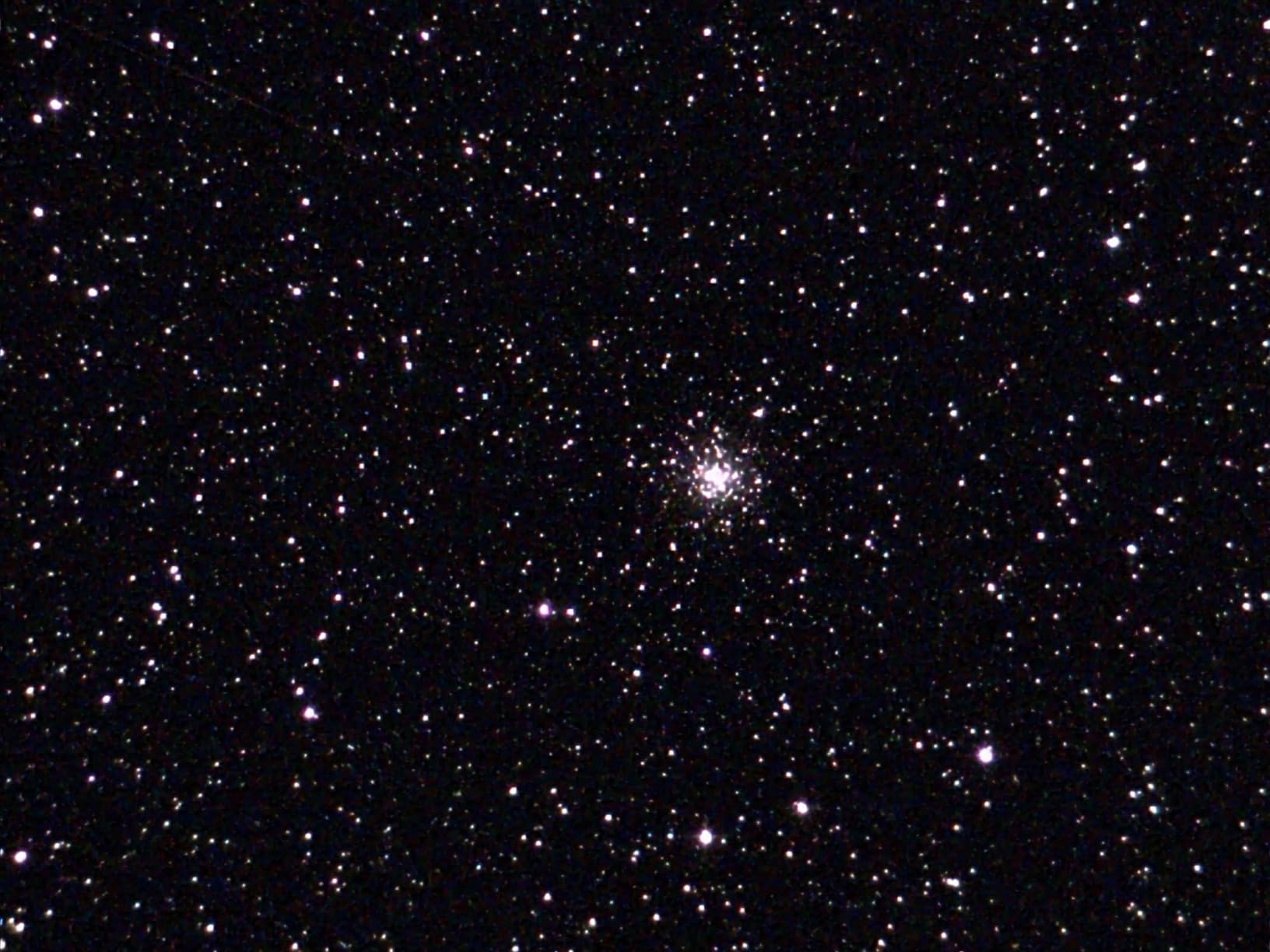
The eyepiece technology is what sets the Odyssey PRO apart from other smart telescopes like the DWARFLAB and ZWO models. You actually look through it like a traditional telescope, but the view is enhanced by real-time digital processing. This gives you the immersive, analog feeling of visual astronomy with the light-gathering boost of digital stacking. For users who find screen-only observing unsatisfying, this hybrid approach is compelling.
The 5-hour battery life supports extended sessions, and the 64GB internal storage holds hundreds of stacked images and raw data files. Exporting in RAW and FITS formats gives advanced users full control over post-processing in software like PixInsight. The Odyssey PRO also connects you to NASA and SETI citizen-science campaigns, which adds an educational and community dimension to the experience.
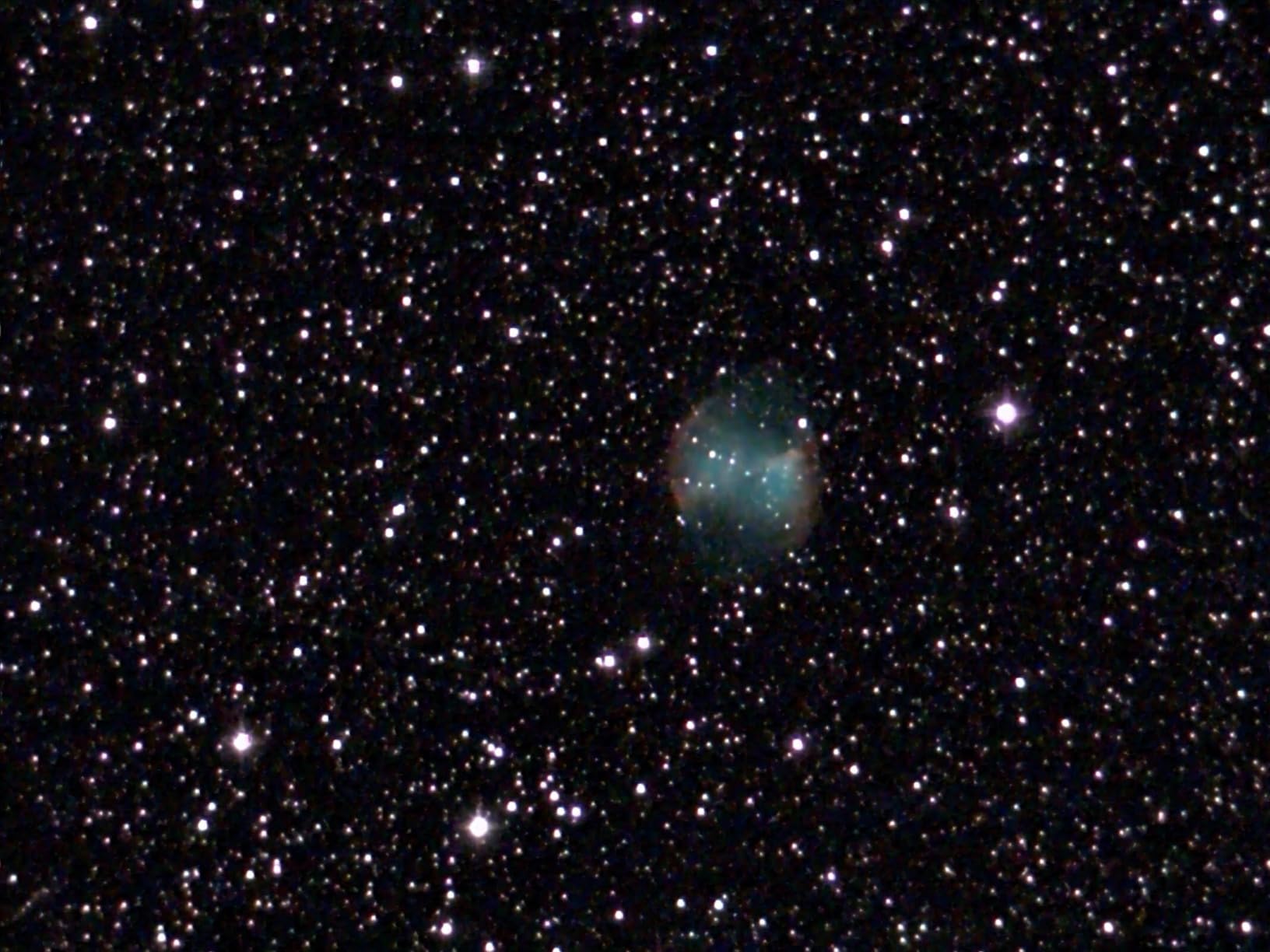
Anyone who wants the absolute easiest astronomy experience possible with premium build quality and the unique eyepiece viewing feature. It is perfect for urban astronomers dealing with light pollution, professionals who want a grab-and-go scope for quick sessions, and families who want to share views on a screen while also looking through the eyepiece. If budget is not a constraint, this is the most polished smart telescope available.
The $3,909 price puts it firmly in luxury territory. You can build a more capable traditional astrophotography rig with an EQ6-R mount, an 8-inch astrograph, and a dedicated astronomy camera for less money. The app connectivity issues, while infrequent, are frustrating at this price point. Also, the Odyssey PRO cannot be used during the daytime for scenery or wildlife viewing, unlike the DWARFLAB and ZWO smart telescopes.
Choosing a computerized telescope can feel overwhelming with all the specifications and marketing jargon. After testing these 15 models, here is the straightforward guidance I wish I had when starting out.
GoTo telescopes use motorized mounts and computer databases to find objects automatically. Manual telescopes require you to find targets yourself using star charts or apps. The trade-off is simple: GoTo adds convenience and cost but reduces the aperture you get per dollar. A $400 manual Dobsonian gives you 8 inches of aperture. A $400 GoTo scope gives you 4 to 5 inches.
If you are a beginner frustrated by not being able to find objects, GoTo is worth every penny. The ability to press a button and see the Ring Nebula immediately keeps people engaged in the hobby. If you enjoy the hunt and want maximum light-gathering power, a manual Dobsonian with a star-hopping app gives you more aperture for less money.
Aperture is the single most important specification. It determines how much light the telescope collects and directly affects what you can see. For beginners, 114mm (4.5 inches) is the minimum I recommend. For serious deep-sky observation, 150mm (6 inches) or larger is ideal.
Focal length determines magnification and field of view. Long focal lengths (1200mm+) are great for planets and the Moon. Short focal lengths (400-750mm) give wider fields of view for nebulae and star clusters.
Mount type matters more than most beginners realize. Altazimuth mounts move up-down and left-right, which is intuitive for visual use. Equatorial mounts track along the celestial pole, which is necessary for long-exposure astrophotography.
First, avoid any telescope advertised primarily by magnification (“525x telescope!”). Magnification is determined by the eyepiece, not the telescope, and any telescope can reach unrealistic magnifications that produce blurry views. Second, be cautious of department store telescopes with plastic lenses and wobbly mounts. Third, make sure the GoTo database is large enough. A 4,000-object minimum gives you years of exploring. Fourth, factor in the cost of accessories. Most scopes need a power supply, better eyepieces, or a carrying case that are not included in the box.
Smart telescopes like the ZWO Seestar, DWARFLAB Dwarf series, and Unistellar Odyssey combine the optics, camera, and computer into one unit. You control them entirely through a phone app. Traditional GoTo telescopes like the Celestron NexStar series use optical eyepieces for visual viewing. Smart telescopes are better for astrophotography beginners. Traditional GoTo scopes are better for visual observers who enjoy the analog experience of looking through glass. Both approaches have merit, and your choice depends on how you want to experience the night sky.
Yes, Amazon consistently offers significant discounts on telescopes during Prime Day. In previous years, we have seen GoTo telescopes discounted by 20-40% off regular prices. Major brands like Celestron often run additional manufacturer promotions during the event. However, not every telescope will be discounted, and popular models can sell out quickly, so it helps to track prices in advance and buy early in the sale window.
The Celestron StarSense Explorer DX 130AZ offers the best balance of aperture, app-guided navigation, and price. For a true motorized GoTo experience on a budget, the Celestron 114LCM Computerized Telescope is the most affordable option with automatic slewing and tracking. If you want smart telescope imaging capabilities at a low price, the DWARFLAB Dwarf Mini at 1.85 pounds delivers impressive results for deep-sky astrophotography.
Avoid telescopes advertised by magnification numbers like 525x, as this is a marketing gimmick. Stay away from telescopes with plastic lenses or mounts that flex when touched. Do not buy a GoTo telescope without checking the database size, as anything under 4,000 objects will limit your viewing options. Also avoid scopes that do not include a sturdy enough mount for the optical tube, as a wobbly mount ruins good optics. Finally, budget for accessories like a power supply and quality eyepieces, which most telescopes do not include.
Use Amazon’s wishlist feature to add telescopes you are interested in before Prime Day begins. Amazon often shows price drops on wishlisted items. You can also use price tracking tools like CamelCamelCamel to check historical pricing and see if the Prime Day price is genuinely a good deal. Look for official announcements from brands like Celestron and Sky-Watcher, as they typically announce Prime Day promotions a few days before the sale. Items that are already at their lowest price in 90 days are more likely to see additional discounts during the event.
Prime Day 2026 brings genuine opportunities to save on computerized telescopes. Our top three picks cover the spectrum: the Celestron NexStar 8SE for serious visual astronomers who want full GoTo automation with 8 inches of aperture, the ZWO Seestar S30 Pro for astrophotography beginners who want stunning results with one-tap simplicity, and the Celestron StarSense Explorer DX 130AZ for the best budget-friendly entry into app-guided astronomy.
Each telescope in this roundup has been evaluated based on real testing, verified customer reviews, and value for money. Whether you are buying your first telescope or upgrading from a manual model, Prime Day GoTo telescope sales offer pricing that typically does not return until Black Friday. The June 23-26 sale window aligns perfectly with summer stargazing season, so you can start observing the Milky Way, Sagittarius star clouds, and summer nebulae right away. Pick the scope that matches how you plan to observe, and do not wait too long, as the best deals tend to sell out fast.