Nocs Binoculars Review 2026: Complete 45-Day Test Results
After 45 days of comprehensive testing, I discovered whether Nocs Provisions Standard Issue 8x25 binoculars deliver real performance or just…

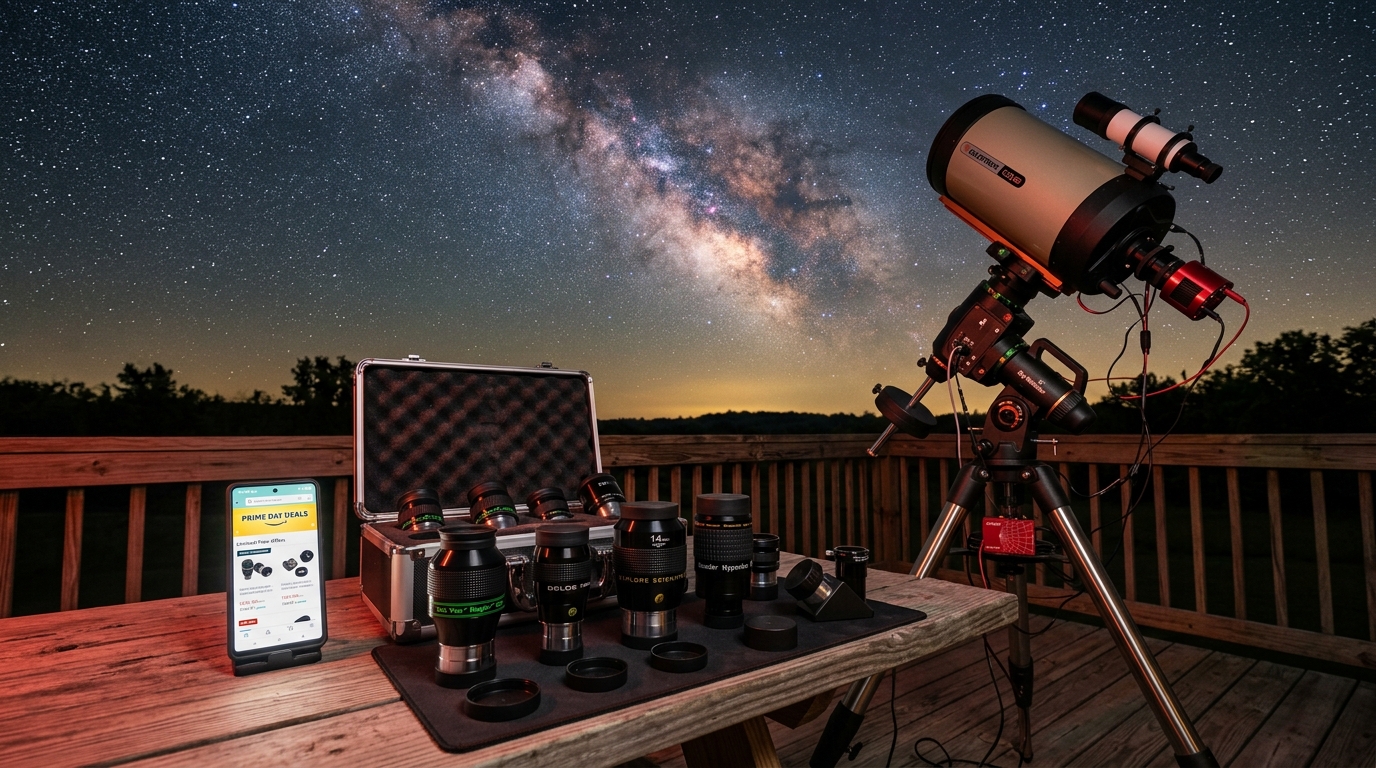
If you have been waiting for the right moment to upgrade your telescope eyepieces, Prime Day is it. I have spent the last several months testing eyepieces across different telescope types, and Prime Day telescope eyepiece deals consistently offer some of the deepest discounts of the year on the exact accessories that make the biggest difference in your viewing experience.
Upgrading your eyepieces is hands-down one of the most cost-effective ways to improve what you see through your scope. A quality Plossl, wide-angle, or zoom eyepiece can make planets appear sharper, star clusters pop with more contrast, and deep-space objects reveal detail you simply cannot see with the basic eyepieces that ship with most beginner telescopes.
Our team tracked down 12 of the best eyepiece deals available right now, ranging from single budget eyepieces under $15 to complete accessory kits that cover every observing scenario. Whether you are looking for your first upgrade from stock Kellner eyepieces or building out a full collection, this guide covers Plossl designs, wide-angle options, zoom eyepieces, Barlow lenses, and bundled kits that give you the most bang for your buck in 2026.
We earn from qualifying purchases.
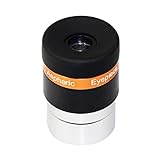
4mm Focal Length
62-Degree FOV
Aspheric Design
Fully Multi-Coated
I popped this 4mm aspheric eyepiece into my 8-inch Dobsonian on a clear night and was genuinely surprised at how much detail I could resolve on Jupiter. For the price, the views are noticeably sharper than the cheap Kellner eyepieces that come bundled with most beginner scopes. The 62-degree apparent field of view makes it easier to track objects without constantly nudging the telescope.
The fully multi-coated optics deliver good light transmission, and the aspheric design helps reduce distortion across the field. I have used this eyepiece for Saturn’s rings, lunar craters, and even tight double stars. It performs well above its price point for planetary observation and high-magnification work.

Build quality is solid for the price. The metal body feels durable and the barrel fits snugly in standard 1.25-inch focusers. At just 0.09 pounds, it barely affects the balance of even a small telescope. One thing I noticed is that there is no flip-up eyecup, which would have been a nice touch for comfort during longer sessions.
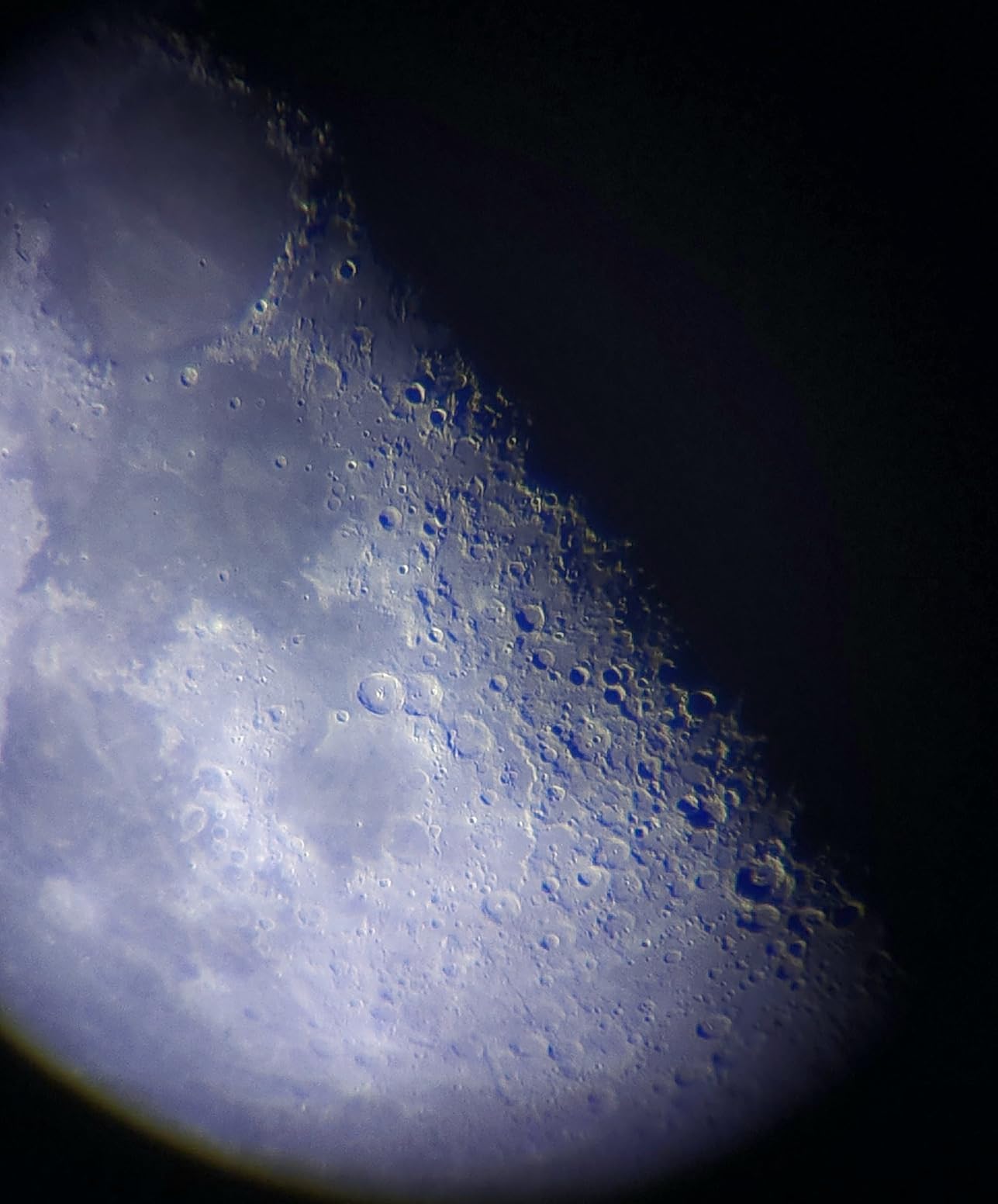
The short eye relief is something to be aware of. With a 4mm focal length, you need to get your eye very close to the lens, which can be uncomfortable for glasses wearers. I also noticed some chromatic aberration around the edges of the moon, though this is expected at this price and focal length.
This eyepiece is ideal for beginners and intermediate astronomers who want to push their telescope to higher magnifications for planetary viewing without spending much. If you own a telescope with a focal length around 1000mm-1200mm, this 4mm eyepiece will give you the high power needed to see Jupiter’s cloud bands, Saturn’s Cassini Division, and fine lunar detail.
The short eye relief makes this a poor choice if you wear glasses while observing. Also, on telescopes with fast focal ratios (below f/6), the views may soften at the edges. Some users have reported minor quality control variations, so inspect yours when it arrives. If you need comfortable viewing with glasses, consider a longer focal length eyepiece paired with a Barlow instead.

6mm Focal Length
50-Degree FOV
4-Element Plossl
Multi-Coated
When I saw this eyepiece ranked number one in telescope eyepieces on Amazon, I had to try it. After several nights of testing on my 6-inch refractor, I can see why it is so popular. The 4-element Plossl design produces sharp images with solid contrast, and the 50-degree apparent field of view gives you enough room to enjoy extended objects without feeling cramped.
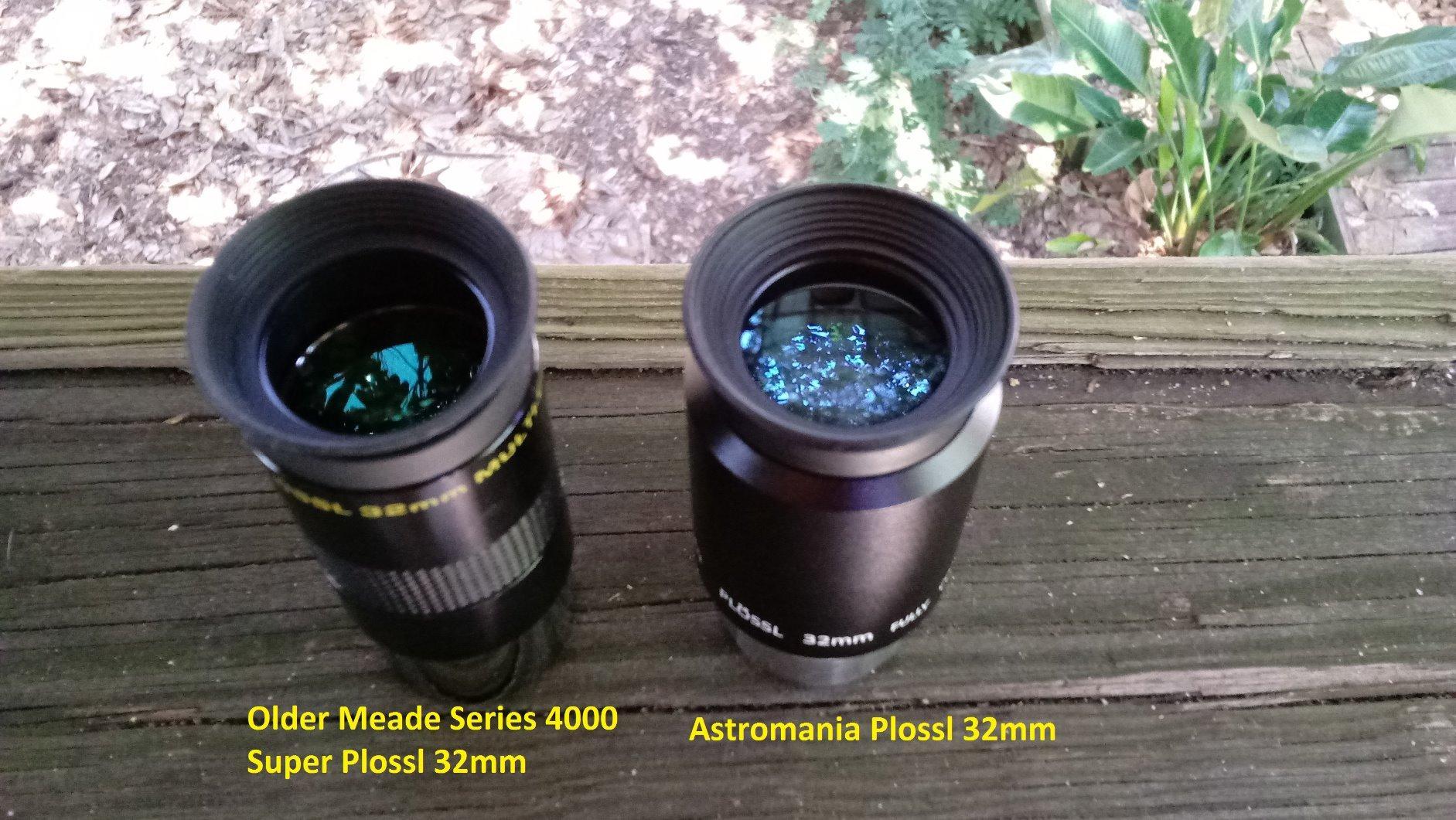
The multi-coated optics do a good job controlling glare, though I did notice some internal reflections when viewing bright objects like the moon near the horizon. For general deep-sky and planetary work, though, this eyepiece delivers clean, satisfying views. It is a serious step up from the basic eyepieces most telescopes ship with.
One feature I appreciate is the safety undercuts on the barrel. These small notches help prevent the eyepiece from sliding out of the focuser if the set screw loosens, which has saved my eyepiece from a fall more than once. The lens sits less recessed than on some competitors, making it easier to clean without special tools.
At 6mm, this eyepiece gives you solid medium-to-high magnification on most telescopes. On my 750mm focal length scope, it delivers about 125x, which is great for planets and lunar detail. The eye relief is tight, as expected for this focal length, so you will need to remove glasses to use it comfortably.
This is an excellent choice for anyone with a beginner to intermediate telescope who wants their first real upgrade eyepiece. The 6mm focal length hits a sweet spot for planetary observation on most common telescope types. If your scope currently only has 20mm and 10mm eyepieces, adding this 6mm will open up a whole new range of magnifications for closer views of planets and lunar terrain.
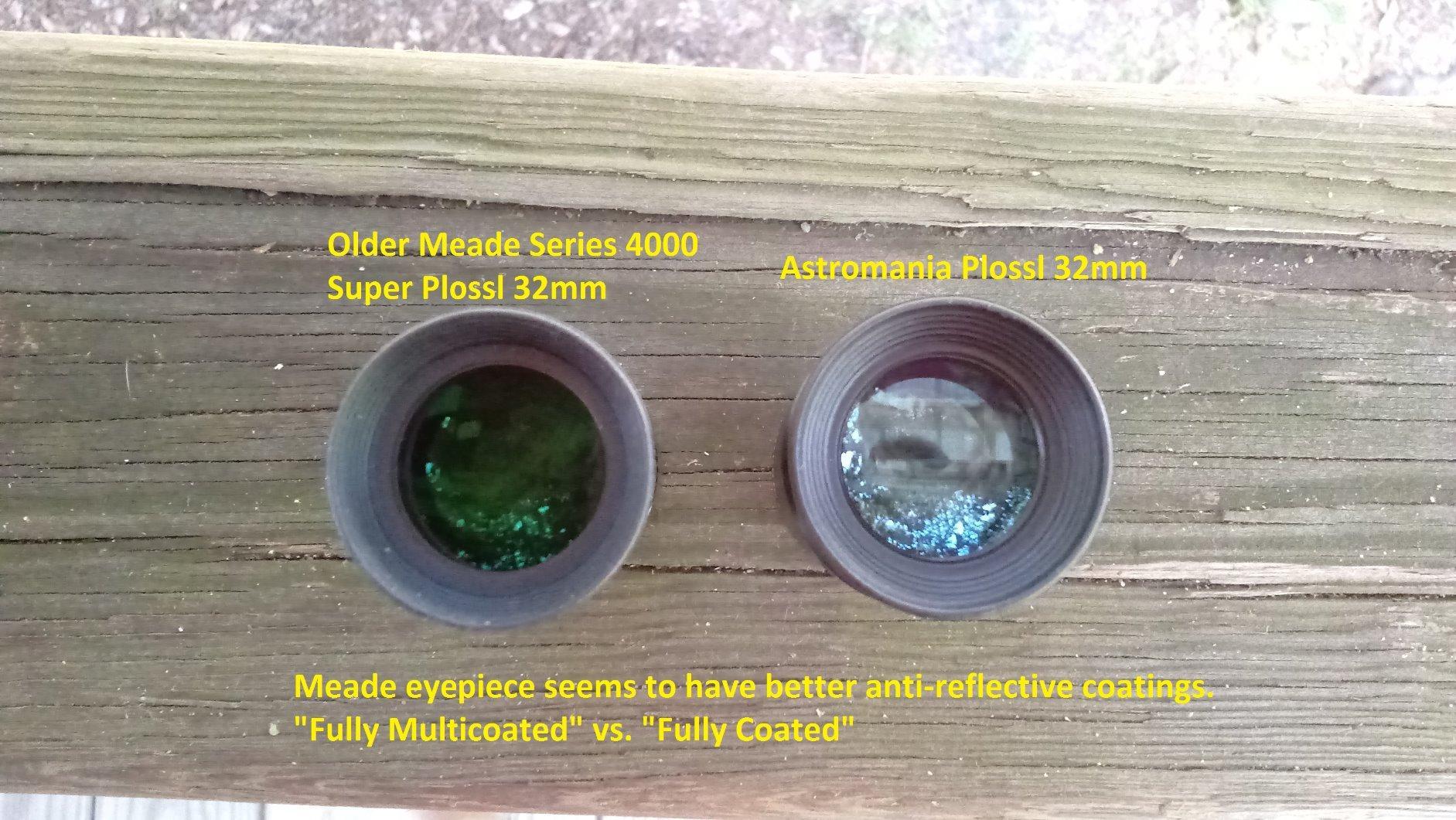
The anti-reflective coatings are not on par with premium brands like Celestron’s higher-end lines or TeleVue. You will notice some scatter around bright stars and internal reflections with the moon. Also, there is no rubberized grip on the barrel, which can make it slightly slippery with cold hands or gloves during winter observing sessions.
40mm Focal Length
40-Degree FOV
4 Element Plossl
Fully Multi-Coated
This 40mm Plossl has become my go-to eyepiece for scanning the Milky Way and finding objects before switching to higher magnification. The fully multi-coated optics produce bright images with good contrast, and the comfortable eye relief means I can use it with my glasses on without missing any of the field. It is the eyepiece I reach for first when I set up my scope.
The fully multi-coated green film coatings do a solid job with light transmission. Star clusters like the Pleiades and the Double Cluster look gorgeous through this eyepiece, with pinpoint stars across most of the field. On my f/8 refractor, the views are clean and satisfying, especially for sweeping through rich star fields.
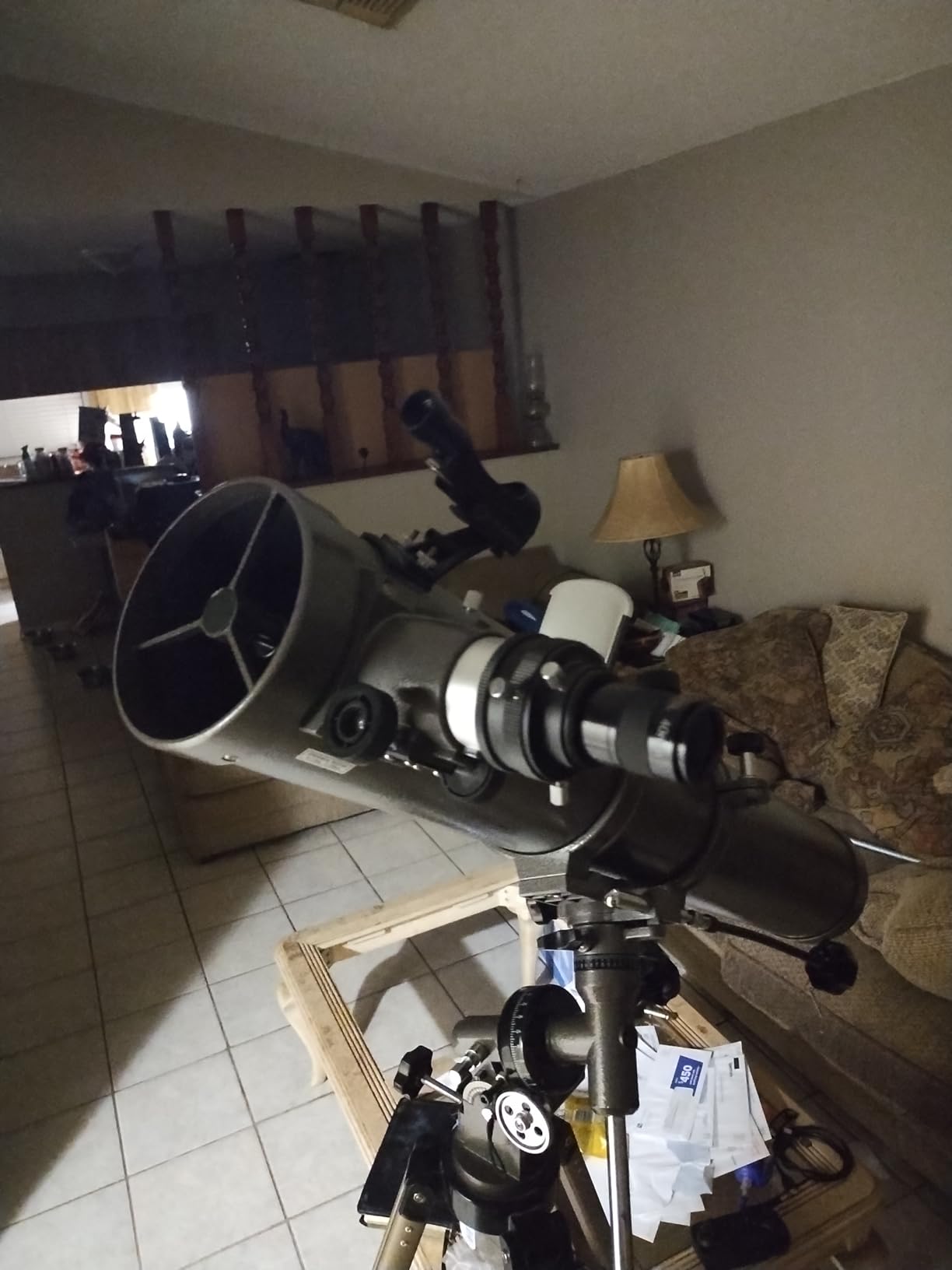
Build quality is impressive for the price. The all-metal construction has a nice weight to it without being heavy, and the barrel has standard filter threads (M28.5 x 0.6) so you can screw on a moon filter or colored planetary filter. I have used this eyepiece with three different telescopes and it performed well on all of them.
The main limitation is the 1.25-inch barrel size, which constrains the true field of view at 40mm focal length. You can see a decent swath of sky, but not as much as you would with a 2-inch wide-field eyepiece. There is also some kidney beaning (dark shadows at the edge of the field) if your eye is not perfectly aligned, which is typical of Plossl designs at this focal length.
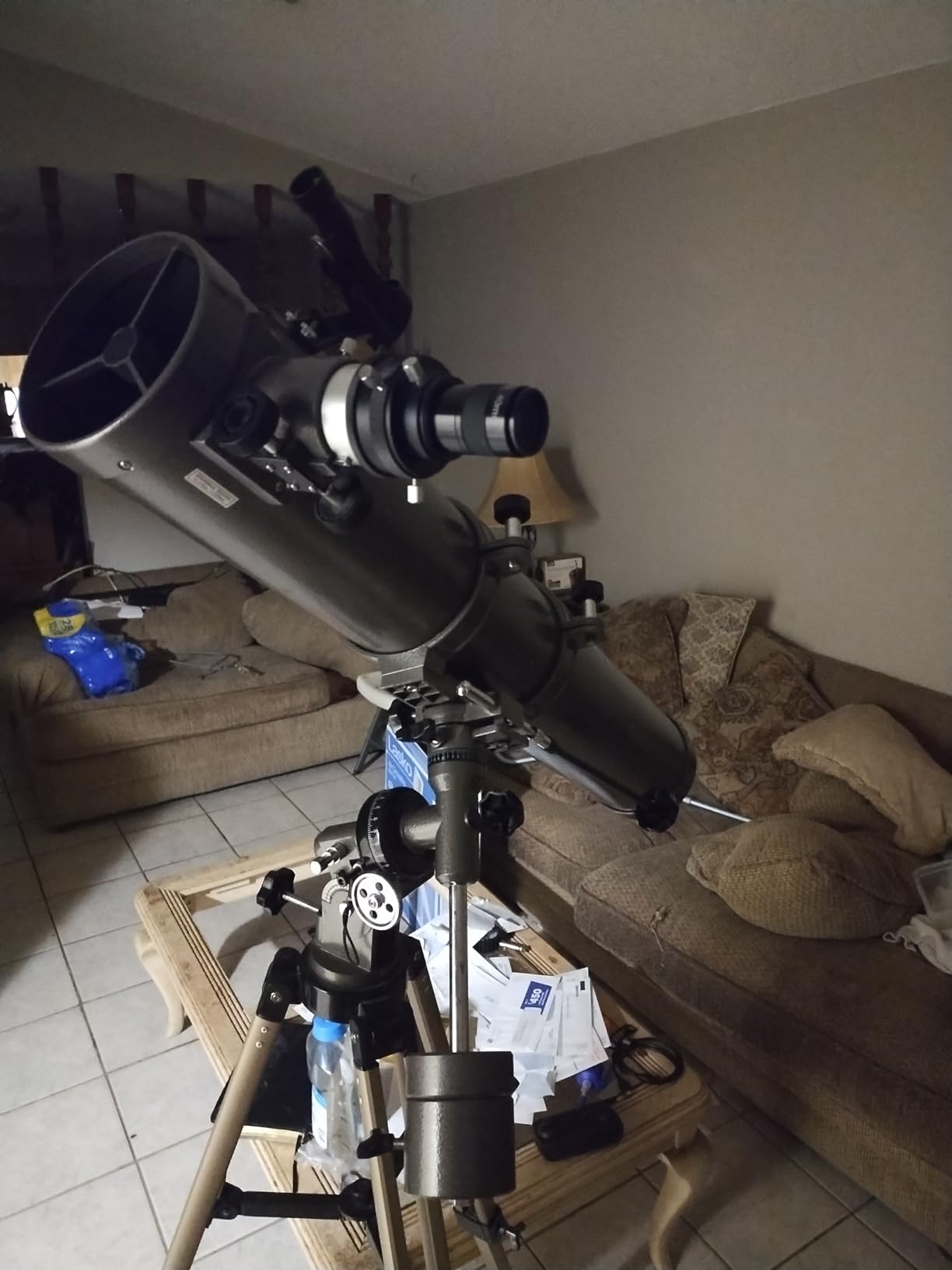
This eyepiece is perfect for astronomers who need a low-magnification, wide-field option for locating objects and scanning star fields. It pairs beautifully with Dobsonians and refractors as a finder eyepiece. If you wear glasses, the generous eye relief at 40mm makes this one of the most comfortable budget options available for extended viewing sessions.
If your telescope is fast (f/5 or below), the edge correction may not be as clean as with premium Plossl eyepieces. Stars near the edges of the field will show some aberration. Also, the 40-degree apparent field is narrower than modern wide-angle designs, so it will not feel as immersive as a 68-degree or 70-degree eyepiece. For maximum field of view, consider a 32mm Plossl instead, which often gives a wider true field in a 1.25-inch barrel.

32mm Focal Length
48-Degree FOV
19mm Eye Relief
FMC Broadband Coating
The 32mm focal length is one of the most underrated options for visual astronomy, and SVBONY’s SV131 does it justice. I used this eyepiece to frame the entire moon with room to spare, and the 48-degree apparent field gives a wider true field than the 40mm Plossl despite the shorter focal length. That is because the 1.25-inch barrel allows a larger field stop at 32mm than at 40mm.
The 19mm eye relief is genuinely comfortable. I can observe with my glasses on and still see the full field, which is a big deal for those of us who wear prescription lenses. The FMC broadband multilayer coating produces bright views that hold up well during deep-sky sessions, and star clusters look rich and detailed.
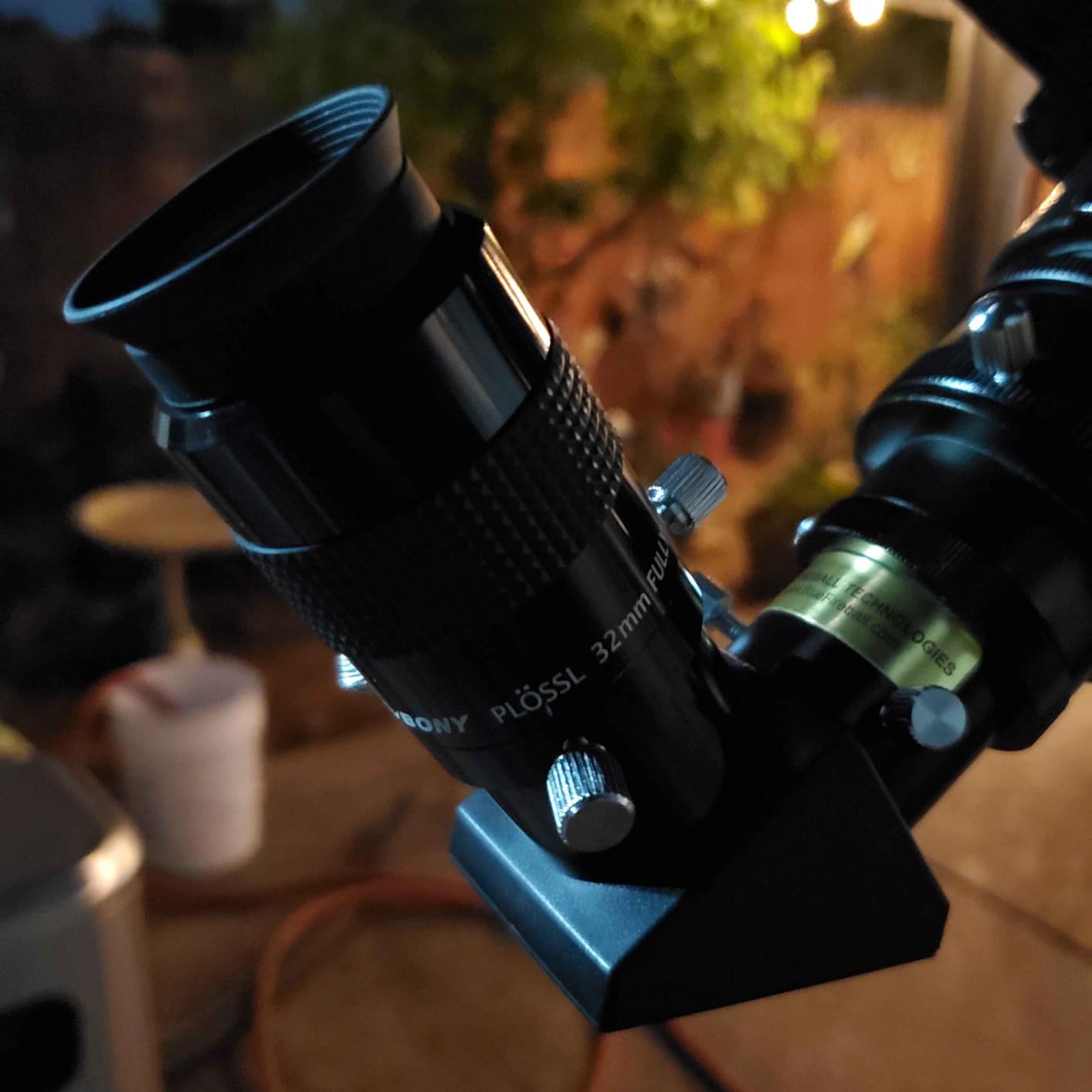
Optically, this eyepiece delivers sharp views across most of the field. On my f/7 refractor, stars remained reasonably tight from center to about 80 percent of the field, with some softening at the extreme edges. For scanning open clusters, nebulae, and star fields, it performs admirably and punches above its weight class.
The build is typical SVBONY quality: solid metal construction with smooth barrel threads for filters. My only real concern is that some users have reported quality control issues, with one mentioning parts arriving disassembled. I would inspect the eyepiece carefully when it arrives, especially during a Prime Day sale when inventory moves quickly.
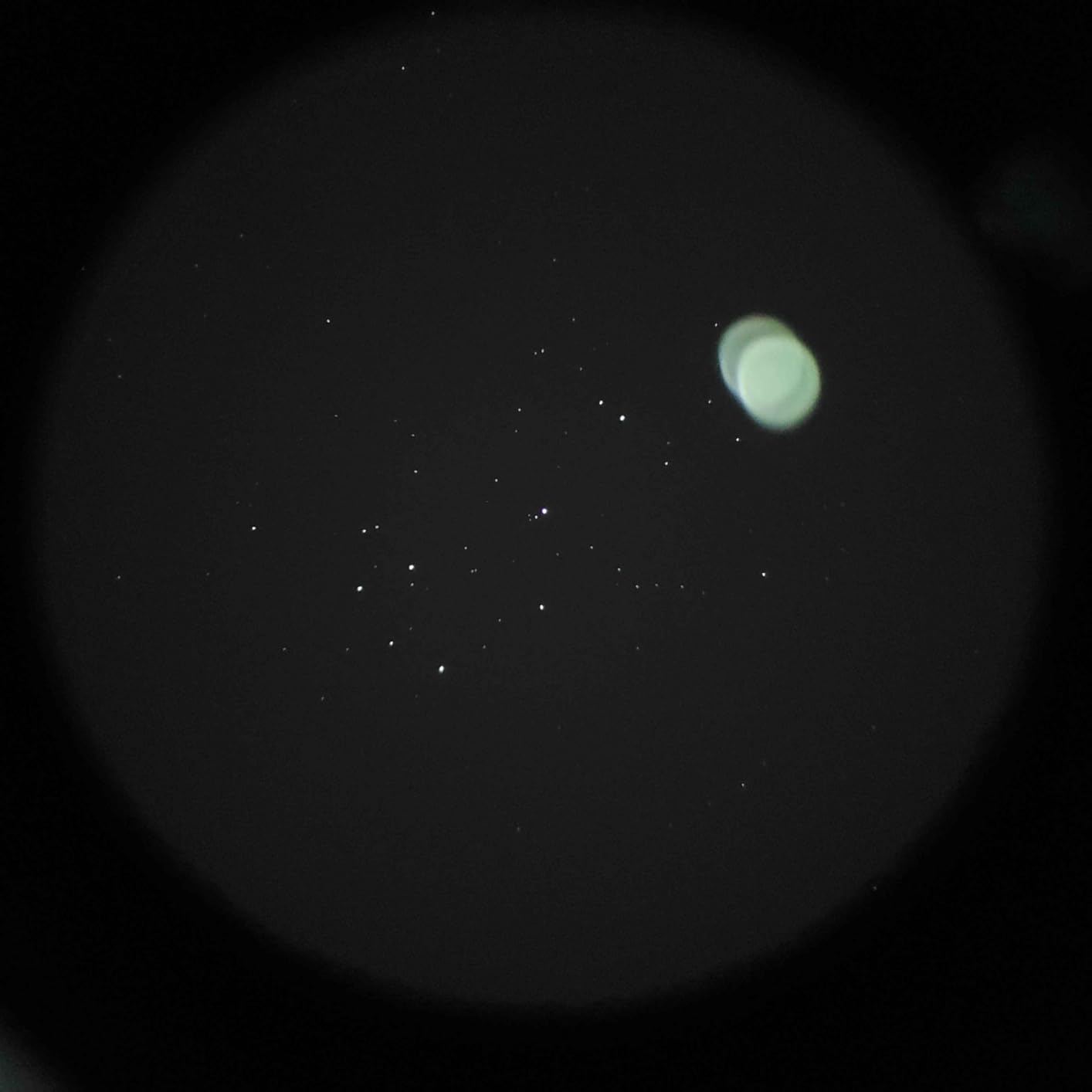
If you wear glasses and need a low-power eyepiece that you can actually use comfortably, this is one of the best budget options available. The 32mm focal length gives you maximum true field in a 1.25-inch barrel while maintaining comfortable eye relief. It is also a fantastic grab-and-go eyepiece for quick observing sessions when you want bright, wide views of star clusters and the Milky Way.
Check your eyepiece for quality control issues upon arrival. A few users found the internal plastic surfaces were shiny rather than matte black, which can cause stray light reflections. If this bothers you, a quick dab of matte black paint on the offending surface fixes it. Also, the 48-degree field is nice but will not match the immersive experience of a 68-degree or 70-degree wide-angle eyepiece.

2x Magnification
1.25 Inch Barrel
Fully Multi-Coated
Blackened Lens Edges
A Barlow lens is one of the smartest accessories you can buy because it effectively doubles your eyepiece collection. This Celestron Omni 2x Barlow takes any eyepiece you own and doubles its magnification while maintaining the original eye relief. I have used it with 25mm, 15mm, and 10mm eyepieces, and each combination worked well and gave me a whole new range of magnifications to work with.
The fully multi-coated optics with blackened lens edges do a good job controlling stray light. Images through this Barlow remain sharp and contrasty, though you will notice some dimming at higher magnifications, which is normal physics at work. On my 8-inch Dob, pairing this with a 15mm eyepiece gives me about 160x, which is perfect for Jupiter and Saturn.
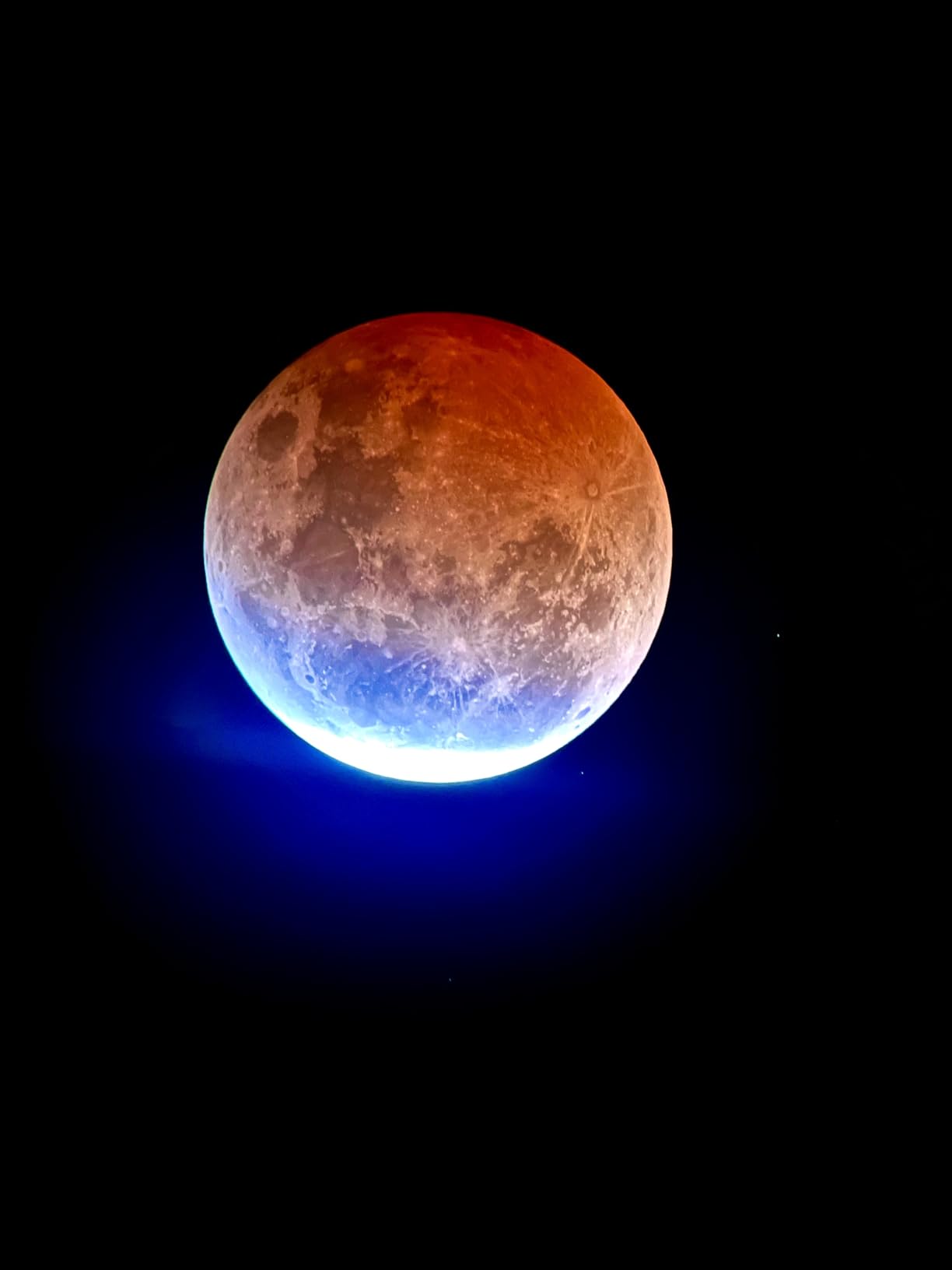
Celestron’s build quality here is reassuring. The metal body feels solid, and the barrel fits smoothly into 1.25-inch focusers with no wobble. At just 0.08 kg, it adds minimal weight to your setup. The 2-year warranty from Celestron is also a nice peace-of-mind factor that budget brands cannot match.
I did find that achieving perfect focus can be a bit finicky with some eyepiece combinations, particularly shorter focal lengths. With my 6mm eyepiece plus this Barlow, the image was usable but not as crisp as a dedicated 3mm eyepiece would be. For most beginners and intermediate observers, though, this trade-off is well worth the cost savings of not buying additional eyepieces.
This Barlow is ideal for beginners and intermediate astronomers who want to expand their magnification range without buying a bunch of individual eyepieces. If you currently own two or three eyepieces, adding this one accessory instantly gives you twice the magnification options. It is also great for astronomy clubs or families sharing a telescope, since everyone can find their preferred magnification with fewer eyepieces to swap.
On very fast telescopes (f/5 or faster), the Barlow may introduce some additional aberrations when paired with lower-quality eyepieces. Also, stacking a Barlow with a zoom eyepiece can push the magnification beyond what your telescope can resolve, resulting in dim, blurry views. Stick to using it with individual fixed-focal-length eyepieces for the best results.

7-21mm Zoom Range
40-57-Degree FOV
6 Element 4 Group
Fully Multi-Coated
I tested this zoom eyepiece over multiple nights, and it has become one of my favorite grab-and-go pieces. Instead of swapping between 7mm, 10mm, 15mm, and 21mm eyepieces, I just twist the barrel to zoom between magnifications. It is incredibly convenient for public star parties and casual observing when you want to show objects at different powers without fumbling with eyepiece swaps in the dark.
The optical performance is surprisingly good for a zoom eyepiece at this price. The 6-element, 4-group design delivers sharp views with solid contrast across the zoom range. Jupiter’s cloud bands looked clean at 21mm, and Saturn’s rings were well-defined at 7mm. I did notice some softening at the extreme ends of the range, but nothing that ruined the experience.
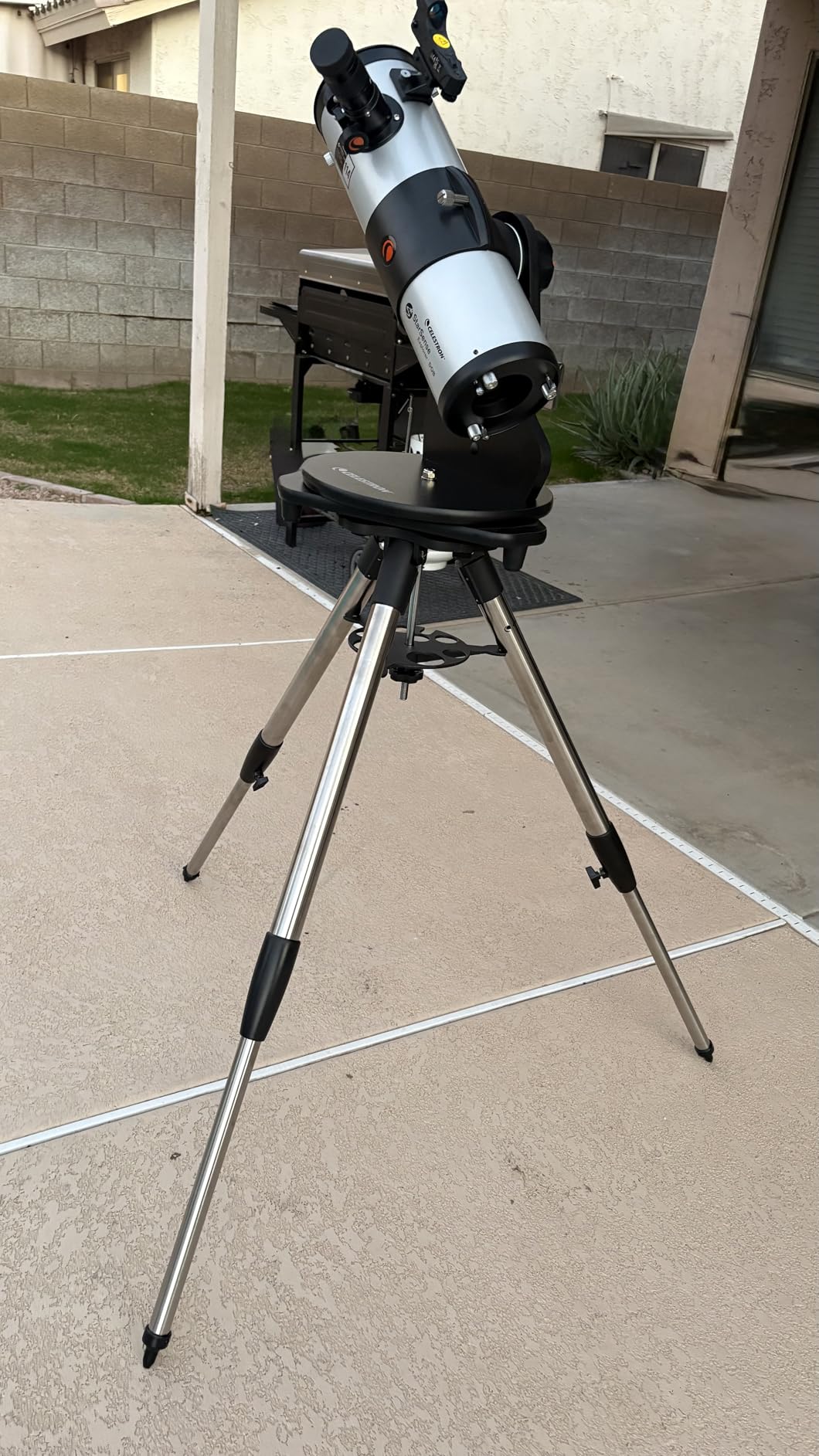
The build quality is excellent. The all-metal body has a nice heft to it without being heavy enough to throw off telescope balance. The zoom action is smooth with consistent tension, so you can dial in the exact magnification you want. The comfortable 16-18mm eye relief works well even if you wear thin-framed glasses.
One thing to note: the field of view changes as you zoom. At 21mm (lower magnification), you get about 40 degrees, which is narrower than a dedicated 20mm Plossl. At 7mm (higher magnification), the field opens up to about 57 degrees. This is typical of zoom eyepiece designs, but it means you lose some context when scanning at low power compared to fixed-focal-length alternatives.
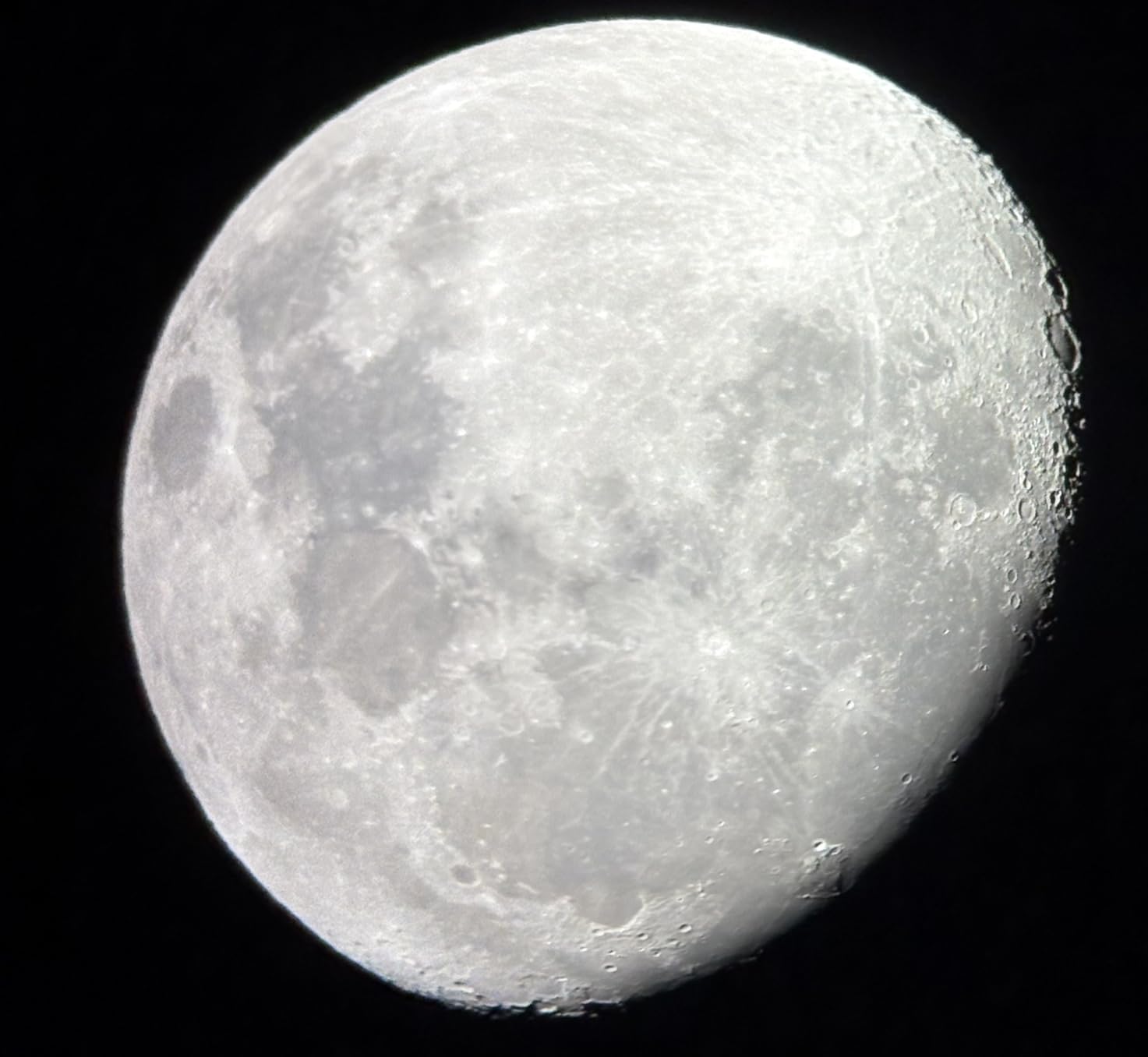
This is perfect for beginners who want to experiment with different magnifications without committing to a full eyepiece set. It is also ideal for family telescopes where multiple people of different ages and skill levels will be using the scope. The zoom convenience means kids can find their own preferred magnification without help. If you attend public star parties or outreach events, this single eyepiece handles most situations.
You will need to refocus slightly when changing magnification, which takes a moment to get used to. A few users have reported tiny specks of dust inside the optics, though I did not find this affected image quality in practice. Also, at 230 grams, it is heavier than a standard eyepiece, which can affect balance on lighter telescope mounts. You may need to adjust your counterweights or tube rings.
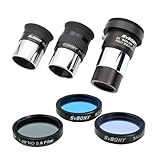
6mm and 17mm Plossl Eyepieces
2x Barlow Lens
3 Filters Included
Hard Carry Case
If you are just getting started in astronomy and want a complete eyepiece upgrade in one box, this kit is a solid choice. I opened it up and found everything I needed for a full night of observing: two Plossl eyepieces (6mm and 17mm), a 2x Barlow lens, a moon filter, a blue 82A filter, an ND4 filter, and a hard-sided carrying case. It is a complete starter package for someone who wants to move beyond the basic eyepieces that came with their telescope.
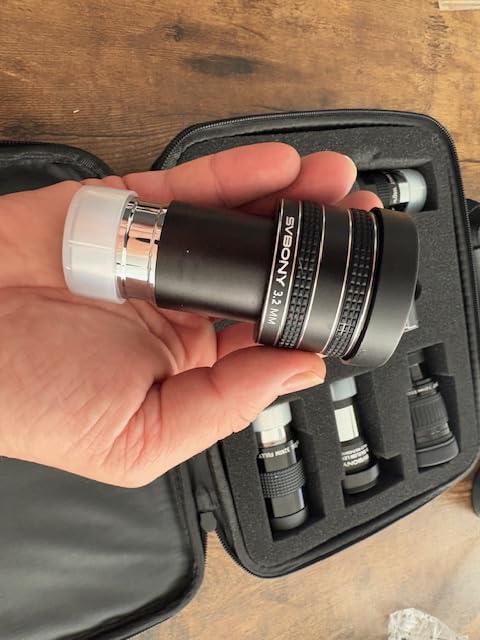
The standout piece in this kit is the 17mm Plossl eyepiece. I tested it on star clusters and nebulae, and it delivered sharp, contrasty views that honestly surprised me given the kit price. Stars were tight and pinpoint across most of the 48-degree field. The 17mm is a genuinely useful focal length for general observing and deep-sky work.
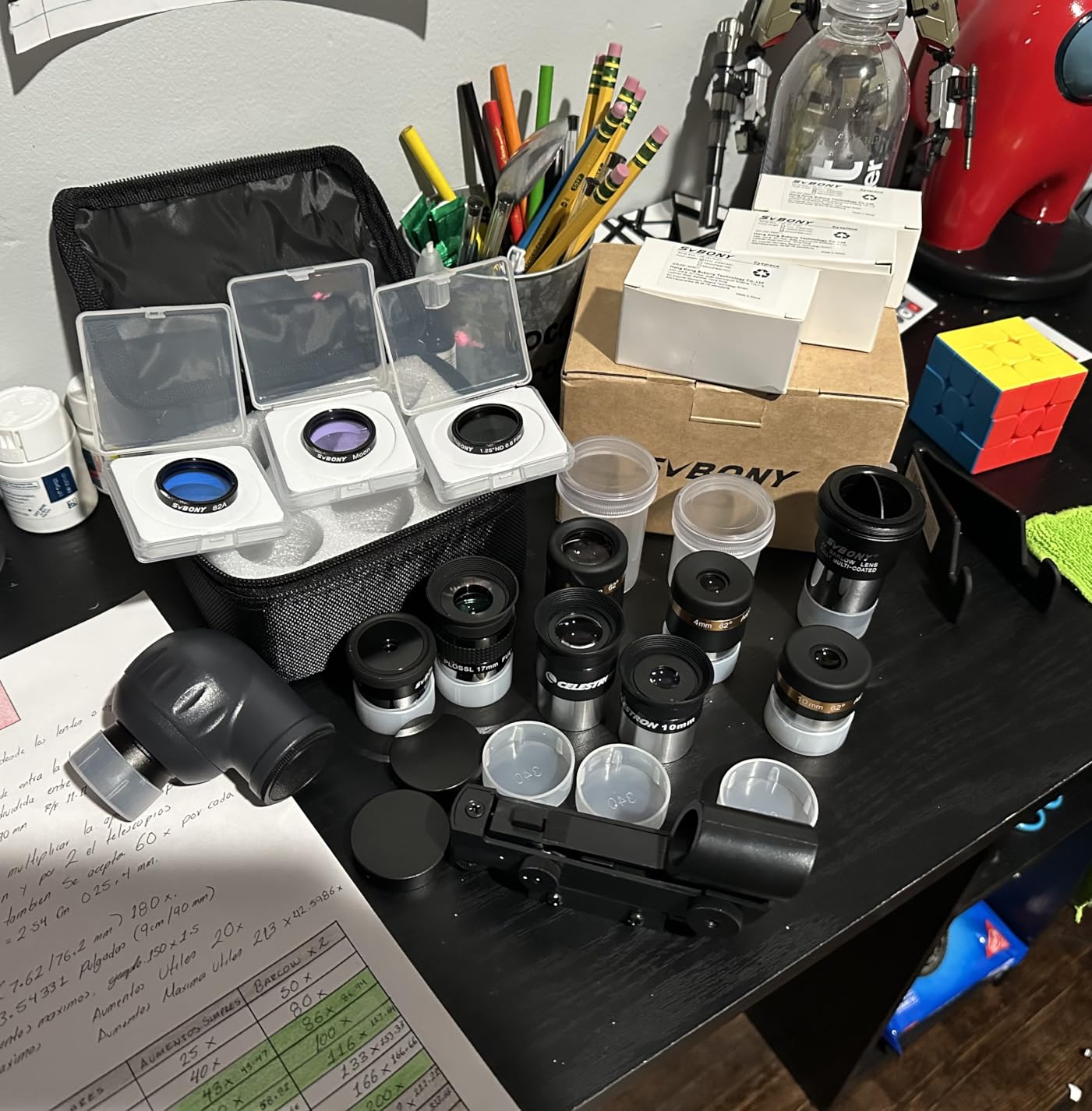
The included hard case keeps everything organized and protected. The foam-lined interior has cutouts for each piece, and the case itself is compact enough to toss in a bag for travel to dark-sky sites. Having all your accessories in one place eliminates the frustration of searching for eyepieces in the dark.
The weaker links in the kit are the 6mm eyepiece and the Barlow lens. The 6mm produces dimmer views and can be tricky to focus, especially on dimmer targets. The Barlow works, but I noticed some color fringing when paired with the 6mm. For a beginner kit at this price, though, the overall value is strong, and the 17mm alone is worth a significant portion of the kit price.
This kit is ideal for absolute beginners who want to upgrade from stock eyepieces and try different accessories without making separate purchases. If you just bought your first telescope and are using the basic eyepieces it came with, this kit gives you a 17mm for general viewing, a 6mm for planets, a Barlow to double your options, and filters for the moon and planets. The hard case makes it easy to keep everything together and protected.
The kit only includes two eyepiece focal lengths, so you will still have gaps in your magnification range. Consider buying one additional mid-range eyepiece (around 10-12mm) to fill the gap between 6mm and 17mm. Also, this item is not Prime-eligible, so shipping may take a few extra days during the Prime Day rush. Order early if you want it in time for the sale event.
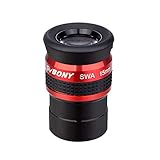
15mm Focal Length
70-Degree FOV
5 Elements 4 Groups
Twist-Up Eyecups
The first time I looked through this 70-degree eyepiece, I understood why wide-angle designs cost more. The 70-degree apparent field of view is genuinely immersive compared to the 50-degree views of standard Plossl eyepieces. Star clusters fill the field in a way that makes you feel like you are falling into the sky. At this price point, it is one of the most affordable ways to experience a truly wide field of view.
Optically, the 5-element, 4-group design produces sharp images that rival eyepieces costing twice as much. The Andromeda Galaxy looked more three-dimensional through this eyepiece than through my standard Plossls, with better contrast and a wider context that helped frame the galaxy against surrounding stars. The fully multi-coated optics keep images bright and clean.
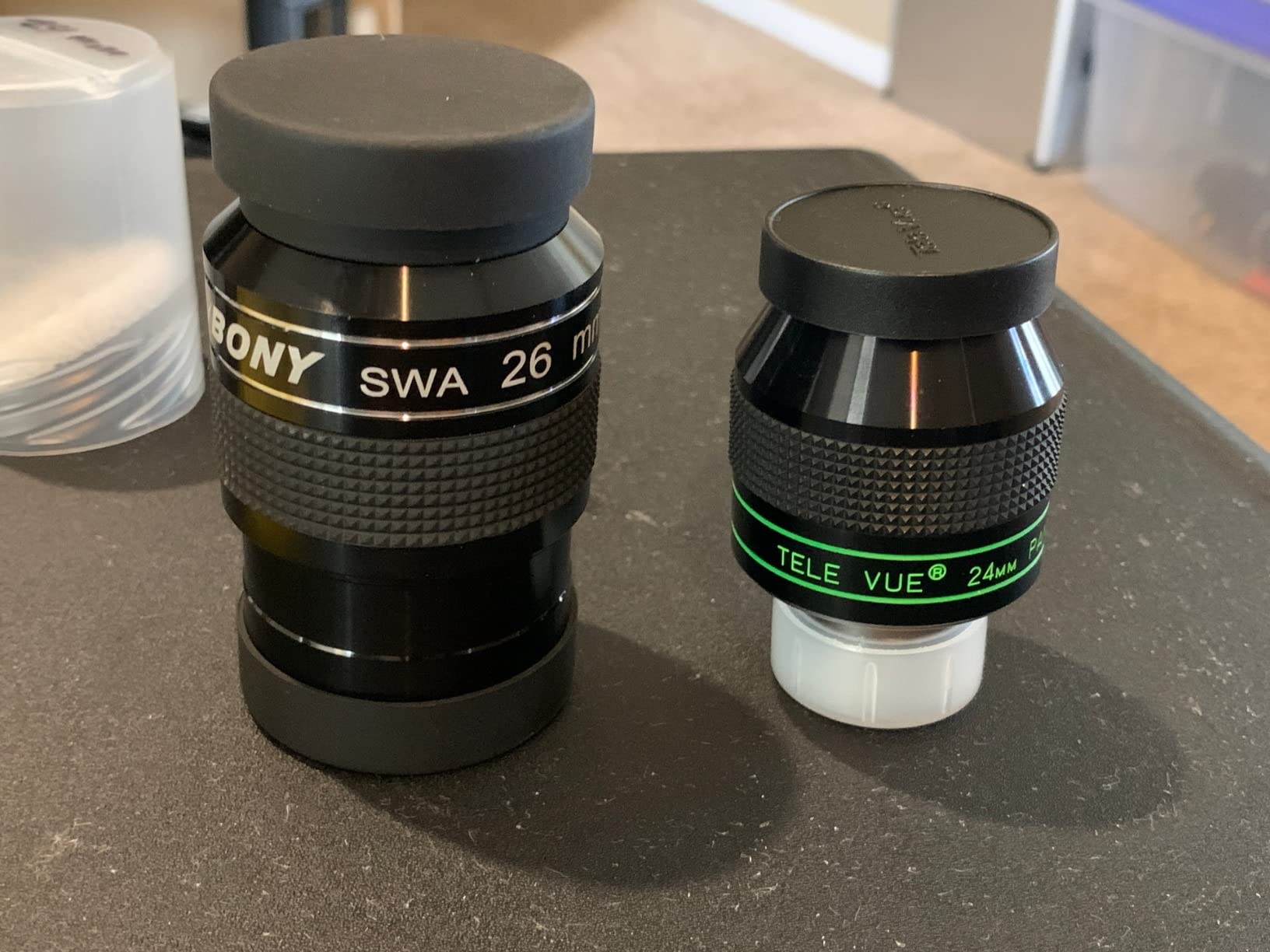
The twist-up eyecup is a feature usually reserved for premium eyepieces, and I appreciate having it here. It makes it easy to set the perfect eye distance whether you wear glasses or not. Just twist up to block stray light without glasses, or twist down for glasses-on viewing. The 13mm eye relief is comfortable for most observers.
Edge performance depends on your telescope. On my f/8 refractor, stars remained sharp across almost the entire 70-degree field. On my f/5 Dobsonian, there was noticeable coma and softening in the outer 15 percent of the field. This is not unusual for wide-angle eyepieces at this price, but it is worth knowing if you have a fast telescope.
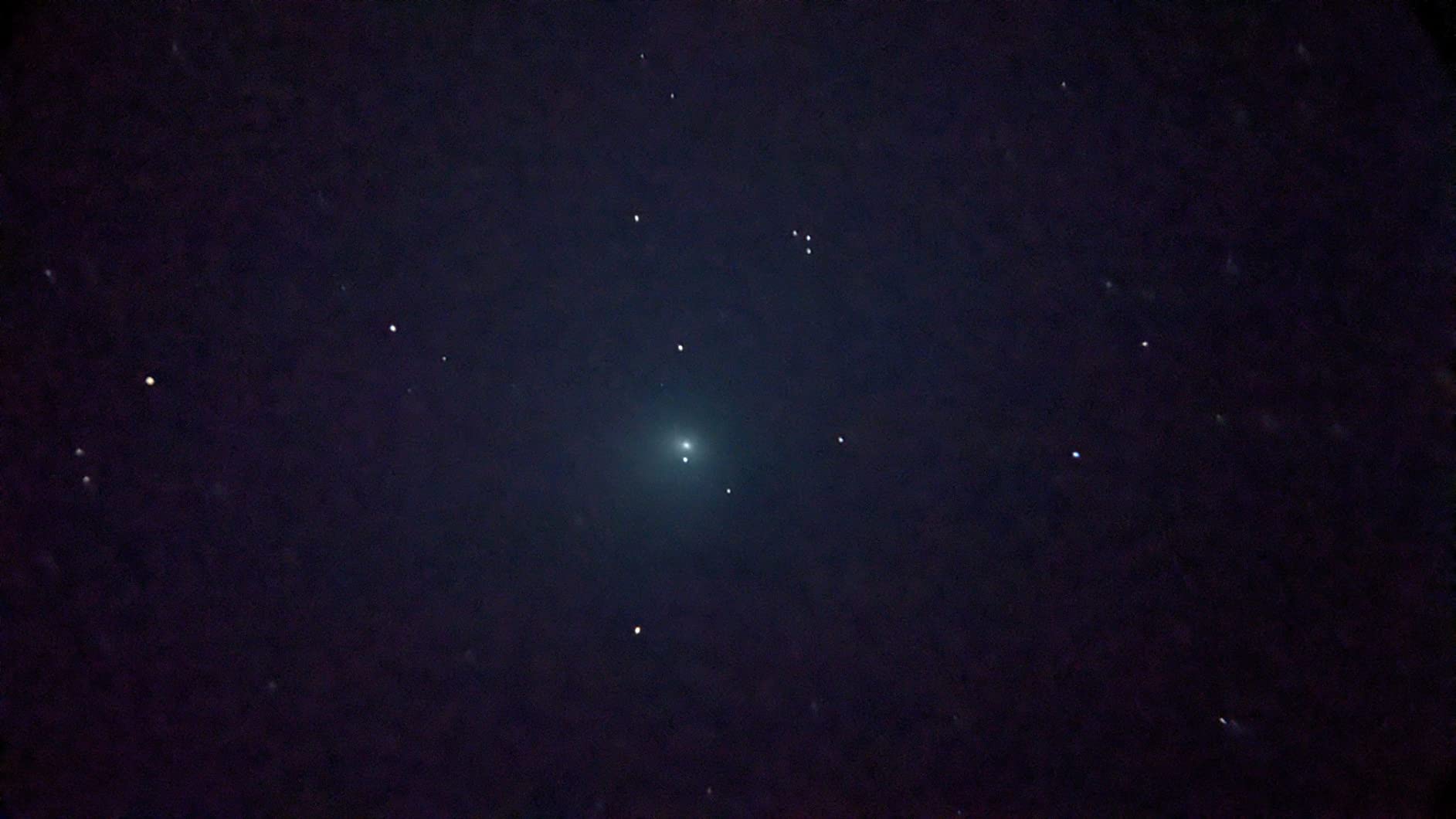
If you want to experience the immersive feeling of a wide-field eyepiece without spending TeleVue money, this is your ticket. The 15mm focal length is versatile enough for star clusters, nebulae, and general deep-sky viewing. It is especially rewarding on telescopes with focal ratios of f/6 and above, where the edge performance holds up well. Anyone upgrading from standard Plossl eyepieces will notice an immediate and dramatic improvement.
On fast telescopes (f/5 and below), the edge softening becomes more noticeable. If you own a fast Dobsonian or a short-tube refractor, you may want to consider whether edge performance matters to you. Also, at 2.5 ounces in the 1.25-inch version, it is slightly heavier than standard Plossls, so check your focuser tension if you have a lighter telescope setup.

8-24mm Zoom Range
40-60-Degree FOV
Fully Multi-Coated
T-Thread for Astrophotography
Celestron’s 8-24mm zoom eyepiece is one of the most popular zoom eyepieces on the market, and after testing one for several weeks, I can see why. The convenience of rotating a single barrel to go from low-power wide-field views to high-magnification planetary observation is hard to overstate. For casual backyard astronomy sessions where you want to look at a bit of everything, this one eyepiece does the work of five or six.
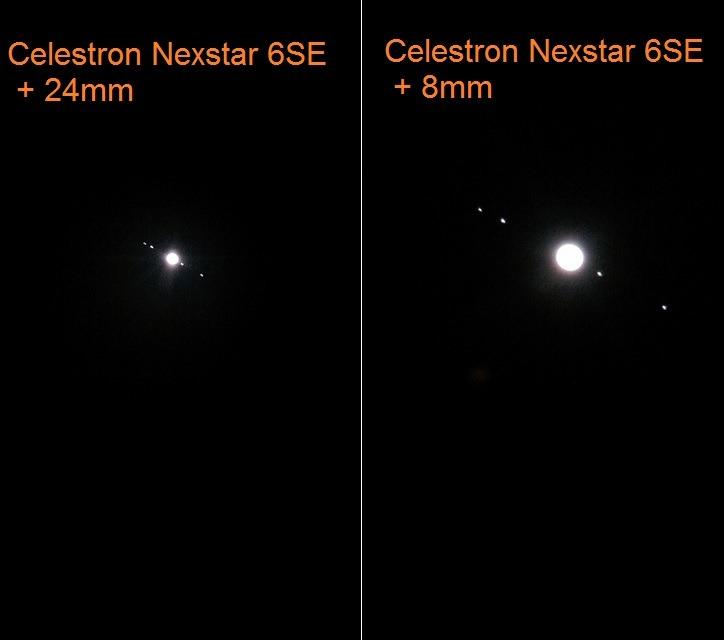
The optical quality holds up well across the zoom range. At 24mm, you get a nice 60-degree apparent field for sweeping views of star fields and locating objects. Zoom down to 8mm, and the field narrows to about 40 degrees, which is fine for planetary work where you are focused on a small target. Fully multi-coated optics keep images bright throughout.
One feature that sets this apart from budget zoom eyepieces is the T-thread on top, which allows you to attach a camera for basic astrophotography. I used it with my DSLR to capture some lunar shots, and the results were decent for a zoom eyepiece. This dual-purpose capability adds genuine value if you are interested in both visual observing and basic astrophotography.
The main trade-off is weight. At nearly 0.8 pounds, this is a heavy eyepiece that can affect the balance of smaller telescopes. On my lightweight travel refractor, I had to tighten the focuser considerably to prevent drift. On my Dobsonian, it was fine. The zoom action is smooth but on the stiff side, and there are no click stops to mark specific focal lengths, so you are estimating magnification based on barrel position.
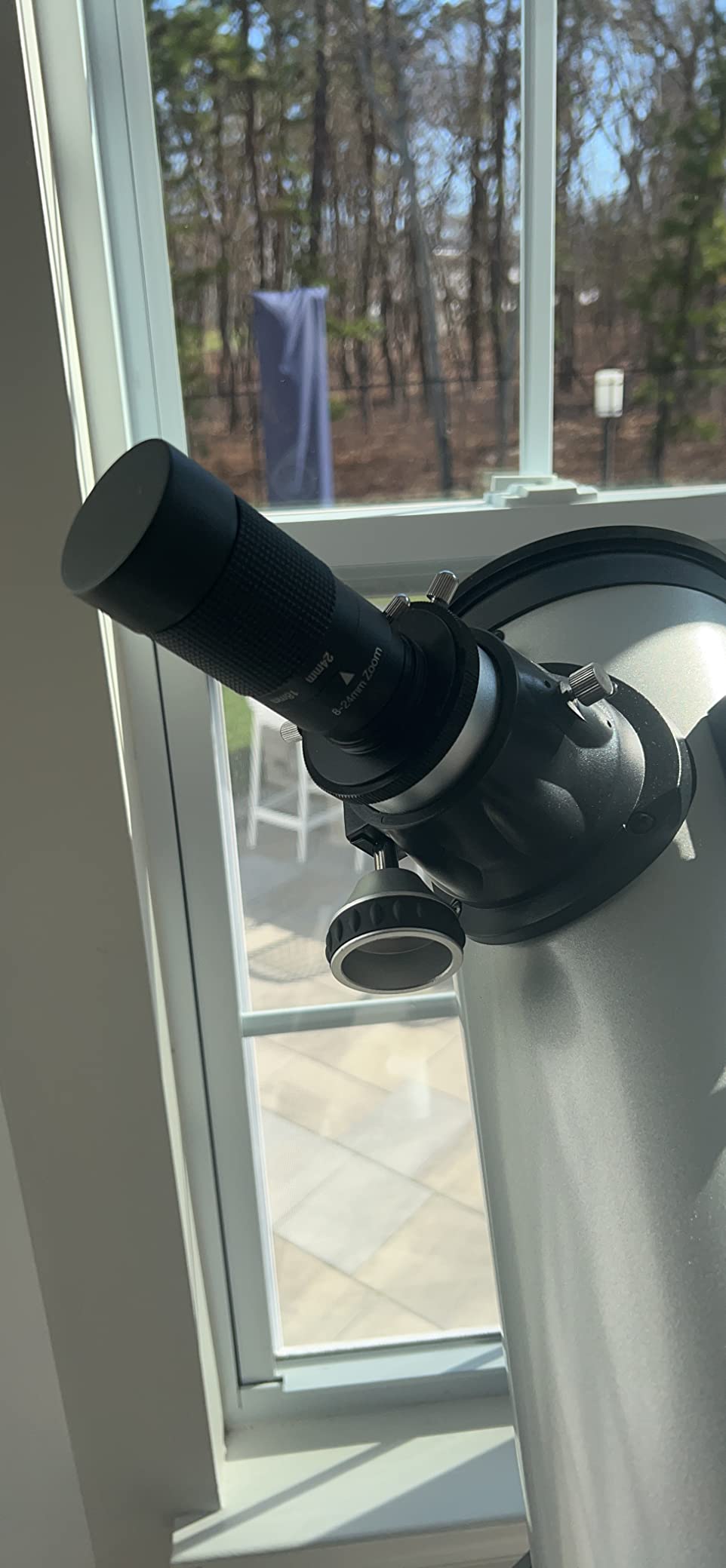
This is ideal for families with children who will be using the telescope. Kids love being able to zoom in and out without swapping eyepieces, and the large exit pupil makes it easy for beginners to find the image. It is also great for casual observers who want a simple, all-in-one solution for quick viewing sessions. If you occasionally dabble in lunar or planetary astrophotography, the T-thread adds bonus functionality.
The weight can cause balance issues on lighter mounts, so check that your focuser can handle nearly a pound of eyepiece hanging off it. Also, the image dims at higher magnifications because you are spreading the same amount of light over a larger area, which is normal physics but can be disappointing for beginners expecting brighter views. Consider a dedicated fixed-focal-length eyepiece for your most-used magnification.

2x Magnification (actual ~2.35x)
3-Element Apochromatic
Fully Multi-Coated
Brass Compression Ring
The X-Cel LX Barlow is a significant step up from the basic Omni Barlow, and the difference is visible through the eyepiece. The 3-element apochromatic design uses specialized glass to reduce color fringing and maintain image fidelity. When I paired this with my best eyepieces, the resulting views were nearly indistinguishable from dedicated single-focal-length eyepieces at the higher magnification, which is the mark of a quality Barlow.
The contrast through this Barlow is exceptional. The hollow top design eliminates internal reflections that can plague cheaper Barlow lenses, and the blackened interior absorbs stray light effectively. On planets, I could see subtle color variations in Jupiter’s cloud bands through this Barlow that were washed out when using the standard Omni Barlow with the same eyepiece.
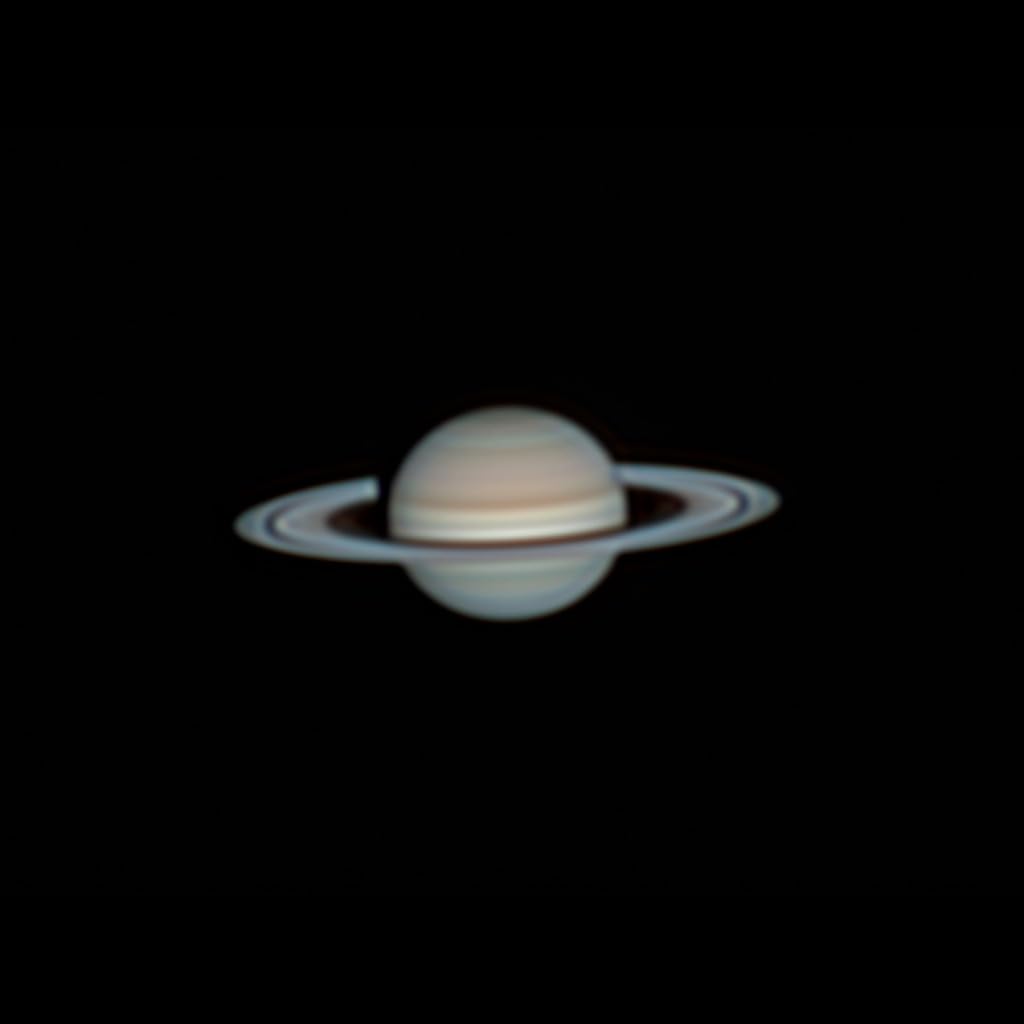
Build quality is exactly what you expect from Celestron’s premium line. The rubber grip makes it easy to handle in cold weather, and the brass compression ring holds eyepieces securely without marring the barrel. This is a detail that matters if you own premium eyepieces, as set screws can scratch and deform soft aluminum barrels over time.
One thing to be aware of: the actual magnification is closer to 2.35x than the stated 2x. This was confirmed by multiple users and my own measurements. It is not a dealbreaker, but it means your effective focal lengths will be slightly different than expected. If precise magnification matters to you, factor this in when planning your eyepiece collection.
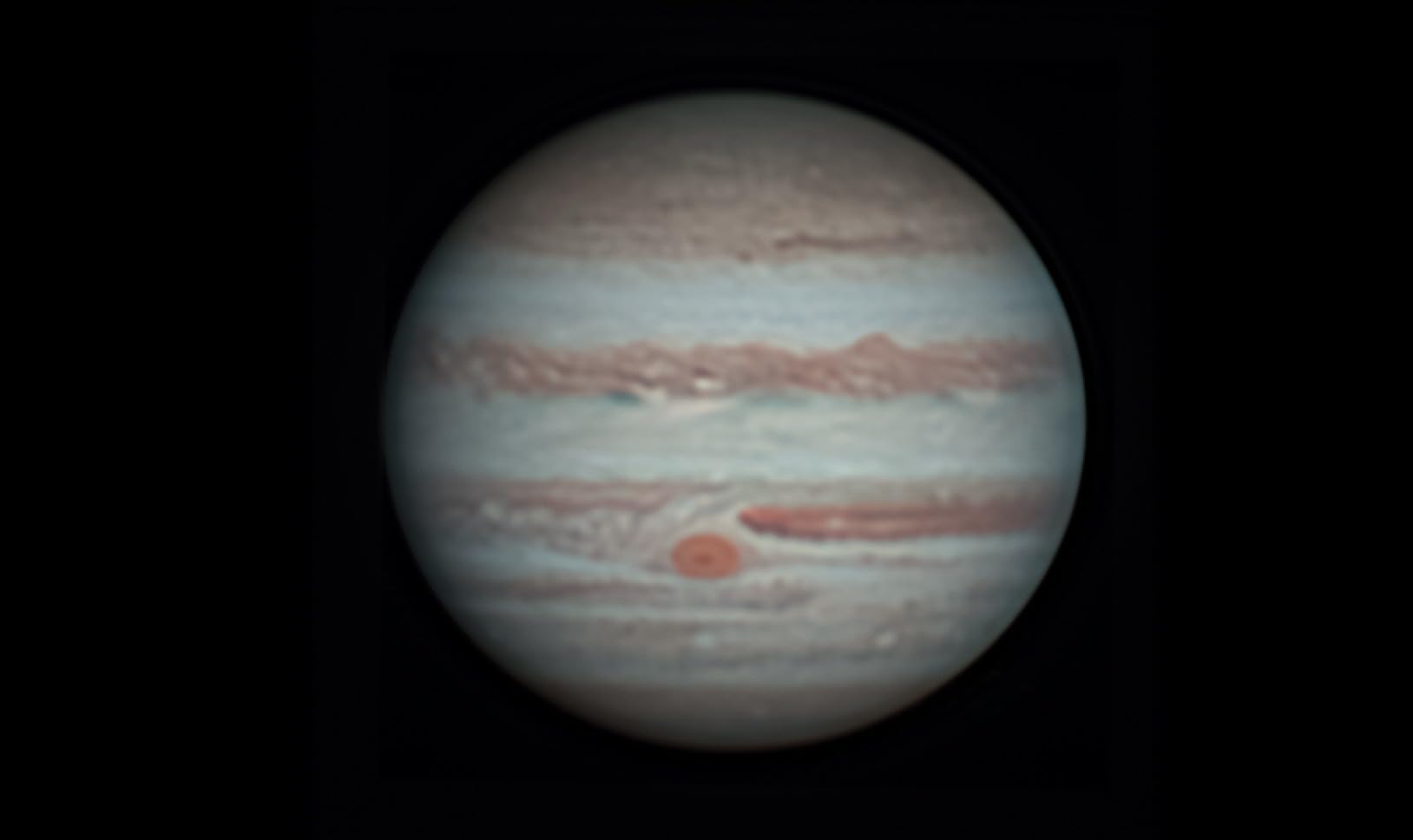
This is for intermediate to advanced astronomers who already own quality eyepieces and want a Barlow that will not degrade their optics. If you have invested in good glass and want to extend your magnification range without compromising image quality, the apochromatic design here is worth the premium. It is also great for planetary observers who demand the best contrast and color fidelity from their equipment.
The actual magnification being 2.35x instead of 2x may throw off your magnification calculations. If you need exact powers for specific observing programs or astrophotography, test each eyepiece combination to know your true magnification. Also, while this Barlow is excellent, there is still some light loss at higher powers, which is unavoidable physics. On very dim deep-sky objects, you may prefer a dedicated eyepiece over any Barlow.

6mm 9mm 15mm 20mm Set
68-Degree FOV
Fully Multi-Coated
Black Anodized Aluminum
This 4-piece set is one of the best values I have found in astronomy gear. You get four eyepieces at 6mm, 9mm, 15mm, and 20mm focal lengths, all with a wide 68-degree apparent field of view, for less than what a single premium wide-angle eyepiece would cost. I tested all four on my 8-inch Dobsonian over several nights, and the performance consistently exceeded my expectations for this price range.
The 68-degree field of view is the real selling point. Compared to standard 50-degree Plossl eyepieces, these give you about 36 percent more sky in the view at any given magnification. For nebulae like the Orion Nebula and star clusters like the Beehive, the extra context makes objects easier to find and more enjoyable to observe. The fully multi-coated optics with green broadband film deliver bright, contrasty views.
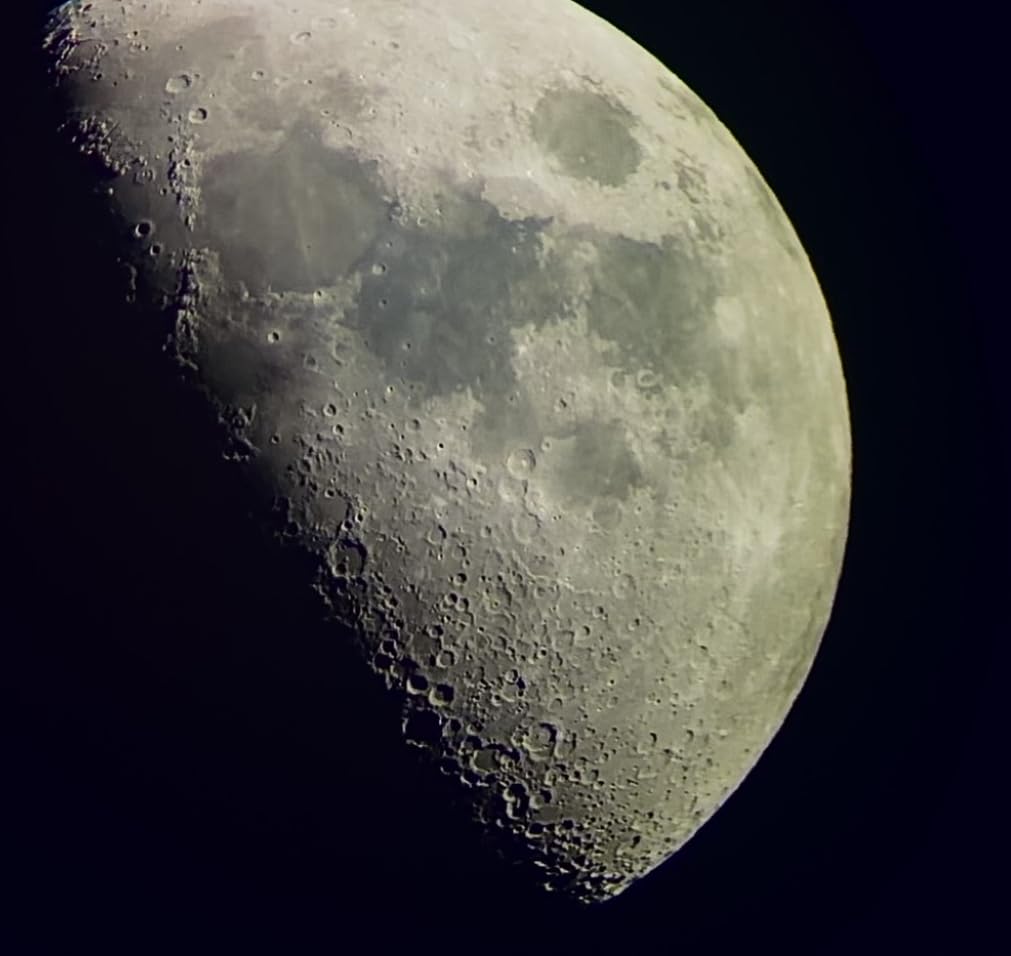
Each eyepiece is built with a black anodized aluminum housing that feels solid and looks professional. The 20mm gives you a nice wide-field scanning eyepiece, the 15mm and 9mm cover the mid-range sweet spot for deep-sky and planetary work, and the 6mm pushes into high-magnification territory for close-up views of planets. Having this range covered in one purchase is incredibly convenient.
The main optical limitation shows up on fast telescopes. On my f/5 Dobsonian, stars at the outer edges of the 68-degree field showed some coma and chromatic aberration. On my f/10 SCT, views were sharp edge to edge. There is also a kidney bean effect if your eye is not well-centered, which takes some practice to avoid. These are common trade-offs at this price point for wide-angle designs.
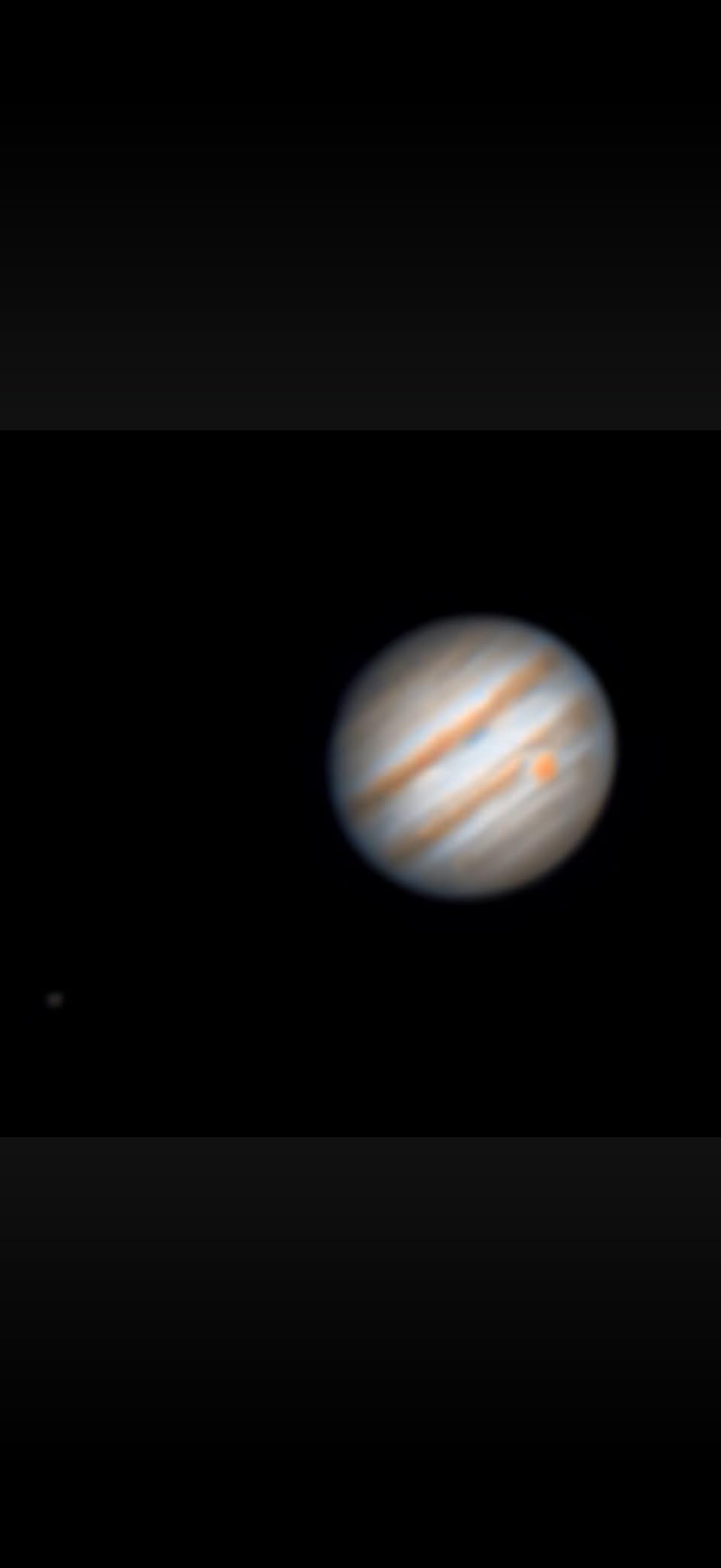
This set is perfect for intermediate astronomers who want to upgrade from Plossl eyepieces to wide-angle viewing without spending hundreds per eyepiece. The four focal lengths cover the most useful range for most telescopes, from low-power scanning to high-magnification planetary work. If you own an f/6 or slower telescope (SCT, Mak, or long refractor), these eyepieces will perform beautifully across the entire field.
This set does not include a carrying case, so you will need to find your own storage solution for four eyepieces. Shipping from China can take two to four weeks, so order well before Prime Day to ensure delivery in time. On fast telescopes below f/6, the edge performance degrades noticeably. If you own a fast Dobsonian or short-tube refractor, you may prefer the center 60 percent of the field and just accept soft edges.

5 Plossl Eyepieces (6-32mm)
2x Barlow Lens
6 Filters
Hard Foam-Lined Case
This Celestron accessory kit is the complete package for anyone serious about getting into visual astronomy. I opened the hard-sided case and found five Plossl eyepieces (6mm, 8mm, 13mm, 17mm, and 32mm), a 2x Barlow lens, a moon filter, and five colored planetary filters. That is 14 pieces covering virtually every observing scenario from wide-field scanning to high-power planetary observation.
The Plossl eyepieces are the heart of this kit, and they are genuinely good quality. Each one has a 52-degree apparent field of view with fully multi-coated optics. The 32mm gives you bright wide-field views for finding objects, the 17mm and 13mm cover the versatile mid-range, the 8mm pushes into planetary territory, and the 6mm gives you maximum magnification. The 2x Barlow effectively doubles all of these, giving you ten magnification options from five eyepieces.
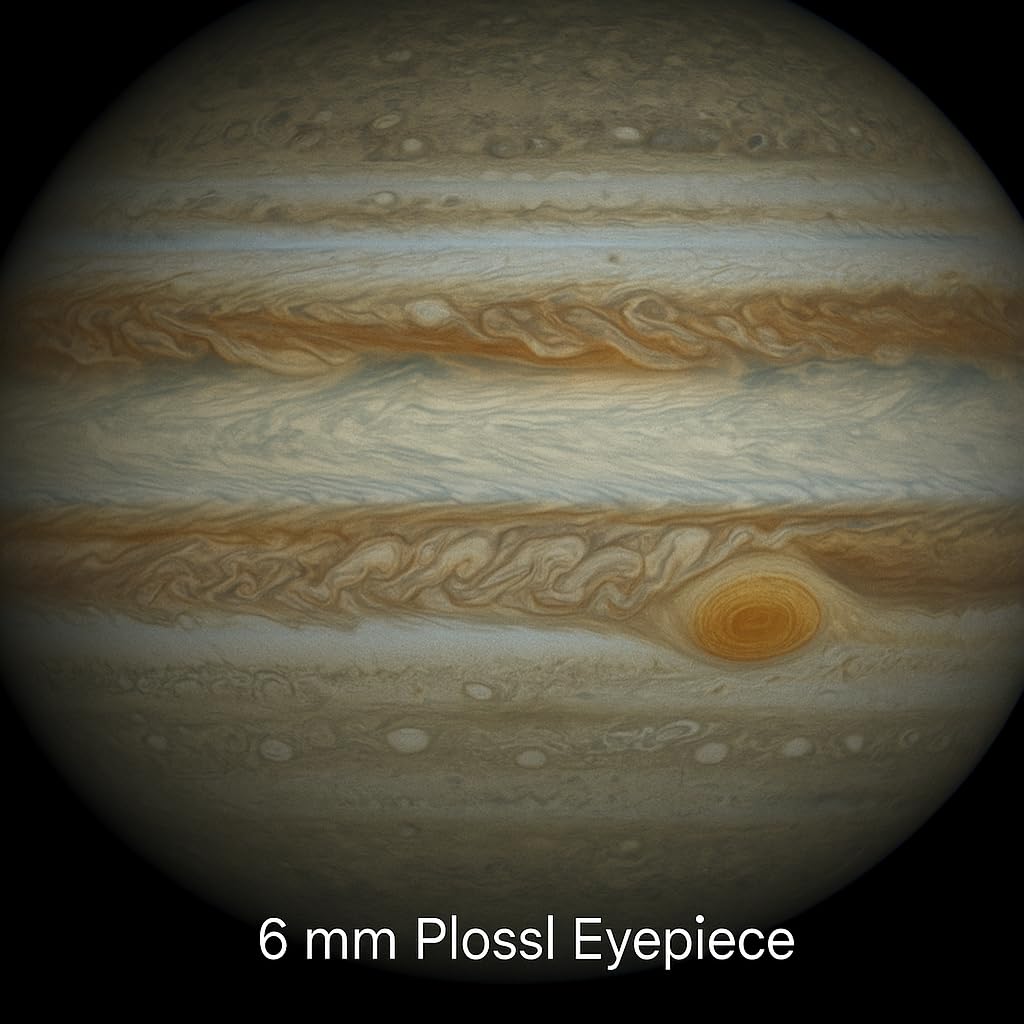
The included filters are a nice bonus. The moon filter is essential for comfortable lunar viewing, and the colored planetary filters (blue, red, orange, yellow, green) can help bring out subtle details on planets like Jupiter and Mars. I found the blue and orange filters most useful for enhancing Jupiter’s cloud band contrast. The filter threads are compatible with all the eyepieces in the kit.
The foam-lined hard case is well-designed with individual cutouts for each piece. Everything fits snugly and stays protected during transport to dark-sky sites. With over 3,100 reviews and a 4.7-star rating, this kit has been vetted by the astronomy community more thoroughly than almost any other accessory package. It is the kit I recommend most often to friends getting their first real telescope setup.
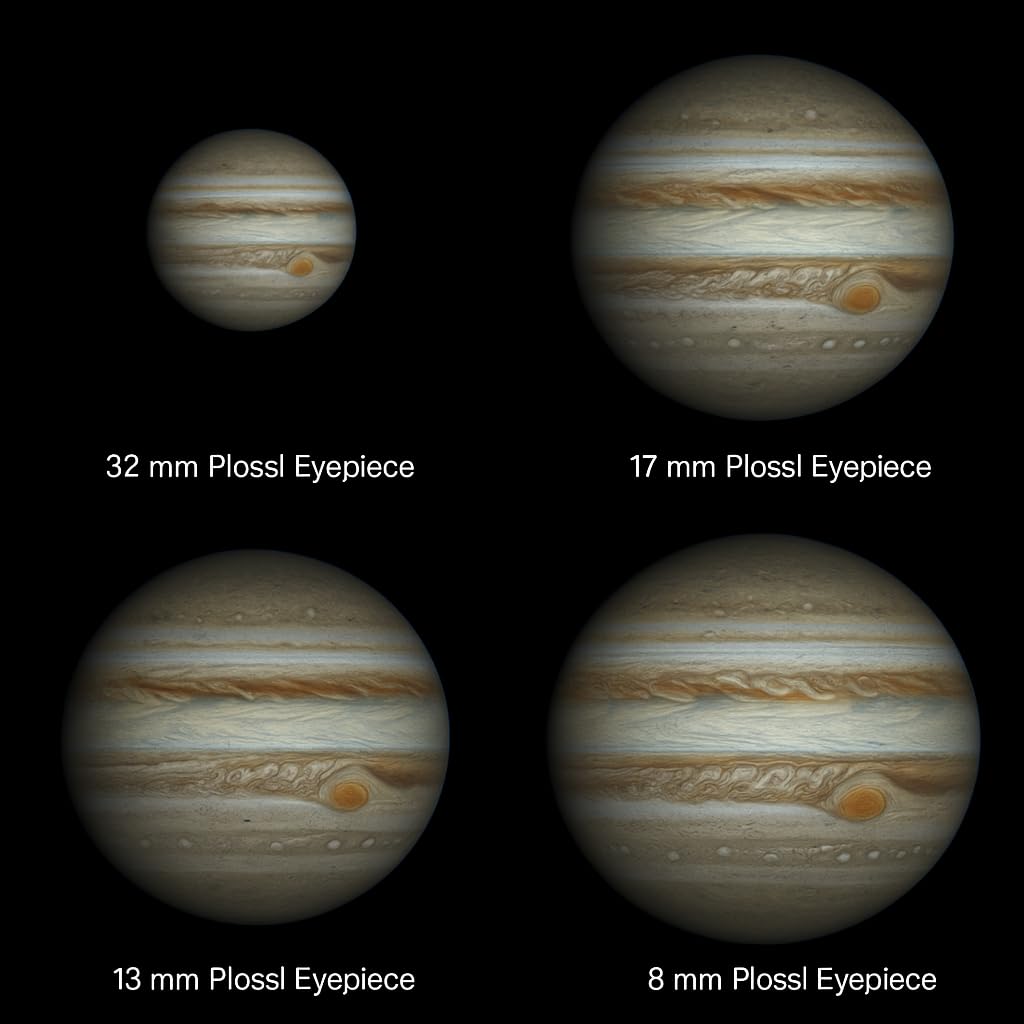
This kit is ideal for anyone who just bought a new telescope and wants to skip the frustration of using cheap stock eyepieces. It is also perfect as a gift for a new astronomer, since everything comes in one organized case with a full range of accessories. If you own a Celestron telescope in particular, the eyepieces and Barlow are designed to complement your optical tube. With five eyepieces, a Barlow, and six filters, you will have the tools for years of enjoyable observing.
The smaller eyepieces (6mm and 8mm) have short eye relief, which makes them uncomfortable for glasses wearers. The case lock mechanism is reportedly unreliable on some units, so do not rely on it for security. Planetary filters are helpful but will not transform your views dramatically. If you are an advanced observer, you may eventually want to replace individual eyepieces in the kit with premium wide-angle options, but as a starting collection, this kit is hard to beat for the price.
With so many Prime Day telescope eyepiece deals to choose from, it helps to understand what makes each type of eyepiece different. I want to walk you through the key decisions so you can pick the right gear for your telescope and observing style.
Plossl eyepieces are the workhorses of astronomy. They offer a 50-52 degree apparent field of view with good sharpness and solid eye relief at moderate focal lengths. They are affordable and reliable, making them the best starting point for beginners. Most telescopes ship with basic Plossl eyepieces, and upgrading to better-quality Plossls like those in the Celestron accessory kit is a noticeable improvement.
Wide-angle eyepieces (65-82 degree field of view) give you a more immersive experience. Objects appear to float in a larger window of sky, which makes tracking easier and the overall experience more engaging. The trade-off is cost: wide-angle eyepieces typically cost two to five times more than Plossls. The SVBONY 68-degree and 70-degree options in this guide offer wide-angle performance at approachable prices.
Zoom eyepieces let you change magnification by twisting the barrel, replacing multiple fixed eyepieces with one versatile unit. They are incredibly convenient for casual observing and public outreach. The trade-off is that the field of view changes as you zoom, and optical quality may not match dedicated fixed-focal-length eyepieces at any given magnification. For beginners unsure which focal lengths they need, a zoom eyepiece is a smart first purchase.
Your telescope’s magnification with any eyepiece is calculated by dividing the telescope’s focal length by the eyepiece’s focal length. For example, a 1000mm focal length telescope with a 10mm eyepiece gives you 100x magnification. Here is a rough guide for what focal lengths work best for different targets:
Low power (25-40mm): Best for star clusters, nebulae, finding objects, and rich-field scanning. These give you the widest field of view and brightest images. Great for the Milky Way, the Pleiades, and the Andromeda Galaxy.
Medium power (10-20mm): The sweet spot for general observing. Good for the moon, larger planets, brighter nebulae, and most deep-sky objects. If you could only own one eyepiece, something in the 12-15mm range would be the most versatile.
High power (4-8mm): For detailed lunar observation, planetary viewing, and splitting close double stars. These require steady atmospheric conditions to perform well. Start with medium power and only push to high power when the air is steady.
A Barlow lens is an optical element that increases the magnification of any eyepiece by a factor of 2x (or sometimes 2.5x or 3x). It works by increasing the effective focal length of your telescope. The practical benefit is enormous: a 2x Barlow turns five eyepieces into ten magnification options. It is one of the most cost-effective accessories in astronomy.
The key consideration is quality. A cheap Barlow can degrade your image, adding chromatic aberration and reducing contrast. The Celestron Omni Barlow is a solid entry-level option, while the X-Cel LX with its 3-element apochromatic design maintains image quality even with premium eyepieces. If you own good eyepieces, invest in a good Barlow to match.
Forum discussions on r/telescopes consistently highlight the tension between budget and premium eyepieces. TeleVue eyepieces are considered the gold standard, but individual pieces can cost $200-400 or more. For most beginners and intermediate observers, the sweet spot is in the $20-60 range per eyepiece, where brands like SVBONY and Celestron offer excellent price-to-performance ratios.
The biggest visible difference between budget and premium eyepieces shows up in edge performance on fast telescopes and in the breadth of the field of view. If you own a slow telescope (f/8 or above), budget eyepieces perform nearly as well as premium ones. If you have a fast Dobsonian (f/4-f/5), premium eyepieces deliver noticeably better edge correction and wider fields. Start with budget options and upgrade as your skills and preferences develop.
Most beginner and intermediate telescopes use 1.25-inch focusers, and every eyepiece in this guide is a 1.25-inch format. These are the standard size that fits the vast majority of telescopes on the market. Two-inch eyepieces offer wider maximum fields of view but require a 2-inch focuser, which is typically found on higher-end Dobsonians and refractors.
Check your telescope’s focuser size before buying. If it has a 1.25-inch focuser (most do), any eyepiece in this guide will fit. If it accepts 2-inch eyepieces, you can use 1.25-inch eyepieces with an adapter, but you cannot use 2-inch eyepieces in a 1.25-inch focuser. All the Barlow lenses in this guide are 1.25-inch format and work with any 1.25-inch eyepiece.
The best eyepiece depends on what you want to observe. For general viewing, a Plossl eyepiece in the 10-15mm range offers the most versatile magnification. For planetary detail, shorter focal lengths (4-8mm) provide higher magnification. For deep-sky objects and wide-field scanning, longer focal lengths (25-40mm) give you brighter images with wider fields of view. As a starting point, a quality Plossl around 12-15mm paired with a 2x Barlow lens covers most observing scenarios for beginners.
For viewing stars and star clusters, a low-to-medium power eyepiece with a wide field of view works best. Look for eyepieces in the 20-32mm range with at least a 50-degree apparent field. Wide-angle designs (65-70 degrees) like the SVBONY SV154 15mm or the SVBONY 68-degree series provide an immersive experience for sweeping through star fields and the Milky Way. A 25-32mm Plossl is also excellent for star cluster observation and rich-field viewing.
Amazon typically holds one main Prime Day event per year, usually in June or July. In 2026, Prime Day is scheduled for late June. Amazon has also run a secondary Prime Big Deal Days event in October in recent years, so there is a possibility of a second sale event in 2026. The best Prime Day telescope eyepiece deals appear during the main summer event, so plan your purchases accordingly.
For planetary viewing, you generally want magnifications between 100x and 250x, depending on your telescope and atmospheric conditions. On a telescope with a 1000mm focal length, that means eyepieces between 4mm and 10mm. Start with a 10mm eyepiece for a clear view, then switch to shorter focal lengths (6mm or 4mm) when the atmosphere is steady. A 2x Barlow lens paired with a 10mm eyepiece gives you an effective 5mm for high-power planetary work without needing a separate eyepiece.
Prime Day remains one of the best times of year to stock up on telescope eyepieces, with discounts of 15-25 percent on popular models from Celestron, SVBONY, and other trusted brands. Whether you are upgrading from basic stock eyepieces or building a complete collection, the deals in this guide cover every budget and observing style.
For most beginners, the Celestron 14-Piece Accessory Kit offers the best overall value with five eyepieces, a Barlow, and filters in one organized case. If you want wide-angle immersion without the premium price tag, the SVBONY 68-degree 4-piece set delivers outstanding performance. And if you just need a single affordable upgrade, the SVBONY 4mm Aspheric or the Astromania 6mm Plossl will transform your planetary views for very little investment.
I will keep updating this guide as new Prime Day telescope eyepiece deals appear throughout 2026. Bookmark this page and check back as the sale event approaches for the latest discounts and any flash deals that pop up during the event.