10 Best Magnifying Floor Lamps 2026 Reviews & Buying Guide
Complete guide to the best magnifying floor lamps with expert reviews of 10 top models. From budget options to professional-grade…

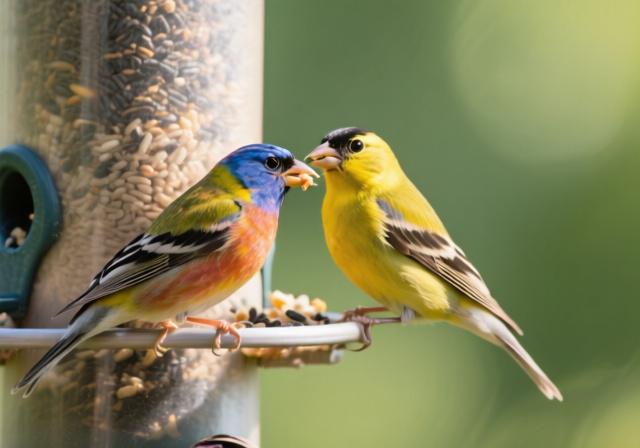
Every spring, the same debate flares up on birding forums and in neighborhood Facebook groups: should you take down bird feeders in summer? The question feels urgent because the stakes are real. A bag of seed left out in June can become a bear magnet in July, a hummingbird nectar feeder can ferment into a bacterial soup in three days, and a forgotten chunk of suet can melt into a sticky mold factory that sends salmonella through your local songbird flock.
Backyard birding has shifted considerably in 2026. Wildfire smoke now chokes western summers, heat domes regularly push past 100 degrees, and climate change is pulling black bears out of dens weeks earlier than the old April 1st rule of thumb predicted. At the same time, the U.S. Fish and Wildlife Service and Cornell Lab of Ornithology continue to confirm what decades of feeder research shows: supplemental feeding does not create dependency, and summer feeding is safe for both birds and people when done thoughtfully.
This guide walks through the regional, biological, and safety reasons for keeping feeders up or taking them down in summer. You will learn which foods to offer in the heat, which to toss in the trash, when bears force your hand, and how to keep seed, nectar, and suet from spoiling. Whether you live deep in grizzly country or on a tenth-floor balcony, the same decision framework applies: check bears first, check temperature second, then check your cleaning routine.
Quick Summary: Take feeders down only when bears are active in your area (now appearing in roughly 32 to 37 states per current State Wildlife Agency data), when temperatures exceed 90 degrees for multiple days, or when state wildlife officials report an active avian influenza or salmonellosis outbreak nearby. Otherwise, summer feeding is safe and beneficial.
Take Feeders Down Immediately If:
Safe to Keep Feeders Up With Precautions:
Summer opens up food options that would spoil or attract bears in other seasons. Cornell Lab and Perky-Pet both maintain detailed summer feeding guides, and the consensus is clear: variety attracts more species and keeps individual birds healthier than a single-seed buffet.
The standard hummingbird nectar recipe is one part plain white sugar to four parts water, boiled briefly to dissolve and then cooled. Never use honey, brown sugar, or artificial sweeteners. Honey ferments rapidly and can cause a fatal tongue fungus in hummers, while artificial sweeteners provide zero calories for birds that burn energy at extraordinary rates.
In summer, change nectar every two to three days, more often during heat waves. Use a saucer-style feeder rather than a bottle style because it is easier to clean and harder for bees to dominate. Adding an ant moat above the feeder keeps sugar ants from contaminating the reservoir.
Orioles, gray catbirds, and tanagers all go crazy for ripe fruit in summer. Slice oranges in half and impale them on a dedicated fruit feeder, or skewer grapes and apple wedges. Replace fruit every 24 to 48 hours because it ferments fast and attracts yellow jackets once it passes peak ripeness.
Grape jelly offered in small dishes is a Baltimore oriole magnet during early summer. Use only a tablespoon at a time and remove it before it crusts over or grows mold. Mix with a bit of water if you want a slightly looser consistency that mimics ripe berries.
Bluebirds, robins, and woodpeckers will all visit a shallow dish of mealworms. Live mealworms offer the most nutrition but require keeping a small container of bran and vegetables at room temperature. Dried mealworms work almost as well and store in the pantry. Offer in a platform feeder close to a hedge so parent birds can dash to safety.
Shelled, unsalted peanuts attract blue jays, woodpeckers, nuthatches, and titmice. Use a mesh peanut feeder so small pieces do not accumulate on the ground where they can grow aflatoxin mold. Avoid salted or flavored peanuts, which can dehydrate birds.
Standard suet melts above 70 degrees and becomes rancid quickly. No-melt suet formulations hold their shape up to 100 degrees and remain safe for woodpeckers, chickadees, and nuthatches all summer. Hang in full shade for best results.
American goldfinches and house finches feed heavily on nyjer through summer, even while nesting. Use a dedicated tube feeder with small ports to reduce spillage. Nyjer rarely molds because of its high oil content, but it can go rancid if stored in heat.
Foods to Avoid in Summer: Bread (fills birds up with zero nutrition and grows mold fast), peanut butter (sticks to feathers and crops), honey (ferments and breeds bacteria in nectar feeders), table scraps (high salt, wrong fat profiles), and any seed that smells musty or shows visible mold. If you would not eat it, do not feed it.
Bear Warning: A fed bear is a dead bear. State wildlife agencies are required to euthanize bears that become food-conditioned because the animals teach their cubs the same dangerous habits. Removing your feeders on time literally saves lives.
Bear safety remains the single most important reason to take down a bird feeder in summer. Current State Wildlife Agency mapping places black bear populations in roughly 32 to 37 U.S. states, depending on how you count transient and expanding-range bears. What matters is not the exact count but your local reality: check your state fish and wildlife agency website every March for spring bear emergence reports.
Climate change has shifted those emergence dates earlier. In the Adirondacks, bears are now emerging two to three weeks earlier than the historical April 1st norm. The National Wildlife Federation Service recommends taking feeders down by mid-March in many northern regions, not April. Adjust your calendar based on local conditions, not the date on the page.
Region-Specific Bear Removal Dates:
Aflatoxin and Seed Spoilage:
Aflatoxin is a carcinogenic mold toxin produced by Aspergillus fungi that grows on corn, peanuts, and moist seed mixes. Birds that consume aflatoxin-contaminated seed suffer liver damage, immune suppression, and death. The half-fill method prevents this: only fill your feeder with what birds will eat in two to three days, and rotate feeder locations weekly so dropped seed does not accumulate on damp ground.
Visible signs of bad seed include gray or black fuzzy patches, a musty smell, clumping, and discoloration. When in doubt, throw it out. A 20-pound bag of seed is far cheaper than a single dead oriole.
Salmonellosis and Other Summer Diseases:
Salmonellosis spikes in summer because bacteria multiply rapidly in warm, wet droppings. Birds infected with salmonella appear lethargic, puffed up, and may sit with eyes closed on the ground. Trichomoniasis, a parasite that causes lesions in the throat and crop, has killed large numbers of greenfinches in Europe and is now showing up in U.S. doves and pigeons. If you see sick birds at your feeder, remove it immediately, sanitize with a 1:9 bleach solution, and wait at least two weeks before putting it back up.
Cleaning Recipe: Wash feeders every two weeks in summer using a 1:9 bleach-to-water solution (one part unscented liquid bleach to nine parts water). Scrub all surfaces with a bottle brush, rinse thoroughly, and allow to air dry completely before refilling. Soap and boiling water works as an alternative for those who prefer to avoid bleach.
Temperature-Based Cleaning Schedule:
Seed Storage in Summer:
Store seed in metal or heavy-duty plastic bins with gasket lids to keep out pantry moths and mice. Keep bins in a cool, dry indoor space. A garage that exceeds 90 degrees is too hot. I learned this the hard way during the 2026 heat wave when I lost two bags to a silent aflatoxin bloom that I only noticed when a tufted titmouse started acting sluggish at the feeder.
Window strikes kill an estimated one billion birds per year in the United States. Birds do not understand glass and will fly toward reflections of sky or trees. If your feeder is closer than three feet to a window or more than 30 feet away, the risk of collision drops dramatically. Within the danger zone of 3 to 30 feet, break up reflections with decals spaced four inches apart, sun catchers, or exterior screens.
Cornell Lab recommends Acopian BirdSavers or simple soap-bar streaks on the outside of the glass. Moving feeders closer to windows actually helps because birds cannot build up enough speed to injure themselves on impact.
Summer brings a parade of pests beyond the usual squirrels and raccoons. Yellow jackets and bees will dominate hummingbird feeders unless you switch to saucer-style designs and clean up drips. Ants invade nectar feeders within hours; an ant moat filled with water and hung above the feeder breaks the trail. Rats and mice multiply around spilled seed, so use a seed catcher tray and clean ground debris weekly.
Bears are the ultimate summer pest. Baffles on pole-mounted feeders reduce but do not eliminate bear risk. The only reliable solution in bear country is removal during the active season.
Hummingbird feeders deserve their own section because the physics and biology of summer hummingbird feeding differ from seed feeding. A hummingbird’s heart beats over 1,200 times per minute, and the bird can enter torpor overnight to conserve energy, but during the day it must refuel constantly. In hot weather, nectar ferments in as little as 24 hours, and fermented nectar causes a fungal infection of the tongue and crop that kills birds within days.
The proper nectar recipe is one part plain white sugar to four parts water, brought to a brief boil to dissolve, then cooled. Never add red dye, honey, or sugar substitutes. The red color on commercial feeders is enough to attract hummers. Store unused nectar in the refrigerator for up to one week.
Clean hummingbird feeders every two to three days in summer using hot water and a bottle brush. Deep-clean with a 1:9 bleach solution weekly during heat waves. Replace nectar completely each cleaning. Refilling old nectar on top of fresh nectar accelerates fermentation.
Regional timing for summer feeders depends on bear activity, peak summer heat, and humidity. The table below summarizes guidelines based on current State Wildlife Agency recommendations as of 2026. Always defer to your local wildlife office because microclimates vary widely.
| Region | Take Down Date | Resume Date | Special Considerations |
|---|---|---|---|
| Northeast (NY, VT, ME) | Mid-March | November | Bears emerging earlier with warming springs |
| Mid-Atlantic (PA, MD, VA) | March 15 | December | Year-round bear presence in some counties |
| Southeast (FL, GA, AL) | Optional | Year-round | Heat and humidity drive cleaning frequency |
| Midwest (OH, MI, IL) | April 1 | November 1 | Variable by county bear reports |
| Mountain West (CO, WY, MT) | April 1 to May 1 | October 1 | Elevation-dependent, grizzlies in some areas |
| Pacific Northwest (WA, OR) | March 15 | November 1 | Year-round coastal bear activity |
| Southwest (AZ, NM) | Optional | Year-round | Drought feeding extremely valuable |
| Urban Areas (Nationwide) | Optional | Year-round | Window collision prevention critical |
A landscape that supports birds year-round reduces your dependence on feeders and creates a healthier ecosystem. The National Wildlife Federation’s Certified Wildlife Habitat program outlines four pillars: food sources, water, cover, and places to raise young. Address all four and your yard becomes a functioning habitat, not just a feeding station.
Top Native Plants for Summer Birds:
Water Sources Trump Feeders in Summer:
A reliable water source attracts more species during summer than any feeder. A simple birdbath with fresh water changed daily becomes a magnet for drinking and bathing. Add a dripper or solar mister, and the sound of moving water pulls birds from half a block away. Position the bath within ten feet of cover so birds can escape predators quickly, and keep the water depth under two inches.
The 5-7-9 rule is a placement guideline that helps protect backyard birds from three common hazards. Keep feeders at least 5 feet away from any dense shrub or brush pile where predators like cats or hawks can hide and ambush feeding birds. Place feeders at least 7 feet from windows, or closer than 3 feet, to prevent fatal collisions because birds cannot build up flight speed in tight spaces. Mount feeders at least 9 feet above the ground or any surface from which a house cat can launch a jump, typically with a pole-mounted baffle to deter climbing predators.
Putting a raw, uncooked potato in or near a bird feeder is a folk remedy claimed to help feed birds or deter pests, but wildlife biologists generally do not recommend it. Raw potato contains solanine, a compound that can be mildly toxic to some birds in large quantities, and potatoes offer poor nutritional value compared to proper seeds, suet, or fruit. Some birders place a potato slice on a platform feeder as a novelty offering that woodpeckers and jays may peck at, but a small dish of grape jelly, mealworms, or crushed peanuts serves birds far better with no toxicity concerns.
No. Hummingbirds need continuous nectar access during summer because they are breeding, feeding nestlings, and preparing for fall migration. Keep nectar feeders up and clean them every 2 to 3 days in hot weather. Use a 1:4 sugar-to-water ratio (one part plain white sugar to four parts water), never honey or artificial sweeteners, and switch to a saucer-style bee-proof feeder with an ant moat to reduce pest competition.
Birds will simply shift to natural food sources like insects, seeds, and fruit. Decades of banding studies show birds only get about 25 percent of their daily nutrition from feeders, even in winter, so stopping in summer causes no harm. You may see a dip in yard activity for a few days as birds re-explore your property, then numbers rebound to whatever the local habitat supports.
No. Scientific studies consistently show that supplemental feeding does not create dependency because wild birds prioritize natural foods whenever available. Cornell Lab and U.S. Fish and Wildlife Service research confirm that feeders contribute roughly a quarter of bird diet at most. The exception is during severe weather like ice storms, drought, or wildfire smoke, when natural food is temporarily unavailable and feeders become critical survival support.
During active H5N1 avian influenza outbreaks in your area, state wildlife agencies recommend pausing bird feeding for at least two weeks and removing standing water sources where wild waterfowl congregate. Monitor your state fish and wildlife department website for current advisories. Songbird feeders carry lower risk than waterfowl habitat, but routine cleaning with a 1:9 bleach solution and removing droppings from beneath feeders reduces transmission of any pathogen.
The traditional advice against summer feeding grew from concerns about disease transmission and bear attraction, both of which are real but manageable. Modern guidance from Cornell Lab and the U.S. Fish and Wildlife Service confirms that summer feeding is safe when you clean feeders regularly with a 1:9 bleach solution, take feeders down during bear season, and offer appropriate foods like nectar, fruit, no-melt suet, and small portions of fresh seed.
In bear country, stop feeding in mid-March to early April depending on your latitude, and resume in November after bears enter hibernation. Outside bear range, you can feed year-round. In hot climates, switch to nectar, fruit, and no-melt suet during peak summer heat and consider pausing seed feeding when temperatures exceed 90 degrees for multiple days to prevent aflatoxin mold growth.
Your summer feeding plan comes down to three concrete decisions. First, check your State Wildlife Agency bear emergence map this week, not next month. If bears are active within ten miles of your home, feeders come down now. Second, audit your feeder placement against the 5-7-9 rule and move anything that fails those distances. Third, commit to a two-week cleaning rotation using the 1:9 bleach solution and stock only what you can rotate through cleanly.
If your region is bear-free and your summers stay below 90 degrees, keep your feeders running and expand your offerings. Add a nectar feeder for hummingbirds, an orange half for orioles, and a small dish of mealworms for bluebirds. Plant at least three native species that bloom or set seed in summer so your yard works as habitat, not just a restaurant. The combination of careful supplemental feeding and intentional native plantings creates the kind of bird diversity that turns a backyard into a research-grade observation site.
Use this simple action checklist before you finalize your summer setup. Confirm your local bear status through the state agency website. Place feeders at least 7 feet from windows or closer than 3 feet. Switch to the half-fill method so seed never sits longer than three days. Rotate nectar every two to three days, especially when temperatures climb. Keep a bottle of unscented bleach on hand for the 1:9 cleaning solution. Remove any feeder immediately if you see sick birds. Once those six items are in place, your summer bird feeding will support breeding adults, migrating visitors, and the families that depend on your yard through every heat wave and dry spell that 2026 brings.