7 How to Adjust Binoculars (October 2026) Expert Guide
Master binocular adjustment in 4 simple steps. Learn to fix double vision, blurry images, and eye strain with our comprehensive…

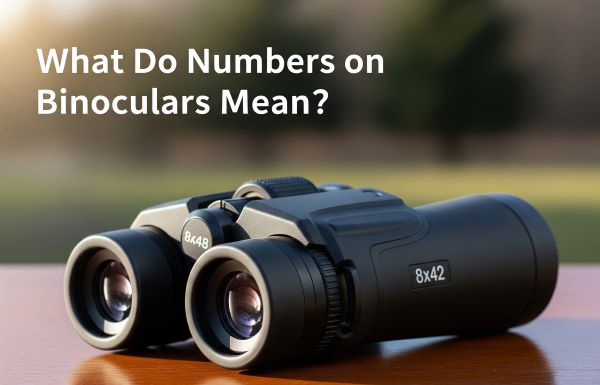
If you have ever found yourself staring at a pair of binoculars wondering what do numbers on binoculars mean, you are certainly not alone. The specifications printed on binoculars contain crucial information that directly impacts your viewing experience. Whether you are a nature enthusiast planning your first wildlife excursion or someone who wants to make sense of the specs listed in a product review, understanding these numbers helps you make informed decisions about optical equipment.
Those two numbers you see on every binocular—such as 8×42 or 10×50—represent magnification power and objective lens diameter. Together, they form the foundation of binocular performance. However, there is considerably more to understanding binocular specifications than these two basic figures. This guide walks you through every number you will encounter, from basic magnification to advanced specifications like exit pupil and field of view.
By the end of this guide, you will know exactly how to interpret any binocular specification and match those numbers to your specific activities. We cover everything from compact travel binoculars to full-size astronomical models, ensuring you find the perfect configuration for your needs.
The two numbers on binoculars follow a simple pattern: magnification x objective diameter. Understanding this relationship forms the basis for all other specifications you will encounter.
The first number indicates how many times closer objects appear through the binoculars compared to the naked eye. An 8x binocular makes a bird 80 feet away appear as if it were just 10 feet away. This magnification effect transforms distant subjects into observable details that would otherwise require approaching dangerously close.
Magnification ranges from around 6x to 20x for handheld binoculars. Compact models typically use 6x to 10x, while full-size options extend to 12x, 15x, or even 20x. Beyond 10x magnification, hand shake becomes increasingly problematic—your pulse and hand movements get amplified along with the image.
Most outdoor enthusiasts find 8x or 10x provides the best balance. The 8x magnification delivers superior stability and wider fields of view, making it ideal for tracking moving subjects. The 10x magnification reveals additional detail on stationary subjects but requires steadier hands and narrower fields.
Magnification quick reference:
The second number specifies the diameter of the objective lenses—the large lenses at the front of the binoculars—in millimeters. These lenses gather light, directly affecting image brightness and overall size of the binocular.
Larger objective lenses capture more light, producing brighter images in challenging conditions like shade, overcast skies, or twilight hours. This improved light-gathering ability comes with a trade-off: increased size and weight. A 50mm objective lens adds considerable bulk compared to a 25mm lens.
The objective diameter also influences exit pupil calculation and determines which size category a binocular falls into. Compact models use objectives under 30mm, midsize ranges from 30-40mm, and full-size binoculars feature objectives exceeding 40mm.
Let us examine how magnification and objective size combine in popular binocular configurations:
7×35 – A classic midsize configuration offering a comfortable 5mm exit pupil (35÷7=5). These binoculars balance light-gathering ability with moderate weight. The lower magnification provides exceptional stability, making them excellent for maritime use or users who struggle with higher magnifications.
8×25 – Compact and pocketable, this configuration suits travel and outdoor events. The 3.1mm exit pupil works well in daylight but produces dimmer views at dawn or dusk. Perfect for concerts, sporting events, or casual nature walks where weight matters more than low-light performance.
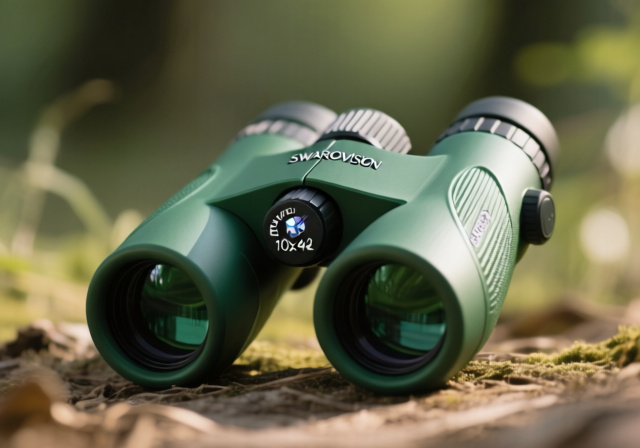
8×42 – Perhaps the most versatile binocular configuration available. The 5.25mm exit pupil delivers bright views in most conditions while maintaining manageable weight. These perform excellently for bird watching, wildlife observation, and general nature study.
10×42 – Higher magnification in the same objective size. The 4.2mm exit pupil remains adequate for many conditions, but the increased magnification reveals details invisible to 8×42 users. Ideal for open terrain where subjects stay at moderate distances.
10×50 – Larger objectives compensate for the higher magnification, maintaining a 5mm exit pupil. These binoculars excel during golden hours when wildlife becomes most active. The added weight demands consideration—many users find them too heavy for extended handheld viewing.
15×70 – A specialized astronomical configuration requiring tripod mounting. The large 70mm objectives gather substantial light for stargazing, while 15x magnification reveals lunar details and bright deep-sky objects. These are not suitable for handheld use or general wildlife observation.
8-16×40 – Zoom binoculars featuring variable magnification. The dash notation indicates adjustable power ranging from 8x to 16x. This flexibility appeals to users observing subjects at varying distances, though optical quality typically suffers compared to fixed-magnification models. Some hunters and surveillance users appreciate this versatility.
12×50 – High magnification with large objectives for bright images. The 4.2mm exit pupil matches 10×42 performance, but the increased magnification shows more detail on distant subjects. Hand shake becomes noticeable—these work best from a steady position or with support.
Binoculars group into three primary size categories based on objective lens diameter. Each category serves distinct purposes and excels in different situations. Selecting the right category forms the foundation of your binocular choice.
Compact binoculars prioritize portability above all else. Objective lenses between 20mm and 30mm keep these models lightweight and pocket-friendly. Common configurations include 8×25, 10×25, and 12×30. These fit easily into jacket pockets, daypacks, or glove compartments.
The smaller objectives gather less light, resulting in dimmer views during low-light conditions. Exit pupils typically range from 2.5mm to 3.5mm—adequate for daytime use but limiting during dawn, dusk, or dense forest canopies. If you primarily observe in bright conditions, compact binoculars perform admirably.
Compact binoculars suit specific situations exceptionally well:
Midsize binoculars strike an excellent balance between performance and portability. The 30mm to 40mm objective range delivers significantly better low-light performance than compact models while remaining comfortable for extended carry. Popular configurations include 8×32, 8×35, and 10×30.
The 32mm objective has become particularly popular among serious enthusiasts. Modern optical coatings compensate considerably for the slightly smaller size, allowing midsize binoculars to approach full-size performance in many conditions. Exit pupils between 3.5mm and 5mm accommodate most lighting situations.
These binoculars serve diverse applications effectively:
Full-size binoculars maximize optical performance with objectives of 42mm, 50mm, or larger. These are the preferred choice for serious wildlife observers, hunters, and astronomy enthusiasts who prioritize image quality over portability.
The large objectives create exit pupils of 5mm or greater, matching the human eye’s maximum dilation in dark conditions. This capability proves crucial during dawn and dusk—the golden hours when many animals are most active. The resulting brightness and detail resolution justify the additional weight for dedicated users.
Common full-size configurations include 8×42, 10×42, 10×50, and 15×70. The 42mm objective size offers the best balance for many users, delivering excellent performance without extreme weight. The 50mm and larger objectives serve specialized applications where maximum light-gathering outweighs portability concerns.
Full-size binoculars excel in these scenarios:
Beyond magnification and objective size, several other specifications determine how binoculars perform in real-world conditions. Understanding these numbers helps you evaluate binoculars beyond marketing claims.
Field of view indicates the width of the visible area you can see through the binoculars at a given distance. Manufacturers express this specification in two ways: linear feet at 1,000 yards (such as “330 feet at 1,000 yards”) or angular degrees (such as “6.3 degrees”).
Wider fields of view make locating and tracking subjects considerably easier. When birding, a wider field helps you find birds flying through the canopy. When watching sports, you can follow action across the entire field rather than just the center.
Magnification and field of view share an inverse relationship. Lower magnification typically produces wider fields. An 8×42 binocular might offer 390 feet at 1,000 yards, while the same manufacturer produces a 10×42 with only 330 feet at 1,000 yards. This trade-off influences which configuration suits your primary activity.
To convert angular field to linear: multiply degrees by 52.5 to get feet at 1,000 yards. Some manufacturers list “apparent field of view” calculated by multiplying true field by magnification—this number looks impressive but does not represent actual viewing width. Always verify whether specifications indicate true or apparent field.
Exit pupil represents the diameter of the light beam exiting the eyepieces, measured in millimeters. Calculate it by dividing objective diameter by magnification. For an 8×42 binocular: 42 ÷ 8 = 5.25mm. This straightforward calculation reveals low-light performance potential.
The human eye pupil dilates up to 7mm in dark conditions and contracts to 2-3mm in bright light. When exit pupil exceeds your eye’s pupil size, you waste potential light since not all gathered light enters your eye. When exit pupil falls below your eye’s pupil, the view appears dim regardless of objective size.
Exit pupil quick reference:
You can observe exit pupil directly. Hold your binoculars at arm’s length while pointing at a bright surface. Look at the eyepieces—you will see bright circular discs. These are the exit pupils. Larger circles indicate greater low-light potential.
Eye relief measures the distance between the eyepiece lens and the point where you can see the full field of view. Standard binoculars provide 9-14mm of eye relief, while long eye relief models extend 15-20mm or further. This specification matters enormously for eyeglass wearers.
Without sufficient eye relief, glasses wearers see a restricted, vignetted view with dark edges cutting into the field. The extra distance between glasses lenses and binocular eyepieces requires longer eye relief to achieve full-field viewing. Look for at least 15mm if you wear glasses.
Many binoculars feature twist-up or adjustable eyecups that help optimize eye position. Users without glasses can fold down or twist away eyecups to position their eyes closer, while glasses wearers extend them for proper distance. Some premium models offer 18-20mm+ eye relief for maximum glasses compatibility.
Close focus distance specifies the nearest point at which binoculars can achieve sharp focus. Standard binoculars focus at 15-20 feet minimum, but specialized close-focus models achieve 4-8 feet. This capability significantly expands the versatility of your binoculars.
Nature enthusiasts particularly benefit from close-focusing ability. Observing butterflies at close range, studying insects on flowers, or watching a hawk feeding at a nearby carcass—all require focus distances standard binoculars cannot achieve. Close-focus models reveal intricate details invisible to standard optics.
Specifications rarely list close focus in the model number, so check the detailed specs before purchasing. Premium binoculars often achieve closer minimum focus through sophisticated internal focusing mechanisms, though this may slightly affect close-range magnification performance.
Twilight factor provides a theoretical measure of low-light resolution capability. Calculate it by multiplying magnification by objective diameter, then finding the square root. For 8×42 binoculars: √(8 × 42) = √336 = 18.3. For 10×50: √(10 × 50) = √500 = 22.4.
Higher twilight factors suggest better detail visibility in dim conditions, assuming equal optical quality. A 10×50 binocular theoretically resolves more detail at dusk than an 8×42, despite both having 5mm exit pupils. The additional magnification concentrates available light on finer details.
While twilight factor helps compare binoculars for low-light applications, it does not replace exit pupil for evaluating overall brightness. Hunters and wildlife observers tracking game during golden hours often prioritize high twilight factors, though optical quality, coatings, and exit pupil remain equally important.
Interpupillary distance measures the space between your eyes’ centers, typically ranging from 54mm to 74mm among adults. Binoculars include an adjustable hinge allowing the barrels to spread or close to match your particular face width.
Most binoculars specify an IPD range rather than a single number. Look for specifications like “56-74mm” indicating the adjustment range. Before purchasing, verify that the binocular’s range encompasses your IPD—otherwise, you cannot achieve proper eye alignment and will see a restricted or split view.
Children and individuals with unusually narrow or wide facial structures should pay particular attention to IPD specifications. Some compact binoculars designed for smaller faces feature reduced IPD ranges, potentially excluding adult users with wider-set eyes.
To measure your own IPD, stand before a mirror while holding a ruler against your brow, measuring the distance between your pupils. Alternatively, visit an optical retailer where staff can measure this quickly. Most adults fall within 58-68mm, but the full range extends considerably beyond these values.
Inside binoculars, prisms fold the optical path to create compact instruments from what would otherwise be very long telescopes. Two common prism materials dominate the market: BAK4 and BK7. Understanding their differences helps you evaluate optical quality beyond basic specifications.
BAK4 (Barium Crown Glass) offers superior light transmission and produces cleaner, sharper images with better edge-to-edge clarity. The higher refractive index means light bends more efficiently through the prism. BAK4 prisms also create rounder exit pupils—important for achieving full-field viewing. Premium binoculars universally use BAK4 or superior glass types.
BK7 (Borosilicate Glass) provides adequate optical performance at lower cost. Images remain clear in the center but often show degradation toward edges. Exit pupils appear more octagonal than perfectly round due to the different optical characteristics. Budget binoculars frequently use BK7 prisms.
Beyond these two common types, premium manufacturers develop proprietary prism materials. ED (Extra-low Dispersion) glass reduces chromatic aberration for truer color reproduction. These advanced materials command significant prices but deliver measurable optical improvements for discerning users.
When evaluating binoculars, BAK4 or better prisms indicate higher quality construction. However, prism material alone does not determine optical performance—coatings, lens quality, and design engineering all contribute significantly. Many budget BAK4 binoculars still produce inferior images compared to well-designed BK7 models.
Different activities demand different specifications. Matching binocular numbers to your intended use ensures optimal performance without paying for unnecessary capabilities or suffering inadequate equipment.
Bird watching requires balancing several competing priorities: magnification for distant perched birds, field width for tracking flight, close focus for feeders and nearby encounters, and low-light capability for forest shade and early morning outings.
Most serious birders choose 8x or 10x magnification. The 8x configuration provides steadier views and wider fields, exceling in forests where birds move quickly through branches. The 10x magnification reveals field marks on distant waterfowl or raptors but demands steadier hands and may lose briefly glimpsed birds in narrower fields.
Objective sizes of 42mm have become the birding standard, delivering 5mm+ exit pupils for dawn observation when many species are most active. The resulting 21-25 ounce weight remains manageable for all-day carrying. For ultralight travel or warm-climate birding where reduced weight matters more than low-light performance, 32mm objectives serve well.
Ideal birding specifications:
Hunters face unique optical challenges that differ significantly from recreational observation. Game animals move during low-light conditions, often at considerable distances across varied terrain. Durability becomes equally important—equipment must withstand harsh conditions and temperature extremes.
Low-light performance takes priority for most hunting applications. Dawn and dusk represent prime hunting hours when deer, elk, and other game move most predictably. This makes exit pupil and objective size critical specifications. Full-size configurations like 10×42 or 10×50 dominate the hunting market.
Magnification selection depends on typical engagement distances. Open country hunters often prefer 10x or 12x for judging trophy quality at distance. Forest hunters typically choose 8x for the wider field needed to spot movement quickly. Some hunters carry two binoculars for different terrain types.
Beyond basic specifications, hunters should prioritize rugged construction. Look for waterproofing, fog-proofing (nitrogen or argon purging), and rubber armoring. These features protect your investment through seasons of hard use. Many hunting binoculars include built-in rangefinding capabilities that add distance information to your optical equipment.
Astronomical binocular requirements differ substantially from daytime observation. The goal is capturing faint starlight and revealing deep-sky objects invisible to smaller instruments. Large objectives, low magnification, and maximum exit pupils define ideal astronomical configurations.
Exit pupil should match your dark-adapted pupil size—up to 7mm for young observers with excellent night vision. As we age, maximum pupil dilation decreases, often to 5-6mm by middle age. This means a 50-year-old observer benefits more from 10×50 binoculars (5mm exit) than 7×50 (7mm exit), despite the theoretical advantage of the larger exit pupil.
Popular astronomy configurations include 7×50, 10×50, 15×70, and larger. The 7×50 provides wide fields for constellation scanning with 7mm exit pupils. The 10×50 balances detail with acceptable exit pupils for most adults. The 15×70 requires tripod mounting but reveals lunar details, star clusters, and even Jupiter’s moons.
Astronomical binoculars often include features unnecessary for daytime use: tripod adapter sockets, optional filters, and specialized coatings that enhance contrast for celestial observation. Weight becomes irrelevant when mounted on a steady tripod, allowing larger objectives that would prove impractical for handheld use.
Stadium sports, concerts, and similar events create specific demands: moderate magnification for action at various distances, wide fields for tracking plays across the venue, compact size for crowded conditions, and comfortable handling during extended viewing.
Most sports fans find 8×32 or 10×25 configurations work best. The 8×32 offers wider fields and stable images, exceling at tracking fast-moving soccer or football plays. The 10×25 brings distant action closer for baseball or golf where subjects stay relatively stationary between events.
Compact size matters significantly in crowded venues. Bulky binoculars obstruct sightlines and inconvenience those around you. Pocket-sized 8×25 models fit between crowded seats and work fine for daytime sporting events where maximum brightness is unnecessary.
Focus speed rarely matters for sports since targets stay at consistent distances throughout play. Instead, prioritize comfortable grip, quick-target acquisition through wide fields, and lightweight construction that does not tire your arms during three-hour events.
Selecting binoculars requires systematically matching specifications to your circumstances. Follow these steps to narrow your choices effectively and avoid common selection mistakes.
Begin by identifying your main application. Birding, hunting, astronomy, and sports each favor different specifications. No single binocular excels at everything, so prioritize your primary use and accept trade-offs for secondary applications.
Consider your typical environment. Dense forests demand wide fields and moderate magnification. Open terrain permits higher magnification for distant subjects. Coastal or marine settings benefit from waterproofing and wide exit pupils that compensate for boat motion.
Also consider typical viewing times. All-day daytime observation allows heavier equipment during active periods. Early-morning wildlife sessions demand the low-light capability of full-size binoculars regardless of weight penalties.
Hand steadiness varies significantly between individuals and changes with age, fatigue, and physical condition. Most people maintain steady views with 8x magnification. Many manage 10x comfortably. Few can handhold 12x or higher without noticeable image shake.
Test different magnifications before committing. What works effortlessly for your hunting partner might prove unusable for you. Online reviews often mention hand size and steadiness—search for opinions from users with similar physical characteristics.
Weight tolerance affects which size category suits you. Full-size 10×50 binoculars weighing 30+ ounces cause fatigue during extended observation. Some users carry them all day without issue; others find even 8×42 binoculars heavy after an hour. Consider carrying cases, straps, and how long you typically observe.
Physical considerations checklist:
Your typical lighting conditions directly determine which specifications matter most. Bright daylight accommodates any configuration, but dawn, dusk, forest shade, and indoor venues demand larger exit pupils and objectives.
Calculate exit pupil for any binocular you consider: objective diameter ÷ magnification = exit pupil. Compare the result against your typical conditions. Dawn wildlife viewing needs 5mm+ exit pupils. Shaded forest observation benefits from 4mm+. Bright daytime sports work fine with 2-3mm.
Distance to subjects influences magnification requirements. Backyard bird feeders rarely need more than 8x. Shorebird observation at wetlands might require 10x or 12x. Strive to approach subjects when possible—better optics cannot replace fieldcraft and responsible distance.
Many binocular buyers make predictable errors when interpreting specifications. Avoiding these mistakes prevents disappointment and ensures your purchase matches your actual needs.
Assuming higher magnification is always better. The most common mistake involves pursuing maximum magnification. High-powered binoculars like 16x or 20x prove nearly impossible to hold steady, produce narrow fields that lose subjects quickly, and often deliver dim, frustrating views. For most users, 8x or 10x provides the best balance.
Ignoring exit pupil for low-light conditions. That attractive 10×25 compact seems perfect until you attempt twilight wildlife observation. The 2.5mm exit pupil delivers dim, unsatisfactory views when your eyes need brightness. Always calculate exit pupil before purchasing for any low-light application.
Underestimating weight consequences. Those impressive 10×56 binoculars feel wonderful during brief store testing but become exhausting during hours of observation. Consider total carry weight including cases, straps, and accessories. If you will use them for extended periods, the lighter option often proves more enjoyable.
Overlooking eye relief requirements. If you wear glasses, insufficient eye relief renders otherwise excellent binoculars unusable. Remove glasses for store testing—but remember you will need them between observations, creating constant frustration. At least 15mm eye relief is essential for glasses wearers.
Ignoring IPD range. Most adults fall within standard IPD ranges, but children and those with unusually narrow or wide facial structures should verify fit before purchasing. Otherwise excellent binoculars may not adjust properly for your face width.
Beyond the obvious numbers, several hidden specifications reveal binocular quality and capabilities. Savvy buyers learn to decode these details for more informed purchasing decisions.
Beyond magnification and objective size, these specifications deserve attention:
Minimum focus distance surprises many buyers who discover their binoculars cannot focus on nearby subjects. Premium models achieving 4-6 foot minimum focus add remarkable versatility. If you observe butterflies, insects, or close-range nature details, verify this specification carefully.
True vs apparent field of view creates confusion in marketing. Some manufacturers list apparent field (magnification × true FOV), which inflates the number dramatically. Always verify whether specifications show true or apparent FOV. True FOV directly indicates your actual viewing width.
Diopter adjustment range indicates how much the binoculars compensate for vision differences between your eyes. Standard ±3 or ±4 diopters accommodate most users. If you have significant astigmatism or asymmetric vision, verify adequate diopter range before purchasing.
Several specifications beyond basic numbers indicate optical quality:
Prism type (BAK4 vs BK7) suggests optical quality. BAK4 prisms deliver brighter, sharper edge-to-edge views than BK7. Premium binoculars exclusively use BAK4 or better materials. While not technically a number, this specification significantly impacts performance.
Coating descriptions reveal light transmission quality. “Fully multi-coated” means all air-to-glass surfaces receive multiple anti-reflective coatings, dramatically improving brightness and contrast. Basic coated optics may only coat some surfaces, reducing effectiveness.
Waterproof ratings using nitrogen or argon purging prevent internal fogging during temperature changes. O-ring seals protect against moisture damage. These features matter significantly for outdoor equipment used in varied conditions.
This comparison table summarizes key specifications for common binocular configurations:
| Configuration | Exit Pupil | FOV (ft@1000yd) | Best Uses | Weight Range |
|---|---|---|---|---|
| 8×25 Compact | 3.1mm | 285-330 | Travel, concerts, daytime | 10-12 oz |
| 8×32 Midsize | 4.0mm | 350-400 | General use, hiking | 15-18 oz |
| 7×35 Midsize | 5.0mm | 350-395 | Marine, stability-priority | 16-20 oz |
| 8×42 Full-size | 5.25mm | 330-430 | Birding, wildlife | 21-25 oz |
| 10×42 Full-size | 4.2mm | 300-350 | Distant subjects | 21-26 oz |
| 10×50 Large | 5.0mm | 300-340 | Hunting, astronomy | 28-35 oz |
| 15×70 Large | 4.7mm | 230-280 | Astronomy (tripod required) | 40-50 oz |
| 12×50 Large | 4.2mm | 250-300 | Long-distance viewing | 30-38 oz |
Note: Actual specifications vary by manufacturer and model quality. Weight ranges are approximate for typical quality levels.
Different activities benefit from different magnification ranges. Use this guide to match specifications to your primary pursuit:
| Activity | Recommended Magnification | Recommended Objective | Key Priority |
|---|---|---|---|
| Bird watching | 8x – 10x | 32mm – 42mm | Balance of field and detail |
| Hunting | 8x – 12x | 42mm – 50mm | Low-light performance |
| Astronomy | 7x – 15x | 50mm – 70mm | Maximum exit pupil |
| Hiking | 8x | 32mm – 42mm | Weight and versatility |
| Sports/Concerts | 8x – 10x | 25mm – 32mm | Compact size |
| Marine | 7x – 8x | 42mm – 50mm | Wide exit pupil for boat motion |
| Safari | 8x – 10x | 42mm – 50mm | Low-light and distance |
10×50 binoculars magnify objects 10 times closer and feature 50mm objective lenses. This configuration produces a 5mm exit pupil (50÷10=5), delivering excellent low-light performance for hunting, astronomy, and twilight wildlife observation.
The 50mm objectives gather approximately 40% more light than standard 42mm lenses, translating to noticeably brighter views during dawn, dusk, or overcast conditions. However, the increased size and weight (typically 28-35 ounces) may cause fatigue during extended handheld use.
Neither configuration universally outperforms the other. The 8×42 provides steadier views, wider fields (typically 390-430 feet), and brighter images (5.25mm exit pupil). This makes 8×42 ideal for general nature observation and beginners.
The 10×42 reveals more detail on distant subjects but sacrifices some field of view (typically 300-350 feet) and brightness (4.2mm exit pupil). Choose 10×42 when subjects typically remain distant or when identifying fine details matters most.
30×60 binoculars offer 30x magnification with 60mm objective lenses. This configuration is uncommon and typically represents lower-quality optics. The extremely high magnification makes handheld use impractical without serious image shake.
Be cautious with binoculars advertising extremely high magnification like 30x, 50x, or even 500x. True useful magnification rarely exceeds 12x for handheld use. Higher “marketing” magnifications typically indicate inferior optics that cannot resolve details at those magnifications.
For most users, 8x or 10x magnification provides the best balance. The 8x magnification offers steadiest views and widest fields, making it perfect for beginners and general outdoor use. The 10x magnification provides additional detail when needed but requires steadier hands.
Avoid exceeding 10x unless you specifically plan to use a tripod or other stabilization. Even 12x magnification proves challenging for most people to handhold effectively, producing shaky, frustrating views that negate any magnification advantage.
7×35 binoculars magnify objects 7 times closer and have 35mm objective lenses. This configuration produces a 5mm exit pupil (35÷7=5), matching the human eye’s typical dark-adapted dilation.
The 7x magnification provides exceptional stability and comfortable viewing, making these binoculars popular for maritime use and users who struggle with higher magnifications. The 35mm objectives keep weight manageable while maintaining adequate light-gathering for most conditions.
Exit pupil calculation is straightforward: divide objective lens diameter by magnification. For example, 8×42 binoculars produce a 5.25mm exit pupil (42÷8=5.25). Similarly, 10×50 binoculars yield a 5mm exit pupil (50÷10=5).
Exit pupils above 5mm provide excellent low-light viewing, 4mm works well for general use, while under 3mm limits you to bright conditions. Match exit pupil to your intended conditions—dawn wildlife observation needs 5mm+, while daytime sports work fine with 3mm.
Eyeglass wearers need at least 15mm eye relief to see the full field of view comfortably. Many binoculars designed for glasses wearers offer 17-20mm or more. Without adequate eye relief, you will experience vignetting—dark edges that restrict your view.
Look for adjustable twist-up eyecups that lock in multiple positions. This feature lets fine-tune eye position whether you wear glasses or not. Some premium binoculars offer 20mm+ eye relief, accommodating thick glasses or sunglasses while maintaining full-field viewing.
For most users, 10×42 binoculars outperform 12×50 for several reasons. The 10×42 provides steadier views and wider fields, typically around 330-350 feet compared to 250-300 feet for 12×50. The 5.25mm exit pupil of 8×42 beats the 12×50’s 4.2mm for low-light conditions.
The 12×50 does offer more magnification for distant subjects and similar exit pupil to 10×42. However, the narrower field and increased difficulty holding steady make 12×50 challenging for extended observation. Choose 12×50 only if you specifically need the extra magnification and can use a tripod or other support.
Understanding what do numbers on binoculars mean transforms confusing specifications into meaningful selection criteria. The primary numbers—magnification and objective size—establish the foundation, but exit pupil, field of view, eye relief, and other specifications complete the picture for informed decisions.
Remember that no single configuration excels at every application. The versatile 8×42 serves most outdoor enthusiasts well, offering excellent low-light capability without extreme weight. The 10×50 provides maximum brightness for dedicated hunters and astronomers. Compact 8×25 configurations travel anywhere without burden.
Match specifications to your primary use, physical capabilities, and typical viewing conditions. Test different configurations whenever possible before purchasing. With this knowledge of binocular specifications, you can confidently evaluate any pair of binoculars and choose wisely for your specific needs.
Now that you understand what do numbers on binoculars mean, you can focus on the specifications that matter most for your intended use. Resist the temptation of impressively high magnifications, and select optics that will provide years of reliable service in the conditions you actually encounter.