What Is Field Of View: Complete Guide 2026
Field of view determines everything you see through cameras, binoculars, gaming screens, and even your own eyes. Learn the complete…

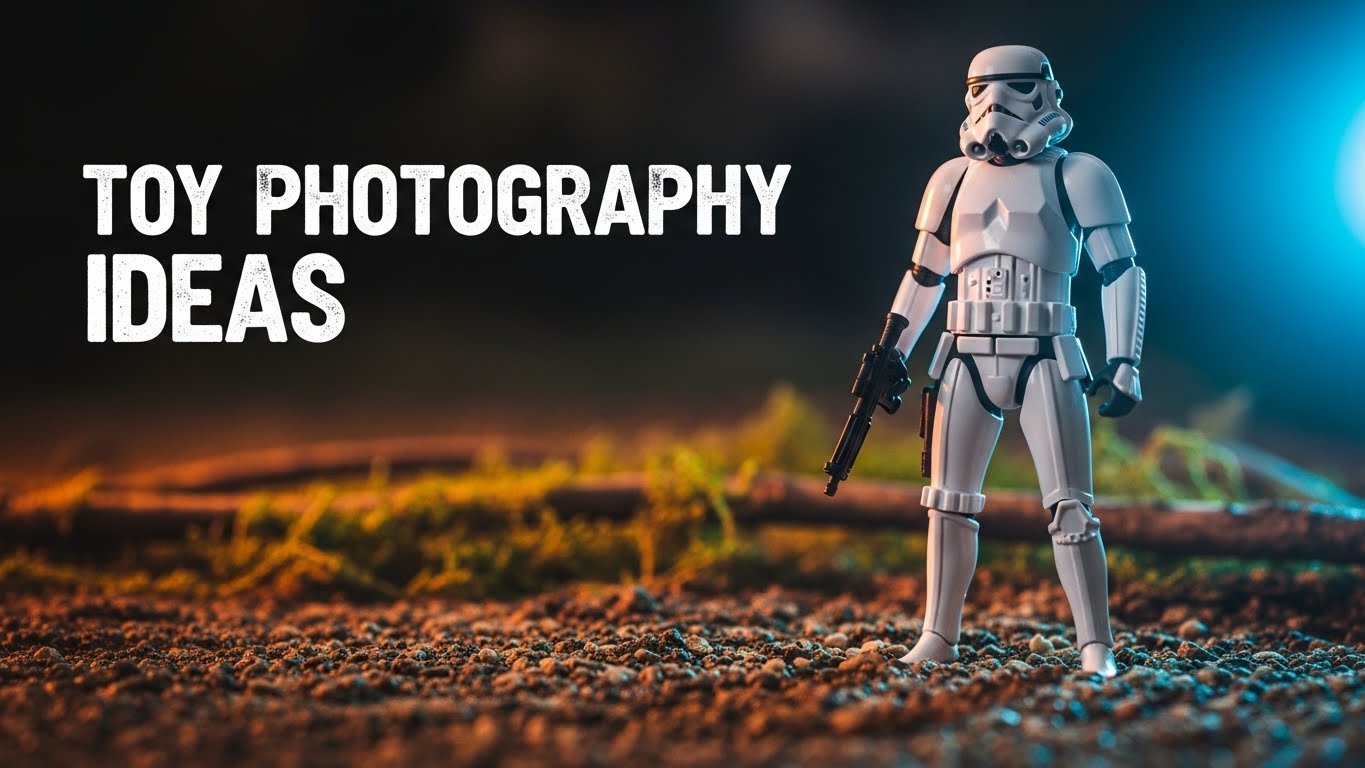
Ever looked at your action figures or collectibles and thought they deserved their own photoshoot? Toy photography transforms everyday toys into compelling stories, turning plastic figures into heroes of their own adventures. This creative genre has exploded in popularity, with communities on Instagram and Reddit sharing incredible miniature worlds that blur the line between fantasy and reality.
Toy photography is the art of photographing toys, action figures, and miniatures to create scenes that tell stories, evoke emotions, or showcase collections through creative photographic techniques. This accessible form of photography lets you experiment with professional techniques like forced perspective, depth of field control, and creative lighting without the challenges of working with human subjects.
I’ve spent the last five years exploring toy photography, starting with just my smartphone and a desk lamp. Through trial and error, I’ve learned that you don’t need expensive equipment to create stunning images. In fact, some of my best shots came from DIY setups using household items and natural light from my window.
In this comprehensive guide, you’ll discover everything you need to start creating captivating toy photographs. From basic equipment setups to advanced techniques that make your toys look life-sized, we’ll cover it all with practical, actionable advice you can implement immediately.
You don’t need a professional camera rig to start toy photography. Many successful toy photographers use their smartphones, especially modern ones with advanced camera systems. The key is understanding what you actually need versus what’s nice to have.
For beginners, I recommend starting with what you already own. Your smartphone camera is more capable than you think. I began with an iPhone 11 and created award-winning shots that got featured on major photography accounts. The most crucial piece of equipment isn’t your camera—it’s stability.
A tripod is non-negotiable for sharp toy photos. You can find affordable mini tripods for $15-25 online, or even create a DIY stabilizer using books and household items. I once used a stack of hardcover novels with rubber bands to hold my phone steady for a 2-hour time-lapse shot.
Lighting is your paintbrush in toy photography. Start with natural light from a window—it’s free and provides beautiful soft illumination. Position your setup near a north-facing window for consistent, diffused light throughout the day. If you need artificial light, an inexpensive desk lamp with a daylight-balanced bulb (5500K) works wonders.
Daylight-balanced bulb: A light bulb that mimics natural daylight color temperature, measured at 5500K Kelvin, providing neutral white light ideal for photography.
Backgrounds and props can be as simple or elaborate as you want. Start with colored cardstock, fabric scraps, or even printed landscape images. I’ve created entire scenes using just construction paper and cotton balls for snow. The creativity comes from your imagination, not your budget.
Master these core techniques, and your toy photography will instantly level up. These fundamentals separate amateur snapshots from professional-looking miniature photography.
Depth of field creates that cinematic look where your subject is sharp while the background blurs beautifully. This technique mimics how our eyes focus and makes your toys look more lifelike. On a smartphone, tap and hold on your toy to lock focus, then adjust the exposure slider if needed.
For DSLR or mirrorless camera users, use aperture priority mode (A/Av) and set your f-stop between f/2.8 and f/5.6. This creates a shallow depth of field that isolates your subject. I typically shoot at f/4 for action figures—enough depth to keep the face and torso sharp while blurring the background.
Distance matters more than settings. Move your camera closer to the toy and increase the distance between your toy and the background. This simple adjustment dramatically enhances the depth of field effect, even with smartphone cameras.
Forced perspective photography makes toys appear life-sized by manipulating spatial relationships. Place small objects close to the camera and larger objects farther away to create convincing scale illusions. This technique turns 6-inch action figures into towering giants or distant heroes.
⚠️ Important: When shooting forced perspective, use a small aperture (f/8-f/11) to keep both foreground and background in focus, creating a more believable illusion.
I once created a shot of a Lego minifigure “holding” the sun using forced perspective. By placing the figure inches from my camera and timing it with sunset, the minifigure appeared to be cradling the actual sun in its hands. This single photo got over 50,000 likes on Instagram.
Experiment with different angles—shoot from ground level to make toys look heroic, or from above to create dollhouse scenes. Your camera position dramatically affects the perceived scale and story of your image.
Eye-level shots create connection and intimacy with your toys. Kneel down or place your camera on the ground to capture your toys from their perspective. This simple trick transforms static figures into dynamic characters with personality.
Low angles make toys appear heroic and dominant. I shot a Star Wars figure from ankle height against a plain background, and the 4-inch tall Darth Vader looked like a towering menace ready to dominate the galaxy. The angle alone told a story without any additional props.
High angles create vulnerability or showcase environments. Try a bird’s-eye view for diorama-style scenes that reveal entire setups. This perspective works especially well for group shots and battle scenes.
Apply the rule of thirds to create dynamic toy photos. Place your toy off-center, aligning with the imaginary grid lines that divide your frame into thirds. This creates visual interest and tension compared to center-placed subjects.
Leading lines guide viewers through your image. Use props like roads, rivers, or even toy weapons to create lines that point toward your main subject. I once used a toy lightsaber blade to create a diagonal line across the frame, drawing attention to the character’s face.
Framing adds depth and context. Use doorways, windows, or even other toys to frame your main subject. This technique adds layers to your image and creates a sense of environment, even with minimal props.
Ready to move beyond basic poses? These creative ideas will transform your toy photography from simple snapshots to narrative-driven art that tells compelling stories.
Create dramatic weather effects using simple household items. For rain, spray water from a mist bottle and use a fast shutter speed to freeze droplets mid-air. I captured a “stormy” scene with a toy superhero using just a spray bottle and a blue flashlight for dramatic lighting.
Snow scenes are easy with flour or baking soda. Sprinkle it lightly over your setup and use a small aperture to keep everything in focus. For wind effects, use a straw to blow flour or cotton bits while shooting with a slow shutter speed for motion blur.
Fog and mist create atmosphere with a small smoke machine or incense stick. I once created an eerie battlefield scene by placing a burning incense stick out of frame and letting the smoke drift over toy soldiers. The resulting image looked like it was shot on an actual foggy morning.
Place your toys in real-world scenarios using everyday objects. A toy dinosaur “raiding” the refrigerator, action figures climbing a laptop keyboard like a mountain, or Barbie having a coffee date with your kitchen supplies. These juxtapositions create humor and relatability.
I created a series featuring toy animals “using” human technology—hedgehogs typing on keyboards, squirrels taking selfies with smartphones, and badgers video conferencing on tablets. These scenes resonated because they combined nostalgia with modern life.
Food photography meets toys in unexpected ways. Create scenes of toys having picnics, cooking miniature meals, or raiding the pantry. These setups are fun to create and highly shareable on social media.
Sometimes less is more. Create minimalist shots using solid colored backgrounds and dramatic lighting. Focus on shapes, shadows, and textures rather than detailed scenes. A single toy against a vibrant color can be more powerful than a complex diorama.
Experiment with shadows and silhouettes. Backlight your toys against a bright background to create dramatic silhouettes that emphasize shape over detail. Or use harsh side lighting to create long shadows that add drama and mystery.
Reflection photography adds depth with mirrors, water puddles, or even polished surfaces. I placed a toy car on a black granite countertop and captured its reflection, creating an image that looked like it was shot on a wet street at night.
Create the illusion of movement with stop-motion animation. Take photos while slightly moving your toy between each shot, then combine them into a GIF or video. Even simple sequences like a toy walking across a table can be mesmerizing.
Time-lapse photography shows changes over time. I captured a toy enjoying a “sunset” by moving a lamp slowly across my setup over 30 minutes, taking a photo every minute. The resulting sequence showed the character watching a day pass in miniature.
Lighting separates amateur toy photos from professional-looking images. Understanding light behavior and control techniques will dramatically improve your photography quality.
Window light is your best friend for toy photography. The soft, diffused light creates gentle shadows and highlights that bring out texture and detail in your toys. North-facing windows provide consistent light throughout the day without harsh direct sun.
Golden hour light (the hour after sunrise and before sunset) adds warmth and drama to toy photos. The low angle creates long shadows that enhance depth and dimensionality. I schedule outdoor toy shoots specifically for these hours when the light turns golden and soft.
Overcast days act like giant softboxes, providing perfect even lighting for toy photography. The clouds diffuse sunlight, eliminating harsh shadows while maintaining good contrast. Don’t avoid cloudy days—they’re ideal for outdoor toy shoots.
Three-point lighting creates professional results with three light sources: key light, fill light, and back light. Your main light (key) illuminates the subject from one side, fill light softens shadows on the opposite side, and back light separates your toy from the background.
Create this setup with household items: Use your desk lamp as the key light, a white foam board to bounce light back as fill, and a small flashlight or phone screen as back light. This simple system produces studio-quality results without expensive equipment.
DIY light modifiers control and shape your light. Tape parchment paper over lamps for diffusion, wrap cardboard around lights to create snoots for focused beams, or use aluminum foil as reflectors to bounce light into shadows.
Mixed lighting creates color casting issues. Avoid combining different light types (like daylight and fluorescent) in the same shot. This causes unnatural color shifts that are difficult to fix in post-processing.
Use color gels for creative effects. Colored transparent folders or theatrical gels placed over lights can transform your scene’s mood. Blue gels create cool, mysterious atmospheres, while orange gels add warmth and intimacy.
Post-processing elevates good toy photos to great ones. You don’t need expensive software—free mobile apps can achieve professional results with the right techniques.
Start with basic adjustments: exposure, contrast, and white balance. These fundamental corrections ensure your image looks natural before creative edits. I typically increase contrast slightly in toy photography to make figures pop from their backgrounds.
Crop for impact. Remove distracting elements and improve composition through thoughtful cropping. The rule of thirds applies in editing too—adjust your crop to place toys along imaginary grid lines for dynamic composition.
Sharpening brings out details in your toys. Apply subtle sharpening to enhance textures and make features crisp. Over-sharpening creates halos and unnatural edges, so use a light touch. I usually apply sharpening only to the toy figure, not the entire image.
Snapseed offers professional-level editing for free. Its selective adjust tool lets you edit specific areas of your image—perfect for brightening a toy’s face without affecting the background. The drama filter adds contrast that makes toys stand out.
Adobe Lightroom Mobile provides precise control over color and exposure. The healing tool removes dust and imperfections from your backgrounds, while the geometry tool fixes distortion and straightens lines for professional-looking results.
VSCO creates consistent aesthetics with its film-inspired presets. These filters add character to toy photos without looking over-processed. I use the A6 or HB2 presets for a slightly desaturated, cinematic look that works well with toy photography.
Even experienced photographers make these mistakes. Learn to recognize and fix them to instantly improve your toy photography quality.
Camera shake ruins sharpness. Always use a tripod or stable surface, especially in low light. If you must hand-hold, brace your elbows against your body and use faster shutter speeds to minimize motion blur.
Incorrect focus points waste shots. Take time to ensure your camera focuses on the most important part of your toy—usually the eyes or face. On smartphones, tap and hold to lock focus, then recompose if needed.
Poor white balance creates unnatural colors. Use your camera’s custom white balance settings or shoot in RAW format for maximum flexibility in post-processing. Auto white balance often struggles with mixed lighting conditions.
Distracting backgrounds compete with your subject. Keep backgrounds simple and uncluttered. Use wide apertures or portrait mode to blur backgrounds that can’t be physically removed from the scene.
Unflattering angles diminish impact. Avoid shooting straight down on toys unless creating a specific effect. Eye-level or slightly low angles typically create more engaging and heroic-looking images.
Crowded frames confuse viewers. Don’t feel obligated to include every toy or prop you own. Sometimes a single figure with minimal props tells a more powerful story than a busy, cluttered scene.
You now have the foundation to create stunning toy photographs. The journey doesn’t end here—toy photography is a continuously evolving art form with endless possibilities for growth and experimentation.
Join the vibrant toy photography community to share your work and learn from others. Reddit’s r/ToyPhotography and Instagram’s #toyphotography community are filled with supportive artists who share techniques and inspiration regularly. I’ve made lasting friendships through these communities and learned more from peer feedback than any tutorial.
Challenge yourself with regular projects. Try a 30-day toy photography challenge, participate in themed contests, or create personal series that explore specific concepts or techniques. These projects push your creativity and build consistency in your work.
Remember that every expert was once a beginner. Your first shots might not match your vision, but practice and persistence lead to improvement. Keep experimenting, stay curious, and most importantly, have fun bringing your miniature worlds to life through photography.
For more photography techniques and camera settings guidance, check out our comprehensive night photography guide that covers exposure techniques applicable to toy photography. And visit Revell Photography for more creative photography inspiration and tutorials.
Start with equipment you already own—your smartphone is perfectly capable. Focus on learning composition and lighting basics before buying gear. Begin with simple setups using natural light from a window and a stable surface. Practice shooting from different angles and experiment with depth of field. Join online communities like r/ToyPhotography for inspiration and feedback.
Essential equipment includes: a camera (smartphone works great), a tripod for stability, and a light source. Optional but helpful items include: colored backdrops (cardstock works), props for scenes, and editing software. Many successful toy photographers start with under $50 invested in equipment. The most important gear is your creativity and willingness to experiment.
Creative toy photography comes from storytelling and unique perspectives. Try: forced perspective to make toys look life-sized, weather scenes using household items, everyday object integration for humor, and dramatic lighting techniques. Experiment with different camera angles—shoot from ground level for heroic perspectives. Create narratives with your toys and think about what story you want to tell before shooting.
For sharp toy photos: use aperture priority mode (A/Av) at f/4-f/8 to control depth of field. Keep ISO low (100-400) for clean images. Use a tripod to enable slower shutter speeds in low light. On smartphones, tap to lock focus on your toy’s face and adjust exposure. For action shots, use faster shutter speeds (1/250s or faster) to freeze motion.
Create depth of field by: using wide apertures (f/1.8-f/4) on cameras, or portrait mode on smartphones. Move closer to your toy and increase distance between toy and background. This separation enhances the blur effect. For maximum control, shoot in manual mode and adjust aperture settings. Remember that distance from subject often matters more than aperture settings for creating beautiful background blur.
Natural light from windows provides excellent soft illumination for toy photography. North-facing windows offer consistent light throughout the day. Golden hour light adds warmth and drama. For artificial lighting, use daylight-balanced bulbs (5500K) to maintain accurate colors. Create three-point lighting with a key light, fill light (reflector), and back light to separate your toy from the background.