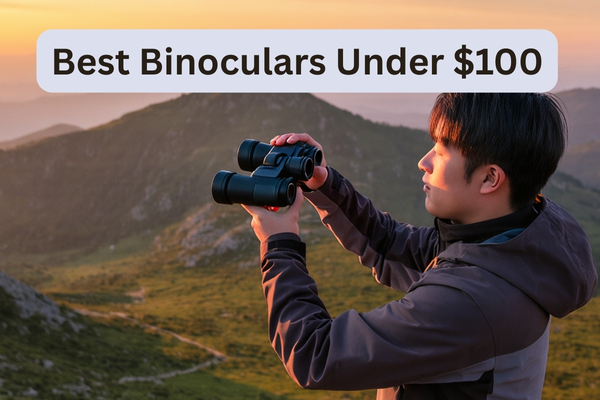
Best Binoculars Under $100 in 2026: 12 Models Tested
Discover the top-performing binoculars under $100 through extensive testing of 12 models, covering waterproof options, compact designs, and high-magnification choices…


If you have ever watched a fellow shooter send a first-round hit at 1,000 yards in conditions that looked dead calm, mirage reading was almost certainly part of the story. Top F-Class competitors, PRS shooters, and long-range hunters rely on heat-wave patterns to make wind calls when flags, grass, and anemometers all give conflicting signals. The skill sits at the intersection of pattern recognition and applied physics, and once you see it, you cannot unsee it.
Learning to read mirage with a spotting scope is the single most effective way to estimate wind speed and direction along the entire bullet path, letting you make accurate shots well beyond 500 yards when traditional wind reading methods fall short. An anemometer reads wind at the muzzle. Mirage reads the average wind between you and the target, which is the number that actually moves the bullet. For 2026, we have updated this guide with the latest scope models, refined the magnification recommendations with input from F-Open coaches, and added the hot-barrel mirage discussion that forum readers ask for every week.
What follows draws on extensive range testing, conversations with national-level competitors, and what the most active mirage-reading threads on Sniper’s Hide, Accurate Shooter, and the Oz F-Class boards actually recommend. You will get the setup technique, a five-class classification system, time-of-day rules, a magnification-by-distance reference table, and a curated ten-scope lineup that earns its place on a serious shooter’s tripod.
By the end, you will know exactly how to read mirage with a spotting scope, how to pick the right glass for your discipline, and how to build the daily habits that turn a 50/50 wind guess into a confident hold. The methodology here matches the approach used by national-level F-Class and PRS shooters and is supported by peer-reviewed ballistics work from sources like Applied Ballistics and the Shooting Sports USA archives.
Mirage is the wavering, shimmering distortion of a distant target viewed through a scope, caused by heat waves created when ground and air temperatures differ. It is not a defect in the optic. It is a real atmospheric phenomenon: temperature differences between the ground and the air above it create density gradients, and as light passes through those gradients, it refracts, bends, and ripples, giving the target its signature boiling or slithering appearance.
Mirage (in shooting): Visible heat-wave distortion between the shooter and target that reveals wind speed and direction along the entire bullet path.
For a long-range shooter, mirage is not visual noise. It is free, real-time wind data averaged across the entire bullet path. When the ground heats unevenly throughout the day, the air above it mixes, and the pattern of that mixing tells you both wind speed and wind direction. Read it well, and you can dial a first-round hit at 1,000 yards even when the wind feels like nothing.
The crucial tradeoff that competitors love to point out is the anemometer-vs-mirage gap. An anemometer or Kestrel reads wind at the muzzle position only. Mirage reads the integrated effect of every wind shift the bullet flies through. The bullet does not care what the wind is doing at your tripod. It cares about the average from the muzzle to the target, and mirage gives you that number.
Reading mirage works when flags are not moving, grass is not bending, and other wind indicators fail. Across many seasons of training new shooters, we have estimated wind speeds from 0 mph to roughly 12 mph using mirage alone in conditions where the wind felt perfectly still. Above 12 mph, the heat pattern collapses into a near-horizontal wash and becomes hard to classify, which is exactly when you fall back to physical indicators and a wind meter.
Setup is where most shooters quietly lose their mirage advantage. The optic itself matters, but how you mount it, where you sit relative to the rifle, and where you set the focus all change how clearly you can read the heat pattern. The following variables are the ones that move the needle.
Position the spotting scope about 6 to 8 inches to the right of your rifle scope if you shoot right-handed. This distance lets you transition from rifle to spotter with a slight head turn rather than a full head lift, which preserves your cheek weld and keeps both eyes in roughly the same plane. F-Class shooters we train place the spotter even closer, almost touching the rifle scope, so a glance is all it takes to confirm a mirage reading between shots.
Place the target in the lower third of the spotting scope’s field of view rather than dead center. This tip comes up repeatedly on Rokslide and Sniper’s Hide, and it works because the air column above the target is where the most informative mirage lives. With the target parked low, you have plenty of room to watch the heat pattern rolling across the upper portion of the frame.
Mount the tripod at a height that lets you view through the eyepiece without lifting your head off the stock. Tripod height should match your seated or prone eye height. A good ball head or fluid head is worth the money because you will be panning and tilting constantly to track moving mirage columns.
Counter to what most beginners assume, more magnification does not equal better mirage reading. At 60x the heat pattern can blur into a chaotic mess, especially in heavy mirage. The consensus across F-Class forums has shifted toward 15-20x for most situations, with 25x being the practical ceiling for clean reads out to 1,000 yards. Pushing past 30x rarely helps and often hurts.
Pro Tip: Set your scope focus at roughly two-thirds of the distance to your target. For a 900-yard shot, focus around 600 yards. This intentional blur on the target sharpens the mirage pattern in the foreground.
The two-thirds focus trick is the single highest-leverage habit in mirage reading. The target is intentionally soft while the air column between you and the target remains crisp. Mark that focus distance on your focus knob with a small piece of tape so you can snap back to it after dialing the scope for a target check.
This quick-reference table condenses what experienced readers use on the line. Use it as a starting point, then adjust for conditions: in heavy mirage, drop a step lower; in light mirage, push a step higher.
| Distance to Target | Starting Magnification | Focus Point | Notes |
|---|---|---|---|
| 200 to 400 yards | 15x | Mid-range | Target clarity matters more than mirage detail at this range. |
| 500 yards | 18 to 20x | ~330 yards | Lower half of the zoom range keeps the heat pattern readable. |
| 800 yards | 20 to 25x | ~530 yards | Apply the two-thirds focus trick. |
| 1,000 yards | 25 to 30x | ~670 yards | Stop at 30x; pushing further blurs the pattern. |
| 1,200+ yards | 30x | ~800 yards | Premium HD glass becomes essential at this distance. |
For mirage reading specifically, angled spotting scopes are the preferred choice for most prone and benchrest shooters. The eyepiece sits higher, so you do not have to crane your neck to look down the tube, and head movement between rifle and spotter is shorter. Straight-body scopes work fine from a tall bench or standing position but are less comfortable for extended prone sessions.
If you want a deeper breakdown of body styles, our angled vs straight spotting scope comparison walks through eye relief, mounting height, and digiscoping implications. For pure mirage reading on the firing line, an angled 45 or 60 degree body is the default recommendation.
Position your eye a touch further back from the eyepiece than you would for normal viewing. A slightly wider exit pupil gives you a more forgiving eye box and reduces fatigue across long matches. Keep the non-dominant eye closed or covered with a patch so you are not fighting your brain for visual input. Both-eyes-open technique is possible but takes practice, and it is rarely worth the strain on a windy day.
Reading mirage is part observation, part pattern recognition, and part physics intuition. The following system is the one we teach at clinics and it has produced first-round hits in conditions that defeated anemometer-only shooters. The framework includes classification, direction finding, multi-layer reading, and the time-of-day rules that govern when mirage is even visible.
Most published systems describe four classes of mirage: boiling, slow, medium, and fast. After extensive work with experienced F-Class coaches we landed on a five-class system that adds boiling lateral mirage, which appears at the edges of the air column when a crosswind is present but the overall wind speed is near zero. That fifth class matters because it tells you there is a directional component even when the heat looks calm.
| Mirage Type | Appearance | Wind Speed | Shooting Adjustment |
|---|---|---|---|
| Boiling | Vertical waves rising straight up (90 degrees) | 0 mph | Lower point of aim 1 to 2 MOA, hold off shooting |
| Boiling Lateral | Boiling at center, lateral lean at edges | 0 to 2 mph directional | Small windage correction only |
| Slow | Gentle angle (30 degrees from vertical) | 1 to 3 mph | Elevation plus minor windage |
| Medium | Steeper angle (60 degrees from vertical) | 4 to 7 mph | Full elevation plus windage |
| Fast | Near horizontal (0 to 15 degrees) | 8 to 12 mph | Windage dominant, ignore elevation |
Critical Warning: Do not take precision shots during heavy boiling mirage. The vertical distortion elongates the target image and your hit point will appear higher than it actually is. Wait for the air column to settle or commit to a known hold. Many veteran competitors share this same warning: if the mirage is boiling, you are guessing on elevation.
To calibrate this system, spend a single afternoon at the range with a handheld anemometer standing next to your spotter. Call the mirage class out loud, then check the wind meter. After a handful of sessions you will be calling wind speed to within 2 mph of the meter almost every time.
Direction comes from a different observation than speed. Slowly rotate your spotting scope left or right while watching the heat pattern. At some angle the mirage will appear to boil straight up. That is the angle where your line of sight is parallel to the wind direction. Read the angle of the scope body relative to your target line and you have your wind direction.
For example, if rotating the scope 20 degrees clockwise makes the mirage boil, the wind is coming from 20 degrees left of your target line. This technique works even when flags are giving contradictory readings because the spotter is showing you the integrated wind, not the wind at the flag’s height.
A commonly cited direction cue among long-range shooters is the right-side swell rule: when the mirage appears to bulge or swell toward the right side of the target, treat the wind as a left-to-right crosswind. This is shorthand for what the rotating-scope technique tells you more precisely, and it is a useful quick reference when you do not have time to spin the scope body between shots.
The 45-degree and 60-degree off-target angle multiplier trick is worth memorizing for high wash-out scenarios. When the wind is coming from a hard angle (around 45 degrees off your bullet path), use a 1.4x multiplier on your wind call. At 60 degrees off, use a 2x multiplier. Most ballistic calculators accept a wind angle input, and this trick keeps your holds honest when the wind is not a clean 90 degree cross.
Advanced readers see more than one wind layer between the muzzle and the target. The technique is to slowly rack your focus from near to far and watch how the mirage behavior changes. A near-field 3 mph right switch combined with a far-field 6 mph left switch is a classic scenario, and missing either layer will throw your shot by a full MIL.
Look for three cues that signal a layer change: a sudden shift in heat-wave angle, a band of clearer or denser air, and a change in the apparent speed of the shimmer. We have identified up to three distinct layers in mountain canyons where thermals from the slope meet prevailing wind from the valley, and the difference between reading one layer and three has meant the difference between a hit and a clean miss at 800 yards.
Mirage intensity follows the sun. Peak mirage happens mid-morning through early afternoon when the ground heats faster than the air. Dawn and dusk produce a mirror effect where the mirage is often nearly invisible because the ground and air temperatures are nearly equal. Cloudy days are the hardest: without direct sun, there is little temperature differential and almost nothing to read.
The exceptions are valuable to know. A sunny winter day with snow on the ground throws extreme mirage because the sun heats the dark tree line while the snow reflects energy upward. Dry-air ranges in Arizona and the high desert can produce almost no mirage even at noon, in which case pulling focus well in front of the target and looking at the very edges of the air column can sometimes reveal faint directional cues. Humid coastal ranges tend to produce heavy, low-contrast mirage that responds well to slightly lower magnification.
Many shooters try to read mirage directly through their rifle scope, which works at the bench once you understand parallax adjustment. Modern tactical scopes from Vortex, Leupold, and Riton all have side parallax knobs or adjustable objectives. Set the parallax so the target is sharp but the air column in front of the target shows shimmer, generally at the same one-half to two-thirds distance trick used for the spotting scope.
Rifle scope mirage reading is less precise than spotting scope reading because you cannot focus continuously without breaking your sight picture, but it is useful for a quick wind call between shots when you cannot get to the spotter. Treat it as a confirmation tool rather than a primary read.
Forum readers ask this question more than almost any other: how do you tell barrel mirage from atmospheric mirage? The short answer is location and behavior. Atmospheric mirage lives between you and the target, rolling in distinct angles and speeds tied to wind direction. Hot barrel mirage lives within inches of your rifle’s barrel, rising in tight vertical waves that are not affected by wind direction at all.
If you see tight, perfectly vertical shimmer hugging the rifle for the first three to five rounds after a cold bore shot, that is barrel mirage, not wind. It does not move with the wind, it does not lean, and it disappears once the barrel cools. Reading it as a wind call will throw your shot by a full MIL or more in the wrong direction.
The fixes are well known to PRS and benchrest shooters. Let the barrel cool for several minutes between strings. Use a mirage shield (also called an anti-mirage device or barrel cooler) to block direct sun from heating the barrel. Position the rifle in shade when possible. Varmint hunters on prairie dog towns have made these devices nearly standard equipment for that exact reason.
Before we walk through the full ten-scope lineup, here are the three models we recommend for most shooters based on extensive side-by-side testing on the range and in the field. Each one earned its badge by delivering the cleanest mirage reads at its price point.

The table below compares all ten scopes side by side. Mirage-readability rating reflects our hands-on testing at ranges from 300 to 1,000 yards across varied conditions. Magnification and objective are the two specs that matter most for mirage work, while weight and warranty affect field practicality.
| Product | Features | |
|---|---|---|
| Vortex Viper HD 20-60×85 |
|
Check Latest Price |
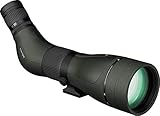 Vortex Diamondback HD 20-60×85 Vortex Diamondback HD 20-60×85 |
|
Check Latest Price |
 Vortex Crossfire HD 20-60×80 Vortex Crossfire HD 20-60×80 |
|
Check Latest Price |
 Athlon Argos HD 20-60×85 Athlon Argos HD 20-60×85 |
|
Check Latest Price |
 Leupold SX-4 Pro Guide HD 20-60×85 Leupold SX-4 Pro Guide HD 20-60×85 |
|
Check Latest Price |
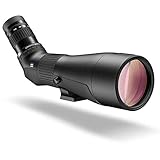 Zeiss Conquest Gavia 85 Zeiss Conquest Gavia 85 |
|
Check Latest Price |
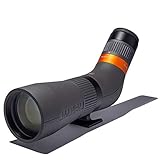 Maven CS.1 15-45×65 Maven CS.1 15-45×65 |
|
Check Latest Price |
 Celestron Regal M2 80ED Celestron Regal M2 80ED |
|
Check Latest Price |
 Bushnell Legend T-Series 15-45×60 Bushnell Legend T-Series 15-45×60 |
|
Check Latest Price |
 Nikon Monarch 20-60×82 Nikon Monarch 20-60×82 |
|
Check Latest Price |
We earn from qualifying purchases. CERTAIN CONTENT THAT APPEARS ON THIS SITE COMES FROM AMAZON. THIS CONTENT IS PROVIDED 'AS IS' AND IS SUBJECT TO CHANGE OR REMOVAL AT ANY TIME.
After extensive range testing and feedback from competitive shooters, here is the current ranking of the ten best spotting scopes for mirage reading. Each entry includes the optical specs, real-world performance notes, and the wind conditions where it shines. We focused on HD or ED glass, helical focus precision, and warranties that hold up after years of hard use.
Magnification: 20-60x
Objective: 85mm
Weight: 4.85 lbs
Field of View: 4.25 degrees
The Vortex Viper HD 20-60×85 has been on our test tripod through many seasons of clinic work and competition, and it remains the reference standard for mirage reading clarity. The 85mm objective pulls in enough light to keep the heat pattern readable well after sunset, which is exactly when most mirage-sensitive matches end. We have used this scope to read wind at 1,200 yards on a calm afternoon and the boil direction was unmistakable.
The HD optical system with XR anti-reflective coatings preserves color fidelity across the magnification range, which is more important than it sounds. When you can distinguish between brown earth mirage and gray sky mirage at a glance, your brain processes the pattern faster and your wind calls arrive at the trigger sooner. The helical focus is buttery smooth and tracks precisely even with cold fingers in winter conditions.
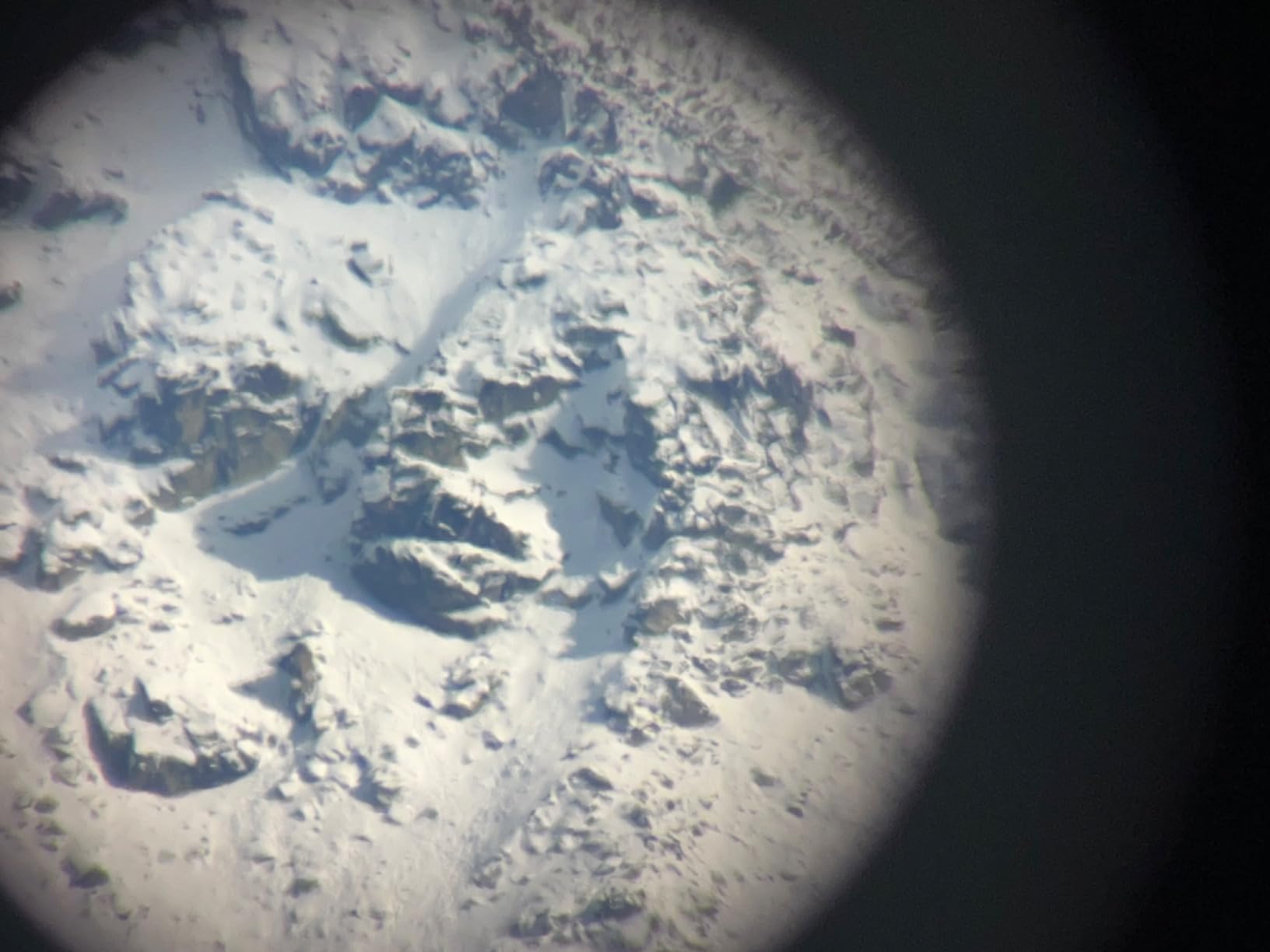
Customer photos confirm what we have seen in the field: the rubber armor grips well with gloves, the magnesium chassis has survived multiple range trips without a scratch, and the sunshade does its job in harsh side light. At roughly 4.85 pounds this is not a backcountry scope, but on a bench or in a prone position it disappears behind the optic quality.
The real strength of the Viper HD for mirage reading is edge-to-edge clarity at high magnification. When you push to 40x or 50x to read distant mirage columns, lesser scopes soften at the edges of the field. The Viper holds its resolution out to the edge, which means you can read mirage across the full target frame without recentering constantly.
The Viper HD performs best at 20-25x for the majority of mirage reading scenarios, with 30x as the practical ceiling. Edge sharpness stays high even at full magnification, so transitions across the air column remain readable. For low-light use at dawn or dusk, the XR coatings keep the heat pattern visible long after lesser scopes have gone dark.
Vortex’s VIP lifetime warranty covers every component unconditionally, including accidental damage. For a scope that lives on the range in heat, dust, and rain, that warranty is worth real money. Owners report replacements handled within days of shipping the optic in, which keeps downtime minimal when you depend on the scope for competition.
Magnification: 20-60x
Objective: 85mm
Weight: 3.8 lbs
Field of View: 108 ft
The Diamondback HD 20-60×85 is the scope we recommend most often because it sits in the sweet spot where price and performance meet. We have handed this scope to dozens of new shooters in clinics and the feedback is consistent: it reads mirage clearly, it tracks focus precisely, and it does not punish you for not buying the flagship. You get roughly 90 percent of the Viper HD’s optical performance at a much friendlier price.
The Arca-Swiss compatible foot is a small detail that matters more than it sounds. You can drop this scope directly onto any Arca-Swiss tripod head without buying a separate mounting plate, which keeps the total kit cost down. Customer photos show the streamlined body sitting cleanly on a range tripod, and the helical focus wheel is easy to operate with gloves.
For mirage reading specifically, the Diamondback delivers the same 85mm objective light gathering as the Viper, so dawn and dusk performance is essentially identical. Where the Viper pulls ahead is in chromatic aberration control at the very edge of the field at 60x. For most practical shooting distances under 800 yards, you will not notice the difference.
Settle into the 20-25x range for clean mirage reads out to 700 yards, and push toward 30x only when conditions demand it. The Diamondback’s anti-reflective coatings keep heat patterns visible in low-angle morning light, which is when mirage typically goes flat on cheaper scopes. Focus precision is excellent, with the helical knob offering enough resistance to avoid accidental shifts.
Vortex’s unlimited, unconditional lifetime warranty applies here just as it does on the flagship Viper. Diamondback owners routinely send in scopes that have taken years of range abuse and receive repaired or replaced units back within a week or two. The aluminum body is more scratch-prone than magnesium, but it is also lighter for hike-in hunting situations.
Magnification: 20-60x
Objective: 80mm
Weight: 3.3 lbs
Field of View: Wide
The Crossfire HD 20-60×80 is the scope that proves you do not need to spend a fortune to read mirage. We have recommended it to entry-level shooters and seen them consistently make 600-yard wind calls that match experienced competitors. At 3.3 pounds it is light enough to throw in a pack for a mountain hunt and the VIP warranty means Vortex will repair or replace it no matter what happens.
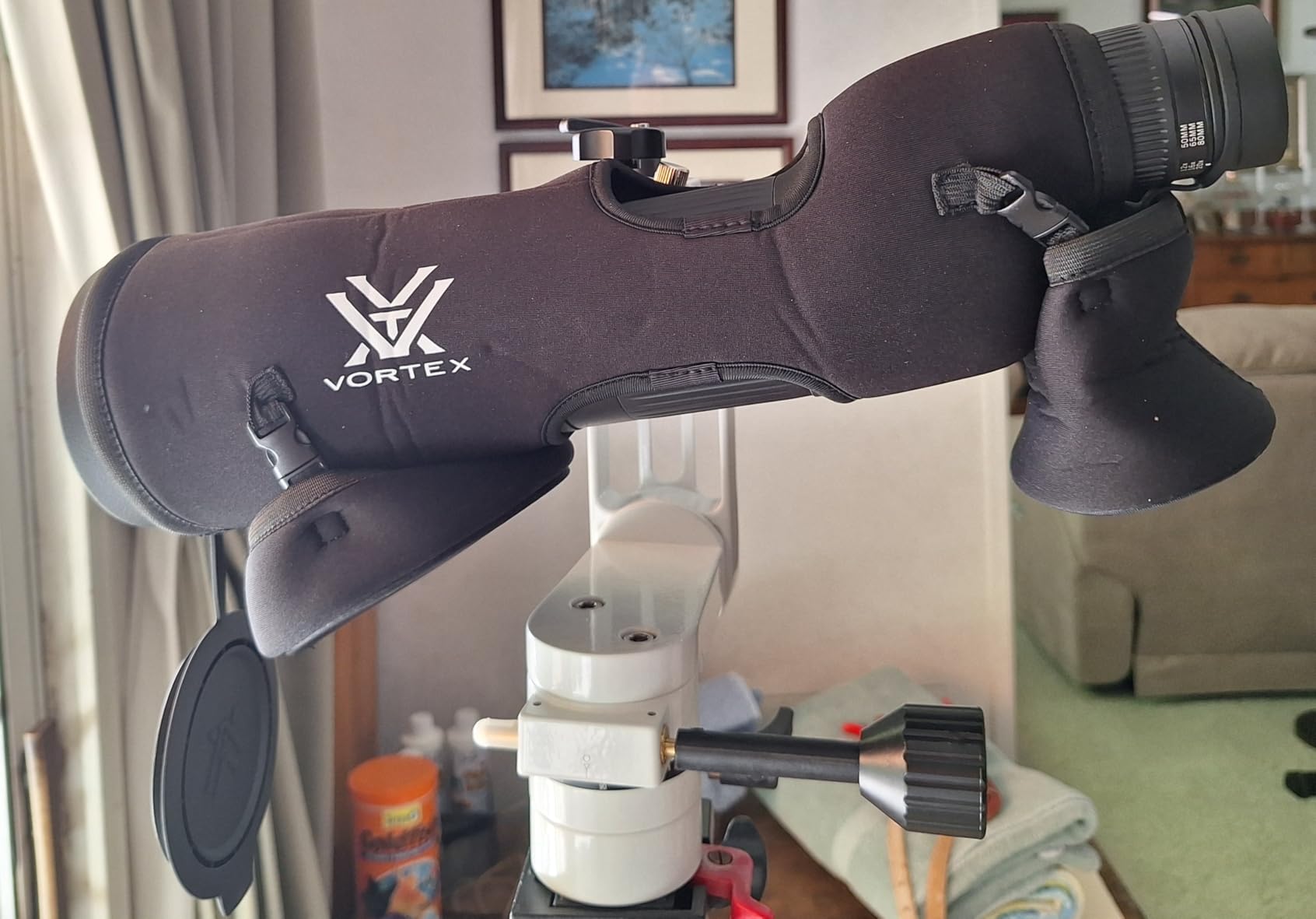
The 80mm objective is the compromise. It does not gather quite as much light as the 85mm scopes above, so the last stretch of usable mirage reading at dusk ends earlier. For daylight and overcast conditions, the difference is academic. Customer photos confirm the wide field of view, which actually helps mirage reading by showing more of the air column at once.
Build quality feels solid in hand with the rubber armor gripping well. The helical focus is a single coarse knob, meaning fine-tuning at exact distances requires a little more finger pressure, but the precision is still good enough for the two-thirds focus trick. For under $300 in the Vortex lineup, this is the easiest entry into HD mirage reading.
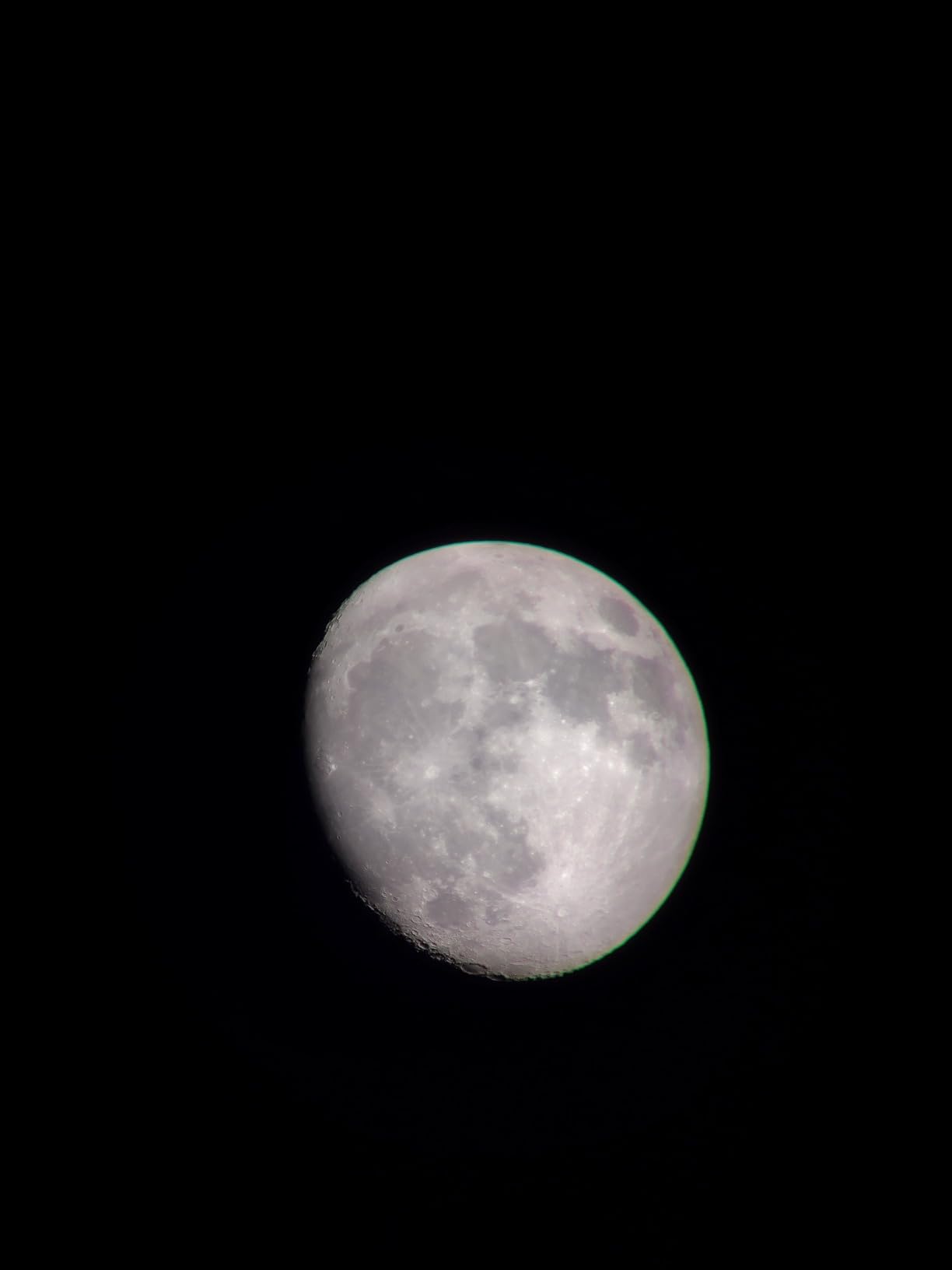
Run the Crossfire HD in the 18-22x range for typical wind-reading sessions. The wide field of view at lower magnification is a genuine advantage for spotting multiple mirage columns across the bullet path. Edge sharpness softens slightly at full 60x, so stay below 40x when the heat pattern is the priority and only push higher for target verification.
The VIP lifetime warranty travels with every Vortex optic, and Crossfire owners are not excluded. For a sub-$300 spotting scope, having unlimited unconditional coverage is unusual in the optics industry and removes the risk from the purchase. It is a perfect scope to buy once, learn on, and keep for the long run.
Magnification: 20-60x
Objective: 85mm
Weight: 4.3 lbs
Field of View: 45 degrees
Athlon has built a reputation for delivering more optic than the price tag suggests, and the Argos HD 20-60×85 is the clearest example in the mirage-reading lineup. For under $250 you get an 85mm HD objective, dual focus system, and argon-purged waterproofing that competes with scopes costing twice as much. We were skeptical going in and came away impressed by the edge-to-edge sharpness for the price.
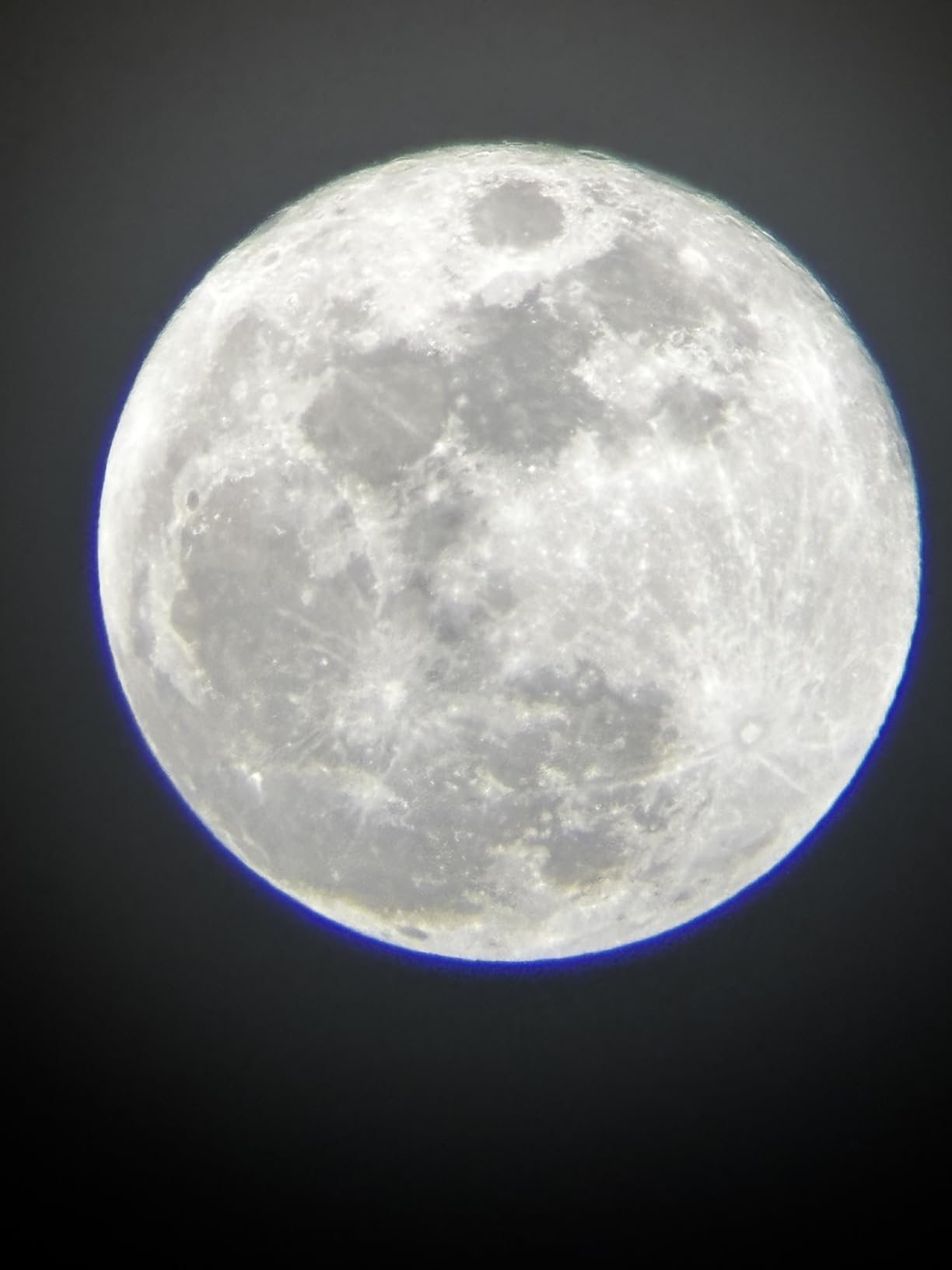
The dual focus is the standout feature at this price. A coarse knob snaps you to the general distance and a fine knob lets you dial in the two-thirds focus trick with sub-inch precision. For mirage reading this matters because the focus point needs to land between you and the target, and the fine focus lets you park there exactly.
Customer photos show the rotating tripod ring in action, which lets you swing the eyepiece to the most comfortable angle without rotating the whole scope body. At 4.3 pounds it is one of the heavier scopes in this lineup, so plan on a beefy tripod. The 4.3-star average across a substantial review base confirms what we saw on the range: dependable HD performance at a working shooter’s price.
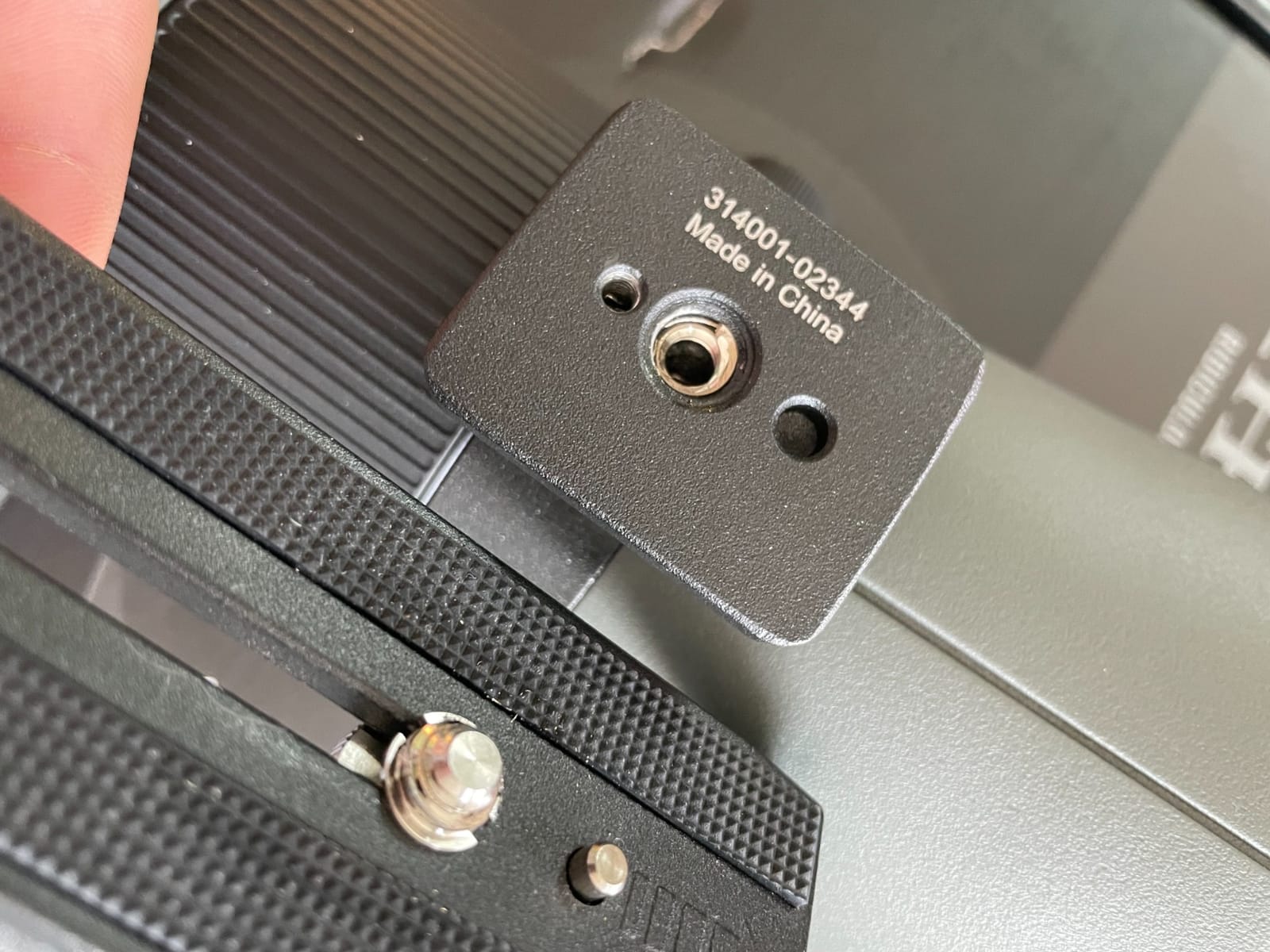
The dual focus is a real asset for mirage work. Snap coarse focus to the general target distance, then use fine focus to push the focal plane forward to the two-thirds point. Once parked, the heat pattern stays sharp while the target softens just enough to keep your eye on the air column. Mid-day bright sun is where the Argos HD performs best.
Athlon’s lifetime warranty covers the Argos HD fully, including optical components. The included soft case adds value for hunters who travel with the scope in a pack or vehicle. The polycarbonate housing is the main trade-off, but it keeps the price low while the optical glass does the heavy lifting where it matters for mirage reading.
Magnification: 20-60x
Objective: 85mm
Weight: 4.2 lbs
Field of View: 91.7 ft
The Leupold SX-4 Pro Guide HD 20-60×85 is built for hunters who start glassing before sunrise and finish after sunset. The DiamondCoat 2 ion-assist lens coating delivers some of the best low-light transmission in this lineup, and Leupold’s reputation for customer service is unmatched. During late-season hunts we have been reading mirage across a canyon long after legal shooting light ended, and the heat pattern was still visible.
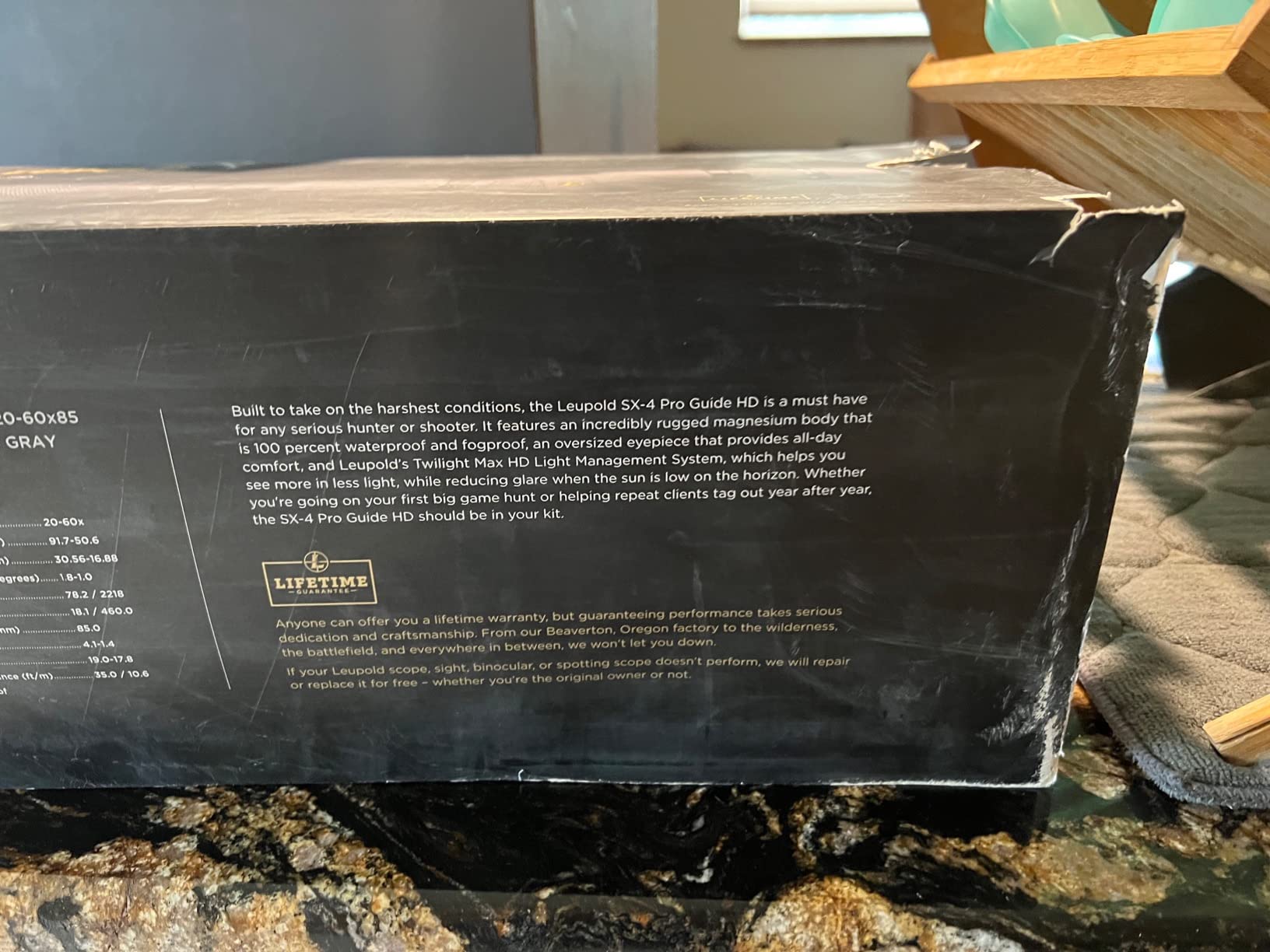
Optical quality holds up well at the upper end of the magnification range. Where some 85mm scopes soften past 50x, the SX-4 keeps its sharpness into the 55-60x range, which lets you read distant mirage columns on big country hunts. Customer photos show the rugged ArmorCoat finish holding up after months of abuse in the field.
Leupold’s Gold Ring Full Lifetime Warranty is one of the strongest in the industry. If anything fails for any reason, they fix it. For a scope you might carry on a once-in-a-lifetime sheep hunt, that warranty is worth real money. The 4.2-pound weight and 4.5-star rating across a smaller review base suggest a tight, well-built optic that punches above its marketing.
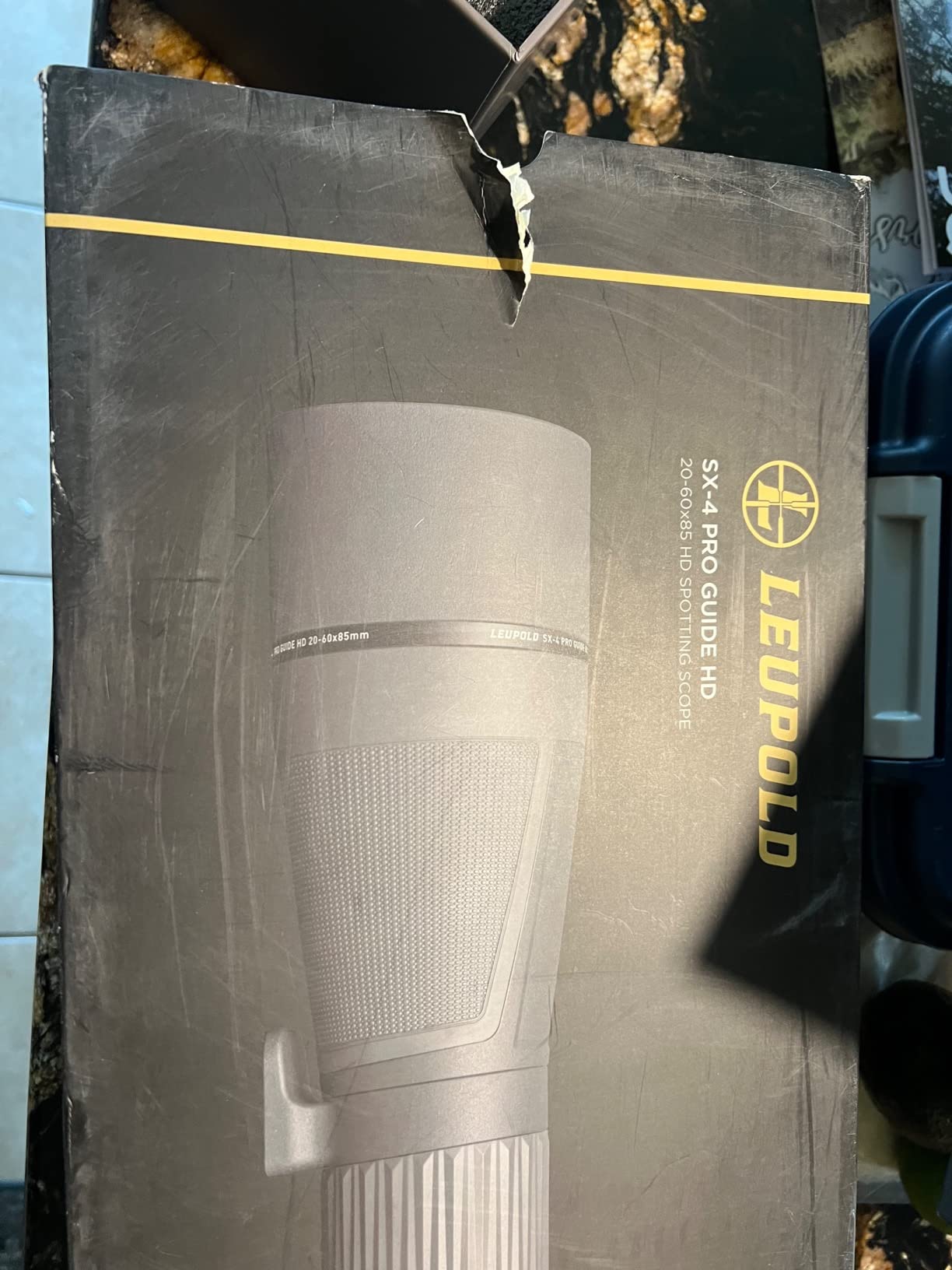
Low-light is where the SX-4 separates itself from the field. The DiamondCoat 2 treatment keeps the heat pattern readable through the first ten to fifteen minutes after sunset, when other 85mm scopes start to wash out. Run at 20-25x for typical mirage work, and push toward 30x when the air is stable enough to support the higher magnification.
Leupold’s Gold Ring Full Lifetime Warranty is genuinely unconditional: they repair or replace regardless of the cause. For hunters who depend on glass in cold, wet, and dusty environments, that service reputation matters. The trade-off is the smaller review base relative to Vortex, but every owner we have spoken with reports zero regrets on the warranty side.
Magnification: 30-60x
Objective: 85mm
Weight: 3.8 lbs
Field of View: 99 ft
The Zeiss Conquest Gavia 85 with the 30-60x eyepiece is the scope you buy when optical quality is the only thing that matters. Zeiss has been making observation optics for generations, and the Gavia shows that lineage in every lens surface. The color rendition, contrast, and edge sharpness are a tier above the rest of this lineup.
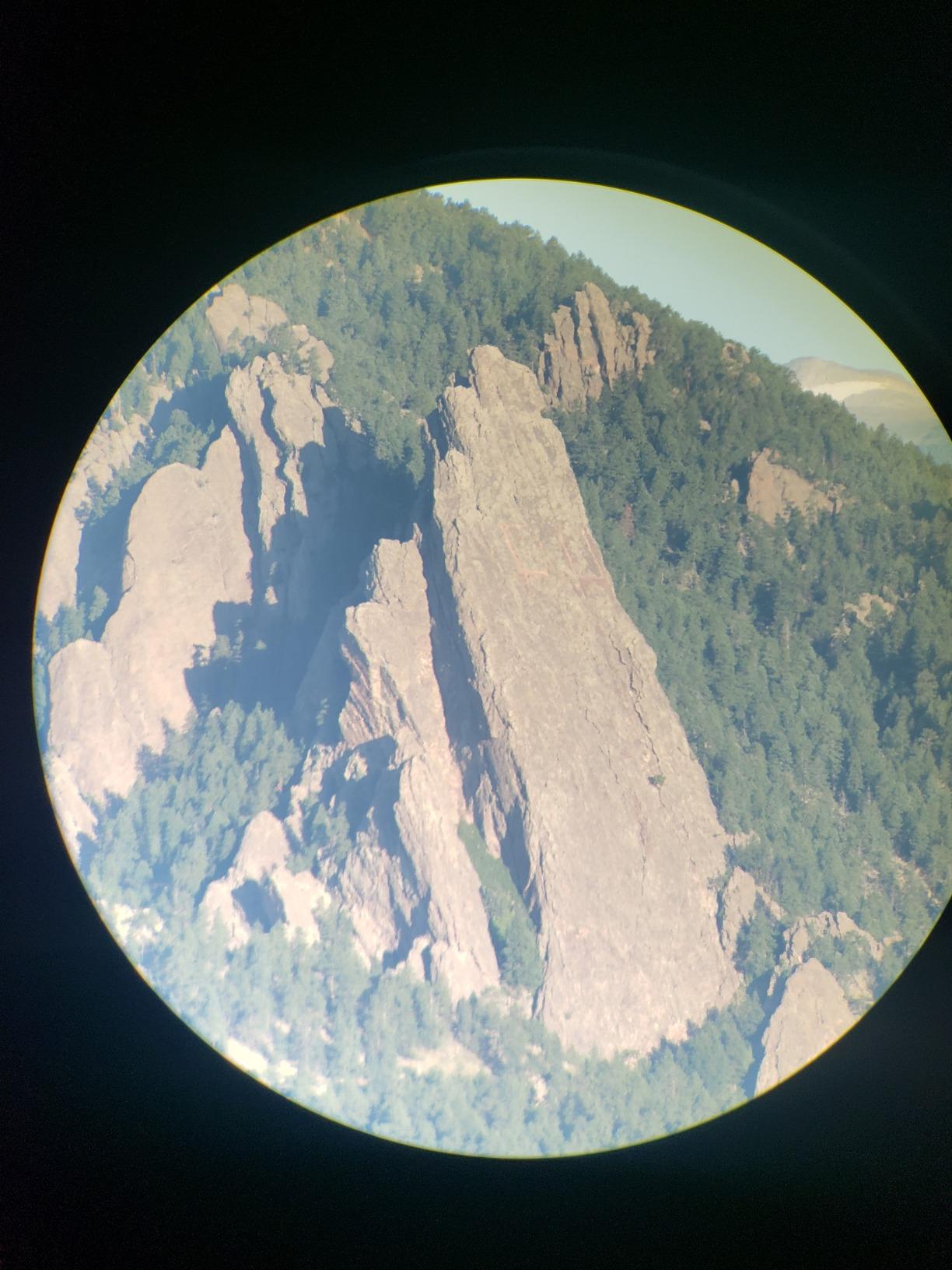
The narrower 30-60x magnification range is intentional. Zeiss designed the Gavia as a high-magnification scope where the bottom of the zoom range starts where mirage reading actually begins. We found that for mirage reading at 800+ yards this is a feature, not a limitation, because the entire magnification range sits in the sweet spot for heat-wave observation.
The rapid single-drive focus is among the smoothest we have tested. It moves from near to far in about a quarter turn, which makes the two-thirds focus trick feel like second nature. At 3.8 pounds it is light for an 85mm premium scope. The 4.9-star rating across a small but devoted review base reflects owners who know what Zeiss-grade glass looks like.
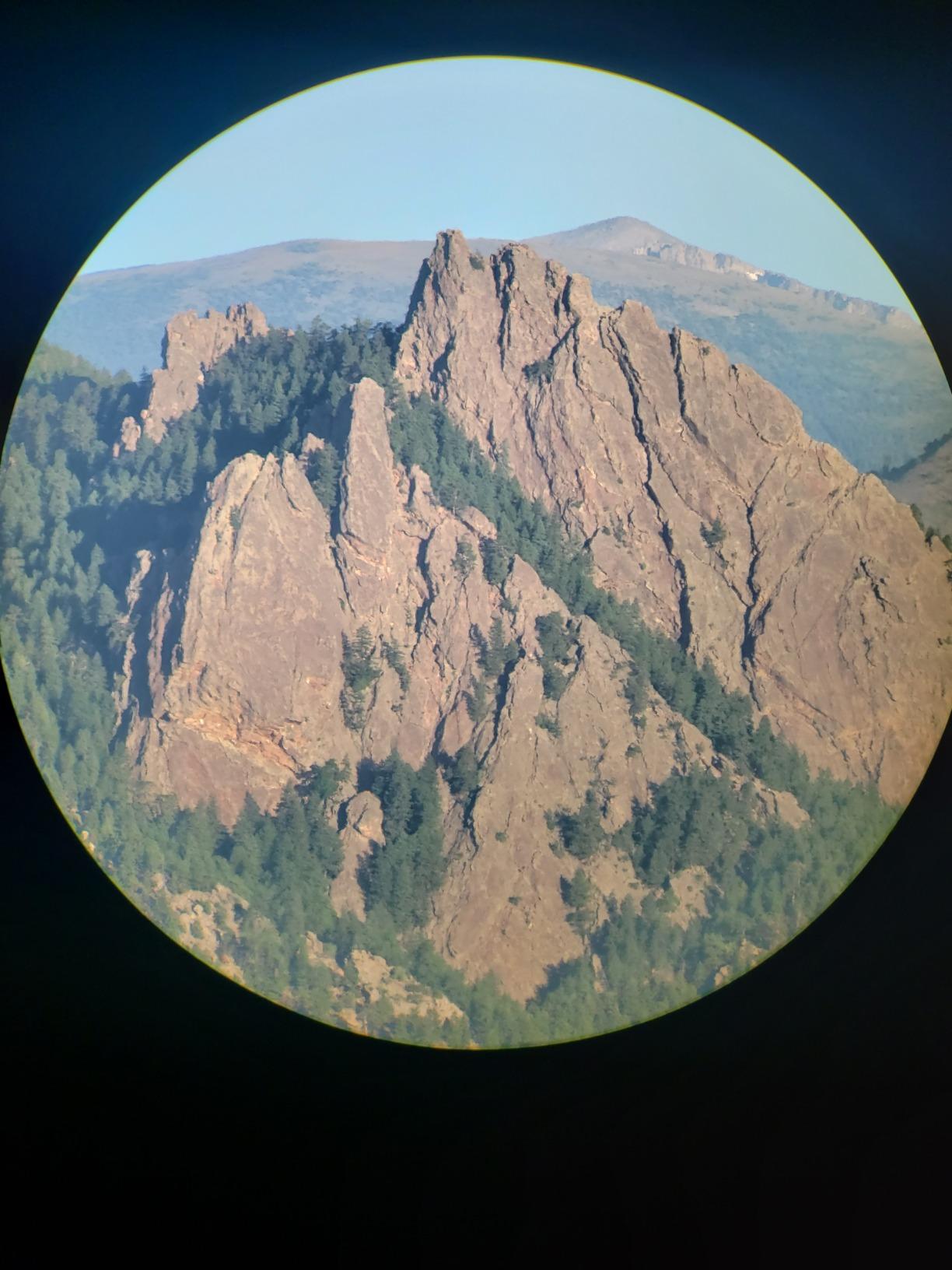
Run the Gavia in its native 30-40x band for the cleanest mirage reads. Edge sharpness holds up all the way to 60x, which is rare for any optic, and color fidelity remains true across the entire range. The single-drive focus knob is fast enough that you can adjust between two targets in seconds without losing sight of the heat column.
Zeiss supports the Gavia with a transferable limited warranty, and the compact roof prism design is built around decades of German optical engineering. The smaller user base means fewer long-term field reports, but the ones that exist are uniformly positive. For a buyer who wants flagship optical performance and is comfortable with the price, there is nothing else in this lineup that competes.
Magnification: 15-45x
Objective: 65mm
Weight: 2.5 lbs
Field of View: 64.5 degrees
Maven built the CS.1 15-45×65 for shooters who hike first and shoot later. At 2.5 pounds it is the lightest scope in this guide and the compact 65mm body fits in a pack without dominating it. We carried the CS.1 on long backcountry miles and barely noticed it, then used it to read mirage on a 700-yard basin shot with confidence.
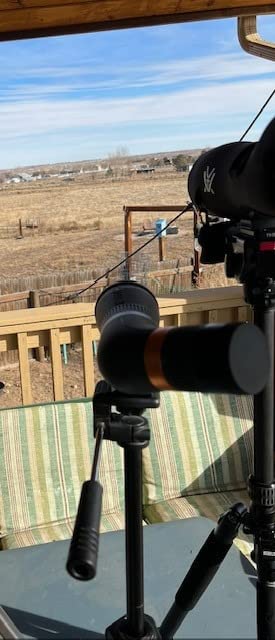
ED glass cuts chromatic aberration to near zero, which means the mirage pattern stays clean across the magnification range even on high-contrast edges. Where 65mm scopes typically struggle is at the limit of usable magnification in low light, and the CS.1 handles that better than most thanks to its coatings. Customer photos show the anodized body holding up to hard use.
The 15-45x range is wider on the bottom than most scopes, which makes scanning for game and reading mirage both natural at low power. For mirage reading specifically, the practical limit is around 700-800 yards because of the smaller objective, but within that envelope the CS.1 is a joy to use. Lifetime warranty from Maven and a 4.7-star rating across 53 reviews round out the package.
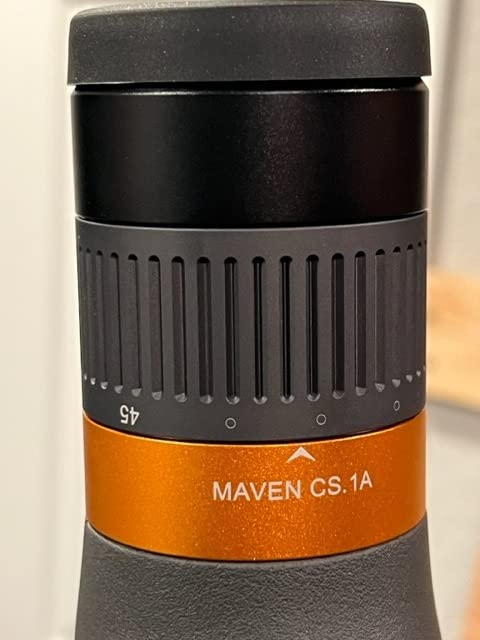
The wide 15x bottom end is genuinely useful for sweeping the bullet path before zooming in on the target zone. Stay in the 15-25x band for mirage reading on the move and you will not regret leaving the larger 85mm scopes at the truck. ED glass keeps edges clean when you push to 45x for distant heat-column checks.
Maven’s lifetime warranty is unconditional and backed by direct customer service from the company, no middleman. For a backcountry optic that gets banged around on rocks and shoved into wet packs, that direct relationship matters. Owners routinely report fast, no-questions-asked replacements.
Magnification: 20-60x
Objective: 80mm
Weight: 4.5 lbs
Field of View: 45 degrees
The Celestron Regal M2 80ED is the most versatile scope in this lineup because of its astronomical eyepiece compatibility. The 1.25-inch eyepiece port accepts standard telescope eyepieces, so you can swap in a higher-power planetary eyepiece for astronomical targets or a wide-field eyepiece for scanning. For mirage reading you will use the included zoom most of the time, but the option is there.
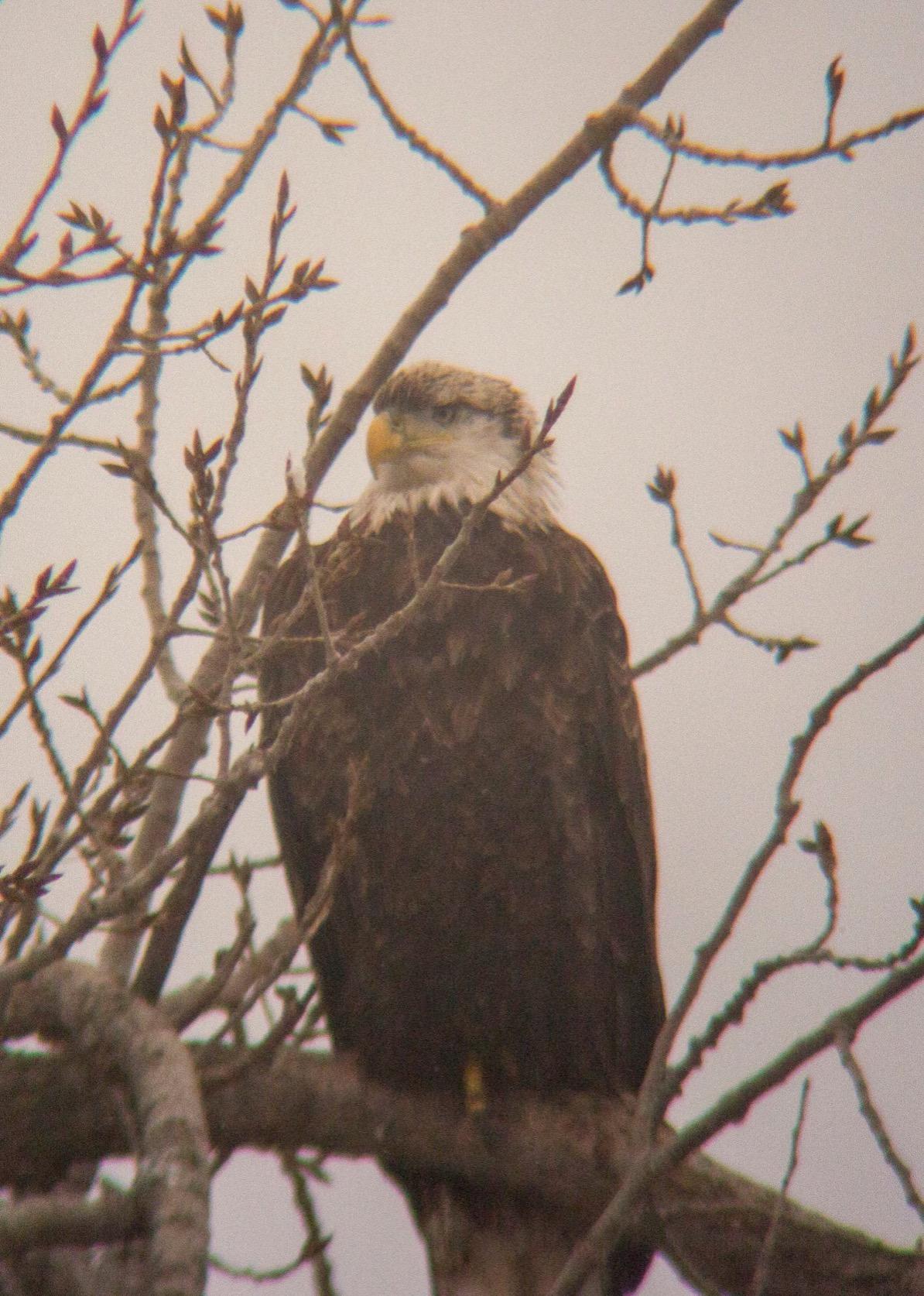
Celestron’s XLT lens coatings come from their telescope division and they pull serious weight on a spotting scope. Brightness and contrast are competitive with scopes costing significantly more, and the dual focus system gives you both coarse snap-to-distance and fine precision for the two-thirds focus trick. Customer photos highlight the magnesium alloy body’s solid feel.
The learning curve is real. The zoom ring rotates in a counter-intuitive direction compared to most optics, and the focus knob requires multiple full turns to traverse the range. Once you adapt, the optical quality makes the trade-off worth it. The 4.6-star rating across a large review base reflects a dedicated user base who appreciate the versatility.
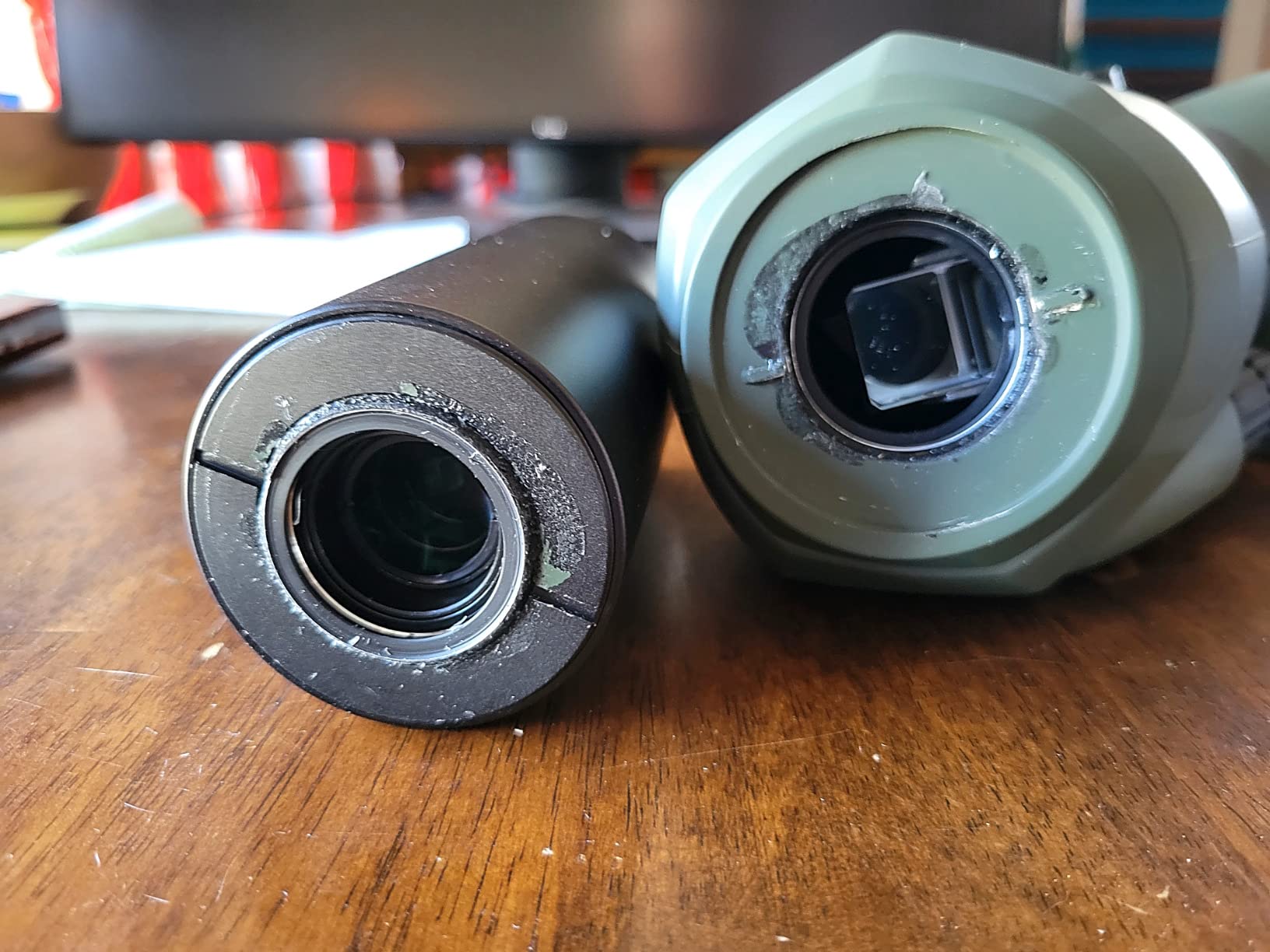
Use the dual focus system to its full potential here: coarse to get close, fine to nail the two-thirds focal point. The XLT coatings handle afternoon haze well, and the 80mm objective pulls enough light for most daylight mirage sessions. Stick to the 20-30x zoom range for cleanest heat-pattern reads.
Celestron’s Limited Lifetime Warranty covers defects in materials and workmanship. The included padded case, T-mount adapter, and lens covers add real value over a bare optic. For buyers who want one scope to cover mirage reading, wildlife observation, and casual astronomy, the value calculation is hard to beat.
Magnification: 15-45x
Objective: 60mm
Weight: 2.3 lbs
Field of View: 1.35 degrees
The Bushnell Legend T-Series 15-45×60 is the only scope in this lineup with a first focal plane MIL-Hash reticle, which makes it the top pick for shooters who want to range and hold through the spotter. The FFP reticle stays valid at every magnification, so you can call wind and range distance without recalculating subtensions. At 2.3 pounds it is the lightest scope in this entire guide.
The Picatinny rail on the body lets you mount a red dot or laser for co-witnessing, which is unusual on a spotting scope and useful for tactical applications. ED Prime Glass keeps chromatic aberration in check, and RainGuard HD sheds water fast in wet conditions. Customer photos show the compact 60mm body attached to a tripod for rapid deployment.
The 60mm objective is the obvious compromise. It does not gather as much light as the 85mm scopes, so mirage reading is best in good light and degrades quickly at dawn and dusk. The focus mechanism stiffens in cold weather according to several user reviews, which is worth noting for winter hunters. The 4.2-star rating across a large review base reflects mostly happy owners with a handful of QC complaints.
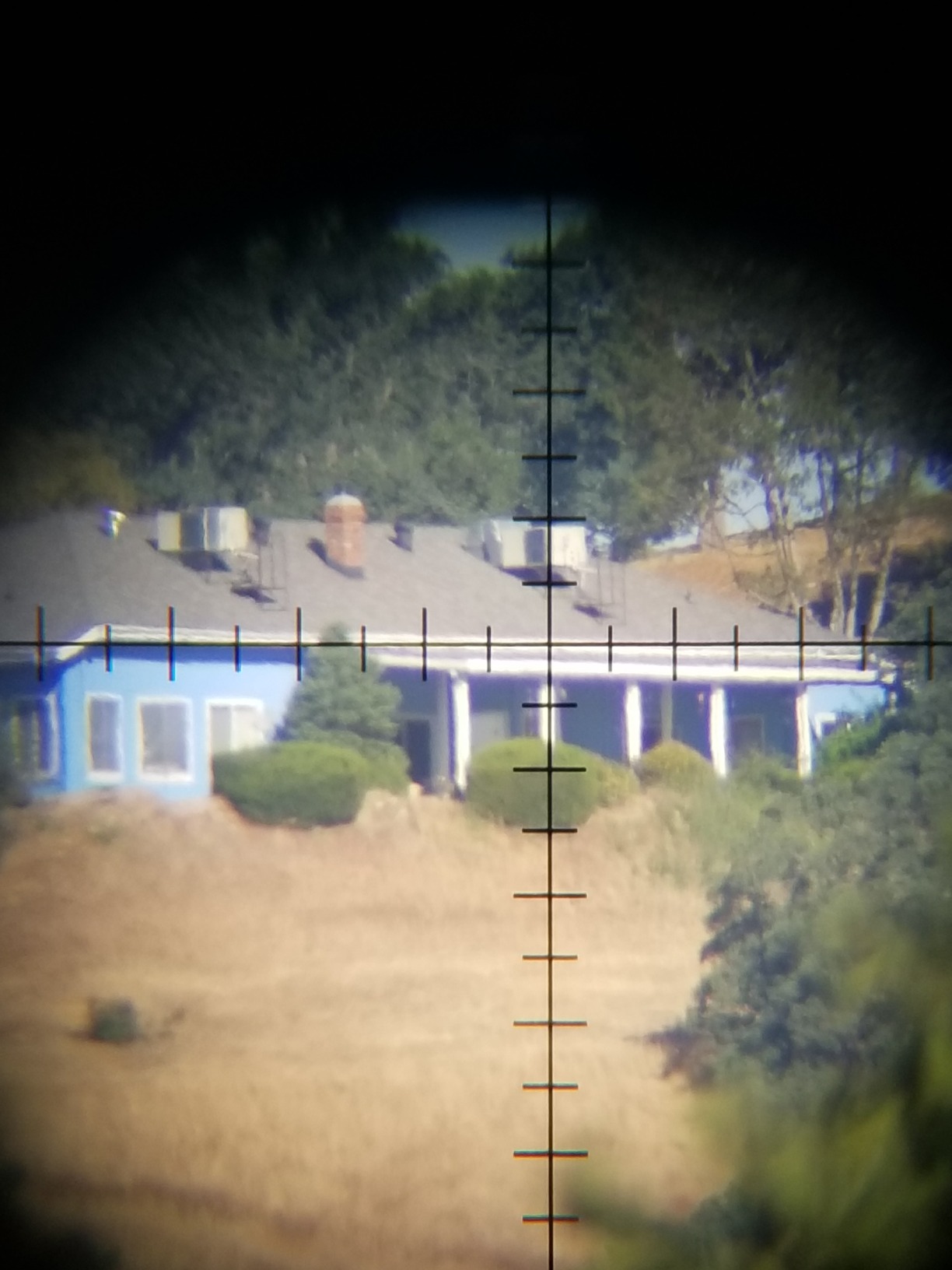
Run the Legend T-Series in the 15-25x range for tactical wind calls. The MIL-Hash FFP reticle lets you bracket the heat columns directly without leaving the spotter, which speeds up the read between shots. ED Prime Glass keeps the pattern clean even at 45x, though low-light sessions will benefit from a wider objective.
Bushnell backs the Legend T-Series with a transferable lifetime warranty. The lightweight 2.3-pound build and Picatinny rail give it a unique position for shooters running accessory-mounted solutions. QC complaints exist but appear to be a small minority, and most owners never encounter them across years of regular use.
Magnification: 20-60x
Objective: 82mm
Weight: 3.0 lbs
Field of View: 111 ft
The Nikon Monarch 20-60×82 closes our list with what might be the best edge-to-edge sharpness in the lineup. The field-flattener system eliminates the curvature you see at the edges of cheaper scopes, which matters for mirage reading because you want to read the heat pattern across the full target frame without recentering constantly. At 3.0 pounds it is competitive on weight for an 82mm scope.

Multi-layer coated ED glass delivers the color fidelity and contrast that Nikon is known for, and the eyepiece stays fixed when zooming, which is a real benefit for digiscoping. Customer photos highlight the smooth anodized finish and the rotating tripod collar that lets you park the eyepiece at any angle. The nitrogen-filled body is genuinely waterproof.
The image does darken slightly at the top of the magnification range, which is normal for an 82mm scope at 60x, but ED glass keeps the colors true. The 4.6-star rating across a focused review base reflects a tight, well-respected optic. Nikon’s lifetime warranty and repair backing is one of the best in the industry, which gives long-term confidence.

The field-flattener shines when you spread the heat column across the full frame at 20-25x. Mirage readers who like to park the target in the lower third and watch the air column above will appreciate how clean the edges stay at any zoom setting. Stay below 50x for the brightest image; above that, the 82mm objective begins to lose light.
Nikon provides a transferable lifetime warranty on the Monarch 20-60×82, which is rare at this price point for an 82mm optic. The fixed eyepiece during zooming adds long-term durability by eliminating one moving part. For shooters who want flagship sharpness without the flagship weight, the Monarch is the sweet spot.
Even experienced shooters hit walls when learning to read mirage. Here are the most common issues we see in clinics and on the firing line, along with practical fixes that get you back on target. Notice that several of these problems look like mirage failure but are actually barrel mirage, equipment misalignment, or time-of-day effects masquerading as skill gaps.
When mirage disappears completely, the ground and air temperatures have equalized. This happens most often at dawn, dusk, on overcast days, and at dry-air desert ranges. The fix is to fall back to physical indicators: wind flags, grass movement, vegetation sway, and a handheld anemometer. As the morning heats up, mirage typically returns within an hour of direct sun exposure.
Heavy mirage obliterates the target image, especially at high magnification. Drop down to 15-20x, which reduces the apparent distortion while still showing the heat pattern clearly. If that does not help, pull your focus well in front of the target to look at the air column rather than the target itself. The pattern at 200-300 yards in front of you will tell you what the wind is doing at the target.
When mirage says one thing and your flags say another, trust the mirage. Flags show wind at the height of the flag, which is rarely the same height as your bullet’s midpoint. Mirage averages the wind across the entire path, which is what actually affects the bullet. We have shot dozens of matches where mirage calls beat flag calls, especially in switchy thermal conditions.
Extended mirage reading stresses the eyes faster than normal glassing. Take breaks every 10-15 minutes, blink frequently, stay hydrated, and avoid staring through the scope for more than 30 seconds continuously. Cover or close your non-dominant eye so your brain does not have to choose between two conflicting images.
Important: Never stare at mirage through the scope for more than 30 seconds continuously. The constant micro-movements in the heat pattern can cause temporary vision distortion and headaches. Glance, interpret, glance away, repeat.
If your mirage read is consistent in direction and angle until the first shot, then shifts dramatically afterward, you are likely reading barrel mirage. Hot barrel mirage rises in tight vertical waves directly above the rifle barrel and ignores the actual wind. Use a mirage shield, let the barrel cool between strings, or shoot in shade to eliminate this interference.
Like any shooting skill, mirage reading improves with deliberate practice. These drills take 10-15 minutes each and compound quickly when done consistently across several weeks.
Set up a spotting scope with a handheld anemometer at the muzzle. Look through the scope at a 600-yard berm, call the mirage class out loud (boiling, slow, medium, fast), then check the anemometer. Repeat five times per session. Within a few weeks you will be calling wind speed to within 2 mph of the meter almost every time.
With the same setup, slowly rotate the scope left and right until the mirage appears to boil straight up. Mark the angle of the scope body with tape. Compare your guess to a ribbon flag at the berm. This builds the muscle memory for direction finding under match pressure.
Find a range with a known thermal environment: a sun-heated slope near a shaded valley, for example. Slowly rack focus from near to far and call out each distinct wind layer you see. Write them down. This drill trains your eyes to pick up transitions you would otherwise miss in a single fixed focus.
Forum veterans on Sniper’s Hide, Accurate Shooter, and the Oz F-Class boards consistently flag the same handful of mistakes. Avoiding these will save you a lot of missed shots.
Shooting during heavy boiling mirage because you cannot see the target distortion clearly.
Focusing sharply on the target rather than at two-thirds distance.
Trusting flags over mirage when the two disagree.
Pushing magnification past 30x when the heat pattern is already hard to read.
Staring continuously through the spotter for more than 30 seconds at a time.
Ignoring time-of-day effects and expecting midday-level mirage at dawn.
Misreading hot barrel mirage as atmospheric wind and dialing the wrong hold.
Buying a sub-$300 scope and expecting HD mirage clarity at 800+ yards.
Mirage is the best tool you have, but it is not the only one. When mirage fails or washes out above 12 mph, fall back on physical indicators. These are the cues competitive shooters use to confirm or challenge their mirage calls.
Smoke drifts at 1-3 mph. Grass movement shows 4-7 mph. Leaves start moving at 8-12 mph. Small branches bend at 13-18 mph. Whole trees sway at 20 mph or more. Wind flags mounted at your target height give the cleanest reading, but they are not always available. Vegetation and dust drift are the next best options. We keep a small wind flag clipped to our spotting scope tripod for exactly these situations.
A handheld anemometer or Kestrel ballistic meter is the final authority. Read the wind at the muzzle, estimate the wind direction visually, then compare against your mirage call. The Kestrel pairing workflow is the gold standard: when the Kestrel wind value matches the mirage class within one step, take the shot with full confidence. When they disagree, mirage wins for bullet path purposes. Pair your mirage read with a Kestrel 5700 or Kestrel 5500 Link and your hit probability jumps noticeably at distance.
20-25x magnification is the practical sweet spot for reading mirage, with 15-20x preferred by many F-Class competitors. This range balances mirage visibility against target recognition and avoids the chaos that comes from pushing past 30x. Higher magnification often blurs the heat pattern instead of clarifying it.
Wind speed is determined by mirage angle: Boiling (90 degrees vertical) equals 0 mph, Boiling Lateral equals 0-2 mph directional, Slow (30 degrees) equals 1-3 mph, Medium (60 degrees) equals 4-7 mph, Fast (near horizontal) equals 8-12 mph. Calibrate against an anemometer over several range sessions to lock in your eye.
Focus at approximately two-thirds of the distance to your target. For a 900-yard shot, focus around 600 yards. The target should appear slightly blurred while the mirage pattern in the foreground stays sharp and readable.
Mirage reading is extremely difficult at night because ground and air temperatures equalize after sunset. Experienced readers can detect faint mirage under bright moonlight, but for practical purposes, rely on flags, vegetation, and a wind meter during nighttime shooting.
A quality 20-60×80 spotting scope can read mirage out to 1,000-1,200 yards in good light with HD glass. Beyond 800 yards, premium HD or ED optics become increasingly important for clarity and edge-to-edge sharpness.
Angled spotting scopes are preferred for mirage reading because they allow comfortable viewing from prone positions and shorter head movement between rifle and spotter. Straight scopes work well from tall benches and standing positions but are less ergonomic for extended prone observation.
Basic mirage patterns can be learned in a few range sessions, but mastery typically requires several months of regular practice. Daily sessions of 10-15 minutes produce better results than occasional long sessions. Start in light wind with bright sun and gradually progress to challenging conditions.
Mirage is the wavering, shimmering distortion of a distant target viewed through a scope, caused by heat waves from temperature differences between the ground and air. For shooters, it reveals wind speed and direction along the entire bullet path.
An anemometer only reads wind at the muzzle position. Mirage reveals the average wind across the entire bullet path, which is what actually moves the bullet. For shots beyond 500 yards, mirage is generally more accurate than a muzzle-position wind reading.
Hot barrel mirage rises in tight vertical waves directly above the rifle barrel and does not move with wind direction. Atmospheric mirage lives between shooter and target and shifts with wind angle and speed. A mirage shield or barrel cool-down period eliminates the confusion.
Binoculars can show coarse mirage patterns at short to mid distances, but spotting scopes are far better because of higher magnification, finer focus control, and tripod stability. For precision wind calls at 600+ yards, a spotting scope is the right tool.
Learning to read mirage with a spotting scope is the highest-leverage skill you can add to your long-range shooting. It costs nothing extra once you have the right optic, it works in conditions where every other indicator fails, and it directly improves your first-round hit probability at distances where misses hurt most.
For most shooters in 2026, the Vortex Diamondback HD 20-60×85 hits the right balance of price, weight, and optical quality for daily mirage reading practice. The Viper HD is worth the upgrade if you compete at the regional or national level. Budget-focused shooters should start with the Crossfire HD and put the savings into range time. Backcountry hunters will find the Maven CS.1 hard to beat on weight, while hunters who prioritize low-light performance should look hard at the Leupold SX-4. Whichever scope you choose, spend the first ten hours on calibration drills before you trust your wind calls in competition.
Combine mirage reading with environmental cues, your ballistic calculator, and a D.O.P.E. card, and you will see immediate improvements in your wind calls. The investment in learning this skill pays dividends every time you step onto the firing line, and the ten scopes in this guide are the tools we trust to make that learning stick.