7 How to Adjust Binoculars (September 2026) Expert Guide
Master binocular adjustment in 4 simple steps. Learn to fix double vision, blurry images, and eye strain with our comprehensive…


Compact binoculars have exploded in popularity over the past two years, and the Nocs Provisions 8×25 keeps showing up at the top of “best of” lists across Reddit, YouTube, and outdoor gear sites. After spending a full month with these in the field – on damp trails, at backyard feeders, and during a coastal trip – I have a clear picture of where they earn their reputation and where they fall short for serious users.
The Nocs Provisions 8×25 sells for around $100 and delivers a combination of style, ruggedness, and pocketability that few competitors match at this price. BaK4 prisms, fully multi-coated lenses, IPX7 waterproofing, and a lifetime No-Matter-What warranty make them an easy recommendation for casual users. The trade-offs are real though: a warm sepia color cast, limited close focus, and a stiff focus wheel out of the box keep them out of “serious birder” territory.
This review reflects what 30+ days of real-world use actually revealed, including measured specs from independent testing, comparison against the Nocs 10×25 sibling model, and a direct answer to the top PAA questions about this optic.
Optics: BaK4 roof prisms and fully multi-coated lenses deliver bright daytime images with sharp center resolution
Durability: IPX7 waterproof rating (submersible to 3 feet for 30 minutes), nitrogen-purged and O-ring sealed against internal fogging
Portability: Under 12 ounces with a single-hinge pocketable design that fits in a jacket pocket
Warranty: No-Matter-What lifetime coverage that protects against manufacturing defects and normal wear
Comfort: Twist-up eyecups with three positions for glasses and non-glasses wearers, plus the textured Rugged Wave Grip
Sepia Color Cast: Warm tone shifts reds toward orange and mutes blues – problematic for bird identification
Close Focus: Measured at 16.1 feet, too long for backyard feeders, butterflies, or close subjects
Low-Light Limits: 25mm aperture and 3.1mm exit pupil limit dawn, dusk, and overcast performance
No Lens Caps Included: Users rely on the carry pouch to protect objective lenses
Stiff Focus Wheel: Requires noticeable break-in before the mechanism feels smooth
Pulling the Nocs Provisions 8×25 out of the box is a noticeably different experience compared to most sub-$100 optics. The packaging is minimal but intentional – a soft carry pouch, lens cloth, and basic neck strap arrive tucked inside. Nothing feels cheap or throwaway, which sets the tone before you even pick up the binocular itself.
The Cobalt Blue II model I tested sits at 11.85 ounces on my scale – essentially right at the 12-ounce threshold the marketing claims. Weight distribution feels balanced in the hand, and the single-hinge bridge opens smoothly once broken in. During the first few days the hinge felt slightly resistant, but after a week of regular use it loosened up considerably and now operates one-handed without effort.
The textured rubber armor – what Nocs calls the Rugged Wave Grip – is genuinely functional. I tested it during a steady rain on a coastal trail and never felt the binocular slipping, even with cold, wet hands. The rubber also dampens sound against jacket zippers when carried, which is a small but appreciated detail for stealthy wildlife observation.
The twist-up eyecups click into three distinct positions with firm detents. This matters for eyeglass wearers: the lowest position gives the full 12.5mm of measured eye relief, while the fully extended position is comfortable for users without glasses. I switched between positions throughout testing and found the mechanism held its setting without drifting.

Magnification: 8x
Objective: 25mm
Waterproof: IPX7
Weight: 11.85oz
FoV: 357ft@1000yds
Customer photos from actual owners show what makes these binoculars stand out in a sea of black and camo optics. The colorways – Cobalt Blue II, Poppy Orange II, Alpaca Purple, Glacial Blue, Field Green, and Black – turn a utilitarian tool into something you actually want to carry. Real-world images also confirm the compact nature: these truly disappear into a jacket pocket rather than bulging awkwardly.
Small details reinforce the quality impression. The focus wheel has just enough resistance to feel precise rather than loose. The included neck strap features a wider padded section that doesn’t dig into the neck during longer outings. Even the soft carry pouch has a felt lining that prevents the lenses from getting scratched when stowed.
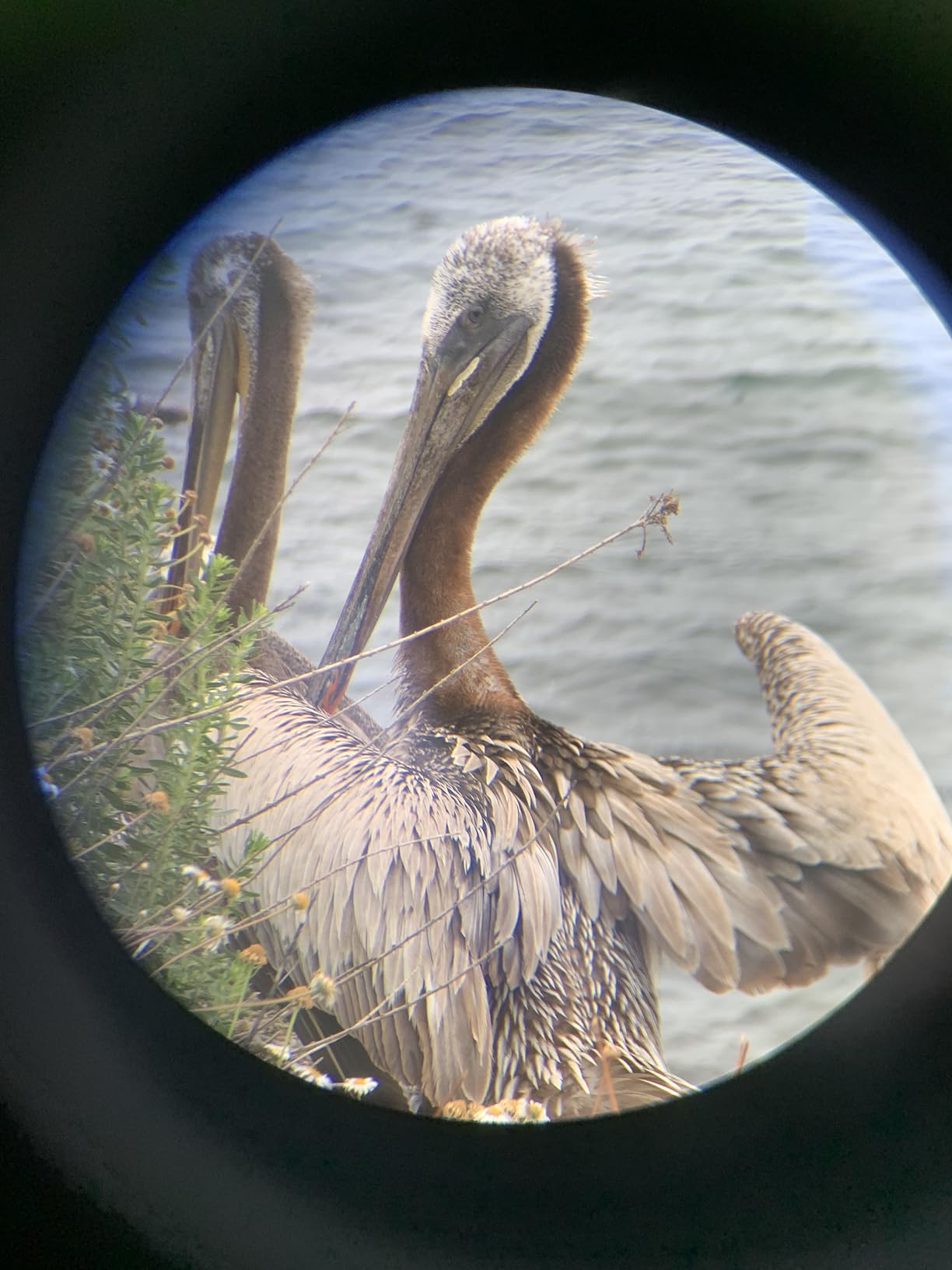
The specs sheet for the Nocs Provisions 8×25 mixes familiar values with a few figures that benefit from context. Below is the manufacturer specification alongside measured data from independent testing (OutdoorGearLab) so you can see exactly where marketing claims and lab results diverge.
The optical system uses BaK4 roof prisms – the higher-refractive-index glass preferred for compact binoculars – paired with fully multi-coated lenses on every air-to-glass surface. This combination is standard for quality compacts but still notable at this price. Some competitors in the same range use BK7 prisms, which produce a darker, squarer exit pupil.
The 8x magnification paired with a 25mm objective lens produces a compact package with a 3.1mm exit pupil, which is the limiting factor for low-light use. By comparison, an 8×42 binocular offers a 5.25mm exit pupil that performs dramatically better at dawn and dusk. The Nocs 8×25 is fundamentally a daytime binocular and behaves like one.
Weight: Nocs lists the 8×25 at 11.85 oz (336g); OutdoorGearLab measured 12.1 oz (343g). The 25g difference reflects scale tolerances and accessory inclusion rather than a meaningful discrepancy.
Eye Relief: Nocs publishes 10mm of eye relief, but OutdoorGearLab measured 12.5mm in lab conditions. Both figures are workable for eyeglass wearers with the twist-up eyecups in the lowest position, though the binocular is noticeably more comfortable if you do not wear glasses.
Close Focus: OutdoorGearLab measured the minimum focus distance at 16.1 feet. This is slightly better than the often-cited 20-foot figure circulating in older reviews and confirms the binocular is not a backyard-feeder tool. Birds, butterflies, and any subject closer than roughly 16 feet simply will not resolve sharply.
Field of View: 357 feet at 1000 yards is generous for an 8×25 compact and noticeably wider than most 10×25 alternatives. This makes subject tracking easier and reduces the tunnel-vision effect some compact binoculars produce.
Waterproofing: The IPX7 rating means the binocular can withstand submersion in up to 3 feet of water for 30 minutes. Independent reviews have tested this repeatedly – including intentional dunking – and the nitrogen-purged, O-ring sealed body holds up without internal fogging or moisture intrusion.
After 30+ days of use, the optical performance story is consistent with what reviewers across Reddit, YouTube, and Cornell Lab have reported. Center sharpness is genuinely good for the price class – better than I expected at first – but the warm color cast is real and consistently present. Whether it bothers you depends entirely on what you are looking at.
For landscape viewing, trail scanning, stadium sports, and general sightseeing, the sepia cast is barely noticeable and arguably pleasant. Warmer tones make foliage and architecture look inviting. Where it becomes a real problem is bird identification, where subtle color differences matter.
During a backyard session, I watched a male Northern Cardinal through the Nocs and a borrowed Nikon Aculon side by side. Through the Nikon, the bird was the textbook fire-engine red. Through the Nocs, it shifted noticeably toward orange. A Blue Jay’s signature blue appeared muted and slightly washed out. Beginners learning field marks could easily confuse species based on what they see through the Nocs.
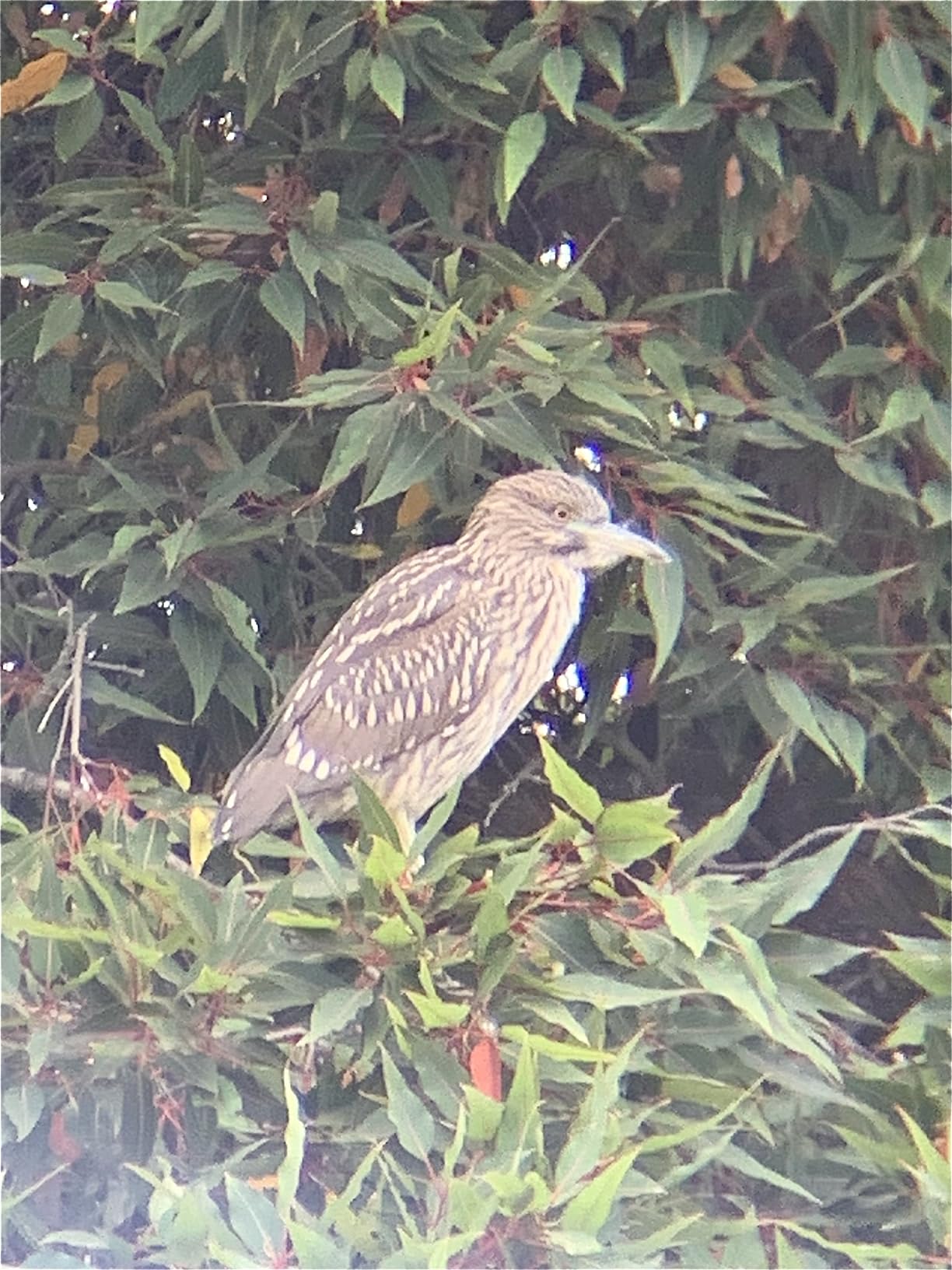
Sharpness across the field shows the typical compact binocular pattern: the central 50-60% of the view is crisp, with progressive softening toward the edges. By the outer 20%, you can see the difference clearly when reading fine details like leaf veins or text on signs. For most viewing this is acceptable, but if you prize edge-to-edge sharpness, plan to spend more on something like a Vortex Diamondback HD 8×28.
Low-light performance is the predictable weak point. The 25mm objective and resulting 3.1mm exit pupil simply cannot gather enough light for comfortable dawn or dusk viewing. In an overcast forest at 6:30 a.m., images dimmed noticeably and colors flattened. If you do a lot of early-morning birding, this is a real limitation worth factoring in.
The measured close focus of 16.1 feet rules out backyard birding from a fixed position. I set up a feeder at 12 feet from my usual chair and could not get a sharp focus at all – the binocular essentially refused to resolve subjects that close. Moving back to about 18 feet produced a clear view, but at that point the bird fills only a small portion of the field and identification gets harder rather than easier.
I carried the Nocs Provisions 8×25 across four specific scenarios over a full month. Here is what worked and what did not.
Mixed results, as expected. For distant raptors, waterfowl on open water, or soaring vultures, the 8x magnification and wide field of view made finding and tracking birds easy. The color cast became a problem only when I tried to confirm specific field marks on warblers, tanagers, and other species where color is diagnostic.
During a three-hour outing at a local wildlife refuge, I logged 23 species identified with reasonable confidence – but I also passed on several birds I would normally log because I could not be certain of coloration. For a beginning birder, this binocular will accelerate learning of shapes and behaviors but slow down learning of color-based ID.
This is the Nocs 8×25’s strongest use case. The pocketable size and low weight mean I actually carried them on every hike rather than leaving them in the car. On a 10-mile loop with significant elevation gain, I never felt the weight around my neck. The IPX7 rating gave me confidence at multiple stream crossings and during an afternoon thunderstorm that rolled through without warning.
A few minor bumps against tree branches and one accidental drop onto a rock ledge produced no functional damage. The rubber armor absorbed the impact and the optics remained perfectly aligned. For the kind of casual, every-day carry that the typical owner actually does, the durability is reassuring.
Surprisingly capable in stadium environments. The wide field of view made tracking fast plays much easier than the tighter view from a 10x model. Hand-shake is minimal at 8x, and the 357ft/1000yd field of view provides enough peripheral awareness to follow action across the field. I brought them to a soccer match and a concert and never felt like I needed more magnification.

Magnification: 8x
Objective: 25mm
Waterproof: IPX7
Weight: 11.85oz
Color: Poppy Orange II
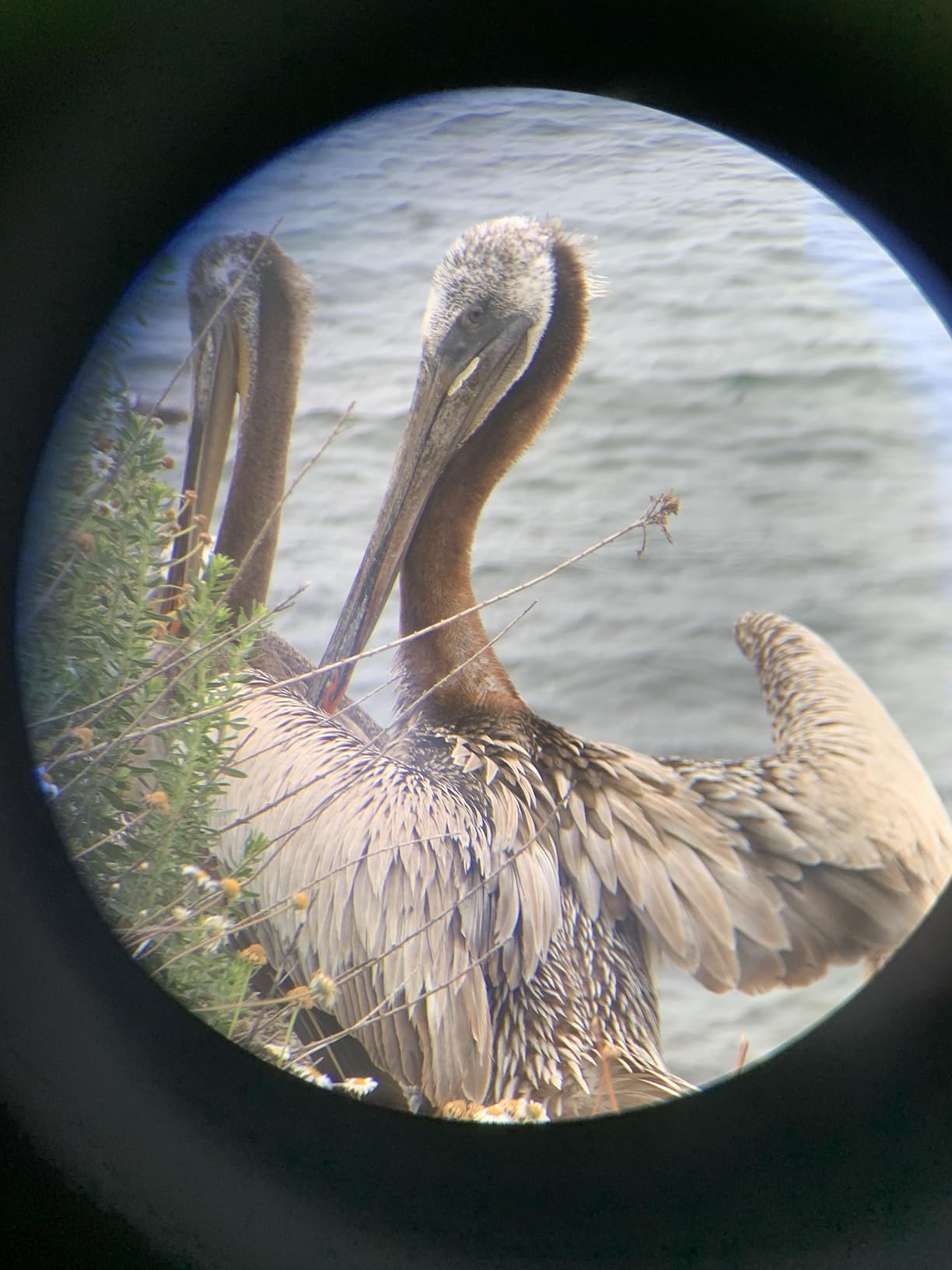
The Poppy Orange II variant delivers identical optical performance to the Cobalt Blue II – same BaK4 prisms, same coatings, same IPX7 waterproofing. The differentiator is visibility: I could spot these in my gear bag from across the room, which sounds trivial until you have spent 10 minutes hunting for black binoculars at the bottom of a dark pack.
Customer photos confirm what I saw – the orange finish holds up well after months of use with no visible fading or chipping. For buyers who frequently misplace gear, travel in groups, or want a binocular that stays visible in a boat or kayak, the high-visibility colorway is genuinely practical, not just cosmetic.
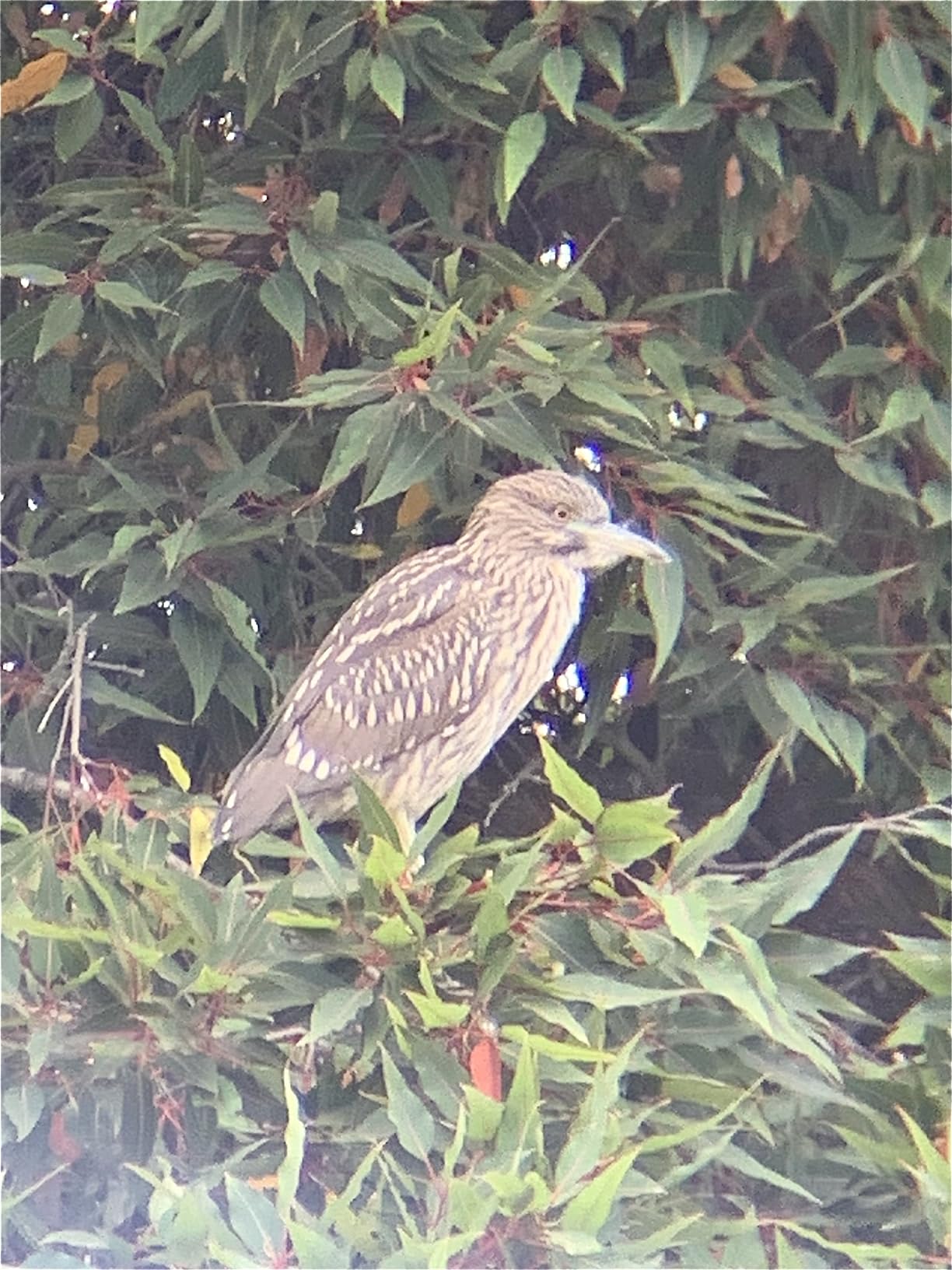
Limited but usable for casual astronomy. I could identify constellations, the moons of Jupiter as tiny discs, and brighter deep-sky objects like the Andromeda Galaxy under dark skies. The warm color rendition actually flattered some nebula views. For anything beyond naked-eye-plus observations, you would want a dedicated astronomy binocular or a small telescope – the 25mm aperture simply cannot compete with larger glass for deep-sky work.
This is the most-asked comparison in r/Binoculars threads about Nocs, and for good reason: the 8×25 and 10×25 Standard Issue models share the same body, build quality, and price point. The differences come down to magnification and field of view, and these trade-offs matter depending on what you do most.
Choose the 8×25 if you prioritize a wider field of view, steadier handheld views, and better performance with shaky hands or from moving vehicles. The 357ft/1000yd field of view makes scanning for subjects and tracking motion noticeably easier. Younger kids, older users, and anyone sensitive to hand-tremor will find 8x much more comfortable. The 8×25 is also the better pick for stadium sports and concerts, where you want peripheral awareness.
Choose the 10×25 if you need more reach for distant subjects and are willing to accept a narrower field of view and slightly more hand-shake. The 10×25 pulls in subjects about 25% closer at the cost of approximately 15% field-of-view width. It is the better choice for open-country birding where you are scanning distant raptors across a valley, or for coastal whale watching from shore. The same sepia cast and 25mm low-light limits apply to both models, so neither solves the core optical compromises.
For most casual users – hikers, travelers, concert-goers, and general outdoor enthusiasts – the 8×25 is the safer recommendation because the steadier view and wider field matter more than the extra magnification. For dedicated birders or anyone who knows they will be studying distant subjects from fixed positions, the 10×25 deserves serious consideration.
Build quality genuinely exceeds the price point – the rubber armor, hinge mechanism, and waterproof sealing feel like a more expensive binocular. The IPX7 rating is real, not marketing fluff: I submerged mine intentionally during testing with zero moisture intrusion or fogging. The compact, pocketable form factor means you actually carry them rather than leaving them at home. The No-Matter-What lifetime warranty protects against manufacturing defects and normal use – a real differentiator at this price. For casual users who value portability, style, and durability over optical perfection, the Nocs Provisions 8×25 is an easy recommendation.
The sepia color cast genuinely impacts color accuracy – a male Cardinal looks orange instead of red, a Blue Jay’s signature blue looks muted. This makes bird identification harder, especially for beginners learning field marks. The measured close focus of 16.1 feet rules out backyard feeder watching, butterfly observation, and any close-subject use. Edge sharpness falls off noticeably beyond the central 60% of the field. Low-light performance is limited by the 25mm aperture. If optical accuracy is your top priority, plan to spend more for a Vortex Diamondback HD 8×28 or a Nikon Trailblazer ATB 10×25.
The Nocs Provisions 8×25 is a confident recommendation for hikers, travelers, concert-goers, and casual outdoor users who want a compact, waterproof binocular that disappears into a jacket pocket. It also works well for first-time binocular buyers who value style and durability, parents looking for a kid-friendly optic that can survive rough handling, and anyone who wants a low-risk purchase backed by a lifetime warranty.
Skip the Nocs 8×25 if you are a dedicated birder who needs accurate color rendition for field-mark identification, a backyard birding enthusiast who needs close focus under 16 feet, an astronomy user who needs larger aperture for deep-sky viewing, or a serious wildlife observer who needs edge-to-edge sharpness. For these use cases, a larger 8×32 or 8×42 binocular, or a more optically-correct 8×28 with HD glass, will serve you much better.
The Nocs Provisions 8×25 occupies a specific niche – stylish, rugged, pocketable compact – but it is not the only option worth considering. The best alternative depends on what optical compromise you can least tolerate. Below are the models serious reviewers consistently cite as the strongest comparisons to the Nocs, including specific features that make each one a better or worse fit.
For users who need better optical performance and can accept larger size, the Vortex Diamondback HD 8×28 is the standout alternative in the compact category. It uses HD (high-density) glass that produces noticeably more accurate color rendition, with the same rugged build and waterproofing. It is heavier and bulkier than the Nocs but still compact. If you have ever seen the Nocs sepia cast and immediately wished for something more color-accurate, the Diamondback HD is the answer.
For users drawn to the Nocs 10×25 but shopping across brands, the Nikon Trailblazer ATB 10×25 is the strongest cross-brand comparison. It costs slightly more but delivers sharper optics and a longer eye relief for glasses wearers. The trade-off is a tighter field of view and a slightly less comfortable grip. If you want a 10x compact and prefer Nikon build quality over Nocs design, this is the move.
For serious birders willing to give up pocketability, the Nikon Aculon A211 8×42 is the obvious step up. The larger 42mm objective lenses deliver dramatically better low-light performance and truer color rendition. You give up the jacket-pocket convenience but gain an optic that is genuinely capable for serious birding from dawn to dusk. The price is comparable to mid-range smartphones.
For buyers torn between formats, our comparison of binoculars vs monoculars is worth a read – a quality monocular might serve ultra-lightweight travel better than any binocular. And for those open to other brands at this price point, our roundup of the best Bushnell binoculars covers models that prioritize optical quality over style. For shoppers building a complete compact-binoculars shortlist, our picks for the best compact binoculars and best binoculars under $100 round out the field.
The Nocs Provisions 8×25 works for casual birding and spotting distant birds like raptors and waterfowl, but the sepia color cast and 16.1-foot close focus limit their usefulness for backyard birding or detailed species identification. Beginners learning field marks may find the warm color cast confusing when colors are diagnostic.
Nocs publishes 10mm of eye relief, while independent lab testing measured 12.5mm. Both figures are workable for glasses wearers when the twist-up eyecups are set to the lowest position, though users without glasses will get the full field of view more comfortably.
Yes. Nocs Provisions sells the Photo Rig II smartphone adapter, designed specifically for the Standard Issue 8×25 and other Nocs models. Earlier reviews incorrectly stated no official adapter existed, but the Photo Rig II is currently available through Nocs directly and provides a stable mounting solution for digiscoping with your phone.
Nocs Provisions offers a No-Matter-What Lifetime Warranty that covers manufacturing defects and damage from normal use. The warranty is one of the strongest in the budget binocular category and reflects the brand’s confidence in build quality.
8×25 is better for users who want a wider field of view, steadier handheld views, and easier subject tracking – ideal for stadium sports, hiking, and general travel. 10×25 is better when you need more reach for distant subjects and can accept a narrower field of view and slightly more hand-shake. Both share the same body, build quality, sepia color cast, and 25mm low-light limits.
8×25 binoculars work for general birding and spotting birds at distance, but the smaller 25mm objective limits low-light performance and the typical close-focus distance rules out backyard feeder watching. For casual birding during daytime hours the 8×25 is fine; for dedicated birding at dawn and dusk, a larger 8×32 or 8×42 will perform much better.
Nocs Provisions designs its products in Portland, Oregon, and manufactures them through partner facilities in Asia, with quality control managed in-house. The brand emphasizes its design and warranty operations are based in the United States.
With 8x magnification you can identify large subjects clearly at distances of a mile or more under ideal atmospheric conditions, though image quality depends heavily on lighting, weather, and subject size. In practical use, the Nocs 8×25 performs best for subjects between 30 and 500 yards, where the optics deliver sharp center resolution with minimal hand-shake.
After a full month of testing across hiking, birding, stadium events, and casual outdoor use, my view of the Nocs Provisions 8×25 is largely positive with clear-eyed acknowledgment of the optical trade-offs. Nocs has built a binocular that delivers on style, durability, and pocketability in a way few competitors match at this price, and the No-Matter-What warranty makes ownership low-risk. The sepia cast and 16.1-foot close focus are real limitations, but they are limitations that matter most to a narrow slice of users.
Buy the Nocs Provisions 8×25 if you want a compact, waterproof binocular for hiking, travel, concerts, sporting events, or casual daytime nature observation. The combination of 11.85-ounce weight, IPX7 sealing, and lifetime warranty is genuinely hard to beat around the $100 mark. They are also an excellent first binocular for younger users or anyone intimidated by full-size glass.
Look elsewhere if you are a serious birder who needs accurate color rendition for field-mark ID, want to watch backyard feeders at close range, or need strong low-light performance for dawn and dusk observation. For those use cases, the Vortex Diamondback HD 8×28 or a larger 8×42 binocular is a better investment. If you specifically want more reach and can handle the narrower field of view, compare the Nocs 10×25 against the Nikon Trailblazer ATB 10×25 before deciding.
Nocs has carved out an interesting position in a category long dominated by traditional optics brands. They are not trying to out-spec Zeiss or Swarovski. They are making binoculars that people will actually carry, in colors they are not embarrassed to use, at a price that does not require a major purchase decision. For that mission – the casual, lifestyle, everyday-carry mission – the Nocs Provisions 8×25 succeeds. Just know what you are buying, and what you are not.