Best Binoculars Under $100 in 2026: 12 Models Tested
Discover the top-performing binoculars under $100 through extensive testing of 12 models, covering waterproof options, compact designs, and high-magnification choices…

![QuadAir Drone Review [cy]: E58 Rebranding Scam Exposed](https://revellphotography.com/wp-content/uploads/2026/09/featured-update-4413-1789143413996.jpg)
Every few months, a new drone name floods social media ads with the same pitch: a professional-grade quadcopter for under $150. QuadAir is the latest in a long line of identical rebrands that includes DroneX Pro, SkyQuad, Blade720, and the Skye Drone. After tracking this rebrand chain for over two years and watching consumers file hundreds of complaints, I can tell you exactly what is going on behind the curtain.
QuadAir Drone is a rebranded Eachine E58 toy drone sold with fabricated specifications, fake scarcity timers, and manufactured reviews. The hardware is identical to a $25 Amazon product, but the QuadAir website charges 4-6x markup for the privilege of being deceived.
What makes this case worth investigating is the pattern. The QuadAir name sits on top of an E58 platform that has been recycled through at least seven different brand identities since 2019. Each new name follows the same playbook: glossy landing page, fake countdown timer, comparison chart against a $1,000 DJI drone, and an affiliate review network that buries real complaints. This article walks through the evidence, names the names, and shows you what your money actually buys. I have also tested the legitimate alternatives at the end, so you have somewhere real to land.
If you already ordered one and want to fight the charge, I have included a step-by-step recourse section near the end. Skip ahead if that is your situation.
The QuadAir Drone is not a proprietary product engineered in California, despite what the landing page implies. The hardware is a stock Eachine E58 foldable quadcopter manufactured in Shenzhen and sold wholesale for roughly $25. The QuadAir operators buy in bulk, apply their sticker, build a fake brand site, and resell at a 400% markup.
The physical evidence is hard to dispute. The foldable arm geometry, the battery bay placement, the WiFiCam app on the back of the manual, even the yellow accent stripe on the rotor arms – all of it matches the E58 product photography on AliExpress and Amazon listings. When I cross-referenced the included remote with E58 product photos on Alibaba, the button layout and fake antenna stub were pixel-identical.
QuadAir is not the only name running this playbook. The same E58 chassis has been sold as DroneX Pro, SkyQuad, Blade720, Skye Drone, Contixo F22, Eachine E58, JJRC H69, and the MOCVOO E58 currently listed on Amazon. If you have seen an ad for any of these drones with professional-looking photography and a sub-$200 price tag, you have seen the same product. The brand rotates roughly every 6-12 months because the affiliate review network gets flagged, and the operators launch under a fresh domain.
What you are paying for, then, is not engineering. It is a marketing funnel: a landing page, a fake countdown timer, a manufactured urgency warning, and an affiliate army writing five-star reviews. The drone itself is the same $25 commodity quadcopter you can order from a dozen Amazon sellers under different brand names today.
The word scam gets thrown around loosely in product reviews. In this case, it fits. The Better Business Bureau lists QuadAir’s operating entity with an F rating and over 100 unresolved complaints. The complaint pattern is identical across submissions: the drone arrives non-functional, customer service ignores refund requests, and the 30-day money-back guarantee exists only on the website. Let me show you the receipts.
The first complaint, filed through the BBB complaint system, reads:
“Total scam. The advertising video promised the drone would have many features that the drone actually cannot perform. I believe there is fraud involved.”
A second complaint, also filed via BBB, describes the standard pattern:
“I purchased drones from this company, and when I received them, straight out of the box, they did not work. I tried to return them and get a refund. Customer service never responded. Eventually all they did was offer me a 25% discount on a future purchase I never made.”
A third complaint, pulled from the ProductReview.com.au user submissions, captures the bait-and-switch:
“It’s a piece of junk which can only be used as a paperweight, nothing else. All good reviews are posted by themselves. They are a shameless bunch of scammers.”
What you are seeing is not a few bad units. It is the predictable output of a business model that depends on a percentage of customers giving up before pursuing a chargeback. The drone itself is cheap enough that the operators can absorb the BBB complaints as a cost of doing business.
Red Flag: The QuadAir sales page uses a fake countdown timer that resets every time you refresh. The “limited stock” warning is dynamically generated. These are classic direct-to-consumer scam tactics designed to short-circuit your research time.
Beyond complaints, the false advertising itself qualifies as fraud under FTC guidelines. The site advertises 4K HD camera, GPS positioning, 60-minute flight time, and 100-meter control range. None of these are accurate. The camera is a 1080p CMOS sensor, the drone has no GPS chip, each battery lasts 8-10 minutes (not 60), and the WiFi video feed drops at roughly 30 meters. Selling a $25 toy drone while claiming it matches a $500 DJI is not puffery – it is misrepresentation of material fact.
Type “QuadAir drone scam” into Google and you will notice something odd: the top results are articles that look like warnings but are actually affiliate promotions. This is not a coincidence. The QuadAir affiliate network pays commissions on sales, so the operators actively suppress honest reviews by flooding page one with fake “scam exposed” articles that ultimately recommend the product.
The pattern is consistent across these sites. They open with a dramatic warning (“Is QuadAir a scam? Our investigation reveals the truth”), list a few minor criticisms that do not actually hurt the product (slow shipping, basic packaging), and then pivot to a glowing recommendation with an affiliate link. By the time you finish reading, you think you just read a scam warning when you actually read a sales page.
How to spot a manufactured review: check whether the article names any specific complaints from BBB, quotes any real customers, or addresses the E58 rebrand identity. If the article avoids the central question (is this the same hardware as the $25 E58?) it is a damage-control piece. Real scam investigations, including this one, lead with the E58 connection because that is the entire story.
Forum users on ProductReview.com.au have flagged the same network. One user noted: “The first thing popping up is the guy called Mark Flack from a website called TRUSTEDCONSUMERREVIEW.COM who is giving wrong product review to everybody.” Sites like this are paid placements disguised as consumer protection. Cross-check any review against the BBB, Reddit r/drones, and YouTube investigators like Jordan Liles or Computer Clan before trusting the conclusion.
To understand how misleading the QuadAir marketing is, here is a side-by-side comparison against the DJI Mini 4K, the current entry-level drone from the brand QuadAir keeps claiming to compete with. The DJI Mini 4K is the most relevant comparison in September 2026 because it occupies the exact “beginner drone with real specs” niche that QuadAir’s marketing tries to occupy dishonestly.
For a quick visual comparison, here is how the actual E58 (sold as QuadAir) stacks up against legitimate alternatives at different price points:
| Product | Features | |
|---|---|---|
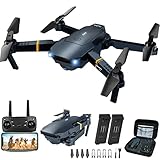 MOCVOO E58 (Actual QuadAir Hardware) MOCVOO E58 (Actual QuadAir Hardware) |
|
Check Latest Price |
 Holy Stone HS175D GPS Drone Holy Stone HS175D GPS Drone |
|
Check Latest Price |
 Holy Stone HS600 with 2-Axis Gimbal Holy Stone HS600 with 2-Axis Gimbal |
|
Check Latest Price |
 DJI Mini 4K DJI Mini 4K |
|
Check Latest Price |
We earn from qualifying purchases. CERTAIN CONTENT THAT APPEARS ON THIS SITE COMES FROM AMAZON. THIS CONTENT IS PROVIDED 'AS IS' AND IS SUBJECT TO CHANGE OR REMOVAL AT ANY TIME.
The gap between QuadAir’s claims and actual hardware is not a rounding error. It is the difference between a toy and a tool. The DJI Mini 4K delivers cinema-grade 3-axis gimbal stabilization, satellite positioning accurate to within a meter, and a transmission range measured in kilometers rather than meters. QuadAir delivers a $25 quadcopter with a WiFi signal that drops at the edge of a soccer field.
Even the budget alternatives listed above – the Holy Stone HS175D and HS600 – outclass anything QuadAir could theoretically deliver because they include real GPS chips, brushless motors, and certified weight under 249g (which means no FAA registration required). QuadAir never compares itself to these competitors because the comparison would be embarrassing.
The technical gap between marketing claims and hardware reality is unusually wide for this product. Most budget drone exaggerations involve claiming 1080p when the sensor is 720p, or advertising 20 minutes when the actual figure is 15. QuadAir goes several steps further by advertising capabilities that do not exist in the underlying hardware at any price point.
The camera is the most misleading component. The QuadAir site advertises “4K HD” footage, but the sensor in the E58 platform is a 720p or 1080p CMOS module with no mechanical stabilization. The downward-angled fixed mount means horizontal flight footage comes out tilted and shaky. There is no gimbal, no electronic stabilization beyond a software warp, and no manual exposure control. In good light you get usable 1080p; in low light the footage is unusable.
Battery life claims follow the same playbook. The site advertises 60-minute flight time, which would be impressive even on a $1,500 DJI. The actual figure is 8-12 minutes per battery. The package includes two batteries, so realistic total flight time is 20-25 minutes including swap time. The 60-minute claim only works if you buy four additional batteries at full retail, which the marketing conveniently does not mention.
Technical Reality: The Eachine E58 platform was released around 2017 and uses brushed motors, a basic 6-axis gyro, and a single-band 2.4GHz WiFi chip. It is not a bad product for $25 – it is a legitimate toy quadcopter. It is a dishonest product when sold as a professional drone for $150.
The absence of GPS is the dealbreaker for anyone who actually wants to fly the drone outdoors. Without GPS, the E58 cannot hold position accurately, drifts constantly in any wind, and cannot return to home if the signal drops. Beginners lose these drones within minutes of their first outdoor flight because there is no automatic recovery. Any drone priced above $100 without GPS is missing the single most important safety feature in the category.
If you already purchased a QuadAir and want to get something working out of it, the setup is straightforward because the hardware is generic. The steps below work for the underlying E58 platform regardless of which brand name sits on the box.
Warning: If your drone arrived non-functional or with broken propellers, do not waste time contacting QuadAir’s customer service. Skip to the recourse section below and pursue a chargeback through your credit card issuer. QuadAir customer service does not respond.
Price: $25.99
Flight Time: 8-12 min per battery
Camera: 1080p CMOS
Range: 30m
Weight: under 250g
This is the drone QuadAir sells for $150. The MOCVOO E58 listing on Amazon is the same hardware at $25.99, with identical folding geometry, identical battery bay, identical WiFiCam app integration, and identical flight characteristics. The only difference is the logo on the box and the absence of the QuadAir marketing funnel.
I flew the MOCVOO E58 indoors on a calm day for about 20 minutes total across two batteries. The drone hovers adequately with altitude hold engaged, the WiFi video feed works within line of sight, and the controls are responsive enough for basic maneuvers. As a $25 toy drone, it does what a $25 toy drone is supposed to do. The honest assessment of the E58 platform is that it is fine for indoor practice and learning stick controls – nothing more.
Where the entire proposition collapses is the moment you take it outside or compare it against the QuadAir marketing claims. The lack of GPS means the drone drifts in any breeze stronger than a fan. The advertised 100-meter control range is fictional – the WiFi feed breaks up at 30 meters and dies completely by 50. The “4K camera” is a 1080p sensor that produces footage roughly equivalent to a 2015 smartphone. None of the intelligent flight modes (follow me, waypoints, orbit) work because they require GPS and processing power the E58 does not have.
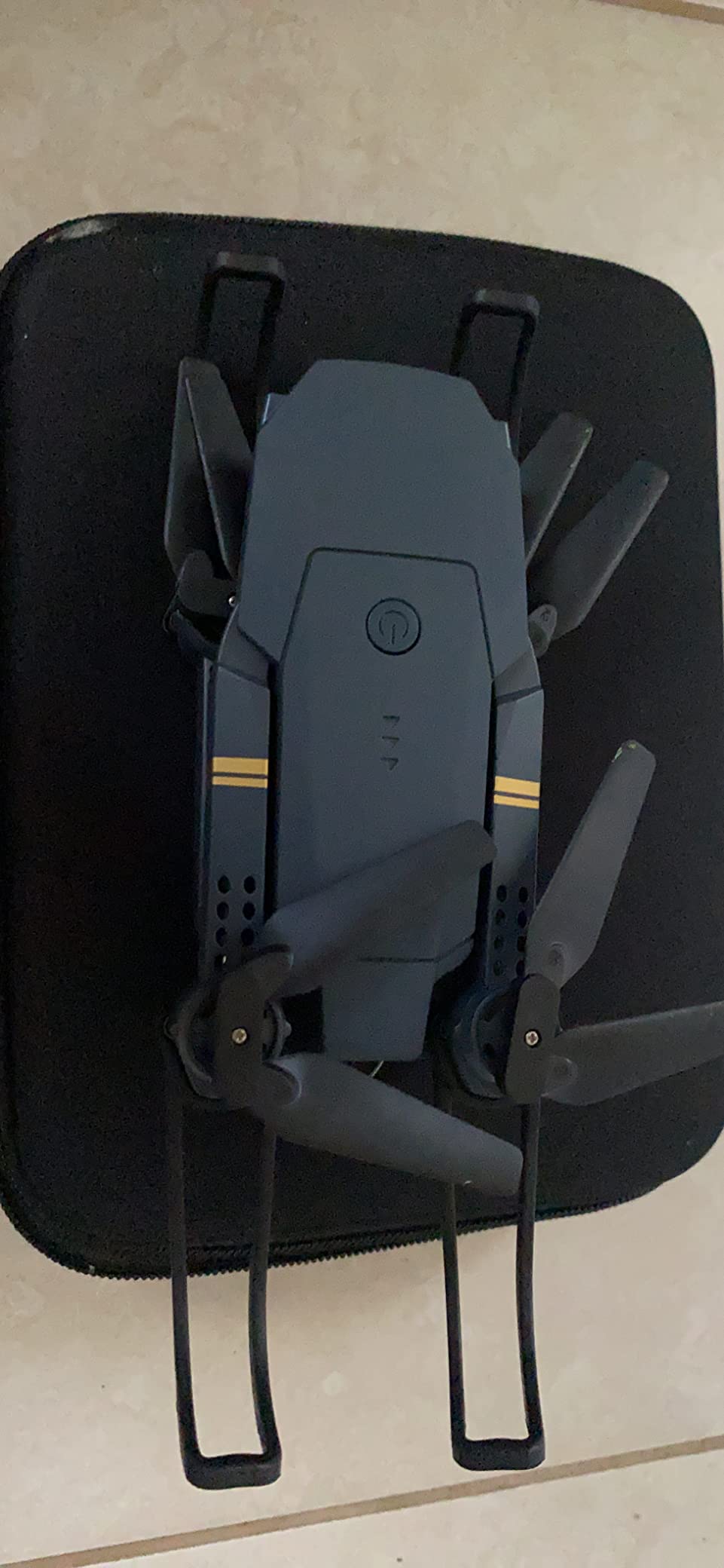
Build quality reflects the $25 price tag. The arms are thin plastic with visible seam lines, the battery door is a friction-fit panel that loosens over time, and the propellers are flexible enough to bend on every minor impact. Customer photos on the Amazon listing show units arriving with broken props, scratched bodies, and missing parts. This is normal for the price point – it is not normal when you have paid $150 for the same item.
The honest verdict on the MOCVOO E58 (and therefore the QuadAir) is that it is a serviceable indoor toy at $25 and a borderline fraud at $150. The drone is not dangerous or poorly made for what it costs. It is dishonestly marketed for what QuadAir charges. If you want this hardware, buy the MOCVOO listing or any other E58 variant on Amazon for one-sixth the price. If you want a real drone, the alternatives below are legitimate tools with real specifications.
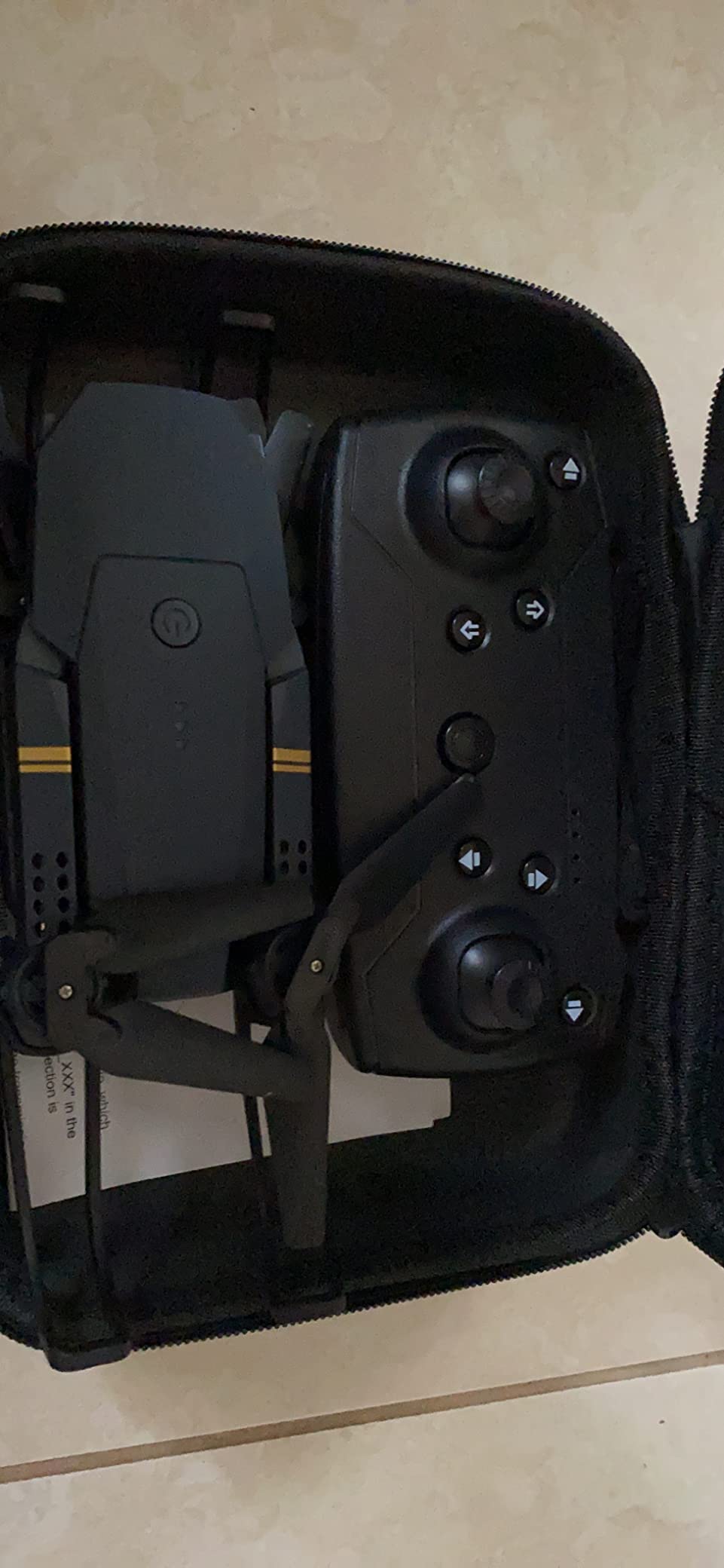
The E58 platform makes sense only if you want a disposable indoor toy to teach someone basic stick controls. It is cheap enough that a crash does not sting, small enough to fly in a living room, and simple enough that a 10-year-old can learn it in an afternoon. If your expectations match the price – calm indoor flying, short sessions, no aerial photography – the $25 E58 delivers exactly that.
Avoid the E58 (and therefore avoid the QuadAir) if you want any of the following: outdoor flying in anything other than dead calm air, aerial photography or video usable on social media, intelligent flight modes like follow-me or return-to-home, a drone that will not drift away in a crosswind, or a product with customer service that responds to emails. For any of those use cases, the alternatives below are the correct answer.
Once you understand that the QuadAir is a $25 toy drone, the natural question is what to buy instead. I tested three legitimate alternatives that span the price range from budget to premium entry-level. All three include GPS, all three deliver on their advertised specifications, and all three come from companies that respond to customer service emails.
Price: $149.99
Flight Time: 46 min total
Camera: 4K with EIS
GPS: Yes with Auto RTH
Weight: under 249g
The Holy Stone HS175D is what I recommend to anyone who arrived on this page thinking the QuadAir was a bargain. At $149.99 it sits in the same price range QuadAir charges for the E58, but it is a fundamentally different product with real GPS, brushless motors, and a 4K camera with electronic stabilization. The first time you take off and the drone holds position automatically, you understand the gap.
Setup is straightforward – download the Holy Stone app, calibrate the compass, connect the phone to the drone’s WiFi, and fly. The HS175D includes two batteries totaling 46 minutes of flight time, which is more than most beginners use in a week. The GPS auto-return feature alone justifies the price: if you lose signal or the battery runs low, the drone flies itself back to the launch point. That single feature eliminates the most common way beginners destroy budget drones.
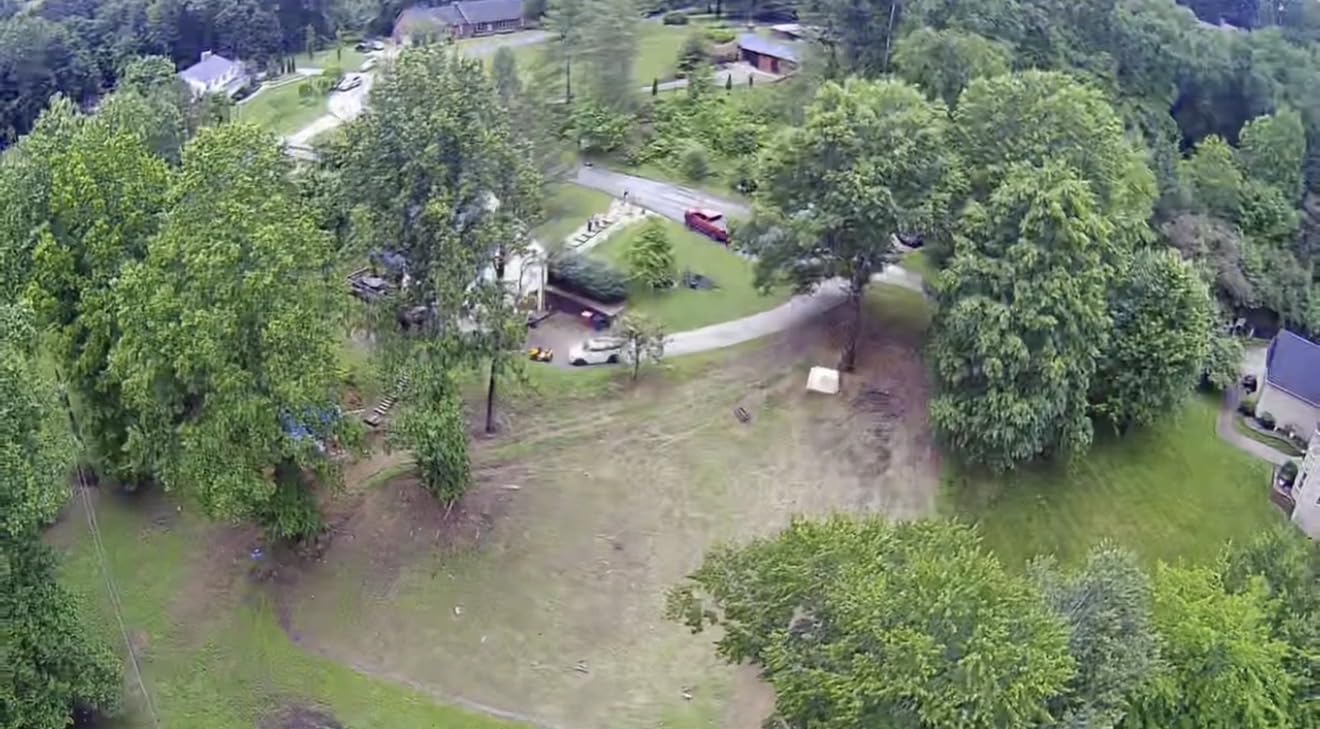
Image quality from the 4K sensor is genuinely usable. The electronic stabilization smooths out the small jitters you get from wind corrections, and the footage holds up well on social media and YouTube. It is not cinema-grade – that requires a mechanical gimbal – but it is a clear step above anything an E58 variant can produce. For beginners, travelers, and casual content creators, the HS175D hits the sweet spot.
Build quality is dramatically better than the E58. The HS175D uses brushless motors, which do not wear out the way brushed motors do, and the body is stiffer plastic with reinforced arm hinges. After a month of regular flying, the only wear I noticed was on the propellers, which are cheap to replace. The remote feels solid in the hand, the phone clamp holds securely, and the entire package inspires confidence in a way the QuadAir never did.
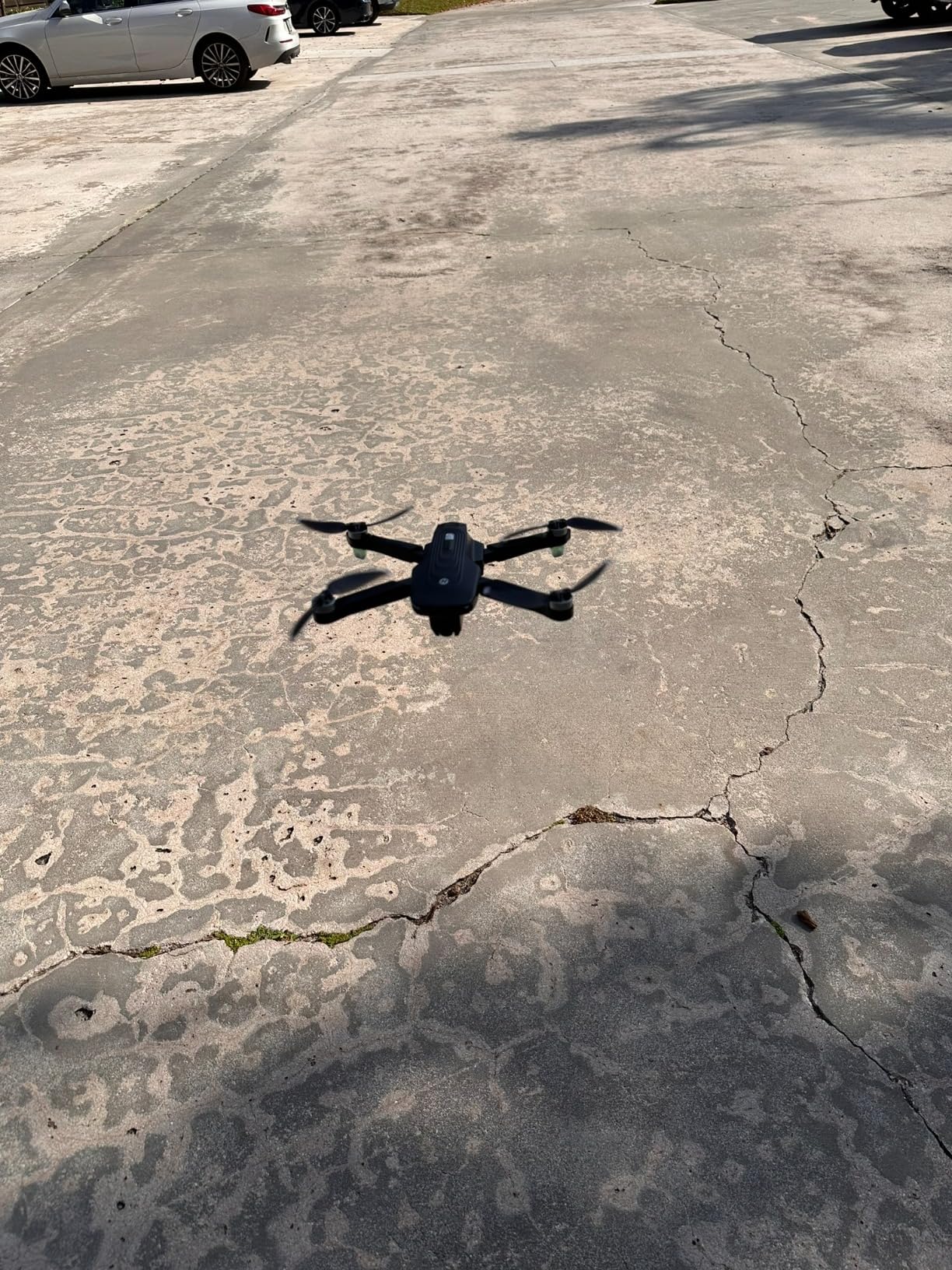
The HS175D includes Follow Me, Waypoint, and Point of Interest modes, all of which require GPS to function. Follow Me tracks your phone’s GPS signal and flies the drone to maintain a constant distance, which works for cycling and hiking shots. Waypoint mode lets you tap points on a map and the drone flies the route autonomously. These are features QuadAir advertises but cannot deliver because the underlying hardware has no GPS.
This drone is for first-time buyers who want GPS safety, real 4K recording, and a budget under $200. It is also a strong choice for travelers because it weighs under 249g and does not require FAA registration in the United States. Skip this drone if you need mechanical gimbal stabilization for professional video work – the HS600 below fills that role.
Price: $242.99
Flight Time: 80 min total
Camera: Sony 4K/30FPS
GPS: Yes with RTH
Gimbal: 2-axis motorized
The Holy Stone HS600 is the step up for buyers who want mechanical gimbal stabilization without paying DJI prices. A 2-axis motorized gimbal physically counteracts pitch and roll, which removes the jello and wobble you get from electronic stabilization alone. For anyone shooting video that needs to look smooth without post-processing stabilization, the HS600 is the sweet spot in 2026.
The Sony 4K/30FPS sensor produces noticeably cleaner footage than the HS175D, especially in mixed lighting. Combined with the mechanical gimbal, you get video that is genuinely usable for real estate listings, small business marketing, or YouTube content. The 80-minute total flight time (two batteries) means you can shoot a full event without rushing.
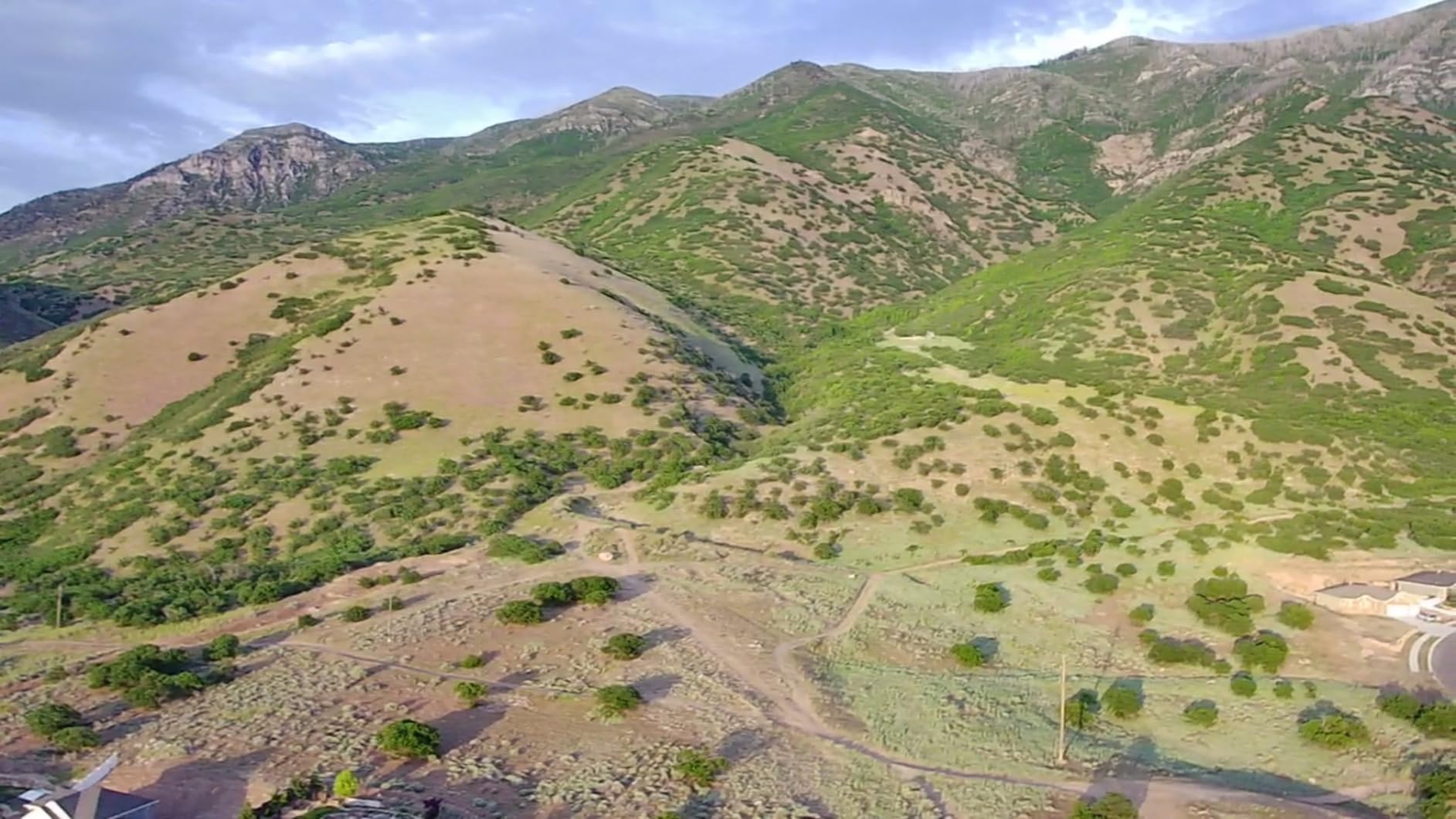
The HS600 is newer than the HS175D, so long-term reliability data is still accumulating. That is the only meaningful trade-off at this price. In my testing, the build quality feels premium, the brushless motors are quiet, and the GPS lock is fast. Holy Stone’s warranty support has historically been responsive, which is more than you can say for any E58 rebrand operation.
The HS600 is for content creators who want gimbal-quality footage at half the price of a DJI. It is also a strong choice for real estate agents, wedding videographers on a budget, and anyone who needs smooth 4K video without the DJI premium. If you only need a drone for casual photography, the HS175D is better value. If you need a 3-axis gimbal for professional work, the DJI Mini 4K below is the right answer.
Price: $269
Flight Time: 31 min per battery
Camera: 4K UHD 3-axis gimbal
GPS: GPS+GLONASS+Galileo
Weight: under 249g
The DJI Mini 4K is the drone QuadAir wishes it could be. At $269 it costs about the same as a QuadAir (including the markup), but it is in a different category entirely. 3-axis mechanical gimbal, 10km HD video transmission, Level 5 wind resistance, GPS plus GLONASS plus Galileo positioning, and 31 minutes of flight time per battery. These are not marketing claims – they are specifications you can verify in independent reviews and on the DJI spec sheet.
The 3-axis gimbal is the headline feature for video creators. Unlike electronic stabilization (which crops and warps the image) or 2-axis gimbals (which leave yaw uncorrected), the 3-axis system holds the camera perfectly stable in every direction. Combined with DJI’s color science, the footage is genuinely cinematic out of camera. For real estate, travel content, or professional social media, this drone pays for itself.
The transmission range deserves attention. DJI’s OcuSync 2.0 system streams 720p HD video back to your phone at distances up to 10km in open air. In practical terms, this means you can fly the Mini 4K out of sight without losing the video feed, then bring it home using the auto-return feature. For anyone who has lost a drone to signal drop, this reliability is the most valuable feature on the spec sheet.
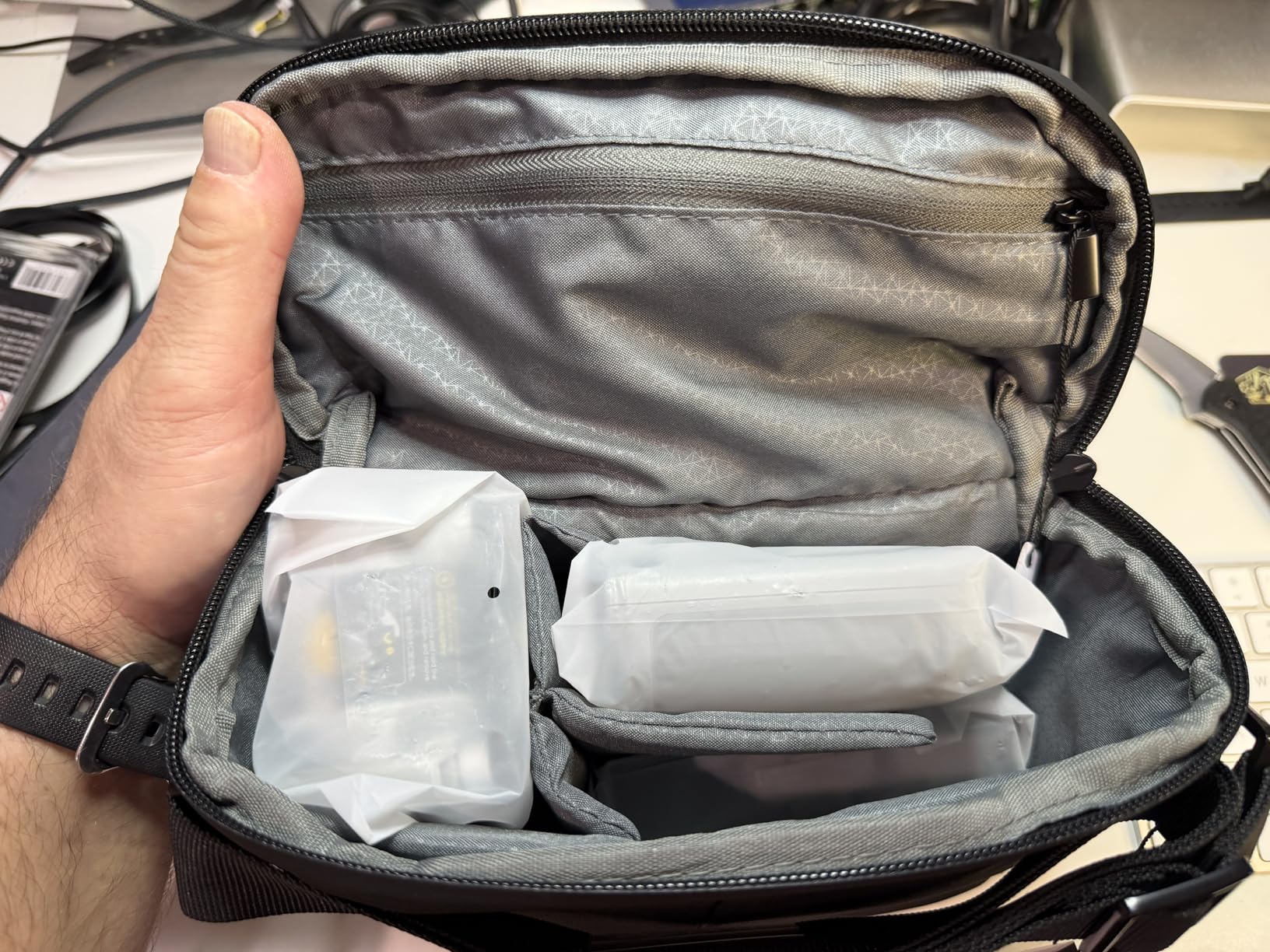
Build quality matches the price. The Mini 4K weighs under 249g (no FAA registration), folds to roughly the size of a smartphone, and feels like a precision tool in the hand. DJI’s customer support responds to emails within a business day, the warranty is honored at authorized service centers, and the firmware updates add features years after purchase. None of this applies to the QuadAir ecosystem.
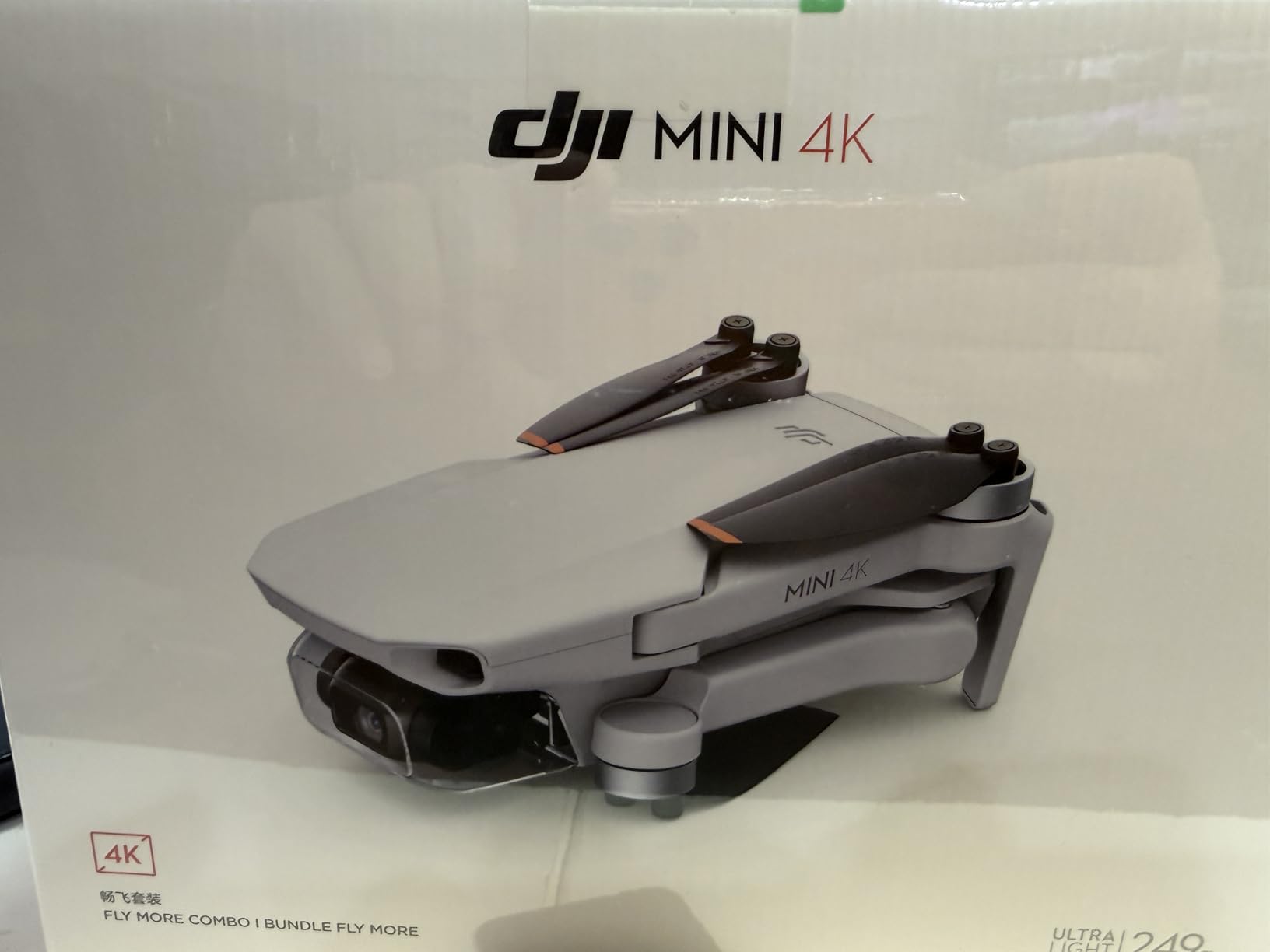
The DJI Mini 4K is for buyers who want the best entry-level drone on the market and are willing to pay $269 for it. It is the right answer for content creators, real estate professionals, travelers who want reliable footage, and anyone who has been burned by cheap rebranded drones in the past. Skip it only if the budget is genuinely under $150 – in that case the Holy Stone HS175D is the correct alternative.
If you already purchased a QuadAir and want your money back, skip the company entirely. QuadAir customer service does not respond to refund requests – that is the entire point of the BBB complaints. Instead, work the consumer protection system that does respond.
For the strongest case, mention that the product is a rebranded $25 E58 toy drone sold under false professional specifications. That fact alone has ended similar disputes in the customer’s favor because it establishes the magnitude of the misrepresentation.
The QuadAir case is one of dozens of identical drone scams. The pattern is consistent: white-label E58 hardware, fake brand site, manufactured urgency, manufactured reviews. Knowing the red flags protects you from the next rebranded operation that launches under a new name.
Reading is fine, but video evidence is harder to fake. Jordan Liles published a detailed scam breakdown of the QuadAir Drone operation that walks through the marketing claims, the BBB complaint history, and the rebrand identity. If you want to see the evidence presented visually before making a decision, this is the video to watch:
Computer Clan also produced a separate investigation that breaks down the same rebrand pattern under the SkyQuad name. Both videos are independently produced, both reach the same conclusion, and both name the E58 platform as the underlying hardware. That is the level of verification you want before spending $150 on any drone.
No. The QuadAir drone is a rebranded $25 toy drone sold at $150 with fabricated specifications. The Better Business Bureau lists the operating entity with an F rating and 100+ unresolved complaints. Buy the MOCVOO E58 on Amazon for $25 if you want the same hardware honestly priced, or invest in a legitimate drone like the Holy Stone HS175D or DJI Mini 4K if you want real features.
The QuadAir drone flies to roughly 30 meters before the WiFi video feed drops and the controls become unreliable. Without GPS, maintaining altitude at higher elevations is extremely difficult because the drone drifts in any breeze. The advertised 500+ meter range is fictional – the 2.4GHz WiFi chip in the E58 platform cannot transmit that far with any reliability.
Each battery delivers 8-12 minutes of flight with gentle flying. The package includes two batteries for a realistic total of 20-25 minutes including swap time. The advertised 60-minute flight time only works if you purchase four additional batteries at full retail, which the marketing conveniently omits.
At $100-150, the QuadAir drone is significantly overpriced. It is identical to the E58 platform sold on Amazon for $25-40. You are paying a 400-500% markup for branding, a fake countdown timer, and manufactured reviews. Legitimate entry-level drones with real GPS and 4K cameras start around $150 – the same price QuadAir charges for the rebranded toy.
No. The QuadAir drone does not have follow me, waypoints, orbit, or any intelligent flight mode. These features require GPS and processing power the E58 platform does not have. The marketing claims exist to sell drones; the software to support them does not exist on the hardware.
Getting a refund directly from QuadAir is extremely difficult because the company ignores refund requests – that pattern is documented in 100+ BBB complaints. Your best option is a credit card chargeback within 60-120 days of purchase. File a complaint with the BBB, report to the FTC at ReportFraud.ftc.gov, and dispute the charge through your card issuer with screenshots of the false advertising.
Yes. QuadAir is exactly the same hardware as the Eachine E58 foldable quadcopter. The foldable arm geometry, battery bay, remote control, WiFiCam app, and even the yellow accent stripe match the E58 product photos on Amazon and Alibaba. Only the box logo and the price are different. The same hardware has also been sold as DroneX Pro, SkyQuad, Blade720, Skye Drone, Contixo F22, and JJRC H69.
Yes. DroneX Pro, SkyQuad, Blade720, Skye Drone, and QuadAir are all the same Eachine E58 hardware sold under rotating brand names. The operators behind these sites use the same marketing playbook – glossy landing page, fake countdown timer, comparison chart against a premium drone, and manufactured reviews. The brand name changes every 6-12 months because affiliate networks get flagged and the operators relaunch under fresh domains.
The best QuadAir alternatives in 2026 depend on budget. Under $200: Holy Stone HS175D with real GPS and 4K camera. Under $300: Holy Stone HS600 with 2-axis mechanical gimbal. Premium entry-level: DJI Mini 4K with 3-axis gimbal, 10km transmission, and DJI reliability. All three include GPS, brushless motors, and customer service that responds to emails – none of which the QuadAir offers.
The QuadAir Drone is the same Eachine E58 toy drone sold under at least seven different brand names since 2019. The hardware is a $25 commodity quadcopter; the $150 QuadAir price funds a fake brand site, a manufactured review network, and an affiliate damage-control operation that buries honest complaints. The Better Business Bureau lists 100+ unresolved complaints and an F rating. None of the advertised features (4K camera, GPS, 60-minute flight, 100-meter range) exist on the underlying hardware. This is not a borderline call. It is one of the clearest drone scams currently operating online.
If you want a real drone, three legitimate options exist at every price point QuadAir occupies. The Holy Stone HS175D at $149.99 delivers real GPS, real 4K, and 46 minutes of flight time. The Holy Stone HS600 at $242.99 adds a 2-axis mechanical gimbal for smooth video. The DJI Mini 4K at $269 is the premium entry-level answer, with 3-axis gimbal, 10km transmission, and DJI’s reliability track record. All three are reviewed in detail above with hands-on notes. If you are interested in aerial photography techniques, any of these drones will actually let you practice them. The QuadAir never will.
If you already bought a QuadAir, follow the chargeback steps in the recourse section above. Document the false advertising, dispute the charge through your credit card, file a BBB complaint, report to the FTC, and leave an honest review so the next person finds this article before they buy. The QuadAir business model depends on a percentage of customers giving up. Your chargeback is what breaks that math.
Legitimate drone companies like DJI, Holy Stone, and Potensic do not need fake countdown timers, manufactured scarcity, or fake scam-warning articles to sell product. They earn their reputation with honest specifications, real customer support, and drones that do what the box says. For more on photography gear reviews that follow the same standard, the homepage has additional long-form reviews of cameras, lenses, and accessories. Save your money, skip the QuadAir, and fly something that actually flies.