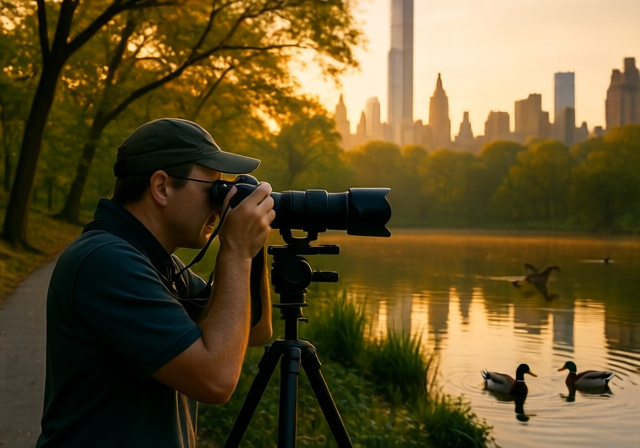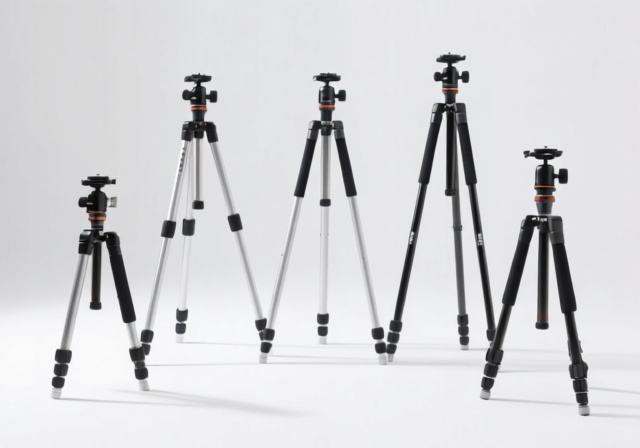
5 Best Tripods Under $100 (September 2026) Tested & Reviewed
Expert reviews of the top 5 tripods under $100 after 30 days of intensive testing. Find stable camera support that…


If you are searching for fresh wedding photography ideas in 2026, you are not alone. The way couples approach their wedding album has shifted dramatically since flash photography made its comeback, drone aerial shots became mainstream, and editorial-style portraits moved from fashion magazines into real ceremonies. I have spent the last decade documenting weddings across the UK, Europe, and beyond, and this year feels like a turning point for visual storytelling.
This guide pulls together 50+ wedding photography ideas that work for any season, cultural tradition, and budget. The current average spend on wedding photography sits between $2,800 and $4,500 for full-day coverage in 2026, and what you receive for that investment has expanded well beyond posed portraits. Couples now expect a layered album that mixes documentary candids, editorial flash, golden hour silhouettes, and a handful of those named visual concepts that have become signatures of the genre, from The Flat Lay to The Sparkler Send-off.
Below, you will find 50+ wedding photography ideas organised by section of the day, plus a new 2026 trends overview, seasonal concepts, cultural traditions, and a refreshed FAQ. Use it as a conversation starter with your photographer, a checklist during planning, or pure inspiration while you daydream about the day.
You will discover pre-ceremony detail shots, ceremony essentials, creative reception concepts, named visual ideas that match what top UK and US photographers are delivering in 2026, and budget-friendly strategies that do not require sacrificing the moments that matter most. The aim is to help you walk away with wedding photos you will still love twenty years from now.
The hours before your ceremony are filled with anticipation and quiet emotion. These moments deserve thoughtful documentation, as they tell the beginning of your wedding day story. Couples who dedicate two to three hours to pre-ceremony photography almost always have more complete albums because the pace is slower, the light is gentler, and the nerves translate beautifully on camera.
Before the day begins, arrange your wedding invitation, save the dates, and all stationery elements on a beautiful surface. This concept, often called The Flat Lay, creates a perfect opening shot for your album and showcases your wedding theme. Include personal touches like stamps, wax seals, handwritten notes, ribbon samples, and a sprig of greenery from the bouquet. Shoot from directly above using a 35mm or 50mm lens to keep all elements sharp and stylised.
Your wedding rings are symbolic treasures. Place them in unexpected locations, like the pages of your favourite book, nestled in flower petals, balanced on a textured stone, or reflected in a vintage mirror. Try a macro shot with a shallow depth of field so the engraving catches the light. One of my favourite ring shots from last year sat on a grand piano with the engagement ring visible in the polished fallboard reflection.
Capture the moment your wedding dress is revealed. Hang it near a tall window with natural light, or have it held up by your mother or bridesmaids. This shot works especially well with backlighting that creates an ethereal glow around the gown. Ask your photographer to shoot both wide and tight, capturing the silhouette, the lace detail, and the anticipation on the faces of those holding it.
The genuine emotions during preparation make for powerful photographs. Capture laughter with bridesmaids, quiet moments of reflection, or the excitement as makeup is applied. These authentic moments often become more treasured than posed shots. A continuous documentary approach here is gold, so ask your photographer to keep the camera rolling while you and your wedding party move naturally through the morning.
Your wedding accessories tell part of your story. Photograph shoes, jewellery, veils, perfume bottles, and heirloom pieces separately and together. Arrange these items to show their relationship to each other, like shoes placed next to jewellery boxes, or a veil draped over a vintage suitcase. Use negative space and clean backgrounds to keep the focus on craftsmanship.
First look sessions have become increasingly popular for good reason. They allow intimate moments away from guests and create natural emotional reactions. Plan this in a private location with good lighting; gardens, staircases, or empty chapels work beautifully. Ask your photographer to position themselves behind you, the partner, so the reaction is captured in profile, and give yourself permission to take a long hug afterwards.
Do not forget the groom. Capture him tying his tie, adjusting his cufflinks, or sharing a laugh with groomsmen. These moments balance the wedding story and show the preparation from both perspectives. The groom’s morning is often quieter and more reflective, which produces some of the most honest portraits of the entire day.
The energy between you and your wedding party creates dynamic photographs. Capture group hugs, toasts with champagne, or dancing while getting ready. These images show the support system surrounding your marriage. A wide lens set at f/2.8 keeps the group sharp while the room softens behind, which is the look most couples respond to when reviewing their album.
Document your ceremony and reception venues before they fill with people. Empty chairs, decorated altars, and table settings create beautiful, serene images that contrast with the later celebration shots. These quiet establishing frames are perfect to lead the album and give context to every other image that follows.
Whether arriving in a vintage car, horse-drawn carriage, or on foot, capture your journey to the venue. These transition shots mark important moments in your wedding day timeline. A wide shot of the car pulling up, followed by a close-up of your hand on the door handle, builds a mini narrative that is easy to overlook in the moment but a delight to revisit later.
The moments with parents before the ceremony are emotionally rich. Capture a mother helping with a veil, a father’s proud smile, or the quiet hugs before departing for the ceremony. These are the photographs that often make parents cry at the album viewing, and they tend to be the most printed and shared across generations.
Document the final preparations, including spraying perfume, adjusting boutonnieres, or one last look in the mirror. These small details create a complete narrative of your preparation process. A tight crop on a wristwatch being fastened, a buttonhole being pinned, or a hand being held, can carry enormous emotional weight in a finished album.
If weather is a concern, capture moments with umbrellas, blankets, or weather preparations. These images add authenticity and can become charming elements of your story. A sudden rain shower before an outdoor ceremony often produces some of the most emotionally honest photographs of the day, so lean into the elements rather than fighting them.
If you exchange gifts or letters before the ceremony, document these intimate moments. The emotions during these exchanges are genuine and deeply personal. A telephoto lens from across the room lets the photographer stay invisible while still catching the smile, the tear, and the way hands hold paper.
As guests arrive and the wedding party assembles, capture the anticipation. These transition shots build excitement and lead naturally into the ceremony coverage. Look for the subtle cues: a father straightening his daughter’s veil, a grandparent being helped to their seat, two old friends reuniting in the doorway. These are the connective tissue of the day.
Your wedding ceremony is the heart of your day, filled with profound emotions and significant moments. Working with couples to build a comprehensive shot list covering pre-ceremony preparations, ceremony moments, reception highlights, and creative portrait sessions ensures no important memories are missed. The ceremony moves quickly, so pre-planning camera positions with your officiant and photographer pays dividends in the final gallery.
Before guests arrive, capture wide angles of your ceremony space. These establishing shots show the scale and beauty of your venue, providing context for more intimate ceremony moments. A drone or balcony angle adds a sense of place, especially for outdoor ceremonies where the surrounding landscape is part of the story.
Document friends and family finding their seats and greeting each other. These images capture the community gathered to celebrate your union and add warmth to your wedding album. Look for genuine greetings: an aunt travelling from overseas, a college roommate reuniting after years, a grandparent being escorted to the front row.
Walking down the aisle is a defining moment. Capture multiple angles, including the view from behind, the reaction at the altar, and the faces of seated guests. Using both wide and telephoto lenses lets you cover the entrance and the reactions simultaneously, which is the difference between a single pretty frame and a layered narrative of the moment.
The groom’s first glimpse of his partner walking down the aisle is priceless. This emotional moment, often called The Aisle Reaction, deserves dedicated attention from multiple angles if possible. Position a second shooter at the front of the aisle to capture the expression in profile, and have the primary shooter track the bride from behind for the entrance shot.
The moment parents give their child away is filled with emotion. Capture the handshake, hug, or blessing from both close and wide angles to preserve this meaningful tradition. A 200mm telephoto from the back of the room keeps you unobtrusive while still rendering the embrace in sharp detail.
Focus on ceremony elements, including unity candles, sand ceremonies, or traditional rituals. These detail shots complement the broader ceremony coverage and highlight cultural or personal traditions. Photograph hands during the ring warming, the soft glow of candles, and any heirloom items used in the ceremony with the same care you would give the rings.
Capture close-ups of faces during vows, hands holding, and emotional reactions. These intimate moments show the commitment and emotion at the ceremony’s core. A 70-200mm lens at f/2.8 lets your photographer shoot from a respectful distance while still rendering tear tracks, trembling lips, and tightly held hands in beautiful detail.
Document the ring exchange from multiple perspectives. Close-ups of hands placing rings, wider shots showing the couple, and reactions from family and guests create comprehensive coverage. Do not forget the parents’ reaction shot during the exchange, which can be the single most emotional frame of the entire ceremony.
This iconic moment needs coverage from all angles. Plan for multiple photographers if possible, or ensure your photographer can move quickly to capture different perspectives. Brief your officiant to step aside at the moment of the kiss so the photographer has a clear line of sight, a small logistical note that makes a huge difference in the final image.
Capture the joyous moment you are announced as married for the first time. Guest reactions, confetti, or celebratory gestures add energy to these images. A wide shot of the entire room clapping alongside a tight shot of the couple’s hands raised in triumph tells the same moment in two complementary ways.
Walking back down the aisle as a married couple creates joyful images. Capture the celebration, guest congratulations, and the transition from ceremony to reception. Shoot from the front so the couple walks toward the camera, capturing smiles and confetti in a single frame.
Plan a creative exit using bubbles, confetti, flower petals, or sparklers. These dynamic shots create natural movement and celebration, marking the end of the formal ceremony. A bubble or petal exit is gentler, while a sparkler send-off delivers a higher-impact frame for couples wanting a more dramatic finish.
Your wedding reception transforms the day’s formality into celebration. In 2026, top photographers are leaning into named visual concepts that have become signature looks, including the Sparkler Send-off, Editorial Flash portraits, and Champagne Tower shots. The reception offers endless opportunities for both traditional and candid photography that captures the joy and energy of your party.
Before guests enter, document centrepieces, place settings, table numbers, signage, and decorative elements. These detail shots showcase your planning and create beautiful context for reception images. Photograph each table setting with the same care as the invitation suite so the album tells a complete visual story from the first flat lay to the last dessert plate.
Capture your entrance as a married couple. The energy, applause, and excitement make for dynamic images that transition beautifully from ceremony to celebration. A slow shutter speed will render the cheering crowd as soft movement while keeping the couple sharp, a technique that has become a 2026 favourite for high-energy entrances.
Your first dance deserves attention from multiple angles. Capture the entire dance, but focus on intimate moments, such as foreheads touching, whispered words, and emotional expressions. Ask your DJ or band leader for a slow song option for the second half of the dance so the photographer can shoot wider, slower compositions without losing the magic of the moment.
Parent-child dances are emotionally significant. Capture both the dance and reactions from guests, especially the other parent. These moments often produce tearful, meaningful images that become some of the most printed and gifted photographs in the entire album.
The cake cutting combines tradition with playfulness. Capture both the ceremonial cut and any cake-smashing moments. Include close-ups of hands and wide shots showing guest reactions. A low angle from table level, with the cake sharp in the foreground and the couple in soft focus behind, gives a magazine-style frame that has become very popular in 2026.
Document speeches from multiple perspectives, including the speaker, the couple’s reactions, and emotional guests. These moments reveal relationships and create touching memories. A rotating schedule of camera positions throughout the meal gives the final album a cinematic feel as the speeches unfold.
Editorial Flash is one of the biggest 2026 wedding photography trends. During dinner or downtime, your photographer can take the couple aside for a five-minute portrait session using direct off-camera flash against the ambient room light. The result is sharp, fashion-inspired images that look like they belong in a magazine, a striking contrast to the documentary candids of the day.
For couples incorporating a Champagne Tower into the reception, schedule a few dedicated frames during the pour. The cascading liquid against crystal coupe glasses catches the light beautifully. Shoot at a low angle with backlight from the venue’s uplighting to capture the texture of the pour.
As you visit each table, capture interactions with guests. These images show your appreciation and the relationships that make your day meaningful. A second shooter walking with the couple while the primary focuses on candid reactions in the room gives you a mini-series for every table.
These traditional reception activities create energetic, fun images. Capture the preparation, the toss itself, and the winners’ reactions for complete coverage. A wide shot from a balcony or tripod-mounted camera catches the full arc of the bouquet, while a ground-level shot freezes the catcher mid-celebration.
The dance floor is where the party comes alive. Use movement and creative angles to capture the energy, from group dances to quiet couples swaying to romantic songs. Slow shutter speeds render the lights as streaks while the couple stays sharp, which is the look most couples ask for when they want their party to feel cinematic.
The Sparkler Send-off is the most requested named concept in 2026 reception photography. Line guests on either side of the path, light the sparklers in unison, and have the couple walk (or run) through the corridor. Use a long exposure of around 1.3 seconds to render the sparkler trails as glowing arcs, and coordinate a single flash pop to freeze the couple in the centre. Check local venue rules on sparklers and always have a water bucket on hand.
Wedding photography in 2026 is defined by a wider mix of styles than ever before. Most couples blend two or three of the looks below to create an album that feels both current and personal. Discussing these styles with your photographer before booking is the easiest way to make sure your final gallery matches the vision in your head.
Editorial wedding photography borrows directly from fashion magazines. Expect clean compositions, strong use of negative space, dramatic posing, and a consistent colour palette. Editorial style works beautifully for couple portraits, fashion-inspired bridal shots, and the off-camera flash portraits mentioned earlier in the reception section.
Film is enjoying a strong resurgence in 2026. Photographers shooting on medium format (645, 6×7) or 35mm produce images with the soft grain, creamy skin tones, and colour rendering that digital sensors still struggle to match. Film albums are often delivered alongside digital galleries, with the film frames used as the highlight reel.
Direct flash has had a real moment since 2024. Photographers lean into the harsh, almost snapshot quality of on-camera flash for candid reception moments, dance floor shots, and editorial-style portraits. Done well, flash wedding photography feels like a polaroid brought to life, modern but nostalgic.
Documentary or reportage wedding photography leans into storytelling. The photographer works quietly, often with two camera bodies and prime lenses, capturing events as they unfold without staging. This style suits couples who want their album to feel like a visual diary of the day rather than a series of posed portraits.
Fine art wedding photography emphasises painterly light, soft pastels, and dreamy compositions. The look is often achieved with prime lenses shot wide open, intentional lens flare, and a light, desaturated editing style. Fine art works well in soft natural light, making it a strong match for spring and summer ceremonies.
Dark and moody editing emphasises deep shadows, rich contrast, and saturated jewel tones. The style originated in portrait and landscape photography and has become a favourite for winter weddings, candlelit ceremonies, and venues with stone walls and old timber. The editing style transforms a bright ballroom into something cinematic and dramatic.
Light and airy is the opposite of dark and moody. The style features bright, lifted shadows, soft whites, pastel highlights, and a clean, modern feel. It is a strong match for outdoor ceremonies, beach weddings, and couples who prefer their album to feel bright and joyful from cover to cover.
Drone wedding photography adds an entirely new perspective. Aerial shots show the full venue layout, the surrounding landscape, the wedding party arranged in a heart shape, or a group confetti throw from directly above. Always check that your venue permits drone operations and that your photographer is CAA-licensed for commercial work in 2026.
Retro and vintage style draws on the colour palettes and grain of 1970s and 1980s film. Warm oranges, faded yellows, and gentle contrast define the look. It pairs naturally with film cameras but is increasingly achievable through digital editing. Retro works beautifully for boho, garden party, and mid-century themed weddings.
Two named concepts span multiple styles. Silhouette at Sunset places the couple against a glowing horizon at golden hour, often with a soft veil or trailing dress catching the last light. Water Reflections uses lakes, fountains, or even rain puddles to mirror the couple, often shot from a low angle. Both are now considered essentials in 2026 albums.
Pre-wedding or engagement photoshoots are no longer optional extras. They are now a standard part of the 2026 wedding photography workflow. Engagement sessions let you and your photographer build rapport, test locations, and walk away with a set of images you can use for save-the-dates, signage, and wedding websites. They also produce some of the most relaxed portraits of the entire engagement because there is no timeline pressure.
Pick somewhere that reflects your story as a couple. The cafe where you had your first date, the park where you got engaged, the city where you met, or simply somewhere you both love. A meaningful location always produces more relaxed couples because the surroundings already carry emotion.
Book the session for the hour before sunset to take advantage of warm, directional light. Golden hour engagement portraits are softer, more flattering, and easier to shoot than midday sessions, especially in summer when the sun is high and harsh.
Two outfits, one casual and one dressier, gives you two distinct looks in a single session. It also gives the photographer more variety for the final gallery and lets you test the colours and styles that may show up on the wedding day itself.
Cooking together, walking the dog, reading in a bookstore, riding bikes through the city. Activity-based engagement shoots produce natural movement and genuine laughter. They are also easier to direct because you are not posing, you are simply doing.
Post-wedding or day-after shoots are growing in popularity. They let you and your partner return to the venue or travel to a completely new location without the pressure of the wedding day timeline. There is no hair and makeup to redo, no guests waiting, and no schedule to keep. The result is one of the most relaxed portrait sessions a couple will ever book.
Many couples now extend their wedding trip by a day specifically for portraits. A beach at sunrise, a mountain overlook, or a quiet cobblestone street in the morning before the world wakes up. Destination day-after shoots also free up the wedding day itself for the moments that matter most, rather than disappearing for an hour of couple portraits.
Trash the Dress shoots intentionally put the wedding gown in unusual environments, like underwater, in the rain, in a field of flowers, or in mud. The result is dramatic, high-impact imagery that is impossible to create on the wedding day itself. It is also a liberating way to say goodbye to a dress you will not wear again.
Some couples prefer to wait a year and book an anniversary shoot instead. The advantage is perspective. You have lived with your album for twelve months, you know which images you love, and you can plan a session that complements the wedding gallery rather than competing with it. Anniversary shoots are also a strong gift idea from a partner or parent.
Each season offers named visual concepts that many couples overlook. In 2026, photographers are leaning into seasonal anchors like Foliage Confetti in autumn, Snow Portraits in winter, Cherry Blossom Bridal Shots in spring, and Golden Hour Heat in summer. Understanding seasonal lighting and environmental considerations helps you plan truly distinctive images that other couples on the same date at the same venue simply will not have.
Spring offers blooming flowers, fresh greenery, and soft, diffused lighting. Plan outdoor portraits amid blossoming trees or fields of wildflowers, with named concepts like Cherry Blossom Bridal Shots (a soft frame of the couple framed by falling petals) and Garden Portraiture. The gentle light of spring creates flattering, romantic portraits, and morning ceremonies work especially well, taking advantage of mild temperatures and beautiful morning light.
Summer’s bright sunlight requires careful planning. Schedule golden hour portraits an hour before sunset for warm, flattering light, a concept increasingly referred to as Golden Hour Heat, where the sun is low, the shadows are long, and the colour temperature is at its most cinematic. For midday ceremonies, seek shaded areas or use backlighting techniques. Summer evenings offer extended golden hours and beautiful sunset opportunities for couple portraits. Consider a beach, lake, or open field to make the most of long summer evenings.
Autumn provides rich colours, warm lighting, and cozy atmosphere. The named concept to plan for is Foliage Confetti, where the couple throws handfuls of golden leaves instead of traditional confetti, producing a frame full of warm colour and organic movement. Incorporate fall foliage into portraits, with golden leaves creating natural confetti, and consider late afternoon portraits to maximise the warm, golden quality of autumn light. The lower sun angle in fall provides beautiful rim lighting throughout the day.
Winter weddings offer magical opportunities. Snow Portraits, where the couple stands against freshly fallen snow, is a named concept every winter couple should plan for. Snow creates natural reflectors for soft light, while holiday decorations add festive elements. Indoor winter weddings benefit from window light and candle ambience. If you are lucky enough to have snow, plan for brief outdoor portraits because the cold keeps sessions short but produces stunning, romantic images. Always have warm drinks and blankets on hand for comfort between frames.
Quality wedding photography does not have to break your budget. Based on forum discussions, professional experience, and current 2026 market data, here are smart strategies to get great images within any budget. The key is knowing where to invest and where to scale back without compromising the moments that matter most.
Instead of full-day coverage, focus on key moments: two hours for preparation, full ceremony coverage, and four hours for reception highlights. This targeted approach typically saves $1,000 to $2,000 while ensuring all essential moments are captured. Most couples only print and share a small percentage of the final gallery, so concentrating coverage on the high-emotion moments is the smartest budget move in 2026.
Prepare a detailed shot list for your photographer. This efficiency reduces time spent deciding what to photograph and ensures you get all the images you want. Group shots by location to minimise movement and setup time. Share the list at least four weeks before the wedding so the photographer can plan their coverage accordingly.
Choose venues with good natural light to reduce the need for expensive lighting equipment. Outdoor ceremonies and receptions near windows provide beautiful, free lighting that enhances image quality. A bright venue also gives your photographer more flexibility, especially for handheld documentary-style coverage later in the evening.
Talented photographers building their portfolios often offer excellent rates. Review their work carefully, check references, and ensure they have backup equipment. Many emerging photographers in 2026 produce stunning work at 30 to 50 percent below established rates. Ask to see at least two full wedding galleries from start to finish before booking.
Set up DIY photo areas with nice lighting and simple backdrops. Guests can capture candid moments throughout the day. Provide instant cameras for table photos that capture genuine guest perspectives, and consider a shared online gallery where everyone can upload their phone shots so nothing gets lost.
Ask about customising packages. Sometimes photographers will include extra hours or print credits to close a deal. Be respectful of their value but open to creative arrangements that benefit both parties. Off-peak dates (weekdays, January, February) often come with the deepest discounts, sometimes 20 to 30 percent below Saturday summer prices.
Every culture brings unique photography opportunities to weddings. Understanding and planning for these traditions ensures they are documented beautifully and respectfully. The traditions below are the most-requested cultural coverage in 2026, but every couple should adapt the list to reflect their own family heritage.
Indian weddings offer vibrant colours and elaborate ceremonies. The Mehendi ceremony creates beautiful detail shots of intricate henna designs. The Baraat procession provides dynamic, energetic photography opportunities. Capture the vibrant clothing, jewellery, and multiple ceremonies that span several days, and consider drone coverage of large venue layouts to give the album a true sense of scale.
Traditional Chinese weddings include the tea ceremony, which creates intimate, meaningful images. The door games and pickup ceremonies add playful, cultural elements to your wedding story. Red clothing and gold accessories provide rich, symbolic colour themes. Photograph the tea ceremony in available window light to keep skin tones warm and natural.
The Jewish wedding canopy (Chuppah) creates beautiful framing for ceremony shots. The breaking of the glass provides a decisive, emotional moment to capture. The Horah dance creates energetic, joyous reception images showing community celebration. Position the photographer at a low angle to capture the Chuppah silhouette against the sky or venue backdrop.
African weddings often include colourful traditional attire and energetic dancing. The jumping of the broom tradition creates symbolic moments. Capture the vibrant patterns, community participation, and multiple outfit changes that characterise many African wedding celebrations. Be ready to switch between wide group shots and tight detail frames throughout the day.
La Hora Loca (the crazy hour) creates high-energy reception photography. The lasso ceremony provides symbolic, romantic imagery. Capture the vibrant music, dancing, and family traditions that make Latin American weddings unique celebrations. A second shooter is almost essential here because the energy and movement happen in every corner of the room at once.
When cultures combine, document the fusion of traditions. These weddings offer particularly rich storytelling opportunities as families merge their customs. Capture both traditional elements and the ways families blend their heritage. Build the shot list around the moments where two traditions meet, which is where the most meaningful images often live.
The 30-5 rule is a planning guideline often used by wedding photographers and planners. It suggests that for every 30 minutes of formal event time (ceremony, speeches, first dance), you should allow at least 5 minutes of buffer for transitions, candid moments, and unexpected delays. So a one-hour ceremony becomes 70 minutes in the photography timeline, and a 30-minute reception entrance becomes 35 minutes. The rule keeps the day from feeling rushed and gives your photographer time to reposition, swap lenses, and capture the spontaneous moments between formal events. It is a simple framework that consistently produces calmer, more relaxed wedding days.
In 2026, the biggest wedding photography trends include the return of direct flash, editorial-style portraits, drone aerial shots, and on-camera film stocks that mimic 35mm and 120 film colour rendering. Documentary storytelling remains dominant, but couples are now blending it with magazine-inspired fashion frames. Other strong trends include the sparkler send-off, champagne tower shots, intentional motion blur on the dance floor, and dark and moody editing for autumn and winter weddings. Couples are also booking post-wedding day-after shoots more than ever, which removes timeline pressure from the wedding day itself.
$4,000 is at the upper-middle range for professional wedding photography in 2026 but is not considered excessive. The current average for full-day coverage with an established photographer sits between $2,800 and $4,500, with luxury and destination coverage often starting at $6,000. For $4,000, you can typically expect 8 to 10 hours of coverage, a second shooter, an online gallery, and print credits. Whether the price is right depends on the photographer’s experience, the local market, and what is included in the package. Always compare deliverables, not just hours.
The average couple spends $2,800 to $4,500 on wedding photography in 2026. Budget-conscious couples can find quality coverage for $1,500 to $2,500, often with emerging photographers or partial-day packages, while luxury services range from $6,000 to $15,000 or more. Factors affecting price include experience level, hours of coverage, number of photographers, and package inclusions like albums, prints, or engagement sessions. The single biggest variable is location, with major metro markets sitting 20 to 30 percent above the national average.
Essential wedding photos include preparation moments (dress, rings, getting ready), ceremony coverage (processional, vows, first kiss, recessional, exit), family formal photos, couple portraits, reception details, first dance, parent dances, cake cutting, toasts, and candid moments throughout the day. The 2026 must-have additions are the sparkler send-off, editorial flash portraits, drone aerials (where permitted), and at least one silhouette or reflection image. Create a prioritised shot list organised by wedding day sections to ensure nothing is missed and to give your photographer a clear roadmap for the day.
Good wedding photography combines technical excellence with emotional storytelling. Key elements include proper exposure and focus, composition that tells a story, capturing genuine emotions, comprehensive coverage of all important moments, creative use of light, and a consistent editing style. The best images feel both artistic and authentic, preserving memories while creating beautiful art. A strong wedding photographer also anticipates moments, directs gently when needed, and stays invisible when the moment calls for documentary candids. Review at least two full galleries from any photographer you are considering so you can see how they handle the full arc of a wedding day.
$3,000 is a reasonable average price for professional wedding photography in 2026. This typically includes 6 to 8 hours of coverage, a second shooter, and edited digital images. While it might seem expensive, consider that wedding photographers invest in equipment, insurance, editing time (often 20 to 40 hours post-wedding), and years of expertise. Quality wedding photography preserves priceless memories you will treasure for decades. The price also reflects the fact that wedding work is concentrated into a small number of high-pressure days each year, so each booking carries a higher per-event cost than many other photography genres.
Expect 50 to 100 final edited images per hour of coverage. For an 8-hour wedding, this means 400 to 800 photos. Your photographer may deliver hundreds more proofs that you can select from. Focus on quality over quantity. A great photographer delivers fewer, exceptional images rather than thousands of mediocre shots. The final gallery also depends on the style: documentary photographers often deliver more frames, while fine art and editorial photographers tend to deliver fewer, more curated images. Always ask to see a recent full gallery so you know what to expect before signing the contract.
The golden hour, which is 1 to 2 hours before sunset, provides the most flattering light for couple portraits. Morning light is also soft and beautiful, especially for pre-ceremony shots. Avoid harsh midday sun when possible, as it creates unflattering shadows and squinting. If your ceremony falls during midday, plan couple portraits for golden hour or consider shaded locations for optimal lighting conditions. Blue hour, which is the 20 to 30 minutes after sunset, is also worth planning for. It produces deep, moody images that pair beautifully with sparkler send-offs and evening portraits.
The most unique wedding photos come from blending personal details with named visual concepts. Start by choosing three or four anchor ideas, like the flat lay, the aisle reaction, the sparkler send-off, and editorial flash, then layer in personal touches: a grandparent’s heirloom, a venue that means something to you, a song that defines the relationship. Talk to your photographer about the locations and moments that matter most to you, and let them push the creative direction. The most original wedding albums are the ones where the couple’s personality is the strongest element, not the trend itself.
Creating a detailed photography timeline ensures all important moments are captured without feeling rushed. Quality wedding photography preserves cherished memories, captures emotions and details that couples might miss during their busy day, and provides tangible memories to share with family and friends for generations. A well-built timeline is the single biggest factor in producing relaxed, natural images.
Start by working backwards from your ceremony time. Begin bride preparation three to four hours before the ceremony, groom preparation two to three hours before, and arrive at the venue one hour early for detail shots. If planning a first look, schedule it 1.5 to 2 hours before the ceremony to allow for the walk, the portraits, and a quiet moment to absorb the experience before the day accelerates.
Post-ceremony, allow 30 minutes for family photos, 1 to 2 hours for couple portraits (ideally during golden hour), and a smooth transition to reception coverage. Your photographer can help optimise this timeline based on your venue and lighting conditions. Build in at least one 10-minute buffer between major events so the photographer can reposition, change lenses, and capture the candid moments that happen during transitions. These unscripted minutes often produce the most memorable frames of the entire day.
Remember to build in buffer time because weddings rarely run exactly on schedule. Extra minutes between events allow for spontaneous moments and ensure no important photography is rushed. If you are including any of the named concepts from this guide, like the sparkler send-off, editorial flash portraits, or the champagne tower, schedule dedicated windows for them in the timeline so they are not lost in the general flow of the evening. This thoughtful planning results in relaxed, natural images that truly capture the joy and emotion of your wedding day.
For more photography guides and tips, explore our comprehensive resources covering all aspects of wedding and event photography. If you are interested in low-light photography techniques for evening receptions, sparkler send-offs, or golden hour sessions, our detailed guides will help you understand the technical aspects of creating beautiful wedding images in any lighting condition.