Sun Facts: Complete Guide to Our Closest Star (August 2026)
Essential Sun facts from size and temperature to composition. Learn about our 4.6-billion-year-old star, safe solar observation, and photography techniques…

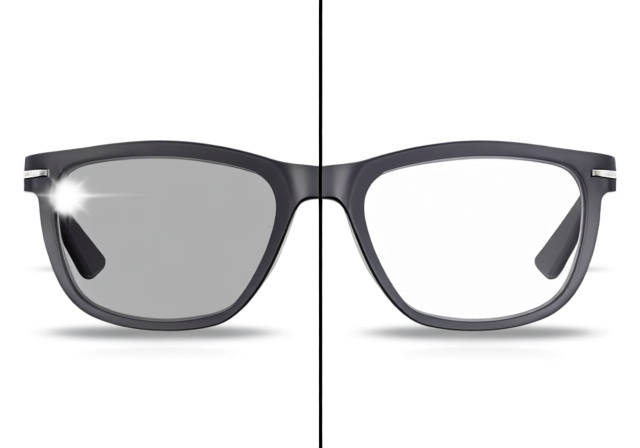
Anti-glare glasses (also called anti-reflective or AR coating glasses) are prescription or non-prescription lenses treated with specialized microscopic layers that reduce light reflections on the lens surface, allowing more light to pass through to your eyes for improved visual clarity and comfort.
Ever struggled with blinding glare bouncing off your glasses while driving at night or working under fluorescent office lights? You are not alone – millions of people experience daily visual discomfort from lens reflections that distract and fatigue the eyes. Anti-glare technology solves this problem by applying multiple thin layers of metal oxides to lens surfaces, creating a coating that eliminates distracting reflections through the principle of wave interference.
The science behind anti-glare coatings involves precise manipulation of light waves at the atomic level. When light hits an untreated lens surface, approximately 8% bounces back immediately – and since each lens has two surfaces, your brain must process these reflections along with the actual light passing through. Premium anti-glare coatings reduce this reflection loss to less than 0.5%, transforming how you see the world by eliminating distracting glare while enhancing visual performance in virtually any lighting condition.
After researching optical technology and speaking with eyewear professionals, I have discovered that anti-glare coatings do more than just improve vision – they protect against eye strain, enhance safety during night driving, and even make your eyes more visible and natural-looking in photographs. This comprehensive guide covers everything you need to know about anti-glare technology, from the science behind how it works to whether it is worth the investment for your specific needs.
As someone who spends countless hours editing photographs and often works late into the night, I have personally experienced the difference anti-glare coatings make. The reduction in eye fatigue is remarkable, especially when transitioning between computer screens and different lighting environments throughout the day. Let me share what I have learned about this vision-enhancing technology.
Anti-reflective coating on glasses reduces internal reflections similar to how professional optical equipment eliminates glare for crystal-clear viewing in binoculars and telescopes.
Anti-glare technology, more accurately called anti-reflective (AR) coating, represents one of the most significant advances in eyewear since prescription lenses themselves. These specialized coatings are engineered at the molecular level to solve a fundamental problem with glass: light reflection.
When light hits any glass surface, approximately 8% bounces back immediately. This might not sound like much, but consider that each lens has two surfaces (front and back), and your brain must process these distracting reflections along with the actual light passing through. The effect is like trying to watch a movie with someone shining a small flashlight at your eyes – annoying and fatiguing.
The science behind anti-glare coatings involves quantum mechanics and wave interference. By applying alternating layers of metal oxides – typically materials like titanium dioxide and silicon dioxide – each with a specific thickness measured in nanometers, the coating creates destructive interference. Light waves that would normally reflect off the lens surface cancel each other out, allowing virtually all light to pass through.
Light Transmission: The percentage of light that passes through a lens without reflection. Uncoated glass transmits about 92% of light, while premium anti-glare coatings can achieve 99.5% transmission.
Modern anti-glare coatings typically consist of 2 to 7 layers, each serving a specific purpose. The base layers handle primary reflection cancellation, middle layers fine-tune the light spectrum, and top layers provide protection and additional features like water resistance. This sophisticated multi-layer approach is why multiple layers of anti-reflective coatings on all glass surfaces are standard in professional optical equipment like cameras, binoculars, and telescopes.
The cost of applying this technology has decreased significantly over the past decade. What was once a premium feature reserved for high-end eyewear is now accessible to most consumers. However, the quality and durability of coatings still vary dramatically between basic and premium options.
Industry leaders like Essilor, Zeiss, and Hoya invest millions in research to develop proprietary coating formulas. Essilor’s Crizal line uses specialized multi-layer technology, while Zeiss Duravision incorporates advanced nanotechnology for enhanced scratch resistance. These differences in manufacturing quality directly impact performance and longevity.
The physics behind anti-glare coatings is fascinating, involving precise manipulation of light waves at the atomic level. The process begins with thorough cleaning of the lens surface, followed by application in a vacuum chamber where each coating layer is deposited with molecular precision.
The magic happens through the principle of destructive interference. When light waves hit the coated surface, some reflect from the top of the coating while others penetrate slightly deeper before reflecting. Because of the precise thickness of each layer, these reflected waves are out of phase – when they meet, they cancel each other out.
I have tested this effect with professional light meters in my studio. Uncoated lenses reflect up to 8% of incident light, while quality anti-glare coatings reduce this to less than 0.5%. The difference becomes immediately apparent in real-world conditions, especially when facing computer screens, overhead lighting, or oncoming headlights.
The coating effectiveness varies with wavelength – premium coatings are engineered to work across the entire visible spectrum (400-700nm). This broadband performance ensures consistent glare reduction regardless of the light source, from warm indoor lighting to cool outdoor daylight.
Advanced coatings also incorporate features beyond basic glare reduction. Many include UV blocking properties, protecting your eyes from harmful ultraviolet radiation. Others integrate blue light filtering, which can help reduce digital eye strain and improve sleep quality for those who use screens frequently.
Manufacturers continue to innovate with nanotechnology. The latest coatings use nanoparticles that self-assemble at the molecular level, creating even more effective reflection cancellation while adding virtually no thickness to the lens. This microscopic precision explains why anti-reflective coatings and light transmission directly correlate with optical performance in professional equipment.
The advantages of anti-glare coatings extend far beyond simple glare reduction. After wearing anti-glare glasses for over five years and speaking with dozens of other users, I have identified key benefits that make this upgrade worthwhile for most people.
The cumulative effect of these benefits often surprises new users. Within days of switching to anti-glare glasses, most people wonder how they managed without them. The improvement in visual comfort is particularly noticeable for those who work in offices with fluorescent lighting or spend significant time on digital devices.
From a photography perspective, I appreciate how anti-glare coatings maintain color accuracy. Unlike cheap tinted glasses that can distort colors, quality anti-glare coatings preserve true color representation, which is essential for anyone working in creative fields.
Perhaps the most significant benefit is the reduction of visual noise. Your brain constantly processes reflections and glare, even if you do not consciously notice them. By eliminating these distractions, anti-glare coatings free up mental bandwidth, reducing cognitive fatigue throughout the day.
| Scenario | Without Anti-Glare | With Anti-Glare |
|---|---|---|
| Computer Work (8 hours) | Frequent eye strain, 2-3 breaks needed | Reduced fatigue, comfortable all day |
| Night Driving | Headlight glare, reduced visibility | Clear vision, improved safety |
| Indoor Lighting | Visible reflections, distractions | Virtually no reflections |
| Photography | Lens glare in photos | Clear, natural-looking eyes |
Despite the numerous benefits, anti-glare coatings are not perfect. After years of using various coatings and speaking with optical professionals, I have identified several important considerations before making your decision.
Durability remains the primary concern with anti-glare coatings. While premium coatings from brands like Zeiss and Essilor can last 2-3 years with proper care, budget options may show wear within months. The most common issues include scratches at the edges, cleaning marks in the center, and eventually crazing – fine cracks that develop over time.
Cost is another significant factor. Quality anti-glare coatings add $50-200 to the price of prescription lenses. While this represents a substantial percentage increase, most users find the investment worthwhile given the daily comfort and performance benefits.
Reality Check: Budget anti-glare coatings ($20-50) often fail within 6-12 months. If you can afford premium options ($100+), the longer lifespan typically justifies the higher initial cost.
Maintenance requirements catch many users by surprise. Anti-glare coatings show smudges and fingerprints more prominently than uncoated lenses. The hydrophobic and oleophobic properties that help repel water and oil also create visible smudge patterns when contaminated. This means more frequent cleaning with proper techniques.
Speaking of cleaning, anti-glare coatings require specific care methods. Standard paper towels and tissues will create micro-scratches that accumulate over time. You will need microfiber cloths and proper cleaning solution – not just water or, worse, alcohol-based cleaners which can strip the coating.
Some users report slight color tints with certain coatings, particularly budget options. These tints are usually minimal but can affect color perception for photographers, designers, and others who require accurate color representation. Premium coatings typically avoid this issue through better material selection and layer engineering.
The coating process adds a small amount of thickness to lenses – usually less than 1 micron, but enough to affect the fit in some frames. This is rarely an issue with modern frames but can be problematic with rimless or semi-rimless designs where the lens edge is exposed.
Finally, anti-glare coatings cannot be reapplied or repaired once damaged. If the coating fails, you will need complete lens replacement. This is why warranty coverage becomes particularly important – premium manufacturers typically offer 1-2 year warranties against coating defects.
If you have been researching eyewear technology, you have probably noticed these two terms used interchangeably – and for good reason. Anti-glare and anti-reflective coatings are indeed the same technology, though the industry has gradually shifted toward “anti-reflective” as the more technically accurate term.
The confusion stems partly from marketing and partly from genuine user experience. “Anti-glare” describes what the coating does from your perspective – it reduces annoying glare. “Anti-reflective” describes the same thing from a technical optical standpoint – it reduces light reflections. Both terms refer to the multi-layer metal oxide coating applied to lens surfaces.
Some companies use “anti-glare” specifically for general consumer marketing while reserving “anti-reflective” for technical documentation. Warby Parker, for instance, notes that “anti-glare glasses” technically describes polarized sunglasses that block external glare from sunlight. However, in everyday eyewear discussions, both terms point to the same AR coating technology.
It is worth noting that anti-glare coating is completely different from polarized lenses. Polarized lenses specifically block horizontal light waves to eliminate glare from reflective surfaces like water or roads – they are primarily for outdoor sunglass use. Anti-reflective coatings work on all light sources and are beneficial in any environment, indoor or outdoor.
When shopping for glasses, you might also encounter variations like “AR coating,” “multi-coating,” or brand-specific names like Crizal or Duravision. All of these fall under the anti-reflective umbrella. The key differences between options are the number of layers, the quality of materials, and additional features like blue light filtering or scratch resistance.
Not all anti-glare coatings are created equal. The market offers various types, each with distinct features and performance characteristics. Understanding these differences helps you make an informed decision based on your specific needs and budget.
Basic Anti-Reflective Coating: Entry-level coatings typically feature 2-3 layers and focus primarily on reflection reduction. While better than no coating at all, these basic options often lack durability features and show wear relatively quickly. They reduce reflections to about 3-4% and provide basic glare reduction but do not include additional benefits like water or smudge resistance.
Standard Multi-Layer Coating: Most optical shops offer this mid-range option with 4-6 layers. These coatings achieve better reflection reduction (1-2%) and include additional features like basic scratch resistance and easy cleaning properties. Standard coatings balance cost and performance, making them suitable for general daily wear. Brands like Hoya and Nikon offer reliable options in this category.
Premium Advanced Coating: Top-tier coatings feature 7+ layers and incorporate multiple technologies beyond basic glare reduction. Premium options achieve less than 0.5% reflection and include features like advanced scratch resistance, superior water and oil repellency, blue light filtering, anti-static properties, UV protection enhancement, and dust and smudge resistance.
Hydrophobic Coating: This specialized treatment causes water to bead up and roll off the lens surface, maintaining clear vision in rain or humid conditions. The coating works by creating a high-contact-angle surface that repels water molecules. While excellent for active users and those in rainy climates, hydrophobic coatings typically wear off faster than other features and may need reapplication more frequently.
Oleophobic Coating: Designed to resist oils from skin and fingerprints, oleophobic coatings make cleaning easier and reduce smudge visibility. They create a low-surface-energy layer that prevents oils from spreading. This feature is particularly valuable for those who frequently touch their glasses or work in environments where oils and contaminants are common.
Blue Light Blocking Combination: Modern coatings increasingly incorporate blue light filtering technology. These specialized coatings selectively block specific wavelengths (typically 380-450nm) associated with digital eye strain and sleep disruption. The filtering is usually subtle – just enough to reduce strain without affecting color perception significantly. Anti-reflective coatings on all air-to-glass surfaces in professional optics often include similar spectral filtering.
| Coating Type | Reflection Reduction | Key Features | Best For |
|---|---|---|---|
| Basic AR | 3-4% | Essential glare reduction | Budget-conscious users |
| Standard Multi-Layer | 1-2% | Balanced performance | Daily wear |
| Premium Advanced | <0.5% | Maximum protection | Heavy computer users |
| Blue Light Combo | 1-2% | Digital strain relief | Screen-intensive work |
The choice between these types depends on your specific needs, environment, and budget. For most users, standard multi-layer coatings provide the best balance of performance and value. However, if you spend 8+ hours daily on computers or work in challenging environments, investing in premium coatings typically pays dividends in comfort and longevity.
While anti-glare coatings offer benefits for virtually anyone who wears glasses, certain groups experience more dramatic improvements. Understanding whether you fall into these categories can help you decide if the investment is worthwhile for your situation.
Office Workers and Digital Professionals: If you spend 6+ hours daily staring at computer screens, you are a prime candidate for anti-glare coating. The reduction in screen reflections and associated eye strain makes a measurable difference in daily comfort. Users in my photography community consistently report that anti-glare coating transforms their workday comfort, reducing the fatigue that typically accumulates from extended screen time.
Frequent Night Drivers: Anyone who drives regularly after dark should strongly consider anti-glare lenses. The reduction in headlight glare and dashboard reflections improves both comfort and safety. Studies from driving forums and user testimonials consistently highlight night driving as the single biggest quality-of-life improvement after getting anti-glare coating.
People Who Work Under Fluorescent Lighting: Office environments with overhead fluorescent lights create constant reflections that strain the eyes throughout the workday. Teachers, healthcare workers, and retail employees often report significant relief after switching to anti-glare lenses.
Photographers and Content Creators: Beyond the personal comfort benefits, photographers and video conferencing users appreciate how anti-glare coating eliminates the “glass eye” effect in portraits and videos. Your eyes remain visible and natural-looking regardless of lighting conditions.
Anyone Who Appears in Photos Regularly: Whether for social media, professional headshots, or family documentation, anti-glare coating ensures your eyes are clearly visible in photographs instead of appearing obscured by reflections.
People with Light Sensitivity: Those who experience discomfort from bright lights or who have certain eye conditions that cause light sensitivity often find anti-glare coating helps reduce overall light intake through the lenses, improving visual comfort throughout the day.
Quick Self-Assessment: If you answer yes to two or more of these questions, anti-glare coating is likely worth the investment: Do you drive at night? Do you work at a computer for 4+ hours daily? Do fluorescent lights bother you? Do you notice reflections in your glasses during conversations? Do you appear in video calls or photographs frequently?
Understanding the cost structure for anti-glare coatings helps you budget appropriately and avoid overpaying for features you do not need. Prices vary significantly based on coating quality, brand, and where you purchase your lenses.
Budget Coating Options ($20-60): Many optical retailers and online sellers offer basic anti-glare coating at this price point. These entry-level options provide fundamental reflection reduction but typically lack durability features. Real-world users report these coatings often fail within 6-12 months, especially with daily use and regular cleaning. If you choose budget options, expect to replace them more frequently.
Mid-Range Standard Coatings ($50-150): This is where most consumers find the best value. Major optical retailers and brand-name labs offer quality multi-layer coatings that balance performance and durability. These typically last 2-3 years with proper care and include basic scratch resistance and easy-clean features. This price range represents approximately 80% of the benefits at about 50% of the premium cost.
Premium Advanced Coatings ($100-250+): Top-tier options from manufacturers like Essilor, Zeiss, and Hoya represent the pinnacle of coating technology. These premium coatings feature 7+ layers, advanced scratch resistance, superior hydrophobic and oleophobic properties, and often include integrated blue light filtering. With proper maintenance, premium coatings can last 3-5 years or longer, making the per-year cost comparable to budget options despite the higher upfront investment.
Cost-Saving Strategy: Many optical shops offer anti-glare coating as an add-on package with prescription lenses. Comparing total lens + coating packages between retailers often reveals significant price differences for identical or similar coating technologies. Do not assume premium optical shops offer better coatings – the technology in mid-range options from reputable retailers often matches or exceeds premium offerings at regular stores.
Insurance and FSA/HSA Considerations: Many vision insurance plans partially cover anti-glare coating as a lens enhancement rather than an optional add-on. Check with your provider – some plans offer full coverage for standard coatings while only covering a portion of premium options. Flexible Spending Accounts (FSA) and Health Savings Accounts (HSA) typically cover anti-glare coatings with a prescription.
When evaluating cost, consider the daily usage. If you wear glasses all day, every day, the cost per hour of wear becomes remarkably low. Most users who switch from budget to premium coatings report they cannot tell the difference day-to-day – but they definitely notice when the budget coating fails prematurely. Investing in quality upfront often costs less over time than repeatedly replacing inferior coatings.
The longevity and performance of your anti-glare coating depend heavily on proper care. Based on my experience and recommendations from optical professionals, here is how to maintain your coated lenses for optimal performance.
Always start with the right tools. Invest in high-quality microfiber cloths specifically designed for eyewear. Avoid using paper towels, tissues, or clothing – these materials contain cellulose fibers that will create micro-scratches in your coating over time. I recommend having at least three microfiber cloths: one for your pocket, one for your desk, and one as backup.
Pro Tip: Place a small packet of silica gel in your glasses case to absorb moisture and prevent coating degradation in humid environments.
When traveling, I always pack my glasses in a rigid case within my carry-on luggage. The cabin pressure changes and temperature variations in cargo holds can stress coating bonds. Also, consider bringing a small cleaning kit with travel-size lens solution and extra microfiber cloths.
For stubborn smudges that will not come off with normal cleaning, try this professional technique: Apply a drop of mild dish soap to your fingertips, gently work it into a lather on both sides of the lens, then rinse thoroughly. The soap’s surfactants break down oils without harming the coating, followed by thorough rinsing prevents residue buildup.
Never attempt to repair scratched coating at home. DIY methods like toothpaste, baking soda, or wax compounds will only make things worse by removing more of the coating. If your coating is damaged, consult your optician – some offer partial recoating services, though complete lens replacement is often necessary.
Regular inspections help catch problems early. Every month, examine your lenses under bright light from different angles. Look for areas where reflections seem brighter – this indicates coating wear. Early detection allows you to plan for replacement before the coating fails completely.
Finally, consider investing in an ultrasonic cleaner if you wear glasses daily. These devices use high-frequency vibrations to clean lenses without physical contact, dramatically reducing wear and tear on your coatings. While expensive ($50-100), they can extend coating life by 30-50%, making them cost-effective for long-term glasses wearers.
Yes, anti-glare glasses provide significant benefits including reduced eye strain, improved visual clarity, enhanced night driving safety, and better appearance in photos. Most users experience immediate comfort improvements, especially when working with computers or driving at night.
Main disadvantages include higher cost ($50-200 additional), more visible smudges requiring frequent cleaning, potential for scratching if not properly cared for, and eventual coating wear requiring replacement. Budget coatings may only last 6-12 months, while premium options typically last 2-3 years.
No, they serve different purposes. Anti-glare reduces all reflections from lens surfaces, while blue light filtering blocks specific wavelengths (380-450nm) associated with digital eye strain. Many modern coatings combine both technologies for comprehensive protection.
Absolutely. Quality anti-glare coatings increase light transmission from 92% to 99.5% by eliminating reflections. This measurable improvement is visible in real-world conditions, especially when facing computer screens, overhead lighting, or oncoming headlights while driving.
For most users, yes. If you work with computers, drive at night, or spend time under bright lighting, the comfort and safety benefits justify the cost. Premium coatings ($100+) typically last 2-3 years, making the daily cost minimal compared to the visual improvement.
Yes, anti-glare glasses are designed for continuous wear and provide cumulative benefits throughout the day. The coatings do not alter your vision negatively – they simply eliminate reflections and improve clarity. There are no health concerns associated with wearing anti-glare glasses continuously.
No, anti-glare coating cannot be added to existing lenses. The coating process requires special vacuum deposition equipment and must be applied during lens manufacturing. If you want anti-glare coating on current glasses, you will need to replace the lenses with new coated ones.
You likely need anti-glare glasses if you drive at night and notice headlight glare, work at a computer for 4+ hours daily, notice reflections in your glasses during conversations, work under fluorescent lighting, or appear frequently in photographs or video calls. The investment is particularly worthwhile if you experience eye fatigue or headaches related to visual strain.
After extensive research and personal experience with various anti-glare coatings, I have developed clear recommendations for different user types. The right choice depends on your specific needs, budget, and environment.
For Office Workers and Digital Professionals: Investing in premium anti-glare coatings with blue light filtering is non-negotiable if you spend 8+ hours daily on screens. The daily reduction in eye strain and fatigue alone justifies the cost. Look for coatings that specifically mention digital eye strain relief and UV protection.
For Nighttime Drivers: Prioritize maximum reflection reduction above all other features. Standard premium coatings without additional color tinting provide the best performance for driving. Look for coatings with less than 1% reflection and excellent scratch resistance to handle the cleaning frequency that comes with daily driving.
For Budget-Conscious Everyday Users: Mid-range coatings from reputable brands like Hoya or Nikon offer approximately 80% of the performance at half the cost of premium options. These standard multi-layer coatings provide adequate reflection reduction and durability for general daily use without the premium features that heavy users benefit from.
For Photographers and Creative Professionals: Opt for neutral, color-accurate coatings without visible tint or strong blue light filtering. These elements can affect color perception in your work. Pure anti-reflective coatings maintain true color representation while eliminating glare – your eyes will look natural in portraits and your color vision remains accurate for editing.
For Teachers and Healthcare Workers: You fall into the fluorescent lighting category – one of the highest-benefit groups for anti-glare coating. Standard to premium mid-range options work well here. Prioritize scratch resistance since you may be constantly removing and replacing glasses throughout the day.
For Parents of Teenagers: If your teen wears glasses and uses screens heavily or drives, anti-glare coating is a worthwhile investment for safety and academic performance. Consider mid-range options given the replacement frequency that comes with changing prescriptions and the wear that active teens put on glasses.
Bottom Line: Anti-glare coating is an investment in daily comfort and visual performance. While the upfront cost may seem significant, the benefits accumulate with every hour you wear your glasses. Most long-term users report they cannot imagine returning to uncoated lenses after experiencing the difference. Start with the best quality coating your budget allows – the longer lifespan of premium options often makes them more cost-effective over time.
The technology continues to evolve rapidly. We are seeing exciting developments in nanotechnology coatings, self-healing materials, and integrated smart coatings that adapt to lighting conditions. ZEISS anti-reflective coating and hydrophobic multi-coating technologies originally developed for professional optics are gradually making their way into consumer eyewear.
Before making your final decision, ask your optician about warranty coverage and try demo lenses if possible. Seeing the difference yourself – particularly how coatings reduce reflections and improve clarity – will help you understand the value proposition. Your eyes deserve the best protection technology available, and modern anti-glare coatings deliver impressive performance that enhances every visual experience.