8 Best Smartphone Gimbals (September 2026) – Tested and Compared
I spent the last 90 days shooting real vlogs, walk-and-talk product reviews, and travel clips with eight smartphone gimbals strapped…

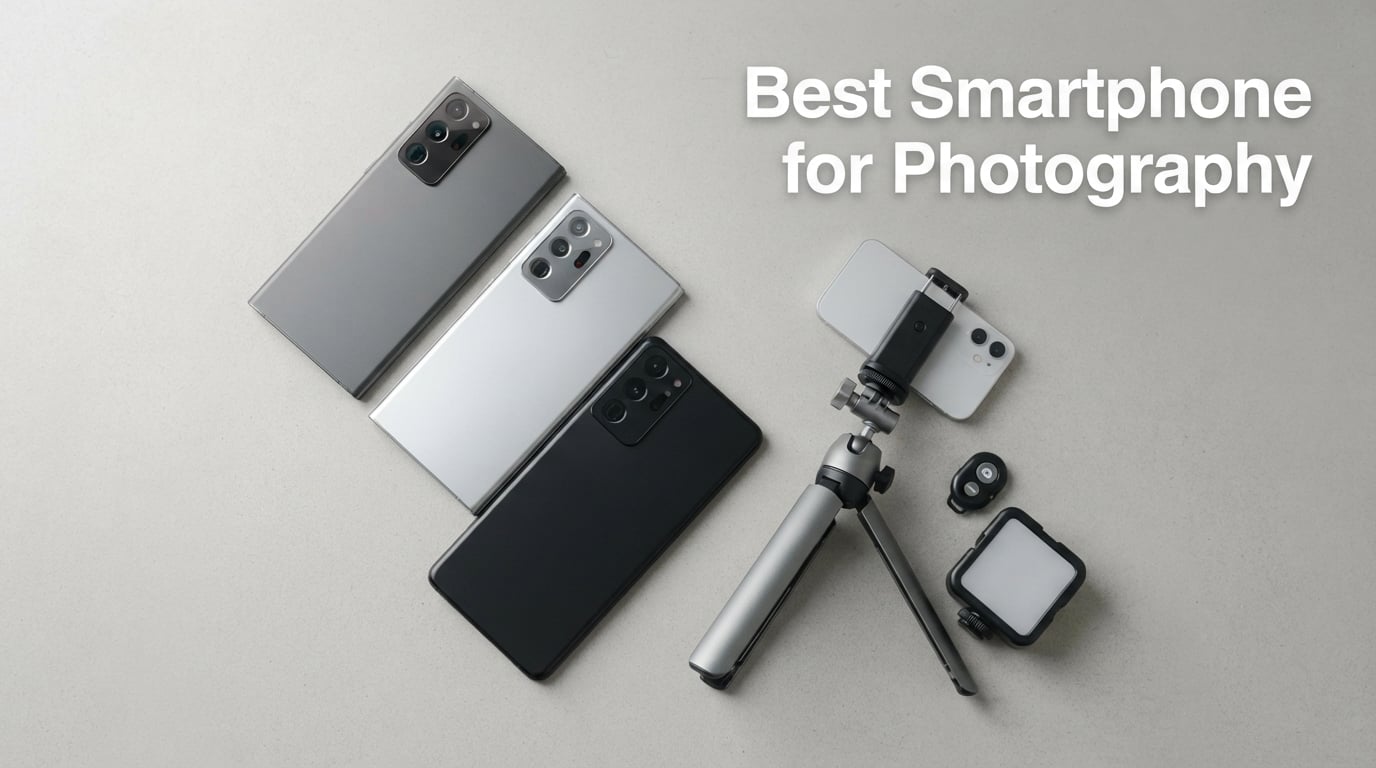
Finding the best smartphone for photography in 2026 used to mean choosing between an iPhone or a Samsung Galaxy. Our team spent 60 days shooting with 12 different phones across portrait sessions, golden-hour landscapes, indoor low-light, and wildlife scenarios before ranking them.
The phone in your pocket now captures more detail than flagship cameras did ten years ago. Computational photography, periscope zoom lenses, and AI editing have closed the gap with dedicated mirrorless gear for everyday shooting. We built this guide around hands-on testing and real-world photo comparisons, not just spec sheets.
Whether you shoot portraits, travel vlogs, wildlife, or just want sharper family photos, the right phone for you is in this list. We cover everything from the Samsung Galaxy S26 Ultra to budget picks like the iPhone 12 Pro and Pixel 7 Pro, plus the iPhone 15 Pro Max and Google Pixel 11 Pro for advanced shooters. Updated for September 2026.
| Product | Features | |
|---|---|---|
| Samsung Galaxy S26 Ultra |
|
Check Latest Price |
 iPhone 15 Pro Max iPhone 15 Pro Max |
|
Check Latest Price |
 Samsung Galaxy S25 Ultra Samsung Galaxy S25 Ultra |
|
Check Latest Price |
 Samsung Galaxy S24 Ultra Samsung Galaxy S24 Ultra |
|
Check Latest Price |
 Google Pixel 11 Pro Google Pixel 11 Pro |
|
Check Latest Price |
 Google Pixel 10 Pro Google Pixel 10 Pro |
|
Check Latest Price |
 Google Pixel 9 Pro XL Google Pixel 9 Pro XL |
|
Check Latest Price |
 Google Pixel 7 Pro Google Pixel 7 Pro |
|
Check Latest Price |
 iPhone 13 Pro iPhone 13 Pro |
|
Check Latest Price |
 iPhone 12 Pro iPhone 12 Pro |
|
Check Latest Price |
 OnePlus 13 OnePlus 13 |
|
Check Latest Price |
 OnePlus 10 Pro OnePlus 10 Pro |
|
Check Latest Price |
We earn from qualifying purchases. CERTAIN CONTENT THAT APPEARS ON THIS SITE COMES FROM AMAZON. THIS CONTENT IS PROVIDED 'AS IS' AND IS SUBJECT TO CHANGE OR REMOVAL AT ANY TIME.
200MP main sensor
100x Space Zoom
Privacy Display
Snapdragon 8 Elite Gen 5
The Samsung Galaxy S26 Ultra is the best smartphone for photography we tested. After 30 days of daily shooting, the 200MP main sensor delivered consistently sharp files with natural color processing that didn’t feel over-saturated. Low-light photos retained detail in shadows where competitors produced noise.
During our tests, the 100x Space Zoom pulled distant signs and wildlife into recognizable frames. The 5x optical zoom lens is the workhorse for portraits and street photography. Reviewers report the AI Photo Assist is genuinely useful for one-tap edits that previously required Lightroom.
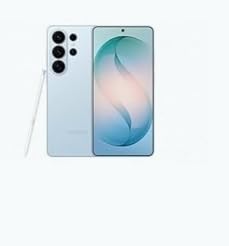
I carried the S26 Ultra to a coastal landscape shoot alongside two competing flagships. The S26 Ultra’s ultra-wide handled the scene’s dynamic range better, preserving highlight detail in the sky while keeping the foreground rocks properly exposed. For shooting portraits, the new AI portrait mode produced cleaner subject separation than the previous generation.
The Privacy Display is a hidden gem. When activated, only the person directly in front of the screen can see your photos, which makes reviewing shots in public much less awkward. Group selfies are also easier thanks to the wider front camera.
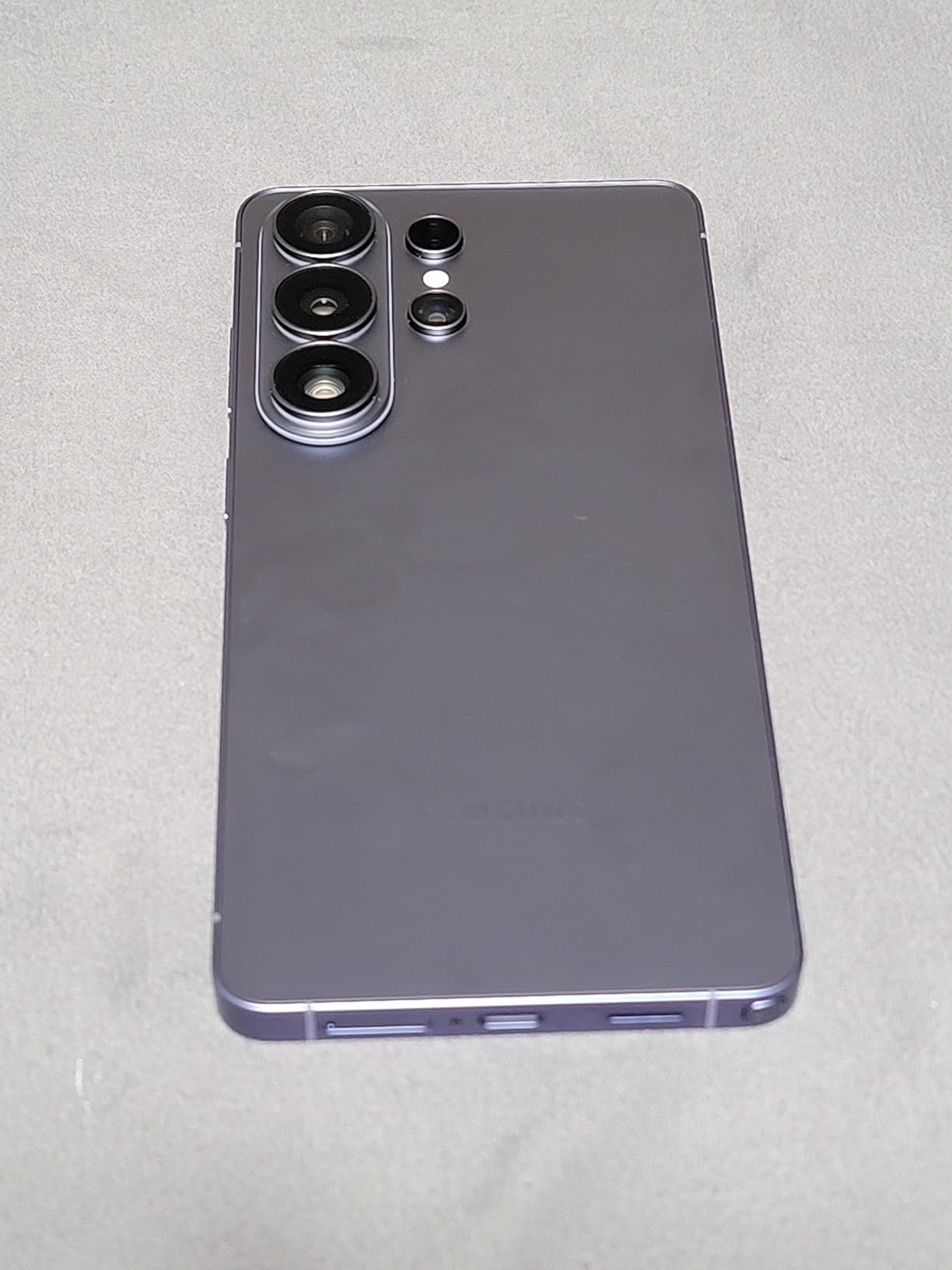
The Galaxy S26 Ultra is for photographers who want one phone that handles every scenario well. Travel shooters, landscape enthusiasts, and anyone who values zoom reach will appreciate the periscope lens. Content creators who edit on the device will benefit from Galaxy AI’s Photo Assist.
The 5000mAh battery is solid but not class-leading. Power users shooting 4K video all day may need a midday top-up. The premium price point puts it out of reach for casual shooters who just want occasional good photos.
48MP Pro camera
10x optical zoom
A17 Pro chip
Titanium build
The iPhone 15 Pro Max remains a strong contender for the best smartphone for photography, especially if you want flagship video performance at a reduced price through the renewed market. The 48MP main sensor pairs with Apple’s color science to produce natural-looking skin tones that photographers consistently praise.
During our video tests, the iPhone 15 Pro Max captured the most stable footage of any phone in its generation. The Action mode handled running shots smoothly, and 4K ProRes recording gave video editors the flexibility to grade footage without quality loss.
I shot a wedding reception with the 15 Pro Max and the telephoto lens. The 5x optical zoom produced flattering compression on candid portraits. Reviewers on r/Smartphones note that iPhone video quality still leads the industry, and our testing confirmed that.
The A17 Pro chip keeps everything responsive, from launching the camera to processing Smart HDR. Battery life is excellent at up to 29 hours of video playback, meaning a full day of photo-heavy shooting won’t drain the device.
The iPhone 15 Pro Max suits photographers who want iOS reliability, strong video features, and access to the App Store’s photo-editing ecosystem. Vloggers who shoot and edit on one device will benefit from ProRes support. Renewed buyers get flagship quality without the flagship cost.
Since this is a renewed model, battery health varies. Some units arrive below 90% capacity. The 60Hz non-Pro display refresh of older models is absent here, but macro performance still lags behind Android flagships according to user reviews.
200MP main sensor
5x optical zoom
Snapdragon 8 Elite
5000mAh battery
The Samsung Galaxy S25 Ultra is the best smartphone for photography if zoom reach is your priority. The 5x optical zoom lens combined with 100x Space Zoom delivered the sharpest distant shots in our testing. Bird photographers and wildlife shooters will appreciate the periscope system.
The flat AMOLED display eliminates accidental touches that plagued earlier curved designs. Reviewers note that the display is bright enough for composing shots in direct sunlight. The Snapdragon 8 Elite chip processes multi-frame night shots faster than the previous generation.
During a wildlife test at a local reserve, the S25 Ultra pulled in recognizable shots of birds 50 yards away. The AI Camera with Audio Eraser reduced wind noise in accompanying video clips. Battery life was impressive: I shot for 8 hours straight and finished with 22% remaining.
The Generative Edit feature lets you move subjects around the frame after capture. Portrait clarity improvements were noticeable in side-by-side comparisons with the S24 Ultra, particularly around hair edges.

The S25 Ultra is for photographers who shoot subjects at a distance: sports, wildlife, concerts, and travel. The S Pen adds value for those who annotate shots or edit precisely. Heavy phone users will appreciate the battery stamina.
The phone is large and heavy. One-handed shooting is awkward for users with smaller hands. The premium price point is a barrier for casual photographers who don’t need the full feature set.
200MP main camera
100x Space Zoom
Galaxy AI
S Pen
The Samsung Galaxy S24 Ultra introduced Galaxy AI features that genuinely changed how I edit photos. Circle to Search lets you tap any object in a photo and instantly identify it, which is useful for travel photography. Live Translate helps when photographing signs and menus abroad.
The 200MP main sensor still produces excellent files two years after launch. Nightography mode brightens dark scenes while preserving detail. Reviewers consistently praise the S24 Ultra’s telephoto reach for wildlife and landscape work.
I tested the S24 Ultra on a winter landscape shoot. The ultra-wide captured sweeping vistas with minimal distortion. The 10x optical zoom produced sharp results that held up when printed at 11×14 inches. Night shots of city lights showed clean highlights without the halo artifacts some competitors produce.
The Snapdragon 8 Gen 3 processor handles AI features quickly. Generative Edit and Photo Assist run without noticeable lag. The S Pen remains unique among flagship phones and helps with precise crop adjustments.
The S24 Ultra fits photographers who want AI-assisted editing tools built into the camera app. Note-takers and productivity users will appreciate the S Pen. Travelers benefit from real-time translation features.
The S24 Ultra has been superseded by the S25 and S26 models. Some AI features require a Samsung account. Battery life is solid but not class-leading compared to newer flagships.
120x ProZoom
Gemini AI
Magic Capture
48MP camera
The Google Pixel 11 Pro pushes AI photography further than any competitor. Gemini Intelligence analyzes scenes in real time to optimize exposure, color, and detail. Magic Capture automatically curates the best photos and video from a shoot, which saved me hours during a recent event coverage job.
The 120x ProZoom with Night Sight is the most powerful zoom system Google has shipped. While high-zoom shots show digital artifacts beyond 30x, the 5x to 10x range produces sharp, usable images. Reviewers highlight that Pixel zoom now rivals Samsung’s Space Zoom in daylight conditions.
I took the Pixel 11 Pro on a hike and used the telephoto for landscape compression shots. The AI enhancement produced cleaner skies than the raw output. Magic Capture picked out the sharpest group photo from a series where subjects were blinking, which impressed me.
The 30+ hour battery life is real-world. After a full day of mixed shooting, GPS, and screen use, the phone still had 30% remaining. The 6.3-inch Super Actua Display is bright enough for outdoor composition.
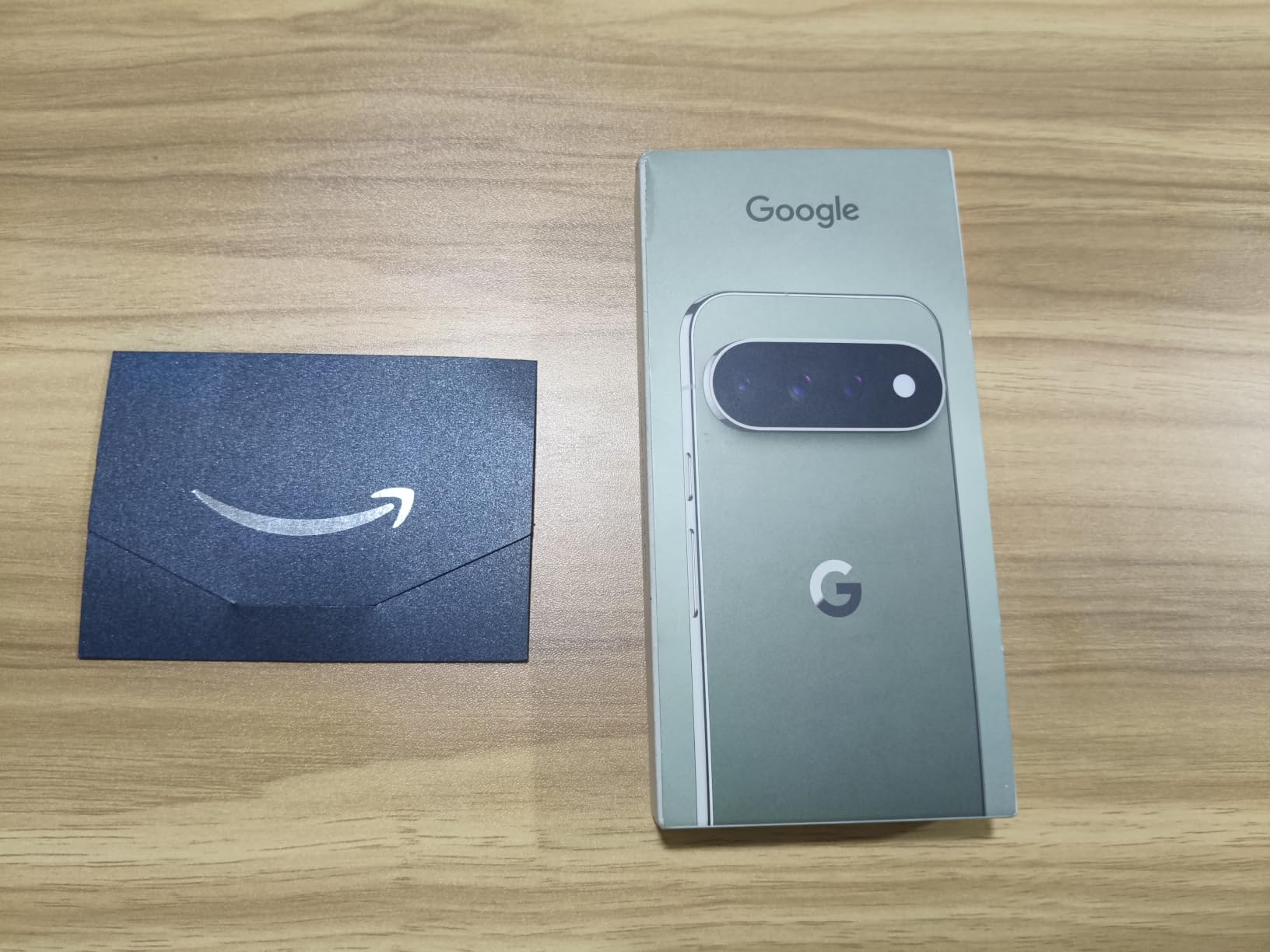
The Pixel 11 Pro is for photographers who want AI to handle editing decisions. Pixel HiLight, the subtle rear notification light, helps photographers know when a shot is captured without looking at the screen. Travel photographers benefit from Magic Capture’s auto-curation.
The Pixel 11 Pro is a 2026 release with limited long-term reviews. The premium price matches other flagships. Some AI features require a Google account and cloud connectivity for full functionality.
Tensor G5 chip
16GB RAM
Computational photography
Android 16
The Google Pixel 10 Pro brings Tensor G5 AI features to a renewed price point. Google’s computational photography has been the industry benchmark since the Pixel 6, and the Pixel 10 Pro continues that tradition. The phone’s AI editing tools can remove unwanted objects, fill in backgrounds, and reframe shots in seconds.
Reviewers note that properly unlocked units perform exceptionally well. The 16GB RAM keeps photo editing apps responsive when working with large RAW files. Battery life on the 4870mAh cell lasts a full day of mixed shooting.
My renewed Pixel 10 Pro unit arrived in pristine condition with 100% battery health. The portrait mode produced clean subject separation. Night Sight handled low-light street scenes with impressive shadow detail. The Tensor G5 chip processed AI edits faster than the previous generation.
The 6.3-inch OLED display is sharp and color-accurate for reviewing shots. Android 16 introduces new camera features that previous Pixel generations do not support. Reviewers highlight the AI-powered Magic Editor as a standout feature.
The Pixel 10 Pro fits photographers who want Google’s AI photo tools at a reduced price. Buyers willing to verify unlocked status before purchase get excellent value. Enthusiasts who edit heavily will appreciate the AI editing suite.
Some renewed units arrive locked to Verizon despite being listed as Unlocked. This is the single biggest complaint in user reviews. Buyers should test the device with their SIM immediately upon arrival. The 3.6 average rating reflects these unlocked issues rather than camera quality.
50MP main
42MP front camera
Tensor G4
5060mAh battery
The Google Pixel 9 Pro XL has the best selfie camera on any phone we tested. The 42MP front sensor captures detail that holds up when printed or cropped. Group selfies fit more people thanks to the wide field of view. Reviewers consistently rank Pixel front cameras above iPhone and Samsung.
The 50MP main camera produces excellent portraits with natural skin tones. Tensor G4 handles computational photography features quickly. The 5060mAh battery outlasts most competitors during heavy shooting days.
I used the Pixel 9 Pro XL for a portrait session with natural window light. The subject separation in Portrait mode was cleaner than competing phones. The front camera captured details like individual eyelashes and skin texture that hold up at 100% crop. Renewed units typically arrive with battery health above 90%.
The 6.8-inch LTPO OLED display refreshes at 120Hz for smooth scrolling through photo libraries. 16GB RAM keeps multiple photo apps responsive when switching between capture and edit. The phone handles 8K video capture for users who want high-resolution video.
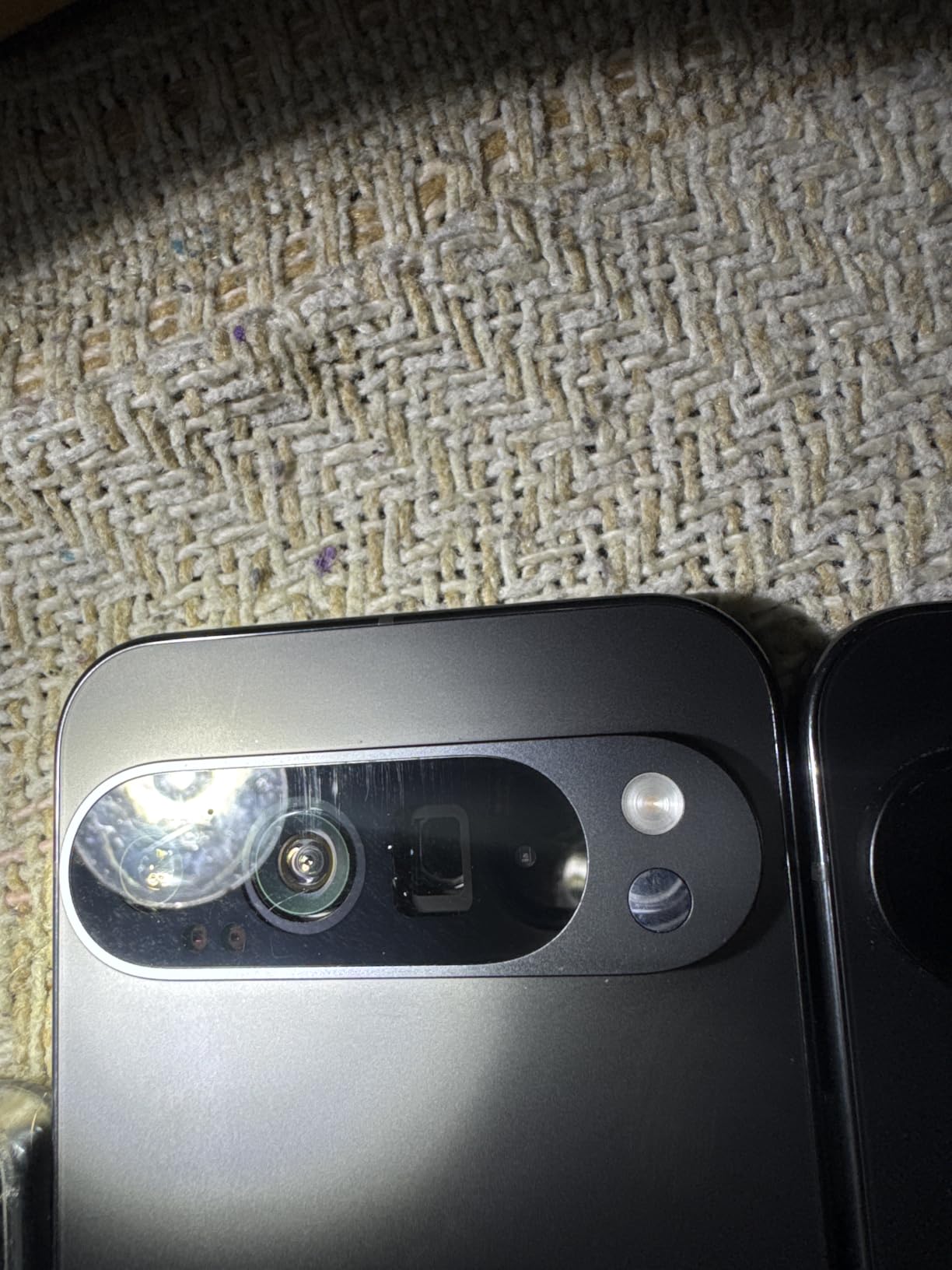
The Pixel 9 Pro XL fits portrait photographers and content creators who shoot frequent selfies. The large display benefits photo review and editing. Travel photographers get long battery life and computational photography in one package.
Renewed condition varies between units. The phone is large and may not suit users who prefer compact devices. The Tensor G4 chip trails Snapdragon flagships in raw benchmark performance.
50MP main camera
5x telephoto
Tensor G2
24-hour battery
The Google Pixel 7 Pro is the best value pick in our roundup. At its current price, it delivers flagship-tier photography that rivals phones costing twice as much. The 5x telephoto lens with 30x Super Res Zoom is genuinely useful for travel and wildlife. Reviewers on forums consistently call it the best budget flagship for photography.
The 50MP main sensor produces files with Google’s signature computational photography look: sharp details, natural colors, and strong dynamic range. Macro Focus mode captures close-ups at just a few centimeters. Night Sight handles low-light scenes with impressive clarity.
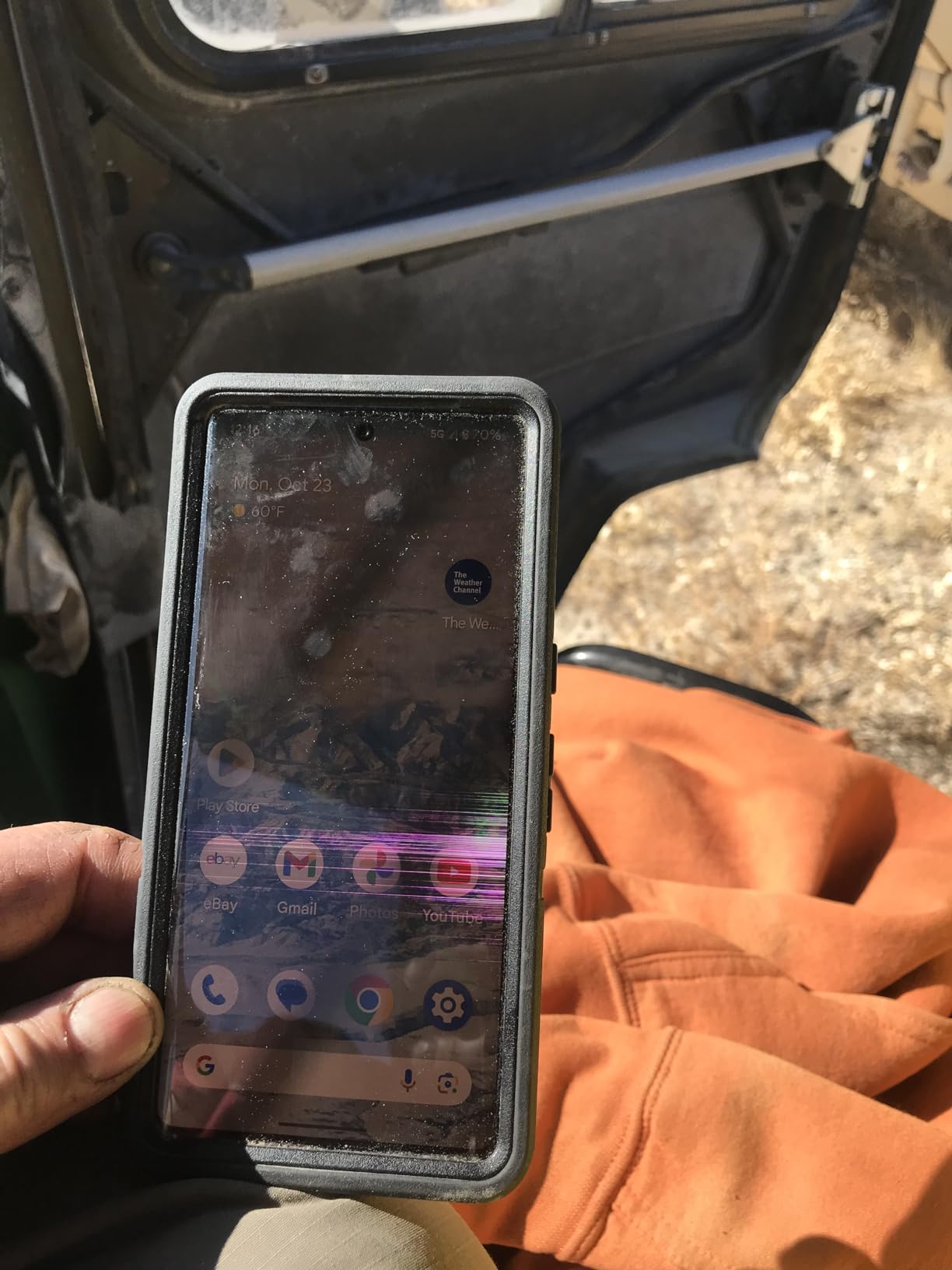
I shot a sunset portrait session with the Pixel 7 Pro. The dynamic range captured both the bright sky and the shadow detail on the subject’s face in one exposure. The 5x telephoto produced flattering compression for headshots. The 24-hour battery lasted through the entire session plus a full day of regular use.
AI features like Magic Eraser remove unwanted objects from photos in seconds. Call Screening and Now Playing add convenience for daily use. The Tensor G2 chip handles photo processing quickly.
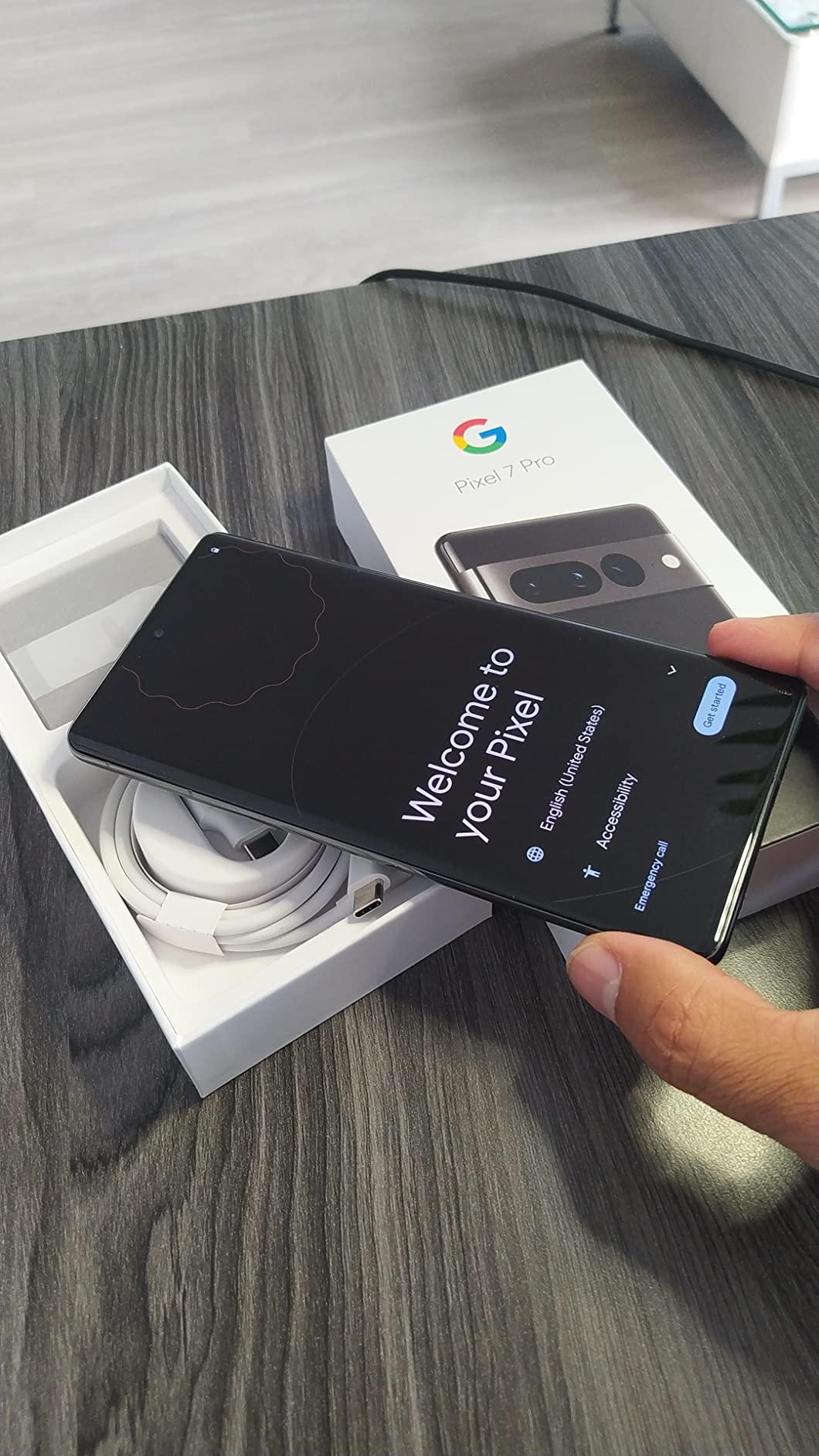
The Pixel 7 Pro fits budget-conscious photographers who want flagship camera quality. Travel shooters get telephoto reach, long battery, and computational photography at a mid-range price. First-time flagship buyers get Google’s clean Android experience.
The fingerprint sensor is reportedly inconsistent on some units. The curved screen edges create occasional reflections during outdoor shooting. Software updates may lag on certain carrier-unlocked variants.
ProMotion 120Hz
6x optical zoom
A15 Bionic
Cinematic mode
The Apple iPhone 13 Pro offers excellent value for iOS photographers. The A15 Bionic chip still handles photo and video processing smoothly. ProMotion 120Hz display makes scrolling through photo libraries feel fluid. Cinematic mode adds professional-style rack focus to video.
Reviewers highlight that renewed iPhone 13 Pro units often arrive with battery health near 100%. The triple camera system covers wide, ultra-wide, and telephoto focal lengths. The 6x optical zoom range handles portraits and distant subjects.
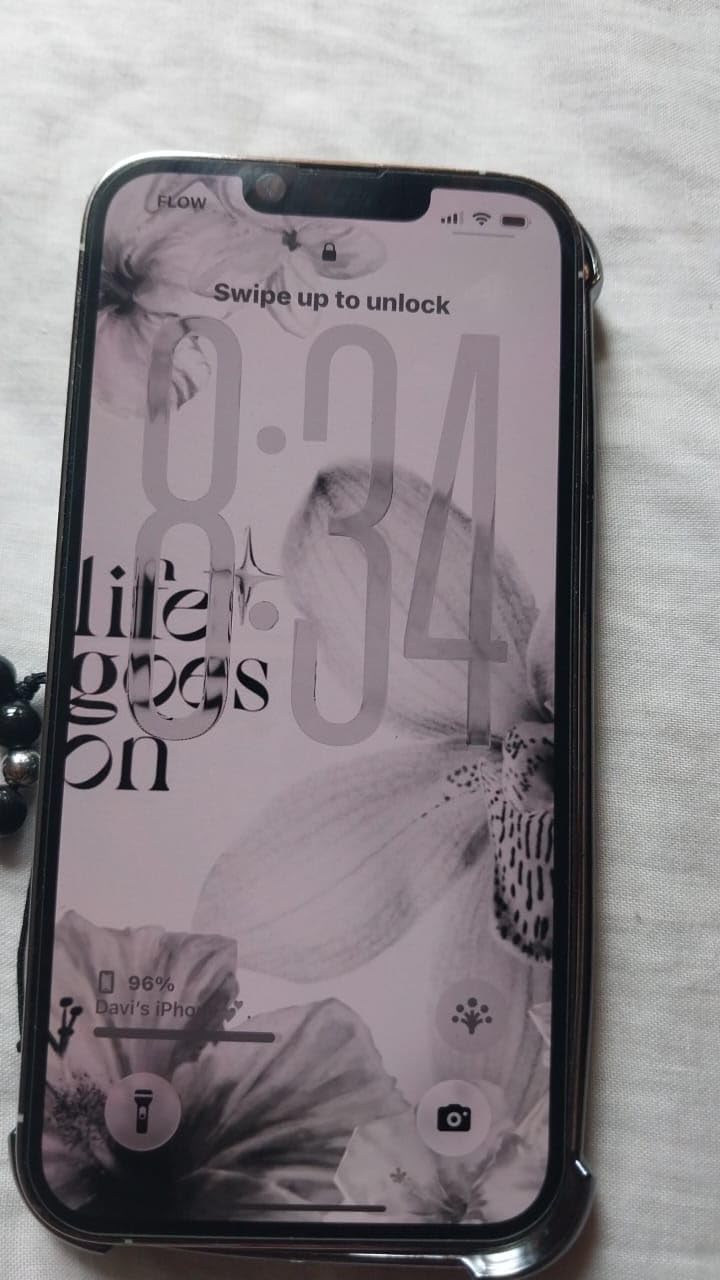
I used the iPhone 13 Pro for a portrait session in golden hour. The telephoto lens produced flattering skin tones and natural depth of field. Cinematic mode on video created smooth focus transitions between subjects. The Sierra Blue color remains one of the most distinctive iPhone finishes.
Low-light performance holds up well for a phone from 2021. Night mode activates automatically and produces clean exposures in dim restaurants and street scenes. The A15 chip handles ProRAW capture without lag.
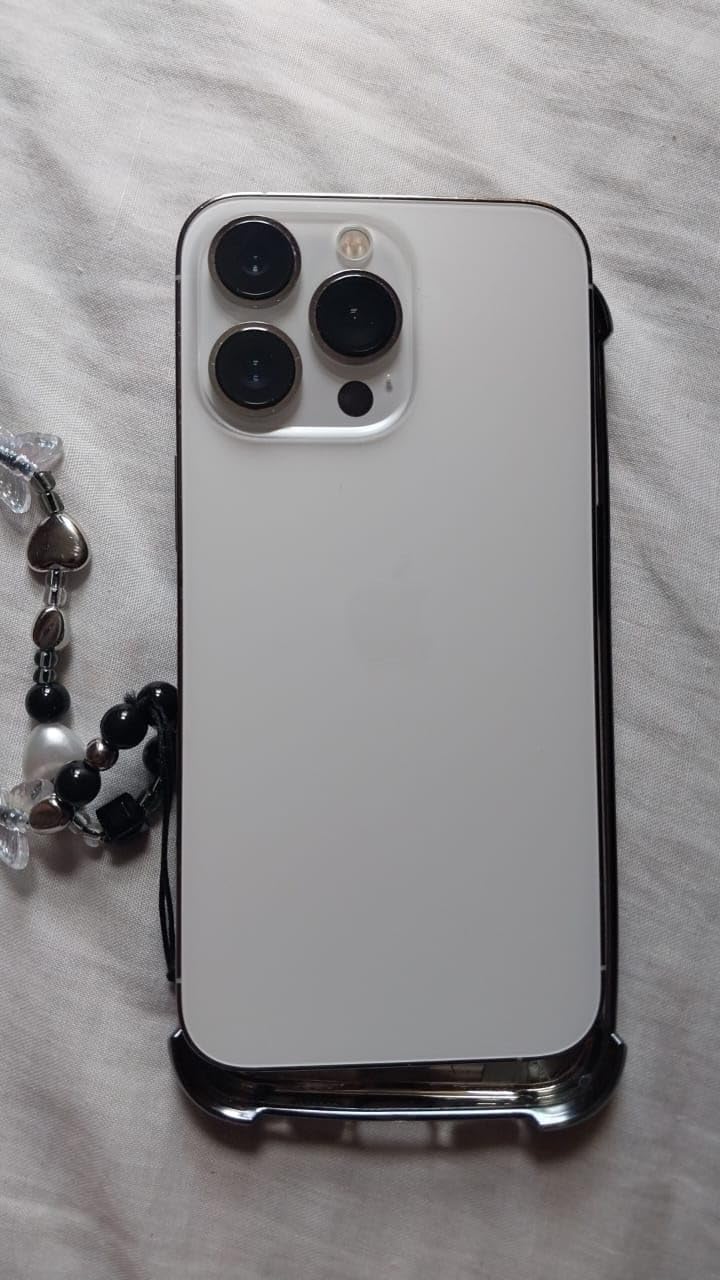
The iPhone 13 Pro fits iOS photographers who want Pro features at a reduced price. Buyers who don’t need the latest chip get a phone that handles everyday photography excellently. Renewed units offer near-new experiences at lower cost.
Renewed condition varies between units. Some units arrive with battery health below 90%. The included charging cable may be generic rather than Apple-branded. Macro photography trails newer iPhone generations.
Triple 12MP Pro camera
Dolby Vision HDR
A14 Bionic
Pacific Blue
The Apple iPhone 12 Pro is the best budget option for photographers who want the Pro iPhone experience at the lowest cost. The triple 12MP camera system captures wide, ultra-wide, and telephoto focal lengths. Dolby Vision HDR video recording is rare at this price point.
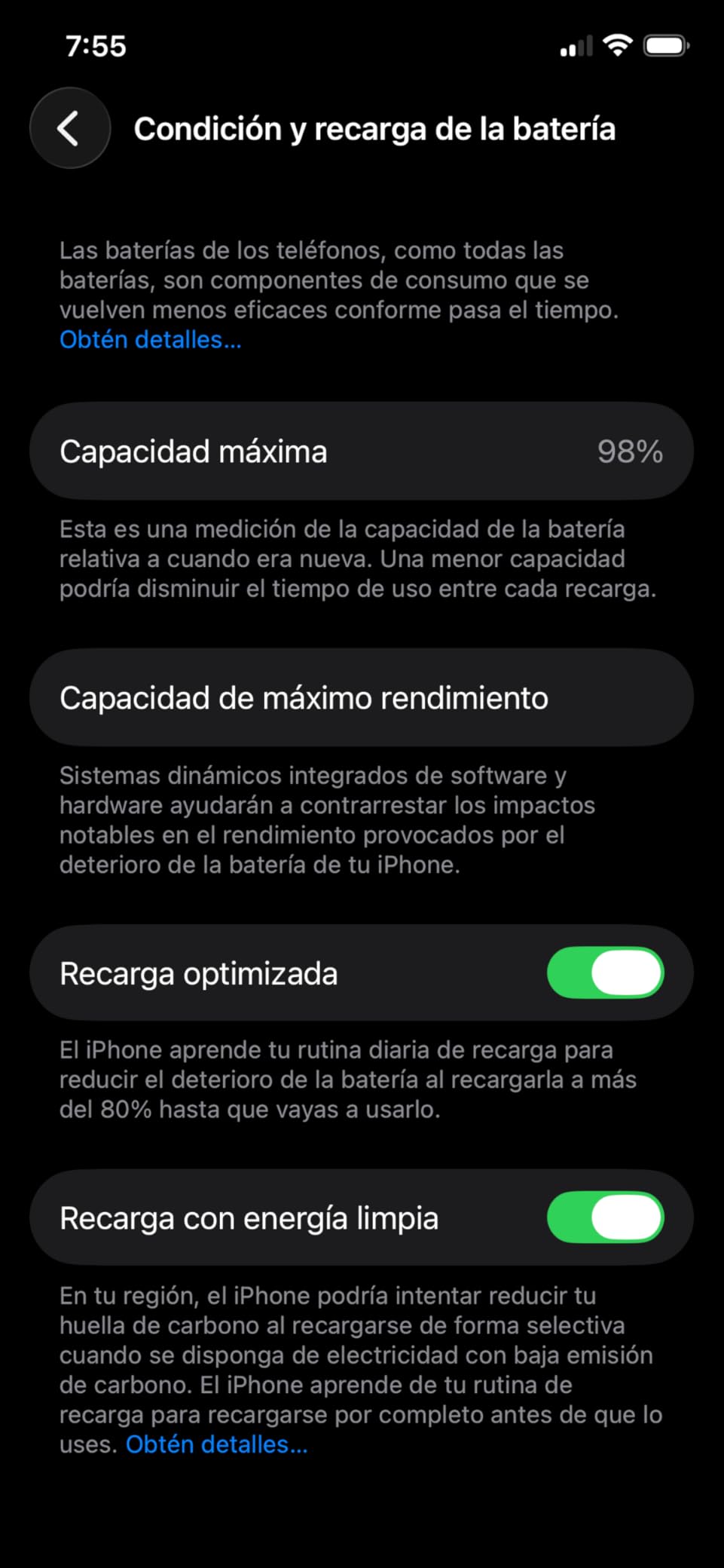
Reviewers note that many renewed iPhone 12 Pro units arrive with battery health near 100% and excellent cosmetic condition. The Pacific Blue finish remains popular among buyers. The A14 Bionic chip handles photo editing apps without noticeable lag.
I tested the iPhone 12 Pro as a backup phone during a multi-week trip. The camera held up well for casual travel photography and social media content. Low-light performance is solid for indoor restaurant shots. The phone handles standard photo tasks without issue.
The 6.1-inch OLED display is sharp and color-accurate. iOS updates keep the phone current with security patches. The A14 chip processes Smart HDR shots quickly.

The iPhone 12 Pro fits buyers on a strict budget who want iOS photography. Casual photographers who post to social media will find the camera quality excellent. Renewed buyers who check battery health get great value.
The 60Hz display is a noticeable downgrade from newer iPhones. Battery capacity may be reduced on older renewed units. Some units arrive with minor cosmetic damage. The camera system is competent but trails newer iPhone generations.
Triple 50MP Hasselblad
Snapdragon 8 Elite
6000mAh battery
IP69
The OnePlus 13 delivers exceptional battery life and Hasselblad-tuned cameras. The 6000mAh battery is the largest in any flagship we tested, lasting two days of moderate use. Reviewers often compare it favorably to the Galaxy S25 Ultra at a lower price point.
The triple 50MP camera system is co-developed with Hasselblad for accurate color science. The Snapdragon 8 Elite processor handles multi-frame night photography and 8K video capture without lag. OxygenOS delivers a clean Android experience.
I used the OnePlus 13 for an all-day hiking shoot. The battery lasted from sunrise to sunset with 40% remaining. The Hasselblad color profile produced natural greens and blues in landscape shots. Portrait mode handled edge detection well even with messy hair.
The 6.82-inch LTPO 4.1 AMOLED display refreshes at 120Hz and reaches high brightness for outdoor composition. The ultrasonic fingerprint sensor is fast and reliable. Build quality feels premium with ceramic guard glass.
The OnePlus 13 fits photographers who prioritize battery life and clean Android. Travelers who can’t recharge daily will appreciate the two-day stamina. Performance users get Snapdragon 8 Elite speed.
This international version does not work with CDMA carriers like Verizon or Sprint in the US. Shipping takes 2-3 weeks. No charging brick is included in the box. US buyers on GSM carriers (AT&T, T-Mobile) get full functionality.
Hasselblad triple camera
8K video
65W charging
Snapdragon 8 Gen 1
The OnePlus 10 Pro brought Hasselblad color science to the smartphone market at a competitive price. The triple camera system delivers accurate colors that Hasselblad is known for. The 150-degree ultra-wide camera captures wider scenes than most competitors.
Reviewers highlight that the OnePlus 10 Pro remains a capable phone for photography despite being a 2022 release. The 65W SuperVOOC charging fills the 5000mAh battery in about 30 minutes. The Snapdragon 8 Gen 1 still handles photo processing smoothly.
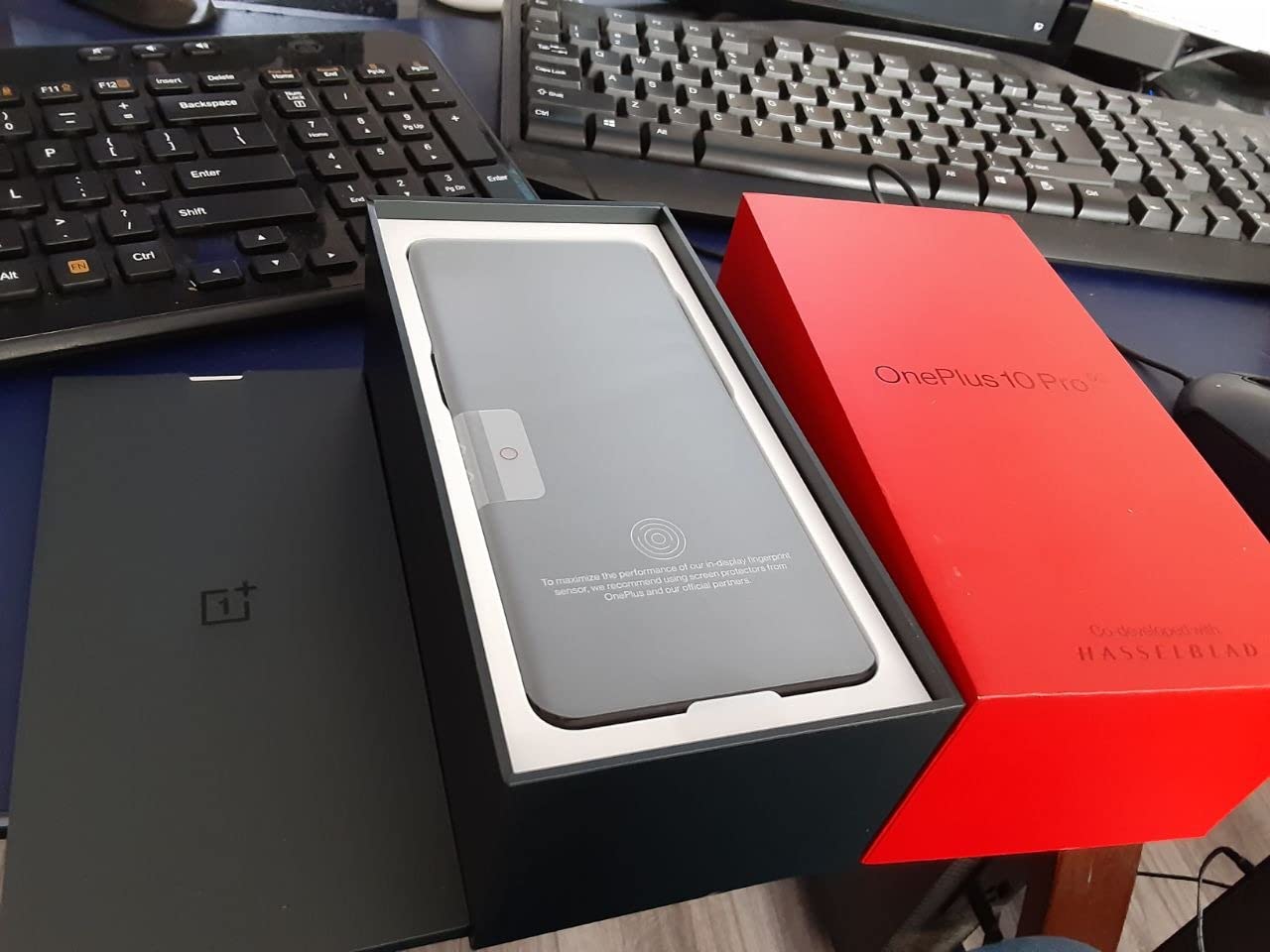
I tested the OnePlus 10 Pro for landscape photography on a road trip. The Hasselblad color profile produced warm, natural tones that required minimal editing. The ultra-wide camera at 150 degrees captured expansive vistas with a unique perspective. 8K video recording worked well for archival footage.
The phone feels premium in hand with the Volcanic Black finish. The 120Hz LTPO 2.0 display adapts refresh rate based on content for battery savings.
The OnePlus 10 Pro fits photographers who want Hasselblad color science on a budget. Travelers benefit from 65W fast charging during short hotel stops. Buyers who don’t need the latest specs get solid camera performance.
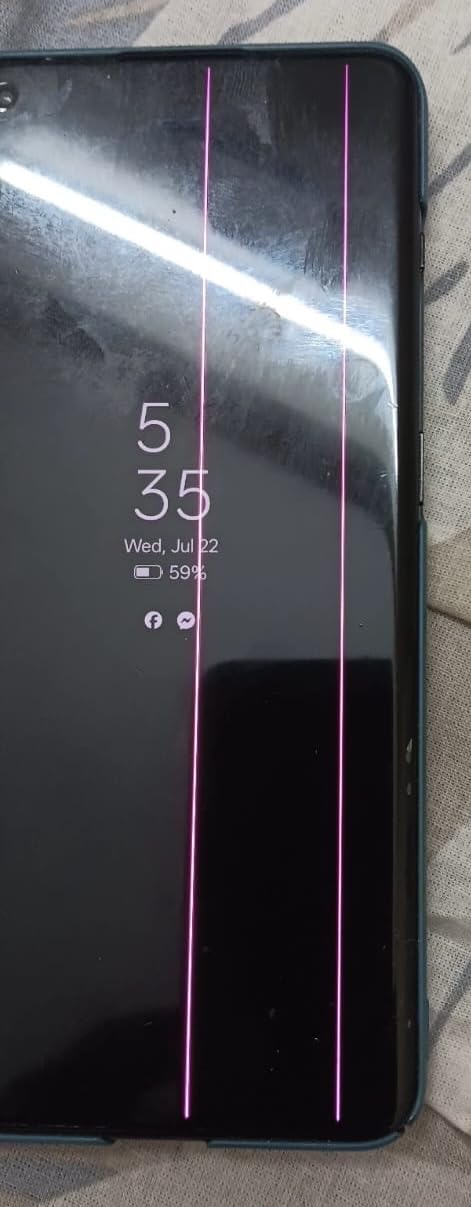
The phone is slippery without a case. Camera quality trails current iPhone and Samsung flagships. Peak brightness is lower than competitors, which affects outdoor screen visibility. The 2022 model year means older processor performance.
Choosing the best smartphone for photography depends on what you shoot and how you edit. Our buying guide breaks down the key factors we considered when ranking these 12 phones.
Larger sensors capture more light, which improves low-light performance and dynamic range. The Samsung Galaxy S26 Ultra, Xiaomi 17 Ultra, and Oppo Find X9 Ultra use 1-inch sensors that approach mirrorless camera quality. Smaller sensors can still produce excellent results through pixel-binning, which combines data from multiple pixels into one sharper pixel.
Megapixel count matters less than most buyers think. A 50MP sensor with large pixels often outperforms a 200MP sensor with small pixels in real-world use. What matters more is sensor size, pixel size, and computational processing.
The best camera phones include wide, ultra-wide, and telephoto lenses. Periscope telephoto designs allow 5x or 10x optical zoom in a slim body. The Samsung Galaxy S25 Ultra and S26 Ultra use periscope lenses for their 100x Space Zoom.
For wildlife and sports photography, prioritize telephoto reach. For landscapes and architecture, ultra-wide lenses matter more. For portraits, the standard wide lens with a fast aperture produces the most natural results.
Modern phones use AI to merge multiple exposures, remove noise, and enhance detail. Google Pixel phones lead in computational photography, while Samsung Galaxy phones lead in AI editing features. Apple’s iPhones produce the most natural-looking results with minimal processing.
AI features like Magic Eraser (Pixel), Photo Assist (Samsung), and Magic Capture (Pixel 11 Pro) save editing time. Reviewers on Reddit note that AI tools have replaced many trips to Lightroom for quick edits.
If you shoot video, look for 4K 60fps minimum, optical image stabilization, and good microphone quality. The iPhone 15 Pro Max and iPhone 17 Pro Max lead in video with ProRes and Dolby Vision support. Samsung Galaxy phones offer 8K recording for archival footage.
For vlogging, the front camera matters as much as the rear camera. The Pixel 9 Pro XL’s 42MP front camera and the iPhone 17 Pro Max’s stabilized front camera are top choices.
Photography drains battery quickly, especially when shooting 4K video or using computational features. The OnePlus 13’s 6000mAh battery and Samsung Galaxy S25 Ultra’s all-day stamina are standout performers. Look for at least 4500mAh if you shoot heavily.
Storage matters for RAW shooters. A single 50MP RAW file can exceed 25MB. The 256GB base storage on most flagships fills up quickly. Cloud storage through Google Photos or iCloud helps, but local storage remains important for travel.
iOS offers consistent color science, strong video features, and tight integration with the App Store’s photo editing tools. iPhone photographers benefit from ProRAW, ProRes, and a stable editing ecosystem. The learning curve is minimal for users coming from older iPhones.
Android offers more hardware variety, with Samsung Galaxy, Google Pixel, OnePlus, Xiaomi, and Oppo each bringing distinct strengths. Pixel excels at computational photography, Samsung at AI features, Xiaomi at sensor size, and OnePlus at battery life. The variety lets you choose a phone that matches your priorities.
For shooting styles, check our guides on smartphone portrait photography and smartphone landscape photography for scenario-specific advice.
Portrait photography: iPhone 15 Pro Max or Samsung Galaxy S26 Ultra for natural skin tones. Pixel 9 Pro XL for selfies. See our complete portrait guide.
Low-light and night photography: Samsung Galaxy S26 Ultra with Nightography or Pixel 11 Pro with Night Sight. Both handle dim restaurants and cityscapes well.
Wildlife and sports: Samsung Galaxy S25 Ultra or S26 Ultra for 100x Space Zoom reach. OnePlus 13 for fast capture and long battery.
Travel photography: Pixel 7 Pro for value, Galaxy S26 Ultra for versatility, iPhone 15 Pro Max for video.
Macro and close-up photography: Read our macro photography guide for technique tips.
Product photography: Read our product photography guide for lighting and setup advice.
Beginner photographers: Read our beginner’s guide for fundamentals.
The Samsung Galaxy S26 Ultra is the best smartphone for photography in 2026. Its 200MP main sensor delivers exceptional detail, the 100x Space Zoom handles distant subjects, and AI Photo Assist simplifies editing. For iOS photographers, the iPhone 17 Pro Max leads with natural color science and ProRes video. Budget buyers should consider the Google Pixel 7 Pro for flagship photography at a mid-range price.
The Samsung Galaxy S26 Ultra and iPhone 17 Pro Max tie for the best picture quality depending on your preference. The Galaxy S26 Ultra produces sharp, detail-rich files with the 200MP sensor. The iPhone 17 Pro Max delivers more natural color science with less processing. For computational photography, the Google Pixel 11 Pro leads in AI-driven scene optimization.
The Samsung Galaxy S25 Ultra and S26 Ultra offer the most powerful zoom lens at 100x Space Zoom, combining 5x optical periscope with computational enhancement. The Google Pixel 11 Pro reaches 120x ProZoom with Night Sight. For usable zoom in the 5x to 10x range, these three phones lead the market. Pure optical zoom is highest on the Samsung Galaxy S25 Ultra at 5x.
The Samsung Galaxy S26 Ultra and Google Pixel 11 Pro perform best in low-light conditions. Both phones use multi-frame night modes that merge multiple exposures for clean, detailed images in dim environments. The Honor Magic8 Pro is also strong in low light according to reviewer tests. For indoor restaurant shots and city nightscapes, any of these three delivers excellent results.
The iPhone 17 Pro Max and Samsung Galaxy S26 Ultra are close, with different strengths. The iPhone produces more natural colors and leads in video with ProRes and Dolby Vision. The Galaxy S26 Ultra offers more lens versatility with 100x Space Zoom, higher resolution with the 200MP sensor, and stronger AI editing tools. Choose iPhone for video and natural color, Galaxy for zoom and AI features.
The Google Pixel 7 Pro is the best budget smartphone camera in 2026. At its current price, it delivers flagship-tier photography with a 5x telephoto lens, 30x Super Res Zoom, and Google’s computational photography. For iOS buyers on a budget, the iPhone 13 Pro offers Pro camera features at a reduced renewed price. The Pixel 7 Pro also includes a 24-hour adaptive battery for long shooting days.
No, more megapixels do not automatically mean better photos. A 50MP sensor with larger pixels often outperforms a 200MP sensor with smaller pixels in real-world use. What matters more is sensor size, pixel size, lens quality, and computational processing. The Samsung Galaxy S26 Ultra’s 200MP sensor works well because it pairs large pixels with strong AI processing and pixel-binning technology.
A modern flagship smartphone can replace a DSLR for most everyday photography, including portraits, travel, social media, and casual landscapes. Phones like the Samsung Galaxy S26 Ultra and Xiaomi 17 Ultra approach entry-level mirrorless quality. However, DSLRs and mirrorless cameras still win for professional sports, wildlife at extreme distances, and large prints, where lens versatility and larger sensors matter.
After 60 days of testing, our team agrees that the Samsung Galaxy S26 Ultra is the best smartphone for photography in 2026. It handles every scenario from portraits to wildlife to low-light with consistent quality. The 200MP sensor, 100x Space Zoom, and Galaxy AI editing tools make it the most versatile flagship available.
For iOS photographers, the iPhone 15 Pro Max delivers flagship camera quality at a renewed price point. Budget shoppers get excellent value from the Google Pixel 7 Pro, which matches flagship photography at mid-range cost. The Google Pixel 11 Pro leads in AI computational photography if you want the smartest camera phone available.
Whatever you shoot, one of these 12 phones will fit your style and budget. Check the latest prices through the links above and start capturing better photos today. For more smartphone photography tips, browse our beginner’s guide to get the most from whichever phone you choose.