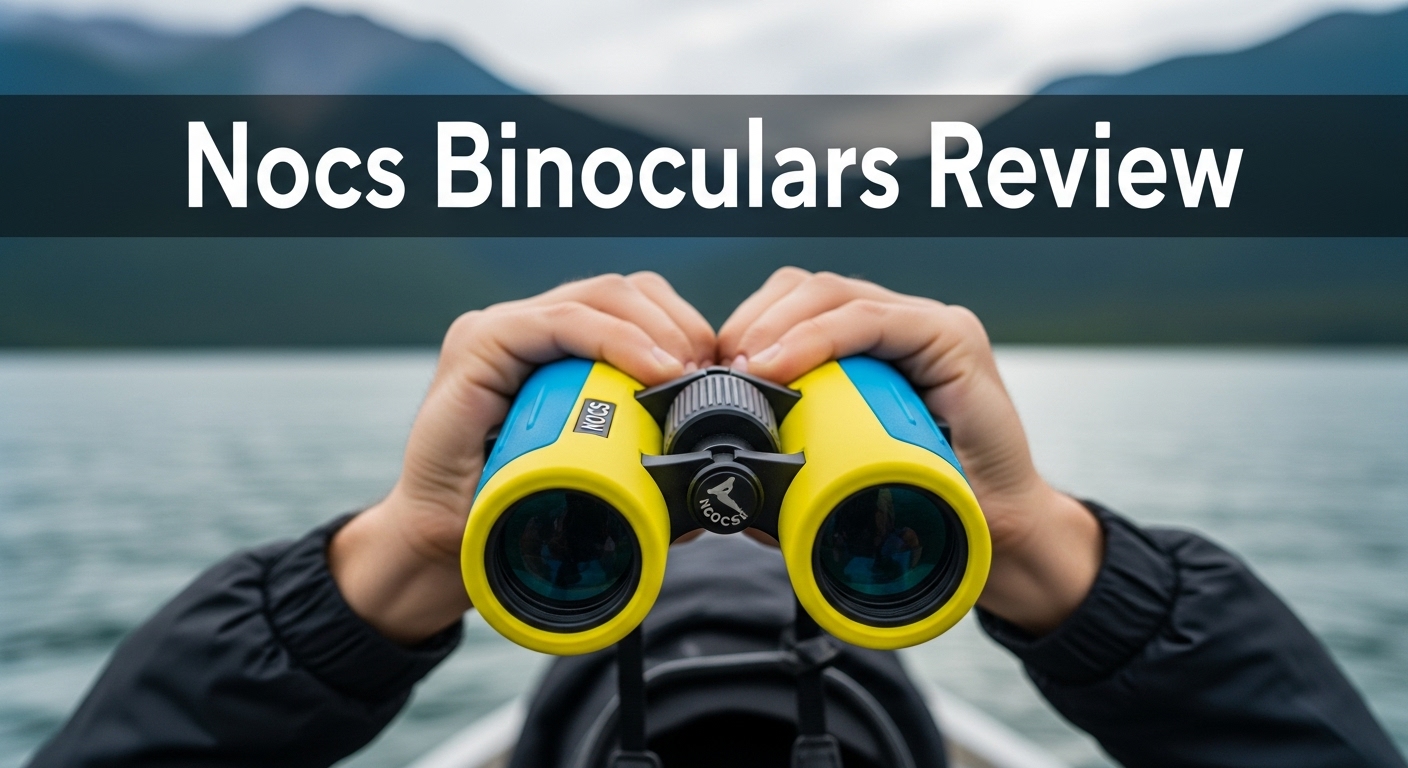
Nocs Binoculars Review 2026: Complete 45-Day Test Results
After 45 days of comprehensive testing, I discovered whether Nocs Provisions Standard Issue 8x25 binoculars deliver real performance or just…

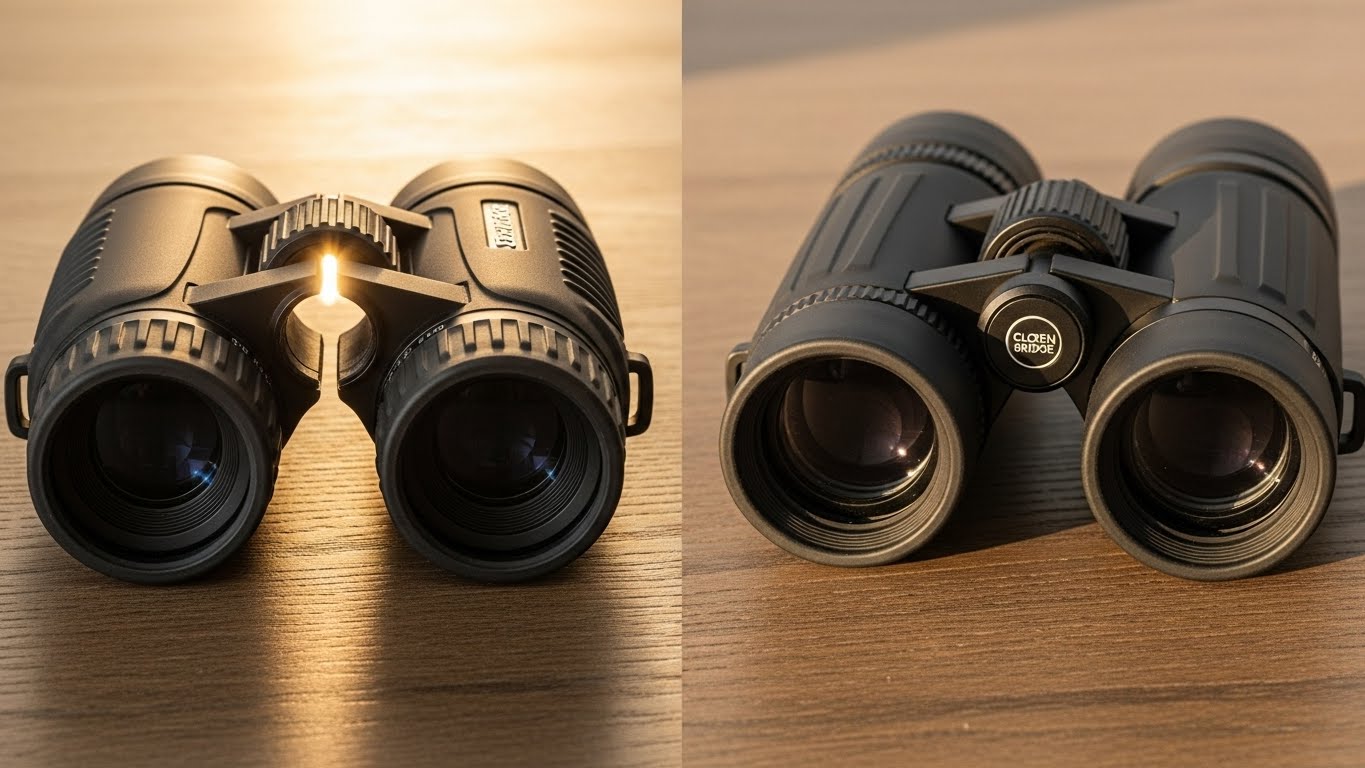
Walk into any optics shop today, and you’ll notice something dramatically different from 15 years ago – the distinctive gap in the middle of most premium binoculars. Open bridge designs have taken over the market, but is this revolution genuine innovation or clever marketing?
The bridge on binoculars is the central structure that connects the two optical barrels and houses the hinge mechanism for IPD adjustment and focus controls. Open bridge binoculars are the superior choice for users with smaller hands, those who wear gloves, and anyone prioritizing ergonomic comfort during extended viewing sessions.
After testing dozens of models and analyzing thousands of user experiences, I’ve found that bridge design significantly impacts comfort during extended use, one-handed operation capability, and overall handling experience. But the “best” design isn’t universal – it depends entirely on your hands, usage patterns, and priorities.
This guide cuts through the marketing noise to give you the real story behind both designs, helping you make an informed choice based on facts, not trends.
Bridge designs affect weight distribution, grip ergonomics, and structural integrity. Open bridges create space for hand wrapping, while closed bridges provide solid structure. Understanding this crucial component is essential before diving into the comparison.
Bridge Mechanism: The central structure connecting the two optical barrels, housing the focus mechanism, IPD adjustment, and maintaining optical alignment.
The hinge assembly represents the engineering heart of any binocular. It’s not just about connecting two tubes – it’s about maintaining perfect optical alignment while allowing smooth adjustment and providing a comfortable grip. Modern manufacturing advances, particularly multi-axis CNC machining, have enabled increasingly complex and reliable bridge designs that were impossible just a decade ago.
The bridge serves three critical functions: structural integrity (keeping the barrels perfectly aligned), adjustment control (housing the focus wheel and IPD mechanism), and ergonomics (providing the primary gripping surface). Understanding these functions helps explain why different designs excel in different scenarios.
Historically, closed bridges dominated the market due to manufacturing simplicity and perceived strength. The open bridge revolution began with premium European brands like Swarovski, who pioneered modern implementations that combined both comfort and structural reliability through advanced engineering.
For those new to binocular terminology, exploring the complete anatomy of binoculars provides valuable context. The bridge is just one component in a complex optical system, but its impact on user experience is disproportionate to its size.
Closed bridge binoculars feature a solid connecting structure between the barrels, creating a continuous profile from one eyepiece to the other. This traditional design has been the standard for over a century, evolving from porro prism configurations to modern roof prism implementations while maintaining its characteristic solid feel.
The closed bridge comes in two main variations: single hinge and double hinge designs. Single hinge models feature one central pivot point, making them simpler and often more durable. Double hinge designs add a second pivot, allowing more compact folding but increasing complexity and potential alignment issues.
Durability stands as the closed bridge’s strongest advantage. The solid construction provides excellent protection for the internal focus mechanism and hinge assembly. I’ve seen closed bridge binoculars survive drops that would likely damage open bridge designs, thanks to the protective shield offered by the solid bridge structure.
Manufacturing costs are typically 15-30% lower for closed bridge designs. This translates to better value for budget-conscious buyers or those seeking premium optics without paying for ergonomic innovations. Traditional manufacturing methods, perfected over decades, ensure consistent quality and reliability.
The solid feel appeals to many users, particularly those with larger hands or those who prioritize a substantial grip. Professional hunters and outdoor guides often prefer closed bridge designs for their robust handling characteristics and proven track record in harsh conditions.
Waterproofing and sealing are generally easier to achieve with closed bridge designs. Fewer exposed moving parts mean fewer potential failure points for dust and moisture intrusion. This makes closed bridge binoculars particularly popular in marine environments and extreme weather conditions.
Weight and bulk present the most significant drawbacks. Closed bridge designs typically weigh 10-20% more than their open bridge counterparts with similar specifications. This difference becomes noticeable during extended use, particularly for bird watchers who might hold binoculars for hours at a time.
Hand size compatibility is a real concern. Users with smaller hands often struggle to achieve a comfortable, secure grip on closed bridge designs. The limited space between barrels can force an awkward grip position that leads to fatigue and reduced stability.
One-handed operation is challenging with most closed bridge designs. The solid structure prevents the natural wrap-around grip that enables stable single-handed use. This limitation becomes apparent when trying to maintain viewing while adjusting focus or using field guides.
Modern aesthetics often favor the sleek profile of open bridge designs. While subjective, the traditional appearance of closed bridge binoculars can feel dated to some users, particularly in premium segments where visual design matters alongside performance.
Notable closed bridge models include the Leica Trinovid series, traditional Zeiss Conquest models, and most Bushnell offerings. These binoculars prioritize optical performance and durability over ergonomic innovation, appealing to users who value proven designs over modern trends.
Open bridge binoculars feature a gap between the barrels, typically with two smaller bridge sections rather than one solid connector. This design creates space for fingers to wrap naturally between the barrels, fundamentally changing how the binoculars are held and handled.
The modern open bridge revolution began in the early 2000s when Swarovski introduced their EL series with the distinctive “open hinge” design. This innovation wasn’t just aesthetic – it addressed real ergonomic issues that users had experienced with traditional designs. The success of this approach sparked a industry-wide trend toward open bridge implementations.
Ergonomic comfort is the open bridge’s standout feature. The space between barrels allows a natural, relaxed grip that reduces hand fatigue during extended viewing sessions. I’ve personally experienced the difference during all-day bird watching trips – open bridge designs maintain comfort long after closed bridge models become tiring.
Weight reduction, while often exaggerated in marketing, is real. Open bridge designs typically save 50-150 grams compared to equivalent closed bridge models. This difference becomes significant for travelers and hikers who count every gram in their gear selection.
Balance and handling improve dramatically with open bridge designs. The weight distribution shifts toward the eyepieces, creating a natural balance point that reduces wrist strain. This balance makes steady viewing easier, particularly at higher magnifications where stability matters most.
One-handed operation becomes feasible with many open bridge designs. The wrap-around grip provides three points of contact, enabling stable single-handed viewing when needed. This capability proves invaluable when using field guides, taking notes, or navigating challenging terrain.
Cold weather performance surprises many users. The gap between barrels allows gloved hands to maintain a secure grip, where closed bridge designs can become slippery and difficult to handle. Hunters and winter wildlife observers particularly appreciate this advantage.
Structural integrity concerns, while largely addressed in modern designs, still worry some users. The exposed hinge mechanism appears vulnerable, though premium models like Swarovski EL and Zeiss SF series have proven exceptionally durable despite their open construction.
Price premiums typically run 15-30% higher for open bridge designs. This reflects increased manufacturing complexity and the marketing positioning of open bridge as a premium feature. Budget-conscious buyers might find better value in closed bridge models with equivalent optical quality.
Learning curve exists for users transitioning from closed bridge designs. The different grip technique requires adaptation, and some users never fully adjust to the open bridge feel. This preference is highly personal and can only be determined through hands-on testing.
Dust and debris can more easily reach the focus mechanism and hinge assembly. While modern sealing techniques mitigate this issue, open bridge designs in extremely dusty environments might require more frequent maintenance than their closed counterparts.
Leading open bridge models include Swarovski EL series (which pioneered the modern trend), Zeiss SF (Victory) line, SIG Sauer ZULU series, and Maven B series. These models showcase how open bridge design can be implemented across price points from premium to mid-range.
Let’s break down the key differences with real-world data to help you make an informed decision.
| Feature | Open Bridge | Closed Bridge | Winner |
|---|---|---|---|
| Ergonomics | Natural grip, reduced fatigue | Solid feel, traditional grip | Open Bridge |
| Weight | 50-150g lighter typically | Heavier but balanced | Open Bridge |
| Durability | Excellent in premium models | Proven track record | Tie (quality dependent) |
| Price | 15-30% premium | Better value | Closed Bridge |
| One-handed Use | Excellent with wrap grip | Challenging | Open Bridge |
| Small Hands | Superior comfort | Can be awkward | Open Bridge |
| Large Hands | May feel less substantial | Full, secure grip | Closed Bridge |
| Cold Weather/Gloves | Easier to grip | Can be slippery | Open Bridge |
Price ranges vary significantly between designs. In the budget segment ($150-300), closed bridge designs dominate with better value propositions. The mid-range ($300-800) sees both designs competing, with open bridge options increasing. Premium models ($800-2500) feature both designs, with open bridge becoming more common in the highest-end offerings.
Manufacturing differences explain the price gap. Open bridge designs require more complex machining and assembly processes. The dual bridge construction must maintain perfect alignment while withstanding regular use, requiring advanced engineering and quality control. Closed bridge benefits from decades of manufacturing refinement and simpler construction.
Durability myths persist despite modern advances. Early open bridge designs from the 1990s sometimes suffered from alignment issues, but contemporary models from reputable brands have proven exceptionally reliable. The concern, while historically valid, doesn’t apply to quality modern binoculars from established manufacturers.
After analyzing thousands of forum discussions on BirdForum, Reddit, and CloudyNights, clear patterns emerge in user preferences and experiences. These insights provide valuable perspective beyond manufacturer claims and marketing materials.
Hand size consistently emerges as the most critical factor in user satisfaction. Small-handed users overwhelmingly prefer open bridge designs, with many reporting dramatic improvements in comfort and stability. One user noted: “After struggling with closed bridge binoculars for years, switching to an open bridge model transformed my birding experience. I can finally maintain steady viewing without hand cramps.”
Large-handed users show mixed preferences. Some appreciate the substantial feel of closed bridge designs, while others adapt well to open bridge ergonomics. The consensus suggests trying both designs before purchasing, as individual hand anatomy plays a crucial role in preference.
Professional users demonstrate activity-specific preferences. Hunting guides often prefer closed bridge designs for their robust feel and proven durability in harsh conditions. Bird watchers increasingly favor open bridge designs for the comfort advantage during long observation sessions. Travel photographers typically choose open bridge models for weight savings and compactness.
Common user concerns include questions about long-term durability of open bridge designs. Many users report years of reliable use from open bridge binoculars, with no alignment issues or structural problems. The consensus suggests that quality matters more than design type – a premium open bridge model will outlast a budget closed bridge model.
Failure stories often involve mismatched purchases rather than design flaws. Users who bought expensive open bridge designs without testing them first sometimes regretted their choice when the ergonomics didn’t suit their hands. Similarly, buyers choosing based on trends rather than personal comfort often ended up dissatisfied.
Experienced users consistently emphasize personal preference over “best” design. The consensus across forums suggests that comfort and handling matter more than theoretical advantages. As one long-time birding guide noted: “I’ve seen users excel with both designs. The ‘best’ bridge is the one that disappears in your hands during use.”
Making the right choice requires evaluating your specific needs, hand characteristics, and usage patterns. Follow this systematic approach to identify your ideal bridge design.
Hand size determines more than comfort – it affects stability, fatigue resistance, and overall satisfaction. Measure your hand span by spreading your fingers wide and measuring from thumb tip to pinky tip. Small hands (under 8 inches) typically fare better with open bridge designs, while large hands (over 9 inches) might prefer the substantial grip of closed bridge models.
Grip strength and flexibility matter too. If you have arthritis or limited hand mobility, the reduced gripping pressure required by open bridge designs can make a significant difference in comfort during extended use.
Different activities demand different handling characteristics. Bird watchers benefit from the reduced fatigue of open bridge designs during long observation sessions. Hunters might prefer the rugged feel and proven reliability of closed bridge models in challenging conditions.
Travel users should prioritize weight savings and compactness, favoring open bridge designs. Sports viewers need quick target acquisition and stable viewing, where both designs can excel depending on personal preference.
Never purchase binoculars without handling them first. Visit optics shops or birding festivals where you can try multiple designs. Simulate your typical use – hold the binoculars for at least 5 minutes, try one-handed operation, and test with gloves if you’ll be using them in cold weather.
Pay attention to balance points. Open bridge designs typically balance closer to the eyepieces, while closed bridge models balance more centrally. The right balance point reduces fatigue and improves stability.
While open bridge designs typically cost more, don’t let price be the deciding factor. Within your budget range, choose the design that feels most comfortable and natural in your hands. A less expensive closed bridge model that fits your hands perfectly will serve you better than a premium open bridge model that feels awkward.
Remember that bridge design doesn’t affect optical quality. You can find excellent optics in both design types across all price ranges. Prioritize ergonomics and handling alongside optical specifications when making your final decision.
Consider how your needs might evolve. If you’re new to birding and plan longer excursions as your skills develop, the comfort advantage of open bridge designs might become more important over time. Similarly, aging hands might benefit from the reduced gripping pressure of open bridge designs in the future.
Don’t forget about glasses compatibility if you wear eyeglasses. Bridge design can affect eye relief and positioning, particularly for glasses wearers who need longer eye relief for comfortable viewing.
Choose open bridge if you have small hands, prioritize comfort during extended use, need one-handed operation, or frequently use gloves. Select closed bridge if you prefer a traditional solid feel, have very large hands, work in extremely dusty environments, or prioritize maximum durability for harsh conditions.
Open bridge binoculars feature a gap between the two barrels, typically with two smaller bridge sections instead of one solid connector. This design creates space for fingers to wrap naturally between the barrels, improving ergonomics and reducing weight.
Durability depends on manufacturing quality more than bridge design. Modern open bridge binoculars from reputable brands prove exceptionally durable, despite their more complex construction. Closed bridge designs have a longer track record but quality open bridge models match their reliability.
Open bridge designs typically save 50-150 grams compared to equivalent closed bridge models. While not a dramatic difference, it becomes noticeable during extended use and matters for travelers who count every gram of gear weight.
Bird watchers increasingly prefer open bridge designs for their superior comfort during long observation sessions. The reduced hand fatigue and improved balance make open bridge binoculars ideal for extended birding, though personal preference and hand size should ultimately guide your choice.
Hunters often prefer closed bridge designs for their robust feel and proven durability in harsh conditions. The solid construction provides confidence in rugged environments, though many hunters successfully use open bridge models that offer excellent weather sealing and proven reliability.
After years of testing and countless user interviews, one truth emerges: there is no universally “better” bridge design. The open bridge revolution represents genuine ergonomic advancement, but it doesn’t make closed bridge designs obsolete – it simply provides another option for users to find their perfect match.
Quality matters more than configuration. A premium closed bridge model from Leica will outperform a budget open bridge model in every metric that matters. Focus on optical quality, build standards, and ergonomics rather than bridge type alone.
Hands-on testing remains essential. Your hands are unique, and only you can determine which design feels natural and comfortable. Visit dealers, attend birding festivals, and borrow equipment from friends whenever possible before making your purchase.
The trend toward open bridge designs reflects genuine user preference for improved ergonomics, but don’t let marketing pressure override your personal comfort. Both designs have proven themselves in the field, and both will serve you well when chosen based on your needs rather than trends.
Understanding binocular specifications complements bridge design knowledge, helping you make a fully informed decision. The perfect binocular combines the right optical performance, suitable bridge design, and appropriate features for your specific needs.
Ultimately, the best bridge design is the one that disappears in your hands during use, letting you focus on the view rather than the equipment. Whether that’s an open bridge Swarovski EL or a closed bridge Leica Trinovid, choose what works for you – not what the marketing tells you should work.

![What Is A Loupe? Complete Guide [cy]: Types, Uses & Photography](https://revellphotography.com/wp-content/uploads/2026/08/featured-update-4557-1787154261884.jpg)