
25 Fascinating Wren Facts: Tiny Birds With Mighty Voices
Discover 25 fascinating facts about wrens - tiny birds with surprisingly loud songs, complex behaviors, and remarkable survival strategies that…

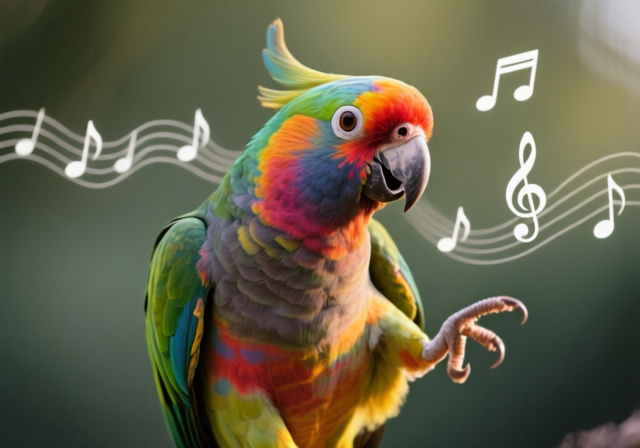
Yes, birds do like music, especially parrots and other vocal learning species. Scientific research confirms that birds can experience genuine enjoyment when listening to music they prefer, responding with dancing, singing along, and measurable dopamine release in their brains.
You’ve probably seen those viral videos of Snowball the cockatoo bobbing his head to Michael Jackson or a pet parrot singing along to pop music. These entertaining clips raise an interesting question: do birds actually enjoy music, or are they just reacting to sound? After reviewing decades of neuroscience research and hundreds of owner observations, the answer is becoming clearer.
The relationship between birds and music reveals something remarkable about animal consciousness. Birds process musical sounds through neural pathways that parallel human brain activity, showing individual preferences for genres, tempos, and rhythms. This isn’t simple reflex behavior but reflects genuine aesthetic appreciation in species we often underestimate.
This guide covers everything science tells us about birds and musical appreciation, from brain imaging studies to practical enrichment strategies. Whether you’re a parrot owner wondering what tunes your feathered friend might enjoy or simply curious about animal cognition, you’ll find evidence-based insights here.
Neuroscience research into avian music perception has advanced dramatically in recent years. While early studies like the 2012 Emory University brain imaging research established the foundation, more recent investigations from 2023-2025 have deepened our understanding of how birds process and appreciate musical sounds.
Birds do like music in ways that trigger measurable brain responses. When birds listen to preferred music, their brains release dopamine, the same pleasure chemical that makes humans feel good during favorite songs. Brain scans show activity in regions analogous to human auditory processing areas, suggesting similar emotional experiences.
Research published in 2024 by teams at the University of Alberta demonstrated that crows and ravens show distinct preferences for rhythmic patterns over random sounds, indicating that beat perception isn’t limited to parrots. This finding expands our understanding of which bird species engage with musical stimuli.
The neural architecture supporting music appreciation in birds involves the nidopallium caudolaterale, an area that handles complex auditory processing. Despite anatomical differences from the human auditory cortex, functional MRI studies reveal remarkably similar activation patterns when birds and humans listen to the same music.
A 2023 study from the Max Planck Institute for Biological Intelligence found that zebra finches could distinguish between consonant and dissonant musical intervals, showing that birds have nuanced perceptions of harmonic relationships. This suggests an aesthetic sense previously thought to be uniquely human.
Perhaps most surprisingly, research on African grey parrots reveals significant individual variation in music preferences. Just like humans, some African greys prefer classical compositions while others favor pop music. This personal taste dimension indicates that birds aren’t merely responding reflexively but forming genuine aesthetic preferences.
Entrainment: The biological ability to synchronize bodily movements to external rhythmic stimuli. Beyond birds, only humans and some primates demonstrate this capacity consistently.
When you see a parrot head-bobbing to music, you’re witnessing entrainment in action. Parrots aren’t just randomly moving; they’re genuinely synchronizing their movements to the beat, a cognitive feat that scientists once believed was uniquely human.
The connection between vocal learning and dancing explains why parrots groove to music. Parrots, songbirds, and hummingbirds can learn and modify vocalizations throughout their lives, and this same neural circuitry enables them to process rhythm and move in time with a beat. The brain pathways that allow a parrot to mimic human speech also allow it to dance.
Snowball the dancing cockatoo became a scientific sensation when researchers at Harvard analyzed his musical movements. The cockatoo could adjust his dancing tempo when music speed changed, demonstrating genuine beat perception rather than coincidental head-bobbing. This 2009 discovery, later reinforced by 2020s follow-up studies, proved that entrainment exists beyond human capabilities.
Not all dancing indicates pleasure, however. Birds may dance when stressed, excited, or agitated, so observation of overall body language matters. Relaxed feathers, enthusiastic repeated movements, and voluntary approach toward the music source typically signal genuine enjoyment rather than distress.
The species most likely to dance include African grey parrots, cockatoos, macaws, and other intelligent, socially complex species. This correlation suggests that musical appreciation might be linked to cognitive complexity and social intelligence in birds.
“The fact that some birds can synchronize their movements to a beat challenges our understanding of the evolution of musical abilities. It suggests that the neural foundations for music appreciation might be more widespread in the animal kingdom than previously thought.”
– Harvard Research Team, Snowball Study
Do birds like music equally across all genres? Research reveals clear preferences and strong dislikes that every bird owner should understand. The answer involves both universal patterns and fascinating individual variation.
Classical music emerges as the most universally appreciated genre among birds. Multiple studies show that parrots and songbirds respond positively to classical compositions, particularly pieces featuring clear melodies and moderate tempos. The complex arrangements without electronic distortion seem naturally suited to avian auditory systems.
Pop music with strong vocals ranks high on bird preference lists. Many parrot owners report their birds attempting to sing along or mimic lyrics from pop songs. The human voice appears particularly engaging for vocal learning species, who naturally attend to and try to copy vocal patterns.
Do parakeets like music? Yes, research suggests they do. Budgies often respond enthusiastically to pop music with vocals, showing positive reactions through chirping, bobbing, and approaching the sound source. They tend to prefer music with clear rhythmic structure.
Rock music generates mixed responses. Some parrots enthusiastically head-bob to guitar riffs while others become agitated. Individual personality and experience shape these reactions significantly.
Electronic dance music (EDM) appears almost universally disliked. The University of Lincoln study found that every parrot tested showed negative reactions to electronic music, exhibiting stress behaviors like feather flattening, aggressive vocalizations, or escape attempts.
The most consistent finding across all research is individual variation. African grey parrot music taste varies considerably from bird to bird. One African grey might adore classical piano while another prefers pop divas. These personal preferences mirror human musical tastes in remarkable ways.
While most research focuses on captive parrots, wild birds also interact with musical sounds in their environments. Understanding these natural responses provides context for the captive bird findings.
Wild songbirds in urban environments have been observed responding to music played outdoors. Cardinals, mockingbirds, and thrushes sometimes approach speakers playing gentle music, though their responses vary considerably by species and individual.
Do hummingbirds like music? Research on wild hummingbirds suggests limited engagement with musical sounds. Their extremely fast metabolism and specialized feeding requirements leave little time for leisure activities like listening to music. However, they may respond to rhythmic patterns in nature, such as the sound of dripping water or wind through leaves.
Field studies show that wild birds generally respond less dramatically to human music than captive parrots. This difference likely reflects domestication effects and the enrichment deficit that captive birds experience. Wild birds have full behavioral repertoires and natural stimulation, while captive birds may find music more novel and engaging.
Interestingly, some wild bird species have been documented incorporating human-made sounds into their songs. Northern mockingbirds famously mimic car alarms, phone ringtones, and other mechanical sounds. This vocal learning ability suggests potential for music appreciation, though direct responses to music remain understudied in wild populations.
Different bird species show distinct patterns of music appreciation based on their natural history, social structure, and cognitive abilities. Understanding species-specific responses helps bird owners provide appropriate enrichment.
African grey parrots consistently rank among the most musically responsive species. Research shows they develop clear individual preferences and often demonstrate sophisticated responses like singing along to lyrics or selecting specific songs. Their exceptional cognitive abilities and long lifespan contribute to nuanced musical appreciation.
Cockatoos like Snowball show remarkable entrainment capabilities, dancing to various tempos and sometimes creating their own movement patterns in response to music. Their expressive crests and body language provide clear indicators of musical engagement.
Cockatiels respond well to gentle melodies and often develop favorite songs within the pop and classical genres. They typically show preferences through vocalizations and gentle head-bobbing rather than the dramatic dancing seen in larger parrots.
Budgerigars (parakeets) demonstrate surprisingly sophisticated music preferences for their small size. Research indicates they prefer music with clear rhythmic patterns and may show stronger responses to certain chord progressions.
Lovebirds engage with music through active movement and vocalization, often showing clear favorites among available options. Their strong pair bonds may influence their musical responses.
Canaries and finches present a more complex picture. While they produce elaborate songs naturally, their responses to human music vary considerably. Some individuals show clear preferences while others appear indifferent.
The scientific study of birds and music has evolved significantly over the past two decades. Understanding this research history helps contextualize our current knowledge and identify remaining questions.
2008-2009: Initial Snowball cockatoo studies at Harvard University demonstrate beat synchronization in a non-human species, challenging assumptions about entrainment limitations.
2012: Emory University researchers publish brain imaging findings showing dopamine release in bird brains during preferred music exposure, establishing neurological basis for avian music enjoyment.
2015-2017: University of Lincoln touchscreen jukebox studies allow birds to self-select music, revealing individual preferences and universal dislikes, particularly of electronic genres.
2019: Research published on the relationship between vocal learning capacity and dance behavior across bird species, explaining why only certain birds respond with movement.
2020: Follow-up Snowball studies confirm and expand earlier findings on tempo adjustment and spontaneous dancing behavior.
2023: Max Planck Institute research demonstrates that zebra finches can distinguish between consonant and dissonant intervals, suggesting aesthetic perception beyond simple rhythm detection.
2024: University of Alberta studies reveal corvid responses to rhythmic patterns, expanding entrainment research beyond parrots to include crows and ravens.
2025: Ongoing research continues exploring individual variation in music preferences and the cognitive mechanisms underlying avian musical appreciation.
Bird owners can use music as an effective enrichment tool with proper planning and observation. Creating positive musical experiences requires understanding your bird’s individual preferences and respecting their limits.
Start by creating a diverse music library spanning classical, pop, jazz, and ambient genres. Play each genre for several sessions while observing your bird’s reactions. Look for positive indicators like relaxed posture, enthusiastic movement, and voluntary approach toward speakers. Note which genres generate stress responses like feather flattening or retreat.
Build a positive association by using preferred music during training sessions. Many birds become more responsive and motivated when their favorite songs play in the background. This association can enhance learning of new tricks or commands.
Create a music enrichment schedule that balances stimulation with quiet time. Two to three hours of musical enrichment daily provides benefits without causing overstimulation. Vary the genres to maintain novelty and prevent habituation.
Consider making your own music with your bird. Singing to your parrot, playing simple instruments, or creating rhythmic patterns together can strengthen your bond while providing enrichment. Some birds enjoy percussion instruments or banging on safe objects.
Natural soundscapes offer complementary enrichment. Birds may enjoy recordings of birdsong, rainfall, or forest ambiance alongside human music. This variety maintains environmental interest and provides diverse auditory stimulation.
Pro Tip: Create a playlist of your bird’s favorite songs and use it as a positive reinforcement tool during training. Birds are more likely to engage in desired behaviors when their preferred music plays in the background.
Why would birds evolve the ability to appreciate music? The answer connects music processing to vocal communication, suggesting that musical appreciation emerged as a byproduct of neural systems evolved for survival.
Vocal learning, the ability to modify and acquire new vocalizations, is rare in the animal kingdom. Parrots, songbirds, hummingbirds, and a few other species possess this capability. This same neural circuitry that enables vocal learning appears to support musical appreciation.
In the wild, precise sound processing helps birds survive. They must distinguish predator calls from harmless sounds, recognize mates’ songs, and communicate complex information about food sources and dangers. Musical appreciation might be an evolutionary spandrel, emerging as a side effect of these vital auditory abilities.
The social nature of many musical birds provides another clue. Parrots and songbirds live in complex social groups where precise vocal communication maintains bonds and coordinates activities. Music appreciation might strengthen these social connections by enhancing sensitivity to vocal nuances.
Rhythmic entrainment might have evolved from coordinated behaviors essential for survival. Birds that could move in sync with flock mates might have had advantages in avoiding predators or finding food. Dancing to music could be the modern expression of these ancient synchronization abilities.
Understanding these evolutionary roots explains why only certain species show musical appreciation. Birds that don’t rely heavily on vocal learning or complex social communication rarely demonstrate musical enjoyment. Their evolutionary path didn’t select for the neural architecture supporting music appreciation.
This evolutionary perspective reveals something profound: music appreciation might not be uniquely human but rather a convergent evolution appearing whenever species develop sophisticated vocal communication and social intelligence.
Music can be a powerful enrichment tool for pet birds when used appropriately. Based on research and experienced owners’ insights, incorporating music into your bird’s routine requires attention to several key factors.
Volume control is essential for bird safety. Birds have sensitive hearing that can be damaged by loud music. Keep volume at conversation level, around 60-70 decibels. If you need to raise your voice to be heard over the music, it’s too loud for your bird.
Duration matters more than you might think. While birds enjoy music, they need quiet time too. Limit music exposure to 2-3 hour sessions rather than continuous play throughout the day. This prevents overstimulation and allows natural rest periods.
Observing your bird’s reactions is key to understanding their preferences. Signs of enjoyment include relaxed posture, enthusiastic dancing, vocal participation, and approaching the sound source. Stress indicators include flattened feathers, wide eyes, aggressive vocalizations, or attempts to escape.
When selecting music for birds left alone, choose gentle classical or ambient pieces at low volume. Some owners leave radio or soft music playing, but research suggests natural sounds or quiet might be better for extended periods alone.
For active enrichment time, try interactive music sessions. Play different genres and observe responses. Many birds enjoy singing along to vocal music or dancing to rhythmic tunes. Make it a bonding experience by joining in with your bird.
Equipment placement affects how birds experience music. Avoid placing speakers directly next to cages, which can create overwhelming sound pressure. Instead, position speakers across the room to create ambient sound at comfortable levels.
Consider using music training as mental stimulation. Some owners teach their birds to sing specific tunes or dance on cue. This combines musical enrichment with cognitive challenges, keeping birds mentally engaged and emotionally satisfied.
Many birds, especially parrots and songbirds, do enjoy music. They show preferences through dancing, singing along, or approaching sound sources. However, individual birds vary greatly in their responses, and some species show little interest in music at all.
Most studies show birds prefer classical music and pop with vocals. They generally dislike electronic dance music. Individual preferences vary greatly, some birds enjoy rock while others prefer calm melodies. The key is observing your bird’s specific reactions to different genres.
Research suggests genuine enjoyment in some species. Brain scans show dopamine release when birds listen to preferred music, indicating pleasure responses. Birds actively seek out music they enjoy and avoid sounds they dislike, showing preference rather than simple reflex.
Dancing ability correlates strongly with vocal learning capacity. Birds that can learn new vocalizations throughout life, parrots, songbirds, hummingbirds, are most likely to dance. The neural pathways for vocal learning appear to support beat perception and synchronization.
Limit music to 2-3 hour sessions rather than continuous play. Birds need quiet time for rest and natural behaviors. If leaving music for birds alone, choose gentle classical or ambient music at low volume and avoid electronic or heavy genres that might cause stress.
Birds process music differently than humans but can recognize patterns, rhythms, and melodies. They may not understand lyrics or cultural context, but they respond to musical elements like beat, tempo, and harmony. Their appreciation is based on sound patterns rather than human musical concepts.
After analyzing the research and countless owner experiences, it’s clear that the relationship between birds and music is both scientifically fascinating and practically useful for bird enrichment. While not all birds enjoy music, many, particularly parrots and other vocal learners, show genuine appreciation that can enhance their quality of life.
For bird owners, experimentation and careful observation are essential. Try different genres at appropriate volumes, watch your bird’s reactions, and respect their individual preferences. Remember that music should supplement, not replace, other forms of enrichment like social interaction, foraging opportunities, and physical exercise.
The emerging science of birds and musical appreciation reveals something profound about animal consciousness and the evolutionary roots of music itself. When you see a parrot dancing to a favorite song, you’re witnessing sophisticated neural processes that blur the line between human and animal experiences of art.
As research continues to advance, we’re likely to discover even more about how animals perceive and appreciate music. For now, bird owners can feel confident that playing appropriate music for their birds isn’t anthropomorphism but a legitimate form of enrichment that taps into genuine neurological responses.
The next time you play music and see your bird respond, remember that you’re participating in a cross-species connection bridging human creativity and animal cognition. Science shows that music isn’t just a human invention but a language some birds can understand and appreciate in their own way.

![Where to See Starling Murmurations in the UK: Complete [cy] Guide](https://revellphotography.com/wp-content/uploads/2026/08/featured-update-4579-1786200415166.jpg)