
25 Fascinating Wren Facts: Tiny Birds With Mighty Voices
Discover 25 fascinating facts about wrens - tiny birds with surprisingly loud songs, complex behaviors, and remarkable survival strategies that…

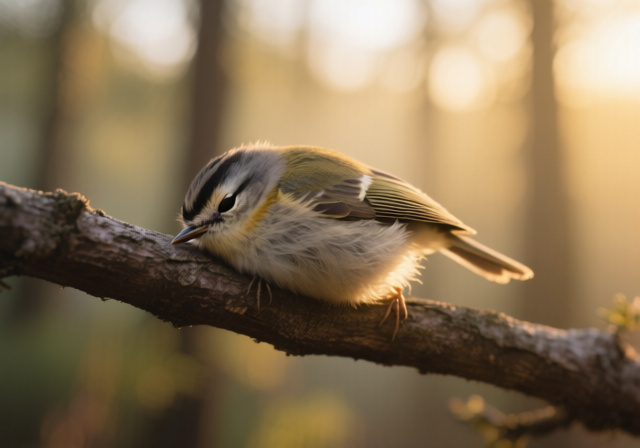
When darkness falls and we retreat to our beds, a different kind of slumber unfolds in trees, on branches, and even in mid-air across the natural world. Birds have evolved sleep strategies that continue to fascinate scientists and nature enthusiasts alike – from splitting their brains in half to rest while remaining watchful, to catching up on months of missed sleep during brief landing stops. Understanding how long birds sleep reveals the remarkable adaptability of avian biology.
Unlike humans who typically seek one long uninterrupted sleep period, birds have developed polyphasic sleep patterns that let them rest in short bursts throughout the day and night. This approach serves a crucial purpose: survival in an environment where predators lurk and vigilance can mean the difference between life and death. Research from the Cornell Lab of Ornithology confirms that birds have developed sophisticated techniques for managing their rest while maintaining awareness of their surroundings.
In this updated guide for 2026, we’ll explore the science behind bird sleep, including findings from the Max Planck Institute for Biological Intelligence that shed light on how birds process memories during rest. Whether you’re a wildlife photographer waiting for the perfect dawn shot or simply curious about avian behavior, understanding bird sleep patterns will change how you view these remarkable creatures.
When it comes to sleep duration, birds defy our human expectations. Most birds sleep between 6-12 hours daily, but rarely in one continuous stretch. Instead, they sleep in multiple short periods, a pattern called polyphasic sleep. From observations of backyard birds, songbirds typically take numerous 15-30 minute naps throughout the day and night.
The exact sleep duration varies dramatically by species and circumstances. Small birds like hummingbirds may sleep up to 14 hours, often entering torpor – a state of decreased physiological activity. Meanwhile, larger birds like eagles might only need 8-10 hours. Great frigatebirds can survive on just 1-2 hours of sleep during long flights, then catch up with 12+ hours on land.
| Bird Type | Daily Sleep Duration | Sleep Pattern |
|---|---|---|
| Hummingbirds | 12-14 hours | Torpor at night, frequent naps |
| Songbirds | 8-10 hours | Fragmented, multiple naps |
| Waterfowl | 6-10 hours | USWS while floating |
| Raptors | 8-12 hours | Night sleep with alert periods |
| Seabirds | 1-12 hours | Variable, can sleep flying |
Seasonal changes also affect bird sleep patterns. During breeding season, many birds sleep less as they devote more time to mating and caring for young. Robins have been documented reducing their sleep by up to 40% during peak breeding season. Conversely, in winter, birds may sleep longer to conserve energy when food is scarce.
Perhaps the most incredible adaptation in bird sleep is unihemispheric slow-wave sleep (USWS). This allows birds to literally sleep with one eye open and half their brain awake. Ducks floating in ponds demonstrate this survival strategy perfectly – those on the edge of the group keep their outward eye open while those safely in the middle sleep with both eyes closed.
During USWS, one brain hemisphere enters deep sleep while the other remains alert and functional. The eye connected to the sleeping hemisphere closes, while the eye connected to the wakeful hemisphere stays open, scanning for threats. This adaptation allows birds to rest while remaining vigilant – a crucial survival advantage in the wild.
Birds can even rotate which hemisphere is sleeping, giving both sides adequate rest over time. Research shows they switch hemispheres every few hours, ensuring complete brain recovery. Migratory birds can sleep while flying using this ability – maintaining just enough awareness to navigate and avoid obstacles while catching brief moments of rest.
Unihemispheric Slow-Wave Sleep: A sleep state where one brain hemisphere rests while the other remains alert, allowing birds to monitor their environment even while sleeping.
One of the most fascinating questions about bird sleep is whether birds experience REM (Rapid Eye Movement) sleep – the stage associated with dreaming in humans. Research from the Max Planck Institute for Biological Intelligence confirms that birds do indeed experience REM sleep, though it differs from mammalian REM in important ways.
Birds experience both REM and non-REM sleep phases during their rest periods. During REM sleep in birds, muscle atonia occurs – similar to what happens in mammals – preventing birds from acting out their dreams physically. However, REM episodes in birds tend to be shorter and less frequent than in humans, typically lasting just seconds at a time.
You might notice a sleeping bird exhibiting subtle movements: bill snapping, wing twitching, or vocalizations during sleep. These behaviors likely correspond to REM sleep phases where dream-like neural activity occurs. Zebra finches studied by researchers at the Max Planck Institute show distinct brainwave patterns during REM sleep that mirror the signatures seen in mammals.
Interestingly, birds cannot experience REM sleep while using unihemispheric sleep – one hemisphere must be fully “awake” to maintain the muscle atonia that prevents movement. This means birds only achieve REM sleep when both brain hemispheres are resting simultaneously, typically during safe, enclosed sleeping locations.
Sleep serves critical functions beyond simple rest in birds. Research published by the Cornell Lab of Ornithology demonstrates that birds use sleep to consolidate memories, process learning, and maintain optimal cognitive function. This connection between sleep and memory helps explain why birds have evolved such sophisticated sleep strategies.
Studies of songbirds reveal they rehearse and refine their songs during sleep. Young birds learning songs will practice the sequences they’ve heard from adult birds during overnight rest periods. Neural patterns active during song learning replay during sleep, strengthening the motor and auditory pathways needed for accurate song production.
Beyond song learning, birds also use sleep to consolidate spatial memories. Migratory species that cache food in hundreds of locations must remember those sites accurately. Research shows that hippocampus-dependent spatial memory formation occurs during sleep, with birds’ brain activity during rest reflecting the neural patterns of their waking spatial explorations.
Sleep deprivation in birds has measurable cognitive costs. When great frigatebirds or other species sacrifice sleep during migration, they subsequently experience increased sleep drive and must “catch up” once safe. This recovery sleep prioritizes both physical restoration and cognitive maintenance, underscoring how essential sleep is for avian brain function.
Research Note: Studies from the Max Planck Institute’s Avian Sleep Group have documented that birds spending nights in enclosed spaces experience deeper sleep cycles, including more REM sleep, compared to birds sleeping in exposed locations where USWS dominates.
Birds are strategic about where they sleep, balancing comfort, concealment, and escape routes. Their choice of sleeping spot reveals much about their survival strategies and the specific threats they face in their environment.
Dense foliage provides excellent cover for songbirds. Warblers and sparrows tuck deep within evergreen branches, nearly invisible to predators. These locations offer protection from weather and multiple escape routes if danger approaches. Tree cavities are premium real estate – woodpeckers, owls, and bluebirds compete for these secure sleeping quarters.
Water offers unique sleeping opportunities. Ducks and other waterfowl often sleep while floating, using their USWS ability to detect approaching predators through water vibrations. Coots and moorhens wake on open water already alert and ready to dive if needed.
Urban birds have adapted remarkably well. Pigeons sleep on building ledges, starlings in streetlight structures, and sparrows tucked under roof eaves. These adaptations show birds’ flexibility in finding safe sleeping spots even in human-dominated environments.
Important: Never disturb sleeping birds. They need uninterrupted rest for survival, and repeated disturbances can affect their health and survival rates.
Migratory birds take sleep deprivation to extremes. During migration, many species dramatically reduce their sleep time. Research shows Swainson’s thrushes may sleep just 30% of their normal duration during long flights.
The great frigatebird holds the record for extreme sleep adaptation. Scientists discovered these seabirds can sleep for just 42 minutes per day during 10-day flights, using brief 10-second episodes of USWS while soaring. They catch up on sleep once back on land, sleeping up to 12 hours straight.
In the Arctic, continuous daylight presents unique challenges. Pectoral sandpipers breeding under 24-hour daylight have adapted to sleep in much shorter bursts. Males may sleep as little as 2 hours per day during peak breeding season, maximizing their chances of mating. This extreme sleep reduction would be impossible for most species, but shows how flexible bird sleep can be.
Winter brings different challenges. Many birds enter torpor to conserve energy. Hummingbirds can lower their metabolism so dramatically that their body temperature drops nearly 50 degrees Fahrenheit. Ruby-throated hummingbirds enter this state at night, appearing to be in deep sleep, then spring to action minutes later when warmed by the morning sun.
If you’re wondering which animal sleeps the most, the answer might surprise you. The common opossum (also called the Virginia opossum) holds the record among well-known animals, sleeping up to 18-20 hours per day – roughly 90% of their time. However, several other animals give birds and humans a run for their money in the sleep department.
Brown bats take the crown among mammals, sleeping an astounding 19-20 hours daily. This makes sense given their nighttime hunting lifestyle and high-energy diet of insects. Like birds, bats have evolved sleep patterns that prioritize energy conservation during daylight hours when they’re most vulnerable to predators.
For birds specifically, the title of “sleepiest” goes to smaller species with high metabolic rates. Hummingbirds, despite their tiny size, sleep up to 14 hours daily – though this includes nightly torpor. Among non-torporing birds, the common swift may sleep up to 10-12 hours when not engaged in flight.
It’s worth noting that sleep duration doesn’t directly correlate with sleep quality or importance. Birds like great frigatebirds thrive on minimal sleep through specialized adaptations, while opossums and bats require massive amounts of rest to support their metabolisms. The diversity of sleep strategies across the animal kingdom shows that evolution has found multiple solutions to the fundamental challenge of rest and restoration.
Capturing photos of sleeping birds requires patience, ethics, and the right equipment. After years of trial and error, techniques have been developed that work consistently while respecting the birds’ need for rest.
The best times to observe sleeping birds are dawn and dusk. This is when birds are transitioning between sleep and activity, making them more approachable yet still exhibiting sleep behaviors. Using low-light binoculars during these hours helps spot birds without disturbing them.
For observation equipment, binoculars remain essential. The debate between binoculars vs monoculars comes down to personal preference, but for observing sleeping birds, binoculars provide better depth perception and comfort during extended viewing sessions. Understanding what the numbers on binoculars mean helps choose the right pair for dawn and dusk observation.
For serious bird documentation, consider spotting scopes vs binoculars – scopes offer magnification perfect for detailed observation from greater distances. When choosing between angled vs straight spotting scopes, remember that angled models are better for looking up into trees where birds often sleep.
Never use flash when photographing sleeping birds. Even the briefest flash can disrupt their sleep patterns and make them vulnerable to predators. Instead, use natural light and high ISO settings. The perfect moment often arrives when morning light illuminates a sleeping bird just enough for a clear shot without disturbance.
Pro Tip: Maintain at least 25 feet distance from sleeping birds. Use telephoto lenses to get close-up shots without causing stress.
If you’re introducing children to bird watching, getting kids interested in bird watching starts with teaching them respect for wildlife, especially during vulnerable times like sleep.
No, birds don’t sleep through the entire night like humans. They sleep in multiple short fragments, with frequent waking periods to check for predators. This fragmented sleep pattern allows them to rest while staying alert to danger.
The average bird sleeps 6-12 hours per day total, but broken into many short episodes rather than one continuous period. Small birds generally sleep more than larger birds, and sleep duration varies by season and environmental conditions.
Most birds don’t lie down to sleep. They sleep while perching, using special tendons in their feet that automatically lock around branches when they relax. Some waterfowl sleep while floating, and ground birds like quail may sleep in a crouched position.
Backyard birds sleep in dense shrubs, tree cavities, evergreen branches, or specially designed nest boxes. They choose locations that offer protection from predators and weather. Different species have different preferences – some sleep alone while others roost in groups.
Some birds are creatures of habit and return to the same sleeping spot nightly, while others change locations regularly for safety. Many factors influence their choice, including weather, predator activity, and food availability. Some species, like crows, may use different roosts in different seasons.
Signs a bird is sleeping include: head tucked into feathers or turned backward, one or both eyes closed, fluffed feathers for warmth, reduced breathing rate, occasional balance adjustments, and lack of response to minor disturbances. Some birds sleep with one eye open during USWS.
Yes, some birds can sleep while flying. Great frigatebirds and swifts have been documented sleeping in flight using unihemispheric sleep, where one brain hemisphere sleeps while the other remains alert for navigation and obstacle avoidance.
While scientists cannot confirm birds experience dreams the way humans do, birds do experience REM (Rapid Eye Movement) sleep, which is the stage associated with dreaming in humans. During REM sleep, birds may exhibit wing twitching, bill movements, or soft vocalizations that suggest dream-like neural activity.
The common opossum sleeps approximately 18-20 hours per day, which is about 90% of the time. Brown bats are close second, sleeping 19-20 hours daily. Among birds, hummingbirds can sleep up to 14 hours daily when including torpor, while the common swift may sleep 10-12 hours when not flying.
Understanding how birds sleep has revolutionized approaches to wildlife photography and bird observation. These creatures have evolved sleep strategies that are nothing short of miraculous – from sleeping with half their brain to catching up on rest after marathon flights. The research emerging from institutions like the Cornell Lab of Ornithology and the Max Planck Institute continues to reveal new insights into avian sleep.
The next time you’re out with your camera or binoculars at dawn, take a moment to appreciate the sleeping birds around you. Their ability to balance rest with constant vigilance teaches us about resilience and adaptation in the natural world. Remember to observe from a distance, never disturb their rest, and consider documenting these peaceful moments to share with others.
Whether you’re a seasoned bird photographer or just beginning to explore avian behavior, understanding bird sleep patterns opens up a new dimension of wildlife appreciation. Armed with this knowledge and the right equipment, you’re ready to discover the hidden world of sleeping birds while respecting their need for undisturbed rest.

![Where to See Starling Murmurations in the UK: Complete [cy] Guide](https://revellphotography.com/wp-content/uploads/2026/08/featured-update-4579-1786200415166.jpg)