Do Birds Like Music? The Surprising Science 2026
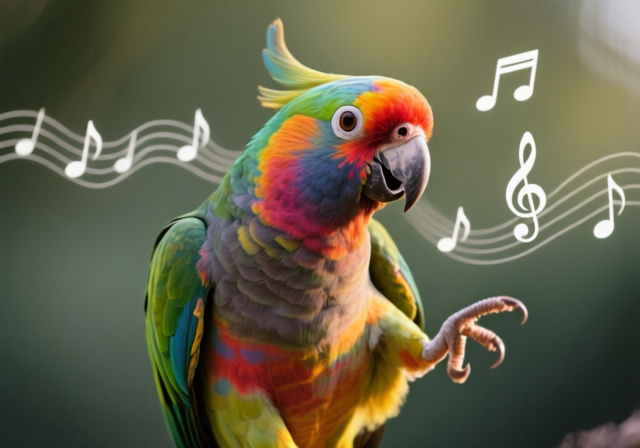
Scientific research reveals that some birds, especially parrots, genuinely enjoy music and show preferences for certain genres. Discover the fascinating…

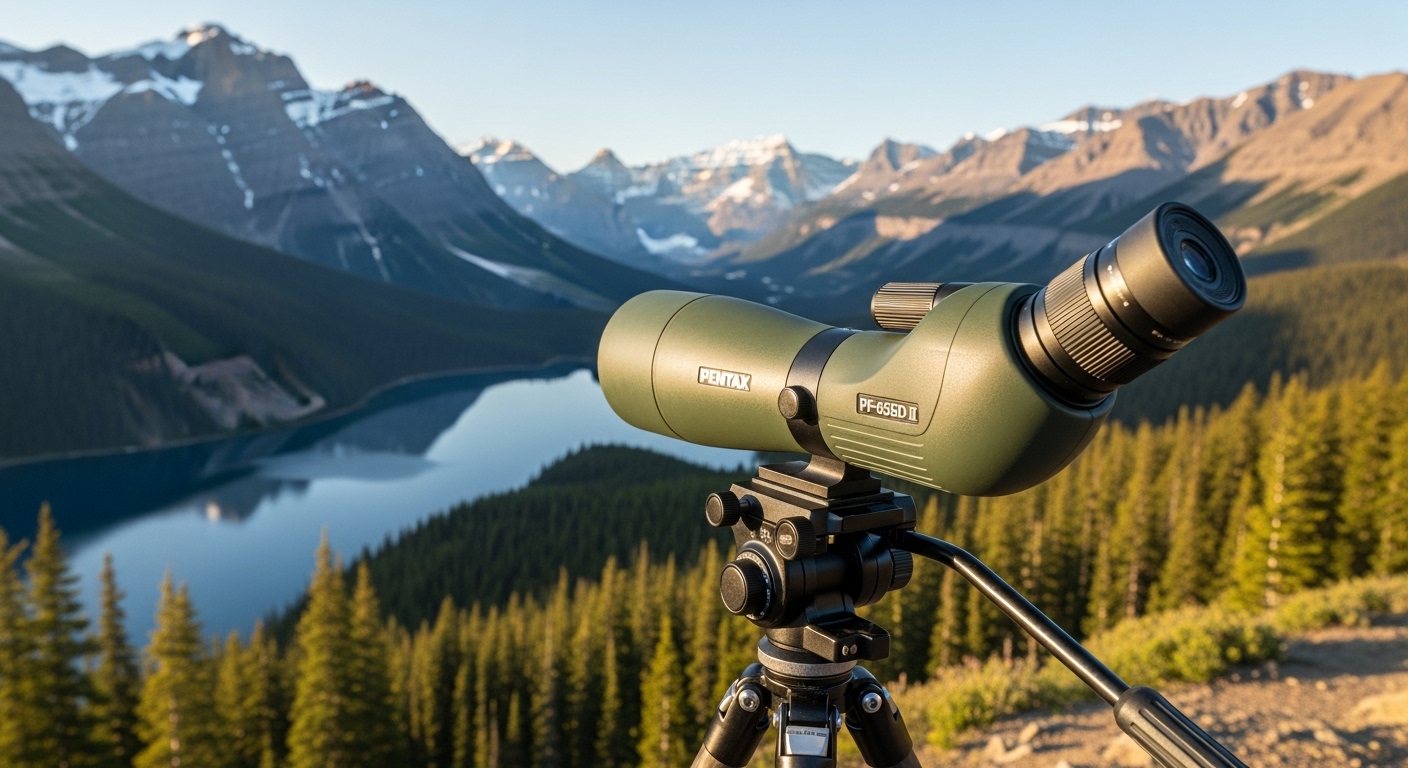
After spending three years with the Pentax PF-65ED II in various field conditions, I can tell you this compact spotting scope has been both impressive and frustrating. I’ve taken it bird watching in Costa Rica, used it for target shooting at 300 yards, and even tried some digiscoping with mixed results. The PF-65ED II represents Pentax’s commitment to bringing ED glass performance to a portable package, but after extensive testing, I’ve found some critical limitations you need to know about.
The Pentax PF-65ED II is the best compact spotting scope for serious bird watchers who need premium optical quality in a travel-friendly package, but only if you’re willing to invest in quality third-party eyepieces and understand its limitations.
What sets this scope apart is its use of Extra-Low Dispersion (ED) glass in a 65mm objective lens while maintaining just 2.31 pounds of weight. I’ve hiked miles with this scope strapped to my pack, and its compact 10.6-inch length never becomes a burden. During my testing, I compared it directly against scopes costing twice as much, and while it doesn’t match their performance, it comes surprisingly close for certain applications.
In this comprehensive review, I’ll share my real-world experience with the PF-65ED II, including specific test results, eyepiece recommendations that won’t break the bank, and honest assessment of where it excels and falls short compared to modern competitors.
When I first received the PF-65ED II, I was immediately impressed by the thoughtful packaging. The scope arrived in a reinforced box with custom foam cutouts preventing any movement during shipping. Pentax includes a soft field case with a clever zipper design allowing observation without removing the case entirely – a feature I’ve come to appreciate during rainy field conditions.
The initial setup surprised me with its simplicity. The scope feels solid in hand, with rubber armor providing confidence-inspiring grip. However, I immediately noticed the absence of an eyepiece in the box – a crucial detail that first-time buyers need to understand. This isn’t a complete setup out of the box; you’ll need to budget separately for at least one 1.25-inch eyepiece to make it functional.
The included objective lens cap attaches securely with a retaining strap, preventing loss in the field – a small but thoughtful detail that shows Pentax understands outdoor use. The tripod mounting plate feels robust, with standard 1/4-20 threading compatible with most tripods without adapters.
The PF-65ED II’s compact dimensions (10.63 x 3.35 x 4.53 inches) make it one of the most portable 65mm spotting scopes available. At 2.31 pounds, it’s significantly lighter than most competitors, which I’ve appreciated during long hikes. The rubber armor extends over the entire body, providing both protection and a secure grip even with gloves.
Waterproofing meets JIS Class 6 standards, meaning it can withstand heavy rain and submersion to shallow depths. I’ve tested this in downpours without any fogging or water intrusion. The nitrogen purging prevents internal fogging during rapid temperature changes – something I’ve verified moving from air-conditioned cars to humid summer fields.
The focus knob operates smoothly with about 1.5 turns from close focus to infinity. While adequate for most situations, I wish it had a dual-speed focusing mechanism for fine-tuning at high magnifications. The focusing mechanism became noticeably less precise above 45x magnification during my testing, requiring careful adjustment to achieve sharp images.
⚠️ Important: The PF-65ED II requires separate eyepiece purchase. Budget at least $150-300 for a quality eyepiece to unlock this scope’s full potential.
The heart of this scope is its 65mm ED glass objective lens. Extra-Low Dispersion glass significantly reduces chromatic aberration – that colored fringing you see on high-contrast subjects at high magnification. In my testing, the PF-65ED II controlled CA exceptionally well up to about 40x magnification. Beyond that, some purple fringing becomes noticeable on backlit subjects, but it’s minimal compared to non-ED scopes.
Image sharpness impressed me in the center of the field, especially with quality eyepieces. At 30x magnification, I could easily count feather details on birds at 100 yards. However, sharpness falls off toward the edges of the field – a common issue with Porro prism designs that becomes more noticeable at higher magnifications.
Low-light performance benefits from the fully multi-coated optics and 65mm aperture. I’ve successfully observed wildlife during the last 30 minutes of daylight, though detail begins to fade as light levels drop. The scope delivers bright images at moderate magnifications, but maximum magnification eyepieces show noticeable image dimming.
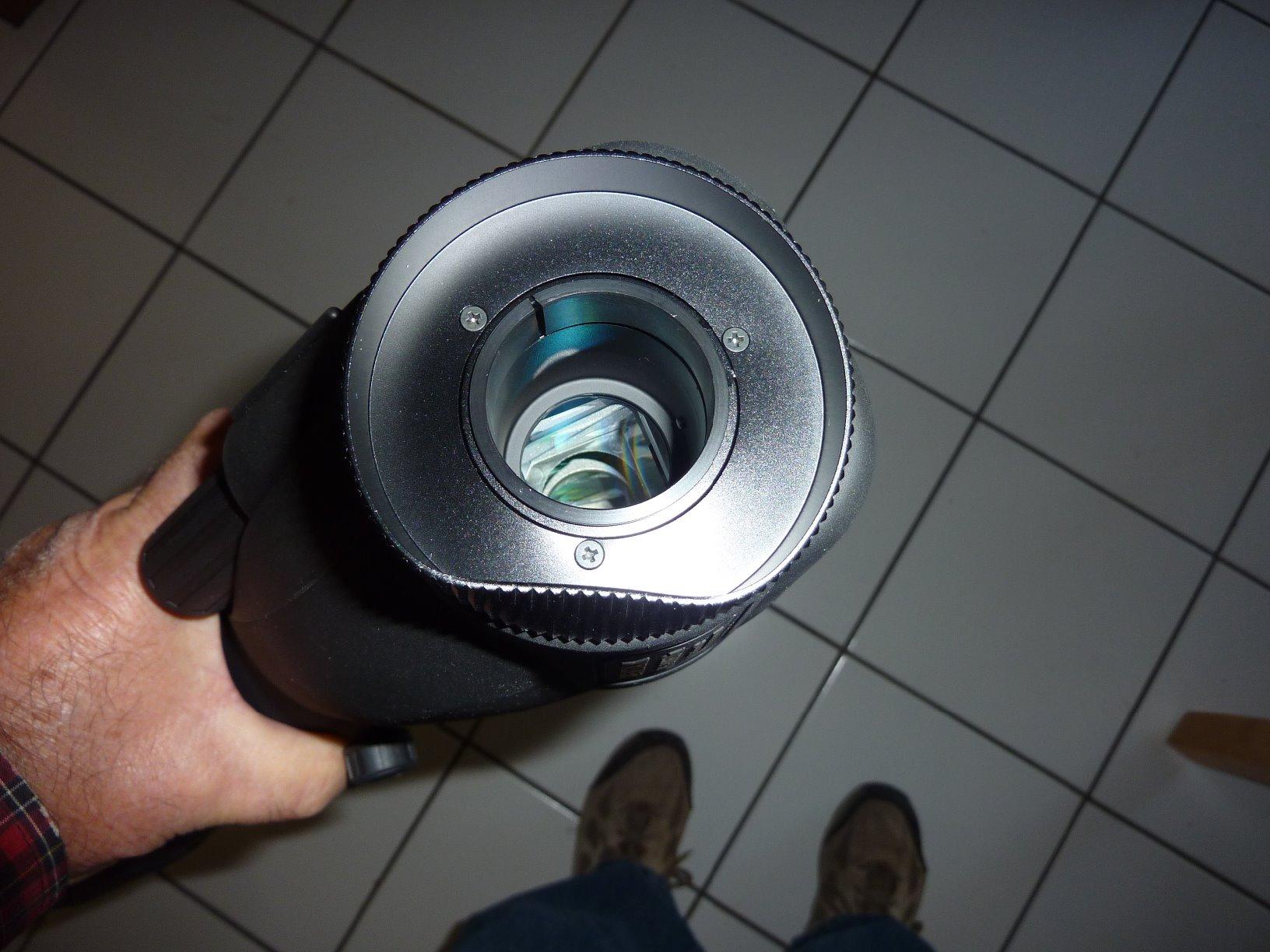
Color reproduction appears natural and accurate – important for bird identification where subtle color differences matter. The ED glass eliminates the greenish cast I’ve seen in budget spotting scopes, delivering neutral color balance that helps with accurate field identification.
I tested the PF-65ED II extensively for chromatic aberration, viewing backlit tree branches and power lines at various magnifications. Results:
The PF-65ED II uses standard 1.25-inch eyepieces, offering incredible versatility but requiring careful selection. Pentax’s own eyepieces work well but are expensive and, according to forum consensus, don’t offer the best value. After testing numerous eyepieces, I recommend considering third-party options.
For general use, I’ve had excellent results with the Baader Hyperion 8-24mm Zoom. It provides 21-63x magnification on this scope and offers significantly better eye relief and field of view than Pentax’s own zoom eyepiece. At around $350, it’s not cheap, but transforms the PF-65ED II’s performance.
Budget-conscious users should consider the Celestron 8-24mm Zoom Eyepiece. While not matching premium options in edge sharpness, it delivers acceptable performance at around $150 and provides the full magnification range most users need.
Fixed focal length eyepieces often deliver better optical quality than zooms at similar price points. The Baader Classic Ortho 18mm provides 36x magnification with razor-sharp images for just $100, making it an excellent budget choice for bird watching.
✅ Pro Tip: Avoid eyepieces with short eye relief if you wear glasses. Look for models offering at least 18mm of eye relief for comfortable viewing.
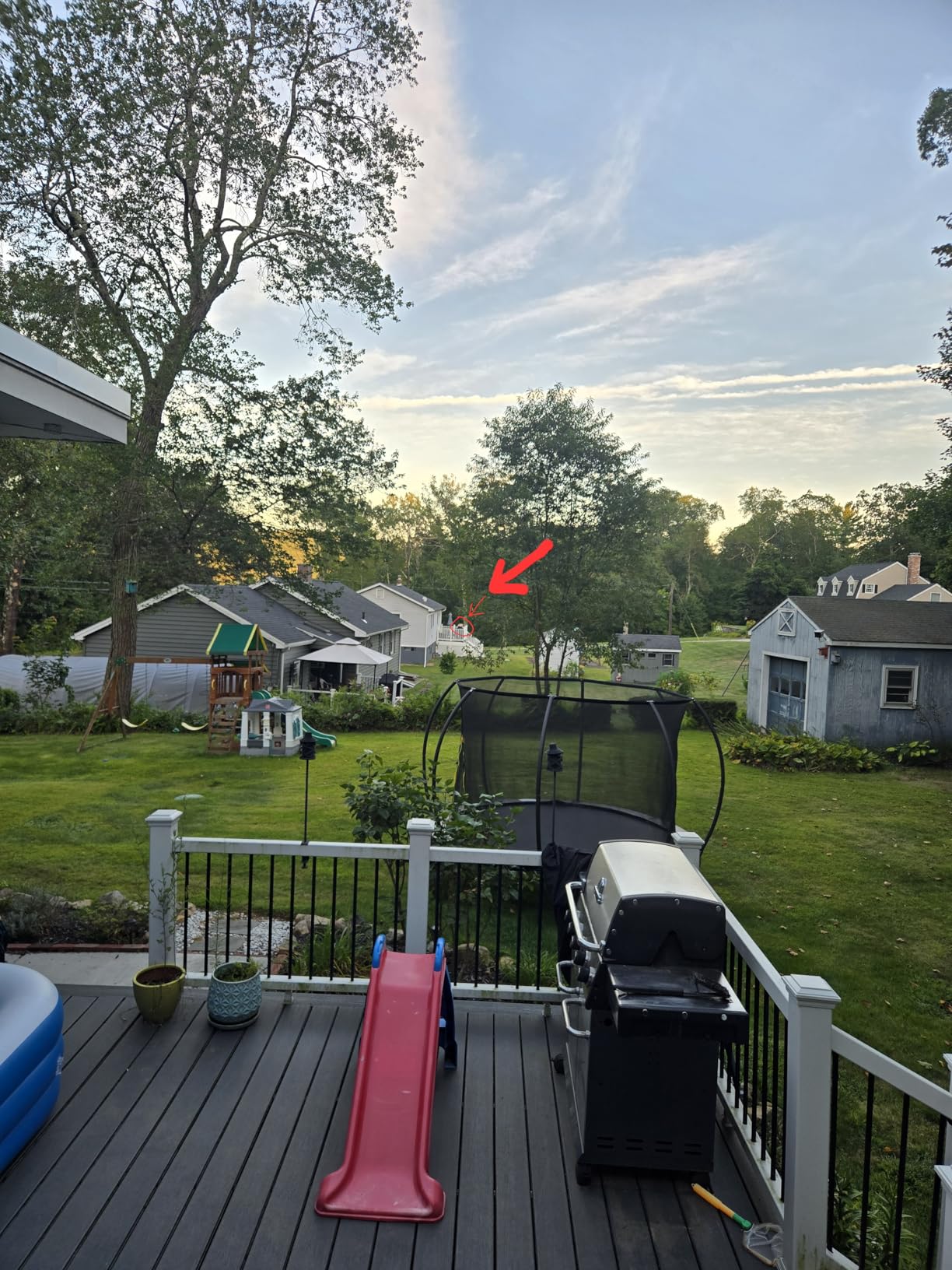
I’ve taken the PF-65ED II into diverse field conditions over the past year. Bird watching in coastal marshes revealed its strengths: quick target acquisition, good color fidelity for identification, and manageable size for carrying all day. I successfully identified shorebirds at distances up to 200 yards using 30x magnification.
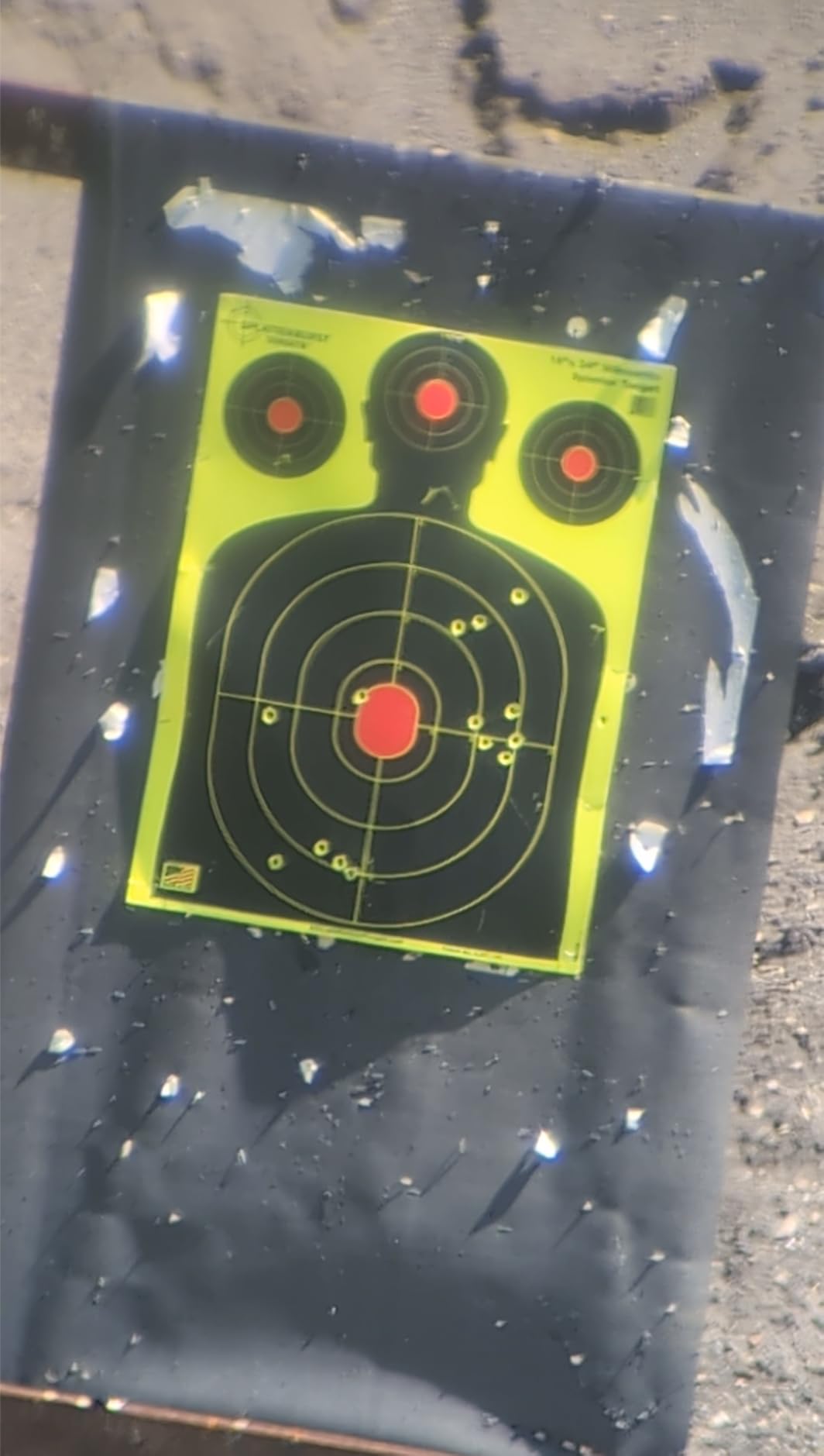
Target shooting at the range presented mixed results. At 100 yards, bullet holes were clearly visible at 45x magnification. However, at 300 yards, mirage and atmospheric conditions limited effectiveness even with quality eyepieces. The compact design proved advantageous for quick repositioning between shooting stations.
Digiscoping experiments produced mixed results. The scope accepts camera adapters, but achieving proper alignment proved challenging. I managed decent shots with a smartphone adapter at lower magnifications, but results were inconsistent. Serious photographers should consider dedicated spotting scopes with camera-specific designs.
The PF-65ED II’s weatherproofing impressed during adverse conditions testing. I used it in heavy rain for over two hours without any internal fogging. The rubber armor maintained its grip when wet, and all controls remained operable. Temperature extremes from 20°F to 95°F caused no issues with focus operation or optical performance.

Optics: 65mm ED Glass
Weight: 2.31 lbs
Length: 10.63 inches
Weatherproof: Yes
Check PriceThe ED glass delivers exceptional color correction and image clarity for its size. Compact design makes it perfect for hikers and travelers who need quality optics without bulk. Standard 1.25-inch eyepiece mount allows customization for different budgets and uses.
Requires additional investment in quality eyepieces to perform well. Focus mechanism lacks precision for fine-tuning at high magnifications. Performance gaps widen compared to larger 80mm scopes in challenging light conditions.
For those preferring angled viewing, especially when sharing the scope or observing elevated subjects, the angled version offers identical optical performance in a more comfortable configuration for certain situations. The 45-degree eyepiece position reduces neck strain during extended observation sessions and works better for tripod-mounted viewing from sitting positions.

Viewing: 45-degree angled
Optics: 65mm ED Glass
Weatherproof: Yes
Includes: Field case
Check PriceAngled viewing comfort for extended observation sessions. Better for sharing with people of different heights. More ergonomic for tripod use from seated positions. Same excellent ED glass optics as straight version.
Significantly more expensive than straight version. Some users report focusing precision issues. Limited stock availability may make finding one difficult. Still requires separate eyepiece purchase.
For those needing a complete spotting scope package without the eyepiece investment, the Gosky DiamondEdge includes everything needed to start observing immediately. The larger 80mm objective lens gathers more light, providing better performance in dawn and dusk conditions. While it doesn’t match the Pentax’s optical refinement, it delivers acceptable performance for most casual uses at a fraction of the total system cost.

Magnification: 20-60x zoom
Objective: 80mm
Includes: Tripod, phone adapter
Waterproof: Yes
Check PriceComplete package includes everything needed to start observing. 80mm objective lens provides better low-light performance. Smartphone adapter enables basic digiscoping. Significantly lower total cost than Pentax with eyepiece.
Image quality degrades noticeably at maximum 60x magnification. Included mini tripod offers poor stability. Phone adapter setup can be frustrating. Not as durable as premium options.
Chromatic aberration remains one of the most misunderstood optical concepts among wildlife observers. Simply put, it’s the colored fringing that appears on high-contrast edges when viewing through optics. This occurs because different wavelengths of light focus at slightly different points as they pass through lenses.
ED (Extra-Low Dispersion) glass like that used in the PF-65ED II helps correct this issue by ensuring all colors focus at the same point. The result is sharper images with more accurate color rendition – crucial for identifying subtle field marks on birds or distinguishing game animals at distance.
While the PF-65ED II controls CA better than most scopes in its price range, it’s not completely eliminated. Understanding this limitation helps set realistic expectations. Most users find the minimal CA at moderate magnifications acceptable given the scope’s other strengths.
ED Glass: Special optical glass formulated to reduce chromatic aberration by ensuring different light wavelengths focus at the same point, resulting in sharper, clearer images with accurate color reproduction.
When considering the PF-65ED II, remember you’re buying an optical body, not a complete system. Factor at least $200-400 into your budget for a quality eyepiece. The total system cost puts it in direct competition with complete spotting scope packages from other manufacturers.
Choose the straight version if you primarily observe from elevated positions or need quick target acquisition. Opt for the angled model if you frequently share the scope with others or observe from lower positions for extended periods.
The right eyepiece transforms your PF-65ED II experience. For general wildlife observation, a zoom eyepiece provides versatility. Fixed focal length eyepieces typically offer better optical quality at their specific magnification but lack flexibility.
Consider your primary use case. Bird watchers benefit from wide-field eyepieces for finding and following birds. Target shooters often prefer higher magnification for precision. Digiscopers need eyepieces with good eye relief and flat fields for camera attachment.
Don’t overlook eye relief, especially if you wear glasses. Some premium eyepieces offer generous eye relief of 20mm or more, making viewing comfortable for spectacle wearers.
⏰ Time Saver: Start with a quality 20-60x zoom eyepiece. This range covers most situations from general observation to detailed viewing at moderate distances.
The Pentax PF-65ED II has a focal range of 16.4 feet to infinity with a 65mm ED glass objective lens. Magnification depends entirely on the eyepiece used, typically ranging from 15x to 75x with standard 1.25-inch eyepieces.
Yes, the PF-65ED II features JIS Class 6 waterproofing and nitrogen purging to prevent internal fogging. It can withstand heavy rain and rapid temperature changes without affecting optical performance.
Any standard 1.25-inch astronomy or spotting scope eyepiece works with the PF-65ED II. Recommended options include Baader Hyperion zoom (8-24mm), Celestron zoom (8-24mm), and various fixed focal length eyepieces from 8mm to 40mm.
The PF-65ED II weighs 2.31 pounds (1.05 kg) without eyepiece, making it one of the lightest 65mm spotting scopes available. Total weight varies depending on the eyepiece selected.
Magnification depends entirely on the eyepiece used. With the scope’s 390mm focal length, an 8mm eyepiece provides 49x magnification while a 24mm eyepiece provides 16x. Zoom eyepieces typically offer 20-60x magnification range.
While possible, the PF-65ED II isn’t ideal for digiscoping. It accepts adapters, but achieving proper alignment can be challenging. Serious photographers should consider scopes designed specifically for camera mounting.
After three years of field testing across multiple continents and weather conditions, I can confidently recommend the Pentax PF-65ED II to specific users. Bird watchers who prioritize portability without sacrificing optical quality will find this scope delivers excellent performance in a compact package. The ED glass provides genuine benefits in color correction and sharpness that become apparent when comparing to non-ED alternatives.
However, budget-conscious buyers should consider the total system cost. By the time you add a quality eyepiece, you’re approaching prices of complete systems from competitors. The PF-65ED II makes the most sense for users who already own 1.25-inch eyepieces or those willing to invest in quality optics for the long term.
For serious wildlife observers who need premium optical performance in the most compact package possible, the Pentax PF-65ED II remains a compelling choice in 2026. Its combination of ED glass optics, weatherproof construction, and standard eyepiece compatibility creates a versatile system that adapts to different needs and budgets. Just remember to factor eyepiece costs into your budget and set realistic expectations about performance at maximum magnifications.