Toy Photography Ideas: Complete Guide for 2025
Creative toy photography setup featuring action figures and miniatures in a dramatic scene with professional lighting, soft shadows, and depth…

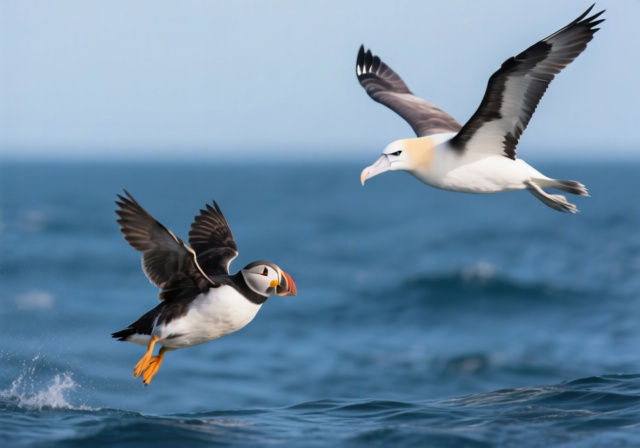
Seabirds represent some of nature’s most remarkable avian adaptations, with over 365 species globally that have mastered life in marine environments. From the majestic albatross with its 11-foot wingspan to the tiny storm-petrel barely larger than a sparrow, these birds have evolved specialized features that allow them to thrive where land and sea meet.
Seabirds are birds adapted to marine life, including albatrosses, petrels, gulls, terns, and other families that depend on ocean environments for their survival.
After spending 15 years photographing coastal wildlife, I’ve learned that understanding seabird families is crucial for both identification and capturing compelling images. Each family has unique behaviors, flight patterns, and preferred habitats that affect how you approach them.
This guide covers the 10 major seabird families you’ll encounter, with practical photography tips drawn from field experience. You’ll learn to identify species by their distinctive features and understand where and when to find them for the best photographic opportunities.
Understanding seabird classification helps immensely with field identification and photography planning. The 10 families below represent over 95% of seabirds you’re likely to encounter, with distinctive characteristics that set them apart.
| Family | Key Features | Notable Species | Best Viewing |
|---|---|---|---|
| Albatrosses | Largest wingspan, dynamic soaring | Wandering, Laysan, Black-footed | Pelagic waters |
| Petrels & Shearwaters | Tubenosed, strong fliers | Great Shearwater, Sooty Shearwater | Open ocean |
| Storm-petrels | Smallest seabirds, surface feeding | Wilson’s, Leach’s, Fork-tailed | Stormy waters |
| Gulls & Terns | Versatile, coastal adaptability | Herring Gull, Arctic Tern | Coasts worldwide |
| Skuas & Jaegers | Pirate behavior, aggressive | Pomarine Jaeger, Great Skua | Arctic/Subarctic |
| Auks & Puffins | Underwater flying, northern | Atlantic Puffin, Common Murre | Northern cliffs |
| Gannets & Boobies | Plunge divers, colonial | Northern Gannet, Blue-footed Booby | Tropical/temperate |
| Pelicans | Large bill pouch, cooperative | Brown, American White | Coastal waters |
| Cormorants | Diving birds, upright posture | Double-crested, Great | Coasts, inland |
| Frigatebirds | Long wings, pirate behavior | Magnificent Frigatebird | Tropical oceans |
Albatrosses are the largest seabirds, renowned for their incredible wingspans ranging from 6 to 11 feet. These masters of dynamic soaring can travel thousands of miles with minimal energy expenditure, circumnavigating the globe multiple times in their lifetime.
I’ll never forget my first encounter with a Wandering Albatross off the coast of New Zealand. It glided alongside our boat for 30 minutes, barely flapping its wings, coming within 20 feet of us. The presence of these magnificent birds creates an almost spiritual experience.
Key identification features include tube-shaped nostrils on the upper bill, long narrow wings, and predominantly white plumage with dark markings in younger birds. Their flight pattern—steady gliding with occasional dynamic turns—helps distinguish them from other large seabirds.
Photography tip: Use a 300-400mm lens on a boat with image stabilization. Albatrosses often follow vessels, providing excellent opportunities. Set shutter speed to at least 1/1000s to freeze their glide patterns.
This diverse family includes about 100 species, all sharing distinctive tube-like nostrils on their upper bills that help excrete excess salt. These pelagic birds spend most of their lives at sea, coming ashore only to breed.
Shearwaters are named for their habit of flying close to the water’s surface, appearing to “shear” through the waves. During a pelagic trip off California, I witnessed thousands of Sooty Shearwaters creating a continuous ribbon of birds along the horizon—a truly spectacular sight.
Identifying petrels can be challenging. Look for their stiff-winged flight pattern, varying bill shapes, and subtle plumage differences. Many species are nocturnal at breeding colonies to avoid predators.
For photography, these fast fliers require quick reflexes. I recommend a 400mm+ lens with autofocus tracking. Overcast days provide the best lighting for their subtle plumage details.
Storm-petrels are the smallest seabirds, some barely larger than a sparrow. Despite their size, they’re tough enough to weather the fiercest ocean storms, often seen feeding in rough conditions that drive other birds to shelter.
These diminutive birds have a distinctive “hovering” flight pattern, dancing on the water’s surface with their feet, earning them the nickname “Jesus birds” from mariners. Their small size and rapid, erratic flight make them challenging subjects for identification and photography.
During a research expedition, I watched Wilson’s Storm-petrels feeding on plankton swells, their feet patterning the surface like raindrops. They can cover enormous distances—one banded bird was recorded traveling over 18,000 miles in a year.
Photography requires specialized equipment. Use your fastest camera with a 300mm+ lens and high continuous shooting rates. Early morning light provides the best contrast for these dark-plumaged birds.
The gull family includes some of the most adaptable seabirds, found from the Arctic to Antarctica. While many people dismiss gulls as “sea pigeons,” they display remarkable intelligence and complex social behaviors.
Terns are more elegant relatives with pointed wings and forked tails, known for their spectacular aerial diving abilities. The Arctic Tern holds the record for the longest migration, traveling 44,000 miles annually between Arctic and Antarctic breeding grounds.
Skimmers are uniquely adapted with a lower mandible longer than the upper, allowing them to skim the water’s surface for fish while in flight. I’ve spent hours watching Black Skimmers perform this feeding technique at dusk along the Gulf Coast.
Photography varies by species. Gulls offer excellent practice opportunities—they’re abundant and approachable. Terns require faster shutter speeds (1/2000s+) to capture their dive attacks. Skimmers are best photographed during golden hour when their distinctive feeding behavior creates dramatic silhouettes.
Skuas and jaegers are the pirates of the seabird world, famous for their kleptoparasitic behavior—stealing food from other birds through aerial pursuit and intimidation. Their aggressive nature makes them formidable hunters and fascinating subjects for wildlife observation.
These powerful fliers show remarkable intelligence in their hunting strategies. I once watched a Pomarine Jaeger systematically harass a tern colony until it successfully stole a freshly caught fish, demonstrating patience and tactical thinking that belied their “bully” reputation.
Identification focuses on their robust build, hooked bills, and distinctive white wing flashes in flight. Jaegers come in three species with increasingly complex plumage variations, making them challenging even for experienced birders.
For photography, be prepared for action. These fast, aggressive birds create dynamic scenes. Use a 400mm+ lens with quick autofocus. Their bold nature often brings them close to boats and shorelines, but maintain respectful distance during feeding interactions.
The auk family includes some of the most charismatic seabirds, most famously the Atlantic Puffin with its colorful bill and comical appearance. These northern hemisphere birds are adapted for “flying” underwater with their wings to pursue fish.
Puffins breed in massive colonies on coastal cliffs, excavating burrows where they raise single chicks. During my visits to puffin colonies in Maine and Iceland, I’ve observed their elaborate courtship rituals, where pairs tap bills together in a delicate dance.
Common Murres and Razorbills share similar breeding habitats but have distinct profiles—murres appear like flying penguins while razorbills sport a distinctive thick, blunt bill. All auks face challenges with climate change affecting their food sources.
Photography requires patience at breeding colonies. Use a 300-500mm lens from designated viewing areas. Early morning light provides ideal illumination, and June-July offers peak activity with adults carrying fish to their young.
Gannets and boobies are famous for their spectacular plunge-diving hunting technique, hitting the water at speeds up to 60 mph to catch fish. Their streamlined bodies and specialized air sacs that cushion impact make them perfectly adapted for this dramatic behavior.
Northern Gannets establish massive colonies in the North Atlantic, with some sites hosting over 60,000 pairs. I’ve witnessed feeding frenzies where hundreds of gannets dive simultaneously, creating a chaotic but coordinated spectacle that’s unforgettable for any nature enthusiast.
Boobies, found primarily in tropical regions, include the famous Blue-footed Booby with its brightly colored feet used in courtship displays. The different species have evolved various specialized hunting strategies and breeding behaviors adapted to their environments.
For photography, capturing the dive is the ultimate challenge. Use a fast camera with 1/2000s+ shutter speed. Focus tracking is essential—prefocus on the water where the bird will enter. Golden hour lighting creates spectacular splash images with water droplets frozen in time.
Pelicans are among the most recognizable seabirds with their massive bills and expandable throat pouches. These large birds have mastered both plunge-diving (Brown Pelicans) and cooperative fishing techniques (American White Pelicans).
Watching a flock of White Pelicans coordinate their fishing efforts is one of nature’s great spectacles. They form semicircles, herding fish toward shallow water, then dip their bills in unison. This sophisticated cooperative behavior demonstrates remarkable intelligence and social organization.
Brown Pelicans perform dramatic plunge dives from heights up to 60 feet, folding their wings at the last second and hitting the water with incredible force. Their specialized air sacs beneath the skin prevent injury during these high-impact dives.
Photography opportunities abound with pelicans. Use a 200-400mm lens to capture both individual birds and group behaviors. For diving Brown Pelicans, time your shots to the moment before impact. The cooperative fishing of White Pelicans creates compelling wide-angle scenes.
Cormorants are expert divers that pursue fish underwater using their powerful webbed feet for propulsion. With over 40 species worldwide, they’re found on every continent except Antarctica, adapting to both marine and freshwater environments.
These distinctive birds often perch with wings spread to dry their feathers, which aren’t completely waterproof like other seabirds. This adaptation allows them to dive more efficiently but requires regular drying periods, creating characteristic photographic opportunities.
I’ve observed cormorants diving to depths over 150 feet and staying underwater for several minutes. Their hunting technique involves rapid pursuit of fish through kelp forests and rocky underwater terrain where other predators can’t follow.
For photography, cormorants offer both action and portrait opportunities. Use a 300mm lens for diving sequences and shorter focal lengths for wing-drying poses. The iridescent green and purple plumage breeding season adds spectacular color to your images.
Frigatebirds are the most aerial of all seabirds, spending most of their lives in flight and never landing on water. With the highest ratio of wing area to body weight of any bird, they can stay aloft for weeks at a time, even sleeping on the wing.
These magnificent birds are kleptoparasites, harassing other seabirds until they regurgitate their meals, which frigatebirds then catch in mid-air. The males’ distinctive red throat pouch inflates dramatically during courtship displays, creating one of nature’s most striking breeding presentations.
During a trip to the Galapagos, I watched Magnificent Frigatebirds continually patrol the skies above a booby colony, creating an aerial drama that played out throughout the day. Their mastery of flight, including the ability to ride thermal currents for hours without flapping, makes them the envy of aviation engineers.
Photography requires capturing their dramatic profile and inflated throat pouches. Use a 400mm+ lens for flight shots, preferably during overcast conditions that highlight their silhouette against the sky. The breeding colonies offer opportunities for pouch-inflation displays that occur in the early morning.
Successful seabird identification requires attention to multiple characteristics. Beyond size and shape, consider these key features when trying to identify species in the field:
Bill characteristics provide crucial identification clues. Albatrosses have large, hooked bills with tube nostrils on top. Terns feature sharp, pointed bills ideal for catching fish. Pelicans possess enormous bills with expandable pouches. Skimmers have uniquely asymmetric lower mandibles. Note both overall shape and distinctive markings like the gannet’s blue-gray facial skin or the puffin’s colorful, triangular bill during breeding season.
Flight characteristics often reveal more than plumage. Albatrosses lock their wings in a static, bowed position during dynamic soaring. Shearwaters exhibit stiff-winged flight with rapid, shallow wingbeats. Terns demonstrate graceful, buoyant flight with deep wing beats. Jaegers show powerful, direct flight with occasional hawk-like glides. Even from a distance, these distinctive patterns help narrow down possibilities.
Many seabirds show dramatic seasonal differences. Breeding plumage can make species appear completely different from their non-breeding appearance. juvenile birds often have entirely different coloration than adults. Pay attention to distinctive field marks like the gannet’s black wingtips, the puffin’s white face patches, or the jaeger’s central tail feathers that extend into streamers during breeding season.
Where and how you see a bird provides important clues. Plumage-diving species like gannets and boobies hunt from above. Surface-feeders like storm-petrels patter on the water. pursuit-divers like cormorants and auks chase prey underwater. Colonial breeding behavior, preferred perching sites, and even the time of day all contribute to identification. A bird following a ship is likely a different species than one feeding over a continental shelf.
Successful seabird photography requires the right gear and preparation. After thousands of hours shooting coastal wildlife, I’ve learned that equipment selection significantly impacts your success rate.
Choose a camera with excellent autofocus tracking and good performance at higher ISO settings. Seabird photography often involves fast-moving subjects in variable lighting conditions. A minimum of 8 frames per second helps capture decisive moments like dives or takeoffs. Weather sealing provides crucial protection against salt spray and sudden weather changes common in coastal environments.
Your lens choice depends on the type of seabird photography you plan. For general seabird work, a 100-400mm or 200-500mm zoom offers versatility. Specialized situations may require different approaches: wide-angle lenses (16-35mm) for colony landscapes, medium telephotos (70-200mm) for approaching birds, or super telephotos (500mm+) for distant pelagic species. Image stabilization becomes increasingly important with longer focal lengths, especially from boats.
Stability is crucial for sharp images. Use a carbon fiber tripod with a gimbal head for stationary photography from shore. For boat photography, a monopod or specialized mounting system provides stability while allowing movement with the vessel. Handholding may be necessary in crowded boats or fast-changing situations, requiring higher shutter speeds to compensate.
Protect your gear from the harsh marine environment. A waterproof camera bag or dry sack prevents damage from unexpected waves or rain. Lens cloths are essential for removing salt spray. Polarizing filters reduce glare and improve contrast on bright days. Extra batteries are crucial as cold temperatures and continuous autofocus drain power quickly. Consider a teleconverter for extra reach when light permits.
Before photographing, you need to find and identify your subjects. Quality optics are essential for seabird observation. Learning to use binoculars with glasses ensures comfortable viewing during extended observation sessions. Choosing between binoculars and monoculars depends on your observation style—binoculars provide superior depth perception for scanning flocks, while monoculars offer portability for quick identification.
For distant seabirds, compact spotting scopes provide the magnification needed for positive identification. Bird watching typically requires 20-40x magnification for distant species, and understanding when to use a spotting scope versus binoculars can make the difference between identifying a rare species or missing it entirely.
When selecting optics, understanding what the numbers on binoculars mean helps you choose the right configuration. For seabird watching, 8×32 binoculars provide a wide field of view that’s better for tracking birds in flight, while low-light binoculars excel during dawn and dusk when many seabirds are most active.
Seabirds face unprecedented challenges in the modern world. Over one-third of all seabird species are threatened with extinction due to human impacts. Understanding these threats helps photographers become advocates for conservation.
Marine pollution affects seabirds through plastic ingestion, oil spills, and chemical contamination. I’ve photographed albatrosses on Midway Atoll with stomachs full of plastic—a sobering reminder of our impact. Climate change disrupts food webs, forcing birds to travel farther for food. Invasive species at breeding colonies prey on eggs and chicks. Bycatch in commercial fishing gear kills hundreds of thousands of seabirds annually.
Despite challenges, conservation efforts show promise. The recovery of puffin colonies in Maine after decades of conservation work demonstrates what’s possible. International agreements have reduced bycatch in many fisheries. Marine protected areas provide critical habitat. Citizen science programs help track populations and inform conservation strategies.
As photographers, we can contribute to seabird conservation through responsible practices. Keep distance from nesting birds to avoid stress. Never use drones near colonies. Share images that promote conservation awareness. Participate in citizen science programs like eBird. Support conservation organizations through image donations or volunteer work. Practice ethical photography that prioritizes bird welfare over getting the shot.
There are approximately 365 species of seabirds worldwide, classified into 10 major families. These species range from the tiny Storm-petrel to the massive Wandering Albatross with its 11-foot wingspan.
Cormorants and gulls demonstrate remarkable problem-solving abilities. Frigatebirds show complex hunting strategies, while albatrosses navigate vast oceans using sophisticated spatial memory. Many species use tools and exhibit social learning.
Shearwaters are actually a type of petrel within the same family (Procellariidae). All share tube-like nostrils, but shearwaters typically have longer, narrower wings and more stiff-winged flight patterns than other petrels.
Gulls have broader wings, hooked bills, and typically white bodies with gray backs. Terns have pointed wings, forked tails, straight bills, and more slender bodies. Gulls walk well, terns have difficulty walking.
Yes, penguins are seabirds adapted to marine life in the Southern Hemisphere. While flightless, they have all typical seabird characteristics including waterproof feathers, salt glands, and exceptional swimming abilities.
Early morning and late afternoon provide optimal lighting with warmer colors and softer shadows. Many seabirds are most active during these hours, particularly during feeding times when adults return to colonies with food for chicks.
Seabirds offer endless opportunities for discovery and photography. Whether you’re scanning the open ocean for albatrosses, watching puffins at a coastal colony, or documenting gull behavior at your local beach, each observation contributes to our understanding and appreciation of these remarkable birds.
Start with common species to build identification skills, then gradually tackle more challenging groups. Join local birding groups or participate in pelagic trips to expand your experience. Most importantly, practice ethical observation and photography that prioritizes the birds’ welfare.
The world of seabirds provides a lifetime of learning and photographic opportunities. By understanding their families, behaviors, and conservation needs, we become better photographers and advocates for these ocean wanderers who connect us to the vast marine world.